164 Results for "

active subunits

" in MedChemExpress (MCE) Product Catalog:
Products (164)

164 Results for "active subunits" in MCE Product Catalog:

207
207 Publications Verification
Cat. No.: HY-N0565
CAS No.: 564-25-0
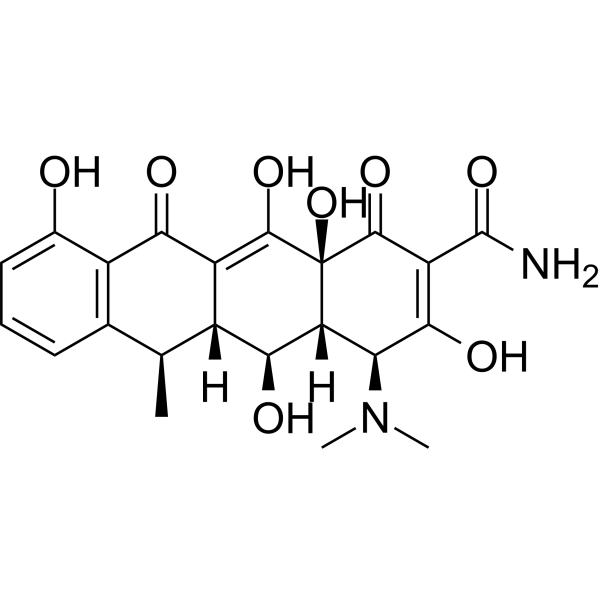
Doxycycline is an orally active, broad-spectrum tetracycline antibiotic that also functions as an MMP inhibitor, exhibiting antibacterial, antiviral, antiparasitic, and antitumor activities. Doxycycline can bind to the classical binding site (CBS) within the mRNA decoding center of the bacterial 70S ribosome's 30S small subunit.Doxycycline blocks bacterial protein synthesis and inhibits the degradation of the extracellular matrix through its interaction with zinc and calcium ions. Doxycycline also inhibits mitochondrial biogenesis, translation, and the expression of respiratory chain proteins. Doxycycline induces apoptosis, inhibits autophagy and EMT, downregulates stem cell markers, and activates the PI3K-AKT pathway, thereby effectively inhibiting the viability and proliferation of cancer cells such as breast cancer cells. Doxycycline can disrupt transthyretin (TTR) amyloid fibrils. Doxycycline also promotes the survival and self-renewal of embryonic stem cells and neural stem cells, and reduces the frequency of medium changes in culture. Doxycycline can be used in research related to cancers—such as breast, prostate, and bladder cancer—as well as neurological disorders .
loading...
    loading...
207
207 Publications Verification
Cat. No.: HY-N0565A
CAS No.: 10592-13-9
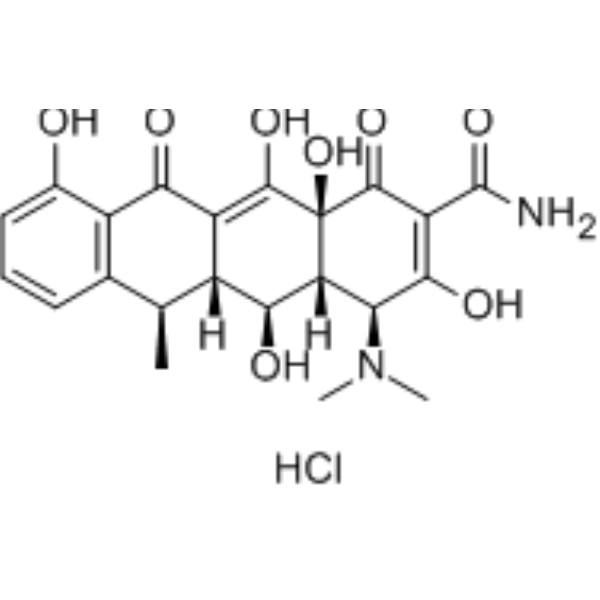
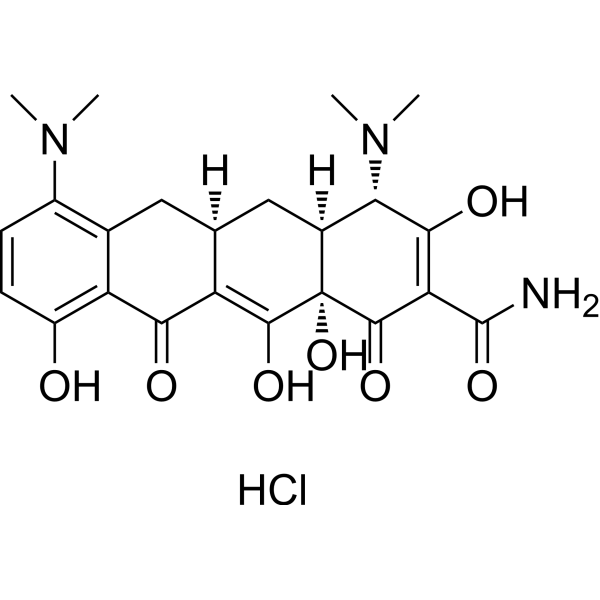
Doxycycline hydrochloride is an orally active, broad-spectrum tetracycline antibiotic that also functions as an MMP inhibitor, exhibiting antibacterial, antiviral, antiparasitic, and antitumor activities. Doxycycline hydrochloride can bind to the classical binding site (CBS) within the mRNA decoding center of the 30S small subunit of the bacterial 70S ribosome.Doxycycline hydrochloride blocks bacterial protein synthesis and inhibits the degradation of the extracellular matrix through its interaction with zinc and calcium ions. Doxycycline hydrochloride also inhibits mitochondrial biogenesis, translation, and the expression of respiratory chain proteins. Doxycycline hydrochloride induces apoptosis, inhibits autophagy and EMT, downregulates stem cell markers, and activates the PI3K-AKT pathway, thereby effectively inhibiting the viability and proliferation of cancer cells such as breast cancer cells. Doxycycline hydrochloride can disrupt transthyretin (TTR) amyloid fibrils. Doxycycline hydrochloride also promotes the survival and self-renewal of embryonic stem cells and neural stem cells, and reduces the frequency of medium changes in culture. Doxycycline hydrochloride can be used in research related to cancers—such as breast, prostate, and bladder cancer—as well as neurological disorders .
loading...
    loading...
207
207 Publications Verification
Cat. No.: HY-W008923
CAS No.: 17086-28-1
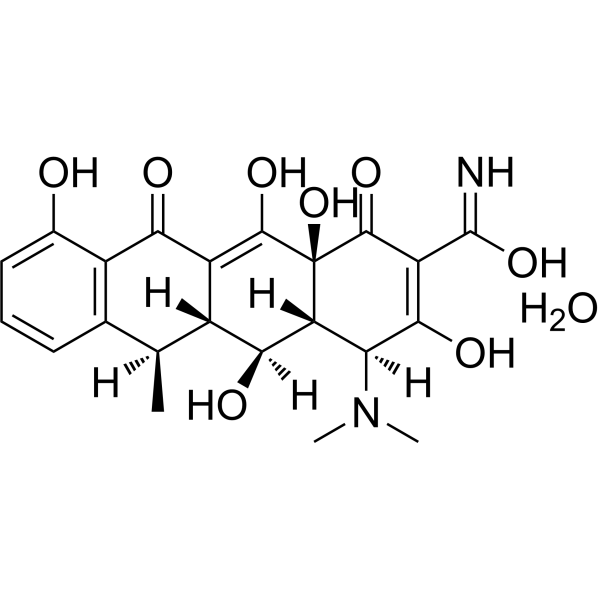
Doxycycline monohydrate (Doxycycline (hydrochloride hemiethanolate hemihydrate); WC2031) is an orally active, broad-spectrum tetracycline antibiotic that also functions as an MMP inhibitor, exhibiting antibacterial, antiviral, antiparasitic, and antitumor activities. Doxycycline monohydrate can bind to the classical binding site (CBS) within the mRNA decoding center of the 30S small subunit of the bacterial 70S ribosome.Doxycycline monohydrate blocks bacterial protein synthesis and inhibits the degradation of the extracellular matrix through its interaction with zinc and calcium ions. Doxycycline monohydrate also inhibits mitochondrial biogenesis, translation, and the expression of respiratory chain proteins. Doxycycline monohydrate induces apoptosis, inhibits autophagy and EMT, downregulates stem cell markers, and activates the PI3K-AKT pathway, thereby effectively inhibiting the viability and proliferation of cancer cells such as breast cancer cells. Doxycycline monohydrate can disrupt transthyretin (TTR) amyloid fibrils. Doxycycline monohydrate also promotes the survival and self-renewal of embryonic stem cells and neural stem cells, and reduces the frequency of medium changes in culture. Doxycycline monohydrate can be used in research related to cancers—such as breast, prostate, and bladder cancer—as well as neurological disorders .
loading...
    loading...
207
207 Publications Verification
Cat. No.: HY-N0565B
CAS No.: 24390-14-5
Synonyms: Doxycycline hydrochloride hemiethanolate hemihydrate; WC2031
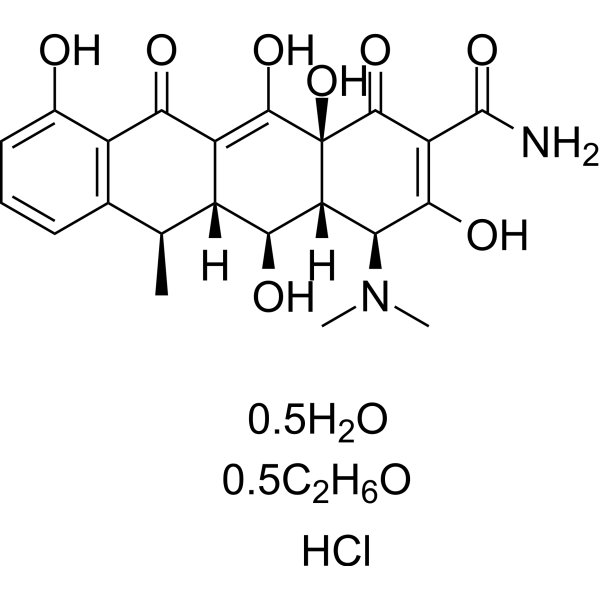
Doxycycline hyclate (Doxycycline (hydrochloride hemiethanolate hemihydrate); WC2031) is an orally active, broad-spectrum tetracycline antibiotic that also functions as an MMP inhibitor, exhibiting antibacterial, antiviral, antiparasitic, and antitumor activities. Doxycycline hyclate can bind to the classical binding site (CBS) within the mRNA decoding center of the 30S small subunit of the bacterial 70S ribosome.Doxycycline hyclate blocks bacterial protein synthesis and inhibits the degradation of the extracellular matrix through its interaction with zinc and calcium ions. Doxycycline hyclate also inhibits mitochondrial biogenesis, translation, and the expression of respiratory chain proteins. Doxycycline hyclate induces apoptosis, inhibits autophagy and EMT, downregulates stem cell markers, and activates the PI3K-AKT pathway, thereby effectively inhibiting the viability and proliferation of cancer cells such as breast cancer cells. Doxycycline hyclate can disrupt transthyretin (TTR) amyloid fibrils. Doxycycline hyclate also promotes the survival and self-renewal of embryonic stem cells and neural stem cells, and reduces the frequency of medium changes in culture. Doxycycline hyclate can be used in research related to cancers—such as breast, prostate, and bladder cancer—as well as neurological disorders .
loading...
    loading...
77
77 Cited Publications
Cat. No.: HY-17412
CAS No.: 13614-98-7
Minocycline hydrochloride is an orally active, potent and BBB-penetrated semi-synthetic tetracycline antibiotic. Minocycline hydrochloride is a hypoxia-inducible factor (HIF)-1α inhibitor. Minocycline hydrochloride shows anti-cancer, anti-inflammatory, and glutamate antagonist effects. Minocycline hydrochloride reduces glutamate neurotransmission and shows neuroprotective properties and antidepressant effects. Minocycline hydrochloride inhibits bacterial protein synthesis through binding with the 30S subunit of the bacterial ribosome, resulting in a bacteriostatic effect .
loading...
    loading...
77
77 Cited Publications
Cat. No.: HY-17412A
CAS No.: 10118-90-8
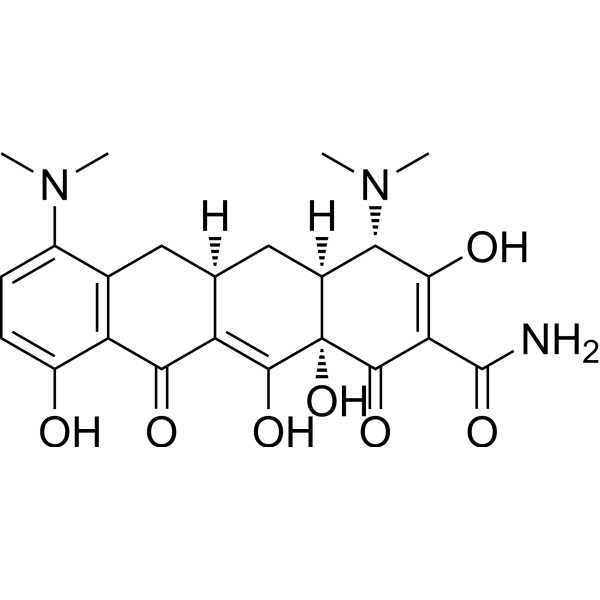
Minocycline is an orally active, potent and BBB-penetrated semi-synthetic tetracycline antibiotic. Minocycline is a hypoxia-inducible factor (HIF)-1α inhibitor. Minocycline shows anti-cancer, anti-inflammatory, and glutamate antagonist effects. Minocycline reduces glutamate neurotransmission and shows neuroprotective properties and antidepressant effects. Minocycline inhibits bacterial protein synthesis through binding with the 30S subunit of the bacterial ribosome, resulting in a bacteriostatic effect .
loading...
    loading...
72
72 Cited Publications
Cat. No.: HY-135748A
Poly (I:C):Kanamycin (1:1) sodium is an isometric complex of Poly (I:C) (HY-135748) and Kanamycin (HY-16566). Poly(I:C) sodium, a synthetic analog of double-stranded RNA, is a TLR3 and retinoic acid-inducible gene I receptor (RIG-I and MDA5) agonist. Poly(I:C) sodium can be used as a vaccine adjuvant to enhance innate and adaptive immune responses and induce apoptosis in cancer cells . Kanamycin is an orally active antibacterial agent (Gram-negative/positive bacteria) that inhibits translocation and causes miscoding by binding to the 70S ribosomal subunit. Kanamycin shows good inhibitory activity against Mycobacterium tuberculosis (susceptible and drug-resistant) and Klebsiella pneumoniae, and can be used in the research of tuberculosis and pneumonia .
loading...
    loading...
37
37 Cited Publications
Cat. No.: HY-Y0445A
CAS No.: 2156-56-1
Research Areas:  

Cancer

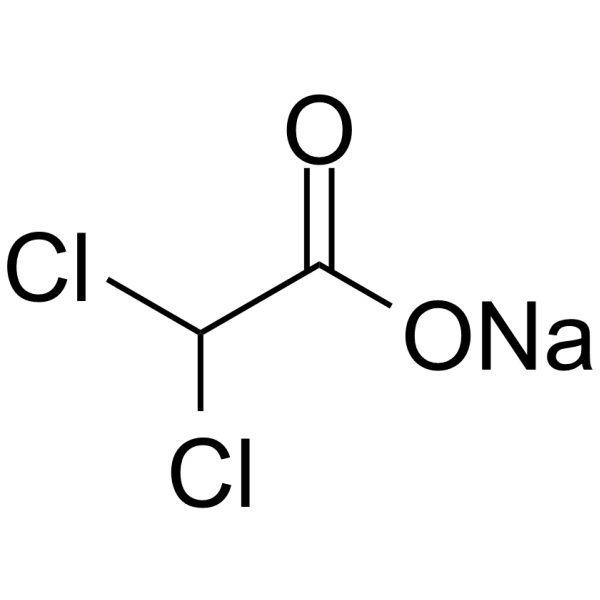
Sodium dichloroacetate is an orally active pyruvate dehydrogenase kinase (PDK) inhibitor. Sodium dichloroacetate also stimulates pyruvate dehydrogenase (PDH) activity and works as a Na +-K +-2Cl − cotransporter (NKCC) inhibitor. Sodium dichloroacetate prevents the phosphorylation of the E1α subunit of PDC, promoting the entry of pyruvate into the mitochondria for oxidative metabolism, reducing lactate production, and simultaneously increasing the production of reactive oxygen species (ROS). Sodium dichloroacetate inhibits tumor cell proliferation and induces apoptosis. Sodium dichloroacetate is promising for research of cancers .
loading...
    loading...
33
33 Cited Publications
Cat. No.: HY-14865
CAS No.: 389139-89-3
Purity:  99.85%
Synonyms: PTK 0796; Amadacycline
Target:  

Bacterial Antibiotic

Research Areas:  

Infection

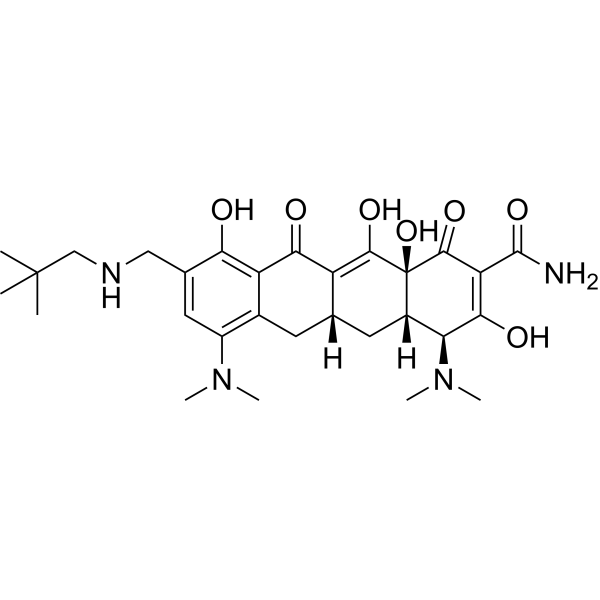
Omadacycline (PTK 0796), a first-in-class orally active aminomethylcycline antibacterial, is a member of the tetracycline class of antibiotics. Omadacycline acts through the inhibition of bacterial protein synthesis by binding to the 30S ribosomal subunit. Omadacycline possesses broad-spectrum antibacterial activity against aerobic and anaerobic Gram-positive and Gram-negative bacteria, as well as atypical bacteria. Omadacycline can be used for the research of acute bacterial skin and skin-structure infections, community-acquired pneumonia, and urinary tract infections .
loading...
    loading...
33
33 Cited Publications
Cat. No.: HY-14865B
CAS No.: 1075240-43-5
Purity:  99.37%
Synonyms: PTK 0796 tosylate; Amadacycline tosylate
Target:  

Bacterial Antibiotic

Research Areas:  

Infection

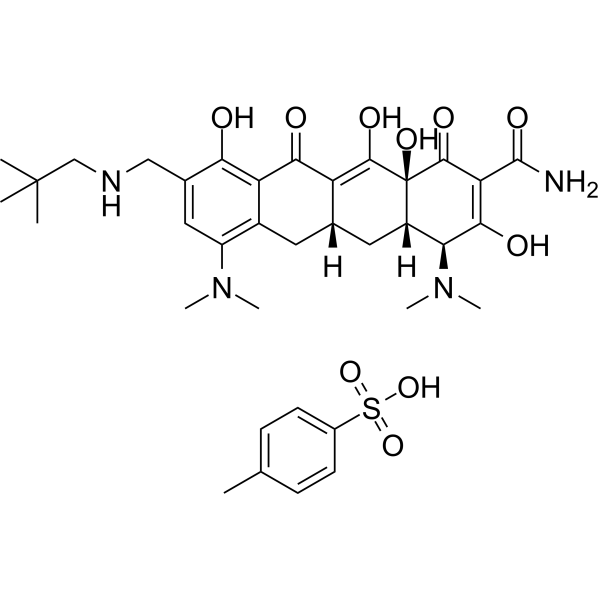
Omadacycline (PTK 0796) tosylate, a first-in-class orally active aminomethylcycline antibacterial, is a member of the tetracycline class of antibiotics. Omadacycline tosylate acts through the inhibition of bacterial protein synthesis by binding to the 30S ribosomal subunit. Omadacycline tosylate possesses broad-spectrum antibacterial activity against aerobic and anaerobic Gram-positive and Gram-negative bacteria, as well as atypical bacteria. Omadacycline tosylate can be used for the research of acute bacterial skin and skin-structure infections, community-acquired pneumonia, and urinary tract infections .
loading...
    loading...
33
33 Cited Publications
Cat. No.: HY-14865C
CAS No.: 1196800-39-1
Purity:  99.47%
Synonyms: PTK0796 hydrochloride; Amadacycline hydrochloride
Target:  

Bacterial Antibiotic

Research Areas:  

Infection

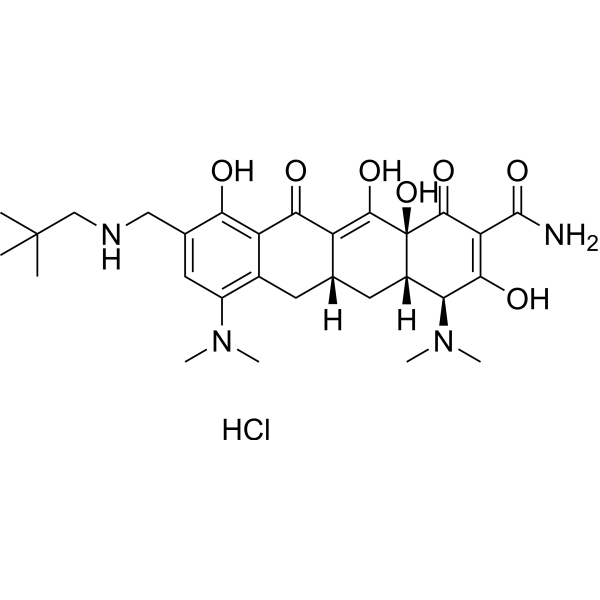
Omadacycline (PTK 0796) hydrochloride, a first-in-class orally active aminomethylcycline antibacterial, is a member of the tetracycline class of antibiotics. Omadacycline hydrochloride acts through the inhibition of bacterial protein synthesis by binding to the 30S ribosomal subunit. Omadacycline hydrochloride possesses broad-spectrum antibacterial activity against aerobic and anaerobic Gram-positive and Gram-negative bacteria, as well as atypical bacteria. Omadacycline hydrochloride can be used for the research of acute bacterial skin and skin-structure infections, community-acquired pneumonia, and urinary tract infections .
loading...
    loading...
30
30 Cited Publications
Cat. No.: HY-B0509B
CAS No.: 39831-55-5
Synonyms: BAY 41-6551 disulfate
Target:  

Bacterial Antibiotic

Research Areas:  

Infection Cancer

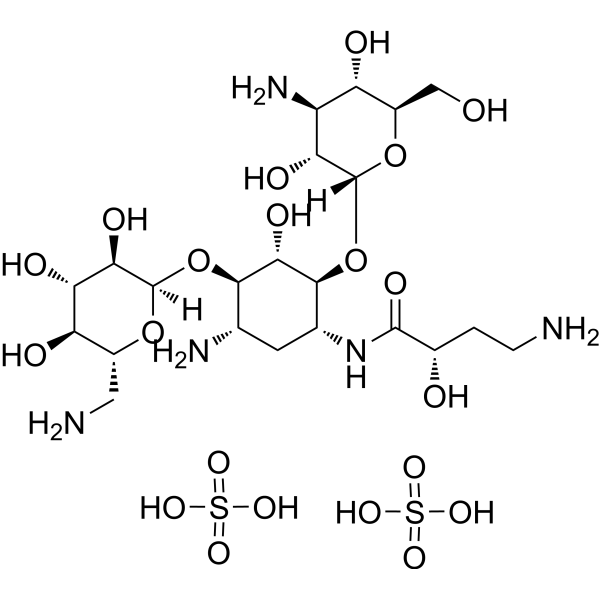
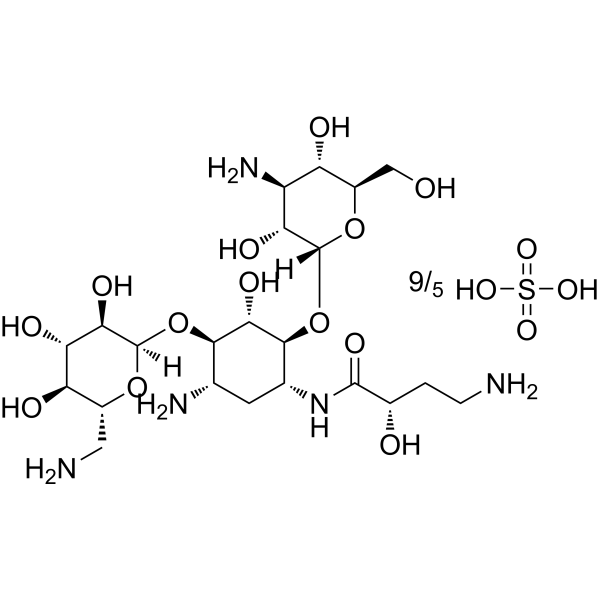
Amikacin disulfate (BAY 41-6551 dissulfate) is an aminoglycoside antibiotic and a semisynthetic analog of kanamycin. Amikacin disulfate is bactericidal, acting directly on the 30S and 50S bacerial ribosomal subunits to inhibit protein synthesis. Amikacin disulfate is very active against most Gram-negative bacteria including gentamicin- and tobramycin-resistant strains. Amikacin disulfate also inhibits the infections caused by susceptible Nocardia and nontuberculous mycobacteria .
loading...
    loading...
30
30 Cited Publications
Cat. No.: HY-107813
CAS No.: 149022-22-0
Purity:  99.11%
Synonyms: BAY 41-6551 sulfate
Target:  

Bacterial Antibiotic

Research Areas:  

Infection Cancer

Amikacin sulfate (BAY 41-6551 sulfate) is an aminoglycoside antibiotic and a semisynthetic analog of kanamycin. Amikacin sulfate is bactericidal, acting directly on the 30S and 50S bacerial ribosomal subunits to inhibit protein synthesis. Amikacin sulfate is very active against most Gram-negative bacteria including gentamicin- and tobramycin-resistant strains. Amikacin sulfate also inhibits the infections caused by susceptible Nocardia and nontuberculous mycobacteria .
loading...
    loading...
30
30 Cited Publications
Cat. No.: HY-B0509
CAS No.: 1257517-67-1
Synonyms: BAY 41-6551 hydrate
Target:  

Bacterial Antibiotic

Research Areas:  

Infection Cancer

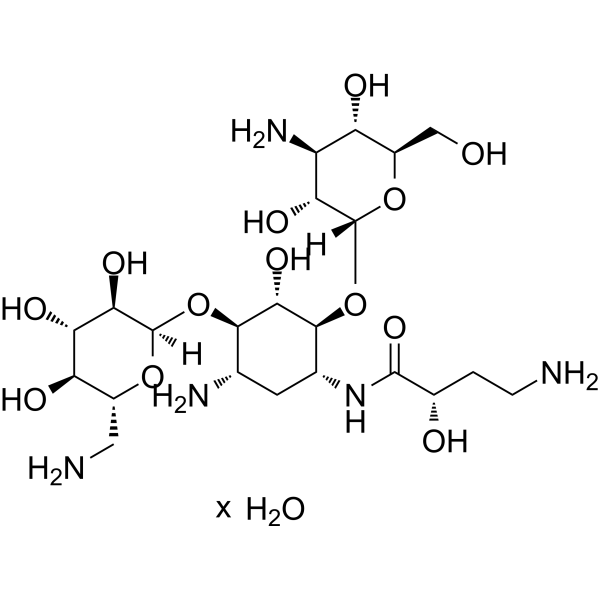
Amikacin hydrate (BAY 41-6551 hydrate) is an aminoglycoside antibiotic and a semisynthetic analog of kanamycin. Amikacin hydrate is bactericidal, acting directly on the 30S and 50S bacerial ribosomal subunits to inhibit protein synthesis. Amikacin hydrate is very active against most Gram-negative bacteria including gentamicin- and tobramycin-resistant strains. Amikacin hydrate also inhibits the infections caused by susceptible Nocardia and nontuberculous mycobacteria .
loading...
    loading...
29
29 Cited Publications
Cat. No.: HY-15206
CAS No.: 10238-21-8
Purity:  99.94%
Synonyms: Glyburide; Glybenclamide
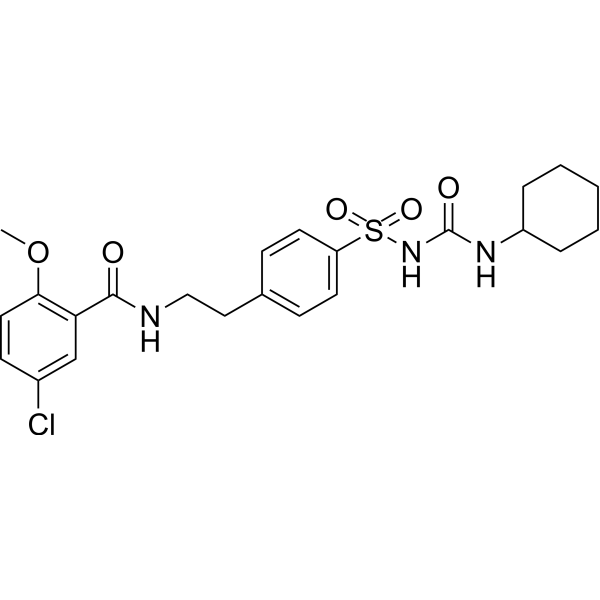
Glibenclamide (Glyburide) is an orally active ATP-sensitive K + channel (KATP) inhibitor and can be used for the research of diabetes and obesity . Glibenclamide inhibits P-glycoprotein. Glibenclamide directly binds and blocks the SUR1 subunits of KATP and inhibits the cystic fibrosis transmembrane conductance regulator protein (CFTR) . Glibenclamide interferes with mitochondrial bioenergetics by inducing changes on membrane ion permeability . Glibenclamide can induce autophagy .
loading...
    loading...
16
16 Cited Publications
Cat. No.: HY-B1455
CAS No.: 18323-44-9
Research Areas:  

Infection Cancer

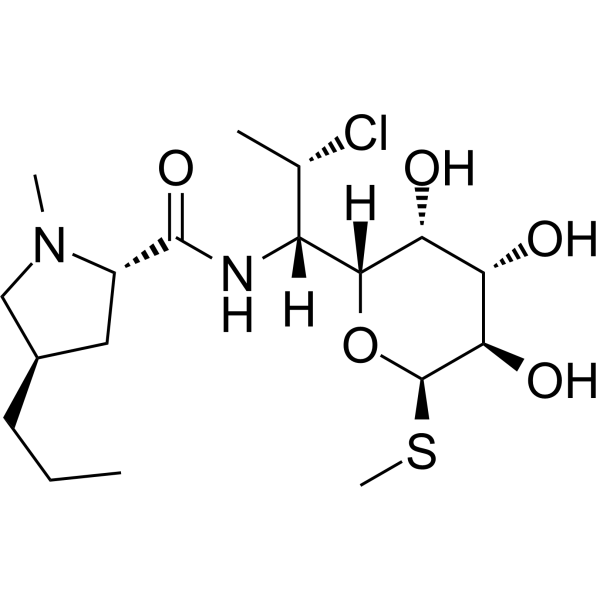
Clindamycin is an orally active and broad-spectrum bacteriostatic lincosamide antibiotic. Clindamycin can inhibit bacterial protein synthesis, possessing the ability to suppress the expression of virulence factors in Staphylococcus aureus at sub-inhibitory concentrations (sub-MICs). Clindamycin resistance results from enzymatic methylation of the antibiotic binding site in the 50S ribosomal subunit (23S rRNA). Clindamycin decreases the production of Panton-Valentine leucocidin (PVL), toxic-shock-staphylococcal toxin (TSST-1) or alpha-haemolysin (Hla). Clindamycin also can be used for researching malaria .
loading...
    loading...
13
13 Cited Publications
Cat. No.: HY-16742B
CAS No.: 1624306-20-2
Research Areas:  

Infection

Gepotidacin mesylate hydrate is an orally active triazaacenaphthylene antibiotic and bacterial type II topoisomerase inhibitor. Gepotidacin mesylate hydrate inhibits bacterial DNA replication by blocking topoisomerase enzymes. Gepotidacin mesylate hydrate selectively inhibits topoisomerase IV and the B subunit of DNA gyrase .
loading...
    loading...
12
12 Cited Publications
Cat. No.: HY-N0877
CAS No.: 465-21-4
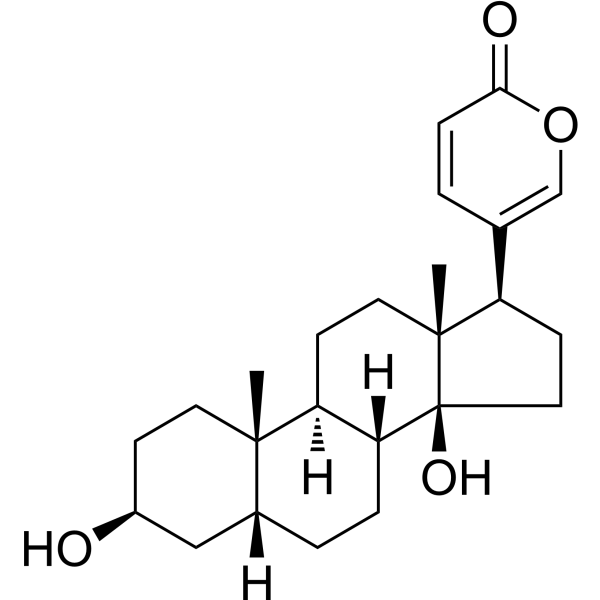
Bufalin is an active component isolated from Chan Su, acts as a potent Na +/K +-ATPase inhibitor, binds to the subunit α1, α2 and α3, with Kd of 42.5, 45 and 40 nM, respectively . Anti-cancer activity .
loading...
    loading...
11
11 Cited Publications
Cat. No.: HY-B0135
CAS No.: 54-31-9
Target:  

GABA Receptor NKCC

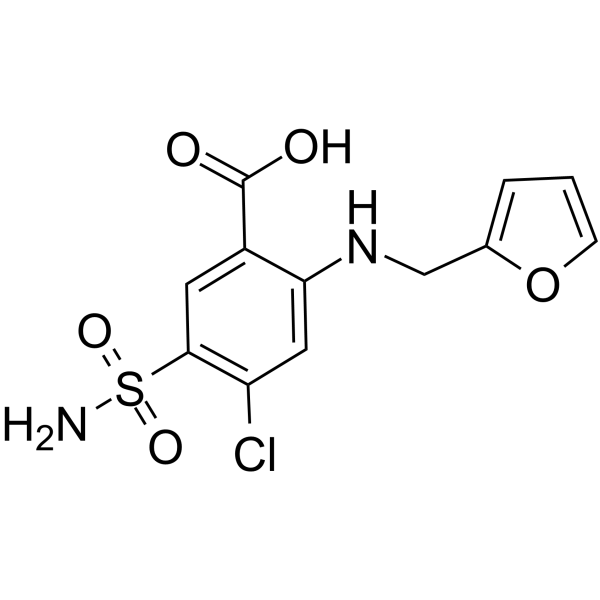
Furosemide is an orally active NKCC2 inhibitor that can cross the blood-brain barrier. Furosemide inhibits NKCC1, NKCC2, KCC2, KCC3, and KCC4. Furosemide selectively antagonizes GABAA receptors containing α6 and β2/3 or β3γ2 subunits. Furosemide penetrates the blood-brain barrier and blocks renal tubular sodium-chloride reabsorption, increases urinary excretion of sodium, chloride, potassium, and calcium, and activates the renin-angiotensin-aldosterone system. Furosemide can be used in research on congestive heart failure, hypertension, and edema .
loading...
    loading...
11
11 Cited Publications
Cat. No.: HY-B0135A
CAS No.: 41733-55-5
Target:  

GABA Receptor NKCC

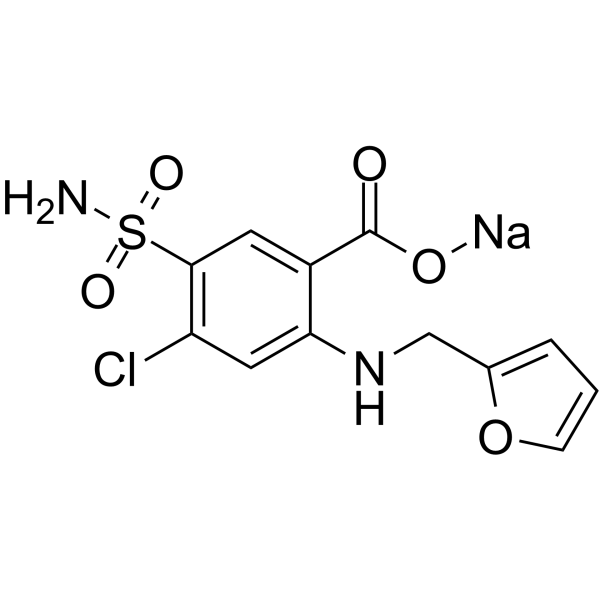
Furosemide sodium is an orally active NKCC2 inhibitor that can cross the blood-brain barrier. Furosemide sodium inhibits NKCC1, NKCC2, KCC2, KCC3, and KCC4. Furosemide sodium selectively antagonizes GABAA receptors containing α6 and β2/3 or β3γ2 subunits. Furosemide sodium penetrates the blood-brain barrier and blocks renal tubular sodium-chloride reabsorption, increases urinary excretion of sodium, chloride, potassium, and calcium, and activates the renin-angiotensin-aldosterone system. Furosemide sodium can be used in research on congestive heart failure, hypertension, and edema .
loading...
    loading...

