320 Results for "

anti-inflammatory potential

" in MedChemExpress (MCE) Product Catalog:
Products (320)

320 Results for "anti-inflammatory potential" in MCE Product Catalog:

77
77 Publications Verification
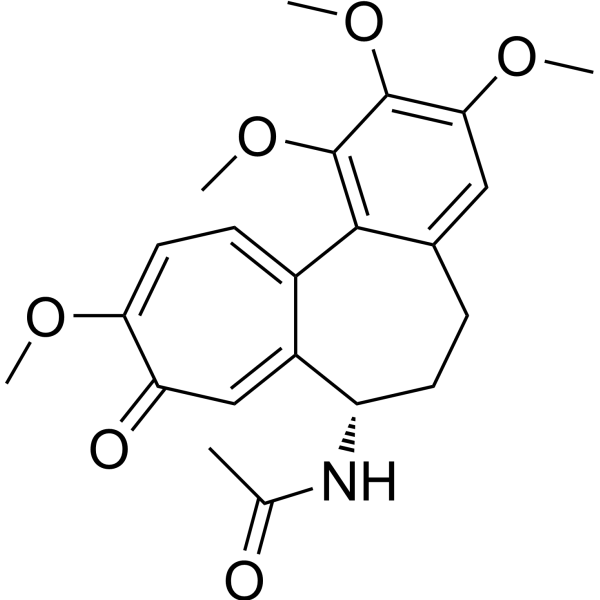
Cat. No.: HY-16569
CAS No.: 64-86-8
Colchicine, an orally active alkaloid, is a potent tubulin inhibitor and a microtubule disrupting agent. Colchicine inhibits microtubule polymerization with an IC50 of 3 nM. Colchicine is also a competitive antagonist of the α3 glycine receptors (GlyRs). Colchicine prevents non-steroidal anti-inflammatory drug (NSAID)-induced small intestinal injury by inhibiting activation of the NLRP3 inflammasome. Colchicine has extensive anti-inflammatory, immunosuppressive and strong anti-fibrosis effects and has the potential for gouty arthritis research .
loading...
    loading...
29
29 Cited Publications
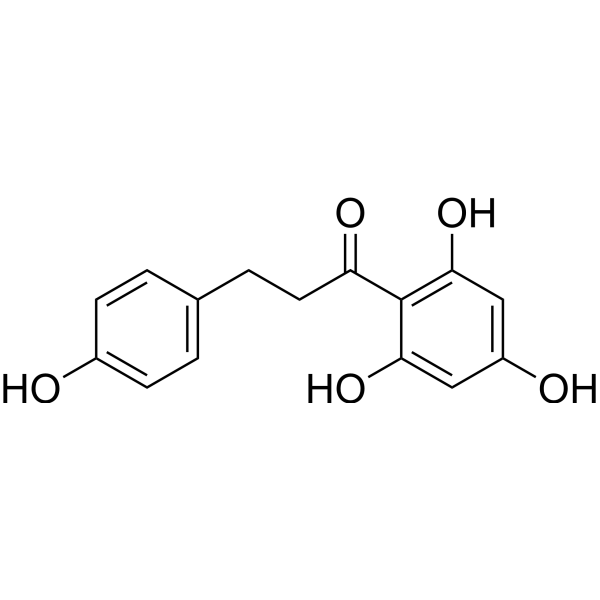
Cat. No.: HY-N0142
CAS No.: 60-82-2
Synonyms: NSC 407292; RJC 02792
Phloretin (NSC 407292; RJC 02792) is a flavonoid extracted from Malus pumila Mill.,has anti-inflammatory activities. Phloridzin is a specific,competitive and orally active inhibitor of sodium/glucose cotransporters in the intestine (SGLT1) and kidney (SGLT2). Phloretin inhibits Yeast-made GLUT1 as well as Human erythrocyte GLUT1 with IC50values of 49 μM and 61 μM,respectively .Phloretin has the potential for the treatment of rheumatoid arthritis (RA) and allergic airway inflammation .
loading...
    loading...
17
17 Cited Publications
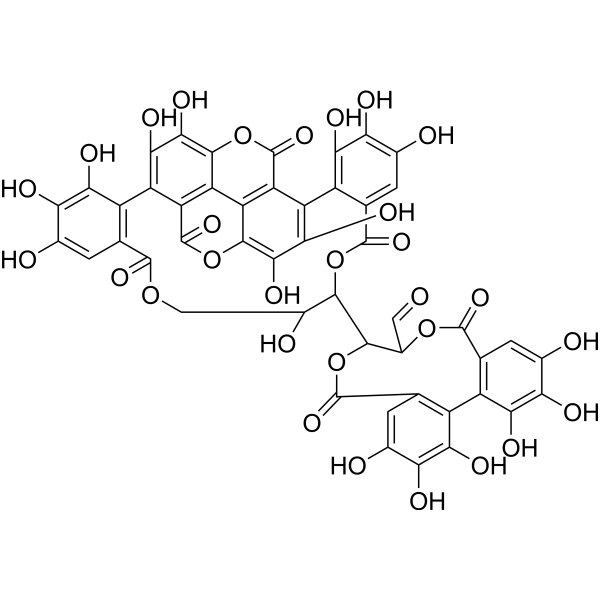
Cat. No.: HY-N0063
CAS No.: 65995-63-3
Punicalagin is a polyphenol ingredient isolated from Pomegranate (Punica granatum L.) or the leaves of Terminalia catappa L.. Punicalagin is a reversible and non-competitive 3CL pro inhibitor and inhibits SARS-CoV-2 replication in vitro. Punicalagin is an anti-hepatitis B virus (HBV) agent and has antioxidant, anti-inflammatory, and anticancer effects. Punicalagin has the potential for the research of COVID-19 .
loading...
    loading...
16
16 Cited Publications
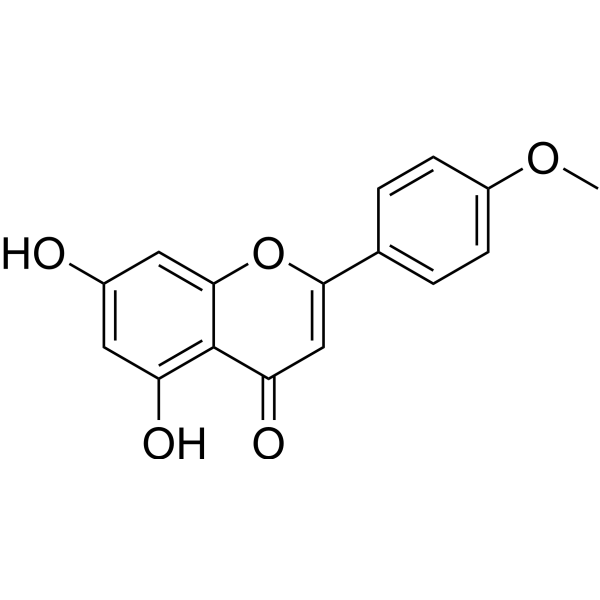
Cat. No.: HY-N0451
CAS No.: 480-44-4
Synonyms: 5,7-Dihydroxy-4'-methoxyflavone
Acacetin (5,7-Dihydroxy-4'-methoxyflavone) is an orally active flavonoid derived from Dendranthema morifolium. Acacetin docks in the ATP binding pocket of PI3Kγ. Acacetin causes cell cycle arrest and induces apoptosis and autophagy in cancer cells. Acacetin has potent anti-cancer and anti-inflammatory activity and has the potential for pain-related diseases research .
loading...
    loading...
11
11 Cited Publications
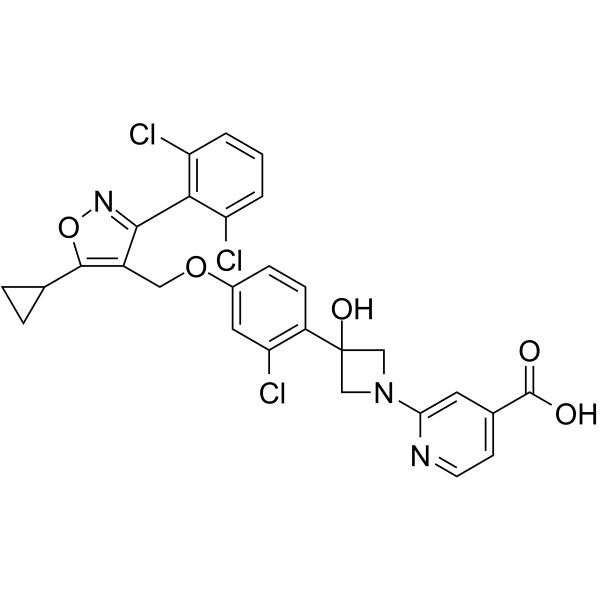
Cat. No.: HY-109083
CAS No.: 1418274-28-8
Purity:  99.10%
Synonyms: GS-9674
Target:  

FXR Autophagy

Research Areas:  

Inflammation/Immunology

Cilofexor (GS-9674) is a potent, selective and orally active nonsteroidal FXR agonist with an EC50 of 43 nM. Cilofexor has anti-inflammatory and antifibrotic effects. Cilofexor has the potential for primary sclerosing cholangitis (PSC) and nonalcoholic steatohepatitis (NASH) research .
loading...
    loading...
11
11 Cited Publications
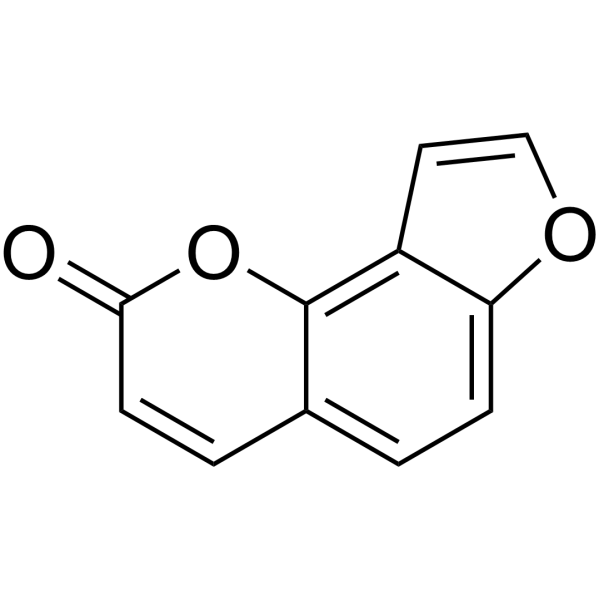
Cat. No.: HY-N0763
CAS No.: 523-50-2
Synonyms: Isopsoralen
Angelicin is a furanocoumarin compound that functions as an inhibitor of NF-κB and MAPK signaling pathways, exhibiting anti-inflammatory, antiviral, and antitumor activities. It suppresses the lytic replication of γ-herpesviruses, such as MHV-68, early during viral infection, potentially inhibiting RTA gene expression (IC50=28.95 μM). Angelicin also mitigates inflammation by inhibiting the phosphorylation and nuclear translocation of NF-κB, and the phosphorylation of p38 and JNK. Furthermore, it induces apoptosis in neuroblastoma cells by downregulating anti-apoptotic proteins like Bcl-2, Bcl-xL, and Mcl-1, while activating caspase-9 and caspase-3.
loading...
    loading...
10
10 Cited Publications
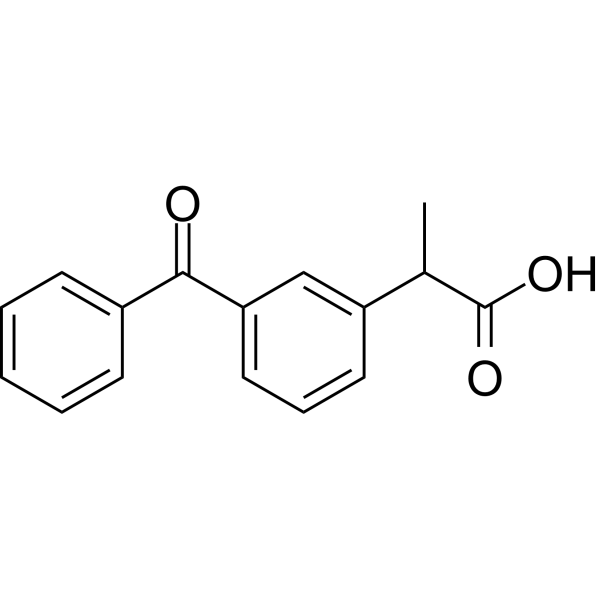
Cat. No.: HY-B0227
CAS No.: 22071-15-4
Synonyms: RP-19583
Target:  

COX

Ketoprofen (RP-19583) is a non-steroidal anti-inflammatory agent. Ketoprofen can inhibits the activity of cyclooxygenase with IC50 values of 2 nM (COX-1) and 26 nM (COX-2). which is potential in the research of inflammation, immunology, and metabolic disease such as obesity .
loading...
    loading...
8
8 Cited Publications
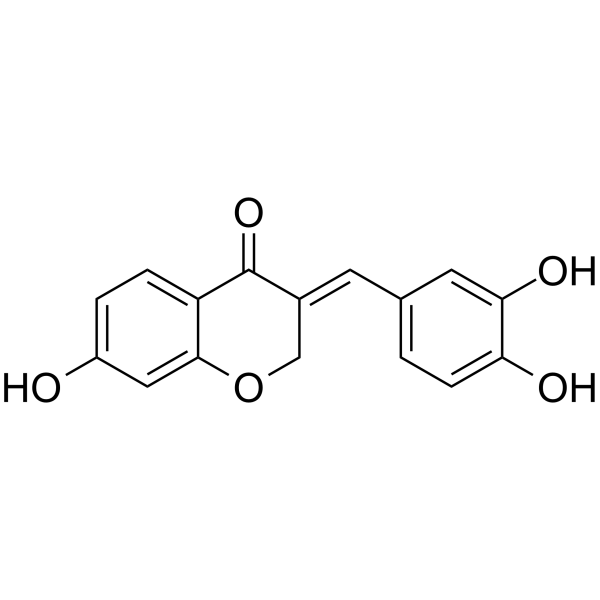
Cat. No.: HY-113556
CAS No.: 102067-84-5
Purity:  99.87%
Sappanone A is an orally active homoisoflavone found in sappan L. Sappanone A is a PDE4 and NF-κB inhibitor with anti-inflammatory and antioxidant effect. Sappanone A induces HO-1 expression through activation of Nrf2 pathway. Sappanone A also inhibits RANKL-induced osteoclastogenesis. Sappanone A has great potential in the research of inflammation-related and cardiovascular .
loading...
    loading...
8
8 Cited Publications
Cat. No.: HY-N0482
CAS No.: 487-41-2
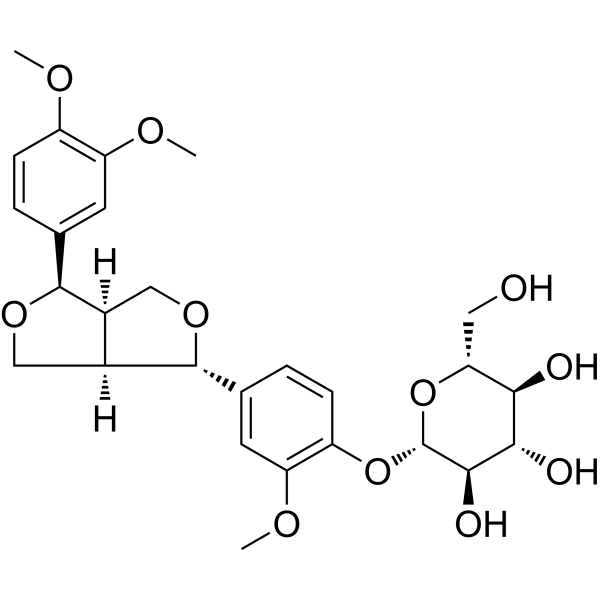
Phillyrin is isolated from Forsythia suspensa Vahl (Oleaceae), has antibacterial and anti-inflammatory activities. Phillyrin has potential inductive effects on rat CYP1A2 and CYP2D1 activities, without affecting CYP2C11 and CYP3A1/2 activities . Phillyrin has anti-influenza A virus activities .
loading...
    loading...
7
7 Cited Publications
Cat. No.: HY-N0283
CAS No.: 13739-02-1
Synonyms: Diacerhein; Diacetylrhein
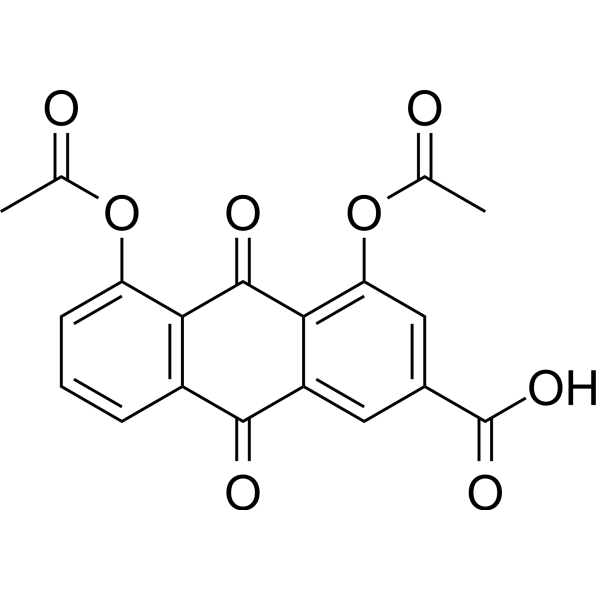
Diacerein (Diacerhein), an orally active anthraquinone, reduces production of IL-1 converting enzyme then inhibits the activation of IL-1β by related downstream signaling. Diacerein is an anti-inflammatory and anti-rheumatic drug. Diacerein can relieve bronchospasm and control airway inflammation in asthmatic mice. Diacerein has the potential for slow acting drug in osteoarthritis (SYSADOA) research .
loading...
    loading...
6
6 Cited Publications
Cat. No.: HY-N7560
CAS No.: 116-26-7
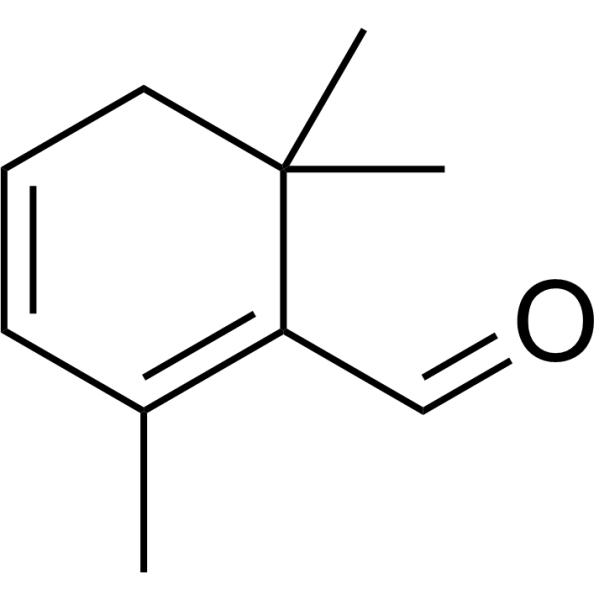
Safranal is an orally active main component of Saffron (Crocus sativus) and is responsible for the unique aroma of this spice. Safranal has neuroprotective and anti-inflammatory effects and has the potential for Parkinson’s disease research .
loading...
    loading...
6
6 Cited Publications
Cat. No.: HY-126397
CAS No.: 55266-18-7
Purity:  ≥98.0%
Target:  

NF-κB

Research Areas:  

Inflammation/Immunology

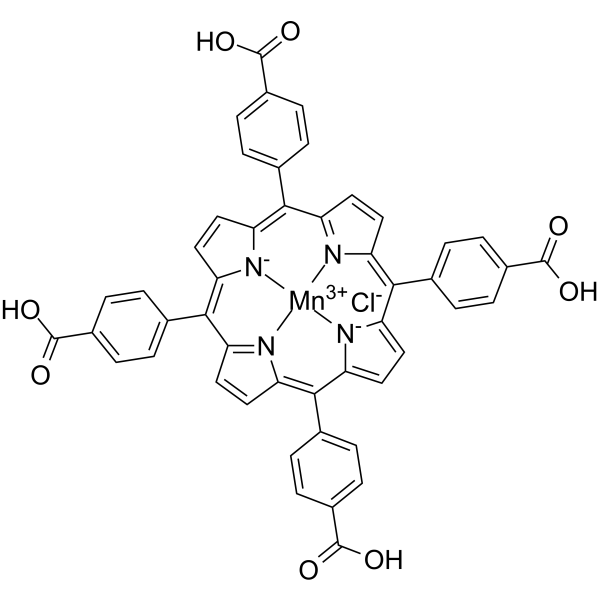
MnTBAP chloride is a superoxide dismutase (SOD) mimetic and peroxynitrite scavenger. MnTBAP chloride is a manganic porphyrin complex and has anti-oxidative property. MnTBAP chloride mediates anti-inflammatory effects through upregulation of BMPR-II and inhibition of the NFκB signaling. MnTBAP chloride has the potential for the fibrotic response in chronic kidney diseases (CKDs) research .
loading...
    loading...
4
4 Cited Publications
Cat. No.: HY-N0498
CAS No.: 13063-04-2
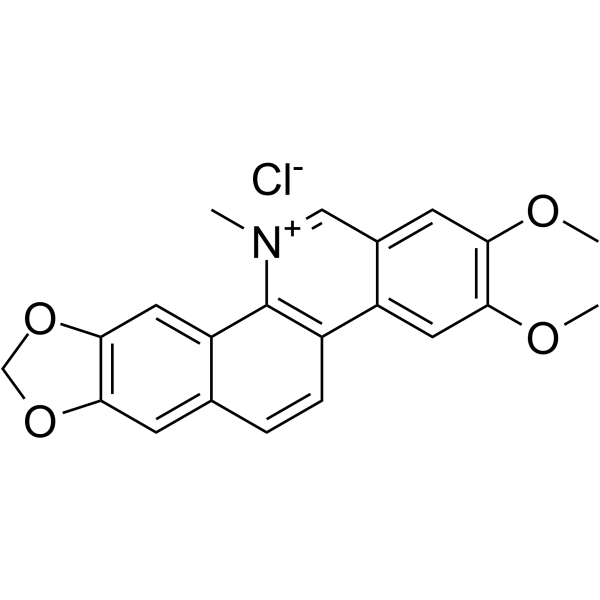
Nitidine chloride, a potential anti-malarial lead compound derived from Zanthoxylum nitidum (Roxb) DC, exerts potent anticancer activity through diverse pathways, including inducing apoptosis, inhibiting STAT3 signaling cascade, DNA topoisomerase 1 and 2A, ERK and c-Src/FAK associated signaling pathway, also has anti-inflammatory activity. Nitidine chloride inhibits LPS-induced inflammatory cytokines production via MAPK and NF-kB pathway .
loading...
    loading...
3
3 Cited Publications
Cat. No.: HY-B0230
CAS No.: 50-33-9
Target:  

COX

Research Areas:  

Inflammation/Immunology

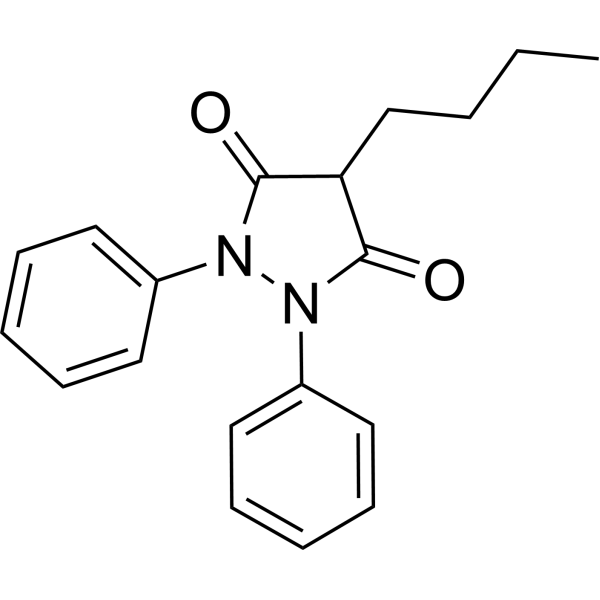
Phenylbutazone is an efficient reducing cofactor for the peroxidase activity of prostaglandin H synthase (PHS). Phenylbutazone, a hepatotoxin, is a nonsteroidal anti-inflammatory agent (NSAID). Phenylbutazone induces muscle blind-like protein 1 (MBNL1) expression and has the potential for ankylosing spondylitis research .
loading...
    loading...
3
3 Cited Publications
Cat. No.: HY-137454
CAS No.: 1428064-91-8
Purity:  98.01%
Target:  

Wnt β-catenin

Research Areas:  

Inflammation/Immunology

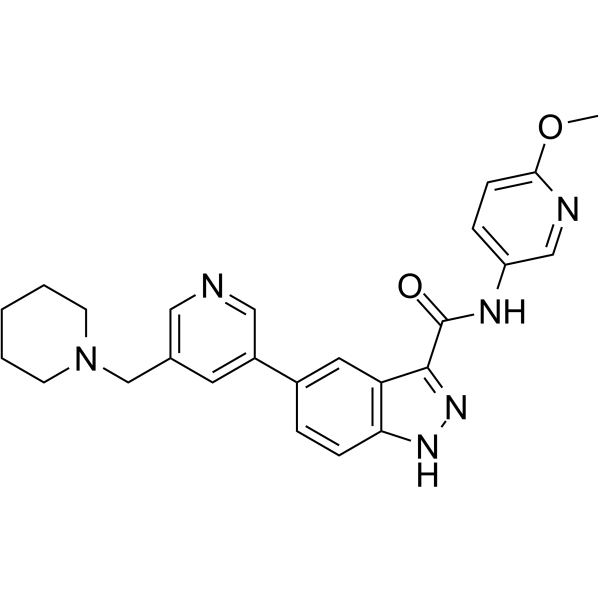
Teplinovivint is a potent wnt/β-catenin signaling pathway inhibitor. Teplinovivint has anti-inflammatory activity and has the potential for tendinopathy research .
loading...
    loading...
3
3 Cited Publications
Cat. No.: HY-N6871
CAS No.: 514-10-3
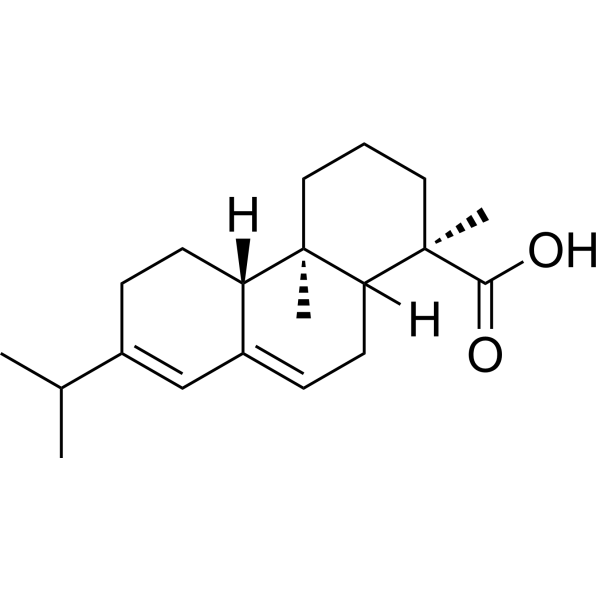
Abietic acid, an orally active diterpene isolated from Colophony, displays significant anti-proliferative, anti-inflammatory, anti-obesity effect, bacteriostatic, cell cycle arresting and pro-apoptotic activities. Abietic acid inhibits lipoxygenase activity for allergy. Abietic acid enhances cell migration and tube formation in HUVECs. Abietic acid induces significant angiogenic potential, which is associated with upregulation of extracellular signal-regulated kinase (ERK) and p38 expression. Abietic acid attenuates sepsis-induced lung injury by inhibiting nuclear factor kappa-light-chain-enhancer of activated B cells (NF-κB) pathway to inhibit M1 macrophage polarization. Abietic acid exhibits a positive effect against liver injury by attenuating inflammation and ferroptosis. Abietic acid shows accelerated wound closure in a mouse model of cutaneous wounds. Abietic acid significantly reduces the proliferation and growth of NSCLC cells by IKKβ inhibition.Additionally, Abietic acid ameliorates psoriasis-like inflammation and modulates gut microbiota in mice. Abietic acid is promising for research in non-small-cell lung cancer (NSCLC), liver injury-related deseases and psoriasis .
loading...
    loading...
3
3 Cited Publications
Cat. No.: HY-N0914
CAS No.: 52949-83-4
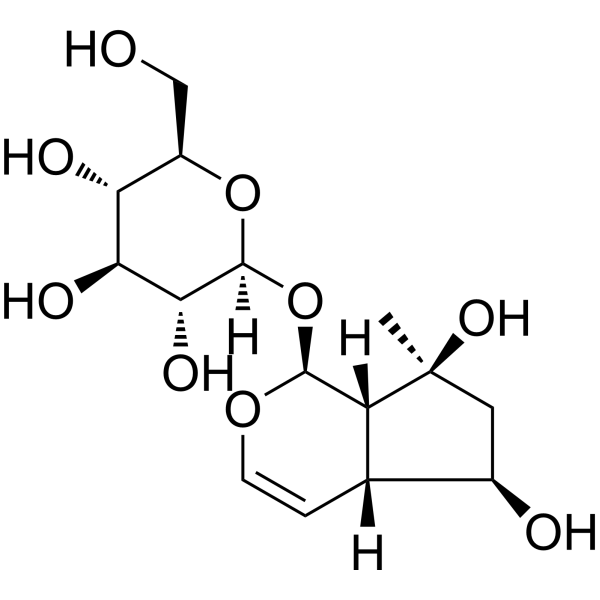
Ajugol is an orally active iridoid glycoside found in the traditional Chinese medicine Leonurus japonicus. Ajugol is an autophagy activator. Ajugol activates TFEB-mediated autophagy and lysosomal biogenesis. Ajugol also has anti-inflammatory effects. Ajugol has great potential in the research of asthma, non-alcoholic fatty liver disease (NAFLD), and osteoarthritis .
loading...
    loading...
3
3 Cited Publications
Cat. No.: HY-N6954
CAS No.: 76996-27-5
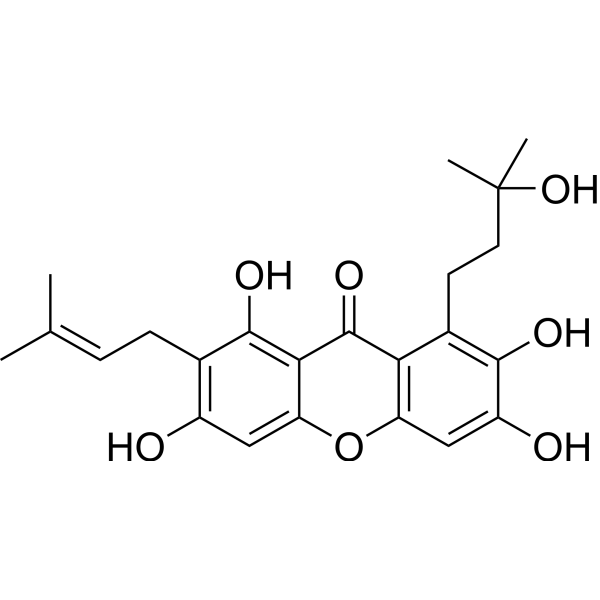
Garcinone C, a xanthone derivative, is a natural compound extracted from Garcinia oblongifolia that is used as an anti-inflammatory, astringency and granulation-promoting medicine, and has potential cytotoxic effects on certain cancers. Garcinone C stimulates the expression levels of ATR and 4E-BP1, arrests the cell cycle, inhibits cell viability of the human Nasopharyngeal carcinoma (NPC) cell lines CNE1, CNE2, HK1 and HONE1 in a time‑ and dose‑dependent manner through inhibition of Hedgehog signaling pathway. Garcinone C is orally active .
loading...
    loading...
3
3 Cited Publications
Cat. No.: HY-N0411
CAS No.: 7235-40-7
Synonyms: Provitamin A; beta-Carotene
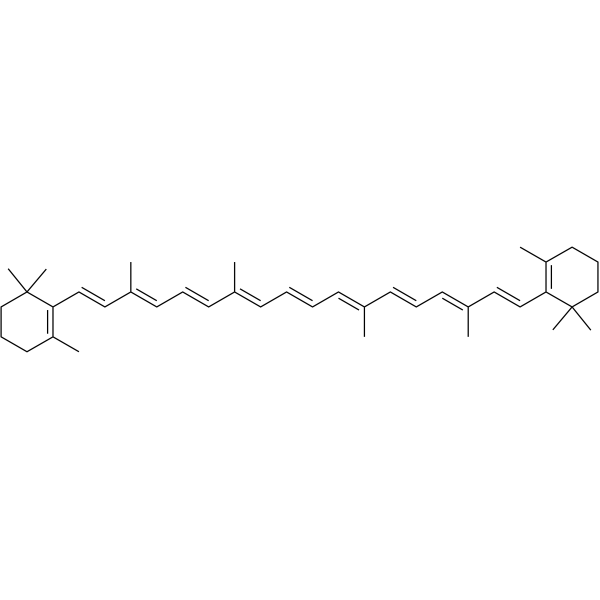
β-Carotene (Provitamin A), a carotenoid compound, is a naturally-occurring vitamin A precursor. β-Carotene is a modulator of reactive oxygen species (ROS), with antioxidant and antiinflammatory activities. β-Carotene may serve as an antioxidant or as a prooxidant, depending on its intrinsic properties as well as on the redox potential of the biological environment in which it acts. β-Carotene induces breast cancer cells apoptosis, with anticancer activities .
loading...
    loading...
2
2 Cited Publications
Cat. No.: HY-N2555
CAS No.: 4291-60-5
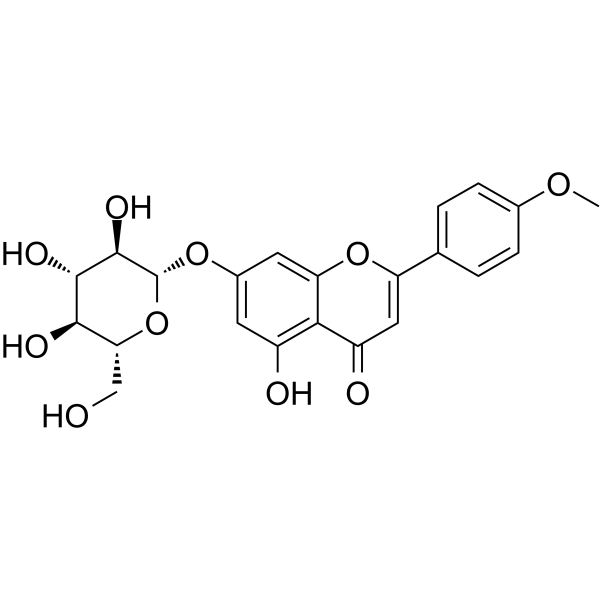
Tilianin is an active flavonoid glycoside found in many medical plants, with potential anti-hypertensive, myocardial-protective, anti-diabetic, anti-hyperlipidemic, anti-inflammatory and antioxidant effects .
loading...
    loading...

