
Search Result
Results for "
apple
" in MedChemExpress (MCE) Product Catalog:
2
Biochemical Assay Reagents
2
Isotope-Labeled Compounds
| Cat. No. |
Product Name |
Target |
Research Areas |
Chemical Structure |
-
- HY-Y1311
-
|
Hydroxybutanedioic acid; E 296
|
Environmental Pollutants
Endogenous Metabolite
|
Others
|
|
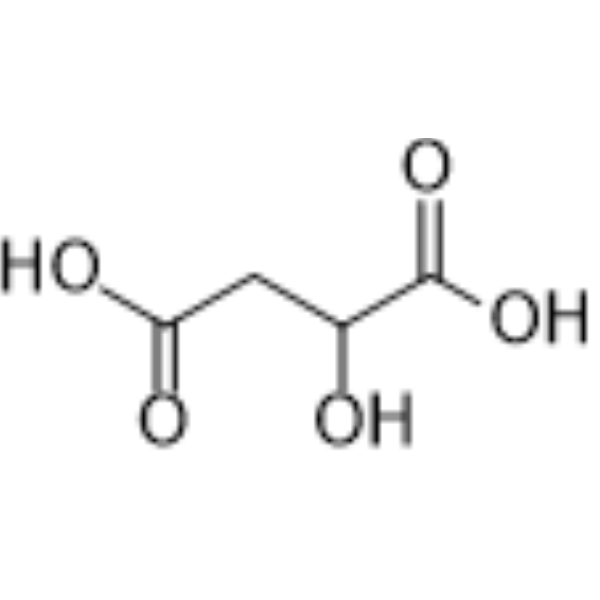
Malic acid (Hydroxybutanedioic acid) is a dicarboxylic acid that occurs naturally in fruits like apples and pears with oral activities. Malic acid plays a role in many sour or tangy foods. Malic acid is an intermediate in the citric acid cycle .
|
-
-
- HY-N0681
-
-
-
- HY-N8440
-
|
|
NF-κB
|
Infection
|
|
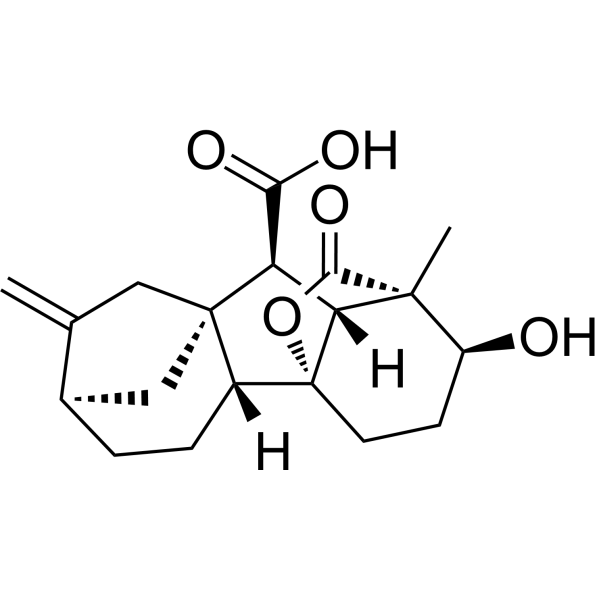
Gibberellin A4 is a type of bioactive gibberellin. Gibberellin A4 promotes flowering in apple trees. Gibberellin A4 also exhibits anti-NF-κB and antioxidant activities. Gibberellin A4 can be used in the research of periodontal diseases .
|
-
-
- HY-Y1887
-
|
|
Environmental Pollutants
Biochemical Assay Reagents
Insecticide
|
Cardiovascular Disease
Infection
Inflammation/Immunology
|
|
Cottonseed oil is an edible oil extracted from the seeds of cotton (Gossypium hirsutum). Its fatty acid composition includes 26-35% saturated fatty acids, 42-52% polyunsaturated fatty acids, and 18-24% monounsaturated fatty acids. Cottonseed oil is regarded as an Insecticide, as it is used to protect the trunks of apple trees from damage by the apple clearwing moth. Cottonseed oil possesses anti-inflammatory and cardioprotective properties. It also has extensive applications in many fields such as biofuels, animal husbandry, cosmetics, agriculture, and chemical industry .
|
-
-
- HY-135761
-
-
-
- HY-Y1311S
-
|
Hydroxybutanedioic acid-d3; E 296-d3
|
Endogenous Metabolite
|
Others
|
|
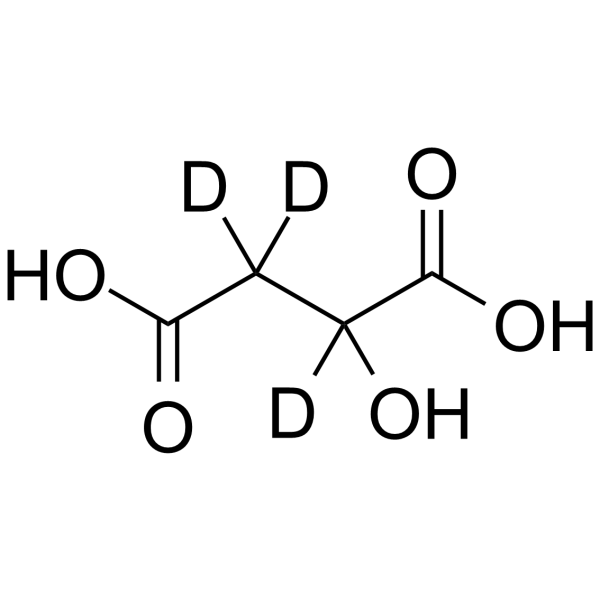
Malic acid-d3 is the deuterium labeled Malic acid. Malic acid (Hydroxybutanedioic acid) is a dicarboxylic acid that is naturally found in fruits such as apples and pears. It plays a role in many sour or tart foods .
|
-
-
- HY-128371
-
|
|
Biochemical Assay Reagents
|
Others
|
|
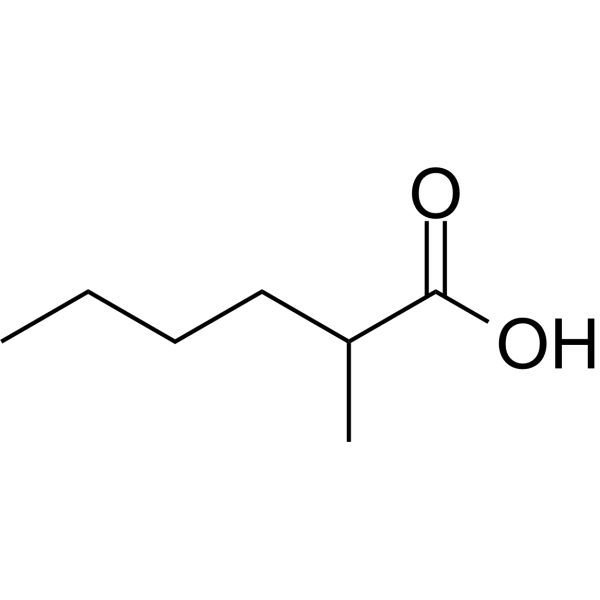
2-Methylhexanoic acid is a saturated branched-chain carboxylic acid with a strong "fatty" or "oily" odor. At high concentrations, it is often described as having the smell of lard, chicken fat or sweat; when diluted, it exhibits a dairy, cream or cheese aroma. Therefore, it is commonly used in the formulation of milk, meat (pork/chicken) and baked food flavors. 2-Methylhexanoic acid occurs naturally in fresh apples, cheese, grape brandy, lamb, potatoes and tea .
|
-
-
- HY-134338
-
|
|
Environmental Pollutants
Parasite
|
Others
|
|
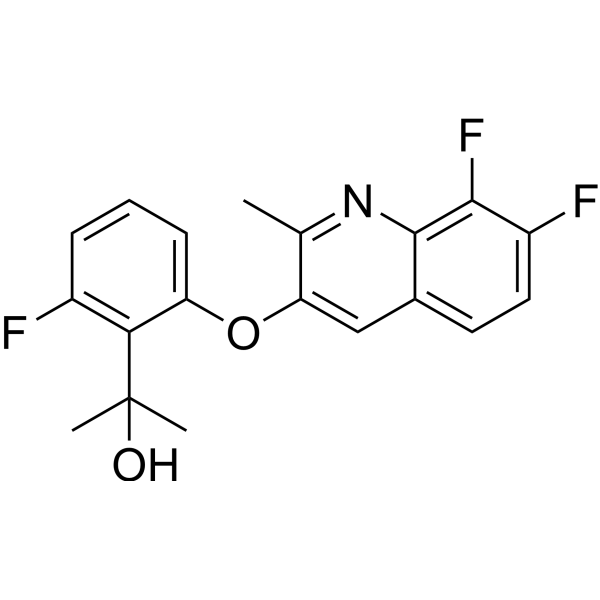
Ipflufenoquin is an insecticide with the potential to control primary infection with apple scab. Ipflufenoquin should be applied between half an inch of green and fruit set .
|
-
-
- HY-Y1311R
-
|
Hydroxybutanedioic acid (Standard); E 296 (Standard)
|
Reference Standards
Endogenous Metabolite
|
Others
|
|
Malic acid (Standard) is the analytical standard of Malic acid. This product is intended for research and analytical applications. Malic acid (Hydroxybutanedioic acid) is a dicarboxylic acid that is naturally found in fruits such as apples and pears. It plays a role in many sour or tart foods.
|
-
-
- HY-148921
-
|
|
Fungal
|
Infection
|
|
SDH-IN-2 is a potent succinate dehydrogenase (SDH) inhibitor with an IC50 of 0.55 μg/mL. SDH-IN-2 is also an antifungal agent. SDH-IN-2 inhibits phytopathogenic fungia with average EC50 values of 3.82-9.81 μg/mL for all the fungi . SDH-IN-2 is a click chemistry reagent, it contains an Alkyne group and can undergo copper-catalyzed azide-alkyne cycloaddition (CuAAc) with molecules containing Azide groups.
|
-
-
- HY-N11709
-
|
|
Apoptosis
VEGFR
ATM/ATR
PTEN
Akt
mTOR
HIF/HIF Prolyl-Hydroxylase
NF-κB
Notch
Cholinesterase (ChE)
Amyloid-β
γ-secretase
Ferroptosis
Fungal
|
Infection
Neurological Disease
Metabolic Disease
Cancer
|
|
Theasaponin E1 is an orally effective tea saponin. Theasaponin E1 inhibits the proliferation of cancer cells by activating apoptosis. Theasaponin E1 inhibits angiogenesis in ovarian cancer cells and HUVECs by reducing the expression of VEGF. Theasaponin E1 upregulates the phosphorylation level of ATM protein and the expression level of PTEN protein in cancer cells, decreases the phosphorylation levels of Akt, mTOR, p70S6K and 4E-BP1 proteins, downregulates the expression of HIF-1α and NF-κB, and reduces the protein expression of Notch ligands Dll4 and Jagged1. Theasaponin E1 exerts neuroprotective effects by inhibiting the activity of acetylcholinesterase, activating α-secretase and neprilysin, reducing the concentration of Aβ, and inhibiting the activities of β-secretase and γ-secretase. Theasaponin E1 exhibits toxic effects on cancer cells and quinone reductase-inducing activity, and inhibits tumor growth in vivo. Theasaponin E1 induces ferroptosis in Pomacea canaliculata by synergistically disrupting cholesterol homeostasis and sphingolipid metabolism. Theasaponin E1 possesses anti-biofilm activity against Candida albicans. Theasaponin E1 can be used in the research of ovarian cancer, obesity, Alzheimer's disease and fungal infections .
|
-
-
- HY-N0681R
-
|
Calcium pantothenate (Standard); Calcium D-pantothenate (Standard); Vitamin B5 calcium salt (Standard)
|
Reference Standards
Endogenous Metabolite
Apoptosis
|
Others
|
|
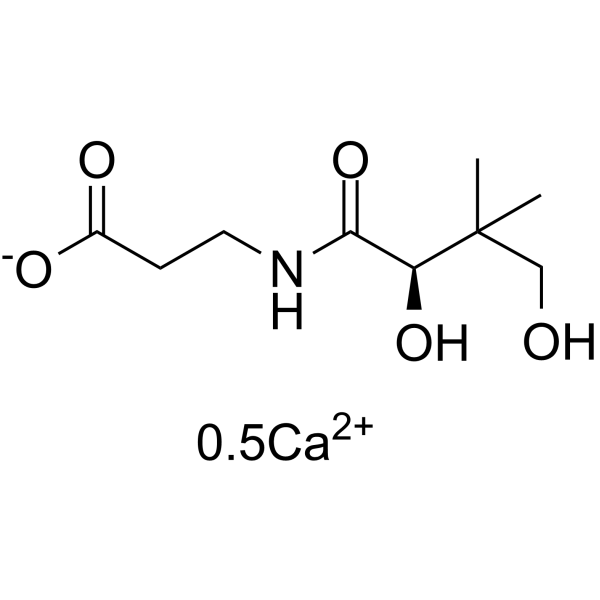
D-Pantothenic acid (hemicalcium salt) (Standard) is the analytical standard of D-Pantothenic acid (hemicalcium salt). This product is intended for research and analytical applications. D-Pantothenic acid hemicalcium salt is a vitamin that reduces patulin in apple juice.
|
-
-
- HY-117451
-
|
|
Bacterial
|
Infection
|
|
Dodine is a fungicide with plant disease suppressive activity. Dodine is used to control black spot on apples, pears and pecans, brown rot on peaches, and a variety of foliar diseases of peaches, strawberries, cherries, jacaranda and black walnuts. Dodine is also used as an industrial biocide and preservative .
|
-
-
- HY-W762060
-
|
|
Fungal
|
Infection
|
|
Metiram is a polymeric dithiocarbamate pesticide active as a fungicide. Metiram is widely used to protect crops such as tomatoes, potatoes, apples, grapevines, etc. Human and environmental exposure from the representative use of Metiram on potatoes is considered non-negligible. Metiram is considered necessary in the control of serious threats to plant health that cannot be suppressed by other available means, including non-chemical methods .
|
-
-
- HY-135761R
-
|
|
Reference Standards
Fungal
Cholinesterase (ChE)
|
Infection
Neurological Disease
|
|
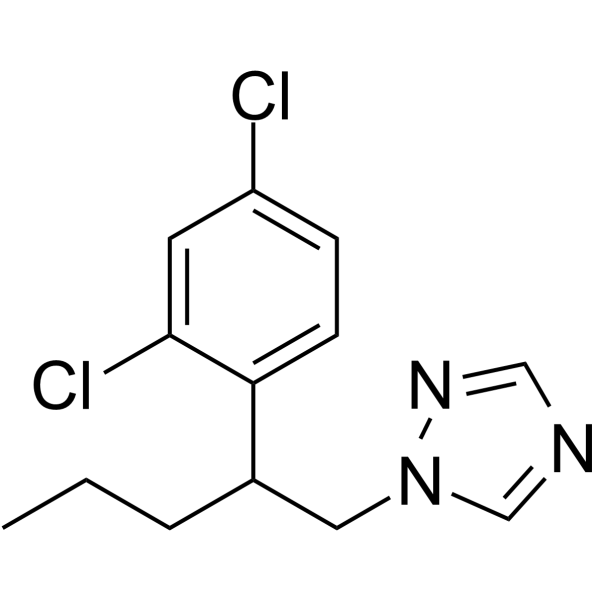
Penconazole (Standard) is the analytical standard of Penconazole. This product is intended for research and analytical applications. Penconazole is a typical triazole fungicide, and mainly applied on apples, grapes, and vegetables to control powdery mildew. Penconazole inhibits sterol biosynthesis in fungi. Penconazole decrease AChE activity in the cerebrum and cerebellum of rats .
|
-
-
- HY-116706
-
|
|
Environmental Pollutants
Herbicide
|
Others
|
|
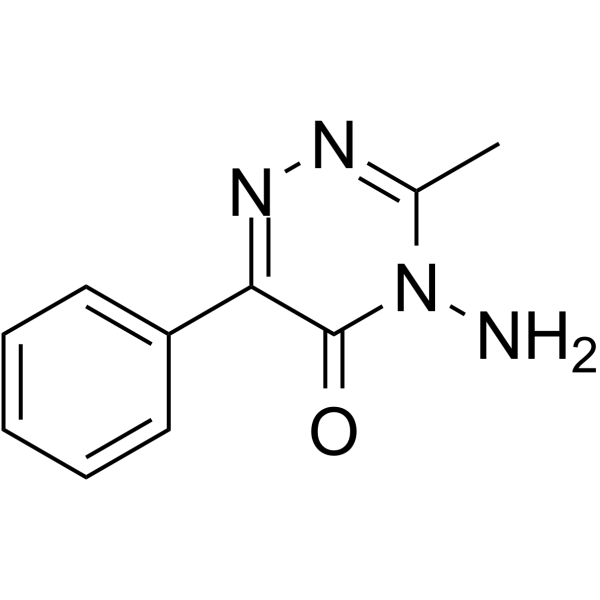
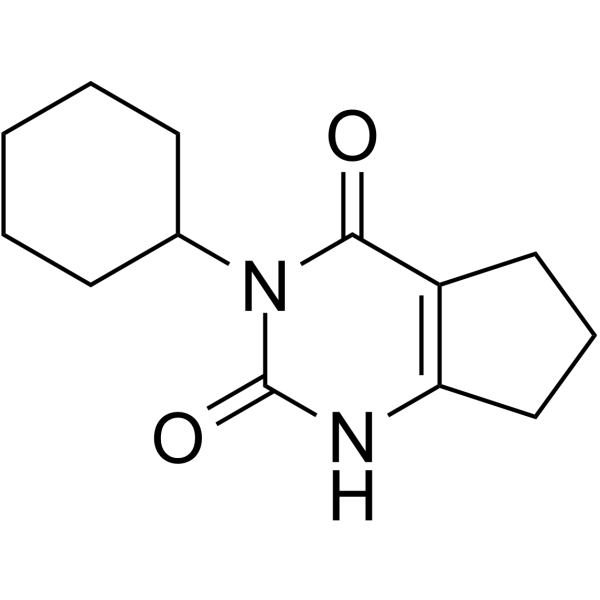
Lenacil is a selective uracil substituted herbicide used for control of both annual grasses, broad leafed weeds and some perennial weeds in sugarcane, apples, alfalfa, peaches, peacans, peppermints (Mentha piperita) and sugar beets. Lenacil can inhibit photosynthesis .
|
-
-
- HY-N12247
-
|
|
Glycosidase
|
Others
|
|
2-Methylbutyl β-D-glucopyranoside is a glycoside in apple fruit. 2-Methylbutyl β-D-glucopyranoside serves as an aroma precursor that can be enzymatically hydrolyzed to release volatile 2-methylbutanol. 2-Methylbutyl β-D-glucopyranoside is promising for research of food flavor chemistry .
|
-
-
- HY-N11546
-
|
|
Cytochrome P450
Bacterial
Fungal
|
Infection
Cancer
|
|
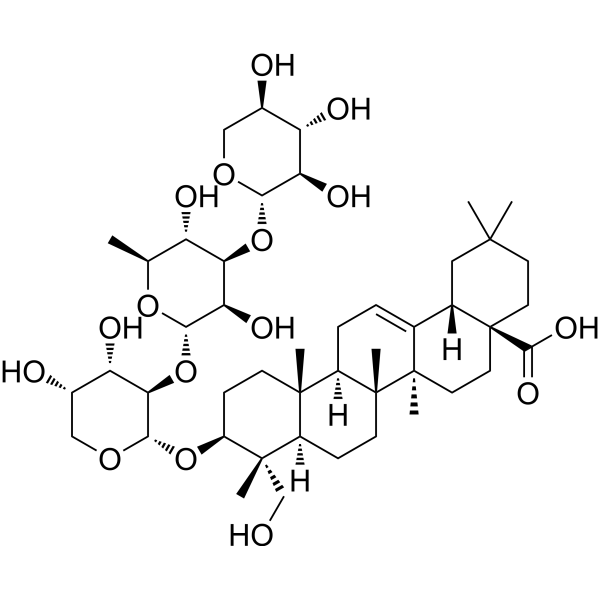
Sapindoside B is a substance with hepatoprotective activity, and also acts as a cytochrome P-450 (cytochrome P-450) inhibitor, antibacterial agent and membrane-disrupting agent. Sapindoside B reversibly inhibits the content of cytochrome P-450 in liver microsomes, suppresses the phenobarbital-induced increase in enzyme content, reduces the production of active metabolites mediated by cytochrome P-450, and alleviates hepatotoxic injury. Sapindoside B binds to Cutibacterium acnes lipase, reduces lipase activity, inhibits biofilm formation, and decreases bacterial adhesion. Sapindoside B exhibits cytotoxicity against human cancer, liver cancer, leukemia and glioblastoma cells. Sapindoside B inhibits mycelial growth of phytopathogenic fungal strains, possesses antibacterial activity against dermatophytes, and also has hemolytic/membrane-lytic activity. Sapindoside B can be used in research related to liver injury, Cutibacterium acnes biofilm-associated infections, gastric cancer, carcinoma, promyelocytic leukemia, glioblastoma, apple scab and grape gray mold .
|
-
-
- HY-N13221
-
|
|
Bacterial
Reactive Oxygen Species (ROS)
Fungal
|
Cardiovascular Disease
Metabolic Disease
Cancer
|
Apple Cider Vinegar Powder is a soluble powdered form of apple cider vinegar. Apple Cider Vinegar Powder has anti-bacterial, anti-oxidant, and antibiotic properties and can help maintain the acid-base balance in the blood. Apple Cider Vinegar Powder can lower blood sugar and lipid levels. Apple Cider Vinegar Powder is used in research related to tumors, diabetes, and cardiovascular diseases .
|
-
-
- HY-W170614
-
|
|
Endogenous Metabolite
|
Others
|
|
Citramalic acid is an organic acid and soil phosphorus-solubilizing agent. Citramalic acid can be secreted by beet roots, and low phosphorus conditions promote its secretion .
|
-
-
- HY-N13100
-
|
|
Others
|
Others
|
|
Colocynthin is a cucurbitane triterpenoid glycoside that can be isolated from the bitter apple (Citrullus colocynthis) .
|
-
-
- HY-N13100R
-
|
|
Others
Reference Standards
|
Others
|
|
Colocynthin (Standard) is the analytical standard of Colocynthin. This product is intended for research and analytical applications. Colocynthin is a cucurbitane triterpenoid glycoside that can be isolated from the bitter apple (Citrullus colocynthis) .
|
-
-
- HY-135761S
-
|
|
Fungal
Cholinesterase (ChE)
|
Infection
|
|
Penconazole-d7 is the deuterium labeled Penconazole . Penconazole is a typical triazole fungicide, and mainly applied on apples, grapes, and vegetables to control powdery mildew. Penconazole inhibits sterol biosynthesis in fungi. Penconazole decrease AChE activity in the cerebrum and cerebellum of rats .
|
-
-
- HY-134338R
-
|
|
Reference Standards
Parasite
|
Others
|
|
(R)-Omeprazole (sodium) (Standard) is the analytical standard of (R)-Omeprazole (sodium). This product is intended for research and analytical applications. (R)-Omeprazole sodium is a gastric acid resistant compound with activity to inhibit gastric acid secretion. (R)-Omeprazole sodium is metabolized in vivo, and its metabolism is primarily affected by cytochrome P450 enzymes. The interaction between (R)-Omeprazole sodium and mannitol may affect its bioavailability in formulations. (R)-Omeprazole sodium exhibits reversible direct and metabolism-dependent inhibition of CYP2C19 .
|
-
-
- HY-176437
-
|
|
Tyrosinase
|
Metabolic Disease
|
|
Tyrosinase-IN-42 (Compound 13t) is a tyrosinase inhibitor (IC50: 1.363 µM). Tyrosinase-IN-42 exhibits anti-browning effects on fresh-cut apples. Tyrosinase-IN-42 has antioxidant activity by scavenging DPPH and ABTS free radicals (IC50: 57.90 and 45.64 µM, respectively) .
|
-
-
- HY-Y1311G
-
|
Hydroxybutanedioic acid; E 296
|
Endogenous Metabolite
|
Others
|
|
Malic acid (GMP) is Malic acid (HY-Y1311) in GMP grade. GMP-grade small molecules can be used as auxiliary reagents in cell therapy. Malic acid (Hydroxybutanedioic acid) is a dicarboxylic acid that occurs naturally in fruits like apples and pears with oral activities. Malic acid plays a role in many sour or tangy foods. Malic acid is an intermediate in the citric acid cycle .
|
-
-
- HY-116706R
-
|
|
Herbicide
Reference Standards
|
Others
|
|
Lenacil (Standard) is the analytical standard of Lenacil. This product is intended for research and analytical applications. Lenacil is a selective uracil substituted herbicide used for control of both annual grasses, broad leafed weeds and some perennial weeds in sugarcane, apples, alfalfa, peaches, peacans, peppermints (Mentha piperita) and sugar beets. Lenacil can inhibit photosynthesis .
|
-
-
- HY-149614
-
|
|
Endogenous Metabolite
Fungal
|
Infection
|
|
Laccase-IN-1 (compound 4b) is an orally active inhibitor of laccase, with the IC50 of 11.3 μM. Laccase-IN-1 displays protective and curative effects on apple fruits infected by B. dothidea. Laccase-IN-1 enhances the cell membrane permeability, destroys the mycelial surface morphology and the cell ultrastructure, and reduces the ergosterol and exopolysaccharide contents of B. dothidea .
|
-
-
- HY-N10126
-
|
|
Others
|
Others
|
|
(3ξ,4ξ,5ξ,6ξ,7ξ,11ξ)-3,6-Dihydroxy-8-oxo-9-eremophilene-12-oic acid is a new phytotoxin of Alternaria alternata ssp. tenuissima isolates associated with fruit spots on apple.
|
-
-
- HY-174831
-
|
|
Fungal
Succinate Dehydrogenase
|
Infection
|
|
SDH-IN-28 is a succinate dehydrogenase inhibitor with an IC50 value of 2.65 mg/L. SDH-IN-28 demonstrates broad-spectrum fungicidal efficacy, with EC50 values of 0.21 (Valsa mali), 0.95 (Botrytis cinerea), 0.64 (Rhizoctonia solani), 1.33 (Fusarium graminearum), and 0.66 mg/L (Gaeumannomyces graminis). SDH-IN-28 effectively prevents V. mali infection in apples .
|
-
-
- HY-178055
-
|
|
Tyrosinase
|
Others
|
|
Tyrosinase-IN-44 (Compound 3) is a Tyrosinase inhibitor with IC50s of 0.47 and 0.53 μM for monophenolase and diphenolase, respectively. Tyrosinase-IN-44 has superior glutathione peroxidase-like catalytic and DPPH radical scavenging activity. Tyrosinase-IN-44 has potent antibrowning activity in banana and apple juices by directly inhibiting polyphenol oxidase (PPO) and offering antioxidant activity. Tyrosinase-IN-44 can be used for redox regulation and food preservation .
|
-
-
- HY-W015310
-
|
|
Environmental Pollutants
Biochemical Assay Reagents
|
Others
|
|
Isoamyl isovalerate is an ester and flavor compound. Isoamyl isovalerate has a unique apple-like flavor. Isoamyl isovalerate can be isolated from fruits such as bananas and apples. Isoamyl isovalerate can be used as a flavor compound in beverages, convenience foods and desserts .
|
-
-
- HY-N13185
-
|
|
Endogenous Metabolite
|
Others
|
|
POPi (phloridzin oxidation product i) is a colorless oxidation product of phloridzin catalyzed by the apple polyphenol oxidase with DPPH radicalscavenging activity. POPi can be utilized in antioxidant research .
|
-
-
- HY-W725177
-
|
|
Fungal
Mitochondrial Metabolism
|
Infection
|
|
Inpyrfluxam is a succinate dehydrogenase (SDH) inhibitor. Inpyrfluxam targets the ubiquinone binding pocket of mitochondrial SDH complex subunits ViSDHB, ViSDHC, ViSDHD, interfering with cellular respiration. Inpyrfluxam inhibits conidial germination and mycelial growth of Venturia inaequalis in vitro. Inpyrfluxam can be used for the research of apple scab .
|
-
-
- HY-W714238
-
|
|
Drug Metabolite
|
Others
|
|
Spirotetramat-mono-hydroxy is a metabolite of Spirotetramat (HY-120253). Spirotetramat is an insecticide .
|
-
-
- HY-165191
-
|
|
Fungal
|
Infection
|
|
LY214352 is an antifungal agent that targets dihydroorotate dehydrogenase (DHO-DH). LY214352 exhibits antifungal activity against Aspergillus nidulans and agriculturally important ascomycete fungi. LY214352 can be used in studies related to grape gray mold, apple scab, and fungal infections caused by ascomycetes .
|
-
-
- HY-183722
-
|
|
Fungal
Succinate Dehydrogenase
|
Infection
|
|
SDH-IN-46 is a succinate dehydrogenase (SDH) inhibitor with an IC50 of 1.21 μM. SDH-IN-46 disrupts fungal respiration via mitochondrial respiratory chain enzyme targeting and exhibits broad-spectrum antifungal activity. SDH-IN-46 exhibits substantial protective effects against S. sclerotiorum on oilseed rape leaves, Rhizoctonia solani on rice leaves, and Valsa mali on apple fruits .
|
-
-
- HY-W587734
-
|
|
Insecticide
Acetyl-CoA Carboxylase
|
Infection
|
|
Spirotetramat-enol, Spirotetramat (HY-120253) metabolite, is an insecticide. Spirotetramat-enol shows inhibitory activity against acetyl-CoA carboxylase. Spirotetramat-enol exerts insecticidal activity against Aphis craccivora Koch .
|
-
-
- HY-N19401
-
|
|
Cholinesterase (ChE)
Carbonic Anhydrase
Glycosidase
JNK
p38 MAPK
|
Metabolic Disease
Inflammation/Immunology
|
|
Vescalagin is a hexahydroxyphenol. Vescalagin is isolable from Camu-camu (Myrciaria dubia) and immature wax apple fruits. Vescalagin exhibits inhibitory activity against a variety of enzymes, with a Ki value of 5.87 nM against AChE, 3.89 nM against BChE, 11.75 nM against hCA I, 16.23 nM against hCA II, and 16.08 nM against α-glucosidase. Vescalagin inhibits hCA I, hCA II and α-glucosidase in a non-competitive manner. Vescalagin downregulates JNK/p38 MAPK to protect pancreatic β-cells and improve insulin secretion in methylglyoxal-treated rats. Vescalagin reduces hyperglycemia and hypertriglyceridemia in rats fed a high-fructose diet. Vescalagin possesses anti-inflammatory and antioxidant properties .
|
-
| Cat. No. |
Product Name |
Type |
-
- HY-Y1311G
-
|
Hydroxybutanedioic acid; E 296
|
Fluorescent Dye
|
|
Malic acid (GMP) is Malic acid (HY-Y1311) in GMP grade. GMP-grade small molecules can be used as auxiliary reagents in cell therapy. Malic acid (Hydroxybutanedioic acid) is a dicarboxylic acid that occurs naturally in fruits like apples and pears with oral activities. Malic acid plays a role in many sour or tangy foods. Malic acid is an intermediate in the citric acid cycle .
|
| Cat. No. |
Product Name |
Type |
-
- HY-Y1887
-
|
|
Biochemical Assay Reagents
|
|
Cottonseed oil is an edible oil extracted from the seeds of cotton (Gossypium hirsutum). Its fatty acid composition includes 26-35% saturated fatty acids, 42-52% polyunsaturated fatty acids, and 18-24% monounsaturated fatty acids. Cottonseed oil is regarded as an Insecticide, as it is used to protect the trunks of apple trees from damage by the apple clearwing moth. Cottonseed oil possesses anti-inflammatory and cardioprotective properties. It also has extensive applications in many fields such as biofuels, animal husbandry, cosmetics, agriculture, and chemical industry .
|
-
- HY-Y1311G
-
|
Hydroxybutanedioic acid; E 296
|
Biochemical Assay Reagents
|
|
Malic acid (GMP) is Malic acid (HY-Y1311) in GMP grade. GMP-grade small molecules can be used as auxiliary reagents in cell therapy. Malic acid (Hydroxybutanedioic acid) is a dicarboxylic acid that occurs naturally in fruits like apples and pears with oral activities. Malic acid plays a role in many sour or tangy foods. Malic acid is an intermediate in the citric acid cycle .
|
| Cat. No. |
Product Name |
Category |
Target |
Chemical Structure |
-
- HY-Y1311
-
-
-
- HY-N0681
-
-
-
- HY-N8440
-
-
-
- HY-Y1311R
-
-
-
- HY-N11709
-
|
|
Triterpenes
Structural Classification
Terpenoids
Camellia sinensis (L.) O. Ktze.
Plants
Source Classification
Theaceae
|
Apoptosis
VEGFR
ATM/ATR
PTEN
Akt
mTOR
HIF/HIF Prolyl-Hydroxylase
NF-κB
Notch
Cholinesterase (ChE)
Amyloid-β
γ-secretase
Ferroptosis
Fungal
|
|
Theasaponin E1 is an orally effective tea saponin. Theasaponin E1 inhibits the proliferation of cancer cells by activating apoptosis. Theasaponin E1 inhibits angiogenesis in ovarian cancer cells and HUVECs by reducing the expression of VEGF. Theasaponin E1 upregulates the phosphorylation level of ATM protein and the expression level of PTEN protein in cancer cells, decreases the phosphorylation levels of Akt, mTOR, p70S6K and 4E-BP1 proteins, downregulates the expression of HIF-1α and NF-κB, and reduces the protein expression of Notch ligands Dll4 and Jagged1. Theasaponin E1 exerts neuroprotective effects by inhibiting the activity of acetylcholinesterase, activating α-secretase and neprilysin, reducing the concentration of Aβ, and inhibiting the activities of β-secretase and γ-secretase. Theasaponin E1 exhibits toxic effects on cancer cells and quinone reductase-inducing activity, and inhibits tumor growth in vivo. Theasaponin E1 induces ferroptosis in Pomacea canaliculata by synergistically disrupting cholesterol homeostasis and sphingolipid metabolism. Theasaponin E1 possesses anti-biofilm activity against Candida albicans. Theasaponin E1 can be used in the research of ovarian cancer, obesity, Alzheimer's disease and fungal infections .
|
-
-
- HY-N0681R
-
-
-
- HY-N12247
-
-
-
- HY-N11546
-
|
|
Structural Classification
Eleutherococcus sieboldianus Makino
Terpenoids
Diterpenoids
Plants
Araliaceae
Source Classification
|
Cytochrome P450
Bacterial
Fungal
|
|
Sapindoside B is a substance with hepatoprotective activity, and also acts as a cytochrome P-450 (cytochrome P-450) inhibitor, antibacterial agent and membrane-disrupting agent. Sapindoside B reversibly inhibits the content of cytochrome P-450 in liver microsomes, suppresses the phenobarbital-induced increase in enzyme content, reduces the production of active metabolites mediated by cytochrome P-450, and alleviates hepatotoxic injury. Sapindoside B binds to Cutibacterium acnes lipase, reduces lipase activity, inhibits biofilm formation, and decreases bacterial adhesion. Sapindoside B exhibits cytotoxicity against human cancer, liver cancer, leukemia and glioblastoma cells. Sapindoside B inhibits mycelial growth of phytopathogenic fungal strains, possesses antibacterial activity against dermatophytes, and also has hemolytic/membrane-lytic activity. Sapindoside B can be used in research related to liver injury, Cutibacterium acnes biofilm-associated infections, gastric cancer, carcinoma, promyelocytic leukemia, glioblastoma, apple scab and grape gray mold .
|
-
-
- HY-W170614
-
-
-
- HY-N13100
-
-
-
- HY-N13100R
-
-
-
- HY-149614
-
-
-
- HY-N10126
-
-
-
- HY-W015310
-
-
-
- HY-N13185
-
-
-
- HY-N19401
-
|
|
Structural Classification
Phenols
Polyphenols
Myrciaria dubia (Kunth) McVaugh
Myrtaceae
Plants
Source Classification
|
Cholinesterase (ChE)
Carbonic Anhydrase
Glycosidase
JNK
p38 MAPK
|
|
Vescalagin is a hexahydroxyphenol. Vescalagin is isolable from Camu-camu (Myrciaria dubia) and immature wax apple fruits. Vescalagin exhibits inhibitory activity against a variety of enzymes, with a Ki value of 5.87 nM against AChE, 3.89 nM against BChE, 11.75 nM against hCA I, 16.23 nM against hCA II, and 16.08 nM against α-glucosidase. Vescalagin inhibits hCA I, hCA II and α-glucosidase in a non-competitive manner. Vescalagin downregulates JNK/p38 MAPK to protect pancreatic β-cells and improve insulin secretion in methylglyoxal-treated rats. Vescalagin reduces hyperglycemia and hypertriglyceridemia in rats fed a high-fructose diet. Vescalagin possesses anti-inflammatory and antioxidant properties .
|
-
| Cat. No. |
Product Name |
Chemical Structure |
-
- HY-Y1311S
-
|
|
|
Malic acid-d3 is the deuterium labeled Malic acid. Malic acid (Hydroxybutanedioic acid) is a dicarboxylic acid that is naturally found in fruits such as apples and pears. It plays a role in many sour or tart foods .
|
-
-
- HY-135761S
-
|
|
|
Penconazole-d7 is the deuterium labeled Penconazole . Penconazole is a typical triazole fungicide, and mainly applied on apples, grapes, and vegetables to control powdery mildew. Penconazole inhibits sterol biosynthesis in fungi. Penconazole decrease AChE activity in the cerebrum and cerebellum of rats .
|
-
| Cat. No. |
Product Name |
|
Classification |
-
- HY-148921
-
|
|
|
Alkynes
|
|
SDH-IN-2 is a potent succinate dehydrogenase (SDH) inhibitor with an IC50 of 0.55 μg/mL. SDH-IN-2 is also an antifungal agent. SDH-IN-2 inhibits phytopathogenic fungia with average EC50 values of 3.82-9.81 μg/mL for all the fungi . SDH-IN-2 is a click chemistry reagent, it contains an Alkyne group and can undergo copper-catalyzed azide-alkyne cycloaddition (CuAAc) with molecules containing Azide groups.
|
| Cat. No. |
Product Name |
|
Classification |
-
- HY-Y1887
-
|
|
|
Solvents
|
|
Cottonseed oil is an edible oil extracted from the seeds of cotton (Gossypium hirsutum). Its fatty acid composition includes 26-35% saturated fatty acids, 42-52% polyunsaturated fatty acids, and 18-24% monounsaturated fatty acids. Cottonseed oil is regarded as an Insecticide, as it is used to protect the trunks of apple trees from damage by the apple clearwing moth. Cottonseed oil possesses anti-inflammatory and cardioprotective properties. It also has extensive applications in many fields such as biofuels, animal husbandry, cosmetics, agriculture, and chemical industry .
|
| Cat. No. |
Product Name |
Target |
Research Areas |
Chemical Structure |
-
- HY-Y1311G
-
|
Hydroxybutanedioic acid; E 296
|
Endogenous Metabolite
|
Others
|
|
Malic acid (GMP) is Malic acid (HY-Y1311) in GMP grade. GMP-grade small molecules can be used as auxiliary reagents in cell therapy. Malic acid (Hydroxybutanedioic acid) is a dicarboxylic acid that occurs naturally in fruits like apples and pears with oral activities. Malic acid plays a role in many sour or tangy foods. Malic acid is an intermediate in the citric acid cycle .
|
-
Your information is safe with us. * Required Fields.
Inquiry Information
- Product Name:
- Cat. No.:
- Quantity:
- MCE Japan Authorized Agent:

