
1. Search Result
Search Result
Results for "

catecholamines

" in MedChemExpress (MCE) Product Catalog:

113

Inhibitors & Agonists

1

Biochemical Assay Reagents

24

Peptides

21

Natural
Products

16

Isotope-Labeled Compounds

2

Oligonucleotides

Cat. No. Product Name Target Research Areas Chemical Structure
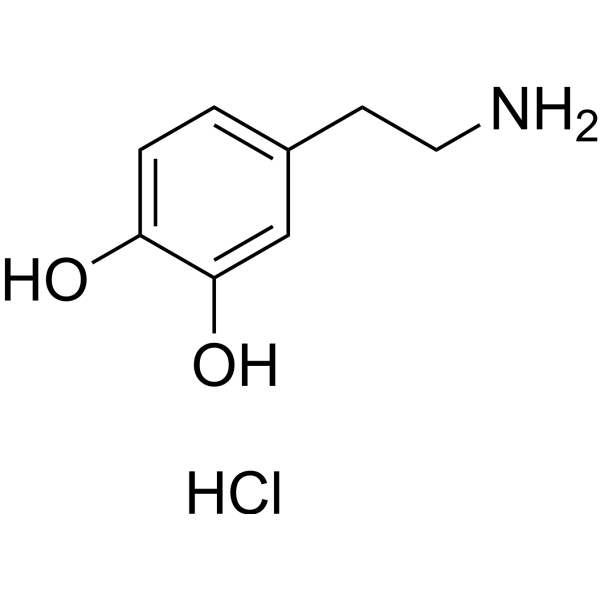
  • HY-B0451A
    Dopamine hydrochloride
    Maximum Cited Publications
    21 Publications Verification

    ASL279

    Dopamine Receptor Endogenous Metabolite Ferroptosis Neurological Disease
    Dopamine hydrochloride (ASL279) is a catecholamine neurotransmitter that is produced in the substantia nigra, ventral tegmental area, and hypothalamus of the brain. Dopamine hydrochloride (ASL279) plays several important roles in the brain and body . Dopamine hydrochloride (ASL279) acts through D2 dopamine receptors to induce endocytosis of VEGFR2, which is critical for promoting angiogenesis .
    Dopamine hydrochloride
  • HY-B0451
    Dopamine
    Maximum Cited Publications
    21 Publications Verification

    ASL279 free base

    Dopamine Receptor Endogenous Metabolite Ferroptosis Neurological Disease
    Dopamine is a catecholamine neurotransmitter that is produced in the substantia nigra, ventral tegmental area, and hypothalamus of the brain. Dopamine plays several important roles in the brain and body . Dopamine acts through D2 dopamine receptors to induce endocytosis of VEGFR2, which is critical for promoting angiogenesis .
    Dopamine
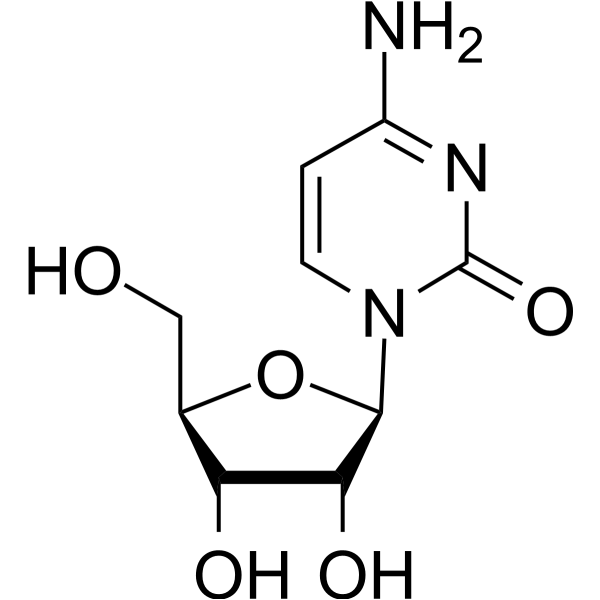
  • HY-B0158
    Cytidine
    5+ Cited Publications

    Cytosine β-D-riboside; Cytosine-1-β-D-ribofuranoside

    Nucleoside Antimetabolite/Analog Endogenous Metabolite Neurological Disease
    Cytidine is a pyrimidine nucleoside and acts as a component of RNA. Cytidine is a precursor of uridine. Cytidine controls neuronal-glial glutamate cycling, affecting cerebral phospholipid metabolism, catecholamine synthesis, and mitochondrial function .
    Cytidine
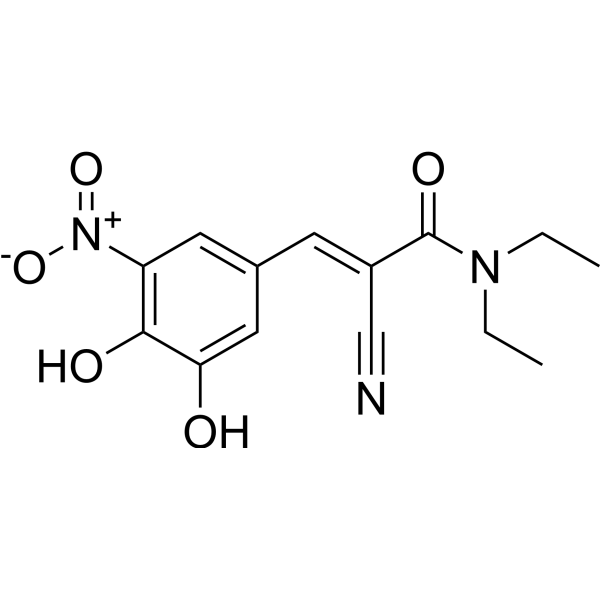
  • HY-14280
    Entacapone
    5+ Cited Publications

    COMT Neurological Disease Cancer
    Entacapone is a potent, reversible, peripherally acting and orally active catechol-O-methyltransferase (COMT) inhibitor. Entacapone inhibits COMT from rat brain, erythrocytes and liver with IC50 values of 10 nM, 20 nM, and 160 nM, respectively. Entacapone is selective for COMT over other catecholamine metabolizing enzymes, including MAO-A, MAO-B, phenolsulphotransferase M (PST-M) and PST-P (IC50s>50 μM). Entacapone can be used for the research of Parkinson's disease . Entacapone serves as a inhibitor of FTO demethylation with an IC50 of 3.5 μM, can be used for the research of metabolic disorders .
    Entacapone
  • HY-P0221
    PACAP (1-38), human, ovine, rat
    5 Publications Verification

    Pituitary Adenylate Cyclase Activating Polypeptide 38

    PACAP Receptor ERK EGFR Reactive Oxygen Species (ROS) Calcium Channel Infection Neurological Disease
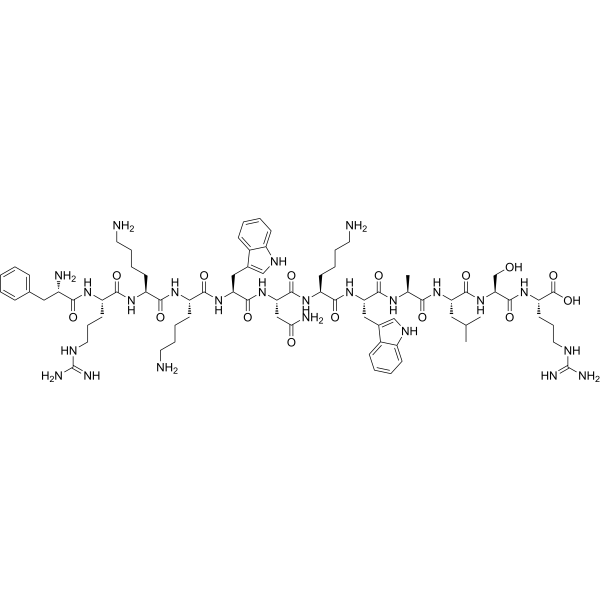
    PACAP (1-38), human, ovine, rat is a PAC1 receptor agonist. PACAP (1-38), human, ovine, rat binds to PACAP type I receptor, PACAP type II receptor VIP1, and PACAP type II receptor VIP2 with IC50s of 4 nM, 2 nM, and 1 nM, respectively. PACAP (1-38), human, ovine, rat increases the α-secretase activity. PACAP (1-38), human, ovine, rat elevates cytosolic Ca 2+, increases proliferation and increases phosphorylation of extracellular regulates kinase (ERK) and the epidermal growth factor receptor (EGFR). PACAP (1-38), human, ovine, rat demonstrates potent, efficacious, and sustained stimulatory effects on sympathetic neuronal NPY and catecholamine production. PACAP (1-38), human, ovine, rat can be used for neurotrophic and neuroprotective research .
    PACAP (1-38), human, ovine, rat
  • HY-15746
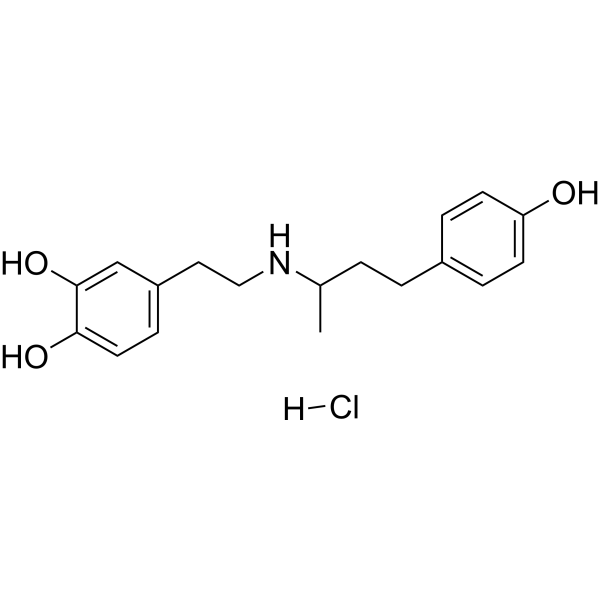
    Dobutamine hydrochloride
    5 Publications Verification

    Adrenergic Receptor Cardiovascular Disease Endocrinology Cancer
    Dobutamine hydrochloride is a synthetic catecholamine that acts on α1-AR, β1-AR, β2-AR (α-1, β-1 andβ-2 adrenoceptors). Dobutamine hydrochloride is a selective β1-AR agonist, relatively weak activity at α1-AR and β2-AR. Dobutamine hydrochloride can increase cardiac output and correct hypoperfusion .
    Dobutamine hydrochloride
  • HY-W015007

    COX Cardiovascular Disease
    Metyrosine is a selective tyrosine hydroxylase enzyme inhibitor. Metyrosine exerts anti-inflammatory and anti-ulcerative effects. Metyrosine significantly inhibits high COX-2 activity . Metyrosine is a very effective agent for blood pressure control .
    Metyrosine
  • HY-P3419
    PAMP-12 (unmodified)
    2 Publications Verification

    Mas-related G-protein-coupled Receptor (MRGPR) PERK Calcium Channel Cardiovascular Disease Inflammation/Immunology
    PAMP-12 (unmodified) is an endogenous peptide and is a MrgX2 agonist. PAMP-12 (unmodified) can reduce cAMP accumulation, increase Ca 2+ levels, enhance beta-arrestin recruitment, decrease IP-1, and increases phosphoERK. PAMP-12 (unmodified) can elicit hypotension through inhibiting catecholamine secretion from sympathetic nerve endings and adrenal chromaffin cells. PAMP-12 (unmodified) can be used for the research of hypotension and ulcerative colitis .
    PAMP-12 (unmodified)
  • HY-33549
    α-Methyl-p-tyrosine
    2 Publications Verification

    Tyrosine Hydroxylase Neurological Disease Cancer
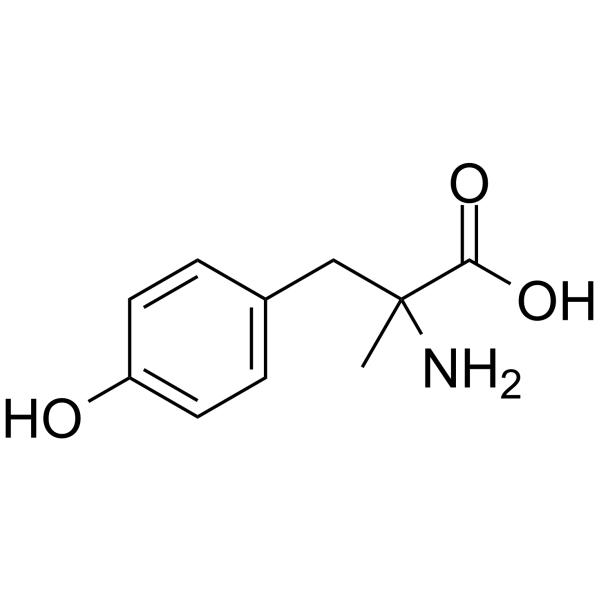
    α-Methyl-p-tyrosine is a competitive inhibitor of tyrosine hydroxylase, which converts tyrosine into DOPA. α-Methyl-p-tyrosine is also an orally active inhibitor of catecholamine synthesis, inhibiting the hydroxylation of tyrosine into DOPA. α-Methyl-p-tyrosine can be used in research related to epilepsy, glaucoma, cancer, and other related diseases .
    α-Methyl-p-tyrosine
  • HY-B1294

    Inamrinone

    Phosphodiesterase (PDE) Cardiovascular Disease
    Amrinone (Inamrinone) is a positive inotropic-vasodilator agent. Amrinone is a selective phosphodiesterase III inhibitor that increases cyclic adenosine monophosphate by preventing its breakdown. Amrinone is also an orally active, non-glycosidic and non-catecholamine cardiotonic agent .
    Amrinone
  • HY-N7142S

    Adrenergic Receptor Neurological Disease Metabolic Disease
    DL-Norepinephrine-d6 hydrochloride is the deuterium labeled DL-Norepinephrine hydrochloride. DL-Norepinephrine hydrochloride is an external racemic catecholamine neurotransmitter, which is an equal mixture of the left-handed (L-, with activity) and right-handed (D-, with very low or no activity) stereoisomers. DL-Norepinephrine hydrochloride after being labeled with tritium can be used as a tracer for the research on Parkinson's disease .
    DL-Norepinephrine-d6 hydrochloride
  • HY-15746A
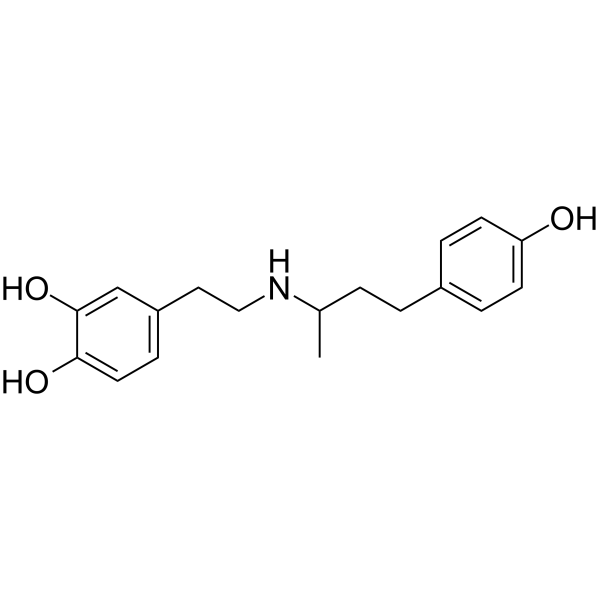
    Dobutamine
    5 Publications Verification

    Adrenergic Receptor Cardiovascular Disease Endocrinology Cancer
    Dobutamine is a synthetic catecholamine that acts on α1-AR, β1-AR, β2-AR (α-1, β-1 andβ-2 adrenoceptors). Dobutamine is a selective β1-AR agonist, relatively weak activity at α1-AR and β2-AR. Dobutamine can increase cardiac output and correct hypoperfusion .
    Dobutamine
  • HY-P2141
    TRV-120027
    3 Publications Verification

    TRV027

    Angiotensin Receptor Arrestin Cardiovascular Disease
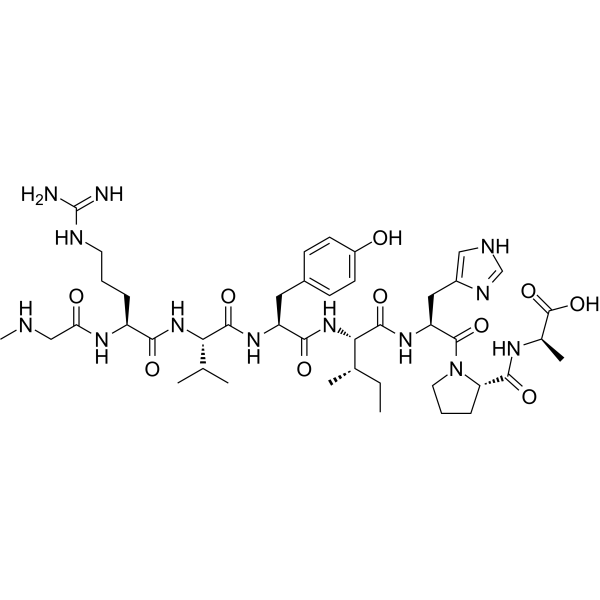
    TRV120027, a β-arrestin-1-biased agonist of the angiotensin II receptor type 1 (AT1R), engages β-arrestins while blocking G-protein signaling . TRV120027 induces acute catecholamine secretion through cation channel subfamily C3 (TRPC3) coupling, promotes the formation of a macromolecular complex composed of AT1R-β-arrestin-1-TRPC3-PLCγ at the plasma membrane. TRV120027 inhibits angiotensin II-mediated vasoconstriction and increases cardiomyocyte contractility. TRV120027 has the potential for the acute decompensated heart failure (ADHF) treatment .
    TRV-120027
  • HY-B0451AR

    ASL279 (Standard)

    Reference Standards Dopamine Receptor Endogenous Metabolite Ferroptosis Neurological Disease
    Dopamine (hydrochloride) (Standard) is the analytical standard of Dopamine (hydrochloride). This product is intended for research and analytical applications. Dopamine hydrochloride (ASL279) is a catecholamine neurotransmitter that is produced in the substantia nigra, ventral tegmental area, and hypothalamus of the brain. Dopamine hydrochloride (ASL279) plays several important roles in the brain and body . Dopamine hydrochloride (ASL279) acts through D2 dopamine receptors to induce endocytosis of VEGFR2, which is critical for promoting angiogenesis .
    Dopamine hydrochloride (Standard)
  • HY-N7142
    DL-Norepinephrine hydrochloride
    2 Publications Verification

    Adrenergic Receptor Neurological Disease
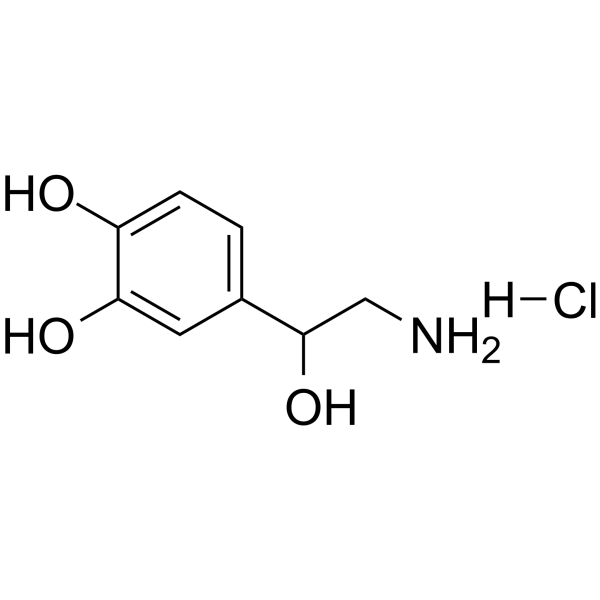
    DL-Norepinephrine hydrochloride is an external racemic catecholamine neurotransmitter, which is an equal mixture of the left-handed (L-, with activity) and right-handed (D-, with very low or no activity) stereoisomers. DL-Norepinephrine hydrochloride after being labeled with tritium can be used as a tracer for the research on Parkinson's disease .
    DL-Norepinephrine hydrochloride
  • HY-135026
    DL-Norepinephrine tartrate
    2 Publications Verification

    Adrenergic Receptor Neurological Disease
    DL-Norepinephrine tartrate is an external racemic catecholamine neurotransmitter, which is an equal mixture of the left-handed (L-, with activity) and right-handed (D-, with very low or no activity) stereoisomers. DL-Norepinephrine tartrate after being labeled with tritium can be used as a tracer for the research on Parkinson's disease .
    DL-Norepinephrine tartrate
  • HY-B1231

    RP-2831 hydrochloride

    Adrenergic Receptor Cardiovascular Disease Neurological Disease Inflammation/Immunology Cancer
    Heptaminol (RP-2831) hydrochloride is a vasoconstrictor used in the study of hypotension, especially orthostatic hypotension. Heptaminol is also a skin cancer proliferation inhibitor that inhibits immune inflammation induced by the tumor promoting factor 12-O-tetradecanoylphorbol-13-acetate (TPA) in an NO-dependent manner. Heptaminol also acts as a sympathomimetic amine, exerting indirect sympathetic effects. Heptaminol is also an antagonist of catecholamine release and uptake and can increase intracellular free calcium levels .
    Heptaminol hydrochloride
  • HY-N7493
    N-acetyldopamine
    1 Publications Verification

    NADA

    Endogenous Metabolite TNF Receptor Reactive Oxygen Species (ROS) Others
    N-acetyldopamine is a sepiapterin reductase inhibitor. N-acetyldopamine is a catecholamine that is used by insects as sclerotizing precursors to harden their cuticle. N-acetyldopamine can attenuate LPS-stimulated TNF-α production and superoxide production in THP-1 cells .
    N-acetyldopamine
  • HY-100634

    (±)-4-hydroxy Propranolol hydrochloride

    Adrenergic Receptor Cardiovascular Disease
    4-Hydroxypropranolol hydrochloride is a non-cardiac selective β-adrenergic receptor antagonist and a metabolite produced after oral administration of Propranolol (HY-B0573B). 4-Hydroxypropranolol hydrochloride also acts as a membrane stabilizer and possesses intrinsic sympathomimetic inhibitory activity. 4-Hydroxypropranolol hydrochloride blocks β-adrenergic receptors to antagonize the effects of catecholamines, acts as a partial β-adrenergic receptor agonist, and induces membrane stabilization. 4-Hydroxypropranolol hydrochloride alters heart rate, left ventricular contractility, and atrioventricular conduction time. 4-Hydroxypropranolol hydrochloride can be used in research related to cardiovascular and cerebrovascular diseases .
    4-Hydroxypropranolol hydrochloride
  • HY-W041498

    Dihydrofolate reductase (DHFR) Neurological Disease
    4-O-Methyldopamine hydrochloride is a catecholamine compound that has an inhibitory effect on dihydropteridine reductase .
    4-O-Methyldopamine hydrochloride
  • HY-A0182A
    Felypressin acetate
    3 Publications Verification

    PLV-2 acetate

    Vasopressin Receptor Cardiovascular Disease
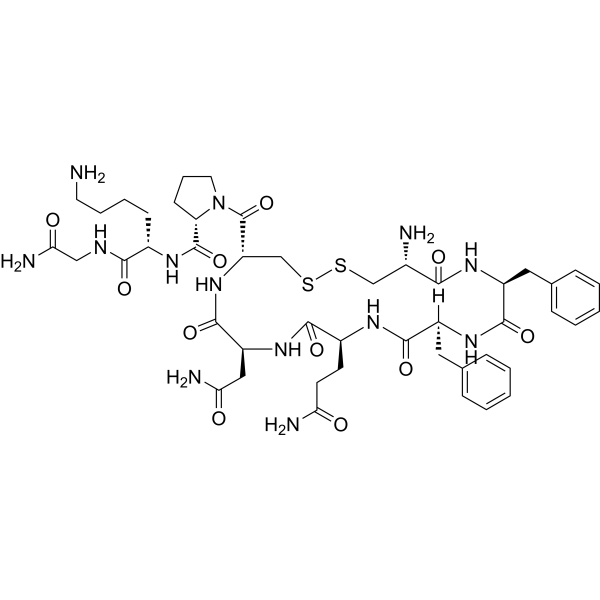
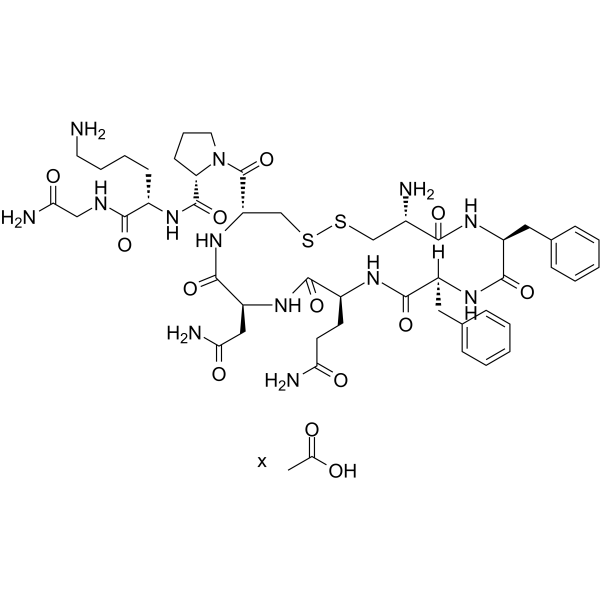
    Felypressin acetate (PLV-2 acetate) is a non-catecholamine vasoconstrictor and a vasopressin 1 agonist. Felypressin acetate is widely used in dental procedures .
    Felypressin acetate
  • HY-A0182
    Felypressin
    3 Publications Verification

    PLV-2

    Vasopressin Receptor Cardiovascular Disease
    Felypressin (PLV-2) is a non-catecholamine vasoconstrictor and a vasopressin 1 agonist. Felypressin is widely used in dental procedures .
    Felypressin
  • HY-148165

    Nucleoside Antimetabolite/Analog Neurological Disease
    L-Cytidine is an L-configurational form of Cytidine (HY-B0158). L-Cytidine is a pyrimidine nucleoside, a component of RNA. Cytidine can control the glial glutamate cycle, affect brain phospholipid metabolism, catecholamine synthesis and mitochondrial function .
    L-Cytidine
  • HY-113257

    DA-4S; Dopamine 4-Sulfate

    Drug Metabolite Neurological Disease
    Dopamine 4-sulfate (DA-4S) is an inactive metabolite of the catecholamine dopamine. It is formed from dopamine by the sulfotransferase (SULT) isoform SULT1A3. Dopamine 4-O-sulfate is found at lower levels in the brain and circulation than dopamine 3-O-sulfate.
    Dopamine 4-sulfate
  • HY-B0451AS7

    ASL279-d5 hydrochloride

    Isotope-Labeled Compounds Dopamine Receptor Endogenous Metabolite Ferroptosis Neurological Disease
    Dopamine-d5 (hydrochloride) is the deuterium labeled Dopamine (hydrochloride). Dopamine hydrochloride (ASL279) is a catecholamine neurotransmitter that is produced in the substantia nigra, ventral tegmental area, and hypothalamus of the brain. Dopamine hydrochloride (ASL279) plays several important roles in the brain and body . Dopamine hydrochloride (ASL279) acts through D2 dopamine receptors to induce endocytosis of VEGFR2, which is critical for promoting angiogenesis .
    Dopamine-d5 hydrochloride
  • HY-P1845

    Amino Acid Derivatives Neurological Disease
    PACAP-38 (31-38), human, mouse, rat is a fragment containing the C-terminal 31-38 fragment of PACAP (1-38), human, ovine, rat (HY-P0221). PACAP-38 (31-38), human, mouse, rat does not bind to the PACAP receptor .
    PACAP-38 (31-38), human, mouse, rat
  • HY-B1008A
    4-Aminobenzoic acid potassium
    1 Publications Verification

    PABA potassium; p-Aminobenzoic acid potassium

    Endogenous Metabolite Cardiovascular Disease Neurological Disease
    4-Aminobenzoic acid (PABA) potassium is a modifier of catecholamine oxidation reactions. 4-Aminobenzoic acid potassium is promising for research of Parkinson's disease and hypertension .
    4-Aminobenzoic acid potassium
  • HY-P1271

    Catestatin (cattle)

    nAChR Cardiovascular Disease
    Catestatin is a 21-amino acid residue, cationic and hydrophobic peptide. Catestatin is an endogenous peptide that regulates cardiac function and blood pressure . Catestatin is a non-competitive nicotinic antagonist acting through nicotinic acetylcholine receptors (nAChRs) to inhibit catecholamine release .
    Catestatin
  • HY-B0158S7

    Cytosine β-D-riboside-13C9; Cytosine-1-β-D-ribofuranoside-13C9

    Nucleoside Antimetabolite/Analog Endogenous Metabolite Isotope-Labeled Compounds Neurological Disease
    Cytidine- 13C9 (Cytosine β-D-riboside- 13C9) is 13C labeled Cytidine (HY-B0158). Cytidine is a pyrimidine nucleoside and acts as a component of RNA. Cytidine is a precursor of uridine. Cytidine controls neuronal-glial glutamate cycling, affecting cerebral phospholipid metabolism, catecholamine synthesis, and mitochondrial function .
    Cytidine-13C9
  • HY-P1831

    ProAM N20, Human; PAMP-20, human

    nAChR Sodium Channel Calcium Channel Cardiovascular Disease Neurological Disease
    Proadrenomedullin (1-20), human is a potent hypotensive and catecholamine release–inhibitory peptide released from chromaffin cells. Proadrenomedullin (1-20) inhibits catecholamine secretion in PC12 pheochromocytoma cells (IC50 ≈ 350 nM) by suppressing Na +/Ca 2+ influx and blocking desensitization. Proadrenomedullin (1-20), human specifically acts on nicotinic cholinergic receptors in a non competitive manner. Proadrenomedullin (1-20), human can be used for research on conditions such as hypertension .
    Proadrenomedullin (1-20), human
  • HY-W010989

    Biochemical Assay Reagents Bacterial Infection Neurological Disease Inflammation/Immunology Cancer
    Gly-His-Lys acetate is a natural, circulating regulatory and antimicrobial tripeptide derived from extracellular matrix proteins. Gly-His-Lys acetate binds Cu 2+ to support copper enzyme activation, antioxidant processes, cellular bioenergetics, and the synthesis of elastin, collagen and catecholamines. Gly-His-Lys acetate regulates cell growth, differentiation and tissue repair, and exerts regenerative, anxiolytic, anti-inflammatory, analgesic and immunosuppressive activities. Gly-His-Lys acetate induces liver degenerative changes. Gly-His-Lys acetate can be used for the research of infections, anxiety, pain-related behaviors and immune-associated liver diseases .
    Gly-His-Lys acetate
  • HY-B0158S6

    Cytosine β-D-riboside-15N3; Cytosine-1-β-D-ribofuranoside-15N3

    Nucleoside Antimetabolite/Analog Endogenous Metabolite Neurological Disease
    Cytidine- 15N3 is the 15N labeled Cytidine . Cytidine is a pyrimidine nucleoside and acts as a component of RNA. Cytidine is a precursor of uridine. Cytidine controls neuronal-glial glutamate cycling, affecting cerebral phospholipid metabolism, catecholamine synthesis, and mitochondrial function .
    Cytidine-15N3
  • HY-N7142S3

    Isotope-Labeled Compounds Adrenergic Receptor Cardiovascular Disease Neurological Disease
    DL-Norepinephrine-d6 is the deuterium labeled DL-Norepinephrine. DL-Norepinephrine is an external racemic catecholamine neurotransmitter, which is an equal mixture of the left-handed (L-, with activity) and right-handed (D-, with very low or no activity) stereoisomers. DL-Norepinephrine after being labeled with tritium can be used as a tracer for the research on Parkinson's disease .
    DL-Norepinephrine-d6
  • HY-B0158R

    Cytosine β-D-riboside (Standard); Cytosine-1-β-D-ribofuranoside (Standard)

    Reference Standards Nucleoside Antimetabolite/Analog Endogenous Metabolite Neurological Disease
    Cytidine (Standard) is the analytical standard of Cytidine. This product is intended for research and analytical applications. Cytidine is a pyrimidine nucleoside and acts as a component of RNA. Cytidine is a precursor of uridine. Cytidine controls neuronal-glial glutamate cycling, affecting cerebral phospholipid metabolism, catecholamine synthesis, and mitochondrial function . In Vivo:Cytidine decreases glutamate/glutamine levels and induces earlier improvement of depressive symptoms .
    Cytidine (Standard)
  • HY-14280S

    COMT Neurological Disease
    Entacapone-d10 is the deuterium labeled Entacapone. Entacapone is a potent, reversible, peripherally acting and orally active catechol-O-methyltransferase (COMT) inhibitor. Entacapone inhibits COMT from rat brain, erythrocytes and liver with IC50 values of 10 nM, 20 nM, and 160 nM, respectively. Entacapone is selective for COMT over other catecholamine metabolizing enzymes, including MAO-A, MAO-B, phenolsulphotransferase M (PST-M) and PST-P (IC50s>50 μM). Entacapone can be used for the research of Parkinson's disease . Entacapone serves as a inhibitor of FTO demethylation with an IC50 of 3.5 μM, can be used for the research of metabolic disorders .
    Entacapone-d10
  • HY-P3395

    Human chromogranin A 352–372

    nAChR Cardiovascular Disease Inflammation/Immunology
    Catestatin human, a catecholamine release-inhibitory peptide, is a pleiotropic peptide involved in cardiovascular protection with its antihypertensive and angiogenic effects. Catestatin human can be used in the study of inflammatory diseases .
    Catestatin (human)
  • HY-101416

    Vanylpyruvic acid

    Adrenergic Receptor Monoamine Transporter Opioid Receptor Drug Metabolite Endogenous Metabolite Neurological Disease Endocrinology
    Vanilpyruvic acid is a catecholamine metabolite and precursor to vanillactic acid.
    Vanilpyruvic acid
  • HY-137447A

    IRL752 fumarate

    Adrenergic Receptor Neurological Disease
    Pirepemat (IRL752) fumarate is a corticalpreferring catecholamine- and cognition-promoting agent. Pirepemat fumarate is used for the study of Parkinson's disease .
    Pirepemat fumarate
  • HY-B0158S1

    Cytosine β-D-riboside-13C; Cytosine-1-β-D-ribofuranoside-13C

    Isotope-Labeled Compounds Endogenous Metabolite Nucleoside Antimetabolite/Analog Neurological Disease
    Cytidine- 13C is the 13C labeled Cytidine. Cytidine is a pyrimidine nucleoside and acts as a component of RNA. Cytidine is a precursor of uridine. Cytidine controls neuronal-glial glutamate cycling, affecting cerebral phospholipid metabolism, catecholamine
    Cytidine-13C
  • HY-44134R

    Dimethyl α-ketoglutarate (Standard)

    Endogenous Metabolite Reference Standards Others
    Felypressin (Standard) is the analytical standard of Felypressin. This product is intended for research and analytical applications. Felypressin (PLV-2) is a non-catecholamine vasoconstrictor and a vasopressin 1 agonist. Felypressin is widely used in dental procedures .
    Dimethyl 2-oxoglutarate (Standard)
  • HY-P1845A

    Amino Acid Derivatives Neurological Disease
    PACAP-38 (31-38), human, mouse, rat TFA is a fragment containing the C-terminal 31-38 fragment of PACAP (1-38), human, ovine, rat (HY-P0221). PACAP-38 (31-38), human, mouse, rat TFA does not bind to the PACAP receptor .
    PACAP-38 (31-38), human, mouse, rat TFA
  • HY-W685943

    Adrenergic Receptor Cardiovascular Disease Neurological Disease
    Heptaminol is a fatty amine with pressor properties and a potential antihypotension agent. Heptaminol is also a competitive inhibitor of norepinephrine uptake and an inhibitor of nicotine-induced catecholamine release (IC50: 650 μM). Heptaminol does not inhibit norepinephrine release induced by 59 mM K + but rather inhibits high-affinity Na +-dependent norepinephrine uptake .
    Heptaminol
  • HY-101775A

    Topoisomerase Cardiovascular Disease Cancer
    9-Hydroxyellipticine hydrochloride is a inhibitor of Topo II and RyR. 9-Hydroxyellipticine hydrochloride exhibits antitumor, antioxidant and catecholamine-releasing activities. 9-Hydroxyellipticine hydrochloride exhibits IC50 values of 1.6 μM and 1.2μM in Hela S-3 and 293T cells, respectively .
    9-Hydroxyellipticine hydrochloride
  • HY-B0950A

    ANP-297 hydrochloride

    Dopamine Receptor Neurological Disease
    Mefexamide (ANP-297) hydrochloride is a psychostimulant psychopharmaceutical and aryloxyacetic acid derivative antidepressant with dopaminergic activity. Mefexamide hydrochloride can be used for the research of depression .
    Mefexamide hydrochloride
  • HY-14280R

    Reference Standards COMT Neurological Disease Cancer
    Entacapone (Standard) is the analytical standard of Entacapone. This product is intended for research and analytical applications. Entacapone is a potent, reversible, peripherally acting and orally active catechol-O-methyltransferase (COMT) inhibitor. Entacapone inhibits COMT from rat brain, erythrocytes and liver with IC50 values of 10 nM, 20 nM, and 160 nM, respectively. Entacapone is selective for COMT over other catecholamine metabolizing enzymes, including MAO-A, MAO-B, phenolsulphotransferase M (PST-M) and PST-P (IC50s>50 µM). Entacapone can be used for the research of Parkinson's disease . Entacapone serves as a inhibitor of FTO demethylation with an IC50 of 3.5 μM, can be used for the research of metabolic disorders .
    Entacapone (Standard)
  • HY-P1271A

    nAChR Cardiovascular Disease
    Catestatin TFA is a 21-amino acid residue, cationic and hydrophobic peptide. Catestatin TFA is an endogenous peptide that regulates cardiac function and blood pressure . Catestatin TFA is a non-competitive nicotinic antagonist acting through nicotinic acetylcholine receptors (nAChRs) to inhibit catecholamine release .
    Catestatin TFA
  • HY-W002110

    3-Hydroxy-4-methoxyphenylacetic acid; iso-HVA; Homoisovanillic acid

    Drug Metabolite Neurological Disease
    Isohomovanillic acid (3-Hydroxy-4-methoxyphenylacetic acid) is a product of catecholamine metabolism. Isohomovanillic acid can be isolated from urine. Isohomovanillic acid can be used in the research of Parkinson's disease .
    Isohomovanillic acid
  • HY-137447

    IRL752

    Dopamine Receptor Cholinesterase (ChE) Adrenergic Receptor Neurological Disease
    Pirepemat (IRL752) is a corticalpreferring catecholamine- and cognition-promoting agent. Pirepemat (IRL752) is used for the study of Parkinson's disease . IRL752 is a selective enhancer of cortical dopamine, acetylcholine and norepinephrine .
    Pirepemat
  • HY-16056

    Adrenergic Receptor Cardiovascular Disease
    Arbutamine is a short-acting, potent and nonselective β-adrenoceptor agonist. Arbutamine stimulates cardiac β1-, tracheal β2-, and adiopocyte β3- adrenergic receptors. Arbutamine provides cardiac stress increases heart rate, cardiac contractility, and systolic blood pressure. Arbutamine can be used for cardiac stress agent .
    Arbutamine
  • HY-16056A

    Adrenergic Receptor Cardiovascular Disease
    Arbutamine hydrochloride is a short-acting, potent and nonselective β-adrenoceptor agonist. Arbutamine hydrochloride stimulates cardiac β1-, tracheal β2-, and adiopocyte β3- adrenergic receptors. Arbutamine hydrochloride provides cardiac stress increases heart rate, cardiac contractility, and systolic blood pressure. Arbutamine hydrochloride can be used for cardiac stress agent .
    Arbutamine hydrochloride

Inquiry Online

Your information is safe with us. * Required Fields.

Salutation


Country or Region *

Applicant Name *


Organization Name *

Department *


Email Address *


Product Name *

Cat. No.


Requested quantity *

Phone Number *


Remarks

Inquiry Online

Inquiry Information

Product Name:
Cat. No.:
Quantity:
MCE Japan Authorized Agent:

