


146 Results for "

cellular lipids

" in MedChemExpress (MCE) Product Catalog:
Products (146)

146 Results for "cellular lipids" in MCE Product Catalog:

616
616 Publications Verification
Cat. No.: HY-D1056
Synonyms: LPS, from Escherichia coli (O55:B5)
Lipopolysaccharides, from E. coli O55:B5 (LPS, from Escherichia coli (O55:B5)) are endotoxins and TLR4 activators extracted from Escherichia coli (E. coli O55:B5) and are classified as S (smooth) type LPS. Lipopolysaccharides, from E. coli O55:B5 possess the typical three-part structure: O-antigen, core oligosaccharide, and lipid A. Lipopolysaccharides, from E. coli O55:B5 activate TLR-4 in immune cells, exhibit high pyrogenicity, and demonstrate dose and serotype specificity. Lipopolysaccharides, from E. coli O55:B5 can be widely used to induce cellular inflammation and establish animal models related to inflammation .
It is recommended to prepare a solution with concentration ≥2 mg/mL. Vortex thoroughly for more than 10 minutes. Due to the adsorption characteristics of LPS, silanized container or low adsorption centrifuge tubes should be used for aliquoting and storage, and mix thoroughly before use.
loading...
    loading...
46
46 Cited Publications
Cat. No.: HY-138170
CAS No.: 2036272-55-4
Purity:  99.81%
Target:  

Liposome SARS-CoV

Research Areas:  

Infection

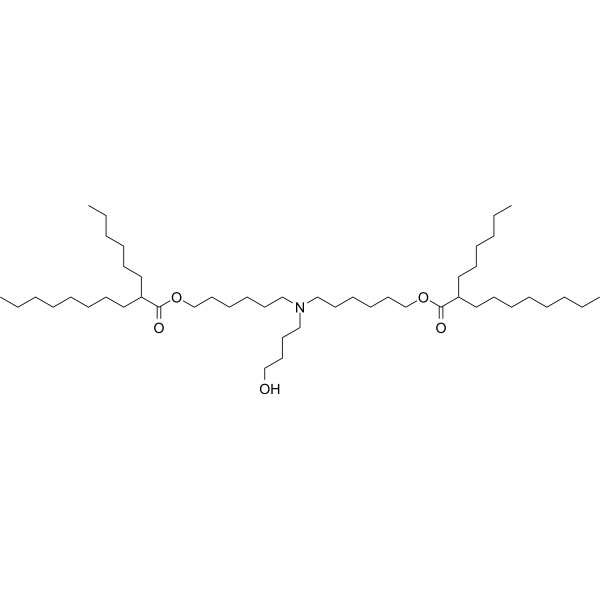
ALC-0315 is an ionisable aminolipid that is responsible for mRNA compaction and aids mRNA cellular delivery and its cytoplasmic release through suspected endosomal destabilization. ALC-0315 can be used to form lipid nanoparticle (LNP) delivery vehicles. Lipid-Nanoparticles have been used in the research of mRNA COVID-19 vaccine .
loading...
    loading...
20
20 Cited Publications
Cat. No.: HY-138300
CAS No.: 1849616-42-7
Purity:  99.93%
Research Areas:  

Others

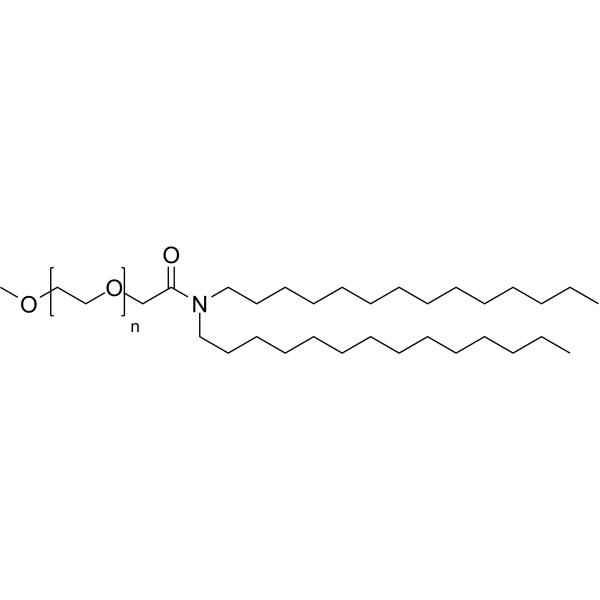
ALC-0159 presents highly mobile surface PEG chains in a dense brush-like conformation, which can form a hydrophilic barrier, reduce non-specific protein adsorption and macrophage uptake, improve colloidal stability, prolong in vivo circulation time, and affect the cellular uptake of LNPs. ALC-0159 dissociates from the surface of mRNA-LNPs under long-term mechanical oscillation stress, thereby reducing steric hindrance, inducing mRNA-LNP fusion, increasing particle size, and releasing unencapsulated mRNA .
loading...
    loading...
14
14 Cited Publications
Cat. No.: HY-12688A
CAS No.: 864167-45-3
Purity:  ≥98.0%
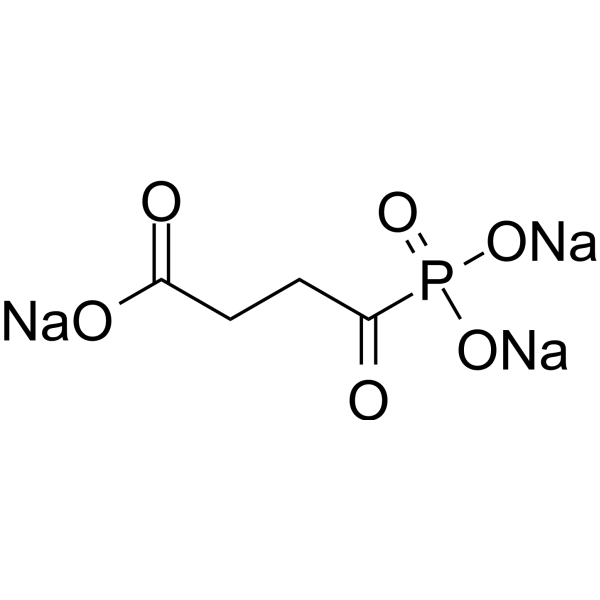
Succinyl phosphonate trisodium salt is a α-Ketoglutarate Dehydrogenase Complex (KGDHC) modulator with neuroprotective activity. Succinyl phosphonate trisodium salt protects this complex, reduces cellular succinyl-CoA concentration, downregulates protein succinylation levels, and inhibits the activity of the α-ketoglutarate dehydrogenase complex. Succinyl phosphonate trisodium salt corrects hypoxic or ethanol-induced behavioral impairments, modulates exploratory behavior and emotional stress responses, and improves hypoxia tolerance. Succinyl phosphonate trisodium salt reduces glutamate excitotoxicity, restores the activity of the α-ketoglutarate dehydrogenase complex, reverses the changes in glutamate dehydrogenase and glutamine synthetase activities induced by β-amyloid (Amyloid-β), modulates cognitive function, and prevents β-amyloid-induced neuronal damage. Succinyl phosphonate trisodium salt improves microglial senescence, alleviates neuroinflammation, reactive oxygen species (ROS) production, lipid peroxidation, and the expression of proinflammatory cytokines. Succinyl phosphonate trisodium salt can be used in the research of Alzheimer's disease, aging-related neuroinflammation, and Parkinson's disease .
loading...
    loading...
7
7 Cited Publications
Cat. No.: HY-113596
CAS No.: 102029-73-2
Purity:  99.22%
Synonyms: Acetyl-CoA trisodium
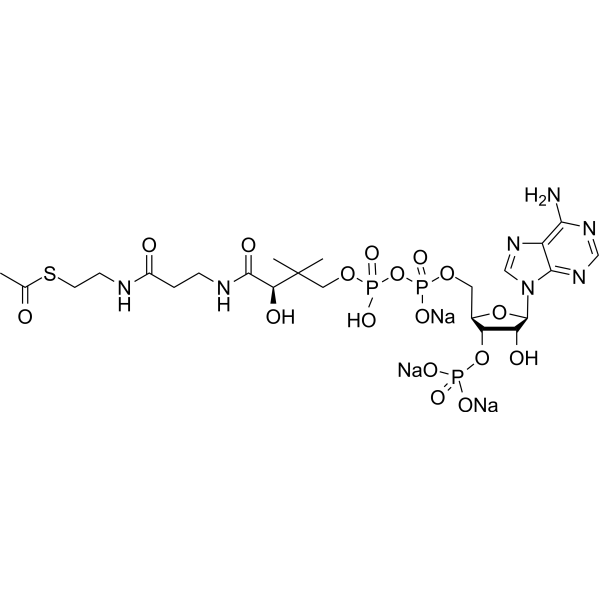
Acetyl-coenzyme A (Acetyl-CoA) trisodium is a membrane-impermeant central metabolic intermediate, participates in the TCA cycle and oxidative phosphorylation metabolism. Acetyl-coenzyme A trisodium, regulates various cellular mechanisms by providing (sole donor) acetyl groups to target amino acid residues for post-translational acetylation reactions of proteins. Acetyl Coenzyme A trisodium is also a key precursor of lipid synthesis .
loading...
    loading...
7
7 Cited Publications
Cat. No.: HY-113596A
CAS No.: 32140-51-5
Purity:  97%
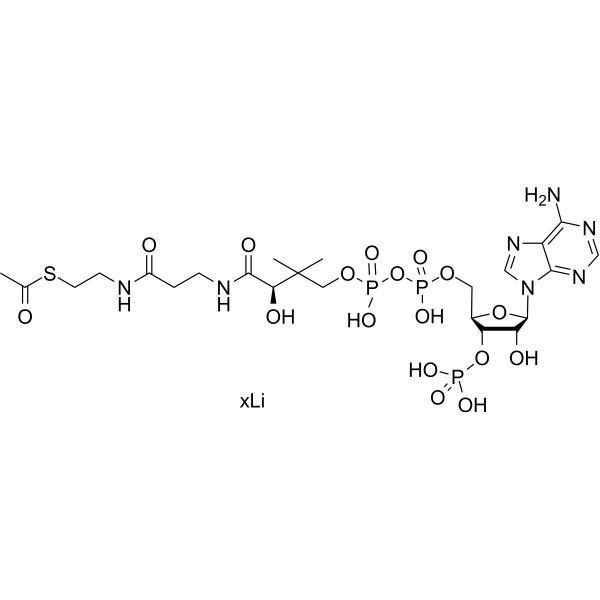
Synonyms: Acetyl-CoA lithium
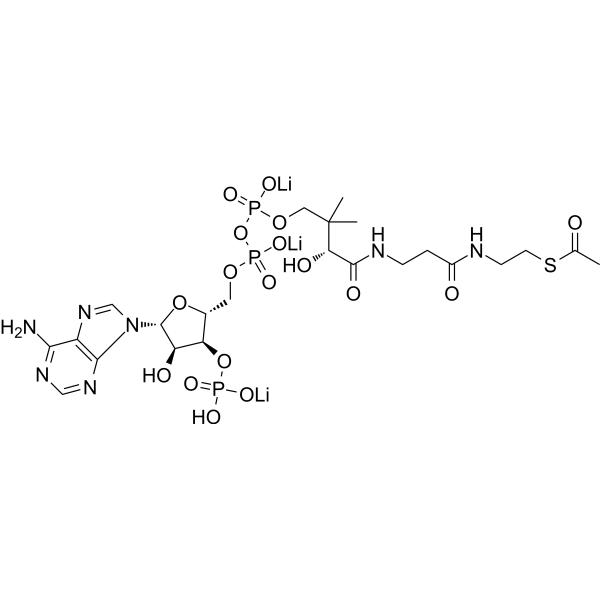
Acetyl-coenzyme A (Acetyl-CoA) lithium is a membrane-impermeant central metabolic intermediate, participates in the TCA cycle and oxidative phosphorylation metabolism. Acetyl-coenzyme A lithium, regulates various cellular mechanisms by providing (sole donor) acetyl groups to target amino acid residues for post-translational acetylation reactions of proteins. Acetyl Coenzyme A lithium is also a key precursor of lipid synthesis .
loading...
    loading...
6
6 Cited Publications
Cat. No.: HY-D1056A1
Synonyms: LPS, from Escherichia coli (O111:B4)
Lipopolysaccharides, from E. coli O111:B4 (LPS, from Escherichia coli (O111:B4)) are endotoxins and TLR4 activators extracted from Escherichia coli (E. coli O111:B4) and are classified as S (smooth) type LPS. Lipopolysaccharides (LPS), from E. coli O111:B4 possess the typical three-part structure: O-antigen, R3-type core oligosaccharide, and lipid A. Lipopolysaccharides (LPS), from E. coli O111:B4 activate TLR-4 in immune cells and can cause significant gastric diseases. Lipopolysaccharides (LPS), from E. coli O111:B4 can be used to induce cellular inflammation and establish animal models related to inflammation .
It is recommended to prepare a solution with concentration ≥2 mg/mL. Vortex thoroughly for more than 10 minutes. Due to the adsorption characteristics of LPS, silanized container or low adsorption centrifuge tubes should be used for aliquoting and storage, and mix thoroughly before use.
loading...
    loading...
2
2 Cited Publications
Cat. No.: HY-151705
CAS No.: 1631985-09-5
Purity:  ≥95.0%
Target:  

Liposome

Research Areas:  

Metabolic Disease

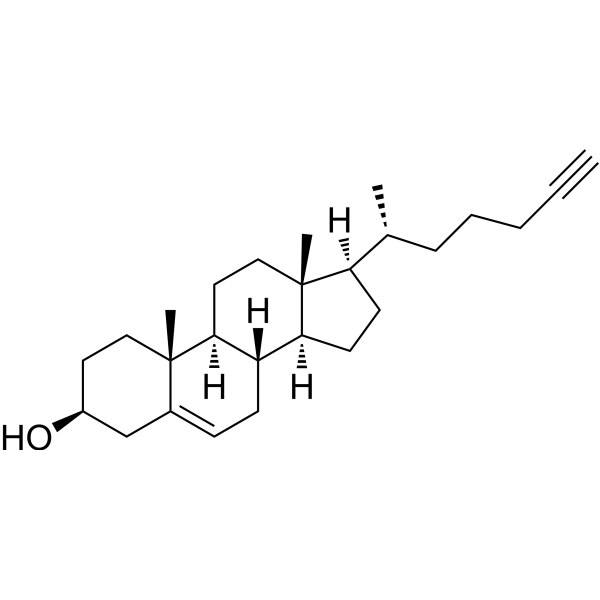
Alkyne Cholesterol, a modified lipid, is a click chemistry reagent containing an alkyne group. The terminal alkyne group can be used in a highly specific linking reaction with azide-containing reagents in the presence of a copper (Cu)-containing catalyst. Alkyne Cholesterol can be used for tracking cellular cholesterol metabolism and localization .
loading...
    loading...
1
1 Cited Publications
Cat. No.: HY-W583868
CAS No.: 26662-94-2
Synonyms: 1,2-POPE; 16:0-18:1 PE
Target:  

Liposome

Research Areas:  

Others

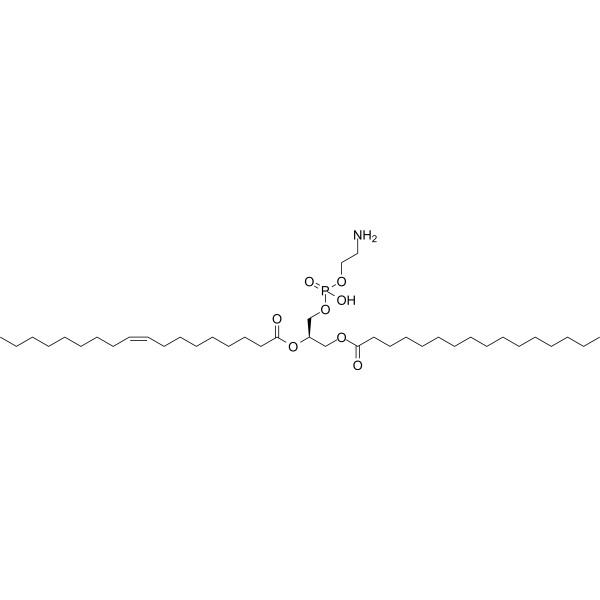
1-Palmitoyl-2-oleoyl-sn-glycero-3-PE (1,2-POPE; 16:0-18:1 PE) is a phosphatidylethanolamine (PE) lipid. 1-Palmitoyl-2-oleoyl-sn-glycero-3-PE can induce lipid bilayer to form a hexagonal phase (HII) structure in an acidic environment and promote membrane fusion. 1-Palmitoyl-2-oleoyl-sn-glycero-3-PE can enhance the endosomal escape ability of lipid nanoparticles (LNPs) and improve the cellular delivery efficiency of nucleic acid drugs such as mRNA. 1-Palmitoyl-2-oleoyl-sn-glycero-3-PE can be used for LNP carrier targeting of gene therapy and mRNA vaccines .
loading...
    loading...
1
1 Cited Publications
Cat. No.: HY-P3029
CAS No.: 9001-84-7
Synonyms: PLA2
Phospholipase A2 (PLA2) is a calcium-dependent, heat-stable enzyme that catalyzes the hydrolysis of glycerophospholipids at the sn-2 position of cellular membranes, thereby releasing Arachidonic Acid (AA) (HY-109590). Phospholipase A2 is a key mediator in the biosynthesis of pro-inflammatory lipid mediators, critically involved in inflammatory processes. Phospholipase A2 can be used for cardiovascular and inflammatory diseases research .
loading...
    loading...
1
1 Cited Publications
Cat. No.: HY-157624
CAS No.: 96998-01-5
Purity:  ≥99.0%
Synonyms: 18:0-22:6 PE
Target:  

Liposome

Research Areas:  

Others

1-Stearoyl-2-docosahexaenoyl-sn-glycero-3-phosphoethanolamine (18:0-22:6 PE) is a lipid compound that can be used for liposome preparation. Liposomes are the main component of vesicles with concentric phospholipid bilayer membranes, which can be used to construct drug delivery systems for anti-cancer and anti-infection fields. Highly polar water-soluble loads can be captured in the internal aqueous space of liposomes, while lipophilic loads can be distributed into the lipid bilayer and become part of the lipid bilayer. Especially for the delivery of antisense oligonucleotides, it can overcome the problems of inefficient cellular uptake and rapid loss in the body.
loading...
    loading...
1
1 Cited Publications
Cat. No.: HY-N3027
CAS No.: 117230-33-8
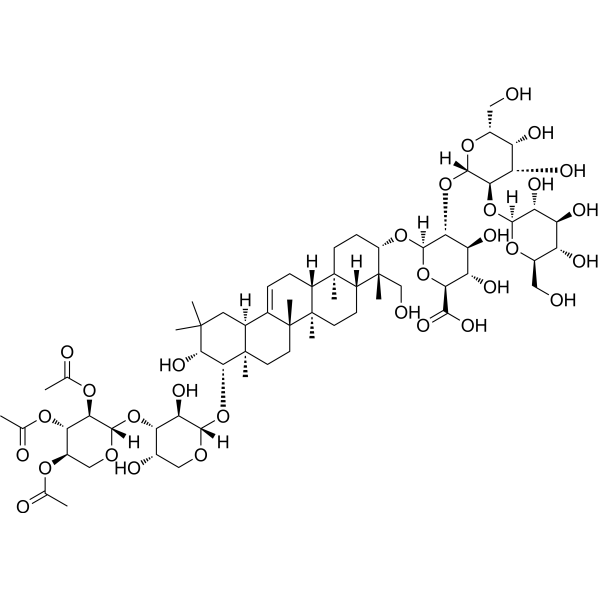
Soyasaponin Aa is a soyasaponin that can be found in soy. Soyasaponin Aa suppresses PPARγ transcriptional activity, reduces PPARγ and C/EBPα expression, inhibits adipocyte differentiation and lipid accumulation, and reduces adipogenic marker gene expression. Soyasaponin Aa reduces hydrogen peroxide-induced reactive oxygen species (ROS) production and malondialdehyde levels. Soyasaponin Aa exhibits cellular antioxidant activity. Soyasaponin Aa can be used for the research of obesity .
loading...
    loading...
1
1 Cited Publications
Cat. No.: HY-D1056H
Synonyms: LPS, from Serratia marcescens
Lipopolysaccharides, from S. marcescens (Serratia marcescens) are lipopolysaccharide endotoxins and TLR-4 activators derived from Serratia marcescens, classified as S-type LPS, which can activate pathogen-associated molecular patterns (PAMP) of the immune system and induce cellular secretion of migrasomes. Lipopolysaccharides, from S. marcescens exhibit a typical three-part structure: O-antigen (O-antigen), core oligosaccharide (core oligosaccharide), and lipid A (Lipid A). Lipopolysaccharides, from S. marcescens induce NF-κB activation in mouse cells via Toll-like receptor (TLR4)/MD-2. The lipopolysaccharides of S. marcescens can induce apoptosis in host immune cells, thereby suppressing the host's innate immunity .
It is recommended to prepare a solution with concentration ≥2 mg/mL. Vortex thoroughly for more than 10 minutes. Due to the adsorption characteristics of LPS, silanized container or low adsorption centrifuge tubes should be used for aliquoting and storage, and mix thoroughly before use.
loading...
    loading...
1
1 Cited Publications
Cat. No.: HY-N5139
CAS No.: 93685-90-6
Synonyms: Lecithins, egg yolk; Belovo PL 85
Lecithins, egg (Lecithins, egg yolk; Belovo PL 85) is an orally active natural phospholipid mixture extracted from egg yolks . Lecithins, egg inhibits the activities of acetylcholinesterase (AChE) and angiotensin-converting enzyme (ACE). Lecithins, egg exhibits antibacterial, antioxidant and anti-inflammatory activities, and helps delay cellular senescence. Lecithins, egg enhances nerve conduction, improves memory and cognitive function, and exerts positive effects on delaying neurodegenerative diseases. Lecithins, egg promotes lipid absorption and alleviates diarrhea. Lecithins, egg acts as a high-efficiency drug carrier for the preparation of targeted drug delivery systems such as liposomes .
loading...
    loading...
Cat. No.: HY-W749411
CAS No.: 100683-54-3
Research Areas:  

Others

Malondialdehyde tetrabutylammonium is a quaternary ammonium salt formed by the decomposition of polyunsaturated fatty acids in plant cell membranes. Malondialdehyde tetrabutylammonium can be used for the quantification of malondialdehyde, a biomarker of lipid peroxidation .
loading...
    loading...
Cat. No.: HY-114293A
CAS No.: 75520-41-1
Synonyms: Acetyl-CoA trilithium
Acetyl-coenzyme A (Acetyl-CoA) trilithium is a membrane-impermeant central metabolic intermediate, participates in the TCA cycle and oxidative phosphorylation metabolism. Acetyl-coenzyme A trilithium regulates various cellular mechanisms by providing (sole donor) acetyl groups to target amino acid residues for post-translational acetylation reactions of proteins. Acetyl Coenzyme A trilithium is also a key precursor of lipid synthesis .
loading...
    loading...
Cat. No.: HY-N1967
CAS No.: 76474-56-1
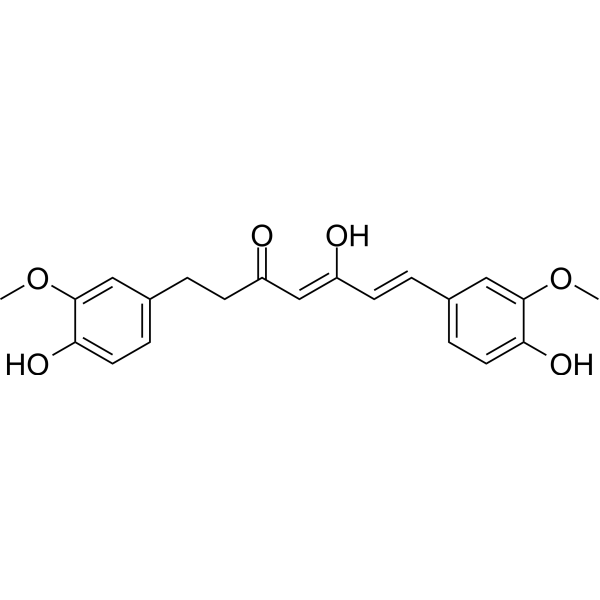
Dihydrocurcumin, a major metabolites of curcumin, reduces lipid accumulation and oxidative stress. Dihydrocurcumin regulates mRNA and protein expression levels of SREBP-1C, PNPLA3 and PPARα, increases protein expression levels of pAKT and PI3K, and reduced the levels of cellular NO and ROS via Nrf2 signaling pathways .
loading...
    loading...
Cat. No.: HY-114293
CAS No.: 72-89-9
Synonyms: Acetyl-CoA
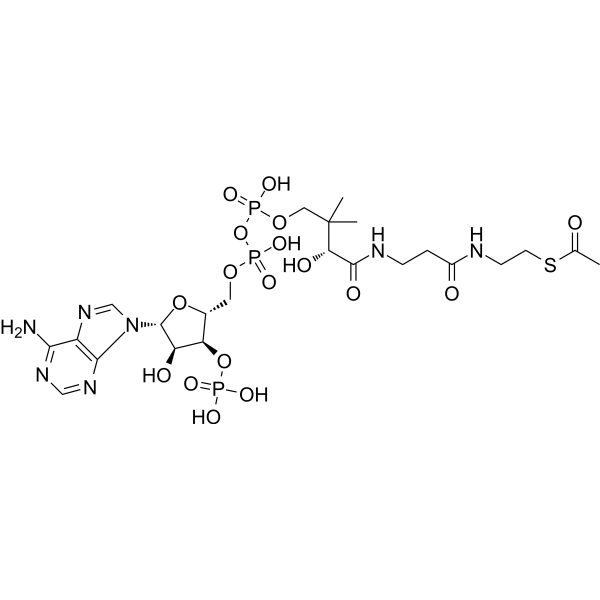
Acetyl-coenzyme A (Acetyl-CoA) is a membrane-impermeant central metabolic intermediate, participates in the TCA cycle and oxidative phosphorylation metabolism. Acetyl-coenzyme A, regulates various cellular mechanisms by providing (sole donor) acetyl groups to target amino acid residues for post-translational acetylation reactions of proteins. Acetyl Coenzyme A is also a key precursor of lipid synthesis .
loading...
    loading...
Cat. No.: HY-154644
CAS No.: 8030-76-0
Research Areas:  

Cancer

Soya Lecithin is a phospholipid mixture that can be used as a drug delivery vehicle and is a pharmaceutical excipient. Soya Lecithin can form a lipid bilayer structure through self-assembly, and its binding properties are amphiphilic (hydrophilic head and hydrophobic tail), encapsulating hydrophobic drugs. Soya Lecithin forms stable nanoliposomes or microemulsions, improves the solubility and cellular uptake efficiency of poorly soluble drugs (such as Curcumin (HY-N0005)), and exerts activities such as enhancing drug delivery and regulating cell proliferation .
loading...
    loading...
Cat. No.: HY-139533
CAS No.: 383907-36-6
Purity:  ≥99.0%
Research Areas:  

Others

Phosphatidylinositols, soya, sodium salts is a mixture of phosphatidylinositols. Phosphoinositides are lipids involved in the vesicular transport of proteins and lipids between the different compartments of eukaryotic cells. They act by recruiting and/or activating effector proteins and thus are involved in regulating various cellular functions, such as vesicular budding, membrane fusion and cytoskeleton dynamics .
loading...
    loading...

