372 Results for "

dipeptide

" in MedChemExpress (MCE) Product Catalog:
Products (372)

372 Results for "dipeptide" in MCE Product Catalog:

97
97 Publications Verification
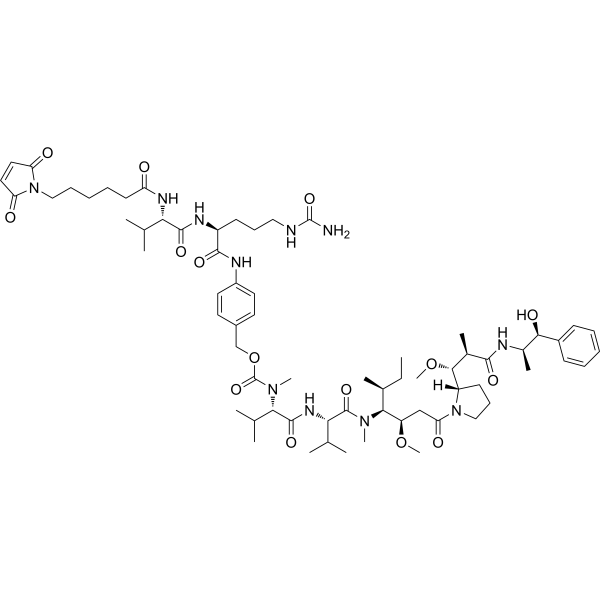
Cat. No.: HY-15575
CAS No.: 646502-53-6
Purity:  99.94%
Synonyms: MC-Val-Cit-PAB-MMAE; mc-vc-PAB-MMAE; Vedotin
VcMMAE (mc-vc-PAB-MMAE) is a agent-linker conjugate for ADC with potent antitumor activity by using the anti-mitotic agent, monomethyl auristatin E (MMAE, a tubulin inhibitor), linked via the lysosomally cleavable dipeptide, valine-citrulline (vc).
loading...
    loading...
21
21 Cited Publications
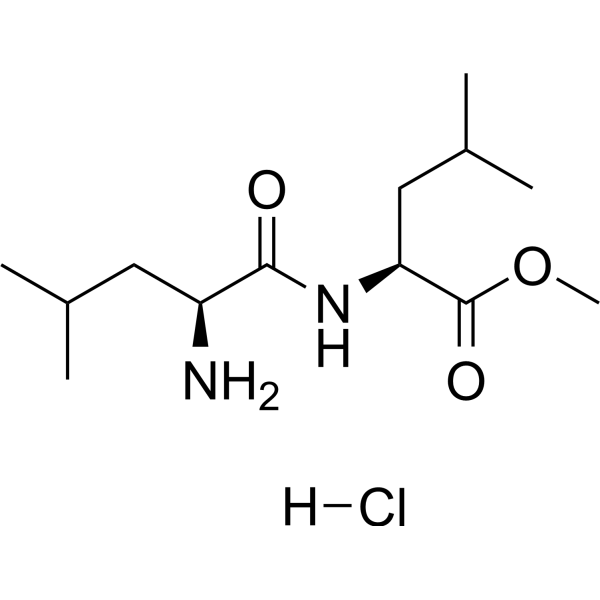
Cat. No.: HY-129905
CAS No.: 6491-83-4
Purity:  98.92%
Synonyms: LLOMe hydrochloride; Leu-Leu methyl ester hydrochloride; H-Leu-Leu-OMe hydrochloride
L-Leucyl-L-Leucine methyl ester (LLOMe) hydrochloride, a dipeptide condensation product of L-leucine methyl ester generated by human monocytes or polymorphonuclear leukocytes, selectively eliminates lymphocytes with cytotoxic potential. L-Leucyl-L-Leucine methyl ester hydrochloride also can induce endolysosomal pathway stress .
loading...
    loading...
21
21 Cited Publications
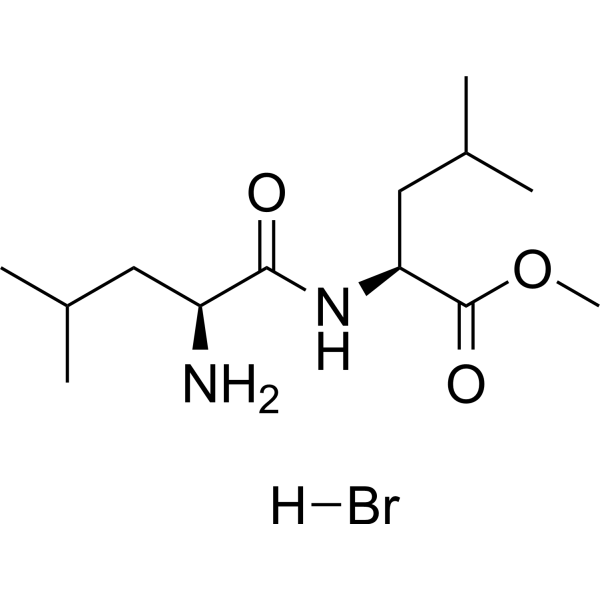
Cat. No.: HY-129905A
CAS No.: 16689-14-8
Purity:  99.69%
Synonyms: LLOMe hydrobromide; Leu-Leu methyl ester hydrobromide; H-Leu-Leu-OMe hydrobromide
L-Leucyl-L-Leucine methyl ester (LLOMe) hydrobromide, a dipeptide condensation product of L-leucine methyl ester generated by human monocytes or polymorphonuclear leukocytes, selectively eliminates lymphocytes with cytotoxic potential. L-Leucyl-L-Leucine methyl ester hydrobromide also can induce endolysosomal pathway stress .
loading...
    loading...
12
12 Cited Publications
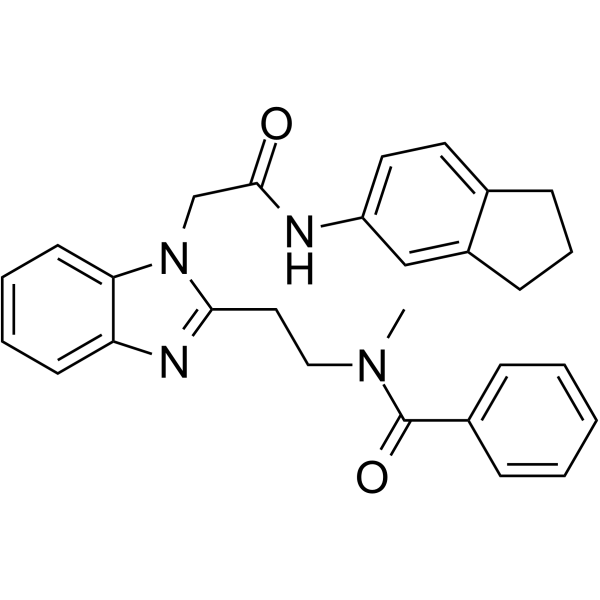
Cat. No.: HY-136555
CAS No.: 1595278-21-9
Purity:  99.93%
Research Areas:  

Inflammation/Immunology

GSK717 is a potent, selective NOD2 (nucleotide-binding oligomerization domain 2) inhibitor. GSK717 inhibits muramyl dipeptide (MDP)-induced NOD2-mediated signaling, with an IC50 of 400 nM for MDP-stimulated IL-8 secretion in HEK293/hNOD2 cells .
loading...
    loading...
11
11 Cited Publications
Cat. No.: HY-127090
CAS No.: 53678-77-6
Purity:  ≥98.0%
Synonyms: MDP
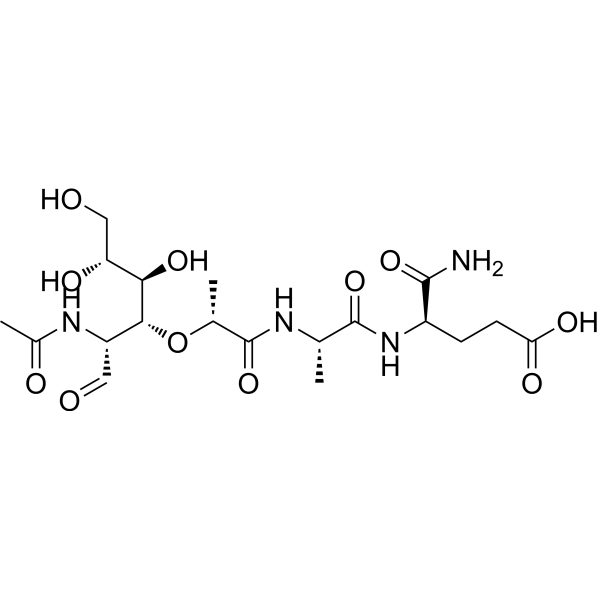
Muramyl dipeptide (MDP) is a synthetic immunoreactive peptide, consisting of N-acetyl muramic acid attached to a short amino acid chain of L-Ala-D-isoGln. Muramyl dipeptide is an inducer of bone formation through induction of Runx2. Muramyl dipeptide directly enhances osteoblast differentiation by up-regulating Runx2 gene expression through MAPK pathways. Muramyl dipeptide is a NLRP1 agonist .
loading...
    loading...
5
5 Cited Publications
Cat. No.: HY-13682
CAS No.: 83461-56-7
Purity:  ≥98.0%
Synonyms: MTP-PE; L-MTP-PE; CGP 19835
Research Areas:  

Inflammation/Immunology Cancer

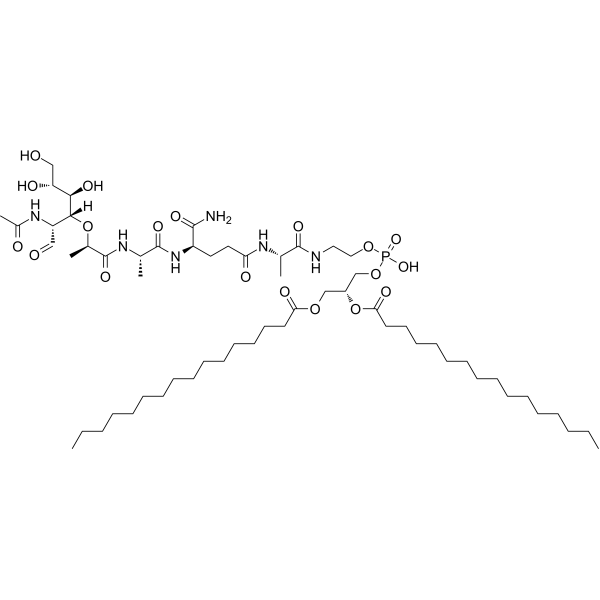
Mifamurtide (MTP-PE), an analog of the muramyl dipeptide (MDP), is a nonspecific immunomodulator by stimulating the immune response activating macrophages and monocytes. Mifamurtide is a specific ligand for NOD2 and acts as an insulin sensitizer. Mifamurtide has potential for use in rare disease and osteosarcoma research .
loading...
    loading...
5
5 Cited Publications
Cat. No.: HY-13682B
CAS No.: 90825-43-7
Purity:  98.19%
Synonyms: MTP-PE sodium; L-MTP-PE sodium; CGP 19835 sodium
Research Areas:  

Inflammation/Immunology Cancer

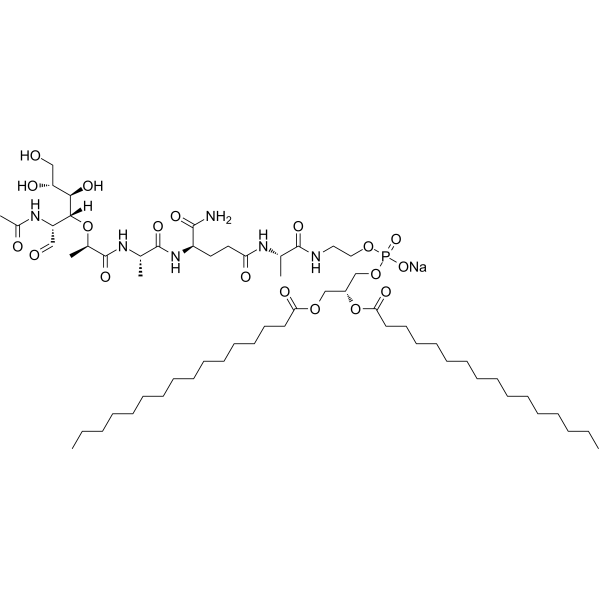
Mifamurtide sodium (MTP-PE sodium), an analog of the muramyl dipeptide (MDP), is a nonspecific immunomodulator by stimulating the immune response activating macrophages and monocytes. Mifamurtide sodium is a specific ligand for NOD2 and acts as an insulin sensitizer. Mifamurtide sodium has potential for use in rare disease and osteosarcoma research .
loading...
    loading...
5
5 Cited Publications
Cat. No.: HY-13682C
Purity:  ≥98.0%
Synonyms: MTP-PE TFA; L-MTP-PE TFA; CGP 19835 TFA
Research Areas:  

Inflammation/Immunology Cancer

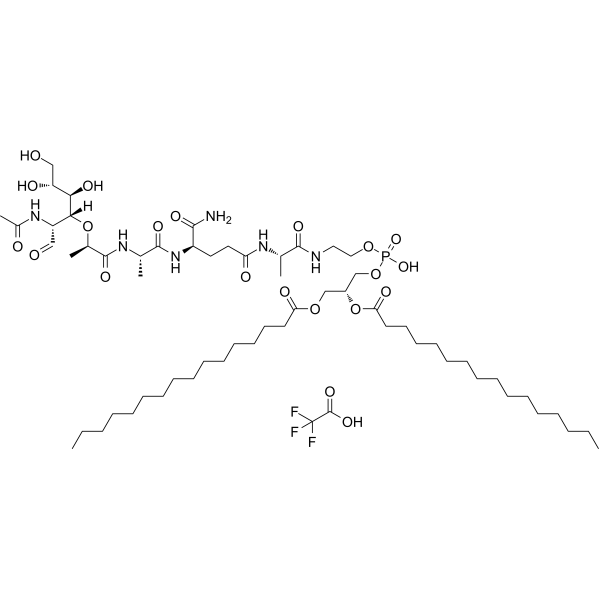
Mifamurtide TFA (MTP-PE TFA), an analog of the muramyl dipeptide (MDP), is a nonspecific immunomodulator by stimulating the immune response activating macrophages and monocytes. Mifamurtide TFA is a specific ligand for NOD2 and acts as an insulin sensitizer. Mifamurtide TFA has potential for use in rare disease and osteosarcoma research .
loading...
    loading...
5
5 Cited Publications
Cat. No.: HY-113354
CAS No.: 584-85-0
Purity:  99.85%
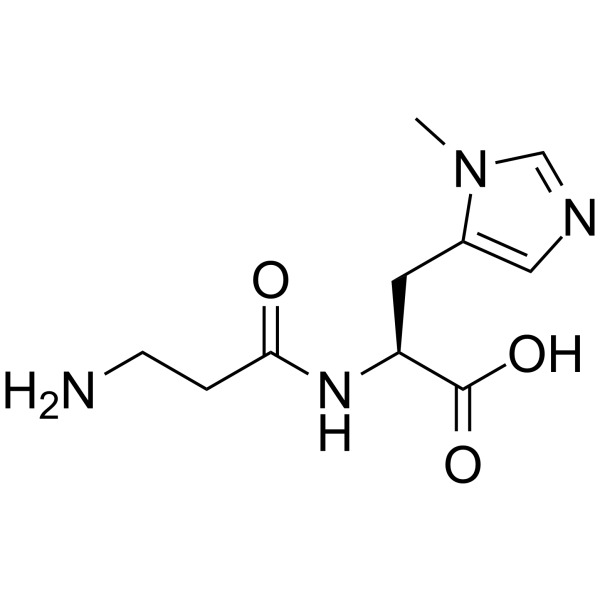
Anserine, a methylated form of Carnosine, is an orally active, natural Histidine-containing dipeptide found in skeletal muscle of vertebrates. Anserine is not cleaved by serum carnosinase and act as biochemical buffers, chelators, antioxidants, and anti-glycation agents. Anserine has blood-brain barrier permeability, and improves memory functions in Alzheimer's disease (AD)-model mice .
loading...
    loading...
5
5 Cited Publications
Cat. No.: HY-101283
CAS No.: 1435265-06-7
Purity:  99.16%
Research Areas:  

Inflammation/Immunology

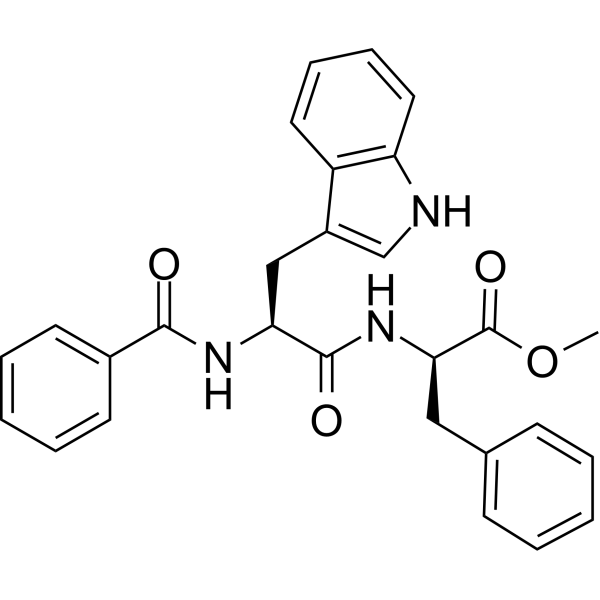
HCH6-1 is a potent and competitive dipeptide antagonist of Formyl peptide receptor 1 (FPR1). HCH6-1 inhibits chemotaxis, superoxide anion generation, and elastase release in human neutrophils specifically activated by fMLF (an FPR1 agonist). HCH6-1 has protective effects against acute lung injury (ALI) in vivo and can be used for the research of FPR1-involved inflammatory lung diseases .
loading...
    loading...
4
4 Cited Publications
Cat. No.: HY-112173
CAS No.: 61596-47-2
Purity:  99.85%
Synonyms: Z-Pro-D-Leu-OH
Target:  

Peptides

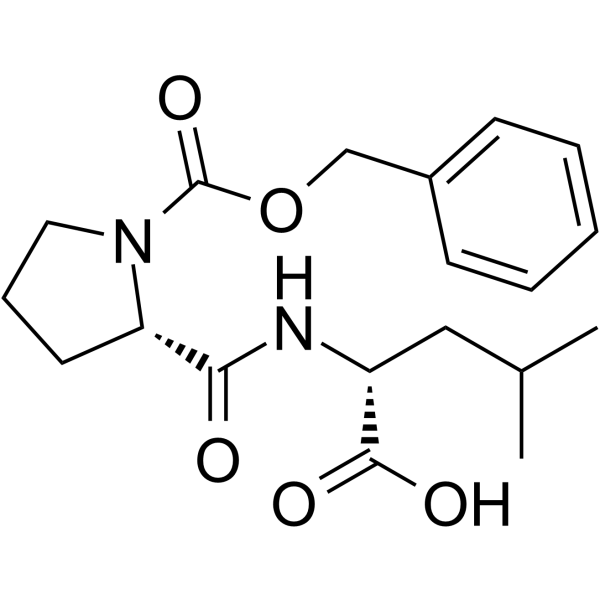
Prolylleucine (Z-Pro-D-Leu) is a dipeptide containing branched-chain amino acids. Prolylleucine (Z-Pro-D-Leu) can affect the circadian rhythms and behaviour of animals .
loading...
    loading...
4
4 Cited Publications
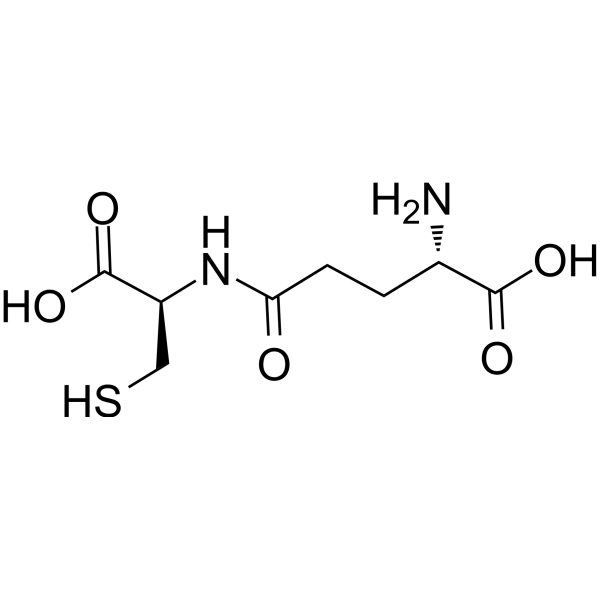
Cat. No.: HY-113402
CAS No.: 636-58-8
Purity:  95.20%
Synonyms: γ-Glu-Cys
Gamma-glutamylcysteine (γ-Glu-Cys) is an orally active, blood-brain barrier permeable dipeptide . Gamma-glutamylcysteine activates AMPK, SIRT1, IL-4/STAT6, AC/cAMP/PI3K, IGF-1R/IRS1/PI3K, and Nrf2 signaling pathways; it inhibits NF-κB, JAK1/STAT1/3, MAPKs, cadmium-induced p38 MAPK, JNK, and PI3K/Akt signaling pathways. Gamma-glutamylcysteine regulates macrophage polarization, modulates the trafficking of CD36 and GLUT4, induces glutathione synthesis, improves metabolic dysfunction, reduces lipid deposition, ameliorates glucose homeostasis, inhibits apoptosis (Apoptosis), stabilizes mitochondria, suppresses lipid peroxidation, iron accumulation and ferroptosis (Ferroptosis), reduces ds-HMGB1 levels, reverses mechanical hyperalgesia, and alleviates hepatic lipid droplet formation. Gamma-glutamylcysteine is applicable to research related to inflammatory bowel disease, type 2 diabetes, cadmium-induced neurotoxicity, Alzheimer's disease, cerebral ischemia/reperfusion injury, neuropathy, and alcoholic liver disease .
loading...
    loading...
4
4 Cited Publications
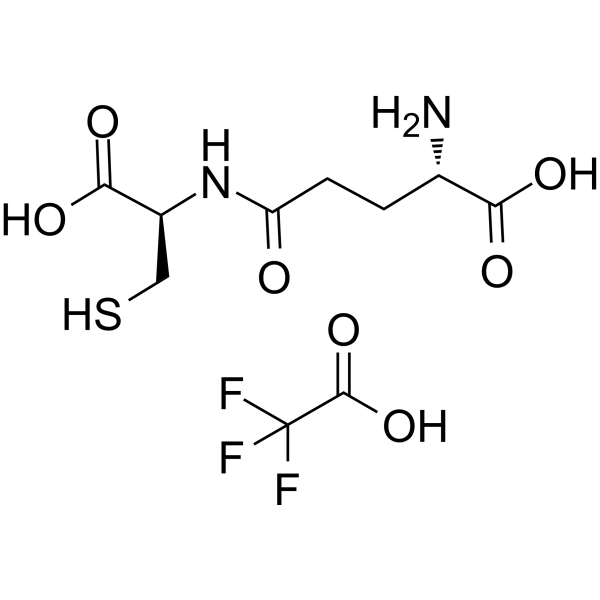
Cat. No.: HY-113402A
CAS No.: 283159-88-6
Purity:  95.20%
Synonyms: γ-Glu-Cys TFA
Gamma-glutamylcysteine TFA (γ-Glu-Cys TFA) is an orally active, blood-brain barrier permeable dipeptide . Gamma-glutamylcysteine TFA activates AMPK, SIRT1, IL-4/STAT6, AC/cAMP/PI3K, IGF-1R/IRS1/PI3K, and Nrf2 signaling pathways; it inhibits NF-κB, JAK1/STAT1/3, MAPKs, cadmium-induced p38 MAPK, JNK, and PI3K/Akt signaling pathways. Gamma-glutamylcysteine TFA regulates macrophage polarization, modulates the trafficking of CD36 and GLUT4, induces glutathione synthesis, improves metabolic dysfunction, reduces lipid deposition, ameliorates glucose homeostasis, inhibits apoptosis (Apoptosis), stabilizes mitochondria, suppresses lipid peroxidation, iron accumulation and ferroptosis (Ferroptosis), reduces ds-HMGB1 levels, reverses mechanical hyperalgesia, and alleviates hepatic lipid droplet formation. Gamma-glutamylcysteine TFA is applicable to research related to inflammatory bowel disease, type 2 diabetes, cadmium-induced neurotoxicity, Alzheimer's disease, cerebral ischemia/reperfusion injury, neuropathy, and alcoholic liver disease .
loading...
    loading...
3
3 Cited Publications
Cat. No.: HY-10913A
CAS No.: 943133-81-1
Purity:  99.49%
Synonyms: GAP-134 Hydrochloride; ZP 1609 Hydrochloride
Target:  

Gap Junction Protein

Research Areas:  

Cardiovascular Disease

Danegaptide Hydrochloride (GAP-134 Hydrochloride) is a potent, selective and orally active gap-junction modifier with an antiarrhythmic effect .
loading...
    loading...
3
3 Cited Publications
Cat. No.: HY-W013494
CAS No.: 305-84-0
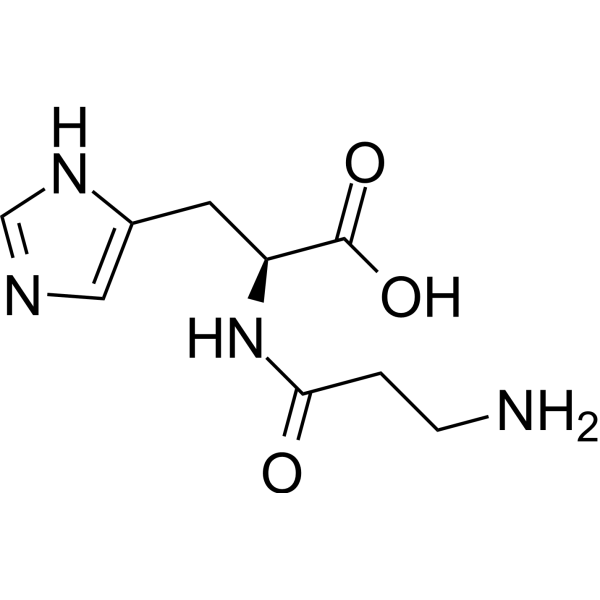
L-Carnosine is a dipeptide composed of beta-alanine and histidine. L-Carnosine is an endogenous metabolite found in human brain, muscle and gastrointestinal tissues and is present in all vertebrates. L-Carnosine is a non-enzymatic free radical scavenger and natural antioxidant with anti-inflammatory and neuroprotective properties that can inhibit biochemical changes associated with aging .
loading...
    loading...
3
3 Cited Publications
Cat. No.: HY-N10473
CAS No.: 957-86-8
Target:  

Bacterial Fungal

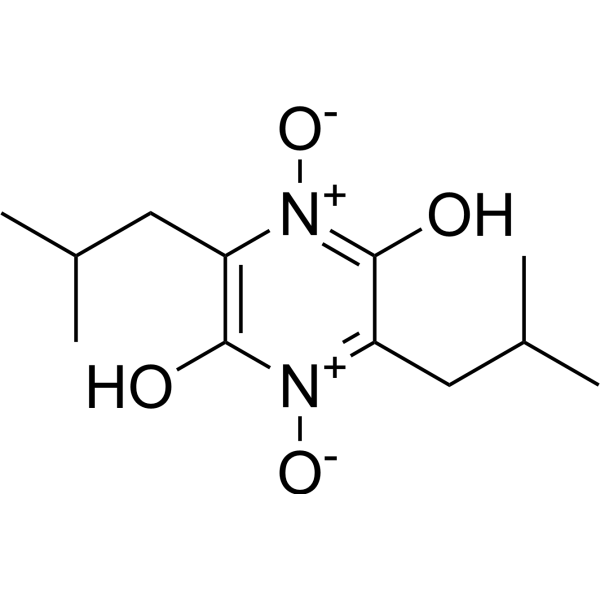
Pulcherriminic acid is a cyclic dipeptide antimicrobial agent with high affinity for Fe 3+, found mainly in Bacillus and yeast. Pulcherriminic acid chelates iron ions through a non-enzymatic reaction to form the extracellular red pigment pulcherrimin, which competes for iron nutrition and thus achieves an antibacterial effect. Pulcherriminic acid has great applications in food, agriculture and medical industries .
loading...
    loading...
2
2 Cited Publications
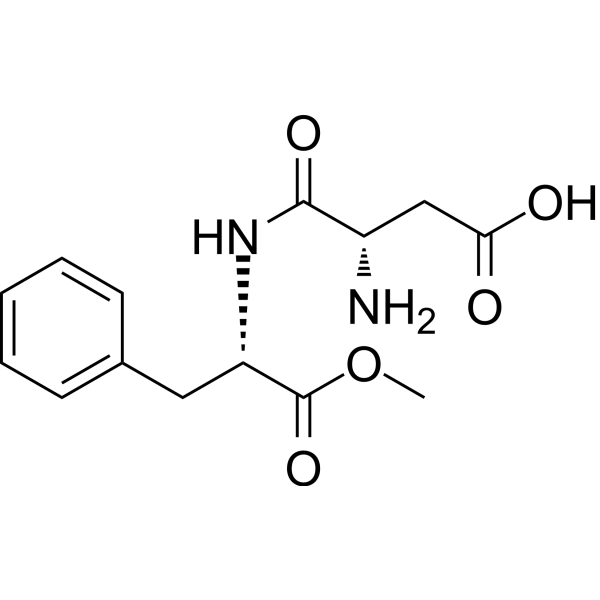
Cat. No.: HY-B0361
CAS No.: 22839-47-0
Synonyms: SC-18862
Aspartame (SC-18862) is a methyl ester of a dipeptide. Aspartame can be used as a synthetic nonnutritive sweetener .
loading...
    loading...
2
2 Cited Publications
Cat. No.: HY-W014102
CAS No.: 39537-23-0
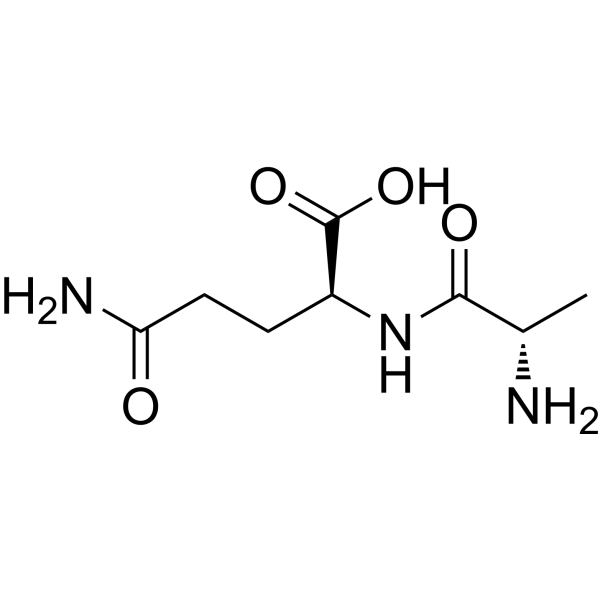
L-Alanyl-L-glutamine, a glutamine dipeptide, is benefit for the antioxidant system, attenuating inflammation, and may modulate the heat shock protein (HSP) response in catabolic situations .
loading...
    loading...
2
2 Cited Publications
Cat. No.: HY-B0944
CAS No.: 121808-62-6
Target:  

Bacterial

Research Areas:  

Inflammation/Immunology

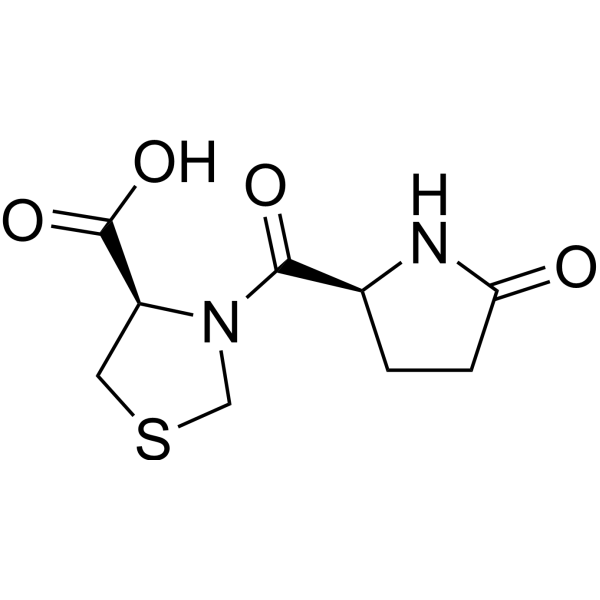
Pidotimod is an orally active dipeptide immunostimulant with immunomodulatory properties on the adaptive and the innate immune responses. Pidotimod increases macrophage activity and humoral immune functions. Pidotimod can be used for the research of chronic bronchitis, chronic obstructive pulmonary disease (COPD), bronchiectasis, and chronic idiopathic urticaria,et al .
loading...
    loading...
1
1 Cited Publications
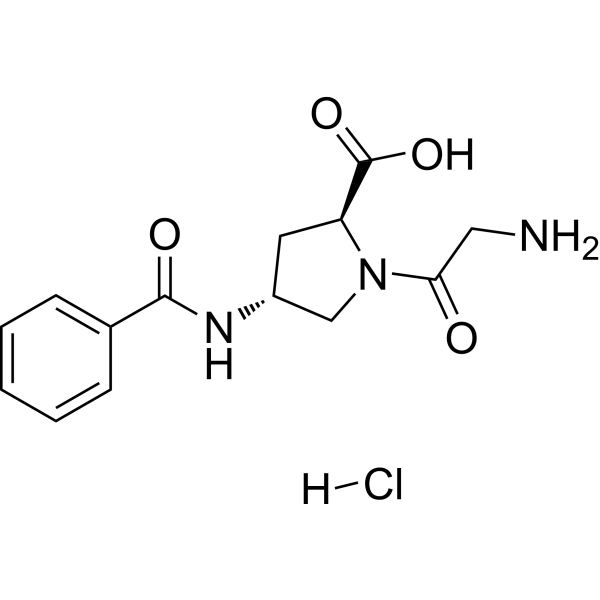
Cat. No.: HY-W016887
CAS No.: 704-15-4
Synonyms: H-Gly-Pro-OH; Gly-Pro
Glycyl-L-proline (H-Gly-Pro-OH) is a dipeptide. Glycyl-L-proline can induce MCF-7 cells apoptosis. Glycyl-L-proline can enhance the inhibitory effect of the PRODH/POX knockout on collagen and DNA biosynthesis. Glycyl-L-proline can inhibit Gly-Sar and L-proline transport. Glycyl-L-proline can be used for the researches of cancer and metabolic disease, such as breast cancer .
loading...
    loading...

