1. Search Result
Search Result
Results for "

embryonic C57BL6/J DRG

" in MedChemExpress (MCE) Product Catalog:

387

Inhibitors & Agonists

4

Screening Libraries

14

Fluorescent Dyes

12

Biochemical Assay Reagents

29

Peptides

7

MCE Kits

2

Inhibitory Antibodies

44

Natural
Products

7

Recombinant Proteins

12

Isotope-Labeled Compounds

10

Antibodies

27

Oligonucleotides

6

GMP Molecules

Targets Recommended:
Cat. No. Product Name Target Research Areas Chemical Structure
  • HY-13257
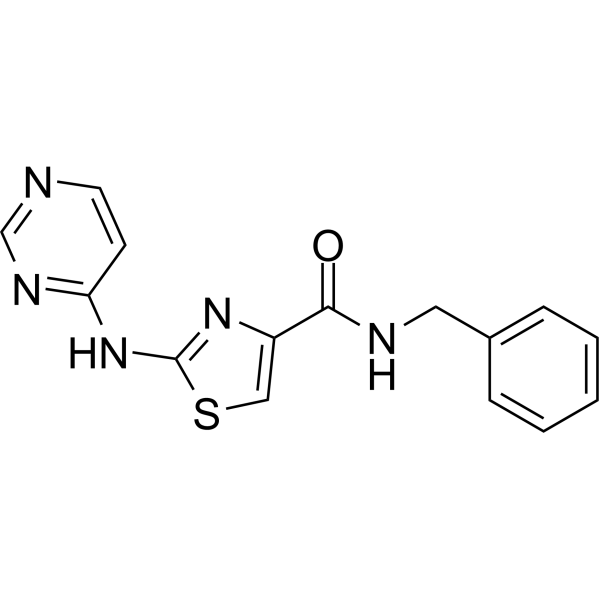
    Thiazovivin
    10+ Cited Publications

    ROCK Cancer
    Thiazovivin is a potent ROCK inhibitor, which can protect human embryonic stem cells. Thiazovivin improves the efficiency of iPSC generation.
    Thiazovivin
  • HY-B0631
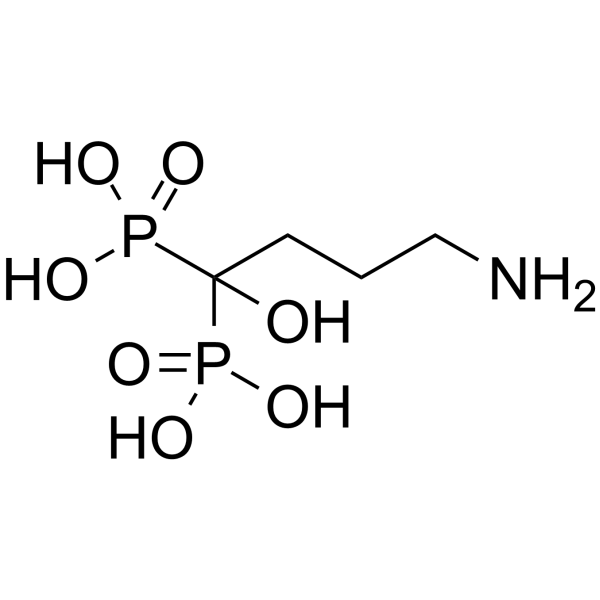
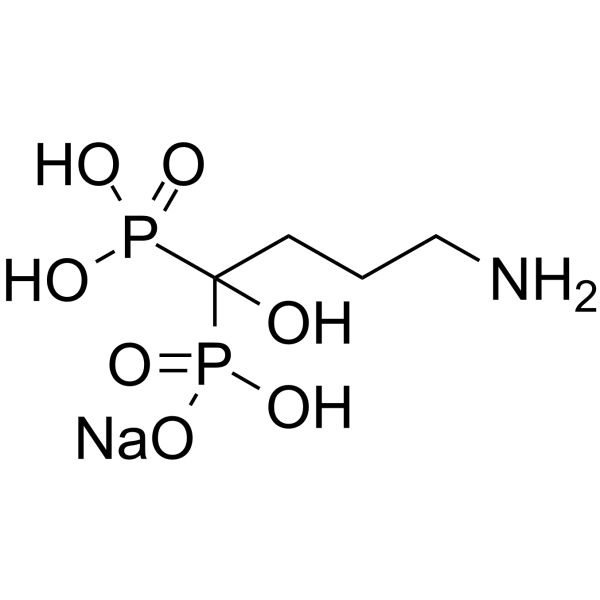
    Alendronic acid
    5+ Cited Publications

    NF-κB Interleukin Related Metabolic Disease
    Alendronate acid is an orally active bisphosphonate which binds to bone surfaces and inhibits bone resorption by osteoclasts. Alendronate acid induces skeletal alterations in the chicken embryonic development model. Alendronate acid can be used for osteoporosis research .
    Alendronic acid
  • HY-13306
    Pyrintegrin
    4 Publications Verification

    Integrin Metabolic Disease
    Pyrintegrin is an β1-integrin agonist and a 2,4-disubstituted pyrimidine that promotes embryonic stem cells survival. Pyrintegrin enhances cell-extracellular matrix (ECM) adhesion-mediated integrin signaling. Pyrintegrin can be used as a podocyte-protective agent and has robustly adipogenic .
    Pyrintegrin
  • HY-118122

    FIAU; DRG-0098; NSC 678514

    HSV HBV DNA/RNA Synthesis Orthopoxvirus Nucleoside Antimetabolite/Analog Infection
    Fialuridine (FIAU), a nucleoside analog, is a HSV-1 and HSV-2 inhibitor with Kis of 0.14 μM and 0.95 μM, respectively. Fialuridine shows anti-orthopoxvirus and anti-hepatitis B virus (HBV) activities. Fialuridine inhibits duck HBV DNA replication with IC50 values of 0.075 μM and 156 μM in human hepatoma cells and in chicken liver cells, respectively .
    Fialuridine
  • HY-B0921
    Succinylsulfathiazole
    1 Publications Verification

    Succinylsulphathiazole

    Antibiotic Bacterial Dihydrofolate reductase (DHFR) mTOR Infection
    Succinylsulfathiazole (Succinylsulphathiazole) is a long-acting sulfonamide antibiotic with localized gut-specific antibacterial activity and is orally active. Succinylsulfathiazole inhibits bacterial folate synthesis, reduces coliform counts, suppresses intestinal bacterial growth and vitamin biosynthesis, and depletes gut folate-producing bacteria. Succinylsulfathiazole modulates hepatic mTOR signaling, diminishes cecal fermentation, decreases hepatic folate levels and total folate excretion, elevates nitrogen excretion and reduces the fermentability of certain dietary fibers. Succinylsulfathiazole induces folate deficiency and triggers biotin- and folate-related nutritional deficiency symptoms in rats and C57BL/6 mice .
    Succinylsulfathiazole
  • HY-N6789
    KT5720
    4 Publications Verification

    PKA Neurological Disease Cancer
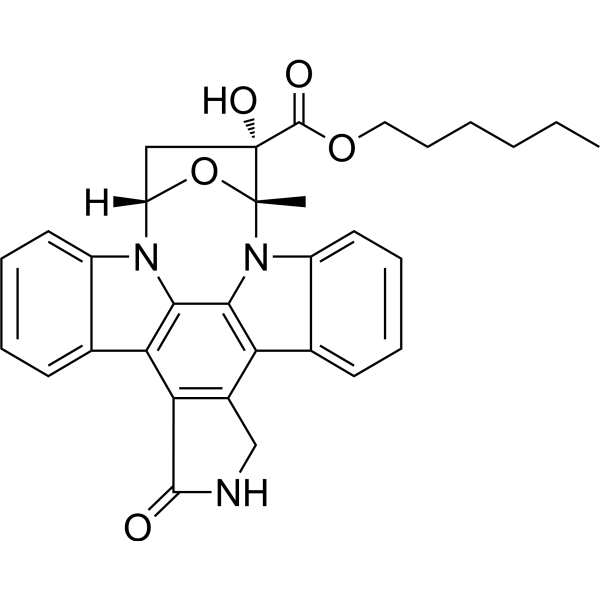
    KT5720 is a potent, cell-permeable, specific, reversible and ATP-competitive PKA inhibitor (IC50=3.3 μM). KT5720 is effective in reversing MDR1-mediated multidrug resistance. KT5720 also reduces the excitability of dorsal root ganglion (DRG) neurons by attenuating Hyperpolarization-activated cyclic nucleotide-gated (HCN) channel activity and reducing intracellular Ca2 + concentrations. KT5720 can be used in the study of haematological malignancies as well as HCN and DRG neuron-related diseases .
    KT5720
  • HY-N0538

    Xylite

    Environmental Pollutants Endogenous Metabolite Bacterial Autophagy Atg7 Atg8/LC3 Metabolic Disease Cancer
    Xylitol can be classified as a polyol and sugar alcohol, exhibiting inhibitory activity on cancer cell proliferation. It induces autophagy (Autophagy) and cell death in A549 cells by activating the autophagy signaling pathway, as evidenced by the increased expression of LC3-II and Atg5-Atg12 upon Xylitol treatment. Additionally, Xylitol inhibits acetaldehyde production by Candida species, thereby reducing their carcinogenic potential. In vivo, Xylitol induces alterations in the gut microbiota of mice, which may enhance cholesterol accumulation and upregulate hepatic ChREBP, while also slowing tumor growth in the B16F10 melanoma C57BL/6 mouse model .
    Xylitol
  • HY-W052508
    Norquetiapine
    1 Publications Verification

    N-Desalkylquetiapine

    Drug Metabolite 5-HT Receptor HCN Channel Serotonin Transporter Neurological Disease
    Norquetiapine ( N-Desalkylauetiapine), a metabolite of Quetiapine (HY-14544), is a selective HCN1 channel inhibitor, with an IC50 of 13.9 μM. Norquetiapine selectively inhibits noradrenaline reuptake, is a partial 5-HT1A (Ki = 45 nM) receptor agonist, and acts as an antagonist at presynapticα2 (Ki = 237 nM), 5-HT2C(Ki = 107 nM), and 5-HT7 (Ki = 76 nM) receptors. Norquetiapine blocks the human cardiac sodium channel Nav1.5 in a state-dependent manner. Norquetiapine shows partial anti-inflammatory effects in LPS (HY-D1056) injected C57BL/6 mice. Norquetiapine can be used for the study of depression and inflammation .
    Norquetiapine
  • HY-139400

    FTX-6058

    Histone Methyltransferase Cardiovascular Disease
    Pociredir (FTX-6058) is a potent and orally active inhibitor of Embryonic Ectoderm Development (EED). Pociredir can induce HbF protein expression in cell and murine models. Pociredir can be used for the research of select hemoglobinopathies, including sickle cell disease and β-thalassemia .
    Pociredir
  • HY-101160

    DRG16

    DNA Alkylator/Crosslinker ADC Payload Cancer
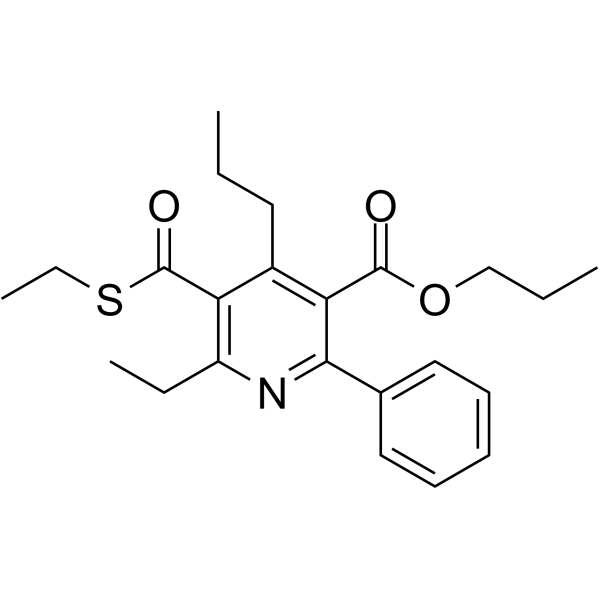
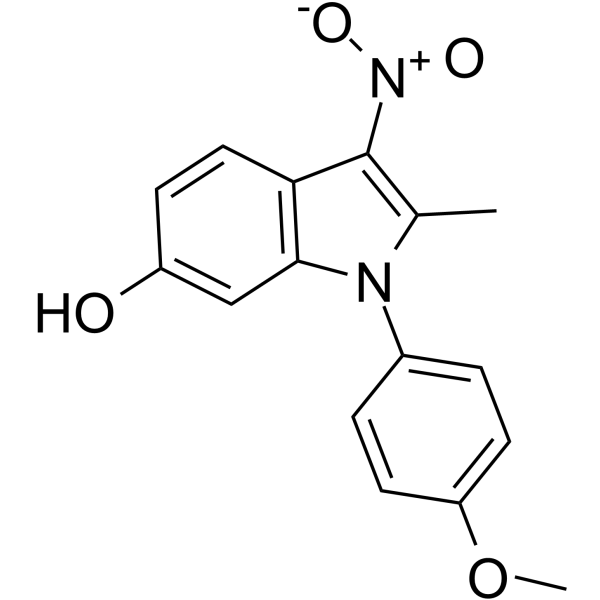
    SG2057 (DRG16) is a PBD dimer containing a pentyldioxy linkage which binds sequence selectively in the minor groove of DNA forming DNA interstrand and intrastrand cross-linked adducts. SG2057 is a highly active antitumor agent .
    SG2057
  • HY-136977
    EEDi-5285
    1 Publications Verification

    Histone Methyltransferase Cancer
    EEDi-5285 is an exceptionally potent and orally active embryonic ectoderm development (EED) inhibitor with an IC50 value of 0.2 nM for binds to the EED protein. EEDi-5285 has anti-cancer activity .
    EEDi-5285
  • HY-13106
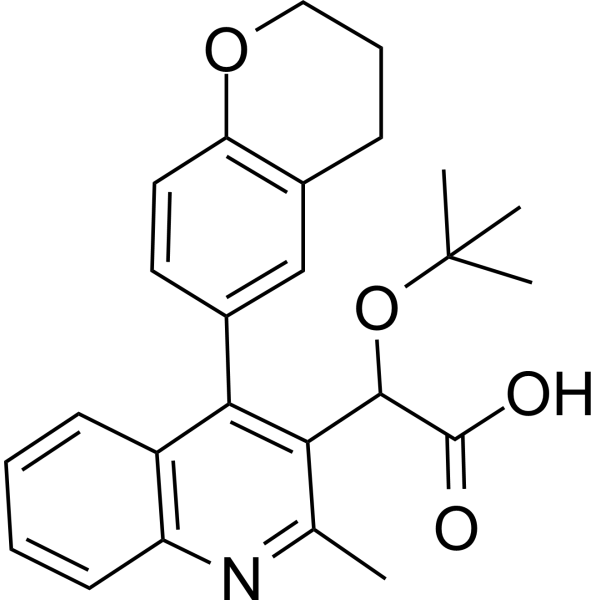
    Olodanrigan
    4 Publications Verification

    EMA401; PD-126055; (S)-EMA400

    Angiotensin Receptor Cardiovascular Disease Neurological Disease Endocrinology
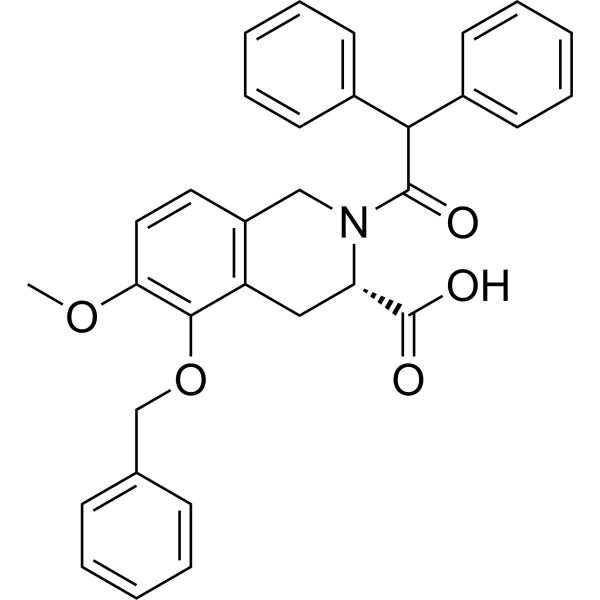
    Olodanrigan (EMA401) is a highly selective, orally active, peripherally restricted angiotensin II type 2 receptor (AT2R) antagonist. It is under development as a neuropathic pain therapeutic agent. Olodanrigan (EMA401) analgesic action appears to involve inhibition of augmented AngII/AT2R induced p38 and p42/p44 MAPK activation, and hence inhibition of DRG neuron hyperexcitability and sprouting of DRG neurons .
    Olodanrigan
  • HY-117427
    D5D-IN-326
    2 Publications Verification

    Stearoyl-CoA Desaturase (SCD) Metabolic Disease
    D5D-IN-326 is a selective, orally active delta-5 desaturase (D5D) inhibitor, with IC50s of 72 and 22 nM for rat and human D5D in enzymic and cell-based assays, respectively, has no effect on D6D or D9D activity. D5D-IN-326 reduces insulin resistance and decreases body weight in diet-induced obese C57BL/6J mice .
    D5D-IN-326
  • HY-Y1110H

    Magnogene, suitable for insect cell culture

    Environmental Pollutants Biochemical Assay Reagents Others
    Magnesium chloride anhydrous, suitable for insect cell culture is an inorganic salt and cell culture medium component that can be used to prepare Tris buffer. Magnesium chloride anhydrous, suitable for insect cell culture is a component of Hunter's Thrips medium, which supports the in vitro culture of western flower thrip embryonic cells, and promotes the adhesion of tissue fragments/cells as well as the growth of fibroblast-like and epithelial-like cells .
    Magnesium chloride anhydrous, suitable for insect cell culture
  • HY-109061B
    Lazertinib mesylate
    3 Publications Verification

    YH25448 mesylate; GNS-1480 mesylate

    TRP Channel EGFR Akt ERK Apoptosis Cancer
    Lazertinib (YH25448; GNS-1480) mesylate is an orally active, blood-brain barrier permeable third-generation EGFR tyrosine kinase inhibitor, as well as an ABCB1/ABCG2 inhibitor and a TRPA1 activator. Lazertinib mesylate exhibits IC50 values of 0.4 mM and 0.2 mM against human ABCB1 and ABCG2, respectively. By inhibiting mutant EGFR signaling, EGFR phosphorylation and the downstream ERK/AKT pathway, as well as upregulating surface expression of EGFR/MET, Lazertinib mesylate induces cell cycle arrest, apoptosis, spontaneous calcium responses, hyperexcitability of dorsal root ganglion (DRG) neurons, and TRPA1-dependent pain-like behaviors. Lazertinib mesylate competitively binds to the substrate-binding sites of ABCB1/ABCG2, stimulates their ATPase activity without altering their expression or plasma membrane localization, thereby enhancing ADCC activity, acting as a chemosensitizer, and reversing ABCB1-mediated multidrug resistance. It exerts antitumor activity as a single agent or in combination with other drugs. Lazertinib mesylate is applicable to research related to non-small cell lung cancer, multidrug-resistant cancers, and paresthesia .
    Lazertinib mesylate
  • HY-103073
    Mesendogen
    1 Publications Verification

    TRP Channel Others
    Mesendogen is a TRPM6 inhibitor. Mesendogen enhances the mesoderm and definitive endoderm (DE) differentiations of human embryonic stem cells (hESCs) and human induced pluripotent stem cells (hiPSCs). Mesendogen can be used for the research of magnesium homeostasis during early embryonic cell development .
    Mesendogen
  • HY-130815A

    Ligands for Target Protein for PROTAC Histone Methyltransferase Cancer
    MAK683-CH2CH2COOH binds to EED (embryonic ectoderm development protein). MAK683-CH2CH2COOH and a VHL ligand for the E3 ubiquitin ligase have been used to design PROTAC EED degrader-1 (HY-130614) and PROTAC EED degrader-2 (HY-130615) .
    MAK683-C2-acid hydrochloride
  • HY-15838
    ID-8
    5 Publications Verification

    DYRK Cancer
    ID-8 is an inhibitor of dual-specificity tyrosine phosphorylation-regulated kinase (DYRK). ID-8 sustains embryonic stem cell (ESC) self-renewal and pluripotency. ID-8 enhances Wnt-mediated hESC survival and proliferation via inhibition of DYRKs .
    ID-8
  • HY-W762011

    Apoptosis Reactive Oxygen Species (ROS) JNK Oxidative Phosphorylation Inflammation/Immunology Cancer
    BDE 47 targets mitochondria, inhibits mitochondrial oxidative phosphorylation (OXPHOS), decreases mitochondrial membrane potential (MMP) and induces apoptosis in embryonic cell. BDE 47 induces the generation of ROS, and activates the JNK signaling pathway. BDE 47 exhibits embryonic developmental toxicity in zebrafish .
    BDE 47
  • HY-100368A
    MELK-8a hydrochloride
    3 Publications Verification

    NVS-MELK8a hydrochloride

    MELK Cancer
    MELK-8a hydrochloride is a novel maternal embryonic leucine zipper kinase (MELK) inhibitor with an IC50 of 2 nM.
    MELK-8a hydrochloride
  • HY-124838
    EG1
    1 Publications Verification

    DNA/RNA Synthesis Cancer
    EG1, a specific Pax2 inhibitor, directly binds the paired domain of Pax2 (Kd=1.35-1.5 μM) and inhibits Pax2-DNA interactions. EG1 can inhibit embryonic kidney development, a process directly dependent on Pax2 activity .
    EG1
  • HY-157802

    Sodium Channel Neurological Disease
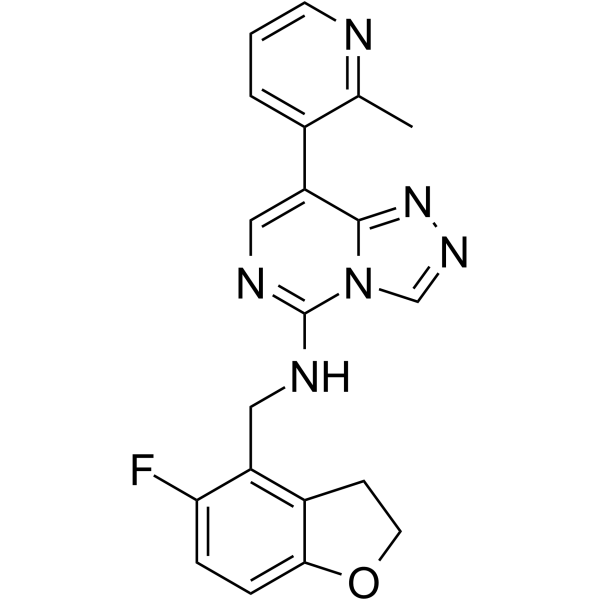
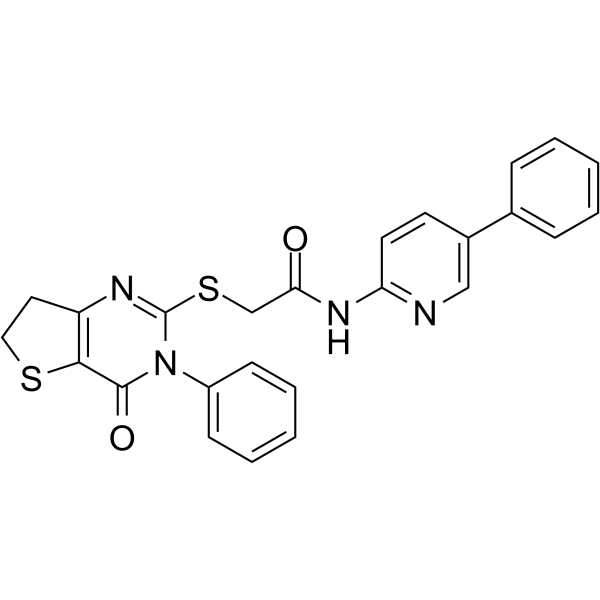
    LTGO-33 is a potent and selective voltage-gated sodium channel NaV1.8 inhibitor. LTGO-33 inhibits NaV1.8 in the nM potency range and exhibits over 600-fold selectivity against human NaV1.1-NaV1.7 and NaV1.9. LTGO-33 exhibits state-independent inhibition with similar potencies on channels in the closed and inactivated conformations. LTGO-33 inhibits native TTX-R NaV1.8 currents in non-human primate and human DRG neurons, where it reduces action potential firing. LTGO-33 can be used for pain disorders research .
    LTGO-33
  • HY-Y0278

    Tetrachloro-p-benzoquinone; TCBQ

    Environmental Pollutants JNK Fungal Toll-like Receptor (TLR) Reactive Oxygen Species (ROS) Apoptosis MyD88 Ferroptosis Infection Neurological Disease Metabolic Disease Inflammation/Immunology
    Chloranil (Tetrachloro-p-benzoquinone), an orally active metabolite of pentachlorophenol and hexachlorobenzene, is a widely used fungicide. Chloranil can induce ROS production. Chloranil induces neutrophil extracellular traps through the ROS-JNK-NOX2 pathway. Chloranil induces ferroptosis and neuroinflammation. Chloranil induces apoptosis of mouse embryonic stem cells .
    Chloranil
  • HY-114858
    Epiblastin A
    1 Publications Verification

    Casein Kinase Cancer
    Epiblastin A is an ATP competitive casein kinase 1 (CK1) inhibitor with IC50s of 8.9, 0.5, and 4.7 µM for CK1α, CK1δ, and CK1 ɛ, respectively. Epiblastin A induces reprogramming of epiblast stem cells into embryonic stem cells by inhibition of CK1 .
    Epiblastin A
  • HY-124619

    EAAT HIV Neurological Disease
    GPI-1046 is an orally active, antibiotic-free immunophilin ligand that reduces ethanol intake by upregulating glutamate transporter 1 (GLT1) in the prefrontal cortex (PFC) and nucleus accumbens core (NAc-core). GPI-1046 improves human immunodeficiency virus (HIV)-associated sensory neuropathy (HIV-SN) by attenuating store-operated calcium (SOC) entry. GPI-1046 has neuroprotective activity .
    GPI-1046
  • HY-18601
    (±)-BI-D
    5+ Cited Publications

    HIV HIV Integrase Infection
    (±)-BI-D is a potent ALLINI (allosteric integrase inhibitor). (±)-BI-D binds integrase at the LEDGF/p75 binding site. (±)-BI-D inhibits HIV-Luc infection in cells (IC50: 0.16 μM in Psip1 knockout E9 mouse embryonic fibroblasts, 2.9 μM in wild-type E9 mouse embryonic fibroblasts) .
    (±)-BI-D
  • HY-170362

    Cyclic GMP-AMP Synthase Inflammation/Immunology
    cGAS-IN-4 (Compound 36) is an orally active inhibitor for cyclic GMP-AMP synthase (cGAS) with IC50 of 32 nM and 5.8 nM for h-cGAS and m-cGAS. cGAS-IN-4 inhibits the cGAMP in THP-1 cell with an IC50 of 60 nM, which improves the cellular potency. cGAS-IN-4 exhibits anti-inflammatory efficacy in Concanavalin A (HY-P2149)-induced acute liver injury in mouse models . orally active, THP-1, C57Bl/6 mouse, orally active
    cGAS-IN-4
  • HY-172930

    Molecular Glues IKZF Family Potassium Channel Inflammation/Immunology Cancer
    PVTX-405 is a selective and oral active IKZF2 molecular glue degrader with a DC50  of  0.7 nM and a Dmax of 91%. PVTX-405 enhances degradation efficiency, significantly reduces off-target degradation, and alleviates hERG inhibition with IC50 of 48 µM. PVTX-405 significantly inhibits the growth of MC38 tumors, with greater synergistic anti-cancer efficacy in combination with immune checkpoint therapies (ICTs) (anti-PD1 or anti-LAG3) in the MC38 mouse tumor xenograft model using Crbn 391V C57BL/6 mice .
    PVTX-405
  • HY-139400A

    FTX-6058 hydrochloride

    Histone Methyltransferase Cardiovascular Disease
    Pociredir (FTX-6058) hydrochloride is a potent and orally active inhibitor of Embryonic Ectoderm Development (EED). Pociredir hydrochloride can induce HbF protein expression in cell and murine models. Pociredir hydrochloride can be used for the research of select hemoglobinopathies, including sickle cell disease and β-thalassemia .
    Pociredir hydrochloride
  • HY-P3138

    Angiotensin Receptor Cardiovascular Disease
    (Sar1)-Angiotensin II, an analogue of Angiotensin II, is a specific agonist of angiotensin AT1 receptor. (Sar1)-Angiotensin II binds to brain membrane-rich particles, with a Kd of 2.7 nM. (Sar1)-Angiotensin II can stimulate protein synthesis and cell growth in embryonic chick myocytes .
    (Sar1)-Angiotensin II
  • HY-100368
    MELK-8a
    3 Publications Verification

    NVS-MELK8a

    PDGFR Haspin Kinase MELK Mitosis Cancer
    MELK-8a (NVS-MELK8a) is a highly potent and selective maternal embryonic leucine zipper kinase (MELK) inhibitor with IC50 of 2 nM. MELK-8a also inhibits Flt3 (ITD), Haspin, PDGFRα with IC50s of 0.18, 0.19, and 0.42 μM, respectively. MELK plays an essential role in regulating cell mitosis in a subset of cancer cells .
    MELK-8a
  • HY-118941

    Prostaglandin Receptor Cardiovascular Disease
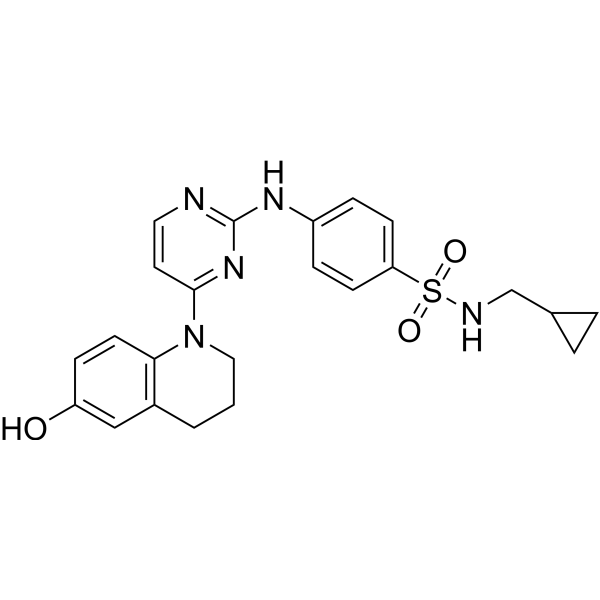
    BAY 73-1449 is a selective antagonist of prostacyclin receptor (IP), with high potency (IC50 of less than 0.1 nM) in cAMP assays in Human HEL cells and rat DRG. BAY 73-1449 can be used in the research of lowering blood pressure .
    BAY 73-1449
  • HY-12273G

    Organoid TGF-β Receptor Microtubule/Tubulin Cardiovascular Disease Neurological Disease
    DMH-1 (GMP) is GMP grade DMH-1 (HY-12273). DMH-1 (GMP) is a selective BMP inhibitor. DMH-1 (GMP) upregulates the expression of SOX1. DMH-1 (GMP) increases cardiomyocyte progenitor cells and promotes the differentiation of mouse embryonic stem cells into cardiomyocytes. DMH-1 (GMP) induces the differentiation of hiPSC-derived neural progenitor cells into β3-tubulin-positive neurons .
    DMH-1
  • HY-101515

    MELK Cancer
    MELK-IN-1 is a potent inhibitor of maternal embryonic leucine zipper kinase (MELK) with an IC50 and a Ki of 3 nM and 0.39 nM, respectively.
    MELK-IN-1
  • HY-100534

    Organoid TGF-beta/Smad Others
    IDE2 is a small molecule cell-permeable inducer of definitive endoderm formation in mouse and human embryonic stem cells (ESCs) by activating the TGF-βsignaling pathway .
    IDE 2
  • HY-E70098

    Others Cancer
    RNase H2 is the predominant source of RNase H activity in mammalian and human cells. RNase H2 protects genome integrity. RNase H2 has been associated with ribonucleotide removal from genomic DNA in yeast and mouse, where it is required for embryonic development .
    RNase H2
  • HY-W052508S

    N-Desalkylquetiapine-d8

    Isotope-Labeled Compounds Others Neurological Disease Inflammation/Immunology
    Norquetiapine-d8 (N-Desalkylquetiapine-d8) is the deuterium labeled Norquetiapine.Norquetiapine ( N-Desalkylauetiapine), a metabolite of Quetiapine (HY-14544), is a selective HCN1 channel inhibitor, with an IC50 of 13.9 μM. Norquetiapine selectively inhibits noradrenaline reuptake, is a partial 5-HT1A (Ki = 45 nM) receptor agonist, and acts as an antagonist at presynapticα2 (Ki = 237 nM), 5-HT2C(Ki = 107 nM), and 5-HT7 (Ki = 76 nM) receptors. Norquetiapine blocks the human cardiac sodium channel Nav1.5 in a state-dependent manner. Norquetiapine shows partial anti-inflammatory effects in LPS (HY-D1056) injected C57BL/6 mice. Norquetiapine can be used for the study of depression and inflammation .
    Norquetiapine-d8
  • HY-125987

    Ras Cancer
    RBC6 is an inhibitor of GTPases RalA. RBC6 inhibits binding of Ral to its effector RALBP1. RBC6 also inhibits Ral-mediated cell spreading of murine embryonic fibroblasts, as well as anchorage-independent growth of human cancer celllines .
    RBC6
  • HY-116057

    Apoptosis Others
    Stemazole is a protective agent that promotes stem cell survival. Stemazole has the protective effect of human embryonic stem cells (hESCs). Stemazole enhances clonal expansion of single cells and decreases apoptosis. Stemazole for the study of stem cell survival in starvation culture .
    Stemazole
  • HY-W178327

    Adenosine Receptor Cancer
    8-Chloro caffeine binds to adenosine receptors (Ki = 30 µM). 8-Chloro caffeine potentiates UV-induced chromosomal aberrations in Cl-I Chinese hamster embryonic lung cells. 8-Chloro caffeine is a derivative of the methylxanthine alkaloid caffeine .
    8-Chloro caffeine
  • HY-B1374S1

    (-)-Florfenicol-d3; SCH-25298-d3

    Isotope-Labeled Compounds Bacterial Antibiotic Infection
    Florfenicol-d3 ((-)-Florfenicol-d3)?is the deuterium labeled Florfenicol. Florfenicol, a commonly used veterinary antibiotic, is currently indicated for bovine respiratory disease, and also used in aquaculture for the control of enteric septicemia in catfish. Florfenicol can induce early embryonic death in eggs, with an LC50 of 1.07 μg/g.
    Florfenicol-d3
  • HY-173396

    VU319

    mAChR Neurological Disease
    VU0467319 (Compound VU319) is a highly selective and blood-brain-permeable, orally active M1 positive allosteric modulator (PAM) (EC50: 492 nM). VU0467319 is selective (EC50 > 30 μM) versus M2-5 for both human and rat. VU0467319 improves cognitive impairment in Alzheimer's disease (AD) through central M1 muscarinic receptors. VU0467319 does not induce cholinergic adverse reactions and has potential in AD research .
    VU0467319
  • HY-177406

    TNF Receptor Apoptosis NO Synthase Inflammation/Immunology
    VR11 aptamer is a DNA-based TNF-α inhibitor with a KD of 7.0 nM. VR11 aptamer prevents TNFα-induced apoptosis and NO production. VR11 aptamer has non-immunogenicity and does not raise immune responses when injected intraperitoneally into C57BL/6 mice model. VR11 aptamer can be used for inflammatory diseases research .
    VR11 aptamer
  • HY-W040555
    Norquetiapine dihydrochloride
    1 Publications Verification

    N-Desalkylquetiapine dihydrochloride

    Drug Metabolite 5-HT Receptor HCN Channel Serotonin Transporter Neurological Disease
    Norquetiapine ( N-Desalkylauetiapine) dihydrochloride, a metabolite of Quetiapine (HY-14544), is a selective HCN1 channel inhibitor, with an IC50 of 13.9 μM. Norquetiapine dihydrochloride selectively inhibits noradrenaline reuptake, is a partial 5-HT1A (Ki = 45 nM) receptor agonist, and acts as an antagonist at presynapticα2 (Ki = 237 nM), 5-HT2C(Ki = 107 nM), and 5-HT7 (Ki = 76 nM) receptors. Norquetiapine dihydrochloride blocks the human cardiac sodium channel Nav1.5 in a state-dependent manner. Norquetiapine dihydrochloride shows partial anti-inflammatory effects in LPS (HY-D1056) injected C57BL/6 mice. Norquetiapine dihydrochloride can be used for the study of depression and inflammation .
    Norquetiapine dihydrochloride
  • HY-175660

    Heme Oxygenase (HO) Cancer
    KCL-HO-1i is an orally active heme oxygenase-1 (HO-1) inhibitor (rat HO-1: IC50 = 123 nM) and human HO-1: IC50 = 128 nM). KCL-HO-1i targets immunosuppressive LYVE-1 + perivascular tumor-associated macrophages (PvTAMs) in the tumor microenvironment (TME), reduces PvTAM-mediated immune exclusion. KCL-HO-1i demonstrates synergistic anti-tumor efficacy with chemotherapy in MMTV-PyMT spontaneous breast cancer mice or C57Bl/6 mice bearing subcutaneous MN-MCA1 sarcomas. KCL-HO-1i can be used for the study of cancer .
    KCL-HO-1i
  • HY-111560

    Potassium Channel Neurological Disease
    IQM-266 is a Downstream Regulatory Element Antagonist Modulator (DREAM) ligand with a KD of 4.63 μM. IQM-266 inhibits the KV4.3/DREAM current in a concentration-, voltage-, and time-dependent-manner. IQM-266 also modulates A-type outward potassium currents (IA) from rat dorsal root ganglia (DRG) neurons. IQM-266 can be used for neurological disease research, such as Alzheimer’s disease and Huntington's disease (HD) .
    IQM-266
  • HY-12564

    Aurora Kinase Apoptosis Mitosis Cancer
    Phthalazinone pyrazole is a potent, selective, and orally active inhibitor of Aurora-A kinase with an IC50 of 0.031 μM. Phthalazinone pyrazole can arrests mitosis and subsequently inhibit tumor growth via apoptosis of proliferating cells. Phthalazinone pyrazole suppresses the epithelial-mesenchymal transition (EMT) during the differentiation of hepatocyte-like cells (HLCs) from human embryonic stem cells .
    Phthalazinone pyrazole
  • HY-117236

    γ-secretase Neurological Disease
    GSI-136 is an inhibitor of γ-secretase with an IC50 of 3 nM. GSI-136 can lead to a dose-dependent reduction of Aβ40 levels in diethylamine-extracted brain homogenates of C57BL/6 mice. GSI-136 can be studied in medicinal chemistry and Alzheimer's disease research .
    GSI-136
  • HY-157429

    5-HT Receptor Neurological Disease
    25N-N1-Nap (compound 16) is a β-arrestin-biased 5-HT2A agonist. 25N-N1-Nap antagonizes phencyclidine induced hyperactivity in Male C57BL/6 J mice .
    25N-N1-Nap
  • HY-P10358

    Calcium Channel Neurological Disease
    TAT-CBD3A6K, is a modified TAT-CBD3 peptide. TAT-CBD3A6K reduces T- and R-type voltage-dependent calcium currents in dorsal root ganglion (DRG) neurons. TAT-CBD3A6K shows anti-nociceptive effects in a model of AIDS-induced peripheral neuropathy by preventing CRMP-2-mediated enhancement of T- and R-type calcium channel function .
    TAT-CBD3A6K

Inquiry Online

Your information is safe with us. * Required Fields.

Salutation


Country or Region *

Applicant Name *


Organization Name *

Department *


Email Address *


Product Name *

Cat. No.


Requested quantity *

Phone Number *


Remarks

Inquiry Online

Inquiry Information

Product Name:
Cat. No.:
Quantity:
MCE Japan Authorized Agent:

