1. Search Result
Search Result
Results for "

glucose transporter inhibitor

" in MedChemExpress (MCE) Product Catalog:

49

Inhibitors & Agonists

2

Screening Libraries

10

Natural
Products

Cat. No. Product Name Target Research Areas Chemical Structure
  • HY-100017
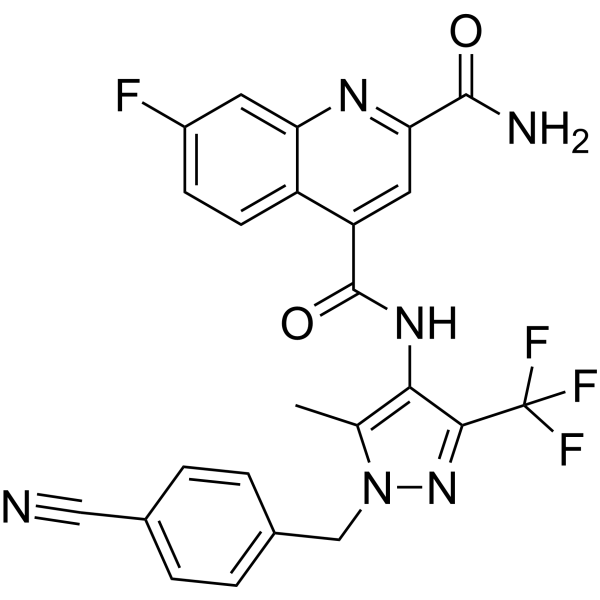
    BAY-876
    Maximum Cited Publications
    52 Publications Verification

    GLUT Disulfidptosis Cancer
    BAY-876, a chemical probe, is an orally active and selective glucose transporter 1 (GLUT1) inhibitor with an IC50 of 2 nM. BAY-876 is >130-fold more selective for GLUT1 than GLUT2, GLUT3, and GLUT4. BAY-876 is also a potent blocker of glycolytic metabolism and ovarian cancer growth. In addition, BAY-876 can induce the formation of disulfide bonds in actin cytoskeletal proteins, leading to the occurrence of cellular disulfidptosis .
    BAY-876
  • HY-123986
    CTPI-2
    10+ Cited Publications

    Mitochondrial Metabolism Inflammation/Immunology Cancer
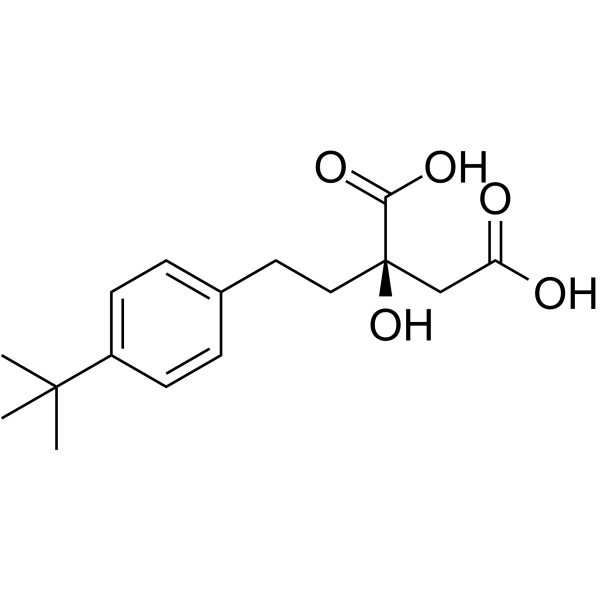
    CTPI-2 is a third-generation mitochondrial citrate carrier SLC25A1 inhibitor with a KD of 3.5 μM. CTPI-2 inhibits glycolysis, PPARγ, and its downstream target the glucose transporter GLUT4. CTPI-2 halts salient alterations of NASH reverting steatosis, preventing the evolution to steatohepatitis, reducing inflammatory macrophage infiltration in the liver and adipose tissue, and starkly mitigating obesity induced by a high-fat diet. Antitumor activity .
    CTPI-2
  • HY-145597
    KL-11743
    5 Publications Verification

    GLUT Disulfidptosis Metabolic Disease Cancer
    KL-11743 is a potent, orally active, and glucose-competitive inhibitor of the class I glucose transporters, with IC50s of 115, 137, 90, and 68 nM for GLUT1, GLUT2, GLUT3, and GLUT4, respectively. KL-11743 specifically blocks glucose metabolism. KL-11743 can synergize with electron transport inhibitors to induce cell death. In addition, KL-11743 can induce the formation of disulfide bonds in actin cytoskeletal proteins, leading to the occurrence of cellular disulfidptosis .
    KL-11743
  • HY-19331
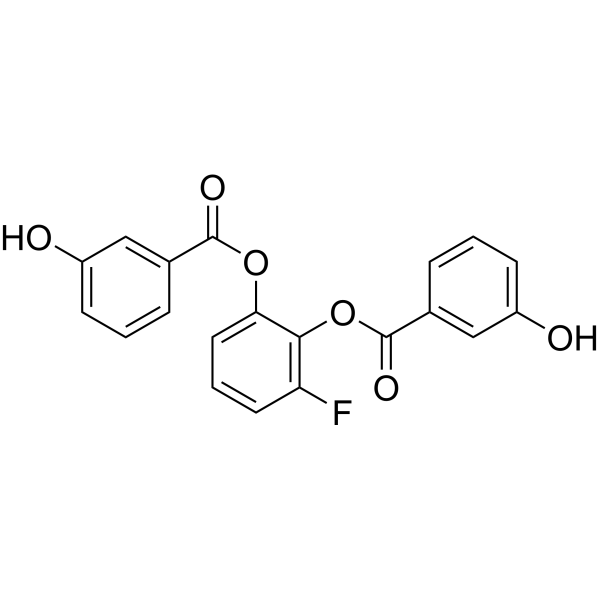
    WZB117
    20+ Cited Publications

    GLUT Cancer
    WZB117 is a glucose transporter 1 (Glut1) inhibitor, which downregulates glycolysis, induces cell-cycle arrest, and inhibits cancer cell growth in vitro and in vivo.
    WZB117
  • HY-N0668
    Rubusoside
    2 Publications Verification

    GLUT Amylases NF-κB Metabolic Disease Inflammation/Immunology Cancer
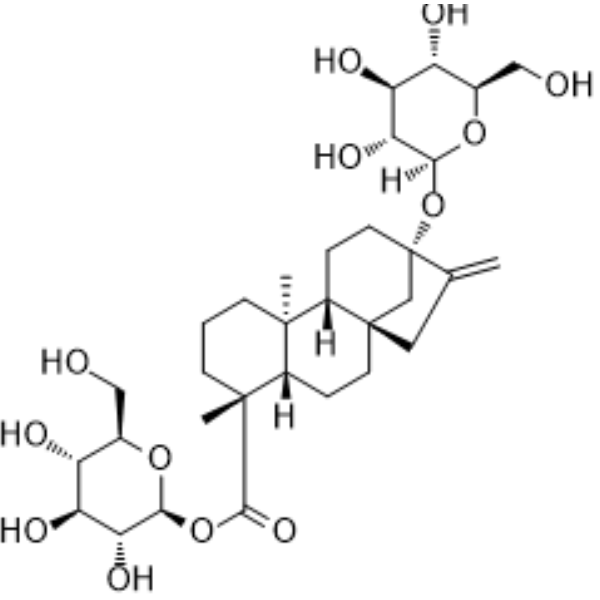
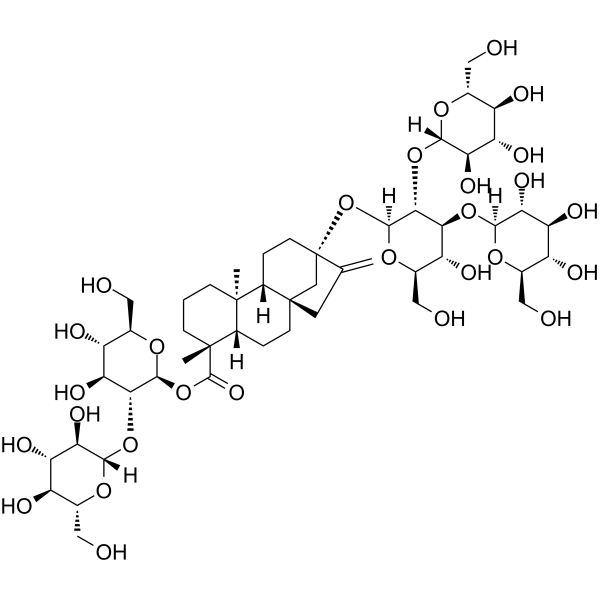
    Rubusoside is a diterpene glycoside that is also a sweetener and solubilizer with anti-angiogenic, anti-cancer, anti-obesity, anti-allergic and anti-asthmatic effects. Rubusoside attenuates airway hyperresponsiveness and reduces inflammatory cells in bronchoalveolar lavage fluid (BALF), reducing OVA (HY-W250978)-induced airway inflammation. Rubusoside also prevents palmitic acid-induced lipotoxicity in pancreatic INS-1 cells, reduces the transport of human glucose transporters GLUT-1 and fructose GLUT-5, and inhibits NF-κB and α-amylase (α-amylase) .
    Rubusoside
  • HY-18728
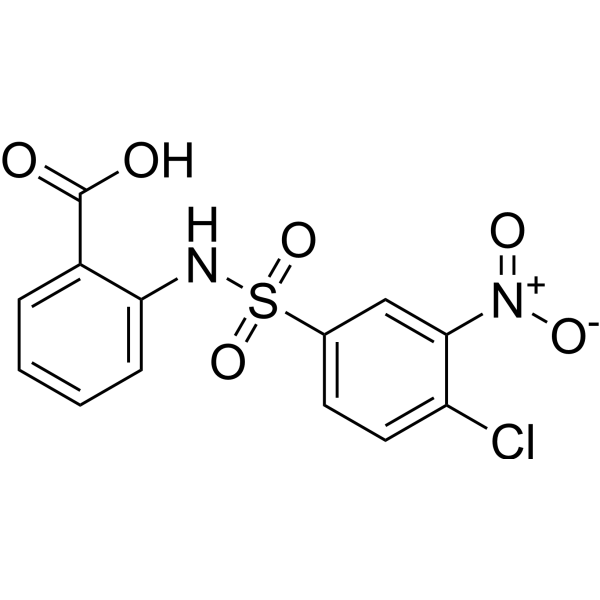
    STF-31
    15+ Cited Publications

    GLUT Autophagy Cancer
    STF-31 is a selective inhibitor of glucose transporter 1 (GLUT1), with an IC50 of 1 μM. STF-31 is also a NAMPT inhibitor. STF-31 inhibits glucose uptake in renal cell carcinoma (RCC) 4 cells .
    STF-31
  • HY-123011

    SHR3824

    SGLT Metabolic Disease
    Henagliflozin (SHR3824) is a potent selective sodium-glucose co-transporter 2 (SGLT2) inhibitor with the IC50 values of 2.38 and 4324 nM for human SGLT2 and SGLT1, respectively. Henagliflozin can be used in diabetes research .
    Henagliflozin
  • HY-A0080
    Aminohippurate sodium
    4 Publications Verification

    Sodium p-aminohippurate; p-Aminohippuric acid sodium salt

    Biochemical Assay Reagents
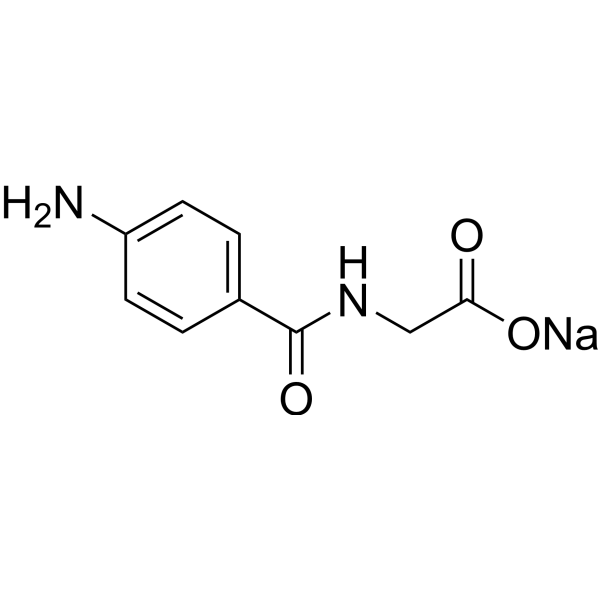
    Aminohippurate sodium is a renal tubular transport inhibitor and a substrate for organic anion transporters. Aminohippurate sodium inhibits renal tubular reabsorption of phosphate and promotes increased urinary phosphate excretion. Aminohippurate sodium inhibits renal tubular reabsorption of vitamin C as well as the transport of glucose .
    Aminohippurate sodium
  • HY-N0468
    Rebaudioside D
    1 Publications Verification

    FXR Acetyl-CoA Carboxylase Metabolic Disease
    Rebaudioside D is an orally active sweetener that targets and activates FXR, modulates Acetyl-CoA Carboxylase, and inhibits 3-hydroxy-3-methylglutaryl-CoA reductase. Rebaudioside D regulates bile acid homeostasis and lipid metabolism, reduces the synthesis rates of fatty acids and cholesterol, and exerts multiple effects including anti-adipogenesis, hepatoprotection, anti-steatosis, gut microbiota modulation, enhancement of secondary bile acid metabolism, anti-endotoxin activity, regulation of bile acid transport, and inhibition of bile acid efflux. Rebaudioside D also reduces body weight gain, visceral fat accumulation, hepatic triglyceride and cholesterol accumulation, hepatic lipid peroxidation, and decreases the circulating level of lipopolysaccharide-binding protein. Rebaudioside D additionally enhances the secondary bile acid metabolic pathway of intestinal bacteria, upregulates the gene expression of ileal organic solute transporter α, and downregulates the gene expression of hepatic bile salt export pump. Rebaudioside D does not affect glucose homeostasis, alter total caloric intake or fecal energy excretion, induce weight gain, exacerbate obesity, promote hepatic steatosis, impair brown adipose tissue function, nor change skeletal muscle metabolism-related proteins. Rebaudioside D can be used in diet-induced obesity and obesity-related research .
    Rebaudioside D
  • HY-139605
    GLUT inhibitor-1
    1 Publications Verification

    GLUT Inflammation/Immunology Cancer
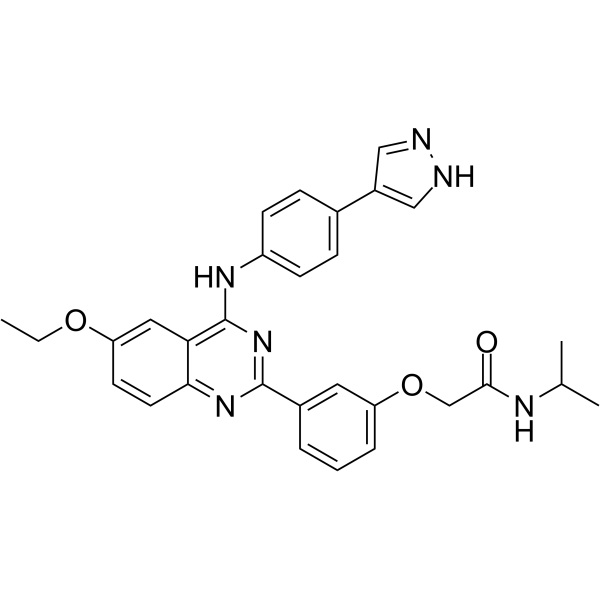
    GLUT inhibitor-1 is a potent and orally active inhibitor of glucose transporters, targeting both GLUT1 and GLUT3, with IC50s of 242 nM and 179 nM, respectively. GLUT inhibitor-1 has the potential for the reaesrch of cancers and autoimmune diseases .
    GLUT inhibitor-1
  • HY-101849
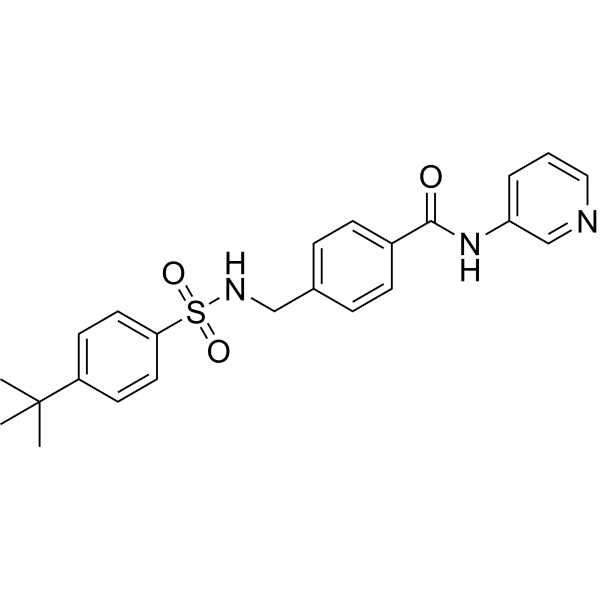
    Fasentin
    4 Publications Verification

    GLUT TNF Receptor Apoptosis Cardiovascular Disease Cancer
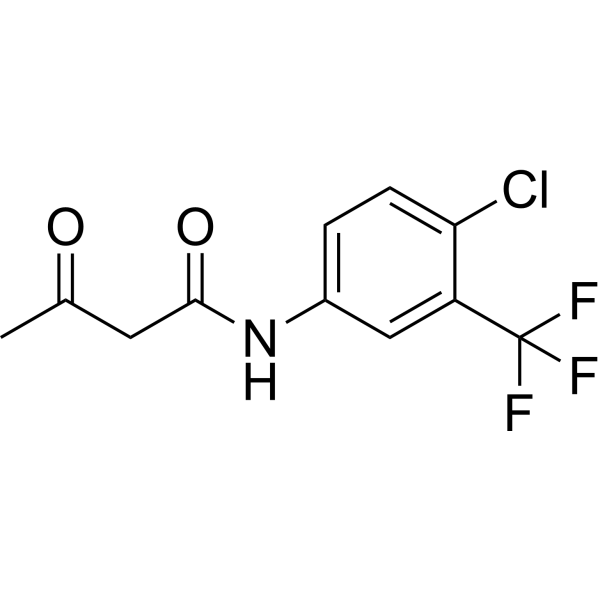
    Fasentin, a potent glucose uptake inhibitor, inhibits GLUT-1/GLUT-4 transporters. Fasentin preferentially inhibits GLUT4 (IC50=68 μM) over GLUT1. Fasentin is a death receptor stimuli (FAS) sensitizer and sensitizes cells to FAS-induced cell death. Fasentin is also a tumor necrosis factor (TNF) apoptosis-inducing ligand sensitizer. Fasentin blocks glucose uptake in cancer cell lines and has anti-angiogenic activity .
    Fasentin
  • HY-124113

    4′‐BR

    Sirtuin Apoptosis Caspase Lactate Dehydrogenase GLUT Metabolic Disease Inflammation/Immunology Cancer
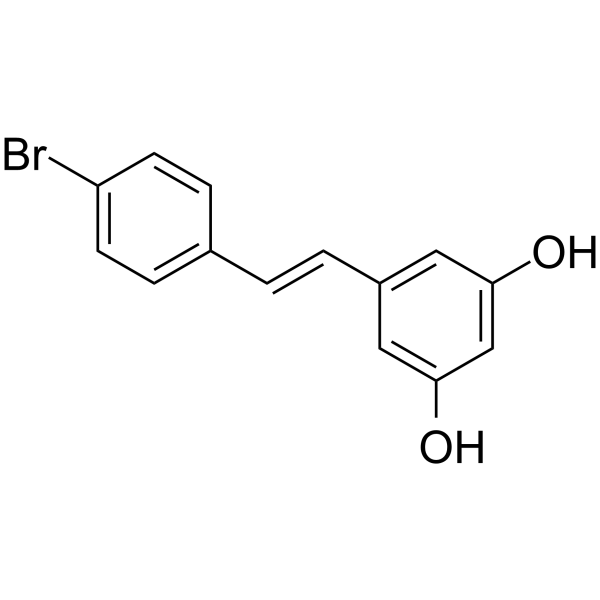
    4'-Bromo-resveratrol (4′‐BR) is a dual SIRT1/SIRT3 inhibitor with an IC50 of 0.2 mM for both targets. 4'-Bromo-resveratrol induces caspase-dependent apoptosis, induces G0/G1 cell cycle arrest, and inhiibits proliferation. 4'-Bromo-resveratrol reduces lactate production, glucose uptake, and NAD +/NADH ratio, and downregulates lactate dehydrogenase A and glucose transporter 1 (GLUT1). 4'-Bromo-resveratrol can be used for the research of melanoma .
    4'-Bromo-resveratrol
  • HY-120103
    PF-06649298
    1 Publications Verification

    Sodium Channel Metabolic Disease
    PF-06649298 is a sodium-coupled citrate transporter (NaCT or SLC13A5) inhibitor. PF-06649298 specifically interacts with NaCT with an IC50 value of 16.2 μM to inhibits the transport of citrate in human hepatocytes. PF-06649298 can be used for the research of regulating glucose metabolism and lipid metabolism .
    PF-06649298
  • HY-128723

    SGLT Others
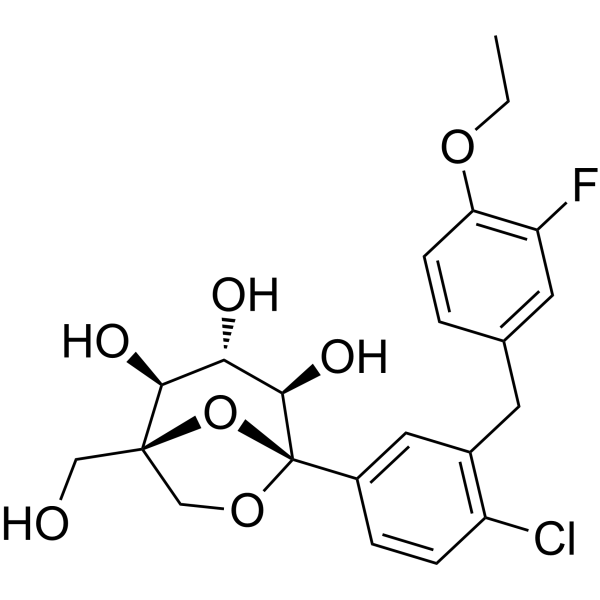
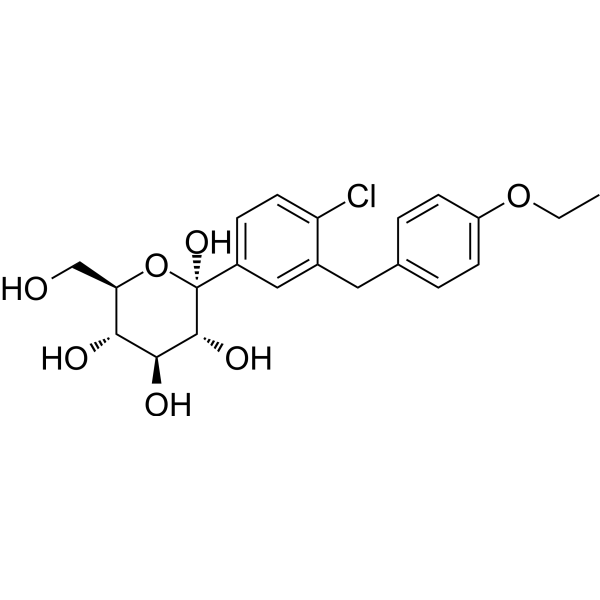
    Dapagliflozin impurity is an enantiomer of Dapagliflozin which is a sodium-glucose transporter 2 inhibitor .
    Dapagliflozin impurity
  • HY-N7433

    Ethylidene-glucose

    GLUT Endogenous Metabolite Metabolic Disease
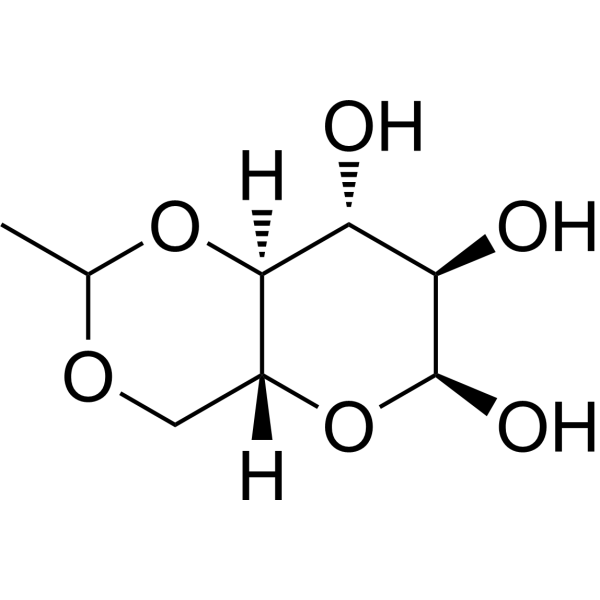
    4,6-O-ethylidene-α-D-glucose (Ethylidene-glucose), a glucose derivative, is a competitive exofacial binding-site inhibitor on glucose transporter 1 (GLUT1) with a Ki of 12 mM for wild-type 2-deoxy-D-glucose transport .
    4,6-O-Ethylidene-α-D-glucose
  • HY-N6935

    DNA/RNA Synthesis HCV Akt GLUT Infection Metabolic Disease
    Sennidin B, a stereoisomer isolated from the leaves of Cassia angustifolia, has lower activity than Sennidin A. Sennidin A inhibits HCV NS3 helicase, with an IC50 of 0.8 μM. Sennidin A induces phosphorylation of Akt and glucose transporter 4 (GLUT4) translocation. Sennidin A stimulates the glucose incorporation .
    Sennidin B
  • HY-161501

    GLUT Topoisomerase Apoptosis Cancer
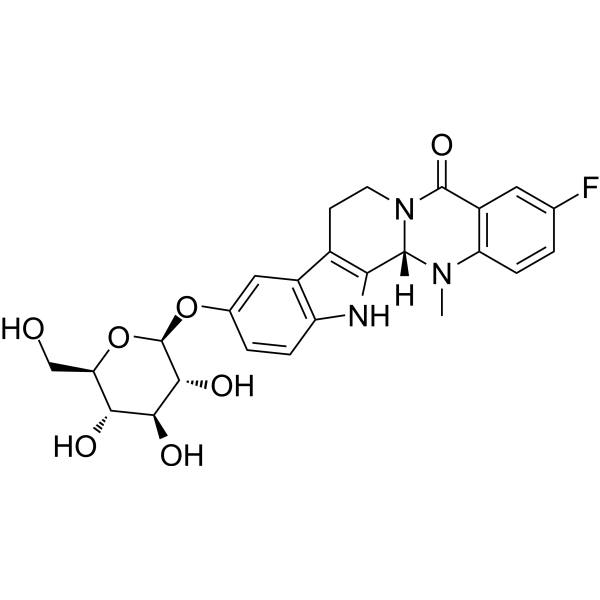
    3-Fluoro-evodiamine glucose (Compound 8) is an evodiamine-glucose conjugate. 3-Fluoro-evodiamine glucose activates the expression of glucose transporter 1 (GLUT1), and inhibits topoisomerase I/II. 3-Fluoro-evodiamine glucose induces apoptosis and arrests the cell cycle at G2/M phase. 3-Fluoro-evodiamine glucose exhibits antitumor efficacy in vivo and in vitro, without significant toxicity .
    3-Fluoro-evodiamine glucose
  • HY-B1080A
    Tilorone
    2 Publications Verification

    Influenza Virus Akt Infection Neurological Disease Metabolic Disease Inflammation/Immunology Cancer
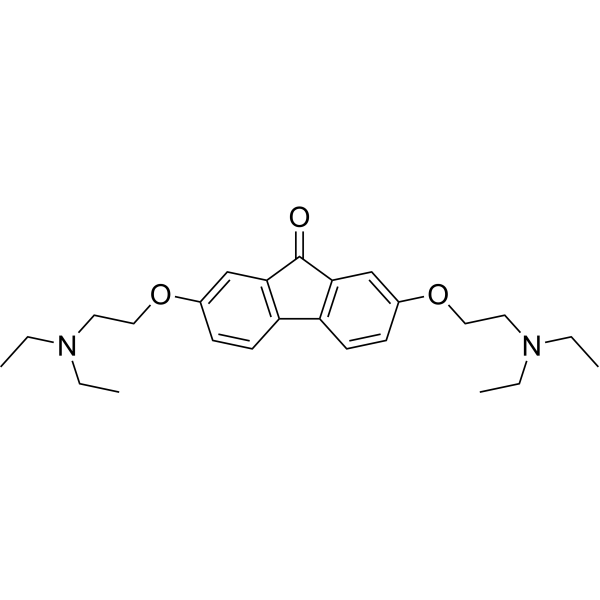
    Tilorone is an orally active antiviral agent and interferon inducer that also has potential antineoplastic, immunomodulatory, and metabolic modulating effects. Tilorone induces an abnormally delayed interferon response and primarily stimulates interferon production in lymphoid tissue. Thus, Tilorone exerts antiviral effects and can be used as a chemotherapeutic agent. Tilorone has the potential to inhibit type 2 diabetes by increasing glucose uptake in vivo and in skeletal muscle cells by enhancing Akt2/AS160 signaling and glucose transporter levels .
    Tilorone
  • HY-151486

    GLUT Cancer
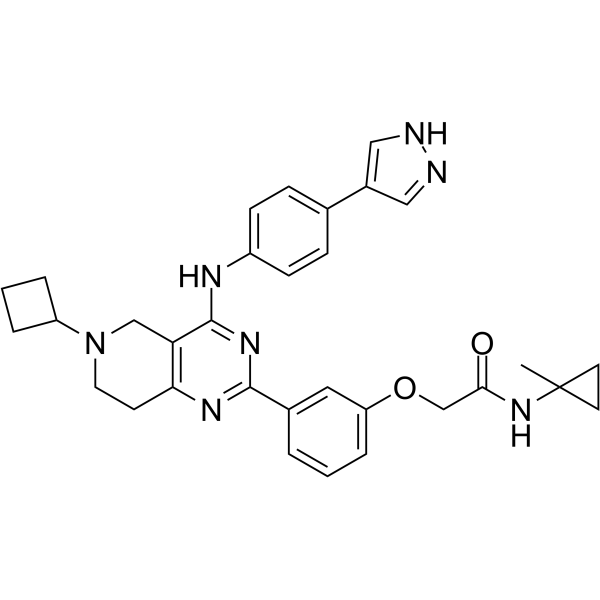
    GLUT1-IN-1 is a glucose transporter 1 (GLUT1) inhibitor and has a GLUT1-specific inactivation ability. GLUT1-IN-1 exhibits concentration-dependent cytotoxicity for HeLa, A549 and HepG2 cells with IC50 values of 5.49 μM, 11.14 μM, and 8.73 μM, respectively. GLUT1-IN-1 can be used for the research of photodynamic therapy (PDT) and severals cancer .
    GLUT1-IN-1
  • HY-10449A

    TS 071 hydrate

    SGLT Metabolic Disease
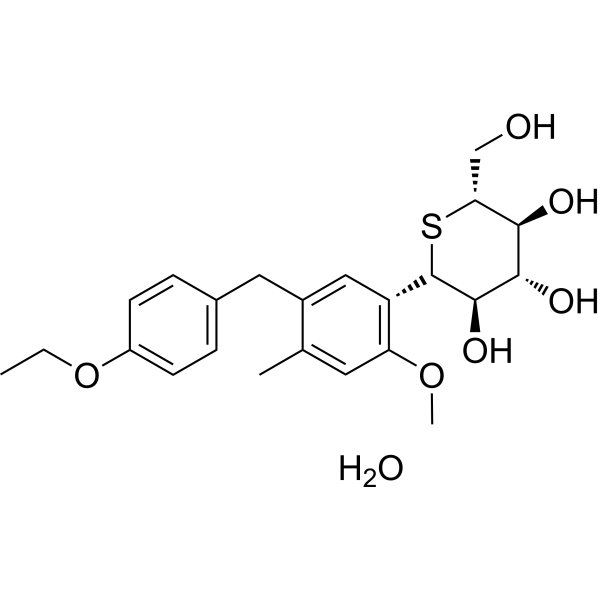
    Luseogliflozin (TS 071) hydrate is a selective potent and orally active second-generation sodium-glucose co-transporter 2 (SGLT2) inhibitor with an IC50 of 2.26 nM. Luseogliflozin hydrate can be used for the research of type 2 diabetes mellitus (T2DM) .
    Luseogliflozin hydrate
  • HY-153113

    DJT1116PG

    SGLT Endocrinology
    Rongliflozin (DJT1116PG) is a selective and orally active inhibitor of sodium-glucose co-transporter-2 (SGLT-2). Rongliflozin can be used for the research of type 2 diabetes mellitus (T2DM) .
    Rongliflozin
  • HY-139047

    GLUT Cancer
    SW157765 is a selective non-canonical glucose transporter GLUT8 (SLC2A8) inhibitor. KRAS/KEAP1 double mutant NSCLC cells are selectively sensitive to the SW157765, due to the convergent consequences of dual KRAS and NRF2 modulation of metabolic and xenobiotic gene regulatory programs .
    SW157765
  • HY-16605

    Sirtuin GLUT Metabolic Disease
    SIRT6-IN-6 (compound 6d) is a potent and selective SIRT6 inhibitor with an IC50 of 4.93 μM and a Ki of ~10 μM. SIRT6-IN-6 shows selectivity against other members of the HDAC family (SIRT1-3 and HDAC1-11). SIRT6-IN-6 significantly increases the level of glucose transporter GLUT-1, thereby reducing blood glucose in a mouse model of type 2 diabetes. SIRT6-IN-6 can be used for type 2 diabetes research .
    SIRT6-IN-6
  • HY-153612

    GLUT Parasite Infection Inflammation/Immunology
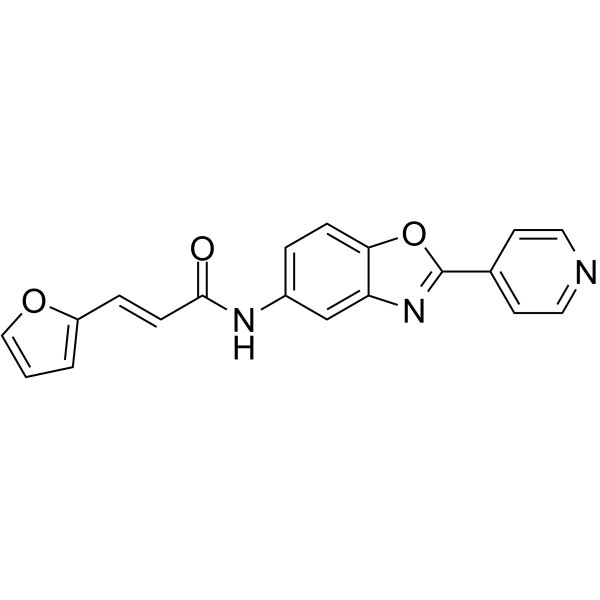
    MMV009085 is a potent PfHT1 (Plasmodium falciparum hexose transporter)-specific inhibitor and a potential anti-malarial agent . MMV009085 is also a human glucose transporter inhibitor, it has high potency in inhibiting both glucose uptake (IC50: 2.6 μM in glucose uptake assay) and growth of the parasites (EC50: 1.23±0.04 μM against 3D7) .
    MMV009085
  • HY-N6936

    DNA/RNA Synthesis HCV Akt GLUT Infection
    Sennidin A, isolated from the leaves of Cassia angustifolia, inhibits HCV NS3 helicase, with an IC50 of 0.8 μM. Sennidin A induces phosphorylation of Akt and glucose transporter 4 (GLUT4) translocation. Sennidin A stimulates the glucose incorporation .
    Sennidin A
  • HY-176050

    RgA; JW11-D2

    GLUT Cancer
    Rapaglutin A is a glucose transporter (GLUT) inhibitor. Rapaglutin A is a pan-GLUT inhibitor of Class I isoforms GLUT1, GLUT3, and GLUT4 with an IC50 of 12 nM. Rapaglutin A has an inhibitory effect on A549 proliferation .
    Rapaglutin A
  • HY-158056

    GLUT URAT1 Metabolic Disease
    URAT1/GLUT9-IN-1 (compound 29) can inhibit both uric acid transporter 1 (URAT1) (IC50=2.01 μM) and glucose transporter 9 (GLUT9) (IC50=18.21 μM). URAT1/GLUT9-IN-1 exhibits favorable pharmacokinetic properties and oral bioavailability. URAT1/GLUT9-IN-1 can be uesd for gout and hyperuricemia research .
    URAT1/GLUT9-IN-1
  • HY-115606

    NKCC Endogenous Metabolite Neurological Disease
    ML007 is a selective antagonist targeting the neuron-specific potassium-chloride co-transporter 2 (KCC2) with an IC50 for KCC2 is 537 nM, while its inhibitory activity on KCC1 is extremely weak (IC50 > 50 μM). ML077 inhibits the chloride ion excretion function of KCC2, increasing the intracellular chloride ion concentration, thereby enhancing the depolarization mediated by chloride ion channels. ML007 can promote glucose-stimulated insulin secretion (GSIS) without relying on KATP channels. ML007 can be used to study the functions related to pain, epilepsy, and insulin secretion .
    ML077
  • HY-N0668R

    GLUT Amylases NF-κB Reference Standards Metabolic Disease Inflammation/Immunology Cancer
    Rubusoside (Standard) is the analytical standard of Rubusoside. This product is intended for research and analytical applications. Rubusoside is a diterpene glycoside that is also a sweetener and solubilizer with anti-angiogenic, anti-cancer, anti-obesity, anti-allergic and anti-asthmatic effects. Rubusoside attenuates airway hyperresponsiveness and reduces inflammatory cells in bronchoalveolar lavage fluid (BALF), reducing OVA (HY-W250978)-induced airway inflammation. Rubusoside also prevents palmitic acid-induced lipotoxicity in pancreatic INS-1 cells, reduces the transport of human glucose transporters GLUT-1 and fructose GLUT-5, and inhibits NF-κB and α-amylase (α-amylase) .
    Rubusoside (Standard)
  • HY-N0468R

    Reference Standards Acetyl-CoA Carboxylase FXR Metabolic Disease
    Rebaudioside D (Standard) is the analytical standard of Rebaudioside D. This product is intended for research and analytical applications. Rebaudioside D is an orally active sweetener that targets and activates FXR, modulates Acetyl-CoA Carboxylase, and inhibits 3-hydroxy-3-methylglutaryl-CoA reductase. Rebaudioside D regulates bile acid homeostasis and lipid metabolism, reduces the synthesis rates of fatty acids and cholesterol, and exerts multiple effects including anti-adipogenesis, hepatoprotection, anti-steatosis, gut microbiota modulation, enhancement of secondary bile acid metabolism, anti-endotoxin activity, regulation of bile acid transport, and inhibition of bile acid efflux. Rebaudioside D also reduces body weight gain, visceral fat accumulation, hepatic triglyceride and cholesterol accumulation, hepatic lipid peroxidation, and decreases the circulating level of lipopolysaccharide-binding protein. Rebaudioside D additionally enhances the secondary bile acid metabolic pathway of intestinal bacteria, upregulates the gene expression of ileal organic solute transporter α, and downregulates the gene expression of hepatic bile salt export pump. Rebaudioside D does not affect glucose homeostasis, alter total caloric intake or fecal energy excretion, induce weight gain, exacerbate obesity, promote hepatic steatosis, impair brown adipose tissue function, nor change skeletal muscle metabolism-related proteins. Rebaudioside D can be used in diet-induced obesity and obesity-related research .
    Rebaudioside D (Standard)
  • HY-168989

    SGLT Metabolic Disease
    Olorigliflozin is a sodium glucose co-transporter inhibitor with anti-hyperglycemic effects .
    Olorigliflozin
  • HY-N7433R

    Ethylidene-glucose (Standard)

    Reference Standards GLUT Endogenous Metabolite Metabolic Disease
    4,6-O-ethylidene-α-D-glucose (Ethylidene-glucose), a glucose derivative, is a competitive exofacial binding-site inhibitor on glucose transporter 1 (GLUT1) with a Ki of 12 mM for wild-type 2-deoxy-D-glucose transport .
    4,6-O-Ethylidene-α-D-glucose (Standard)
  • HY-112807

    SGLT Metabolic Disease
    SGLT inhibitor-1 is a potent dual inhibitor of sodium glucose co-transporter proteins (SGLTs), inhibits hSGLT1 and hSGLT2 with IC50s of 43 nM and 9 nM, respectively .
    SGLT inhibitor-1
  • HY-178167

    SGLT Metabolic Disease
    SGLT2-IN-3 is a sodium-glucose co-transporter 2 (SGLT2) inhibitor. SGLT2-IN-3 can inhibit glucose uptake. SGLT2-IN-3 can be used for the research of metabolic disease, such as diabetes .
    SGLT2-IN-3
  • HY-165438

    SGLT Others
    Sergliflozin-A is a compound used to inhibit type 2 diabetes. It can inhibit glucose transporters in the kidney, competitively inhibit hSGLT1 and hSGLT2, and mutations at different sites have different effects on its inhibitory effect.
    Sergliflozin-A
  • HY-N6936R

    Reference Standards HCV Akt GLUT Infection
    Sennidin A (Standard) is the analytical standard of Sennidin A. This product is intended for research and analytical applications. Sennidin A, isolated from the leaves of Cassia angustifolia, inhibits HCV NS3 helicase, with an IC50 of 0.8 μM. Sennidin A induces phosphorylation of Akt and glucose transporter 4 (GLUT4) translocation. Sennidin A stimulates the glucose incorporation .
    Sennidin A (Standard)
  • HY-162132

    GLUT Cancer
    WZB117-PPG is a glucose transporter 1 (GLUT1) inhibitor with anticancer activity. WZB117-PPG has remarkable photolysis efficiency and cytotoxicity to cancer cells under visible light irradiation .
    WZB117-PPG
  • HY-16442

    Phosphatase Metabolic Disease
    S-3483, a Chlorogenic acid (HY-N0055) derivative, is a reversible, linear competitive glucose-6-phosphatase (Glc-6-Pase) system inhibitor. S-3483 inhibits Glc-6-Pase with a Ki 129 nM in rat liver microsomes. S-3483 specifically inhibits Glc-6-P transporter of renal and liver microsomes .
    S-3483
  • HY-155034

    Topoisomerase GLUT Cancer
    Antitumor agent-102 (compound 10) is a conjugate of Topoisomerase I inhibitor SN38 and glucose transporter inhibitor, targeting to colorectal cancer. Antitumor agent-102 induces higher concentrations of free SN38 in tumor tissues than Irinotecan (HY-16562) .
    Antitumor agent-102
  • HY-N6935R

    Reference Standards HCV Akt GLUT Infection Metabolic Disease
    Sennidin B (Standard) is the analytical standard of Sennidin B. This product is intended for research and analytical applications. Sennidin B, a stereoisomer isolated from the leaves of Cassia angustifolia, has lower activity than Sennidin A. Sennidin A inhibits HCV NS3 helicase, with an IC50 of 0.8 μM. Sennidin A induces phosphorylation of Akt and glucose transporter 4 (GLUT4) translocation. Sennidin A stimulates the glucose incorporation .
    Sennidin B (Standard)
  • HY-170313

    GLUT Apoptosis Reactive Oxygen Species (ROS) Cancer
    GLUT-1-IN-4 (Compound 13) is the p53 protein-dependent inhibitor for GLUT-1 glucose transporter. GLUT-1-IN-4 inhibits the proliferation of multiple cancer cells with IC50 in submicromolar levels. GLUT-1-IN-4 arrests the cell cycle, stimulates oxidative stress, and induces apoptosis .
    GLUT-1-IN-4
  • HY-101849R

    Reference Standards GLUT TNF Receptor Apoptosis Cardiovascular Disease Cancer
    Fasentin (Standard) is the analytical standard of Fasentin. This product is intended for research and analytical applications. Fasentin, a potent glucose uptake inhibitor, inhibits GLUT-1/GLUT-4 transporters. Fasentin preferentially inhibits GLUT4 (IC50=68 μM) over GLUT1. Fasentin is a death receptor stimuli (FAS) sensitizer and sensitizes cells to FAS-induced cell death. Fasentin is also a tumor necrosis factor (TNF) apoptosis-inducing ligand sensitizer. Fasentin blocks glucose uptake in cancer cell lines and has anti-angiogenic activity .
    Fasentin (Standard)
  • HY-176051

    RgE

    GLUT Cancer
    Rapaglutin E (RgE) is a glucose transporter (GLUT) inhibitor. Rapaglutin E exhibits dose-dependent inhibition of [ 3H]-2DG uptake in A549, Jurkat T, PANC10.05, and RBC, with IC50 values 8.9 nM, 3.1 nM, 35.5 nM, 74.2 nM. Rapaglutin E inhibits cell proliferation in A549, PANC10.05, HeLa, Jurkat T, and HEK293T cells .
    Rapaglutin E
  • HY-10289

    RO-4876904

    Dipeptidyl Peptidase GLP Receptor P-glycoprotein Metabolic Disease
    Carmegliptin (RO-4876904) is an orally active and potent DPP IV inhibitor with a human DPP IV IC50 of 6.8 nM. Carmegliptin binds to the S1 pocket of DPP IV, blocks the degradation of GLP 1, potentiates endogenous GLP 1, increases plasma insulin levels, alleviates hyperglycemia, improves glucose tolerance. Carmegliptin acts as a substrate for human P glycoprotein without inhibiting the transporter, shows low in vitro cell permeability. Carmegliptin can be used for the research of type 2 diabetes, non insulin dependent diabetes mellitus .
    Carmegliptin
  • HY-138976

    mTOR GLUT Neurological Disease Metabolic Disease Cancer
    NV-5440 (Compound I-120) is an mTORC1 inhibitor and glucose transporter inhibitor. NV-5440 targets GLUT-1, -2, -3, and -4, and shows no activity against GLUT-5. NV-5440 inhibits glucose uptake .
    NV-5440
  • HY-177903

    Drug Derivative GLUT DNA/RNA Synthesis Cancer
    Triptolide-6-succinate-β-D-glucose (Compound 2) is a glucose-conjugated derivative of Triptolide (HY-32735). Triptolide-6-succinate-β-D-glucose is a tumor-selective prodrug targeting glucose transporters ( GLUT). Triptolide-6-succinate-β-D-glucose can induce the degradation of the RPB subunit of RNA polymerase II. Triptolide-6-succinate-β-D-glucose inhibits the proliferation of HEK293T cells with an IC50 value of 268 nM. Triptolide-6-succinate-β-D-glucose can be used for the research of cancer, such as prostatic cancer .
    Triptolide-6-succinate-β-D-glucose
  • HY-10289A

    RO-4876904 hydrochloride

    Dipeptidyl Peptidase GLP Receptor P-glycoprotein Metabolic Disease
    Carmegliptin hydrochloride (RO-4876904 hydrochloride) is an orally active and potent DPP‑IV inhibitor with a human DPP‑IV IC50 of 6.8 nM. Carmegliptin hydrochloride binds to the S1 pocket of DPP‑IV, blocks the degradation of GLP‑1, potentiates endogenous GLP‑1, increases plasma insulin levels, alleviates hyperglycemia, improves glucose tolerance. Carmegliptin hydrochloride acts as a substrate for human P‑glycoprotein without inhibiting the transporter, shows low in vitro cell permeability. Carmegliptin hydrochloride can be used for the research of type 2 diabetes, non‑insulin‑dependent diabetes mellitus .
    Carmegliptin hydrochloride
  • HY-179631

    Apoptosis Cancer
    2DG-ODDA is a 2-deoxyglucose (2-DG) (HY-13966) derivative with potent antitumor activity. 2DG-ODDA induces apoptosis, and reduces ATP production. 2DG-ODDA is taken up through both fatty acid and glucose transporters and is cleaved by α-Mannosidase (HY-P2950), releases 2DG to inhibit N-glycosylation and disrupt cellular metabolism. 2DG-ODDA inhibits tumor growth in a 4T1 mouse model. 2DG-ODDA can be used for the research of triple-negative breast cancer (TNBC) .
    2DG-ODDA
  • HY-100017R

    Reference Standards GLUT Disulfidptosis Cancer
    BAY-876 (Standard) is the analytical standard of BAY-876 (HY-100017). This product is intended for research and analytical applications. BAY-876, a chemical probe, is an orally active and selective glucose transporter 1 (GLUT1) inhibitor with an IC50 of 2 nM. BAY-876 is >130-fold more selective for GLUT1 than GLUT2, GLUT3, and GLUT4. BAY-876 is also a potent blocker of glycolytic metabolism and ovarian cancer growth. In addition, BAY-876 can induce the formation of disulfide bonds in actin cytoskeletal proteins, leading to the occurrence of cellular disulfidptosis .
    BAY-876 (Standard)

Inquiry Online

Your information is safe with us. * Required Fields.

Salutation


Country or Region *

Applicant Name *


Organization Name *

Department *


Email Address *


Product Name *

Cat. No.


Requested quantity *

Phone Number *


Remarks

Inquiry Online

Inquiry Information

Product Name:
Cat. No.:
Quantity:
MCE Japan Authorized Agent:

