
Search Result
Results for "
grape
" in MedChemExpress (MCE) Product Catalog:
6
Biochemical Assay Reagents
4
Isotope-Labeled Compounds
| Cat. No. |
Product Name |
Target |
Research Areas |
Chemical Structure |
-
- HY-N7072
-
|
|
Apoptosis
|
Metabolic Disease
Inflammation/Immunology
Cancer
|
|
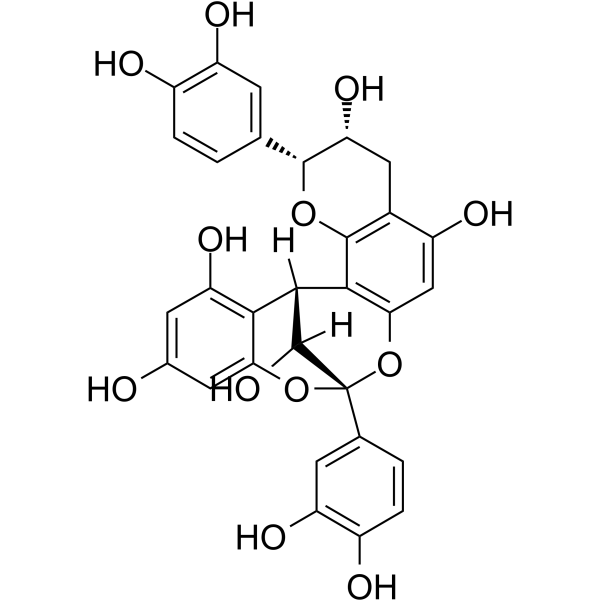
Grape seed extract is a natural product, with anti-inflammatory and anti-proliferative effects. Grape seed extract shows inhibitory activity on the fat-metabolizing enzymes pancreatic lipase and lipoprotein lipase. Grape seed extract induces apoptotic in human colorectal cancer cells .
|
-
-
- HY-114336
-
|
|
Phosphatase
|
Inflammation/Immunology
|
|
Enocyanin is an anthocyanin extracted from grapes. Enocyanin shows inhibitory effect on the leucine aminopeptidase, acid phosphatase, γ-glutamyl transpeptidase and esterase activity .
|
-
-
- HY-D0850
-
|
Sodium tartrate dibasic dihydrate; Sodium tartrate dihydrate
|
Phosphatase
Endogenous Metabolite
|
Cardiovascular Disease
|
|
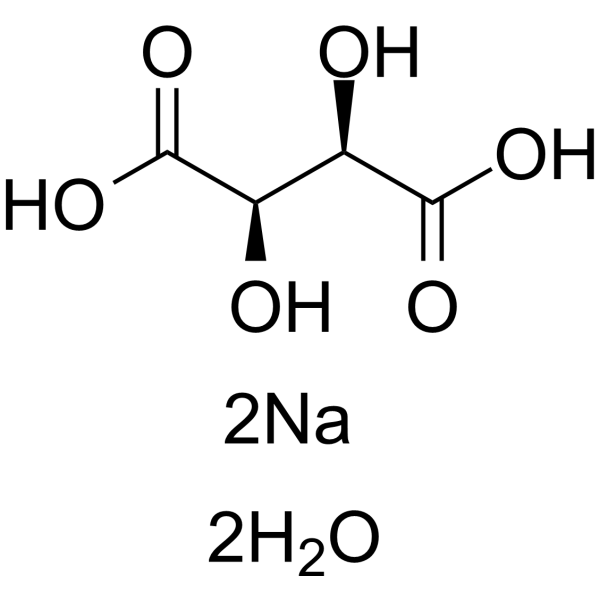
Tartaric acid disodium dehydrate (L-(+) -tartaric acid) is an orally active weak organic acid that can be isolated from grapes. Tartaric acid disodium dehydrate has vasodilatory and antihypertensive effects. Tartaric acid disodium dehydrate can be used as flavorings and antioxidants in a range of foods and beverages. Tartaric acid disodium dehydrate can be used in laser frequency doubling and optical limiting applications .
|
-
-
- HY-34487
-
|
Resorcinol dimethyl ether
|
Environmental Pollutants
Drug Intermediate
|
Others
|
|
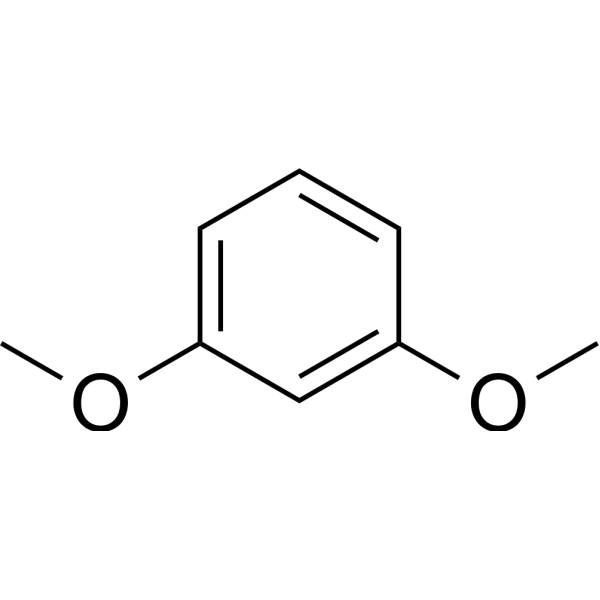
1,3-Dimethoxybenzene (Resorcinol dimethyl ether) is a volatile compound with a sweet medicinal odour carrying hazelnut, resinous, and woody notes. 1,3-Dimethoxybenzene is identified as a new volatile component of Douro region grape musts and port wines .
|
-
-
- HY-N7093
-
-
-
- HY-B1841
-
-
-
- HY-N2343
-
-
-
- HY-N6784
-
|
|
ATP Synthase
Bacterial
Apoptosis
Antibiotic
|
Infection
Neurological Disease
|
|
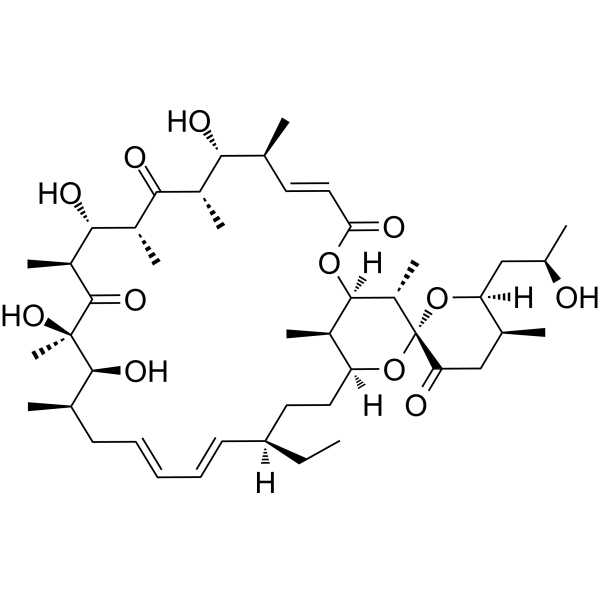
Oligomycin B is an antibiotic that acts as a non-selective inhibitor of ATP Synthase. Oligomycin B increases mitochondrial membrane potential. Oligomycin B induces apoptosis and necrosis. Oligomycin B impairs the motility of Plasmopara viticola zoospores and induces their lysis. Oligomycin B inhibits Magnaporthe oryzae (wheat blast fungus) and suppresses the development of wheat blast. Oligomycin B reduces hyphal growth and spore germination of Botrytis cinerea, and protects Arabidopsis thaliana against Botrytis cinerea infection. Oligomycin B exacerbates cytotoxic brain edema in rats with cerebral cortical contusion, increases intracranial pressure and brain water content, and aggravates mitochondrial damage in these rats. Oligomycin B is used in studies related to grape downy mildew, traumatic brain injury, wheat blast, and gray mold .
|
-
-
- HY-N0120
-
|
(E/Z)-Piceid
|
Drug Isomer
|
Cardiovascular Disease
Metabolic Disease
Inflammation/Immunology
Cancer
|
|
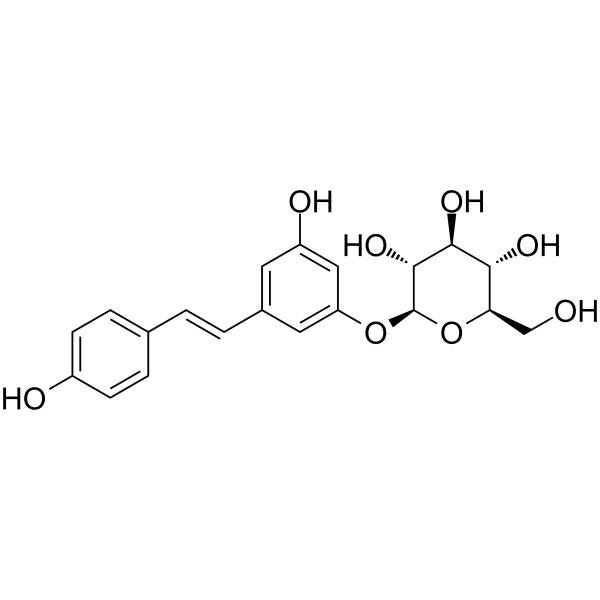
(E/Z)-Polydatin ((E/Z)-Piceid) is a mixture of the E/Z configurations of Polydatin (HY-N0120A). Polydatin can be isolated from Polygonum cuspidatum, grapes, peanuts, red wine, hop pellets, cocoa-containing products and chocolate products. Polydatin exhibits multiple biological properties, such as anti-platelet aggregation, anti-low-density lipoprotein oxidation, cardioprotective activity, anti-inflammatory and immunomodulatory functions. Polydatin shows favorable cytotoxic effects against various tumor cell lines, including cervical cancer cells, liver cancer cells, and nasopharyngeal carcinoma cells .
|
-
-
- HY-135761
-
-
-
- HY-W011654
-
|
4-Aminophenyl-beta-D-galactopyranoside, 98%
|
Glycosidase
|
Inflammation/Immunology
Cancer
|
|
4-Aminophenyl-β-D-galactopyranoside, 98% is a highly efficient substrate for β-galactosidase. It is specifically hydrolyzed by this enzyme to release galactose and electroactive p-aminophenol. 4-Aminophenyl-β-D-galactopyranoside, 98% is widely used in colorimetric and electrochemical assays for detecting β-galactosidase activity and determining enzyme kinetics, such as in biosensing fields including cellular senescence, pathogen and contaminant detection. In addition, since β-galactosidase is often overexpressed in primary ovarian cancer, 4-Aminophenyl-β-D-galactopyranoside, 98% can also be applied to related research on primary ovarian cancer .
|
-
-
- HY-W744966
-
|
|
Environmental Pollutants
Antibiotic
|
Infection
|
|
Mandipropamid displays outstanding activity against late blight diseases of potato and tomato, combined with excellent efficacy on downy mildew diseases of grape and cucumber .
|
-
-
- HY-N2459
-
|
YGM-6 chloride
|
Interleukin Related
|
Neurological Disease
Inflammation/Immunology
Cancer
|
|
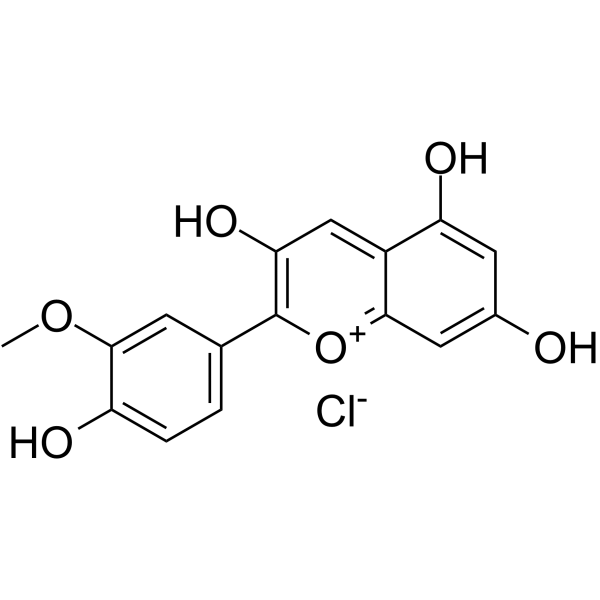
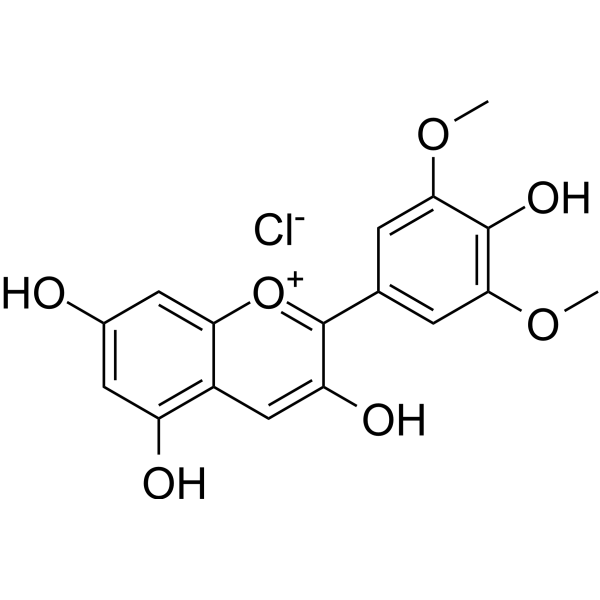
Peonidin (YGM-6) chloride is an anthocyanin compound found in plants such as grapes and purple-fleshed sweet potatoes. Peonidin chloride alone exerts no stable inhibitory effect on LPS (HY-D1056)-mediated inflammatory gene expression. The acylated form of Peonidin chloride exhibits antimutagenic activity .
|
-
-
- HY-128371
-
|
|
Biochemical Assay Reagents
|
Others
|
|
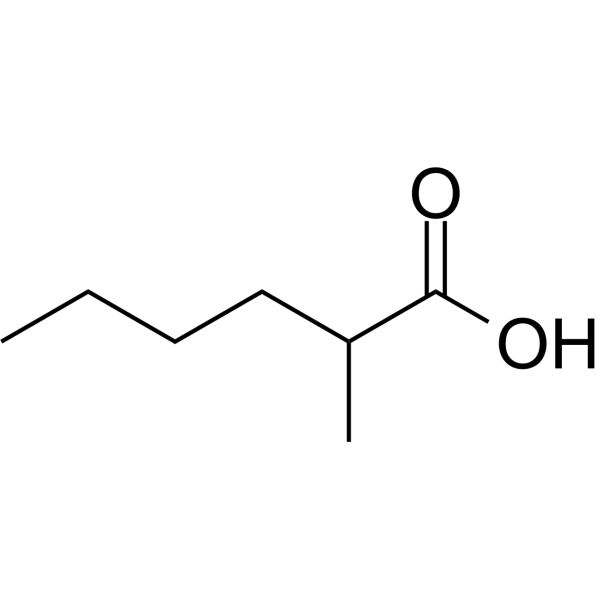
2-Methylhexanoic acid is a saturated branched-chain carboxylic acid with a strong "fatty" or "oily" odor. At high concentrations, it is often described as having the smell of lard, chicken fat or sweat; when diluted, it exhibits a dairy, cream or cheese aroma. Therefore, it is commonly used in the formulation of milk, meat (pork/chicken) and baked food flavors. 2-Methylhexanoic acid occurs naturally in fresh apples, cheese, grape brandy, lamb, potatoes and tea .
|
-
-
- HY-W010341
-
|
|
Biochemical Assay Reagents
|
Others
|
|
2-Pyridinecarbohydrazide is a versatile heterocyclic building block widely used in medicinal chemistry and coordination chemistry, and it finds extensive applications in various synthetic fields. 2-Pyridinecarbohydrazide reacts with the reducing end of carbohydrates to enhance mass spectrometry ionization efficiency, enabling isomer-specific identification of monosaccharides, disaccharides, ketoses/aldoses, and quantitative mass spectrometry imaging of biological tissues .
|
-
-
- HY-B2008
-
|
DPX-JE874
|
Environmental Pollutants
Fungal
|
Infection
|
|
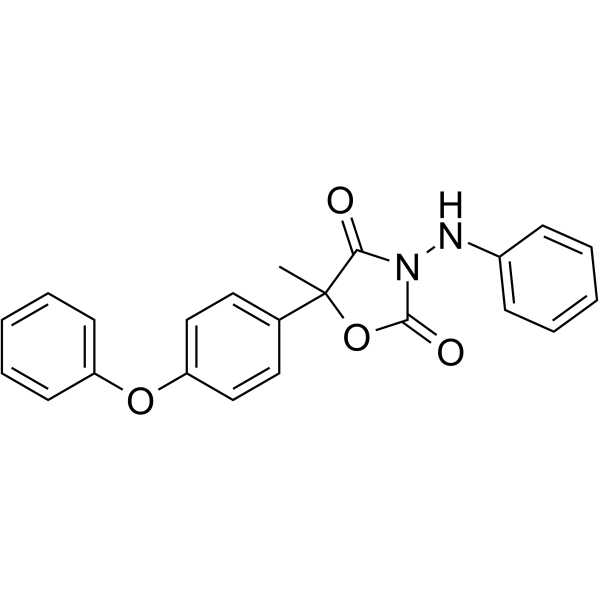
Famoxadone is a fungicide active against various oomycetes. Famoxadone induces rapid lysis of zoospores of P. viticola and P. infestans, and inhibits sporangial differentiation, zoospore release, sporangial germination and mycelial growth. Famoxadone exerts a preventive control effect on plant diseases. Famoxadone can be used in research related to grape downy mildew, potato late blight, tomato late blight and plant oomycete diseases .
|
-
-
- HY-W010254
-
|
|
Parasite
|
Infection
|
|
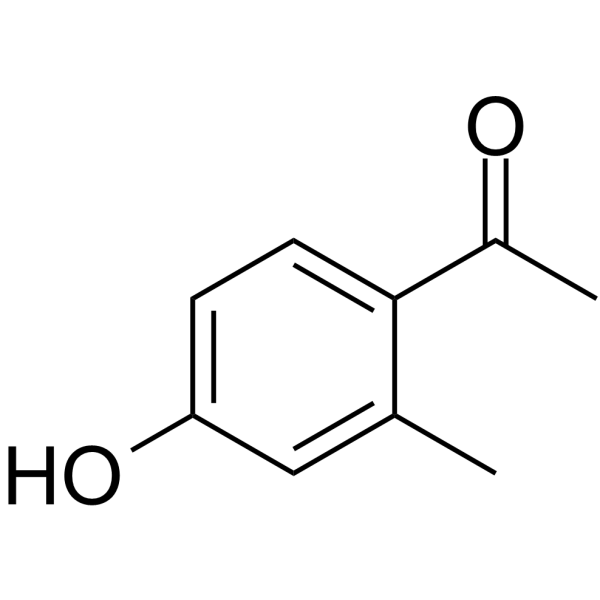
4′-Hydroxy-2′-methylacetophenone, an aroma compound of red wines, is isolated from cv. Bobal grape variety. 4′-Hydroxy-2′-methylacetophenone has ciliate toxicity. 4′-Hydroxy-2′-methylacetophenone inhibits the growth of T. pyriformis, with an IC50 of 0.65 mM .
|
-
-
- HY-122496
-
|
Syringidin
|
Apoptosis
|
Cancer
|
|
Malvidin (chloride) is a bioactive compound isolated from grape. Malvidin shows cytotoxicity through the arrest of the G2/M phase of cell cycle and induction of apoptosis. Malvidin can be used for the research of cancer .
|
-
-
- HY-Z0478R
-
|
(S)-(-)-Limonene (Standard)
|
Reference Standards
Others
|
Cardiovascular Disease
|
|
(-)-Limonene (Standard) is the analytical standard of (-)-Limonene. This product is intended for research and analytical applications. (-)-Limonene ((S)-(-)-Limonene) is a monoterpene found in citrus plants like lemon, orange, and grape. (-)-Limonene can induce a mild bronchoconstrictive effect .
|
-
-
- HY-W018582
-
|
|
Fungal
|
Infection
|
|
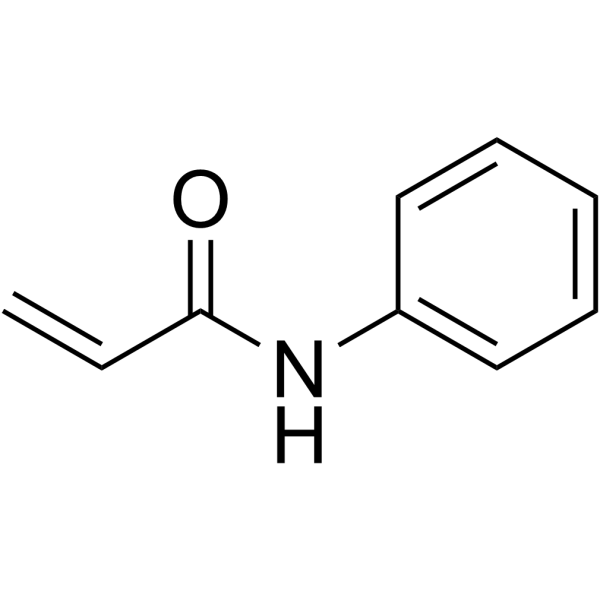
N-Phenylacrylamide is a special polymer showing high affinity with Ochratoxin A, a colorless and crystalline mycotoxin compound. N-Phenylacrylamide can be applied in the field of mycotoxin extraction, and be used for the security research of agricultural commodities and foods made from cereals and grapes .
|
-
-
- HY-P10304A
-
|
Cyclo(Pro-Arg) TFA
|
Fungal
|
Infection
|
|
Cyclo (Arg-Pro) TFA is a chitinase inhibitor. Cyclo (Arg-Pro) TFA disrupts cell separation and morphological transition of yeast by inhibiting chitinase activity. Cyclo (Arg-Pro) TFA prevents cell separation of Saccharomyces cerevisiae, leading to the formation of grape-like cell clusters, without inhibiting cell growth. Cyclo (Arg-Pro) TFA blocks the morphological transition of Candida albicans from yeast form to hyphal form, without inhibiting cell growth .
|
-
-
- HY-17518
-
|
IR5885; Valiphenal
|
Environmental Pollutants
Bacterial
Fungal
|
Infection
|
|
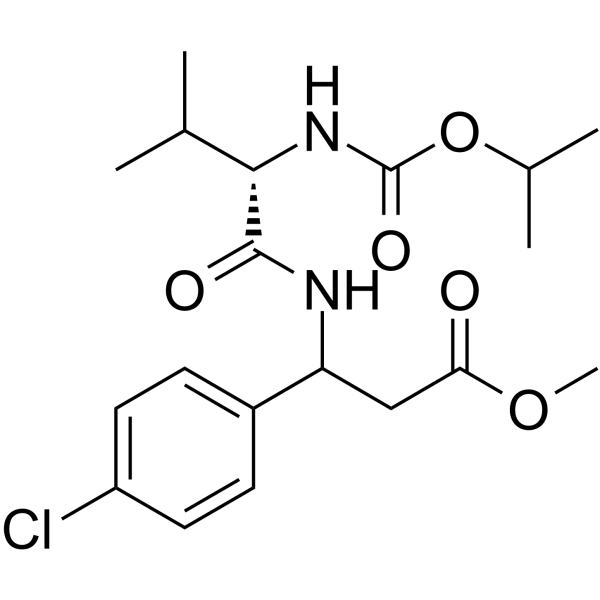
Valifenalate (IR5885; Valiphenal) is an insecticide agent and fungicide, which is approved for application on high-value crops such as grapes, tomatoes and other vegetables. Valifenalate interferes with cell-wall synthesisValifenalate is effective against various types of mildew. Valifenalate can be used against crown rot of rose cuased by Phytophthora citrophthora. Valifenalate induces non-adverse thyroid changes via adaptive induction of uridine 5’-diphosphoglucuronosyltransferase (UGT) in the liver of dogs and rats .
|
-
-
- HY-121884
-
-
-
- HY-W017141S
-
|
|
Isotope-Labeled Compounds
|
Others
|
|
2-Isobutyl-3-methoxypyrazine-d3 is the deuterium labeled 2-Isobutyl-3-methoxypyrazine . 2-Isobutyl-3-methoxypyrazine is an aroma constituent in grapes andwines, green pepper and asparagus .
|
-
-
- HY-W109973
-
|
L-(+)-Tartaric acid diammonium
|
Endogenous Metabolite
|
Cardiovascular Disease
|
|
L-Tartaric acid diammonium (L-(+) -tartaric acid) is an orally active weak organic acid that can be isolated from grapes. L-Tartaric acid diammonium has vasodilatory and antihypertensive effects. L-Tartaric acid diammonium can be used as flavorings and antioxidants in a range of foods and beverages. L-Tartaric acid diammonium can be used in laser frequency doubling and optical limiting applications .
|
-
-
- HY-N16483
-
|
|
Apoptosis
Caspase
Bcl-2 Family
PARP
Androgen Receptor
|
Cancer
|
|
Procyanidin B2-3'-O-gallate is a mono-gallate ester that can be isolated from grape seed extract. Procyanidin B2-3'-O-gallate has anti-cancer efficacy and reduces the viability of prostate carcinoma LNCaP cells. Furthermore, Procyanidin B2-3'-O-gallate induces apoptosis, and causes caspases-9 and -3 and PARP cleavage, and down-regulates Bcl-2, Bcl-Xl and androgen receptor levels .
|
-
-
- HY-135761R
-
|
|
Reference Standards
Fungal
Cholinesterase (ChE)
|
Infection
Neurological Disease
|
|
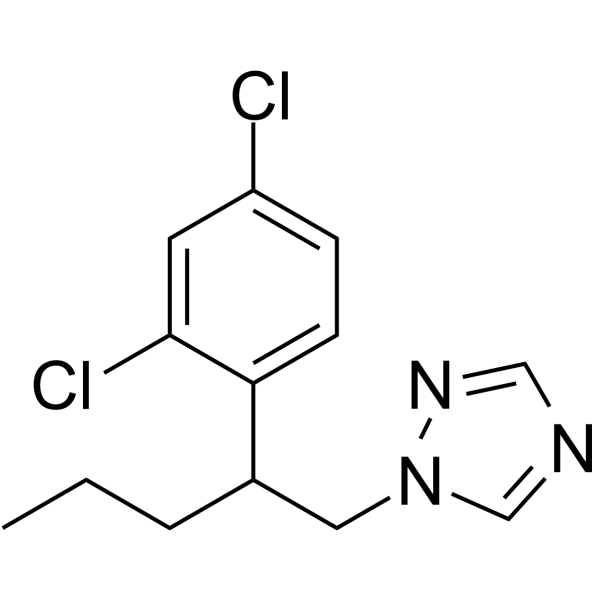
Penconazole (Standard) is the analytical standard of Penconazole. This product is intended for research and analytical applications. Penconazole is a typical triazole fungicide, and mainly applied on apples, grapes, and vegetables to control powdery mildew. Penconazole inhibits sterol biosynthesis in fungi. Penconazole decrease AChE activity in the cerebrum and cerebellum of rats .
|
-
-
- HY-W017141
-
-
-
- HY-W087943
-
|
|
Environmental Pollutants
Fungal
|
Infection
|
|
Methyl octanoate is an ester volatile compound with an odor activity value greater than 1. Methyl octanoate helps impart brandy-like and fruity characteristics to persimmon wine. Methyl octanoate has a strong odor of citrus holly, camphor and menthol. Methyl octanoate can serve as an early marker for grape infection by *Coniella vitis*. Methyl octanoate can be used in studies related to grape white rot .
|
-
-
- HY-121884R
-
|
|
Fungal
Reference Standards
|
Infection
|
|
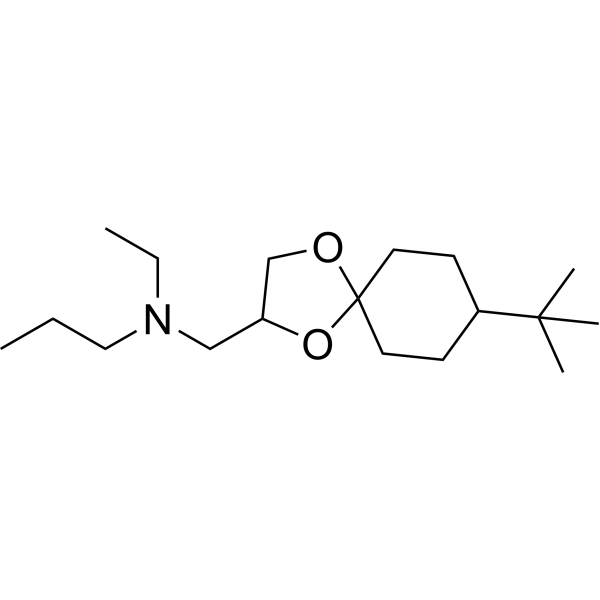
Spiroxamine (Standard) is the analytical standard of Spiroxamine. This product is intended for research and analytical applications. Spiroxamine is a fungicide that can be used to kill grapes with less residue .
|
-
-
- HY-N2343R
-
|
|
Reference Standards
Bacterial
|
Infection
Inflammation/Immunology
Cancer
|
|
Procyanidin A2 (Standard) is the analytical standard of Procyanidin A2. This product is intended for research and analytical applications. Procyanidin A2 is a flavonoid found in grapes, with anti-cancer, antioxidant, antimicrobial and anti-inflammation activity .
|
-
-
- HY-N13232
-
|
|
Amyloid-β
|
Neurological Disease
|
|
Grape Skin Extract is a grape skin extract, and its ingredients include: Polyphenols. Grape Skin Extract has neuroprotective effects and can improve Aβ-induced cytotoxicity to SH-SY5Y cells. Grape Skin Extract can increase the proliferation and memory of neurogenic areas, but reduce the oxidative stress associated with proinflammatory cytokines during aging, thereby protecting neurons. .
|
-
-
- HY-N11546
-
|
|
Cytochrome P450
Bacterial
Fungal
|
Infection
Cancer
|
|
Sapindoside B is a substance with hepatoprotective activity, and also acts as a cytochrome P-450 (cytochrome P-450) inhibitor, antibacterial agent and membrane-disrupting agent. Sapindoside B reversibly inhibits the content of cytochrome P-450 in liver microsomes, suppresses the phenobarbital-induced increase in enzyme content, reduces the production of active metabolites mediated by cytochrome P-450, and alleviates hepatotoxic injury. Sapindoside B binds to Cutibacterium acnes lipase, reduces lipase activity, inhibits biofilm formation, and decreases bacterial adhesion. Sapindoside B exhibits cytotoxicity against human cancer, liver cancer, leukemia and glioblastoma cells. Sapindoside B inhibits mycelial growth of phytopathogenic fungal strains, possesses antibacterial activity against dermatophytes, and also has hemolytic/membrane-lytic activity. Sapindoside B can be used in research related to liver injury, Cutibacterium acnes biofilm-associated infections, gastric cancer, carcinoma, promyelocytic leukemia, glioblastoma, apple scab and grape gray mold .
|
-
-
- HY-N15533
-
|
|
Drug Metabolite
|
Others
|
|
(S)-Menthiafolic acid is a component found in wines and grape juices. (S)-Menthiafolic acid can be generated from the grape-derived (S)-menthiafolic acid glucose ester during alcoholic and malolactic fermentation, thereby influencing the aroma components of wine .
|
-
-
- HY-N7093R
-
|
Strawberry furanone (Standard)
|
Reference Standards
Bacterial
Fungal
Quinone Reductase
|
Infection
|
|
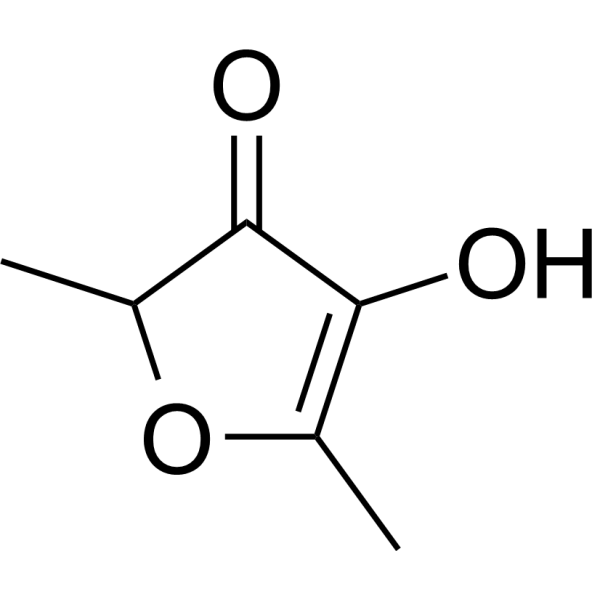
Furaneol (Standard) is the analytical standard of Furaneol. This product is intended for research and analytical applications. Furaneol is mainly isolated from American grape (Vitis labrusca) and its hybrid grape. Furaneol is an important aroma compound in fruits and contribute to the strawberry-like note in some wines .
|
-
-
- HY-112515
-
|
(+)-Scytalone
|
Endogenous Metabolite
Drug Intermediate
|
Infection
|
|
Scytalone ((+)-Scytalone) is a naphthalenone pentaketide which can be extracted from some tracheiphilous fungi. Scytalone is a natural precursor to Melanin (HY-113485). Scytalone is possibly related to grape esca disease .
|
-
-
- HY-122785
-
|
|
Fungal
|
Infection
|
|
Fusapyrone is a broad-spectrum antifungal metabolite first isolated from Fusarium species. It has been investigated for use in the control of postharvest crop diseases such as inhibiting the growth of ochratoxin-producing strains of Aspergillus section Nigri in wine grapes.
|
-
-
- HY-N8511
-
|
|
Fungal
|
Infection
|
|
Acremine I is a fungi inhibitor and also a metabolite of the endophytic fungus Acremonium byssoides. Acremine I can effectively inhibit Plasmopara viticola. Acremine I can be used for research on plant diseases, such as grape downy mildew .
|
-
-
- HY-W127787
-
|
L-(+)-Tartaric acid sodium hydrate
|
Endogenous Metabolite
|
Others
|
|
L-Tartaric acid (L-(+)-Tartaric acid) sodium hydrate is the enantiomer of D-tartaric acid. L-Tartaric acid (HY-Y0293) is a white crystalline dicarboxylic acid found in many plants, such as grapes, and is one of the main organic acids in wine. L-Tartaric acid sodium hydrate which acts as a flour bulking agent and as a food additive can interact with sodium bicarbonate to produce carbon dioxide .
|
-
-
- HY-N10757
-
|
|
Others
|
Others
|
|
Petunidin-3-O-(6-O-p-coumaryl)-5-O-diglucoside is a natural product that can be isolated from grapes .
|
-
-
- HY-B1841R
-
|
|
Reference Standards
Others
|
Cancer
|
|
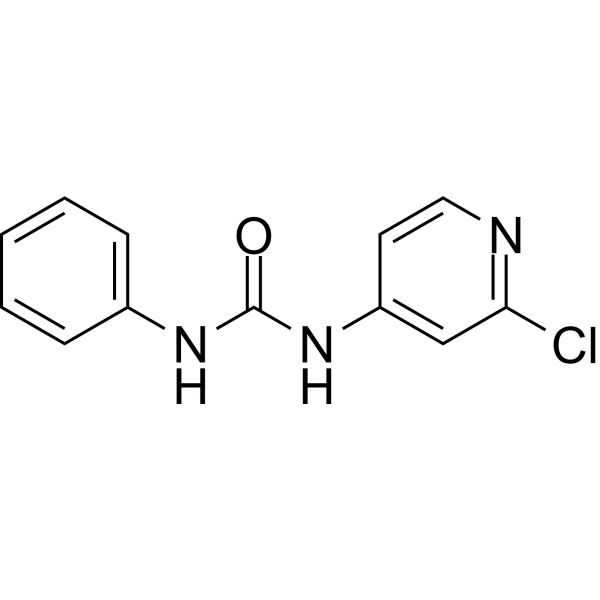
Forchlorfenuron (Standard) is the analytical standard of Forchlorfenuron. This product is intended for research and analytical applications. Forchlorfenuron is plant growth regulator and cytokinin; can be used to increase fruit size of fruits, such as kiwi fruit and grapes.
|
-
-
- HY-W744966R
-
|
|
Reference Standards
Fungal
|
Infection
|
|
Mandipropamid (Standard) is the analytical standard of Mandipropamid. This product is intended for research and analytical applications. Mandipropamid displays outstanding activity against late blight diseases of potato and tomato, combined with excellent efficacy on downy mildew diseases of grape and cucumber .
|
-
-
- HY-135761S
-
|
|
Fungal
Cholinesterase (ChE)
|
Infection
|
|
Penconazole-d7 is the deuterium labeled Penconazole . Penconazole is a typical triazole fungicide, and mainly applied on apples, grapes, and vegetables to control powdery mildew. Penconazole inhibits sterol biosynthesis in fungi. Penconazole decrease AChE activity in the cerebrum and cerebellum of rats .
|
-
-
- HY-W017141R
-
|
|
Reference Standards
Others
|
Others
|
|
2-Isobutyl-3-methoxypyrazine (Standard) is the analytical standard of 2-Isobutyl-3-methoxypyrazine. This product is intended for research and analytical applications. 2-Isobutyl-3-methoxypyrazine is an aroma constituent in grapes andwines, green pepper and asparagus .
|
-
-
- HY-122496R
-
|
Syringidin (Standard)
|
Reference Standards
Apoptosis
|
Cancer
|
|
Malvidin (chloride) (Standard) is the analytical standard of Malvidin (chloride). This product is intended for research and analytical applications. Malvidin (chloride) is a bioactive compound isolated from grape. Malvidin shows cytotoxicity through the arrest of the G2/M phase of cell cycle and induction of apoptosis. Malvidin can be used for the research of cancer .
|
-
-
- HY-W017141S1
-
|
|
Isotope-Labeled Compounds
|
Others
|
|
2-Isobutyl-3-methoxypyrazine-d9 is deuterated labeled 2-Isobutyl-3-methoxypyrazine (HY-W017141). 2-Isobutyl-3-methoxypyrazine is an aroma constituent in grapes andwines, green pepper and asparagus .
|
-
-
- HY-129133
-
|
|
Drug Isomer
|
Others
|
|
cis-Miyabenol C is an isomer of the resveratrol trimer Miyabenol C, which can be isolated from grape herbs. Miyabenol C is an inhibitor of β-amyloid (Aβ) and amyloid β precursor protein (APP) in Alzheimer's disease model mice, and inhibit β-secretase activity without changing the protein level of β-secretase BACE1 .
|
-
-
- HY-N2459R
-
|
YGM-6 chloride (Standard)
|
Reference Standards
Interleukin Related
|
Neurological Disease
Inflammation/Immunology
Cancer
|
|
Peonidin (YGM-6) chloride Standard is the analytical standard of Peonidin chloride (HY-N2459). This product is intended for research and analytical applications. Peonidin chloride is an anthocyanin compound found in plants such as grapes and purple-fleshed sweet potatoes. Peonidin chloride alone exerts no stable inhibitory effect on LPS (HY-D1056)-mediated inflammatory gene expression. The acylated form of Peonidin chloride exhibits antimutagenic activity.
|
-
-
- HY-Y0293R
-
|
L-(+)-Tartaric acid (Standard)
|
Reference Standards
Endogenous Metabolite
|
Cardiovascular Disease
|
|
L-Tartaric acid (Standard) is the analytical standard of L-Tartaric acid. This product is intended for research and analytical applications. L-tartaric acid (L-(+) -tartaric acid) is an orally active weak organic acid that can be isolated from grapes. L-Tartaric acid has vasodilatory and antihypertensive effects. L-Tartaric acid can be used as flavorings and antioxidants in a range of foods and beverages. L-Tartaric acid can be used in laser frequency doubling and optical limiting applications .
|
-
-
- HY-D0850R
-
|
Sodium tartrate dibasic dihydrate (Standard); Sodium tartrate dihydrate (Standard)
|
Reference Standards
Phosphatase
Endogenous Metabolite
|
Cardiovascular Disease
|
|
Tartaric acid (disodium dihydrate) (Standard) is the analytical standard of Tartaric acid (disodium dihydrate). This product is intended for research and analytical applications. Tartaric acid disodium dehydrate (L-(+) -tartaric acid) is an orally active weak organic acid that can be isolated from grapes. Tartaric acid disodium dehydrate has vasodilatory and antihypertensive effects. Tartaric acid disodium dehydrate can be used as flavorings and antioxidants in a range of foods and beverages. Tartaric acid disodium dehydrate can be used in laser frequency doubling and optical limiting applications [4].
|
-
- HY-N18803
-
|
|
Others
|
Cardiovascular Disease
|
|
Grape seed oil is a natural compound rich in antioxidants and polyphenols. It is a high-quality byproduct extracted from grape seeds and can be used in research on cardiovascular diseases.
|
-
- HY-B2008R
-
|
DPX-JE874 (Standard)
|
Reference Standards
Fungal
|
Infection
|
|
Famoxadone (Standard) is the analytical standard of Famoxadone. This product is intended for research and analytical applications. Famoxadone is a fungicide active against various oomycetes. Famoxadone induces rapid lysis of zoospores of P. viticola and P. infestans, and inhibits sporangial differentiation, zoospore release, sporangial germination and mycelial growth. Famoxadone exerts a preventive control effect on plant diseases. Famoxadone can be used in research related to grape downy mildew, potato late blight, tomato late blight and plant oomycete diseases .
|
-
- HY-17518R
-
|
IR5885 (Standard); Valiphenal (Standard)
|
Reference Standards
Bacterial
Fungal
|
Infection
|
|
Valifenalate (Standard) is the analytical standard of Valifenalate. This product is intended for research and analytical applications. Valifenalate (IR5885; Valiphenal) is an insecticide agent and fungicide, which is approved for application on high-value crops such as grapes, tomatoes and other vegetables. Valifenalate interferes with cell-wall synthesisValifenalate is effective against various types of mildew. Valifenalate can be used against crown rot of rose cuased by Phytophthora citrophthora. Valifenalate induces non-adverse thyroid changes via adaptive induction of uridine 5’-diphosphoglucuronosyltransferase (UGT) in the liver of dogs and rats .
|
-
- HY-N9790
-
|
|
Notch
|
Others
|
|
Procyanidin B2, 3,3'-di-O-gallate is an active constituent. Procyanidin B2, 3,3'-di-O-gallate can be isolated from grape seed extract (GSE) procyanidin mix. Procyanidin B2, 3,3' -di-o-gallate target cancer stem cells (CSCs) in prostate cancer (PCa). Procyanidin B2, 3,3'-di-O-gallate targets both unsorted and sorted CSCs at lower doses. Procyanidin B2, 3,3'-di-O-gallate strongly suppresses the constitutive as well as Jagged1 (Notch1 ligand)-induced activated Notch1 pathway .
|
-
- HY-W587941
-
|
|
Drug Metabolite
|
Infection
|
|
Fenthion sulfoxide is a metabolite of the organophosphate insecticide Fenthion. Fenthion sulfoxide can be formed from the transformation of Fenthion on grapes .
|
-
- HY-W127787R
-
|
L-(+)-Tartaric acid sodium hydrate (Standard)
|
Endogenous Metabolite
Reference Standards
|
Others
|
|
Tartaric acid (sodium hydrate) (Standard) is the analytical standard of Tartaric acid (sodium hydrate) (HY-W127787). This product is intended for research and analytical applications. L-Tartaric acid (L-(+)-Tartaric acid) sodium hydrate is the enantiomer of D-tartaric acid. L-Tartaric acid (HY-Y0293) is a white crystalline dicarboxylic acid found in many plants, such as grapes, and is one of the main organic acids in wine. L-Tartaric acid sodium hydrate which acts as a flour bulking agent and as a food additive can interact with sodium bicarbonate to produce carbon dioxide .
|
-
- HY-W010254R
-
|
|
Parasite
Reference Standards
|
Infection
|
|
4′-Hydroxy-2′-methylacetophenone (Standard) is the analytical standard of 4′-Hydroxy-2′-methylacetophenone (HY-W010254). This product is intended for research and analytical applications. 4′-Hydroxy-2′-methylacetophenone, an aroma compound of red wines, is isolated from cv. Bobal grape variety. 4′-Hydroxy-2′-methylacetophenone has ciliate toxicity. 4′-Hydroxy-2′-methylacetophenone inhibits the growth of T. pyriformis, with an IC50 of 0.65 mM .
|
-
- HY-N7948R
-
|
|
Reference Standards
Others
|
Others
|
|
Spiroxamine (Standard) is the analytical standard of Spiroxamine. This product is intended for research and analytical applications. Spiroxamine is a fungicide that can be used to kill grapes with less residue .
|
-
- HY-B1841S
-
|
|
Isotope-Labeled Compounds
|
Cancer
|
|
Forchlorfenuron-d5 is the deuterium labeled Forchlorfenuron. Forchlorfenuron is plant growth regulator and cytokinin; can be used to increase fruit size of fruits, such as kiwi fruit and grapes.
|
-
- HY-108869R
-
|
DPDP (Standard)
|
Reference Standards
Drug Metabolite
|
Inflammation/Immunology
|
|
Malvidin (chloride) (Standard) is the analytical standard of Malvidin (chloride). This product is intended for research and analytical applications. Malvidin (chloride) is a bioactive compound isolated from grape. Malvidin shows cytotoxicity through the arrest of the G2/M phase of cell cycle and induction of apoptosis. Malvidin can be used for the research of cancer .
|
-
- HY-165191
-
|
|
Fungal
|
Infection
|
|
LY214352 is an antifungal agent that targets dihydroorotate dehydrogenase (DHO-DH). LY214352 exhibits antifungal activity against Aspergillus nidulans and agriculturally important ascomycete fungi. LY214352 can be used in studies related to grape gray mold, apple scab, and fungal infections caused by ascomycetes .
|
-
- HY-W094881
-
|
|
Fungal
|
Infection
|
|
1,5-Dimethylnaphthalene is a volatile organic compound. 1,5-Dimethylnaphthalene is a good marker for B. cinerea quantification. 1,5-dimethylnaphthalene is highly positively correlated to B. cinerea infection levels in Chardonnay berries .
|
-
- HY-176923
-
|
|
Reactive Oxygen Species (ROS)
|
Inflammation/Immunology
|
|
1,3-Bis(isothiocyanatomethyl)benzene is a plant regulator. prevents the invasion of pathogens by inducing stomatal closure. 1,3-Bis(isothiocyanatomethyl)benzene significantly increases the levels of ROS and NO in guard cells. 1,3-Bis(isothiocyanatomethyl)benzene has shown significant control effects on grape downy mildew, cucumber downy mildew, and wheat leaf rust .
|
-
- HY-N18085
-
|
|
Endogenous Metabolite
|
Others
|
|
Procyanidin B1 3'-O-gallate is a dimeric procyanidin.Procyanidin B1 3'-O-gallate can be found in the seeds of Vitis vinifera cv. Fernao Pires .
|
-
| Cat. No. |
Product Name |
Type |
-
- HY-D0850
-
|
Sodium tartrate dibasic dihydrate; Sodium tartrate dihydrate
|
Biochemical Assay Reagents
|
|
Tartaric acid disodium dehydrate (L-(+) -tartaric acid) is an orally active weak organic acid that can be isolated from grapes. Tartaric acid disodium dehydrate has vasodilatory and antihypertensive effects. Tartaric acid disodium dehydrate can be used as flavorings and antioxidants in a range of foods and beverages. Tartaric acid disodium dehydrate can be used in laser frequency doubling and optical limiting applications .
|
-
- HY-W011654
-
|
4-Aminophenyl-beta-D-galactopyranoside, 98%
|
Biochemical Assay Reagents
|
|
4-Aminophenyl-β-D-galactopyranoside, 98% is a highly efficient substrate for β-galactosidase. It is specifically hydrolyzed by this enzyme to release galactose and electroactive p-aminophenol. 4-Aminophenyl-β-D-galactopyranoside, 98% is widely used in colorimetric and electrochemical assays for detecting β-galactosidase activity and determining enzyme kinetics, such as in biosensing fields including cellular senescence, pathogen and contaminant detection. In addition, since β-galactosidase is often overexpressed in primary ovarian cancer, 4-Aminophenyl-β-D-galactopyranoside, 98% can also be applied to related research on primary ovarian cancer .
|
-
- HY-W109973
-
|
L-(+)-Tartaric acid diammonium
|
Biochemical Assay Reagents
|
|
L-Tartaric acid diammonium (L-(+) -tartaric acid) is an orally active weak organic acid that can be isolated from grapes. L-Tartaric acid diammonium has vasodilatory and antihypertensive effects. L-Tartaric acid diammonium can be used as flavorings and antioxidants in a range of foods and beverages. L-Tartaric acid diammonium can be used in laser frequency doubling and optical limiting applications .
|
-
- HY-W127787
-
|
L-(+)-Tartaric acid sodium hydrate
|
Biochemical Assay Reagents
|
|
L-Tartaric acid (L-(+)-Tartaric acid) sodium hydrate is the enantiomer of D-tartaric acid. L-Tartaric acid (HY-Y0293) is a white crystalline dicarboxylic acid found in many plants, such as grapes, and is one of the main organic acids in wine. L-Tartaric acid sodium hydrate which acts as a flour bulking agent and as a food additive can interact with sodium bicarbonate to produce carbon dioxide .
|
-
- HY-D0850R
-
|
Sodium tartrate dibasic dihydrate (Standard); Sodium tartrate dihydrate (Standard)
|
Biochemical Assay Reagents
|
|
Tartaric acid (disodium dihydrate) (Standard) is the analytical standard of Tartaric acid (disodium dihydrate). This product is intended for research and analytical applications. Tartaric acid disodium dehydrate (L-(+) -tartaric acid) is an orally active weak organic acid that can be isolated from grapes. Tartaric acid disodium dehydrate has vasodilatory and antihypertensive effects. Tartaric acid disodium dehydrate can be used as flavorings and antioxidants in a range of foods and beverages. Tartaric acid disodium dehydrate can be used in laser frequency doubling and optical limiting applications [4].
|
-
- HY-W127787R
-
|
L-(+)-Tartaric acid sodium hydrate (Standard)
|
Biochemical Assay Reagents
|
|
Tartaric acid (sodium hydrate) (Standard) is the analytical standard of Tartaric acid (sodium hydrate) (HY-W127787). This product is intended for research and analytical applications. L-Tartaric acid (L-(+)-Tartaric acid) sodium hydrate is the enantiomer of D-tartaric acid. L-Tartaric acid (HY-Y0293) is a white crystalline dicarboxylic acid found in many plants, such as grapes, and is one of the main organic acids in wine. L-Tartaric acid sodium hydrate which acts as a flour bulking agent and as a food additive can interact with sodium bicarbonate to produce carbon dioxide .
|
| Cat. No. |
Product Name |
Target |
Research Area |
-
- HY-P10304A
-
|
Cyclo(Pro-Arg) TFA
|
Fungal
|
Infection
|
|
Cyclo (Arg-Pro) TFA is a chitinase inhibitor. Cyclo (Arg-Pro) TFA disrupts cell separation and morphological transition of yeast by inhibiting chitinase activity. Cyclo (Arg-Pro) TFA prevents cell separation of Saccharomyces cerevisiae, leading to the formation of grape-like cell clusters, without inhibiting cell growth. Cyclo (Arg-Pro) TFA blocks the morphological transition of Candida albicans from yeast form to hyphal form, without inhibiting cell growth .
|
| Cat. No. |
Product Name |
Category |
Target |
Chemical Structure |
-
- HY-N7072
-
-
-
- HY-114336
-
-
-
- HY-N7093
-
-
-
- HY-B1841
-
-
-
- HY-N2343
-
-
-
- HY-N6784
-
|
|
Structural Classification
Microorganisms
Antifungal
Macrolide Antibiotics
Antibiotics
Disease Research
Source Classification
|
ATP Synthase
Bacterial
Apoptosis
Antibiotic
|
|
Oligomycin B is an antibiotic that acts as a non-selective inhibitor of ATP Synthase. Oligomycin B increases mitochondrial membrane potential. Oligomycin B induces apoptosis and necrosis. Oligomycin B impairs the motility of Plasmopara viticola zoospores and induces their lysis. Oligomycin B inhibits Magnaporthe oryzae (wheat blast fungus) and suppresses the development of wheat blast. Oligomycin B reduces hyphal growth and spore germination of Botrytis cinerea, and protects Arabidopsis thaliana against Botrytis cinerea infection. Oligomycin B exacerbates cytotoxic brain edema in rats with cerebral cortical contusion, increases intracranial pressure and brain water content, and aggravates mitochondrial damage in these rats. Oligomycin B is used in studies related to grape downy mildew, traumatic brain injury, wheat blast, and gray mold .
|
-
-
- HY-N0120
-
|
(E/Z)-Piceid
|
Structural Classification
Stilbenes
Classification of Application Fields
Polygonaceae
Reynoutria japonica Houtt.
Phenols
Polyphenols
Plants
Inflammation/Immunology
Disease Research Fields
Source Classification
|
Drug Isomer
|
|
(E/Z)-Polydatin ((E/Z)-Piceid) is a mixture of the E/Z configurations of Polydatin (HY-N0120A). Polydatin can be isolated from Polygonum cuspidatum, grapes, peanuts, red wine, hop pellets, cocoa-containing products and chocolate products. Polydatin exhibits multiple biological properties, such as anti-platelet aggregation, anti-low-density lipoprotein oxidation, cardioprotective activity, anti-inflammatory and immunomodulatory functions. Polydatin shows favorable cytotoxic effects against various tumor cell lines, including cervical cancer cells, liver cancer cells, and nasopharyngeal carcinoma cells .
|
-
-
- HY-N2459
-
-
-
- HY-W010254
-
-
-
- HY-122496
-
-
-
- HY-Z0478R
-
-
-
- HY-N16483
-
-
-
- HY-W017141
-
-
-
- HY-W087943
-
-
-
- HY-N2343R
-
-
-
- HY-N11546
-
|
|
Structural Classification
Eleutherococcus sieboldianus Makino
Terpenoids
Diterpenoids
Plants
Araliaceae
Source Classification
|
Cytochrome P450
Bacterial
Fungal
|
|
Sapindoside B is a substance with hepatoprotective activity, and also acts as a cytochrome P-450 (cytochrome P-450) inhibitor, antibacterial agent and membrane-disrupting agent. Sapindoside B reversibly inhibits the content of cytochrome P-450 in liver microsomes, suppresses the phenobarbital-induced increase in enzyme content, reduces the production of active metabolites mediated by cytochrome P-450, and alleviates hepatotoxic injury. Sapindoside B binds to Cutibacterium acnes lipase, reduces lipase activity, inhibits biofilm formation, and decreases bacterial adhesion. Sapindoside B exhibits cytotoxicity against human cancer, liver cancer, leukemia and glioblastoma cells. Sapindoside B inhibits mycelial growth of phytopathogenic fungal strains, possesses antibacterial activity against dermatophytes, and also has hemolytic/membrane-lytic activity. Sapindoside B can be used in research related to liver injury, Cutibacterium acnes biofilm-associated infections, gastric cancer, carcinoma, promyelocytic leukemia, glioblastoma, apple scab and grape gray mold .
|
-
-
- HY-N15533
-
-
-
- HY-N7093R
-
-
-
- HY-112515
-
-
-
- HY-N8511
-
|
|
Natural Products
Microorganisms
Source Classification
|
Fungal
|
|
Acremine I is a fungi inhibitor and also a metabolite of the endophytic fungus Acremonium byssoides. Acremine I can effectively inhibit Plasmopara viticola. Acremine I can be used for research on plant diseases, such as grape downy mildew .
|
-
-
- HY-W127787
-
-
-
- HY-N10757
-
-
-
- HY-B1841R
-
-
-
- HY-W017141R
-
-
-
- HY-122496R
-
-
-
- HY-129133
-
|
|
Vitis vinifera cv. Zalema
Phenols
Plants
Vitaceae
Source Classification
|
Drug Isomer
|
|
cis-Miyabenol C is an isomer of the resveratrol trimer Miyabenol C, which can be isolated from grape herbs. Miyabenol C is an inhibitor of β-amyloid (Aβ) and amyloid β precursor protein (APP) in Alzheimer's disease model mice, and inhibit β-secretase activity without changing the protein level of β-secretase BACE1 .
|
-
-
- HY-N2459R
-
-
-
- HY-Y0293R
-
-
-
- HY-N18803
-
|
|
Structural Classification
Extract
|
Others
|
|
Grape seed oil is a natural compound rich in antioxidants and polyphenols. It is a high-quality byproduct extracted from grape seeds and can be used in research on cardiovascular diseases.
|
-
-
- HY-N9790
-
|
|
Vitis vinifera cv. Zalema
Phenols
Polyphenols
Plants
Vitaceae
Source Classification
|
Notch
|
|
Procyanidin B2, 3,3'-di-O-gallate is an active constituent. Procyanidin B2, 3,3'-di-O-gallate can be isolated from grape seed extract (GSE) procyanidin mix. Procyanidin B2, 3,3' -di-o-gallate target cancer stem cells (CSCs) in prostate cancer (PCa). Procyanidin B2, 3,3'-di-O-gallate targets both unsorted and sorted CSCs at lower doses. Procyanidin B2, 3,3'-di-O-gallate strongly suppresses the constitutive as well as Jagged1 (Notch1 ligand)-induced activated Notch1 pathway .
|
-
-
- HY-W127787R
-
|
L-(+)-Tartaric acid sodium hydrate (Standard)
|
Structural Classification
Ketones, Aldehydes, Acids
Endogenous metabolite
Source Classification
|
Endogenous Metabolite
Reference Standards
|
|
Tartaric acid (sodium hydrate) (Standard) is the analytical standard of Tartaric acid (sodium hydrate) (HY-W127787). This product is intended for research and analytical applications. L-Tartaric acid (L-(+)-Tartaric acid) sodium hydrate is the enantiomer of D-tartaric acid. L-Tartaric acid (HY-Y0293) is a white crystalline dicarboxylic acid found in many plants, such as grapes, and is one of the main organic acids in wine. L-Tartaric acid sodium hydrate which acts as a flour bulking agent and as a food additive can interact with sodium bicarbonate to produce carbon dioxide .
|
-
-
- HY-W010254R
-
-
-
- HY-N7948R
-
-
-
- HY-N18085
-
-
| Cat. No. |
Product Name |
Chemical Structure |
-
- HY-W017141S
-
|
|
|
2-Isobutyl-3-methoxypyrazine-d3 is the deuterium labeled 2-Isobutyl-3-methoxypyrazine . 2-Isobutyl-3-methoxypyrazine is an aroma constituent in grapes andwines, green pepper and asparagus .
|
-
-
- HY-135761S
-
|
|
|
Penconazole-d7 is the deuterium labeled Penconazole . Penconazole is a typical triazole fungicide, and mainly applied on apples, grapes, and vegetables to control powdery mildew. Penconazole inhibits sterol biosynthesis in fungi. Penconazole decrease AChE activity in the cerebrum and cerebellum of rats .
|
-
-
- HY-W017141S1
-
|
|
|
2-Isobutyl-3-methoxypyrazine-d9 is deuterated labeled 2-Isobutyl-3-methoxypyrazine (HY-W017141). 2-Isobutyl-3-methoxypyrazine is an aroma constituent in grapes andwines, green pepper and asparagus .
|
-
-
- HY-B1841S
-
|
|
|
Forchlorfenuron-d5 is the deuterium labeled Forchlorfenuron. Forchlorfenuron is plant growth regulator and cytokinin; can be used to increase fruit size of fruits, such as kiwi fruit and grapes.
|
-
| Cat. No. |
Product Name |
|
Classification |
-
- HY-D0850
-
|
Sodium tartrate dibasic dihydrate; Sodium tartrate dihydrate
|
|
Chelating Agents
|
|
Tartaric acid disodium dehydrate (L-(+) -tartaric acid) is an orally active weak organic acid that can be isolated from grapes. Tartaric acid disodium dehydrate has vasodilatory and antihypertensive effects. Tartaric acid disodium dehydrate can be used as flavorings and antioxidants in a range of foods and beverages. Tartaric acid disodium dehydrate can be used in laser frequency doubling and optical limiting applications .
|
Your information is safe with us. * Required Fields.
Inquiry Information
- Product Name:
- Cat. No.:
- Quantity:
- MCE Japan Authorized Agent:

