Search Result
Results for "
halogenated
" in MedChemExpress (MCE) Product Catalog:
8
Biochemical Assay Reagents
4
Isotope-Labeled Compounds
| Cat. No. |
Product Name |
Target |
Research Areas |
Chemical Structure |
-
- HY-17596
-
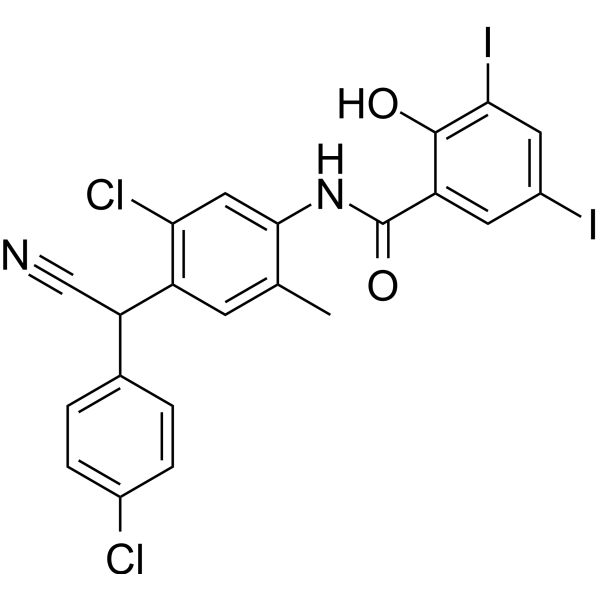
Closantel
Maximum Cited Publications
11 Publications Verification
|
Parasite
|
Infection
|
|
Closantel is a halogenated salicylanilide with a potent anti-parasitic activity. Closantel is a potent and highly specific Onchocerca volvulus chitinase (OvCHT1) inhibitor with an IC50 of 1.6 μM and a Ki of 468 nM. Closantel inhibits the O. volvulus L3 to L4 molt of developing .
|
-
-
- HY-Y0678
-
|
TRIMETHYL PHLOROGLUCINOL
|
Biochemical Assay Reagents
|
Others
|
|
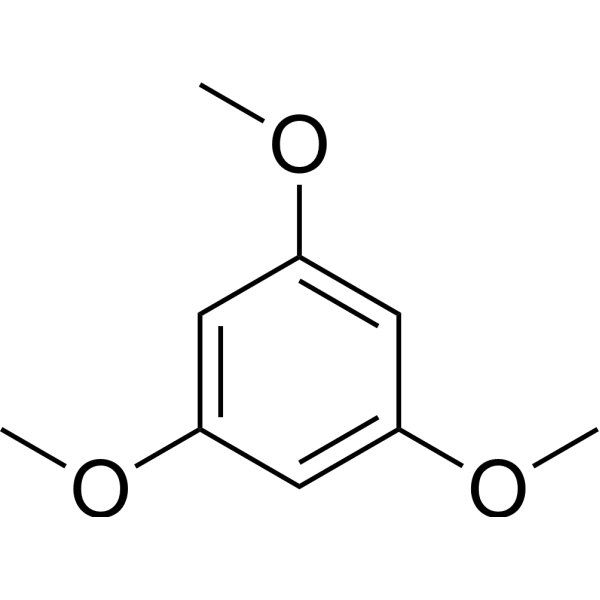
1,3,5-Trimethoxybenzene (TRIMETHYL PHLOROGLUCINOL) is an electrophilic substitution reaction substrate targeting free chlorine (Cl +) and free bromine (Br +). 1,3,5-Trimethoxybenzene has highly selective electrophilic addition characteristics. By capturing halogens, it undergoes specific substitution reactions to generate stable halogenated products. 1,3,5-Trimethoxybenzene can not only quench residual oxidants, but also quantify the halogen concentration by detecting the product without affecting the stability of redox-sensitive disinfection byproducts (DBPs). 1,3,5-Trimethoxybenzene is mainly used in water quality testing and quantitative analysis of free chlorine/bromine in water. At the same time, in phytochemistry, it is a key component of rose fragrance and participates in the study of pollination attraction mechanism .
|
-
-
- HY-17598
-
|
|
Oxidative Phosphorylation
Parasite
p38 MAPK
Raf
Apoptosis
|
Infection
Cancer
|
|
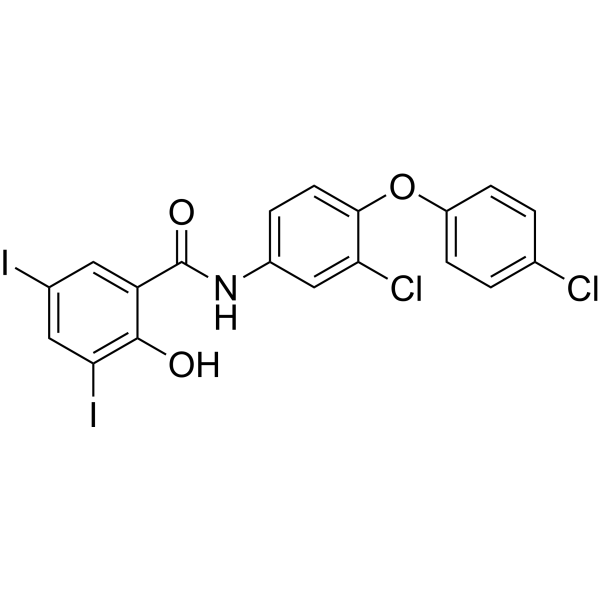
Rafoxanide is a poent, orally active halogenated salicylaniline agent with antiparasitic activity. Rafoxanide interferes with energy metabolism in trematodes by uncoupling oxidative phosphorylation. Rafoxanide is also found to be a potent inhibitor of the BRAF V600E mutant protein, which is important in colorectal cancer. Rafoxanide can be used for the control of infestation with Hemonchus species or Fasciola species in sheep and cattle as well as Oestrus ovis in sheep. Rafoxanide can also be used for cancer research .
|
-
-
- HY-17596A
-
|
|
Parasite
|
Infection
|
|
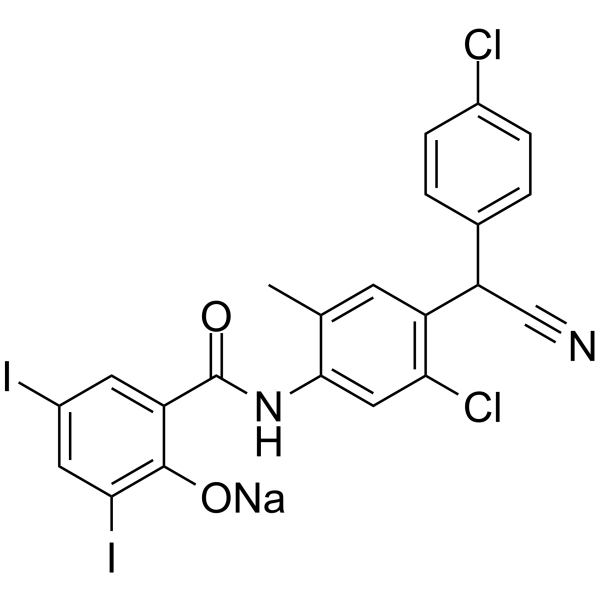
Closantel sodium is a halogenated salicylanilide with a potent anti-parasitic activity. Closantel sodium is a potent and highly specific Onchocerca volvulus chitinase (OvCHT1) inhibitor with an IC50 of 1.6 μM and a Ki of 468 nM. Closantel sodium inhibits the O. volvulus L3 to L4 molt of developing .
|
-
-
- HY-124467
-
|
Ro 07-4065
|
GABA Receptor
|
Neurological Disease
|
|
Difludiazepam (Ro 07-4065), a benzodiazepine derivative, is a GABAA receptor ligand with an IC50 of 4.1 nM. Difludiazepam binds to an allosteric site on the GABAA receptor to potentiate the receptor's response to GABA, reducing neuron excitability. Difludiazepam contains halogenated groups at the ortho position of its phenyl ring .
|
-
-
- HY-D0169A
-
|
Phenolsulfonephthalein sodium salt
|
Fluorescent Dye
Glutathione Peroxidase
|
Others
|
|
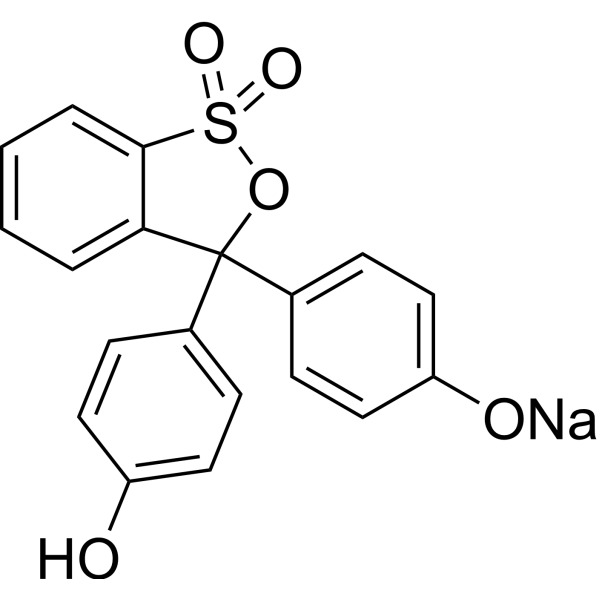
Phenol red (Phenolsulfonephthalein) sodium salt is a pH indicator dye. Phenol Red sodium salt is also an antagonist of rat P2X1R. Phenol Red sodium salt enhances the halogenating activity of myeloperoxidase. Phenol Red sodium salt shows a distinct color change from pink to yellow in a positive pH reaction .
|
-
-
- HY-106673
-
|
Hydrocortisone probutate; HBP
|
Glucocorticoid Receptor
|
Inflammation/Immunology
|
|
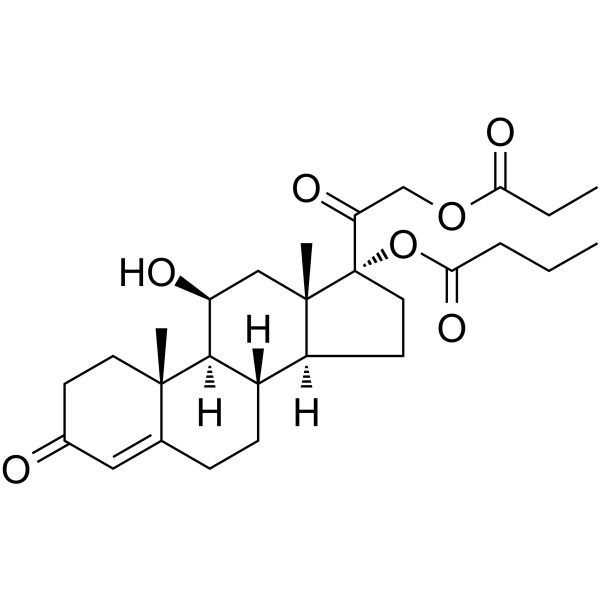
Hydrocortisone buteprate (Hydrocortisone probutate) is a medium potent, non-halogenated double-ester of hydrocortisone with a favorable benefit/risk ratio for the treatment of inflammatory skin disorders. Hydrocortisone buteprate (Hydrocortisone probutate) is available as a 0.1% cream or ointment formulation .
|
-
-
- HY-15537
-
|
|
Parasite
Bacterial
|
Infection
|
|
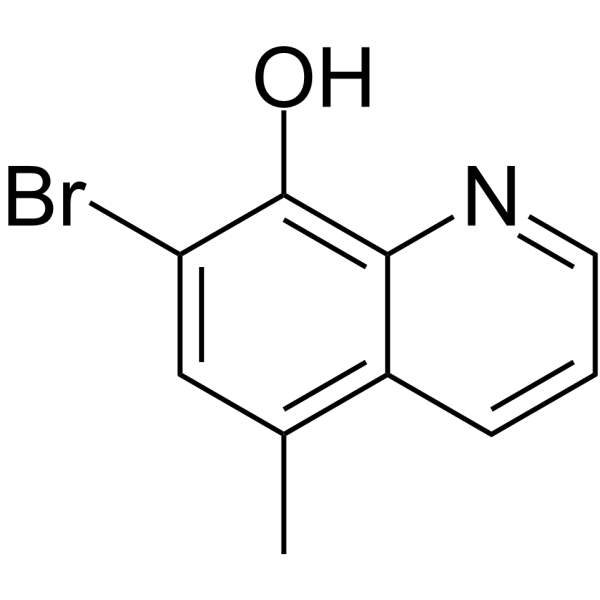
Tilbroquinol is an orally active halogenated hydroxyquinoline antiprotozoal agent, mainly used for anti-amoebic infections . Tilbroquinol targets intestinal protozoa and Entamoeba histolytica to eliminate parasites in the intestinal lumen. Tilbroquinol can be used in research related to intestinal infections, intestinal amoebiasis and hepatic amoebiasis .
|
-
-
- HY-W011168
-
|
|
Nucleoside Antimetabolite/Analog
DNA/RNA Synthesis
|
Inflammation/Immunology
Cancer
|
|
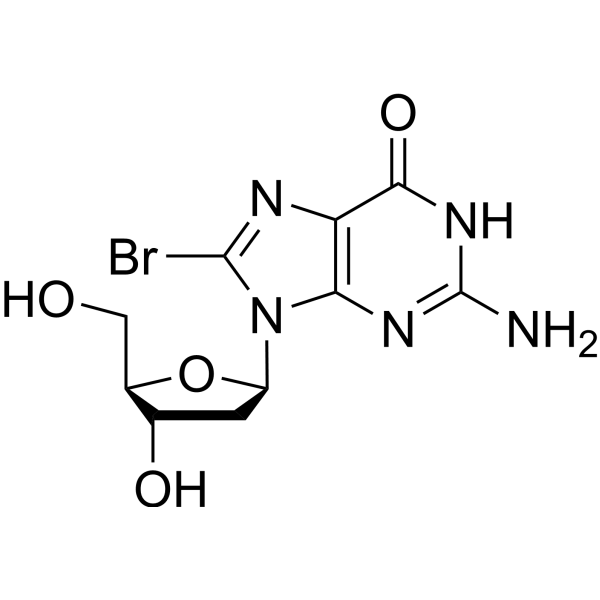
8-Bromo-2'-deoxyguanosine is an inflammation-related DNA halogenated adduct and an early biomarker of inflammation-induced oxidative tissue damage. The formation of 8-Bromo-2'-deoxyguanosine precedes that of oxidative and nitrative products, and it can be generated via the MPO-H2O2-Cl --Br - system. 8-Bromo-2'-deoxyguanosine serves as the immunogen for preparing the monoclonal antibody mAb8B3, which can be used to detect early DNA modifications in preclinical models; its urinary level also increases significantly in inflammatory disease models. 8-Bromo-2'-deoxyguanosine can also be produced in the dermis of UV-B irradiated mice, and the extract of Coprinus comatus significantly reduces its level. 8-Bromo-2'-deoxyguanosine finds applications in studies related to inflammatory diseases, diabetes, hepatocellular carcinoma, and UV-B induced skin inflammation .
|
-
-
- HY-41465
-
|
|
Drug Intermediate
|
Others
|
|
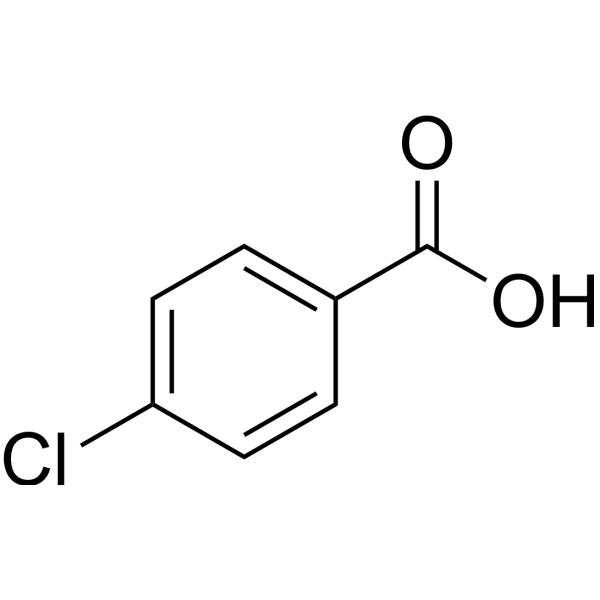
4-Chlorobenzoic acid is a halogenated aromatic compound that can be used as an industrial chemical and an intermediate in drug synthesis. 4-Chlorobenzoic acid is a persistent organic micropollutant and can be biodegraded through a direct dehalogenation pathway .
|
-
-
- HY-N6694
-
-
-
- HY-W003129
-
|
|
Drug Intermediate
Bacterial
|
Infection
|
|
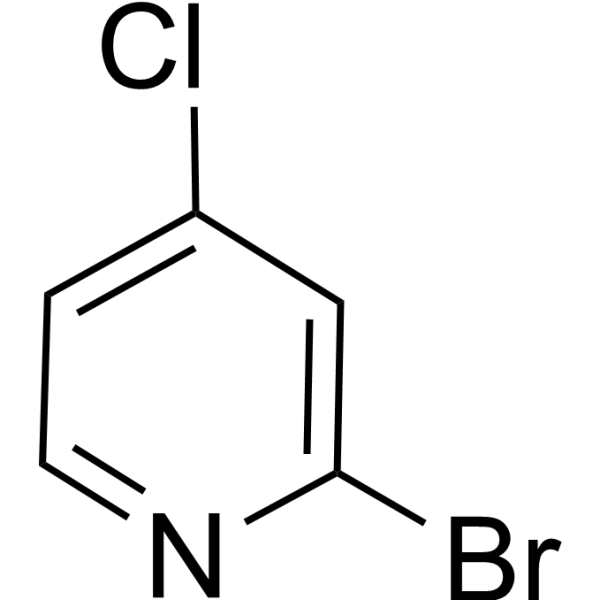
2-Bromo-4-chloropyridine is a halogenated pyridine derivative that serves as a synthetic intermediate. 2-Bromo-4-chloropyridine undergoes Suzuki-Miyaura coupling with 4-tert-butylphenylboronic acid (HY-W007389). 2-Bromo-4-chloropyridine facilitates the construction of compounds with broad-spectrum antibacterial activity .
|
-
-
- HY-A0135
-
|
|
Potassium Channel
|
Neurological Disease
|
|
Enflurane, a volatile anaesthetic, is a potent inhibitor of high conductance Ca 2+-activated K+ channels of Chara australis. Enflurane is an internal standard in monitoring halogenated volatile anaesthetics by headspace gas chromatography-mass spectrometry .
|
-
-
- HY-W003601
-
|
|
Biochemical Assay Reagents
|
Others
|
|
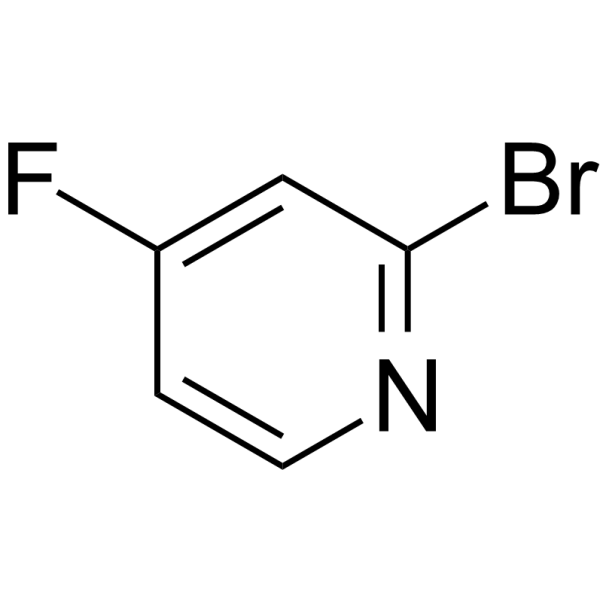
2-Bromo-4-fluoropyridine is a synthetic halogenated heterocyclic organic compound and a key intermediate in the pharmaceutical and agrochemical industries. 2-Bromo-4-fluoropyridine can be used to synthesize bioactive molecules through cross-coupling reactions, such as Suzuki coupling or Buchwald-Hartwig amination.
|
-
-
- HY-59299
-
|
|
Biochemical Assay Reagents
Drug Intermediate
|
Others
|
|
3-Bromothiophene is a bromine atom-substituted 3-halogenated thiophene. Polymers of 3-Bromothiophene are conductive polymers and have potential optoelectronic application value. Additionally, 3-Bromothiophene serves as a key intermediate for the synthesis of a variety of important pharmaceuticals, agrochemicals, and cosmetics .
|
-
-
- HY-125922
-
-
-
- HY-W010062
-
|
|
Drug Derivative
Cytochrome P450
Estrogen Receptor/ERR
|
Metabolic Disease
Cancer
|
|
4-Chlorophenylacetic acid is a halogenated phenylacetic acid derivative. 4-Chlorophenylacetic acid is a potent aromatase inhibitor and antagonizes estrogen signaling. 4-Chlorophenylacetic acid can provide carbon and energy for Pseudomonas sp. strain CBS3. 4-Chlorophenylacetic acid is effective against estrogen-induced mammary tumorigenesis .
|
-
-
- HY-W011972
-
|
|
Biochemical Assay Reagents
|
Others
|
|
2-Bromo-N,N,N-trimethylethanaminium bromide is a quaternary ammonium salt consisting of a positively charged 2-bromo-N,N,N-trimethylethylamine cation and a negatively charged bromide anion. This compound is commonly used as a phase transfer catalyst in organic chemical reactions, facilitating the transfer of reactants between immiscible phases. It can also be used as a halogenating agent, for example in the bromination of olefins.
|
-
-
- HY-32746
-
|
|
Biochemical Assay Reagents
|
Others
|
|
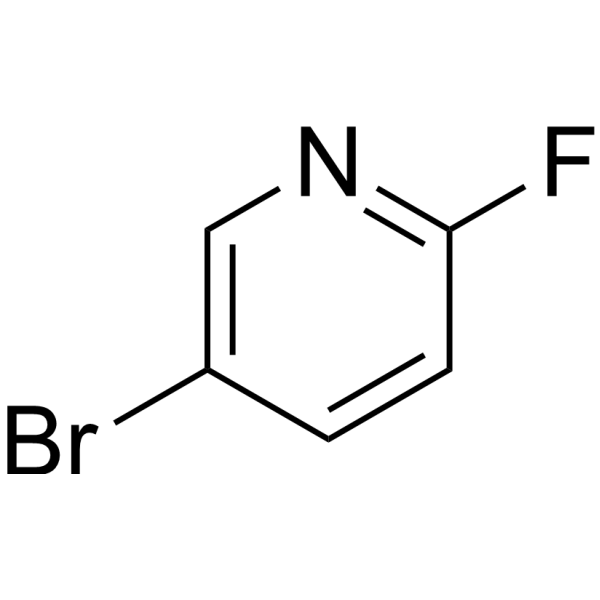
5-Bromo-2-fluoropyridine is a biochemical reagent that can be used as a biological material or organic compound for life science related research. 5-Bromo-2-fluoropyridine easily reacts with amines to synthesize halogenated pyridine and pyrimidine. 5-Bromo-2-fluoropyridine can be used as a model substrate to explore their efficiency and selectivity through successive SNAr substitution reactions and transition-metal-catalyzed cross-coupling reaction without an intervening purification step .
|
-
-
- HY-I0834
-
|
|
Microtubule/Tubulin
|
Cancer
|
|
(S)-3-(4-(2-Chloro-5-iodobenzyl)phenoxy)tetrahydrofuran (compound 2d), a halogenated Phenstatin analog, is a microtubule destabilizing agent. (S)-3-(4-(2-Chloro-5-iodobenzyl)phenoxy)tetrahydrofuran shows anticancer activities .
|
-
-
- HY-13742
-
|
IPdR
|
HSV
|
Cancer
|
|
Ropidoxuridine (IPdR) is a novel orally available, halogenated thymidine analog and is a potential radiosensitizer for use in human tumors.
|
-
-
- HY-17596S
-
|
|
Isotope-Labeled Compounds
Parasite
|
Infection
|
|
Closantel- 13C6 is the 13C6 labeled Closantel. Closantel is a halogenated salicylanilide with a potent anti-parasitic activity. Closantel is a potent and highly specific Onchocerca volvulus chitinase (OvCHT1) inhibitor with an IC50 of 1.6 μM and a Ki of 468 nM. Closantel inhibits the O. volvulus L3 to L4 molt of developing.
|
-
-
- HY-Y0678R
-
|
|
Reference Standards
Biochemical Assay Reagents
|
Others
|
|
1,3,5-Trimethoxybenzene (TRIMETHYL PHLOROGLUCINOL) is an electrophilic substitution reaction substrate targeting free chlorine (Cl+) and free bromine (Br+). 1,3,5-Trimethoxybenzene has highly selective electrophilic addition characteristics. By capturing halogens, it undergoes specific substitution reactions to generate stable halogenated products. 1,3,5-Trimethoxybenzene can not only quench residual oxidants, but also quantify the halogen concentration by detecting the product without affecting the stability of redox-sensitive disinfection byproducts (DBPs). 1,3,5-Trimethoxybenzene is mainly used in water quality testing and quantitative analysis of free chlorine/bromine in water. At the same time, in phytochemistry, it is a key component of rose fragrance and participates in the study of pollination attraction mechanism .
|
-
-
- HY-168350
-
-
-
- HY-W585826
-
-
-
- HY-B0718
-
|
DA-759
|
Potassium Channel
|
Neurological Disease
|
|
Methoxyflurane disrupts neuronal transmission by interfering with the release and re-uptake of neurotransmitters at post-synaptic terminals, or altering ionic conductance following receptor activation . Methoxyflurane is an analgesic agent that provides rapid short-term analgesia. Methoxyflurane may shows a effective non-opioid treatment option for trauma pain .
|
-
-
- HY-129756
-
|
N-Phenylthioacetamide
|
Biochemical Assay Reagents
|
Metabolic Disease
|
|
Thioacetanilide (N-Phenylthioacetamide) is a sulfur-containing thioamide derivative of acetanilide. Thioacetanilide displays a solvent‑dependent Z/E isomeric distribution, preferring the E conformation in polar hydrogen‑bonding solvents and the Z conformation in halogenated solvents. Thioacetanilide serves as a substrate for metabolic desulfurization and aromatic hydroxylation. Thioacetanilide is mainly metabolized via desulfurization and 4‑hydroxylation of the aromatic ring in Rattus norvegicus, and the released sulfur integrates into the total body sulfur pool. Thioacetanilide is well absorbed in rats, and more than 90% of the dose is excreted in urine as conjugated metabolites after oral administration .
|
-
-
- HY-133647
-
|
|
Others
|
Others
|
|
Dibromoacetaldehyde, a halogenated product, is a byproduct in drinking water and has genotoxicity .
|
-
-
- HY-17596AR
-
|
|
Reference Standards
Parasite
|
Infection
|
|
Closantel (sodium) (Standard) is the analytical standard of Closantel (sodium). This product is intended for research and analytical applications. Closantel sodium is a halogenated salicylanilide with a potent anti-parasitic activity. Closantel sodium is a potent and highly specific Onchocerca volvulus chitinase (OvCHT1) inhibitor with an IC50 of 1.6 μM and a Ki of 468 nM. Closantel sodium inhibits the O. volvulus L3 to L4 molt of developing .
|
-
-
- HY-17596R
-
|
|
Reference Standards
Parasite
|
Infection
|
|
Closantel (Standard) is the analytical standard of Closantel. This product is intended for research and analytical applications. Closantel is a halogenated salicylanilide with a potent anti-parasitic activity. Closantel is a potent and highly specific Onchocerca volvulus chitinase (OvCHT1) inhibitor with an IC50 of 1.6 μM and a Ki of 468 nM. Closantel inhibits the O. volvulus L3 to L4 molt of developing .
|
-
-
- HY-136824
-
|
|
Bacterial
Antibiotic
|
Infection
Cancer
|
|
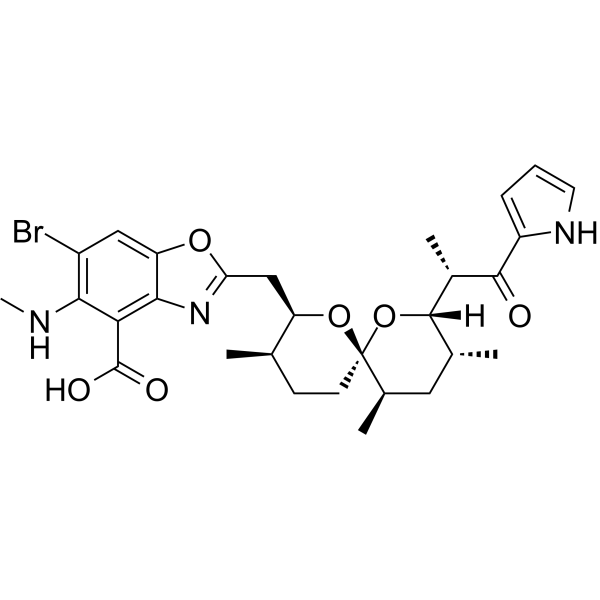
Napyradiomycin A1 is one enantioselective compound of napyradiomycins. napyradiomycins are an intriguing family of halogenated natural products with activity against several tumor cell lines as well as some bacterial strains .
|
-
-
- HY-133629
-
|
|
Drug Intermediate
|
Others
|
|
1,1,1,3-Tetrachloroacetone is a halogenated ozone-chlorine and ozone chloramine disinfection byproducts (DBPs) at elevated bromide levels when chlorine or chloramine is used as a secondary disinfectant .
|
-
-
- HY-133625
-
|
|
Biochemical Assay Reagents
|
Others
|
|
1,1-Dibromo-3-chloroacetone is a halogenated ozone-chlorine and ozone chloramine disinfection byproducts (DBPs) at elevated bromide levels when chlorine or chloramine is used as a secondary disinfectant .
|
-
-
- HY-131556
-
|
p-Iodoamphetamine hydrochloride
|
5-HT Receptor
|
Neurological Disease
|
|
4-Iodoamphetamine (p-Iodoamphetamine) hydrochloride is a halogenated amphetamine featuring an iodine atom at the para position of the phenyl group. 4-Iodoamphetamine hydrochloride selectively induces serotonin release and inhibits reuptake by rat brain synaptosomes.
|
-
-
- HY-133628
-
|
|
Biochemical Assay Reagents
|
Others
|
|
1,1,3-Tribromo-3-chloroacetone is a halogenated ozone-chlorine and ozone chloramine disinfection byproducts (DBPs) at elevated bromide levels when chlorine or chloramine is used as a secondary disinfectant .
|
-
-
- HY-133626
-
|
|
Drug Derivative
|
Others
|
|
1,1-Dibromo-3,3-dichloroacetone is a halogenated ozone-chlorine and ozone chloramine disinfection byproducts (DBPs) at elevated bromide levels when chlorine or chloramine is used as a secondary disinfectant .
|
-
-
- HY-133627
-
|
|
Drug Derivative
|
Others
|
|
1,3-Dibromo-1,3-dichloroacetone is a halogenated ozone-chlorine and ozone chloramine disinfection byproducts (DBPs) at elevated bromide levels when chlorine or chloramine is used as a secondary disinfectant .
|
-
-
- HY-106673R
-
|
Hydrocortisone probutate (Standard); HBP (Standard)
|
Glucocorticoid Receptor
Reference Standards
|
Inflammation/Immunology
|
|
Hydrocortisone buteprate (Standard) is the analytical standard of Hydrocortisone buteprate. This product is intended for research and analytical applications. Hydrocortisone buteprate (Hydrocortisone probutate) is a medium potent, non-halogenated double-ester of hydrocortisone with a favorable benefit/risk ratio for the treatment of inflammatory skin disorders. Hydrocortisone buteprate (Hydrocortisone probutate) is available as a 0.1% cream or ointment formulation .
|
-
-
- HY-41465R
-
|
|
Reference Standards
Drug Intermediate
|
Others
|
|
4-Chlorobenzoic acid (Standard) is the analytical standard of 4-Chlorobenzoic acid (HY-41465). This product is intended for research and analytical applications. 4-Chlorobenzoic acid is a halogenated aromatic compound that can be used as an industrial chemical and an intermediate in drug synthesis. 4-Chlorobenzoic acid is a persistent organic micropollutant and can be biodegraded through a direct dehalogenation pathway .
|
-
-
- HY-125922S
-
-
-
- HY-W010062R
-
|
|
Reference Standards
Cytochrome P450
Estrogen Receptor/ERR
Drug Derivative
|
Metabolic Disease
Cancer
|
|
4-Chlorophenylacetic acid (Standard) is the analytical standard of 4-Chlorophenylacetic acid. This product is intended for research and analytical applications. 4-Chlorophenylacetic acid is a halogenated phenylacetic acid derivative. 4-Chlorophenylacetic acid is a potent aromatase inhibitor and antagonizes estrogen signaling. 4-Chlorophenylacetic acid can provide carbon and energy for Pseudomonas sp. strain CBS3. 4-Chlorophenylacetic acid is effective against estrogen-induced mammary tumorigenesis .
|
-
-
- HY-17598R
-
|
|
Oxidative Phosphorylation
Reference Standards
Parasite
p38 MAPK
Raf
Apoptosis
|
Infection
Cancer
|
|
Rafoxanide (Standard) is the analytical standard of Rafoxanide. This product is intended for research and analytical applications. Rafoxanide is a poent, orally active halogenated salicylaniline agent with antiparasitic activity. Rafoxanide interferes with energy metabolism in trematodes by uncoupling oxidative phosphorylation. Rafoxanide is also found to be a potent inhibitor of the BRAF V600E mutant protein, which is important in colorectal cancer. Rafoxanide can be used for the control of infestation with Hemonchus species or Fasciola species in sheep and cattle as well as Oestrus ovis in sheep. Rafoxanide can also be used for cancer research .
|
-
-
- HY-W767399
-
|
|
Isotope-Labeled Compounds
DNA/RNA Synthesis
Nucleoside Antimetabolite/Analog
|
Cancer
|
|
8-Bromo-2'-deoxyguanosine- 13C, 15N2 is the 13C- and 15N-labeled 8-Bromo-2'-deoxyguanosine (HY-W011168). 8-Bromo-2'-deoxyguanosine is an inflammation-related DNA halogenated adduct and an early biomarker of inflammation-induced oxidative tissue damage. The formation of 8-Bromo-2'-deoxyguanosine precedes that of oxidative and nitrative products, and it can be generated via the MPO-H2O2-Cl --Br - system. 8-Bromo-2'-deoxyguanosine serves as the immunogen for preparing the monoclonal antibody mAb8B3, which can be used to detect early DNA modifications in preclinical models; its urinary level also increases significantly in inflammatory disease models. 8-Bromo-2'-deoxyguanosine can also be produced in the dermis of UV-B irradiated mice, and the extract of Coprinus comatus significantly reduces its level. 8-Bromo-2'-deoxyguanosine finds applications in studies related to inflammatory diseases, diabetes, hepatocellular carcinoma, and UV-B induced skin inflammation .
|
-
-
- HY-171818
-
-
-
- HY-N16856
-
-
-
- HY-166480S
-
-
-
- HY-B1644
-
|
|
Bacterial
|
Inflammation/Immunology
|
|
Fenticlor is a topical antibacterial agent that can be used for treating acne. Fenticlor can cause photosensitivity reactions and is a known cause of phototoxic dermatitis .
|
-
-
- HY-W679111
-
-
| Cat. No. |
Product Name |
Type |
-
- HY-D0169A
-
|
Phenolsulfonephthalein sodium salt
|
Fluorescent Dye
|
|
Phenol red (Phenolsulfonephthalein) sodium salt is a pH indicator dye. Phenol Red sodium salt is also an antagonist of rat P2X1R. Phenol Red sodium salt enhances the halogenating activity of myeloperoxidase. Phenol Red sodium salt shows a distinct color change from pink to yellow in a positive pH reaction .
|
| Cat. No. |
Product Name |
Type |
-
- HY-41465
-
|
|
Biochemical Assay Reagents
|
|
4-Chlorobenzoic acid is a halogenated aromatic compound that can be used as an industrial chemical and an intermediate in drug synthesis. 4-Chlorobenzoic acid is a persistent organic micropollutant and can be biodegraded through a direct dehalogenation pathway .
|
-
- HY-W003129
-
|
|
Biochemical Assay Reagents
|
|
2-Bromo-4-chloropyridine is a halogenated pyridine derivative that serves as a synthetic intermediate. 2-Bromo-4-chloropyridine undergoes Suzuki-Miyaura coupling with 4-tert-butylphenylboronic acid (HY-W007389). 2-Bromo-4-chloropyridine facilitates the construction of compounds with broad-spectrum antibacterial activity .
|
-
- HY-W003601
-
|
|
Biochemical Assay Reagents
|
|
2-Bromo-4-fluoropyridine is a synthetic halogenated heterocyclic organic compound and a key intermediate in the pharmaceutical and agrochemical industries. 2-Bromo-4-fluoropyridine can be used to synthesize bioactive molecules through cross-coupling reactions, such as Suzuki coupling or Buchwald-Hartwig amination.
|
-
- HY-59299
-
|
|
Biochemical Assay Reagents
|
|
3-Bromothiophene is a bromine atom-substituted 3-halogenated thiophene. Polymers of 3-Bromothiophene are conductive polymers and have potential optoelectronic application value. Additionally, 3-Bromothiophene serves as a key intermediate for the synthesis of a variety of important pharmaceuticals, agrochemicals, and cosmetics .
|
-
- HY-W011972
-
|
|
Biochemical Assay Reagents
|
|
2-Bromo-N,N,N-trimethylethanaminium bromide is a quaternary ammonium salt consisting of a positively charged 2-bromo-N,N,N-trimethylethylamine cation and a negatively charged bromide anion. This compound is commonly used as a phase transfer catalyst in organic chemical reactions, facilitating the transfer of reactants between immiscible phases. It can also be used as a halogenating agent, for example in the bromination of olefins.
|
-
- HY-32746
-
|
|
Biochemical Assay Reagents
|
|
5-Bromo-2-fluoropyridine is a biochemical reagent that can be used as a biological material or organic compound for life science related research. 5-Bromo-2-fluoropyridine easily reacts with amines to synthesize halogenated pyridine and pyrimidine. 5-Bromo-2-fluoropyridine can be used as a model substrate to explore their efficiency and selectivity through successive SNAr substitution reactions and transition-metal-catalyzed cross-coupling reaction without an intervening purification step .
|
-
- HY-41465R
-
|
|
Biochemical Assay Reagents
|
|
4-Chlorobenzoic acid (Standard) is the analytical standard of 4-Chlorobenzoic acid (HY-41465). This product is intended for research and analytical applications. 4-Chlorobenzoic acid is a halogenated aromatic compound that can be used as an industrial chemical and an intermediate in drug synthesis. 4-Chlorobenzoic acid is a persistent organic micropollutant and can be biodegraded through a direct dehalogenation pathway .
|
-
- HY-171818
-
| Cat. No. |
Product Name |
Category |
Target |
Chemical Structure |
-
- HY-Y0678
-
|
TRIMETHYL PHLOROGLUCINOL
|
Structural Classification
Natural Products
Rosaceae
Plants
Rosa rugosa Thunb.
Source Classification
|
Biochemical Assay Reagents
|
|
1,3,5-Trimethoxybenzene (TRIMETHYL PHLOROGLUCINOL) is an electrophilic substitution reaction substrate targeting free chlorine (Cl +) and free bromine (Br +). 1,3,5-Trimethoxybenzene has highly selective electrophilic addition characteristics. By capturing halogens, it undergoes specific substitution reactions to generate stable halogenated products. 1,3,5-Trimethoxybenzene can not only quench residual oxidants, but also quantify the halogen concentration by detecting the product without affecting the stability of redox-sensitive disinfection byproducts (DBPs). 1,3,5-Trimethoxybenzene is mainly used in water quality testing and quantitative analysis of free chlorine/bromine in water. At the same time, in phytochemistry, it is a key component of rose fragrance and participates in the study of pollination attraction mechanism .
|
-
-
- HY-W010062
-
|
|
Source Classification
|
Drug Derivative
Cytochrome P450
Estrogen Receptor/ERR
|
|
4-Chlorophenylacetic acid is a halogenated phenylacetic acid derivative. 4-Chlorophenylacetic acid is a potent aromatase inhibitor and antagonizes estrogen signaling. 4-Chlorophenylacetic acid can provide carbon and energy for Pseudomonas sp. strain CBS3. 4-Chlorophenylacetic acid is effective against estrogen-induced mammary tumorigenesis .
|
-
-
- HY-Y0678R
-
|
|
Structural Classification
Natural Products
Rosaceae
Plants
Rosa rugosa Thunb.
Source Classification
|
Reference Standards
Biochemical Assay Reagents
|
|
1,3,5-Trimethoxybenzene (TRIMETHYL PHLOROGLUCINOL) is an electrophilic substitution reaction substrate targeting free chlorine (Cl+) and free bromine (Br+). 1,3,5-Trimethoxybenzene has highly selective electrophilic addition characteristics. By capturing halogens, it undergoes specific substitution reactions to generate stable halogenated products. 1,3,5-Trimethoxybenzene can not only quench residual oxidants, but also quantify the halogen concentration by detecting the product without affecting the stability of redox-sensitive disinfection byproducts (DBPs). 1,3,5-Trimethoxybenzene is mainly used in water quality testing and quantitative analysis of free chlorine/bromine in water. At the same time, in phytochemistry, it is a key component of rose fragrance and participates in the study of pollination attraction mechanism .
|
-
-
- HY-136824
-
-
-
- HY-W010062R
-
|
|
Microorganisms
Source Classification
|
Reference Standards
Cytochrome P450
Estrogen Receptor/ERR
Drug Derivative
|
|
4-Chlorophenylacetic acid (Standard) is the analytical standard of 4-Chlorophenylacetic acid. This product is intended for research and analytical applications. 4-Chlorophenylacetic acid is a halogenated phenylacetic acid derivative. 4-Chlorophenylacetic acid is a potent aromatase inhibitor and antagonizes estrogen signaling. 4-Chlorophenylacetic acid can provide carbon and energy for Pseudomonas sp. strain CBS3. 4-Chlorophenylacetic acid is effective against estrogen-induced mammary tumorigenesis .
|
-
-
- HY-N16856
-
-
| Cat. No. |
Product Name |
Chemical Structure |
-
- HY-17596S
-
|
|
|
Closantel- 13C6 is the 13C6 labeled Closantel. Closantel is a halogenated salicylanilide with a potent anti-parasitic activity. Closantel is a potent and highly specific Onchocerca volvulus chitinase (OvCHT1) inhibitor with an IC50 of 1.6 μM and a Ki of 468 nM. Closantel inhibits the O. volvulus L3 to L4 molt of developing.
|
-
-
- HY-125922S
-
|
|
|
(22R)-Budesonide-d6 (Dexbudesonide-d6) is deuterium labeled (22R)-Budesonide. (22R)-Budesonide ((22R)-BUD) is the (22R)-enantiomer of Budesonide (HY-13580). (22R)-Budesonide is a non-halogenated glucocorticoid with high local anti-inflammatory activity .
|
-
-
- HY-W767399
-
|
|
|
8-Bromo-2'-deoxyguanosine- 13C, 15N2 is the 13C- and 15N-labeled 8-Bromo-2'-deoxyguanosine (HY-W011168). 8-Bromo-2'-deoxyguanosine is an inflammation-related DNA halogenated adduct and an early biomarker of inflammation-induced oxidative tissue damage. The formation of 8-Bromo-2'-deoxyguanosine precedes that of oxidative and nitrative products, and it can be generated via the MPO-H2O2-Cl --Br - system. 8-Bromo-2'-deoxyguanosine serves as the immunogen for preparing the monoclonal antibody mAb8B3, which can be used to detect early DNA modifications in preclinical models; its urinary level also increases significantly in inflammatory disease models. 8-Bromo-2'-deoxyguanosine can also be produced in the dermis of UV-B irradiated mice, and the extract of Coprinus comatus significantly reduces its level. 8-Bromo-2'-deoxyguanosine finds applications in studies related to inflammatory diseases, diabetes, hepatocellular carcinoma, and UV-B induced skin inflammation .
|
-
-
- HY-166480S
-
|
|
|
(22R)-Budesonide-d8 ((22R)-BUD-d8) is the deuterium labeled (22R)-Budesonide. (22R)-Budesonide ((22R)-BUD) is the (22R)-enantiomer of Budesonide (HY-13580). (22R)-Budesonide is a non-halogenated glucocorticoid with high local anti-inflammatory activity .
|
-
| Cat. No. |
Product Name |
|
Classification |
-
- HY-W011168
-
|
|
|
Nucleoside Analogs
Guanosine
|
|
8-Bromo-2'-deoxyguanosine is an inflammation-related DNA halogenated adduct and an early biomarker of inflammation-induced oxidative tissue damage. The formation of 8-Bromo-2'-deoxyguanosine precedes that of oxidative and nitrative products, and it can be generated via the MPO-H2O2-Cl --Br - system. 8-Bromo-2'-deoxyguanosine serves as the immunogen for preparing the monoclonal antibody mAb8B3, which can be used to detect early DNA modifications in preclinical models; its urinary level also increases significantly in inflammatory disease models. 8-Bromo-2'-deoxyguanosine can also be produced in the dermis of UV-B irradiated mice, and the extract of Coprinus comatus significantly reduces its level. 8-Bromo-2'-deoxyguanosine finds applications in studies related to inflammatory diseases, diabetes, hepatocellular carcinoma, and UV-B induced skin inflammation .
|
Your information is safe with us. * Required Fields.
Inquiry Information
- Product Name:
- Cat. No.:
- Quantity:
- MCE Japan Authorized Agent:

