
Search Result
Results for "
hyperplasia
" in MedChemExpress (MCE) Product Catalog:
3
Biochemical Assay Reagents
18
Isotope-Labeled Compounds
| Cat. No. |
Product Name |
Target |
Research Areas |
Chemical Structure |
-
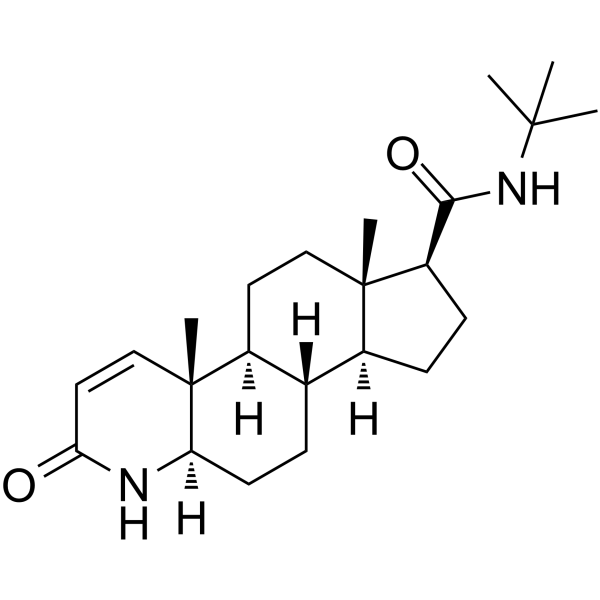
- HY-13635
-
|
MK-906
|
Environmental Pollutants
5 alpha Reductase
|
Cancer
|
|
Finasteride (MK-906) is an orally active and competitive 5α-reductase inhibitor, with an IC50 of 4.2 nM for type II 5α-reductase. Finasteride has approximately a 100-fold greater affinity for type II 5α-reductase enzyme than for the type I enzyme. Finasteride can be used for the research of benign prostatic hyperplasia (BPH) and androgenic alopecia .
|
-
-
- HY-B0661
-
|
(R)-(-)-YM12617 free base; LY253351 free base
|
Adrenergic Receptor
Apoptosis
|
Neurological Disease
Endocrinology
Cancer
|
|
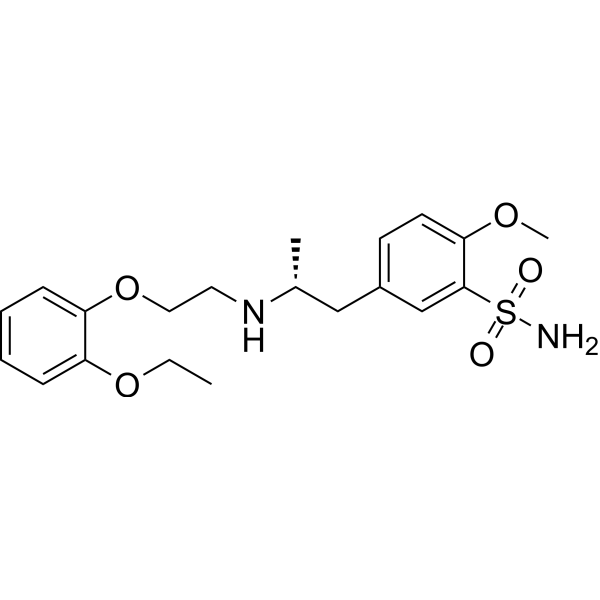
Tamsulosin ((R)-(-)-YM12617 free base) is an orally active antagonist of α1-adrenergic receptor. Tamsulosin induces Apoptosis. Tamsulosin is used for the research of prostatic hyperplasia. Tamsulosin attenuates abdominal aortic aneurysm growth and inhibits inflammation in animal models .
|
-
-
- HY-106203
-
|
SSR-125543
|
CFTR
|
Metabolic Disease
|
|
Crinecerfont (SSR-125543) is an orally effective corticotropin-releasing factor receptor type-1 (CRF1 receptor) antagonist. Crinecerfont blocks CRF1 receptor signaling to reduce adrenocorticotropic hormone secretion. Crinecerfont improves hypothalamic-pituitary-adrenal axis negative feedback sensitivity in chronically stressed mice. Crinecerfont can be used for the research of chronic stress conditions and classic congenital adrenal hyperplasia due to 21-hydroxylase deficiency . Crinecerfont is a click chemistry reagent, it contains an Alkyne group and can undergo copper-catalyzed azide-alkyne cycloaddition (CuAAc) with molecules containing Azide groups.
|
-
-
- HY-B0371F
-
|
|
Adrenergic Receptor
|
Cardiovascular Disease
Metabolic Disease
Endocrinology
|
|
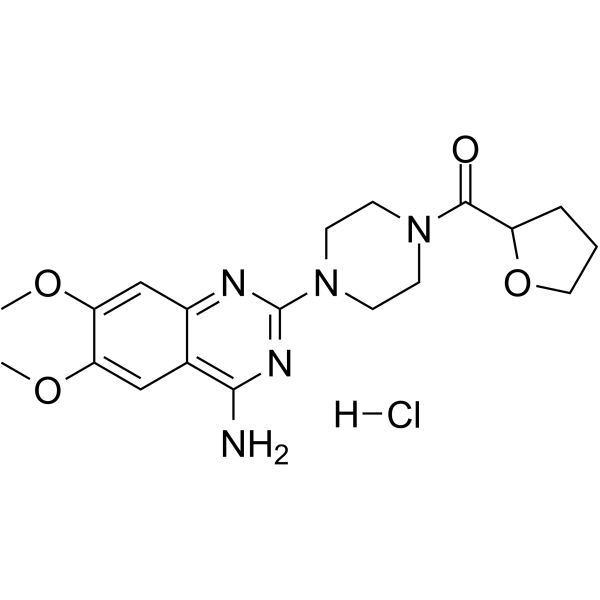
Terazosin hydrochloride is a quinazoline derivative and a competitive and orally active α1-adrenoceptor antagonist. Terazosin hydrochloride works by relaxing blood vessels and the opening of the bladder. Terazosin hydrochloride has the potential for benign prostatic hyperplasia (BPH) and high blood pressure treatment .
|
-
-
- HY-B0661A
-
|
(R)-(-)-YM12617; LY253351
|
Adrenergic Receptor
Apoptosis
|
Neurological Disease
Endocrinology
Cancer
|
|
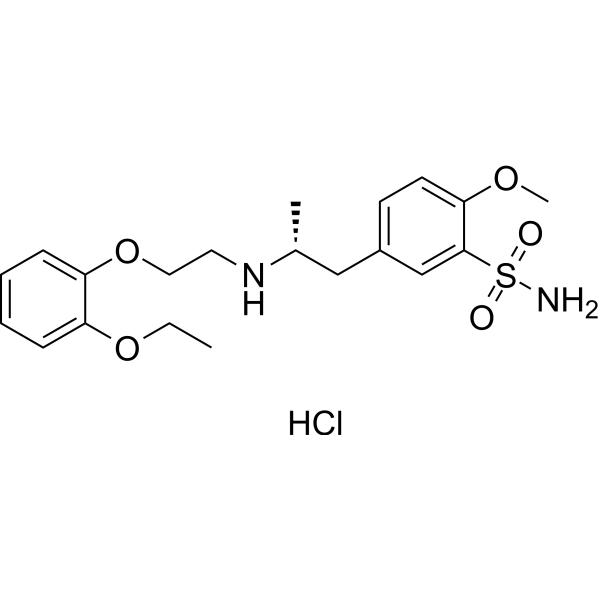
Tamsulosin hydrochloride ((R)-(-)-YM12617 free base) is an orally active antagonist of α1-adrenergic receptor. Tamsulosin hydrochloride induces Apoptosis. Tamsulosin hydrochloride is used for the research of prostatic hyperplasia. Tamsulosin hydrochloride attenuates abdominal aortic aneurysm growth and inhibits inflammation in animal models .
|
-
-
- HY-B0192
-
|
SL 77499
|
Adrenergic Receptor
|
Endocrinology
|
|
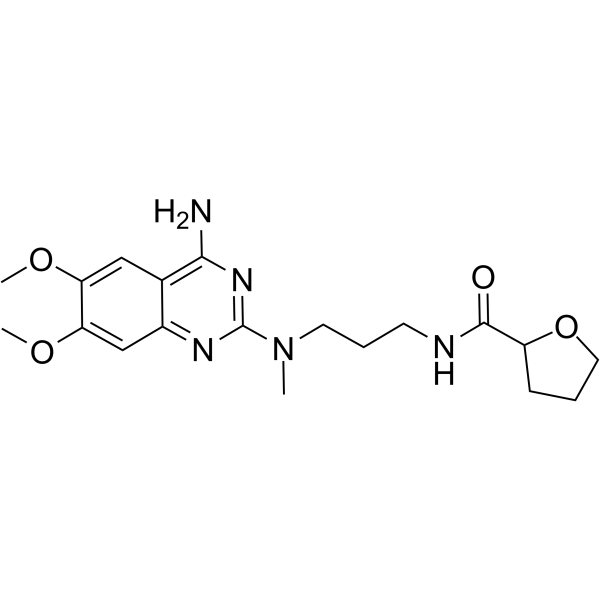
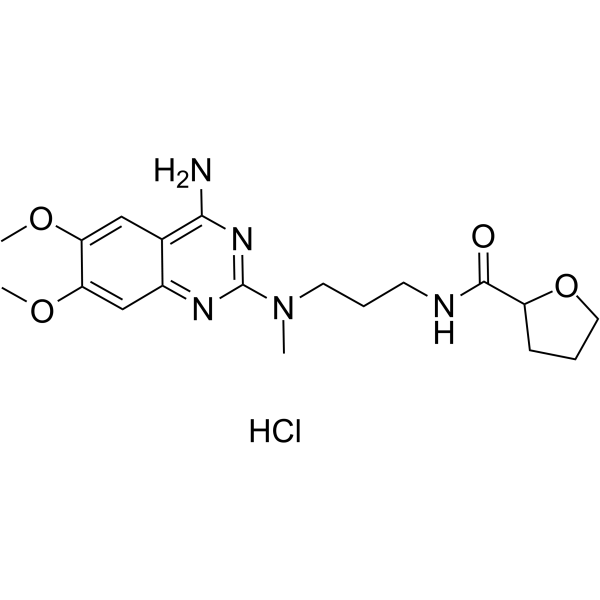
Alfuzosin (SL 77499-10) is an orally active, selective and competitive α1-adrenoceptor antagonist. Alfuzosin relaxes the muscles of the prostate and bladder neck, aiding in urination. Alfuzosin can be used in study of benign prostatic hyperplasia (BPH) .
|
-
-
- HY-B0391
-
|
KT-611; BM-15275
|
Adrenergic Receptor
|
Cardiovascular Disease
Endocrinology
|
|
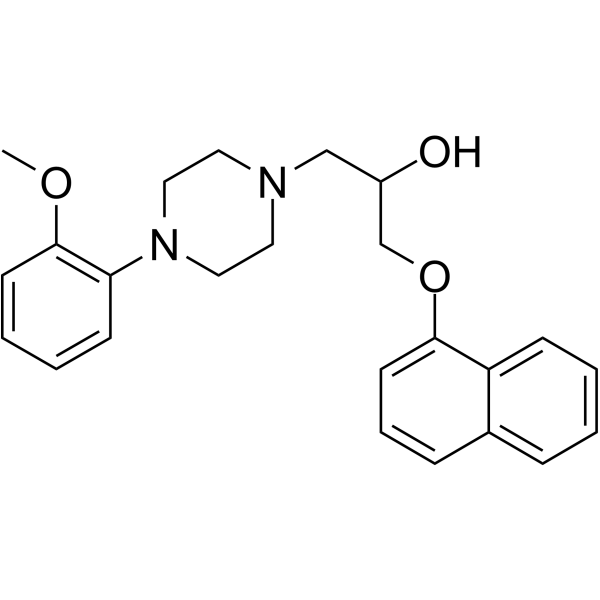
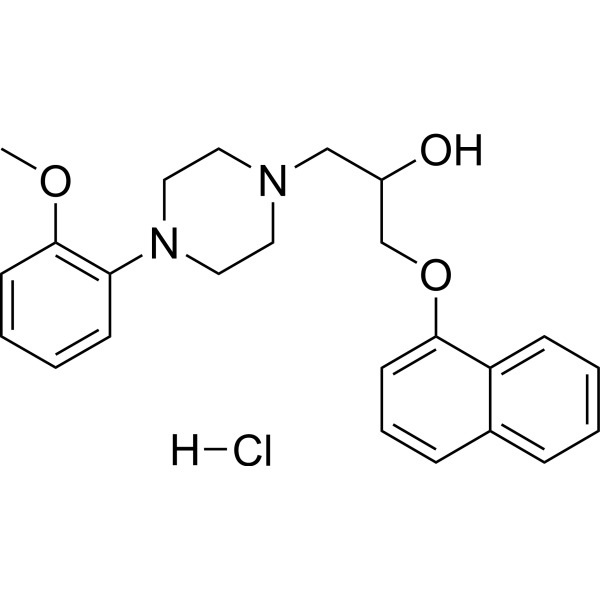
Naftopidil (KT-611) is is a selective alpha1-adrenoceptor antagonist, with Kis of 3.7 nM, 20 nM and 1.2 nM for the cloned human α1a-, α1b- and α1d-adrenoceptor subtypes, respectively. Naftopidil has antiproliferative effects. Naftopidil can be used for the research of prostate hyperplasia .
|
-
-
- HY-B0371
-
Terazosin
Maximum Cited Publications
7 Publications Verification
|
Adrenergic Receptor
|
Cardiovascular Disease
Metabolic Disease
Endocrinology
|
|
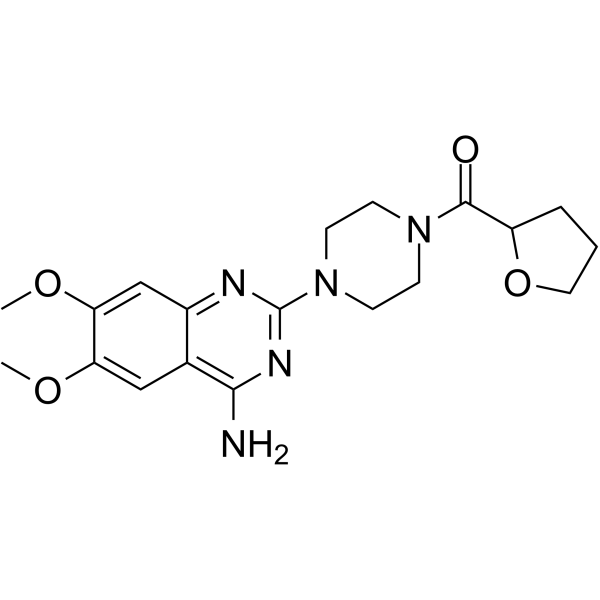
Terazosin is a quinazoline derivative and a competitive and orally active α1-adrenoceptor antagonist. Terazosin works by relaxing blood vessels and the opening of the bladder. Terazosin has the potential for benign prostatic hyperplasia (BPH) and high blood pressure treatment .
|
-
-
- HY-B0371A
-
|
|
Adrenergic Receptor
|
Cardiovascular Disease
Metabolic Disease
Endocrinology
|
|
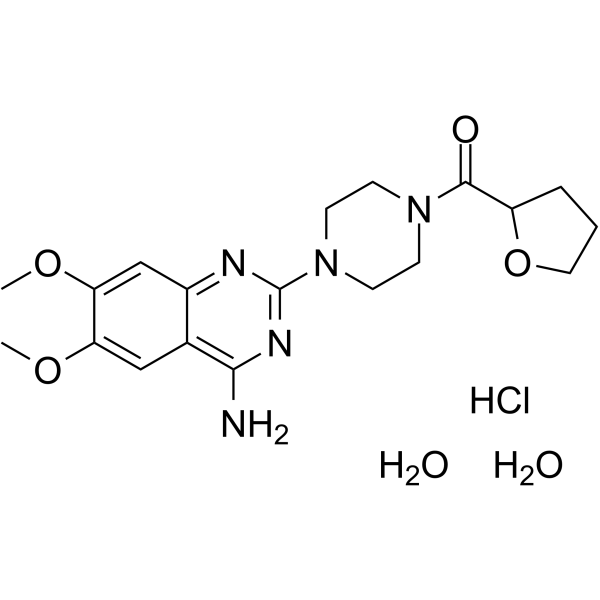
Terazosin hydrochloride dihydrate is a quinazoline derivative and a competitive and orally active α1-adrenoceptor antagonist. Terazosin hydrochloride dihydrate works by relaxing blood vessels and the opening of the bladder. Terazosin hydrochloride dihydrate has the potential for benign prostatic hyperplasia (BPH) and high blood pressure treatment .
|
-
-
- HY-107385
-
|
ONO-9302; SKF105657
|
5 alpha Reductase
|
Cancer
|
|
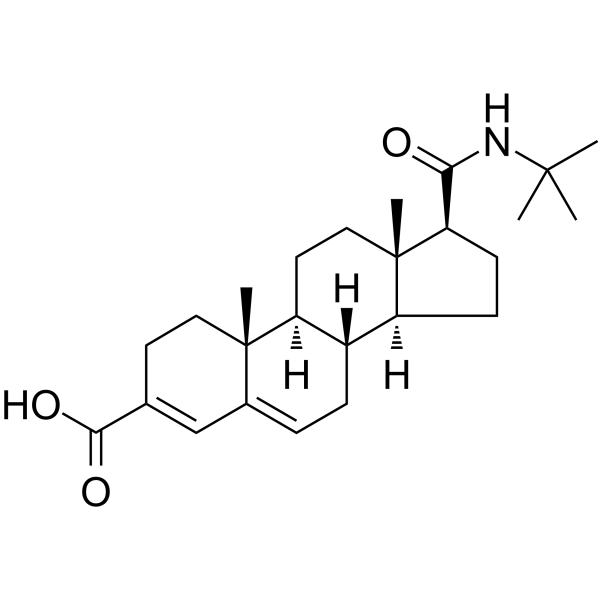
Epristeride (ONO-9302) is a selective, specific and orally active uncompetitive inhibitor of human steroid 5 alpha-reductase isoform 2. Epristeride has inhibitory effects for SR isoenzymes types 2 with Ki value of 0.7-2 nM. Epristeride can be used for the research of prostatic hyperplasia and acne .
|
-
-
- HY-106203A
-
|
SSR-125543 hydrochloride
|
CFTR
|
Metabolic Disease
|
|
Crinecerfont (SSR-125543) hydrochloride is an orally effective corticotropin-releasing factor receptor type-1 (CRF1 receptor) antagonist. Crinecerfont hydrochloride blocks CRF1 receptor signaling to reduce adrenocorticotropic hormone secretion. Crinecerfont hydrochloride improves hypothalamic-pituitary-adrenal axis negative feedback sensitivity in chronically stressed mice. Crinecerfont hydrochloride can be used for the research of chronic stress conditions and classic congenital adrenal hyperplasia due to 21-hydroxylase deficiency . Crinecerfont hydrochloride is a click chemistry reagent, it contains an Alkyne group and can undergo copper-catalyzed azide-alkyne cycloaddition (CuAAc) with molecules containing Azide groups.
|
-
-
- HY-P3412
-
|
|
MAPKAPK2 (MK2)
|
Inflammation/Immunology
|
|
MMI-0100 is a cell-permeant peptide inhibitor of mitogen activated protein kinase activated protein kinase II (MK2). MMI-0100 reduces intimal hyperplasia ex vivo and in vivo. MMI-0100 suppresses IL-6 expression without effect on IL-8 expression. MMI-0100 suppresses fibrotic processes such as vein graft disease .
|
-
-
- HY-B0192A
-
|
SL 77499-10
|
Adrenergic Receptor
|
Endocrinology
|
|
Alfuzosin (SL 77499-10) hydrochloride is an orally active, selective and competitive α1-adrenoceptor antagonist. Alfuzosin hydrochloride relaxes the muscles of the prostate and bladder neck, aiding in urination. Alfuzosin hydrochloride can be used in study of benign prostatic hyperplasia (BPH) .
|
-
-
- HY-P99588
-
|
MYO-029
|
TGF-β Receptor
|
Metabolic Disease
|
|
Stamulumab (MYO-029) is a recombinant human IgG1λ antibody that binds to myostatin and neutralizes its activity by preventing binding to its endogenous high-affinity receptor ActRIIB. Stamulumab leads to muscle fiber hypertrophy and not hyperplasia in SCID mice. Stamulumab has the potential for Becker muscular dystrophy (BMD), facioscapulohumeral dystrophy (FSHD), and limb-girdle muscular dystrophy (LGMD) research .
|
-
-
- HY-113405
-
-
-
- HY-115450
-
|
|
LPL Receptor
|
Endocrinology
Cancer
|
|
ONO-0300302 is an orally active and potent LPA1 (lysophosphatidic acid receptor 1) antagonist, with an IC50 of 0.086 μM. ONO-0300302 is a slow tight binding inhibitor, and its binding affinity increases with time, with Kd of 0.34 nM (37 °C, 2 h). ONO-0300302 can be used for benign prostatic hyperplasia (BPH) research .
|
-
-
- HY-113603
-
|
SPR001; LY2371712
|
CRFR
|
Metabolic Disease
|
|
Tildacerfont (SPR001; LY2371712) is an orally active, blood-brain barrier-penetrant selective corticotropin-releasing factor type 1 (CRF1) receptor antagonist. Tildacerfont selectively blocks CRF1 receptors, thereby inhibiting the release of pituitary adrenocorticotropic hormone (ACTH). Tildacerfont can be used in research related to congenital adrenal hyperplasia .
|
-
-
- HY-107637
-
|
|
MMP
|
Cardiovascular Disease
|
|
ONO-4817 is a potent inhibitor of matrix metalloproteinase (MMP). Inhibition of matrix metalloproteinases (MMPs) is expected to suppress atherosclerotic neointimal proliferation and thus limits atheromatous plaque progression. ONO-4817 suppresses the development of aortic intimal hyperplasia in experimental hyperlipidemic rabbit .
|
-
-
- HY-N13015
-
|
|
Endogenous Metabolite
|
Endocrinology
|
|
Quercetin 5-O-β-D-glucopyranoside is a glycosylated flavonoid metabolite and flavonoid compound. Quercetin 5-O-β-D-glucopyranoside can be produced by microbial transformation of Quercetin (HY-18085) via Mucor hiemalis. Quercetin 5-O-β-D-glucopyranoside can be used in studies related to benign prostatic hyperplasia .
|
-
-
- HY-P1564A
-
|
|
Angiotensin Receptor
|
Others
|
|
[Sar1, Ile8]-Angiotensin II (TFA) is a peptide that has multiple effects on vascular smooth muscle, including contraction of normal arteries and hypertrophy or hyperplasia of cultured cells or diseased vessels.
|
-
-
- HY-W741510
-
|
21-Desoxycortisone; NSC 38722
|
Endogenous Metabolite
|
Cardiovascular Disease
|
|
21-Deoxy Cortisone (21-Desoxycortisone; NSC 38722) is a corticosteroid metabolite of 11-ketoprogesterone. It is formed from 11-ketoprogesterone by the cytochrome P450 (CYP) isozyme CYP17A1, but can also be produced by oxidation of 21-deoxycortisone (HY-113405) by 11β-hydroxysteroid dehydrogenase type 2 (11β-HSD2). Congenital adrenal hyperplasia is an inborn error of metabolism characterized by a deficiency of 21-hydroxylase, and 21-Deoxy Cortisone levels are elevated in patients with congenital adrenal hyperplasia.
|
-
-
- HY-P3501
-
|
NX-1207
|
Apoptosis
|
Cancer
|
|
Fexapotide (NX-1207) induces apoptosis selectively, reducing prostate volume at a cellular level. Fexapotide can be used in lower urinary tract symptoms (LUTS) and benign prostatic hyperplasia (BPH) research .
|
-
-
- HY-158498
-
|
FA2 N-linked oligosaccharide; F(6)A2 glycan
|
Biochemical Assay Reagents
|
Cancer
|
|
FA2 glycan (G0F) (FA2 N-linked oligosaccharide; F(6)A2 glycan) is a core-fucosylated biantennary N-linked oligosaccharide that serves as a prostate cancer biomarker. The level of FA2 glycan (G0F) is higher in prostate cancer than in benign prostatic hyperplasia, and it is further elevated in advanced prostate cancer with a Gleason score ≥8 compared with both benign prostatic hyperplasia and low-/intermediate-risk prostate cancer. FA2 glycan (G0F) can be used in prostate cancer research .
|
-
-
- HY-103204
-
|
|
Adrenergic Receptor
|
Endocrinology
|
|
RS100329 hydrochloride is a potent and selective α1A-adrenoceptor antagonist with pKi values of 9.6, 7.9 and 7.5 for α1A, α1D, and α1B, respectively. RS100329 hydrochloride inhibits reflex urethral contractions. RS100329 hydrochloride can be used in research of benign prostatic hyperplasia .
|
-
-
- HY-P3525A
-
|
|
Integrin
|
Others
|
|
G-Pen-GRGDSPCA TFA is an αvβ3-inhibiting RGD peptide. G-Pen-GRGDSPCA can limit neointimal hyperplasia and lumen stenosis after vascular injury, as well as regulate the migration and proliferation of smooth muscle cells. G-Pen-GRGDSPCA TFA can be used in the study of the mechanism of vascular injury repair .
|
-
-
- HY-N8850
-
|
|
Others
|
Cancer
|
|
Angelol G, a coumarin, can be isolated from Campylotropis hirtella. Angelol G shows inhibitory activity for prostate specific antigen (PSA)IC50 value of 152.1μM. Angelol G can be used for the research of benign prostate hyperplasia (BPH) .
|
-
-
- HY-13635A
-
|
MK-906 acetate
|
5 alpha Reductase
|
Cancer
|
|
Finasteride (MK-906) acetate is a potent and competitive 5α-reductase inhibitor, with an IC50 of 4.2 nM for type II 5α-reductase. Finasteride acetate has approximately a 100-fold greater affinity for type II 5α-reductase enzyme than for the type I enzyme. Finasteride acetate can be used for the research of benign prostatic hyperplasia (BPH) and androgenic alopecia .
|
-
-
- HY-12718
-
|
|
Adrenergic Receptor
|
Cardiovascular Disease
|
|
(±)-WB 4101 is a highly selective α1-adrenergic receptor antagonist. (±)-WB 4101 blocks norepinephrine-induced vascular smooth muscle contraction to exert antihypertensive and benign prostatic hyperplasia (BPH)-relieving effects. (±)-WB 4101 is promising for research of hypertension and BPH .
|
-
-
- HY-P3525
-
|
|
Integrin
|
Others
|
|
G-Pen-GRGDSPCA is an αvβ3-inhibiting RGD peptide. G-Pen-GRGDSPCA can limit neointimal hyperplasia and lumen stenosis after vascular injury, as well as regulate the migration and proliferation of smooth muscle cells. G-Pen-GRGDSPCA can be used in the study of the mechanism of vascular injury repair .
|
-
-
- HY-B0371S
-
|
|
Isotope-Labeled Compounds
Adrenergic Receptor
|
Metabolic Disease
Endocrinology
|
|
Terazosin-d8 is deuterium labeled Terazosin. Terazosin is a quinazoline derivative and a competitive and orally active α1-adrenoceptor antagonist. Terazosin works by relaxing blood vessels and the opening of the bladder. Terazosin has the potential for benign prostatic hyperplasia (BPH) and high blood pressure treatment .
|
-
-
- HY-156522
-
|
|
CFTR
|
Endocrinology
|
|
CRF1 receptor antagonist-1 (Compound 2) is a CRF1 receptor antagonist. CRF1 receptor antagonist-1 can be used for research of congenital adrenal hyperplasia (CAH) .
|
-
-
- HY-106174
-
|
CS 891
|
5 alpha Reductase
|
Endocrinology
|
|
Lapisteride (CS 891) is an orally active 5α-reductase inhibitor. Lapisteride can inhibit 5α-reductaseactivity in the hair follicles (HF). Lapisteride can be used in prostatic hyperplasia and androgenic alopecia research .
|
-
-
- HY-113405R
-
|
|
Reference Standards
Endogenous Metabolite
|
Endocrinology
|
|
21-Deoxycortisol (Standard) is the analytical standard of 21-Deoxycortisol. This product is intended for research and analytical applications. 21-Deoxycortisol is an endogenous metabolite. 21-Deoxycortisol is a sign of congenital adrenal hyperplasia .
|
-
-
- HY-123323
-
|
|
5 alpha Reductase
|
Endocrinology
|
|
MK-0434 is an orally active steroid 5α-reductase inhibitor. MK-0434 specifically inhibits steroid 5α-reductase, thereby reducing the level of dihydrotestosterone (DHT) in the body. MK-0434 can be used in the study of benign prostatic hyperplasia .
|
-
-
- HY-B0391A
-
|
KT-611 dihydrochloride; BM-15275 dihydrochloride
|
Adrenergic Receptor
|
Cancer
|
|
Naftopidil dihydrochloride (KT-611 dihydrochloride) is a selective alpha1-adrenoceptor antagonist, with Kis of 3.7 nM, 20 nM and 1.2 nM for the cloned human α1a-, α1b- and α1d-adrenoceptor subtypes, respectively. Naftopidil dihydrochloride has antiproliferative effects. Naftopidil dihydrochloride can be used for the research of prostate hyperplasia .
|
-
-
- HY-19268
-
|
GW 1818
|
Adrenergic Receptor
|
Metabolic Disease
|
|
GG-818 (GW 1818) is a potent and selective α1 adrenoceptor antagonist, with pKi values of 9.7 for α1a, 7.8 for α1b, and 7.6 for α1d. GG-818 (GW 1818) can be used for benign prostatic hyperplasia research .
|
-
-
- HY-175038
-
|
|
Fungal
|
Infection
|
|
Oomycete-IN-1 (Compound X4) is a selective inhibitor targeting the PH domain of PcORP1 in Phytophthora species. Oomycete-IN-1 shows EC50 values ranging from 1 to 4 μg/mL against six oomycetes. Oomycete-IN-1 disrupts lipid transport and metabolism, leading to mycelium hyperplasia and cell membrane ruffling in P. capsici. Oomycete-IN-1 can be used in the research of preventing and controlling oomycete diseases (such as P. capsici infection) .
|
-
-
- HY-106614
-
|
|
Androgen Receptor
5 alpha Reductase
|
Endocrinology
|
|
Osaterone acetate is an orally active steroid anti-androgen agent, mainly used for benign prostatic hyperplasia (BPH) in dogs. Osaterone acetate competitively antagonizes androgen receptor and inhibits 5α-reductase, reducing the concentration of dihydrotestosterone (DHT) while blocking the growth-stimulating effects of testosterone and DHT on prostate cells. Osaterone acetate can rapidly alleviate the symptoms of BPH in dogs without affecting the fertility of breeding dogs .
|
-
-
- HY-165478
-
|
|
5 alpha Reductase
|
Endocrinology
|
FCE 28260 is an orally active 4-azacyclic 5α-reductase (5αR) inhibitor. FCE 28260 exhibits IC₅₀ values for human 5αR type 1 and 5αR type 2 of 36 and 3.3 nM, respectively, and for human and rat prostates with IC₅₀ values of 16 and 15 nM, respectively. FCE 28260 simultaneously blocks the production of dihydrotestosterone (DHT) in the prostate and peripheral tissues. FCE 28260 can significantly inhibit the induction of prostatic and seminal vesicle hyperplasia by testosterone (T) in rat models, without inhibiting the growth of the prostate in DHT implantation models. FCE 28260 can be used for the studies DHT-dependent diseases such as benign prostatic hyperplasia (BPH) .
|
-
-
- HY-177627
-
-
-
- HY-177627A
-
|
CGT 003 sodium
|
Early 2 Factor (E2F)
|
Inflammation/Immunology
|
|
Edifoligide sodium is a decoy oligonucleotide that binds to and inhibits E2F transcription factors and thus may prevent neointimal hyperplasia and vein graft failure
|
-
-
- HY-19144
-
|
|
5 alpha Reductase
|
Others
|
|
ONO-3805 is an early lead compound of a non-steroidal 5α-reductase inhibitor, used to inhibit the conversion of testosterone to dihydrotestosterone, with potential effects in inhibiting benign prostatic hyperplasia.
|
-
-
- HY-105173
-
|
EP 24332
|
GnRH Receptor
Histamine Receptor
|
Endocrinology
Cancer
|
|
Teverelix (EP 24332) is a GnRH antagonist. Teverelix binds competitively and reversibly to GnRH receptors, thereby suppressing the release of LH and FSH. Teverelix can be used in the research of prostatic hyperplasia, endometriosis, and prostate cancer .
|
-
-
- HY-15132
-
|
|
Ser/Thr Protease
|
Inflammation/Immunology
|
|
MOL-6131 is a highly selective, reversible tryptase inhibitor, with a Ki of 45 nM. MOL-6131 significantly reduces the following features of allergic airway inflammation: eosinophil infiltration in lung tissue, goblet cell hyperplasia and mucus occlusion of airways .
|
-
-
- HY-106363
-
|
L 654066
|
5 alpha Reductase
|
Others
|
|
MK-0963 is a steroidal 5α-reductase inhibitor. MK-0963 reduces serum dihydrotestosterone (DHT) concentrations in a dose-dependent manner. MK-0963 can be used for the study of dihydrotestosterone-related diseases such as benign prostate hyperplasia (BPH) .
|
-
-
- HY-B0661AS1
-
-
-
- HY-17019
-
|
|
Adrenergic Receptor
|
Inflammation/Immunology
|
|
SL-89.0591 is a uroselective α1-adrenoceptor antagonist. SL-89.0591 exhibits a more potent blocking effect on urethral receptors than on vascular receptors in anesthetized rabbits, with a lower risk of orthostatic hypotension. SL-89.0591 can be used in research related to benign prostatic hyperplasia .
|
-
-
- HY-B0192AR
-
|
SL 77499-10 (Standard)
|
Reference Standards
Adrenergic Receptor
|
Endocrinology
|
|
Alfuzosin (hydrochloride) (Standard) is the analytical standard of Alfuzosin (hydrochloride). This product is intended for research and analytical applications. Alfuzosin (SL 77499-10) hydrochloride is an orally active, selective and competitive α1-adrenoceptor antagonist. Alfuzosin hydrochloride relaxes the muscles of the prostate and bladder neck, aiding in urination. Alfuzosin hydrochloride can be used in study of benign prostatic hyperplasia (BPH) .
|
-
-
- HY-163176
-
|
|
STAT
|
Inflammation/Immunology
|
|
WB518 is a potent STAT3 inhibitor. WB518 effectively inhibits STAT3 activation and Keratin 17 expression. WB518 effectively alleviates imiquimod (HY-B0180) and TPA (HY-18739)-induced animal psoriasis by inhibiting STAT3 phosphorylation and Keratin 17 .
|
-
-
- HY-P1442
-
|
|
Adrenergic Receptor
|
Cancer
|
|
AdTx1 is a selective α1A-adrenoceptor antagonist (Ki: 0.35 nM). AdTx1 can be used for research of benign prostatic hyperplasia .
|
-
- HY-134632
-
|
KMD-3241
|
Adrenergic Receptor
|
Cancer
|
|
Dehydro silodosin (KMD-3241) is a selective α1A-adrenoceptor antagonist used in the study of benign prostatic hyperplasia .
|
-
- HY-103202
-
|
|
Adrenergic Receptor
|
Cardiovascular Disease
|
|
SNAP5089 (hydrochloride) is a selective α1A adrenergic receptor antagonist. SNAP5089 (hydrochloride) can be used in the research of hypertension and benign prostatic hyperplasia .
|
-
- HY-105537
-
|
RS-100975
|
Adrenergic Receptor
|
Endocrinology
|
|
Ro 70-0004 (RS-100975) is a selective alpha1A-adrenoceptor antagonist with a pKi of 8.9. Ro 70‐0004 can be used in the study of prostatic hyperplasia .
|
-
- HY-101826A
-
|
|
Phosphodiesterase (PDE)
|
Cancer
|
|
ER21355 hydrochloride is the hydrochloride form of ER21355 (HY-101826). ER21355 hydrochloride is an inhibitor for phosphodiesterase (PDE), which is potent for ameliorating benign prostatic hyperplasia (BPH) and prostatism through increasing levels of cAMP and cGMP, and resulting a relaxation of the smooth muscle cell .
|
-
- HY-B0391B
-
|
KT-611 hydrochloride; BM-15275 hydrochloride
|
Adrenergic Receptor
|
Cancer
|
|
Naftopidil hydrochloride (KT-611 hydrochloride) is a selective alpha1-adrenoceptor antagonist, with Kis of 3.7 nM, 20 nM and 1.2 nM for the cloned human α1a-, α1b- and α1d-adrenoceptor subtypes, respectively. Naftopidil hydrochloride has antiproliferative effects. Naftopidil hydrochloride can be used for the research of prostate hyperplasia .
|
-
- HY-P3501A
-
|
NX-1207 TFA
|
Apoptosis
|
Cancer
|
|
Fexapotide (NX-1207) TFA induces apoptosis selectively, reducing prostate volume at a cellular level. Fexapotide can be used in lower urinary tract symptoms (LUTS) and benign prostatic hyperplasia (BPH) research .
|
-
- HY-122237
-
|
|
Endothelin Receptor
|
Cardiovascular Disease
|
|
ATZ-1993 is an orally active, nonpeptide endothelin receptor subtype Aand endothelin receptor subtype B antagonist with pKi values of 8.69, 7.20, respectively. ATZ-1993 has the potential for the research of intimal hyperplasia after balloon denudation of the carotid artery .
|
-
- HY-B0391R
-
|
KT-611 (Standard); BM-15275 (Standard)
|
Reference Standards
Adrenergic Receptor
|
Cardiovascular Disease
Endocrinology
|
|
Naftopidil (Standard) is the analytical standard of Naftopidil. This product is intended for research and analytical applications. Naftopidil (KT-611) is is a selective alpha1-adrenoceptor antagonist, with Kis of 3.7 nM, 20 nM and 1.2 nM for the cloned human α1a-, α1b- and α1d-adrenoceptor subtypes, respectively. Naftopidil has antiproliferative effects. Naftopidil can be used for the research of prostate hyperplasia .
|
-
- HY-B0661R
-
|
(R)-(-)-YM12617 free base (Standard); LY253351 free base (Standard)
|
Reference Standards
Adrenergic Receptor
Endogenous Metabolite
|
Neurological Disease
Endocrinology
Cancer
|
|
Tamsulosin (Standard) is the analytical standard of Tamsulosin. This product is intended for research and analytical applications. Tamsulosin ((R)-(-)-YM12617 free base) is an inhibitor of α1-adrenergic receptor. Tamsulosin is used for the research of prostatic hyperplasia. Tamsulosin attenuates abdominal aortic aneurysm growth in animal models .
|
-
- HY-116379
-
|
|
Adrenergic Receptor
|
Metabolic Disease
|
|
RS-100329 is an α1-adrenergic receptor (α1-AR) antagonist that effectively inhibits α1-adrenergic receptor-mediated contractions of lower urinary tract tissues in vitro and in vivo. RS-100329 can be used in the research of symptoms related to benign prostatic hyperplasia .
|
-
- HY-B0371FR
-
|
|
Reference Standards
Adrenergic Receptor
|
Cardiovascular Disease
Metabolic Disease
Endocrinology
|
|
Terazosin (hydrochloride) (Standard) is the analytical standard of Terazosin (hydrochloride). This product is intended for research and analytical applications. Terazosin hydrochloride is a quinazoline derivative and a competitive and orally active α1-adrenoceptor antagonist. Terazosin hydrochloride works by relaxing blood vessels and the opening of the bladder. Terazosin hydrochloride has the potential for benign prostatic hyperplasia (BPH) and high blood pressure treatment .
|
-
- HY-135473
-
|
|
Androgen Receptor
|
Metabolic Disease
Endocrinology
Cancer
|
|
Chlormadinone is an orally active anti-androgen agent. Chlormadinone improves intermittency, terminal dribbling, and urinary stream size and force. Chlormadinone can be used for the research of benign prostatic hyperplasia .
|
-
- HY-B0371AR
-
|
|
Reference Standards
Adrenergic Receptor
|
Metabolic Disease
Endocrinology
|
|
Terazosin (hydrochloride dihydrate) (Standard) is the analytical standard of Terazosin (hydrochloride dihydrate). This product is intended for research and analytical applications. Terazosin hydrochloride dihydrate is a quinazoline derivative and a competitive and orally active α1-adrenoceptor antagonist. Terazosin hydrochloride dihydrate works by relaxing blood vessels and the opening of the bladder. Terazosin hydrochloride dihydrate has the potential for benign prostatic hyperplasia (BPH) and high blood pressure treatment .
|
-
- HY-107385R
-
|
ONO-9302 (Standard); SKF105657 (Standard)
|
Reference Standards
5 alpha Reductase
|
Cancer
|
|
Epristeride (Standard) is the analytical standard of Epristeride. This product is intended for research and analytical applications. Epristeride (ONO-9302) is a selective, specific and orally active uncompetitive inhibitor of human steroid 5 alpha-reductase isoform 2. Epristeride has inhibitory effects for SR isoenzymes types 2 with Ki value of 0.7-2 nM. Epristeride can be used for the research of prostatic hyperplasia and acne .
|
-
- HY-106761
-
|
|
Calcium Channel
|
Cardiovascular Disease
Others
|
|
Oxodipine, a dihydropyridine-type calcium antagonist, inhibits KCl-induced aortic contraction in rabbits and reduces cardiac force in less potent rat ventricular test-paper contractions. In rat cultured neonatal ventricular myocytes, Oxodipine reduces L-type Ca currents (I) with an IC50 of 0.24 μM, and against T-type Ca currents (I) with an IC50 of 0.41 μM. Oxodipine causes constipation in mice and gingival hyperplasia in dogs .
|
-
- HY-W357141
-
|
Methyl salicylate 2-O-β-D-glucopyranoside
|
Drug Derivative
|
Inflammation/Immunology
|
|
Methyl 2-O-β-D-glucopyranosylbenzoate (Methyl salicylate 2-O-β-D-glucopyranoside) (Compound 11) is a phenolic compound. Methyl 2-O-β-D-glucopyranosylbenzoate can be isolated from the leaves of Metapanax delavayi. Methyl 2-O-β-D-glucopyranosylbenzoate has anti-benign prostatic hyperplasia activities and significantly inhibits the proliferation of BPH-1 cells. β-Phenylethyl β-D-glucoside can be used for prostatitis research .
|
-
- HY-135473S
-
|
|
Isotope-Labeled Compounds
Androgen Receptor
|
Metabolic Disease
|
|
Chlormadinone-d6 is the deuterium labeled Chlormadinone (HY-135473). Chlormadinone is an orally active anti-androgen agent. Chlormadinone improves intermittency, terminal dribbling, and urinary stream size and force. Chlormadinone can be used for the research of benign prostatic hyperplasia .
|
-
- HY-135473R
-
|
|
Androgen Receptor
Reference Standards
|
Metabolic Disease
|
|
Chlormadinone (Standard) is the analytical standard of Chlormadinone (HY-135473). This product is intended for research and analytical applications. Chlormadinone is an orally active anti-androgen agent. Chlormadinone improves intermittency, terminal dribbling, and urinary stream size and force. Chlormadinone can be used for the research of benign prostatic hyperplasia .
|
-
- HY-W724254
-
|
|
Adrenergic Receptor
|
Endocrinology
|
|
SNAP-6201 is a selective α1a adrenoceptor antagonist with a Ki of 0.2 nM. SNAP-6201 exhibits >1400-fold selectivity over α1b and α1d adrenoceptors. SNAP-6201 exhibits excellent selectively to inhibit intraurethral pressure (IUP) in the anesthetized dog model. SNAP-6201 can be used for benign prostatic hyperplasia (BPH) research .
|
-
- HY-106203B
-
|
(R)-SSR-125543
|
CFTR
|
Metabolic Disease
|
|
(R)-Crinecerfont is the R-enantiomer of Crinecerfont (HY-106203). Crinecerfont (SSR-125543) is an orally effective corticotropin-releasing factor receptor type-1 (CRF1 receptor) antagonist. Crinecerfont blocks CRF1 receptor signaling to reduce adrenocorticotropic hormone secretion. Crinecerfont improves hypothalamic-pituitary-adrenal axis negative feedback sensitivity in chronically stressed mice. Crinecerfont can be used for the research of chronic stress conditions and classic congenital adrenal hyperplasia due to 21-hydroxylase deficiency . Crinecerfont is a click chemistry reagent, it contains an Alkyne group and can undergo copper-catalyzed azide-alkyne cycloaddition (CuAAc) with molecules containing Azide groups.
|
-
- HY-B0192AS
-
-
- HY-B0192AS1
-
-
- HY-123710
-
|
|
Endogenous Metabolite
|
Others
|
|
GYKI-16084 is a new compound that can be isolated from dog and rat urine. GYKI-16084 can be used in the research of benign prostatic hyperplasia .
|
-
- HY-N8856
-
|
|
Others
|
Others
|
|
Angelol M,isolated from the roots of Angelica gigas Nakai, shows activity in inhibiting prostate specific antigen (PSA) secreted from androgen dependent prostate cancer cell line, LNCaP cells .
|
-
- HY-106203C
-
|
SSR-125543 tosylate
|
CFTR
|
Metabolic Disease
|
|
Crinecerfont (SSR-125543) tosylate is an orally effective corticotropin-releasing factor receptor type-1 (CRF1 receptor) antagonist. Crinecerfont tosylate blocks CRF1 receptor signaling to reduce adrenocorticotropic hormone secretion. Crinecerfont tosylate improves hypothalamic-pituitary-adrenal axis negative feedback sensitivity in chronically stressed mice. Crinecerfont tosylate can be used for the research of chronic stress conditions and classic congenital adrenal hyperplasia due to 21-hydroxylase deficiency . Crinecerfont tosylate is a click chemistry reagent, it contains an Alkyne group and can undergo copper-catalyzed azide-alkyne cycloaddition (CuAAc) with molecules containing Azide groups.
|
-
- HY-113405S1
-
-
- HY-P2563
-
|
|
Angiotensin Receptor
|
Metabolic Disease
|
|
[Tyr(P)4] Angiotensin II is a peptide that has multiple effects on vascular smooth muscle, including contraction of normal arteries and hypertrophy or hyperplasia of cultured cells or diseased vessels .
|
-
- HY-P1564
-
-
- HY-105122
-
|
WIN 49596
|
Androgen Receptor
|
Endocrinology
Cancer
|
|
Zanoterone is an orally active antagonist of the androgen receptor (AR) with a Ki of 2.2 μM. Zanoterone blocks the binding of androgens such as testosterone and dihydrotestosterone (DHT), inhibiting the androgen signaling pathway, thereby reducing androgen-dependent prostate hyperplasia and prostate cancer growth .
|
-
- HY-Z12431
-
|
KMD-3293
|
Endogenous Metabolite
|
Metabolic Disease
|
|
Silodosin carboxylic acid impurity (KMD-3293) is an inactive silodosin metabolite. Silodosin carboxylic acid impurity is the major metabolite that can be generated via oxidation by alcohol and aldehyde dehydrogenase. Silodosin carboxylic acid impurity can be studied in research for benign prostatic hyperplasia .
|
-
- HY-147152
-
|
|
Biochemical Assay Reagents
|
Others
|
|
1-Myristoyl-3-chloropropanediol is a 3-monochloropropanediol (3-MCPD) fatty acid ester. 3-MPCD causes nephropathy and tubular hyperplasia and adenomas by chronic oral administration; also reduces fertility, or provokes infertility in rats and suppresses the immune function .
|
-
- HY-B0661AS
-
-
- HY-13810
-
|
|
Raf
|
Cancer
|
|
PF-04880594 is a potent and selective RAF inhibitor. PF-04880594 inhibits both wild-type and mutant BRAF and CRAF. PF-04880594 shows antitumor activity .
|
-
- HY-B0192S
-
|
SL 77499-d7
|
Adrenergic Receptor
|
Endocrinology
|
|
Alfuzosin-d7 is the deuterium labeled Alfuzosin . Alfuzosin (SL 77499-10) is an orally active, selective and competitive α1-adrenoceptor antagonist. Alfuzosin relaxes the muscles of the prostate and bladder neck, aiding in urination. Alfuzosin can be used in study of benign prostatic hyperplasia (BPH) .
|
-
- HY-B0192R
-
|
SL 77499 (Standard)
|
Adrenergic Receptor
Reference Standards
|
Endocrinology
|
|
Alfuzosin (Standard) is the analytical standard of Alfuzosin. This product is intended for research and analytical applications. Alfuzosin (SL 77499-10) is an orally active, selective and competitive α1-adrenoceptor antagonist. Alfuzosin relaxes the muscles of the prostate and bladder neck, aiding in urination. Alfuzosin can be used in study of benign prostatic hyperplasia (BPH) .
|
-
- HY-B0661S
-
-
- HY-B0192S3
-
|
SL 77499-d6
|
Isotope-Labeled Compounds
Adrenergic Receptor
|
Endocrinology
|
|
Alfuzosin-d6 (SL 77499-d6) is deuterium labeled Alfuzosin. Alfuzosin (SL 77499-10) is an orally active, selective and competitive α1-adrenoceptor antagonist. Alfuzosin relaxes the muscles of the prostate and bladder neck, aiding in urination. Alfuzosin can be used in study of benign prostatic hyperplasia (BPH) .
|
-
- HY-103459
-
|
PD156707
|
Endothelin Receptor
|
Cardiovascular Disease
|
|
CI-1020 (PD156707) is an orally active and selective antagonist targeting endothelin (ETA) with an IC50 value of 0.3 nM. CI-1020 blocks intimal hyperplasia in human saphenous veins completely in organ culture. CI 1020 inhibits hypoxic pulmonary hypertension and blocks ET-1-induced pressor responses following oral administration .
|
-
- HY-B0192S3A
-
|
SL 77499-10-d6
|
Isotope-Labeled Compounds
Adrenergic Receptor
|
Endocrinology
|
|
Alfuzosin (hydrochloride)-d6 (SL 77499-10-d6) is deuterium labeled Alfuzosin (hydrochloride). Alfuzosin (SL 77499-10) hydrochloride is an orally active, selective and competitive α1-adrenoceptor antagonist. Alfuzosin hydrochloride relaxes the muscles of the prostate and bladder neck, aiding in urination. Alfuzosin hydrochloride can be used in study of benign prostatic hyperplasia (BPH) .
|
-
- HY-B0661AR
-
|
(R)-(-)-YM12617 (Standard); LY253351 (Standard)
|
Reference Standards
Adrenergic Receptor
Apoptosis
|
Neurological Disease
Endocrinology
Cancer
|
|
Tamsulosin (hydrochloride) (Standard) is the analytical standard of Tamsulosin hydrochloride (HY-B0661A). Tamsulosin hydrochloride ((R)-(-)-YM12617 free base) is an orally active antagonist of α1-adrenergic receptor. Tamsulosin hydrochloride induces Apoptosis. Tamsulosin hydrochloride is used for the research of prostatic hyperplasia. Tamsulosin hydrochloride attenuates abdominal aortic aneurysm growth and inhibits inflammation in animal models .
|
-
- HY-B0391S1
-
|
KT-611-d5; BM-15275-d5
|
Isotope-Labeled Compounds
Adrenergic Receptor
|
Cardiovascular Disease
Endocrinology
|
|
Naftopidil-d5 is deuterium labeled Naftopidil. Naftopidil (KT-611) is is a selective alpha1-adrenoceptor antagonist, with Kis of 3.7 nM, 20 nM and 1.2 nM for the cloned human α1a-, α1b- and α1d-adrenoceptor subtypes, respectively. Naftopidil has antiproliferative effects. Naftopidil can be used for the research of prostate hyperplasia .
|
-
- HY-183179
-
|
|
Adrenergic Receptor
|
Endocrinology
|
|
α1A Adrenoceptor antagonist-1 is a selective α1A adrenoceptor antagonist with a human Ki <20 nM. α1A Adrenoceptor antagonist-1 exhibits activity against benign prostatic hyperplasia (BPH) to enable less hindered urine flow. α1A Adrenoceptor antagonist-1 relaxes α1a receptor-enriched urethral smooth muscle tissue without inducing hypotension. α1A Adrenoceptor antagonist-1 can be used for the research of benign prostatic hyperplasia (BPH) .
|
-
- HY-106203R
-
|
SSR-125543 (Standard)
|
Reference Standards
CFTR
|
Metabolic Disease
|
|
Crinecerfont (Standard) is the analytical standard of Crinecerfont (HY-106203). This product is intended for research and analytical applications. Crinecerfont (SSR-125543) is an orally effective corticotropin-releasing factor receptor type-1 (CRF1 receptor) antagonist. Crinecerfont blocks CRF1 receptor signaling to reduce adrenocorticotropic hormone secretion. Crinecerfont improves hypothalamic-pituitary-adrenal axis negative feedback sensitivity in chronically stressed mice. Crinecerfont can be used for the research of chronic stress conditions and classic congenital adrenal hyperplasia due to 21-hydroxylase deficiency. Crinecerfont is a click chemistry reagent, it contains an Alkyne group and can undergo copper-catalyzed azide-alkyne cycloaddition (CuAAc) with molecules containing Azide groups.
|
-
- HY-103204R
-
|
|
Reference Standards
Adrenergic Receptor
|
Endocrinology
|
|
RS100329 hydrochloride (Standard) is the analytical standard of RS100329 hydrochloride (HY-103204). This product is intended for research and analytical applications. RS100329 hydrochloride is a potent and selective α1A-adrenoceptor antagonist with pKi values of 9.6, 7.9 and 7.5 for α1A, α1D, and α1B, respectively. RS100329 hydrochloride inhibits reflex urethral contractions. RS100329 hydrochloride can be used in research of benign prostatic hyperplasia .
|
-
- HY-182626
-
|
|
LPL Receptor
|
Others
Neurological Disease
Inflammation/Immunology
|
|
CS1P1 is a brain-penetrant and selective S1PR1 antagonist and PET radiotracer, with human S1PR1 IC50 values of 2.1 nM. CS1P1 binds specifically to S1PR1 to enable in vivo receptor expression quantification. CS1P1 can be used as PET radiotracer when labelled with 11C. CS1P1 can be used for the research of multiple sclerosis, neointimal hyperplasia, vascular inflammation .
|
-
- HY-N18683
-
|
|
Others
|
Infection
|
|
Saw palmetto extract can be used to study lower urinary tract symptoms associated with benign prostatic hyperplasia (BPH).
|
-
- HY-181774
-
|
|
Phosphodiesterase (PDE)
|
Endocrinology
|
|
PDE4/5-IN-1 is a selective phosphodiesterase 4/5 (PDE4/5) dual inhibitor. PDE4/5-IN-1 functionally inhibits PDE5, PDE4B2, and PDE4D2 activity. PDE4/5-IN-1 relaxes isolated rat prostate tissue, enhances nitric oxide-induced relaxation in isolated rat prostate tissue, and reduces alpha-1 adrenoceptor-mediated contractile responses in isolated rat prostate tissue. PDE4/5-IN-1 inhibits proliferation of human hyperplastic prostate cells. PDE4/5-IN-1 can be used for the research of benign prostatic hyperplasia .
|
-
- HY-105854A
-
|
|
Ras
MEK
ERK
PI3K
Akt
MMP
Keap1-Nrf2
Heme Oxygenase (HO)
Reactive Oxygen Species (ROS)
Apoptosis
|
Cardiovascular Disease
Neurological Disease
Inflammation/Immunology
Cancer
|
|
Pipoxolan is an orally active smooth muscle relaxant, anti-inflammatory agent and anticancer agent. Pipoxolan modulates PI3K/AKT signaling pathways, and reduces the levels of Ras/MEK/p-ERK, MMP-2 and MMP-9. Pipoxolan inhibits pro-inflammatory transcription factor pathways, activates Nrf2/HO-1, and suppresses the production of pro-inflammatory mediators. Pipoxolan induces ROS generation, endogenous mitochondrial Apoptosis, and G0/G1 cell cycle arrest. Pipoxolan reduces cerebral infarction size and inhibits intimal hyperplasia. Pipoxolan can be used in research related to cerebral ischemia, intimal hyperplasia, oral squamous cell carcinoma, leukemia and lung cancer .
|
-
- HY-N1500A
-
|
(-)-Pulegone
|
Cytochrome P450
|
Cancer
|
|
(S)-Pulegone ((-)-Pulegone) is a cytochrome P450 (CYP450) substrate. (S)-Pulegone induces urothelial cytotoxicity, necrosis, regenerative proliferation and urinary bladder tumors in female rats. (S)-Pulegone induces rodent nephropathy, olfactory metaplasia, gastric hyperplasia/perforation at high dose. (S)-Pulegone can be used for the research of urinary bladder and hepatic neoplasms .
|
-
- HY-172750
-
|
17(R,S)-Benzo-RvD1
|
Drug Derivative
|
Inflammation/Immunology
|
|
17(R,S)-Benzo-resolvin D1 (17(R,S)-Benzo-RvD1) is a Resolvin D1 (HY-125527) analogue with pro-resolving and anti-migratory activity. 17(R,S)-Benzo-resolvin D1 attenuates neointimal hyperplasia in a rat model of acute vascular injury .
|
-
- HY-13635S
-
|
MK-906-d9
|
Isotope-Labeled Compounds
5 alpha Reductase
|
Cancer
|
|
Finasteride-d9 is deuterium labeled Finasteride. Finasteride (MK-906) is a potent and competitive 5α-reductase inhibitor, with an IC50 of 4.2 nM for type II 5α-reductase. Finasteride has approximately a 100-fold greater affinity for type II 5α-reductase enzyme than for the type I enzyme. Finasteride can be used for the research of benign prostatic hyperplasia (BPH) and androgenic alopecia .
|
-
- HY-13635R
-
|
MK-906 (Standard)
|
Reference Standards
5 alpha Reductase
|
Cancer
|
|
Finasteride (Standard) is the analytical standard of Finasteride. This product is intended for research and analytical applications. Finasteride (MK-906) is a potent and competitive 5α-reductase inhibitor, with an IC50 of 4.2 nM for type II 5α-reductase. Finasteride has approximately a 100-fold greater affinity for type II 5α-reductase enzyme than for the type I enzyme. Finasteride can be used for the research of benign prostatic hyperplasia (BPH) and androgenic alopecia .
|
-
- HY-130622
-
LT052
1 Publications Verification
|
Epigenetic Reader Domain
|
Inflammation/Immunology
|
|
LT052 is a highly selective BET BD1 inhibitor with an IC50 of 87.7 nM. LT052 exhibits nanomolar BRD4 BD1 potency and 138-fold selectivity over BRD4 BD2 (IC50=12.130 μM). LT052 has anti-inflammatory?activity and can be used for acute gout arthritis research .
|
-
- HY-19279A
-
|
|
Adrenergic Receptor
|
Endocrinology
|
|
JTH-601 Free base is a novel alpha1-adrenoceptor antagonist that exhibits potent activity in inhibiting phenylephrine-induced contractions in lower urinary tract tissues. JTH-601 Free base competitively antagonizes alpha1-adrenoceptor-mediated contractile responses, demonstrating greater potency than prazosin or tamsulosin. JTH-601 Free base is anticipated to be effective in treating urinary outlet obstruction associated with benign prostatic hyperplasia.
|
-
- HY-162071
-
|
|
Pyruvate Kinase
|
Cancer
|
|
PKM2-IN-5 (Compound G1) is an inhibitor for pyruvate kinase M2 (PKM2), with IC50 >70 μM .
|
-
- HY-10122
-
|
KAD 3213; KMD 3213
|
Adrenergic Receptor
Bacterial
|
Endocrinology
Cancer
|
|
Silodosin (KAD 3213; KMD 3213) is a potent, selective and orally active α1A-adrenergic receptor (α1A-AR) blocker. Silodosin exhibits high affinity for α1A-AR (Ki=0.036 nM), over 162-fold and 50-fold than for α1B-AR and α1D-AR with Ki values of 21 nM and 2.0 nM, respectively. Silodosin is an effective and well-tolerated agent, it can be used for the investigation of LUTS/BPH .
|
-
- HY-P9934
-
|
C7E3
|
Integrin
|
Cardiovascular Disease
|
|
Abciximab (C7E3), a chimeric mouse/human monoclonal antibody fragment, is a glycoprotein (GP) IIb/IIIa inhibitor. Abciximab inhibits platelet aggregation and leucocyte adhesion by binding to the glycoprotein IIb/IIIa, vitronectin and Mac-1 receptors .
|
-
- HY-10122R
-
|
KAD 3213 (Standard); KMD 3213 (Standard)
|
Reference Standards
Adrenergic Receptor
Bacterial
|
Endocrinology
Cancer
|
|
Silodosin (Standard) is the analytical standard of Silodosin. This product is intended for research and analytical applications. Silodosin (KAD 3213; KMD 3213) is a potent, selective and orally active α1A-adrenergic receptor (α1A-AR) blocker. Silodosin exhibits high affinity for α1A-AR (Ki=0.036 nM), over 162-fold and 50-fold than for α1B-AR and α1D-AR with Ki values of 21 nM and 2.0 nM, respectively. Silodosin is an effective and well-tolerated agent, it can be used for the investigation of LUTS/BPH .
|
-
- HY-B0391S2
-
|
KT-611-d7; BM-15275-d7
|
Isotope-Labeled Compounds
Adrenergic Receptor
|
Cardiovascular Disease
Endocrinology
|
|
Naftopidil-d7 (KT-611-d7 ) is deuterium labeled Naftopidil. Naftopidil (KT-611) is is a selective alpha1-adrenoceptor antagonist, with Kis of 3.7 nM, 20 nM and 1.2 nM for the cloned human α1a-, α1b- and α1d-adrenoceptor subtypes, respectively. Naftopidil has antiproliferative effects. Naftopidil can be used for the research of prostate hyperplasia .
|
-
- HY-113603S
-
|
SPR001-d8; LY2371712-d8
|
Isotope-Labeled Compounds
CRFR
|
Cancer
|
|
Tildacerfont-d8 (SPR001-d8; LY2371712-d8) is a deuterium labeled Tildacerfont (HY-113603). Tildacerfont (SPR001; LY2371712) is an orally active, blood-brain barrier-penetrant selective corticotropin-releasing factor type 1 (CRF1) receptor antagonist. Tildacerfont selectively blocks CRF1 receptors, thereby inhibiting the release of pituitary adrenocorticotropic hormone (ACTH). Tildacerfont can be used in research related to congenital adrenal hyperplasia .
|
-
- HY-B0304
-
|
(S)-(+)-Dapoxetine; LY-210448
|
Serotonin Transporter
|
Neurological Disease
|
|
Dapoxetine (LY-210448) is an orally active and selective serotonin reuptake inhibitor (SSRI). Dapoxetine can be used for the research of premature ejaculation (PE) .
|
-
- HY-B0304A
-
|
LY-210448 hydrochloride
|
Serotonin Transporter
|
Neurological Disease
|
|
Dapoxetine (LY-210448) hydrochloride is an orally active and selective serotonin reuptake inhibitor (SSRI). Dapoxetine hydrochloride can be used for the research of premature ejaculation (PE) .
|
-
- HY-B0304R
-
|
(S)-(+)-Dapoxetine (Standard); LY-210448 (Standard)
|
Reference Standards
Serotonin Transporter
|
Neurological Disease
|
|
Dapoxetine (Standard) is the analytical standard of Dapoxetine. This product is intended for research and analytical applications. Dapoxetine (LY-210448) is an orally active and selective serotonin reuptake inhibitor (SSRI). Dapoxetine can be used for the research of premature ejaculation (PE) .
|
-
- HY-B0304AR
-
|
LY-210448 hydrochloride (Standard)
|
Reference Standards
Serotonin Transporter
|
Neurological Disease
|
|
Dapoxetine (hydrochloride) (Standard) is the analytical standard of Dapoxetine (hydrochloride). This product is intended for research and analytical applications. Dapoxetine (LY-210448) hydrochloride is an orally active and selective serotonin reuptake inhibitor (SSRI). Dapoxetine hydrochloride can be used for the research of premature ejaculation (PE) .
|
-
- HY-W753806
-
|
UK 33274 hydrochloride
|
Akt
|
Cardiovascular Disease
|
|
Doxazosin hydrochloride (UK 33274 hydrochloride) is a compound used to inhibit hypertension and prostate hyperplasia, with activity that inhibits postsynaptic α1-adrenoceptors on vascular smooth muscle. Doxazosin hydrochloride can cause vasodilation, thereby reducing peripheral vascular resistance. Doxazosin hydrochloride was found to inhibit the proliferation and migration of hepatic stellate cells in a mouse liver fibrosis model. Doxazosin hydrochloride regulates fibrosis, autophagy, and apoptosis of hepatic stellate cells by activating the PI3K/Akt/mTOR signaling pathway. Doxazosin hydrochloride also blocks autophagic flux and induces apoptosis of hepatic stellate cells .
|
-
- HY-180815
-
|
|
Adrenergic Receptor
|
Endocrinology
|
|
α1A/1D-Adrenoceptor antagonist-1 (Compound 15) is a selective α1A/1D-adrenoceptor dual antagonist with IC50 values of 20.26 and 164.9 nM. α1A/1D-Adrenoceptor antagonist-1 shows an IC50 of 1912 nM for α1B-adrenoceptor.α1A/1D-Adrenoceptor antagonist-1 can be used for research of benign prostatic hyperplasia .
|
-
- HY-W250121
-
|
|
Environmental Pollutants
Biochemical Assay Reagents
|
Infection
Inflammation/Immunology
Cancer
|
|
Tragacanth gum is an orally active anionic composite polysaccharide and multifunctional biomaterial. Tragacanth gum exhibits biocompatibility, mucoadhesion and renoprotective effects, and effectively promotes wound closure and tissue healing. Tragacanth gum can be isolated from Astragalus gummifer. Tragacanth gum acts as an emulsifier and drug delivery carrier, and is also widely used in fields such as 3D scaffolds, tissue engineering and green nanoparticle preparation. High doses of Tragacanth gum may induce reversible forestomach squamous epithelial hyperplasia in mice, but show no mutagenic or carcinogenic activity. Tragacanth gum is commonly used in studies related to diseases including systemic candidiasis, rheumatoid arthritis and osteosarcoma .
|
-
- HY-B1341
-
|
Enidrel; SC-4642; NSC 15432
|
Endogenous Metabolite
Progesterone Receptor
|
Cancer
|
|
Norethynodrel (Enidrel; SC-4642) is an orally active progestogen analog that reduces estrogen-like effects and enhances progestogen-like responses in endometrial stromal cells. Norethynodrel also promotes cell maturation and predecidual cell formation by inducing organelle hyperplasia and glycogen accumulation. Norethynodrel competitively inhibits drug-metabolizing enzymes in rat liver microsomes, thereby prolonging Pentobarbital sleep time, while exhibiting multiple effects including reduced body weight gain, attenuated heart rate elevation and ovulation inhibition. In mouse models, Norethynodrel significantly increases the incidence of mammary adenocarcinoma, cervical cancer and pituitary tumors. Norethynodrel can be used for mechanism research on related diseases such as mammary adenocarcinoma, cervical cancer, ovarian tubular adenoma and pituitary adenoma .
|
-
- HY-N13195
-
|
|
5 alpha Reductase
|
Others
|
|
(15α)-15,26-Dihydroxylanosta-7,9(11),24-trien-3-one shows a 5a-reductase inhibitory activity with an IC50 value of 41.9 μM. (15α)-15,26-Dihydroxylanosta-7,9(11),24-trien-3-one inhibits the growth of the ventral prostate induced by testosterone in rat. (15α)-15,26-Dihydroxylanosta-7,9(11),24-trien-3-one is promising for research of benign prostatic hyperplasia (BPH) as well as other 5α-dihydrotestosterone (DHT)-related disorders, such as acne and male pattern baldness .
|
-
- HY-122542
-
|
|
PAI-1
Thrombin
|
Inflammation/Immunology
|
|
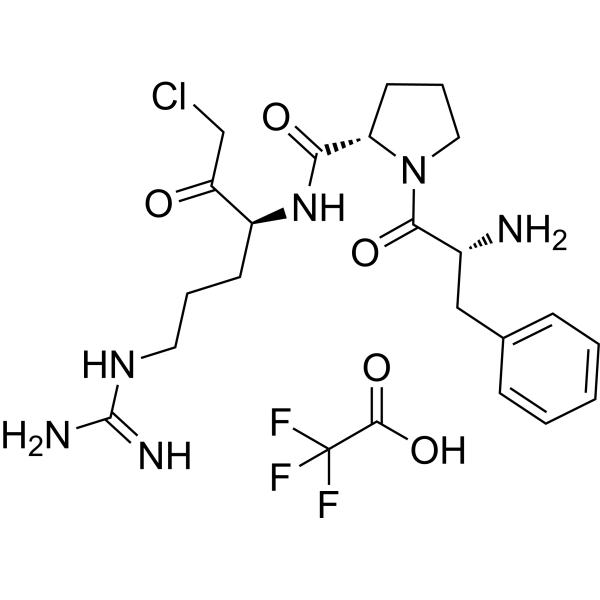
PPACK is a potent, peptidic inhibitor targeting thrombin and granzyme GZMK. PPACK specifically blocks the activities of thrombin and GZMK, thereby inhibiting thrombin-mediated PAR-1 cleavage, as well as downstream inflammatory and procoagulant signaling pathways. Through stabilizing IκB proteins, blocking NF-κB activation and reducing systemic levels of proinflammatory/procoagulant biomarkers, PPACK exerts multiple effects including anti-inflammatory, antithrombotic, barrier repair, and inhibition of atherosclerotic plaque progression. PPACK binds to platelets without interference from kininogen, effectively limiting acute thrombus growth and reducing eosinophil infiltration and goblet cell hyperplasia in asthma models. PPACK is an important tool molecule for investigating the mechanisms of atherosclerosis, asthma and related thromboinflammatory diseases .
|
-
- HY-N0260
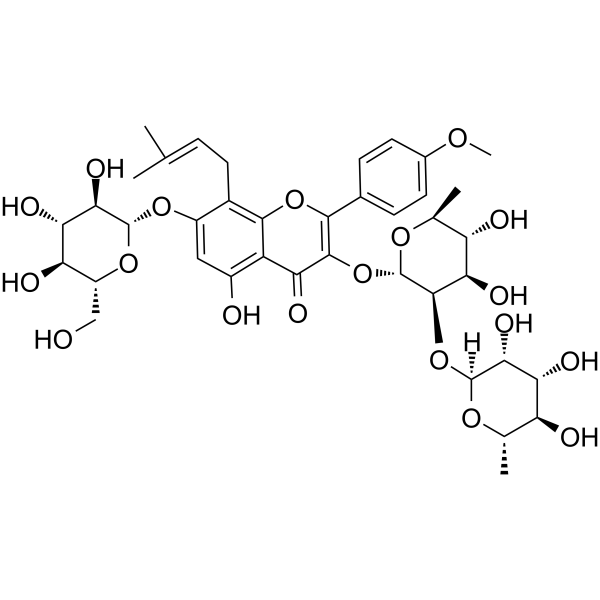
-
|
Epimedin-C; Baohuoside-VI
|
Keap1-Nrf2
CDK
Caspase
|
Infection
Metabolic Disease
Inflammation/Immunology
Cancer
|
|
Epmedin C (Epimedin-C; Baohuoside-VI) is an orally active anti-inflammatory agent and immunomodulator that binds to multiple key proteins including UCP1, Caspase-1, CDK2 and Keap1. Epmedin C inhibits epithelial cell proliferation by disrupting the complex function of CDK2/Cyclin E. Epmedin C also upregulates Nrf2 expression, reduces ROS levels and inhibits pro-inflammatory cytokine secretion, thereby effectively restoring antibody production and alleviating tissue damage. Epmedin C has good safety with no hepatotoxicity or skin sensitization, and it has been used in studies on diseases such as obesity, Deoxynivalenol (HY-N6684)-induced immunotoxicity and mammary hyperplasia .
|
-
- HY-108292R
-
|
|
Reference Standards
PAI-1
Thrombin
|
Cancer
|
|
Propacetamol (hydrochloride) (Standard) is the analytical standard of Propacetamol (hydrochloride). This product is intended for research and analytical applications. Propacetamol hydrochloride is a potent, peptidic inhibitor targeting thrombin and granzyme GZMK. Propacetamol hydrochloride specifically blocks the activities of thrombin and GZMK, thereby inhibiting thrombin-mediated PAR-1 cleavage, as well as downstream inflammatory and procoagulant signaling pathways. Through stabilizing IκB proteins, blocking NF-κB activation and reducing systemic levels of proinflammatory/procoagulant biomarkers, Propacetamol hydrochloride exerts multiple effects including anti-inflammatory, antithrombotic, barrier repair, and inhibition of atherosclerotic plaque progression. Propacetamol hydrochloride binds to platelets without interference from kininogen, effectively limiting acute thrombus growth and reducing eosinophil infiltration and goblet cell hyperplasia in asthma models. Propacetamol hydrochloride is an important tool molecule for investigating the mechanisms of atherosclerosis, asthma and related thromboinflammatory diseases .
|
-
- HY-B1203
-
|
9α-Fludrocortisone; 9α-Fluorcortisol
|
Mineralocorticoid Receptor
Glucocorticoid Receptor
Apoptosis
|
Neurological Disease
Metabolic Disease
Inflammation/Immunology
Cancer
|
|
Fludrocortisone (9α-Fludrocortisone) is an orally active mineralocorticoid and glucocorticoid receptor agonist. Fludrocortisone suppresses pro-inflammatory cytokine expression, reduces CCL2, IL-6, IL-8 levels, upregulates mineralocorticoid receptor (MR) expression, induces PI3K/Akt, GSK-3β, CREB, ERK1/2, mTOR phosphorylation, blocks Tau hyperphosphorylation, prevents apoptosis, promotes survival and proliferation, enhances renal sodium and water transport, increases plasma volume and blood pressure, reduces plasma potassium and renin activity, stimulates erythropoietin expression, modulates uterine receptivity genes, and reverses PP242-induced MUC1 upregulation. Fludrocortisone can be used for the research of congenital adrenal hyperplasia, postural hypotension, and adrenal insufficiency .
|
-
- HY-14744
-
|
(S)-Amlodipine; Levoamlodipine
|
Calcium Channel
MMP
|
Cardiovascular Disease
Neurological Disease
|
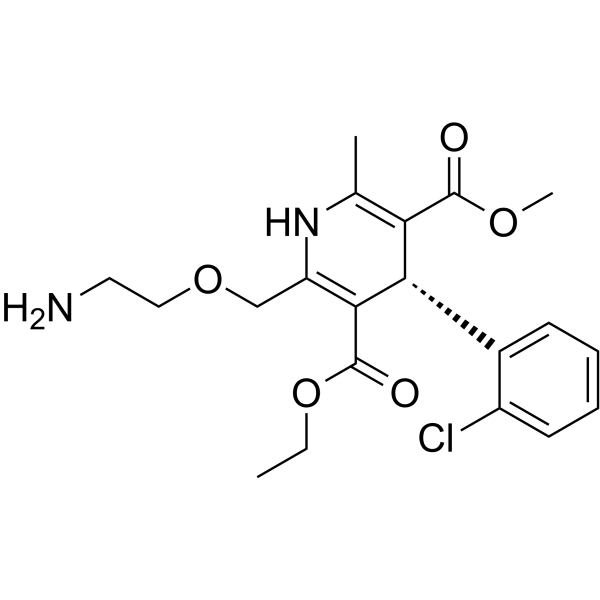
Levamlodipine ((S)-Amlodipine; Levoamlodipin) is an orally active L-type calcium channel blocker and MMP-9 modulator with high permeability and retention properties. Levamlodipine significantly enhances plaque stability and improves lipid profiles by reducing blood pressure, decreasing systolic blood pressure variability, and inhibiting MMP-9 expression in atherosclerotic plaques. Levamlodipine not only alleviates cardiac and aortic hypertrophy and prevents renal atrophy, but also produces synergistic effects in blood pressure reduction and organ protection when combined with bisoprolol (HY-129029). Levamlodipine exerts no significant inhibitory effect on abdominal aortic intimal hyperplasia. When excessively accumulated in the epidermis, Levamlodipine may induce changes in keratin structure, impair the skin barrier and trigger inflammation; long-term use further exacerbates skin irritation caused by local administration. Levamlodipine can be used in research related to hypertension and atherosclerosis .
|
-
- HY-14744B
-
|
(S)-Amlodipine hydrochloride; Levoamlodipine hydrochloride
|
Calcium Channel
MMP
|
Cardiovascular Disease
|
Levamlodipine ((S)-Amlodipine; Levoamlodipin) hydrochloride is an orally active L-type calcium channel blocker and MMP-9 modulator with high permeability and retention properties. Levamlodipine hydrochloride significantly enhances plaque stability and improves lipid profiles by reducing blood pressure, decreasing systolic blood pressure variability, and inhibiting MMP-9 expression in atherosclerotic plaques. Levamlodipine hydrochloride not only alleviates cardiac and aortic hypertrophy and prevents renal atrophy, but also produces synergistic effects in blood pressure reduction and organ protection when combined with bisoprolol (HY-129029). Levamlodipine hydrochloride exerts no significant inhibitory effect on abdominal aortic intimal hyperplasia. When excessively accumulated in the epidermis, Levamlodipine hydrochloride may induce changes in keratin structure, impair the skin barrier and trigger inflammation; long-term use further exacerbates skin irritation caused by local administration. Levamlodipine hydrochloride can be used in research related to hypertension and atherosclerosis .
|
-
- HY-N0260R
-
|
Epimedin-C (Standard); Baohuoside-VI (Standard)
|
Reference Standards
Keap1-Nrf2
CDK
Caspase
|
Inflammation/Immunology
|
|
Epmedin C (Standard) is the analytical standard of Epmedin C. This product is intended for research and analytical applications. Epmedin C (Epimedin-C; Baohuoside-VI) is an orally active anti-inflammatory agent and immunomodulator that binds to multiple key proteins including UCP1, Caspase-1, CDK2 and Keap1. Epmedin C inhibits epithelial cell proliferation by disrupting the complex function of CDK2/Cyclin E. Epmedin C also upregulates Nrf2 expression, reduces ROS levels and inhibits pro-inflammatory cytokine secretion, thereby effectively restoring antibody production and alleviating tissue damage. Epmedin C has good safety with no hepatotoxicity or skin sensitization, and it has been used in studies on diseases such as obesity, Deoxynivalenol (HY-N6684)-induced immunotoxicity and mammary hyperplasia .
|
-
- HY-P11617
-
|
|
NF-κB
ERK
JNK
p38 MAPK
Interleukin Related
|
Inflammation/Immunology
|
|
CLP-d2 is a multi-target anti-inflammatory agent, osteoclastogenesis inhibitor and immunomodulator with superior pharmacokinetic properties to Daptomycin (HY-B0108) and good safety profiles. CLP-d2 inhibits the NF-κB and MAPK signaling pathways by reducing the expression levels of c-Fos and NFATc1, and decreasing the phosphorylation levels of IκBα, p65, ERK and JNK, thereby reducing the secretion of pro-inflammatory cytokines such as IL-6, TNF-α and IL-1β to exert anti-inflammatory activity. CLP-d2 inhibits intra-articular osteoclastogenesis in mice, alleviates bone erosion and joint swelling, reduces synovial hyperplasia and inflammatory cell infiltration, and decreases serum rheumatoid factor (RF) levels. CLP-d2 is applicable to related research on rheumatoid arthritis .
|
-
- HY-145728
-
|
ISIS-2302
|
Integrin
|
Inflammation/Immunology
|
|
Alicaforsen is an oligonucleotide and immunostimulant targeting human ICAM-1 mRNA. Alicaforsen hybridizes to specific sites to reduce the expression level of ICAM-1. Alicaforsen is applicable to relevant research on psoriasis, rheumatoid arthritis and inflammatory bowel disease .
|
-
- HY-B1203S
-
|
9α-Fludrocortisone-d5; 9α-Fluorcortisol-d5
|
Isotope-Labeled Compounds
Mineralocorticoid Receptor
Glucocorticoid Receptor
Apoptosis
|
Metabolic Disease
Inflammation/Immunology
Cancer
|
|
Fludrocortisone-d5 (9α-Fludrocortisone-d5) is the deuterium labeled Fludrocortisone (HY-B1203). Fludrocortisone is an orally active mineralocorticoid and glucocorticoid receptor agonist. Fludrocortisone suppresses pro-inflammatory cytokine expression, reduces CCL2, IL-6, IL-8 levels, upregulates mineralocorticoid receptor (MR) expression, induces PI3K/Akt, GSK-3β, CREB, ERK1/2, mTOR phosphorylation, blocks Tau hyperphosphorylation, prevents apoptosis, promotes survival and proliferation, enhances renal sodium and water transport, increases plasma volume and blood pressure, reduces plasma potassium and renin activity, stimulates erythropoietin expression, modulates uterine receptivity genes, and reverses PP242-induced MUC1 upregulation. Fludrocortisone can be used for the research of congenital adrenal hyperplasia, postural hypotension, and adrenal insufficiency.
|
-
- HY-14744S
-
|
(S)-Amlodipine-d4; Levoamlodipine-d4
|
Isotope-Labeled Compounds
Calcium Channel
MMP
|
Others
|
|
Levamlodipine-d4 is the deuterium labeled Levamlodipine. Levamlodipine ((S)-Amlodipine; Levoamlodipin) is an orally active L-type calcium channel blocker and MMP-9 modulator with high permeability and retention properties. Levamlodipine significantly enhances plaque stability and improves lipid profiles by reducing blood pressure, decreasing systolic blood pressure variability, and inhibiting MMP-9 expression in atherosclerotic plaques. Levamlodipine not only alleviates cardiac and aortic hypertrophy and prevents renal atrophy, but also produces synergistic effects in blood pressure reduction and organ protection when combined with bisoprolol (HY-129029). Levamlodipine exerts no significant inhibitory effect on abdominal aortic intimal hyperplasia. When excessively accumulated in the epidermis, Levamlodipine may induce changes in keratin structure, impair the skin barrier and trigger inflammation; long-term use further exacerbates skin irritation caused by local administration. Levamlodipine can be used in research related to hypertension and atherosclerosis .
|
-
- HY-B1203R
-
|
9α-Fludrocortisone (Standard); 9α-Fluorcortisol (Standard)
|
Reference Standards
Mineralocorticoid Receptor
Glucocorticoid Receptor
Apoptosis
|
Metabolic Disease
Inflammation/Immunology
Cancer
|
|
Fludrocortisone (Standard) (9α-Fludrocortisone (Standard)) is the analytical standard of Fludrocortisone (HY-B1203). This product is intended for research and analytical applications. Fludrocortisone is an orally active mineralocorticoid and glucocorticoid receptor agonist. Fludrocortisone suppresses pro-inflammatory cytokine expression, reduces CCL2, IL-6, IL-8 levels, upregulates mineralocorticoid receptor (MR) expression, induces PI3K/Akt, GSK-3β, CREB, ERK1/2, mTOR phosphorylation, blocks Tau hyperphosphorylation, prevents apoptosis, promotes survival and proliferation, enhances renal sodium and water transport, increases plasma volume and blood pressure, reduces plasma potassium and renin activity, stimulates erythropoietin expression, modulates uterine receptivity genes, and reverses PP242-induced MUC1 upregulation. Fludrocortisone can be used for the research of congenital adrenal hyperplasia, postural hypotension, and adrenal insufficiency.
|
-
- HY-B1203S1
-
|
9α-Fludrocortisone-d2; 9α-Fluorcortisol-d2
|
Isotope-Labeled Compounds
Mineralocorticoid Receptor
Glucocorticoid Receptor
Apoptosis
|
Metabolic Disease
Inflammation/Immunology
Cancer
|
|
Fludrocortisone-d2 (9α-Fludrocortisone-d2) is the deuterium labeled Fludrocortisone (HY-B1203). Fludrocortisone is an orally active mineralocorticoid and glucocorticoid receptor agonist. Fludrocortisone suppresses pro-inflammatory cytokine expression, reduces CCL2, IL-6, IL-8 levels, upregulates mineralocorticoid receptor (MR) expression, induces PI3K/Akt, GSK-3β, CREB, ERK1/2, mTOR phosphorylation, blocks Tau hyperphosphorylation, prevents apoptosis, promotes survival and proliferation, enhances renal sodium and water transport, increases plasma volume and blood pressure, reduces plasma potassium and renin activity, stimulates erythropoietin expression, modulates uterine receptivity genes, and reverses PP242-induced MUC1 upregulation. Fludrocortisone can be used for the research of congenital adrenal hyperplasia, postural hypotension, and adrenal insufficiency.
|
-
- HY-14744D
-
|
|
Calcium Channel
MMP
|
Cardiovascular Disease
Neurological Disease
|
Levamlodipine besylate Hemipentahydrate is an orally active L-type calcium channel blocker and MMP-9 modulator with high permeability and retention properties. Levamlodipine besylate Hemipentahydrate significantly enhances plaque stability and improves lipid profiles by reducing blood pressure, decreasing systolic blood pressure variability, and inhibiting MMP-9 expression in atherosclerotic plaques. Levamlodipine besylate Hemipentahydrate not only alleviates cardiac and aortic hypertrophy and prevents renal atrophy, but also produces synergistic effects in blood pressure reduction and organ protection when combined with bisoprolol (HY-129029). Levamlodipine besylate Hemipentahydrate exerts no significant inhibitory effect on abdominal aortic intimal hyperplasia. When excessively accumulated in the epidermis, Levamlodipine besylate Hemipentahydrate may induce changes in keratin structure, impair the skin barrier and trigger inflammation; long-term use further exacerbates skin irritation caused by local administration. Levamlodipine besylate Hemipentahydrate can be used in research related to hypertension and atherosclerosis .
|
-
- HY-14744C
-
|
(S)-Amlodipine hydrobromide; Levoamlodipine hydrobromide
|
Calcium Channel
MMP
|
Cardiovascular Disease
Others
|
Levamlodipine ((S)-Amlodipine; Levoamlodipin) hydrobromide is an orally active L-type calcium channel blocker and MMP-9 modulator with high permeability and retention properties. Levamlodipine hydrobromide significantly enhances plaque stability and improves lipid profiles by reducing blood pressure, decreasing systolic blood pressure variability, and inhibiting MMP-9 expression in atherosclerotic plaques. Levamlodipine hydrobromide not only alleviates cardiac and aortic hypertrophy and prevents renal atrophy, but also produces synergistic effects in blood pressure reduction and organ protection when combined with bisoprolol (HY-129029). Levamlodipine hydrobromide exerts no significant inhibitory effect on abdominal aortic intimal hyperplasia. When excessively accumulated in the epidermis, Levamlodipine hydrobromide may induce changes in keratin structure, impair the skin barrier and trigger inflammation; long-term use further exacerbates skin irritation caused by local administration. Levamlodipine hydrobromide can be used in research related to hypertension and atherosclerosis .
|
-
- HY-14744A
-
|
(S)-Amlodipine besylate; Levoamlodipine besylate
|
Calcium Channel
MMP
|
Cardiovascular Disease
|
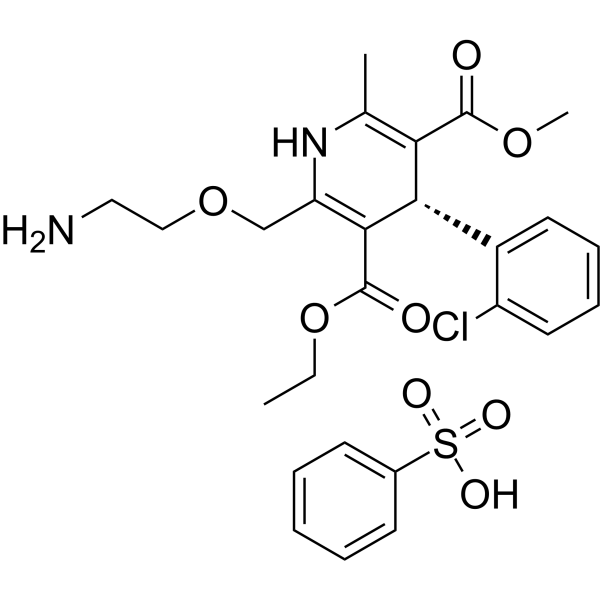
Levamlodipine ((S)-Amlodipine; Levoamlodipin) besylate is an orally active L-type calcium channel blocker and MMP-9 modulator with high permeability and retention properties. Levamlodipine besylate significantly enhances plaque stability and improves lipid profiles by reducing blood pressure, decreasing systolic blood pressure variability, and inhibiting MMP-9 expression in atherosclerotic plaques. Levamlodipine besylate not only alleviates cardiac and aortic hypertrophy and prevents renal atrophy, but also produces synergistic effects in blood pressure reduction and organ protection when combined with bisoprolol (HY-129029). Levamlodipine besylate exerts no significant inhibitory effect on abdominal aortic intimal hyperplasia. When excessively accumulated in the epidermis, Levamlodipine besylate may induce changes in keratin structure, impair the skin barrier and trigger inflammation; long-term use further exacerbates skin irritation caused by local administration. Levamlodipine besylate can be used in research related to hypertension and atherosclerosis .
|
-
- HY-19893
-
|
(+)-Antroquinonol
|
Keap1-Nrf2
|
Inflammation/Immunology
Cancer
|
|
Antroquinonol ((+)-Antroquinonol), a ubiquinone derivative from the mushroom Antrodia camphorata, has hepatoprotective, anti-inflammatory, and anti-cancer effects . Antroquinonol can be used for the research of colon cancer . Antroquinonol reduces oxidative stress by enhancing the Nrf2 signaling pathway and inhibits inflammation and sclerosis in focal segmental glomerulosclerosis mice .
|
-
- HY-Y1269D
-
|
Salmiac, for molecular biology
|
TGF-beta/Smad
Apoptosis
Chloride Channel
|
Neurological Disease
Cancer
|
|
Ammonium chloride (Salmiac), for molecular biology is an inhibitor of Slc26a4 and SMAD2. Ammonium chloride, for molecular biology reduces the protein expression level of Slc26a4 in lung tissue, and attenuates ozone-induced increases in proinflammatory cytokines, inflammatory cells, pulmonary resistance, goblet cell hyperplasia, peribronchial inflammation and thiocyanate levels in mouse tissues and bronchoalveolar lavage fluid. Ammonium chloride, for molecular biology decreases the level of phosphorylated SMAD2, inhibits autophagy by reducing autophagy-related proteins, and enhances Cisplatin (HY-17394)-induced cancer cell apoptosis and DNA double-strand breaks. Ammonium chloride, for molecular biology also inhibits the TCA cycle, reduces ATP production, increases glucose utilization, regulates the levels of lactic acid, glutamic acid and ATP, and induces morphological degeneration of neuroblastoma cells. Ammonium chloride, for molecular biology can be used in studies related to ozone-induced airway injury, hepatocellular carcinoma, human cervical cancer, hepatic encephalopathy, Reye syndrome, epilepsy and neurodegenerative diseases .
|
-
- HY-N0448
-
|
|
AMPK
Reactive Oxygen Species (ROS)
Akt
PI3K
Interleukin Related
TNF Receptor
Apoptosis
|
Neurological Disease
Inflammation/Immunology
Cancer
|
|
10-Gingerol is an AMPK agonist, which is found in the ginger oleoresin from fresh rhizome with anti-inflammatory, antioxidant and anti-proliferative activities. 10-Gingerol suppresses neointimal hyperplasia and inhibits vascular smooth muscle cell proliferation. 10-Gingerol exhibits substantial scavenging activities with an IC50 value of 10.47 μM against DPPH radical, an IC50 value of 1.68 μM against superoxide radical and an IC50 value of 1.35 μM against hydroxyl radical. 10-Gingerol inhibits the proliferation of MDA-MB-231 tumor cell line with an IC50 of 12.1 μM. 10-Gingerol suppresses the proliferation, migration, invasion, and induced apoptosis through targeting the PI3K/Akt signaling pathway in MDA-MB-231/IR cells. 10-Gingerol can be used in research on various common cancers such as ovarian cancer and colon cancer, as well as colitis and neurodegenerative diseases .
|
-
- HY-N0448R
-
|
|
Reference Standards
Others
|
Neurological Disease
Inflammation/Immunology
Cancer
|
|
10-Gingerol (Standard) is the analytical standard of 10-Gingerol (HY-N0448). This product is intended for research and analytical applications. 10-Gingerol is an AMPK agonist, which is found in the ginger oleoresin from fresh rhizome with anti-inflammatory, antioxidant and anti-proliferative activities. 10-Gingerol suppresses neointimal hyperplasia and inhibits vascular smooth muscle cell proliferation. 10-Gingerol exhibits substantial scavenging activities with an IC50 value of 10.47 μM against DPPH radical, an IC50 value of 1.68 μM against superoxide radical and an IC50 value of 1.35 μM against hydroxyl radical. 10-Gingerol inhibits the proliferation of MDA-MB-231 tumor cell line with an IC50 of 12.1 μM. 10-Gingerol suppresses the proliferation, migration, invasion, and induced apoptosis through targeting the PI3K/Akt signaling pathway in MDA-MB-231/IR cells. 10-Gingerol is promising for research of ulcerative colitis .
|
-
- HY-W133921
-
|
|
Biochemical Assay Reagents
|
Others
|
|
Dipropylene glycol is a mixture of three structural isomers (2-(2-hydroxypropoxy)-1-propanol, 1,1'-oxybis (2-propanol), and 2,2'-oxybis (1-propanol)). Dipropylene glycol induces liver and kidney damage as well as reproductive toxicity in rodents. Dipropylene glycol can be used in chemical industry-related research, such as for plasticizers, polyester resins, cosmetics, fragrances, polyurethane polyols, and alkyd resins .
|
-
- HY-101008
-
-
- HY-D1556
-
|
1,2-dioleoyl-sn-glycero-3-phosphoethanolamine-N-(carboxyfluorescein) ammonium
|
Fluorescent Dye
|
Cancer
|
|
18:1 PE CF (1,2-dioleoyl-sn-glycero-3-phosphoethanolamine-N-(carboxyfluorescein) (ammonium)) is a pH-sensitive fluorescent indicator. 18:1 PE CF exhibits changes in fluorescence intensity in response to pH variations and reflects the electrostatic states of cationic liposomes and lipoplexes. 18:1 PE CF supports real-time visualization of pH distribution and membrane deformation in giant unilamellar vesicles and is suitable for steady-state fluorescence testing in large unilamellar vesicle membranes. 18:1 PE CF is capable of monitoring the surface electrical potential of cationic liposomes and lipoplexes and can effectively label lipid bilayers and nanomicelles. 18:1 PE CF can be used for the research of the investigation of lung cancer (Ex = 495 nm; Em = 520 nm) .
|
-
- HY-B0035B
-
|
Sulfadimidine 100 µg/mL in acetonitrile; Sulfadimerazine 100 µg/mL in acetonitrile
|
Antibiotic
Bacterial
|
Infection
|
|
Sulfamethazine (Sulfadimidine) 100 µg/mL in acetonitrile is a brain-penetrant sulfonamide antibiotic. Sulfamethazine 100 µg/mL in acetonitrile inhibits bacterial growth by blocking the synthesis of folic acid. Sulfamethazine 100 µg/mL in acetonitrile can be used for research on bacterial infections .
|
-
| Cat. No. |
Product Name |
Type |
-
- HY-D1556
-
|
1,2-dioleoyl-sn-glycero-3-phosphoethanolamine-N-(carboxyfluorescein) ammonium
|
Fluorescent Dyes
|
|
18:1 PE CF (1,2-dioleoyl-sn-glycero-3-phosphoethanolamine-N-(carboxyfluorescein) (ammonium)) is a pH-sensitive fluorescent indicator. 18:1 PE CF exhibits changes in fluorescence intensity in response to pH variations and reflects the electrostatic states of cationic liposomes and lipoplexes. 18:1 PE CF supports real-time visualization of pH distribution and membrane deformation in giant unilamellar vesicles and is suitable for steady-state fluorescence testing in large unilamellar vesicle membranes. 18:1 PE CF is capable of monitoring the surface electrical potential of cationic liposomes and lipoplexes and can effectively label lipid bilayers and nanomicelles. 18:1 PE CF can be used for the research of the investigation of lung cancer (Ex = 495 nm; Em = 520 nm) .
|
| Cat. No. |
Product Name |
Type |
-
- HY-W250121
-
|
|
Biochemical Assay Reagents
|
|
Tragacanth gum is an orally active anionic composite polysaccharide and multifunctional biomaterial. Tragacanth gum exhibits biocompatibility, mucoadhesion and renoprotective effects, and effectively promotes wound closure and tissue healing. Tragacanth gum can be isolated from Astragalus gummifer. Tragacanth gum acts as an emulsifier and drug delivery carrier, and is also widely used in fields such as 3D scaffolds, tissue engineering and green nanoparticle preparation. High doses of Tragacanth gum may induce reversible forestomach squamous epithelial hyperplasia in mice, but show no mutagenic or carcinogenic activity. Tragacanth gum is commonly used in studies related to diseases including systemic candidiasis, rheumatoid arthritis and osteosarcoma .
|
-
- HY-Y1269D
-
|
Salmiac, for molecular biology
|
Biochemical Assay Reagents
|
|
Ammonium chloride (Salmiac), for molecular biology is an inhibitor of Slc26a4 and SMAD2. Ammonium chloride, for molecular biology reduces the protein expression level of Slc26a4 in lung tissue, and attenuates ozone-induced increases in proinflammatory cytokines, inflammatory cells, pulmonary resistance, goblet cell hyperplasia, peribronchial inflammation and thiocyanate levels in mouse tissues and bronchoalveolar lavage fluid. Ammonium chloride, for molecular biology decreases the level of phosphorylated SMAD2, inhibits autophagy by reducing autophagy-related proteins, and enhances Cisplatin (HY-17394)-induced cancer cell apoptosis and DNA double-strand breaks. Ammonium chloride, for molecular biology also inhibits the TCA cycle, reduces ATP production, increases glucose utilization, regulates the levels of lactic acid, glutamic acid and ATP, and induces morphological degeneration of neuroblastoma cells. Ammonium chloride, for molecular biology can be used in studies related to ozone-induced airway injury, hepatocellular carcinoma, human cervical cancer, hepatic encephalopathy, Reye syndrome, epilepsy and neurodegenerative diseases .
|
-
- HY-158498
-
|
FA2 N-linked oligosaccharide; F(6)A2 glycan
|
Biochemical Assay Reagents
|
|
FA2 glycan (G0F) (FA2 N-linked oligosaccharide; F(6)A2 glycan) is a core-fucosylated biantennary N-linked oligosaccharide that serves as a prostate cancer biomarker. The level of FA2 glycan (G0F) is higher in prostate cancer than in benign prostatic hyperplasia, and it is further elevated in advanced prostate cancer with a Gleason score ≥8 compared with both benign prostatic hyperplasia and low-/intermediate-risk prostate cancer. FA2 glycan (G0F) can be used in prostate cancer research .
|
| Cat. No. |
Product Name |
Target |
Research Area |
-
- HY-122542
-
|
|
PAI-1
Thrombin
|
Inflammation/Immunology
|
|
PPACK is a potent, peptidic inhibitor targeting thrombin and granzyme GZMK. PPACK specifically blocks the activities of thrombin and GZMK, thereby inhibiting thrombin-mediated PAR-1 cleavage, as well as downstream inflammatory and procoagulant signaling pathways. Through stabilizing IκB proteins, blocking NF-κB activation and reducing systemic levels of proinflammatory/procoagulant biomarkers, PPACK exerts multiple effects including anti-inflammatory, antithrombotic, barrier repair, and inhibition of atherosclerotic plaque progression. PPACK binds to platelets without interference from kininogen, effectively limiting acute thrombus growth and reducing eosinophil infiltration and goblet cell hyperplasia in asthma models. PPACK is an important tool molecule for investigating the mechanisms of atherosclerosis, asthma and related thromboinflammatory diseases .
|
-
- HY-P3412
-
|
|
MAPKAPK2 (MK2)
|
Inflammation/Immunology
|
|
MMI-0100 is a cell-permeant peptide inhibitor of mitogen activated protein kinase activated protein kinase II (MK2). MMI-0100 reduces intimal hyperplasia ex vivo and in vivo. MMI-0100 suppresses IL-6 expression without effect on IL-8 expression. MMI-0100 suppresses fibrotic processes such as vein graft disease .
|
-
- HY-P1564A
-
|
|
Angiotensin Receptor
|
Others
|
|
[Sar1, Ile8]-Angiotensin II (TFA) is a peptide that has multiple effects on vascular smooth muscle, including contraction of normal arteries and hypertrophy or hyperplasia of cultured cells or diseased vessels.
|
-
- HY-P3501
-
|
NX-1207
|
Apoptosis
|
Cancer
|
|
Fexapotide (NX-1207) induces apoptosis selectively, reducing prostate volume at a cellular level. Fexapotide can be used in lower urinary tract symptoms (LUTS) and benign prostatic hyperplasia (BPH) research .
|
-
- HY-P3525A
-
|
|
Integrin
|
Others
|
|
G-Pen-GRGDSPCA TFA is an αvβ3-inhibiting RGD peptide. G-Pen-GRGDSPCA can limit neointimal hyperplasia and lumen stenosis after vascular injury, as well as regulate the migration and proliferation of smooth muscle cells. G-Pen-GRGDSPCA TFA can be used in the study of the mechanism of vascular injury repair .
|
-
- HY-P3525
-
|
|
Integrin
|
Others
|
|
G-Pen-GRGDSPCA is an αvβ3-inhibiting RGD peptide. G-Pen-GRGDSPCA can limit neointimal hyperplasia and lumen stenosis after vascular injury, as well as regulate the migration and proliferation of smooth muscle cells. G-Pen-GRGDSPCA can be used in the study of the mechanism of vascular injury repair .
|
-
- HY-105173
-
|
EP 24332
|
GnRH Receptor
Histamine Receptor
|
Endocrinology
Cancer
|
|
Teverelix (EP 24332) is a GnRH antagonist. Teverelix binds competitively and reversibly to GnRH receptors, thereby suppressing the release of LH and FSH. Teverelix can be used in the research of prostatic hyperplasia, endometriosis, and prostate cancer .
|
-
- HY-P1442
-
|
|
Adrenergic Receptor
|
Cancer
|
|
AdTx1 is a selective α1A-adrenoceptor antagonist (Ki: 0.35 nM). AdTx1 can be used for research of benign prostatic hyperplasia .
|
-
- HY-P3501A
-
|
NX-1207 TFA
|
Apoptosis
|
Cancer
|
|
Fexapotide (NX-1207) TFA induces apoptosis selectively, reducing prostate volume at a cellular level. Fexapotide can be used in lower urinary tract symptoms (LUTS) and benign prostatic hyperplasia (BPH) research .
|
-
- HY-P2563
-
|
|
Angiotensin Receptor
|
Metabolic Disease
|
|
[Tyr(P)4] Angiotensin II is a peptide that has multiple effects on vascular smooth muscle, including contraction of normal arteries and hypertrophy or hyperplasia of cultured cells or diseased vessels .
|
-
- HY-P1564
-
-
- HY-P11617
-
|
|
NF-κB
ERK
JNK
p38 MAPK
Interleukin Related
|
Inflammation/Immunology
|
|
CLP-d2 is a multi-target anti-inflammatory agent, osteoclastogenesis inhibitor and immunomodulator with superior pharmacokinetic properties to Daptomycin (HY-B0108) and good safety profiles. CLP-d2 inhibits the NF-κB and MAPK signaling pathways by reducing the expression levels of c-Fos and NFATc1, and decreasing the phosphorylation levels of IκBα, p65, ERK and JNK, thereby reducing the secretion of pro-inflammatory cytokines such as IL-6, TNF-α and IL-1β to exert anti-inflammatory activity. CLP-d2 inhibits intra-articular osteoclastogenesis in mice, alleviates bone erosion and joint swelling, reduces synovial hyperplasia and inflammatory cell infiltration, and decreases serum rheumatoid factor (RF) levels. CLP-d2 is applicable to related research on rheumatoid arthritis .
|
| Cat. No. |
Product Name |
Target |
Research Area |
Image |
-
- HY-P9934
-
|
C7E3
|
Integrin
|
Cardiovascular Disease
|
|
Abciximab (C7E3), a chimeric mouse/human monoclonal antibody fragment, is a glycoprotein (GP) IIb/IIIa inhibitor. Abciximab inhibits platelet aggregation and leucocyte adhesion by binding to the glycoprotein IIb/IIIa, vitronectin and Mac-1 receptors .
|
-
(5)
-
- HY-P99588
-
|
MYO-029
|
TGF-β Receptor
|
Metabolic Disease
|
|
Stamulumab (MYO-029) is a recombinant human IgG1λ antibody that binds to myostatin and neutralizes its activity by preventing binding to its endogenous high-affinity receptor ActRIIB. Stamulumab leads to muscle fiber hypertrophy and not hyperplasia in SCID mice. Stamulumab has the potential for Becker muscular dystrophy (BMD), facioscapulohumeral dystrophy (FSHD), and limb-girdle muscular dystrophy (LGMD) research .
|
-
(5)
| Cat. No. |
Product Name |
Category |
Target |
Chemical Structure |
-
- HY-B0661
-
-
-
- HY-B0661A
-
-
-
- HY-N0448
-
-
-
- HY-N0260
-
-
-
- HY-B0371
-
-
-
- HY-113405
-
-
-
- HY-N13015
-
-
-
- HY-B1341
-
|
Enidrel; SC-4642; NSC 15432
|
Structural Classification
Classification of Application Fields
Endogenous metabolite
Disease Research Fields
Endocrinology
Steroids
Source Classification
|
Endogenous Metabolite
Progesterone Receptor
|
|
Norethynodrel (Enidrel; SC-4642) is an orally active progestogen analog that reduces estrogen-like effects and enhances progestogen-like responses in endometrial stromal cells. Norethynodrel also promotes cell maturation and predecidual cell formation by inducing organelle hyperplasia and glycogen accumulation. Norethynodrel competitively inhibits drug-metabolizing enzymes in rat liver microsomes, thereby prolonging Pentobarbital sleep time, while exhibiting multiple effects including reduced body weight gain, attenuated heart rate elevation and ovulation inhibition. In mouse models, Norethynodrel significantly increases the incidence of mammary adenocarcinoma, cervical cancer and pituitary tumors. Norethynodrel can be used for mechanism research on related diseases such as mammary adenocarcinoma, cervical cancer, ovarian tubular adenoma and pituitary adenoma .
|
-
-
- HY-N8850
-
-
-
- HY-113405R
-
-
-
- HY-N0448R
-
|
|
Zingiber officinale Roscoe
Structural Classification
Natural Products
Monophenols
Phenols
Plants
Source Classification
Zingiberaceae
|
Reference Standards
Others
|
|
10-Gingerol (Standard) is the analytical standard of 10-Gingerol (HY-N0448). This product is intended for research and analytical applications. 10-Gingerol is an AMPK agonist, which is found in the ginger oleoresin from fresh rhizome with anti-inflammatory, antioxidant and anti-proliferative activities. 10-Gingerol suppresses neointimal hyperplasia and inhibits vascular smooth muscle cell proliferation. 10-Gingerol exhibits substantial scavenging activities with an IC50 value of 10.47 μM against DPPH radical, an IC50 value of 1.68 μM against superoxide radical and an IC50 value of 1.35 μM against hydroxyl radical. 10-Gingerol inhibits the proliferation of MDA-MB-231 tumor cell line with an IC50 of 12.1 μM. 10-Gingerol suppresses the proliferation, migration, invasion, and induced apoptosis through targeting the PI3K/Akt signaling pathway in MDA-MB-231/IR cells. 10-Gingerol is promising for research of ulcerative colitis .
|
-
-
- HY-B0661R
-
-
-
- HY-W357141
-
-
-
- HY-N8856
-
-
-
- HY-B0661AR
-
-
-
- HY-N13195
-
|
|
Triterpenes
Microorganisms
Terpenoids
Source Classification
|
5 alpha Reductase
|
|
(15α)-15,26-Dihydroxylanosta-7,9(11),24-trien-3-one shows a 5a-reductase inhibitory activity with an IC50 value of 41.9 μM. (15α)-15,26-Dihydroxylanosta-7,9(11),24-trien-3-one inhibits the growth of the ventral prostate induced by testosterone in rat. (15α)-15,26-Dihydroxylanosta-7,9(11),24-trien-3-one is promising for research of benign prostatic hyperplasia (BPH) as well as other 5α-dihydrotestosterone (DHT)-related disorders, such as acne and male pattern baldness .
|
-
-
- HY-N0260R
-
|
Epimedin-C (Standard); Baohuoside-VI (Standard)
|
Flavonols
Structural Classification
Monophenols
Flavonoids
Phenols
Epimedium brevicornu Maxim.
Plants
Berberidaceae
Source Classification
|
Reference Standards
Keap1-Nrf2
CDK
Caspase
|
|
Epmedin C (Standard) is the analytical standard of Epmedin C. This product is intended for research and analytical applications. Epmedin C (Epimedin-C; Baohuoside-VI) is an orally active anti-inflammatory agent and immunomodulator that binds to multiple key proteins including UCP1, Caspase-1, CDK2 and Keap1. Epmedin C inhibits epithelial cell proliferation by disrupting the complex function of CDK2/Cyclin E. Epmedin C also upregulates Nrf2 expression, reduces ROS levels and inhibits pro-inflammatory cytokine secretion, thereby effectively restoring antibody production and alleviating tissue damage. Epmedin C has good safety with no hepatotoxicity or skin sensitization, and it has been used in studies on diseases such as obesity, Deoxynivalenol (HY-N6684)-induced immunotoxicity and mammary hyperplasia .
|
-
-
- HY-N18683
-
-
-
- HY-N1500A
-
-
| Cat. No. |
Product Name |
Chemical Structure |
-
- HY-113603S
-
|
|
|
Tildacerfont-d8 (SPR001-d8; LY2371712-d8) is a deuterium labeled Tildacerfont (HY-113603). Tildacerfont (SPR001; LY2371712) is an orally active, blood-brain barrier-penetrant selective corticotropin-releasing factor type 1 (CRF1) receptor antagonist. Tildacerfont selectively blocks CRF1 receptors, thereby inhibiting the release of pituitary adrenocorticotropic hormone (ACTH). Tildacerfont can be used in research related to congenital adrenal hyperplasia .
|
-
-
- HY-B0371S
-
|
|
|
Terazosin-d8 is deuterium labeled Terazosin. Terazosin is a quinazoline derivative and a competitive and orally active α1-adrenoceptor antagonist. Terazosin works by relaxing blood vessels and the opening of the bladder. Terazosin has the potential for benign prostatic hyperplasia (BPH) and high blood pressure treatment .
|
-
-
- HY-B0661AS1
-
|
|
|
Tamsulosin-d4 (hydrochloride) is deuterium labeled Tamsulosin (hydrochloride). Tamsulosin hydrochloride ((R)-(-)-YM12617) is an inhibitor of α1-adrenergic receptor. Tamsulosin hydrochloride is used for the research of prostatic hyperplasia. Tamsulosin hydrochloride attenuates abdominal aortic aneurysm growth in animal models .
|
-
-
- HY-135473S
-
|
|
|
Chlormadinone-d6 is the deuterium labeled Chlormadinone (HY-135473). Chlormadinone is an orally active anti-androgen agent. Chlormadinone improves intermittency, terminal dribbling, and urinary stream size and force. Chlormadinone can be used for the research of benign prostatic hyperplasia .
|
-
-
- HY-B0192AS
-
|
|
|
Alfuzosin-d3 hydrochloride is the deuterium labeled Alfuzosin hydrochloride. Alfuzosin hydrochloride is an α1 adrenergic receptor antagonist used to treat benign prostatic hyperplasia (BPH).
|
-
-
- HY-B0192AS1
-
|
|
|
Alfuzosin-d7 (hydrochloride) is the deuterium labeled Alfuzosin hydrochloride. Alfuzosin hydrochloride is an α1 adrenergic receptor antagonist used to treat benign prostatic hyperplasia (BPH).
|
-
-
- HY-113405S1
-
|
|
|
21-Deoxycortisol-d8 is the deuterium labeled 21-Deoxycortisol. 21-Deoxycortisol is an endogenous metabolite. 21-Deoxycortisol is a sign of congenital adrenal hyperplasia .
|
-
-
- HY-B0661AS
-
|
|
|
Tamsulosin-d5 (hydrochloride) is the deuterium labeled Tamsulosin hydrochloride. Tamsulosin hydrochloride ((R)-(-)-YM12617) is an inhibitor of α1-adrenergic receptor. Tamsulosin hydrochloride is used for the research of prostatic hyperplasia. Tamsulosin hydrochloride attenuates abdominal aortic aneurysm growth in animal models .
|
-
-
- HY-B0192S
-
|
|
|
Alfuzosin-d7 is the deuterium labeled Alfuzosin . Alfuzosin (SL 77499-10) is an orally active, selective and competitive α1-adrenoceptor antagonist. Alfuzosin relaxes the muscles of the prostate and bladder neck, aiding in urination. Alfuzosin can be used in study of benign prostatic hyperplasia (BPH) .
|
-
-
- HY-B0661S
-
|
|
|
Tamsulosin-d4 ((R)-(-)-YM12617 (free base)-d4) is deuterium labeled Tamsulosin. Tamsulosin ((R)-(-)-YM12617 free base) is an inhibitor of α1-adrenergic receptor. Tamsulosin is used for the research of prostatic hyperplasia. Tamsulosin attenuates abdominal aortic aneurysm growth in animal models .
|
-
-
- HY-B0192S3
-
|
|
|
Alfuzosin-d6 (SL 77499-d6) is deuterium labeled Alfuzosin. Alfuzosin (SL 77499-10) is an orally active, selective and competitive α1-adrenoceptor antagonist. Alfuzosin relaxes the muscles of the prostate and bladder neck, aiding in urination. Alfuzosin can be used in study of benign prostatic hyperplasia (BPH) .
|
-
-
- HY-B0192S3A
-
|
|
|
Alfuzosin (hydrochloride)-d6 (SL 77499-10-d6) is deuterium labeled Alfuzosin (hydrochloride). Alfuzosin (SL 77499-10) hydrochloride is an orally active, selective and competitive α1-adrenoceptor antagonist. Alfuzosin hydrochloride relaxes the muscles of the prostate and bladder neck, aiding in urination. Alfuzosin hydrochloride can be used in study of benign prostatic hyperplasia (BPH) .
|
-
-
- HY-13635S
-
|
|
|
Finasteride-d9 is deuterium labeled Finasteride. Finasteride (MK-906) is a potent and competitive 5α-reductase inhibitor, with an IC50 of 4.2 nM for type II 5α-reductase. Finasteride has approximately a 100-fold greater affinity for type II 5α-reductase enzyme than for the type I enzyme. Finasteride can be used for the research of benign prostatic hyperplasia (BPH) and androgenic alopecia .
|
-
-
- HY-B0391S1
-
|
|
|
Naftopidil-d5 is deuterium labeled Naftopidil. Naftopidil (KT-611) is is a selective alpha1-adrenoceptor antagonist, with Kis of 3.7 nM, 20 nM and 1.2 nM for the cloned human α1a-, α1b- and α1d-adrenoceptor subtypes, respectively. Naftopidil has antiproliferative effects. Naftopidil can be used for the research of prostate hyperplasia .
|
-
-
- HY-B0391S2
-
|
|
|
Naftopidil-d7 (KT-611-d7 ) is deuterium labeled Naftopidil. Naftopidil (KT-611) is is a selective alpha1-adrenoceptor antagonist, with Kis of 3.7 nM, 20 nM and 1.2 nM for the cloned human α1a-, α1b- and α1d-adrenoceptor subtypes, respectively. Naftopidil has antiproliferative effects. Naftopidil can be used for the research of prostate hyperplasia .
|
-
-
- HY-14744S
-
|
|
|
Levamlodipine-d4 is the deuterium labeled Levamlodipine. Levamlodipine ((S)-Amlodipine; Levoamlodipin) is an orally active L-type calcium channel blocker and MMP-9 modulator with high permeability and retention properties. Levamlodipine significantly enhances plaque stability and improves lipid profiles by reducing blood pressure, decreasing systolic blood pressure variability, and inhibiting MMP-9 expression in atherosclerotic plaques. Levamlodipine not only alleviates cardiac and aortic hypertrophy and prevents renal atrophy, but also produces synergistic effects in blood pressure reduction and organ protection when combined with bisoprolol (HY-129029). Levamlodipine exerts no significant inhibitory effect on abdominal aortic intimal hyperplasia. When excessively accumulated in the epidermis, Levamlodipine may induce changes in keratin structure, impair the skin barrier and trigger inflammation; long-term use further exacerbates skin irritation caused by local administration. Levamlodipine can be used in research related to hypertension and atherosclerosis .
|
-
-
- HY-B1203S
-
|
|
|
Fludrocortisone-d5 (9α-Fludrocortisone-d5) is the deuterium labeled Fludrocortisone (HY-B1203). Fludrocortisone is an orally active mineralocorticoid and glucocorticoid receptor agonist. Fludrocortisone suppresses pro-inflammatory cytokine expression, reduces CCL2, IL-6, IL-8 levels, upregulates mineralocorticoid receptor (MR) expression, induces PI3K/Akt, GSK-3β, CREB, ERK1/2, mTOR phosphorylation, blocks Tau hyperphosphorylation, prevents apoptosis, promotes survival and proliferation, enhances renal sodium and water transport, increases plasma volume and blood pressure, reduces plasma potassium and renin activity, stimulates erythropoietin expression, modulates uterine receptivity genes, and reverses PP242-induced MUC1 upregulation. Fludrocortisone can be used for the research of congenital adrenal hyperplasia, postural hypotension, and adrenal insufficiency.
|
-
-
- HY-B1203S1
-
|
|
|
Fludrocortisone-d2 (9α-Fludrocortisone-d2) is the deuterium labeled Fludrocortisone (HY-B1203). Fludrocortisone is an orally active mineralocorticoid and glucocorticoid receptor agonist. Fludrocortisone suppresses pro-inflammatory cytokine expression, reduces CCL2, IL-6, IL-8 levels, upregulates mineralocorticoid receptor (MR) expression, induces PI3K/Akt, GSK-3β, CREB, ERK1/2, mTOR phosphorylation, blocks Tau hyperphosphorylation, prevents apoptosis, promotes survival and proliferation, enhances renal sodium and water transport, increases plasma volume and blood pressure, reduces plasma potassium and renin activity, stimulates erythropoietin expression, modulates uterine receptivity genes, and reverses PP242-induced MUC1 upregulation. Fludrocortisone can be used for the research of congenital adrenal hyperplasia, postural hypotension, and adrenal insufficiency.
|
-
| Cat. No. |
Compare |
Product Name |
Application |
Reactivity |
Image |
Compare Products
|
| Products |
|
| Cat. No. |
|
| Host |
|
| Reactivity |
|
| Application |
|
Dilution Ratio |
|
| Molecular Weight |
|
| Conjugation |
|
| Clonality |
|
| Immunogen |
|
| Appearance |
|
| Isotype |
|
| Gene ID |
|
| SwissProt ID |
|
| Purity |
|
| Formulation |
|
| Free Sample |
Yes
No
|
| Size |
* This product has been "discontinued".
Optimized version of product available:
|
| Cat. No. |
Product Name |
|
Classification |
-
- HY-106203
-
|
SSR-125543
|
|
Alkynes
|
|
Crinecerfont (SSR-125543) is an orally effective corticotropin-releasing factor receptor type-1 (CRF1 receptor) antagonist. Crinecerfont blocks CRF1 receptor signaling to reduce adrenocorticotropic hormone secretion. Crinecerfont improves hypothalamic-pituitary-adrenal axis negative feedback sensitivity in chronically stressed mice. Crinecerfont can be used for the research of chronic stress conditions and classic congenital adrenal hyperplasia due to 21-hydroxylase deficiency . Crinecerfont is a click chemistry reagent, it contains an Alkyne group and can undergo copper-catalyzed azide-alkyne cycloaddition (CuAAc) with molecules containing Azide groups.
|
-
- HY-106203A
-
|
SSR-125543 hydrochloride
|
|
Alkynes
|
|
Crinecerfont (SSR-125543) hydrochloride is an orally effective corticotropin-releasing factor receptor type-1 (CRF1 receptor) antagonist. Crinecerfont hydrochloride blocks CRF1 receptor signaling to reduce adrenocorticotropic hormone secretion. Crinecerfont hydrochloride improves hypothalamic-pituitary-adrenal axis negative feedback sensitivity in chronically stressed mice. Crinecerfont hydrochloride can be used for the research of chronic stress conditions and classic congenital adrenal hyperplasia due to 21-hydroxylase deficiency . Crinecerfont hydrochloride is a click chemistry reagent, it contains an Alkyne group and can undergo copper-catalyzed azide-alkyne cycloaddition (CuAAc) with molecules containing Azide groups.
|
-
- HY-B1341
-
|
Enidrel; SC-4642; NSC 15432
|
|
Alkynes
|
|
Norethynodrel (Enidrel; SC-4642) is an orally active progestogen analog that reduces estrogen-like effects and enhances progestogen-like responses in endometrial stromal cells. Norethynodrel also promotes cell maturation and predecidual cell formation by inducing organelle hyperplasia and glycogen accumulation. Norethynodrel competitively inhibits drug-metabolizing enzymes in rat liver microsomes, thereby prolonging Pentobarbital sleep time, while exhibiting multiple effects including reduced body weight gain, attenuated heart rate elevation and ovulation inhibition. In mouse models, Norethynodrel significantly increases the incidence of mammary adenocarcinoma, cervical cancer and pituitary tumors. Norethynodrel can be used for mechanism research on related diseases such as mammary adenocarcinoma, cervical cancer, ovarian tubular adenoma and pituitary adenoma .
|
-
- HY-106203B
-
|
(R)-SSR-125543
|
|
Alkynes
|
|
(R)-Crinecerfont is the R-enantiomer of Crinecerfont (HY-106203). Crinecerfont (SSR-125543) is an orally effective corticotropin-releasing factor receptor type-1 (CRF1 receptor) antagonist. Crinecerfont blocks CRF1 receptor signaling to reduce adrenocorticotropic hormone secretion. Crinecerfont improves hypothalamic-pituitary-adrenal axis negative feedback sensitivity in chronically stressed mice. Crinecerfont can be used for the research of chronic stress conditions and classic congenital adrenal hyperplasia due to 21-hydroxylase deficiency . Crinecerfont is a click chemistry reagent, it contains an Alkyne group and can undergo copper-catalyzed azide-alkyne cycloaddition (CuAAc) with molecules containing Azide groups.
|
| Cat. No. |
Product Name |
|
Classification |
-
- HY-W250121
-
|
|
|
Suspending Agents
|
|
Tragacanth gum is an orally active anionic composite polysaccharide and multifunctional biomaterial. Tragacanth gum exhibits biocompatibility, mucoadhesion and renoprotective effects, and effectively promotes wound closure and tissue healing. Tragacanth gum can be isolated from Astragalus gummifer. Tragacanth gum acts as an emulsifier and drug delivery carrier, and is also widely used in fields such as 3D scaffolds, tissue engineering and green nanoparticle preparation. High doses of Tragacanth gum may induce reversible forestomach squamous epithelial hyperplasia in mice, but show no mutagenic or carcinogenic activity. Tragacanth gum is commonly used in studies related to diseases including systemic candidiasis, rheumatoid arthritis and osteosarcoma .
|
-
- HY-145728
-
|
ISIS-2302
|
|
Antisense Oligonucleotides
|
|
Alicaforsen is an oligonucleotide and immunostimulant targeting human ICAM-1 mRNA. Alicaforsen hybridizes to specific sites to reduce the expression level of ICAM-1. Alicaforsen is applicable to relevant research on psoriasis, rheumatoid arthritis and inflammatory bowel disease .
|
-
- HY-177627
-
|
CGT 003
|
|
Decoy ODNs
|
|
Edifoligide is a decoy oligonucleotide that binds to and inhibits E2F transcription factors and thus may prevent neointimal hyperplasia and vein graft failure
|
-
- HY-177627A
-
|
CGT 003 sodium
|
|
Decoy ODNs
|
|
Edifoligide sodium is a decoy oligonucleotide that binds to and inhibits E2F transcription factors and thus may prevent neointimal hyperplasia and vein graft failure
|
Your information is safe with us. * Required Fields.
Inquiry Information
- Product Name:
- Cat. No.:
- Quantity:
- MCE Japan Authorized Agent:

