1. Search Result
Search Result
Results for "

hypotension

" in MedChemExpress (MCE) Product Catalog:

88

Inhibitors & Agonists

3

Biochemical Assay Reagents

10

Peptides

7

Natural
Products

7

Isotope-Labeled Compounds

1

Click Chemistry

2

Oligonucleotides

Cat. No. Product Name Target Research Areas Chemical Structure
  • HY-13458

    L-DOPS; DOPS; SM5688

    Adrenergic Receptor Cardiovascular Disease Neurological Disease
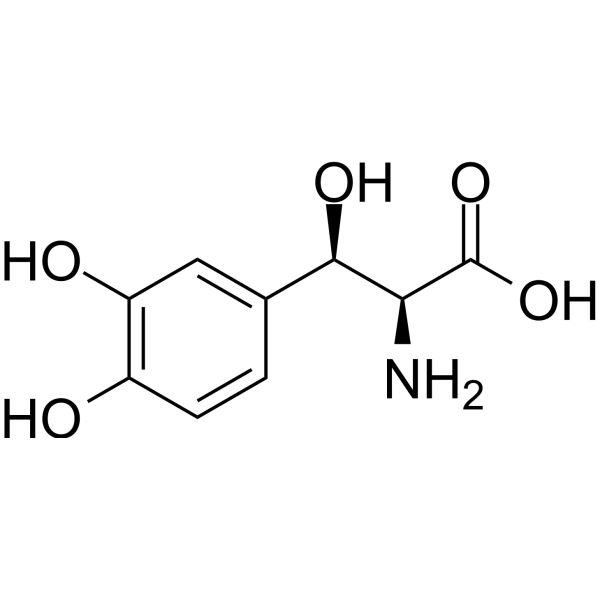
    Droxidopa (L-DOPS; SM5688) is a potent, orally active norepinephrine precursor. Droxidopa increases standing blood pressure, ameliorates symptoms of orthostatic hypotension and improves standing ability. Droxidopa has the potential for the research of neurogenic orthostatic hypotension (nOH) and alternative ADHD (attention deficit hyperactivity disorder) .
    Droxidopa
  • HY-17416
    Guanfacine hydrochloride
    3 Publications Verification

    Adrenergic Receptor Cardiovascular Disease Infection Neurological Disease Metabolic Disease
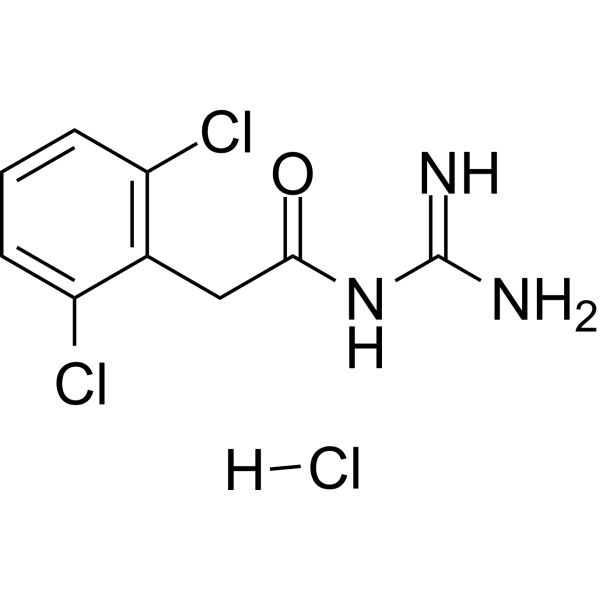
    Guanfacine hydrochloride is an orally active and blood-brain barrier permeability noradrenergic α2A agonist and has high selective for the α2A receptor subtype. Guanfacine has effects in producing hypotension and sedation. Guanfacine can be used for the research of a variety of prefrontal cortex (PFC) cognitive disorders, including tourette's syndrome and attention deficit hyperactivity disorder (ADHD) .
    Guanfacine hydrochloride
  • HY-B1203

    9α-Fludrocortisone; 9α-Fluorcortisol

    Mineralocorticoid Receptor Glucocorticoid Receptor Apoptosis Neurological Disease Metabolic Disease Inflammation/Immunology Cancer
    Fludrocortisone (9α-Fludrocortisone) is an orally active mineralocorticoid and glucocorticoid receptor agonist. Fludrocortisone suppresses pro-inflammatory cytokine expression, reduces CCL2, IL-6, IL-8 levels, upregulates mineralocorticoid receptor (MR) expression, induces PI3K/Akt, GSK-3β, CREB, ERK1/2, mTOR phosphorylation, blocks Tau hyperphosphorylation, prevents apoptosis, promotes survival and proliferation, enhances renal sodium and water transport, increases plasma volume and blood pressure, reduces plasma potassium and renin activity, stimulates erythropoietin expression, modulates uterine receptivity genes, and reverses PP242-induced MUC1 upregulation. Fludrocortisone can be used for the research of congenital adrenal hyperplasia, postural hypotension, and adrenal insufficiency .
    Fludrocortisone
  • HY-12749

    (±)-Midodrin

    Adrenergic Receptor Cardiovascular Disease
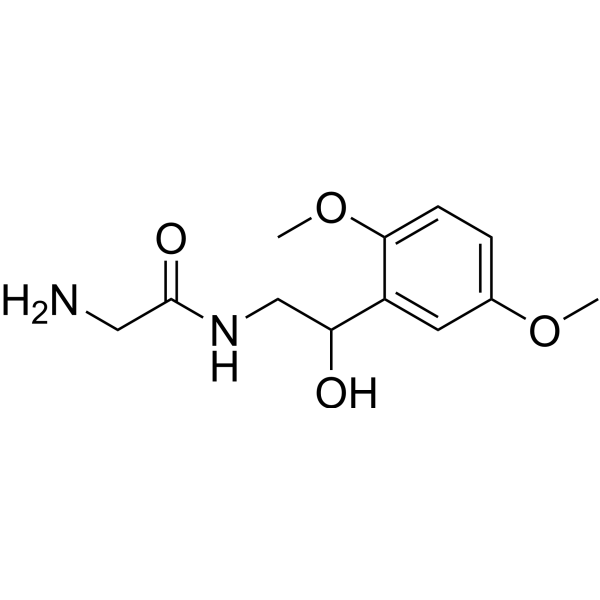
    Midodrine is a selective and orally active adrenergic α1-receptor agonist. Midodrine can strengthen vascular contraction. Midodrine can be used for the researches of cardiovascular disease, such as orthostatic hypotension .
    Midodrine
  • HY-18734A
    Carboxy-PTIO potassium
    Maximum Cited Publications
    7 Publications Verification

    NO Synthase Cardiovascular Disease Metabolic Disease Inflammation/Immunology
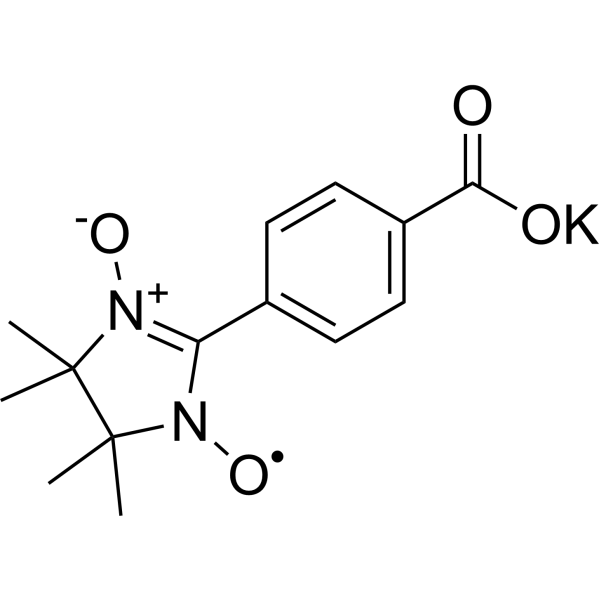
    Carboxy-PTIO potassium is a potent nitric oxide (NO) scavenger that can make a quick reaction with NO to produce NO2. Carboxy-PTIO potassium can prevent hypotension and endotoxic shock through the direct scavenging action against NO in lipopolysaccharide-stimulated rat model .
    Carboxy-PTIO potassium
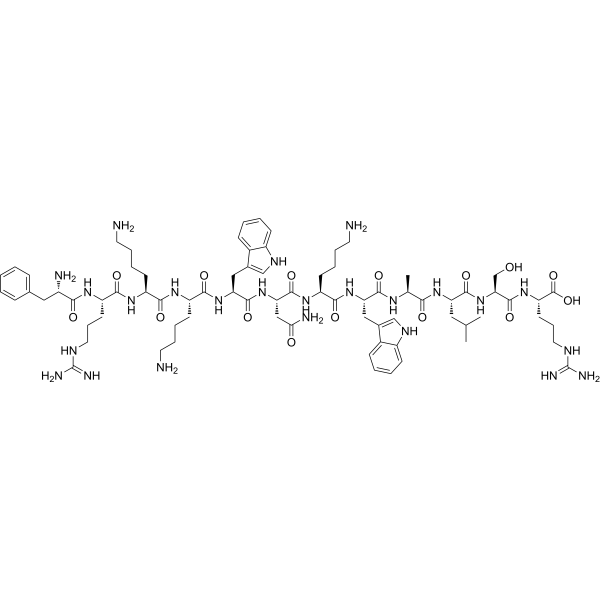
  • HY-P3419
    PAMP-12 (unmodified)
    2 Publications Verification

    Mas-related G-protein-coupled Receptor (MRGPR) PERK Calcium Channel Cardiovascular Disease Inflammation/Immunology
    PAMP-12 (unmodified) is an endogenous peptide and is a MrgX2 agonist. PAMP-12 (unmodified) can reduce cAMP accumulation, increase Ca 2+ levels, enhance beta-arrestin recruitment, decrease IP-1, and increases phosphoERK. PAMP-12 (unmodified) can elicit hypotension through inhibiting catecholamine secretion from sympathetic nerve endings and adrenal chromaffin cells. PAMP-12 (unmodified) can be used for the research of hypotension and ulcerative colitis .
    PAMP-12 (unmodified)
  • HY-17416A
    Guanfacine
    3 Publications Verification

    Adrenergic Receptor Cardiovascular Disease Neurological Disease Endocrinology
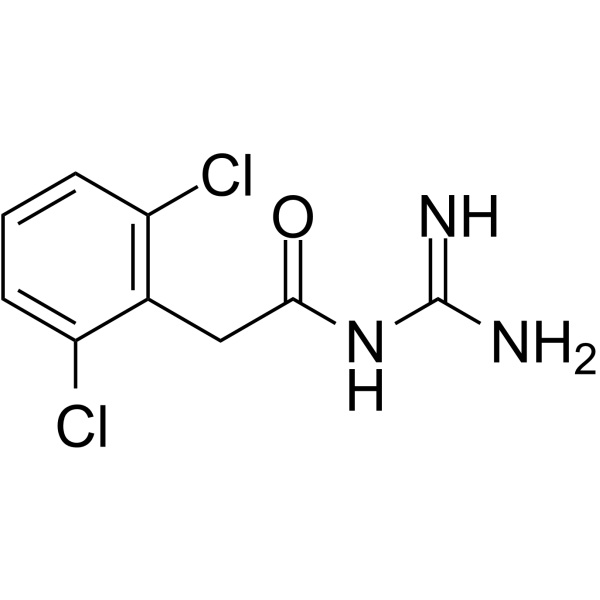
    Guanfacine is an orally active noradrenergic α2A agonist and has high selective for the α2A receptor subtype. Guanfacine has effects in producing hypotension and sedation. Guanfacine can be used for the research of a variety of prefrontal cortex (PFC) cognitive disorders, including tourette's syndrome and attention deficit hyperactivity disorder (ADHD) .
    Guanfacine
  • HY-12749A

    (±)-Midodrine hydrochloride

    Adrenergic Receptor Cardiovascular Disease
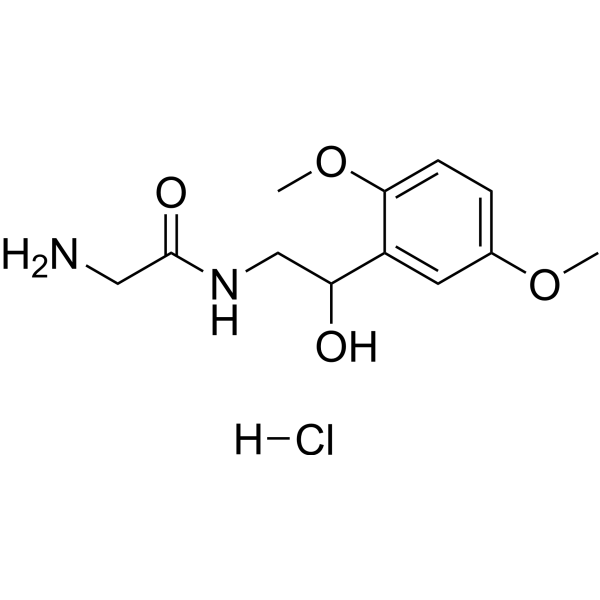
    Midodrine hydrochloride ((±)-Midodrine hydrochloride) is a selective and orally active adrenergic α1-receptor agonist. Midodrine hydrochloride can strengthen vascular contraction. Midodrine hydrochloride can be used for the researches of cardiovascular disease, such as orthostatic hypotension .
    Midodrine hydrochloride
  • HY-B2209B
    Hydroxocobalamin acetate
    3 Publications Verification

    Vitamin B12a acetate

    NO Synthase Cardiovascular Disease Metabolic Disease
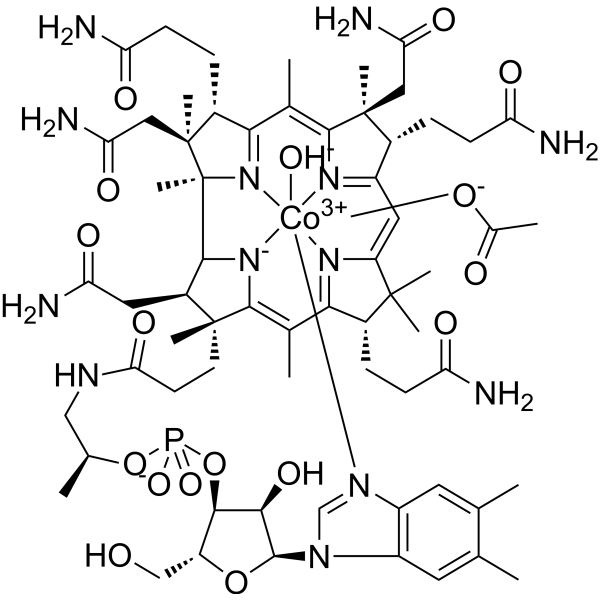
    Hydroxocobalamin acetate is an injectable natural vitamin B12. Hydroxocobalamin acetate binds to NO. Hydroxocobalamin acetate detoxifies Cyanide and NaSH. Hydroxocobalamin acetate reduces hypotension. Hydroxocobalamin acetate is used in research related to vitamin B12 deficiency, including pernicious anemia .
    Hydroxocobalamin acetate
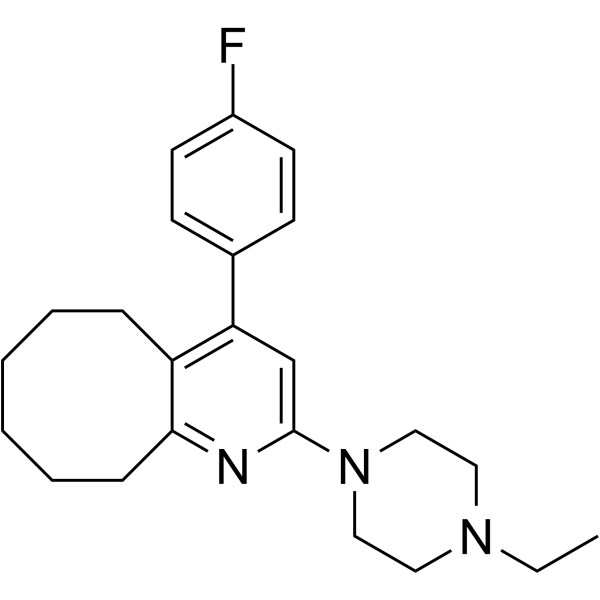
  • HY-13575
    Blonanserin
    1 Publications Verification

    AD-5423

    5-HT Receptor Dopamine Receptor Adrenergic Receptor Sigma Receptor Cardiovascular Disease Neurological Disease
    Blonanserin (AD-5423) is a potent and orally active 5-HT2A (Ki=0.812 nM) and dopamine D2 receptor (Ki =0.142 nM) antagonist. Blonanserin is usually acts as an atypical antipsychotic agent and can be used for the research of extrapyramidal symptoms, excessive sedation, or hypotension .
    Blonanserin
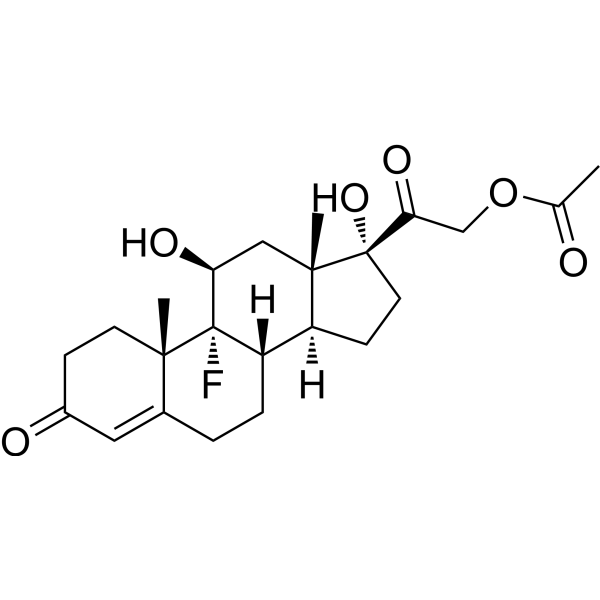
  • HY-B1203A
    Fludrocortisone acetate
    1 Publications Verification

    9α-Fludrocortisone acetate; 9α-Fluorcortisol acetate

    Mineralocorticoid Receptor Cardiovascular Disease Metabolic Disease
    Fludrocortisone acetate (9α-Fludrocortisone acetate) is an orally active synthetic mineralocorticoid. Fludrocortisone acetate can effectively control sodium retention. Fludrocortisone acetate is used in studies of cardiac injury, adrenal insufficiency and orthostatic hypotension .
    Fludrocortisone acetate
  • HY-B1231

    RP-2831 hydrochloride

    Adrenergic Receptor Cardiovascular Disease Neurological Disease Inflammation/Immunology Cancer
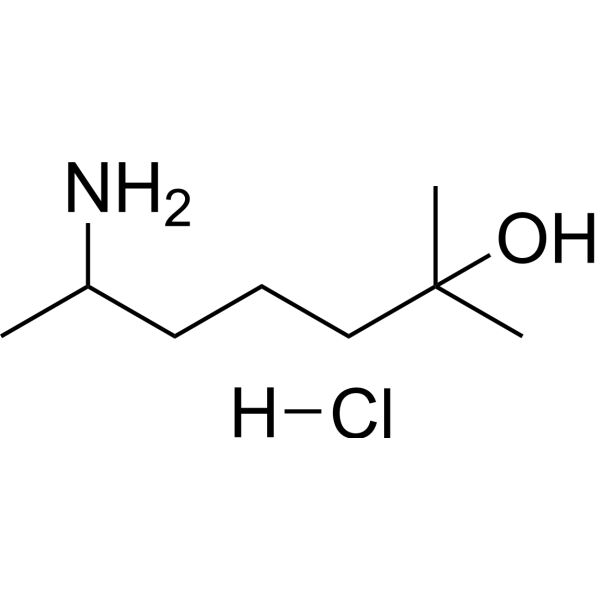
    Heptaminol (RP-2831) hydrochloride is a vasoconstrictor used in the study of hypotension, especially orthostatic hypotension. Heptaminol is also a skin cancer proliferation inhibitor that inhibits immune inflammation induced by the tumor promoting factor 12-O-tetradecanoylphorbol-13-acetate (TPA) in an NO-dependent manner. Heptaminol also acts as a sympathomimetic amine, exerting indirect sympathetic effects. Heptaminol is also an antagonist of catecholamine release and uptake and can increase intracellular free calcium levels .
    Heptaminol hydrochloride
  • HY-101327A

    Corwin hemifumarate; ICI 118587 hemifumarate

    Adrenergic Receptor Cardiovascular Disease Neurological Disease Metabolic Disease
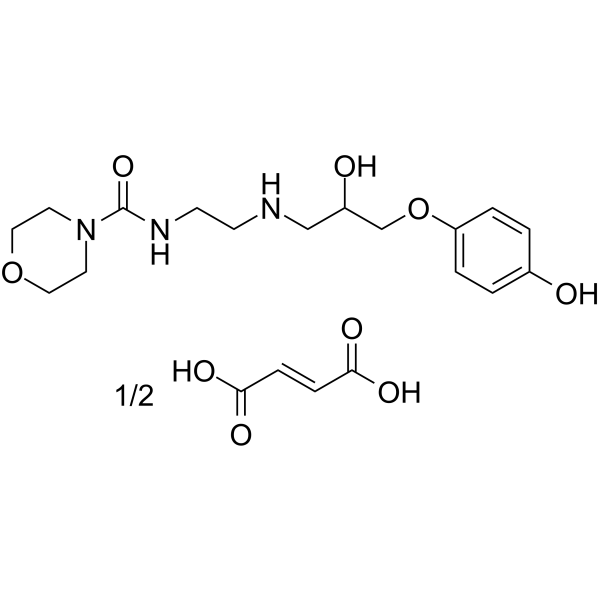
    Xamoterol (Corwin; ICI 118587) hemifumarate is an orally active and selective β1-adrenoceptor partial agonist. Xamoterol hemifumarate acts as agonist at low sympathetic tone, antagonist at high sympathetic tone, with context-dependent cardiovascular effects including modulated heart rate, blood pressure, and cardiac output. Xamoterol hemifumarate can be used for the research of heart failure, postural hypotension, and ischemic heart disease .
    Xamoterol hemifumarate
  • HY-117541

    Glycyl-L-glutamine

    Others Neurological Disease
    Glycyl-glutamine (Glycyl-L-glutamine), as a enzymatic cleavage product of β-endorphin, is apparently an endogenous antagonist of beta-endorphin(1-31) in several systems . Glycyl-glutamine (Glycyl-L-glutamine) is an activate and stable glutamine-containing neuropeptide over glutamine (Gln) .
    Glycyl-glutamine
  • HY-122351A

    Taste Receptor Others
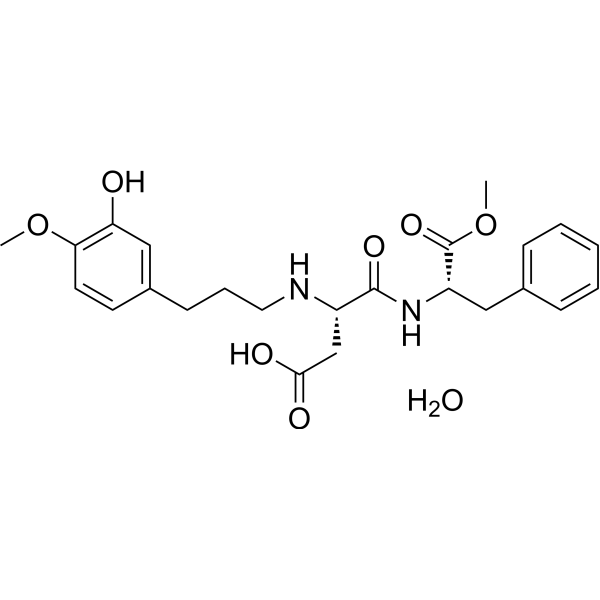
    Advantame is an N-substituted derivative of aspartame. Advantame is a high-intensity, low calorie sweetener. Advantame can interact with plasma protein. Advantame has the potential to produce hypotension and inhibit hERG K + channel to produce carditoxicity. Advantame binds to T1R2/T1R3 taste GPCR to form an oligomeric functional selectivity of biased heteromers with NMBR to induce a significant sialidase activity in vitro. Advantame has maternal toxicity (gastrointestinal disturbances) in the prenatal developmental toxicity study in rabbits .
    Advantame
  • HY-109897

    Platelet-activating Factor Receptor (PAFR) Cardiovascular Disease
    CV-6209 is a potent antagonist of platelet activating factor (PAF). CV-6209 inhibits the PAF-induced aggregation of rabbit and human platelets, with IC50s of 75 nM and 170 nM, respectively. CV-6209 can inhibit PAF-induced hypotension in rats .
    CV-6209
  • HY-107915

    (-)-Cobefrin; (-)-α-Methylnoradrenaline; (-)-Nordefrin

    Adrenergic Receptor Cardiovascular Disease
    Levonordefrin ((-)-Cobefrin; (-)-α-Methylnoradrenaline; (-)-Nordefrin) is an α-adrenergic receptor agonist with blood pressure regulatory properties. Levonordefrin is a key metabolite responsible for the hypotensive effect of α-methyldopa. By stimulating central α-adrenergic receptors in the nucleus tractus solitarius region of the medulla oblongata, Levonordefrin induces centrally mediated hypotension and bradycardia. When administered intravenously, Levonordefrin increases mean arterial blood pressure in a dose-dependent manner. Levonordefrin is applicable for research on the pathophysiology of hypertension and drug metabolism .
    Levonordefrin
  • HY-130345

    Platelet-activating Factor Receptor (PAFR) Cardiovascular Disease
    C18-PAF, octadecane PAF, is the ligand of platelet-activating factor and PAF G protein-coupled receptor (PAFR). C18-PAF has renovasodilator properties and antihypertensive lipid properties. C18-PAF increases renal blood flow and causes dose-dependent systemic hypotension .
    PAF (C18)
  • HY-P0083

    POR-8

    Vasopressin Receptor Cardiovascular Disease
    Ornipressin (POR-8) is a vasopressin agonist specific for the V1 receptor. Ornipressin can be used as a local vasoconstrictor. Ornipressin can reverse the hypotension associated with combine general/epidural anesthesia. Ornipressin has antidiuretic activity. Ornipressin decreases renal vascular resistance and increases renal blood flow in renal failure model .
    Ornipressin
  • HY-P3849

    LMN-NKA

    Neurokinin Receptor Neurological Disease
    [Lys5,MeLeu9,Nle10]Neurokinin A(4-10) (LMN-NKA), an analogue of Neurokinin A, is a selective and potent NK2R agonist. [Lys5,MeLeu9,Nle10]Neurokinin A(4-10) has prokinetic activity. [Lys5,MeLeu9,Nle10]Neurokinin A(4-10) can be used to study the roles of the NK-2 receptor in smooth muscle contraction in numerous tissues .
    [Lys5,MeLeu9,Nle10]Neurokinin A(4-10)
  • HY-79457
    S-Methylisothiourea sulfate
    1 Publications Verification

    NO Synthase HSV Infection Inflammation/Immunology
    S-Methylisothiourea sulfate is a potent, selective and competitive inhibitor of inducible nitric oxide synthase (iNOS). S-Methylisothiourea sulfate exerts beneficial effects in rodent models of septic shock .
    S-Methylisothiourea sulfate
  • HY-N13250

    Apoptosis AMPK Elastase Bcl-2 Family Interleukin Related Caspase PI3K Akt SOD Cardiovascular Disease
    Hawthorn Extract is an orally active hawthorn extract. Hawthorn Extract decreases Bax expression and increases Bcl-2 expression in the aorta. Hawthorn Extract regulates the AMPK signaling pathway, induces apoptosis, enhances the hepatic antioxidant system, and ameliorates symptoms of liver injury, inflammation and cancer. Hawthorn Extract reduces plasma levels of pro-inflammatory factors, increases plasma levels of anti-inflammatory adiponectin, and alleviates atherosclerotic plaque lesions in the aorta. Hawthorn Extract improves symptoms associated with chronic heart failure . Hawthorn Extract inhibits FMLP-induced superoxide anion production, Elastase release, ILB4 generation and calcium signaling in neutrophils, and also reduces LPS-induced cytokine production in neutrophils. Hawthorn Extract induces autophagy and inhibits the proliferation of intestinal stem cells. Hawthorn Extract can be used in research related to atherosclerosis, hepatitis, alcoholic liver disease, non-alcoholic fatty liver disease, hepatocellular carcinoma, chronic heart failure and hypotension .
    Hawthorn Extract
  • HY-A0144A

    Adrenergic Receptor AMPK Akt Cardiovascular Disease
    Etilefrine hydrochloride is a sympathetic nerve agonist and AMPK activator that selectively targets α1/β1 adrenergic receptors. Etilefrine hydrochloride stimulates α1 adrenergic receptors, leading to contraction of vascular smooth muscle and increased peripheral resistance. Etilefrine hydrochloride also stimulates β1 receptors to enhance myocardial contractility and increase heart rate, thereby increasing blood pressure and improving cardiac output. Etilefrine hydrochloride also bidirectionally regulates the AMPK/Akt pathway and modulates the phosphorylation levels. Etilefrine hydrochloride can be used in cardiovascular research, such as postural hypotension, chylothorax, and improving low cardiac output .
    Etilefrine hydrochloride
  • HY-A0144

    Adrenergic Receptor AMPK Akt Cardiovascular Disease
    Etilefrine is a sympathetic nerve agonist and AMPK activator that selectively targets α1/β1 adrenergic receptors. Etilefrine stimulates α1 adrenergic receptors, leading to contraction of vascular smooth muscle and increased peripheral resistance. Etilefrine also stimulates β1 receptors to enhance myocardial contractility and increase heart rate, thereby increasing blood pressure and improving cardiac output. Etilefrine also bidirectionally regulates the AMPK/Akt pathway and modulates the phosphorylation levels. Etilefrine can be used in cardiovascular research, such as postural hypotension, chylothorax, and improving low cardiac output .
    Etilefrine
  • HY-148511

    CMP-001

    Toll-like Receptor (TLR) IFNAR PD-1/PD-L1 Indoleamine 2,3-Dioxygenase (IDO) Cancer
    Vidutolimod (CMP-001) is a virus-like particle containing a TLR9 activator . Vidutolimod induces human peripheral blood mononuclear cells to secrete IFNα, and upregulates the gene expression of CXCL10, PDL1, IDO and CD80. Vidutolimod activates TLR9, which in turn triggers plasmacytoid dendritic cell activation, production of IFNγ and TNFα, induction of CXCL10, and recruitment of antitumor T cells. Vidutolimod causes influenza-like symptoms, hypotension and tumor regression, and its activity depends on the presence of anti- antibodies. Vidutolimod modulates monocyte function, promotes CD4 T cell proliferation, and activates multiple immune cell types in an environment with anti-Qβ antibodies. Vidutolimod prolongs the survival of tumor-bearing mice. Vidutolimod is used in research related to advanced melanoma, head and neck squamous cell carcinoma, and advanced non-small cell lung cancer .
    Vidutolimod
  • HY-112867

    Indoleamine 2,3-Dioxygenase (IDO) Cardiovascular Disease Neurological Disease Cancer
    Amg-1 is a potent, reversible and selective indoleamine 2,3-dioxygenase (IDO1) inhibitor (IC50 = 3.0 μM). Amg-1 exhibits >80-fold selectivity over IDO2 (IC50 > 250 μM) and >20-fold selective over TDO (IC50 > 62.5 μM). Amg-1 can be used for cancer, hypotension, and neurological disorders research .
    Amg-1
  • HY-100967

    Homodimaprit dihydrochloride

    Histone Methyltransferase Infection Cardiovascular Disease Inflammation/Immunology
    SKF 91488 (Homodimaprit) dihydrochloride is a potent and noncompetitive histamine N-methyltransferase inhibitor with a Ki value of 0.9 μM. SKF 91488 dihydrochloride can block histamine metabolism and increase histamine concentrations. SKF 91488 dihydrochloride can increase blood pressure and enhance bronchoconstriction. SKF 91488 can be used for the researches of infection, inflammation and cardiovascular disease, such as Mycoplasma pneumonia and hemorrhagic hypotension .
    SKF 91488 dihydrochloride
  • HY-119541

    TD-9855

    5-HT Receptor Adrenergic Receptor Cardiovascular Disease Neurological Disease
    Ampreloxetine (TD-9855) is a potent and orally active norepinephrine (NE) and serotonin 5-HT inhibitor. Ampreloxetine has the potential for the research of neurogenic orthostatic hypotension .
    Ampreloxetine
  • HY-18734

    NO Synthase Cardiovascular Disease Metabolic Disease Inflammation/Immunology
    Carboxy-PTIO is a potent nitric oxide (NO) scavenger that can make a quick reaction with NO to produce NO2. Carboxy-PTIO can prevent hypotension and endotoxic shock through the direct scavenging action against NO in lipopolysaccharide-stimulated rat model .
    Carboxy-PTIO
  • HY-101230

    Opioid Receptor Neurological Disease
    ICI 174864 is a selective and brain-penetrant δ-opioid receptor antagonist with Ke values of 22.0 nM to 30.6 nM at δ-opioid receptor in mouse vas deferens. ICI 174864 selectively blocks biological effects mediated by the δ-opioid receptor agonist DPDPE (HY-P1334) after central administration. ICI 174864 reverses hypotension in rats with endotoxic shock and inhibits acetic acid-induced writhing in mice. ICI 174864 can be used for the research of opioid receptor subtypes, endotoxic hypotension and analgesic pathways .
    ICI 174864
  • HY-P0083A

    POR-8 acetate

    Vasopressin Receptor Cardiovascular Disease
    Ornipressin (POR-8) acetate is a potent vasoconstrictor, hemostatic and renal agent. Ornipressin acetate is a vasopressin agonist specific for the V1 receptor. Ornipressin acetate can be used as a local vasoconstrictor. Ornipressin acetate can reverse the hypotension associated with combine general/epidural anesthesia. Ornipressin acetate has antidiuretic activity. Ornipressin acetate decreases renal vascular resistance and increases renal blood flow in renal failure model .
    Ornipressin acetate
  • HY-13458A

    L-DOPS hydrochloride; DOPS hydrochloride; SM5688 hydrochloride

    Adrenergic Receptor Cardiovascular Disease Neurological Disease
    Droxidopa (L-DOPS) hydrochloride is a potent, orally active norepinephrine precursor. Droxidopa hydrochloride increases standing blood pressure, ameliorates symptoms of orthostatic hypotension and improves standing ability. Droxidopa hydrochloride has the potential for the research of neurogenic orthostatic hypotension (nOH) and alternative ADHD (attention deficit hyperactivity disorder) .
    Droxidopa hydrochloride
  • HY-W702027

    AL842

    Adrenergic Receptor Cardiovascular Disease
    Deterenol hydrochloride (AL842) is a selective beta-agonist. Deterenol hydrochloride causes vasodepressor, anxiety, increasing heart rate, hypotension palpitation and respiratory distress .
    Deterenol hydrochloride
  • HY-12749AS

    Isotope-Labeled Compounds Adrenergic Receptor Cardiovascular Disease
    Midodrine-d6 (hydrochloride) is a selective and orally active adrenergic α1-receptor agonist. Midodrine-d6 (hydrochloride) can strengthen vascular contraction. Midodrine-d6 (hydrochloride) can be used for the researches of cardiovascular disease, such as orthostatic hypotension .
    Midodrine-d6 hydrochloride
  • HY-121354

    Drug Derivative Cardiovascular Disease
    Hydracarbazine is a pyridazine. Hydracarbazine can effectively lower blood pressure, it can be used for the research of high blood pressure .
    Hydracarbazine
  • HY-19125

    Platelet-activating Factor Receptor (PAFR) Cardiovascular Disease Inflammation/Immunology
    BN-50726 is a potent platelet-activating factor (PAF) receptor antagonist. BN-50726 inhibits PAF-induced effects (e.g., [3H]-serotonin release and hypotension) (IC50=5.40 nM). BN-50726 is promising for research of PAF-mediated pathological processes (e.g., inflammation, anaphylaxis, hypotension) .
    BN-50726
  • HY-W782550

    Adenosine Receptor Cardiovascular Disease
    FK-352 is a selective adenosine A1 receptor antagonist. FK-352 significantly improves intradialytic hypotension in chronic hemodialysis. FK-352 can be used for the study of intradialytic hypotension .
    FK-352
  • HY-17416R

    Reference Standards Adrenergic Receptor Cardiovascular Disease Endocrinology
    Guanfacine (hydrochloride) (Standard) is the analytical standard of Guanfacine (hydrochloride). This product is intended for research and analytical applications. Guanfacine hydrochloride is an orally active noradrenergic α2A agonist and has high selective for the α2A receptor subtype. Guanfacine has effects in producing hypotension and sedation. Guanfacine can be used for the research of a variety of prefrontal cortex (PFC) cognitive disorders, including tourette's syndrome and attention deficit hyperactivity disorder (ADHD) .
    Guanfacine hydrochloride (Standard)
  • HY-101327

    Corwin; ICI 118587

    Adrenergic Receptor Cardiovascular Disease Neurological Disease Metabolic Disease
    Xamoterol (Corwin; ICI 118587) is an orally active and selective β1-adrenoceptor partial agonist. Xamoterol acts as agonist at low sympathetic tone, antagonist at high sympathetic tone, with context-dependent cardiovascular effects including modulated heart rate, blood pressure, and cardiac output. Xamoterol can be used for the research of heart failure, postural hypotension, and ischemic heart disease .
    Xamoterol
  • HY-17019

    Adrenergic Receptor Inflammation/Immunology
    SL-89.0591 is a uroselective α1-adrenoceptor antagonist. SL-89.0591 exhibits a more potent blocking effect on urethral receptors than on vascular receptors in anesthetized rabbits, with a lower risk of orthostatic hypotension. SL-89.0591 can be used in research related to benign prostatic hyperplasia .
    SL-89.0591
  • HY-122489A

    Opioid Receptor GABA Receptor Cardiovascular Disease Neurological Disease
    (S)-Laudanosine is an alkaloid that can be found in poppies and is the S-enantiomer of Laudanosine. Laudanosine acts on the central nervous system and cardiovascular system, inhibiting low-affinity GABA receptors with an IC50 value of 10 μM, and can cause seizures, hypotension, and bradycardia. Additionally, Laudanosine exerts analgesic effects by competitively binding to the opioid Mu-1 receptor (Ki = 2.7 μM) .
    (S)-Laudanosine
  • HY-17416AS

    Adrenergic Receptor Neurological Disease
    Guanfacine- 13C, 15N3 is the 13C and 15N labeled Guanfacine . Guanfacine is an orally active noradrenergic α2A agonist and has high selective for the α2A receptor subtype. Guanfacine has effects in producing hypotension and sedation. Guanfacine can be used for the research of a variety of prefrontal cortex (PFC) cognitive disorders, including tourette's syndrome and attention deficit hyperactivity disorder (ADHD) .
    Guanfacine-13C,15N3
  • HY-155297

    FLA-136

    Histamine Receptor Cardiovascular Disease
    Nebidrazine is a centrally-acting hypotensive agent compared to clonidine, demonstrating weaker cardiovascular effects in rats. It induces dose-dependent hypotension and bradycardia when administered intracerebroventricularly (i.c.v.), with significantly lower sedative potential than clonidine in conscious rats. Yohimbine attenuates the cardiovascular effects of both Nebidrazine and clonidine, suggesting involvement of central alpha-autoreceptors sensitive to yohimbine. Unlike clonidine, Nebidrazine does not affect peripheral alpha-adrenoceptors in pithed rats, indicating a selective central mechanism. Chemical sympathectomy reduces Nebidrazine's cardiovascular effects more than clonidine's, and metiamide diminishes responses to both drugs, implicating central histamine receptors. These findings highlight Nebidrazine's distinct pharmacological profile and potential therapeutic application in managing hypertension through central alpha-autoreceptor stimulation .
    Nebidrazine
  • HY-13458R

    L-DOPS (Standard); DOPS (Standard); SM5688 (Standard)

    Reference Standards Adrenergic Receptor Neurological Disease
    Droxidopa (Standard) is the analytical standard of Droxidopa. This product is intended for research and analytical applications. Droxidopa (L-DOPS; SM5688) is a potent, orally active norepinephrine precursor. Droxidopa increases standing blood pressure, ameliorates symptoms of orthostatic hypotension and improves standing ability. Droxidopa has the potential for the research of neurogenic orthostatic hypotension (nOH) and alternative ADHD (attention deficit hyperactivity disorder) .
    Droxidopa (Standard)
  • HY-126645

    Sodium Channel Cardiovascular Disease
    Atelopidtoxin (zetekitoxin) is a toxin (LD50=0.016 mg/kg for mice), which can be isolated from Panamanian frog Atelopus zeteki. Atelopidtoxin causes hypotension and ventricular fibrillation in rabbits. Atelopidtoxin an inhibitor for sodium channel .
    Atelopidtoxin
  • HY-105790

    Pipethanate

    Cholinesterase (ChE) Cardiovascular Disease
    Piperilate (Pipethanate) is one of the mixtures of hetrazepine derivative PAF antagonists with anticholinergics, can be used for bronchial asthma research. Piperilate also causes hypotension and rescues mice poisoned by the organophosphates .
    Piperilate
  • HY-B1231R

    RP-2831 hydrochloride (Standard)

    Adrenergic Receptor Reference Standards Cardiovascular Disease Neurological Disease Inflammation/Immunology Cancer
    Heptaminol (hydrochloride) (Standard) is the analytical standard of Heptaminol (hydrochloride). This product is intended for research and analytical applications. Heptaminol (RP-2831) hydrochloride is a vasoconstrictor used in the study of hypotension, especially orthostatic hypotension. Heptaminol is also a skin cancer proliferation inhibitor that inhibits immune inflammation induced by the tumor promoting factor 12-O-tetradecanoylphorbol-13-acetate (TPA) in an NO-dependent manner. Heptaminol also acts as a sympathomimetic amine, exerting indirect sympathetic effects. Heptaminol is also an antagonist of catecholamine release and uptake and can increase intracellular free calcium levels .
    Heptaminol hydrochloride (Standard)
  • HY-13575A

    AD-5423 dihydrochloride

    5-HT Receptor Dopamine Receptor Adrenergic Receptor Sigma Receptor Cardiovascular Disease Neurological Disease
    Blonanserin dihydrochloride is a potent and orally active 5-HT2A and dopamine D2 receptor antagonist, with Ki values of 0.812 and 0.142 nM, respectively. Blonanserin dihydrochloride is usually acts as an atypical antipsychotic agent, and can be used for the research of extrapyramidal symptoms, excessive sedation, or hypotension .
    Blonanserin dihydrochloride
  • HY-18734AR

    NO Synthase Cardiovascular Disease Metabolic Disease Inflammation/Immunology
    Carboxy-PTIO (potassium) (Standard) is the analytical standard of Carboxy-PTIO (potassium). This product is intended for research and analytical applications. Carboxy-PTIO potassium is a potent nitric oxide (NO) scavenger that can make a quick reaction with NO to produce NO2. Carboxy-PTIO potassium can prevent hypotension and endotoxic shock through the direct scavenging action against NO in lipopolysaccharide-stimulated rat model .
    Carboxy-PTIO potassium (Standard)
  • HY-13575R

    AD-5423 (Standard)

    Reference Standards 5-HT Receptor Dopamine Receptor Adrenergic Receptor Sigma Receptor Neurological Disease
    Blonanserin (Standard) is the analytical standard of Blonanserin. This product is intended for research and analytical applications. Blonanserin (AD-5423) is a potent and orally active 5-HT2A (Ki=0.812 nM) and dopamine D2 receptor (Ki =0.142 nM) antagonist. Blonanserin is usually acts as an atypical antipsychotic agent and can be used for the research of extrapyramidal symptoms, excessive sedation, or hypotension .
    Blonanserin (Standard)

Inquiry Online

Your information is safe with us. * Required Fields.

Salutation


Country or Region *

Applicant Name *


Organization Name *

Department *


Email Address *


Product Name *

Cat. No.


Requested quantity *

Phone Number *


Remarks

Inquiry Online

Inquiry Information

Product Name:
Cat. No.:
Quantity:
MCE Japan Authorized Agent:

