
From 11:00 pm to 12:00 pm EST ( 8:00 pm to 9:00 pm PST ) on January 6th, the website will be under maintenance. We are sorry for the inconvenience. Please arrange your schedule properly.
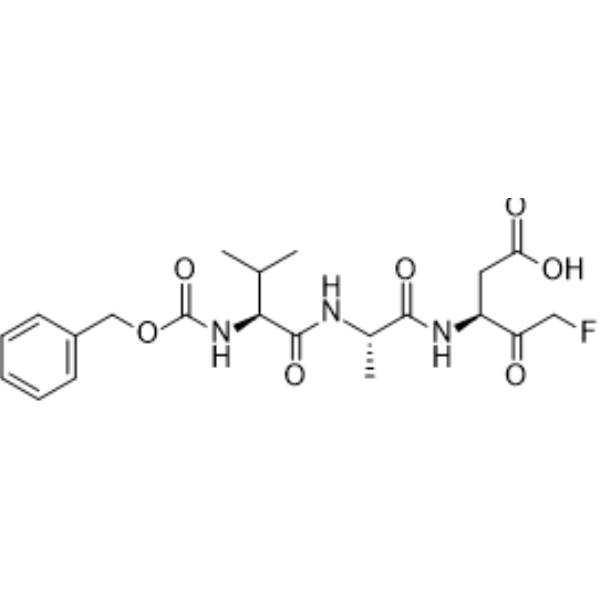
Z-VAD-FMK is a pan-caspase inhibitor and also an ICE-like protease inhibitor, which inhibits apoptosis by preventing the processing of CPP32 to its active form. Z-VAD-FMK sensitivity varies primarily due to differential expression of receptor-interacting protein 1 (RIP1). Z-VAD-FMK limits the cryopreservation-induced apoptosis by reducing caspase-3 activity of in vitro produced bovine embryos. Z-VAD-FMK is immunosuppressive in vitro and inhibits T cell proliferation without blocking the processing of caspase-8 and caspase-3. Z-VAD-FMK leads to a decrease in intracellular glutathione (GSH) with a concomitant increase in reactive oxygen species (ROS) levels in activated T cells. Z-VAD-FMK is due to oxidative stress via the depletion of GSH. Z-VAD-FMK can be used for the study of acute pancreatitis .
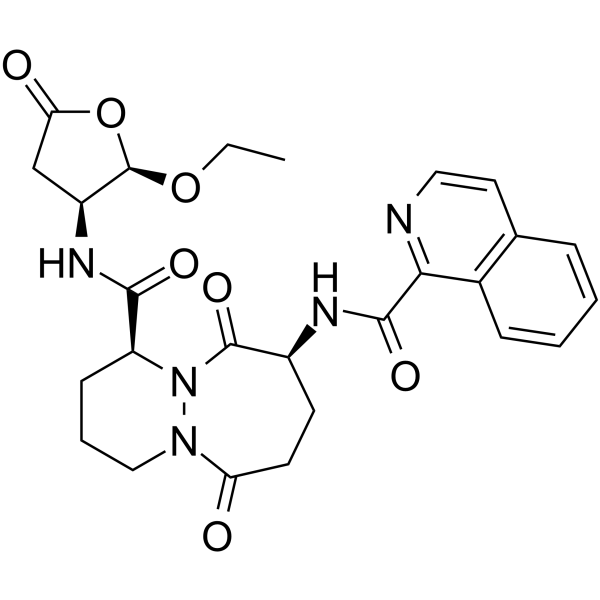
Belnacasan (VX-765) is an orally bioactive proagent of VRT-043198, which is a potent and selective inhibitor of IL-converting enzyme (ICE)/caspase-1 with Kis of 0.8 nM and less than 0.6 nM for caspase-1 and caspase-4, respectively. Belnacasan (VX-765) inhibits the release of LPS-induced IL-1β and IL-18 by human PBMCs with an IC50 of ~0.7 μM .
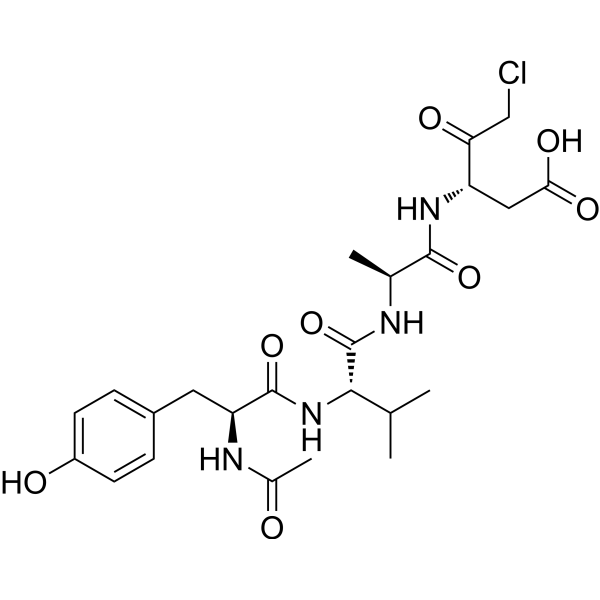
Ac-YVAD-cmk (Caspase-1 Inhibitor II) is a selective caspase-1 (IL-1beta converting enzyme, ICE)) inhibitor with neuroprotective and anti-inflammatory effects. Ac-YVAD-cmk effectively suppresses the expression of IL-1β and IL-18. Ac-YVAD-cmk inhibits pyroptosis in many diseases .
VRT-043198, the agent metabolite of VX-765 (Belnacasan), is a potent, selective and blood-brain barrier permeable inhibitor of interleukin-converting enzyme/caspase-1 subfamily caspases. VRT-043198 exhibits Ki values of 0.8 nM and 0.6 nM for ICE/caspase-1 and caspase-4, respectively .
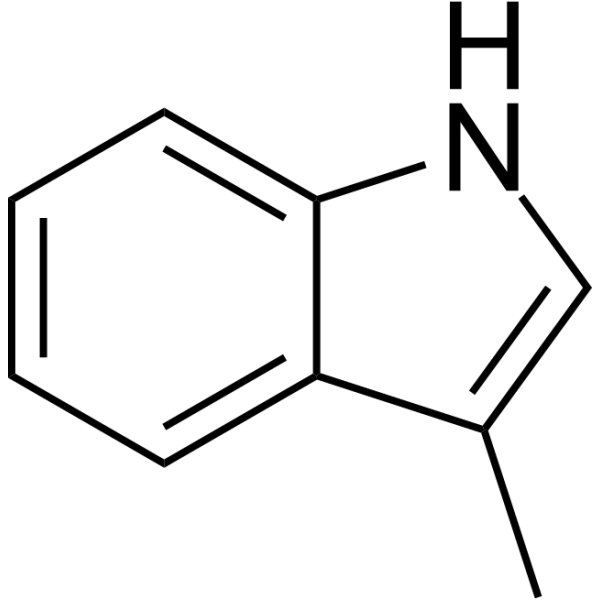
Skatole (3-methylindole) is a heterocyclic compound naturally found in the feces of vertebrates and can be found in certain plants. Skatole can be produced by intestinal bacteria, inducing apoptosis of intestinal epithelial cells through activating aryl hydrocarbon receptors (AhR) and p38. Skatole has been used in specific products of the perfume industry or as a flavor additive in ice cream .
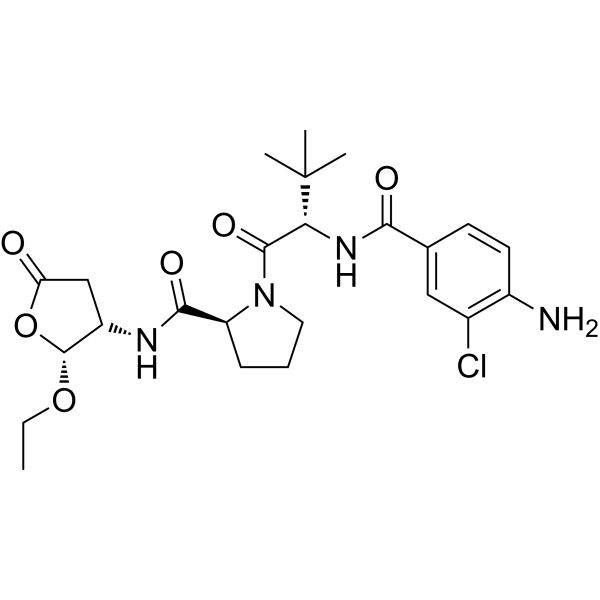
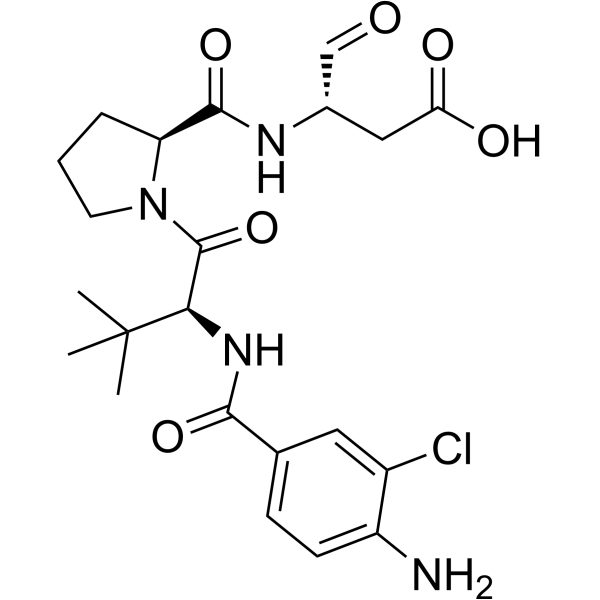
Pralnacasan (VX-740) is a potent, selective, non-peptide and orally active interleukin-1β converting enzyme (ICE, caspase 1) inhibitor with a Ki of 1.4 nM. Pralnacasan inhibits proinflammatory cytokines IL-18, IL-1β , and IFN-γ. Pralnacasan has the potential for osteoarthritis and rheumatoid arthritis treatment .
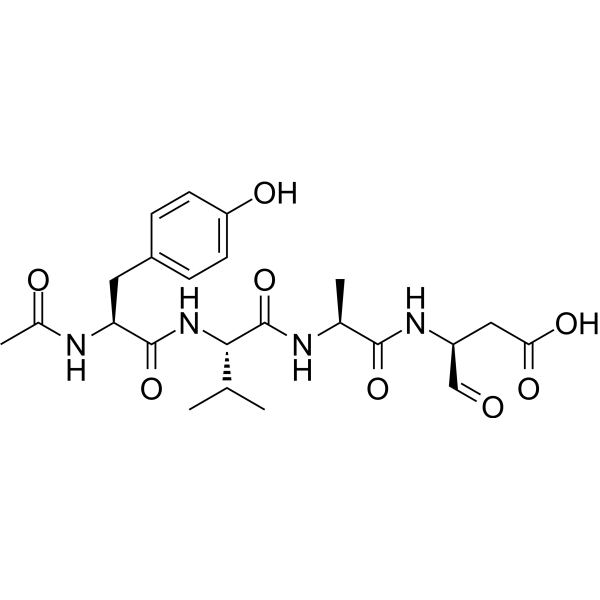
Ac-YVAD-CHO (L-709049) is a potent, reversible, specific tetrapeptide interleukin-lβ converting enzyme (ICE) inhibitor with mouse and human Ki values of 3.0 and 0.76 nM. Ac-YVAD-CHO is also a caspase-1 inhibitor. Ac-YVAD-CHO can suppress the production of mature IL-lβ .
Geranylgeranoic acid (Compound 5) is inhibits lysine-specific demethylase 1 (LSD1) with an IC50 value of 46.97 µM. Geranylgeranoic acid induces apoptosis via loss of the mitochondrial membrane potential and activation of interleukin-1β-converting enzyme (ICE) and cysteine protease precursor 32 (CPP32) in Huh7 and PLC/PRF/5 human hepatoma cells and MLE-10 transformed mouse hepatocytes. Geranylgeranoic acid an isoprenoid with anticancer activity, which is found in S. chinensis .
Cycleanine is a potent vascular selective Calcium antagonist. Cycleanine has analgesic, muscle relaxant and anti-inflammatory activities. Cycleanine has potential for anti-ovarian cancer acting through the apoptosis pathway .
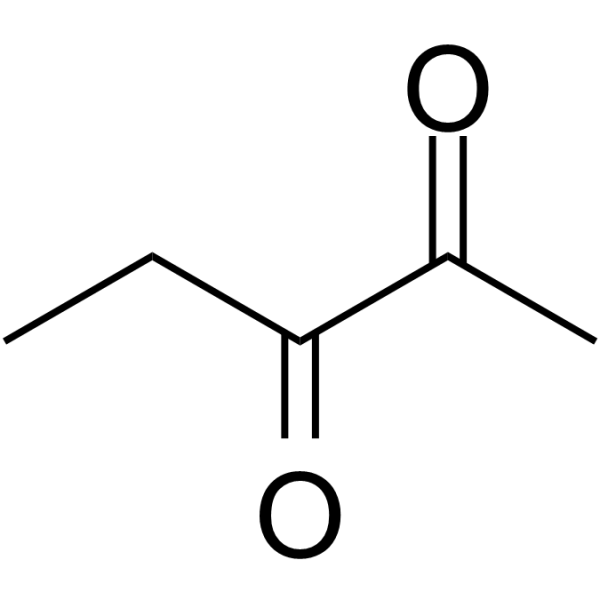
2,3-Pentanedione is a common constituent of synthetic flavorings and is used to impart a butter, strawberry, caramel, fruit, rum, or cheese flavor in beverages, ice cream, candy, baked goods, gelatins, and puddings. 2,3-Pentanedione also occurs naturally as a fermentation product in beer, wine, and yogurt and is releasedduring roasting of coffee beans .
Skatole (Standard) is the analytical standard of Skatole. This product is intended for research and analytical applications. Skatole (3-methylindole) is a heterocyclic compound naturally found in the feces of vertebrates and can be found in certain plants. Skatole can be produced by intestinal bacteria, inducing apoptosis of intestinal epithelial cells through activating aryl hydrocarbon receptors (AhR) and p38. Skatole has been used in specific products of the perfume industry or as a flavor additive in ice cream .
ICeD-2 is a inducer of cell death, can induce HIV-1 infected cell kill. ICeD-2-mediated HIV-1 infected cell kill is dependent on HIV-1 protease activity. ICeD-2 potently blocks hydrolysis of Gly-Pro-AMC by dipeptidyl peptidase DPP8 and DPP9. ICeD-2 shows strong stabilization of DPP9 in PBMCs .
2,3-Pentanedione (Standard) is the analytical standard of 2,3-Pentanedione. This product is intended for research and analytical applications. 2,3-Pentanedione is a common constituent of synthetic flavorings and is used to impart a butter, strawberry, caramel, fruit, rum, or cheese flavor in beverages, ice cream, candy, baked goods, gelatins, and puddings. 2,3-Pentanedione also occurs naturally as a fermentation product in beer, wine, and yogurt and is releasedduring roasting of coffee beans .
Casp1 Mouse Pre-designed siRNA Set A contains three designed siRNAs for Casp1 gene (Mouse), as well as a negative control, a positive control, and a FAM-labeled negative control.
Belnacasan (Standard) is the analytical standard of Belnacasan. This product is intended for research and analytical applications. Belnacasan (VX-765) is an orally bioactive proagent of VRT-043198, which is a potent and selective inhibitor of IL-converting enzyme (ICE)/caspase-1 with Kis of 0.8 nM and less than 0.6 nM for caspase-1 and caspase-4, respectively. Belnacasan (VX-765) inhibits the release of LPS-induced IL-1β and IL-18 by human PBMCs with an IC50 of ~0.7 μM .
Ac-YVAD-CHO (L-709049) acetate is a potent, reversible, specific tetrapeptide interleukin-lβ converting enzyme (ICE) inhibitor with mouse and human Ki values of 3.0 and 0.76 nM. Ac-YVAD-CHO acetate is also a caspase-1 inhibitor. Ac-YVAD-CHO acetate can suppress the production of mature IL-lβ .
Ethyl butyrylacetate is an organic compound belonging to the class of esters. Synthesized by the reaction of ethyl acetate, butyric acid and acetic anhydride. Ethyl butyrylacetate has a fruity aroma and is commonly used as a flavoring agent in various food and beverages such as candies, ice cream and soft drinks. It is also used as a fragrance ingredient in perfumes and personal care products. In addition to its use in the food and fragrance industries, Ethyl butyrylacetate is also used in industrial settings, such as in the production of solvents.
Z-VAD-FMK is a pan-caspase inhibitor and also an ICE-like protease inhibitor, which inhibits apoptosis by preventing the processing of CPP32 to its active form. Z-VAD-FMK sensitivity varies primarily due to differential expression of receptor-interacting protein 1 (RIP1). Z-VAD-FMK limits the cryopreservation-induced apoptosis by reducing caspase-3 activity of in vitro produced bovine embryos. Z-VAD-FMK is immunosuppressive in vitro and inhibits T cell proliferation without blocking the processing of caspase-8 and caspase-3. Z-VAD-FMK leads to a decrease in intracellular glutathione (GSH) with a concomitant increase in reactive oxygen species (ROS) levels in activated T cells. Z-VAD-FMK is due to oxidative stress via the depletion of GSH. Z-VAD-FMK can be used for the study of acute pancreatitis .
ICE1 Human Pre-designed siRNA Set A contains three designed siRNAs for ICE1 gene (Human), as well as a negative control, a positive control, and a FAM-labeled negative control.
β-pBrPh-Glc is a small-molecule ice recrystallization inhibitor. β-pBrPh-Glc can control the rate and extent of intracellular ice recrystallization in the nuclei over a broad range of subzero temperatures. β-pBrPh-Glc is an important tool to improve the recovery and function of cryopreserved cells and tissues .
VRT-043198 (Standard) is the analytical standard of VRT-043198. This product is intended for research and analytical applications. VRT-043198, the agent metabolite of VX-765 (Belnacasan), is a potent, selective and blood-brain barrier permeable inhibitor of interleukin-converting enzyme/caspase-1 subfamily caspases. VRT-043198 exhibits Ki values of 0.8 nM and 0.6 nM for ICE/caspase-1 and caspase-4, respectively[1].
Dabcyl-YVADAPV-EDANS is a fluorogenic interleukin-1β converting enzyme (ICE) substrate for measuring ICE-like protease activity. Dabcyl-YVADAPV-EDANS detects fluorescence at 360 nm excitation and 480 nm emission wavelengths. ICE-like protease is a critical mediator of K + deprivation-induced apoptosis of cerebellar granule neurons .
Suc-YVAD-pNA is a substrate of ICE. Interleukin-1β-converting enzyme (ICE) is a cysteine protease responsible for the cleavage of pre-interleukin-1β (pre-IL-1β) to the mature cytokine and a member of a family of related proteases (the caspases) .
CASP1 Human Pre-designed siRNA Set A contains three designed siRNAs for CASP1 gene (Human), as well as a negative control, a positive control, and a FAM-labeled negative control.
Casp1 Rat Pre-designed siRNA Set A contains three designed siRNAs for Casp1 gene (Rat), as well as a negative control, a positive control, and a FAM-labeled negative control.
CES2 Human Pre-designed siRNA Set A contains three designed siRNAs for CES2 gene (Human), as well as a negative control, a positive control, and a FAM-labeled negative control.
SB-237376 is a blocker of potassium and calcium channels. SB-237376 inhibits the rapidly activating delayed rectifier potassium current I(Kr) (IC50: 0.42 μM) and blocks the L-type calcium current I(Ca,L) at high concentrations .
Boc-Asp(OBzl)-CMK is an inhibitor for IL-1 converting enzyme (ICE, caspase1). Boc-Asp(OBzl)-CMK prevents death of CHP100 neuroblastoma cell, and IL-1β release elicited by the viral coat protein .
2,3-Pentanedione-d3 is deuterated labeled 2,3-Pentanedione (HY-W012998). 2,3-Pentanedione is a common constituent of synthetic flavorings and is used to impart a butter, strawberry, caramel, fruit, rum, or cheese flavor in beverages, ice cream, candy, baked goods, gelatins, and puddings. 2,3-Pentanedione also occurs naturally as a fermentation product in beer, wine, and yogurt and is releasedduring roasting of coffee beans .
Citreoviridin- 13C23 is 13C labeled 2,3-Pentanedione (HY-W012998). 2,3-Pentanedione is a common constituent of synthetic flavorings and is used to impart a butter, strawberry, caramel, fruit, rum, or cheese flavor in beverages, ice cream, candy, baked goods, gelatins, and puddings. 2,3-Pentanedione also occurs naturally as a fermentation product in beer, wine, and yogurt and is releasedduring roasting of coffee beans .
2,3-Pentanedione- 13C2 is 13C labeled 2,3-Pentanedione (HY-W012998). 2,3-Pentanedione is a common constituent of synthetic flavorings and is used to impart a butter, strawberry, caramel, fruit, rum, or cheese flavor in beverages, ice cream, candy, baked goods, gelatins, and puddings. 2,3-Pentanedione also occurs naturally as a fermentation product in beer, wine, and yogurt and is releasedduring roasting of coffee beans .
Ethyl butyrylacetate-d5 (Ethyl 3-oxohexanoate-d5) is the deuterium labeled Ethyl butyrylacetate (HY-W015487). Ethyl butyrylacetate is an organic compound belonging to the class of esters. Synthesized by the reaction of ethyl acetate, butyric acid and acetic anhydride. Ethyl butyrylacetate has a fruity aroma and is commonly used as a flavoring agent in various food and beverages such as candies, ice cream and soft drinks. It is also used as a fragrance ingredient in perfumes and personal care products. In addition to its use in the food and fragrance industries, Ethyl butyrylacetate is also used in industrial settings, such as in the production of solvents.
SB-237376 (free base) is a potassium and calcium channel blocker. SB-237376 (free base) can inhibit the rapidly activating delayed rectifier potassium current I(Kr) (IC50 is 0.42 μM), and at high concentrations, it blocks the L-type calcium current I(Ca,L). In the rabbit ventricular model, SB-237376 (free base) can induce early afterdepolarizations (EADs) at a concentration of 3 µM. Compared to other IKr inhibitors such as dl-sotalol, SB-237376 has a lower proarrhythmic risk. SB-237376 (free base) holds potential for research in the field of arrhythmia-related diseases .
ICE2 Human Pre-designed siRNA Set A contains three designed siRNAs for ICE2 gene (Human), as well as a negative control, a positive control, and a FAM-labeled negative control.
cis-ICeD-2 is the cis isomer of ICeD-2 (HY-151871). ICeD-2 is a cell death inducer that induces cell death in HIV-1-infected cells. ICeD-2-mediated killing of HIV-1-infected cells is dependent on HIV-1 protease activity. ICeD-2 effectively blocks the hydrolysis of Gly-Pro-AMC by the dipeptidyl peptidases DPP8 and DPP9. ICeD-2 demonstrates strong stability against DPP9 in PBMCs. .
CPU-228 is a complex class III antiarrhythmic agent. CPU-228 concentration-dependently blocks the activities of the rapid component 50 of the delayed rectifier potassium channel (IKr) and the L-type calcium channel (ICa,L), with an IC50 value of 0.909 μM for ICa,L current. CPU-228 produces negative inotropic effects and induces mild, non-frequency-dependent prolongation of the effective refractory period (ERP) in isolated left atria. CPU-228 reduces the incidence of torsades de pointes (TDP) in anesthetized rabbits and inhibits ischemia/reperfusion-induced arrhythmias in rats. CPU-228 can be used in studies related to torsades de pointes .
2,3-Pentanedione-d5 is the deuterium labeled 2,3-Pentanedione (HY-W012998). 2,3-Pentanedione is a common constituent of synthetic flavorings and is used to impart a butter, strawberry, caramel, fruit, rum, or cheese flavor in beverages, ice cream, candy, baked goods, gelatins, and puddings. 2,3-Pentanedione also occurs naturally as a fermentation product in beer, wine, and yogurt and is releasedduring roasting of coffee beans .
Skatole- 13C6 is the 13C-labeled Skatole (HY-W007355). Skatole (3-methylindole) is a heterocyclic compound naturally found in the feces of vertebrates and can be found in certain plants. Skatole can be produced by intestinal bacteria, inducing apoptosis of intestinal epithelial cells through activating aryl hydrocarbon receptors (AhR) and p38. Skatole has been used in specific products of the perfume industry or as a flavor additive in ice cream.
VRT-18858 (RU-36384), the active metabolite of Pralnacasan (HY-19676), is a potent interleukin-1β converting enzyme (ICE) inhibitor (Ki = 1.4 nM). VRT-18858 inhibits LPS (HY-D1056)-induced IL-1β release (IC50 = 0.42 µM) and S. aureus Cowan-induced IL-1β and IL-18 release (IC50=1.3 and 2.1 µM, respectively) in human peripheral blood mononuclear cells. VRT-18858 can be used for osteoarthritis research .
New drug development is a time-consuming and high-cost process. Drug repurposing (also called drug repositioning, reprofiling or re‑tasking) offers various advantages over developing an entirely new drug for a given indication. First, the risk of failure is lower. Second, the time frame for drug development can be reduced. Third, less investment is needed. Approved drugs have identified bioactivities, good pharmacokinetic characteristics and safety which are suitable for drug repurposing.
MCE owns a unique collection of 3,211 approved compounds which have been completed extensive preclinical and clinical studies and have well-characterized bioactivities, safety and bioavailability properties. The package of this library is 96-well microplate with peelable foil seal, which makes the screening process easier and faster.
Z-VAD-FMK is a pan-caspase inhibitor and also an ICE-like protease inhibitor, which inhibits apoptosis by preventing the processing of CPP32 to its active form. Z-VAD-FMK sensitivity varies primarily due to differential expression of receptor-interacting protein 1 (RIP1). Z-VAD-FMK limits the cryopreservation-induced apoptosis by reducing caspase-3 activity of in vitro produced bovine embryos. Z-VAD-FMK is immunosuppressive in vitro and inhibits T cell proliferation without blocking the processing of caspase-8 and caspase-3. Z-VAD-FMK leads to a decrease in intracellular glutathione (GSH) with a concomitant increase in reactive oxygen species (ROS) levels in activated T cells. Z-VAD-FMK is due to oxidative stress via the depletion of GSH. Z-VAD-FMK can be used for the study of acute pancreatitis .
Dabcyl-YVADAPV-EDANS is a fluorogenic interleukin-1β converting enzyme (ICE) substrate for measuring ICE-like protease activity. Dabcyl-YVADAPV-EDANS detects fluorescence at 360 nm excitation and 480 nm emission wavelengths. ICE-like protease is a critical mediator of K + deprivation-induced apoptosis of cerebellar granule neurons .
Ethyl butyrylacetate is an organic compound belonging to the class of esters. Synthesized by the reaction of ethyl acetate, butyric acid and acetic anhydride. Ethyl butyrylacetate has a fruity aroma and is commonly used as a flavoring agent in various food and beverages such as candies, ice cream and soft drinks. It is also used as a fragrance ingredient in perfumes and personal care products. In addition to its use in the food and fragrance industries, Ethyl butyrylacetate is also used in industrial settings, such as in the production of solvents.
Z-VAD-FMK is a pan-caspase inhibitor and also an ICE-like protease inhibitor, which inhibits apoptosis by preventing the processing of CPP32 to its active form. Z-VAD-FMK sensitivity varies primarily due to differential expression of receptor-interacting protein 1 (RIP1). Z-VAD-FMK limits the cryopreservation-induced apoptosis by reducing caspase-3 activity of in vitro produced bovine embryos. Z-VAD-FMK is immunosuppressive in vitro and inhibits T cell proliferation without blocking the processing of caspase-8 and caspase-3. Z-VAD-FMK leads to a decrease in intracellular glutathione (GSH) with a concomitant increase in reactive oxygen species (ROS) levels in activated T cells. Z-VAD-FMK is due to oxidative stress via the depletion of GSH. Z-VAD-FMK can be used for the study of acute pancreatitis .
Ac-YVAD-CHO (L-709049) is a potent, reversible, specific tetrapeptide interleukin-lβ converting enzyme (ICE) inhibitor with mouse and human Ki values of 3.0 and 0.76 nM. Ac-YVAD-CHO is also a caspase-1 inhibitor. Ac-YVAD-CHO can suppress the production of mature IL-lβ .
Antifreeze Polypeptide 6 (winter flounder) is the component 6 of the winter flounder's antifreeze polypeptides. Antifreeze Polypeptide 6 (winter flounder) lowers the plasma freezing point by arresting the growth of ice nuclei .
Dabcyl-YVADAPV-EDANS is a fluorogenic interleukin-1β converting enzyme (ICE) substrate for measuring ICE-like protease activity. Dabcyl-YVADAPV-EDANS detects fluorescence at 360 nm excitation and 480 nm emission wavelengths. ICE-like protease is a critical mediator of K + deprivation-induced apoptosis of cerebellar granule neurons .
Suc-YVAD-pNA is a substrate of ICE. Interleukin-1β-converting enzyme (ICE) is a cysteine protease responsible for the cleavage of pre-interleukin-1β (pre-IL-1β) to the mature cytokine and a member of a family of related proteases (the caspases) .
Boc-Asp(OBzl)-CMK is an inhibitor for IL-1 converting enzyme (ICE, caspase1). Boc-Asp(OBzl)-CMK prevents death of CHP100 neuroblastoma cell, and IL-1β release elicited by the viral coat protein .
Skatole (3-methylindole) is a heterocyclic compound naturally found in the feces of vertebrates and can be found in certain plants. Skatole can be produced by intestinal bacteria, inducing apoptosis of intestinal epithelial cells through activating aryl hydrocarbon receptors (AhR) and p38. Skatole has been used in specific products of the perfume industry or as a flavor additive in ice cream .
Cycleanine is a potent vascular selective Calcium antagonist. Cycleanine has analgesic, muscle relaxant and anti-inflammatory activities. Cycleanine has potential for anti-ovarian cancer acting through the apoptosis pathway .
2,3-Pentanedione is a common constituent of synthetic flavorings and is used to impart a butter, strawberry, caramel, fruit, rum, or cheese flavor in beverages, ice cream, candy, baked goods, gelatins, and puddings. 2,3-Pentanedione also occurs naturally as a fermentation product in beer, wine, and yogurt and is releasedduring roasting of coffee beans .
Skatole (Standard) is the analytical standard of Skatole. This product is intended for research and analytical applications. Skatole (3-methylindole) is a heterocyclic compound naturally found in the feces of vertebrates and can be found in certain plants. Skatole can be produced by intestinal bacteria, inducing apoptosis of intestinal epithelial cells through activating aryl hydrocarbon receptors (AhR) and p38. Skatole has been used in specific products of the perfume industry or as a flavor additive in ice cream .
2,3-Pentanedione (Standard) is the analytical standard of 2,3-Pentanedione. This product is intended for research and analytical applications. 2,3-Pentanedione is a common constituent of synthetic flavorings and is used to impart a butter, strawberry, caramel, fruit, rum, or cheese flavor in beverages, ice cream, candy, baked goods, gelatins, and puddings. 2,3-Pentanedione also occurs naturally as a fermentation product in beer, wine, and yogurt and is releasedduring roasting of coffee beans .
CES2, a hydrolase, demonstrates notable activity with palmitoylcarnitine and other substrates like p-nitrophenylacetate and alpha-naphthylacetate. Its versatile enzymatic capabilities extend to the hydrolysis of retinyl esters. CES2/carboxylesterase 2 Protein, Mouse (HEK293, His) is the recombinant mouse-derived CES2/carboxylesterase 2 protein, expressed by HEK293 , with C-His labeled tag.
The CES2 protein plays a crucial role in detoxifying xenobiotics and activating ester and amide prodrugs. It has high catalytic efficiency, especially in the hydrolysis of substances such as cocaine, 4-methylumbelliferyl acetate, heroin and 6-monoacetylmorphine. CES2/carboxylesterase 2 Protein, Human (HEK293, His) is the recombinant human-derived CES2/carboxylesterase 2 protein, expressed by HEK293 , with C-His labeled tag.
Caspase-1/CASP1 is a thiol protease complex involved in inflammation by catalyzing the cleavage of IL1B, IL18, and Gasdermin-D (GSDMD). It activates a pro-inflammatory response, releases mature cytokines IL1B and IL18, and initiates pyroptosis through cleavage of GSDMD. Caspase-1/CASP1 Protein, Human (GST) is the recombinant human-derived Caspase-1/CASP1 protein, expressed by E. coli , with N-GST labeled tag.
Caspase-1/CASP1 subunit p10 and p20 protein is a thiol protease complex involved in inflammation by catalyzing the cleavage of IL1B, IL18, and Gasdermin-D (GSDMD). It activates a pro-inflammatory response, releases mature cytokines IL1B and IL18, and initiates pyroptosis through cleavage of GSDMD. Caspase-1/CASP1 Protein, Human (T388A, His) is the recombinant human-derived Caspase-1/CASP1, expressed by E. coli, with N-His labeled tag.
CEBPA protein, also known as CCAAT/enhancer-binding protein α, is a transcription factor that plays a crucial role in regulating the expression of genes related to cell differentiation, proliferation, and metabolism. CEBPA Protein, Human (His) is the recombinant human-derived CEBPA protein, expressed by E. coli , with N-His labeled tag.
Caspase-7/CASP7 protein is a thiol protease involved in programmed cell death processes such as apoptosis, pyroptosis, and granzyme-mediated death. It is activated by initiating caspases (CASP8, CASP9 and/or CASP10) and cleaves CLSPN, PARP1, PTGES3 and YY1, mediating apoptosis. Caspase-7/CASP7 Protein, Human (His) is the recombinant human-derived Caspase-7/CASP7 protein, expressed by E. coli , with C-His labeled tag.
The Caspase-8/CASP8 subunit p18 protein is a key thiol protease that acts as a molecular switch in programmed cell death processes, including apoptosis, necroptosis, and pyroptosis. It is essential for preventing tissue damage by inducing exogenous apoptosis by cleaving and activating effector caspases. Caspase-8/CASP8 subunit p18 Protein, Human (His) is the recombinant human-derived Caspase-8/CASP8 subunit p18 protein, expressed by E. coli , with N-6*His labeled tag.
The CES2 protein plays a crucial role in detoxifying xenobiotics and activating ester and amide prodrugs. It has high catalytic efficiency, especially in the hydrolysis of substances such as cocaine, 4-methylumbelliferyl acetate, heroin and 6-monoacetylmorphine. CES2/carboxylesterase 2 Protein, Human (HEK293, His, solution) is the recombinant human-derived CES2/carboxylesterase 2 protein, expressed by HEK293 , with C-10*His labeled tag.
Caspase-10/CASP10 Protein, Human (His-GST) is an approximately 54.2 kDa caspase-10 protein with a His-GST-tag, expressed in E. coli. Caspase-10 belongs to the caspase family and involved in the execution-phase of cell apoptosis.
RIPK2 is a multifunctional serine/threonine/tyrosine protein kinase that coordinates innate and adaptive immune responses. It is activated by bacterial peptidoglycan to form filaments in the NOD1 and NOD2 pathways, undergoing autophosphorylation and polyubiquitination. RIPK2 Protein, Human (P. pastoris, His) is the recombinant human-derived RIPK2 protein, expressed by P. pastoris , with C-6*His, C-6*His labeled tag.
2,3-Pentanedione-d3 is deuterated labeled 2,3-Pentanedione (HY-W012998). 2,3-Pentanedione is a common constituent of synthetic flavorings and is used to impart a butter, strawberry, caramel, fruit, rum, or cheese flavor in beverages, ice cream, candy, baked goods, gelatins, and puddings. 2,3-Pentanedione also occurs naturally as a fermentation product in beer, wine, and yogurt and is releasedduring roasting of coffee beans .
Citreoviridin- 13C23 is 13C labeled 2,3-Pentanedione (HY-W012998). 2,3-Pentanedione is a common constituent of synthetic flavorings and is used to impart a butter, strawberry, caramel, fruit, rum, or cheese flavor in beverages, ice cream, candy, baked goods, gelatins, and puddings. 2,3-Pentanedione also occurs naturally as a fermentation product in beer, wine, and yogurt and is releasedduring roasting of coffee beans .
2,3-Pentanedione- 13C2 is 13C labeled 2,3-Pentanedione (HY-W012998). 2,3-Pentanedione is a common constituent of synthetic flavorings and is used to impart a butter, strawberry, caramel, fruit, rum, or cheese flavor in beverages, ice cream, candy, baked goods, gelatins, and puddings. 2,3-Pentanedione also occurs naturally as a fermentation product in beer, wine, and yogurt and is releasedduring roasting of coffee beans .
Ethyl butyrylacetate-d5 (Ethyl 3-oxohexanoate-d5) is the deuterium labeled Ethyl butyrylacetate (HY-W015487). Ethyl butyrylacetate is an organic compound belonging to the class of esters. Synthesized by the reaction of ethyl acetate, butyric acid and acetic anhydride. Ethyl butyrylacetate has a fruity aroma and is commonly used as a flavoring agent in various food and beverages such as candies, ice cream and soft drinks. It is also used as a fragrance ingredient in perfumes and personal care products. In addition to its use in the food and fragrance industries, Ethyl butyrylacetate is also used in industrial settings, such as in the production of solvents.
2,3-Pentanedione-d5 is the deuterium labeled 2,3-Pentanedione (HY-W012998). 2,3-Pentanedione is a common constituent of synthetic flavorings and is used to impart a butter, strawberry, caramel, fruit, rum, or cheese flavor in beverages, ice cream, candy, baked goods, gelatins, and puddings. 2,3-Pentanedione also occurs naturally as a fermentation product in beer, wine, and yogurt and is releasedduring roasting of coffee beans .
Skatole- 13C6 is the 13C-labeled Skatole (HY-W007355). Skatole (3-methylindole) is a heterocyclic compound naturally found in the feces of vertebrates and can be found in certain plants. Skatole can be produced by intestinal bacteria, inducing apoptosis of intestinal epithelial cells through activating aryl hydrocarbon receptors (AhR) and p38. Skatole has been used in specific products of the perfume industry or as a flavor additive in ice cream.
Casp1 Mouse Pre-designed siRNA Set A contains three designed siRNAs for Casp1 gene (Mouse), as well as a negative control, a positive control, and a FAM-labeled negative control.
ICE1 Human Pre-designed siRNA Set A contains three designed siRNAs for ICE1 gene (Human), as well as a negative control, a positive control, and a FAM-labeled negative control.
CASP1 Human Pre-designed siRNA Set A contains three designed siRNAs for CASP1 gene (Human), as well as a negative control, a positive control, and a FAM-labeled negative control.
Casp1 Rat Pre-designed siRNA Set A contains three designed siRNAs for Casp1 gene (Rat), as well as a negative control, a positive control, and a FAM-labeled negative control.
CES2 Human Pre-designed siRNA Set A contains three designed siRNAs for CES2 gene (Human), as well as a negative control, a positive control, and a FAM-labeled negative control.
ICE2 Human Pre-designed siRNA Set A contains three designed siRNAs for ICE2 gene (Human), as well as a negative control, a positive control, and a FAM-labeled negative control.
Z-VAD-FMK is a pan-caspase inhibitor and also an ICE-like protease inhibitor, which inhibits apoptosis by preventing the processing of CPP32 to its active form. Z-VAD-FMK sensitivity varies primarily due to differential expression of receptor-interacting protein 1 (RIP1). Z-VAD-FMK limits the cryopreservation-induced apoptosis by reducing caspase-3 activity of in vitro produced bovine embryos. Z-VAD-FMK is immunosuppressive in vitro and inhibits T cell proliferation without blocking the processing of caspase-8 and caspase-3. Z-VAD-FMK leads to a decrease in intracellular glutathione (GSH) with a concomitant increase in reactive oxygen species (ROS) levels in activated T cells. Z-VAD-FMK is due to oxidative stress via the depletion of GSH. Z-VAD-FMK can be used for the study of acute pancreatitis .
Inquiry Online
Your information is safe with us. * Required Fields.
Western blot analysis of extracts from THP-1(lane 2(20μg), Jurkat (lane 3(20μg) and NIH3T3(lane 4(20μg) using FOXO1A (HY-P80132) Rabbit mAb. Proteins were transferred
to a PVDF membrane and blocked with 5% non-fat milk in TBST for 2 hour at room temperature. The primary antibody (1/1000) and Loading control antibody (Beta Actin, HY-P80438, 1/10000) was
used in 5% non-fat milk in TBST at 4°C overnight. Goat Anti-Mouse/Rabbit IgG-HRP Secondary Antibody (1/10000) was used for 1 hour at room temperature.
Western blot analysis of extracts from THP-1(lane 2(20μg), Jurkat (lane 3(20μg) and NIH3T3(lane 4(20μg) using FOXO1A (HY-P80132) Rabbit mAb. Proteins were transferred
to a PVDF membrane and blocked with 5% non-fat milk in TBST for 2 hour at room temperature. The primary antibody (1/1000) and Loading control antibody (Beta Actin, HY-P80438, 1/10000) was
used in 5% non-fat milk in TBST at 4°C overnight. Goat Anti-Mouse/Rabbit IgG-HRP Secondary Antibody (1/10000) was used for 1 hour at room temperature.
Western blot analysis of extracts from THP-1(lane 2(20μg), Jurkat (lane 3(20μg) and NIH3T3(lane 4(20μg) using FOXO1A (HY-P80132) Rabbit mAb. Proteins were transferred
to a PVDF membrane and blocked with 5% non-fat milk in TBST for 2 hour at room temperature. The primary antibody (1/1000) and Loading control antibody (Beta Actin, HY-P80438, 1/10000) was
used in 5% non-fat milk in TBST at 4°C overnight. Goat Anti-Mouse/Rabbit IgG-HRP Secondary Antibody (1/10000) was used for 1 hour at room temperature.
Western blot analysis of extracts from THP-1(lane 2(20μg), Jurkat (lane 3(20μg) and NIH3T3(lane 4(20μg) using FOXO1A (HY-P80132) Rabbit mAb. Proteins were transferred
to a PVDF membrane and blocked with 5% non-fat milk in TBST for 2 hour at room temperature. The primary antibody (1/1000) and Loading control antibody (Beta Actin, HY-P80438, 1/10000) was
MedchemExpress Validation 03
Western blot analysis of extracts from THP-1(lane 2(20μg), Jurkat (lane 3(20μg) and NIH3T3(lane 4(20μg) using FOXO1A (HY-P80132) Rabbit mAb. Proteins were transferred
MedchemExpress Validation 04
Western blot analysis of extracts from THP-1(lane 2(20μg), Jurkat (lane 3(20μg) and NIH3T3(lane 4(20μg) using FOXO1A (HY-P80132) Rabbit mAb. Proteins were transferred
to a PVDF membrane and blocked with 5% non-fat milk in TBST for 2 hour at room temperature. The primary antibody (1/1000) and Loading control antibody (Beta Actin, HY-P80438, 1/10000) was
used in 5% non-fat milk in TBST at 4°C overnight. Goat Anti-Mouse/Rabbit IgG-HRP Secondary Antibody (1/10000) was used for 1 hour at room temperature.
MedchemExpress Validation
Western blot analysis of extracts from THP-1(lane 2(20μg), Jurkat (lane 3(20μg) and NIH3T3(lane 4(20μg) using FOXO1A (HY-P80132) Rabbit mAb. Proteins were transferred
to a PVDF membrane and blocked with 5% non-fat milk in TBST for 2 hour at room temperature. The primary antibody (1/1000) and Loading control antibody (Beta Actin, HY-P80438, 1/10000) was
used in 5% non-fat milk in TBST at 4°C overnight. Goat Anti-Mouse/Rabbit IgG-HRP Secondary Antibody (1/10000) was used for 1 hour at room temperature.
Western blot analysis of extracts from THP-1(lane 2(20μg), Jurkat (lane 3(20μg) and NIH3T3(lane 4(20μg) using FOXO1A (HY-P80132) Rabbit mAb. Proteins were transferred
to a PVDF membrane and blocked with 5% non-fat milk in TBST for 2 hour at room temperature. The primary antibody (1/1000) and Loading control antibody (Beta Actin, HY-P80438, 1/10000) was
used in 5% non-fat milk in TBST at 4°C overnight. Goat Anti-Mouse/Rabbit IgG-HRP Secondary Antibody (1/10000) was used for 1 hour at room temperature.
MedchemExpress Validation
Western blot analysis of extracts from THP-1(lane 2(20μg), Jurkat (lane 3(20μg) and NIH3T3(lane 4(20μg) using FOXO1A (HY-P80132) Rabbit mAb. Proteins were transferred
to a PVDF membrane and blocked with 5% non-fat milk in TBST for 2 hour at room temperature. The primary antibody (1/1000) and Loading control antibody (Beta Actin, HY-P80438, 1/10000) was
used in 5% non-fat milk in TBST at 4°C overnight. Goat Anti-Mouse/Rabbit IgG-HRP Secondary Antibody (1/10000) was used for 1 hour at room temperature.
MedchemExpress Validation
Western blot analysis of extracts from THP-1(lane 2(20μg), Jurkat (lane 3(20μg) and NIH3T3(lane 4(20μg) using FOXO1A (HY-P80132) Rabbit mAb. Proteins were transferred
to a PVDF membrane and blocked with 5% non-fat milk in TBST for 2 hour at room temperature. The primary antibody (1/1000) and Loading control antibody (Beta Actin, HY-P80438, 1/10000) was
used in 5% non-fat milk in TBST at 4°C overnight. Goat Anti-Mouse/Rabbit IgG-HRP Secondary Antibody (1/10000) was used for 1 hour at room temperature.
MedchemExpress Validation
Western blot analysis of extracts from THP-1(lane 2(20μg), Jurkat (lane 3(20μg) and NIH3T3(lane 4(20μg) using FOXO1A (HY-P80132) Rabbit mAb. Proteins were transferred
to a PVDF membrane and blocked with 5% non-fat milk in TBST for 2 hour at room temperature. The primary antibody (1/1000) and Loading control antibody (Beta Actin, HY-P80438, 1/10000) was
used in 5% non-fat milk in TBST at 4°C overnight. Goat Anti-Mouse/Rabbit IgG-HRP Secondary Antibody (1/10000) was used for 1 hour at room temperature.
MedchemExpress Validation
Western blot analysis of extracts from THP-1(lane 2(20μg), Jurkat (lane 3(20μg) and NIH3T3(lane 4(20μg) using FOXO1A (HY-P80132) Rabbit mAb. Proteins were transferred
to a PVDF membrane and blocked with 5% non-fat milk in TBST for 2 hour at room temperature. The primary antibody (1/1000) and Loading control antibody (Beta Actin, HY-P80438, 1/10000) was
used in 5% non-fat milk in TBST at 4°C overnight. Goat Anti-Mouse/Rabbit IgG-HRP Secondary Antibody (1/10000) was used for 1 hour at room temperature.
MedchemExpress Validation
Western blot analysis of extracts from THP-1(lane 2(20μg), Jurkat (lane 3(20μg) and NIH3T3(lane 4(20μg) using FOXO1A (HY-P80132) Rabbit mAb. Proteins were transferred
to a PVDF membrane and blocked with 5% non-fat milk in TBST for 2 hour at room temperature. The primary antibody (1/1000) and Loading control antibody (Beta Actin, HY-P80438, 1/10000) was
used in 5% non-fat milk in TBST at 4°C overnight. Goat Anti-Mouse/Rabbit IgG-HRP Secondary Antibody (1/10000) was used for 1 hour at room temperature.
MedchemExpress Validation
Western blot analysis of extracts from THP-1(lane 2(20μg), Jurkat (lane 3(20μg) and NIH3T3(lane 4(20μg) using FOXO1A (HY-P80132) Rabbit mAb. Proteins were transferred
to a PVDF membrane and blocked with 5% non-fat milk in TBST for 2 hour at room temperature. The primary antibody (1/1000) and Loading control antibody (Beta Actin, HY-P80438, 1/10000) was
used in 5% non-fat milk in TBST at 4°C overnight. Goat Anti-Mouse/Rabbit IgG-HRP Secondary Antibody (1/10000) was used for 1 hour at room temperature.
MedChemExpress values your privacy and your trust is important to us. We use cookies to enhance your website experience. Some cookies are necessary to run the website.
Privacy and Cookie Policy

