

1. Search Result
Search Result
Results for "

impact

" in MedChemExpress (MCE) Product Catalog:

79

Inhibitors & Agonists

10

Screening Libraries

1

Fluorescent Dyes

4

Biochemical Assay Reagents

4

Peptides

1

Inhibitory Antibodies

11

Natural
Products

4

Isotope-Labeled Compounds

5

Oligonucleotides

Cat. No. Product Name Target Research Areas Chemical Structure
  • HY-W034953
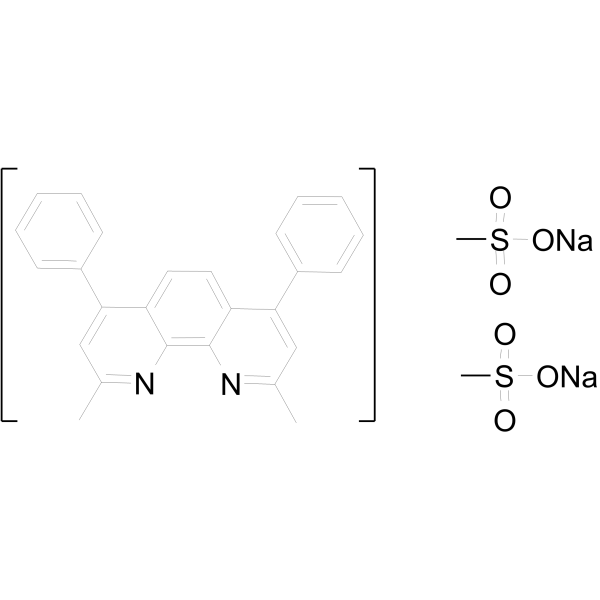
    Bathocuproine disulfonate disodium
    2 Publications Verification

    Biochemical Assay Reagents Others
    Bathocuproine disulfonate disodium (BCS) is an organic compound used as a highly sensitive colorimetric reagent for copper ions in biochemical and analytical applications. It has a bright yellow color and absorbs light at specific wavelengths, so it can be used to detect and quantify trace copper. In biochemical applications, BCS is commonly used to study the role of copper ions in various biological processes. Copper is an essential nutrient for many organisms, but it can also be toxic in high concentrations, so accurate measurement of copper levels is important to understand its impact on living systems. In terms of analysis, BCS is often used in environmental monitoring and water quality testing to detect copper pollution. It can detect copper even at very low concentrations, making it an invaluable tool for identifying potential sources of pollution and assessing the impact of industrial activities on aquatic ecosystems.
    Bathocuproine disulfonate disodium
  • HY-Y0882
    Hydroxylamine hydrochloride
    1 Publications Verification

    Monoamine Oxidase Cardiovascular Disease
    Hydroxylamine hydrochloride is a selective Monoamine oxidase (MAO) inhibitor used for inhibiting of platelet aggregation. Hydroxylamine hydrochloride is an intermediate of nitrogen cycle in aerobic ammonium oxidizers microorganisms, such as ammonium oxidizing bacteria (AOB), ammonium oxidizing archaea (AOA) and complete ammonium oxidizing bacteria (comammox). Hydroxylamine hydrochloride impacts NO and N2O emissions by aerobic ammonium oxidizers microorganisms and inhibits nitrite oxidizing bacteria (NOB) activity .
    Hydroxylamine hydrochloride
  • HY-B0990
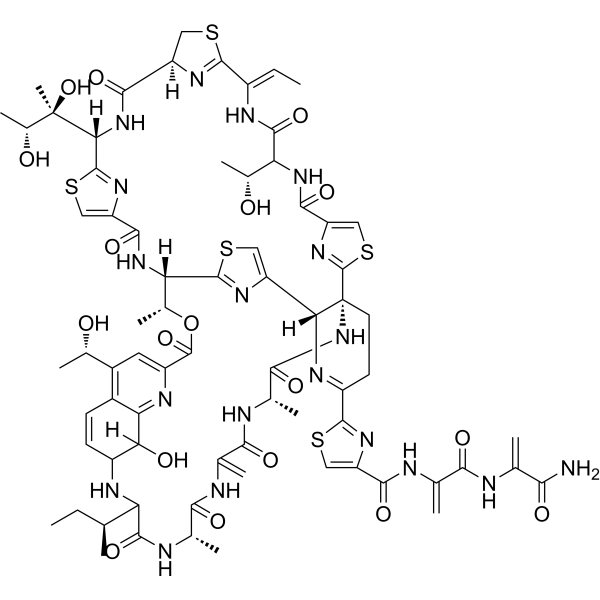
    Thiostrepton
    20+ Cited Publications

    Bacterial Antibiotic YAP Infection
    Thiostrepton is a thiazole antibiotic which selectively inhibits FOXM1. FOXM1 binds to YAP/TEAD complex. YAP/TEAD/FOXM1 complex binding at regulatory regions of genes governing cell cycle may impact cell proliferation .
    Thiostrepton
  • HY-153306
    Zovegalisib
    1 Publications Verification

    RLY-2608

    PI3K Cancer
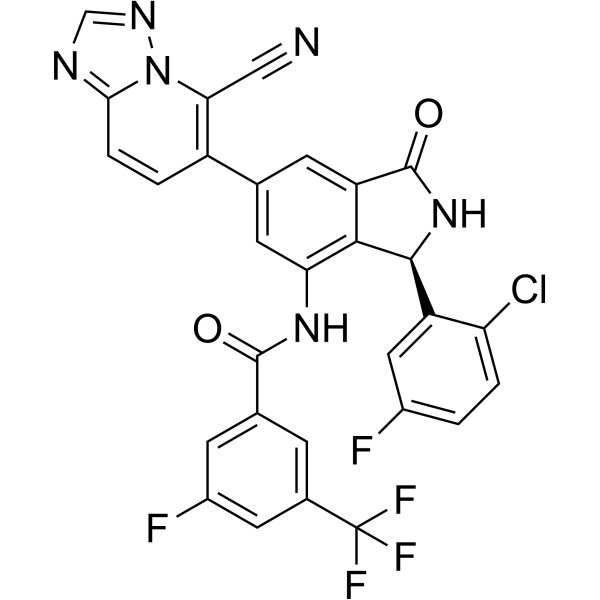
    Zovegalisib (RLY-2608) is an orally active first-in-class allosteric mutant-selective inhibitor of PI3Ka with anti-tumor activity. Zovegalisib inhibits tumor growth in PIK3CA-mutant xenograft mice models with minimal impact on insulin .
    Zovegalisib
  • HY-W013706

    ITP trisodium salt; Inosine triphosphate trisodium salt

    Endogenous Metabolite Metabolic Disease
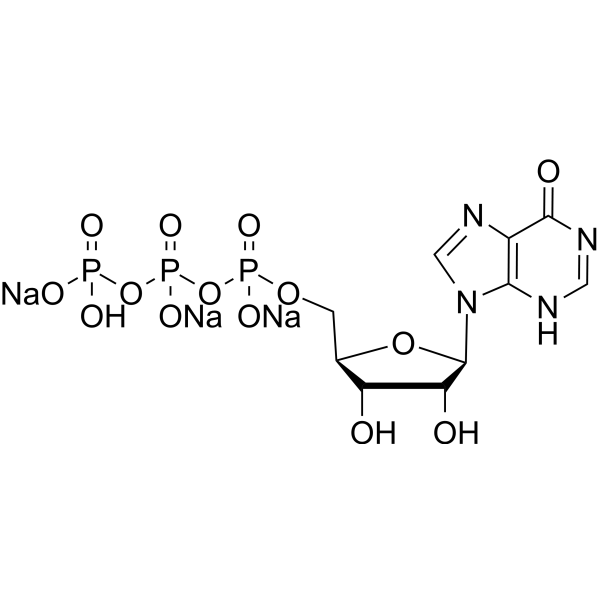
    Inosine-5'-triphosphate trisodium salt is a nucleotide analogue that acts on multiple G proteins and is widely used in G protein-related research. It can bind to the α -subunit of G proteins and participate in G protein-mediated signal transduction as a substitute for GTP. Its mechanism of action is to interact with the nucleotide-binding site of the G protein α -subunit, affecting the activity and function of G proteins. In the research field, it is mainly used to explore the role of the G protein signaling pathway in cellular physiological and pathological processes. For example, in HL-60 leukemia cells, its impact on G protein-mediated signal transduction can be studied .
    Inosine-5'-triphosphate trisodium salt
  • HY-B1839

    Environmental Pollutants JNK Fungal p38 MAPK Bcl-2 Family Caspase Autophagy Apoptosis Infection
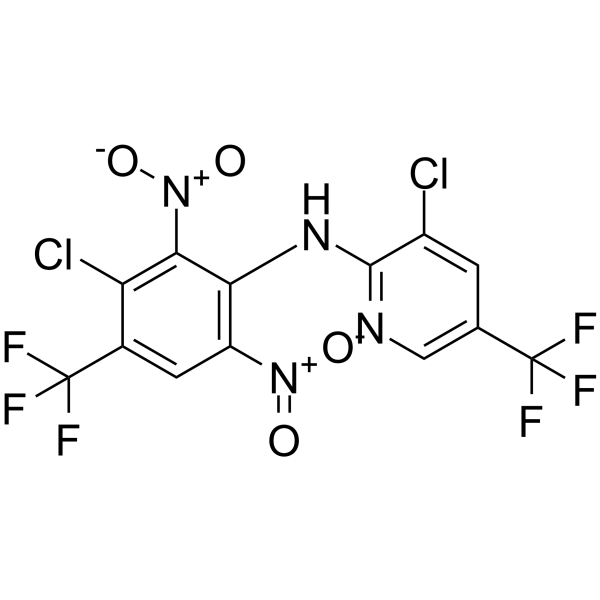
    Fluazinam is an orally active dinitroaniline fungicide. Fluazinam induces phosphorylation of JNK, activates p38 pathway, decreases Bcl-2, activates caspase-3, decreases complex I activity, increases Autophagy and Apoptosis. Fluazinam has strong antifungal activity against F. fujikuroi and B. maydis. Fluazinam has a negative impact on Brachydanio rerio and worker bees .
    Fluazinam
  • HY-N0123
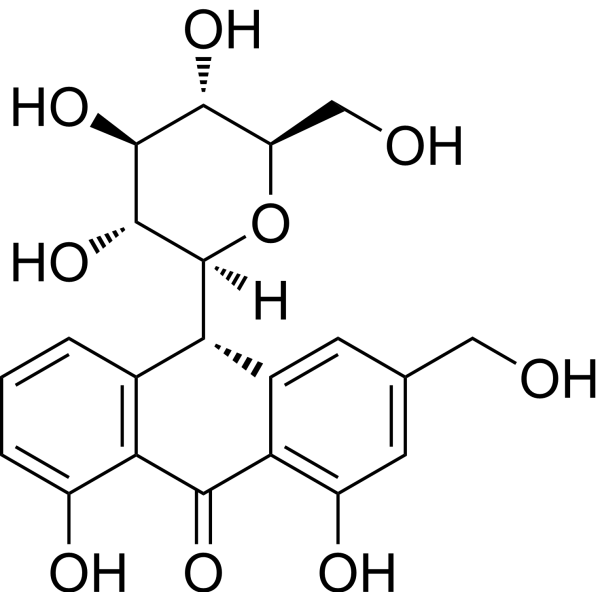
    Aloin-A
    5+ Cited Publications

    Barbaloin-A

    Wnt Cancer
    Aloin (Aloin-A; Barbaloin-A) is a natural anti-tumor anthraquinone glycoside with iron chelating activity. Aloin induces the differentiation of MC3T3-E1 cells into osteoblasts through MAPK-mediated Wnt and Bmp signaling pathways. Alkaline phosphatase (ALP) is an early marker of osteoblast differentiation, and the activity of ALP is also enhanced by Aloin. Aloin also reduces brain edema, reduces blood-brain barrier disruption and improves cortical impact injuries. Aloin is used in research into osteoporosis and traumatic brain injury (TBI) .
    Aloin-A
  • HY-B2122

    PPAR Fatty Acid Synthase (FASN) Others
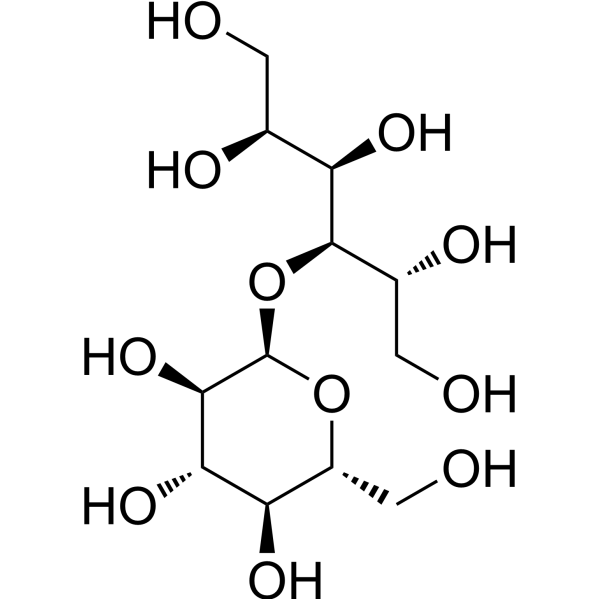
    Maltitol is an orally active polyol and sugar alcohol sweetener produced by the hydrogenation of maltose. Maltitol can replace sucrose and has characteristics of having a minor impact on blood sugar and potential prebiotic effects .
    Maltitol
  • HY-131697
    FeTPPS
    1 Publications Verification

    MOFs NO Synthase Apoptosis Inflammation/Immunology
    FeTPPS, a 5,10,15,20-tetrakis (4-sulfonatophenyl) porphyrin iron III chloride peroxynitrite decomposition catalyst, possesses evident neuroprotective effects in a experimental model of spinal cord damage . FeTPPS acts as a peroxynitrite scavenger and anti-nitrating agent in vivo. FeTPPS reduces nitric oxide (NO) production and apoptosis process .
    FeTPPS
  • HY-N2500

    Microtubule/Tubulin Apoptosis Autophagy Infection Cardiovascular Disease Cancer
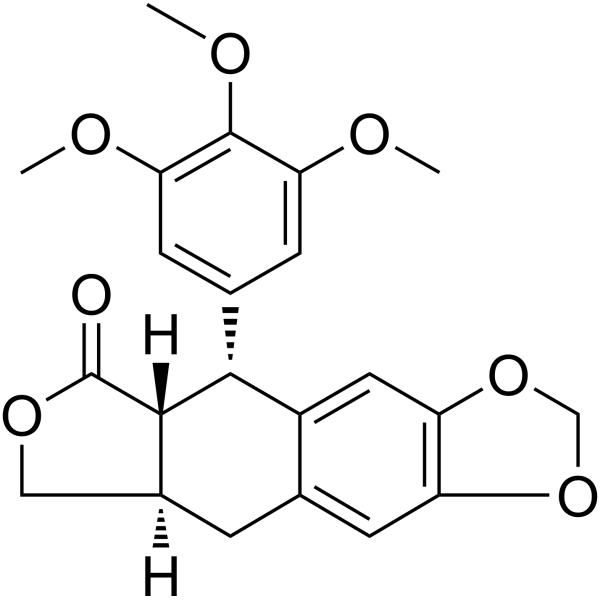
    Deoxypodophyllotoxin (DPT), a derivative of podophyllotoxin, is a lignan with potent antimitotic, anti-inflammatory and antiviral properties isolated from Anthriscus sylvestris. Deoxypodophyllotoxin, targets the microtubule, has a major impact in oncology not only as anti-mitotics but also as potent inhibitors of angiogenesis . Deoxypodophyllotoxin induces cell autophagy and apoptosis . Deoxypodophyllotoxin evokes increase of intracellular Ca 2+ concentrations in DRG neurons .
    Deoxypodophyllotoxin
  • HY-N0507

    TNF Receptor Interleukin Related Neurological Disease Inflammation/Immunology
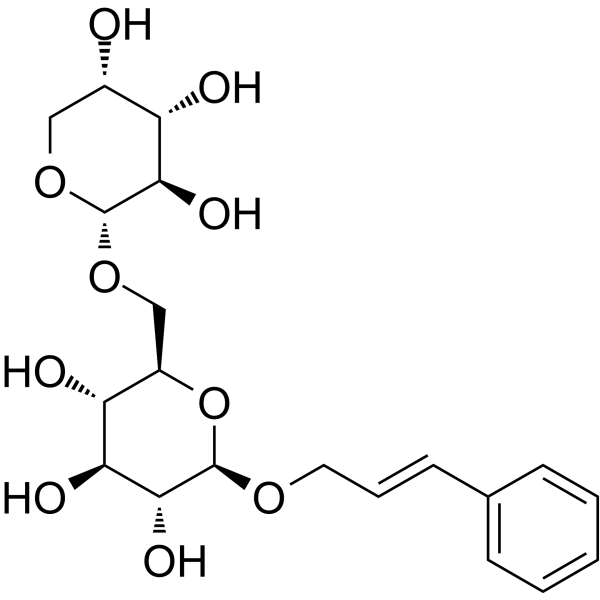
    Rosavin, an orally bioactive phenylpropanoid from Rhodiola rosea L. (RRL), is an adaptogen that enhances the body’s response to environmental stress. Rosavin significantly influences bone tissue metabolism by inhibiting osteoclastogenesis and promoting osteoblast differentiation, also impacts various diseases, demonstrating antidepressant, adaptogenic, and anxiolytic effects in mouse models. Additionally, Rosavin improves survival, reducing intestinal damage in irradiated rats and Ischemia-reperfusion(I/R)-induced cerebral injury in vivo by regulating inflammation and oxidative stress, making it a promising candidate for research in radiation-induced intestinal injury, I/R-induced cerebral injury and osteoporosis .
    Rosavin
  • HY-136528

    Deubiquitinase Apoptosis Cancer
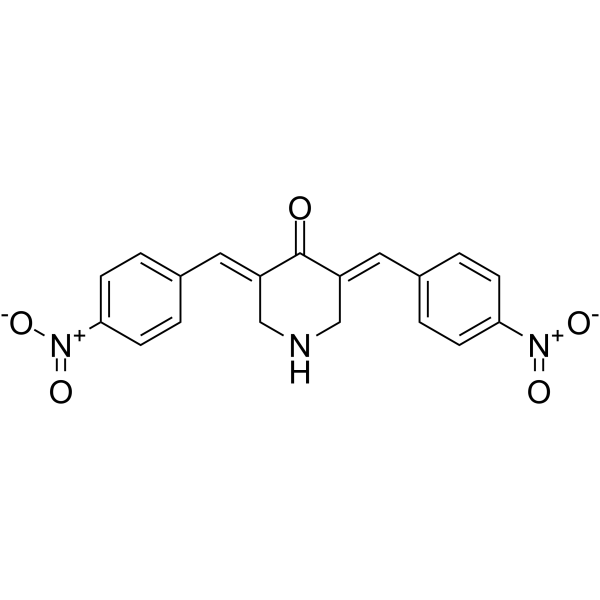
    RA-9 is a potent and selective proteasome-associated deubiquitinating enzymes (DUBs) inhibitor with favorable toxicity profile and anticancer activity. RA-9 blocks ubiquitin-dependent protein degradation without impacting 20S proteasome proteolytic activity. RA-9 selectively induces onset of apoptosis in ovarian cancer cell lines and primary cultures derived from donors. RA-9 induces endoplasmic reticulum (ER)-stress responses in ovarian cancer cells .
    RA-9
  • HY-P99359

    ABT-555; AE12-1Y-QL; Anti-RGMA Reference Antibody (elezanumab)

    TGF-beta/Smad Metabolic Disease
    Elezanumab (ABT-555; AE12-1Y-QL) is a human monoclonal antibody that selectively targets repulsive guidance molecule A (RGMa). Elezanumab potently inhibited RGMa mediated BMP signalling via the SMAD1/5/8 pathway, with an IC50 around 97 pM. Elezanumab promotes neuroregeneration and neuroprotection in neuronal injury and demyelination models binds N-terminal RGMa, blocks BMP signaling and lacks RGMc cross-reactivity. elezanumab has neuroregenerative and neuroprotective activities without impact on iron metabolism .
    Elezanumab
  • HY-112749

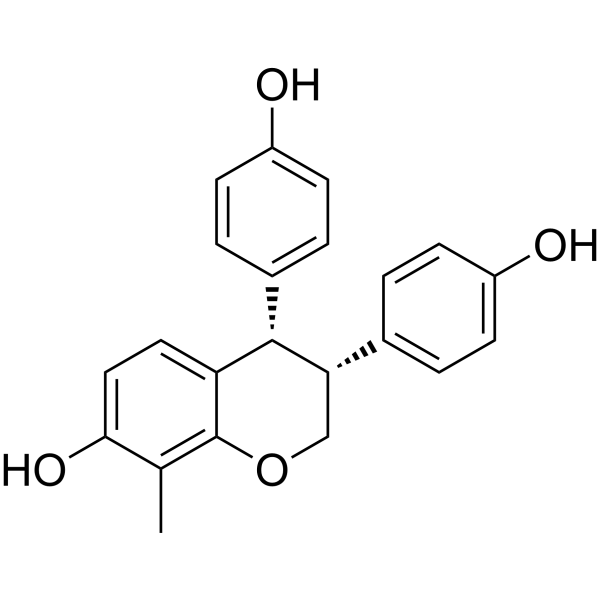
    Heme Oxygenase (HO) Reactive Oxygen Species (ROS) Mitochondrial Metabolism Microtubule/Tubulin Caspase Apoptosis Cancer
    ME-344 is an Isoflavone. ME-344 increases mitochondrial ROS generation. ME-344 inhibits tubulin polymerization. ME-344 inhibits HO-1 and impacts its mitochondrial translocation. ME-344 induces Apoptosis through Caspase 3 activation. ME-344 synergizes with Vinblastine in leukemia cells. ME-344 displays anti-tumor activity against leukemia and lung tumor. ME-344 can be used in the research of lung cancer, acute myeloid leukemia, and HER2-negative breast cancer .
    ME-344
  • HY-159062

    Biochemical Assay Reagents NO Synthase Neurological Disease
    Goji Extract is a natural product with anti-aging, antioxidant, and neuroprotective effects. The antioxidant effect of Goji Extract has a positive impact on erectile dysfunction and can be used in research to improve erectile function .
    Goji Extract
  • HY-148384

    Fluorescent Dye Cancer
    UHMCP1 is a chemical probe of U2AF homology motifs (UHM) with a Kd of 79 μM. UHMCP1 prevents the SF3b155/U2AF65 interaction, impacts RNA splicing and cell viability. UHMCP1 has potential anticancer properties .
    UHMCP1
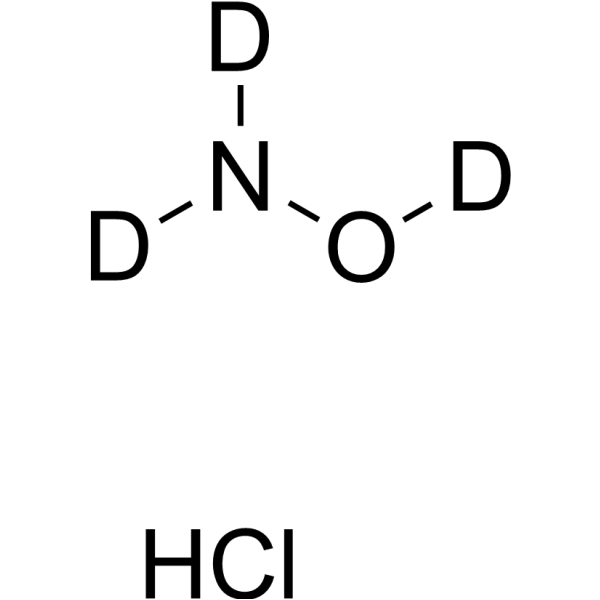
  • HY-Y0882S1

    Monoamine Oxidase Cardiovascular Disease
    Hydroxylamine-d3 (hydrochloride) is the deuterium labeled Hydroxyamine hydrochloride. Hydroxylamine hydrochloride is a selective Monoamine oxidase (MAO) inhibitor used for inhibiting of platelet aggregation. Hydroxylamine hydrochloride is an intermediate of nitrogen cycle in aerobic ammonium oxidizers microorganisms, such as ammonium oxidizing bacteria (AOB), ammonium oxidizing archaea (AOA) and complete ammonium oxidizing bacteria (comammox). Hydroxylamine hydrochloride impacts NO and N2O emissions by aerobic ammonium oxidizers microorganisms and inhibits nitrite oxidizing bacteria (NOB) activity .
    Hydroxylamine-d3 hydrochloride
  • HY-W012848

    DL-α-Methylbenzylamine

    Endogenous Metabolite Neurological Disease Cancer
    1-Phenylethanamine is a potential central nervous system stimulant and a related compound of β-phenylethylamine. Due to the replacement of its benzene ring with an indole group, its brain glycogenolytic activity is significantly reduced. Therefore, 1-Phenylethanamine can be used to study the impact of the chemical structure of phenylethylamine derivatives on central nervous system activity. In addition, 1-Phenylethanamine can also be used to synthesize the tyrosine kinase (tyrosine kinase) inhibitor CLM3 (HY-164413) .
    1-Phenylethanamine
  • HY-P3688A

    Aβ (1-38) TFA; Aβ38 TFA

    Amyloid-β Neurological Disease
    β-Amyloid (1-38) (Aβ (1-38)) TFA is a β-Amyloid (Aβ) peptide. β-Amyloid (1-38) TFA interferes with the conversion of Aβ(1-42) to a β-sheet-rich aggregate. β-Amyloid (1-38)TFA reverses the negative impact of Aβ(1-42) on long-term potentiation in acute hippocampal slices and on membrane conductance in primary neurons, and mitigates an Aβ(1-42) phenotype in Caenorhabditis elegans .
    β-Amyloid (1-38) TFA
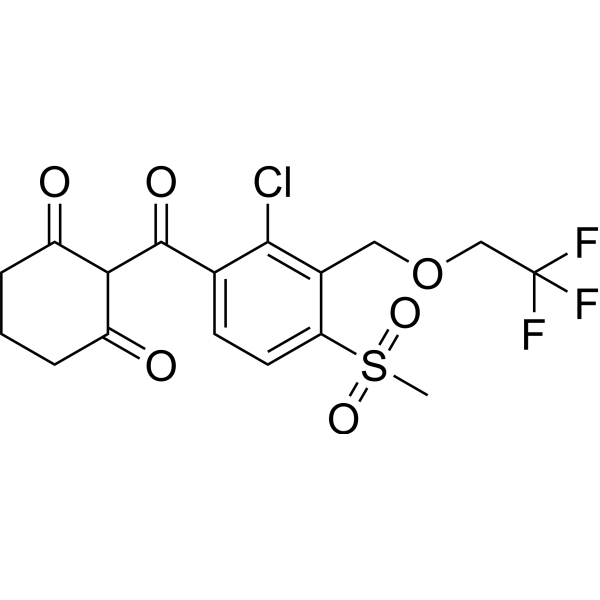
  • HY-137910

    Environmental Pollutants HPPD Herbicide Infection
    Tembotrione is a herbicide belonging to the HPPD (dioxygenase) inhibitor class with crop selectivity. Tembotrione effectively controls a variety of weeds including broadleaf and gramineous species by disrupting carotenoid synthesis, which leads to chlorophyll degradation and leaf whitening. Mixing Tembotrione with isoxaflutole or adding surfactants optimizes its efficacy and reduces phytotoxicity, with no residual impact on subsequent cruciferous crops, thus helping to increase maize grain yield. The activity of Tembotrione decreases under drought conditions, and under specific conditions (such as double-dose treatment), it may cause reversible yellowing and even yield reduction in crops such as poppy .
    Tembotrione
  • HY-170620
    PARP1 PROTAC 180055
    1 Publications Verification

    PROTACs PARP Cancer
    PARP1 PROTAC 180055 (Compound 180055) is a selective PARP1 PROTAC degrader (DC50 in T47D and MDA-MB-231 cell lines is 180 nM and 240 nM, respectively). PARP1 PROTAC 180055 promotes ubiquitination and degradation of PARP1 as well as inhibits PARP1 enzyme activity without a noticeable DNA trapping effect. PARP1 PROTAC 180055 inhibits tumors carrying BRCA mutations with a minor impact on the growth of normal cells (Pink: PARP1 ligand (HY-10617A); Blue: E3 ligase VHL ligand (HY-125845); Black: linker (HY-W014787)) .
    PARP1 PROTAC 180055
  • HY-W250147

    Victoria blue B

    Biochemical Assay Reagents Others
    Basic blue 26 (Victoria blue B) is a synthetic cationic dye belonging to the class of triarylmethane dyes. It has a bright blue color and is commonly used as a colorant for a variety of applications, including textiles, paper and leather. Basic Blue 26 is also used as a biological stain for DNA and protein detection in laboratories. Due to its ability to bind negatively charged materials, it can be used as an indicator of the presence of specific molecules in biological samples. However, Basic blue 26 has been reported to have potentially harmful effects on human health and the environment and its use is regulated in some countries. Proper handling and disposal procedures are necessary to minimize its impact on the environment.
    Basic blue 26
  • HY-163707

    Apoptosis Cancer
    UR778Br targets the GTPase-activating protein-related domain (GRD domain) of IQGAP1 proteins. UR778Br inhibits the proliferation of human acute myeloid leukemia (AML), arrests the cell cycle at the G2/M phase, and induces apoptosis. UR778Br inhibits colony formation of primary and AML cells, without significant impacts on normal bone marrow cells .
    UR778Br
  • HY-B1839R

    Reference Standards Fungal JNK p38 MAPK Bcl-2 Family Caspase Autophagy Apoptosis Infection
    Fluazinam (Standard) is the analytical standard of Fluazinam (HY-B1839). This product is intended for research and analytical applications. Fluazinam is a broad spectrum pyridinamine fungal inhibitor. Fluazinam is an orally active dinitroaniline fungicide. Fluazinam induces phosphorylation of JNK, activates p38 pathway, decreases Bcl-2, activates caspase-3, decreases complex I activity, increases Autophagy and Apoptosis. Fluazinam has strong antifungal activity against F. fujikuroi and B. maydis. Fluazinam has a negative impact on Brachydanio rerio and worker bees .
    Fluazinam (Standard)
  • HY-B0439S1

    Sulphadoxine d3

    Parasite Antibiotic Infection
    Sulfadoxine-d3 is a deuterium labeled Sulfadoxine (HY-B0439). Sulfadoxine is a sulfonamide that is used, usually in combination with Pyrimethamine(HY-18062), for multidrug-resistant Plasmodium falciparum and P. vivax inhibition. Unlike PYR, Sulfadoxine has no impact on HIV replication or MT-2 cell cycle progression. But also Sulfadoxine exhibits suppression on respiratory, and urinary tract infections .
    Sulfadoxine D3
  • HY-P3688

    Aβ (1-38); Aβ38

    Amyloid-β Neurological Disease
    β-Amyloid (1-38) (Aβ (1-38)) is a β-Amyloid (Aβ) peptide. β-Amyloid (1-38) interferes with the conversion of Aβ(1-42) to a β-sheet-rich aggregate. β-Amyloid (1-38) reverses the negative impact of Aβ(1-42) on long-term potentiation in acute hippocampal slices and on membrane conductance in primary neurons, and mitigates an Aβ(1-42) phenotype in Caenorhabditis elegans .
    β-Amyloid (1-38)
  • HY-139898

    Taste Receptor Others
    S7958 is a selective and orally active antagonist of the TAS2R8 bitter taste receptor, with its IC50 being 0.06 μM. S7958 only has a weak inhibitory effect on TASR8 and TAS2R39, and has no significant impact on other receptors. S7958 significantly inhibits the perception of bitterness caused by substances such as coffee and drug active ingredients (API) by selectively antagonizing the human bitter taste receptor TAS2R8. S7958 can be used in the medical field to improve the research on the bitterness of oral preparations .
    S7958
  • HY-158220C

    HAMA (MW 50000)

    Biochemical Assay Reagents Others
    Hyaluronic acid methacryloyl (HAMA) (MW 50000) is a methacrylate-modified hyaluronic acid that serves as a hydrogel former, hydrolysis-resistant material, photocrosslinkable hydrogel scaffold, and drug delivery carrier for tissue engineering. Hyaluronic acid methacryloyl (MW 50000) forms hydrogels via photocrosslinking; when combined with AuMA NPs through a one-step photocrosslinking method, its effective swelling ratio increases, and the mechanical reinforcement effect of Au NPs compensates for the impact caused by reduced crosslinking density. Hyaluronic acid methacryloyl (MW 50000) can be combined with AuMA NPs via a one-step photocrosslinking method, enabling non-invasive monitoring of hydrogel degradation with contrast-enhanced micro-CT .
    Hyaluronic acid methacryloyl (MW 50000)
  • HY-178497

    PROTACs Ras p38 MAPK TNF Receptor Inflammation/Immunology Cancer
    ZJK-807 is a highly effective and selective PROTAC degrader targeting KRASG12D (DC50 = 79.5 nM in AsPC-1 cells). ZJK-807 shows minimal impact on wild-type KRAS or other mutants (G12C/S/V, G13D), inducing mutant-specific cytotoxicity. ZJK-807 suppresses RAS/MAPK signaling and uniquely modulates TNF signaling and eukaryotic ribosome biogenesis. ZJK-807 can be used for the study of KRAS-driven pancreatic cancer. Yellow: KRASG12D ligand (HY-W087383); Green: E3 ligase CRBN ligand (HY-178507); Black: Linker (HY-178506) .
    ZJK-807
  • HY-178176

    PROTACs Cannabinoid Receptor Akt ERK Bcl-2 Family Apoptosis Cancer
    PROTAC CB1R Degrader-1 is a potent and selective CB1R PROTAC degrader that exploits the ubiquitin-proteasome system (UPS) achieving a DC50 of 3.37 μM in MCF-7 cells and showing no impact on CB2R. PROTAC CB1R Degrader-1 reduces CB1R-associated downstream signaling (p-AKT, p-ERK, BCL2, and MCM5), thereby inhibiting breast cancer cell proliferation and inducing apoptosis. PROTAC CB1R Degrader-1 can be used for breast cancer research. (Blue: CRBN ligand (HY-41547); Black: linker (HY-178198); Pink: CB1R ligand (HY-134497)) .
    PROTAC CB1R Degrader-1
  • HY-B2122R

    Reference Standards PPAR Fatty Acid Synthase (FASN) Others
    Maltitol (Standard) is the analytical standard of Maltitol (HY-B2122). This product is intended for research and analytical applications. Maltitol is an orally active polyol and sugar alcohol sweetener produced by the hydrogenation of maltose. Maltitol can replace sucrose and has characteristics of having a minor impact on blood sugar and potential prebiotic effects .
    Maltitol (Standard)
  • HY-W587768R

    S-21074 (Standard)

    Insecticide Reference Standards Others
    Metoxadiazone (Standard) is the analytical standard of Metoxadiazone. This product is intended for research and analytical applications. Metoxadiazone is a type of insecticide that effectively controls a wide range of insects, including cockroaches and ants. Metoxadiazone exerts its insecticidal effect by impacting the nervous system of insects. Metoxadiazone can be used for research into its potential toxicity to humans and other non-target organisms .
    Metoxadiazone (Standard)
  • HY-113958

    LM-2219

    VD/VDR Others
    Difethialone (LM-2219) is an anticoagulant rodenticide. Difethialone shows high rodenticide activity in warfarin-sensitive and resistant strains of rats and mice. Difethialone interferes with the circulation of vitamin K in the liver, preventing the synthesis of coagulation factors, resulting in the inability of the blood to coagulate properly, ultimately causing internal bleeding and death. Difethialone can be used in studies of ecological impacts .
    Difethialone
  • HY-178937

    RIP kinase Cancer
    Anticancer agent 284 exhibits cytotoxicity against osteosarcoma cell line (Hos), non-small cell lung cancer cell line (A549), and colon cancer cell line (HCT-116). Anticancer agent 284 can impact the pRIPK3 kinase concentration in the A549 (2.97 pg/mL). Anticancer agent 284 can be used for the study of cancer .
    Anticancer agent 284
  • HY-178174

    DNA/RNA Synthesis Topoisomerase Cancer
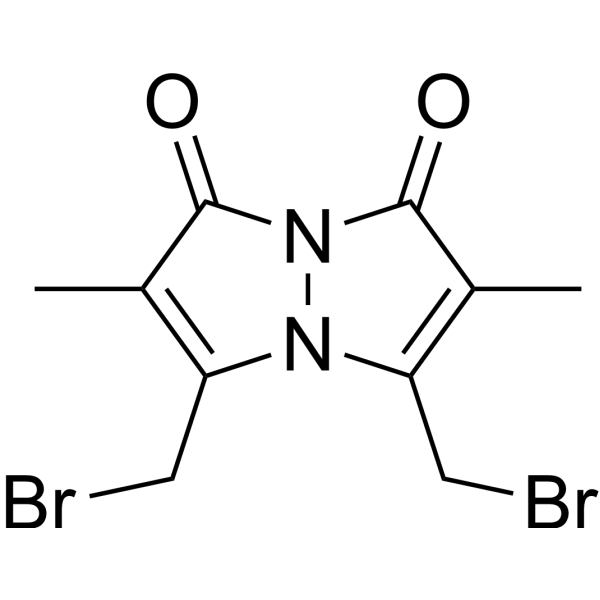
    MGB4 is a DNA minor groove binder. MGB4 binds to ARE-containing DNA and inhibition of topoisomerase I activity. MGB4 can impacts key cellular pathways, including inhibition oftranslation and alterations in sphingolipid and amino acid metabolism. MGB4 also reduces spermine and spermidine metabolism companied with Doxorubicin (HY-15142A). MGB4 can be used for the research of cancer, such as Prostate cancer .
    MGB4
  • HY-113958R

    LM-2219 (Standard)

    TrxR Reference Standards Others
    Difethialone (Standard) is the analytical standard of Difethialone. This product is intended for research and analytical applications. Difethialone (LM-2219) is an anticoagulant rodenticide. Difethialone shows high rodenticide activity in warfarin-sensitive and resistant strains of rats and mice. Difethialone interferes with the circulation of vitamin K in the liver, preventing the synthesis of coagulation factors, resulting in the inability of the blood to coagulate properly, ultimately causing internal bleeding and death. Difethialone can be used in studies of ecological impacts .
    Difethialone (Standard)
  • HY-33914

    Drug Metabolite Metabolic Disease
    4-Hydroxymethylpyrazole is the primary metabolite of Fomepizole (HY-B0876) produced through hepatic oxidative metabolism. 4-Hydroxymethylpyrazole exhibits a plasma concentration that is positively correlated with the administered dosage of Fomepizole, and it demonstrates a relatively short half-life. 4-Hydroxymethylpyrazole demonstrates inhibitory effects on alcohol dehydrogenase (ADH) in both humans and monkeys, but its inhibition constant is significantly higher than that of Fomepizole, rendering its in vivo impact negligible .
    4-Hydroxymethylpyrazole
  • HY-N0123R

    Barbaloin-A (Standard)

    Reference Standards Wnt Cancer
    Aloin (Standard) is the analytical standard of Aloin. This product is intended for research and analytical applications. Aloin (Aloin-A; Barbaloin-A) is a natural anti-tumor anthraquinone glycoside with iron chelating activity. Aloin induces the differentiation of MC3T3-E1 cells into osteoblasts through MAPK-mediated Wnt and Bmp signaling pathways. Alkaline phosphatase (ALP) is an early marker of osteoblast differentiation, and the activity of ALP is also enhanced by Aloin. Aloin also reduces brain edema, reduces blood-brain barrier disruption and improves cortical impact injuries. Aloin is used in research into osteoporosis and traumatic brain injury (TBI) .
    Aloin-A (Standard)
  • HY-N0507R

    Reference Standards TNF Receptor Interleukin Related Neurological Disease Inflammation/Immunology
    Rosavin (Standard) is the analytical standard of Rosavin. This product is intended for research and analytical applications. Rosavin, an orally bioactive phenylpropanoid from Rhodiola rosea L. (RRL), is an adaptogen that enhances the body’s response to environmental stress. Rosavin significantly influences bone tissue metabolism by inhibiting osteoclastogenesis and promoting osteoblast differentiation, also impacts various diseases, demonstrating antidepressant, adaptogenic, and anxiolytic effects in mouse models. Additionally, Rosavin improves survival, reducing intestinal damage in irradiated rats and Ischemia-reperfusion(I/R)-induced cerebral injury in vivo by regulating inflammation and oxidative stress, making it a promising candidate for research in radiation-induced intestinal injury, I/R-induced cerebral injury and osteoporosis .
    Rosavin (Standard)
  • HY-161577

    Bcl-2 Family Cancer
    BFC1103 is a small-molecule compound whose primary mechanism of action involves interaction with a specific domain of Bcl-2, particularly its loop domain. This interaction induces a conformational change in Bcl-2, exposing its BH3 (Bcl-2 homology 3) domain, thereby switching Bcl-2's function from anti-apoptotic to pro-apoptotic. The cell death induced by BFC1103 is dependent on the presence of Bax or Bak, both of which are key proteins involved in the intrinsic apoptotic pathway mediated by mitochondria. BFC1103 has successfully inhibited lung metastasis of triple-negative breast cancer in mouse models. It can be utilized in studying the roles of Bcl-2 family proteins in cancer development and how they impact the survival and proliferation of cancer cells .
    BFC1103
  • HY-RS06797

    Small Interfering RNA (siRNA) Others

    IMPACT Human Pre-designed siRNA Set A contains three designed siRNAs for IMPACT gene (Human), as well as a negative control, a positive control, and a FAM-labeled negative control.

    IMPACT Human Pre-designed siRNA Set A
    IMPACT Human Pre-designed siRNA Set A
  • HY-RS21873

    Small Interfering RNA (siRNA) Others

    Impact Mouse Pre-designed siRNA Set A contains three designed siRNAs for Impact gene (Mouse), as well as a negative control, a positive control, and a FAM-labeled negative control.

    Impact Mouse Pre-designed siRNA Set A
    Impact Mouse Pre-designed siRNA Set A
  • HY-127098

    Biochemical Assay Reagents Others
    Kahweol linoleate is a diterpenoid ester, which found in coffee beans. Kahweol linoleate exhibits an impact on the aroma and taste of coffee .
    Kahweol linoleate
  • HY-125958

    Glutaminase Cancer
    AA9 is a potent Transglutaminase 2 (TG2) inhibitor. AA9 strongly impacts HIF-mediated hypoxia in MDA-MB-231 cells .
    AA9
  • HY-143226

    Estrogen Receptor/ERR Metabolic Disease
    DK1 is a potent modulator of estrogen related receptor. DK1 has an ability in reducing blood glucose, and impacts the activity of ERRα receptor. DK1 has the potential for the research of diabetes .
    DK1
  • HY-160685

    VEGFR Others
    GW809897X is a dual inhibitor of Fluc and VEGFR with IC50 of 0.58 μM and 65 nM, respectively. GW809897X is a protein kinase inhibitor across ATP-dependent and -independent luciferases with potential impact on Fluc reporter assays .
    GW809897X
  • HY-109036A

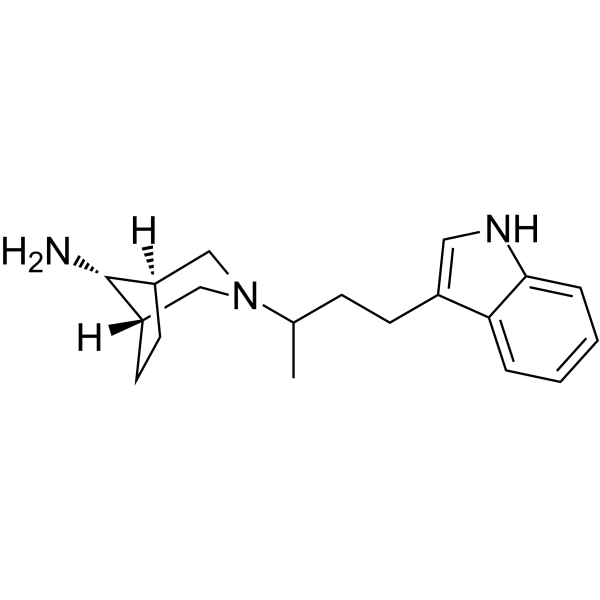
    (S)-RO5025181; (S)-SYN120

    Others Neurological Disease
    (S)-Landipirdine ((S)-RO5025181), a selective and potent 5-HT6R antagonist, significantly impacts the hERG pharmacophore and serves as a valuable tool for investigating neurological disorders, particularly within the context of Alzheimer's disease.
    (S)-Landipirdine
  • HY-W587768

    S-21074

    Insecticide Others
    Metoxadiazone is a type of insecticide that effectively controls a wide range of insects, including cockroaches and ants. Metoxadiazone exerts its insecticidal effect by impacting the nervous system of insects. Metoxadiazone can be used for research into its potential toxicity to humans and other non-target organisms .
    Metoxadiazone
  • HY-156283

    Antibiotic Infection
    Antibacterial agent 159 (Compound 6d) is an antibiotic. Antibacterial agent 159 can effective against impetigo and C. difficile infection (CDI). Antibacterial agent 159 has no observed recurrence for C. difficile and exertes a minimal impact on the beneficial gut microbiome .
    Antibacterial agent 159
  • HY-148384A

    DNA/RNA Synthesis Cancer
    UHMCP1 dihydrochloride is a potent UHM domain splicing inhibitor with a Kd value of 79 μM. UHMCP1 dihydrochloride prevents the SF3b155/U2AF 65 interaction. UHMCP1 dihydrochloride impacts cell viability and RNA splicing .
    UHMCP1 dihydrochloride

Inquiry Online

Your information is safe with us. * Required Fields.

Salutation


Country or Region *

Applicant Name *


Organization Name *

Department *


Email Address *


Product Name *

Cat. No.


Requested quantity *

Phone Number *


Remarks

Inquiry Online

Inquiry Information

Product Name:
Cat. No.:
Quantity:
MCE Japan Authorized Agent:

