825 Results for "

iron deficiency anaemia

" in MedChemExpress (MCE) Product Catalog:
Products (825)

825 Results for "iron deficiency anaemia" in MCE Product Catalog:

907
907 Publications Verification
Cat. No.: HY-15763
CAS No.: 571203-78-6
Purity:  99.62%
Research Areas:  

Cancer

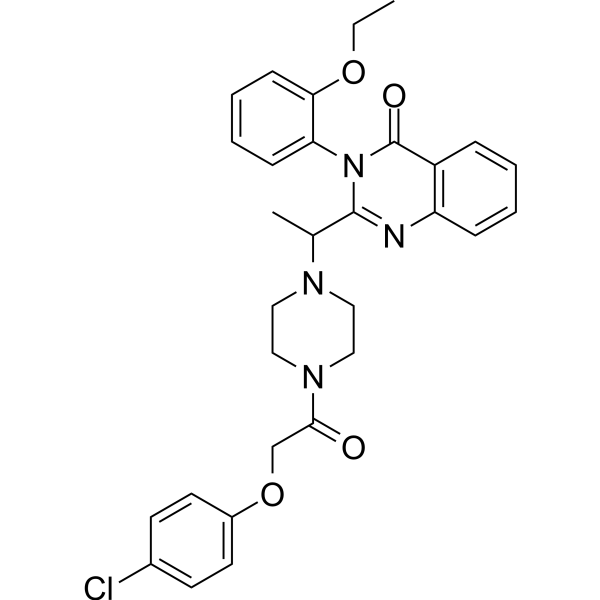
Erastin is a ferroptosis inducer. Erastin exhibits the mechanism of ferroptosis induction related to ROS and iron-dependent signaling. Erastin inhibits voltage-dependent anion channels (VDAC2/VDAC3) and accelerates oxidation, leading to the accumulation of endogenous reactive oxygen species. Erastin also disrupts mitochondrial permeability transition pore (mPTP) with anti-tumor activity. Furthermore, Erastin can block the uptake of cystine mediated by SLC7A11 and also spares UMRC6-EV and -C91A cells from disulfidptosis under glucose starvation .
loading...
    loading...
454
454 Cited Publications
Cat. No.: HY-B0988
CAS No.: 138-14-7
Synonyms: Desferrioxamine B mesylate; DFOM
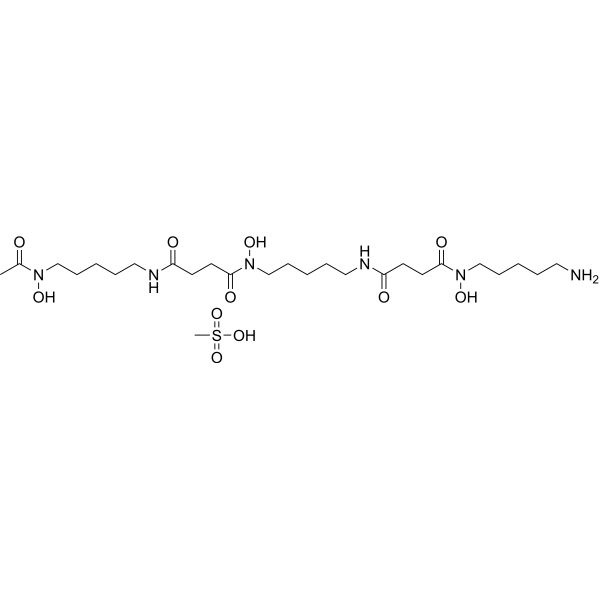
Deferoxamine mesylate (Deferoxamine B mesylate) is an iron chelator (binds to Fe(III) and many other metal cations), is widely used to reduce iron accumulation and deposition in tissues. Deferoxamine mesylate upregulates HIF-1α levels with good antioxidant activity. Deferoxamine mesylate also shows anti-proliferative activity, can induce apoptosis and autophagy in cancer cells. Deferoxamine mesylate can be used in studies of diabetes, neurodegenerative diseases as well as anti-cancer and anti-COVID-19 .
loading...
    loading...
454
454 Cited Publications
Cat. No.: HY-B1625
CAS No.: 70-51-9
Synonyms: Deferoxamine B; Deferriferrioxamine B; Deferrioxamine
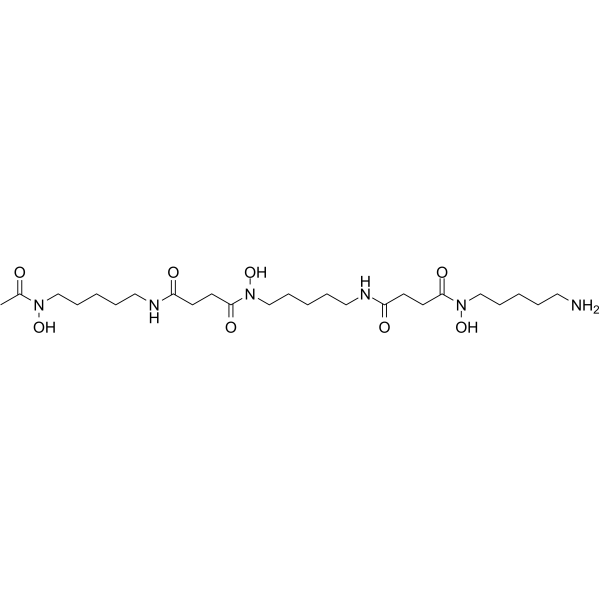
Deferoxamine (Deferoxamine B) is an iron chelator (binds to Fe(III) and many other metal cations), is widely used to reduce iron accumulation and deposition in tissues. Deferoxamine upregulates HIF-1α levels with good antioxidant activity. Deferoxamine also shows anti-proliferative activity, can induce apoptosis and autophagy in cancer cells. Deferoxamine can be used in studies of diabetes, neurodegenerative diseases as well as anti-cancer and anti-COVID-19 .
loading...
    loading...
131
131 Cited Publications
Cat. No.: HY-12040
CAS No.: 488832-69-5
Purity:  99.80%
Synonyms: STA-4783
Research Areas:  

Cancer

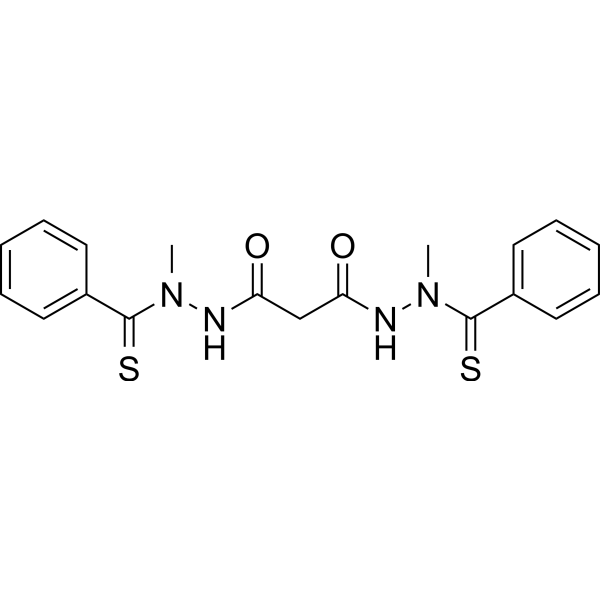
Elesclomol (STA-4783) is a potent copper ionophore and promotes copper-dependent cell death (cuproptosis). Elesclomol specifically binds ferredoxin 1 (FDX1) α2/α3 helices and β5 strand. Elesclomol inhibits FDX1-mediated Fe-S cluster biosynthesis. Elesclomol is an oxidative stress inducer that induces cancer cell apoptosis. Elesclomol is a reactive oxygen species (ROS) inducer. Elesclomol can be used for Menkes and associated disorders of hereditary copper deficiency research .
loading...
    loading...
94
94 Cited Publications
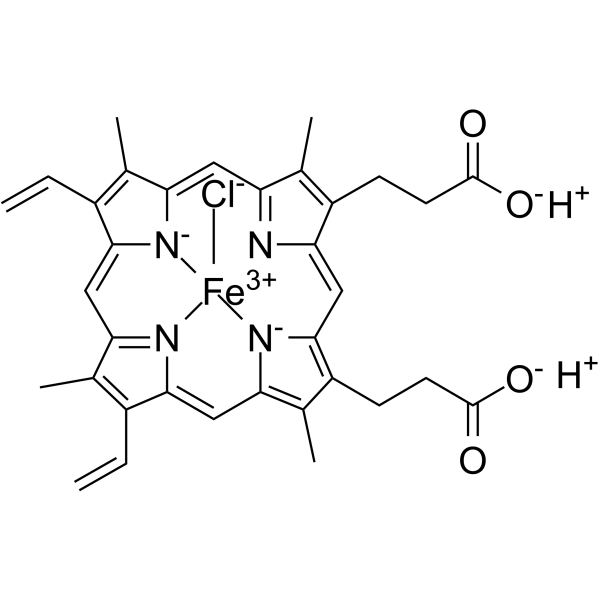
Cat. No.: HY-19424
CAS No.: 16009-13-5
Synonyms: Hemin chloride
Hemin is an iron-containing porphyrin. Hemin is an Heme oxygenase (HO)-1 inducer.
loading...
    loading...
71
71 Cited Publications
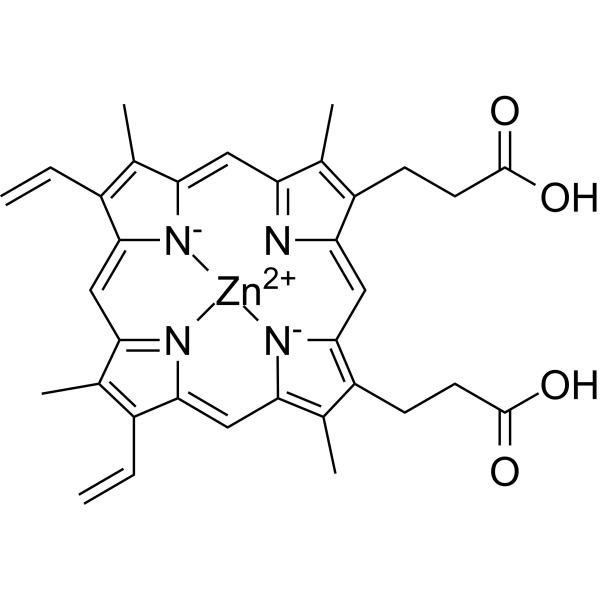
Cat. No.: HY-101193
CAS No.: 15442-64-5
Purity:  99.87%
Synonyms: Zn(II)-protoporphyrin IX; ZnPP; Zinc Protoporphyrin-9
Zinc Protoporphyrin (Zn(II)-protoporphyrin IX) is an orally active and competitive heme oxygenase-1 (HO-1) inhibitor. Zinc Protoporphyrin regulates expression of HO-1 at the transcriptional level. The effect of Zinc Protoporphyrin on HO-1 expression is controversial.  It was shown to induce HO-1 expression in some cells, but suppress it in others. Zinc Protoporphyrin is used as a screening marker of iron deficiency in vivo. Zinc Protoporphyrin has anti-cancer activity .
loading...
    loading...
68
68 Cited Publications
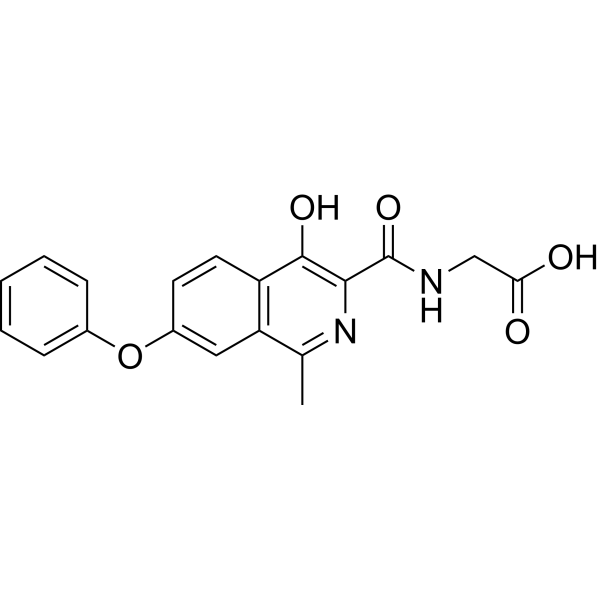
Cat. No.: HY-13426
CAS No.: 808118-40-3
Purity:  99.92%
Synonyms: FG-4592
Research Areas:  

Infection Cancer

Roxadustat is an orally active hypoxia-inducible factor prolyl-hydroxylase (PHD) inhibitor (HIF-PHI) that promotes erythropoiesis through increasing endogenous erythropoietin, improving iron regulation, and reducing hepcidin .
loading...
    loading...
50
50 Cited Publications
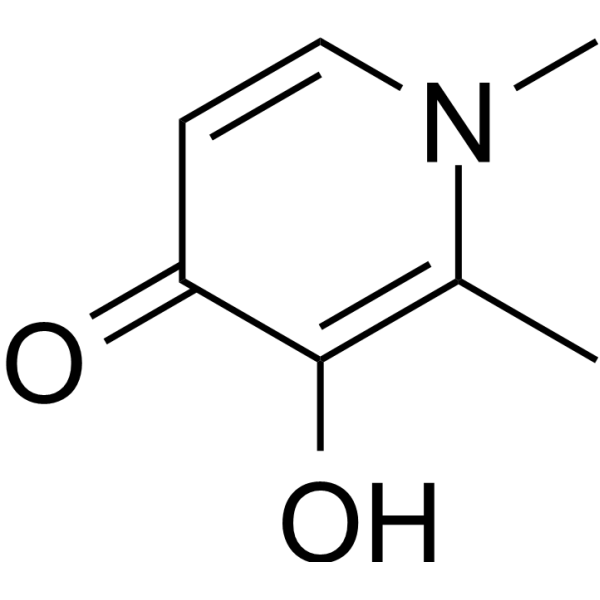
Cat. No.: HY-B0568
CAS No.: 30652-11-0
Deferiprone is a potent, orally active, brain-penetrant, cell-penetrant, skin-permeable, free iron chelating agent. Deferiprone inhibits the proliferation and migration, and stimulates apoptosis in tumor cell. Deferiprone can inhibit KDM. Deferiprone has antianemic, neuroprotective, anti-inflammatory, antioxidant, and antidotal activity. Deferiprone can be used in cancer, cardiovascular disease, infection, inflammation, and neurological disease study .
loading...
    loading...
49
49 Cited Publications
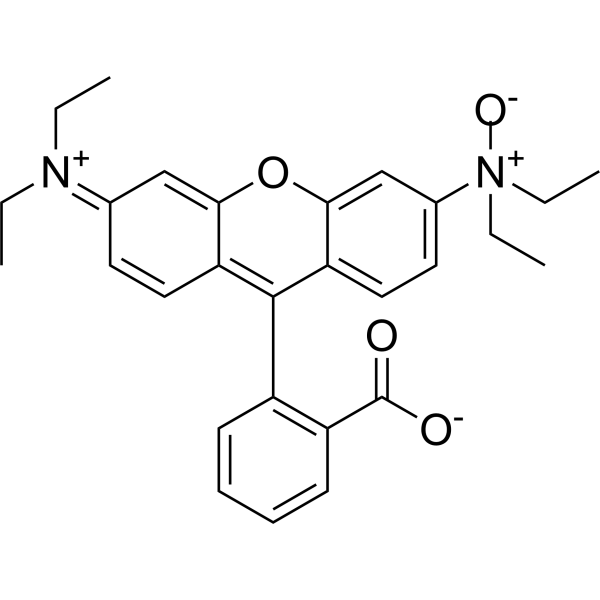
Cat. No.: HY-D1533
CAS No.: 1447815-38-4
RhoNox-1 is a fluorescent probe for the specific detection of divalent iron ions, and when RhoNox-1 reacts with Fe 2+. RhoNox-1 can generate an irreversible orange (red) fluorescent product (Ex/Em:540/575 nm) . FeRhoNox-1 can enter the cell well, suitable for the detection of Fe 2+ in living cells, and tends to be localized in the Golgi apparatus .
loading...
    loading...
38
38 Cited Publications
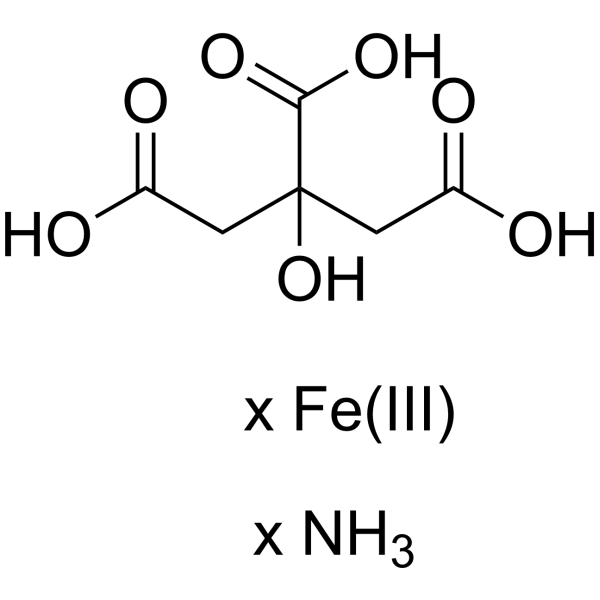
Cat. No.: HY-B1645
CAS No.: 1185-57-5
Synonyms: Ammonium ferric citrate; FAC
Ammonium iron(III) citrate (Ammonium ferric citrate), a physiological form of nonetransferrin-bound iron, induces intracellular iron overload to cause ferroptosis . Ammonium iron(III) citrate can enhance protein production .
loading...
    loading...
31
31 Cited Publications
Cat. No.: HY-W018746
CAS No.: 139-33-3
Synonyms: Ethylenediaminetetraacetic acid disodium
EDTA disodium salt, also known as ethylenediaminetetraacetic acid disodium, belongs to the chelating agent category, which is formed by chelating a central metal ion with four carboxylate groups and two amine groups. This compound, with its ability to bind and chelate metal ions such as calcium, magnesium and iron, is commonly used in a variety of applications, including industrial, medical and research settings. It is used as a preservative in food and beverage, as a stabilizer in medicine, as a chelating agent in water treatment, and as a reagent in biochemical and biomedical research. In addition, EDTA disodium salt has been studied for potential research effects such as improving heavy metal poisoning and cardiovascular disease.
loading...
    loading...
30
30 Cited Publications
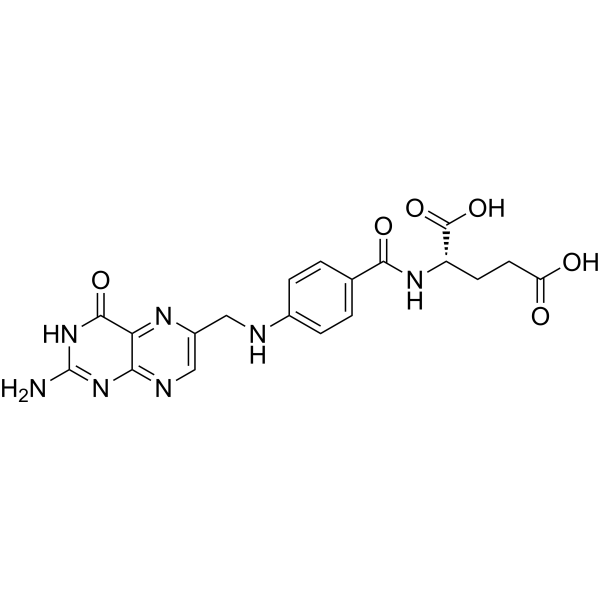
Cat. No.: HY-16637
CAS No.: 59-30-3
Synonyms: Vitamin B9; Vitamin M
Folic acid (Vitamin B9) is a orally active essential nutrient from the B complex group of vitamins. Folic acid shows antidepressant-like effect. Folic acid sodium reduces the risk of neonatal neural tube defects. Folic acid can be used to the research of megaloblastic and macrocytic anemias due to folic deficiency .
loading...
    loading...
30
30 Cited Publications
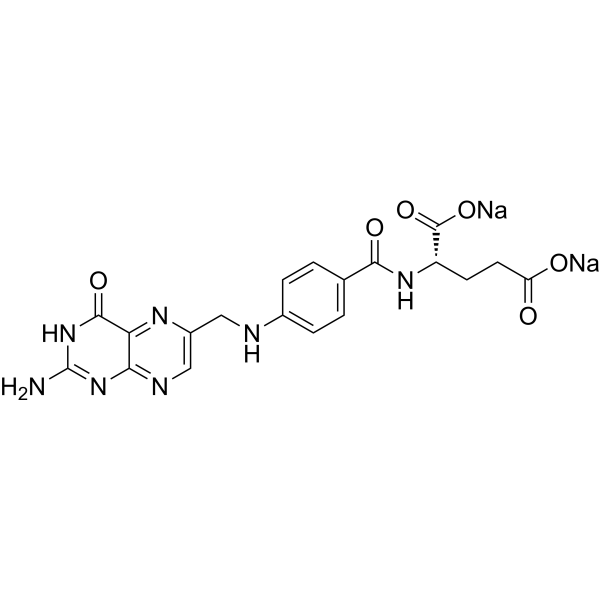
Cat. No.: HY-16637D
CAS No.: 29704-76-5
Synonyms: Vitamin B9 disodium; Vitamin M disodium
Folic acid disodium (Vitamin B9 disodium; Vitamin M disodium) is an orally active disodium salt form of Folic acid (HY-16637) with an intrinsic dissolution rate (IDR) of 4.96·10 5 g/s . Folic acid disodium serves as cofactor in single-carbon transfer reactions and exhibits protective effects against neural tube defects, ischemic events, and cancer. Folate acid disodium overload leads to impaired brain development in embryogenesis and promotes growth of precancerous altered cells. Folic acid deficiency leads to megaloblastic anemia .
loading...
    loading...
25
25 Cited Publications
Cat. No.: HY-132167
CAS No.: 2589531-76-8
Purity:  99.76%
Synonyms: AZD5305
Target:  

PARP

Research Areas:  

Cancer

Saruparib (AZD5305) is a potent, orally active and selective PARP inhibitor and trapper with IC50 values of 3 nM and 1400 nM for PARP1 and PARP2, respectively. Saruparib has anti-proliferative activity and inhibits growth in cells with deficiencies in DNA repair .
loading...
    loading...
20
20 Cited Publications
Cat. No.: HY-B0581
CAS No.: 24584-09-6
Synonyms: ICRF-187; ADR-529; NSC-169780
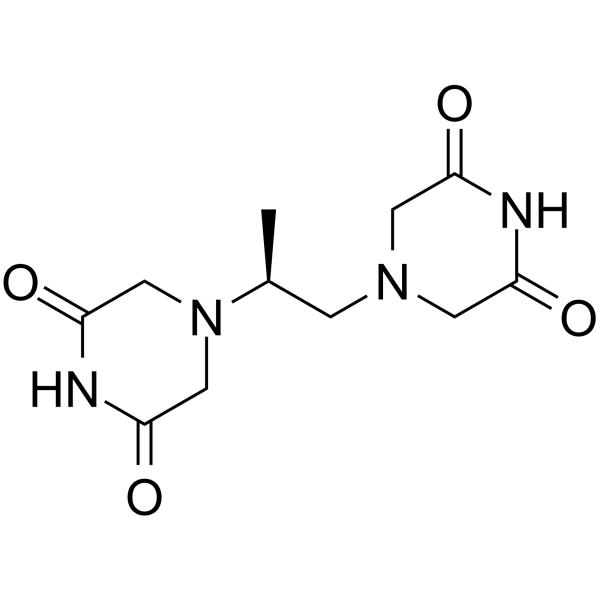
Dexrazoxane, as an intracellular iron chelating agent, reduces the formation of superoxide radicals and has cardioprotective, anti-inflammatory, antioxidant, anti-tumor and neuroprotective activities. Dexrazoxane inhibits ferroptosis of H9c2 cells by inhibiting HMGB1. Dexrazoxane induces DNA damage and apoptosis in human fibrosarcoma cells .
loading...
    loading...
17
17 Cited Publications
Cat. No.: HY-126823
CAS No.: 234075-45-7
Purity:  95.33%
Synonyms: PGSK diacetate (5/6-mixture)
Target:  

Fluorescent Dye

Research Areas:  

Others

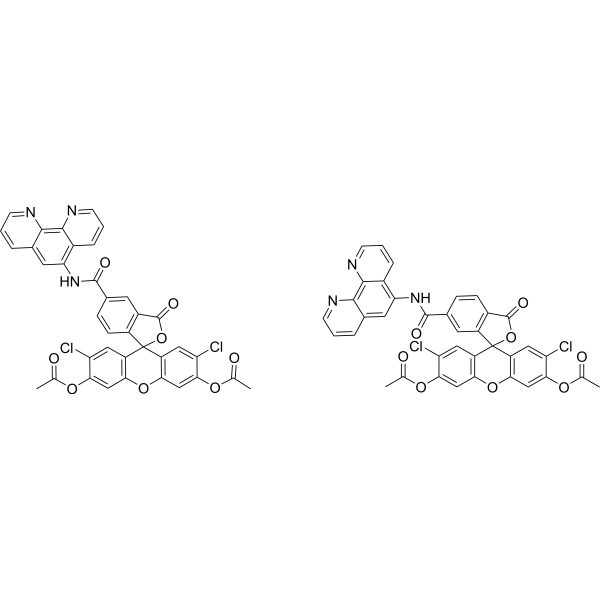
Phen green SK (PGSK) diacetate (PGSK diacetate (5/6-mixture)) is a metal ion-sensitive fluorescent probe that can penetrate cell membranes. Phen green SK (PGSK) diacetate can react with a variety of metal ions, including Fe 2+, Cd 2+, Co 2+, Ni 2+, Zn 2+, etc. Phen green SK (PGSK) diacetate chelates Fe 2+, resulting in fluorescence quenching, which can be restored when a membrane-permeable chelator is added, thereby reflecting the changes in the intracellular chelatable iron pool. The excitation/emission maxima of Phen green SK diacetate are 507/532 nm, respectively .
loading...
    loading...
15
15 Cited Publications
Cat. No.: HY-17359
CAS No.: 201530-41-8
Synonyms: ICL 670
Target:  

Bacterial Ferroptosis

Research Areas:  

Cancer

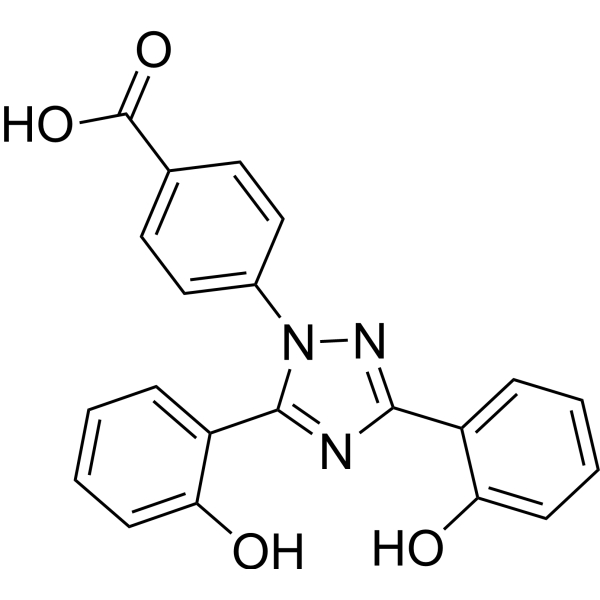
Deferasirox (ICL 670) is an orally available iron chelator used for the management of transfusional iron overload .
loading...
    loading...
14
14 Cited Publications
Cat. No.: HY-129457
CAS No.: 869298-31-7
Purity:  ≥98.0%
Target:  

Ferroptosis

Research Areas:  

Cancer

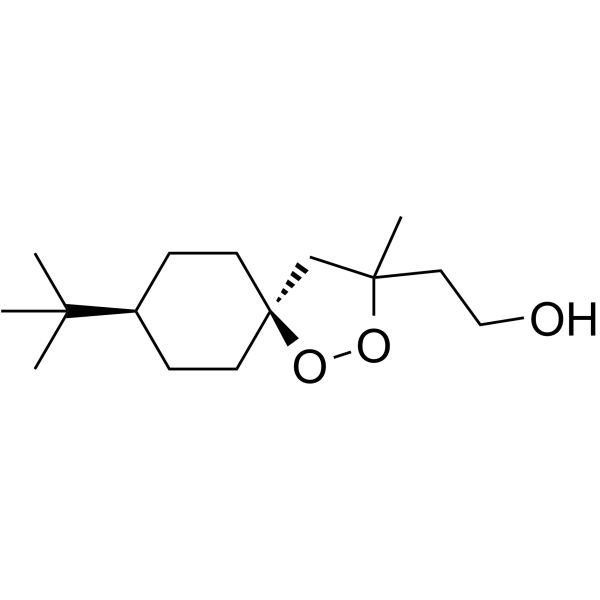
FINO2 is a potent ferroptosis inducer. FINO2 inhibits GPX4 activity. FINO2 is a stable oxidant that oxidizes ferrous iron and stable at varying pH levels. FINO2 causes widespread lipid peroxidation .
loading...
    loading...
14
14 Cited Publications
Cat. No.: HY-100237
CAS No.: 222716-34-9
Purity:  99.07%
Research Areas:  

Cancer

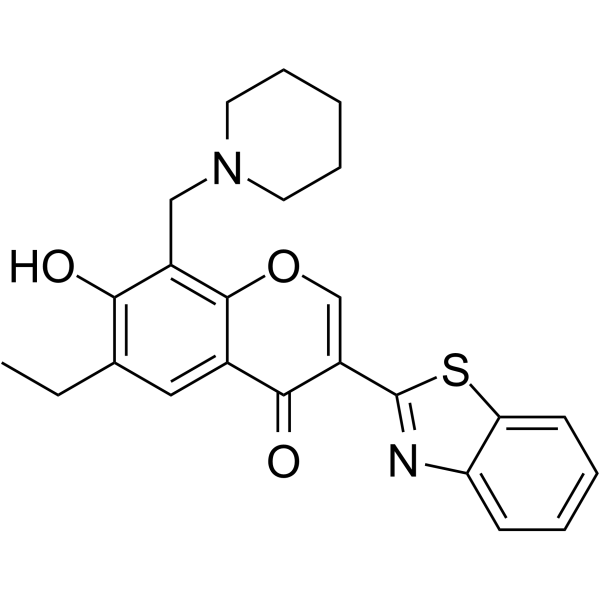
SZL P1-41 is a specific Skp2 inhibitor, binds to the F-box domain of Skp2 to prevent Skp1 association and Skp2 SCF complex formation. SZL P1-41, like Skp2 deficiency, augments p27-mediated apoptosis/senescence, while it impairs Akt-driven glycolysis. Anti-tumor activities .
loading...
    loading...
14
14 Cited Publications
Cat. No.: HY-112005
CAS No.: 4004-05-1
Purity:  98.80%
Synonyms: Dioleoylphosphatidylethanolamine; 1,2-Dioleoyl-sn-glycero-3-phosphoethanolamine
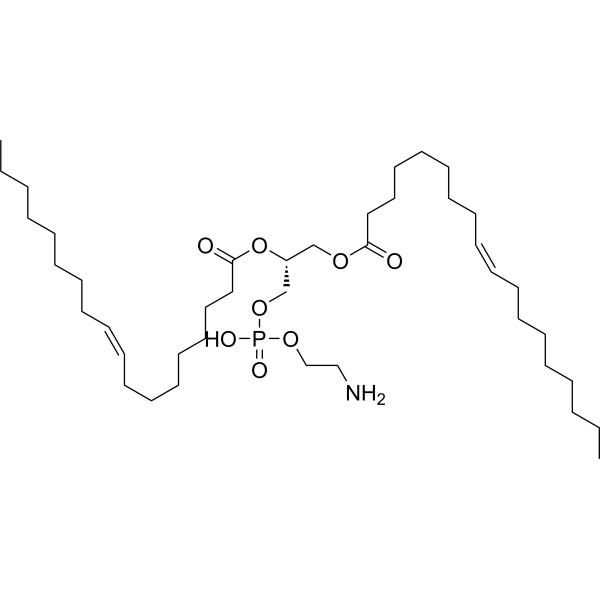
DOPE (Dioleoylphosphatidylethanolamine; 1,2-Dioleoyl-sn-glycero-3-phosphoethanolamine) is an orally active inhibitor of ferroptosis with anti-inflammatory and intestinal barrier maintenance activities. DOPE regulates the expression of ACSL4, SLC7A11 and GPX4 to restore the redox system balance, thereby reducing the levels of lipid peroxides, iron ions and intestinal inflammatory factors (IL-1β and IL-6). DOPE promotes the migration and proliferation of intestinal epithelial cells and increases the level of tight junction proteins; it also destabilizes endosomal membranes, mediates the conjugation of RVG peptides with mesenchymal stem cell-derived exosomes to enhance brain targeting. DOPE can be applied to research related to neonatal necrotizing enterocolitis and Alzheimer's disease .
loading...
    loading...

