36 Results for "

lipid peroxidation inhibitory

" in MedChemExpress (MCE) Product Catalog:
Products (36)

36 Results for "lipid peroxidation inhibitory" in MCE Product Catalog:

6
6 Publications Verification
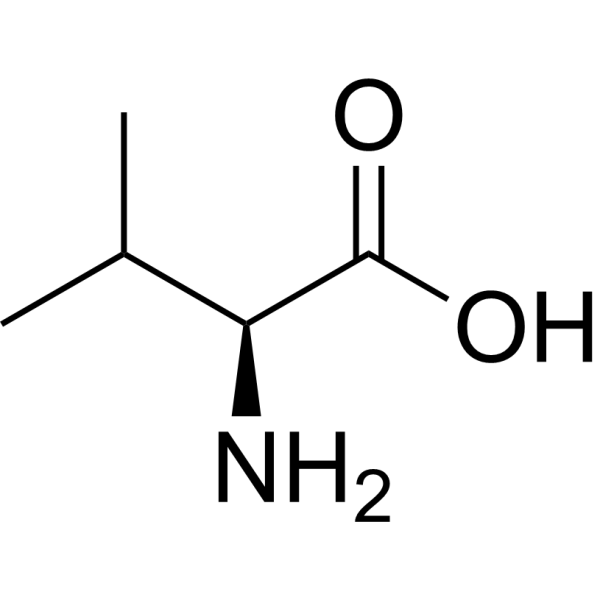
Cat. No.: HY-N0717
CAS No.: 72-18-4
Synonyms: (S)-Valine
L-Valine ((S)-Valine) is a nonlinear semiorganic material. L-Valine causes lipid peroxidation and accumulation of malondialdehyde (MDA), exhibits inhibitory activity against cyanobacteria. L-Valine inhibits multidrug-resistant bacteria through activation of PI3K/Akt signaling pathway and inhibition of arginase .
loading...
    loading...
1
1 Cited Publications
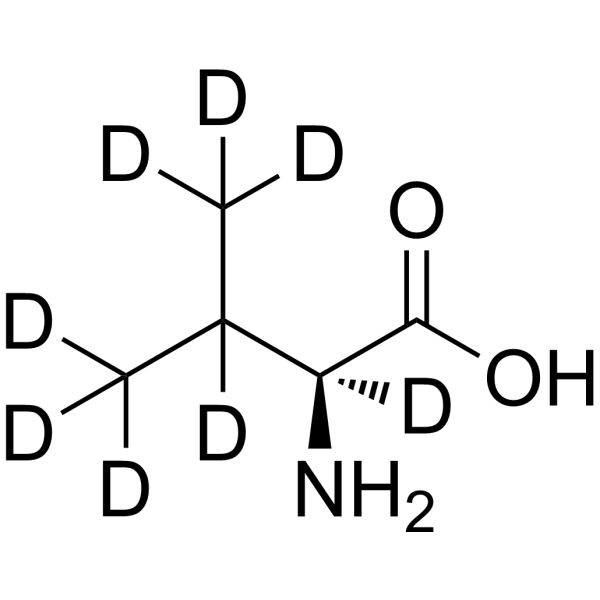
Cat. No.: HY-I1124
CAS No.: 35045-72-8
Synonyms: L-VALINE-2,3,4,4,4,5,5,5-d8
L-Valine-d8 is a deuterated form of L-Valine (HY-N0717). L-Valine ((S)-Valine) is a nonlinear semiorganic material. L-Valine causes lipid peroxidation and accumulation of malondialdehyde (MDA), exhibits inhibitory activity against cyanobacteria. L-Valine inhibits multidrug-resistant bacteria through activation of PI3K/Akt signaling pathway and inhibition of arginase .
loading...
    loading...
1
1 Cited Publications
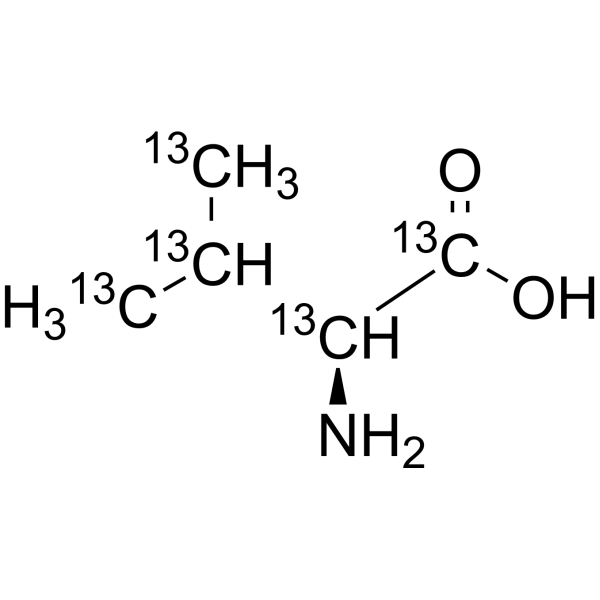
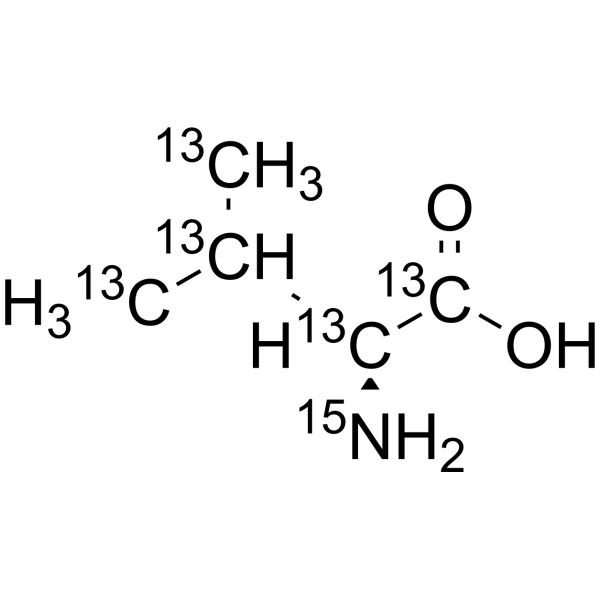
Cat. No.: HY-N0717S6
CAS No.: 55443-52-2
Synonyms: (S)-Valine-13C5
L-Valine- 13C5 ((S)-Valine- 13C5) is the 13C-labeled L-Valine (HY-N0717). L-Valine ((S)-Valine) is a nonlinear semiorganic material. L-Valine causes lipid peroxidation and accumulation of malondialdehyde (MDA), exhibits inhibitory activity against cyanobacteria. L-Valine inhibits multidrug-resistant bacteria through activation of PI3K/Akt signaling pathway and inhibition of arginase .
loading...
    loading...
1
1 Cited Publications
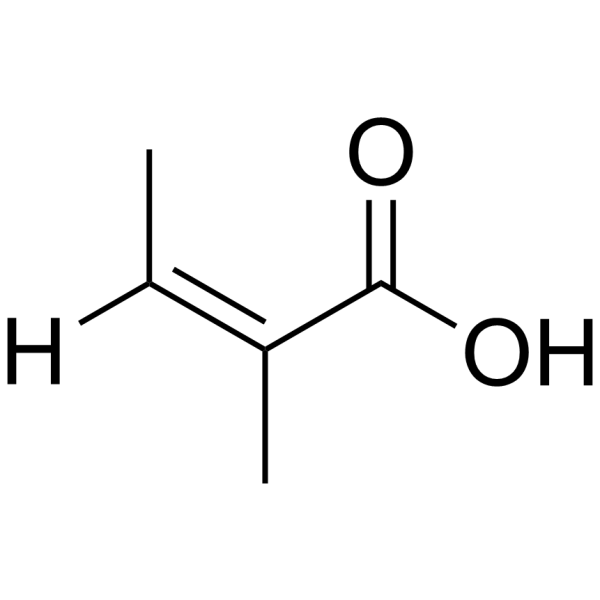
Cat. No.: HY-N6929
CAS No.: 565-63-9
Angelic acid is a ferroptosis inducer, targeting NRF2 degradation. Angelic acid binds to NRF2 protein and promotes NRF2 degradation via ubiquitination-proteasome pathway, relieves the inhibitory effect of NRF2 on oxidative stress and lipid peroxidation. Then, Angelic acid induces ferroptosis in tumor cells. Angelic acid can enhance the accumulation of intracellular reactive oxygen species (ROS), upregulate ferroptosis-related markers CHAC1 and PTGS2, and synergize with ferroptosis inducers to enhance anti-tumor effects. Angelic acid also has the activity of scavenging UVA-induced ROS in vitro, inhibiting skin fibroblast senescence and extracellular matrix degradation. Angelic Acid helps wound healing with sedative activity .
loading...
    loading...
1
1 Cited Publications
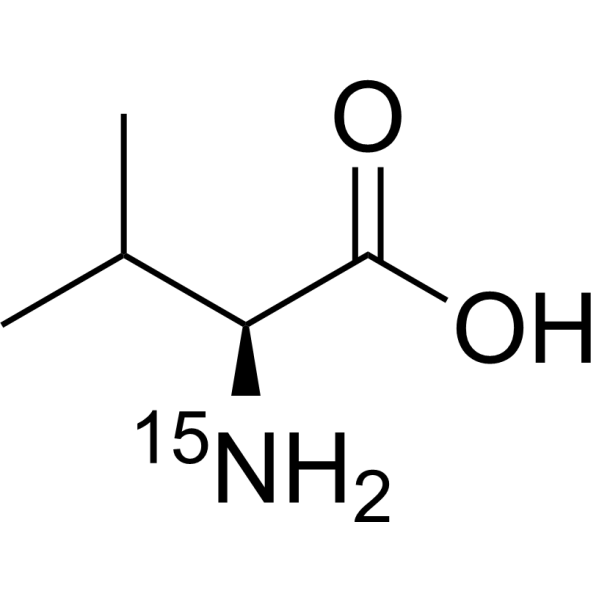
Cat. No.: HY-N0717S
CAS No.: 59935-29-4
Synonyms: (S)-Valine-15N
L-Valine- 15N ((S)-Valine- 15N) is the 15N-labeled L-Valine (HY-N0717). L-Valine ((S)-Valine) is a nonlinear semiorganic material. L-Valine causes lipid peroxidation and accumulation of malondialdehyde (MDA), exhibits inhibitory activity against cyanobacteria. L-Valine inhibits multidrug-resistant bacteria through activation of PI3K/Akt signaling pathway and inhibition of arginase .
loading...
    loading...
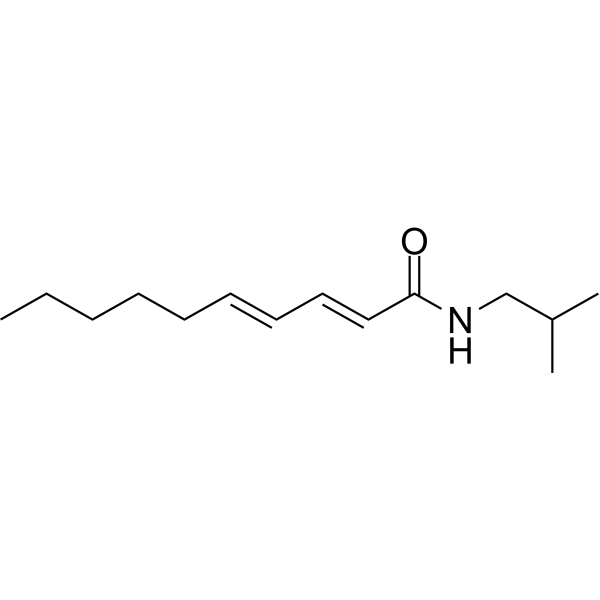
Cat. No.: HY-N3097
CAS No.: 18836-52-7
Pellitorine is a bioactive natural amide compound. Pellitorine can competitively antagonize the activation of TRPV1 by Capsaicin (HY-10448), thereby reducing pain signal transmission. Pellitorine improves cognitive dysfunction by upregulating the BDNF-ERK1/2-CREB and Nrf2-HO-1 pathways. Pellitorine exerts anti-inflammatory and anti-sepsis effects by inhibiting the release of high mobility group protein B1 (HMGB1) and the expression of RAGE/TLR4. Pellitorine exerts its antithrombotic effect by prolonging the clotting time, inhibiting the activity of clotting factors and thrombin. Pellitorine inhibits lipid peroxidation and resists ferroptosis by upregulating GPX4 and DHODH. Pellitorine kills Aedes aegypti mosquito larvae by inhibiting V-type H⁺-ATPase and aquaporin 4 (AaAQP4). Pellitorine exhibits anti-cancer activity (e.g., leukemia and breast cancer) and has inhibitory effects on certain bacteria .
loading...
    loading...
Cat. No.: HY-N0717R
CAS No.: 72-18-4
Synonyms: (S)-Valine (Standard)
L-Valine (Standard) ((S)-Valine (Standard)) is the analytical standard of L-Valine (HY-N0717). This product is intended for research and analytical applications. L-Valine ((S)-Valine) is a nonlinear semiorganic material. L-Valine causes lipid peroxidation and accumulation of malondialdehyde (MDA), exhibits inhibitory activity against cyanobacteria. L-Valine inhibits multidrug-resistant bacteria through activation of PI3K/Akt signaling pathway and inhibition of arginase .
loading...
    loading...
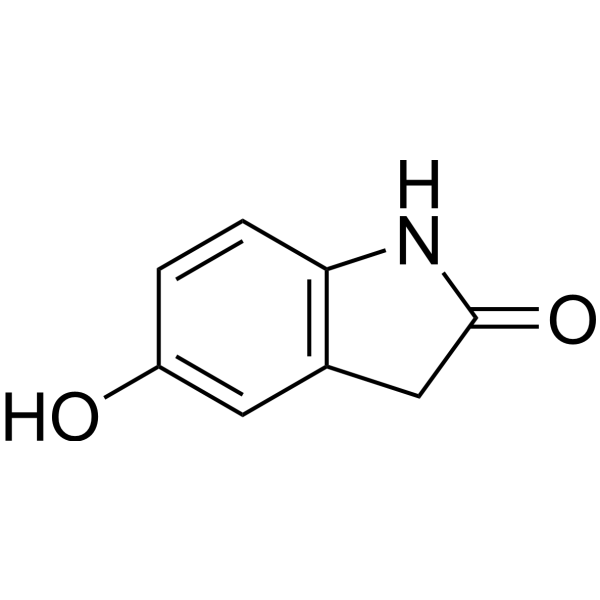
Cat. No.: HY-W001542
CAS No.: 3416-18-0
5-Hydroxyoxindole is a structural analog of uric acid for its antioxidant. 5-Hydroxyoxindole has DPPH radical scavenging activities and lipid peroxidation-inhibitory activities. 5-Hydroxyoxindole is a product of partial metabolism of tryptophan involving conversion in the gut lumen of tryptophan to indole through the action of bacterial tryptophanase and tryptophan synthase. 5-Hydroxyoxindole is one of the main molecules responsible for the neurological symptoms of hepatic encephalopathy in rats. 5-Hydroxyoxindole can be used for the research of oxidative stress-mediated disorders .
loading...
    loading...
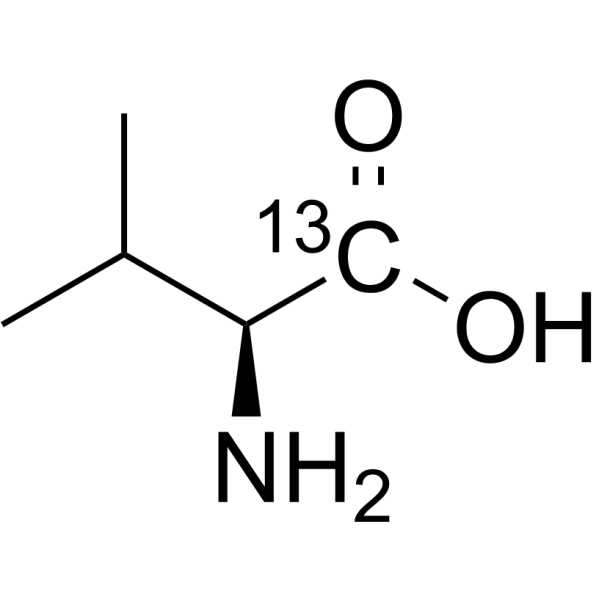
Cat. No.: HY-N0717S4
CAS No.: 81201-85-6
Synonyms: (S)-Valine-1-13C
L-Valine-1- 13C ((S)-Valine-1- 13C) is the 13C-labeled L-Valine (HY-N0717). L-Valine ((S)-Valine) is a nonlinear semiorganic material. L-Valine causes lipid peroxidation and accumulation of malondialdehyde (MDA), exhibits inhibitory activity against cyanobacteria. L-Valine inhibits multidrug-resistant bacteria through activation of PI3K/Akt signaling pathway and inhibition of arginase .
loading...
    loading...
Cat. No.: HY-N0717S1
CAS No.: 202407-30-5
Synonyms: (S)-Valine-13C5,15N
L-Valine- 13C5, 15N ((S)-Valine- 13C5, 15) is the 13C- and 15N-labeled L-Valine (HY-N0717). L-Valine ((S)-Valine) is a nonlinear semiorganic material. L-Valine causes lipid peroxidation and accumulation of malondialdehyde (MDA), exhibits inhibitory activity against cyanobacteria. L-Valine inhibits multidrug-resistant bacteria through activation of PI3K/Akt signaling pathway and inhibition of arginase .
loading...
    loading...
Cat. No.: HY-W001542R
CAS No.: 3416-18-0
5-Hydroxyoxindole is a structural analog of uric acid for its antioxidant. 5-Hydroxyoxindole has DPPH radical scavenging activities and lipid peroxidation-inhibitory activities. 5-Hydroxyoxindole is a product of partial metabolism of tryptophan involving conversion in the gut lumen of tryptophan to indole through the action of bacterial tryptophanase and tryptophan synthase. 5-Hydroxyoxindole is one of the main molecules responsible for the neurological symptoms of hepatic encephalopathy in rats. 5-Hydroxyoxindole can be used for the research of oxidative stress-mediated disorders .
loading...
    loading...
Cat. No.: HY-N6929R
CAS No.: 565-63-9
Angelic acid (Standard)) is the analytical standard of Angelic acid (HY-N6929). This product is intended for research and analytical applications. Angelic acid is a ferroptosis inducer, targeting NRF2 degradation. Angelic acid binds to NRF2 protein and promotes NRF2 degradation via ubiquitination-proteasome pathway, relieves the inhibitory effect of NRF2 on oxidative stress and lipid peroxidation. Then, Angelic acid induces ferroptosis in tumor cells. Angelic acid can enhance the accumulation of intracellular reactive oxygen species (ROS), upregulate ferroptosis-related markers CHAC1 and PTGS2, and synergize with ferroptosis inducers to enhance anti-tumor effects. Angelic acid also has the activity of scavenging UVA-induced ROS in vitro, inhibiting skin fibroblast senescence and extracellular matrix degradation. Angelic Acid helps wound healing with sedative activity .
loading...
    loading...
Cat. No.: HY-U00005
CAS No.: 145600-69-7
Research Areas:  

Inflammation/Immunology

AD 0261 is a radical scavenger which displays strong inhibitory action on the generation of lipid peroxides and superoxide anions.
loading...
    loading...
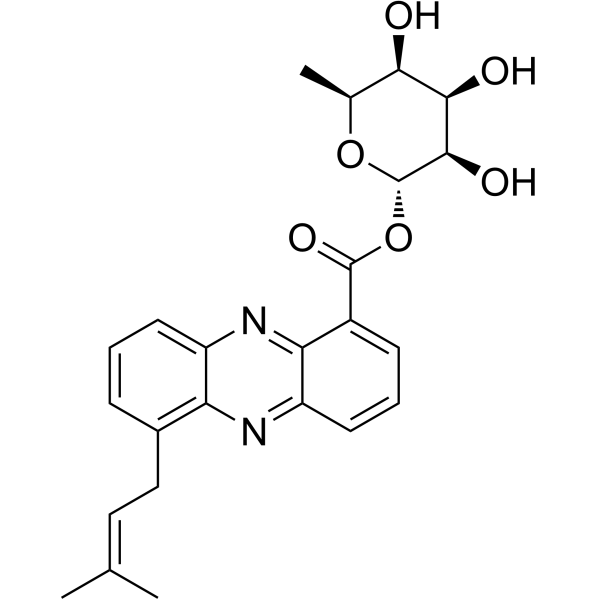
Cat. No.: HY-114651
CAS No.: 155233-15-1
Phenazoviridin is a free radical scavenger. Phenazoviridin shows strong inhibitory activity against lipid peroxidation in rat brain homogenate and exhibits antihypoxic activity in mice .
loading...
    loading...
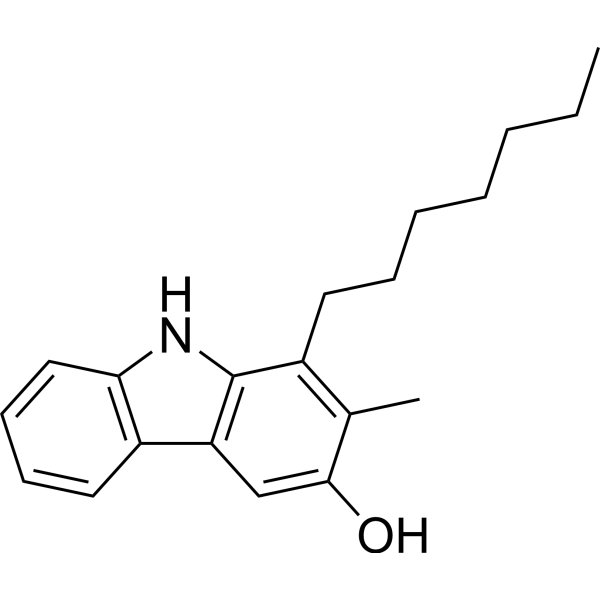
Cat. No.: HY-119975
CAS No.: 126168-32-9
Synonyms: DC118
Research Areas:  

Cancer

Carazostatin (DC118), an antioxidant, can be isolated from Streptomycs chromofuscus. Carazostatin (DC118) exhibits strong inhibitory activity against free radical-induced lipid peroxidation and shows stronger antioxidant activity in liposomal membranes than α-tocopherol (VE) .
loading...
    loading...
Cat. No.: HY-N11771
CAS No.: 199331-53-8
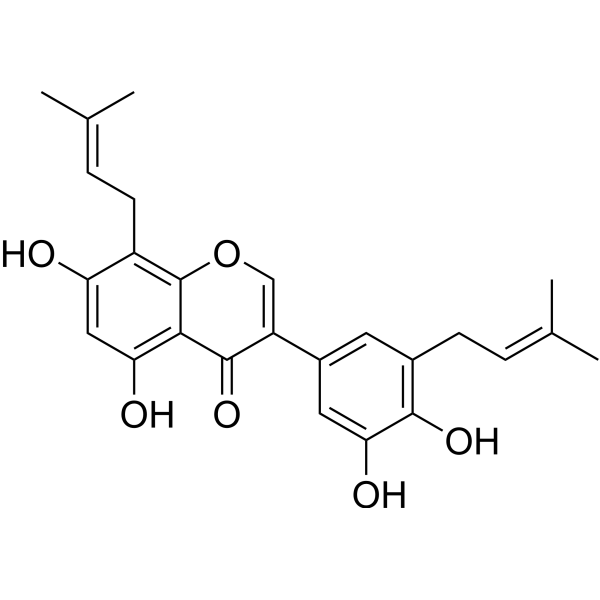
Glyurallin B is a flavonoid, that can be isolated from licorice (Glycyrrhiza inflata and Glycyrrhiza uralensis). Glyurallin B shows ABTS + radical scavenging activity and the inhibitory activity on lipid peroxidation, with EC50 values of 11.9 ± 0.58 μM and 15.3 ± 1.26 μM, respectivley .
loading...
    loading...
Cat. No.: HY-120721
CAS No.: 150693-65-5
Lagunamycin is a 5-lipoxygenase inhibitor isolated from the culture medium of Streptomyces sp. AA0310. Lagunamycin has a significant inhibitory activity against rat 5-lipoxygenase with an IC50 value of 6.08 μM. Lagunamycin can effectively inhibit 5-lipoxygenase without causing lipid peroxidation, indicating that it has an effective inhibitory effect without causing side effects.
loading...
    loading...
Cat. No.: HY-136818
CAS No.: 95833-19-5
Target:  

Histamine Receptor

Research Areas:  

Endocrinology

DA 4643 (hydrochloride) is an H2 receptor antagonist with the chemical name 2-guanidino-4 (3-methylaminomethyleneiminophenyl) thiazole dihydrochloride. It has a weak interaction with cytochrome P-450 and has a less inhibitory effect on P-450 than cimetidine and tiotidine. DA 4643 (hydrochloride) is able to inhibit both enzymatic and non-enzymatic lipid peroxidation reactions. This inhibition may not be achieved by inhibiting agent metabolizing enzymes, but rather due to the antioxidant properties of the compound itself. Compared with other H2 receptor antagonists such as cimetidine, ranitidine and tiotidine, DA 4643 (hydrochloride) shows a unique effect in lipid peroxidation inhibition. These properties make DA 4643 (hydrochloride) a potential H2 receptor antagonist with multiple mechanisms of action.
loading...
    loading...
Cat. No.: HY-N0025
CAS No.: 120406-34-0
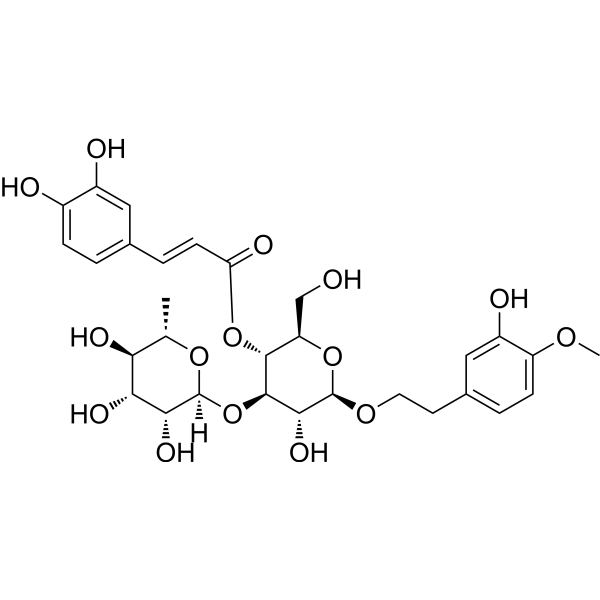
Jionoside D is a hydroxycinnamic acid ester with antioxidant property. Jionoside D has scavenging activity of intracellular reactive oxygen species (ROS) and of DPPH radical, and lipid peroxidation inhibitory activity. Jionoside D reduces the apoptotic cells induced by H2O2 in V79-4 cells. Jionoside D increases the activities of cellular antioxidant enzymes, SOD and catalase .
loading...
    loading...
Cat. No.: HY-178305S
CAS No.: 79168-22-2
L-Valine-d is the deuterium labeled L-Valine (HY-N0717). L-Valine ((S)-Valine) is a nonlinear semiorganic material. L-Valine causes lipid peroxidation and accumulation of malondialdehyde (MDA), exhibits inhibitory activity against cyanobacteria. L-Valine inhibits multidrug-resistant bacteria through activation of PI3K/Akt signaling pathway and inhibition of arginase .
loading...
    loading...

