
From 11:00 pm to 12:00 pm EST ( 8:00 pm to 9:00 pm PST ) on January 6th, the website will be under maintenance. We are sorry for the inconvenience. Please arrange your schedule properly.
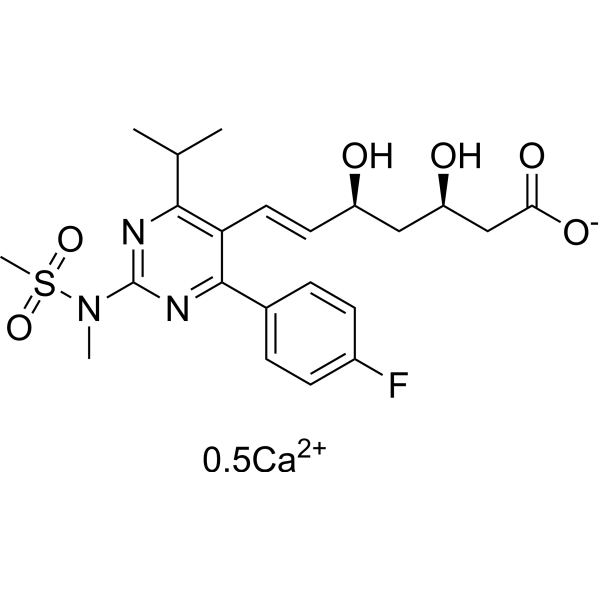
Rosuvastatin Calcium is a competitive HMG-CoA reductase (HMGCR) inhibitor, with an IC50 of 11 nM. Rosuvastatin Calcium potently blocks hERG current with an IC50 of 195 nM . Rosuvastatin Calcium reduces the expression of the mature hERG and the interaction of heat shock protein 70 (Hsp70) with the hERG protein. Rosuvastatin Calcium effectively lowers low-density lipoprotein (LDL) cholesterol, triglycerides, and C-reactive protein levels .
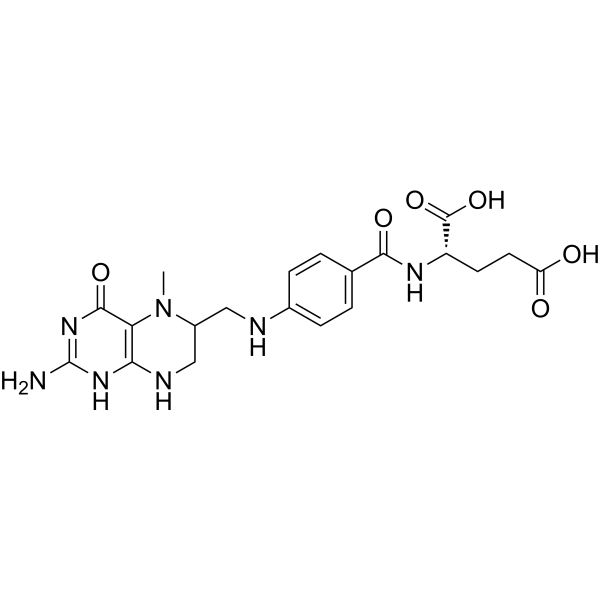
5-Methyltetrahydrofolic acid (5-Methyl THF) is the main circulating form of folic acid in the body and is involved in a variety of biochemical reactions. 5-Methyltetrahydrofolic acid regulates cardiovascular function by increasing the production of endothelin-1 (ET-1) in low-density lipoprotein-treated endothelial cells and can be used in the study of cardiovascular diseases .
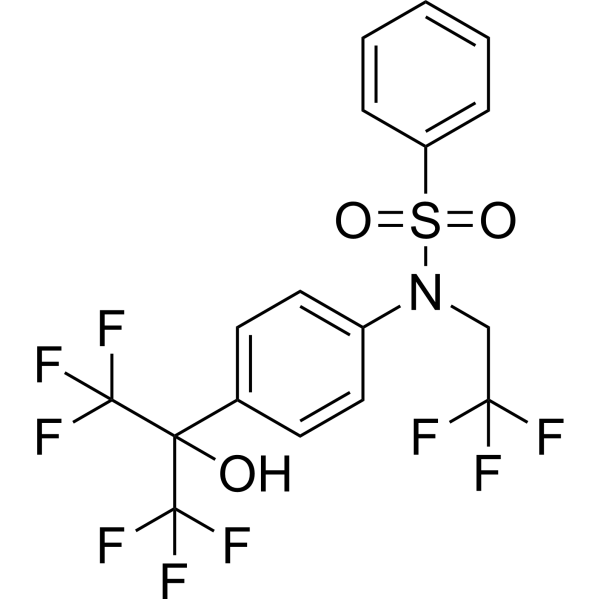
T0901317 is an orally active and highly selective LXR agonist with an EC50 of 20 nM for LXRα . T0901317 activates FXR with an EC50 of 5 μM . T0901317 is RORα and RORγ dual inverse agonist with Ki values of 132 nM and 51 nM, respectively . T0901317 induces apoptosis and inhibits the development of atherosclerosis in low-density lipoprotein (LDL) receptor-deficient mice .
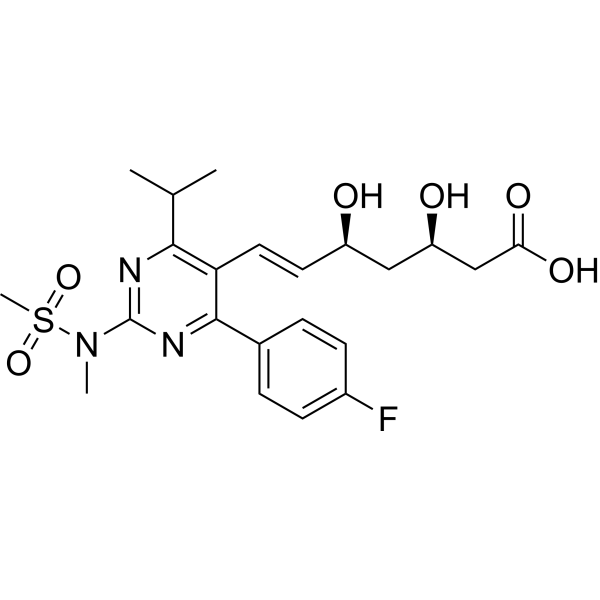
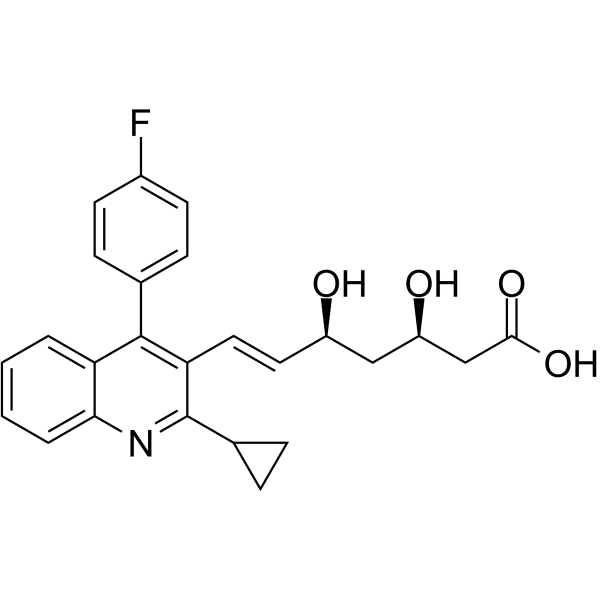
Rosuvastatin (ZD 4522) is a competitive HMG-CoA reductase inhibitor with an IC50 of 11 nM. Rosuvastatin potently blocks hERG current with an IC50 of 195 nM, delayed cardiac repolarization, and thereby prolonged action potential durations (APDs) and corrected QT interval (QTc) intervals. Rosuvastatin reduces the expression of the mature hERG and the interaction of heat shock protein 70 (Hsp70) with the hERG protein. Rosuvastatin effectively lowers low-density lipoprotein (LDL) cholesterol, triglycerides, and C-reactive protein levels .
Atorvastatin calcium salt trihydrate is a drug belonging to the statin class of drugs used to lower blood cholesterol levels. Atorvastatin calcium salt trihydrate has unique chemical properties that make it an effective tool in controlling high levels of low-density lipoprotein (LDL) cholesterol and triglycerides in the body, reducing the risk of heart attack and stroke. Atorvastatin calcium salt trihydrate works by inhibiting HMG-CoA reductase, the enzyme responsible for producing cholesterol in the liver.
Pitavastatin (NK-104) is a potent hydroxymethylglutaryl-CoA (HMG-CoA) reductase inhibitor. Pitavastatin inhibits cholesterol synthesis from acetic acid with an IC50 of 5.8 nM in HepG2 cells. Pitavastatin is an efficient hepatocyte low-density lipoprotein-cholesterol (LDL-C) receptor inducer. Pitavastatin also possesses anti-atherosclerotic, anti-asthmatic, anti-osteoarthritis, antineoplastic, neuroprotective, hepatoprotective and reno-protective effects .
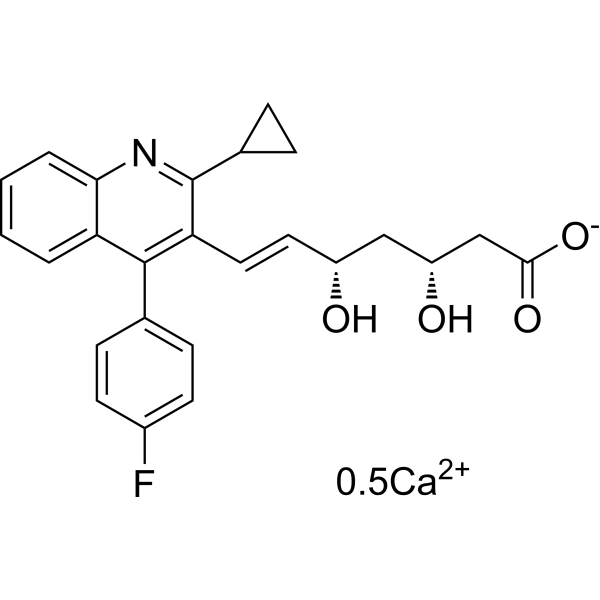
Pitavastatin Calcium (NK-104 hemicalcium) is a potent hydroxymethylglutaryl-CoA (HMG-CoA) reductase inhibitor. Pitavastatin Calcium (NK-104 hemicalcium) inhibits cholesterol synthesis from acetic acid with an IC50 of 5.8 nM in HepG2 cells. Pitavastatin Calcium is an efficient hepatocyte low-density lipoprotein-cholesterol (LDL-C) receptor inducer. Pitavastatin Calcium also possesses anti-atherosclerotic, anti-asthmatic, anti-osteoarthritis, antineoplastic, neuroprotective, hepatoprotective and reno-protective effects .
Oxidized low density lipoprotein (mouse) (Mouse ox-LDL) is an oxidized low density lipoprotein (LDL). Oxidized low density lipoprotein (mouse) induces atherosclerosis (AS) by facilitating endothelial dysfunction and accelerating the VSMCs growth and migration. Oxidized low density lipoprotein (mouse) can be used to construct an in vitro model of AS .
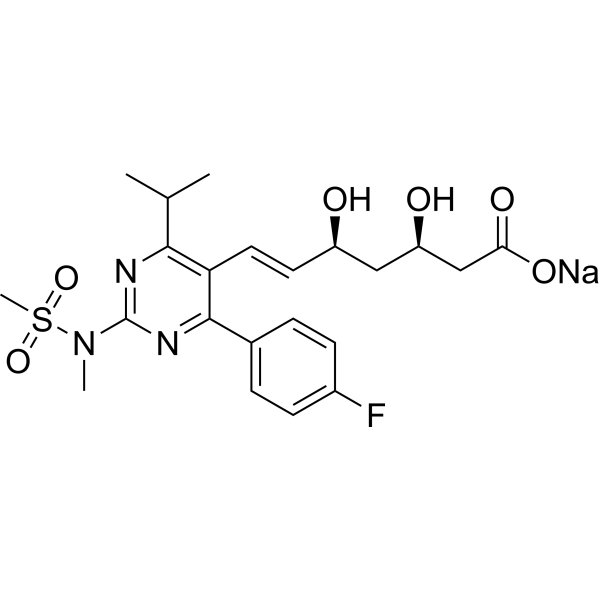
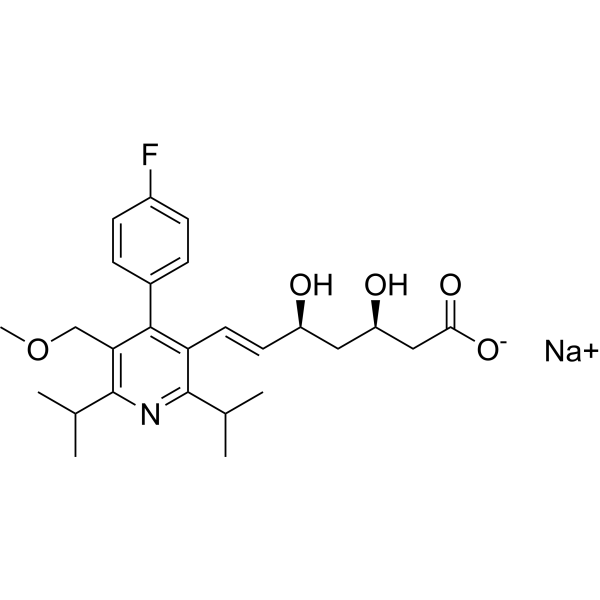
Rosuvastatin Sodium is a competitive HMG-CoA reductase (HMGCR) inhibitor, with an IC50 of 11 nM. Rosuvastatin Sodium potently blocks hERG current with an IC50 of 195 nM . Rosuvastatin Sodium reduces the expression of the mature hERG and the interaction of heat shock protein 70 (Hsp70) with the hERG protein. Rosuvastatin Sodium effectively lowers low-density lipoprotein (LDL) cholesterol, triglycerides, and C-reactive protein levels .
Gocdacimab (MEDI6570) is a fully human IgG1 monoclonal antibody inhibitor targeting the lectin-like oxidized low-density lipoprotein receptor LOX-1. By binding to LOX-1 and blocking its function, gocdacimab effectively reduces the level of free soluble LOX-1, thereby inhibiting key pathological processes such as lipid accumulation, foam cell formation, and vascular wall inflammation. Gocdacimab can interfere with atherosclerosis-related mechanisms, and it is used for research on atherosclerosis, and type 2 diabetes mellitus .
Lapaquistat acetate (TAK-475) is a squalene synthase inhibitor, blocking the conversion of farnesyl diphosphate (FPP) to squalene in the cholesterol biosynthesis pathway . Lapaquistat acetate is effective at lowering low-density lipoprotein cholesterol, but it might cause liver damage. Lapaquistat acetate is used for hypercholesterolemia and mevalonate kinase deficiency (MKD) research .
Cerivastatin sodium is a synthetic lipid-lowering agent and a highly potent, well-tolerated and orally active HMG-CoA reductase inhibitor, with a Ki of 1.3 nM/L. Cerivastatin sodium reduces low-density lipoprotein cholesterol levels. Cerivastatin sodium also inhibits proliferation and invasiveness of MDA-MB-231 cells, mainly by RhoA inhibition, and has anti-cancer effect .
5-O-Methylembelin is a natural isocoumarin that inhibits PCSK9, inducible degrader of the low-density lipoprotein receptor (IDLR), and sterol regulatory element binding protein 2 (SREBP2) mRNA expression .
Kaempferol-7-O-β-D-glucopyranoside is a flavonoid glycoside. Kaempferol-7-O-β-D-glucopyranoside exists in the root bark of Cudrania tricuspidata. Kaempferol-7-O-β-D-glucopyranoside inhibits Cu 2+-induced lipid peroxidation of low-density lipoprotein. Kaempferol-7-O-β-D-glucopyranoside possesses antioxidant activity and scavenges DPPH free radicals .
20-HC-Me-Pyrrolidine (compound AI-3d) is a potent Aster protein inhibitor with IC50s of 0.11 μM, 0.06 μM, and 0.71 μM for Aster-A, Aster-B, and Aster-C, respectively. 20-HC-Me-Pyrrolidine blocks the ability of Asters to bind and transfer cholesterol. 20-HC-Me-Pyrrolidine also inhibits the movement of low-density lipoprotein (LDL) cholesterol to the endoplasmic reticulum (ER) .
MPO-IN-28 is a selective myeloperoxidase (MPO) inhibitor with an IC50 of 44 nM. MPO-IN-28 can effectively inhibit MPO-mediated low-density lipoprotein oxidation with an IC50 of 90 nM .
L57 is a low-density lipoprotein receptor-related protein 1 (LRP1)-binding peptide. L57 exhibits high affinity for LRP1, with an EC50 of 45 nM. L57 possesses blood-brain barrier (BBB) permeability and plasma stability. L57 can serve as a carrier for central nervous system drug delivery .
1,2-Cyclohexanedione is an arginine modification reagent. 1,2-Cyclohexanedione interferes with the degradation of low-density lipoprotein by modifying the arginine group in apolipoprotein. 1,2-Cyclohexanedione can be used in the research of familial hypercholesterolemia .
1-Stearoyl-2-arachidonoyl-sn-glycero-3-phosphocholine is a major phospholipid in low-density lipoprotein and belongs to the group of 1-acyl phosphatidylcholines. 1-Stearoyl-2-arachidonoyl-sn-glycero-3-phosphocholine does not induce morphological changes in washed human platelets. 1-Stearoyl-2-arachidonoyl-sn-glycero-3-phosphocholine can be used for the research of atherosclerosis and thrombotic diseases .
Orticumab (MLDL1278A) is an antibody targeting to oxidized or malondialdehyde-modified lipoprotein (LDL). Orticumab specifically inhibits oxidized low-density lipoproteins (oxLDL). Orticumab involves in modulation of autoimmune responses against oxLDL, improves atherosclerosis in animal model. Orticumab also can be used for research of psoriasis improvement .
Eprotirome (KB2115) is a liver-selective thyroid hormone receptor (TR) agonist. KB2115 has modestly higher affinity for TRβ than for TRα. Eprotirome reduces low-density lipoprotein (LDL) cholesterol concentrations. Eprotirome can be used for dyslipidemias and obesity research .
Moxonidine (BDF5895) is an orally active imidazoline type 1 receptor (I1-R) agonist. Moxonidine activates imidazoline I1 receptors and α2 adrenoceptors, affecting oxidized low-density lipoprotein uptake. Moxonidine reduces atherosclerotic lesions and lowers blood pressure. Moxonidine can be used in the study of hypertension, heart failure, and atherosclerosis .
Recaticimab (SHR-1209) is a humanized IgG1 mAb that selectively targets PCSK9. Recaticimab reduces low-density lipoprotein cholesterol (LDL-C), non-high-density lipoprotein cholesterol (non-HDL-C), apolipoprotein B (ApoB), triglyceride (TG), and lipoprotein(a) levels. Recaticimab can be used for hyperlipidemia research .
BIBB 515 is a potent, selective and orally active 2,3-oxidosqualene cyclase (OSC) inhibitor with ED50 values of 0.2-0.5 mg/kg and 0.36-33.3 mg/kg in rats and mice (1-5 hours), respectively. BIBB 515 exerts lipid-lowering effect mainly by inhibiting the production of low-density lipoprotein (LDL) .
Moxonidine (BDF5895) hydrochloride is an orally active imidazoline type 1 receptor (I1-R) agonist. Moxonidine hydrochloride activates imidazoline I1 receptors and α2 adrenoceptors, affecting oxidized low-density lipoprotein uptake. Moxonidine hydrochloride reduces atherosclerotic lesions and lowers blood pressure. Moxonidine hydrochloride can be used in the study of hypertension, heart failure, and atherosclerosis .
L57 acetate is a Low-density lipoprotein receptor-related protein 1 (LRP1)-binding peptide. L57 acetate exhibits high affinity to LRP1 with Ki of 45 nM. L57 acetate exhibits blood-brain barrier (BBB) permeability and plasma stability. L57 acetate can be utilized as the carrier for CNS drug delivery .
alpha-CEHC is a water-soluble metabolite of alpha-tocopherol (α-TOH) with potential antioxidant activity. alpha-CEHC slightly inhibits macrophage-induced low-density lipoprotein (LDL) oxidation, and its inhibitory potency is concentration-dependent .
PCSK9 degrader 1 (Compound 16) is a small molecule ligand for proprotein convertase substilisin-like/kexin type 9 (PCSK9) and shows high affinity to PCSK9 with a Ki of 107 nM. PCSK9 degrader 1 can involve in a protein-protein interaction with the low-density lipoprotein (LDL) receptor .
TRC210258 is a TGR5 agonist with activity to improve diabetes-associated hyperglycemia and dyslipidemia. TRC210258 promotes energy expenditure by enhancing the release of glucagon-like peptide-1. TRC210258 is able to improve glucose metabolic control in high-fat diet-induced obese mice. TRC210258 also showed improvement in lipid parameters in high-fat-fed hamsters, including reductions in plasma triglyceride and low-density lipoprotein cholesterol levels. TRC210258 improved emerging lipid-related cardiovascular risk parameters including remnant cholesterol and triglyceride clearance .
PCSK9-IN-13(compound 3f) is a potent PCSK9 inhibitor, which can antagonize low-density lipoprotein (LDL) receptor binding by binding to PCSK9, with an IC50 of 537 nM .
Rosuvastatin (Calcium) (Standard) is the analytical standard of Rosuvastatin (Calcium). This product is intended for research and analytical applications. Rosuvastatin Calcium is a competitive HMG-CoA reductase (HMGCR) inhibitor, with an IC50 of 11 nM. Rosuvastatin Calcium potently blocks hERG current with an IC50 of 195 nM . Rosuvastatin Calcium reduces the expression of the mature hERG and the interaction of heat shock protein 70 (Hsp70) with the hERG protein. Rosuvastatin Calcium effectively lowers low-density lipoprotein (LDL) cholesterol, triglycerides, and C-reactive protein levels .
LAB687 is a microsomal triglyceride transfer protein (MTP) inhibitor with an IC50 of 0.9 nM for apolipoprotein B (apoB) secretion in HepG2 cells. LAB687 also acts as a Smoothened (Smo) antagonist, with IC50 values of 2.48 μM and 3.42 μM against mouse and human Smo receptors, respectively. LAB687 reduces triglyceride and low-density lipoprotein cholesterol (LDL-C) levels, and inhibits the Hedgehog signaling pathway. LAB687 can be used in studies related to Hedgehog-dependent cancers .
F44-A13 is an orally active and highly selective farnesoid X receptor (FXR) antagonist with an IC50 value of 1.1 μM. F44-A13 can optimize cholesterol metabolism and reduce its activity by inducing CYP7A1 expression. F44-A13 reduces levels of cholesterol, triglycerides, and low-density lipoprotein cholesterol (LDL-C) in mouse models. F44-A13 can be used in the study of metabolic diseases associated with lipid disorders .
Cerivastatin is a synthetic lipid-lowering agent and a highly potent, well-tolerated and orally active HMG-CoA reductase inhibitor, with a Ki of 1.3 nM/L. Cerivastatin reduces low-density lipoprotein cholesterol levels. Cerivastatin also inhibits proliferation and invasiveness of MDA-MB-231 cells, mainly by RhoA inhibition, and has anti-cancer effect .
KYLO-0603 is an orally active, selective THR-β agonist (EC50 : 31.07 nM). KYLO-0603 has significant activity in lowering serum cholesterol and low-density lipoprotein cholesterol. KYLO-0603 upregulates the expression of THR-regulated genes (including iodothyronine deiodinase 1 (Dio1), malic enzyme 1 (Me1), and thyroid hormone response (Thrsp) gene) and inhibits the expression of inflammatory and fibrotic genes (low-density lipoprotein receptor (LDL-R) gene) by activating THR-β receptors. KYLO-0603 can be used to treat metabolic dysfunction-associated steatohepatitis (MASH) and liver fibrosis research .
Pitavastatin-d5 (sodium) is the deuterium labeled Pitavastatin sodium. Pitavastatin (NK-104) is a potent hydroxymethylglutaryl-CoA (HMG-CoA) reductase inhibitor. Pitavastatin inhibits cholesterol synthesis from acetic acid with an IC50 of 5.8 nM in HepG2 cells. Pitavastatin is an efficient hepatocyte low-density lipoprotein-cholesterol (LDL-C) receptor inducer. Anti-cancer activity.
PCSK9 Inhibitor, EGF-A is a PCSK9 inhibitor. PCSK9 Inhibitor, EGF-A is residues 293-334 of the EGF-A domain of the low-density lipoprotein (LDL) receptor. PCSK9 Inhibitor, EGF-A can prevent PCSK9-induced intracellular LDLR degradation. PCSK9 Inhibitor, EGF-A can be used in the study of hypercholesterolemia and premature atherosclerosis .
Oxidized low-density lipoprotein (oxLDL) particles contain low molecular weight species which are cytotoxic and pro-atherogenic. Many of these substances were isolated and purified from oxLDL and identified as phosphatidylcholine species containing a fragmented, oxidized short-chain fatty acid remnant at the sn-2 position. PAz-PC (Azelaoyl PC) is one of the predominant oxLDL species and may be one of the important structural determinants of oxLDL.
Pitavastatin (NK-104) sodium is a potent hydroxymethylglutaryl-CoA (HMG-CoA) reductase inhibitor. Pitavastatin sodium inhibits cholesterol synthesis from acetic acid with an IC50 of 5.8 nM in HepG2 cells. Pitavastatin sodium is an efficient hepatocyte low-density lipoprotein-cholesterol (LDL-C) receptor inducer. Pitavastatin sodium also possesses anti-atherosclerotic, anti-asthmatic, anti-osteoarthritis, antineoplastic, neuroprotective, hepatoprotective and reno-protective effects .
5-Methyltetrahydrofolic acid- 13C6 (5-Methyl THF- 13C6) is 13C labeled 5-Methyltetrahydrofolic acid. 5-Methyltetrahydrofolic acid (5-Methyl THF) is the main circulating form of folic acid in the body and is involved in a variety of biochemical reactions. 5-Methyltetrahydrofolic acid regulates cardiovascular function by increasing the production of endothelin-1 (ET-1) in low-density lipoprotein-treated endothelial cells and can be used in the study of cardiovascular diseases .
CVI-LM001 is an inhibitor PCSK 9. CVI-LM001 inhibits the interaction of PCSK9 with low-density lipoprotein receptor (LDLR), regulates the level of low-density lipoprotein cholesterol (LDL-C) in the blood, and exhibits lipid-lowering efficacy .
PCSK9 modulator-3 (Compound 13) is a potent modulator of PCSK9 with an EC50 value of 2.46 nM. PCSK9 is a recently validated target for lowering low-density lipoprotein cholesterol (LDL-C). PCSK9 modulator-3 has the potential for the research of hyperlipidemia .
N-Acetyldopamine dimer-2 (compound 2) is a N-acetyldopamine dimer that can be isolated from the yellow powder form Periostracum Cicadae with antioxidant and anti-inflammatory activities. N-Acetyldopamine dimer-2 inhibits oxidized low-density lipoprotein (LDL) oxidation, ROS generation, NO production, and NF-κB activity .
SC-435 is an orally effective apical sodium codependent bile acid transporter (ASBT) inhibitor. SC-435 effectively removes neurotoxic bile acids and ammonia from the blood by inhibiting intestinal ASBT, thereby alleviating liver and brain damage caused by liver failure. SC-435 can alter hepatic cholesterol metabolism and lower plasma low-density lipoprotein-cholesterol concentrations .
Rosuvastatin-d6 sodium is deuterium labeled Rosuvastatin sodium (HY-17504B). Rosuvastatin Sodium is a competitive HMG-CoA reductase (HMGCR) inhibitor, with an IC50 of 11 nM. Rosuvastatin Sodium potently blocks hERG current with an IC50 of 195 nM. Rosuvastatin Sodium reduces the expression of the mature hERG and the interaction of heat shock protein 70 (Hsp70) with the hERG protein. Rosuvastatin Sodium effectively lowers low-density lipoprotein (LDL) cholesterol, triglycerides, and C-reactive protein levels.
Pitavastatin (Standard) is the analytical standard of Pitavastatin. This product is intended for research and analytical applications. Pitavastatin (NK-104) is a potent hydroxymethylglutaryl-CoA (HMG-CoA) reductase inhibitor. Pitavastatin inhibits cholesterol synthesis from acetic acid with an IC50 of 5.8 nM in HepG2 cells. Pitavastatin is an efficient hepatocyte low-density lipoprotein-cholesterol (LDL-C) receptor inducer. Pitavastatin also possesses anti-atherosclerotic, anti-asthmatic, anti-osteoarthritis, antineoplastic, neuroprotective, hepatoprotective and reno-protective effects .
Campestanol is a phytosterol that can be found in plant food. Campestanol lowers serum cholesterol and low-density lipoprotein. Campestanol can be used for the research of metabolic disorders .
Butanoyl PAF, a compound closely related to Azelaoyl PC (HY-134154), maintains over 10% of the agonist potency of platelet-activating factor (PAF). Butanoyl PAF's concentration in oxidized low-density lipoprotein surpasses that of enzymatically generated PAF by more than 100-fold .
CP-800569 is an orally active cholesteryl ester transfer protein (CETP) inhibitor. CP-800569 can decrease low-density lipoprotein and postprandial triglyceride and increase high-density lipoprotein. CP-800569 can be used for the research of metabolic disease .
Rosuvastatin (Sodium) (Standard) is the analytical standard of Rosuvastatin (Sodium). This product is intended for research and analytical applications. Rosuvastatin Sodium is a competitive HMG-CoA reductase (HMGCR) inhibitor, with an IC50 of 11 nM. Rosuvastatin Sodium potently blocks hERG current with an IC50 of 195 nM . Rosuvastatin Sodium reduces the expression of the mature hERG and the interaction of heat shock protein 70 (Hsp70) with the hERG protein. Rosuvastatin Sodium effectively lowers low-density lipoprotein (LDL) cholesterol, triglycerides, and C-reactive protein levels .
Rosuvastatin- 13C,d3 sodium is 13C and deuterated labeled Rosuvastatin sodium (HY-17504B). Rosuvastatin Sodium is a competitive HMG-CoA reductase (HMGCR) inhibitor, with an IC50 of 11 nM. Rosuvastatin Sodium potently blocks hERG current with an IC50 of 195 nM . Rosuvastatin Sodium reduces the expression of the mature hERG and the interaction of heat shock protein 70 (Hsp70) with the hERG protein. Rosuvastatin Sodium effectively lowers low-density lipoprotein (LDL) cholesterol, triglycerides, and C-reactive protein levels .
HMR-3339 is a new selective estrogen receptor modulator. HMR-3339 reduces total cholesterol, low-density lipoprotein cholesterol, and homocysteine. HMR-3339 corrects bone alterations induced by ovariectomy .
Pitavastatin magnesium is an orally active HMG-CoA Reductase inhibitor. Pitavastatin magnesium lowers total cholesterol and low-density lipoprotein cholesterol in a hyperlipidemic rat model. Pitavastatin magnesium can be used in research on cardiovascular and cerebrovascular diseases such as hyperlipidemia .
GPR109 receptor agonist-3 is an orally active GPR109 receptor agonist, with an IC50 of 310 nM.
GPR109 receptor agonist-3 retains the antioxidation and cytoprotection of Lipoic acid (HY-18733). GPR109 receptor agonist-3 reduces total cholesterol (TC), triglyceride (TG), low-density lipoprotein cholesterol (LDL-C) and increases high-density lipoprotein cholesterol (HDL-C) in high-fat diet-fed rats. GPR109 receptor agonist-3 can be used for the study of atherosclerosis .
PCSK9 modulator-2 (Compound 1) is a potent modulator of PCSK9 with an EC50 value of 202 nM. PCSK9 is a recently validated target for lowering low-density lipoprotein cholesterol (LDL-C). PCSK9 modulator-2 has the potential for the research of hyperlipidemia .
CL-283796 is a potent and orally active acyl-CoA:cholesterol acyltransferase (ACAT) inhibitor. CL-283796 reduces low-density lipoprotein (LDL) cholesterol without affecting cholesterol absorption in African green monkeys. CL-283796 can be used for hypercholesterolemia research .
Tiadenol is an absorbable hypolipidemic agent. Tiadenol can effectively reduce triglycerides and decrease the level of apolipoprotein E in very low-density lipoproteins in hyperlipoproteinemia. Tiadenol causes hepatomegaly in rats and affects their hepatic lipid levels, cholesterol synthesis and absorption at high doses. Tiadenol can be used in the research of endocrine and metabolic diseases such as hyperlipidemia .
VH-N412 is a vectorized neuropeptide (NT) with good blood-brain barrier permeability. VH-N412 binds to the low-density lipoprotein receptor (LDLR) and neuropeptide receptor 1 (NTSR-1), and acts as a pharmacological-induced hypothermia (PIH) inducer. VH-N412 exhibits anticonvulsant and neuroprotective effects, and can be used in the study of neurological diseases such as epilepsy.
SKF 104976 is a 3,2-carboxylic acid derivative with potent 14-alpha-demethylase (14 alpha DM) inhibitory activity. SKF 104976 inhibited 14 alpha DM activity by 50% at 2 nM in Hep G2 cell extracts. SKF 104976 inhibited the incorporation of [14C]acetate into cholesterol in intact cells at similar concentrations, accompanied by accumulation of lanosterol, and resulted in a 40-70% decrease in 3-hydroxy-3-methylglutaryl-CoA reductase (HMGR) activity. SKF 104976 did not affect the uptake and degradation of low-density lipoprotein in Hep G2 cells, indicating that HMGR and low-density lipoprotein receptor activities are not coordinately regulated under these conditions. The inhibitory effect of SKF 104976 on HMGR activity remained unchanged even when the flux of carbon units in the sterol synthesis pathway was reduced by 80%. SKF 104976 did not inhibit HMGR activity under conditions where sterol synthesis was almost completely blocked by lovastatin .
THR-β agonist 10 is an orally active and selective THR-β agonist, with an EC50 of 11 nM. THR-β agonist 10 significantly reduces ALT (Alanine Aminotransferase), TC (Total Cholesterol), and LDL-C (Low-Density Lipoprotein Cholesterol) levels, and improves steatosis, ballooning, inflammation and fibrosis in the metabolic dysfunction-associated steatohepatitis (MASH) mouse model. THR-β agonist 10 can be used for the study of MASH .
Pitavastatin-d4 (hemicalcium) is deuterium labeled Pitavastatin (Calcium). Pitavastatin Calcium (NK-104 hemicalcium) is a potent hydroxymethylglutaryl-CoA (HMG-CoA) reductase inhibitor. Pitavastatin Calcium (NK-104 hemicalcium) inhibits cholesterol synthesis from acetic acid with an IC50 of 5.8 nM in HepG2 cells. Pitavastatin Calcium is an efficient hepatocyte low-density lipoprotein-cholesterol (LDL-C) receptor inducer. Anti-cancer activity[1][2][3].
T0901317 (Standard) is the analytical standard of T0901317. This product is intended for research and analytical applications. T0901317 is an orally active and highly selective LXR agonist with an EC50 of 20 nM for LXRα . T0901317 activates FXR with an EC50 of 5 μM . T0901317 is RORα and RORγ dual inverse agonist with Ki values of 132 nM and 51 nM, respectively . T0901317 induces apoptosis and inhibits the development of atherosclerosis in low-density lipoprotein (LDL) receptor-deficient mice .
(3S,5R)-Rosuvastatin is the (3S,5R)-enantiomer of Rosuvastatin. Rosuvastatin is a competitive HMG-CoA reductase inhibitor with an IC50 of 11 nM . Rosuvastatin potently blocks human ether-a-go-go related gene (hERG) current with an IC50 of 195 nM . Rosuvastatin reduces the expression of the mature hERG and the interaction of heat shock protein 70 (Hsp70) with the hERG protein. Rosuvastatin is very effective in lowering low-density lipoprotein (LDL) cholesterol, triglycerides, and C-reactive protein levels .
(3R,5R)-Rosuvastatin is the (3R,5R)-enantiomer of Rosuvastatin. Rosuvastatin is a competitive HMG-CoA reductase inhibitor with an IC50 of 11 nM . Rosuvastatin potently blocks human ether-a-go-go related gene (hERG) current with an IC50 of 195 nM . Rosuvastatin reduces the expression of the mature hERG and the interaction of heat shock protein 70 (Hsp70) with the hERG protein. Rosuvastatin is very effective in lowering low-density lipoprotein (LDL) cholesterol, triglycerides, and C-reactive protein levels .
PCSK9-IN-15 (compound 5) is a potent inhibitor of proprotein convertase subtilisin/kexin 9 (PCSK9, KD <200 nM). PCSK9 is involved in cholesterol metabolism and regulates levels of low-density lipoprotein cholesterol (LDL-C) in the blood. PCSK9- in -15 can be used to study cholesterol-lowering and dyslipidemia .
Nicanartine, an orally active antioxidant and lipid-lowering compound, is an antiatherogenic drug. Nicanartine inhibits the oxidation of low-density lipoprotein (LDL).
Lipid-lowering agent-1 is a potent lipid-lowering agent. Lipid-lowering agent-1 has significant pharmacological effects on the inhibition of low-density lipoprotein cholesterol (LDLC) and promotion of high-density lipoprotein cholesterol (HDLC) production. Lipid-lowering agent-1 shows potent hypolipidemic effect in high-fat diet rats .
GW 590735 sodium is a potent and selective PPARα agonist with activity in regulating lipid metabolism. GW 590735 significantly increased high-density lipoprotein (HDL) cholesterol, decreased low-density lipoprotein (LDL) and very low-density lipoprotein (VLDL) cholesterol, and significantly reduced triglycerides. The maximum increases in HDL cholesterol for GW 590735 were 37%, 53% and 84%, respectively, compared with bezafibrate, torcetrapib and GW 590735 .
S12340 is a a inhibitor of the oxidative modification of low-density lipoprotein and shows protective effect on cardiac cells exposed to oxidative stress .
Cerivastatin-d3 sodium is deuterated labeled Cerivastatin sodium (HY-109523). Cerivastatin sodium is a synthetic lipid-lowering agent and a highly potent, well-tolerated and orally active HMG-CoA reductase inhibitor, with a Ki of 1.3 nM/L. Cerivastatin sodium reduces low-density lipoprotein cholesterol levels. Cerivastatin sodium also inhibits proliferation and invasiveness of MDA-MB-231 cells, mainly by RhoA inhibition, and has anti-cancer effect .
PCSK9-IN-30 (Compound 3f) is a PCSK9 inhibitor. PCSK9-IN-30 interacts with a cryptic binding groove of PCSK9, inhibiting the binding of PCSK9 to the low-density lipoprotein receptor (LDLR) (IC50 = 537 nM), restoring the uptake of low-density lipoprotein (LDL) by liver cells, and ultimately reducing plasma cholesterol levels. PCSK9-IN-30 exhibits good bioavailability in mice and can be used for research in the field of cardiovascular diseases .
IETP2 targets low-density lipoprotein receptor-related protein 1 (LRP1) with a KD of 738 nM and can be used for drug- and imaging agents delivery across the blood-labyrinth barrier (BLB) .
Butenoyl-PAF is a phospholipid analog of platelet activating factor (PAF-like) that is generated in oxidized low-density lipoprotein (DLDR). Butenoyl-PAF can activate cells that express human PAF receptors, such as neutrophils, monocytes, and platelets, and it stimulates an increase in intracellular calcium ion concentration .
PCSK9-IN-31 (Compound WX002) is an orally active PCSK9 inhibitor. PCSK9-IN-31 can lower low-density lipoprotein cholesterol (LDL-C) and total cholesterol (TC) in high cholesterol fed model rats .
Garlic Extract is a garlic extract, and its components include: Allicin. Garlic Extract is beneficial to cardiovascular disease and has the potential to reduce the risk of cardiovascular disease. Garlic Extract can effectively reduce total cholesterol, low-density lipoprotein levels and improve high-density lipoprotein levels. .
PCSK9 modulator-4 (Compound 21) is a potent modulator of PCSK9 with an EC50 value of 0.15 nM. PCSK9 is a recently validated target for lowering low-density lipoprotein cholesterol (LDL-C). PCSK9 modulator-4 has the potential for the research of hyperlipidemia .
MK-8262 is an orally active and potent cholesteryl ester transfer protein (CETP) inhibitor with an IC50 of 53 nM and a log D of 5.3. MK-8262, a bistrifluoromethyl analogue, has the potential for coronary heart disease (CHD) correlated high-density lipoprotein (HDL) and low-density lipoprotein (LDL) research .
Nrf2 activator-9 (compound D-36) is an Nrf2 activator that inhibits oxidized low-density lipoprotein (oxLDL) and high glucose (HG)-induced apoptosis in HUVEC cells. Nrf2 activator-9 inhibits oxLDL and HG-induced vascular endothelial cell (VEC) injury and can effectively prevent and treat atherosclerosis .
oxLig-1 (7-Ketocholesteryl-9-carboxynonanoate) is the lipid moiety of oxidized low-density lipoprotein (oxLDL) and is a key ligand for β-glycoprotein I (β(2)-GPI). oxLig-1 causes nuclear translocation by activating the NF-κB pathway. oxLig-1 can be used in the study of atherosclerosis (AS) .
(R,R)-PCSK9 degrader 1 is the isomer of PCSK9 degrader 1 (HY-130245). PCSK9 degrader 1 (Compound 16) is a small molecule ligand for proprotein convertase substilisin-like/kexin type 9 (PCSK9) and shows high affinity to PCSK9 with a Ki of 107 nM. PCSK9 degrader 1 can involve in a protein-protein interaction with the low-density lipoprotein (LDL) receptor .
AMPK activator 6 (Compound GC) reduces lipid content and activates the AMPK pathway in HepG2 and 3T3-L1 cells. AMPK activator 6 significantly suppresses the increase in triglyceride (TG) , total cholesterol (TC), low-density lipoprotein-C (LDL-C), and other biochemical indices in blood serum. AMPK activator 6 can be used for the research of non-alcoholic fatty liver disease (NAFLD) and metabolic syndrome .
Moxonidine hydrochloride (Standard) is the analytical standard of Moxonidine hydrochloride (HY-B0374A). This product is intended for research and analytical applications. Moxonidine (BDF5895) is an orally active imidazoline type 1 receptor (I1-R) agonist. Moxonidine activates imidazoline I1 receptors and α2 adrenoceptors, affecting oxidized low-density lipoprotein uptake. Moxonidine reduces atherosclerotic lesions and lowers blood pressure. Moxonidine can be used in the study of hypertension, heart failure, and atherosclerosis .
Moxonidine (Standard) is the analytical standard of Moxonidine (HY-B0374). This product is intended for research and analytical applications. Moxonidine (BDF5895) is an orally active imidazoline type 1 receptor (I1-R) agonist. Moxonidine activates imidazoline I1 receptors and α2 adrenoceptors, affecting oxidized low-density lipoprotein uptake. Moxonidine reduces atherosclerotic lesions and lowers blood pressure. Moxonidine can be used in the study of hypertension, heart failure, and atherosclerosis .
Moxonidine-d7 is deuterated labeled Moxonidine (HY-B0374). Moxonidine (BDF5895) is an orally active imidazoline type 1 receptor (I1-R) agonist. Moxonidine activates imidazoline I1 receptors and α2 adrenoceptors, affecting oxidized low-density lipoprotein uptake. Moxonidine reduces atherosclerotic lesions and lowers blood pressure. Moxonidine can be used in the study of hypertension, heart failure, and atherosclerosis .
Moxonidine-d3 (BDF5895-d3) is deuterium labeled Moxonidine (HY-B0374). Moxonidine (BDF5895) is an orally active imidazoline type 1 receptor (I1-R) agonist. Moxonidine activates imidazoline I1 receptors and α2 adrenoceptors, affecting oxidized low-density lipoprotein uptake. Moxonidine reduces atherosclerotic lesions and lowers blood pressure. Moxonidine can be used in the study of hypertension, heart failure, and atherosclerosis .
Moxonidine- 13C,d3 hydrochloride is 13C and deuterated labeled Moxonidine hydrochloride (HY-B0374A). Moxonidine (BDF5895) is an orally active imidazoline type 1 receptor (I1-R) agonist. Moxonidine activates imidazoline I1 receptors and α2 adrenoceptors, affecting oxidized low-density lipoprotein uptake. Moxonidine reduces atherosclerotic lesions and lowers blood pressure. Moxonidine can be used in the study of hypertension, heart failure, and atherosclerosis .
Stachybotramide is a natural fungal metabolite with the property of modulating the activity of cholesteryl ester transfer protein (CETP). Stachybotramide stimulates the transfer of cholesteryl esters (CE) from high-density lipoprotein (HDL) to very-low-density lipoprotein (VLDL) and low-density lipoprotein (LDL), increasing the transfer efficiency by 1.3- to 1.5-fold. Stachybotramide slightly reduced the transfer of cholesteryl esters from LDL and VLDL to HDL at 0.5 mM. The effect of Stachybotramide on the transfer of triglycerides (TG) from HDL was not significant. By these results, Stachybotramide was shown to preferentially stimulate the CETP-mediated transfer of cholesteryl esters from HDL to VLDL and LDL .
Hispaglabridin B is an anti-oxidant agent that can be isolated from Glycyrrhiza glabra. Hispaglabridin B exhibits potent peroxynitrite scavenging activity with an IC50 of 3.2 μM, and shows activity in a low-density lipoprotein (LDL) oxidation system . Hispaglabridin B is also a FoxO1 inhibitor . Hispaglabridin B improves muscle wasting by inhibiting catabolism in vivo and in vitro.
Eprotirome (Standard) is the analytical standard of Eprotirome (HY-10473). This product is intended for research and analytical applications. Eprotirome (KB2115) is a liver-selective thyroid hormone receptor (TR) agonist. KB2115 has modestly higher affinity for TRβ than for TRα. Eprotirome reduces low-density lipoprotein (LDL) cholesterol concentrations. Eprotirome can be used for dyslipidemias and obesity research .
Gemcabene (Standard) is the analytical standard of Gemcabene. This product is intended for research and analytical applications. Gemcabene (PD-72953), a first-in-class lipid-lowering agent, lowers low-density lipoprotein cholesterol (LDL-C), decreases triglycerides, and raises high-density lipoprotein cholesterol (HDL-C) and lowers pro-inflammatory acute-phase protein, C-reactive protein (CRP), exerting anti-inflammatory activity .
Enlicitide (MK-0616) decanoate is an orally active macrocyclic peptide PCSK9 inhibitor. Enlicitide decanoate binds to PCSK9, blocks its interaction with low-density lipoprotein receptor (LDLR), and enhances hepatic clearance of LDL-C. Enlicitide decanoate reduces atherogenic lipoproteins, including non-HDL cholesterol, apolipoprotein B, and lipoprotein (a). Enlicitide decanoate is applicable to research related to hypercholesterolemia, heterozygous familial hypercholesterolemia, and atherosclerotic cardiovascular disease .
5-Methyltetrahydrofolic acid-d4 (5-Methyl THF-d4) is the deuterium labeled 5-Methyltetrahydrofolic acid (HY-113046). 5-Methyltetrahydrofolic acid (5-Methyl THF) is the main circulating form of folic acid in the body and is involved in a variety of biochemical reactions. 5-Methyltetrahydrofolic acid regulates cardiovascular function by increasing the production of endothelin-1 (ET-1) in low-density lipoprotein-treated endothelial cells and can be used in the study of cardiovascular diseases .
FR 111142 is an angiogenesis inhibitor (IC50 = 18.4 μM) and has anti-inflammatory activity (IC50 = 20.6 μM). FR 111142 inhibits capillary-like tube formation as well as nitric oxide production in LPS (HY-D1056)-activated murine macrophages. FR 111142 enhances catabolism of low-density lipoprotein (LDL). FR 111142 does not induce significant cytotoxicity in human endothelial progenitor cells, nor affect cell viability of murine macrophages. FR 111142 can be used for the research of cancer, inflammatory diseases .
Lipoprotein lipase, Bovine (EC 3.1.1.34) belongs to the lipase gene family and is a water-soluble enzyme that hydrolyzes triglycerides in lipoproteins (such as those in chylomicrons and very low-density lipoproteins (VLDL)) into two free fatty acid molecules and one monoacylglycerol molecule. Lipoprotein also participates in promoting cellular uptake of chylomicron remnants, cholesterol-rich lipoproteins, and free fatty acids. Lipoprotein requires ApoC-II as a cofactor. Lipoprotein attaches to the luminal surface of capillary endothelial cells via glycosylphosphatidylinositol high-density lipoprotein-binding protein 1 (GPIHBP1) and heparan sulfate proteoglycan.
Lipoprotein Lipase, Burkholderia sp. (EC 3.1.1.34) belongs to the lipase gene family and is a water-soluble enzyme that hydrolyzes triglycerides in lipoproteins (such as those in chylomicrons and very low-density lipoproteins (VLDL)) into two free fatty acid molecules and one monoacylglycerol molecule. Lipoprotein also participates in promoting cellular uptake of chylomicron remnants, cholesterol-rich lipoproteins, and free fatty acids. Lipoprotein requires ApoC-II as a cofactor. Lipoprotein attaches to the luminal surface of capillary endothelial cells via glycosylphosphatidylinositol high-density lipoprotein-binding protein 1 (GPIHBP1) and heparan sulfate proteoglycan.
Antioxidant agent-5 (compound D-6) is a potent antioxidant agent. Antioxidant agent-5 can inhibit oxLDL (oxidized low-density lipoprotein)-induced apoptosis and the expression of ICAM-1 and VCAM-1 in VECs. Antioxidant agent-5 suppresses oxLDL-induced increase of ROS level and nuclear translocation of NF-κB. Antioxidant agent-5 protects against oxLDL-induced endothelial injury by activating Nrf2/HO-1 anti-oxidation pathway .
F44-S101 is an orally active, potent, and selective gut-restricted FXR antagonist with an IC50 of 0.48 μM and lipid-lowering activity. F44-S101 selectively antagonizes intestinal FXR, feedback-activates hepatic FXR, promotes cholesterol metabolism and reduces lipid accumulation. F44-S101 decreases total cholesterol, triglyceride and low-density lipoprotein cholesterol levels. F44-S101 can be used in studies related to hyperlipidemia .
Pitavastatin-d4-1 (NK-104-d4-1) sodium is the deuterium labeled Pitavastatin sodium (HY-B0144B). Pitavastatin (NK-104) is a potent hydroxymethylglutaryl-CoA (HMG-CoA) reductase inhibitor. Pitavastatin inhibits cholesterol synthesis from acetic acid with an IC50 of 5.8 nM in HepG2 cells. Pitavastatin is an efficient hepatocyte low-density lipoprotein-cholesterol (LDL-C) receptor inducer. Pitavastatin also possesses anti-atherosclerotic, anti-asthmatic, anti-osteoarthritis, antineoplastic, neuroprotective, hepatoprotective and reno-protective effects .
Moxonidine-d4 (BDF5895-d4) is the deuterium labeled Moxonidine (HY-B0374). Moxonidine (BDF5895) is an orally active imidazoline type 1 receptor (I1-R) agonist. Moxonidine activates imidazoline I1 receptors and α2 adrenoceptors, affecting oxidized low-density lipoprotein uptake. Moxonidine reduces atherosclerotic lesions and lowers blood pressure. Moxonidine can be used in the study of hypertension, heart failure, and atherosclerosis .
PCSK9-IN-29 is a lipid-lowering agent. PCSK9-IN-29 can increase low-density lipoprotein receptor (LDLR) protein expression and decrease PCSK9 protein expression in hepG2 cells. PCSK9-IN-29 can reduce the levels of serum LDL-C, TC, and liver enzyme ALT in crab eating macaques fed a high-fat diet, lower body weight and fat, and increase bone mineral content. PCSK9-IN-29 can be used for research on non-alcoholic fatty liver disease and obesity .
Pitavastatin (Calcium) (Standard) is the analytical standard of Pitavastatin (Calcium). This product is intended for research and analytical applications. Pitavastatin Calcium (NK-104 hemicalcium) is a potent hydroxymethylglutaryl-CoA (HMG-CoA) reductase inhibitor. Pitavastatin Calcium (NK-104 hemicalcium) inhibits cholesterol synthesis from acetic acid with an IC50 of 5.8 nM in HepG2 cells. Pitavastatin Calcium is an efficient hepatocyte low-density lipoprotein-cholesterol (LDL-C) receptor inducer. Pitavastatin Calcium also possesses anti-atherosclerotic, anti-asthmatic, anti-osteoarthritis, antineoplastic, neuroprotective, hepatoprotective and reno-protective effects .
Rosuvastatin-d6 (ZD 4522-d6) is deuterium labeled Rosuvastatin. Rosuvastatin (ZD 4522) is a competitive HMG-CoA reductase inhibitor with an IC50 of 11 nM. Rosuvastatin potently blocks hERG current with an IC50 of 195 nM, delayed cardiac repolarization, and thereby prolonged action potential durations (APDs) and corrected QT interval (QTc) intervals. Rosuvastatin reduces the expression of the mature hERG and the interaction of heat shock protein 70 (Hsp70) with the hERG protein. Rosuvastatin effectively lowers low-density lipoprotein (LDL) cholesterol, triglycerides, and C-reactive protein levels .
E28362 is an orally active lipid-lowering agent and a selective PCSK9 antagonist. E28362 blocks the interaction between PCSK9 and LDLR, and induces PCSK9 degradation via the ubiquitin-proteasome pathway. E28362 significantly increases the levels of cell surface and total LDLR proteins, enhances low-density lipoprotein uptake, thereby effectively reducing plasma lipids, hepatic cholesterol and triglyceride levels. E28362 shows no obvious cytotoxicity at high concentrations, and significantly attenuates atherosclerotic lesions in animal models. E28362 is an important molecule in research of hyperlipidemia and atherosclerosis .
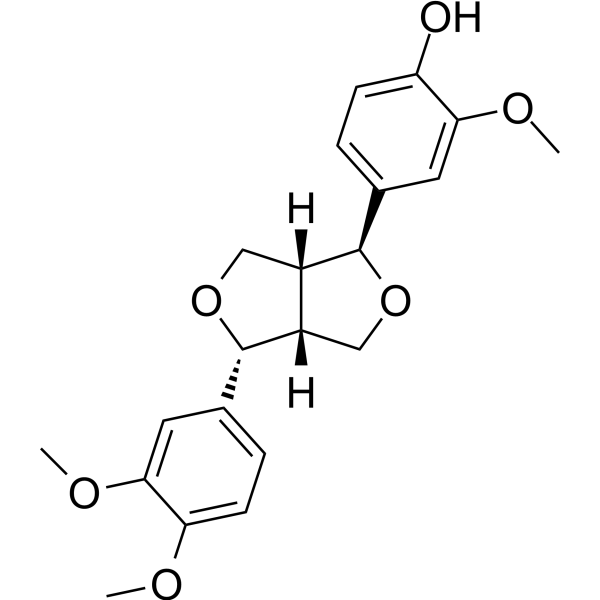
Phillygenin (Phillygenol) is an active ingredient from Forsythia with many medicinal properties, such as antioxidant, reducing blood lipid, inhibition of low density lipoprotein oxidation.
Cholesteryl behenate is a cholesterol ester associated with the neutral core of low density lipoprotein Receptor-LDL complexes are taken up by lysosomes and hydrolyzed to release cholesterol from the esters.
Rosmanol could inhibit the oxidation of low density lipoprotein (LPL) and significantly inhibit lipopolysaccharide induced iNOS and COX-2 expression, with anti-inflammatory effect.
Colesevelam hydrochloride is an orally active bile acid sequestrant, lipid-lowering agent, and glycemic control agent. Colesevelam hydrochloride binds bile acids in the gastrointestinal tract to form nonabsorbable complexes, interrupts enterohepatic recirculation and increases fecal bile acid elimination. Colesevelam hydrochloride modulates FXR, TGR5, and Cyp7a1 activity and triggers cAMP signaling and GLP-1 release. Colesevelam hydrochloride alters hepatic lipid and glucose metabolism, suppresses hepatic glycogenolysis, reduces hepatic triglyceride and cholesterol levels, and increases LDL-C (low-density lipoprotein cholesterol) clearance. Colesevelam hydrochloride can be used for the research of type 2 diabetes mellitus, hypercholesterolemia, and alcohol-related liver disease .
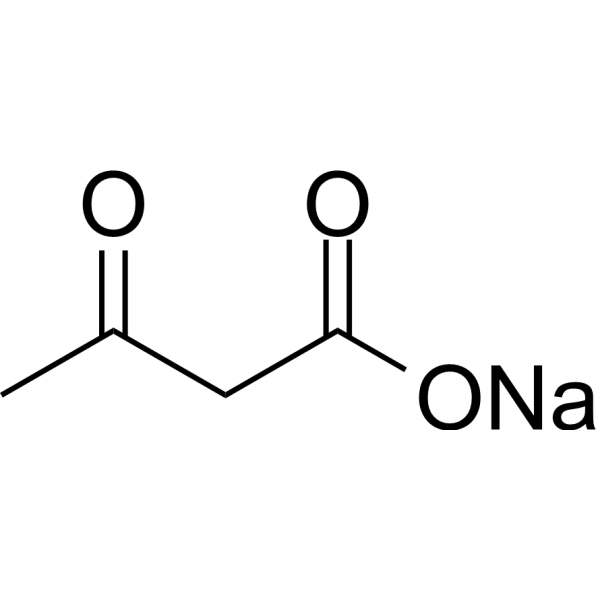
Acetoacetic acid sodium is an oxidative stress inducer that affects the antioxidant enzyme system and lipoprotein metabolism. Acetoacetic acid sodium induces oxidative stress by decreasing the mRNA expression and activity of superoxide dismutase (SOD), catalase (CAT), and glutathione peroxidase (GSH-Px), increasing MDA content, and inhibiting very low density lipoprotein (VLDL) assembly by downregulating apolipoprotein ApoB100, ApoE, and low density lipoprotein receptor (LDLR), leading to triglyceride (TG) accumulation in hepatocytes. Acetoacetic acid sodium can be used to study metabolic diseases .
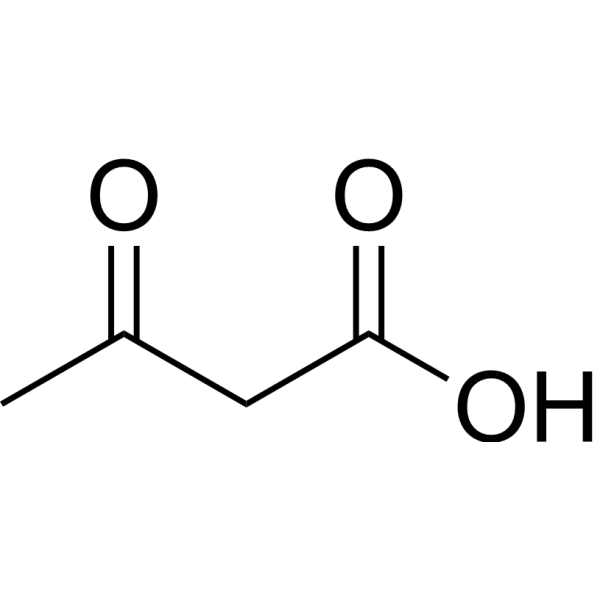
Acetoacetic acid is an oxidative stress inducer that affects the antioxidant enzyme system and lipoprotein metabolism. Acetoacetic acid induces oxidative stress by decreasing the mRNA expression and activity of superoxide dismutase (SOD), catalase (CAT), and glutathione peroxidase (GSH-Px), increasing MDA content, and inhibiting very low density lipoprotein (VLDL) assembly by downregulating apolipoprotein ApoB100, ApoE, and low density lipoprotein receptor (LDLR), leading to triglyceride (TG) accumulation in hepatocytes. Acetoacetic acid can be used to study metabolic diseases .
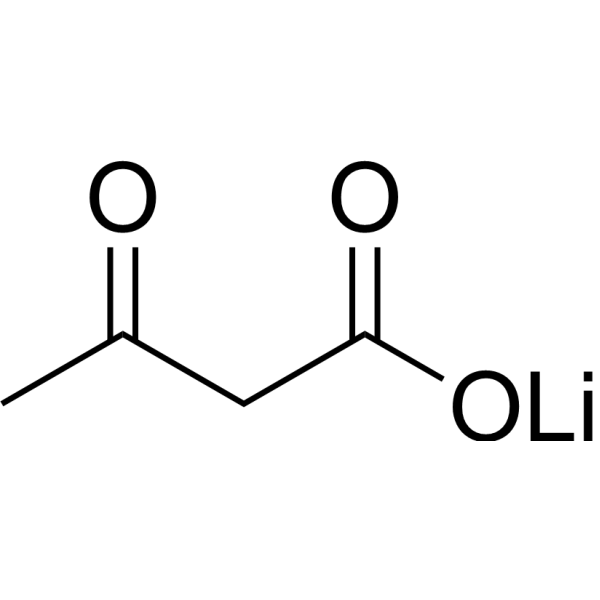
Acetoacetic acid lithium is an oxidative stress inducer that affects the antioxidant enzyme system and lipoprotein metabolism. Acetoacetic acid lithium induces oxidative stress by decreasing the mRNA expression and activity of superoxide dismutase (SOD), catalase (CAT), and glutathione peroxidase (GSH-Px), increasing MDA content, and inhibiting very low density lipoprotein (VLDL) assembly by downregulating apolipoprotein ApoB100, ApoE, and low density lipoprotein receptor (LDLR), leading to triglyceride (TG) accumulation in hepatocytes. Acetoacetic acid lithium can be used to study metabolic diseases .
POVPC is an oxidized phospholipid can be found in in oxidatively modified low density lipoprotein (oxLDL). POVPC inhibits VSMC growth in high serum condition. POVPC induces apoptosis in low serum condition .
Oxidized low-density lipoprotein (oxLDL) particles contain low molecular weight species that are cytotoxic and proatherogenic. Many of these species were recently isolated and purified from oxLDL and identified as phosphatidylcholine species containing fragmented oxidized short-chain fatty acid residues at the sn-2 position. 1-(Palmitoyl)-2-(5-keto-6-octene-dioyl)phosphatidylcholine or KOdiA-PC is one of the most potent CD36 ligands of the oxLDL species. KOdiA-PC confers CD36 scavenger receptor binding affinity to LDL at a frequency of only 2 to 3 KOdiA-PC molecules/LDL particle and may be one of the more important structural determinants of oxLDL.
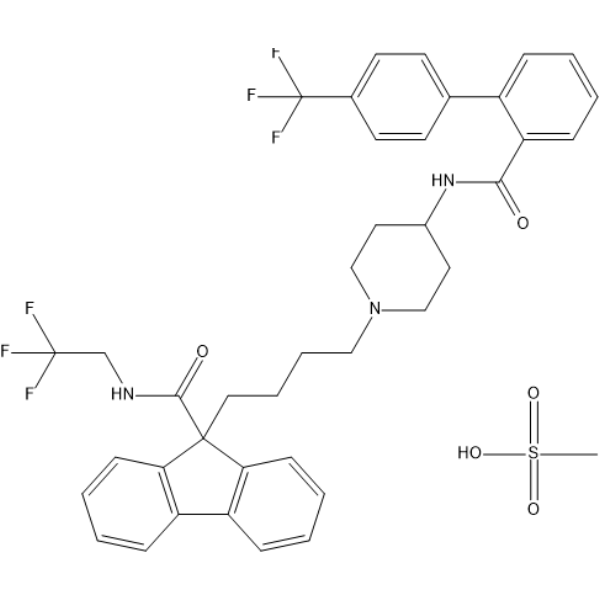
Lomitapide (AEGR-733; BMS-201038) mesylate is an orally active microsomal triglyceride transfer protein (MTP) inhibitor and a selective mTORC1 inhibitor with lipid-lowering activity and BBB permeability. Lomitapide mesylate significantly reduces plasma LDL levels by blocking the assembly and secretion of very-low-density lipoprotein (VLDL). Lomitapide mesylate inhibits mTORC1 in an ATP-dependent manner, thereby inducing AMPK-independent autophagic cell death and suppressing cancer cell growth and apoptosis. Lomitapide mesylate also enhances tumor infiltration of CD8 + T cells. In addition, Lomitapide mesylate inhibits HDAC, improves endothelial function, effectively alleviates vascular inflammation and oxidative stress, and exerts neuroprotective effects in a cerebral ischemia/reperfusion injury model. Lomitapide mesylate can be used in research on related diseases such as colorectal cancer, breast cancer, melanoma, ischemic stroke, and familial hypercholesterolemia .
Silica gel, high-purity grade, 200-400 mesh is a low-density, high-surface-area, high-purity inert additive that can be used to prepare chromatographic column sieve plates based on the sol-gel method. Silica gel, high-purity grade prevents DNA degradation by absorbing water from plant leaves, and is suitable for the preservation of field-collected samples for subsequent DNA extraction, restriction endonuclease digestion, PCR amplification and gene sequencing. It can also be reused after being saturated with water. Silica gel, high-purity grade can provide a non-toxic, inert aquatic environment for embedded cells, allowing nutrients, oxygen and metabolic waste to diffuse freely and blocking external pollution, thereby maintaining the activity of fibroblasts and epithelial cells .
Silica gel, high-purity grade, 70-230 mesh is a low-density, high-surface-area, high-purity inert additive that can be used to prepare chromatographic column sieve plates based on the sol-gel method. Silica gel, high-purity grade prevents DNA degradation by absorbing water from plant leaves, and is suitable for the preservation of field-collected samples for subsequent DNA extraction, restriction endonuclease digestion, PCR amplification and gene sequencing. It can also be reused after being saturated with water. Silica gel, high-purity grade can provide a non-toxic, inert aquatic environment for embedded cells, allowing nutrients, oxygen and metabolic waste to diffuse freely and blocking external pollution, thereby maintaining the activity of fibroblasts and epithelial cells .
Silica gel, high-purity grade, 35-70 mesh is a low-density, high-surface-area, high-purity inert additive that can be used to prepare chromatographic column sieve plates based on the sol-gel method. Silica gel, high-purity grade prevents DNA degradation by absorbing water from plant leaves, and is suitable for the preservation of field-collected samples for subsequent DNA extraction, restriction endonuclease digestion, PCR amplification and gene sequencing. It can also be reused after being saturated with water. Silica gel, high-purity grade can provide a non-toxic, inert aquatic environment for embedded cells, allowing nutrients, oxygen and metabolic waste to diffuse freely and blocking external pollution, thereby maintaining the activity of fibroblasts and epithelial cells .
Silica gel, high-purity grade, 220-440 mesh is a low-density, high-surface-area, high-purity inert additive that can be used to prepare chromatographic column sieve plates based on the sol-gel method. Silica gel, high-purity grade prevents DNA degradation by absorbing water from plant leaves, and is suitable for the preservation of field-collected samples for subsequent DNA extraction, restriction endonuclease digestion, PCR amplification and gene sequencing. It can also be reused after being saturated with water. Silica gel, high-purity grade can provide a non-toxic, inert aquatic environment for embedded cells, allowing nutrients, oxygen and metabolic waste to diffuse freely and blocking external pollution, thereby maintaining the activity of fibroblasts and epithelial cells .
2-Acetamidophenol (Orthocetamol) is a regulator that targets ferroptosis and glutathione metabolic pathways, is the ortho-regioisomer of Paracetamol (HY-66005). 2-Acetamidophenol has anti-atherosclerotic activity, and inhibiting total cholesterol (TC) and triglyceride (TG) in a zebrafish hyperlipidemia model with IC50s for 30 μM and 40 μM, respectively. 2-Acetamidophenol upregulates the expression of glutathione synthesis-related genes (such as GCLC, GCLM, GSS) and iron ion transport genes (such as FPN1, FTH), reduces the accumulation of intracellular reactive oxygen species (ROS) and ferrous ions (Fe 2+), and enhances the activity of glutathione peroxidase GPX4, thereby inhibiting macrophage phagocytosis of oxidized low-density lipoprotein (ox-LDL) and foam cell formation .
Silica gel, high-purity grade, 130-270 mesh is a low-density, high-surface-area, high-purity inert additive that can be used to prepare chromatographic column sieve plates based on the sol-gel method. Silica gel, high-purity grade prevents DNA degradation by absorbing water from plant leaves, and is suitable for the preservation of field-collected samples for subsequent DNA extraction, restriction endonuclease digestion, PCR amplification and gene sequencing. It can also be reused after being saturated with water. Silica gel, high-purity grade can provide a non-toxic, inert aquatic environment for embedded cells, allowing nutrients, oxygen and metabolic waste to diffuse freely and blocking external pollution, thereby maintaining the activity of fibroblasts and epithelial cells .
VH4127 TFA is a cyclic peptide targeting the low density lipoprotein receptor (LDLR) with a KD of 18 nM for hLDLR. VH4127 TFA specifically binds to rodent and human epidermal growth factor (EGF) homology domain of LDLR .
Rosmanol (Standard) is the analytical standard of Rosmanol. This product is intended for research and analytical applications. Rosmanol could inhibit the oxidation of low density lipoprotein (LPL) and significantly inhibit lipopolysaccharide induced iNOS and COX-2 expression, with anti-inflammatory effect.
Lysophosphatidylcholines is an orally active lysolipid and a component of oxidized low density lipoprotein (LDL). Lysophosphatidylcholines induces cell injury, the production of IL-1β and apoptosis. Lysophosphatidylcholines has a proactive effect on sepsis .
Acetoacetic acid (lithium) (Standard) is the analytical standard of Acetoacetic acid (lithium). This product is intended for research and analytical applications. Acetoacetic acid lithium is an oxidative stress inducer that affects the antioxidant enzyme system and lipoprotein metabolism. Acetoacetic acid lithium induces oxidative stress by decreasing the mRNA expression and activity of superoxide dismutase (SOD), catalase (CAT), and glutathione peroxidase (GSH-Px), increasing MDA content, and inhibiting very low density lipoprotein (VLDL) assembly by downregulating apolipoprotein ApoB100, ApoE, and low density lipoprotein receptor (LDLR), leading to triglyceride (TG) accumulation in hepatocytes. Acetoacetic acid lithium can be used to study metabolic diseases .
VH4127 is a cyclic peptide targeting the low density lipoprotein receptor (LDLR) with a KD of 18 nM for hLDLR. VH4127, bearing non-natural amino acid residues, specifically binds to rodent and human epidermal growth factor (EGF) homology domain of LDLR .
1-Stearoyl-2-arachidonoyl-sn-glycero-3-phosphocholine-d11 is the deuterium labeled 1-Stearoyl-2-arachidonoyl-sn-glycero-3-phosphocholine (HY-126356). 1-Stearoyl-2-arachidonoyl-sn-glycero-3-phosphocholine is a major phospholipid in low-density lipoprotein and belongs to the group of 1-acyl phosphatidylcholines. 1-Stearoyl-2-arachidonoyl-sn-glycero-3-phosphocholine does not induce morphological changes in washed human platelets. 1-Stearoyl-2-arachidonoyl-sn-glycero-3-phosphocholine can be used for the research of atherosclerosis and thrombotic diseases .
3-Chloro-L-tyrosine- 13C6 is the 13C labeled 3-Chloro-L-tyrosine . 3-Chloro-L-tyrosine is a specific marker of myeloperoxidase-catalyzed oxidation, and is markedly elevated in low density lipoprotein isolated from human atherosclerotic intima .
2-Acetamidophenol-d3 (Orthocetamol-d3) is the deuterium labeled 2-Acetamidophenol (HY-W015600). 2-Acetamidophenol (Orthocetamol) is a regulator that targets ferroptosis and glutathione metabolic pathways, is the ortho-regioisomer of Paracetamol (HY-66005). 2-Acetamidophenol has anti-atherosclerotic activity, and inhibiting total cholesterol (TC) and triglyceride (TG) in a zebrafish hyperlipidemia model with IC50s for 30 μM and 40 μM, respectively. 2-Acetamidophenol upregulates the expression of glutathione synthesis-related genes (such as GCLC, GCLM, GSS) and iron ion transport genes (such as FPN1, FTH), reduces the accumulation of intracellular reactive oxygen species (ROS) and ferrous ions (Fe2+), and enhances the activity of glutathione peroxidase GPX4, thereby inhibiting macrophage phagocytosis of oxidized low-density lipoprotein (ox-LDL) and foam cell formation .
2-Acetamidophenol (Standard) is the analytical standard of 2-Acetamidophenol. This product is intended for research and analytical applications. 2-Acetamidophenol (Orthocetamol) is a regulator that targets ferroptosis and glutathione metabolic pathways, is the ortho-regioisomer of Paracetamol (HY-66005). 2-Acetamidophenol has anti-atherosclerotic activity, and inhibiting total cholesterol (TC) and triglyceride (TG) in a zebrafish hyperlipidemia model with IC50s for 30 μM and 40 μM, respectively. 2-Acetamidophenol upregulates the expression of glutathione synthesis-related genes (such as GCLC, GCLM, GSS) and iron ion transport genes (such as FPN1, FTH), reduces the accumulation of intracellular reactive oxygen species (ROS) and ferrous ions (Fe 2+), and enhances the activity of glutathione peroxidase GPX4, thereby inhibiting macrophage phagocytosis of oxidized low-density lipoprotein (ox-LDL) and foam cell formation .
LDL-IN-4 (Compound 2) inhibits human acyl-CoA:cholesterol acyltransferase-1 and -2 activities. LDL-IN-4 inhibits copper-mediated low density lipoprotein (LDL) oxidation, with an IC50 of 3 μM. LDL-IN-4 has anti-atherosclerotic biological activity .
ANG1005 (Paclitaxel trevatide) is a brain-penetrating peptide-drug conjugate. ANG1005, a taxane derivative, consists of three paclitaxel (HY-B0015) molecules covalently linked to Angiopep-2, designed to cross the blood-brain and blood-cerebrospinal barriers and to penetrate malignant cells via low density lipoprotein receptor-related protein (LRP1) transport system .
Bafilomycin B1 is a macrolide antibiotic that can be isolated from mycelium of Streptomyces gresuis. Bafilomycin B1 is neuroprotective against Chloroquine (HY-17589A)-induced death. Bafilomycin B1 is a structural analog of Bafilomycin A1 and has the ability to inhibit V-ATPase. Bafilomycin B1 inhibits significantly the oxidized low density lipoprotein (LDL)-induced accumulation of lipid droplets .
F81-1144b is a MMP-1 and MMP-3 inhibitor with IC50 values of 5 nM and 29 nM, respectively. F81-1144b reduces serum and hepatic triacylglycerol levels, decreases the secretion of very-low-density lipoprotein-triacylglycerol, inhibits de novo hepatic fatty acid synthesis, and lowers serum insulin and glucose levels. F81-1144b can be used for the research of hypertriglyceridemia .
LSN3353871 is a potent inhibitor of lipoprotein(a) (Lp(a)) that can binds to Kringle IV (KIV) 8, KIV7-8 and KIV5-8, with Kd of 756 nM, 605 nM and 423 nM, respectively. LSN3353871 disrupts the formation of Lp(a) with the IC50 of 1.69 μM. LSN3353871 has oral bioactivity .
Probucol (DH-581) is an anti-hyperlipidemic agent. Probucol activates glutathione peroxidase. Probucol promotes low density lipoprotein (LDL) catabolism, inhibits ABCA1-dependent cholesterol efflux, and decreases HDL-C levels. Probucol also has anti-inflammatory, antioxidant and neuroprotective properties. Probucol can be used for researches on bone, cardiovascular, cancer, neurological, and metabolism-related diseases .
AcylCoA:cholesterol acyltransferase (ACAT) is an intracellular cholesteryl ester synthase tied closely to the absorption of dietary cholesterol.1 Oleic acid-2,6-diisopropylanilide is an inhibitor of acylCoA:cholesterol acyltransferase with an IC50 of 7 nM.2 When co-administered to rabbits or rats fed a high fat, high cholesterol diet, oleic acid-2,6-diisopropylanilide decreased low density lipoproteins and elevated high density lipoprotein levels when administered at 0.05%.
Bilobetin, an active component of Ginkgo biloba, can reduce blood lipids and improve the effects of insulin. Bilobetin ameliorated insulin resistance, increased the hepatic uptake and oxidation of lipids, reduced very-low-density lipoprotein triglyceride secretion and blood triglyceride levels, enhanced the expression and activity of enzymes involved in β-oxidation and attenuated the accumulation of triglycerides and their metabolites in tissues. Bilobetin also increased the phosphorylation, nuclear translocation and activity of PPARα accompanied by elevated cAMP level and PKA activity .
Bilobetin (Standard) is the analytical standard of Bilobetin. This product is intended for research and analytical applications. Bilobetin, an active component of Ginkgo biloba, can reduce blood lipids and improve the effects of insulin. Bilobetin ameliorated insulin resistance, increased the hepatic uptake and oxidation of lipids, reduced very-low-density lipoprotein triglyceride secretion and blood triglyceride levels, enhanced the expression and activity of enzymes involved in β-oxidation and attenuated the accumulation of triglycerides and their metabolites in tissues. Bilobetin also increased the phosphorylation, nuclear translocation and activity of PPARα accompanied by elevated cAMP level and PKA activity .
(E/Z)-Polydatin ((E/Z)-Piceid) is a mixture of the E/Z configurations of Polydatin (HY-N0120A). Polydatin can be isolated from Polygonum cuspidatum, grapes, peanuts, red wine, hop pellets, cocoa-containing products and chocolate products. Polydatin exhibits multiple biological properties, such as anti-platelet aggregation, anti-low-density lipoprotein oxidation, cardioprotective activity, anti-inflammatory and immunomodulatory functions. Polydatin shows favorable cytotoxic effects against various tumor cell lines, including cervical cancer cells, liver cancer cells, and nasopharyngeal carcinoma cells .
Luteolin-7-O-β-D-glucuronide methyl ester is a flavonoid with antioxidative activity. Luteolin-7-O-β-D-glucuronide methyl ester exhibits potent antioxidative activity with an IC50 of 3.05 μg/mL in the NBT superoxide scavenging assay. Luteolin-7-O-β-D-glucuronide methyl ester inhibits LDL oxidation induced by Cu 2+ with the IC50 value is 71.13 μg/mL .
MB-07344 sodium is a potent thyroid hormone receptor (TR)-β agonist with a Ki of 2.17 nM. MB-07344 sodium has additive cholesterol lowering activity in combination with Atorvastatin (HY-B0589) in rabbits, dogs and monkeys .
MB-07344 is a potent thyroid hormone receptor (TR)-β agonist with a Ki of 2.17 nM. MB-07344 has additive cholesterol lowering activity in combination with Atorvastatin (HY-B0589) in rabbits, dogs and monkeys .
Indicaxanthin is a natural water-soluble betalain, presenting a yellow-orange color. Indicaxanthin possesses free radical scavenging ability and can inhibit lipid peroxidation, reducing the formation of malondialdehyde (MDA). Indicaxanthin can be used in the research of cardiovascular diseases and diabetes .
Ronipamil is a calcium ion antagonist. Ronipamil increases the specific binding and internalization of human 125I-LDL in human skin fibroblasts (HSF) and the human hepatoma cell line Hep G2 .
Obicetrapib (TA-8995; DEZ-001) is an orally active cholesteryl ester transfer protein (CETP) inhibitor. Obicetrapib potently reduces atherogenic lipoproteins (such as LDL-C, ApoB, Lp (a)) and increases HDL-C. Obicetrapib can be used for the research of dyslipidemia and atherosclerotic cardiovascular disease (ASCVD) .
ASK1-IN-12 is an ASK1 inhibitor with an IC50 of 6.3 nM. ASK1-IN-12 inhibits TNF-α-induced activation of the ASK1-p38/JNK pathway. ASK1-IN-12 can reduce free fatty acid-induced cholesterol increase, lipid droplet accumulation and improves hepatocellular steatosis. ASK1-IN-12 can be used for the research of non-alcoholic steatohepatitis (NASH) .
Torcetrapib (CP-529414) is a selective, potent cholesteryl ester transfer protein (CETP) inhibitor. A typical inhibition curve for whole human plasma, having a CETP concentration of 37 nM .
Levamlodipine ((S)-Amlodipine; Levoamlodipin) is an orally active L-type calcium channel blocker and MMP-9 modulator with high permeability and retention properties. Levamlodipine significantly enhances plaque stability and improves lipid profiles by reducing blood pressure, decreasing systolic blood pressure variability, and inhibiting MMP-9 expression in atherosclerotic plaques. Levamlodipine not only alleviates cardiac and aortic hypertrophy and prevents renal atrophy, but also produces synergistic effects in blood pressure reduction and organ protection when combined with bisoprolol (HY-129029). Levamlodipine exerts no significant inhibitory effect on abdominal aortic intimal hyperplasia. When excessively accumulated in the epidermis, Levamlodipine may induce changes in keratin structure, impair the skin barrier and trigger inflammation; long-term use further exacerbates skin irritation caused by local administration. Levamlodipine can be used in research related to hypertension and atherosclerosis .
Rosuvastatin-d3 (ZD 4522-d3) is a deuterium labeled Rosuvastatin. Rosuvastatin (ZD 4522) is a competitive HMG-CoA reductase inhibitor with an IC50 of 11 nM . Rosuvastatin potently blocks human ether-a-go-go related gene (hERG) current with an IC50 of 195 nM, delayed cardiac repolarization, and thereby prolonged action potential durations (APDs) and corrected QT interval (QTc) intervals .
NecroX-2 is a potent inhibitor of caspase-independent necrosis. NecroX-2 exhibits antioxidant activity by scavenging DPPH radicals and peroxynitrite. NecroX-2 inhibits t-BHP-induced mitochondrialROS/RNS generation, and protects t-BHP and Doxorubicin (HY-15142A)-induced cell death in vitro. NecroX-2 can be used for research on neurological diseases .
Obicetrapib (TA-8995; DEZ-001) potassium is an orally active cholesteryl ester transfer protein (CETP) inhibitor. Obicetrapib potassium potently reduces atherogenic lipoproteins (such as LDL-C, ApoB, Lp (a)) and increases HDL-C. Obicetrapib potassium can be used for the research of dyslipidemia and atherosclerotic cardiovascular disease (ASCVD) .
Deacetylasperulosidic Acid is an orally active antioxidant. Deacetylasperulosidic Acid exerts a definite in vivo antioxidant effect and alleviates oxidative stress injury by enhancing SOD activity. In atopic dermatitis models, Deacetylasperulosidic Acid corrects Th2-skewed immune imbalance and reduces allergy-related factors; in immunosuppression models, it activates cellular immunity, enhances NK cell activity and IL-2 production. Deacetylasperulosidic Acid can be used in the research of atopic dermatitis .
Omega-3 acid ethyl esters (P-OM3) is a omega-3 polyunsaturated fatty acid. Omega-3 acid ethyl esters can be used for the researches of severe hypertriglyceridemia and cardiovascular diseases .
Murine Thrombin is a murine serine protease that plays a central role in blood coagulation. Murine Thrombin stimulates macrophages to polarize into a unique phenotype characterized by anti-inflammatory and pro-repair properties. Murine Thrombin activates PAR1, induces the production of MCP-1, MMP3 and VEGF in mouse intervertebral discs, and causes degradation of the cartilage matrix and destruction of intervertebral disc structure. Murine Thrombin activity increases significantly in paraoxon-induced status epilepticus .
Lysophosphatidylcholines is an orally active lysolipid and a component of oxidized low density lipoprotein (LDL). Lysophosphatidylcholines induces cell injury, the production of IL-1β and apoptosis. Lysophosphatidylcholines has a proactive effect on sepsis .
Oxidized low density lipoprotein (mouse) (Mouse ox-LDL) is an oxidized low density lipoprotein (LDL). Oxidized low density lipoprotein (mouse) induces atherosclerosis (AS) by facilitating endothelial dysfunction and accelerating the VSMCs growth and migration. Oxidized low density lipoprotein (mouse) can be used to construct an in vitro model of AS .
Silica gel, high-purity grade, 200-400 mesh is a low-density, high-surface-area, high-purity inert additive that can be used to prepare chromatographic column sieve plates based on the sol-gel method. Silica gel, high-purity grade prevents DNA degradation by absorbing water from plant leaves, and is suitable for the preservation of field-collected samples for subsequent DNA extraction, restriction endonuclease digestion, PCR amplification and gene sequencing. It can also be reused after being saturated with water. Silica gel, high-purity grade can provide a non-toxic, inert aquatic environment for embedded cells, allowing nutrients, oxygen and metabolic waste to diffuse freely and blocking external pollution, thereby maintaining the activity of fibroblasts and epithelial cells .
Oxidized low-density lipoprotein (oxLDL) particles contain low molecular weight species that are cytotoxic and proatherogenic. Many of these species were recently isolated and purified from oxLDL and identified as phosphatidylcholine species containing fragmented oxidized short-chain fatty acid residues at the sn-2 position. 1-(Palmitoyl)-2-(5-keto-6-octene-dioyl)phosphatidylcholine or KOdiA-PC is one of the most potent CD36 ligands of the oxLDL species. KOdiA-PC confers CD36 scavenger receptor binding affinity to LDL at a frequency of only 2 to 3 KOdiA-PC molecules/LDL particle and may be one of the more important structural determinants of oxLDL.
Silica gel, high-purity grade, 130-270 mesh is a low-density, high-surface-area, high-purity inert additive that can be used to prepare chromatographic column sieve plates based on the sol-gel method. Silica gel, high-purity grade prevents DNA degradation by absorbing water from plant leaves, and is suitable for the preservation of field-collected samples for subsequent DNA extraction, restriction endonuclease digestion, PCR amplification and gene sequencing. It can also be reused after being saturated with water. Silica gel, high-purity grade can provide a non-toxic, inert aquatic environment for embedded cells, allowing nutrients, oxygen and metabolic waste to diffuse freely and blocking external pollution, thereby maintaining the activity of fibroblasts and epithelial cells .
Silica gel, high-purity grade, 70-230 mesh is a low-density, high-surface-area, high-purity inert additive that can be used to prepare chromatographic column sieve plates based on the sol-gel method. Silica gel, high-purity grade prevents DNA degradation by absorbing water from plant leaves, and is suitable for the preservation of field-collected samples for subsequent DNA extraction, restriction endonuclease digestion, PCR amplification and gene sequencing. It can also be reused after being saturated with water. Silica gel, high-purity grade can provide a non-toxic, inert aquatic environment for embedded cells, allowing nutrients, oxygen and metabolic waste to diffuse freely and blocking external pollution, thereby maintaining the activity of fibroblasts and epithelial cells .
Silica gel, high-purity grade, 35-70 mesh is a low-density, high-surface-area, high-purity inert additive that can be used to prepare chromatographic column sieve plates based on the sol-gel method. Silica gel, high-purity grade prevents DNA degradation by absorbing water from plant leaves, and is suitable for the preservation of field-collected samples for subsequent DNA extraction, restriction endonuclease digestion, PCR amplification and gene sequencing. It can also be reused after being saturated with water. Silica gel, high-purity grade can provide a non-toxic, inert aquatic environment for embedded cells, allowing nutrients, oxygen and metabolic waste to diffuse freely and blocking external pollution, thereby maintaining the activity of fibroblasts and epithelial cells .
Silica gel, high-purity grade, 220-440 mesh is a low-density, high-surface-area, high-purity inert additive that can be used to prepare chromatographic column sieve plates based on the sol-gel method. Silica gel, high-purity grade prevents DNA degradation by absorbing water from plant leaves, and is suitable for the preservation of field-collected samples for subsequent DNA extraction, restriction endonuclease digestion, PCR amplification and gene sequencing. It can also be reused after being saturated with water. Silica gel, high-purity grade can provide a non-toxic, inert aquatic environment for embedded cells, allowing nutrients, oxygen and metabolic waste to diffuse freely and blocking external pollution, thereby maintaining the activity of fibroblasts and epithelial cells .
ANG1005 (Paclitaxel trevatide) is a brain-penetrating peptide-drug conjugate. ANG1005, a taxane derivative, consists of three paclitaxel (HY-B0015) molecules covalently linked to Angiopep-2, designed to cross the blood-brain and blood-cerebrospinal barriers and to penetrate malignant cells via low density lipoprotein receptor-related protein (LRP1) transport system .
L57 is a low-density lipoprotein receptor-related protein 1 (LRP1)-binding peptide. L57 exhibits high affinity for LRP1, with an EC50 of 45 nM. L57 possesses blood-brain barrier (BBB) permeability and plasma stability. L57 can serve as a carrier for central nervous system drug delivery .
L57 acetate is a Low-density lipoprotein receptor-related protein 1 (LRP1)-binding peptide. L57 acetate exhibits high affinity to LRP1 with Ki of 45 nM. L57 acetate exhibits blood-brain barrier (BBB) permeability and plasma stability. L57 acetate can be utilized as the carrier for CNS drug delivery .
VH4127 TFA is a cyclic peptide targeting the low density lipoprotein receptor (LDLR) with a KD of 18 nM for hLDLR. VH4127 TFA specifically binds to rodent and human epidermal growth factor (EGF) homology domain of LDLR .
PCSK9 Inhibitor, EGF-A is a PCSK9 inhibitor. PCSK9 Inhibitor, EGF-A is residues 293-334 of the EGF-A domain of the low-density lipoprotein (LDL) receptor. PCSK9 Inhibitor, EGF-A can prevent PCSK9-induced intracellular LDLR degradation. PCSK9 Inhibitor, EGF-A can be used in the study of hypercholesterolemia and premature atherosclerosis .
VH-N412 is a vectorized neuropeptide (NT) with good blood-brain barrier permeability. VH-N412 binds to the low-density lipoprotein receptor (LDLR) and neuropeptide receptor 1 (NTSR-1), and acts as a pharmacological-induced hypothermia (PIH) inducer. VH-N412 exhibits anticonvulsant and neuroprotective effects, and can be used in the study of neurological diseases such as epilepsy.
VH4127 is a cyclic peptide targeting the low density lipoprotein receptor (LDLR) with a KD of 18 nM for hLDLR. VH4127, bearing non-natural amino acid residues, specifically binds to rodent and human epidermal growth factor (EGF) homology domain of LDLR .
IETP2 targets low-density lipoprotein receptor-related protein 1 (LRP1) with a KD of 738 nM and can be used for drug- and imaging agents delivery across the blood-labyrinth barrier (BLB) .
Enlicitide (MK-0616) decanoate is an orally active macrocyclic peptide PCSK9 inhibitor. Enlicitide decanoate binds to PCSK9, blocks its interaction with low-density lipoprotein receptor (LDLR), and enhances hepatic clearance of LDL-C. Enlicitide decanoate reduces atherogenic lipoproteins, including non-HDL cholesterol, apolipoprotein B, and lipoprotein (a). Enlicitide decanoate is applicable to research related to hypercholesterolemia, heterozygous familial hypercholesterolemia, and atherosclerotic cardiovascular disease .
MCE Cell Separation Medium (Density Gradient) is a low-density gradient medium characterized by its broad applicability, operational simplicity, and gentle separation performance.It is primarily composed of silica particles (15-30 nm in diameter) coated with a monolayer of polyvinylpyrrolidone (PVP).
Gocdacimab (MEDI6570) is a fully human IgG1 monoclonal antibody inhibitor targeting the lectin-like oxidized low-density lipoprotein receptor LOX-1. By binding to LOX-1 and blocking its function, gocdacimab effectively reduces the level of free soluble LOX-1, thereby inhibiting key pathological processes such as lipid accumulation, foam cell formation, and vascular wall inflammation. Gocdacimab can interfere with atherosclerosis-related mechanisms, and it is used for research on atherosclerosis, and type 2 diabetes mellitus .
Orticumab (MLDL1278A) is an antibody targeting to oxidized or malondialdehyde-modified lipoprotein (LDL). Orticumab specifically inhibits oxidized low-density lipoproteins (oxLDL). Orticumab involves in modulation of autoimmune responses against oxLDL, improves atherosclerosis in animal model. Orticumab also can be used for research of psoriasis improvement .
Recaticimab (SHR-1209) is a humanized IgG1 mAb that selectively targets PCSK9. Recaticimab reduces low-density lipoprotein cholesterol (LDL-C), non-high-density lipoprotein cholesterol (non-HDL-C), apolipoprotein B (ApoB), triglyceride (TG), and lipoprotein(a) levels. Recaticimab can be used for hyperlipidemia research .
5-Methyltetrahydrofolic acid (5-Methyl THF) is the main circulating form of folic acid in the body and is involved in a variety of biochemical reactions. 5-Methyltetrahydrofolic acid regulates cardiovascular function by increasing the production of endothelin-1 (ET-1) in low-density lipoprotein-treated endothelial cells and can be used in the study of cardiovascular diseases .
Acetoacetic acid sodium is an oxidative stress inducer that affects the antioxidant enzyme system and lipoprotein metabolism. Acetoacetic acid sodium induces oxidative stress by decreasing the mRNA expression and activity of superoxide dismutase (SOD), catalase (CAT), and glutathione peroxidase (GSH-Px), increasing MDA content, and inhibiting very low density lipoprotein (VLDL) assembly by downregulating apolipoprotein ApoB100, ApoE, and low density lipoprotein receptor (LDLR), leading to triglyceride (TG) accumulation in hepatocytes. Acetoacetic acid sodium can be used to study metabolic diseases .
Phillygenin (Phillygenol) is an active ingredient from Forsythia with many medicinal properties, such as antioxidant, reducing blood lipid, inhibition of low density lipoprotein oxidation.
Acetoacetic acid is an oxidative stress inducer that affects the antioxidant enzyme system and lipoprotein metabolism. Acetoacetic acid induces oxidative stress by decreasing the mRNA expression and activity of superoxide dismutase (SOD), catalase (CAT), and glutathione peroxidase (GSH-Px), increasing MDA content, and inhibiting very low density lipoprotein (VLDL) assembly by downregulating apolipoprotein ApoB100, ApoE, and low density lipoprotein receptor (LDLR), leading to triglyceride (TG) accumulation in hepatocytes. Acetoacetic acid can be used to study metabolic diseases .
Bilobetin, an active component of Ginkgo biloba, can reduce blood lipids and improve the effects of insulin. Bilobetin ameliorated insulin resistance, increased the hepatic uptake and oxidation of lipids, reduced very-low-density lipoprotein triglyceride secretion and blood triglyceride levels, enhanced the expression and activity of enzymes involved in β-oxidation and attenuated the accumulation of triglycerides and their metabolites in tissues. Bilobetin also increased the phosphorylation, nuclear translocation and activity of PPARα accompanied by elevated cAMP level and PKA activity .
5-O-Methylembelin is a natural isocoumarin that inhibits PCSK9, inducible degrader of the low-density lipoprotein receptor (IDLR), and sterol regulatory element binding protein 2 (SREBP2) mRNA expression .
Deacetylasperulosidic Acid is an orally active antioxidant. Deacetylasperulosidic Acid exerts a definite in vivo antioxidant effect and alleviates oxidative stress injury by enhancing SOD activity. In atopic dermatitis models, Deacetylasperulosidic Acid corrects Th2-skewed immune imbalance and reduces allergy-related factors; in immunosuppression models, it activates cellular immunity, enhances NK cell activity and IL-2 production. Deacetylasperulosidic Acid can be used in the research of atopic dermatitis .
Kaempferol-7-O-β-D-glucopyranoside is a flavonoid glycoside. Kaempferol-7-O-β-D-glucopyranoside exists in the root bark of Cudrania tricuspidata. Kaempferol-7-O-β-D-glucopyranoside inhibits Cu 2+-induced lipid peroxidation of low-density lipoprotein. Kaempferol-7-O-β-D-glucopyranoside possesses antioxidant activity and scavenges DPPH free radicals .
Acetoacetic acid lithium is an oxidative stress inducer that affects the antioxidant enzyme system and lipoprotein metabolism. Acetoacetic acid lithium induces oxidative stress by decreasing the mRNA expression and activity of superoxide dismutase (SOD), catalase (CAT), and glutathione peroxidase (GSH-Px), increasing MDA content, and inhibiting very low density lipoprotein (VLDL) assembly by downregulating apolipoprotein ApoB100, ApoE, and low density lipoprotein receptor (LDLR), leading to triglyceride (TG) accumulation in hepatocytes. Acetoacetic acid lithium can be used to study metabolic diseases .
(E/Z)-Polydatin ((E/Z)-Piceid) is a mixture of the E/Z configurations of Polydatin (HY-N0120A). Polydatin can be isolated from Polygonum cuspidatum, grapes, peanuts, red wine, hop pellets, cocoa-containing products and chocolate products. Polydatin exhibits multiple biological properties, such as anti-platelet aggregation, anti-low-density lipoprotein oxidation, cardioprotective activity, anti-inflammatory and immunomodulatory functions. Polydatin shows favorable cytotoxic effects against various tumor cell lines, including cervical cancer cells, liver cancer cells, and nasopharyngeal carcinoma cells .
1,2-Cyclohexanedione is an arginine modification reagent. 1,2-Cyclohexanedione interferes with the degradation of low-density lipoprotein by modifying the arginine group in apolipoprotein. 1,2-Cyclohexanedione can be used in the research of familial hypercholesterolemia .
1-Stearoyl-2-arachidonoyl-sn-glycero-3-phosphocholine is a major phospholipid in low-density lipoprotein and belongs to the group of 1-acyl phosphatidylcholines. 1-Stearoyl-2-arachidonoyl-sn-glycero-3-phosphocholine does not induce morphological changes in washed human platelets. 1-Stearoyl-2-arachidonoyl-sn-glycero-3-phosphocholine can be used for the research of atherosclerosis and thrombotic diseases .
Rosmanol could inhibit the oxidation of low density lipoprotein (LPL) and significantly inhibit lipopolysaccharide induced iNOS and COX-2 expression, with anti-inflammatory effect.
alpha-CEHC is a water-soluble metabolite of alpha-tocopherol (α-TOH) with potential antioxidant activity. alpha-CEHC slightly inhibits macrophage-induced low-density lipoprotein (LDL) oxidation, and its inhibitory potency is concentration-dependent .
Bafilomycin B1 is a macrolide antibiotic that can be isolated from mycelium of Streptomyces gresuis. Bafilomycin B1 is neuroprotective against Chloroquine (HY-17589A)-induced death. Bafilomycin B1 is a structural analog of Bafilomycin A1 and has the ability to inhibit V-ATPase. Bafilomycin B1 inhibits significantly the oxidized low density lipoprotein (LDL)-induced accumulation of lipid droplets .
Cholesteryl behenate is a cholesterol ester associated with the neutral core of low density lipoprotein Receptor-LDL complexes are taken up by lysosomes and hydrolyzed to release cholesterol from the esters.
Luteolin-7-O-β-D-glucuronide methyl ester is a flavonoid with antioxidative activity. Luteolin-7-O-β-D-glucuronide methyl ester exhibits potent antioxidative activity with an IC50 of 3.05 μg/mL in the NBT superoxide scavenging assay. Luteolin-7-O-β-D-glucuronide methyl ester inhibits LDL oxidation induced by Cu 2+ with the IC50 value is 71.13 μg/mL .
Indicaxanthin is a natural water-soluble betalain, presenting a yellow-orange color. Indicaxanthin possesses free radical scavenging ability and can inhibit lipid peroxidation, reducing the formation of malondialdehyde (MDA). Indicaxanthin can be used in the research of cardiovascular diseases and diabetes .
Rosmanol (Standard) is the analytical standard of Rosmanol. This product is intended for research and analytical applications. Rosmanol could inhibit the oxidation of low density lipoprotein (LPL) and significantly inhibit lipopolysaccharide induced iNOS and COX-2 expression, with anti-inflammatory effect.
Acetoacetic acid (lithium) (Standard) is the analytical standard of Acetoacetic acid (lithium). This product is intended for research and analytical applications. Acetoacetic acid lithium is an oxidative stress inducer that affects the antioxidant enzyme system and lipoprotein metabolism. Acetoacetic acid lithium induces oxidative stress by decreasing the mRNA expression and activity of superoxide dismutase (SOD), catalase (CAT), and glutathione peroxidase (GSH-Px), increasing MDA content, and inhibiting very low density lipoprotein (VLDL) assembly by downregulating apolipoprotein ApoB100, ApoE, and low density lipoprotein receptor (LDLR), leading to triglyceride (TG) accumulation in hepatocytes. Acetoacetic acid lithium can be used to study metabolic diseases .
Bilobetin (Standard) is the analytical standard of Bilobetin. This product is intended for research and analytical applications. Bilobetin, an active component of Ginkgo biloba, can reduce blood lipids and improve the effects of insulin. Bilobetin ameliorated insulin resistance, increased the hepatic uptake and oxidation of lipids, reduced very-low-density lipoprotein triglyceride secretion and blood triglyceride levels, enhanced the expression and activity of enzymes involved in β-oxidation and attenuated the accumulation of triglycerides and their metabolites in tissues. Bilobetin also increased the phosphorylation, nuclear translocation and activity of PPARα accompanied by elevated cAMP level and PKA activity .
Stachybotramide is a natural fungal metabolite with the property of modulating the activity of cholesteryl ester transfer protein (CETP). Stachybotramide stimulates the transfer of cholesteryl esters (CE) from high-density lipoprotein (HDL) to very-low-density lipoprotein (VLDL) and low-density lipoprotein (LDL), increasing the transfer efficiency by 1.3- to 1.5-fold. Stachybotramide slightly reduced the transfer of cholesteryl esters from LDL and VLDL to HDL at 0.5 mM. The effect of Stachybotramide on the transfer of triglycerides (TG) from HDL was not significant. By these results, Stachybotramide was shown to preferentially stimulate the CETP-mediated transfer of cholesteryl esters from HDL to VLDL and LDL .
Hispaglabridin B is an anti-oxidant agent that can be isolated from Glycyrrhiza glabra. Hispaglabridin B exhibits potent peroxynitrite scavenging activity with an IC50 of 3.2 μM, and shows activity in a low-density lipoprotein (LDL) oxidation system . Hispaglabridin B is also a FoxO1 inhibitor . Hispaglabridin B improves muscle wasting by inhibiting catabolism in vivo and in vitro.
FR 111142 is an angiogenesis inhibitor (IC50 = 18.4 μM) and has anti-inflammatory activity (IC50 = 20.6 μM). FR 111142 inhibits capillary-like tube formation as well as nitric oxide production in LPS (HY-D1056)-activated murine macrophages. FR 111142 enhances catabolism of low-density lipoprotein (LDL). FR 111142 does not induce significant cytotoxicity in human endothelial progenitor cells, nor affect cell viability of murine macrophages. FR 111142 can be used for the research of cancer, inflammatory diseases .
LDLR Protein crucially binds to LDL, transporting cholesterol through endocytosis. Clustering into clathrin-coated pits initiates internalization. Interactions with DAB2, LDLRAP1, ARRB1, SNX17, and immature PCSK9 contribute to its functional versatility. The NPXY motif interaction is impaired by tyrosine phosphorylation. LDLR Protein, Mouse (HEK293, His) is the recombinant mouse-derived LDLR protein, expressed by HEK293 , with C-His labeled tag.
The VLDLR protein is a multifunctional receptor that mediates energy metabolism by binding VLDL and transporting it into cells. It interacts with Reelin/RELN, APOE-containing ligands and clusterin/CLU. VLDLR Protein, Human (HEK293, His) is the recombinant human-derived VLDLR protein, expressed by HEK293 , with C-His labeled tag.
LDLR Protein plays a pivotal role in cholesterol homeostasis, binding to LDL and mediating cellular uptake through endocytosis. Clustering into clathrin-coated pits is essential for internalization. In microbial infection, LDLR acts as a receptor for hepatitis C virus in hepatocytes, emphasizing its dual functionality in cholesterol metabolism and the cellular response to viral infections. LDLR Protein, Human (Biotinylated, HEK293, Avi-His) is the recombinant human-derived LDLR protein, expressed by HEK293 , with C-Avi, C-6*His labeled tag.
Low-density lipoprotein receptor-related protein 11 is a member of LRP family and it acts as a tumour promoter in cervical cancer. Low-density lipoprotein receptor-related protein 11 enables phosphoprotein binding activity. LRP-11 Protein, Human (HEK293, His) is the recombinant human-derived LRP-11 protein, expressed by HEK293 , with C-His labeled tag.
LDLR Protein plays a pivotal role in cholesterol homeostasis, binding to LDL and mediating cellular uptake through endocytosis. Clustering into clathrin-coated pits is essential for internalization. In microbial infection, LDLR acts as a receptor for hepatitis C virus in hepatocytes, emphasizing its dual functionality in cholesterol metabolism and the cellular response to viral infections. LDLR Protein, Human (HEK293, His) is the recombinant human-derived LDLR protein, expressed by HEK293 , with C-6*His labeled tag.
LDLR Protein crucially binds to LDL, transporting cholesterol through endocytosis. Clustering into clathrin-coated pits initiates internalization. Interactions with DAB2, LDLRAP1, ARRB1, SNX17, and immature PCSK9 contribute to its functional versatility. The NPXY motif interaction is impaired by tyrosine phosphorylation. LDLR Protein, Mouse (Biotinylated, A23V, C27G, HEK293, His) is the recombinant mouse-derived LDLR protein, expressed by HEK293 , with C-His labeled tag and A23V, C27G mutation.
LDLRAD3 protein significantly affects the processing of amyloid precursor protein (APP), possibly reducing soluble APP-α (sAPP-α) and increasing the production of amyloid P3 peptide. Suggested regulation of ITCH and NEDD4 E3 ligases. LDLRAD3 Protein, Human (HEK293, hFc) is the recombinant human-derived LDLRAD3, expressed by HEK293, with C-hFc labeled tag.
The LRP-10 protein is a possible receptor that may mediate internalization and/or signaling of lipophilic molecules.It is speculated that LRP-10 can promote the uptake of lipoprotein APOE in the liver and may play a role in lipid metabolism and processes related to lipoprotein transport.LRP-10 Protein, Human (HEK293, His) is the recombinant human-derived LRP-10 protein, expressed by HEK293 , with C-His labeled tag.
LDLRAD3 protein significantly affects the processing of amyloid precursor protein (APP), possibly reducing soluble APP-α (sAPP-α) and increasing the production of amyloid P3 peptide. Suggested regulation of ITCH and NEDD4 E3 ligases. LDLRAD3 Protein, Human (HEK293, Fc, solution) is the recombinant human-derived LDLRAD3 protein, expressed by HEK293 , with C-hFc labeled tag.
The LRP-10 protein is a possible receptor that may mediate internalization and/or signaling of lipophilic molecules.It is speculated that LRP-10 can promote the uptake of lipoprotein APOE in the liver and may play a role in lipid metabolism and processes related to lipoprotein transport.LRP-10 Protein, Human (HEK293, Fc) is the recombinant human-derived LRP-10 protein, expressed by HEK293 , with C-hFc labeled tag.
The LOX-1/OLR1 protein plays an important role as a receptor that recognizes, internalizes, and degrades oxidatively modified low-density lipoprotein (oxLDL), a marker of atherosclerosis, in vascular endothelial cells. OxLDL induces endothelial dysfunction, triggering pro-inflammatory responses, oxidative conditions, and apoptosis. LOX-1/OLR1 Protein, Rat (HEK293, His) is the recombinant rat-derived LOX-1/OLR1 protein, expressed by HEK293 , with N-His labeled tag.
OLR1 is a type II membrane glycoprotein belonging to C-type lectin family with a short N-terminal cytoplasmic tail and a long C-terminal extracellular domain. OLR1 binds ox-LDL, delipidated, and solubilized ox-LDL. LOX-1/OLR1 Protein, Cynomolgus (HEK293, His) is the recombinant cynomolgus-derived LOX-1/OLR1 protein, expressed by HEK293 , with N-His labeled tag.
The LOX-1/OLR1 protein plays an important role as a receptor that recognizes, internalizes, and degrades oxidatively modified low-density lipoprotein (oxLDL), a marker of atherosclerosis, in vascular endothelial cells. OxLDL induces endothelial dysfunction, triggering pro-inflammatory responses, oxidative conditions, and apoptosis. LOX-1/OLR1 Protein, Rat (HEK293, Fc) is the recombinant rat-derived LOX-1/OLR1 protein, expressed by HEK293 , with N-hFc labeled tag.
LRP-12, a probable receptor, potentially facilitates the internalization of lipophilic molecules and signal transduction. It may function as a tumor suppressor and interacts with proteins RACK1, ZFYVE9, and NMRK2. LRP-12 Protein, Human (HEK293, His) is the recombinant human-derived LRP-12 protein, expressed by HEK293 , with C-6*His labeled tag.
LRP2/Megalin Protein, Human (413a.a, HEK293, His-StrepⅡ) is the recombinant human-derived LRP2/Megalin protein, expressed by HEK293, with C-His and C-StrepⅡ tag.
LRP2/Megalin Protein, Human (282a.a, HEK293, His-StrepⅡ) is the recombinant human-derived LRP2/Megalin protein, expressed by HEK293, with C-His and C-StrepⅡ tag.
LRP2/Megalin Protein, Human (325a.a, HEK293, His-StrepⅡ) is the recombinant human-derived LRP2/Megalin protein, expressed by HEK293, with C-His and C-StrepⅡ tag.
The OLR1 protein is a receptor on vascular endothelial cells that plays a key role in the recognition, internalization, and degradation of oxidatively modified low-density lipoprotein (oxLDL). As a marker of atherosclerosis, oxLDL induces activation of vascular endothelial cells, leading to proinflammatory responses, oxidative conditions, and apoptosis. OLR1 Protein, Human (HEK293, His) is the recombinant human-derived OLR1 protein, expressed by HEK293 , with C-6*His labeled tag.
Pitavastatin-d5 (sodium) is the deuterium labeled Pitavastatin sodium. Pitavastatin (NK-104) is a potent hydroxymethylglutaryl-CoA (HMG-CoA) reductase inhibitor. Pitavastatin inhibits cholesterol synthesis from acetic acid with an IC50 of 5.8 nM in HepG2 cells. Pitavastatin is an efficient hepatocyte low-density lipoprotein-cholesterol (LDL-C) receptor inducer. Anti-cancer activity.
5-Methyltetrahydrofolic acid- 13C6 (5-Methyl THF- 13C6) is 13C labeled 5-Methyltetrahydrofolic acid. 5-Methyltetrahydrofolic acid (5-Methyl THF) is the main circulating form of folic acid in the body and is involved in a variety of biochemical reactions. 5-Methyltetrahydrofolic acid regulates cardiovascular function by increasing the production of endothelin-1 (ET-1) in low-density lipoprotein-treated endothelial cells and can be used in the study of cardiovascular diseases .
Rosuvastatin-d6 (ZD 4522-d6) is deuterium labeled Rosuvastatin. Rosuvastatin (ZD 4522) is a competitive HMG-CoA reductase inhibitor with an IC50 of 11 nM. Rosuvastatin potently blocks hERG current with an IC50 of 195 nM, delayed cardiac repolarization, and thereby prolonged action potential durations (APDs) and corrected QT interval (QTc) intervals. Rosuvastatin reduces the expression of the mature hERG and the interaction of heat shock protein 70 (Hsp70) with the hERG protein. Rosuvastatin effectively lowers low-density lipoprotein (LDL) cholesterol, triglycerides, and C-reactive protein levels .
2-Acetamidophenol-d3 (Orthocetamol-d3) is the deuterium labeled 2-Acetamidophenol (HY-W015600). 2-Acetamidophenol (Orthocetamol) is a regulator that targets ferroptosis and glutathione metabolic pathways, is the ortho-regioisomer of Paracetamol (HY-66005). 2-Acetamidophenol has anti-atherosclerotic activity, and inhibiting total cholesterol (TC) and triglyceride (TG) in a zebrafish hyperlipidemia model with IC50s for 30 μM and 40 μM, respectively. 2-Acetamidophenol upregulates the expression of glutathione synthesis-related genes (such as GCLC, GCLM, GSS) and iron ion transport genes (such as FPN1, FTH), reduces the accumulation of intracellular reactive oxygen species (ROS) and ferrous ions (Fe2+), and enhances the activity of glutathione peroxidase GPX4, thereby inhibiting macrophage phagocytosis of oxidized low-density lipoprotein (ox-LDL) and foam cell formation .
Rosuvastatin-d6 sodium is deuterium labeled Rosuvastatin sodium (HY-17504B). Rosuvastatin Sodium is a competitive HMG-CoA reductase (HMGCR) inhibitor, with an IC50 of 11 nM. Rosuvastatin Sodium potently blocks hERG current with an IC50 of 195 nM. Rosuvastatin Sodium reduces the expression of the mature hERG and the interaction of heat shock protein 70 (Hsp70) with the hERG protein. Rosuvastatin Sodium effectively lowers low-density lipoprotein (LDL) cholesterol, triglycerides, and C-reactive protein levels.
Rosuvastatin-d3 (ZD 4522-d3) is a deuterium labeled Rosuvastatin. Rosuvastatin (ZD 4522) is a competitive HMG-CoA reductase inhibitor with an IC50 of 11 nM . Rosuvastatin potently blocks human ether-a-go-go related gene (hERG) current with an IC50 of 195 nM, delayed cardiac repolarization, and thereby prolonged action potential durations (APDs) and corrected QT interval (QTc) intervals .
Rosuvastatin- 13C,d3 sodium is 13C and deuterated labeled Rosuvastatin sodium (HY-17504B). Rosuvastatin Sodium is a competitive HMG-CoA reductase (HMGCR) inhibitor, with an IC50 of 11 nM. Rosuvastatin Sodium potently blocks hERG current with an IC50 of 195 nM . Rosuvastatin Sodium reduces the expression of the mature hERG and the interaction of heat shock protein 70 (Hsp70) with the hERG protein. Rosuvastatin Sodium effectively lowers low-density lipoprotein (LDL) cholesterol, triglycerides, and C-reactive protein levels .
Pitavastatin-d4 (hemicalcium) is deuterium labeled Pitavastatin (Calcium). Pitavastatin Calcium (NK-104 hemicalcium) is a potent hydroxymethylglutaryl-CoA (HMG-CoA) reductase inhibitor. Pitavastatin Calcium (NK-104 hemicalcium) inhibits cholesterol synthesis from acetic acid with an IC50 of 5.8 nM in HepG2 cells. Pitavastatin Calcium is an efficient hepatocyte low-density lipoprotein-cholesterol (LDL-C) receptor inducer. Anti-cancer activity[1][2][3].
Pitavastatin-d4-1 (NK-104-d4-1) sodium is the deuterium labeled Pitavastatin sodium (HY-B0144B). Pitavastatin (NK-104) is a potent hydroxymethylglutaryl-CoA (HMG-CoA) reductase inhibitor. Pitavastatin inhibits cholesterol synthesis from acetic acid with an IC50 of 5.8 nM in HepG2 cells. Pitavastatin is an efficient hepatocyte low-density lipoprotein-cholesterol (LDL-C) receptor inducer. Pitavastatin also possesses anti-atherosclerotic, anti-asthmatic, anti-osteoarthritis, antineoplastic, neuroprotective, hepatoprotective and reno-protective effects .
Moxonidine-d4 (BDF5895-d4) is the deuterium labeled Moxonidine (HY-B0374). Moxonidine (BDF5895) is an orally active imidazoline type 1 receptor (I1-R) agonist. Moxonidine activates imidazoline I1 receptors and α2 adrenoceptors, affecting oxidized low-density lipoprotein uptake. Moxonidine reduces atherosclerotic lesions and lowers blood pressure. Moxonidine can be used in the study of hypertension, heart failure, and atherosclerosis .
Cerivastatin-d3 sodium is deuterated labeled Cerivastatin sodium (HY-109523). Cerivastatin sodium is a synthetic lipid-lowering agent and a highly potent, well-tolerated and orally active HMG-CoA reductase inhibitor, with a Ki of 1.3 nM/L. Cerivastatin sodium reduces low-density lipoprotein cholesterol levels. Cerivastatin sodium also inhibits proliferation and invasiveness of MDA-MB-231 cells, mainly by RhoA inhibition, and has anti-cancer effect .
Moxonidine-d7 is deuterated labeled Moxonidine (HY-B0374). Moxonidine (BDF5895) is an orally active imidazoline type 1 receptor (I1-R) agonist. Moxonidine activates imidazoline I1 receptors and α2 adrenoceptors, affecting oxidized low-density lipoprotein uptake. Moxonidine reduces atherosclerotic lesions and lowers blood pressure. Moxonidine can be used in the study of hypertension, heart failure, and atherosclerosis .
Moxonidine-d3 (BDF5895-d3) is deuterium labeled Moxonidine (HY-B0374). Moxonidine (BDF5895) is an orally active imidazoline type 1 receptor (I1-R) agonist. Moxonidine activates imidazoline I1 receptors and α2 adrenoceptors, affecting oxidized low-density lipoprotein uptake. Moxonidine reduces atherosclerotic lesions and lowers blood pressure. Moxonidine can be used in the study of hypertension, heart failure, and atherosclerosis .
Moxonidine- 13C,d3 hydrochloride is 13C and deuterated labeled Moxonidine hydrochloride (HY-B0374A). Moxonidine (BDF5895) is an orally active imidazoline type 1 receptor (I1-R) agonist. Moxonidine activates imidazoline I1 receptors and α2 adrenoceptors, affecting oxidized low-density lipoprotein uptake. Moxonidine reduces atherosclerotic lesions and lowers blood pressure. Moxonidine can be used in the study of hypertension, heart failure, and atherosclerosis .
1-Stearoyl-2-arachidonoyl-sn-glycero-3-phosphocholine-d11 is the deuterium labeled 1-Stearoyl-2-arachidonoyl-sn-glycero-3-phosphocholine (HY-126356). 1-Stearoyl-2-arachidonoyl-sn-glycero-3-phosphocholine is a major phospholipid in low-density lipoprotein and belongs to the group of 1-acyl phosphatidylcholines. 1-Stearoyl-2-arachidonoyl-sn-glycero-3-phosphocholine does not induce morphological changes in washed human platelets. 1-Stearoyl-2-arachidonoyl-sn-glycero-3-phosphocholine can be used for the research of atherosclerosis and thrombotic diseases .
3-Chloro-L-tyrosine- 13C6 is the 13C labeled 3-Chloro-L-tyrosine . 3-Chloro-L-tyrosine is a specific marker of myeloperoxidase-catalyzed oxidation, and is markedly elevated in low density lipoprotein isolated from human atherosclerotic intima .
5-Methyltetrahydrofolic acid-d4 (5-Methyl THF-d4) is the deuterium labeled 5-Methyltetrahydrofolic acid (HY-113046). 5-Methyltetrahydrofolic acid (5-Methyl THF) is the main circulating form of folic acid in the body and is involved in a variety of biochemical reactions. 5-Methyltetrahydrofolic acid regulates cardiovascular function by increasing the production of endothelin-1 (ET-1) in low-density lipoprotein-treated endothelial cells and can be used in the study of cardiovascular diseases .
Cholesteryl behenate is a cholesterol ester associated with the neutral core of low density lipoprotein Receptor-LDL complexes are taken up by lysosomes and hydrolyzed to release cholesterol from the esters.
Inquiry Online
Your information is safe with us. * Required Fields.
Western blot analysis of extracts from THP-1(lane 2(20μg), Jurkat (lane 3(20μg) and NIH3T3(lane 4(20μg) using FOXO1A (HY-P80132) Rabbit mAb. Proteins were transferred
to a PVDF membrane and blocked with 5% non-fat milk in TBST for 2 hour at room temperature. The primary antibody (1/1000) and Loading control antibody (Beta Actin, HY-P80438, 1/10000) was
used in 5% non-fat milk in TBST at 4°C overnight. Goat Anti-Mouse/Rabbit IgG-HRP Secondary Antibody (1/10000) was used for 1 hour at room temperature.
Western blot analysis of extracts from THP-1(lane 2(20μg), Jurkat (lane 3(20μg) and NIH3T3(lane 4(20μg) using FOXO1A (HY-P80132) Rabbit mAb. Proteins were transferred
to a PVDF membrane and blocked with 5% non-fat milk in TBST for 2 hour at room temperature. The primary antibody (1/1000) and Loading control antibody (Beta Actin, HY-P80438, 1/10000) was
used in 5% non-fat milk in TBST at 4°C overnight. Goat Anti-Mouse/Rabbit IgG-HRP Secondary Antibody (1/10000) was used for 1 hour at room temperature.
Western blot analysis of extracts from THP-1(lane 2(20μg), Jurkat (lane 3(20μg) and NIH3T3(lane 4(20μg) using FOXO1A (HY-P80132) Rabbit mAb. Proteins were transferred
to a PVDF membrane and blocked with 5% non-fat milk in TBST for 2 hour at room temperature. The primary antibody (1/1000) and Loading control antibody (Beta Actin, HY-P80438, 1/10000) was
used in 5% non-fat milk in TBST at 4°C overnight. Goat Anti-Mouse/Rabbit IgG-HRP Secondary Antibody (1/10000) was used for 1 hour at room temperature.
Western blot analysis of extracts from THP-1(lane 2(20μg), Jurkat (lane 3(20μg) and NIH3T3(lane 4(20μg) using FOXO1A (HY-P80132) Rabbit mAb. Proteins were transferred
to a PVDF membrane and blocked with 5% non-fat milk in TBST for 2 hour at room temperature. The primary antibody (1/1000) and Loading control antibody (Beta Actin, HY-P80438, 1/10000) was
MedchemExpress Validation 03
Western blot analysis of extracts from THP-1(lane 2(20μg), Jurkat (lane 3(20μg) and NIH3T3(lane 4(20μg) using FOXO1A (HY-P80132) Rabbit mAb. Proteins were transferred
MedchemExpress Validation 04
Western blot analysis of extracts from THP-1(lane 2(20μg), Jurkat (lane 3(20μg) and NIH3T3(lane 4(20μg) using FOXO1A (HY-P80132) Rabbit mAb. Proteins were transferred
to a PVDF membrane and blocked with 5% non-fat milk in TBST for 2 hour at room temperature. The primary antibody (1/1000) and Loading control antibody (Beta Actin, HY-P80438, 1/10000) was
used in 5% non-fat milk in TBST at 4°C overnight. Goat Anti-Mouse/Rabbit IgG-HRP Secondary Antibody (1/10000) was used for 1 hour at room temperature.
MedchemExpress Validation
Western blot analysis of extracts from THP-1(lane 2(20μg), Jurkat (lane 3(20μg) and NIH3T3(lane 4(20μg) using FOXO1A (HY-P80132) Rabbit mAb. Proteins were transferred
to a PVDF membrane and blocked with 5% non-fat milk in TBST for 2 hour at room temperature. The primary antibody (1/1000) and Loading control antibody (Beta Actin, HY-P80438, 1/10000) was
used in 5% non-fat milk in TBST at 4°C overnight. Goat Anti-Mouse/Rabbit IgG-HRP Secondary Antibody (1/10000) was used for 1 hour at room temperature.
Western blot analysis of extracts from THP-1(lane 2(20μg), Jurkat (lane 3(20μg) and NIH3T3(lane 4(20μg) using FOXO1A (HY-P80132) Rabbit mAb. Proteins were transferred
to a PVDF membrane and blocked with 5% non-fat milk in TBST for 2 hour at room temperature. The primary antibody (1/1000) and Loading control antibody (Beta Actin, HY-P80438, 1/10000) was
used in 5% non-fat milk in TBST at 4°C overnight. Goat Anti-Mouse/Rabbit IgG-HRP Secondary Antibody (1/10000) was used for 1 hour at room temperature.
MedchemExpress Validation
Western blot analysis of extracts from THP-1(lane 2(20μg), Jurkat (lane 3(20μg) and NIH3T3(lane 4(20μg) using FOXO1A (HY-P80132) Rabbit mAb. Proteins were transferred
to a PVDF membrane and blocked with 5% non-fat milk in TBST for 2 hour at room temperature. The primary antibody (1/1000) and Loading control antibody (Beta Actin, HY-P80438, 1/10000) was
used in 5% non-fat milk in TBST at 4°C overnight. Goat Anti-Mouse/Rabbit IgG-HRP Secondary Antibody (1/10000) was used for 1 hour at room temperature.
MedchemExpress Validation
Western blot analysis of extracts from THP-1(lane 2(20μg), Jurkat (lane 3(20μg) and NIH3T3(lane 4(20μg) using FOXO1A (HY-P80132) Rabbit mAb. Proteins were transferred
to a PVDF membrane and blocked with 5% non-fat milk in TBST for 2 hour at room temperature. The primary antibody (1/1000) and Loading control antibody (Beta Actin, HY-P80438, 1/10000) was
used in 5% non-fat milk in TBST at 4°C overnight. Goat Anti-Mouse/Rabbit IgG-HRP Secondary Antibody (1/10000) was used for 1 hour at room temperature.
MedchemExpress Validation
Western blot analysis of extracts from THP-1(lane 2(20μg), Jurkat (lane 3(20μg) and NIH3T3(lane 4(20μg) using FOXO1A (HY-P80132) Rabbit mAb. Proteins were transferred
to a PVDF membrane and blocked with 5% non-fat milk in TBST for 2 hour at room temperature. The primary antibody (1/1000) and Loading control antibody (Beta Actin, HY-P80438, 1/10000) was
used in 5% non-fat milk in TBST at 4°C overnight. Goat Anti-Mouse/Rabbit IgG-HRP Secondary Antibody (1/10000) was used for 1 hour at room temperature.
MedchemExpress Validation
Western blot analysis of extracts from THP-1(lane 2(20μg), Jurkat (lane 3(20μg) and NIH3T3(lane 4(20μg) using FOXO1A (HY-P80132) Rabbit mAb. Proteins were transferred
to a PVDF membrane and blocked with 5% non-fat milk in TBST for 2 hour at room temperature. The primary antibody (1/1000) and Loading control antibody (Beta Actin, HY-P80438, 1/10000) was
used in 5% non-fat milk in TBST at 4°C overnight. Goat Anti-Mouse/Rabbit IgG-HRP Secondary Antibody (1/10000) was used for 1 hour at room temperature.
MedchemExpress Validation
Western blot analysis of extracts from THP-1(lane 2(20μg), Jurkat (lane 3(20μg) and NIH3T3(lane 4(20μg) using FOXO1A (HY-P80132) Rabbit mAb. Proteins were transferred
to a PVDF membrane and blocked with 5% non-fat milk in TBST for 2 hour at room temperature. The primary antibody (1/1000) and Loading control antibody (Beta Actin, HY-P80438, 1/10000) was
used in 5% non-fat milk in TBST at 4°C overnight. Goat Anti-Mouse/Rabbit IgG-HRP Secondary Antibody (1/10000) was used for 1 hour at room temperature.
MedchemExpress Validation
Western blot analysis of extracts from THP-1(lane 2(20μg), Jurkat (lane 3(20μg) and NIH3T3(lane 4(20μg) using FOXO1A (HY-P80132) Rabbit mAb. Proteins were transferred
to a PVDF membrane and blocked with 5% non-fat milk in TBST for 2 hour at room temperature. The primary antibody (1/1000) and Loading control antibody (Beta Actin, HY-P80438, 1/10000) was
used in 5% non-fat milk in TBST at 4°C overnight. Goat Anti-Mouse/Rabbit IgG-HRP Secondary Antibody (1/10000) was used for 1 hour at room temperature.
MedChemExpress values your privacy and your trust is important to us. We use cookies to enhance your website experience. Some cookies are necessary to run the website.
Privacy and Cookie Policy

