
61 Results for "

meat

" in MedChemExpress (MCE) Product Catalog:
Products (61)

61 Results for "meat" in MCE Product Catalog:

11
11 Publications Verification
Cat. No.: HY-N0264
CAS No.: 1124-11-4
Synonyms: Chuanxiongzine; Tetramethylpyrazine
Ligustrazine (Chuanxiongzine), an alkylpyrazine isolated from Ligusticum chuanxiong Hort. (Chuan Xiong) , is present in french fries, bread, cooked meats, tea, cocoa, coffee, beer, spirits, peanuts, filberts, dairy products and soy products as fragrance and flavouring ingredienexhibits. Ligustrazine also has potential nootropic and anti-inflammatory activities in rats .
loading...
    loading...
4
4 Cited Publications
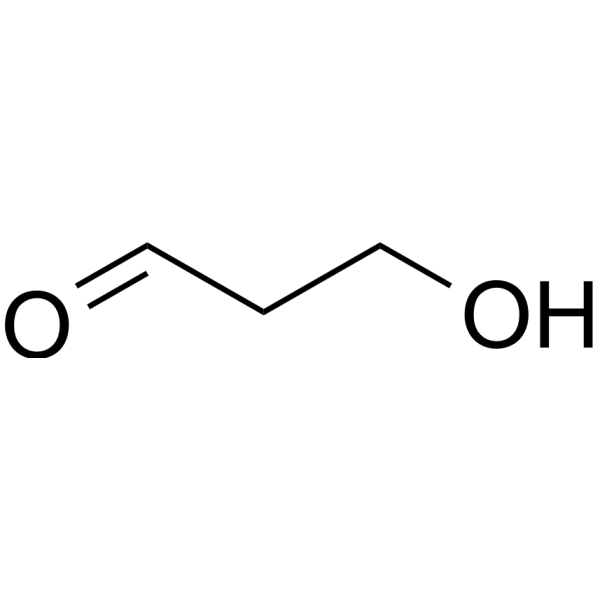
Cat. No.: HY-N8461
CAS No.: 2134-29-4
Synonyms: 3-Hydroxypropionaldehyde; 3-Hydroxypropanal
Reuterin is a broad-spectrum antimicrobial agent active against Gram positive and Gram negative bacteria, as well as yeasts, moulds and protozoa. Reuterin is produced by specific strains of Lactobacillus reuteri during anaerobic metabolism of glycerol. Reuterin also demonstrates potent antimicrobial activity against a broad panel of human and poultry meat campylobacter spp. Isolates .
loading...
    loading...
4
4 Cited Publications
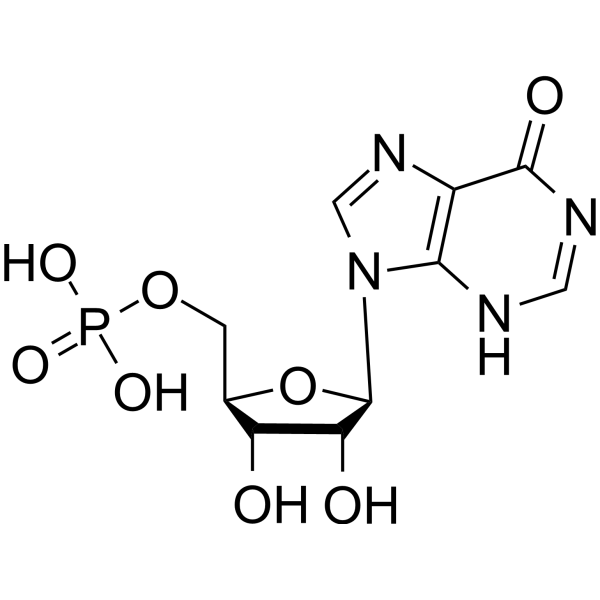
Cat. No.: HY-108213
CAS No.: 131-99-7
Purity:  99.81%
Synonyms: 5'-IMP; IMP; Inosine 5'-dihydrogen phosphate
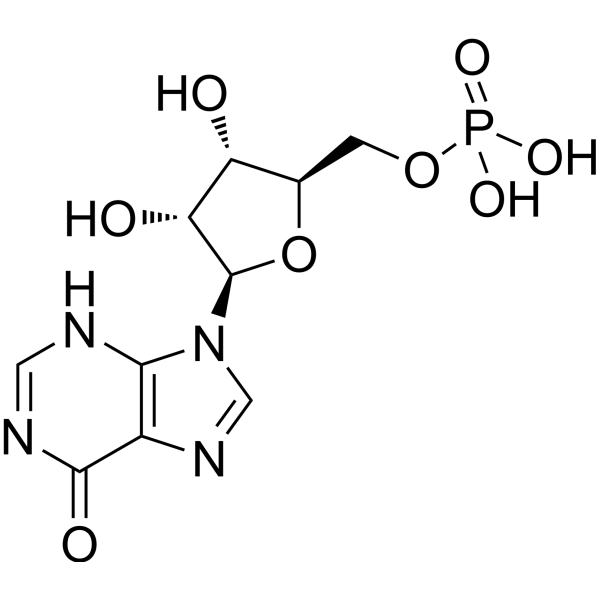
Inosinic acid is an endogenous metabolite. Inosinic acid is used as umami tastant, or as the dietary supplement to improve the yield and meat quality of pigs .
loading...
    loading...
4
4 Cited Publications
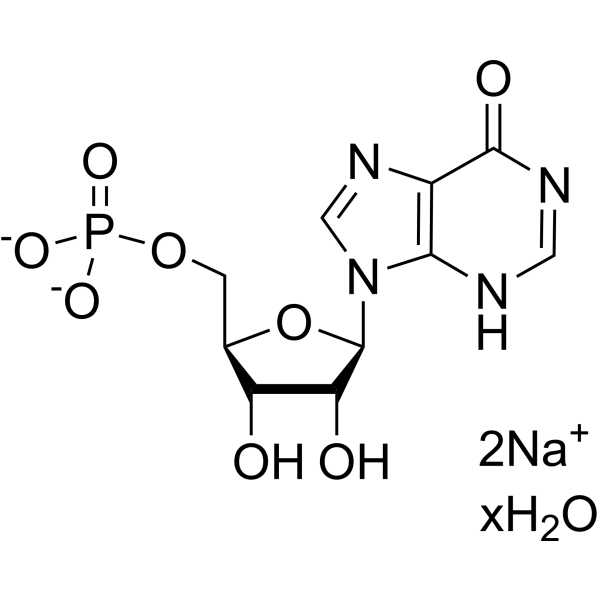
Cat. No.: HY-108213A
CAS No.: 352195-40-5
Purity:  99.57%
Synonyms: 5'-IMP disodiumhydrate(1:2:X); IMP disodiumhydrate(1:2:X); Inosine 5'-dihydrogen phosphate disodiumhydrate(1:2:X)
Inosinic acid (disodium)(hydrate)(1:2:X) (5'-IMP (disodium)(hydrate)(1:2:X)) is an endogenous metabolite. Inosinic acid (disodium)(hydrate)(1:2:X) is used as umami tastant, or as the dietary supplement to improve the yield and meat quality of pigs .
loading...
    loading...
2
2 Cited Publications
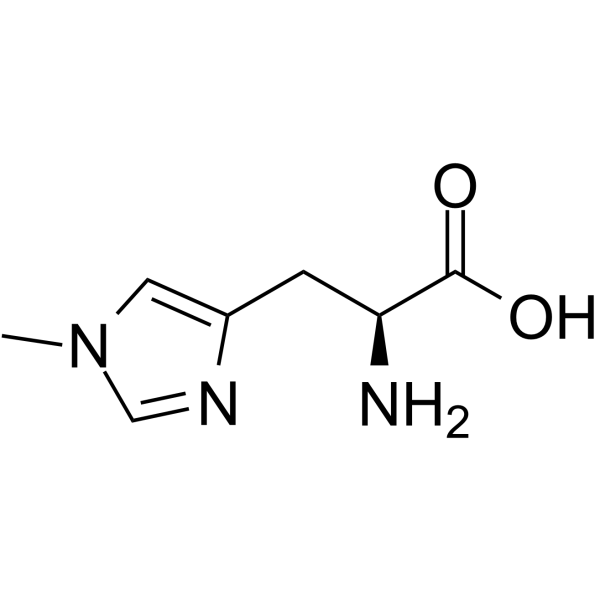
Cat. No.: HY-W017006
CAS No.: 332-80-9
1-Methyl-L-histidine is an objective indicator of meat ingestion and exogenous 3-methylhistidine (3MH) intake.
loading...
    loading...
2
2 Cited Publications
Cat. No.: HY-W012499
CAS No.: 65-82-7
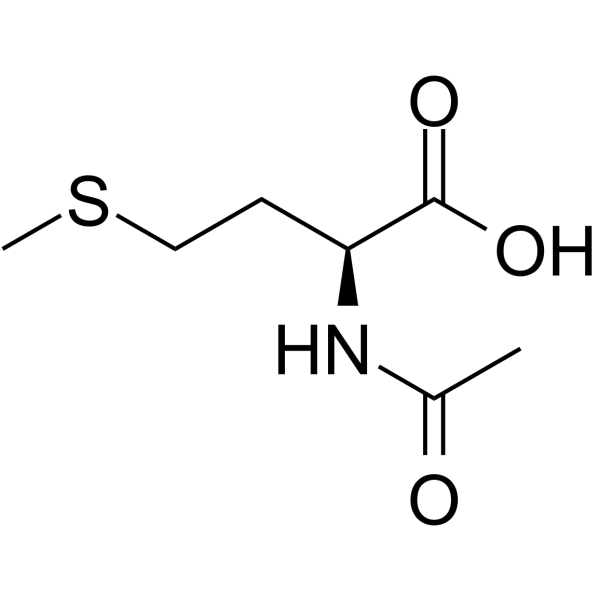
Synonyms: N-Acetylmethionine
N-Acetyl-L-methionine is a dietary supplementation. N-Acetyl-L-methionine increases caspase-3 activity and inhibits mitochondrial activity. N-Acetyl-L-methionine promotes lactation and improves meat quality .
loading...
    loading...
1
1 Cited Publications
Cat. No.: HY-118716
CAS No.: 105650-23-5
Purity:  99.93%
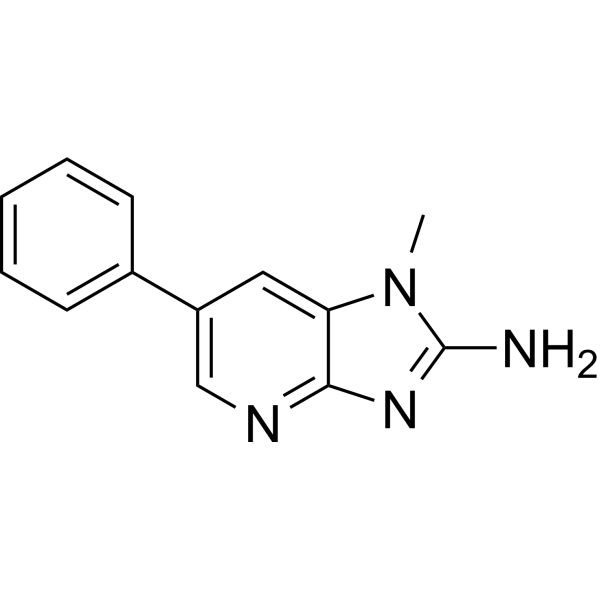
Synonyms: 2-Amino-1-methyl-6-phenylimidazo[4,5-b]pyridine
PhIP (2-Amino-1-methyl-6-phenylimidazo[4,5-b]pyridine) is the most abundant of generation of heterocyclic amines (HCA), resulted in the cooking of meat . DNA damaging and mutagenic activities. PhIP also has oestrogenic activity that could contribute to its tissue specific carcinogenicity .
loading...
    loading...
1
1 Cited Publications
Cat. No.: HY-123581
CAS No.: 81810-66-4
Purity:  98.00%
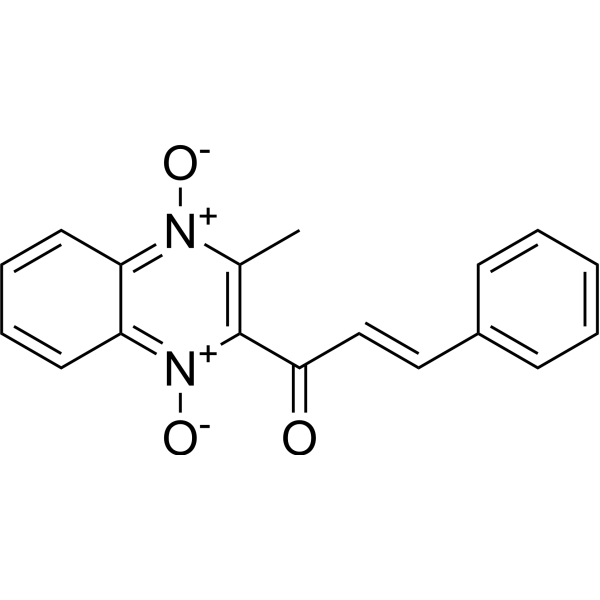
Quinocetone is an orally active animal feed additive used to increase the meat production of livestock and poultry. Quinocetone exhibits antibacterial activity against a variety of pathogenic microorganisms. Quinocetone exhibits tissue-specific (liver, lymphocyte) toxicity. Quinocetone induces autophagy in cells through the ATF6/DAPK1 pathway. Quinocetone activates the NF-κB and iNOS pathways, leading to cell apoptosis, hepatocyte vacuolar degeneration and fibrosis. Quinocetone can inhibit Nrf2/HO-1 and induce the generation of reactive oxygen species (ROS), leading to oxidative stress and DNA damage .
loading...
    loading...
1
1 Cited Publications
Cat. No.: HY-Y0469
CAS No.: 2827-56-7
Target:  

Drug Metabolite

Research Areas:  

Others

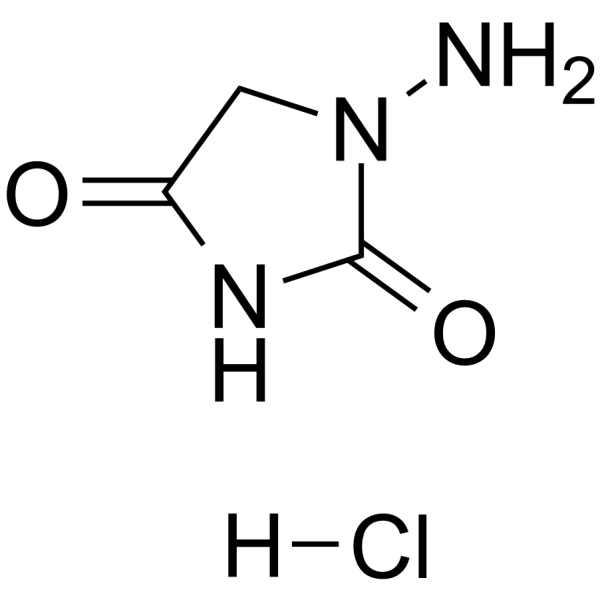
1-Aminohydantoin hydrochloride is a major metabolite of nitrofurantoin in animal tissues and can be used as a standard for the determination of residues of veterinary agents in meat, milk et.al. 1-Aminohydantoin hydrochloride covalently binds to tissue proteins and is released from the tissues under slightly acidic conditions and derivatized with 2-nitrobenzaldehyde to form nitrophenyl derivatives of AHD before detection .
loading...
    loading...
1
1 Cited Publications
Cat. No.: HY-W017006S
CAS No.: 91037-48-8
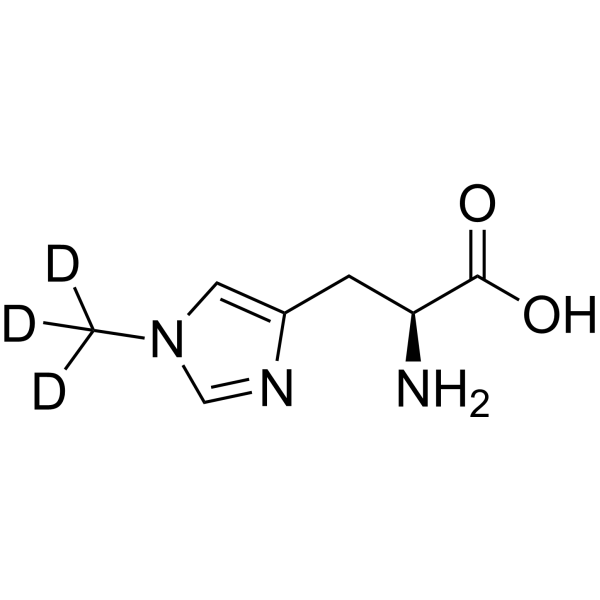
1-Methyl-L-histidine-d3 is the deuterium labeled 1-Methyl-L-histidine. 1-Methyl-L-histidine is an objective indicator of meat ingestion and exogenous 3-methylhistidine (3MH) intake.
loading...
    loading...
Cat. No.: HY-P2962
CAS No.: 80146-85-6
Synonyms: TG
Transglutaminase, Streptoverticillium mobaraense (TG) is an enzyme that forms cross-links between protein molecules. Transglutaminase, Streptoverticillium mobaraense attaches proteins and peptides to small molecules, polymers, surfaces, DNA and other proteins. Transglutaminase, Streptoverticillium mobaraense is widely used in food applications in the meat, fish, dairy and baking industries .
loading...
    loading...
Cat. No.: HY-113270A
CAS No.: 6249-56-5
Purity:  ≥98.0%
Synonyms: γ-Butyrobetaine chloride; Deoxycarnitine chloride
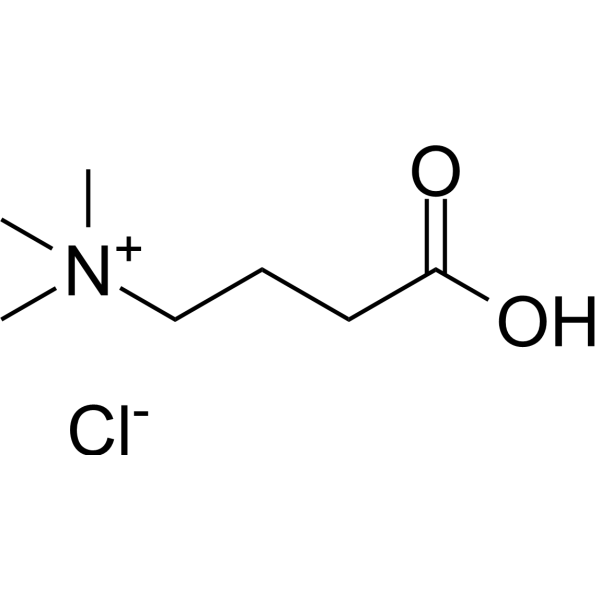
Actinine (γ-Butyrobetaine) chloride is angiopathic substance produced as an intermediary metabolite by gut microbiota that feed on carnitine in dietary red meat.
loading...
    loading...
Cat. No.: HY-N7079
CAS No.: 89-65-6
Synonyms: D-Isoascorbic acid; D-Araboascorbic acid
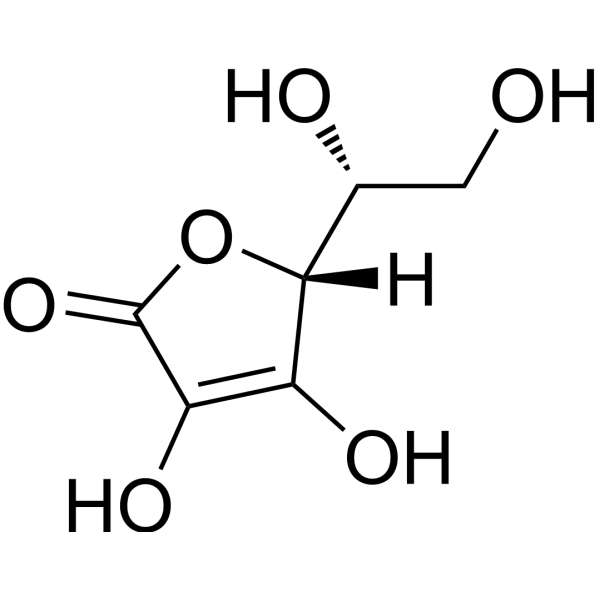
Erythorbic acid is an orally active compound. Erythorbic acid improves the radiation resistance of Listeria monocytogenes. Erythorbic acid can react with free radicals and reduce oxidative damage. Erythorbic acid has weak antiscorbic activity. Erythorbic acid can prevent oxidative discoloration in meat products .
loading...
    loading...
Cat. No.: HY-W698249
CAS No.: 299-29-6
Target:  

Ferroptosis Bacterial

Research Areas:  

Cardiovascular Disease Infection

Ferrous gluconate is a highly water-soluble iron-containing agent with high bioavailability and bactericidal activity. As a non-heme iron, Ferrous gluconate is used for meat product fortification and improvement of iron deficiency anemia. Ferrous gluconate induces ferroptosis in E. coli through Fe 2+ infiltration, reactive oxygen species burst, lipid peroxidation and direct interaction with DNA. Ferrous gluconate also downregulates the SOS responsive transcriptional repressor LexA. In addition, Ferrous gluconate regulates multiple key pathways in E. coli such as fatty acid metabolism, iron-sulfur cluster assembly and pyruvate metabolism, and is applied in studies related to *E. coli* infection and iron deficiency anemia .
loading...
    loading...
Cat. No.: HY-N7079A
CAS No.: 6381-77-7
Synonyms: D-Isoascorbic acid sodium; D-Araboascorbic acid sodium
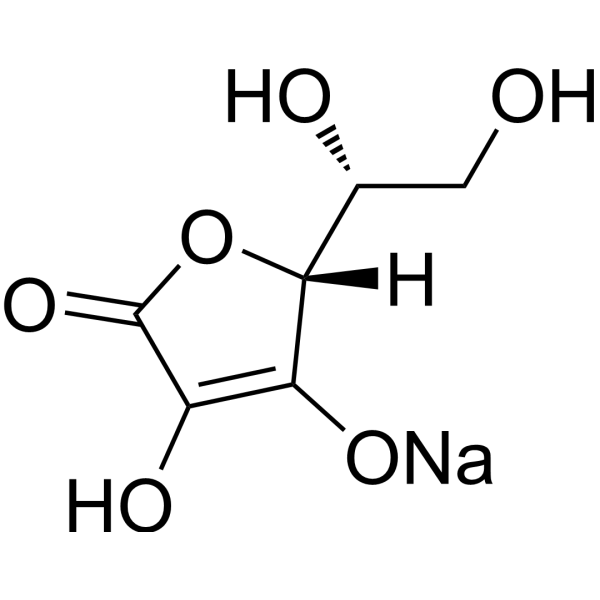
Sodium erythorbate is an orally active sodium salt form of isoascorbic acid. Sodium erythorbate improves the radiation resistance of Listeria monocytogenes. Sodium erythorbate can react with free radicals and reduce oxidative damage. Sodium erythorbate has weak antiscorbic activity. Sodium erythorbate can prevent oxidative discoloration in meat products .
loading...
    loading...
Cat. No.: HY-151226
CAS No.: 31566-31-1
Purity:  ≥98.0%
Synonyms: GMS
Research Areas:  

Others

Glyceryl monostearate (GMS) is a type of monoglyceride. Glyceryl monostearateGlyceryl monostearate can serve as a core lipid material for constructing solid lipid nanoparticles in the field of drug delivery. Glyceryl monostearate can be used as a gelling agent to structure liquid vegetable oils into semi-solid oleogels, so as to replace animal fat in meat products .
loading...
    loading...
Cat. No.: HY-124370
CAS No.: 13058-52-1
Purity:  99.2%
Synonyms: 9Z,11E-CLA; Methyl 9(Z),11(E)-octadecadienoate; (9Z,11E)-SFE 19:2
Target:  

Endogenous Metabolite

Research Areas:  

Cardiovascular Disease Cancer

9 (Z),11 (E)-Conjugated linoleic acid methyl ester (9Z,11E-CLA; Methyl 9 (Z),11 (E)-octadecadienoate; (9Z,11E)-SFE 19:2) is an isomer of Linoleic acid (HY-N0729), and is a conjugated linoleic acid mainly found in meat and dairy products. Conjugated linoleic acid is a bioactive fatty acid that improves body composition, enhances immune system function, and exhibits anti-cancer and anti-atherosclerotic effects .
loading...
    loading...
Cat. No.: HY-W012657
CAS No.: 4748-78-1
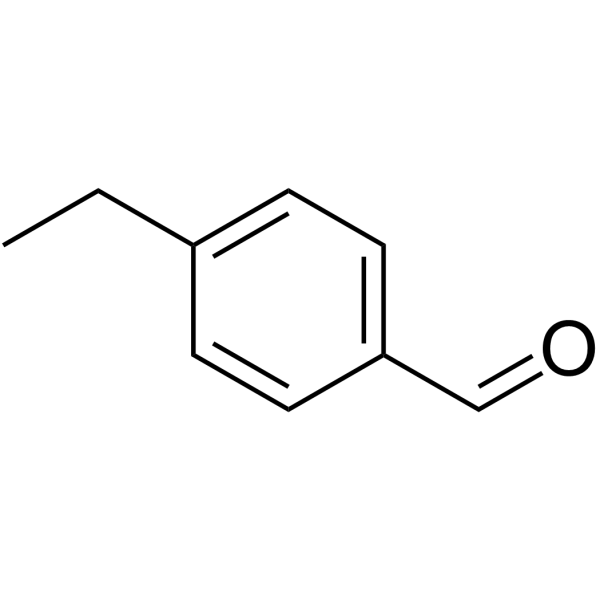
4-Ethylbenzaldehyde is an aldehyde type organic compound with an almond-like odor. 4-Ethylbenzaldehyde is naturally present in various foods such as grilled meat, black tea, peanuts, etc. 4-Ethylbenzaldehyde has significant effects in controlling plant parasitic nematodes. 4-Ethylbenzaldehyde has genotoxicity and potential for liver damage in zebrafish models .
loading...
    loading...
Cat. No.: HY-128371
CAS No.: 4536-23-6
Purity:  ≥98.0%
Research Areas:  

Others

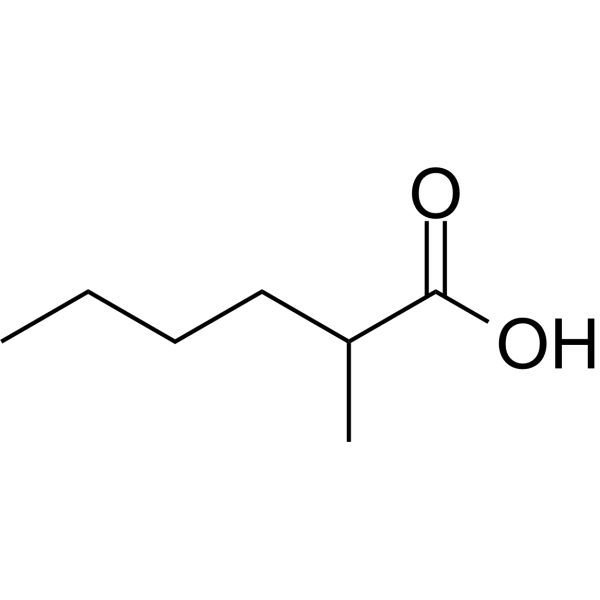
2-Methylhexanoic acid is a saturated branched-chain carboxylic acid with a strong "fatty" or "oily" odor. At high concentrations, it is often described as having the smell of lard, chicken fat or sweat; when diluted, it exhibits a dairy, cream or cheese aroma. Therefore, it is commonly used in the formulation of milk, meat (pork/chicken) and baked food flavors. 2-Methylhexanoic acid occurs naturally in fresh apples, cheese, grape brandy, lamb, potatoes and tea .
loading...
    loading...
Cat. No.: HY-W047710
CAS No.: 21193-75-9
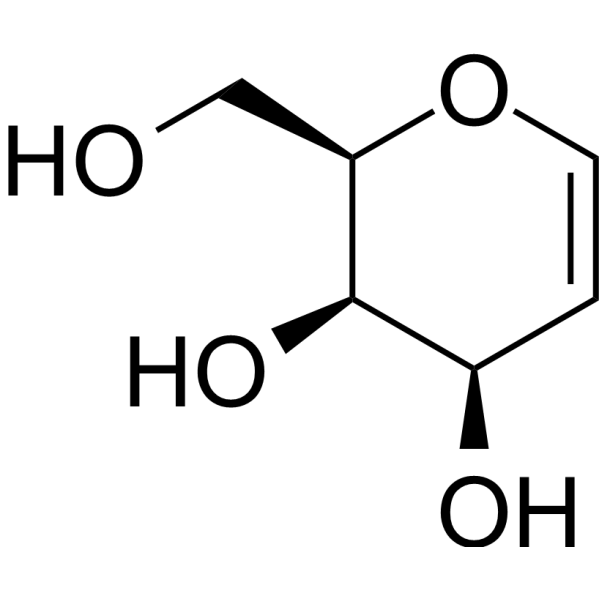
D-Galactal is a monosaccharide that belongs to the class of carbohydrates. It is an aldohexose, which means it has six carbon atoms and an aldehyde functional group. D-Galactal occurs naturally in certain foods such as dairy products, meats and fruits. It can also be synthesized by chemical or enzymatic processes. D-Galactal has various applications in the food industry, especially as a flavoring and sweetening agent. Additionally, it has potential research roles in metabolic disorders, cancer, and inflammation.
loading...
    loading...

