


1. Search Result
Search Result
Pathways Recommended: Metabolic Enzyme/Protease
Results for "

metabolic process

" in MedChemExpress (MCE) Product Catalog:

96

Inhibitors & Agonists

16

Screening Libraries

2

Fluorescent Dye

13

Biochemical Assay Reagents

1

Peptides

28

Natural
Products

25

Isotope-Labeled Compounds

3

Click Chemistry

5

Oligonucleotides

Cat. No. Product Name Target Research Areas Chemical Structure
  • HY-N0390
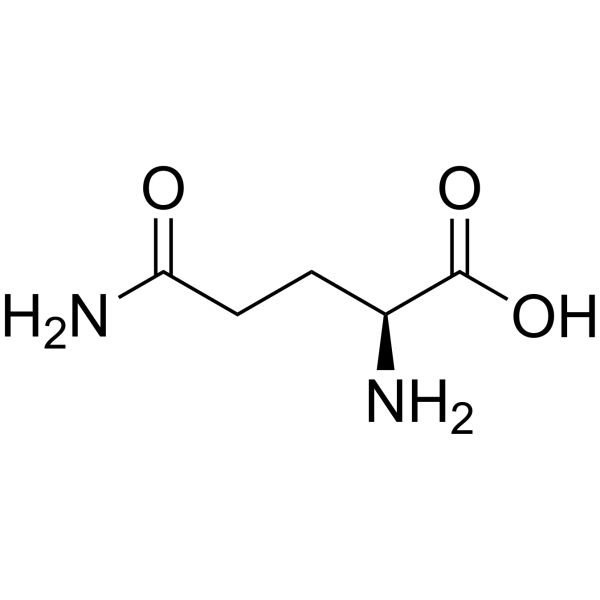
    L-Glutamine
    Maximum Cited Publications
    27 Publications Verification

    L-Glutamic acid 5-amide

    Environmental Pollutants Endogenous Metabolite mGluR Ferroptosis Metabolic Disease Cancer
    L-Glutamine (L-Glutamic acid 5-amide) is a non-essential amino acid present abundantly throughout the body and involved in many metabolic processes. L-Glutamine provides a source of carbons for oxidation in some cells .
    L-Glutamine
  • HY-Y1269
    Ammonium chloride, AR, 99.5%
    Maximum Cited Publications
    47 Publications Verification

    Environmental Pollutants Autophagy Cancer
    Ammonium chloride, as a heteropolar compound with pH value regulation, can cause intracellular alkalization and metabolic acidosis thus effecting enzymatic activity and influencing the process of biological system. Ammonium chloride is an autophagy inhibitor. Ammonium chloride is also a lysosome inhibitor .
    Ammonium chloride, AR, 99.5%
  • HY-N0390S1
    L-Glutamine-13C5
    Maximum Cited Publications
    9 Publications Verification

    L-Glutamic acid 5-amide-13C5

    Isotope-Labeled Compounds mGluR Endogenous Metabolite Ferroptosis Metabolic Disease Cancer
    L-Glutamine- 13C5 is the 13C-labeled L-Glutamine. L-Glutamine (L-Glutamic acid 5-amide) is a non-essential amino acid present abundantly throughout the body and involved in many metabolic processes. L-Glutamine provides a source of carbons for oxidation in some cells .
    L-Glutamine-13C5
  • HY-Y1269C
    Ammonium chloride, for cell culture
    Maximum Cited Publications
    47 Publications Verification

    Salmiac, for cell culture

    Environmental Pollutants Biochemical Assay Reagents Autophagy Cancer
    Ammonium chloride, for cell culture (Salmiac, for cell culture) is a reagent that can be used in cell culture to provide a source of nitrogen. Ammonium chloride can be used as a heteropolar compound to regulate pH value, which can cause intracellular alkalination and metabolic acidosis, thus affecting the activity of enzymes and affecting the process of biological systems. Ammonium chloride acts as an autophagy inhibitor.Ammonium chloride is also a lysosome inhibitor.
    Ammonium chloride, for cell culture
  • HY-F0002
    NADP sodium salt
    Maximum Cited Publications
    6 Publications Verification

    Sodium NADP

    Endogenous Metabolite Metabolic Disease Inflammation/Immunology Cancer
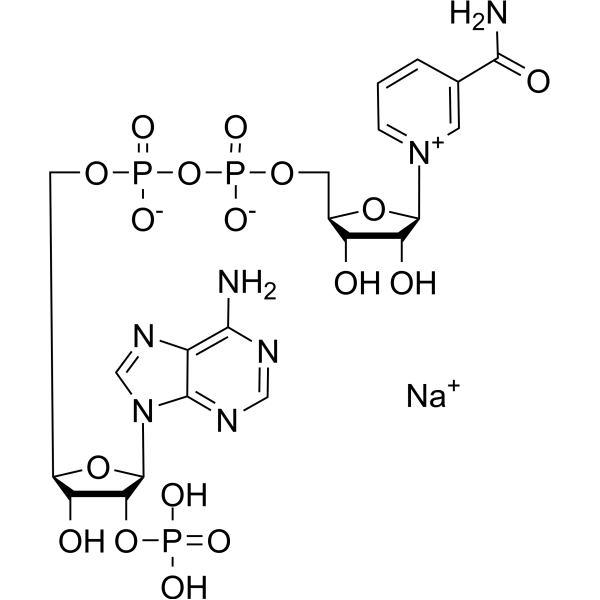
    NADP sodium salt is the sodium salt form of NADP (HY-113325). NADP is a coenzyme involved in cellular electron transfer reactions in biological metabolism, which is alternately oxidized (NADP+) and reduced (NADPH), and can maintain cellular redox homeostasis and regulate many biological events, including cellular metabolism. NADPH is a universal electron donor that provides reducing ability for synthetic metabolic reactions and redox balance. NADPH plays a multifunctional role in regulating inflammation, redox homeostasis, and synthetic metabolism processes .
    NADP sodium salt
  • HY-N2325

    Endogenous Metabolite Others
    D-(+)-Cellobiose is a water-soluble disaccharide and an important intermediate product in the degradation process of cellulose and hemicellulose. D-(+)-cellobiose is used as a carbon source by microorganisms in fermentation processes, where it is converted into ethanol or other metabolic products. D-(+)-Cellobiose has significant application value in biofuel production, such as bioethanol .
    D-(+)-Cellobiose
  • HY-126370A

    Endogenous Metabolite YAP Apoptosis Interleukin Related STAT ERK Ras Cancer
    Geranylgeranyl pyrophosphate triammonium is a type of isoprenoid metabolic intermediate, mainly synthesized through the mevalonate pathway. Geranylgeranyl pyrophosphate triammonium is a key precursor in various biological synthesis processes, especially as a necessary substrate for post-translational modification of proteins - geranylgeranyl phosphorylation. Geranylgeranyl pyrophosphate triammonium regulates various cellular processes and disease progression through protein geranylgeranyl phosphorylation, such as activating the YAP signaling pathway, promoting cell proliferation and inhibiting apoptosis; promoting IL-2 production and STAT5 phosphorylation; and influencing metabolic homeostasis and cancer, etc .
    Geranylgeranyl pyrophosphate triammonium
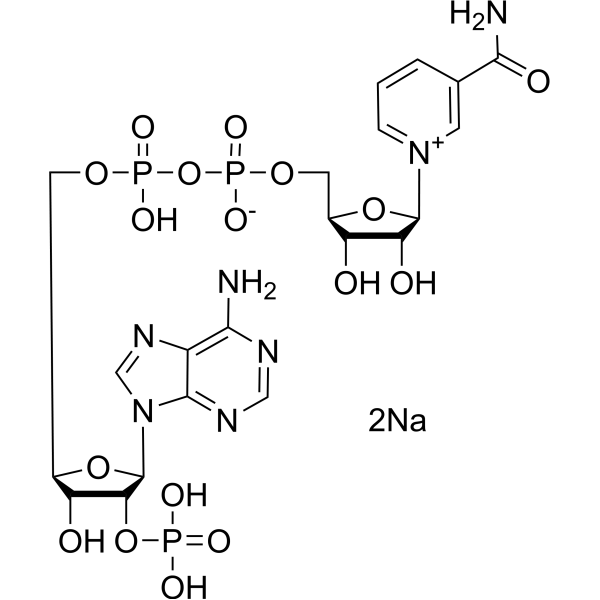
  • HY-F0002A
    NADP disodium salt
    Maximum Cited Publications
    6 Publications Verification

    Disodium NADP

    Endogenous Metabolite Metabolic Disease Inflammation/Immunology Cancer
    NADP disodium salt is the disodium salt form of NADP (HY-113325). NADP is a coenzyme involved in cellular electron transfer reactions in biological metabolism, which is alternately oxidized (NADP+) and reduced (NADPH), and can maintain cellular redox homeostasis and regulate many biological events, including cellular metabolism. NADPH is a universal electron donor that provides reducing ability for synthetic metabolic reactions and redox balance. NADPH plays a multifunctional role in regulating inflammation, redox homeostasis, and synthetic metabolism processes .
    NADP disodium salt
  • HY-112537
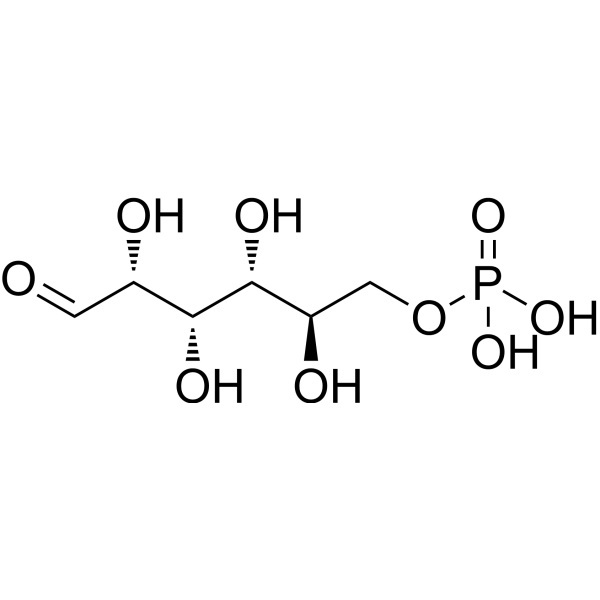
    D-Glucose 6-phosphate
    4 Publications Verification

    Endogenous Metabolite mTOR Cardiovascular Disease Metabolic Disease
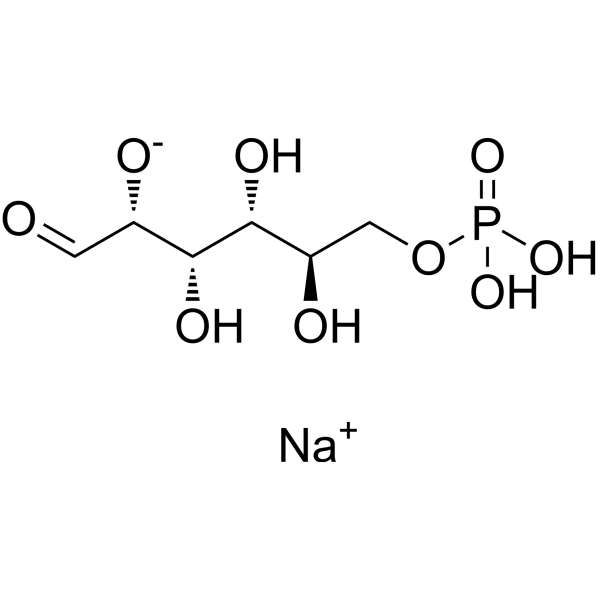
    D-Glucose 6-phosphate is a key central node metabolite in glucose metabolism. It serves as the initiating metabolite for glycolysis and the pentose phosphate pathway, as well as a substrate for glycogen synthesis. D-Glucose 6-phosphate acts as a metabolic stress signal, which activates the mTOR pathway to promote protein synthesis, especially when phosphoglucose isomerase (PGI) is inhibited, thereby participating in cardiac remodeling processes. D-Glucose 6-phosphate can be used in research related to non-insulin-dependent diabetes mellitus and heart failure .
    D-Glucose 6-phosphate
  • HY-N0390S
    L-Glutamine-15N
    3 Publications Verification

    L-Glutamic acid 5-amide-15N

    Isotope-Labeled Compounds mGluR Endogenous Metabolite Ferroptosis Metabolic Disease Cancer
    L-Glutamine- 15N is the 15N-labeled L-Glutamine. L-Glutamine (L-Glutamic acid 5-amide) is a non-essential amino acid present abundantly throughout the body and involved in many metabolic processes. L-Glutamine provides a source of carbons for oxidation in some cells .
    L-Glutamine-15N
  • HY-N0390S8
    L-Glutamine-15N2
    1 Publications Verification

    L-Glutamic acid 5-amide-15N2

    Isotope-Labeled Compounds mGluR Endogenous Metabolite Ferroptosis Metabolic Disease Cancer
    L-Glutamine- 15N2 is the 15N-labeled L-Glutamine. L-Glutamine (L-Glutamic acid 5-amide) is a non-essential amino acid present abundantly throughout the body and involved in many metabolic processes. L-Glutamine provides a source of carbons for oxidation in some cells .
    L-Glutamine-15N2
  • HY-Y1269S

    Autophagy Isotope-Labeled Compounds Cancer
    Ammonium chloride- 15N is the 15N labeled Ammonium chloride (HY-Y1269). Ammonium chloride, as a heteropolar compound with pH value regulation, can cause intracellular alkalization and metabolic acidosis thus effecting enzymatic activity and influencing the process of biological system. Ammonium chloride is an autophagy inhibitor. Ammonium chloride is also a lysosome inhibitor .
    Ammonium chloride-15N
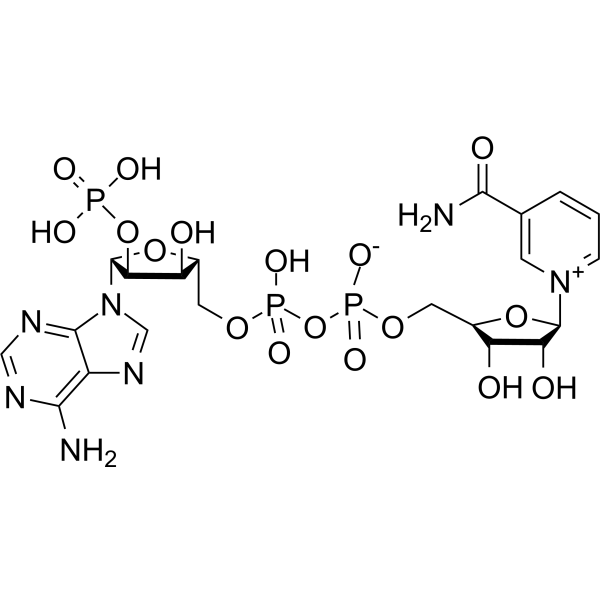
  • HY-113325
    NADP
    Maximum Cited Publications
    6 Publications Verification

    Endogenous Metabolite Metabolic Disease Inflammation/Immunology Cancer
    NADP is a coenzyme involved in cellular electron transfer reactions in biological metabolism, which is alternately oxidized (NADP+) and reduced (NADPH), and can maintain cellular redox homeostasis and regulate many biological events, including cellular metabolism. NADPH is a universal electron donor that provides reducing ability for synthetic metabolic reactions and redox balance. NADPH plays a multifunctional role in regulating inflammation, redox homeostasis, and synthetic metabolism processes .
    NADP
  • HY-N0390S9
    L-Glutamine-15N-1
    3 Publications Verification

    L-Glutamic acid 5-amide-15N-1

    Isotope-Labeled Compounds mGluR Endogenous Metabolite Ferroptosis Metabolic Disease Cancer
    L-Glutamine- 15N-1 is the 15N-labeled L-Glutamine. L-Glutamine (L-Glutamic acid 5-amide) is a non-essential amino acid present abundantly throughout the body and involved in many metabolic processes. L-Glutamine provides a source of carbons for oxidation in some cells .
    L-Glutamine-15N-1
  • HY-121965

    Biochemical Assay Reagents Endogenous Metabolite Others
    β-D-Glucose, also known as glucose, is a monosaccharide, the most important carbohydrate in biological systems, the main energy source of cells, and plays a key role in various metabolic processes. β-D-Glucose has unique chemical properties that make it an abundant component in plant and animal tissues and is readily metabolized by organisms to produce cellular energy. It is commonly used to improve hypoglycemia and dehydration, and as a sweetener and preservative in food and beverage production.
    β-D-Glucose
  • HY-101036
    Choline bitartrate
    4 Publications Verification

    mAChR Endogenous Metabolite Neurological Disease Cancer
    Choline bitartrate is a vitamin-like essential nutrient, can affect diseases such as liver disease, atherosclerosis and neurological disorders . Choline bitartrate is a precursor for the neurotransmitter acetylcholine, as a methyl donor in various metabolic processes, and in lipid metabolism .
    Choline bitartrate
  • HY-18569B

    IAA

    Endogenous Metabolite Infection
    3-Indoleacetic acid, suitable for plant cell culture (IAA), is a naturally occurring plant growth hormone that is widely present in plants, bacteria, and fungi. 3-Indoleacetic acid, suitable for plant cell culture, is a plant growth-promoting hormone that not only promotes plant growth but also protects bacteria from the toxic damage to cell membrane potential caused by other indole intermediate products (such as I3P) produced during their own metabolic processes. 3-Indoleacetic acid, suitable for plant cell culture, can be used in plant cell culture .
    3-Indoleacetic acid,suitable for plant cell culture
  • HY-N0390S2
    L-Glutamine-d5
    1 Publications Verification

    L-Glutamic acid 5-amide-d5

    Isotope-Labeled Compounds mGluR Endogenous Metabolite Ferroptosis Metabolic Disease
    L-Glutamine-d5 is the deuterium labeled L-Glutamine. L-Glutamine (L-Glutamic acid 5-amide) is a non-essential amino acid present abundantly throughout the body and involved in many metabolic processes. L-Glutamine provides a source of carbons for oxidation in some cells .
    L-Glutamine-d5
  • HY-N0390S6

    L-Glutamic acid 5-amide-13C5,15N2

    Isotope-Labeled Compounds mGluR Endogenous Metabolite Ferroptosis Metabolic Disease Cancer
    L-Glutamine- 13C5, 15N2 is the 13C- and 15N-labeled L-Glutamine. L-Glutamine (L-Glutamic acid 5-amide) is a non-essential amino acid present abundantly throughout the body and involved in many metabolic processes. L-Glutamine provides a source of carbons for oxidation in some cells .
    L-Glutamine-13C5,15N2
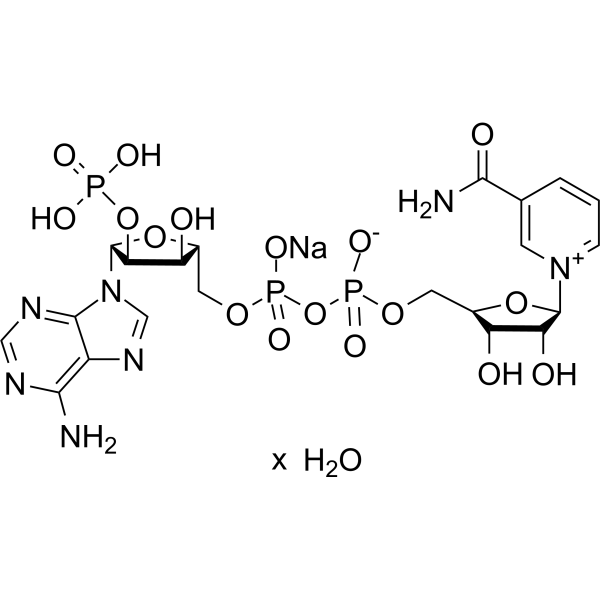
  • HY-113325A
    NADP sodium hydrate
    5+ Cited Publications

    Endogenous Metabolite Metabolic Disease Inflammation/Immunology Cancer
    NADP sodium hydrate is the sodium salt hydrate form of NADP (HY-113325). NADP is a coenzyme involved in cellular electron transfer reactions in biological metabolism, which is alternately oxidized (NADP+) and reduced (NADPH), and can maintain cellular redox homeostasis and regulate many biological events, including cellular metabolism. NADPH is a universal electron donor that provides reducing ability for synthetic metabolic reactions and redox balance. NADPH plays a multifunctional role in regulating inflammation, redox homeostasis, and synthetic metabolism processes .
    NADP sodium hydrate
  • HY-121970

    Phosphoglycerate Dehydrogenase (PHGDH) Reactive Oxygen Species (ROS) HIF/HIF Prolyl-Hydroxylase Metabolic Disease
    iGP-1 is a cell-permeable, selective mixed inhibitor of mitochondrial sn-glycerol-3-phosphate dehydrogenase (mGPDH), with IC50s of 6.3 μM and 13.6 μM for rat mGPDH activity and H2O2 production, respectively. iGP-1 specifically blocks the mitochondrial component of the glycerophosphate shuttle without affecting cytosolic GPDH. iGP-1 not only inhibits cell proliferation and glutaminolysis, and enhances glycolysis, but also significantly alters key cellular physiological processes such as apoptosis, ROS production, HIF-1α stability and mitochondrial membrane potential. iGP-1 remains active in neutrophil cultures under both normoxic and hypoxic conditions, and serves as an ideal probe for glycerol-3-phosphate metabolic mechanisms. iGP-1 has been applied to studies on prostate cancer and related metabolic pathways .
    iGP-1
  • HY-W749209

    Anhydrous sodium acetate-13C2

    Endogenous Metabolite
    Acetic acid-13C2 is a stable isotope labeled compound with biomarker and metabolic tracking activity. Acetic acid-13C2 is often used in biochemical research for the analysis of metabolic pathways. Acetic acid-13C2 is also used in medical imaging and compound development to improve the understanding of biological processes.
    Acetic acid-13C2 sodium
  • HY-N8469

    COX Inflammation/Immunology
    cis-5-Dodecenoic acid is an inhibitor of COX-I and COX-II with anti-inflammatory activity. cis-5-Dodecenoic acid reduces prostaglandin synthesis by inhibiting COX enzyme activity and is involved in the fatty acid -β oxidative metabolic pathway. The metabolic rate of cis-5-Dodecenoic acid is significantly lower than that of saturated fatty acids. cis-5-Dodecenoic acid can be used in the research of anti-inflammation, fatty acid metabolism mechanisms and related physiological and pathological processes .
    cis-5-Dodecenoic acid
  • HY-W129633

    DCIP sodium hydrate; DPIP sodium hydrate

    Biochemical Assay Reagents Others
    2,6-Dichlorophenolindophenol (DCIP; DPIP) sodium hydrate is a redox chromogenic indicator with a redox potential of +217 mV relative to SHE, and it acts as a substrate for reduction reactions. During the metabolic process of nutrient consumption by Saccharomyces cerevisiae, 2,6-Dichlorophenolindophenol sodium hydrate is reduced from dark blue to colorless, resulting in a decrease in absorbance. 2,6-Dichlorophenolindophenol sodium hydrate is widely used in spectrophotometric biochemical oxygen demand determination and preclinical colorimetric toxicity analysis for heavy metal ion detection based on Saccharomyces cerevisiae .
    2,6-Dichlorophenolindophenol sodium hydrate
  • HY-129084
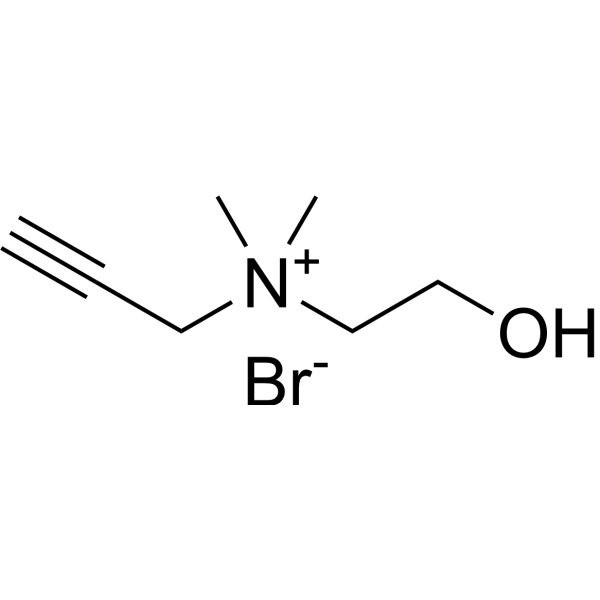
    Propargylcholine bromide
    1 Publications Verification

    Biochemical Assay Reagents Others
    Propargylcholine bromide is a choline analogue containing terminal propargyl that can be incorporated into all classes of Choline-containing phospholipids such as phosphatidylcholine and sphingomyelin, labeling Choline-containing phospholipids. Propargylcholine bromide-labeled phospholipid molecules can be visualized in cells with high sensitivity and spatial resolution. Propargylcholine bromide can be used as a molecular tool to study the biochemical and metabolic processes of Choline-containing phospholipids in cells . Propargylcholine (bromide) is a click chemistry reagent, it contains an Alkyne group and can undergo copper-catalyzed azide-alkyne cycloaddition (CuAAc) with molecules containing Azide groups.
    Propargylcholine bromide
  • HY-143212

    1-Stearoyl-2-docosahexaenoyl-sn-glycerol

    Ras p38 MAPK ERK PKC Metabolic Disease Inflammation/Immunology Cancer
    18:0-22:6 DG (1-Stearoyl-2-docosahexaenoyl-sn-glycerol) is a diacylglycerol (DG) that can interact with RasGRP (Ras guanine nucleotide-releasing protein) (Ki = 8.37 μM) and modulate the activation of MAP kinases (such as ERK1/ERK2), which play a crucial role in cellular signaling processes. 18:0-22:6 DG can also activate protein kinase C (PKC) isozyme. 18:0-22:6 DG can be used for research of cancer, immunology and metabolic disease .
    18:0-22:6 DG
  • HY-P3016A

    EC 2.6.1.1, porcine heart; GOT, porcine heart; AST, porcine heart

    Aminotransferases (Transaminases) Cardiovascular Disease
    Aspartate aminotransferase (EC 2.6.1.1), porcine heart is a metabolic regulator with the highest activity in the heart, liver and skeletal muscle. Aspartate aminotransferase, porcine heart comprises two isozymes: the cytoplasmic form (AST1) and the mitochondrial form (AST2). By catalyzing reversible transamination reactions between oxaloacetate, L-glutamate and other substances, it is deeply involved in key physiological processes such as amino acid metabolism, the tricarboxylic acid cycle and neurotransmitter synthesis. Aspartate aminotransferase, porcine heart also provides substrate support for the synthesis of urea and purines/pyrimidines. Aspartate aminotransferase, porcine heart is a serum marker reflecting cardiac and hepatic injury, and its abnormal levels are also closely associated with myocardial infarction, cardiovascular diseases and various cancers .
    Aspartate aminotransferase, porcine heart
  • HY-126370

    Endogenous Metabolite YAP Apoptosis Interleukin Related STAT ERK Ras Cancer
    Geranylgeranyl pyrophosphate is a type of isoprenoid metabolic intermediate, mainly synthesized through the mevalonate pathway. Geranylgeranyl pyrophosphate is a key precursor in various biological synthesis processes, especially as a necessary substrate for post-translational modification of proteins - geranylgeranyl phosphorylation. Geranylgeranyl pyrophosphate regulates various cellular processes and disease progression through protein geranylgeranyl phosphorylation, such as activating the YAP signaling pathway, promoting cell proliferation and inhibiting apoptosis; promoting IL-2 production and STAT5 phosphorylation; and influencing metabolic homeostasis and cancer, etc .
    Geranylgeranyl pyrophosphate
  • HY-N0390R
    L-Glutamine (Standard)
    Maximum Cited Publications
    27 Publications Verification

    L-Glutamic acid 5-amide (Standard)

    Reference Standards mGluR Endogenous Metabolite Ferroptosis Metabolic Disease Cancer
    L-Glutamine (Standard) is the analytical standard of L-Glutamine. This product is intended for research and analytical applications. L-Glutamine (L-Glutamic acid 5-amide) is a non-essential amino acid present abundantly throughout the body and involved in many metabolic processes. L-Glutamine provides a source of carbons for oxidation in some cells .
    L-Glutamine (Standard)
  • HY-N4104
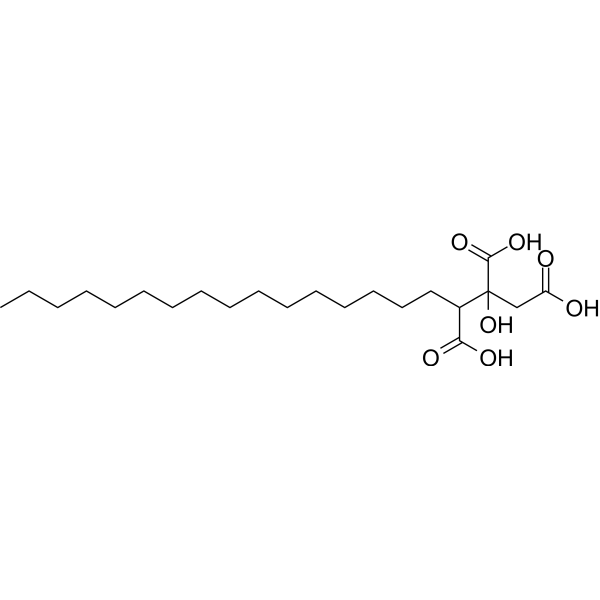
    Agaric acid
    1 Publications Verification

    Agaricinic Acid

    Mitochondrial Metabolism Bacterial Calcium Channel Infection Metabolic Disease
    Agaric acid (Agaricinic Acid) is an orally active inhibitor of adenine nucleotide translocase found in specific fungi. Agaric acid can inhibit the biofilm formation of various bacteria such as Salmonella. Agaric acid can also induce mitochondrial permeability transition, prompting mitochondria to release Ca 2+, disrupting the transmembrane potential, and causing mitochondrial swelling. In addition, Agaric acid can also inhibit citrate transport in liver mitochondria and participate in the inhibition of fatty acid synthesis, affecting multiple metabolic processes .
    Agaric acid
  • HY-112537S1

    Isotope-Labeled Compounds Endogenous Metabolite mTOR Cardiovascular Disease Metabolic Disease
    D-Glucose 6-Phosphate- 13C6 disodium xhydrate is a 13C-labeled D-Glucose 6-phosphate disodium xhydrate. D-Glucose 6-phosphate disodium xhydrate is a key central node metabolite in sugar metabolism, serving as the initial metabolite of glycolysis and pentose phosphate pathway, and also a substrate for glycogen synthesis. D-Glucose 6-phosphate disodium xhydrate can act as a metabolic stress signal, especially when phosphoglucomutase (PGI) is inhibited, activating the mTOR pathway, promoting protein synthesis, and thereby participating in the remodeling process of the heart. D-Glucose 6-phosphate disodium xhydrate can be used in research related to non-insulin-dependent diabetes and heart failure.
    D-Glucose 6-Phosphate-13C6 (disodium xhydrate)
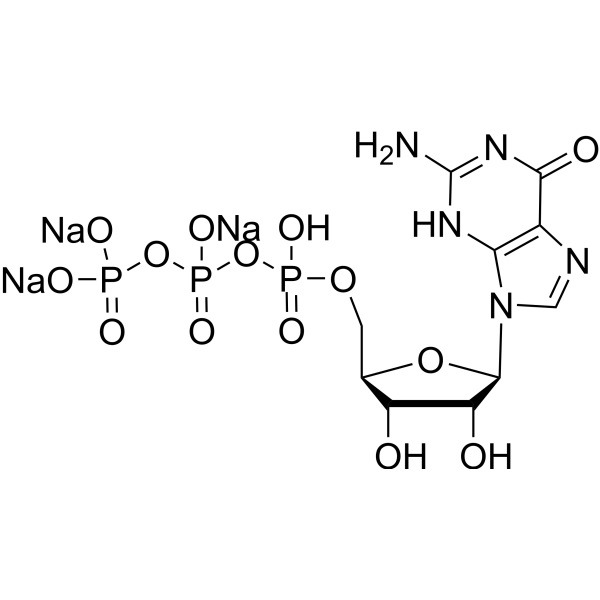
  • HY-113225

    GTP

    Endogenous Metabolite DNA/RNA Synthesis Apoptosis Mitosis Cancer
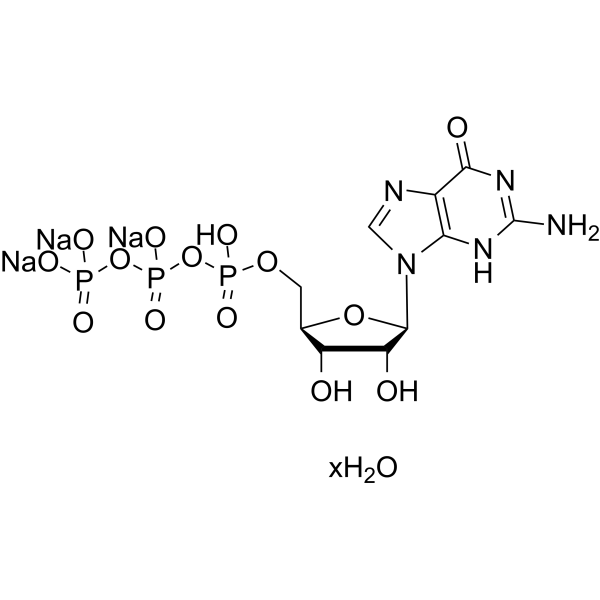
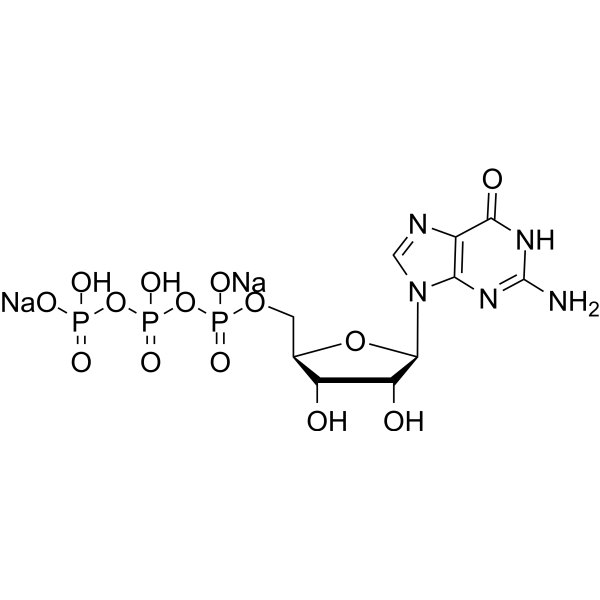
    Guanosine triphosphate (GTP) is a critical nucleotide and regulator of cellular metabolism. Guanosine triphosphate promotes ribosomal DNA localization, pre-rRNA transcription and ribosome biogenesis by binding to RNA polymerase I and GPN proteins (GPN1/3). Guanosine triphosphate links MYC-dependent ribosome biogenesis to nucleotide sufficiency, acts as a metabolic gatekeeper supporting protein synthesis, DNA/RNA synthesis and cellular signal transduction, while also participating in the physiological activities of pancreatic β-cells and serving as an oxidative substrate for reactive oxygen species. In small cell lung cancer with high MYC expression, Guanosine triphosphate accumulates through the IMPDH-driven synthetic pathway, thereby affecting apoptosis and mitotic processes. Guanosine triphosphate is used in the research of small cell lung cancer, hepatoblastoma and cellular metabolism .
    Guanosine triphosphate
  • HY-W047710

    Biochemical Assay Reagents Others
    D-Galactal is a monosaccharide that belongs to the class of carbohydrates. It is an aldohexose, which means it has six carbon atoms and an aldehyde functional group. D-Galactal occurs naturally in certain foods such as dairy products, meats and fruits. It can also be synthesized by chemical or enzymatic processes. D-Galactal has various applications in the food industry, especially as a flavoring and sweetening agent. Additionally, it has potential research roles in metabolic disorders, cancer, and inflammation.
    D-Galactal
  • HY-P3016

    EC 2.6.1.1; GOT; AST

    Aminotransferases (Transaminases) Cardiovascular Disease
    Aspartate aminotransferase (EC 2.6.1.1), Genetically engineered bacteria is a metabolic regulator with the highest activity in the heart, liver and skeletal muscle. Aspartate aminotransferase, Genetically engineered bacteria comprises two isozymes: the cytoplasmic form (AST1) and the mitochondrial form (AST2). By catalyzing reversible transamination reactions between oxaloacetate, L-glutamate and other substances, it is deeply involved in key physiological processes such as amino acid metabolism, the tricarboxylic acid cycle and neurotransmitter synthesis. Aspartate aminotransferase, Genetically engineered bacteria also provides substrate support for the synthesis of urea and purines/pyrimidines. Aspartate aminotransferase, Genetically engineered bacteria is a serum marker reflecting cardiac and hepatic injury, and its abnormal levels are also closely associated with myocardial infarction, cardiovascular diseases and various cancers .
    Aspartate aminotransferase, Genetically engineered bacteria
  • HY-144312

    Galectin Metabolic Disease Cancer
    Thiobis-β-Galactose-propyne is an effective multivalent galectin-3 (Gal-3) inhibitor. Galectin-3 is involved in many metabolism processes related to cancer. Galectin-3-IN-1 is a click chemistry reagent. It contains an alkyne group that can undergo a copper-catalyzed azide-alkyne cycloaddition (CuAAc) reaction with molecules that have an azide group .
    Thiobis-β-Galactose-propyne
  • HY-N0390S5
    L-Glutamine-1-13C
    1 Publications Verification

    L-Glutamic acid 5-amide-1-13C

    Isotope-Labeled Compounds mGluR Endogenous Metabolite Ferroptosis Metabolic Disease Cancer
    L-Glutamine-1- 13C is the 13C-labeled L-Glutamine. L-Glutamine (L-Glutamic acid 5-amide) is a non-essential amino acid present abundantly throughout the body and involved in many metabolic processes. L-Glutamine provides a source of carbons for oxidation in some cells .
    L-Glutamine-1-13C
  • HY-N0390S4

    L-Glutamic acid 5-amide-5-13C

    Isotope-Labeled Compounds mGluR Endogenous Metabolite Ferroptosis Metabolic Disease Cancer
    L-Glutamine-5- 13C is the 13C-labeled L-Glutamine. L-Glutamine (L-Glutamic acid 5-amide) is a non-essential amino acid present abundantly throughout the body and involved in many metabolic processes. L-Glutamine provides a source of carbons for oxidation in some cells .
    L-Glutamine-5-13C
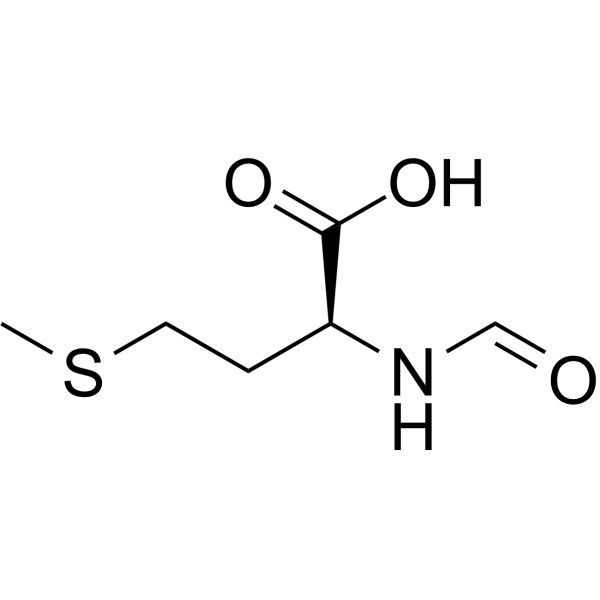
  • HY-W016647

    N-Formylmethionine

    Endogenous Metabolite Bacterial Infection Metabolic Disease
    For-Met-OH (N-Formylmethionine) can be involved in the translation process of bacteria, chloroplasts, and mitochondria. For-Met-OH plays different roles in different species and organelles, such as promoting the formation of protein complexes in mitochondria and acting as a degradation signal in bacteria and yeast. The level of For-Met-OH is closely related to certain diseases, for example, For-Met-OH is a potential biomarker for metabolic disorders and poor prognosis in critically ill patients .
    For-Met-OH
  • HY-113325AR

    Endogenous Metabolite Reference Standards Metabolic Disease Inflammation/Immunology Cancer
    NADP sodium hydrate (Standard) is the analytical standard of NADP sodium hydrate (HY-113325A). This product is intended for research and analytical applications. NADP sodium hydrate is the sodium salt hydrate form of NADP (HY-113325). NADP is a coenzyme involved in cellular electron transfer reactions in biological metabolism, which is alternately oxidized (NADP+) and reduced (NADPH), and can maintain cellular redox homeostasis and regulate many biological events, including cellular metabolism. NADPH is a universal electron donor that provides reducing ability for synthetic metabolic reactions and redox balance. NADPH plays a multifunctional role in regulating inflammation, redox homeostasis, and synthetic metabolism processes.
    NADP sodium hydrate (Standard)
  • HY-Y1269AS

    Isotope-Labeled Compounds Autophagy Cancer
    Ammonium chloride-d4 is the deuterium labeled Ammonium chloride. Ammonium chloride, as a heteropolar compound with pH value regulation, can cause intracellular alkalization and metabolic acidosis thus effecting enzymatic activity and influencing the process of biological system. Ammonium chloride is an autophagy inhibitor. Ammonium chloride is also a lysosome inhibitor .
    Ammonium chloride-d4
  • HY-F0002R

    Sodium NADP (Standard)

    Endogenous Metabolite Reference Standards Metabolic Disease Inflammation/Immunology Cancer
    NADP (sodium salt) (Standard) is the analytical standard of NADP (sodium salt). This product is intended for research and analytical applications. NADP sodium salt is the sodium salt form of NADP (HY-113325). NADP is a coenzyme involved in cellular electron transfer reactions in biological metabolism, which is alternately oxidized (NADP+) and reduced (NADPH), and can maintain cellular redox homeostasis and regulate many biological events, including cellular metabolism. NADPH is a universal electron donor that provides reducing ability for synthetic metabolic reactions and redox balance. NADPH plays a multifunctional role in regulating inflammation, redox homeostasis, and synthetic metabolism processes[1][4].
    NADP sodium salt (Standard)
  • HY-N0390S3

    L-Glutamic acid 5-amide-13C5,15N2,d5

    Isotope-Labeled Compounds mGluR Endogenous Metabolite Ferroptosis Metabolic Disease
    L-Glutamine- 13C5, 15N2,d5 is the deuterium, 13C-, and 15-labeled L-Glutamine. L-Glutamine (L-Glutamic acid 5-amide) is a non-essential amino acid present abundantly throughout the body and involved in many metabolic processes. L-Glutamine provides a source of carbons for oxidation in some cells .
    L-Glutamine-13C5,15N2,d5
  • HY-W127409

    Biochemical Assay Reagents Others
    1,2-Dimyristoyl-rac-glycerol (C14:0) is a carboxylic acid ester, glycerolipid and diglyceride with an additional myristoyl group that facilitates interactions between proteins and lipids. Can be used as detergent or reagent. It plays a role in cell biology experiments involving the metabolism and metabolic pathways of glycerolipids. As a diglyceride, this substance consists of two fatty acid chains covalently bonded in the 1,2-form to a glycerol molecule. The diglyceride (DAG) study investigated the process by which DAG is depleted to inhibit fat accumulation. Reagent grade, for research use only.
    1,2-Dimyristoyl-rac-glycerol
  • HY-112537S2

    Isotope-Labeled Compounds Endogenous Metabolite mTOR Others
    D-Glucose 6-phosphate- 13C is 13C labeled D-Glucose 6-phosphate (HY-112537). D-Glucose 6-phosphate is a key central node metabolite in glucose metabolism. It serves as the initiating metabolite for glycolysis and the pentose phosphate pathway, as well as a substrate for glycogen synthesis. D-Glucose 6-phosphate acts as a metabolic stress signal, which activates the mTOR pathway to promote protein synthesis, especially when phosphoglucose isomerase (PGI) is inhibited, thereby participating in cardiac remodeling processes. D-Glucose 6-phosphate can be used in research related to non-insulin-dependent diabetes mellitus and heart failure.
    D-Glucose 6-phosphate-13C
  • HY-113225S2

    GTP-13C dilithium

    Isotope-Labeled Compounds Endogenous Metabolite Mitosis Apoptosis DNA/RNA Synthesis Infection Cancer
    Guanosine triphosphate- 13C (GTP- 13C) dilithium is 13C-labeled Guanosine triphosphate (HY-113225). Guanosine triphosphate (GTP) is a critical nucleotide and regulator of cellular metabolism. Guanosine triphosphate promotes ribosomal DNA localization, pre-rRNA transcription and ribosome biogenesis by binding to RNA polymerase I and GPN proteins (GPN1/3). Guanosine triphosphate links MYC-dependent ribosome biogenesis to nucleotide sufficiency, acts as a metabolic gatekeeper supporting protein synthesis, DNA/RNA synthesis and cellular signal transduction, while also participating in the physiological activities of pancreatic β-cells and serving as an oxidative substrate for reactive oxygen species. In small cell lung cancer with high MYC expression, Guanosine triphosphate accumulates through the IMPDH-driven synthetic pathway, thereby affecting apoptosis and mitotic processes. Guanosine triphosphate is used in the research of small cell lung cancer, hepatoblastoma and cellular metabolism .
    Guanosine triphosphate-13C dilithium
  • HY-113225S5

    GTP-13C10 dilithium

    Isotope-Labeled Compounds Endogenous Metabolite Mitosis Apoptosis DNA/RNA Synthesis Infection Cancer
    Guanosine triphosphate- 13C10 (GTP- 13C10) dilithium is 13C-labeled Guanosine triphosphate (HY-113225). Guanosine triphosphate dilithium (GTP) is a critical nucleotide and regulator of cellular metabolism. Guanosine triphosphate dilithium promotes ribosomal DNA localization, pre-rRNA transcription and ribosome biogenesis by binding to RNA polymerase I and GPN proteins (GPN1/3). Guanosine triphosphate dilithium links MYC-dependent ribosome biogenesis to nucleotide sufficiency, acts as a metabolic gatekeeper supporting protein synthesis, DNA/RNA synthesis and cellular signal transduction, while also participating in the physiological activities of pancreatic β-cells and serving as an oxidative substrate for reactive oxygen species. In small cell lung cancer with high MYC expression, Guanosine triphosphate dilithium accumulates through the IMPDH-driven synthetic pathway, thereby affecting apoptosis and mitotic processes. Guanosine triphosphate dilithium is used in the research of small cell lung cancer, hepatoblastoma and cellular metabolism .
    Guanosine triphosphate-13C10 dilithium
  • HY-113225S3

    GTP-15N5 dilithium

    Isotope-Labeled Compounds Endogenous Metabolite Mitosis Apoptosis DNA/RNA Synthesis Infection Cancer
    Guanosine triphosphate- 15N5 (GTP- 15N5) dilithium is 15N labeled Guanosine triphosphate (HY-113225). Guanosine triphosphate dilithium (GTP) is a critical nucleotide and regulator of cellular metabolism. Guanosine triphosphate dilithium promotes ribosomal DNA localization, pre-rRNA transcription and ribosome biogenesis by binding to RNA polymerase I and GPN proteins (GPN1/3). Guanosine triphosphate dilithium links MYC-dependent ribosome biogenesis to nucleotide sufficiency, acts as a metabolic gatekeeper supporting protein synthesis, DNA/RNA synthesis and cellular signal transduction, while also participating in the physiological activities of pancreatic β-cells and serving as an oxidative substrate for reactive oxygen species. In small cell lung cancer with high MYC expression, Guanosine triphosphate dilithium accumulates through the IMPDH-driven synthetic pathway, thereby affecting apoptosis and mitotic processes. Guanosine triphosphate dilithium is used in the research of small cell lung cancer, hepatoblastoma and cellular metabolism .
    Guanosine triphosphate-15N5 dilithium
  • HY-176084

    Aldose Reductase Cancer
    RJG-2051 is a selective covalent aldo-keto reductase family 1 member C3 (AKR1C3) inhibitor with an IC50 value of 13 nM. RJG-2051 interferes with the metabolic process of substrates such as androgens, estrogens, and prostaglandins by AKR1C3. RJG-2051 is promising for research of cancers .
    RJG-2051
  • HY-P2736

    Endogenous Metabolite Metabolic Disease
    Amidases, a member of nitrilase superfamily, catalyzes the hydrolysis of an amide, leading to the formation of carboxylic acid and ammonia. Amidases contain a conserved stretch of approximately 130 amino acids known as the AS sequence, and play a role in important metabolic processes .
    Amidase
  • HY-101036R

    Reference Standards mAChR Endogenous Metabolite Neurological Disease Cancer
    Choline (bitartrate) (Standard) is the analytical standard of Choline (bitartrate). This product is intended for research and analytical applications. Choline bitartrate is a vitamin-like essential nutrient, can affect diseases such as liver disease, atherosclerosis and neurological disorders . Choline bitartrate is a precursor for the neurotransmitter acetylcholine, as a methyl donor in various metabolic processes, and in lipid metabolism .
    Choline bitartrate (Standard)

Inquiry Online

Your information is safe with us. * Required Fields.

Salutation


Country or Region *

Applicant Name *


Organization Name *

Department *


Email Address *


Product Name *

Cat. No.


Requested quantity *

Phone Number *


Remarks

Inquiry Online

Inquiry Information

Product Name:
Cat. No.:
Quantity:
MCE Japan Authorized Agent:

