
38 Results for "

mitochondrial membrane potential loss

" in MedChemExpress (MCE) Product Catalog:
Products (38)

38 Results for "mitochondrial membrane potential loss" in MCE Product Catalog:

186
186 Publications Verification
Cat. No.: HY-112879
CAS No.: 1334850-99-5
Purity:  99.19%
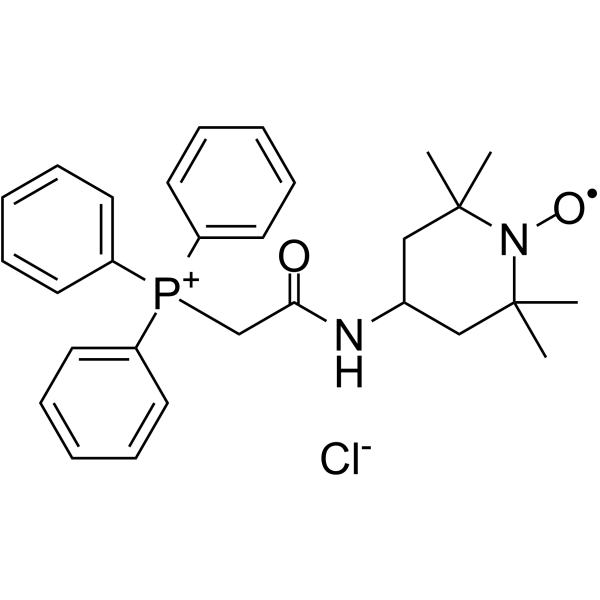
Mito-TEMPO is a mitochondria-targeted antioxidant. Mito-TEMPO induces mitophagy by activating the PINK1/Parkin pathway, inhibits NLRP3 inflammasome activation, restores mitochondrial membrane potential, and improves renal function and podocyte injury. Mito-TEMPO regulates Ca 2+ homeostasis, inhibits Bnip3 overexpression, shortens action potential duration, and exerts antiarrhythmic effects. Mito-TEMPO reverses premature senescence, reduces trabecular bone loss, and decreases cell apoptosis. Mito-TEMPO can be used in studies of chronic kidney disease, age-related cardiac dysfunction, postmenopausal osteoporosis, and ischemic stroke .
loading...
    loading...
186
186 Publications Verification
Cat. No.: HY-125944
CAS No.: 1569257-94-8
Purity:  98.03%
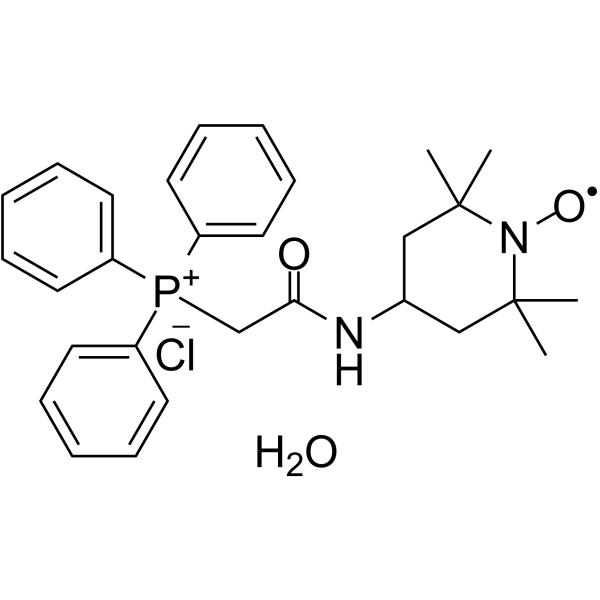
MitoTEMPO hydrate is a mitochondria-targeted antioxidant . MitoTEMPO hydrate induces mitophagy by activating the PINK1/Parkin pathway, inhibits NLRP3 inflammasome activation, restores mitochondrial membrane potential, and improves renal function and podocyte injury. MitoTEMPO hydrate regulates Ca 2+ homeostasis, inhibits Bnip3 overexpression, shortens action potential duration, and exerts antiarrhythmic effects. MitoTEMPO hydrate reverses premature senescence, reduces trabecular bone loss, and decreases cell apoptosis. MitoTEMPO hydrate can be used in studies of chronic kidney disease, age-related cardiac dysfunction, postmenopausal osteoporosis, and ischemic stroke .
loading...
    loading...
7
7 Cited Publications
Cat. No.: HY-P99731
CAS No.: 899796-83-9
Synonyms: hLL1; MEDI-115

Target:  

CD74

Research Areas:  

Cancer

Milatuzumab (hLL1; MEDI-115) is a humanized anti-CD74 monoclonal antibody. CD74, a integral membrane protein, is associated with the promotion of B-cell growth and survival. Milatuzumab causes free radical oxygen generation, and loss of mitochondrial membrane potential. Milatuzumaba also decreases CD20/CD74 aggregates and cell adhesion, to lead to cell death .
loading...
    loading...
4
4 Cited Publications
Cat. No.: HY-139109
CAS No.: 115970-66-6
Purity:  99.87%
Synonyms: ADS 780WS
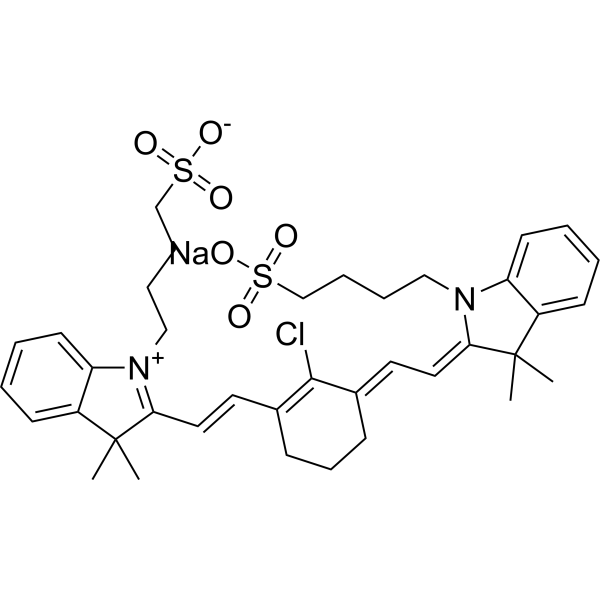
IR-783 (ADS 780WS) is a heptamethine cyanine dye. IR-783 induces Mitochondrial membrane potential loss, ATP depletion, mitochondrial permeability transition pore opening, Cytochrome c release and Apoptosis in breast cancer cells. IR-783 promotes the translocation of Drp1 from the cytosol to mitochondria. IR-783 increases the expression of mitochondrial fission proteins such as MFF and Fission-1. IR-783 possesses imaging, cancer-targeting and anticancer properties. IR-783 exerts anticancer effects against breast cancer. IR-783 can be used in breast cancer-related research .
loading...
    loading...
1
1 Cited Publications
Cat. No.: HY-N1983
CAS No.: 38395-02-7
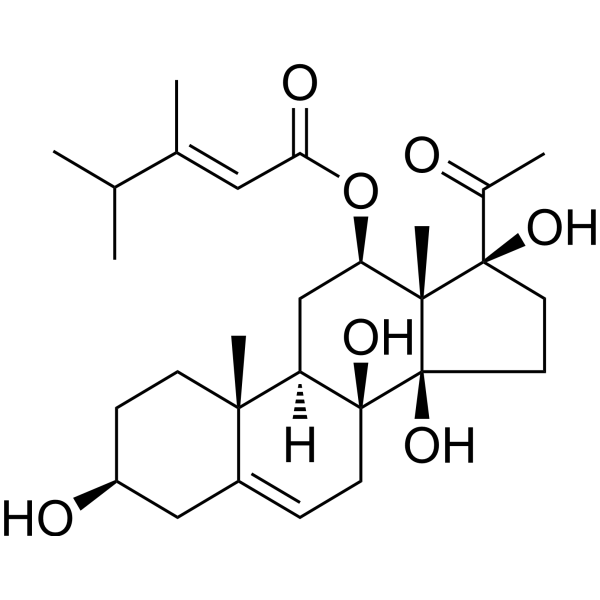
Caudatin is an orally active and brain-penetrant C-21 steroidal found in Cynanchum bungei decne with a variety of biological activities. Caudatin can inhibit cell proliferation, migration, invasion, cause cell phase arrest, induce apoptosis, autophagy, ROS prodution and loss of mitochondrial membrane potential. Caudatin activates PARP, caspase-3, -7, -9, upregulates pro-apoptotic Bad and Bax and downregulates anti-apoptotic Bcl-2 and Bcl-XL. Caudatin suppresses VEGF, FAK phosphorylation, upregulates p21, p27, DR5 protein expression, activates the p38 MAPK, JNK and PPARα/TFEB-mediated autophagy-lysosomal signaling pathways. Caudatin can be used for the research of cancer, inflammation and neurological disease, such as glioma and Alzheimer's disease .
loading...
    loading...
1
1 Cited Publications
Cat. No.: HY-D0852A
CAS No.: 13718-26-8
Synonyms: Sodium vanadate(V), 99%
Sodium metavanadate, 99% (Sodium vanadate (V), 99%) is an orally active phosphate structural analog and protein tyrosine phosphatase (PTPases) inhibitor. Sodium metavanadate, 99% mimics phosphate to interfere with phosphoprotein reactions, inhibits GAPDH, Na +/K +-ATPase and microbial membrane ATPase, and acts as a terminal electron acceptor for anaerobic respiration. Sodium metavanadate, 99% induces ROS production, G2/M phase arrest, mitochondrial membrane potential loss and apoptosis in breast cancer cells, and reduces tumor volume in tumor-bearing mice. Sodium metavanadate, 99% also exhibits oral insulin-sensitizing and metabolic regulatory activities, and reduces plasmodium parasitemia levels. Sodium metavanadate, 99% can be used in studies related to cadmium exposure-induced metabolic syndrome, plasmodium infection, breast cancer and type 1 diabetes .
loading...
    loading...
Cat. No.: HY-75625
CAS No.: 2237-36-7
Synonyms: 4-Methoxysalicylic Acid
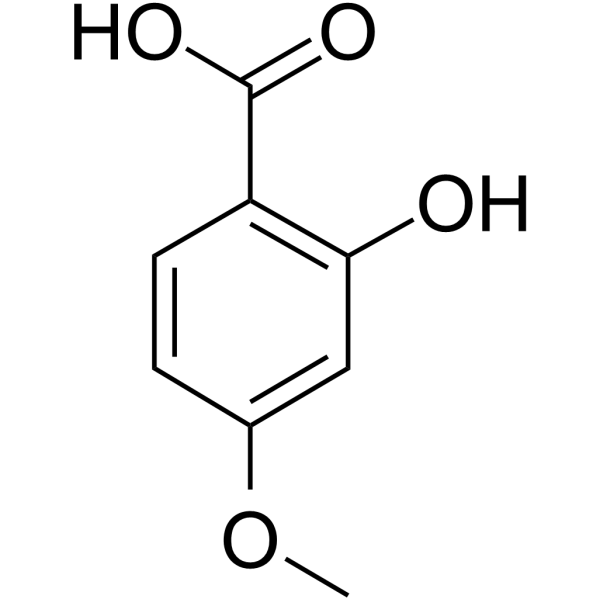
2-Hydroxy-4-methoxybenzoic acid is an orally active inhibitor of MCT-1 and MCT-4, as well as a plant biomarker. 2-Hydroxy-4-methoxybenzoic acid can be isolated from roots. 2-Hydroxy-4-methoxybenzoic acid induces Apoptosis and loss of mitochondrial membrane potential. 2-Hydroxy-4-methoxybenzoic acid exhibits anticancer activity against breast cancer. 2-Hydroxy-4-methoxybenzoic acid normalizes lactic acid levels. 2-Hydroxy-4-methoxybenzoic acid neutralizes viper venom and attenuates its lethal, hemorrhagic, coagulant and anticoagulant activities in male albino mice. 2-Hydroxy-4-methoxybenzoic acid possesses antihyperlipidemic, antidiabetic and hepatoprotective activities .
loading...
    loading...
Cat. No.: HY-156202
CAS No.: 35750-48-2
Research Areas:  

Cancer

Geranylgeranoic acid (Compound 5) is inhibits lysine-specific demethylase 1 (LSD1) with an IC50 value of 46.97 µM. Geranylgeranoic acid induces apoptosis via loss of the mitochondrial membrane potential and activation of interleukin-1β-converting enzyme (ICE) and cysteine protease precursor 32 (CPP32) in Huh7 and PLC/PRF/5 human hepatoma cells and MLE-10 transformed mouse hepatocytes. Geranylgeranoic acid an isoprenoid with anticancer activity, which is found in S. chinensis .
loading...
    loading...
Cat. No.: HY-118075
CAS No.: 606-06-4
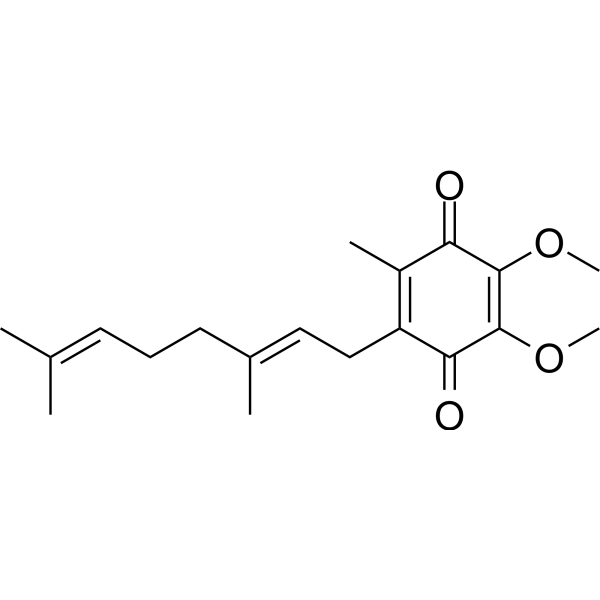
Coenzyme Q2 is a benzoquinone electron carrier in the mitochondrial electron transport chain and a p53-dependent apoptosis inducer. Coenzyme Q2 induces p53 phosphorylation at Ser15, promoting p53 accumulation and functional activation. Coenzyme Q2 induces ROS generation, caspase-3 activation, DNA fragmentation, phosphatidylserine externalization, mitochondrial permeability transition pore opening, and oxidative phosphorylation uncoupling. Coenzyme Q2 inhibits Complex I, Complex III, and Complex IV activities, disrupting electron transport and membrane potential generation. Coenzyme Q2 induces excessive mitochondrial proton leak in forebrain mitochondria. Coenzyme Q2 causes loss of righting reflex in mice, accompanied by slow-wave delta EEG activity and reversible loss of wakefulness. Coenzyme Q2 inhibits lipid peroxidation and scavenges superoxide radicals. Coenzyme Q2 is used in research on leukemia, myocardial ischemia-reperfusion injury, and mitochondrial encephalomyopathy .
loading...
    loading...
Cat. No.: HY-N5020
CAS No.: 1748-81-8
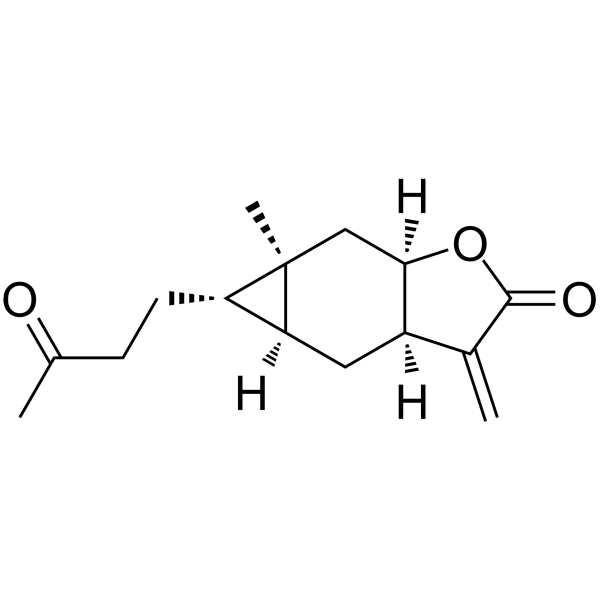
Carabrone is a sesquiterpene found in the fruits of Carpesium abrotanoides and acts as a STAT3 inhibitor (Kd = 25.23 nM) with antibacterial, antitumor, and orally active properties. Carabrone covalently binds to UBE2D3 via Cys85 (Kd = 3.85 μM) and inhibits IκBα phosphorylation and NF-κB signaling. Carabrone induces ROS accumulation, loss of mitochondrial membrane potential, DNA fragmentation, and metacaspase-1-mediated apoptosis in fungi. Carabrone ameliorates autoimmune encephalomyelitis and MASH in vivo, reduces pro-inflammatory cytokines without immunotoxicity. Carabrone is used in research related to autoimmune encephalomyelitis, steatohepatitis, and fungal infections .
loading...
    loading...
Cat. No.: HY-P990189

Research Areas:  

Infection Cancer

Anti-Monkey/Human MHC class II (HLA-DR) Antibody (L243) is a mouse-derived IgG2a κ type antibody inhibitor, targeting to monkey/human MHC class II. Anti-Monkey/Human MHC class II (HLA-DR) Antibody (L243) can inhibits tumor cells proliferation and induce apoptosis. Anti-Monkey/Human MHC class II (HLA-DR) Antibody (L243) increases cellular reactive oxygen species (ROS) and loss of mitochondrial membrane potential in human endothelial cells. Anti-Monkey/Human MHC class II (HLA-DR) Antibody (L243) can be used for the researches of cancer and infection, such as lymphoma .
loading...
    loading...
Cat. No.: HY-148365
Purity:  98.02%
Research Areas:  

Cancer

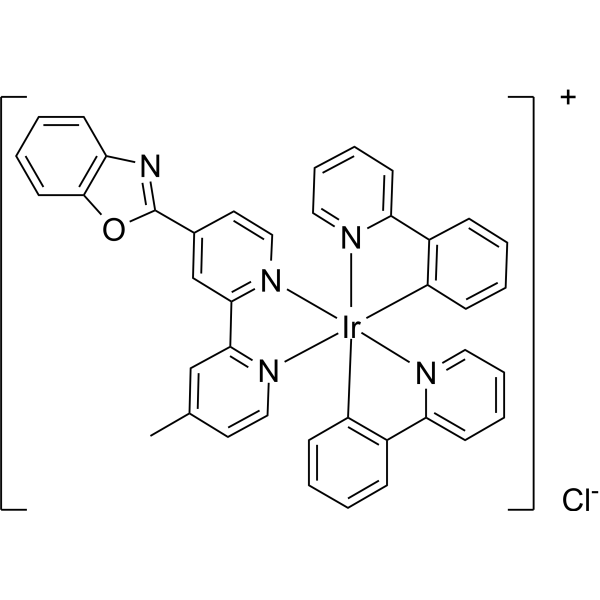
NecroIr1 is an iridium(III) complex, serves as necroptosis inducers in Cisplatin (HY-17394)-resistant lung cancer cells (A549R). NecroIr1 selectively accumulates in mitochondria, leading to oxidative stress and loss of mitochondrial membrane potential (MMP). NecroIr1 activates receptor-interacting serine-threonine kinase 3 (RIPK3) and Mixed Lineage Kinase (MLKL), and regulates CDK4 expression .
loading...
    loading...
Cat. No.: HY-148366
Purity:  98.99%
Research Areas:  

Cancer

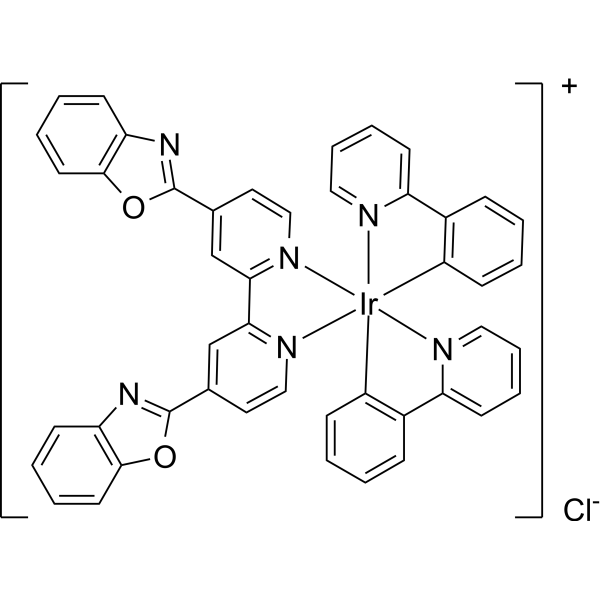
NecroIr2 is an iridium(III) complex, serves as necroptosis inducers in Cisplatin (HY-17394)-resistant lung cancer cells (A549R). NecroIr2 selectively accumulates in mitochondria, leading to oxidative stress and loss of mitochondrial membrane potential (MMP). NecroIr2 activates receptor-interacting serine-threonine kinase 3 (RIPK3) and mixed lineage kinase domain-like pseudokinase (MLKL), and regulates CDK4 expression .
loading...
    loading...
Cat. No.: HY-101287
CAS No.: 1346169-92-3
Purity:  99.63%
Research Areas:  

Cancer

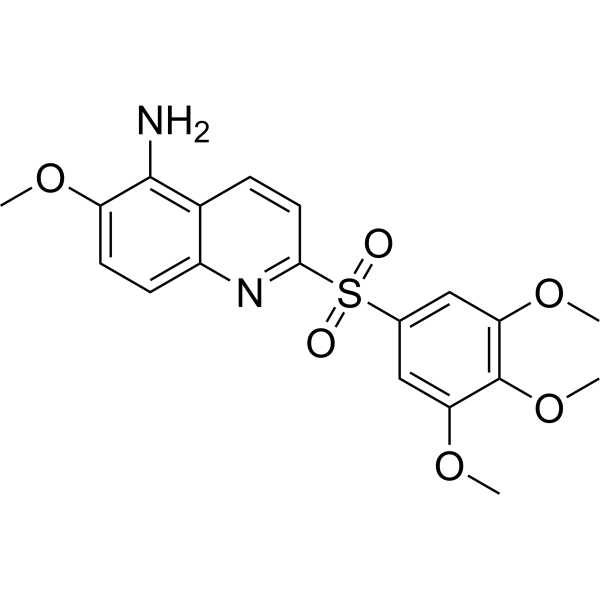
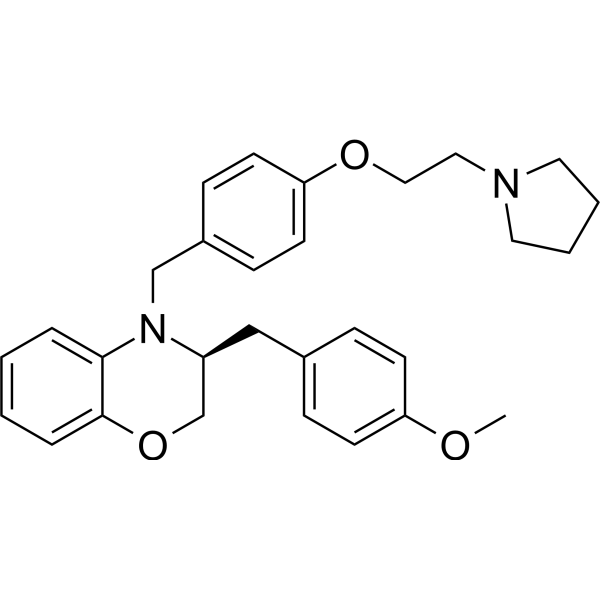
MPT0B392, an orally active quinoline derivative, induces c-Jun N-terminal kinase (JNK) activation, leading to apoptosis. MPT0B392 inhibits tubulin polymerization and triggers induction of the mitotic arrest, followed by mitochondrial membrane potential loss and caspases cleavage by activation of JNK and ultimately leads to apoptosis. MPT0B392 is demonstrated to be a novel microtubule-depolymerizing agent and enhances the cytotoxicity of sirolimus in sirolimus-resistant acute leukemic cells and the multidrug resistant cell line .
loading...
    loading...
Cat. No.: HY-N1983R
CAS No.: 38395-02-7
Caudatin (Standard) is the analytical standard of Caudatin (HY-N1983). This product is intended for research and analytical applications. Caudatin is an orally active and brain-penetrant C-21 steroidal found in Cynanchum bungei decne with a variety of biological activities. Caudatin can inhibit cell proliferation, migration, invasion, cause cell phase arrest, induce apoptosis, autophagy, ROS prodution and loss of mitochondrial membrane potential. Caudatin activates PARP, caspase-3, -7, -9, upregulates pro-apoptotic Bad and Bax and downregulates anti-apoptotic Bcl-2 and Bcl-XL. Caudatin suppresses VEGF, FAK phosphorylation, upregulates p21, p27, DR5 protein expression, activates the p38 MAPK, JNK and PPARα/TFEB-mediated autophagy-lysosomal signaling pathways. Caudatin can be used for the research of cancer, inflammation and neurological disease, such as glioma and Alzheimer's disease .
loading...
    loading...
Cat. No.: HY-14764
CAS No.: 333963-42-1
Synonyms: SPI 8811
Cobiprostone (SPI 8811) is a type-2 chloride channel activator. Cobiprostone protects against Indomethacin (HY-14397)-induced depolarization of mitochondrial membrane potential and reverses the loss of mitochondrial membrane potential. Cobiprostone protects against NSAID-induced cellular damage .
loading...
    loading...
Cat. No.: HY-143279
CAS No.: 99140-25-7
Target:  

Topoisomerase Apoptosis

Research Areas:  

Cancer

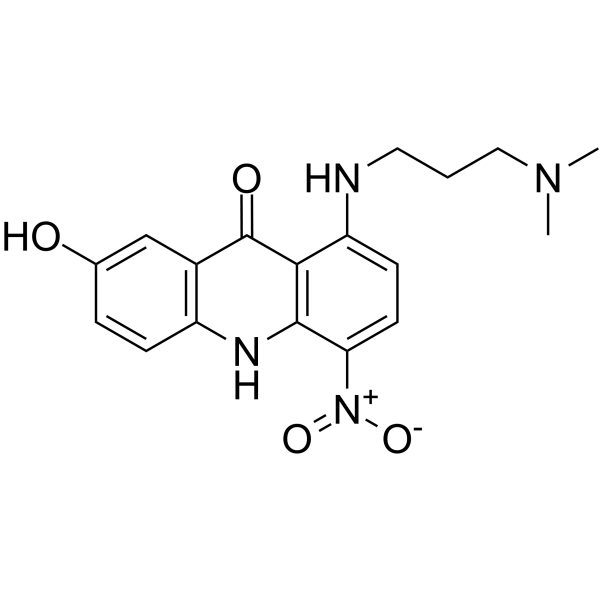
Topoisomerase II inhibitor 3 (Compound 6 h ) is a acridone derivatives, as well as a Type II DNA topoisomerase (topo II) inhibitor , as a topo IIα/β inhibitor with the value of IC50 is 0.17 μM for topo IIα and the value of IC50 is 0.23 μM for topo IIβ subtypes, caused obvious DNA damage, and induced apoptosis by triggering the loss of mitochondrial membrane potential .
loading...
    loading...
Cat. No.: HY-100035
CAS No.: 86811-36-1
Purity:  99.21%
Target:  

ROCK ERK CDK Apoptosis

Research Areas:  

Cancer

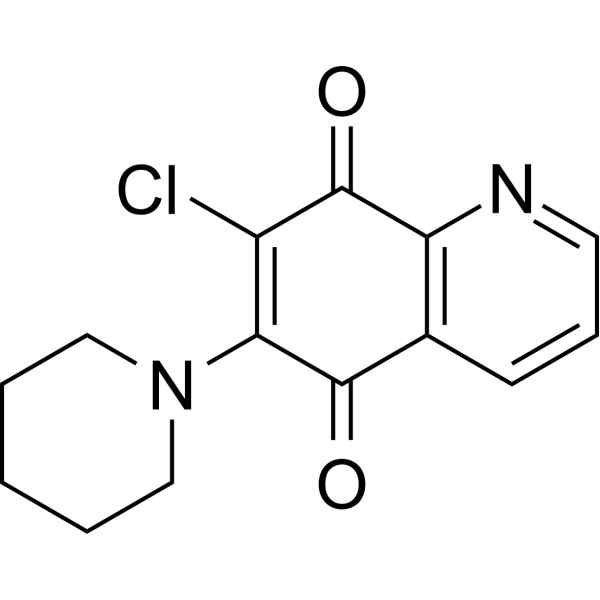
PT-262 is a potent ROCK inhibitor with an IC50 value of around 5 μM. PT-262 induces the loss of mitochondrial membrane potential and elevates the caspase-3 activation and apoptosis. PT-262 inhibits the ERK and CDC2 phosphorylation via a p53-independent pathway. PT-262 blocks cytoskeleton function and cell migration. PT-262 has anti-cancer activity .
loading...
    loading...
Cat. No.: HY-121642
CAS No.: 1169831-01-9
Target:  

Others

Research Areas:  

Others

SL-017 is a novel photoacoustic sensitizer and a derivative of photofrin B. It can be taken up by cells to the maximum extent within 30 minutes and is mainly localized in mitochondria. After being activated by visible light or ultrasound, SL-017 can significantly increase the production of reactive oxygen species (ROS). Low concentrations of SL-017 can rapidly cause the loss of mitochondrial membrane potential. SL-017 can also cause mitochondrial fragmentation, a process that occurs after the loss of membrane potential. Epoxyeicosatrienoic acids (EETs) can alleviate the loss of mitochondrial membrane potential caused by SL-017, but the antioxidant ascorbic acid has no such effect. These characteristics indicate that SL-017 mainly targets mitochondria and exerts its cytotoxic effect by triggering the collapse of mitochondrial membrane potential, generating ROS, and causing mitochondrial fragmentation. As a novel photoacoustic sensitizer, SL-017 has potential application value in photodynamic therapy and sonodynamic therapy.
loading...
    loading...
Cat. No.: HY-139828
CAS No.: 2762698-14-4
Target:  

Apoptosis

Research Areas:  

Cancer

Anticancer agent 14 is a lead compound (IC50: 0.20 to 0.65 μM) that induces apoptosis, cell cycle arrest, and loss of mitochondrial membrane potential in breast cancer cells.
loading...
    loading...

