


1024 Results for "

neuronal

" in MedChemExpress (MCE) Product Catalog:
Products (1024)

1024 Results for "neuronal" in MCE Product Catalog:

102
102 Publications Verification
Cat. No.: HY-P1061
CAS No.: 867021-83-8
Target:  

STAT Amyloid-β

Research Areas:  

Neurological Disease

Colivelin is a brain penetrant neuroprotective peptide and a potent activator of STAT3, suppresses neuronal death by activating STAT3 in vitro . Colivelin exhibits long-term beneficial effects against neurotoxicity, Aβ deposition, neuronal apoptosis, and synaptic plasticity deficits in neurodegenerative disease . Colivelin has the potential for the treatment of alzheimer's disease and ischemic brain injury
loading...
    loading...
102
102 Publications Verification
Cat. No.: HY-P1061A
CAS No.: 2803948-60-7
Target:  

STAT Amyloid-β Apoptosis

Research Areas:  

Neurological Disease

Colivelin TFA is a brain penetrant neuroprotective peptide and a potent activator of STAT3, suppresses neuronal death by activating STAT3 in vitro . Colivelin TFA exhibits long-term beneficial effects against neurotoxicity, Aβ deposition, neuronal apoptosis, and synaptic plasticity deficits in neurodegenerative disease . Colivelin TFA has the potential for the treatment of alzheimer's disease and ischemic brain injury .
loading...
    loading...
72
72 Cited Publications
Cat. No.: HY-13443
CAS No.: 141758-74-9
Purity:  99.95%
Synonyms: Exenatide
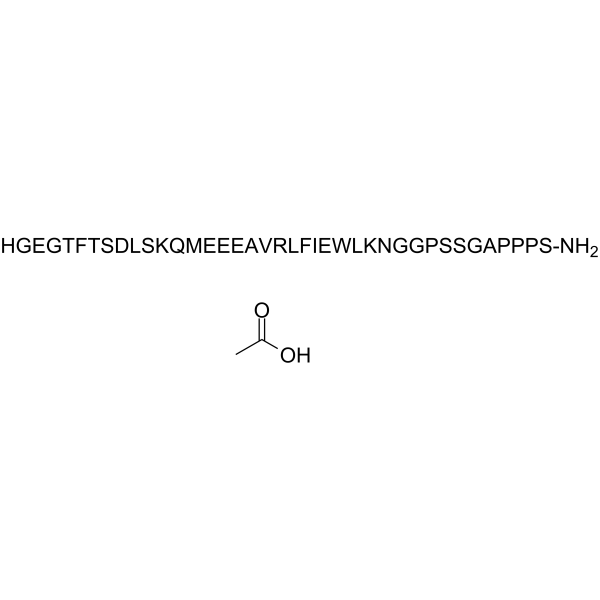
Exendin‑4 (Exenatide) is an orally active, blood-brain barrier-permeable glucagon-like peptide-1 receptor (GLP‑1 receptor) agonist that resists degradation mediated by dipeptidyl peptidase IV. Exendin‑4 mediates multiple glucose-regulating effects, including stimulation of glucose-dependent insulin secretion, inhibition of glucagon production, increase in β-cell mass, delay of gastric emptying, reduction of food intake, improvement of peripheral insulin sensitivity, and restoration of normal islet structure. Exendin‑4 inhibits oxidative stress, alleviates inflammatory responses, and reduces neuronal apoptosis. Exendin‑4 reduces the aggregation level of mutant huntingtin, improves motor function, prolongs survival time, and regulates the expression levels of leptin and ghrelin. Exendin‑4 can be used in research related to type 2 diabetes, acute ischemic stroke, and Huntington's disease .
loading...
    loading...
72
72 Cited Publications
Cat. No.: HY-13443A
CAS No.: 914454-01-6
Purity:  99.91%
Synonyms: Exenatide acetate
Exendin-4 acetate (Exenatide acetate) is an orally active, blood-brain barrier-permeable glucagon-like peptide-1 receptor (GLP‑1 receptor) agonist that resists degradation mediated by dipeptidyl peptidase IV. Exendin-4 acetate mediates multiple glucose-regulating effects, including stimulation of glucose-dependent insulin secretion, inhibition of glucagon production, increase in β-cell mass, delay of gastric emptying, reduction of food intake, improvement of peripheral insulin sensitivity, and restoration of normal islet structure. Exendin-4 acetate inhibits oxidative stress, alleviates inflammatory responses, and reduces neuronal apoptosis. Exendin-4 acetate reduces the aggregation level of mutant huntingtin, improves motor function, prolongs survival time, and regulates the expression levels of leptin and ghrelin. Exendin-4 acetate can be used in research related to type 2 diabetes, acute ischemic stroke, and Huntington's disease .
loading...
    loading...
71
71 Cited Publications
Cat. No.: HY-B1618
CAS No.: 50-22-6
Synonyms: 17-Deoxycortisol; 11β,21-Dihydroxyprogesterone; Kendall's compound B
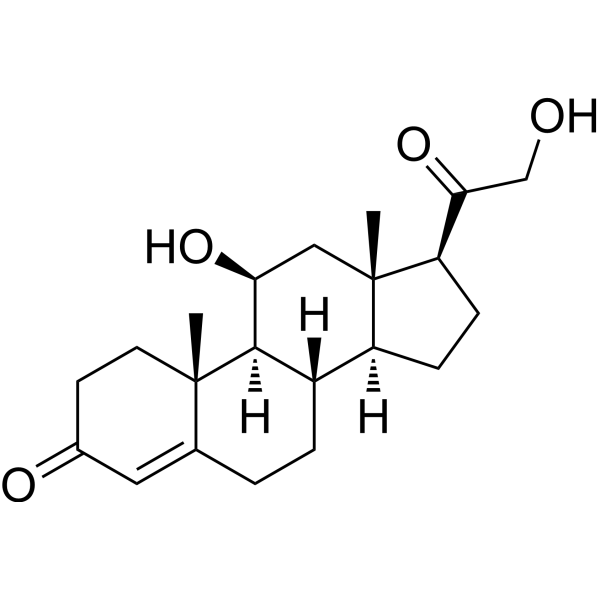
Corticosterone (17-Deoxycortisol) is an orally active and adrenal cortex-produced glucocorticoid, which plays an important role in regulating neuronal functions of the limbic system (including hippocampus, prefrontal cortex, and amygdala). Corticosterone increases the Rab-mediated AMPAR membrane traffic via SGK-induced phosphorylation of GDI. Corticosterone also interferes with the maturation of dendritic cells and shows a good immunosuppressive effect .
loading...
    loading...
50
50 Cited Publications
Cat. No.: HY-15310
CAS No.: 70288-86-7
Purity:  98.28%
Synonyms: MK-933; CD-5024; K-237
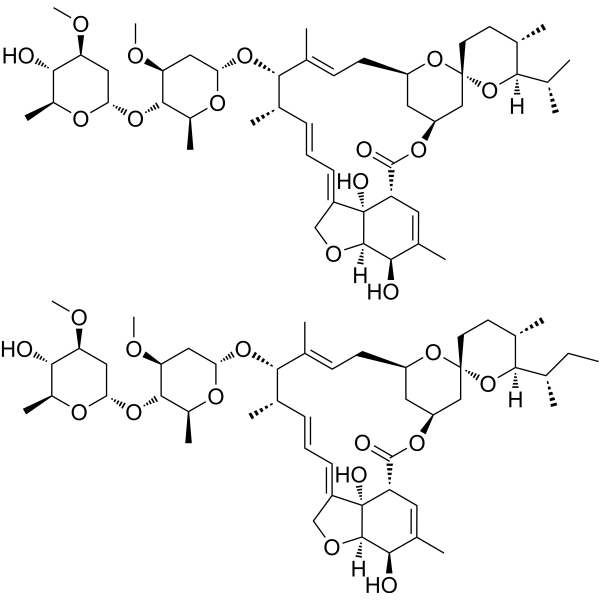
Ivermectin (MK-933) is a broad-spectrum anti-parasite agent. Ivermectin (MK-933) is a specific inhibitor of Impα/β1-mediated nuclear import and has potent antiviral activity towards both HIV-1 and dengue virus. It is a positive allosteric effector of P2X4 and the α7 neuronal nicotinic acetylcholine receptor (nAChRs). Ivermectin also inhibits bovine herpesvirus1 (BoHV-1) replication and inhibits BoHV-1 DNA polymerase nuclear import . Ivermectin is a candidate therapeutic against SARS-CoV-2/COVID-19 .
loading...
    loading...
31
31 Cited Publications
Cat. No.: HY-18730
CAS No.: 180001-34-7
Synonyms: W1400
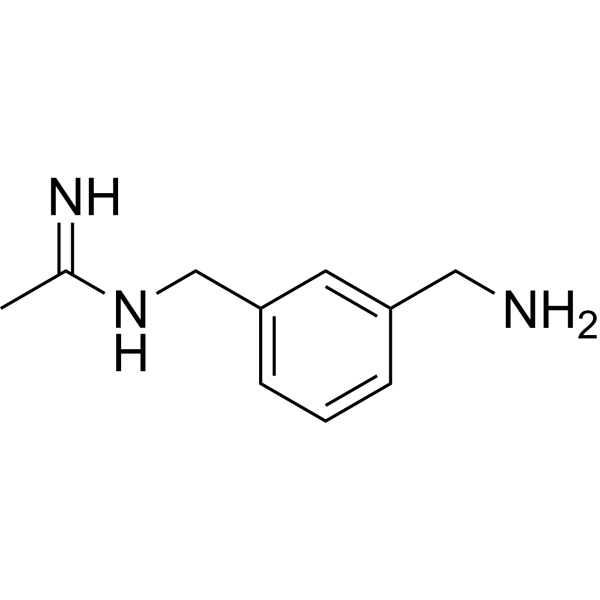
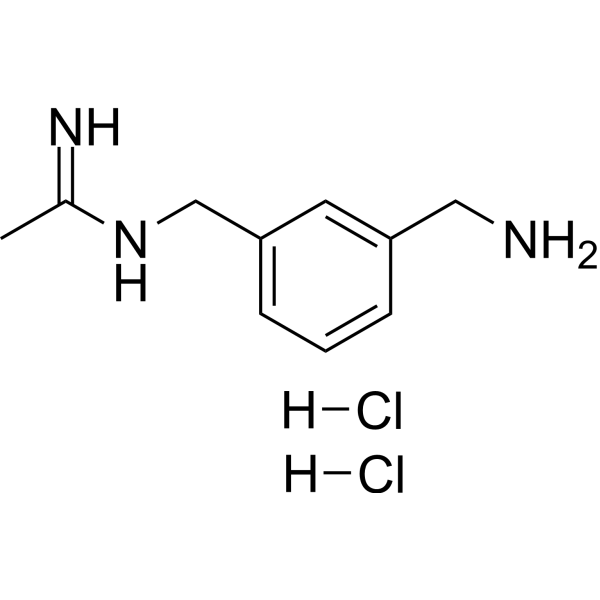
1400W is a slow, tight binding, and highly selective inducible nitric-oxide synthase (iNOS) inhibitor, with a Kd value ≤ 7 nM. 1400W inhibits iNOS induction in microglial cells, and reduces generation of NO, thereby mitigating oxidative stress and neuronal cell apoptosis in the rat cerebral cortex, and improving the spatial memory dysfunction caused by acute hypobaric hypoxia-reoxygenation .
loading...
    loading...
31
31 Cited Publications
Cat. No.: HY-18731
CAS No.: 214358-33-5
1400W dihydrochloride is the dihydrochloride form of 1400W (HY-18730). 1400W is a slow, tight binding, and highly selective inducible nitric-oxide synthase (iNOS) inhibitor, with a Kd value ≤ 7 nM. 1400W inhibits iNOS induction in microglial cells, and reduces generation of NO, thereby mitigating oxidative stress and neuronal cell apoptosis in the rat cerebral cortex, and improving the spatial memory dysfunction caused by acute hypobaric hypoxia-reoxygenation .
loading...
    loading...
27
27 Cited Publications
Cat. No.: HY-P1363
Synonyms: Amyloid β-peptide (1-42) (human) TFA
Target:  

Amyloid-β

Research Areas:  

Neurological Disease

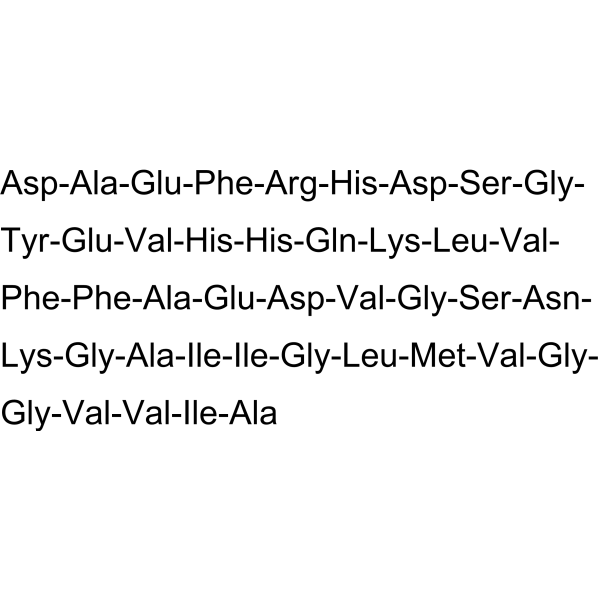
β-Amyloid (1-42) (Amyloid β-peptide (1-42), human TFA, a 42-amino acid peptide that has not been treated with HFIP, is a brain-penetrant amyloid protein fragment, which can be used in research on Alzheimer's disease and Down’s syndrome. β-Amyloid (1-42), human TFA remaining as a monomer exhibits antioxidant and neuroprotective effects. β-Amyloid (1-42), human TFA, after being monomericized by HFIP and dissolved in DMSO to form the stock solution, on the one hand, can form soluble oligomers (AβOs) when incubated at 4 °C, which have synaptic toxicity and neurotoxicity; on the other hand, it can be incubated at 37 °C to form insoluble fibrils, with lower neurotoxicity, and participating in the oxidative damage process. Aβ42 oligomers bind to various neuronal surface receptors (such as PrPc, mGluR5, NMDA receptors, etc.), triggering oxidative stress, calcium homeostasis imbalance, and synaptic toxicity via activating downstream signaling pathways, leading to neuronal dysfunction and death .
loading...
    loading...
27
27 Cited Publications
Cat. No.: HY-P1363A
CAS No.: 107761-42-2
Synonyms: Amyloid β-peptide (1-42) (human)
Target:  

Amyloid-β

Research Areas:  

Neurological Disease

β-Amyloid (1-42) (Amyloid β-peptide (1-42)), human, a 42-amino acid peptide that has not been treated with HFIP, is a brain-penetrant amyloid protein fragment, which can be used in research on Alzheimer's disease and Down’s syndrome. β-Amyloid (1-42), human remaining as a monomer exhibits antioxidant and neuroprotective effects. β-Amyloid (1-42), human, after being monomericized by HFIP and dissolved in DMSO to form the stock solution, on the one hand, can form soluble oligomers (AβOs) when incubated at 4 °C, which have synaptic toxicity and neurotoxicity; on the other hand, it can be incubated at 37 °C to form insoluble fibrils, with lower neurotoxicity, and participating in the oxidative damage process. Aβ42 oligomers bind to various neuronal surface receptors (such as PrPc, mGluR5, NMDA receptors, etc.), triggering oxidative stress, calcium homeostasis imbalance, and synaptic toxicity via activating downstream signaling pathways, leading to neuronal dysfunction and death .
loading...
    loading...
27
27 Cited Publications
Cat. No.: HY-P1363B
CAS No.: 107761-42-2
Target:  

Amyloid-β

Research Areas:  

Neurological Disease

β-Amyloid (1-42), human, HFIP-treated, a 42-amino acid peptide that has been treated with HFIP from β-Amyloid (1-42), human (HY-P1363A), is a brain-penetrant amyloid protein fragment, which can be used in research on Alzheimer's disease and Down’s syndrome. β-Amyloid (1-42), human, HFIP-treated remaining as a monomer exhibits antioxidant and neuroprotective effects. β-Amyloid (1-42), human, HFIP-treated, after being dissolved in DMSO to form the stock solution, on the one hand, can form soluble oligomers (AβOs) when incubated at 4°C, which have synaptic toxicity and neurotoxicity; on the other hand, it can be incubated at 37°C to form insoluble fibrils, with lower neurotoxicity, and participating in the oxidative damage process. Aβ42 oligomers bind to various neuronal surface receptors (such as PrPc, mGluR5, NMDA receptors, etc.), triggering oxidative stress, calcium homeostasis imbalance, and synaptic toxicity via activating downstream signaling pathways, leading to neuronal dysfunction and death .
loading...
    loading...
19
19 Cited Publications
Cat. No.: HY-16900
CAS No.: 61413-54-5
Synonyms: (R,S)-Rolipram; (±)-Rolipram; ZK 62711
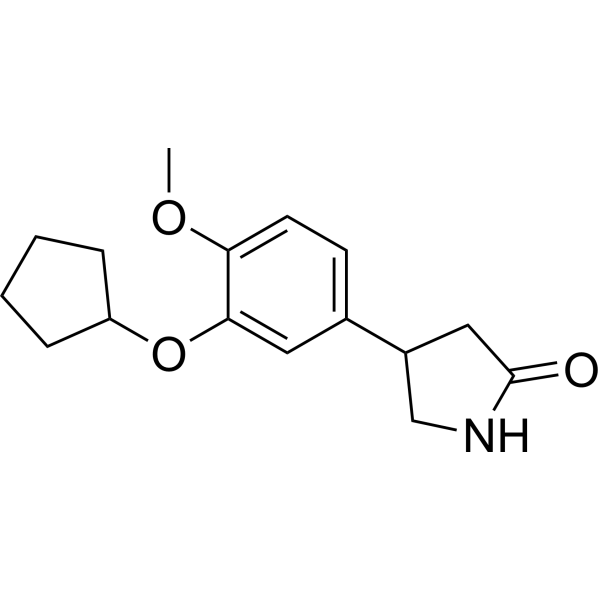
Rolipram is a PDE4 inhibitor, with blood-brain barrier permeability, that reverses β-amyloid-induced learning and memory impairment in rats. Rolipram elevates intracellular cAMP and clevels and regulates the cAMP/CREB signaling pathway, thereby alleviating neuroinflammation and apoptotic responses. Rolipram promotes neuronal differentiation of human bone marrow mesenchymal stem cells and inhibits Methamphetamine- and morphine-induced hyperlocomotion in mice. Rolipram also reduces the viability of glioblastoma stem-like cells and enhances Bevacizumab (HY-P9906)-induced cell death. Rolipram inhibits the expression of proinflammatory cytokines and enhances central noradrenergic transmission. Rolipram is mainly used in studies related to various central nervous system diseases including Alzheimer's disease, major depressive disorder, glioblastoma multiforme, and multiple sclerosis .
loading...
    loading...
18
18 Cited Publications
Cat. No.: HY-B0228
CAS No.: 58-61-7
Synonyms: Adenine riboside; D-Adenosine
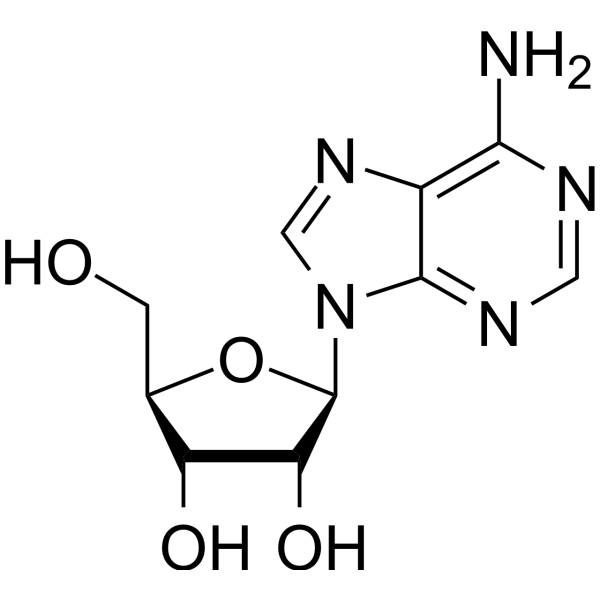
Adenosine (Adenine riboside), a ubiquitous and BBB-permeable endogenous autacoid, acts through the enrollment of four G protein-coupled receptors: A1, A2A, A2B, and A3. Adenosine affects almost all aspects of cellular physiology, including neuronal activity, vascular function, platelet aggregation, and blood cell regulation .
loading...
    loading...
18
18 Cited Publications
Cat. No.: HY-B1272
CAS No.: 58-28-6
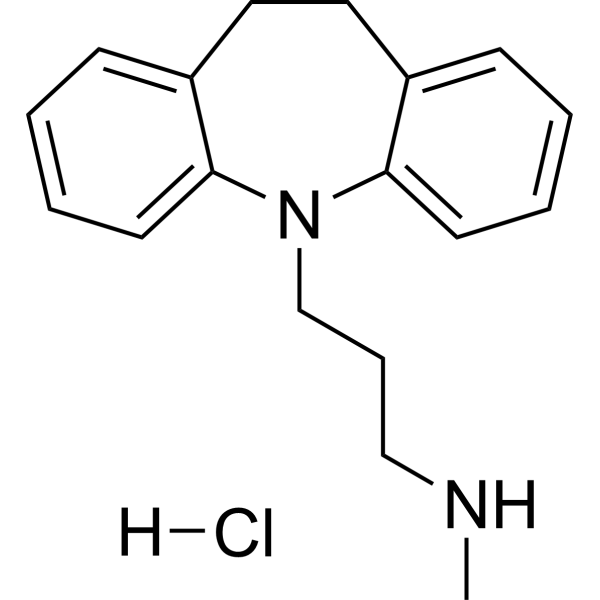
Desipramine hydrochloride is a first-generation tricyclic antidepressant. Desipramine hydrochloride selectively binds to norepinephrine transporter and blocks neuronal norepinephrine reuptake. Desipramine hydrochloride activates MAPK signaling via ERK1/2, JNK, and p38, represses NF-κB and AP-1 activity, and induces apoptosis via ROS elevation, mitochondrial membrane potential reduction, and intracellular calcium increase. Desipramine hydrochloride also shows anyi-inflammatory activity, inhibiting TNF-α production. Desipramine hydrochloride can be used for the research of hepatocellular cancer, inflammation, and neurological diseases .
loading...
    loading...
16
16 Cited Publications
Cat. No.: HY-A0057
CAS No.: 60142-96-3
Target:  

Calcium Channel

Research Areas:  

Neurological Disease Cancer

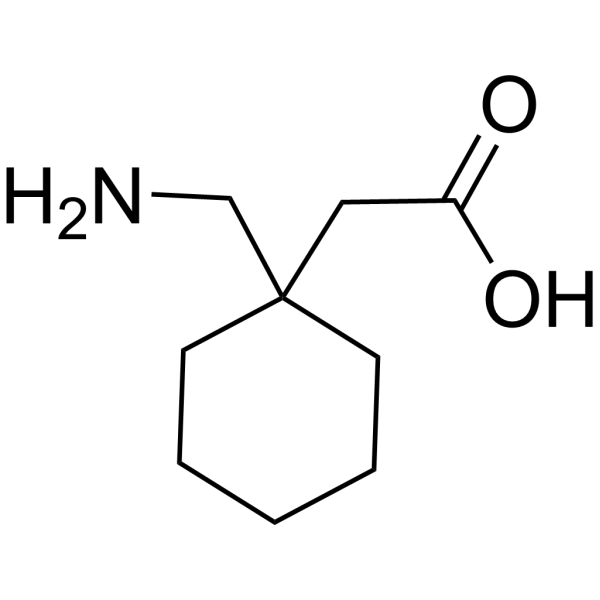
Gabapentin is a potent, orally active P/Q type Ca 2+ channel blocker. Gabapentin inhibits neuronal Ca 2+ influx and reduction of neurotransmitter release. Gabapentin is a GABA analog that can be used to relieve neuropathic pain .
loading...
    loading...
16
16 Cited Publications
Cat. No.: HY-A0057A
CAS No.: 60142-95-2
Target:  

Calcium Channel

Research Areas:  

Neurological Disease Cancer

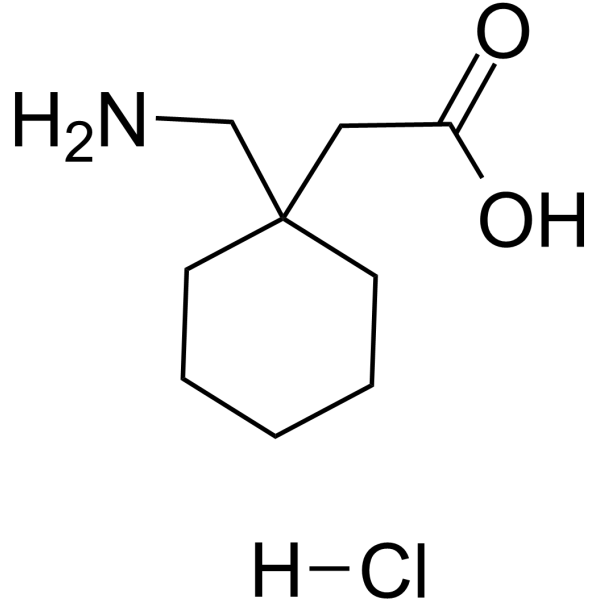
Gabapentin hydrochloride is a potent, orally active P/Q type Ca 2+ channel blocker. Gabapentin hydrochloride inhibits neuronal Ca 2+ influx and reduction of neurotransmitter release. Gabapentin hydrochloride is a GABA analog that can be used to relieve neuropathic pain .
loading...
    loading...
14
14 Cited Publications
Cat. No.: HY-12688A
CAS No.: 864167-45-3
Purity:  ≥98.0%
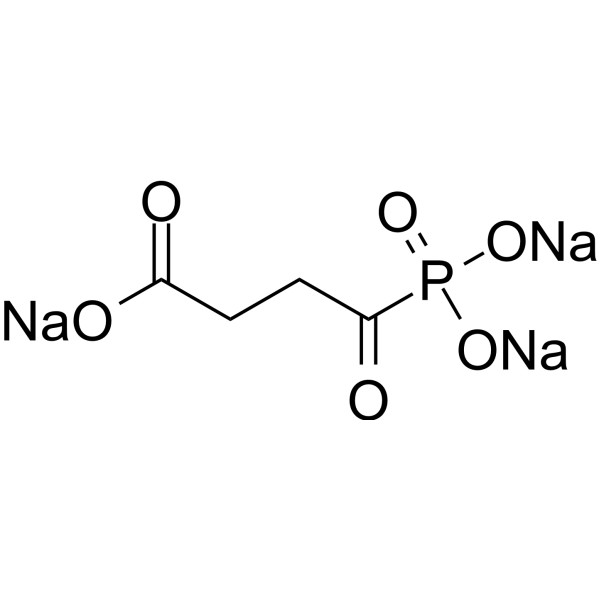
Succinyl phosphonate trisodium salt is a α-Ketoglutarate Dehydrogenase Complex (KGDHC) modulator with neuroprotective activity. Succinyl phosphonate trisodium salt protects this complex, reduces cellular succinyl-CoA concentration, downregulates protein succinylation levels, and inhibits the activity of the α-ketoglutarate dehydrogenase complex. Succinyl phosphonate trisodium salt corrects hypoxic or ethanol-induced behavioral impairments, modulates exploratory behavior and emotional stress responses, and improves hypoxia tolerance. Succinyl phosphonate trisodium salt reduces glutamate excitotoxicity, restores the activity of the α-ketoglutarate dehydrogenase complex, reverses the changes in glutamate dehydrogenase and glutamine synthetase activities induced by β-amyloid (Amyloid-β), modulates cognitive function, and prevents β-amyloid-induced neuronal damage. Succinyl phosphonate trisodium salt improves microglial senescence, alleviates neuroinflammation, reactive oxygen species (ROS) production, lipid peroxidation, and the expression of proinflammatory cytokines. Succinyl phosphonate trisodium salt can be used in the research of Alzheimer's disease, aging-related neuroinflammation, and Parkinson's disease .
loading...
    loading...
13
13 Cited Publications
Cat. No.: HY-B0331
CAS No.: 75847-73-3
Synonyms: MK-421
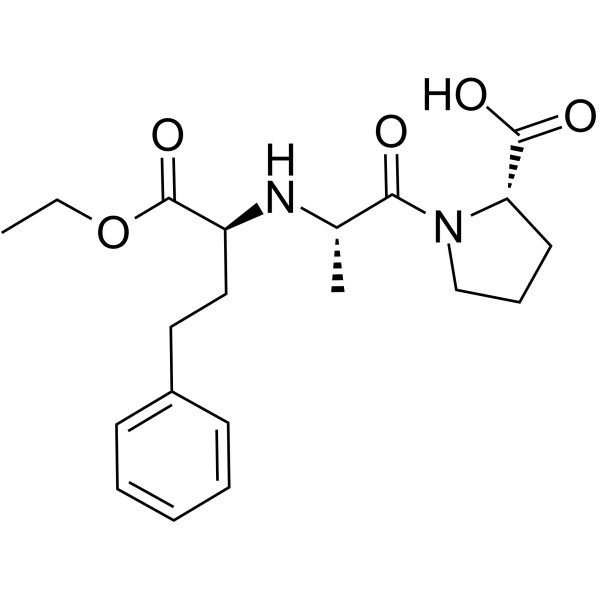
Enalapril (MK-421) is an orally active angiotensin-converting enzyme inhibitor. Enalapril blocks the conversion of angiotensin I to angiotensin II, regulates the renin-angiotensin system, reduces preload and afterload, and decreases plasma angiotensin II levels. Enalapril inhibits apoptosis, reduces nitric oxide metabolite levels, stabilizes endothelial cells, enhances endothelial antioxidant defense, scavenges reactive oxygen species (ROS), and alleviates neuronal damage. Enalapril attenuates glutathione depletion, protein/lipid oxidation, tissue damage, and type III collagen immunolabeling in organs of diabetic rats. Enalapril reduces systolic blood pressure and urinary albumin excretion, and delays the progression of diabetic cardiac/renal injury. Enalapril is used in research related to asymptomatic left ventricular dysfunction, congestive heart failure, Alzheimer's disease, diabetes mellitus, acute myocardial infarction, atrial fibrillation, hypertension, cerebral ischemia, chronic heart failure, and single-ventricle physiology .
loading...
    loading...
13
13 Cited Publications
Cat. No.: HY-B0331A
CAS No.: 76095-16-4
Synonyms: MK-421 maleate
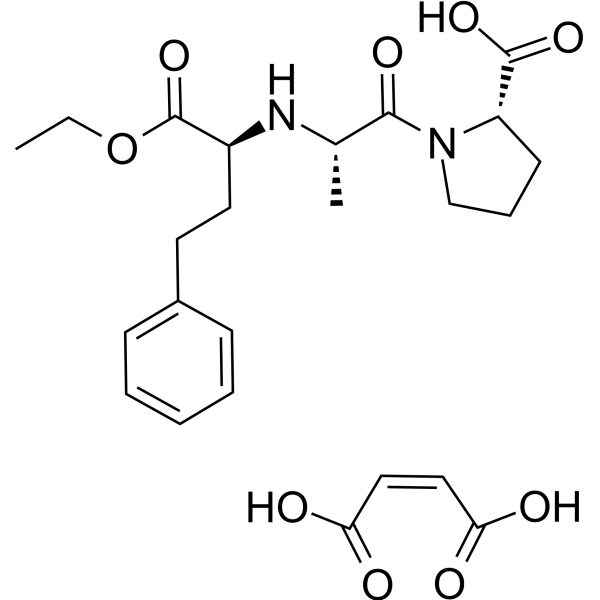
Enalapril maleate (MK-421 maleate) is an orally active angiotensin-converting enzyme inhibitor. Enalapril maleate blocks the conversion of angiotensin I to angiotensin II, regulates the renin-angiotensin system, reduces preload and afterload, and decreases plasma angiotensin II levels. Enalapril maleate inhibits apoptosis, reduces nitric oxide metabolite levels, stabilizes endothelial cells, enhances endothelial antioxidant defense, scavenges reactive oxygen species (ROS), and alleviates neuronal damage. Enalapril maleate attenuates glutathione depletion, protein/lipid oxidation, tissue damage, and type III collagen immunolabeling in organs of diabetic rats. Enalapril maleate reduces systolic blood pressure and urinary albumin excretion, and delays the progression of diabetic cardiac/renal injury. Enalapril maleate is used in research related to asymptomatic left ventricular dysfunction, congestive heart failure, Alzheimer's disease, diabetes mellitus, acute myocardial infarction, atrial fibrillation, hypertension, cerebral ischemia, chronic heart failure, and single-ventricle physiology .
loading...
    loading...
11
11 Cited Publications
Cat. No.: HY-103312
CAS No.: 88903-69-9
Purity:  ≥99.0%
Synonyms: (-)-Xestospongin C
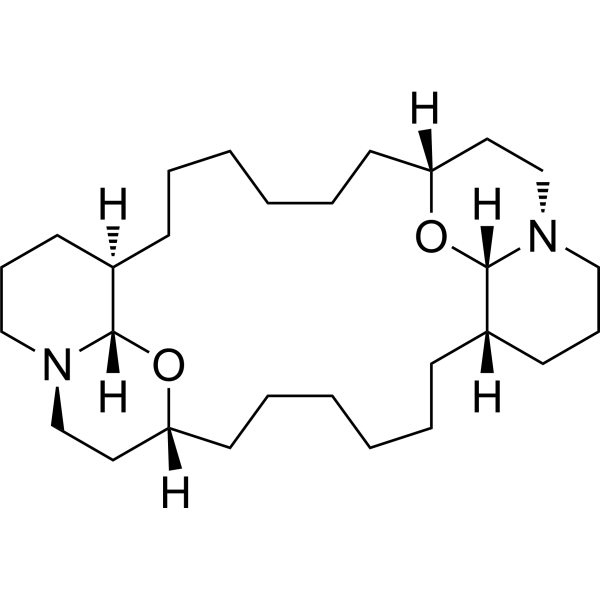
Xestospongin C ((-)-Xestospongin C) is a selective, reversible inositol 1,4,5-trisphosphate receptor (IP3R) inhibitor. Xestospongin C acts as an inhibitor of the sarcoplasmic/endoplasmic reticulum Ca 2+ ATPase (SERCA) pump of internal stores. Xestospongin C blocks IP3-induced Ca 2+ release from cerebellar microsomes with an IC50 of 358 nM. Xestospongin C is a valuable tool for investigating the structure and function of IP3Rs and Ca 2+ signaling in neuronal and nonneuronal cells .
loading...
    loading...

