1. Search Result
Search Result
Results for "

organic acid additive

" in MedChemExpress (MCE) Product Catalog:

55

Inhibitors & Agonists

2

Fluorescent Dyes

31

Biochemical Assay Reagents

10

Natural
Products

10

Isotope-Labeled Compounds

5

Oligonucleotides

Targets Recommended:
Cat. No. Product Name Target Research Areas Chemical Structure
  • HY-B1431
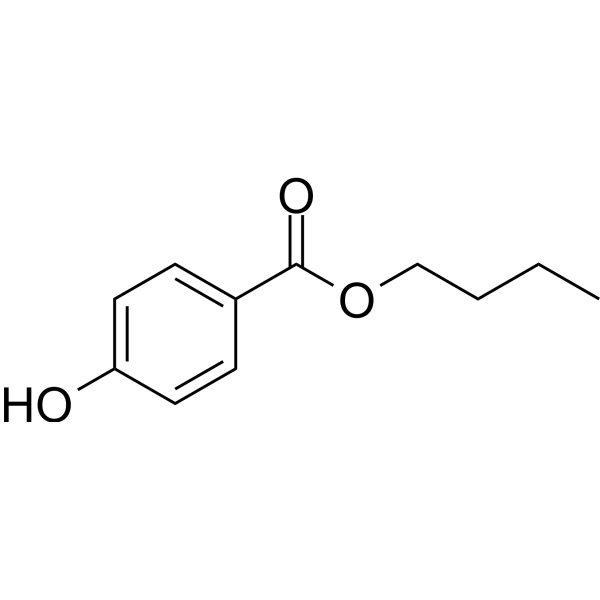
    Butylparaben
    2 Publications Verification

    Butyl parahydroxybenzoate; Butyl paraben; Butyl 4-hydroxybenzoate

    Environmental Pollutants Endogenous Metabolite Bacterial DNA/RNA Synthesis Infection
    Butylparaben is an organic compound that has proven to be a very successful antimicrobial preservative in cosmetics, can also be used in active molecule suspensions, and as a food flavoring additive .
    Butylparaben
  • HY-Y0488A
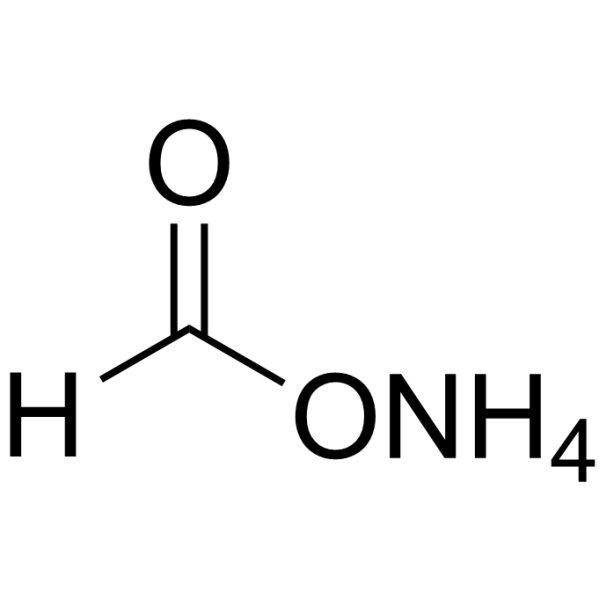
    Formic acid ammonium
    2 Publications Verification

    Ammonium formate

    Environmental Pollutants Calcium Channel NO Synthase Bacterial ATP Synthase Metabolic Disease
    Formic acid ammonium is the ammonium salt form of formic acid, which is an endogenous metabolite. Formic acid ammonium activates the nitric oxide/cyclic guanosine monophosphate (NO/cGMP) signaling pathway in endothelial cells and inhibits calcium ion influx in vascular smooth muscle cells, resulting in vasomotor relaxation. Formic acid ammonium inhibits cytochrome C oxidase (CcO) and disrupts the electron transport chain, leading to ATP depletion. Formic acid ammonium can be used as a feed additive, which can lower the feed pH value, inhibit the growth of microorganisms (such as Escherichia coli, Salmonella), and extend the shelf life of the feed .
    Formic acid ammonium
  • HY-B1337S1
    Choline-d9 chloride
    3 Publications Verification

    Cholinesterase (ChE) Others
    Choline-d9 (chloride) is the deuterium labeled Choline chloride. Choline chloride is an organic compound and a quaternary ammonium salt, an acyl group acceptor and choline acetyltransferase substrate, also is an important additive in feed especially for chickens where it accelerates growth.
    Choline-d9 chloride
  • HY-130086

    ADC Linker Cancer
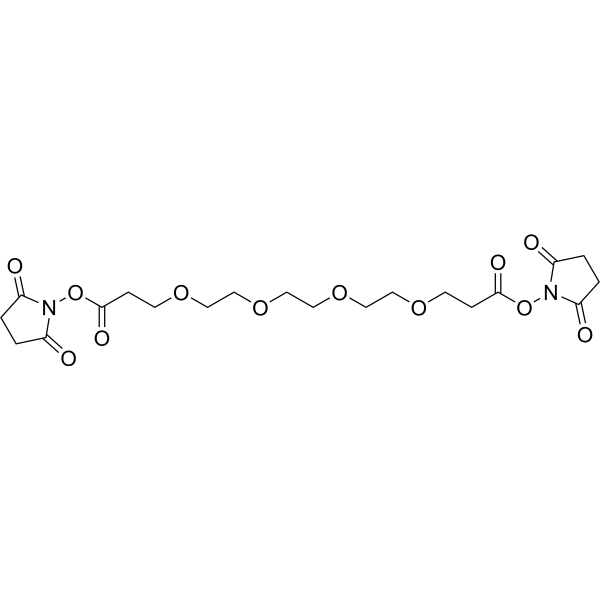
    Bis-PEG4-NHS ester is a crosslinking reagent and amine-reactive modulator .Bis-PEG4-NHS ester reacts with primary amine groups on liposome surfaces via amide bond formation to covalently attach dibenzylcyclooctyne groups, with a hydrophilic PEG4 spacer reducing steric hindrance for subsequent click chemistry .Bis-PEG4-NHS ester enables site-specific antibody coupling to liposome surfaces via copper-free strain-promoted alkyne-azide cycloaddition click chemistry without disrupting liposome structure in minimal organic solvent volumes .Bis-PEG4-NHS ester undergoes hydrolysis during annealing to form -COOH groups that interact with PbI and FAI to enhance perovskite structural integrity, passivate defects, and modulate nucleation kinetics to regulate crystal growth .Bis-PEG4-NHS ester enhances device efficiency and long-term stability when used as an antisolvent additive for p-i-n perovskite solar cells .
    Bis-​PEG4-​NHS ester
  • HY-D0307A

    acid Red 27; Azorubin S; FD & C Red Dye No. 2

    Environmental Pollutants Biochemical Assay Reagents Inflammation/Immunology
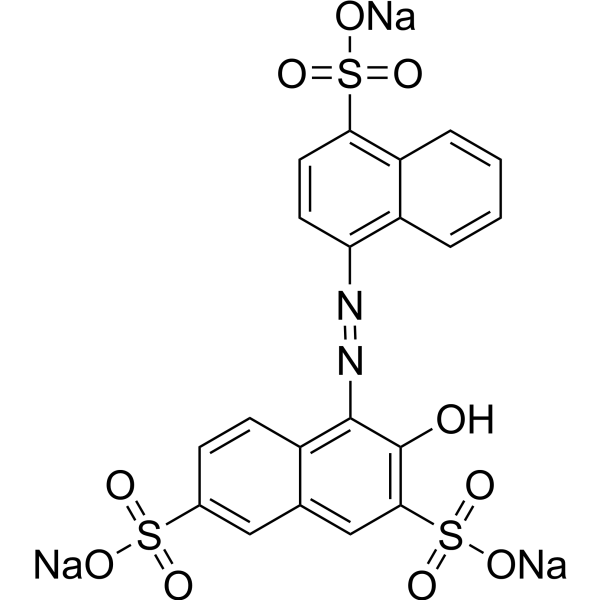
    Amaranth is an organic azo dye. Amaranth inhibits cellular immune response. Amaranth can be used as a food additive .
    Amaranth
  • HY-D0284

    Fluorescent Dye Others
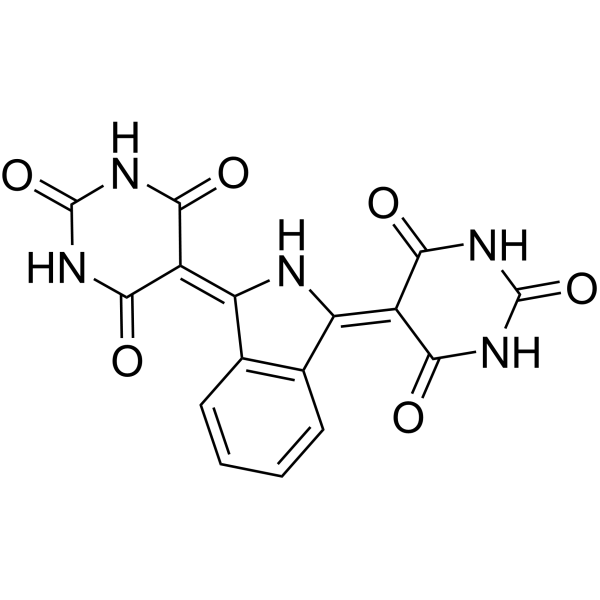
    Pigment Yellow 139 is a biological dye and indicator. Pigment Yellow 139 is an organic pigment and an additive for color filters of liquid crystal displays. When formulated in a dye-pigment hybrid system, Pigment Yellow 139 can form color filters with specific chromaticity coordinates, brightness, contrast, and average particle size .
    Pigment Yellow 139
  • HY-Y1131

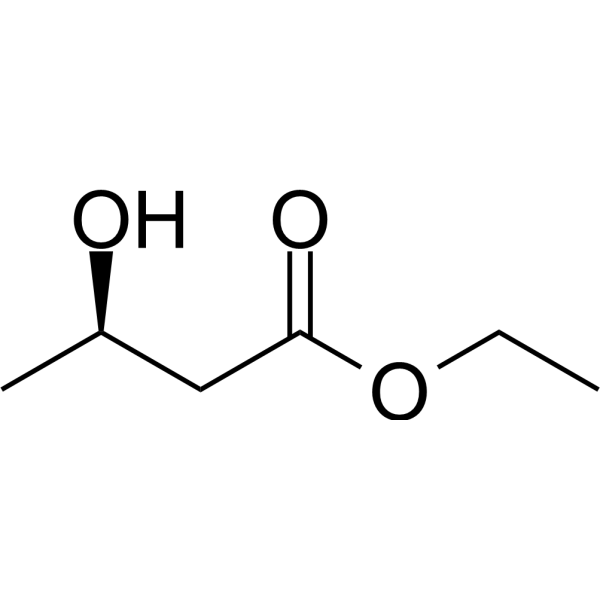
    Ethyl (R)-3-hydroxybutanoate

    Biochemical Assay Reagents Others
    Ethyl (R)-3-hydroxybutyrate is an organic compound commonly used as a starting material for chiral chemical synthesis. It can be used in the preparation of medicines, spices, fine chemicals and food additives, etc., and is widely used in medicine, cosmetics and food industries. In addition, this compound is also used as a substrate or intermediate in some biochemical reactions
    Ethyl (R)-3-hydroxybutyrate
  • HY-B1337S
    Choline-d4 chloride
    1 Publications Verification

    Cholinesterase (ChE) Others
    Choline-d4 (chloride) is the deuterium labeled Choline chloride. Choline chloride is an organic compound and a quaternary ammonium salt, an acyl group acceptor and choline acetyltransferase substrate, also is an important additive in feed especially for chickens where it accelerates growth.
    Choline-d4 chloride
  • HY-B1337S3

    Isotope-Labeled Compounds Endogenous Metabolite Cholinesterase (ChE) Others
    Choline-d13 (chloride) is the deuterium labeled Choline chloride. Choline chloride is an organic compound and a quaternary ammonium salt, an acyl group acceptor and choline acetyltransferase substrate, also is an important additive in feed especially for chickens where it accelerates growth.
    Choline-d13 chloride
  • HY-B1337S4
    Choline Chloride-13C3
    1 Publications Verification

    Cholinesterase (ChE) Others
    Choline Chloride- 13C3 is the 13C-labeled Choline (chloride). Choline chloride is an organic compound and a quaternary ammonium salt, an acyl group acceptor and choline acetyltransferase substrate, also is an important additive in feed especially for chickens where it accelerates growth.
    Choline Chloride-13C3
  • HY-W005355
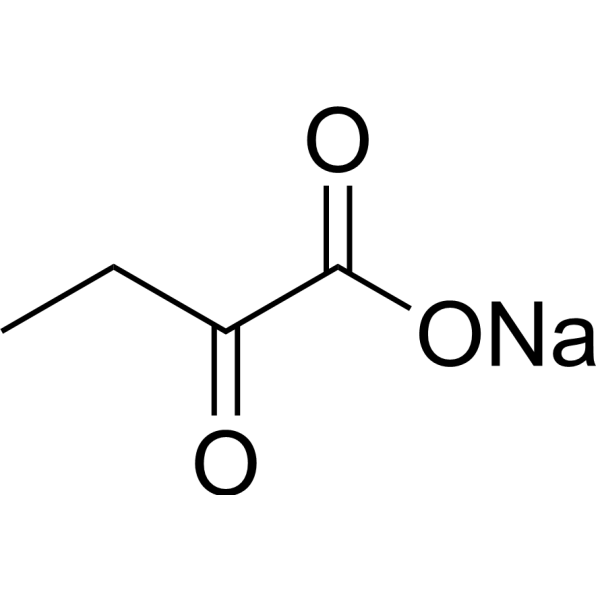
    Sodium 2-oxobutanoate
    1 Publications Verification

    Biochemical Assay Reagents Others
    Sodium 2-oxobutanoate is an organic compound commonly used as a food additive and industrial raw material. It can be used as an acidity regulator, leavening agent and preservative, and is often used in the fields of bread, baked goods and canning. In addition, the compound is used in the production of certain industrial products, such as in plastics, textiles and dyes.
    Sodium 2-oxobutanoate
  • HY-W127351

    Liposome Others
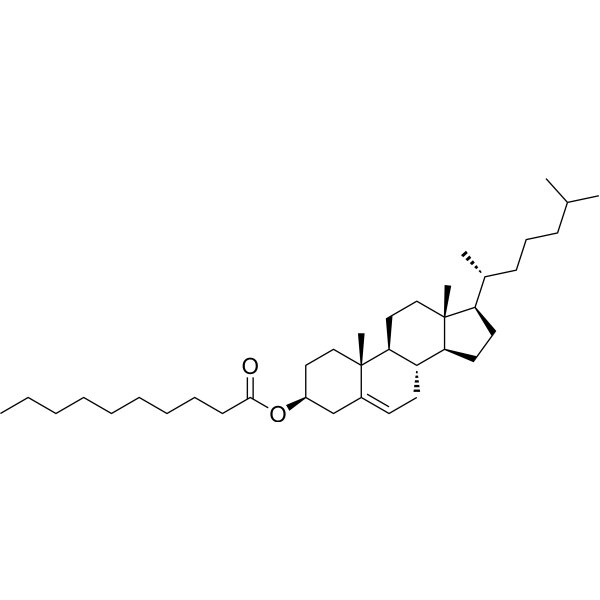
    Cholesterol decanoate is an organic compound belonging to the class of esters. It is formed from the reaction between cholesterol and capric acid. Cholesterol decanoate has several applications in the pharmaceutical industry, particularly as a bioactive compound with potential research potential for improving a range of medical conditions, such as high cholesterol and inflammation-related diseases. Additionally, it has potential applications as a food additive to improve texture and stability.
    Cholesterol decanoate
  • HY-W042557

    Biochemical Assay Reagents Others
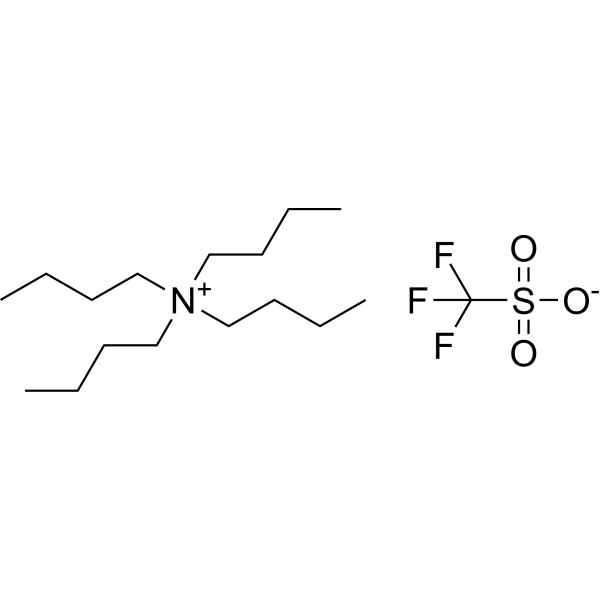
    Tetrabutylammonium trifluoromethanesulfonate, commonly known as TBAOTf. TBAOTf is widely used as a strong acid catalyst and phase transfer agent in organic synthesis, especially for reactions involving nucleophilic substitution, elimination, and rearrangement, in addition, it is also used as an electrolyte additive for rechargeable batteries and a stabilizer of supercritical fluids Due to its high stability, solubility and selectivity, TBAOTf is considered to be a highly efficient and multifunctional reagent in various applications.
    Tetrabutylammonium trifluoromethanesulfonate
  • HY-W010795

    Biochemical Assay Reagents Others
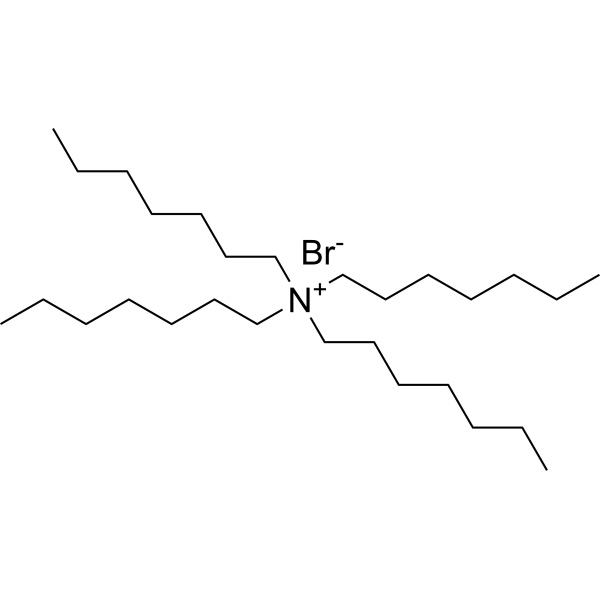
    Tetraheptylammonium bromide (>98%,BC) (THAB) is a quaternary ammonium compound commonly used as a phase transfer catalyst in organic synthesis reactions, especially those involving charged species or polar reagents. It can facilitate the transfer of reactants between two immiscible phases, such as water and organic solvents, by forming stable ion pairs. In addition, THAB is used as a surfactant, and as an additive in various products such as cosmetics, pharmaceuticals, and detergents. Due to THAB's ability to form complexes with these ions, its potential use in the removal of heavy metal ions from wastewater was also investigated.
    Tetraheptylammonium bromide (>98%,BC)
  • HY-W099601
    Sodium dodecanoate, 99-100%
    Maximum Cited Publications
    7 Publications Verification

    Lauric acid sodium salt, 99-100%

    Environmental Pollutants Biochemical Assay Reagents Others
    Sodium LaurateIt is an organic compound belonging to fatty acids. It is the sodium salt of lauric acid, a medium-chain saturated fatty acid found in various animal and vegetable fats. Sodium LaurateCommonly used as surfactants, emulsifiers and cleaning agents in various industries such as cosmetics, personal care and detergent industries. It's found in a variety of products, including soaps, shampoos, toothpaste, and laundry detergent. Furthermore, it also has applications in the food industry where it is used as a food additive to improve texture and stability.
    Sodium dodecanoate, 99-100%
  • HY-W010807

    Environmental Pollutants Biochemical Assay Reagents Others
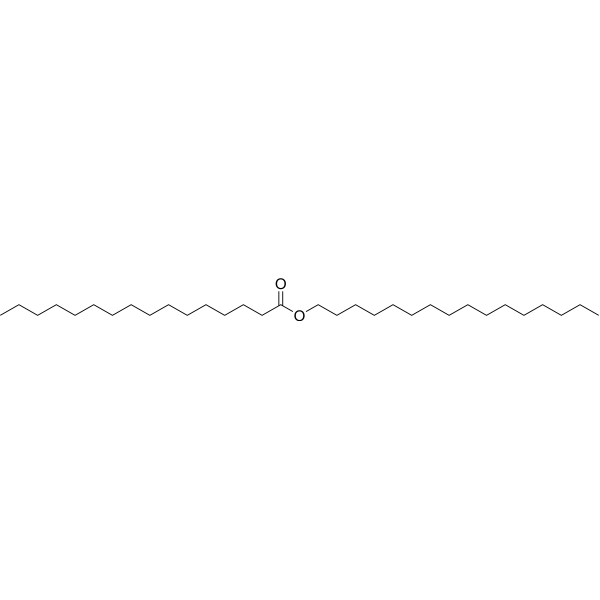
    Hexadecyl palmitate is an organic compound commonly used in the cosmetic industry as an emollient, thickener and skin conditioning agent. Cetyl palmitate is derived from a mixture of cetyl alcohol (a fatty alcohol) and palmitic acid (a saturated fatty acid). It is often used in skin care products such as moisturizers, lotions, and creams to improve their texture and Helps them glide smoothly on the skin. In addition to its use in cosmetics, cetyl palmitate is used in other industries including pharmaceuticals, food additives and lubricants. Overall, it's considered safe for use in personal care products, but like any other ingredient, it may cause irritation or an allergic reaction in some people.
    Hexadecyl palmitate
  • HY-W133894

    Oils, cedarwood

    Environmental Pollutants Parasite Others
    Cedar oil is an essential oil that can be extracted from numerous types of conifers. Cedar oil possesses some pesticidal properties. As a food additive and preservative, cedarwood oil is a blend of organic chemicals classified as safe compounds by the FDA.
    Cedar oil
  • HY-W250303
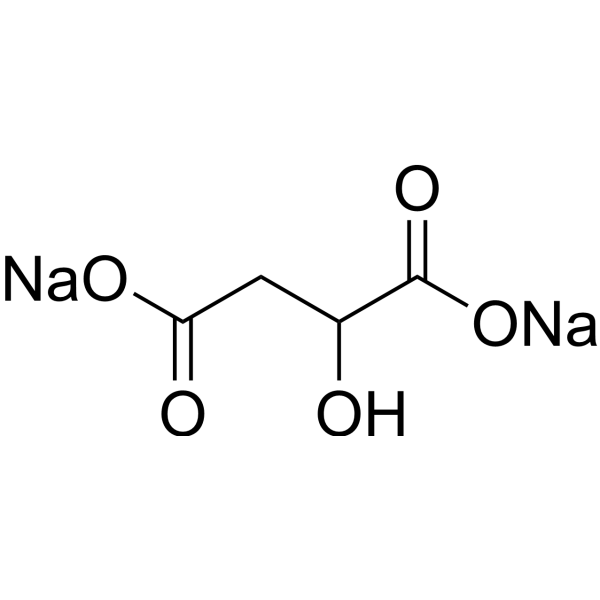
    Malic acid disodium salt
    4 Publications Verification

    Hydroxybutanedioic acid disodium salt; E 296 disodium salt

    Biochemical Assay Reagents Others
    Sodium DL-Malate is an organic compound commonly used as a food additive, buffer and nutritional supplement. It contains sodium and malic acid. Malic acid disodium salt has several properties suitable for these applications, including the ability to enhance food flavor, improve texture and regulate acidity. Additionally, it can be used as a dietary supplement due to its potential health benefits, including improved energy production, reduced fatigue, and enhanced athletic performance.
    Malic acid disodium salt
  • HY-W004293

    Tridecyl Alcohol

    Environmental Pollutants Biochemical Assay Reagents Others
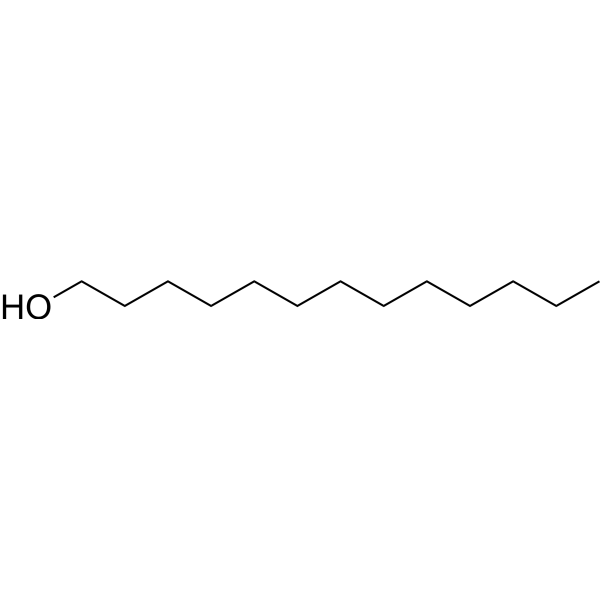
    1-Tridecanol is an organic compound commonly used as a surfactant, lubricant, and stabilizer, among others. It can be used in some cleaning products, preservatives and plastic additives, and can help enhance their performance and stability. In addition, the compound is used in some industrial fields, for example in the manufacture of products such as cellulose and paints. Although the compound has no direct medical application, it plays an important role in consumer products and industrial production.
    1-Tridecanol
  • HY-Y0543
    5-Methylfurfural
    1 Publications Verification

    Biochemical Assay Reagents COX Inflammation/Immunology Cancer
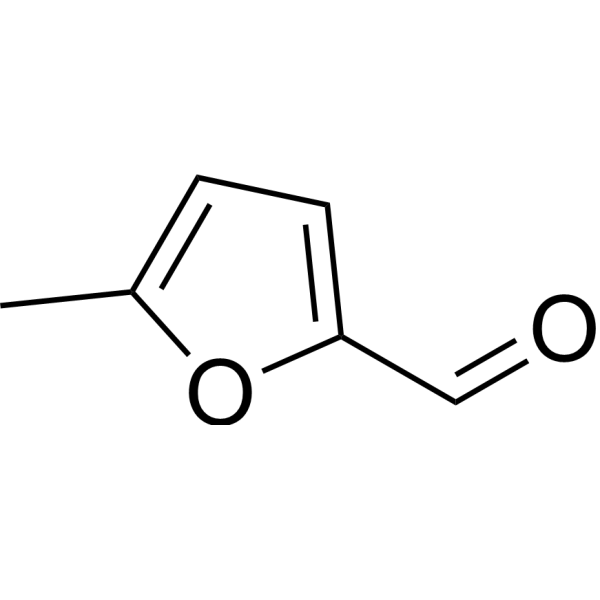
    5-Methylfurfural is a chemical that can be utilized as food additive, intermediate in the production of agrochemicals, and precursor of certain anti-cancer natural products. 5-Methylfurfural is formed during the photoexposition of ranitidine hydrochloride. 5-Methylfurfural is an organic compound. 5-Methylfurfural has a strong tendency to be further hydrogenated to 2,5-dimethylfuran (DMF). 5-Methylfurfural can predominantly evoke skin inflammation and barrier disintegration. 5-Methylfurfural degrades native DNA through the formation of single-strand breaks .
    5-Methylfurfural
  • HY-B1431S

    Butyl parahydroxybenzoate-d4; Butyl paraben-d4; Butyl 4-hydroxybenzoate-d4

    Isotope-Labeled Compounds Bacterial Endogenous Metabolite Infection
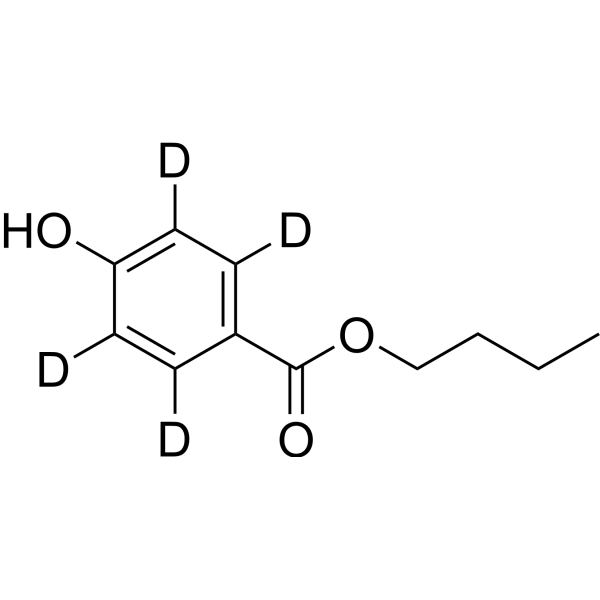
    Butylparaben-d4 is the deuterium labeled Butylparaben. Butylparaben is an organic compound, has proven to be a highly successful antimicrobial preservative in cosmetics, also used in medication suspensions, and as a flavoring additive in food.
    Butylparaben-d4
  • HY-W127474

    Biochemical Assay Reagents Others
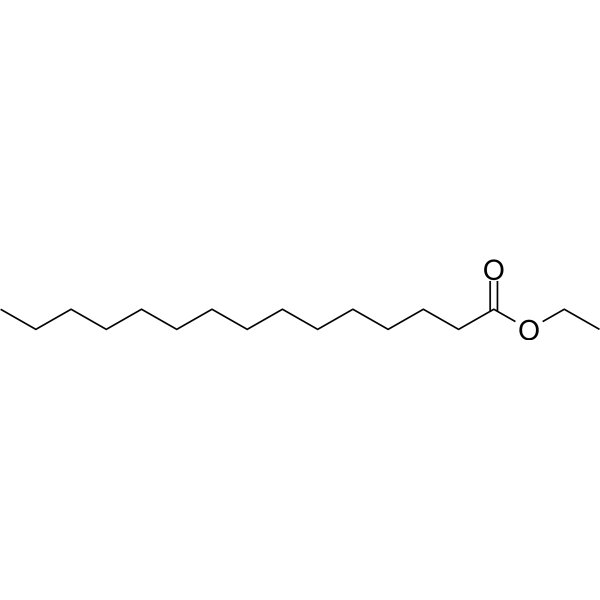
    Ethyl pentadecanoate is an organic compound that is commonly used as a flavoring and food additive, and can also be used in industrial manufacturing, such as the production of lubricants and surfactants. In addition, Ethyl pentadecanoate has biological activities such as antibacterial, insecticidal and antiseptic.
    Ethyl pentadecanoate
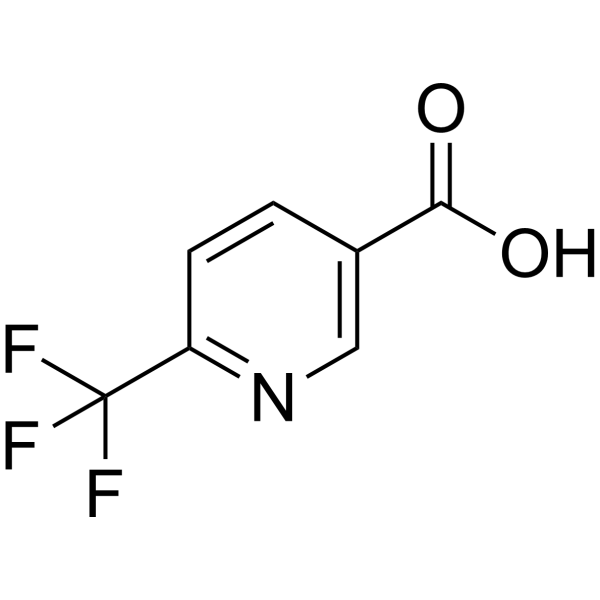
  • HY-66029

    Biochemical Assay Reagents Others
    6-(Trifluoromethyl)nicotinic acid is a biochemical reagent that can be used as a biological material or organic compound for life science related research. 6-(Trifluoromethyl)nicotinic acid is a small heterocyclic molecule containing carboxylic acid and trifluoromethyl groups, which can be used as a multifunctional additive .
    6-(Trifluoromethyl)nicotinic acid
  • HY-W099570

    Environmental Pollutants Biochemical Assay Reagents Others
    Stearate sodiumIt is an organic compound belonging to fatty acids. It is the sodium salt of stearic acid, a saturated fatty acid commonly found in various animal and vegetable fats. Stearate sodiumCommonly used as surfactants, emulsifiers and detergents, it is widely used in the cosmetics, personal care and detergent industries. It's found in a variety of products, including soaps, shampoos, toothpaste, and laundry detergent. Also, it has applications in the food industry where it is used as a food additive to improve texture and shelf life.
    Stearate sodium
  • HY-W017077

    4-Phenyltoluene

    Drug Intermediate Inflammation/Immunology
    4-Methylbiphenyl (4-Phenyltoluene) is an organic compound. 4-Methylbiphenyl has excellent chemical stability and antioxidant properties, and is widely used in industry. 4-Methylbiphenyl can serve as a solvent, coating additive, plastic additive and dye intermediate .
    4-Methylbiphenyl
  • HY-W009684

    Ethyl dodecanoate

    Environmental Pollutants Biochemical Assay Reagents Others
    Ethyl Laurate is an organic compound commonly used as a flavoring and food additive. It can be used to make fruit, mint and sweet flavors, and is widely used in some food processing and cosmetic production. In addition, this compound is also used as a reagent and intermediate in some organic synthesis reactions.
    Ethyl Laurate
  • HY-B1431R

    Butyl parahydroxybenzoate (Standard); Butyl paraben (Standard); Butyl 4-hydroxybenzoate (Standard)

    Reference Standards Bacterial Endogenous Metabolite DNA/RNA Synthesis Infection
    Butylparaben (Standard) is the analytical standard of Butylparaben. This product is intended for research and analytical applications. Butylparaben is an organic compound that has proven to be a very successful antimicrobial preservative in cosmetics, can also be used in active molecule suspensions, and as a food flavoring additive .
    Butylparaben (Standard)
  • HY-W250303A
    Malic acid disodium hydrate
    4 Publications Verification

    Hydroxybutanedioic acid disodium hydrate; Disodium DL-malate hydrate; E 296 disodium hydrate

    Biochemical Assay Reagents Others
    Malic acid disodium hydrate is an organic compound that is commonly used as a food additive, buffering agent, and nutritional supplement. It contains sodium and malic acid. Malic acid disodium hydrate has a variety of properties that make it suitable for these applications, including the ability to enhance food flavor, improve texture, and regulate acidity. In addition, due to its potential health benefits, including improved energy production, reduced fatigue, and enhanced athletic performance, Malic acid disodium hydrate can be used as a dietary supplement .
    Malic acid disodium hydrate
  • HY-B1431S1

    Butyl parahydroxybenzoate-13C6; Butyl 4-hydroxybenzoate-13C6

    Bacterial Endogenous Metabolite Infection
    Butylparaben- 13C6 is the 13C labeled Butylparaben . Butylparaben is an organic compound, has proven to be a highly successful antimicrobial preservative in cosmetics, also used in medication suspensions, and as a flavoring additive in food.
    Butylparaben-13C6
  • HY-W014884

    Decanoic acid Ethyl Ester

    Environmental Pollutants Biochemical Assay Reagents Others
    Ethyl decanoate is an organic compound commonly used as a flavoring and food additive. It can be used to prepare flavors and food seasonings with various flavors, and is widely used in food, flavors and cosmetics. In addition, this compound is also used as a substrate or intermediate in some biochemical reactions.
    Ethyl decanoate
  • HY-W040184

    TMAHS

    Biochemical Assay Reagents Others
    Tetramethylammonium hydrogensulfate, sometimes abbreviated as TMAHS, is a quaternary ammonium salt commonly used as a catalyst and phase transfer agent in chemical reactions, especially in organic synthesis. In addition, it is used as an electrolyte additive in electrochemical and rechargeable batteries. TMAHSs have also been investigated for their potential use in various applications such as wastewater treatment, gas separation, and fuel cells.
    Tetramethylammonium hydrogensulfate
  • HY-W127331

    Liposome Others
    Cholesterol hexanoate is an organic compound belonging to the class of esters. It is formed from the reaction between cholesterol and caproic acid. Cholesterol hexanoate has several applications in the pharmaceutical industry, particularly as a bioactive compound with potential research potential for improving a range of medical conditions, such as high cholesterol and inflammation-related diseases. Additionally, it has potential applications as a food additive to improve texture and stability.
    Cholesterol hexanoate
  • HY-W127403

    Cholesteryl trans-9-octadecenoate

    Biochemical Assay Reagents Others
    Cholesteryl elaidate is an organic compound belonging to the class of esters. It is formed from the reaction between cholesterol and elaidic acid, producing a white crystalline solid with a mildly sweet taste. Cholesteryl elaidate has several applications in the pharmaceutical industry, particularly as a bioactive compound with potential research potential for improving a range of medical conditions, such as high cholesterol and inflammation-related diseases. Additionally, it has potential applications as a food additive to improve texture and stability.
    Cholesteryl elaidate
  • HY-W009443

    Diethyl sebacate

    Environmental Pollutants Biochemical Assay Reagents Others
    Diethyl decanedioate is an organic compound commonly used as a raw material for flavors and food additives. It can be used to make fruit and mint flavors, and is widely used in some food processing and cosmetic production. In addition, this compound is also used as a reagent and intermediate in some organic synthesis reactions.
    Diethyl decanedioate
  • HY-W018561

    p,p'-Dioctyldiphenylamine; 4,4'-Dioctyldiphenylamine; DODPA

    Biochemical Assay Reagents Reactive Oxygen Species (ROS) Others
    Bis(4-octylphenyl)amine is an nitrogen-containing anthropogenic organic contaminant. Bis(4-octylphenyl)amine can be used as a high-temperature antioxidant additive in lubricants .
    Bis(4-octylphenyl)amine
  • HY-W272811

    Drug Intermediate Fungal Infection
    Camphorsulfonate sodium is an organic synthesis intermediate. Camphorsulfonate sodium can be used for synthesis of derivatives with SDH inhibitory activity through scaffold hopping. Camphorsulfonate sodium is also an organocatalyst that can be used as a pore-forming additive for modulating the porosity of the graphene film. Camphorsulfonate sodium can be used for binder-free porous graphene film and fungicide research .
    Camphorsulfonate sodium
  • HY-34469

    Biochemical Assay Reagents Others
    2-Cyanophenylboronic acid is a biochemical reagent that can be used as a biological material or organic compound for life science related research. 2-Cyanophenylboronic acid contains both nucleophilic and electrophilic centres. 2-Cyanophenylboronic acid can function as an efficient electrolyte additive for high voltage LCO cathode. 2-Cyanophenylboronic acid enhances the structural reversibililty and decreases the hydrofluoric acid formation .
    2-Cyanophenylboronic acid
  • HY-W127349

    Liposome Others
    Cholesterol n-Octanoate is an organic compound belonging to the class of esters. It is formed from the reaction between cholesterol and caprylic acid. Cholesterol n-octanoate has various applications in the pharmaceutical industry, notably as a bioactive compound with potential research potential to improve a range of medical conditions, such as high cholesterol and inflammation-related diseases. Additionally, it has potential applications as a food additive to improve texture and stability.
    Cholesterol n-Octanoate
  • HY-W250305

    Biochemical Assay Reagents Others
    Calcium malate is an organic compound containing calcium and malic acid. It is commonly used as a dietary supplement to provide the body with calcium and malic acid, which are important for maintaining healthy bones, teeth and muscles. Calcium malate has several properties that make it suitable for these applications, including high solubility and bioavailability compared to other forms of calcium supplementation. Additionally, it is used as a food additive to enhance the acidity and flavor of certain products.
    Calcium malate
  • HY-W127787

    L-(+)-Tartaric acid sodium hydrate

    Endogenous Metabolite Others
    L-Tartaric acid (L-(+)-Tartaric acid) sodium hydrate is the enantiomer of D-tartaric acid. L-Tartaric acid (HY-Y0293) is a white crystalline dicarboxylic acid found in many plants, such as grapes, and is one of the main organic acids in wine. L-Tartaric acid sodium hydrate which acts as a flour bulking agent and as a food additive can interact with sodium bicarbonate to produce carbon dioxide .
    Tartaric acid sodium hydrate
  • HY-B1337S2

    Endogenous Metabolite Others
    Choline-d6 (chloride) is the deuterium labeled Choline chloride. Choline chloride is an organic compound and a quaternary ammonium salt, an acyl group acceptor and choline acetyltransferase substrate, also is an important additive in feed especially for chickens where it accelerates growth.
    Choline-d6 chloride
  • HY-W127541

    Triacontanoic acid methyl ester

    Biochemical Assay Reagents Others
    Methyl melissate is an organic compound commonly used as a flavoring and food additive. It can be used to prepare flavors and food seasonings with various flavors, and is widely used in food, flavors and cosmetics. In addition, this compound is also used as a substrate or intermediate in some biochemical reactions.
    Methyl melissate
  • HY-W009684R

    Ethyl dodecanoate (Standard)

    Biochemical Assay Reagents Reference Standards Others
    Ethyl Laurate (Standard) is the analytical standard of Ethyl Laurate. This product is intended for research and analytical applications. Ethyl Laurate is an organic compound commonly used as a flavoring and food additive. It can be used to make fruit, mint and sweet flavors, and is widely used in some food processing and cosmetic production. In addition, this compound is also used as a reagent and intermediate in some organic synthesis reactions.
    Ethyl Laurate (Standard)
  • HY-W009443R

    Diethyl sebacate (Standard)

    Biochemical Assay Reagents Reference Standards Others
    Diethyl decanedioate (Standard) is the analytical standard of Diethyl decanedioate. This product is intended for research and analytical applications. Diethyl decanedioate is an organic compound commonly used as a raw material for flavors and food additives. It can be used to make fruit and mint flavors, and is widely used in some food processing and cosmetic production. In addition, this compound is also used as a reagent and intermediate in some organic synthesis reactions.
    Diethyl decanedioate (Standard)
  • HY-W127443

    Biochemical Assay Reagents Others
    3-Heptenoic acidIt is an organic compound belonging to the class of unsaturated fatty acids. It has a strong, unpleasant smell and is commonly found in a variety of foods, such as beer and dairy products. 3-Heptenoic acidIt has various applications in the fragrance and fragrance industry, especially as a fragrance and flavoring agent in products such as perfume, cologne and food additives. In addition, it can also be used as an intermediate in the synthesis of various chemicals and drugs.
    3-Heptenoic acid
  • HY-W127349R

    Liposome Reference Standards Others
    Cholesterol n-Octanoate (Standard) is the analytical standard of Cholesterol n-Octanoate. This product is intended for research and analytical applications. Cholesterol n-Octanoate is an organic compound belonging to the class of esters. It is formed from the reaction between cholesterol and caprylic acid. Cholesterol n-octanoate has various applications in the pharmaceutical industry, notably as a bioactive compound with potential research potential to improve a range of medical conditions, such as high cholesterol and inflammation-related diseases. Additionally, it has potential applications as a food additive to improve texture and stability.
    Cholesterol n-Octanoate (Standard)
  • HY-Y0543R

    Biochemical Assay Reagents Reference Standards COX Inflammation/Immunology Cancer
    5-Methylfurfural (Standard) is the analytical standard of 5-Methylfurfural. This product is intended for research and analytical applications. 5-Methylfurfural is a chemical that can be utilized as food additive, intermediate in the production of agrochemicals, and precursor of certain anti-cancer natural products. 5-Methylfurfural is formed during the photoexposition of ranitidine hydrochloride. 5-Methylfurfural is an organic compound. 5-Methylfurfural has a strong tendency to be further hydrogenated to 2,5-dimethylfuran (DMF). 5-Methylfurfural can predominantly evoke skin inflammation and barrier disintegration. 5-Methylfurfural degrades native DNA through the formation of single-strand breaks .
    5-Methylfurfural (Standard)
  • HY-W010807R

    Biochemical Assay Reagents Reference Standards Others
    Hexadecyl palmitate (Standard) is the analytical standard of Hexadecyl palmitate. This product is intended for research and analytical applications. Hexadecyl palmitate is an organic compound commonly used in the cosmetic industry as an emollient, thickener and skin conditioning agent. Cetyl palmitate is derived from a mixture of cetyl alcohol (a fatty alcohol) and palmitic acid (a saturated fatty acid). It is often used in skin care products such as moisturizers, lotions, and creams to improve their texture and Helps them glide smoothly on the skin. In addition to its use in cosmetics, cetyl palmitate is used in other industries including pharmaceuticals, food additives and lubricants. Overall, it's considered safe for use in personal care products, but like any other ingredient, it may cause irritation or an allergic reaction in some people.
    Hexadecyl palmitate (Standard)
  • HY-W012952R

    trans,trans-2,4-Heptadienall (Standard)

    Biochemical Assay Reagents Reference Standards Others
    (2E,4E)-Hepta-2,4-dienal (Standard) is the analytical standard of (2E,4E)-Hepta-2,4-dienal. This product is intended for research and analytical applications. (2E,4E)-Hepta-2,4-dienal is a naturally occurring organic compound that belongs to the group of aldehydes. It is an unsaturated aldehyde with two conjugated double bonds, giving it unique chemical and physical properties. (2E,4E)-Hepta-2,4-dienal is commonly found in various plant sources, especially in spices such as parsley and coriander. It is used as a flavoring agent and food additive in the formulation of various foods such as baked goods, snacks and beverages. It is also used in the fragrance industry, especially in the production of perfume and cologne.
    (2E,4E)-Hepta-2,4-dienal (Standard)
  • HY-W127787R

    L-(+)-Tartaric acid sodium hydrate (Standard)

    Endogenous Metabolite Reference Standards Others
    Tartaric acid (sodium hydrate) (Standard) is the analytical standard of Tartaric acid (sodium hydrate) (HY-W127787). This product is intended for research and analytical applications. L-Tartaric acid (L-(+)-Tartaric acid) sodium hydrate is the enantiomer of D-tartaric acid. L-Tartaric acid (HY-Y0293) is a white crystalline dicarboxylic acid found in many plants, such as grapes, and is one of the main organic acids in wine. L-Tartaric acid sodium hydrate which acts as a flour bulking agent and as a food additive can interact with sodium bicarbonate to produce carbon dioxide .
    Tartaric acid sodium hydrate (Standard)

Inquiry Online

Your information is safe with us. * Required Fields.

Salutation


Country or Region *

Applicant Name *


Organization Name *

Department *


Email Address *


Product Name *

Cat. No.


Requested quantity *

Phone Number *


Remarks

Inquiry Online

Inquiry Information

Product Name:
Cat. No.:
Quantity:
MCE Japan Authorized Agent:

