85 Results for "

p27

" in MedChemExpress (MCE) Product Catalog:
Products (85)

85 Results for "p27" in MCE Product Catalog:

13
13 Publications Verification
Art. -Nr.: HY-100237
CAS. Nr.: 222716-34-9
Reinheit:  99.07%
Forschungsgebiete:  

Cancer

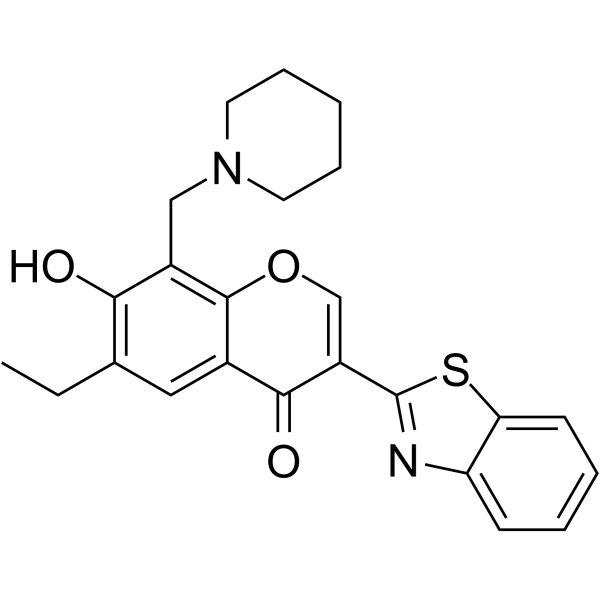
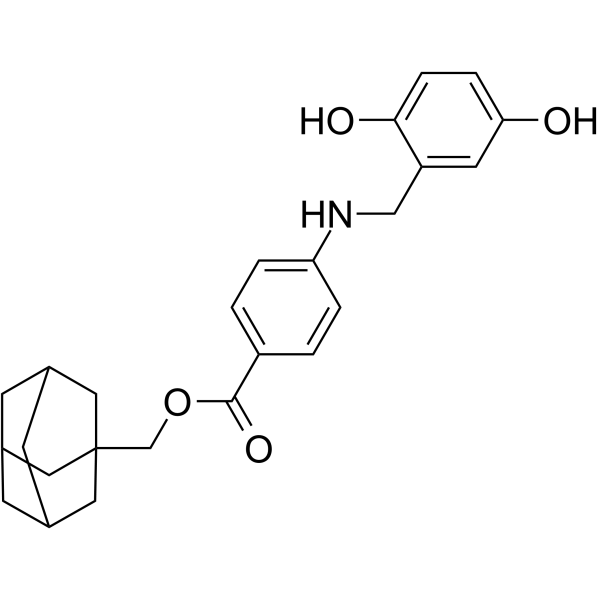
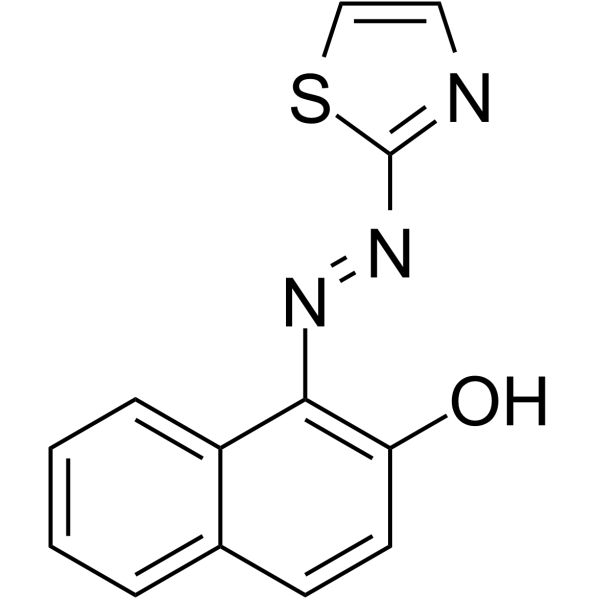
SZL P1-41 is a specific Skp2 inhibitor, binds to the F-box domain of Skp2 to prevent Skp1 association and Skp2 SCF complex formation. SZL P1-41, like Skp2 deficiency, augments p27-mediated apoptosis/senescence, while it impairs Akt-driven glycolysis. Anti-tumor activities .
loading...
    loading...
10
10 Cited Publications
Art. -Nr.: HY-10446
CAS. Nr.: 146464-95-1
Reinheit:  99.22%
Target:  

Antifolate Apoptosis

Forschungsgebiete:  

Cancer

Pralatrexate is an antifolate and is a potent dihydrofolate reductasean (DHFR) inhibitor with a Ki of 13.4 pM. Pralatrexate is a substrate for folylpolyglutamate synthetase with improved cellular uptake and retention. Pralatrexate has antitumor activities and has the potential for relapsed/refractory T-cell lymphoma treatment . Pralatrexate is a click chemistry reagent, it contains an Alkyne group and can undergo copper-catalyzed azide-alkyne cycloaddition (CuAAc) with molecules containing Azide groups.
loading...
    loading...
10
10 Cited Publications
Art. -Nr.: HY-128586
CAS. Nr.: 1848959-10-3
Reinheit:  99.52%
Forschungsgebiete:  

Cancer

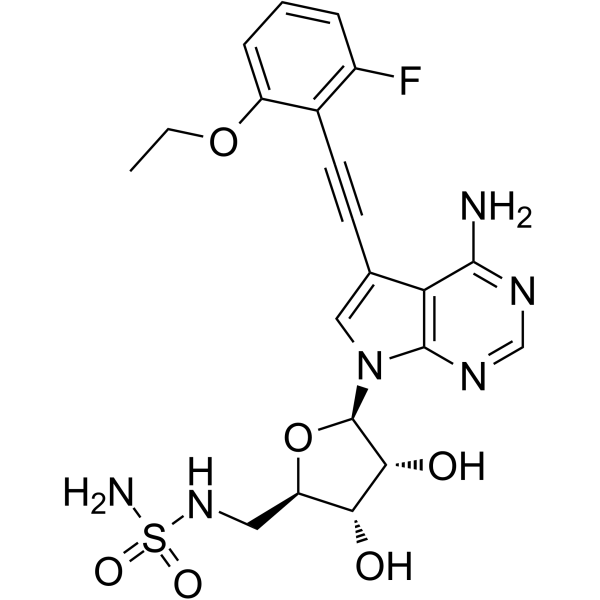
TAS4464 is a long-acting, highly selective covalent inhibitor targeting NEDD8-activating enzyme (NAE) (IC50=0.955 nM), and also inhibits CAII with an IC50 of 0.73 μM, which is less potent than MLN4924 (HY-70062). The IC50 values of TAS4464 against other E1 enzymes UAE and SAE are 449 nM and 1280 nM, respectively. TAS4464 targets NEDD8 in an ATP-dependent manner to inhibit NAE, blocks the neddylation pathway, causes accumulation of CRL ubiquitin ligase substrates (such as CDT1, p27, phosphorylated IκBα), and further induces tumor cell apoptosis. TAS4464 exhibits antiproliferative and cytotoxic effects, and has broad-spectrum antitumor activity against various hematologic and solid tumor cell lines as well as patient-derived tumor cells. TAS4464 has a wide selcetive window, without obvious toxicity. TAS4464 can be used in the research of hematologic malignancies (leukemia, lymphoma, multiple myeloma, etc.) and solid tumors (small cell lung cancer, colorectal cancer, sarcoma, endometrial cancer, ovarian cancer, etc.) .
loading...
    loading...
10
10 Cited Publications
Art. -Nr.: HY-128586A
CAS. Nr.: 1848959-11-4
Reinheit:  98.91%
Forschungsgebiete:  

Cancer

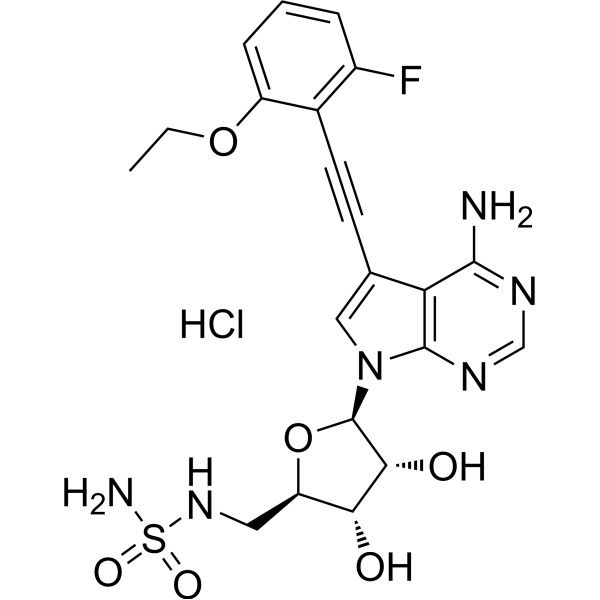
TAS4464 hydrochloride is a long-acting, highly selective covalent inhibitor targeting NEDD8-activating enzyme (NAE) (IC50=0.955 nM), and also inhibits CAII with an IC50 of 0.73 μM, which is less potent than MLN4924 (HY-70062). The IC50 values of TAS4464 hydrochloride against other E1 enzymes UAE and SAE are 449 nM and 1280 nM, respectively. TAS4464 hydrochloride targets NEDD8 in an ATP-dependent manner to inhibit NAE, blocks the neddylation pathway, causes accumulation of CRL ubiquitin ligase substrates (such as CDT1, p27, phosphorylated IκBα), and further induces tumor cell apoptosis. TAS4464 hydrochloride exhibits antiproliferative and cytotoxic effects, and has broad-spectrum antitumor activity against various hematologic and solid tumor cell lines as well as patient-derived tumor cells. TAS4464 hydrochloride has a wide therapeutic window, without obvious toxicity. TAS4464 hydrochloride can be used in the research of hematologic malignancies (leukemia, lymphoma, multiple myeloma, etc.) and solid tumors (small cell lung cancer, colorectal cancer, sarcoma, endometrial cancer, ovarian cancer, etc.) .
loading...
    loading...
6
6 Cited Publications
Art. -Nr.: HY-B1165
CAS. Nr.: 41354-29-4
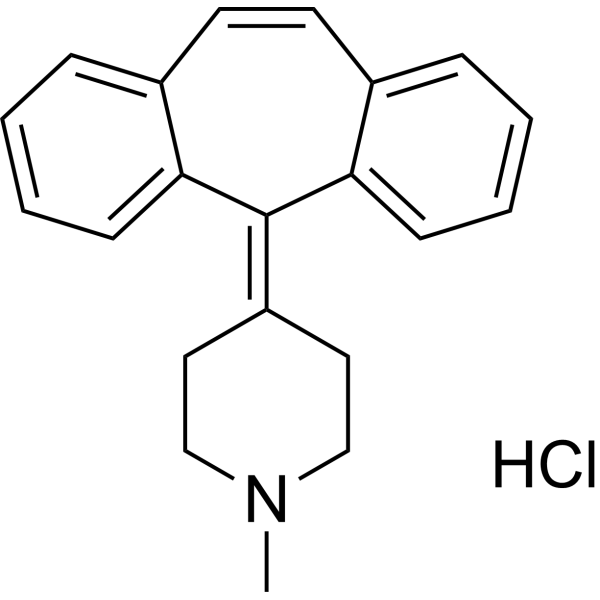
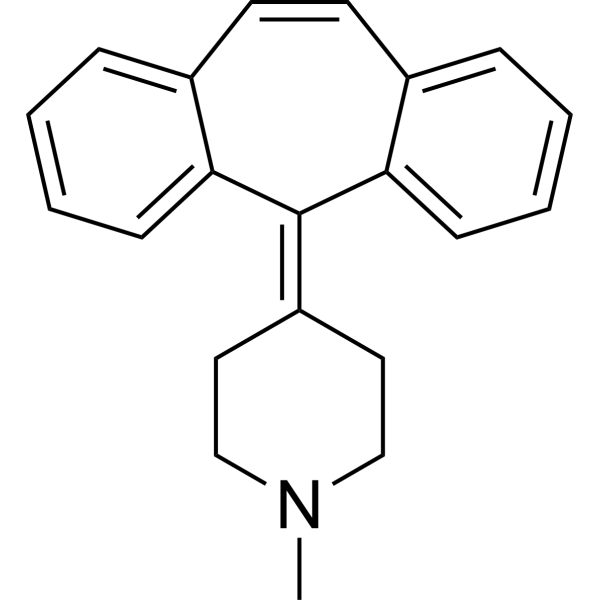
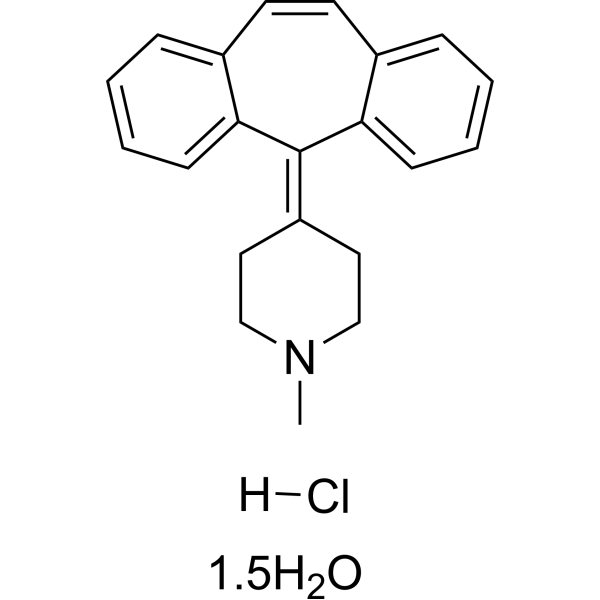
Cyproheptadine hydrochloride sesquihydrate acts as a p38 MAP kinase activator, CHK2 activator, histamine H1 receptor inhibitor and serotonin receptor inhibitor. Cyproheptadine hydrochloride sesquihydrate mediates cell cycle arrest via G1 phase arrest, G1/S transition arrest, G0/G1 phase arrest, reduced expression of cyclins D1/D2/D3, upregulated expression of HBP1, p16, p21, p27, and decreased phosphorylation of retinoblastoma protein. Cyproheptadine hydrochloride sesquihydrate induces Apoptosis by increasing PARP and cleaved PARP, as well as activating the mitochondrial caspase pathway. Cyproheptadine hydrochloride sesquihydrate inhibits tumor growth with extremely low toxicity to normal cells. Cyproheptadine hydrochloride sesquihydrate can be used in research related to hepatocellular carcinoma, multiple myeloma and acute myeloid leukemia .
loading...
    loading...
4
4 Cited Publications
Art. -Nr.: HY-13468
CAS. Nr.: 819812-04-9
Reinheit:  99.53%
Forschungsgebiete:  

Cancer

KW-2478 is an HSP90 inhibitor (IC50 = 3.8 nM). KW-2478 inhibits the growth and induces apoptosis in chronic myeloid leukemia (CML) cells and liver cancer cells. KW-2478 weakens the BCR/ABL and MAPK signaling pathways, leading to increased p27 and p21 expression and decreased cyclin B1 expression. KW-2478 downregulates STAT3 expression. KW-2478 may be used in research on cancers such as CML and liver cancer .
loading...
    loading...
4
4 Cited Publications
Art. -Nr.: HY-15694
CAS. Nr.: 143360-00-3
Reinheit:  99.79%
Forschungsgebiete:  

Cancer

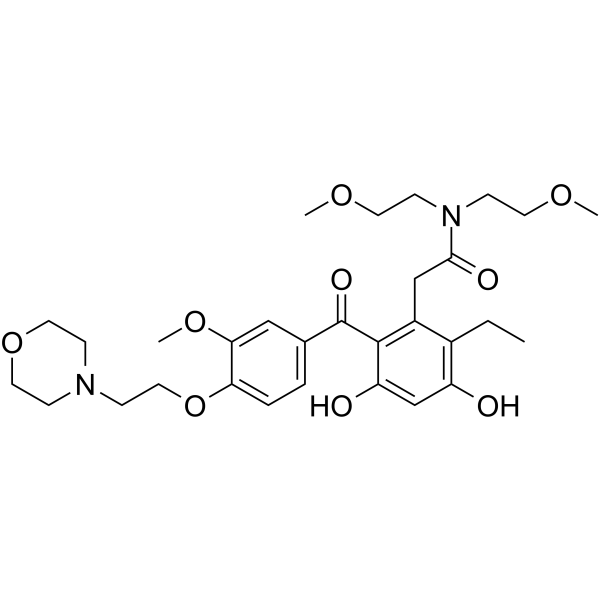
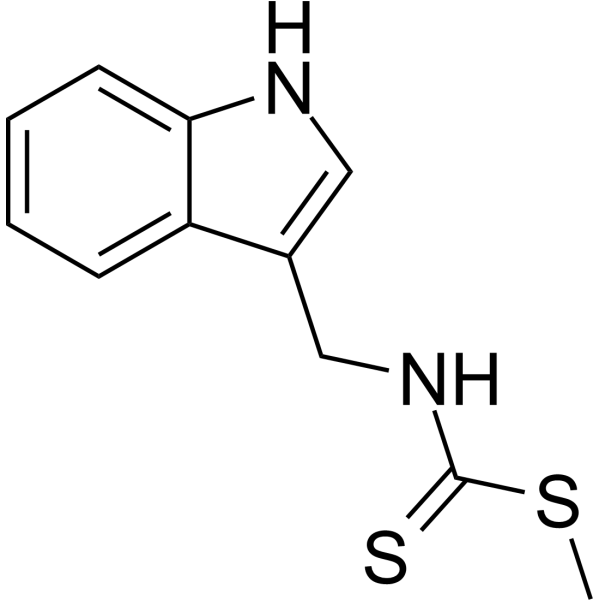
SMIP004 is a SKP2 E3 ligase inhibitor, which downregulates SKP2 and to stabilise p27. SMIP004 is a cancer cell selective apoptosis inducer of human prostate cancer cells .
loading...
    loading...
4
4 Cited Publications
Art. -Nr.: HY-N2445
CAS. Nr.: 37308-75-1
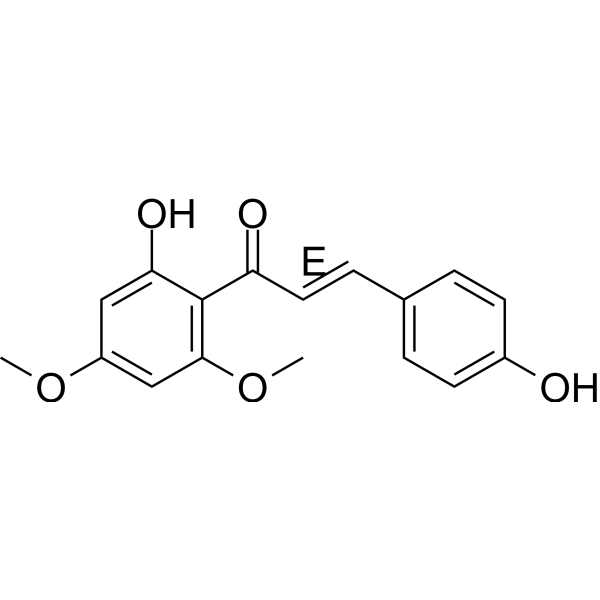
Flavokawain C is an orally active natural chalcone. Flavokawain C inhibits the proliferation of various cancer cells. Flavokawain C upregulates GADD153 in cancer cells, inhibits the phosphorylation of Akt and JNK, suppresses early ERK phosphorylation, activates late ERK phosphorylation, activates caspase related subtypes, induces PARP-1 cleavage, causes upregulation of p21 and p27, downregulation of mutant p53 and anti-apoptotic IAP proteins, elevates intracellular ROS levels, reduces SOD activity, and induces apoptosis. Flavokawain C downregulates FABP4, induces autophagy in cancer cells, and activates the AMPK/mTOR pathway . Flavokawain C decreases the expression of glycolysis-related proteins GLUT1 and HK2, and inhibits glycolysis in nasopharyngeal carcinoma cells. Flavokawain C inhibits the activation of the EGFR/PI3K/Akt/mTOR signaling pathway and reduces the expression of HSP90B1. Flavokawain C inhibits angiogenesis by decreasing the expression of angiogenic proteins Ang-1 and VEGF in human umbilical vein endothelial cells. Flavokawain C increases γ-H2AX levels in cells, inhibits the phosphorylation of FAK, PI3K and AKT in cells, and induces DNA damage in cells. Flavokawain C exerts anti-tumor activity in multiple tumor xenograft mouse models. Flavokawain C is applicable to research related to colorectal cancer, colon adenocarcinoma, nephroblastoma, nasopharyngeal carcinoma and liver cancer .
loading...
    loading...
4
4 Cited Publications
Art. -Nr.: HY-D0014
CAS. Nr.: 6104-58-1
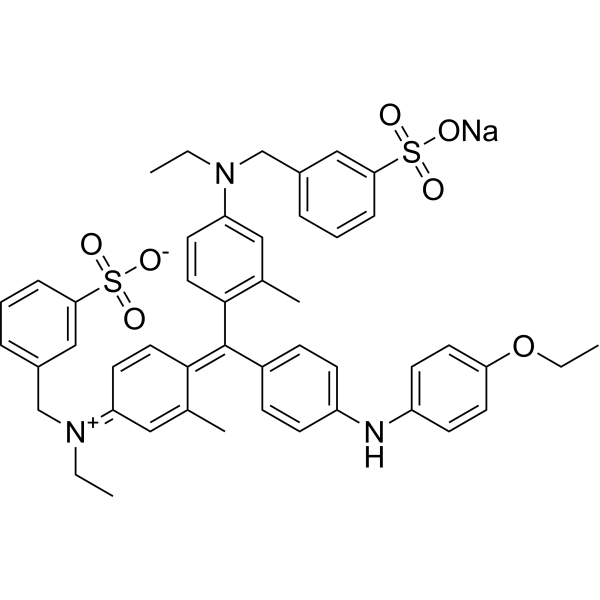
Brilliant Blue G-250 is a dye commonly used for the visualization of proteins separated by SDS-PAGE, offering a simple staining procedure and high quantitation. In the Bradford protein assay, protein concentrations are determined by the absorbance at 595 nm due to the binding of Brilliant Blue G-250 to proteins. Brilliant Blue G-250 is a safe highly selective P2×7R antagonist with promising consequent inactivation of NLRP3 inflammasome .
loading...
    loading...
3
3 Cited Publications
Art. -Nr.: HY-114712
CAS. Nr.: 19970-45-7
Reinheit:  98.92%
Synonyms: SJ403
Target:  

CDK

Forschungsgebiete:  

Others

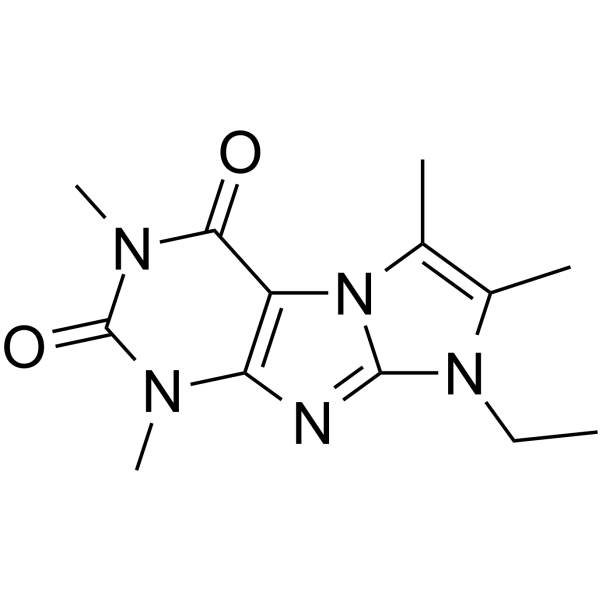
SJ572403 (SJ403) is a p27 Kip1 inhibitor. SJ572403 has high specificity for specific regions within the D2 subdomain of p27-KID with a Kd value of 2.2 mM. SJ572403 can be used for the research of diseases associated with intrinsically disordered proteins (IDPs) .
loading...
    loading...
2
2 Cited Publications
Art. -Nr.: HY-16231
CAS. Nr.: 501010-06-6
Target:  

Apoptosis

Forschungsgebiete:  

Cancer

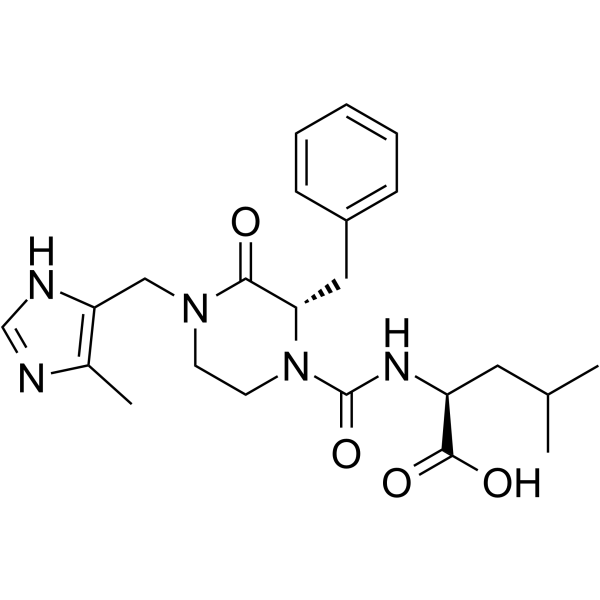
GGTI-2418 is a highly potent, competitive, and selective geranylgeranyltransferase I (GGTase I) inhibitor. GGTI-2418 inhibits GGTase I and FTase activities with IC50s of 9.5 nM and 53 μM, respectively. GGTI-2418 also increases p27(Kip1) and induces significant regression of breast tumors .
loading...
    loading...
1
1 Cited Publications
Art. -Nr.: HY-N0704
CAS. Nr.: 55576-66-4
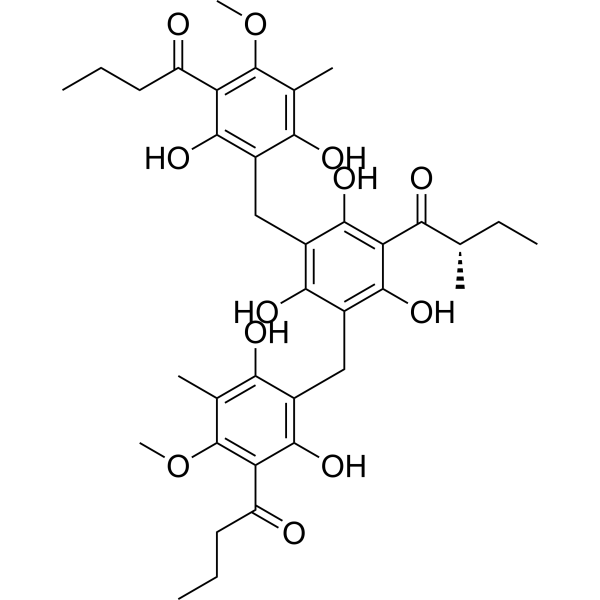
Agrimol B, a polyphenol, is an orally active and potent SIRT1 activator. Agrimol B shows anti-adipogenic and anticancer activity. Agrimol B shows antibacterial activity against plant pathogens. Agrimol B dramatically inhibits 3T3-L1 adipocyte differentiation by reducing PPARγ, C/EBPα, FAS, UCP-1, and apoE expression. The action of Agrimol B on the cancer cells is likely derived from its effect on c-MYC, SKP2 and p27 .
loading...
    loading...
1
1 Cited Publications
Art. -Nr.: HY-112158
CAS. Nr.: 1147-56-4
Reinheit:  99.86%
Synonyms: ERGi-USU
Target:  

RIO Kinase

Forschungsgebiete:  

Cancer

NSC139021 (ERGi-USU) is a RIOK2 inhibitor with anticancer activity. RIOK2 can highly selectively inhibit the growth of ERG-positive cancer cells with IC50s of 30-400 nM against cell lines. RIOK2 also causes cell cycle arrest and apoptosis in glioblastoma via induction of Skp2 and Skp2-p27/p21-Cyclin E/CDK2-pRb signaling .
loading...
    loading...
1
1 Cited Publications
Art. -Nr.: HY-N1983
CAS. Nr.: 38395-02-7
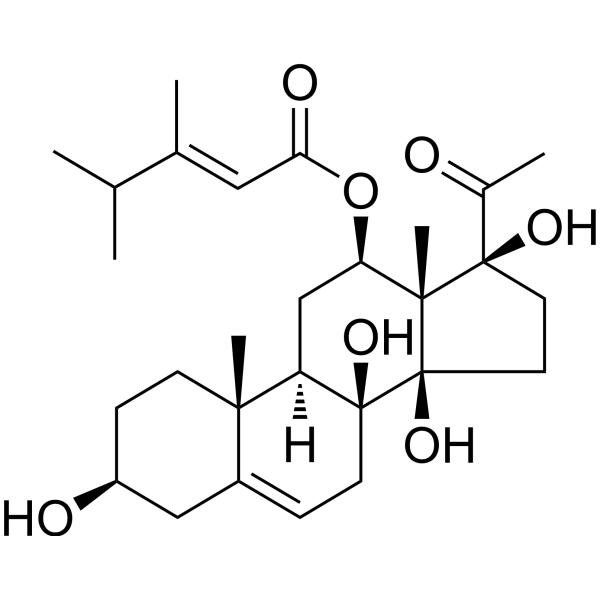
Caudatin is an orally active and brain-penetrant C-21 steroidal found in Cynanchum bungei decne with a variety of biological activities. Caudatin can inhibit cell proliferation, migration, invasion, cause cell phase arrest, induce apoptosis, autophagy, ROS prodution and loss of mitochondrial membrane potential. Caudatin activates PARP, caspase-3, -7, -9, upregulates pro-apoptotic Bad and Bax and downregulates anti-apoptotic Bcl-2 and Bcl-XL. Caudatin suppresses VEGF, FAK phosphorylation, upregulates p21, p27, DR5 protein expression, activates the p38 MAPK, JNK and PPARα/TFEB-mediated autophagy-lysosomal signaling pathways. Caudatin can be used for the research of cancer, inflammation and neurological disease, such as glioma and Alzheimer's disease .
loading...
    loading...
1
1 Cited Publications
Art. -Nr.: HY-123578
CAS. Nr.: 241127-79-7
Reinheit:  99.65%
Target:  

EGFR E1/E2/E3 Enzyme

Forschungsgebiete:  

Cancer

NSC689857 is a potent EGFR and SCF SKP2 inhibitor with an IC50 value of 36 μM for Skp2-Cks1. NSC689857 can inhibit p27 ubiquitylation (IC50=30 μM). NSC689857 has varied activity across cancer types, with more activity against leukemia cell lines than others .
loading...
    loading...
1
1 Cited Publications
Art. -Nr.: HY-P80256

Host:  

Rabbit

Application:  

WB, ICC/IF, IHC-P, FC, IP

Reactivity:  

Human, Mouse, Rat

loading...
    loading...
Art. -Nr.: HY-P11020
Target:  

E1/E2/E3 Enzyme

Forschungsgebiete:  

Cancer

p27 Analogue CP2 is a macrocyclic peptide inhibitor targeting the Cks1-Skp2-Skp1 complex (Kd = 32 nM). p27 Analogue CP2 blocks SCFSkp2/Cks1-mediated ubiquitylation and degradation of p27, restoring p27 levels and inhibiting cell proliferation. p27 Analogue CP2 is promising for research of cancers dependent on Skp2 overexpression such as breast cancer .
loading...
    loading...
Art. -Nr.: HY-15301
CAS. Nr.: 1319207-44-7
Reinheit:  99.03%
Target:  

E1/E2/E3 Enzyme

Forschungsgebiete:  

Cancer

CC0651 is an allosteric inhibitor of the human Cdc34 ubiquitin-conjugating enzyme. CC0651 potently (IC50=1.72 μM) inhibits the ubiquitination of p27 Kip1, as confirmed by dose-response analysis.
loading...
    loading...
Art. -Nr.: HY-135199
CAS. Nr.: 1819330-15-8
Reinheit:  99.84%
Target:  

E1/E2/E3 Enzyme

Forschungsgebiete:  

Cancer

Ubiquitination-IN-1 (compound 24) is a ubiquitination and Cksl-Skp2 protein-protein interaction (IC50=0.17 μM) inhibitor. Ubiquitination-IN-1 increases levels of p27. Ubiquitination-IN-1 has the potential for treatment disease by blocking the degradation of tumor suppressors .
loading...
    loading...
Art. -Nr.: HY-12286
CAS. Nr.: 1401223-22-0
Reinheit:  98.78%
Forschungsgebiete:  

Cancer

PI-1840 is a potent and selective chymotrypsin-like (CT-L) inhibitor for with an IC50 value of 27 nM. PI-1840 inhibits cell proliferation and arrest cell cycle at G2/M phase. PI-1840 induces apoptosis and induces autophagy. PI-1840 induces the accumulation of proteasome substrates p27, Bax, and IκB-α .
loading...
    loading...

