

6783 Results for "

poorly soluble low toxicity nanoparticle

" in MedChemExpress (MCE) Product Catalog:
Products (6783)

6783 Results for "poorly soluble low toxicity nanoparticle" in MCE Product Catalog:

757
757 Publications Verification
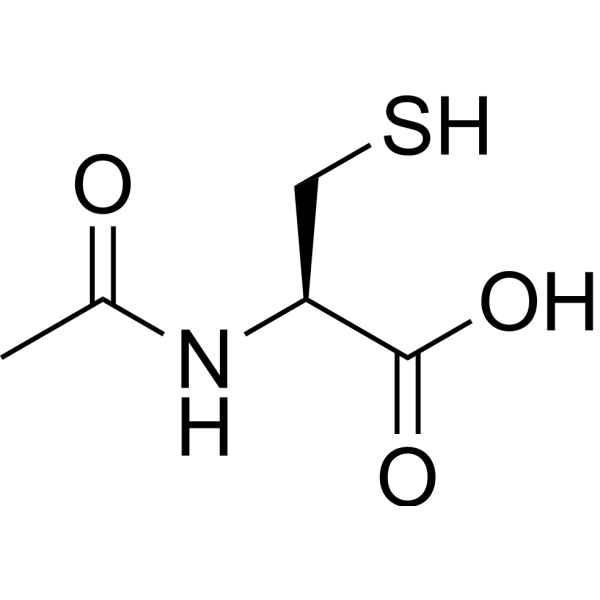
Cat. No.: HY-B0215
CAS No.: 616-91-1
Synonyms: N-Acetylcysteine; N-Acetyl-L-cysteine; NAC
Acetylcysteine (N-Acetylcysteine) is a mucolytic agent that can cross the blood-brain barrier, which reduces the thickness of the mucus. Acetylcysteine is a ROS inhibitor. Acetylcysteine is a cysteine precursor, prevents hemin-induced ferroptosis by neutralizing toxic lipids generated by arachidonate-dependent activity of 5-lipoxygenases. Acetylcysteine induces cell apoptosis. Acetylcysteine also has anti-influenza virus activities. In addition, Acetylcysteine ​​is the most stable form of cysteine ​​during drug delivery and can be used in disulfidptosis studies .
loading...
    loading...
616
616 Cited Publications
Cat. No.: HY-D1056
Synonyms: LPS, from Escherichia coli (O55:B5)
Lipopolysaccharides, from E. coli O55:B5 (LPS, from Escherichia coli (O55:B5)) are endotoxins and TLR4 activators extracted from Escherichia coli (E. coli O55:B5) and are classified as S (smooth) type LPS. Lipopolysaccharides, from E. coli O55:B5 possess the typical three-part structure: O-antigen, core oligosaccharide, and lipid A. Lipopolysaccharides, from E. coli O55:B5 activate TLR-4 in immune cells, exhibit high pyrogenicity, and demonstrate dose and serotype specificity. Lipopolysaccharides, from E. coli O55:B5 can be widely used to induce cellular inflammation and establish animal models related to inflammation .
It is recommended to prepare a solution with concentration ≥2 mg/mL. Vortex thoroughly for more than 10 minutes. Due to the adsorption characteristics of LPS, silanized container or low adsorption centrifuge tubes should be used for aliquoting and storage, and mix thoroughly before use.
loading...
    loading...
402
402 Cited Publications
Cat. No.: HY-14648C
CAS No.: 50-02-2
Purity:  ≥98.0%
Synonyms: Dexamethasone cyclodextrin complex
Dexamethasone (Hexadecadrol) Water Soluble is a water-soluble form of Dexamethasone (HY-14648). Dexamethasone is a glucocorticoid receptor agonist, apoptosis inducer, and a common disease inducer in experimental animals. It can be used to construct models of muscle atrophy, hypertension, and depression. Dexamethasone can inhibit the production of inflammatory miRNA-155 exosomes in macrophages and significantly reduce the expression of inflammatory factors in neutrophils and monocytes. Dexamethasone also has the potential to be used in COVID-19 research .(Sale size is the weight of dexamethasone)
loading...
    loading...
387
387 Cited Publications
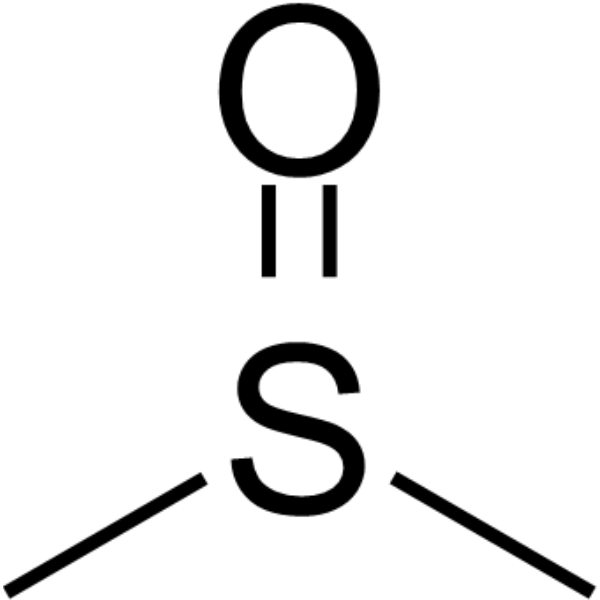
Cat. No.: HY-Y0320
CAS No.: 67-68-5
Synonyms: DMSO, meets analytical specification of Ch.P.
Dimethyl sulfoxide (DMSO), meets analytical specification of Ch.P. is an aprotic solvent that dissolves polar and non-polar compounds, including water-insoluble therapeutic and toxic agents. Dimethyl sulfoxide (DMSO) has a strong affinity for water and can rapidly penetrate or enhance the penetration of other substances into biological membranes. Dimethyl sulfoxide also has potential free radical scavenging and anticholinesterase effects and may affect coagulation activity. Dimethyl sulfoxide also induces histamine release from mast cells but is thought to have low systemic toxicity. Dimethyl sulfoxide also exhibits antifreeze and antibacterial properties .
MCE provides Dimethyl sulfoxide that complies with the inspection standards (Ch.P) of Part 4 of the Chinese Pharmacopoeia (2020 Edition). Amicrobic, low endotoxin, can be used in various biochemical experiments such as drug dissolution.
loading...
    loading...
280
280 Cited Publications
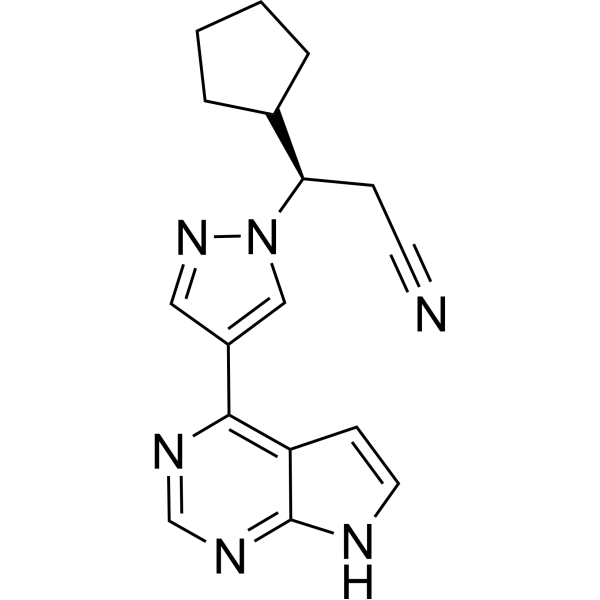
Cat. No.: HY-50856
CAS No.: 941678-49-5
Synonyms: INCB18424
Research Areas:  

Cancer

Ruxolitinib (INCB18424) is an orally active and selective JAK1/2 inhibitor with IC50s of 3.3 nM and 2.8 nM in cell-free assays, and has 130-fold selectivity for JAK1/2 over JAK3 . Ruxolitinib induces autophagy and kills tumor cells through toxic mitophagy .
loading...
    loading...
270
270 Cited Publications
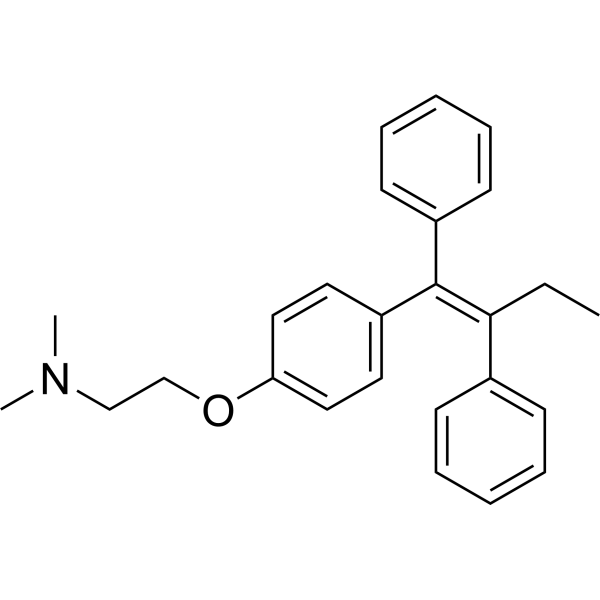
Cat. No.: HY-13757A
CAS No.: 10540-29-1
Purity:  99.78%
Synonyms: ICI 47699; (Z)-Tamoxifen; trans-Tamoxifen
Tamoxifen (ICI 47699) is an orally active, selective estrogen receptor modulator (SERM) which blocks estrogen action in breast cells and can activate estrogen activity in other cells, such as bone, liver, and uterine cells. Tamoxifen is a potent Hsp90 activator and enhances the Hsp90 molecular chaperone ATPase activity. Tamoxifen also potent inhibits infectious EBOV Zaire and Marburg (MARV) with IC50 of 0.1 μM and 1.8 μM, respectively. Tamoxifen activates autophagy and induces apoptosis. Tamoxifen can also be dissolved in corn oil (HY-Y1888) for use in inducing gene knockout in CreER transgenic mice. Tamoxifen has better solubility in corn oil compared to Tamoxifen Citrate (HY-13757) .
loading...
    loading...
245
245 Cited Publications
Cat. No.: HY-15534
CAS No.: 3520-43-2
Purity:  98.71%
Synonyms: CBIC2
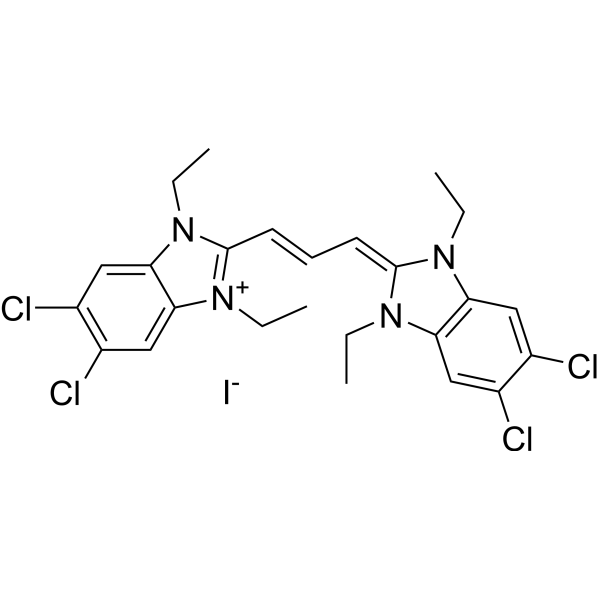
JC-1 (CBIC2) is an ideal fluorescent probe widely used to detect mitochondrial membrane potential. JC-1 accumulates in mitochondria in a potential dependent manner and can be used to detect the membrane potential of cells or purified mitochondria. In normal mitochondria, JC-1 aggregates in the mitochondrial matrix to form a polymer, which emits strong red fluorescence (Ex=585 nm, Em=590 nm); When the mitochondrial membrane potential is low, JC-1 cannot aggregate in the matrix of mitochondria and produce green fluorescence (ex=510 nm, em= 527 nm) .
loading...
    loading...
223
223 Cited Publications
Cat. No.: HY-Y0873
CAS No.: 25322-68-3
Synonyms: Polyethylene glycol 300
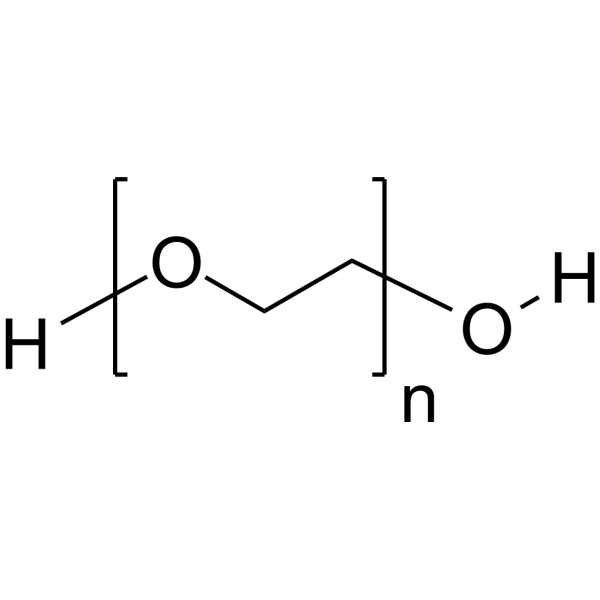
PEG300 (Polyethylene glycol 300), a neutral polymer of molecular weight 300, is a water-soluble, low immunogenic and biocompatible polymer formed by repeating units of ethylene glycol .
loading...
    loading...
209
209 Cited Publications
Cat. No.: HY-15147
CAS No.: 284028-89-3
Purity:  99.80%
Target:  

β-catenin PARP

Research Areas:  

Cancer

XAV-939 is a Tankyrase inhibitor. XAV-939 has inhibitory activity for TNKS1 and TNKS2 with IC50 values of 5 nM and 2 nM, respectively. XAV-939 also is an enhancer of osteoblastic differentiation of hMSCs. XAV-939 can be used for the research of conditions associated with activated Wnt signaling, such as cancer, fibrotic diseases and conditions associated with low bone formation .
loading...
    loading...
207
207 Cited Publications
Cat. No.: HY-17364
CAS No.: 85622-93-1
Synonyms: NSC 362856; CCRG 81045; TMZ
Research Areas:  

Cancer

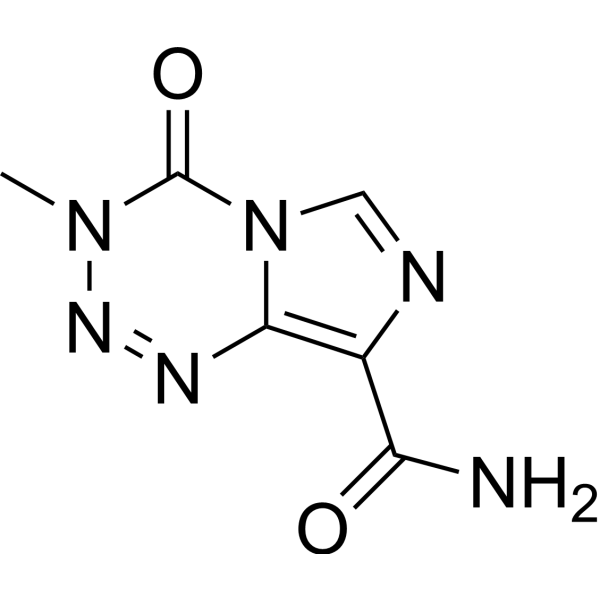
Temozolomide (NSC 362856) is an oral active DNA alkylating agent that crosses the blood-brain barrier. Temozolomide is also a proautophagic and proapoptotic agent. Temozolomide is effective against tumor cells that are characterized by low levels of O6-alkylguanine DNA alkyltransferase (OGAT) and a functional mismatch repair system. Temozolomide has antitumor and antiangiogenic effects .
loading...
    loading...
167
167 Cited Publications
Cat. No.: HY-17031
CAS No.: 182410-00-0
Synonyms: Sulfobutylether-β-Cyclodextrin
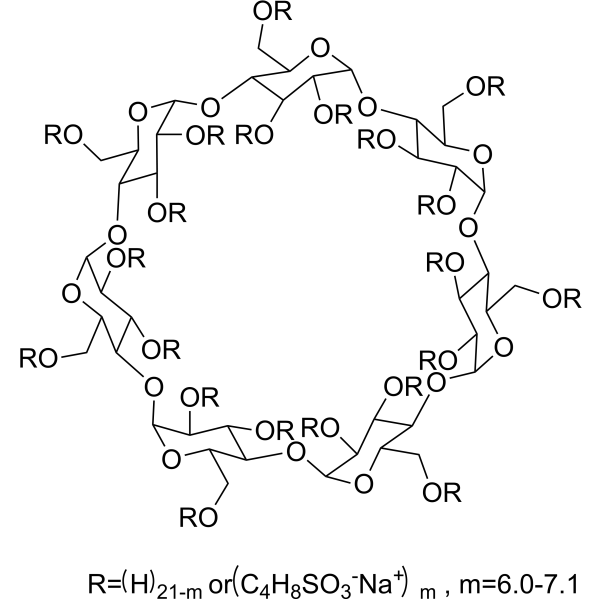
SBE-β-CD is a sulfobutylether β-cyclodextrin derivative used as an excipient or a formulating agent to increase the solubility of poorly soluble agents .
loading...
    loading...
165
165 Cited Publications
Cat. No.: HY-D1301
CAS No.: 217075-36-0
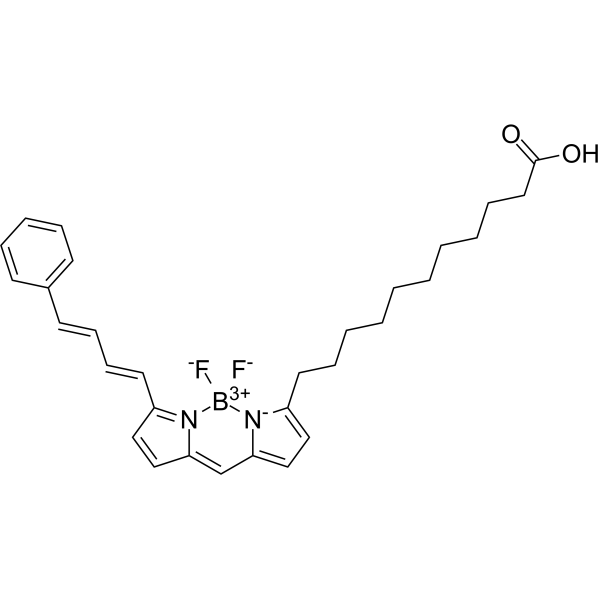
BODIPY 581/591 C11 is a BODIPY borofluoroprene derivative with good light stability and low fluorescence artifacts. BODIPY 581/591 C11 can be used for study lipid peroxidation and antioxidant properties in living cells, or detect ferroptosis by reaction with hydroxyl radicals. BODIPY 581/591 C11 is emitted at 591 nm (reduced prototype), or redshifted to 510 nm (oxidized type). The excitation wavelengths were 581 nm (reduced prototype) and 500 nm (oxidized type) .
loading...
    loading...
142
142 Cited Publications
Cat. No.: HY-12591
CAS No.: 103404-75-7
Purity:  99.92%
Synonyms: D-(-)-Luciferin sodium; Firefly luciferin sodium; Beetle Luciferin sodium
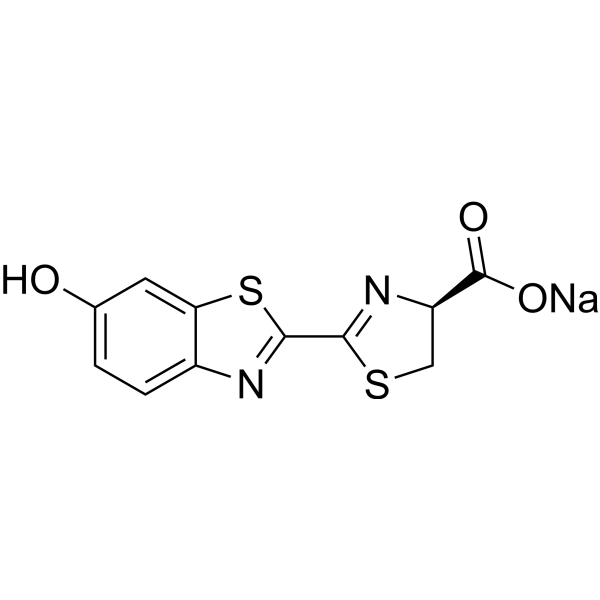
D-luciferin sodium is the natural substrate of the enzyme luciferase (Luc) that catalyzes the production of the typical yellowgreen light of fireflies. The 560 nm chemiluminescence from this reaction peaks within seconds, with light output that is proportional to luciferase concentration when the substrate luciferin is present in excess. The luciferase (luc) gene is a popular reporter gene for research and agent screening. Chemiluminescent techniques are virtually background-free, making the luc reporter gene ideal for detecting low-level gene expression. As little as 0.02 pg of luciferase can be reliably measured in a standard scintillation counter. In addition to its role as a reporter of gene expression, luciferase is commonly used in an extremely sensitive assay for ATP . We of er the firefly luciferase (HY-P1004A), luciferin free acid (HY-12591A), as well as its water-soluble sodium salts (HY-12591) and potassium salts (HY-12591B) .
loading...
    loading...
142
142 Cited Publications
Cat. No.: HY-12591A
CAS No.: 2591-17-5
Purity:  99.54%
Synonyms: D-(-)-Luciferin; Firefly luciferin; Beetle Luciferin
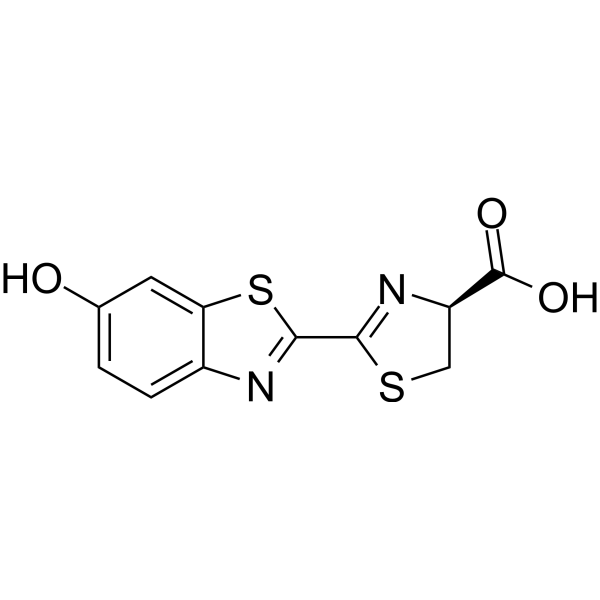
D-luciferin is the natural substrate of the enzyme luciferase (Luc) that catalyzes the production of the typical yellowgreen light of fireflies. The 560 nm chemiluminescence from this reaction peaks within seconds, with light output that is proportional to luciferase concentration when the substrate luciferin is present in excess. The luciferase (luc) gene is a popular reporter gene for research and agent screening. Chemiluminescent techniques are virtually background-free, making the luc reporter gene ideal for detecting low-level gene expression. As little as 0.02 pg of luciferase can be reliably measured in a standard scintillation counter. In addition to its role as a reporter of gene expression, luciferase is commonly used in an extremely sensitive assay for ATP . We of er the firefly luciferase (HY-P1004A), luciferin free acid (HY-12591A), as well as its water-soluble sodium salts (HY-12591) and potassium salts (HY-12591B) .
loading...
    loading...
142
142 Cited Publications
Cat. No.: HY-12591B
CAS No.: 115144-35-9
Purity:  99.97%
Synonyms: D-(-)-Luciferin potassium; Firefly luciferin potassium; Beetle Luciferin potassium
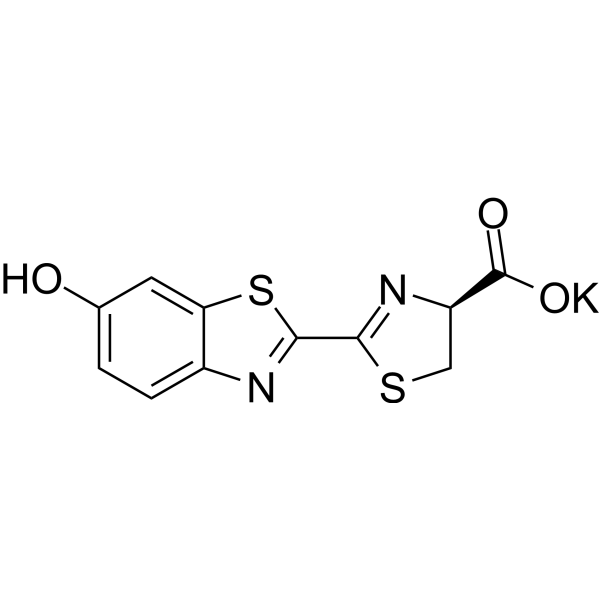
D-luciferin potassium is the natural substrate of the enzyme luciferase (Luc) that catalyzes the production of the typical yellowgreen light of fireflies. The 560 nm chemiluminescence from this reaction peaks within seconds, with light output that is proportional to luciferase concentration when the substrate luciferin is present in excess. The luciferase (luc) gene is a popular reporter gene for research and agent screening. Chemiluminescent techniques are virtually background-free, making the luc reporter gene ideal for detecting low-level gene expression. As little as 0.02 pg of luciferase can be reliably measured in a standard scintillation counter. In addition to its role as a reporter of gene expression, luciferase is commonly used in an extremely sensitive assay for ATP . We offer the firefly luciferase (HY-P1004A), luciferin free acid (HY-12591A), as well as its water-soluble sodium salts (HY-12591) and potassium salts (HY-12591B) .
loading...
    loading...
135
135 Cited Publications
Cat. No.: HY-P1410
CAS No.: 1209500-46-8
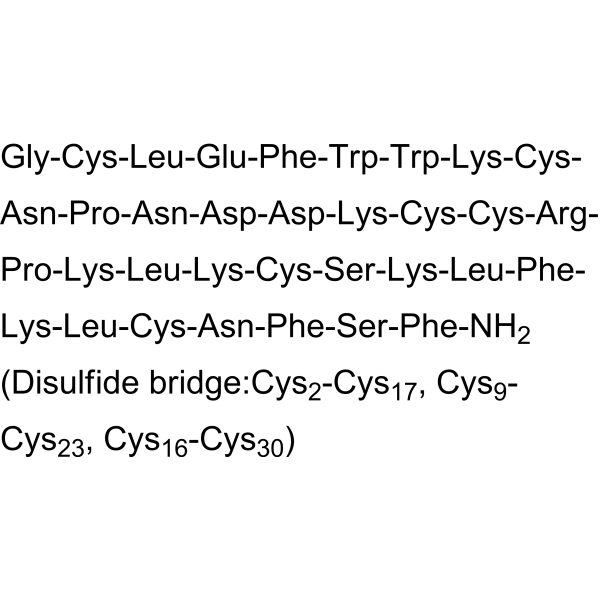
GsMTx4 is a spider venom peptide that selectively inhibits cationic-permeable mechanosensitive channels (MSCs) belonging to the Piezo and TRP channel families. GsMTx4 also blocks cation-selective stretch-activated channels (SACs) , attenuates lysophosphatidylcholine (LPC)-induced astrocyte toxicity and microglial reactivity. GsMTx4 is an important pharmacological tool for identifying the role of these excitatory MSCs in normal physiology and pathology .
loading...
    loading...
135
135 Cited Publications
Cat. No.: HY-P1410A
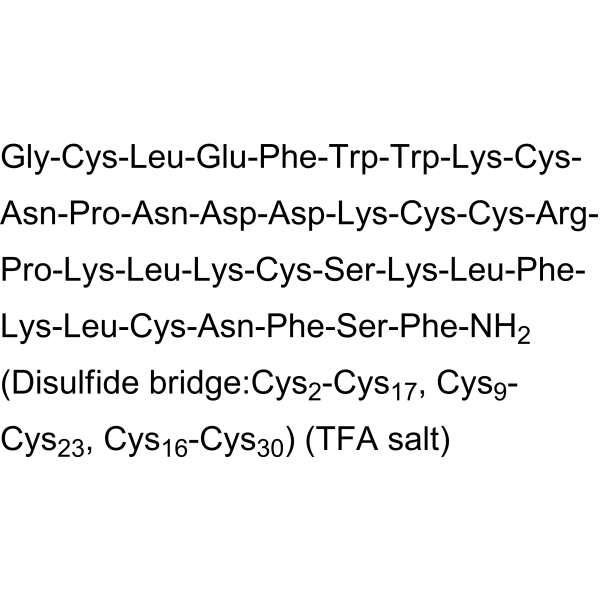
GsMTx4 TFA is a spider venom peptide that selectively inhibits cationic-permeable mechanosensitive channels (MSCs) belonging to the Piezo and TRP channel families. GsMTx4 TFA also blocks cation-selective stretch-activated channels (SACs) , attenuates lysophosphatidylcholine (LPC)-induced astrocyte toxicity and microglial reactivity. GsMTx4 TFA is an important pharmacological tool for identifying the role of these excitatory MSCs in normal physiology and pathology .
loading...
    loading...
95
95 Cited Publications
Cat. No.: HY-N0322A
Target:  

Liposome

Cholesterol Water Soluble is a major sterol in mammals, constituting 20-25% of the structural composition of the plasma membrane. The plasma membrane is highly permeable to water but relatively impermeable to ions and protons. Cholesterol Water Soluble plays an important role in determining the fluidity and permeability characteristics of membranes and the function of transporters and signaling proteins. Cholesterol Water Soluble is also an endogenous estrogen-related receptor alpha (ERRα) agonist. Cholesterol Water Soluble can be used to study the effects of cholesterol on potassium currents in inner hair cells .
(Note: This product is a mixture of Cholesterol and Methyl-β-cyclodextrin. The product specifications below only indicate the effective content of Cholesterol.)
loading...
    loading...
90
90 Cited Publications
Cat. No.: HY-10224
CAS No.: 404950-80-7
Purity:  99.37%
Synonyms: LBH589; NVP-LBH589; MTX 110
Target:  

HDAC Autophagy HIV Apoptosis

Research Areas:  

Cancer

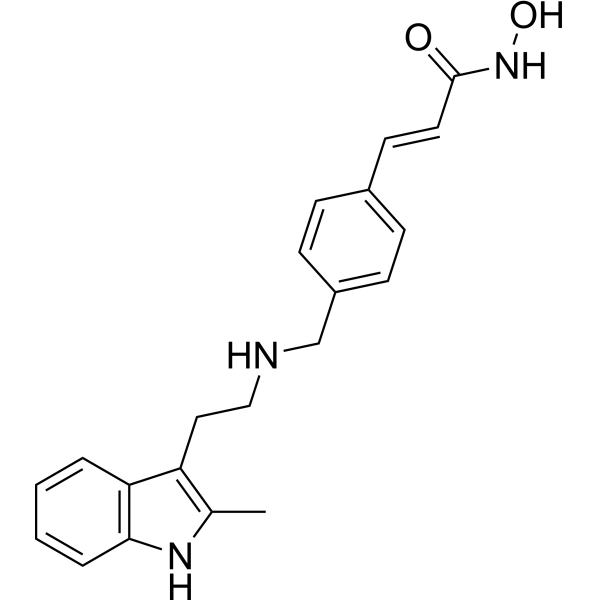
Panobinostat (LBH589; NVP-LBH589) is a potent and orally active non-selective HDAC inhibitor, and has antineoplastic activities . Panobinostat induces HIV-1 virus production even at low concentration range 8-31 nM, stimulates HIV-1 expression in latently infected cells . Panobinostat induces cell apoptosis and autophagy. Panobinostat can be used for the study of refractory or relapsed multiple myeloma .
loading...
    loading...
87
87 Cited Publications
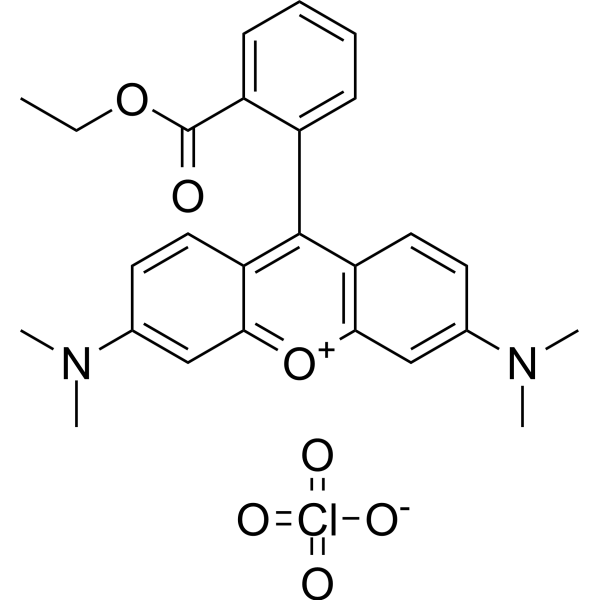
Cat. No.: HY-D0985A
CAS No.: 115532-52-0
Synonyms: Tetramethylrhodamine ethyl ester perchlorate
Rhodamine dyes are membrane-permeable cationic fluorescent probes that specifically recognize mitochondrial membrane potentials, thereby attaching to mitochondria and producing bright fluorescence, and at certain concentrations, rhodamine dyes have low toxicity to cells, so they are commonly used to detect mitochondria in animal cells, plant cells, and microorganisms .
loading...
    loading...

