Search Result
Results for "
quorum sensing inhibitor
" in MedChemExpress (MCE) Product Catalog:
2
Biochemical Assay Reagents
2
Isotope-Labeled Compounds
| Cat. No. |
Product Name |
Target |
Research Areas |
Chemical Structure |
-
- HY-N4117
-
|
|
Bacterial
|
Infection
|
|
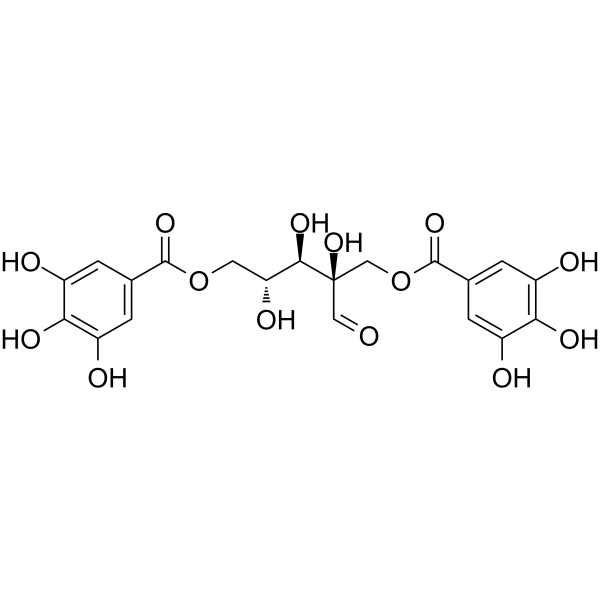
Hamamelitannin, a polyphenol extracted from the bark of Hamamelis virginiana, is a quorum-sensing (QS) inhibitor. Hamamelitannin increases antibiotic susceptibility of staphylococcus aureus biofilms by affecting peptidoglycan biosynthesis and eDNA release .
|
-
-
- HY-114936
-
|
AR-054
|
Bacterial
ADC Payload
Antibiotic
Mitochondrial Metabolism
|
Infection
Neurological Disease
Cancer
|
|
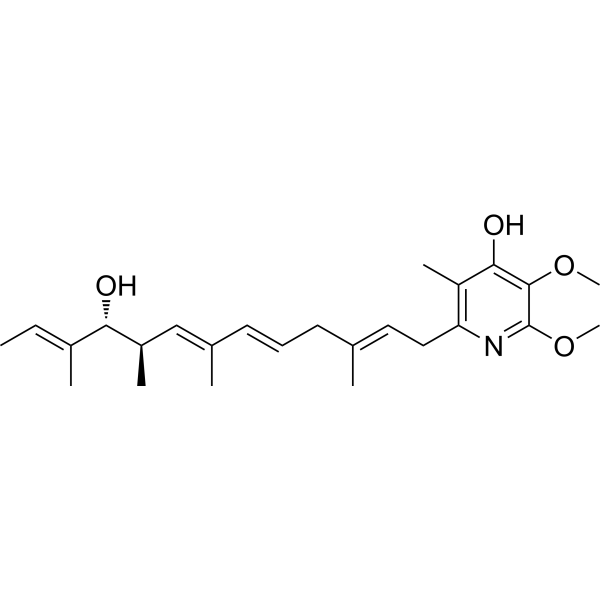
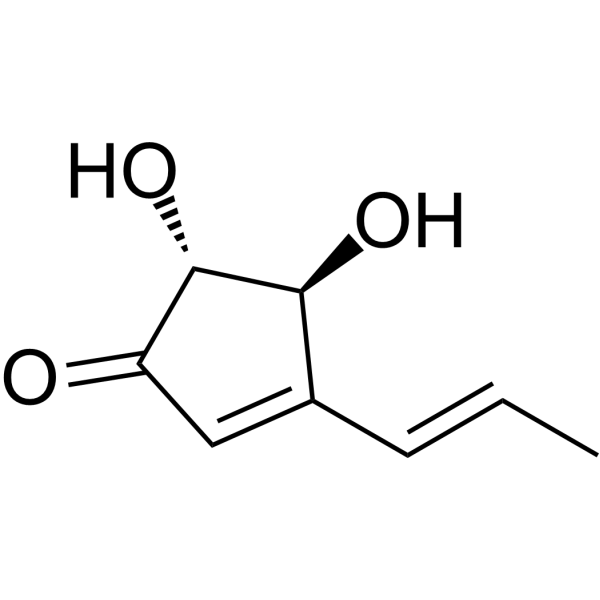
Piericidin A (AR-054) is a natural mitochondrial NADH-ubiquinone oxidoreductase (complex I) inhibitor. Piericidin A is a potent neurotoxin and inhibits mitochondrial respiration by disrupting the electron transport system through its action on NADH-ubiquinone reductase. Piericidin A is also a potential quorum-sensing inhibitor that suppresses the expression of the virulence genes of Erwinia carotovora subsp. atroseptica (Eca). Piericidin A is an ADC cytotoxin and has anti-bacterial, anticancer, insecticidal activity .
|
-
-
- HY-P1934
-
|
Cyclo(phenylalanylprolyl); A-64863
|
HCV
Bacterial
Antibiotic
Reactive Oxygen Species (ROS)
|
Infection
|
|
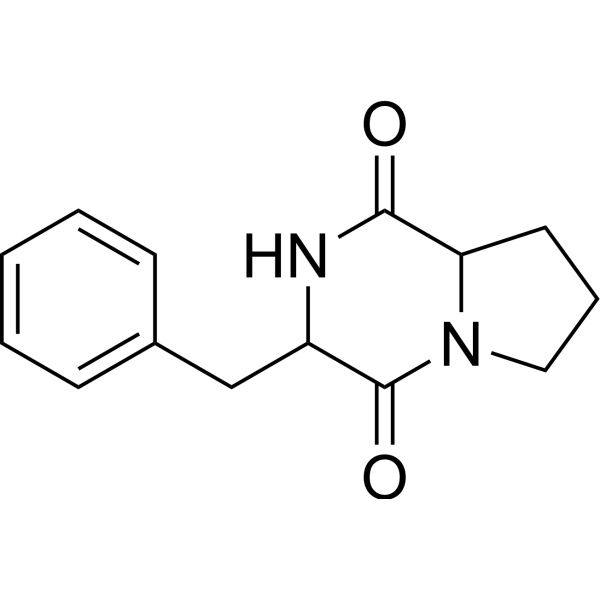
Cyclo(Phe-Pro) (Cyclo(phenylalanylprolyl)) is a quorum-sensing molecule of Vibrio vulnificus that specifically interacts with RIG-I, inhibiting RIG-I polyubiquitination, suppressing IRF-3 activation, and reducing type I interferon production. Cyclo(Phe-Pro) enhances susceptibility to HCV and influenza virus and also alleviates plant aluminum toxicity stress. The mechanism of Cyclo(Phe-Pro) involves the regulation of host immune signaling pathways, bacterial virulence gene expression, and plant antioxidant systems, making it a promising candidate for research in viral infections, bacterial virulence regulation, and agricultural stress resistance .
|
-
-
- HY-118697
-
|
C12-HSL
|
Bacterial
|
Infection
|
|
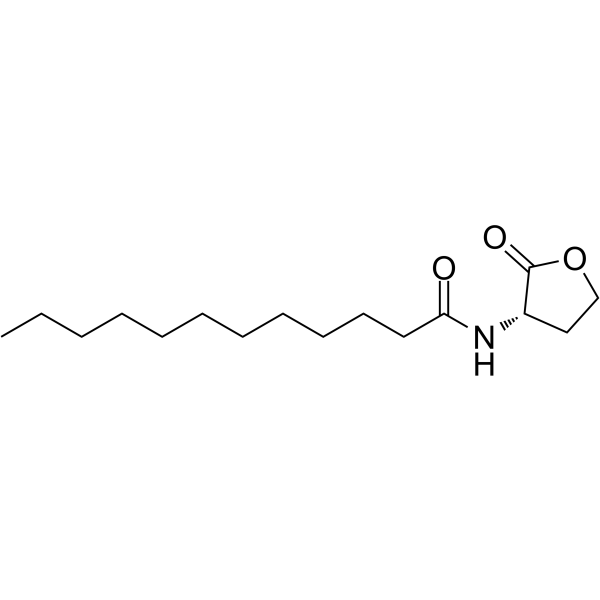
N-dodecanoyl-L-Homoserine lactone (C12-HSL) is a quorum sensing (QS) signaling molecule. N-dodecanoyl-L-Homoserine lactone (C12-HSL) aptamers blocks qurom sensing and inhibits biofilm formation in Pseudomonas aeruginosa .
|
-
-
- HY-B0914
-
-
-
- HY-121362
-
|
|
Bacterial
Endogenous Metabolite
TrxR
|
Infection
Neurological Disease
Inflammation/Immunology
Cancer
|
|
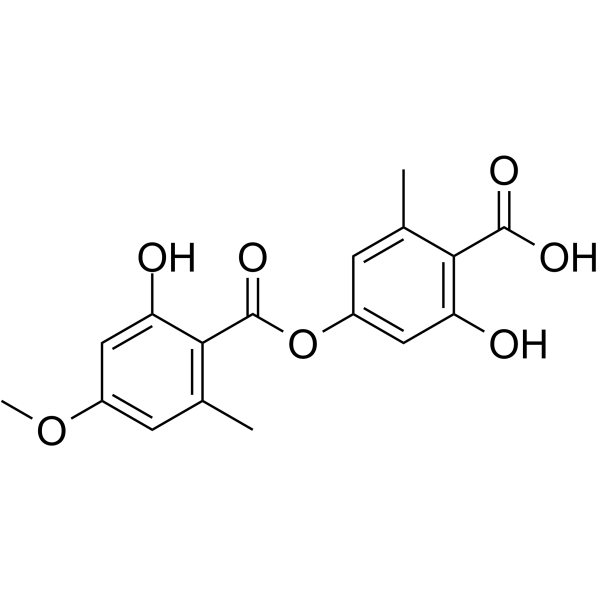
Evernic Acid is an orally active thioredoxin reductase 1 (TrxR1) inhibitor and antiproliferative agent. Evernic Acid inhibits the proliferation and migration of human breast cancer cells. Evernic Acid blocks the NF-κB pathway by inhibiting p65 nuclear translocation and IκBα phosphorylation, thereby suppressing downstream inflammatory mediators. Evernic Acid acts as an antioxidant, anti-inflammatory agent and neuroprotective agent, protects neurons from cell death, mitochondrial dysfunction and oxidative stress damage, reduces astrocyte activation, and ameliorates dopaminergic neuron loss and neuroinflammation. Evernic Acid inhibits enoyl reductases FabI and FabZ of Plasmodium falciparum. Evernic Acid downregulates the expression of lasB and rhlA genes in Pseudomonas aeruginosa, inhibits quorum sensing and biofilm formation, and exerts antibacterial activity against Gram-positive bacteria, Gram-negative bacteria and fungi. Evernic Acid is applicable to research related to breast cancer, Parkinson's disease, bacterial infections and fungal infections .
|
-
-
- HY-131011
-
|
|
Bacterial
|
Infection
|
|
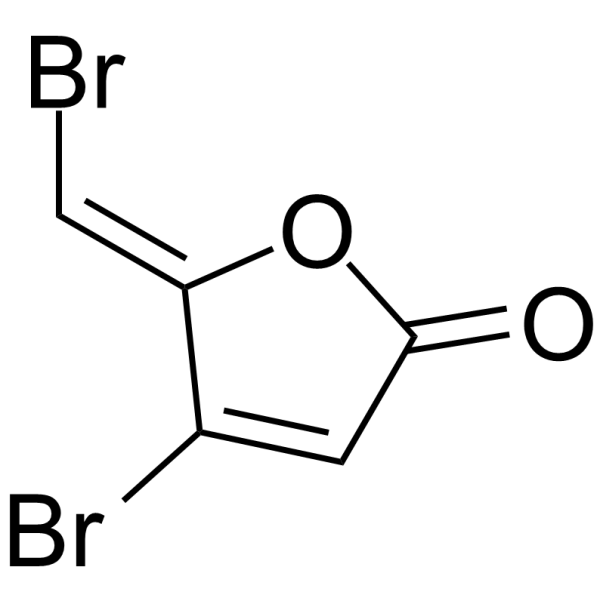
Furanone C-30 is a quorum sensing inhibitor. Furanone C-30 can effectively inhibit bacterial biofilm formation by S. mutans and its luxSmutant strain .
|
-
-
- HY-W008270
-
|
γ-Crotonolactone
|
Endogenous Metabolite
Bacterial
|
Infection
Neurological Disease
|
|
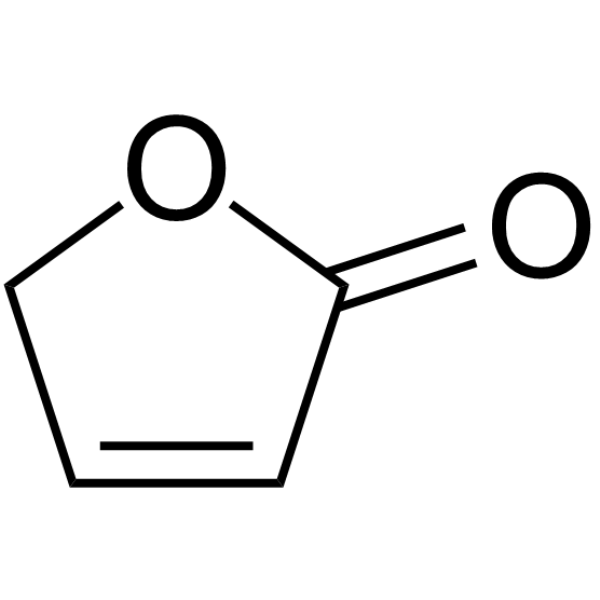
2(5H)-Furanone (γ-Crotonolactone) is an endogenous metabolite. 2(5H)-Furanone mimics N-acyl homoserine lactone signals, occupies the binding site of LuxR homologs, and interferes with quorum sensing-mediated gene regulation. 2(5H)-Furanone inhibits quorum sensing mediated by AHLs with different acyl chain lengths. 2(5H)-Furanone inhibits biofilm formation of environmental Aeromonas hydrophila strains on polystyrene plates. 2(5H)-Furanone suppresses spike-and-wave discharges in a rat model of generalized absence seizures and exhibits selective activity against absence seizures. 2(5H)-Furanone can be used in studies related to bacteria infections and generalized absence seizures.
|
-
-
- HY-P10486
-
|
|
Bacterial
|
Infection
|
|
AIP-II is a cyclic peptide signaling molecule for quorum sensing, which is produced by Staphylococcus aureus. AIP-II potently inhibits AgrC-III in Methicillin (HY-121544)-resistant type III Staphylococcus aureus strain AH1747, with an IC50 of 0.532 nM. AIP-II binds to the AgrC-II receptor and regulates virulence gene expression in Staphylococcus aureus .
|
-
-
- HY-107858
-
|
3,4-Dimethoxybenzyl alcohol
|
Endogenous Metabolite
Bacterial
|
Infection
|
|
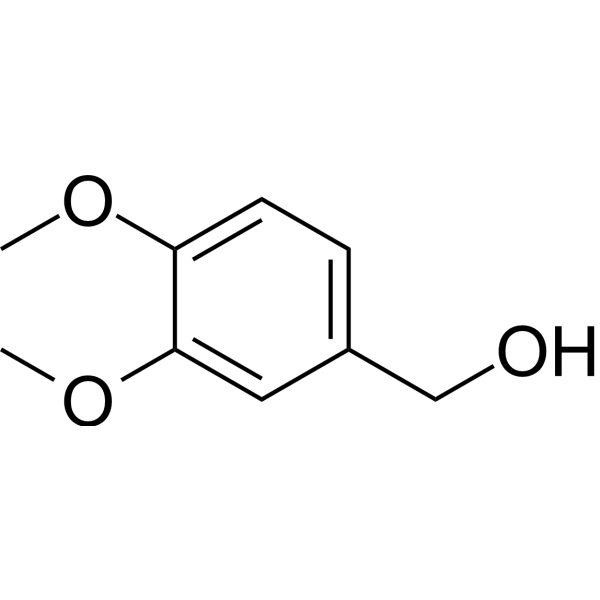
Veratryl alcohol (3,4-Dimethoxybenzyl alcohol) is a secondary metabolite of lignin-degrading fungi, commonly used as a substrate for lignin peroxidase (LiP) to measure lignin degradation activity. Veratryl alcohol protects LiP from inactivation by H2O2 and prevents the accumulation of LiP III compounds. Veratryl alcohol also acts as a stabilizer for manganese-dependent peroxidases (MnP). Veratryl alcohol is a quorum-sensing inhibitor (QSI) and exhibits antibacterial efficacy .
|
-
-
- HY-B0914A
-
|
Zinc undecylenate
|
Fungal
Bacterial
Amyloid-β
Reactive Oxygen Species (ROS)
Proteasome
|
Infection
Neurological Disease
Endocrinology
Cancer
|
|
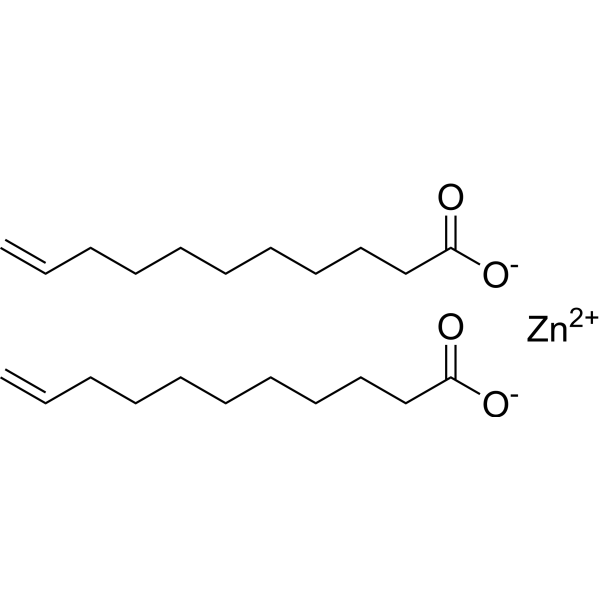
10-Undecenoic acid zinc salt (Undecylenic acid zinc salt) is an antifungal agent. 10-Undecenoic acid zinc salt inhibits Aβ oligomerization, scavenges ROS and inhibits μ-calpain activity. 10-Undecenoic acid zinc salt has neuroprotective effects. 10-Undecenoic acid zinc salt has anticancer effects on a variety of tumors. 10-Undecenoic acid zinc salt inhibits C. albicans biofilm formation and MRSA infection. 10-Undecenoic acid zinc salt inhibits quorum sensing signals of Bacillus subtilis and Pseudomonas aeruginosa .
|
-
-
- HY-119808
-
-
-
- HY-Y0248
-
|
trans,trans-Farnesol; (2E,6E)-Farnesol
|
Fungal
|
Infection
|
|
(E,E)-Farnesol (trans,trans-Farnesol) is a quorum-sensing molecule of Candida species. (E,E)-Farnesol can inhibit the growth, metabolism and biofilm formation of various Candida species, and affect their morphology and invasiveness .
|
-
-
- HY-W010608
-
|
|
Bacterial
|
Infection
|
|
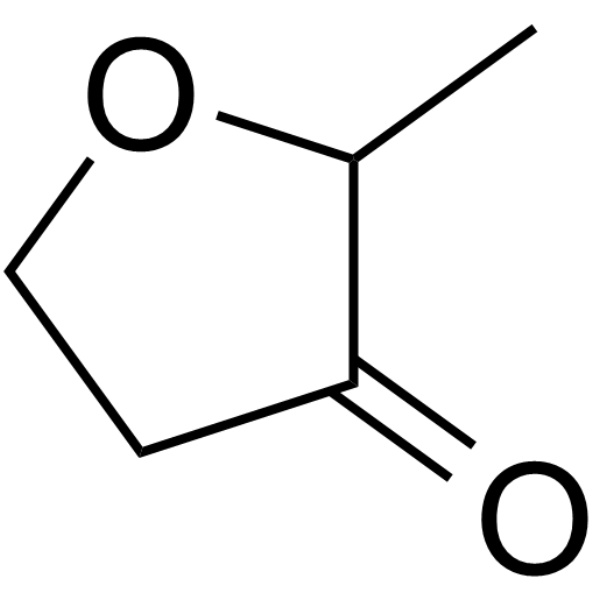
2-Methyltetrahydrofuran-3-one is a quorum sensing inhibitor that can inhibit biofilm formation by H. alvei.
2-Methyltetrahydrofuran-3-one is one of the volatile constituents of roasted coffee .
|
-
-
- HY-W104758
-
|
|
Elastase
Antibiotic
Bacterial
|
Others
|
|
Elastase-IN-3 (Compound 2i) is an Elastase inhibitor of Pseudomonas aeruginosa. Elastase-IN-3 inhibits the quorum sensing system of Pseudomonas aeruginosa by targeting the LasR protein (KD value of 7.04 M), thereby preventing food spoilage caused by Pseudomonas aeruginosa .
|
-
-
- HY-120504
-
|
|
Bacterial
|
Infection
Cancer
|
|
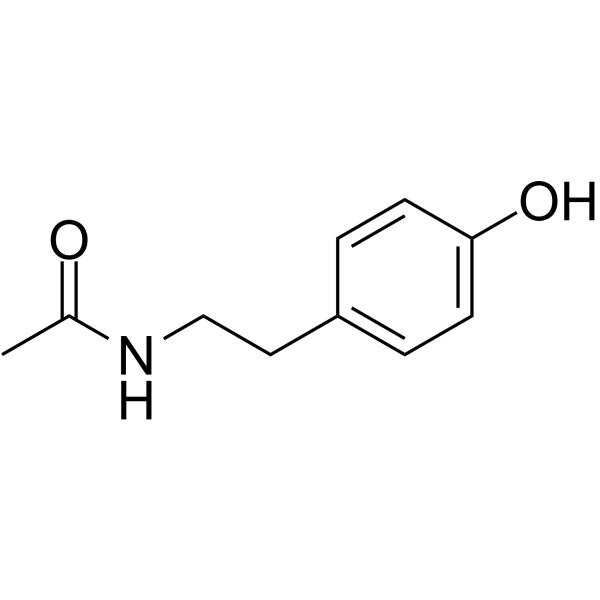
N-Acetyltyramine is a quorum-sensing inhibitor (QSI) compound produced by V. alginolyticus M3-10. N-Acetyltyramine is capable of inhibiting the QS of C. violaceum ATCC 12472. N-acetyltyramine reverses resistance in Doxorubicin-resistant leukemia P388 cells .
|
-
-
- HY-W012572
-
|
|
Mitochondrial Metabolism
Bacterial
|
Infection
Metabolic Disease
|
|
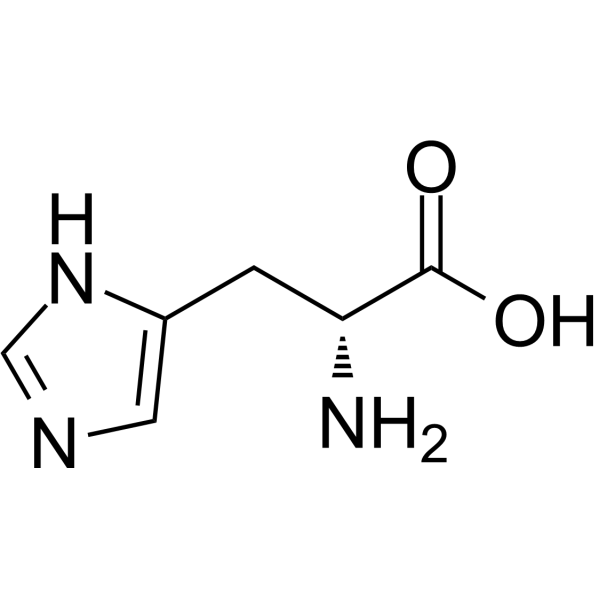
D-Histidine is an anti-biofilm agent that targets bacterial quorum sensing systems (such as RhlI/RhlR pathway) and has antibacterial activity. D-Histidine works by non-covalently binding to bacterial regulatory factors or copper ion complexes, selectively inhibiting bacterial biofilm formation and motility. D-Histidine downregulates quorum sensing-related gene expression, reduces the synthesis of virulence factors (such as alginate and proteases), and interferes with bacterial membrane stability, inhibiting biofilm formation, promoting the disintegration of mature biofilms, and enhancing antibiotic sensitivity. D-Histidine is also an efficient catalyst for the salt-induced peptide formation (SIPF) reaction, which promotes the condensation of amino acids to form dipeptides (such as dialanine and dilysine) by forming a complex with copper ions (Cu 2+) .
|
-
-
- HY-N6711
-
|
|
HIV Integrase
Bacterial
Antibiotic
Reactive Oxygen Species (ROS)
STAT
AMPK
11β-HSD
|
Infection
Metabolic Disease
|
|
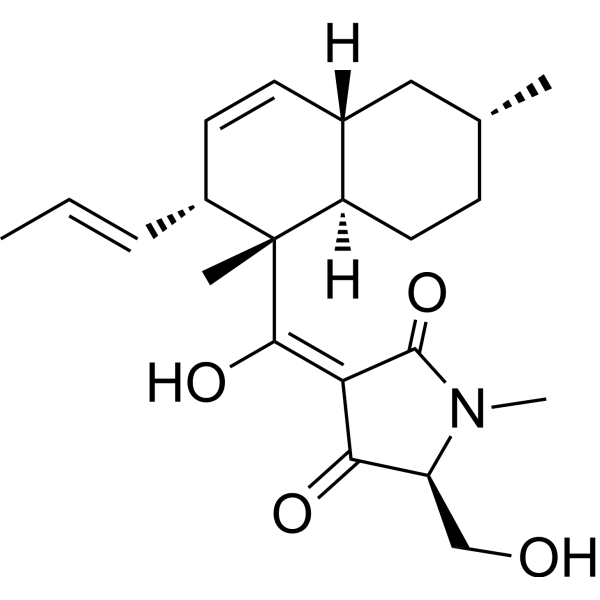
Equisetin is an N-methylserine-derived acyl tetramic acid, quorum sensing inhibitor (QSI), herbicides and antibiotics. Equisetin specifically inhibits the anionic carriers of substrates in the inner mitochondrial membrane. Equisetin inhibits the activity of HIV-1 integrase, 11β-HSD1, and 2,4-dinitrophenol (Dnp)-stimulated ATPase (IC50 = ~8 nmol per mg of protein). Equisetin exhibits growth inhibition of bacteria, anti-inflammatory, amelioration of lipid-associated disorders, and cytotoxic effects .
|
-
-
- HY-124796
-
|
|
Bacterial
|
Infection
|
|
QStatin is a potent and selective inhibitor of SmcR (V. harveyi LuxR homologue) with an EC50 of 208.9 nM, binding tightly to SmcR and changes the flexibility of the protein, thereby altering its transcription regulatory activity. QStatin shows pan-QS (Vibrio quorum sensing) inhibitor activity in diverse Vibrio species and attenuates their virulence in an aquatic host. QStatin may be a sustainable antivibriosis agent useful in aquacultures .
|
-
-
- HY-B0914R
-
|
Undecylenic acid (Standard)
|
Reference Standards
Fungal
Amyloid-β
Reactive Oxygen Species (ROS)
Proteasome
Bacterial
|
Infection
Neurological Disease
Endocrinology
Cancer
|
|
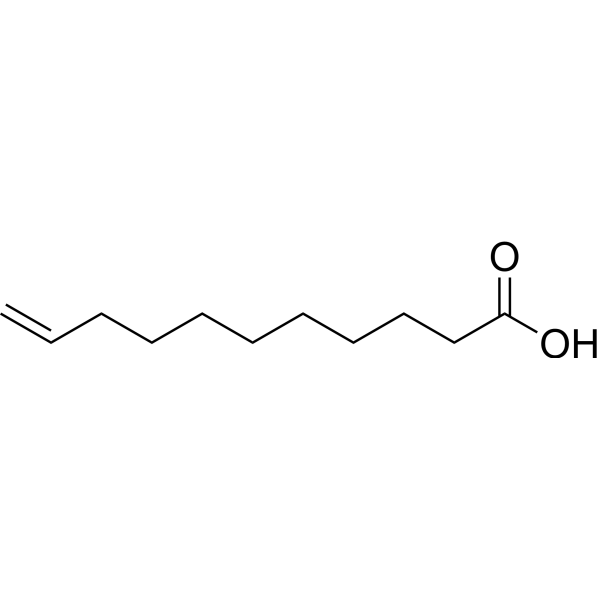
10-Undecenoic acid (Standard) is the analytical standard of 10-Undecenoic acid. This product is intended for research and analytical applications. 10-Undecenoic acid (Undecylenic acid) is an antifungal agent. 10-Undecenoic acid inhibits Aβ oligomerization, scavenges ROS and inhibits μ-calpain activity. 10-Undecenoic acid has neuroprotective effects. 10-Undecenoic acid has anticancer effects on a variety of tumors. 10-Undecenoic acid inhibits C. albicans biofilm formation and MRSA infection. 10-Undecenoic acid inhibits quorum sensing signals of Bacillus subtilis and Pseudomonas aeruginosa .
|
-
-
- HY-D0272
-
|
|
Estrogen Receptor/ERR
|
Metabolic Disease
|
|
2,3,4-Trihydroxybenzophenone is a hydroxylated benzophenone UV filter with estrogenic activity. 2,3,4-Trihydroxybenzophenone is a quorum sensing inhibitor and an EC 1.14.18.1 (tyrosinase) inhibitor. 2,3,4-Trihydroxybenzophenone is also a human urinary metabolite, a rat metabolite and a drug metabolite .
|
-
-
- HY-Y0248AS
-
|
trans,trans-Farnesol-d6; (2E,6E)-Farnesol-d6
|
Isotope-Labeled Compounds
Fungal
|
Infection
|
|
(E,E)-Farnesol-d6 (trans,trans-Farnesol-d6) is deuterium labeled (E,E)-Farnesol (HY-Y0248). (E,E)-Farnesol (trans,trans-Farnesol) is a quorum-sensing molecule of Candida species. (E,E)-Farnesol can inhibit the growth, metabolism and biofilm formation of various Candida species, and affect their morphology and invasiveness .
|
-
-
- HY-W007390
-
|
|
Bacterial
Drug Intermediate
|
Infection
|
|
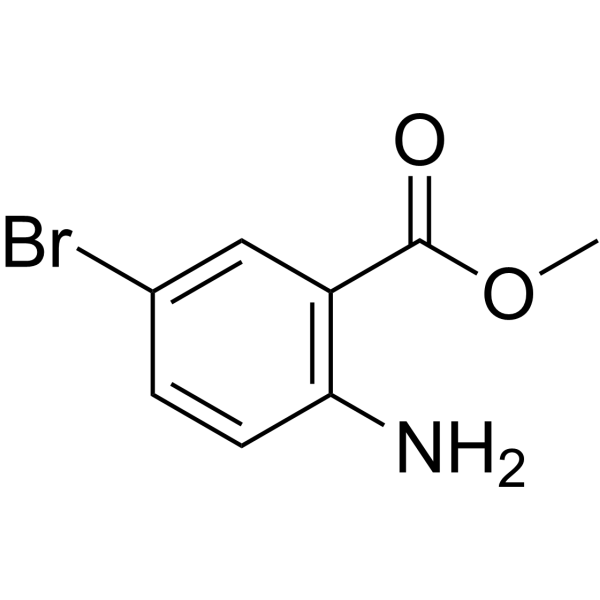
Methyl 2-amino-5-bromobenzoate (Compound 8/12) is a biochemical reagent. Methyl 2-amino-5-bromobenzoate can be used to synthesize 2-benzamidobenzoic acid, a known FabH inhibitor. Derivatives of methyl 2-amino-5-bromobenzoate also inhibit PqsD, the pqs quorum sensing (QS) system, of Pseudomonas aeruginosa .
|
-
-
- HY-163838
-
|
|
Bacterial
|
Infection
|
|
Quorum sensing-IN-6 (compound 27) is a quorum sensing (QS) inhibitor with IC50 values of 8 and 106 nM for E.coli and Pyocyanin, respectively .
|
-
-
- HY-W012572A
-
|
|
Mitochondrial Metabolism
Bacterial
|
Infection
Metabolic Disease
|
|
D-Histidine hydrochloride hydrate is an anti-biofilm agent that targets bacterial quorum sensing systems (such as RhlI/RhlR pathway) and has antibacterial activity. D-Histidine hydrochloride hydrate works by non-covalently binding to bacterial regulatory factors or copper ion complexes, selectively inhibiting bacterial biofilm formation and motility. D-Histidine hydrochloride hydrate downregulates quorum sensing-related gene expression, reduces the synthesis of virulence factors (such as alginate and proteases), and interferes with bacterial membrane stability, inhibiting biofilm formation, promoting the disintegration of mature biofilms, and enhancing antibiotic sensitivity. D-Histidine hydrochloride hydrate is also an efficient catalyst for the salt-induced peptide formation (SIPF) reaction, which promotes the condensation of amino acids to form dipeptides (such as dialanine and dilysine) by forming a complex with copper ions (Cu 2+) .
|
-
-
- HY-118697R
-
|
C12-HSL (Standard)
|
Reference Standards
Bacterial
|
Infection
|
|
N-dodecanoyl-L-Homoserine lactone (Standard) (C12-HSL (Standard)) is the analytical standard of N-dodecanoyl-L-Homoserine lactone (HY-118697). This product is intended for research and analytical applications. N-dodecanoyl-L-Homoserine lactone (C12-HSL) is a quorum sensing (QS) signaling molecule. N-dodecanoyl-L-Homoserine lactone (C12-HSL) aptamers blocks qurom sensing and inhibits biofilm formation in Pseudomonas aeruginosa.
|
-
-
- HY-163508
-
|
|
Bacterial
|
Infection
|
|
Antibacterial agent 210 (compound A9), an amide derivative, is a Pseudomonas aeruginosa quorum sensing inhibitor (QSI). Antibacterial agent 210 inhibits the quorum sensing systems by binding with LasR and PqsR, especially PqsR .
|
-
-
- HY-156439
-
|
|
Bacterial
|
Infection
|
|
Antibiofilm agent-2 (compound 4T) is a potent biofilm inhibitor with an IC50 of 3.6 μM. Antibiofilm agent-2 inhibits the quorum sensing system and iron homeostasis as antibacterial synergists against Pseudomonas aeruginosa .
|
-
-
- HY-149479
-
|
|
Bacterial
|
Infection
|
|
Quorum sensing-IN-3 (Compound 3a) is a quorum sensing inhibitor against pseudomonas aeruginosa. Quorum sensing-IN-3 inhibits biofilm formation .
|
-
-
- HY-139902
-
|
|
Others
|
Others
|
|
Quorum sensing-IN-1 is a small-molecule quorum sensing inhibitor.
|
-
-
- HY-168948
-
|
|
Bacterial
|
Infection
|
|
Quorum sensing-IN-9 (Compound 7d) inhibits quorum sensing in Pseudomonas aeruginosa by binding PqsR proteins. Quorum sensing-IN-9 inhibits the expression of quorum sensing systems related genes lasB, rhlA and pqsA, blocks the generation of virulence factors elastase, pyocyanin and rhamnolipid. Quorum sensing-IN-9 destorys the motility of P. aeruginosa, inhibits the biofilm formation, decreasing the virulence and pathogenicity of P. aeruginosa. Quorum sensing-IN-9 exhibits anti-infectious activity in Galleria mellonella larval model .
|
-
-
- HY-162624
-
|
|
Bacterial
|
Infection
|
|
Quorum sensing-IN-5 is a RpfF-targeted quorum-sensing inhibitor. Quorum sensing-IN-5 inhibits Xanthomonas oryzae pv oryzae (Xoo) and Xanthomonas axonopodis pv. citri (Xac) with EC50 values of 9.91 μg/mL and 7.04 μg/mL. Quorum sensing-IN-5 has antimicrobial activity .
|
-
-
- HY-159170
-
|
|
Bacterial
|
Infection
|
|
Quorum sensing-IN-7 (compound HSL 4) is a potent quorum sensing (QS) inhibitor. Quorum sensing-IN-7 interacts with Leu 72 and Gln 95 in the CviR binding pocket. Quorum sensing-IN-7, an antibacterial agent, is highly effective at inhibiting the production of homoserine lactones (HSLs) and biofilm in C. violaceum at 0.25-1 mg/mL .
|
-
-
- HY-149881
-
|
|
Bacterial
|
Infection
|
|
Quorum sensing-IN-2 (compound 23e) is a quorum sensing inhibitor, which can reduce the pathogenicity of bacteria without affecting bacterial growth. Quorum sensing-IN-2 inhibits bacterial infections with little hemolytic activity. Quorum sensing-IN-2 shows synergistic effect with Ciprofloxacin (HY-B0356) in the bacteremia model infected with P. aeruginosa PAO1 .
|
-
-
- HY-N12660
-
|
|
Bacterial
|
Infection
|
|
Quorum sensing-IN-4 (compound 2) is a quorum sensing inhibitor, and can be isolated from Thailand mangrove-derived Streptomyces strain, OUCMDZ-5511 .
|
-
-
- HY-163508A
-
|
|
Drug Isomer
|
Infection
|
|
(E)-Antibacterial agent 210 is the isomer of Antibacterial agent 210 (HY-163508). Antibacterial agent 210 is a Pseudomonas aeruginosa quorum sensing inhibitor (QSI). Antibacterial agent 210 inhibits the quorum sensing systems by binding with LasR and PqsR, especially PqsR .
|
-
-
- HY-158193
-
|
C10-CPA
|
Bacterial
|
Infection
|
|
N-Decanoyl cyclopentylamide (C10-CPA) is a potent inhibitor of quorum sensing in Pseudomonas aeruginosa. N-Decanoyl cyclopentylamide interferes with expression of Pseudomonas aeruginosa virulence factors regulated by the las and rhl quorum-sensing systems. N-Decanoyl cyclopentylamide inhibits production of elastase, pyocyanin, and rhamnolipid and biofilm formation .
|
-
-
- HY-115845
-
-
-
- HY-W554514
-
|
|
Bacterial
|
Infection
|
|
D-Homoserine lactone is a signaling molecule with the activity of regulating bacterial quorum sensing. The chemical structure of D-Homoserine lactone makes it a potential regulator of the AHL synthase RhlI. D-Homoserine lactone has been shown to inhibit the activity of RhlI, thereby affecting the bacterial quorum sensing signaling pathway. D-Homoserine lactone is also an enantiomer of L-homoserine lactone and is used as an inhibitor of serine hydroxymethyltransferase .
|
-
-
- HY-W040220
-
|
|
Bacterial
|
Infection
|
|
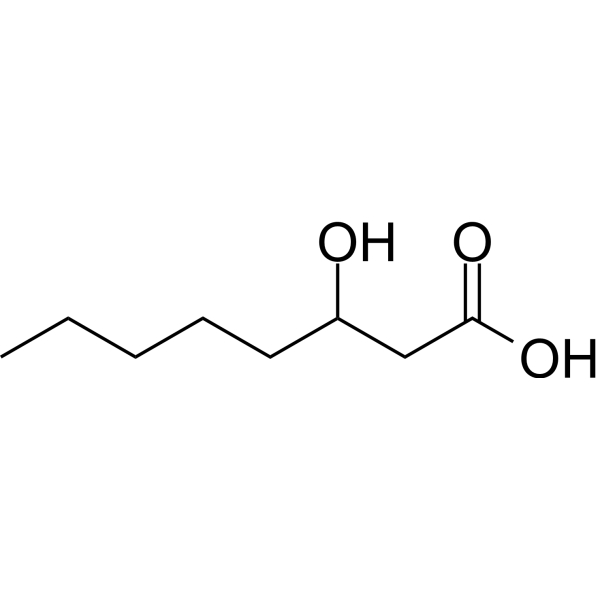
N-(3-Hydroxyoctanoyl)-DL-homoserine lactone (Compound 40) is a competitive inhibitor of the quorum sensing receptor LuxR with an IC50 value of 4 μM. N-(3-Hydroxyoctanoyl)-DL-homoserine lactone shows selective inhibition toward quorum sensing systems in Gram-negative bacteria like Pseudomonas aeruginosa. N-(3-Hydroxyoctanoyl)-DL-homoserine lactone is promising for research of bacterial infections .
|
-
-
- HY-N7788
-
|
|
Bacterial
|
Infection
|
|
cis-2-Dodecenoic acid, originally discovered in Burkholderia cenocepacia, can interfere with the bacterial quorum sensing system and inhibit bacterial biofilm formation and virulence factor production .
|
-
-
- HY-149762
-
|
|
Bacterial
|
Infection
|
|
IMBI (compound 32) is an antibacterial agent that inhibits quorum sensing (QS) against drug-resistant pathogens. IMBI inhibits biofilm formation of Salmonella marcescens and restores or increases its susceptibility to antimicrobial drugs .
|
-
-
- HY-146706
-
|
|
Bacterial
|
Infection
|
|
PqsR-IN-2 (Compound 19) is a potent PqsR (Pseudomonas aeruginosa quorum sensing transcriptional regulator) inhibitor. PqsR-IN-1 attenuates pyocyanin production and has very low cytotoxicity .
|
-
-
- HY-146705
-
|
|
Bacterial
|
Infection
|
|
PqsR-IN-1 (Compound 18) is a potent PqsR (Pseudomonas aeruginosa quorum sensing transcriptional regulator) inhibitor. PqsR-IN-1 attenuates pyocyanin production and has very low cytotoxicity .
|
-
-
- HY-163111
-
|
|
Bacterial
|
Infection
|
|
Antibacterial agent 170 (compound 6b) is a potent antibacterial agent which inhibits the formation of P. aeruginosa PAO1 biofilm. Antibacterial agent 170 exhibits quorum sensing inhibitor effect by the las system. Antibacterial agent 170 can used in study microbial resistance .
|
-
-
- HY-N2867
-
|
|
Bacterial
|
Cancer
|
|
Andrographiside is a labdane diterpenoid glucoside that can be isolated from the leaves of Andrographis paniculata Nees. Andrographiside has antihepatotoxic and antioxidative effects. Andrographiside shows protective effects on mice with hepatotoxicity induced by carbon tetrachloride or tert-butylhydroperoxide (tBHP) . Andrographiside is a novel biofilm inhibitor of Pseudomonas aeruginosa PAO1 by modulating quorum-sensing proteins .
|
-
-
- HY-146304
-
|
|
Bacterial
|
Infection
|
|
YXL-13 is a potent Pseudomonas aeruginosa (PAO1) inhibitor with an IC50 value of 3.686 μM. YXL-13 can inhibit virulence factors and biofilm formation of PAO1. YXL-13 reduces the pathogenicity and agent resistance of PAO1 by inhibition of the quorum sensing (QS) system. YXL-13 can be used for researching anti-bacteria .
|
-
-
- HY-W012572R
-
|
|
Reference Standards
Mitochondrial Metabolism
Bacterial
|
Infection
Metabolic Disease
|
|
D-Histidine (Standard) is the analytical standard of D-Histidine (HY-W012572). This product is intended for research and analytical applications. D-Histidine is an anti-biofilm agent that targets bacterial quorum sensing systems (such as RhlI/RhlR pathway) and has antibacterial activity. D-Histidine works by non-covalently binding to bacterial regulatory factors or copper ion complexes, selectively inhibiting bacterial biofilm formation and motility. D-Histidine downregulates quorum sensing-related gene expression, reduces the synthesis of virulence factors (such as alginate and proteases), and interferes with bacterial membrane stability, inhibiting biofilm formation, promoting the disintegration of mature biofilms, and enhancing antibiotic sensitivity. D-Histidine is also an efficient catalyst for the salt-induced peptide formation (SIPF) reaction, which promotes the condensation of amino acids to form dipeptides (such as dialanine and dilysine) by forming a complex with copper ions (Cu 2+) .
|
-
-
- HY-Y0248R
-
|
trans,trans-Farnesol (Standard); (2E,6E)-Farnesol (Standard)
|
Reference Standards
Fungal
|
Infection
|
|
(E,E)-Farnesol (Standard) (trans,trans-Farnesol (Standard)) is the analytical standard of (E,E)-Farnesol (HY-Y0248). This product is intended for research and analytical applications. (E,E)-Farnesol (trans,trans-Farnesol) is a quorum-sensing molecule of Candida species. (E,E)-Farnesol can inhibit the growth, metabolism and biofilm formation of various Candida species, and affect their morphology and invasiveness .
|
-
-
- HY-W010608R
-
|
|
Bacterial
Reference Standards
|
Infection
|
|
2-Methyltetrahydrofuran-3-one (Standard) is the analytical standard of 2-Methyltetrahydrofuran-3-one. This product is intended for research and analytical applications. 2-Methyltetrahydrofuran-3-one is a quorum sensing inhibitor that can inhibit biofilm formation by H. alvei.
2-Methyltetrahydrofuran-3-one is one of the volatile constituents of roasted coffee[1][2].
|
-
- HY-W008270R
-
|
γ-Crotonolactone (Standard)
|
Reference Standards
Endogenous Metabolite
|
Others
|
|
2(5H)-Furanone (Standard) is the analytical standard of 2(5H)-Furanone. This product is intended for research and analytical applications. 2(5H)-Furanone (γ-Crotonolactone) is an endogenous metabolite. 2(5H)-Furanone mimics N-acyl homoserine lactone signals, occupies the binding site of LuxR homologs, and interferes with quorum sensing-mediated gene regulation. 2(5H)-Furanone inhibits quorum sensing mediated by AHLs with different acyl chain lengths. 2(5H)-Furanone inhibits biofilm formation of environmental Aeromonas hydrophila strains on polystyrene plates. 2(5H)-Furanone suppresses spike-and-wave discharges in a rat model of generalized absence seizures and exhibits selective activity against absence seizures. 2(5H)-Furanone can be used in studies related to bacteria infections and generalized absence seizures.
|
-
- HY-181760
-
|
|
Bacterial
|
Infection
|
|
Quorum sensing-IN-11 is a quorum sensining inhibitor and a LasR antagonist with an IC50 of 0.7399 μM. Quorum sensing-IN-11 inhibits biofilm, pyocyanin formation and swimming motility in Pseudomonas aeruginosa. Quorum sensing-IN-11 can be used for the research of Pseudomonas aeruginosa infection .
|
-
- HY-145462
-
|
|
Bacterial
|
Infection
|
|
N-cis-octadec-9Z-enoyl-L-Homoserine lactone is a potent inhibitor of AhyI. AhyI (expressing acylhomoserine lactone) is responsible for the biosynthesis of autoinducer-1 (AI-1), commonly referred to as a quorum sensing (QS) signaling molecule, which plays an essential role in bacterial communication. N-cis-octadec-9Z-enoyl-L-Homoserine lactone is a competitive inhibitor of AI-1 biosynthesis .
|
-
- HY-175254
-
|
|
Bacterial
|
Infection
|
|
Antibiofilm agent-17 is a dual-action biofilm inhibitor against Pseudomonas aeruginosa (IC50 = 0.33 μM). Antibiofilm agent-17 inhibits biofilm growth by reducing quorum sensing-mediated virulence production and iron ion acquisition. Antibiofilm agent-17 exhibits synergistic antimicrobial effects in a mouse wound infection model. Antibiofilm agent-17 can be used in research on combating Pseudomonas aeruginosa infections .
|
-
- HY-163481
-
|
|
Bacterial
|
Infection
|
|
Antibiofilm agent-6 (Compound 26c) is a quorum sensing inhibitor with strong antibiofilm effects that can inhibit the fluorescence intensity of PAO1-lasB-gfp and PAO1-pqsA-gfp in a concentration-dependent manner. Antibiofilm agent-6 can inhibit the production of pyocyanin and rhamnolipid. Antibiofilm agent-6 aids helps ciprofloxacin (HY-B0356) effectively eliminate the living bacteria in a mouse model infected with P. aeruginosa PAO1 .
|
-
- HY-B0914B
-
|
Undecylenic acid (copper)
|
Fungal
Bacterial
Amyloid-β
Reactive Oxygen Species (ROS)
Proteasome
|
Infection
Neurological Disease
Endocrinology
Cancer
|
|
10-Undecenoic acid copper (Undecylenic acid copper) is an antifungal agent. 10-Undecenoic acid copper inhibits Aβ oligomerization, scavenges ROS and inhibits μ-calpain activity. 10-Undecenoic acid copper has neuroprotective effects. 10-Undecenoic acid copper has anticancer effects on a variety of tumors. 10-Undecenoic acid copper inhibits C. albicans biofilm formation and MRSA infection. 10-Undecenoic acid copper inhibits quorum sensing signals of Bacillus subtilis and Pseudomonas aeruginosa .
|
-
- HY-173270
-
|
|
Bacterial
|
Infection
|
|
Antibacterial synergist 3 is a dual-acting inhibitor of biofilm (IC50 of PAO1: 0.40 μM and IC50 of PA14: 1.45 μM). Antibacterial synergist 3 reduces virulence production by inhibiting the quorum sensing (QS) system and induces iron deficiency in P. aeruginosa PAO1. Antibacterial synergist 3 enhances the efficacy of Tobramycin (HY-B0441) and Ciprofloxacin (HY-B0356) in a mouse wound infection model. Antibacterial synergist 3 can be used for the research of P. aeruginosa infections .
|
-
- HY-B0914AR
-
|
Zinc undecylenate (Standard)
|
Reference Standards
Fungal
Amyloid-β
Reactive Oxygen Species (ROS)
Proteasome
Bacterial
|
Infection
Neurological Disease
Endocrinology
Cancer
|
|
10-Undecenoic acid (zinc salt) (Standard) is the analytical standard of 10-Undecenoic acid (zinc salt). This product is intended for research and analytical applications. 10-Undecenoic acid zinc salt (Undecylenic acid zinc salt) is an antifungal agent. 10-Undecenoic acid zinc salt inhibits Aβ oligomerization, scavenges ROS and inhibits μ-calpain activity. 10-Undecenoic acid zinc salt has neuroprotective effects. 10-Undecenoic acid zinc salt has anticancer effects on a variety of tumors. 10-Undecenoic acid zinc salt inhibits C. albicans biofilm formation and MRSA infection. 10-Undecenoic acid zinc salt inhibits quorum sensing signals of Bacillus subtilis and Pseudomonas aeruginosa .
|
-
- HY-W738271
-
|
3,4-Dimethoxybenzyl alcohol-13C
|
Isotope-Labeled Compounds
Bacterial
Endogenous Metabolite
|
Infection
|
|
Veratryl alcohol- 13C (3,4-Dimethoxybenzyl alcohol- 13C) is the 13C-labeled Veratryl alcohol (HY-107858). Veratryl alcohol (3,4-Dimethoxybenzyl alcohol) is a secondary metabolite of lignin-degrading fungi, commonly used as a substrate for lignin peroxidase (LiP) to measure lignin degradation activity. Veratryl alcohol protects LiP from inactivation by H2O2 and prevents the accumulation of LiP III compounds. Veratryl alcohol also acts as a stabilizer for manganese-dependent peroxidases (MnP). Veratryl alcohol is a quorum-sensing inhibitor (QSI) and exhibits antibacterial efficacy .
|
-
- HY-182505
-
|
|
Bacterial
|
Infection
|
|
QS-IN-1 (Compound 10 in Table 2 on page 18) is a quorum sensing (QS) inhibitor with an IC50 of 1.22 μM against agr-type QS. QS-IN-1 is applicable to the research of bacterial infections .
|
-
- HY-182942
-
|
|
Bacterial
Elastase
|
Infection
|
|
PV-DPD-19 is an autoinducer-2 (AI-2) quorum sensing inhibitor. PV-DPD-19 reduces AI-2 production and inhibits the expression of multiple MSCRAMMs. In co-culture systems with Staphylococcus aureus, PV-DPD-19 decreases the production of pyocyanin and Elastase in Pseudomonas aeruginosa. PV-DPD-19 impairs the adhesion ability of Staphylococcus aureus to lung epithelial cells. PV-DPD-19 inhibits biofilm formation of Pseudomonas aeruginosa (MBIC50 = 27 μg/mL) and Staphylococcus aureus (MBIC50 = 35 μg/mL). PV-DPD-19 shows no cytotoxicity in both in vitro lung epithelial cell models and in vivo Galleria mellonella larva models .
|
-
- HY-W788542
-
|
|
Bacterial
|
Infection
|
|
Quoromycin is an orally active SmcR inhibitor with a Kd of 0.697 μM for Vibrio vulnificus SmcR. Quoromycin binds directly to SmcR, reduces its DNA-binding affinity, and inhibits the quorum sensing signaling pathway. Quoromycin is applicable to the research of Vibrio vulnificus infection .
|
-
- HY-N17297
-
|
|
Fungal
|
Infection
|
|
Leotiomycene C is an isoprenylated bisresorcinol natural product present in the freshwater fungus Helotiales sp. Leotiomycene C inhibits the quorum sensing system of methicillin (HY-121544)-resistant Staphylococcus aureus (MRSA), with an IC₅₀ of 6.3-12.5 μM. Leotiomycene C is applicable to research related to MRSA infections .
|
-
- HY-181835
-
|
|
Bacterial
|
Infection
|
|
AgrC-IN-1 is an AgrC inhibitor with an IC50 of 3.5 μM against Staphylococcus aureus AgrC. AgrC-IN-1 competitively binds to AgrC, inhibiting its autophosphorylation activity in Staphylococcus aureus. AgrC-IN-1 inhibits quorum sensing in Staphylococcus aureus, blocking virulence factor production. AgrC-IN-1 can be used for the research of Staphylococcus aureus infections .
|
-
- HY-W904855
-
|
|
Endogenous Metabolite
Bacterial
|
Infection
|
|
Apicidin D2 (Compound 4), a fungal metabolite, is a Accessory gene regulator A (AgrA) quorum-sensing inhibitor. Apicidin D2 has anti-virulence activity. Apicidin D2 suppresses MRSA agr activation and shows potent inhibitory activities against all agr types in a nonbiocidal manner. Apicidin D2 can be used for MRSA infections research .
|
-
- HY-183361
-
|
|
Bacterial
Elastase
|
Infection
|
|
Antibiofilm agent-22 is an FpvA receptor-targeting antibacterial agent. Antibiofilm agent-22 chelates iron, disrupts las, pqs, and rhl pathways, reduces elastase, pyocyanin, and rhamnolipid production, and induces bacterial iron starvation. Antibiofilm agent-22 can be used for the research of Pseudomonas aeruginosa infection .
|
-
| Cat. No. |
Product Name |
Type |
-
- HY-Y0248
-
|
trans,trans-Farnesol; (2E,6E)-Farnesol
|
Biochemical Assay Reagents
|
|
(E,E)-Farnesol (trans,trans-Farnesol) is a quorum-sensing molecule of Candida species. (E,E)-Farnesol can inhibit the growth, metabolism and biofilm formation of various Candida species, and affect their morphology and invasiveness .
|
-
- HY-Y0248R
-
|
trans,trans-Farnesol (Standard); (2E,6E)-Farnesol (Standard)
|
Biochemical Assay Reagents
|
|
(E,E)-Farnesol (Standard) (trans,trans-Farnesol (Standard)) is the analytical standard of (E,E)-Farnesol (HY-Y0248). This product is intended for research and analytical applications. (E,E)-Farnesol (trans,trans-Farnesol) is a quorum-sensing molecule of Candida species. (E,E)-Farnesol can inhibit the growth, metabolism and biofilm formation of various Candida species, and affect their morphology and invasiveness .
|
| Cat. No. |
Product Name |
Target |
Research Area |
-
- HY-P1934
-
|
Cyclo(phenylalanylprolyl); A-64863
|
HCV
Bacterial
Antibiotic
Reactive Oxygen Species (ROS)
|
Infection
|
|
Cyclo(Phe-Pro) (Cyclo(phenylalanylprolyl)) is a quorum-sensing molecule of Vibrio vulnificus that specifically interacts with RIG-I, inhibiting RIG-I polyubiquitination, suppressing IRF-3 activation, and reducing type I interferon production. Cyclo(Phe-Pro) enhances susceptibility to HCV and influenza virus and also alleviates plant aluminum toxicity stress. The mechanism of Cyclo(Phe-Pro) involves the regulation of host immune signaling pathways, bacterial virulence gene expression, and plant antioxidant systems, making it a promising candidate for research in viral infections, bacterial virulence regulation, and agricultural stress resistance .
|
-
- HY-P10486
-
|
|
Bacterial
|
Infection
|
|
AIP-II is a cyclic peptide signaling molecule for quorum sensing, which is produced by Staphylococcus aureus. AIP-II potently inhibits AgrC-III in Methicillin (HY-121544)-resistant type III Staphylococcus aureus strain AH1747, with an IC50 of 0.532 nM. AIP-II binds to the AgrC-II receptor and regulates virulence gene expression in Staphylococcus aureus .
|
-
- HY-W012572A
-
|
|
Mitochondrial Metabolism
Bacterial
|
Infection
Metabolic Disease
|
|
D-Histidine hydrochloride hydrate is an anti-biofilm agent that targets bacterial quorum sensing systems (such as RhlI/RhlR pathway) and has antibacterial activity. D-Histidine hydrochloride hydrate works by non-covalently binding to bacterial regulatory factors or copper ion complexes, selectively inhibiting bacterial biofilm formation and motility. D-Histidine hydrochloride hydrate downregulates quorum sensing-related gene expression, reduces the synthesis of virulence factors (such as alginate and proteases), and interferes with bacterial membrane stability, inhibiting biofilm formation, promoting the disintegration of mature biofilms, and enhancing antibiotic sensitivity. D-Histidine hydrochloride hydrate is also an efficient catalyst for the salt-induced peptide formation (SIPF) reaction, which promotes the condensation of amino acids to form dipeptides (such as dialanine and dilysine) by forming a complex with copper ions (Cu 2+) .
|
-
- HY-P1892
-
|
|
Peptides
|
Infection
|
|
Competence-Stimulating Peptide-12261, a sixteen peptide, is a fragment of competence-stimulating peptide. Competence-Stimulating Peptide, a quorum-sensing molecule, competence-stimulating peptide (CSP) which inhibits germ tube (GT) formation .
|
| Cat. No. |
Product Name |
Category |
Target |
Chemical Structure |
-
- HY-N4117
-
-
-
- HY-114936
-
-
-
- HY-B0914
-
-
-
- HY-121362
-
|
|
Structural Classification
other families
Classification of Application Fields
Ketones, Aldehydes, Acids
Plants
Inflammation/Immunology
Disease Research Fields
Source Classification
|
Bacterial
Endogenous Metabolite
TrxR
|
|
Evernic Acid is an orally active thioredoxin reductase 1 (TrxR1) inhibitor and antiproliferative agent. Evernic Acid inhibits the proliferation and migration of human breast cancer cells. Evernic Acid blocks the NF-κB pathway by inhibiting p65 nuclear translocation and IκBα phosphorylation, thereby suppressing downstream inflammatory mediators. Evernic Acid acts as an antioxidant, anti-inflammatory agent and neuroprotective agent, protects neurons from cell death, mitochondrial dysfunction and oxidative stress damage, reduces astrocyte activation, and ameliorates dopaminergic neuron loss and neuroinflammation. Evernic Acid inhibits enoyl reductases FabI and FabZ of Plasmodium falciparum. Evernic Acid downregulates the expression of lasB and rhlA genes in Pseudomonas aeruginosa, inhibits quorum sensing and biofilm formation, and exerts antibacterial activity against Gram-positive bacteria, Gram-negative bacteria and fungi. Evernic Acid is applicable to research related to breast cancer, Parkinson's disease, bacterial infections and fungal infections .
|
-
-
- HY-W008270
-
-
-
- HY-107858
-
-
-
- HY-B0914A
-
-
-
- HY-W010608
-
-
-
- HY-W012572
-
|
|
Microorganisms
Source Classification
|
Mitochondrial Metabolism
Bacterial
|
|
D-Histidine is an anti-biofilm agent that targets bacterial quorum sensing systems (such as RhlI/RhlR pathway) and has antibacterial activity. D-Histidine works by non-covalently binding to bacterial regulatory factors or copper ion complexes, selectively inhibiting bacterial biofilm formation and motility. D-Histidine downregulates quorum sensing-related gene expression, reduces the synthesis of virulence factors (such as alginate and proteases), and interferes with bacterial membrane stability, inhibiting biofilm formation, promoting the disintegration of mature biofilms, and enhancing antibiotic sensitivity. D-Histidine is also an efficient catalyst for the salt-induced peptide formation (SIPF) reaction, which promotes the condensation of amino acids to form dipeptides (such as dialanine and dilysine) by forming a complex with copper ions (Cu 2+) .
|
-
-
- HY-N6711
-
-
-
- HY-B0914R
-
-
-
- HY-N12660
-
-
-
- HY-N7788
-
-
-
- HY-N2867
-
-
-
- HY-W012572R
-
|
|
Microorganisms
Source Classification
|
Reference Standards
Mitochondrial Metabolism
Bacterial
|
|
D-Histidine (Standard) is the analytical standard of D-Histidine (HY-W012572). This product is intended for research and analytical applications. D-Histidine is an anti-biofilm agent that targets bacterial quorum sensing systems (such as RhlI/RhlR pathway) and has antibacterial activity. D-Histidine works by non-covalently binding to bacterial regulatory factors or copper ion complexes, selectively inhibiting bacterial biofilm formation and motility. D-Histidine downregulates quorum sensing-related gene expression, reduces the synthesis of virulence factors (such as alginate and proteases), and interferes with bacterial membrane stability, inhibiting biofilm formation, promoting the disintegration of mature biofilms, and enhancing antibiotic sensitivity. D-Histidine is also an efficient catalyst for the salt-induced peptide formation (SIPF) reaction, which promotes the condensation of amino acids to form dipeptides (such as dialanine and dilysine) by forming a complex with copper ions (Cu 2+) .
|
-
-
- HY-W010608R
-
-
-
- HY-W008270R
-
|
γ-Crotonolactone (Standard)
|
Structural Classification
Natural Products
Endogenous metabolite
Source Classification
|
Reference Standards
Endogenous Metabolite
|
|
2(5H)-Furanone (Standard) is the analytical standard of 2(5H)-Furanone. This product is intended for research and analytical applications. 2(5H)-Furanone (γ-Crotonolactone) is an endogenous metabolite. 2(5H)-Furanone mimics N-acyl homoserine lactone signals, occupies the binding site of LuxR homologs, and interferes with quorum sensing-mediated gene regulation. 2(5H)-Furanone inhibits quorum sensing mediated by AHLs with different acyl chain lengths. 2(5H)-Furanone inhibits biofilm formation of environmental Aeromonas hydrophila strains on polystyrene plates. 2(5H)-Furanone suppresses spike-and-wave discharges in a rat model of generalized absence seizures and exhibits selective activity against absence seizures. 2(5H)-Furanone can be used in studies related to bacteria infections and generalized absence seizures.
|
-
-
- HY-B0914AR
-
|
Zinc undecylenate (Standard)
|
Structural Classification
Microorganisms
Ketones, Aldehydes, Acids
Source Classification
|
Reference Standards
Fungal
Amyloid-β
Reactive Oxygen Species (ROS)
Proteasome
Bacterial
|
|
10-Undecenoic acid (zinc salt) (Standard) is the analytical standard of 10-Undecenoic acid (zinc salt). This product is intended for research and analytical applications. 10-Undecenoic acid zinc salt (Undecylenic acid zinc salt) is an antifungal agent. 10-Undecenoic acid zinc salt inhibits Aβ oligomerization, scavenges ROS and inhibits μ-calpain activity. 10-Undecenoic acid zinc salt has neuroprotective effects. 10-Undecenoic acid zinc salt has anticancer effects on a variety of tumors. 10-Undecenoic acid zinc salt inhibits C. albicans biofilm formation and MRSA infection. 10-Undecenoic acid zinc salt inhibits quorum sensing signals of Bacillus subtilis and Pseudomonas aeruginosa .
|
-
-
- HY-N17297
-
-
| Cat. No. |
Product Name |
Chemical Structure |
-
- HY-Y0248AS
-
|
|
|
(E,E)-Farnesol-d6 (trans,trans-Farnesol-d6) is deuterium labeled (E,E)-Farnesol (HY-Y0248). (E,E)-Farnesol (trans,trans-Farnesol) is a quorum-sensing molecule of Candida species. (E,E)-Farnesol can inhibit the growth, metabolism and biofilm formation of various Candida species, and affect their morphology and invasiveness .
|
-
-
- HY-W738271
-
|
|
|
Veratryl alcohol- 13C (3,4-Dimethoxybenzyl alcohol- 13C) is the 13C-labeled Veratryl alcohol (HY-107858). Veratryl alcohol (3,4-Dimethoxybenzyl alcohol) is a secondary metabolite of lignin-degrading fungi, commonly used as a substrate for lignin peroxidase (LiP) to measure lignin degradation activity. Veratryl alcohol protects LiP from inactivation by H2O2 and prevents the accumulation of LiP III compounds. Veratryl alcohol also acts as a stabilizer for manganese-dependent peroxidases (MnP). Veratryl alcohol is a quorum-sensing inhibitor (QSI) and exhibits antibacterial efficacy .
|
-
Your information is safe with us. * Required Fields.
Inquiry Information
- Product Name:
- Cat. No.:
- Quantity:
- MCE Japan Authorized Agent:

