10915 Results for "

rat intestinal BChE

" in MedChemExpress (MCE) Product Catalog:
Products (10915)

10915 Results for "rat intestinal BChE" in MCE Product Catalog:

153
153 Publications Verification
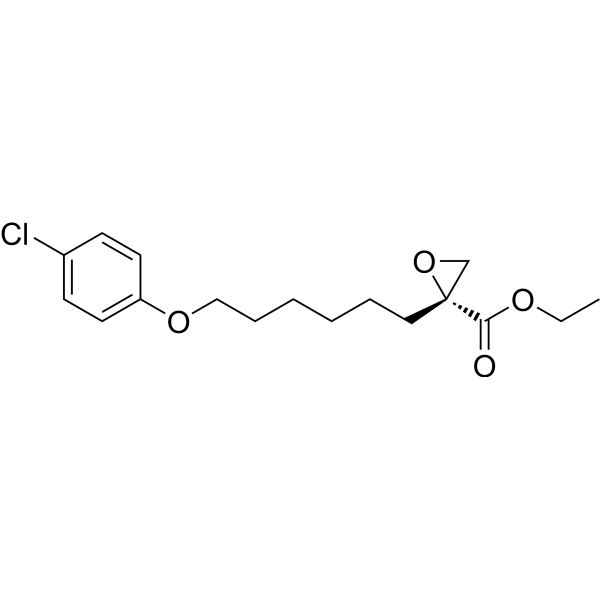
Cat. No.: HY-50202
CAS No.: 124083-20-1
Synonyms: (R)-(+)-Etomoxir
Etomoxir ((R)-(+)-Etomoxir) is an irreversible inhibitor of carnitine palmitoyltransferase 1a (CPT-1a), inhibits fatty acid oxidation (FAO) through CPT-1a and inhibits palmitate β-oxidation in human, rat and guinea pig.
loading...
    loading...
153
153 Publications Verification
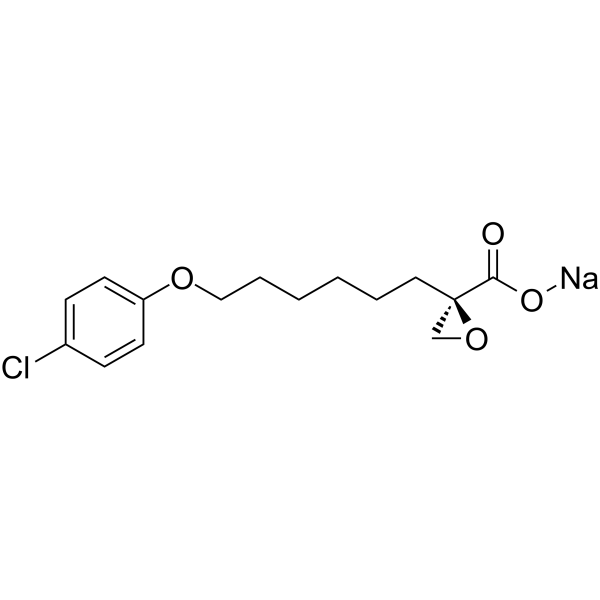
Cat. No.: HY-50202A
CAS No.: 828934-41-4
Synonyms: (R)-(+)-Etomoxir sodium salt
Etomoxir((R)-(+)-Etomoxir) sodium salt is an irreversible inhibitor of carnitine palmitoyltransferase 1a (CPT-1a), inhibits fatty acid oxidation (FAO) through CPT-1a and inhibits palmitate β-oxidation in human, rat and guinea pig .
loading...
    loading...
111
111 Cited Publications
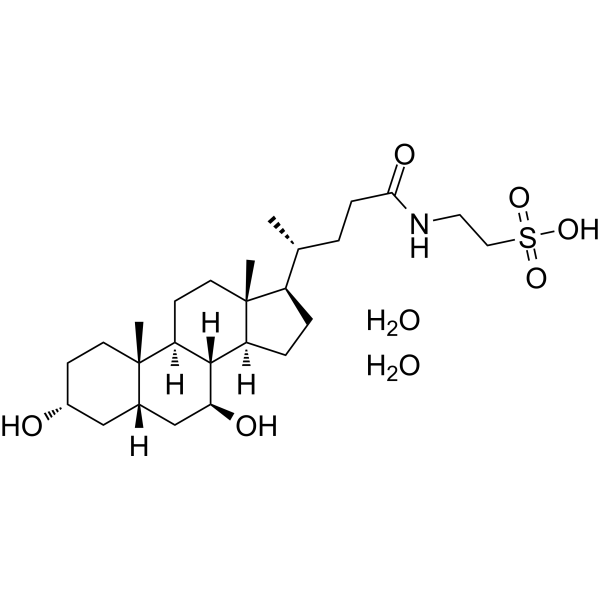
Cat. No.: HY-19696B
CAS No.: 117609-50-4
Synonyms: Tauroursodeoxycholic acid dihydrate; TUDCA dihydrate; UR 906 dihydrate
Tauroursodeoxycholate dehydrate is an orally active taurine conjugate of Ursodeoxycholic acid (HY-13771). Tauroursodeoxycholate dehydrate inhibits caspase-3/7, Apoptosis, IRE1α/TRAF2/NF-κB, prevents JNK phosphorylation, inhibits ROS generation, and activates Akt signaling. Tauroursodeoxycholate dehydrate prevents cataract formation, reduces renal tubular damage in type 2 diabetic mice, reduces I/R injury in liver, and inhibits intestinal inflammation and barrier disruption in nonalcoholic fatty liver disease .
loading...
    loading...
77
77 Cited Publications
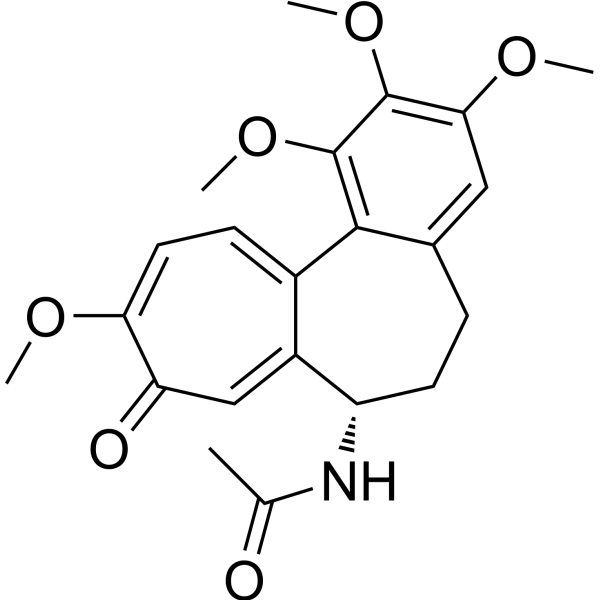
Cat. No.: HY-16569
CAS No.: 64-86-8
Colchicine, an orally active alkaloid, is a potent tubulin inhibitor and a microtubule disrupting agent. Colchicine inhibits microtubule polymerization with an IC50 of 3 nM. Colchicine is also a competitive antagonist of the α3 glycine receptors (GlyRs). Colchicine prevents non-steroidal anti-inflammatory drug (NSAID)-induced small intestinal injury by inhibiting activation of the NLRP3 inflammasome. Colchicine has extensive anti-inflammatory, immunosuppressive and strong anti-fibrosis effects and has the potential for gouty arthritis research .
loading...
    loading...
71
71 Cited Publications
Cat. No.: HY-P7117
Purity:  ≥ 95%, as determined by reducing SDS-PAGE.
Synonyms: TGFB1; Transforming Growth Factor Beta1; Prev. TGFB; Camurati-Engelmann Disease; Prev. DPD1; Latency-Associated Peptide; TGFbeta; TGF-Beta-1; CED; TGF-Beta1; Transforming Growth Factor Beta-1 Proprotein; IBDIMDE; Prepro-Transforming Growth Factor Beta-1;
Species:  
Rat Mouse
Source:  
HEK293
loading...
    loading...
57
57 Cited Publications
Cat. No.: HY-123606
CAS No.: 1652629-23-6
GSK484 is a PAD4 inhibitor that effectively inhibits protein citrullination and the formation of neutrophil extracellular traps (NETs) by blocking the catalytic activity of PAD4. GSK484 suppresses the production of histone H3, MHC-I expression, CD8 + T cell activation, proliferation and inflammatory cytokine release. GSK484 reduces inflammation and bone destruction in collagen-induced rheumatoid arthritis, alleviates pain and mast cell activation in sickle cell disease, and improves myocardial ischemia-reperfusion injury and experimental colitis. In addition, GSK484 restores intestinal microbial homeostasis by reversing ferroptosis-induced dysbiosis. GSK484 can be used to study the disease mechanisms of rheumatoid arthritis, sickle cell disease, thrombosis, myocardial injury, colitis and other conditions .
loading...
    loading...
52
52 Cited Publications
Cat. No.: HY-15084
CAS No.: 77086-22-7
Purity:  99.99%
Synonyms: (+)-MK 801 Maleate
Target:  

iGluR

Research Areas:  

Neurological Disease

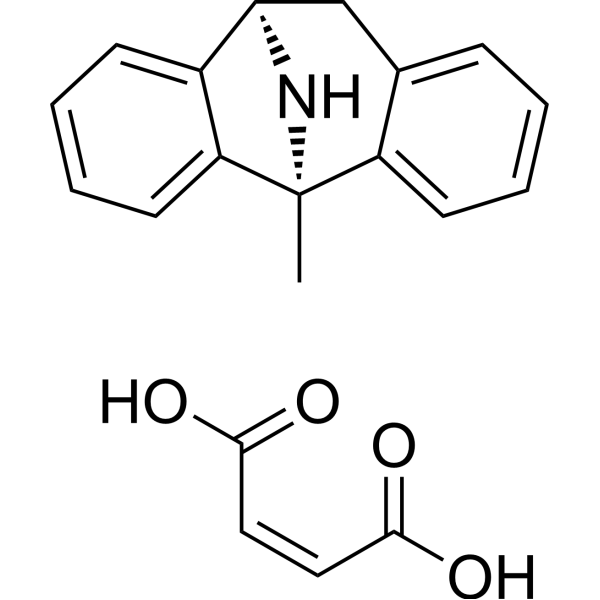
Dizocilpine maleate (MK-801 maleate) is a potent, selective and non-competitive NMDA receptor antagonist with Kd of 37.2 nM in rat brain membranes.
loading...
    loading...
52
52 Cited Publications
Cat. No.: HY-15084B
CAS No.: 77086-21-6
Purity:  99.90%
Synonyms: MK-801
Target:  

iGluR

Research Areas:  

Neurological Disease

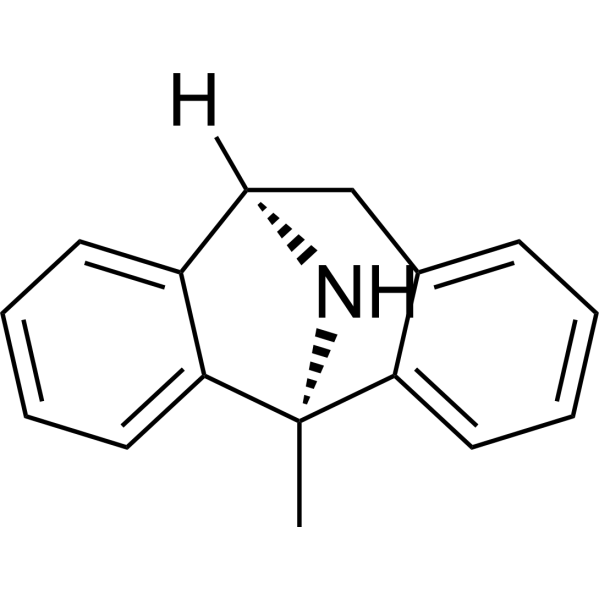
Dizocilpine (MK-801), a potent anticonvulsant, is a selective and non-competitive NMDA receptor antagonist, with a Kd of 37.2 nM in rat brain membranes. Dizocilpine acts by binding to a site located within the NMDA associated ion channel and thus prevents Ca 2+ flux .
loading...
    loading...
48
48 Cited Publications
Cat. No.: HY-50662
CAS No.: 844499-71-4
Target:  

AMPK

Research Areas:  

Metabolic Disease

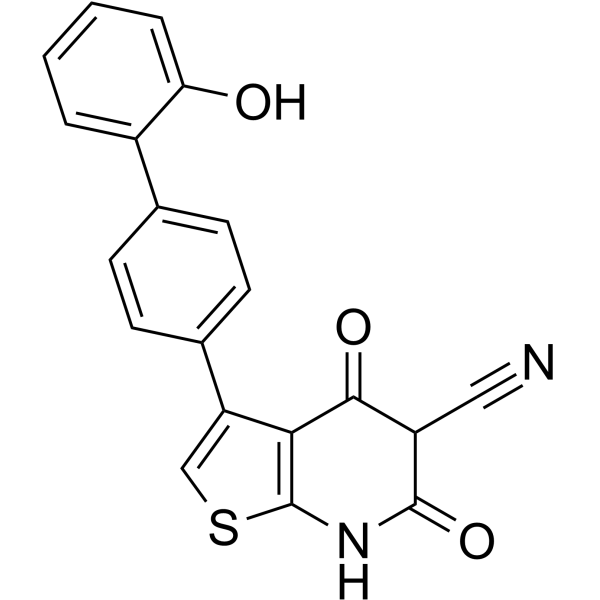
A-769662 is a AMP-activated protein kinase (AMPK) activator. A-769662 inhibits the function of the 26S proteasome by an AMPK-independent mechanism and leads to cell cycle arrest. A-769662 directly stimulates partially purified rat liver AMPK (EC50 = 0.8 μM) and inhibits fatty acid synthesis in primary rat hepatocytes (IC50 = 3.2 μM). A-769662 can alleviate the symptoms of metabolic diseases such as type 2 diabetes .
loading...
    loading...
44
44 Cited Publications
Cat. No.: HY-100208
CAS No.: 883031-03-6
Purity:  99.89%
Target:  

TRP Channel

Research Areas:  

Cancer

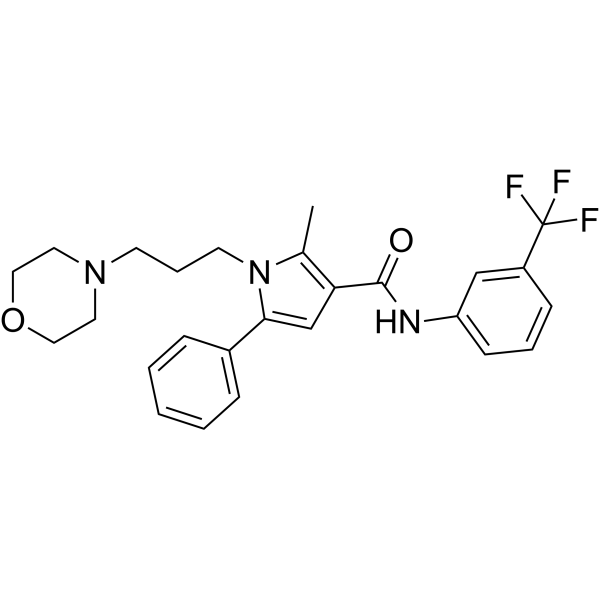
HC-067047 is a potent and selective TRPV4 antagonist and reversibly inhibits currents through the human, rat, and mouse TRPV4 orthologs with IC50 values of 48 nM, 133 nM, and 17 nM, respectively .
loading...
    loading...
33
33 Cited Publications
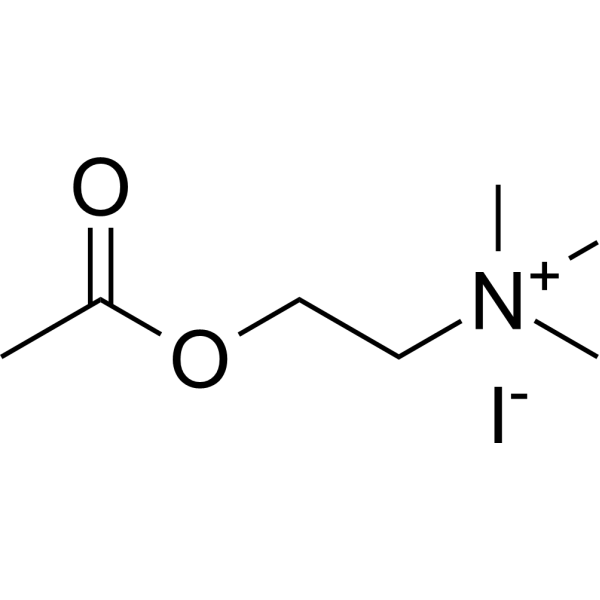
Cat. No.: HY-101086
CAS No.: 2260-50-6
Purity:  98.59%
Synonyms: ACh iodide
Acetylcholine iodide is a muscarinic receptor modulator. Acetylcholine iodide specifically binds to muscarinic receptors, inhibits sodium absorption, and induces chloride secretion. Acetylcholine iodide changes intestinal ion transport, enhances intestinal secretory function, induces or maintains mammary gland development and lactation. Acetylcholine iodide can be used for intestinal ion transport regulation and mammary gland physiological function research .
loading...
    loading...
32
32 Cited Publications
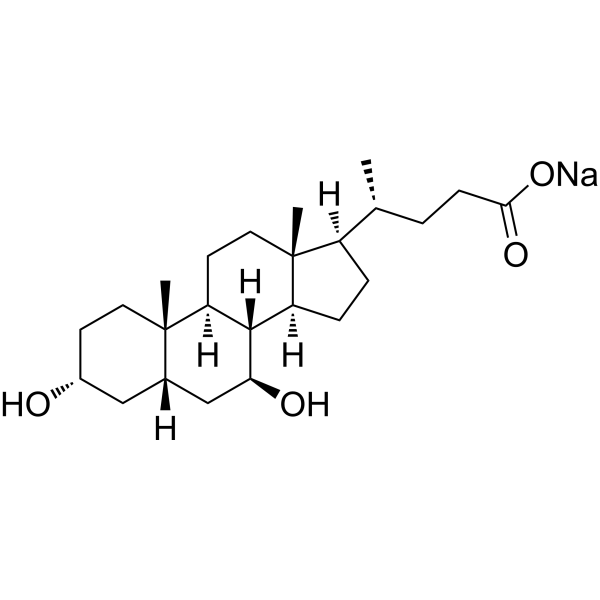
Cat. No.: HY-13771A
CAS No.: 2898-95-5
Purity:  99.06%
Synonyms: Ursodeoxycholate sodium; Ursodiol sodium; UCDA sodium
Ursodeoxycholic acid (Ursodeoxycholate) sodium is a secondary bile acid issued from the transformation of (cheno)deoxycholic acid by intestinal bacteria, acting as a key regulator of the intestinal barrier integrity and essential for lipid metabolism. Ursodeoxycholic acid sodium acts as signaling molecule, exerting its effects by interacting with bile acid activated receptors, including G-protein coupled bile acid receptor 5 (TGR5, GPCR19) and the farnesoid X receptor (FXR). Ursodeoxycholic acid sodium can be used for the research of a variety of hepatic and gastrointestinal diseases. Orally active .
loading...
    loading...
32
32 Cited Publications
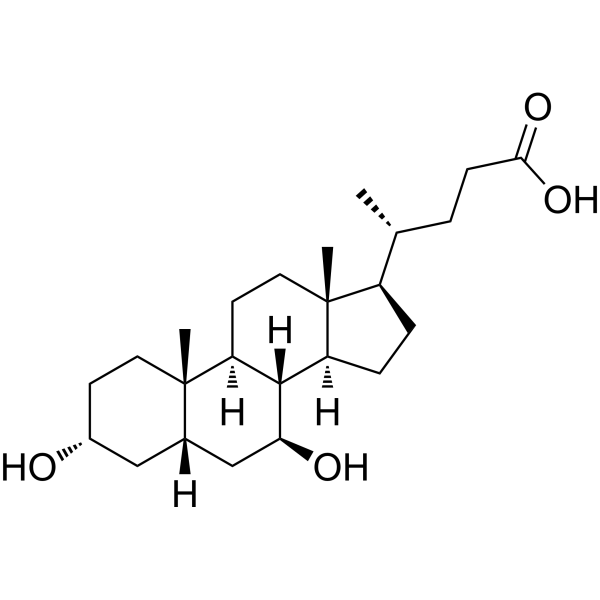
Cat. No.: HY-13771
CAS No.: 128-13-2
Purity:  99.94%
Synonyms: Ursodeoxycholate; Ursodiol; UDCA
Ursodeoxycholic acid (Ursodeoxycholate) is a secondary bile acid issued from the transformation of (cheno)deoxycholic acid by intestinal bacteria, acting as a key regulator of the intestinal barrier integrity and essential for lipid metabolism. Ursodeoxycholic acid acts as signaling molecule, exerting its effects by interacting with bile acid activated receptors, including G-protein coupled bile acid receptor 5 (TGR5, GPCR19) and the farnesoid X receptor (FXR). Ursodeoxycholic acid can be used for the research of a variety of hepatic and gastrointestinal diseases. Ursodeoxycholic acid also reduces ACE2 expression and is beneficial for reducing SARS-CoV-2 infection. Orally active .
loading...
    loading...
32
32 Cited Publications
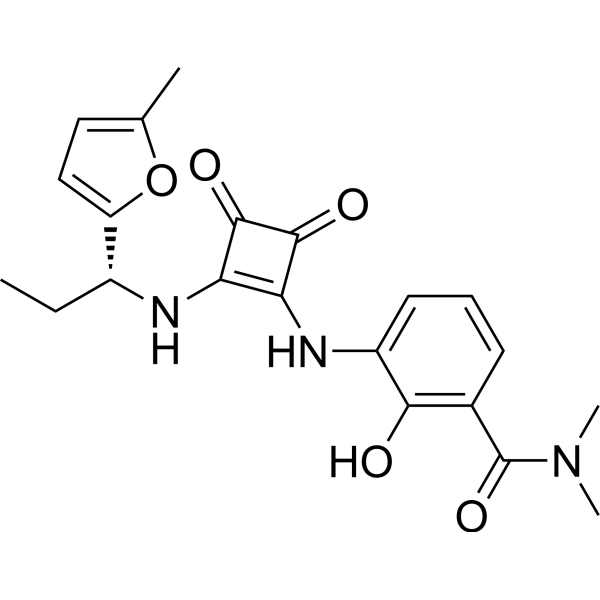
Cat. No.: HY-10198
CAS No.: 473727-83-2
Purity:  98.90%
Synonyms: SCH 527123; MK-7123
Target:  

CXCR

Navarixin (SCH 527123) is a potent, allosteric and orally active antagonist of both CXCR1 and CXCR2, with Kd values of 41 nM for cynomolgus CXCR1 and 0.20 nM, 0.20 nM, 0.08 nM for mouse, rat and cynomolgus monkey CXCR2, respectivelly .
loading...
    loading...
32
32 Cited Publications
Cat. No.: HY-P70648
Purity:  ≥ 95%, as determined by reducing SDS-PAGE.
Synonyms: TGFB1; Transforming Growth Factor Beta1; Prev. TGFB; Camurati-Engelmann Disease; Prev. DPD1; Latency-Associated Peptide; TGFbeta; TGF-Beta-1; CED; TGF-Beta1; Transforming Growth Factor Beta-1 Proprotein; IBDIMDE; Prepro-Transforming Growth Factor Beta-1;
Species:  
Rat Mouse
Source:  
HEK293
loading...
    loading...
31
31 Cited Publications
Cat. No.: HY-13749
CAS No.: 486460-32-6
Purity:  99.75%
Synonyms: MK-0431
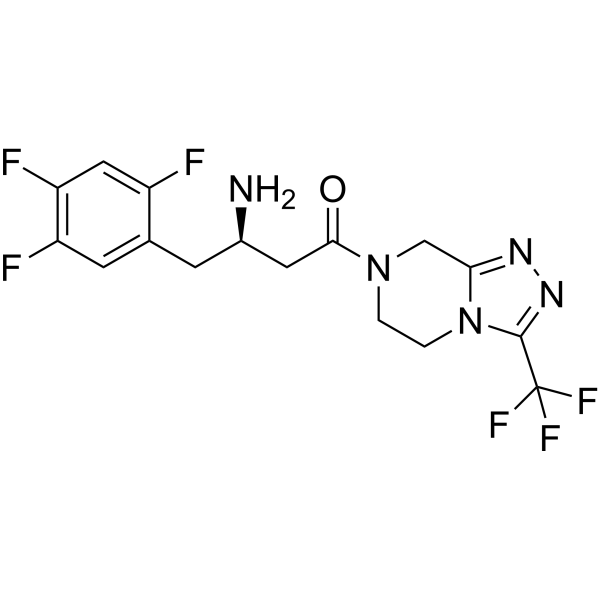
Sitagliptin (MK-0431) is an orally active and highly selective DPP4 inhibitor with an IC50 value of 19 nM. Sitagliptin blocks the degradation of glucagon-like peptide-1 (GLP-1) and glucose-dependent insulinotropic peptide (GIP) by competing inhibition mechanism (Kᵢ = 1 nM), thereby increasing the level of active incretin. Sitagliptin can also directly stimulate the secretion of GLP-1 by intestinal L cells by activating the cAMP/PKA and ERK1/2 pathways, and this effect is independent of DPP-4. Sitagliptin shows protective effects on pancreatic islet grafts in 1-type diabetes models. Sitagliptin can be used for the study of 1-type and 2-type diabetes .
loading...
    loading...
31
31 Cited Publications
Cat. No.: HY-13749A
CAS No.: 654671-78-0
Purity:  99.79%
Synonyms: MK-0431 phosphate
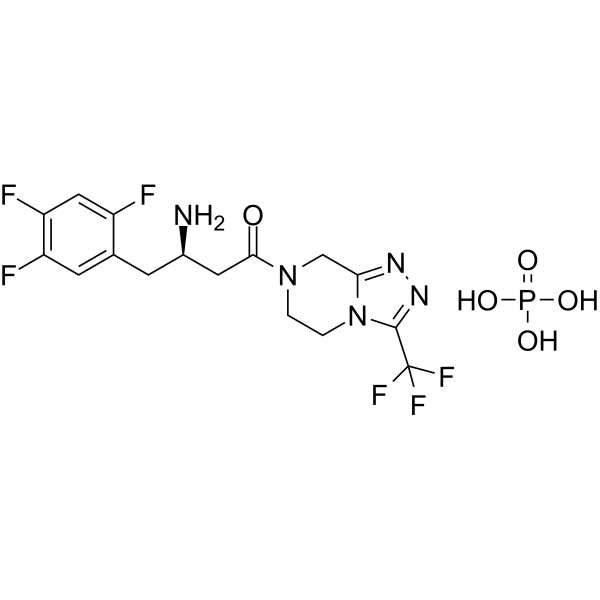
Sitagliptin (MK-0431) phosphate is an orally active and highly selective DPP4 inhibitor with an IC50 value of 19 nM. Sitagliptin phosphate blocks the degradation of glucagon-like peptide-1 (GLP-1) and glucose-dependent insulinotropic peptide (GIP) by competing inhibition mechanism (Kᵢ = 1 nM), thereby increasing the level of active incretin. Sitagliptin phosphate can also directly stimulate the secretion of GLP-1 by intestinal L cells by activating the cAMP/PKA and ERK1/2 pathways, and this effect is independent of DPP-4. Sitagliptin phosphate shows protective effects on pancreatic islet grafts in 1-type diabetes models. Sitagliptin phosphate can be used for the study of 1-type and 2-type diabetes .
loading...
    loading...
31
31 Cited Publications
Cat. No.: HY-13749B
CAS No.: 654671-77-9
Purity:  99.83%
Synonyms: MK-0431 phosphate monohydrate
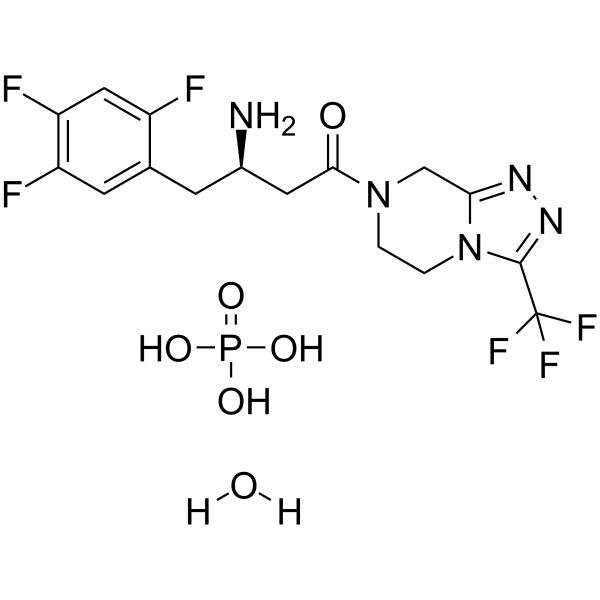
Sitagliptin (MK-0431) phosphate monohydrate is an orally active and highly selective DPP4 inhibitor with an IC50 value of 19 nM. Sitagliptin phosphate monohydrate blocks the degradation of glucagon-like peptide-1 (GLP-1) and glucose-dependent insulinotropic peptide (GIP) by competing inhibition mechanism (Kᵢ = 1 nM), thereby increasing the level of active incretin. Sitagliptin phosphate monohydrate can also directly stimulate the secretion of GLP-1 by intestinal L cells by activating the cAMP/PKA and ERK1/2 pathways, and this effect is independent of DPP-4. Sitagliptin phosphate monohydrate shows protective effects on pancreatic islet grafts in 1-type diabetes models. Sitagliptin phosphate monohydrate can be used for the study of 1-type and 2-type diabetes .
loading...
    loading...
31
31 Cited Publications
Cat. No.: HY-18730
CAS No.: 180001-34-7
Synonyms: W1400
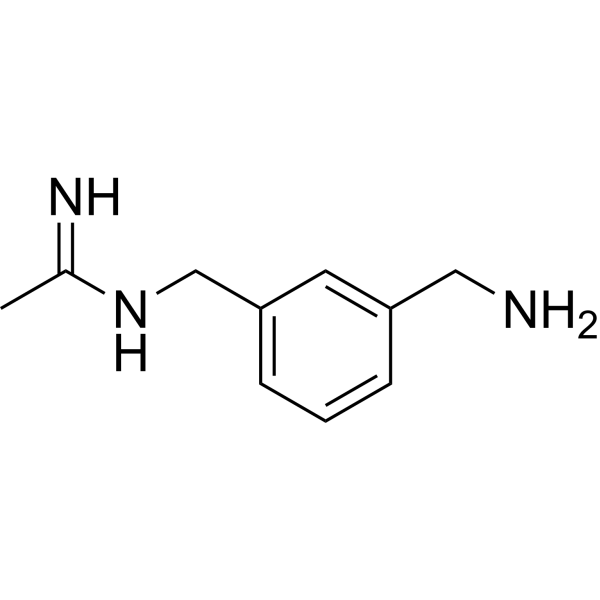
1400W is a slow, tight binding, and highly selective inducible nitric-oxide synthase (iNOS) inhibitor, with a Kd value ≤ 7 nM. 1400W inhibits iNOS induction in microglial cells, and reduces generation of NO, thereby mitigating oxidative stress and neuronal cell apoptosis in the rat cerebral cortex, and improving the spatial memory dysfunction caused by acute hypobaric hypoxia-reoxygenation .
loading...
    loading...
28
28 Cited Publications
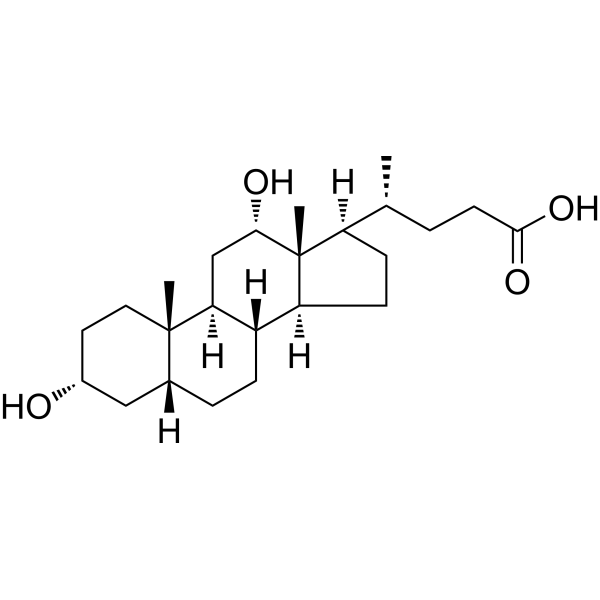
Cat. No.: HY-N0593
CAS No.: 83-44-3
Synonyms: Cholanoic acid; Desoxycholic acid
Deoxycholic acid (cholanoic acid), a bile acid, is a by-product of intestinal metabolism, that activates the G protein-coupled bile acid receptorTGR5 .
loading...
    loading...

