1. Search Result
Search Result
Results for "

reactive intermediate

" in MedChemExpress (MCE) Product Catalog:

35

Inhibitors & Agonists

2

Fluorescent Dyes

4

Biochemical Assay Reagents

4

Peptides

11

Natural
Products

1

Isotope-Labeled Compounds

Cat. No. Product Name Target Research Areas Chemical Structure
  • HY-B0739
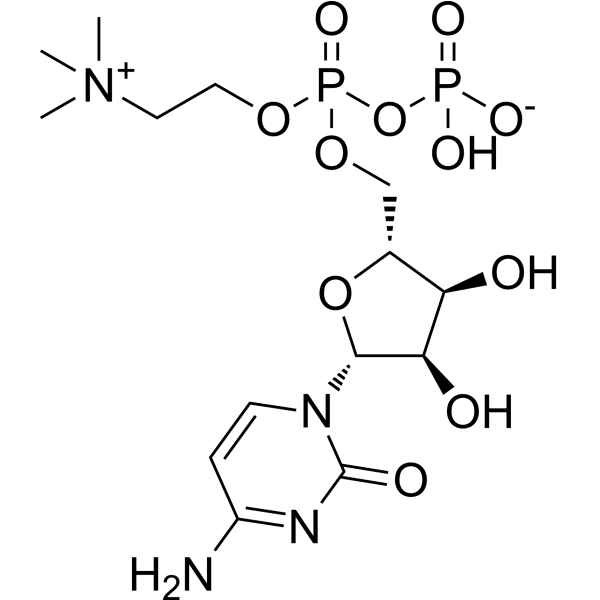
    Citicoline
    4 Publications Verification

    Cytidine diphosphate-choline; CDP-Choline; Cytidine 5'-diphosphocholine

    Apoptosis Endogenous Metabolite Reactive Oxygen Species (ROS) Caspase Neurological Disease Cancer
    Citicoline is an endogenous intermediate in the synthesis of phosphatidylcholine which is a component of cell membranes. Citicoline inhibits reactive oxygen species (ROS) and apoptosis. Citicoline can be used for neurological disease and hearing loss study .
    Citicoline
  • HY-126793

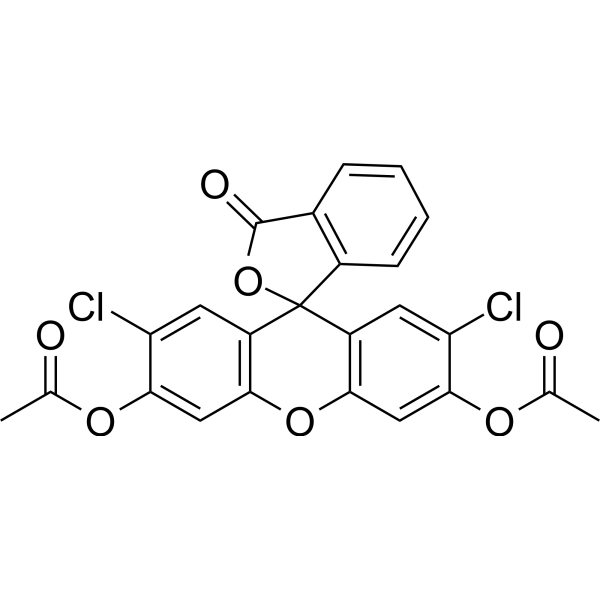
    DCFH2-DA

    Fluorescent Dye Reactive Oxygen Species (ROS) Others
    2′,7′-Dichlorofluorescein diacetate (DCFH2-DA) is a cell-permeable fluorescent probe. 2′,7′-Dichlorofluorescein diacetate can be used to detect the generation of reactive oxygen intermediates and for assessing the overall oxidative stress in toxicological phenomenon .
    2′,7′-Dichlorofluorescein diacetate
  • HY-W010382
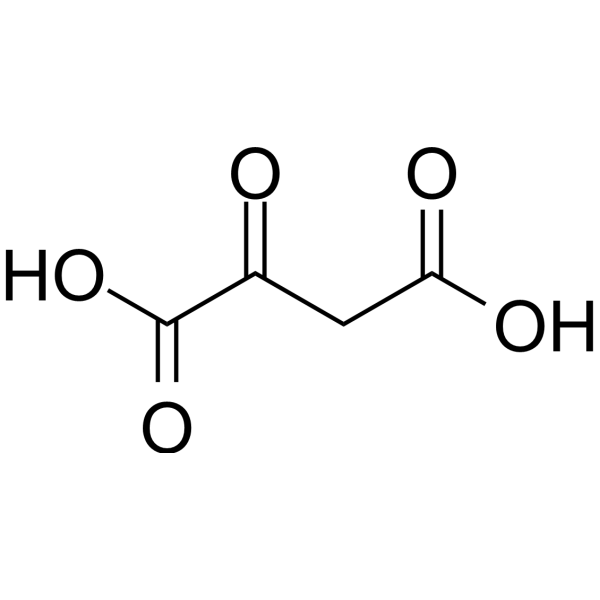
    Oxaloacetic acid
    2 Publications Verification

    2-Oxosuccinic acid

    Endogenous Metabolite Reactive Oxygen Species (ROS) Metabolic Disease
    Oxaloacetic acid (2-Oxosuccinic acid) is a metabolic intermediate involved in several ways, such as citric acid cycle, gluconeogenesis, the urea cycle, the glyoxylate cycle, amino acid synthesis, and fatty acid synthesis, whereby Oxaloacetic acid facilitates the clearance of reactive oxygen species (ROS) and improves mitochondrial function .
    Oxaloacetic acid
  • HY-N7426

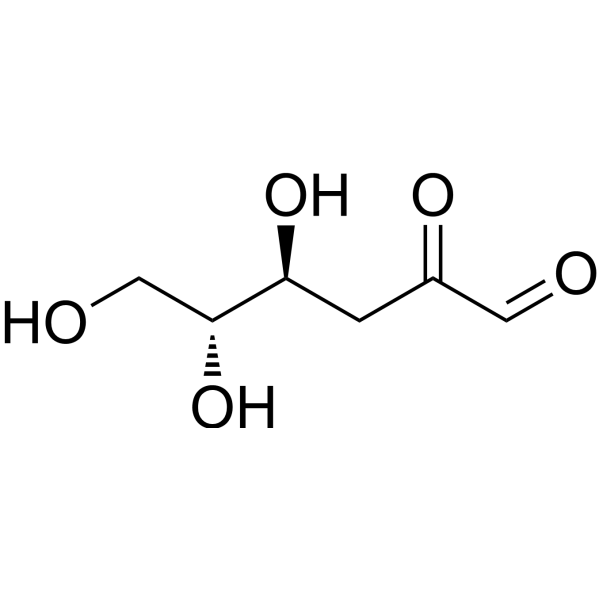
    3-Deoxy-D-glucosone

    GLP Receptor Metabolic Disease
    3-Deoxyglucosone (3-Deoxy-D-glucosone) is a reactive intermediate of the Maillard reaction and the polyol pathway. 3-Deoxyglucosone rapidly reacts with protein amino groups to form advanced glycation end products (AGEs), such as imidazolone, it is the most specific AGE for 3-DG. 3-Deoxyglucosone synergizes with low glucose to potentiate GLP-1 secretion and is considered as a biomarker for diabetes .
    3-Deoxyglucosone
  • HY-113110

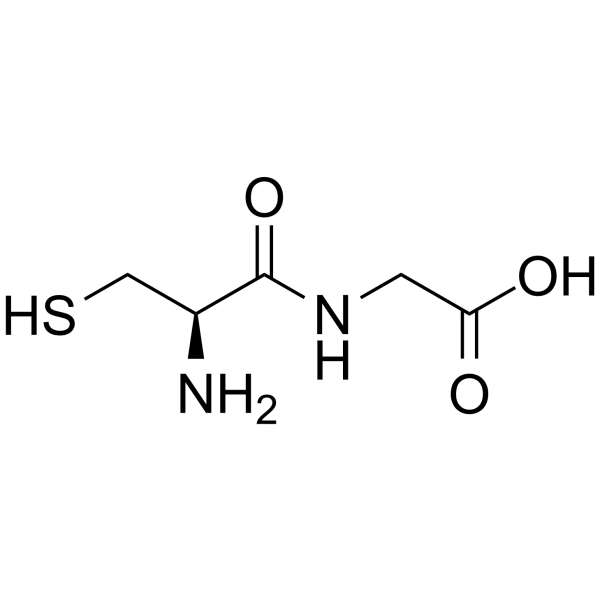
    L-Cysteinylglycine; Cys-Gly; H-Cys-Gly-OH

    Endogenous Metabolite Reactive Oxygen Species (ROS) DNA/RNA Synthesis Cardiovascular Disease Cancer
    Cysteinylglycine (L-Cysteinylglycine; Cys-Gly) is a dipeptide formed by the peptide bond linkage between cysteine (Cysteine) and glycine (Glycine). Cysteinylglycine is an important metabolic intermediate in the human body, mainly derived from the degradation of glutathione (GSH). Cysteinylglycine reduces ferric iron to ferrous iron, drives the redox cycle of iron, generates reactive oxygen species (ROS), stimulates oxidative reactions, induces lipid peroxidation of human plasma LDL lipoproteins, and causes oxidative damage to DNA bases. Cysteinylglycine can be used as a biomarker to evaluate ischemic heart disease, breast cancer and other conditions .
    Cysteinylglycine
  • HY-B0739A
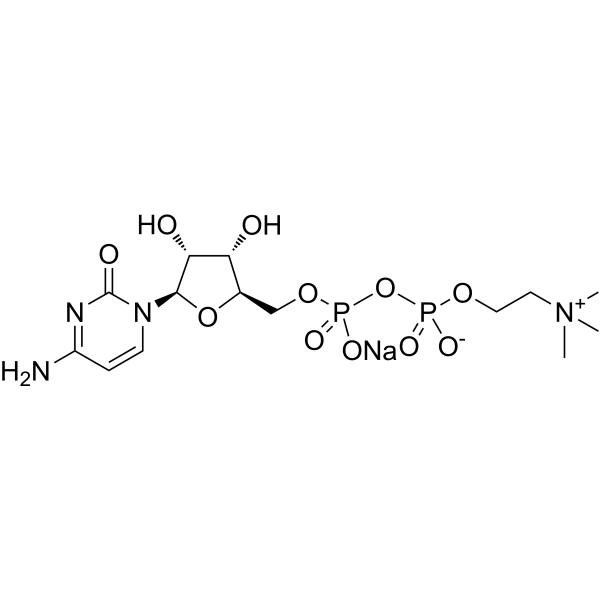
    Citicoline sodium
    4 Publications Verification

    Cytidine diphosphate-choline sodium; CDP-Choline sodium; Cytidine 5'-diphosphocholine sodium

    Endogenous Metabolite Apoptosis Reactive Oxygen Species (ROS) Caspase Neurological Disease Cancer
    Citicoline sodium is an endogenous intermediate in the synthesis of phosphatidylcholine which is a component of cell membranes. Citicoline sodium inhibits reactive oxygen species (ROS) and apoptosis. Citicoline sodium can be used for neurological disease and hearing loss study .
    Citicoline sodium
  • HY-12642
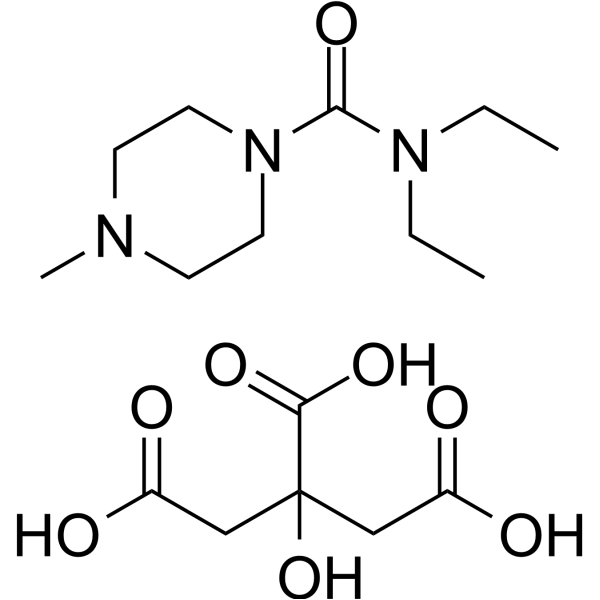
    Diethylcarbamazine citrate
    1 Publications Verification

    Parasite Bacterial TNF Receptor Interleukin Related Infection Metabolic Disease Inflammation/Immunology
    Diethylcarbamazine citrate is an orally active microfilaricidal agent used originally in onchocerciasis and lymphatic filiariasis. Diethylcarbamazine citrate reduces eosinophil trafficking to the lung tissue and exerts anti-allergic effects. Diethylcarbamazine citrate reduces serum levels of leptin, TNF-α, IL-6, MCP-1, glucose, insulin, and triglycerides, and ameliorates insulin resistance without altering body, liver, or adipose tissue weights. Diethylcarbamazine citrate enhances reactive oxygen intermediate expression by polymorphonuclear neutrophils, increases lymphocyte proliferation, and inhibits actinomycetoma lesion development. Diethylcarbamazine citrate can be used for the researches of bronchial asthma, insulin resistance and infection .
    Diethylcarbamazine citrate
  • HY-115243

    Biochemical Assay Reagents Others
    2-Chloro-1,4-naphthoquinone (chloro-K3) is a vitamin-K-dependent carboxylation antagonist with an IC50 value of 146 μM. 2-Chloro-1,4-naphthoquinone has cytotoxic activity .
    2-Chloro-1,4-naphthoquinone
  • HY-Y0973

    Biochemical Assay Reagents Drug Intermediate Others
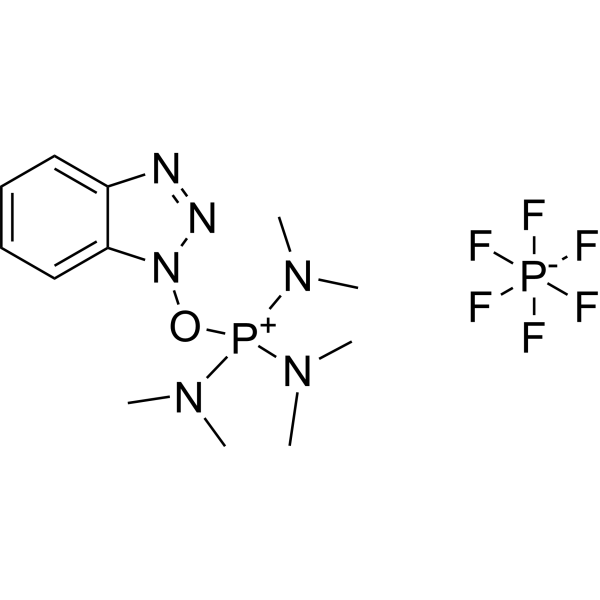
    BOP hexafluorophosphate is a phosphonium-type condensing agent. BOP hexafluorophosphate activates the carboxylic acid component to form a highly reactive O-benzotriazole ester (active ester) intermediate, which then reacts with the amino component to form an amide bond (peptide bond). BOP hexafluorophosphate is applicable to solid-phase polypeptide synthesis and nucleoside modification .
    BOP hexafluorophosphate
  • HY-160807

    Drug-Linker Conjugates for ADC Cancer
    DBM-GGFG-NH-O-CO-Exatecan (Example 4, Compound 14) is a conjugate of an ADC drug toxin molecule and a linker. DBM-GGFG-NH-O-CO-Exatecan is a complete antibody-drug conjugate intermediate that integrates a potent camptothecin-based toxin, a cleavable peptide linker (GGFG), and a reactive terminus that can directly conjugate to antibodies .
    DBM-GGFG-NH-O-CO-Exatecan
  • HY-12642A
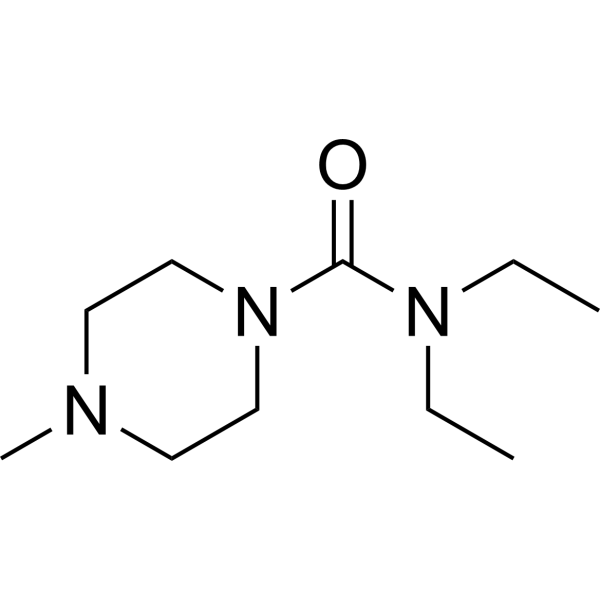
    Diethylcarbamazine
    1 Publications Verification

    Parasite Bacterial TNF Receptor Interleukin Related Infection Metabolic Disease Inflammation/Immunology
    Diethylcarbamazine is an orally active microfilaricidal agent used originally in onchocerciasis and lymphatic filiariasis. Diethylcarbamazine reduces eosinophil trafficking to the lung tissue and exerts anti-allergic effects. Diethylcarbamazine reduces serum levels of leptin, TNF-α, IL-6, MCP-1, glucose, insulin, and triglycerides, and ameliorates insulin resistance without altering body, liver, or adipose tissue weights. Diethylcarbamazine enhances reactive oxygen intermediate expression by polymorphonuclear neutrophils, increases lymphocyte proliferation, and inhibits actinomycetoma lesion development. Diethylcarbamazine can be used for the researches of bronchial asthma, insulin resistance and infection .
    Diethylcarbamazine
  • HY-W010382R
    Oxaloacetic acid (Standard)
    2 Publications Verification

    2-Oxosuccinic acid (Standard)

    Reference Standards Endogenous Metabolite Reactive Oxygen Species (ROS) Metabolic Disease
    Oxaloacetic acid (Standard) is the analytical standard of Oxaloacetic acid. This product is intended for research and analytical applications. Oxaloacetic acid (2-Oxosuccinic acid) is a metabolic intermediate involved in several ways, such as citric acid cycle, gluconeogenesis, the urea cycle, the glyoxylate cycle, amino acid synthesis, and fatty acid synthesis, whereby Oxaloacetic acid facilitates the clearance of reactive oxygen species (ROS) and improves mitochondrial function .
    Oxaloacetic acid (Standard)
  • HY-W015229R

    Indole-3-propionic acid (Standard); 3-IPA (Standard)

    Reference Standards Endogenous Metabolite Reactive Oxygen Species (ROS) Neurological Disease Metabolic Disease
    3-Indolepropionic acid (Standard) is the analytical standard of 3-Indolepropionic acid. This product is intended for research and analytical applications. 3-Indolepropionic acid is shown to be a powerful antioxidant and has potential in the treatment for Alzheimer’s disease. In Vitro: 3-Indolepropionic acid is shown to be a powerful antioxidant and has potential in the treatment for Alzheimer’s disease . 3-Indolepropionic acid is a more potent scavenger of hydroxyl radicals than melatonin. Similar to melatonin but unlike other antioxidants, 3-Indolepropionic acid scavenges radicals without subsequently generating reactive and pro-oxidant intermediate compounds . It is also suggested that indolepropionic acid, a gut microbiota-produced metabolite, is a potential biomarker for the development of type 2 diabetes (T2D) that may mediate its protective effect by preservation of β-cell function .
    3-Indolepropionic acid (Standard)
  • HY-44087

    Drug Intermediate Others
    Ethyl (E)-3-(1-pyrrolidinyl)crotonate is an organic synthetic intermediate of the enamine ester type. Ethyl (E)-3-(1-pyrrolidinyl)crotonate has a stable structure and strong reactivity, and is mainly used for the construction of heterocyclic compounds and drug molecules.
    Ethyl (E)-3-(1-pyrrolidinyl)crotonate
  • HY-B0739AR

    Cytidine diphosphate-choline sodium (Standard); CDP-Choline sodium (Standard); Cytidine 5'-diphosphocholine sodium (Standard)

    Reference Standards Endogenous Metabolite Apoptosis Reactive Oxygen Species (ROS) Caspase Neurological Disease Cancer
    Citicoline sodium (Standard) is the analytical standard of Citicoline sodium. This product is intended for research and analytical applications. Citicoline sodium is an endogenous intermediate in the synthesis of phosphatidylcholine which is a component of cell membranes. Citicoline sodium inhibits reactive oxygen species (ROS) and apoptosis. Citicoline sodium can be used for neurological disease and hearing loss study.
    Citicoline sodium (Standard)
  • HY-21626

    p-Tolylboronic acid

    Biochemical Assay Reagents Others
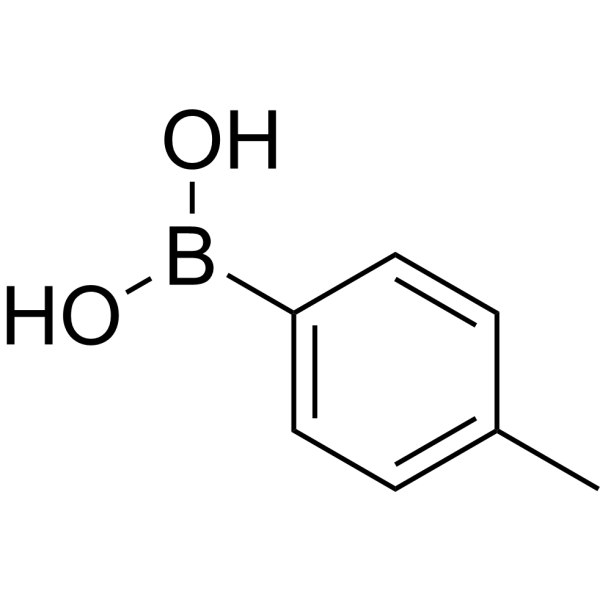
    4-Tolylboronic acid is an organoboron compound with important chemical applications. It can be used as an important intermediate in organic synthesis for the synthesis of organic compounds such as drugs, pesticides, and cosmetics, as well as for the research of coordination chemistry and material science. Due to its high chemical reactivity, 4-Tolylboronic acid has become a widely used reagent in organic synthesis.
    4-Tolylboronic acid
  • HY-DY1058

    Fluorescent Dye Reactive Oxygen Species (ROS) Others
    2′,7′-Dichlorofluorescein diacetate (DCFH2-DA) (solution) is a cell-permeable fluorescent probe. 2′,7′-Dichlorofluorescein diacetate can be used to detect the generation of reactive oxygen intermediates and for assessing the overall oxidative stress in toxicological phenomenon .
    Solvent and concentration: DMSO: 10 mM
    The 1 mL volume is defined as the base specification. All larger sizes correspond to incremental volumes of this base.
    2′,7′-Dichlorofluorescein diacetate (solution)
  • HY-113110A

    L-Cysteinylglycine TFA; Cys-Gly TFA; H-Cys-Gly-OH TFA

    Endogenous Metabolite Reactive Oxygen Species (ROS) DNA/RNA Synthesis Cardiovascular Disease Cancer
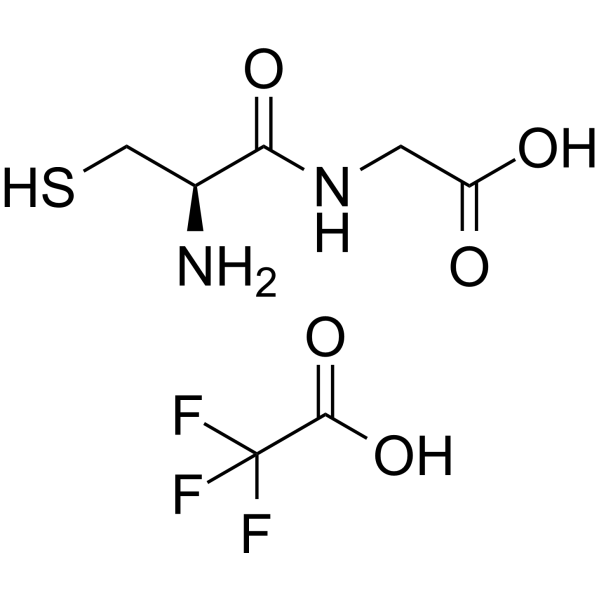
    Cysteinylglycine (L-Cysteinylglycine; Cys-Gly) TFA is a dipeptide formed by the peptide bond connection of cysteine and glycine. Cysteinylglycine TFA is an important metabolic intermediate in the human body, mainly derived from the degradation of glutathione (GSH). Cysteinylglycine TFA can reduce trivalent iron to divalent iron, driving the redox cycle of iron, generating reactive oxygen species (ROS), stimulating oxidative reactions, inducing lipid peroxidation in human plasma LDL lipoproteins, and causing oxidative damage to DNA base. Cysteinylglycine TFA can be used as a biomarker to assess ischemic heart disease and breast cancer, etc [1][2][3][4].
    Cysteinylglycine TFA
  • HY-W015012

    Fluorescent Dye Others
    NBD-Hydrazine is an aldehyde- and ketone-reactive fluorescent probe. NBD-Hydrazine has excitation/emission maxima of 468/535 nm in the presence of aldehydes or ketones. NBD-Hydrazine can be used as a starting material to synthesize malondialdehyde-reactive fluorescent probes. NBD-Hydrazine is a synthetic intermediate in the synthesis of cupric and chronic ion colorimetric sensors .
    NBD-Hydrazine
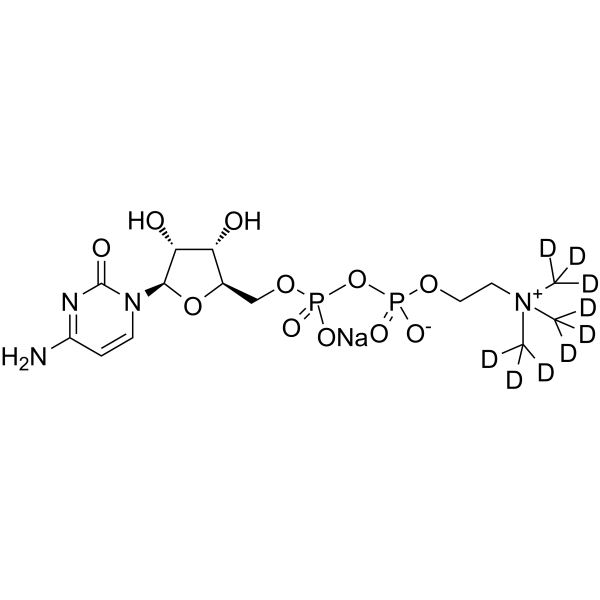
  • HY-B0739AS

    Cytidine diphosphate-choline-d9 sodium; CDP-Choline-d9 sodium; Cytidine 5'-diphosphocholine-d9 sodium

    Isotope-Labeled Compounds Endogenous Metabolite Apoptosis Reactive Oxygen Species (ROS) Caspase Neurological Disease Cancer
    Citicoline-d9 (Cytidine diphosphate-choline-d9) sodium is the deuterium labeled Citicoline sodium (HY-B0739A). Citicoline sodium is an endogenous intermediate in the synthesis of phosphatidylcholine which is a component of cell membranes. Citicoline sodium inhibits reactive oxygen species (ROS) and apoptosis. Citicoline sodium can be used for neurological disease and hearing loss study .
    Citicoline-d9 sodium
  • HY-W325356

    Fluorescent Dye Cancer
    Tert-butyl 3,5-dinitrobenzoate is an intermediate or reactant in organic synthesis and can also play a role in drug synthesis, dye preparation and other chemical fields.The nitro functional group of Tert-butyl 3,5-dinitrobenzoate has certain reactivity in organic chemistry and can participate in various reactions, such as electrophilic substitution, aromatic amine reaction, etc .
    tert-Butyl 3,5-dinitrobenzoate
  • HY-113110R

    L-Cysteinylglycine (Standard); Cys-Gly (Standard); H-Cys-Gly-OH (Standard)

    Reference Standards Endogenous Metabolite Reactive Oxygen Species (ROS) DNA/RNA Synthesis Cardiovascular Disease Cancer
    Cysteinylglycine (Standard) is the analytical standard of Cysteinylglycine. This product is intended for research and analytical applications. Cysteinylglycine is a dipeptide formed by the peptide bond linkage between cysteine (Cysteine) and glycine (Glycine). Cysteinylglycine is an important metabolic intermediate in the human body, mainly derived from the degradation of glutathione (GSH). Cysteinylglycine reduces ferric iron to ferrous iron, drives the redox cycle of iron, generates reactive oxygen species (ROS), stimulates oxidative reactions, induces lipid peroxidation of human plasma LDL lipoproteins, and causes oxidative damage to DNA bases. Cysteinylglycine can be used as a biomarker to evaluate ischemic heart disease, breast cancer and other conditions .
    Cysteinylglycine (Standard)
  • HY-W250129

    Biochemical Assay Reagents Others
    2,3,4,5-Tetrafluorobenzoyl chloride is a fluorinated organic compound that belongs to the class of benzoyl chlorides. It is a colorless liquid with a pungent smell and is mainly used as an intermediate in the synthesis of various pharmaceutical and pesticide compounds. 2,3,4,5-Tetrafluorobenzoyl chloride is an acylating agent that can react with a variety of nucleophiles, including amines, alcohols, and thiols, to form amides, esters, or thioesters, respectively. Its unique fluorine-containing structure can impart desired properties to target molecules, such as increased lipophilicity or increased stability against metabolic degradation. However, due to its high reactivity and potential health hazards, proper safety measures and handling procedures must be followed when using this compound.
    2,3,4,5-Tetrafluorobenzoyl chloride
  • HY-118576

    His-pro-amide

    Endogenous Metabolite Others
    Histidylprolineamide (His-pro-amide) is a reactive amide, an intermediate in the histidine metabolic pathway .
    Histidylprolineamide
  • HY-106065

    M & B 39565; CCRG 81010; NSC 353451

    Drug Intermediate Others
    Mitozolomide (M & B 39565) is a prodrug of alkyldiazonium reactive intermediates. Mitozolomide can be converted in vivo to triazenes .
    Mitozolomide
  • HY-165362

    Reactive Oxygen Species (ROS) Inflammation/Immunology
    AO-1535 is a semisynthetic monoglycosylceramide that inhibits the production of reactive oxygen intermediates in human monocytes and macrophages stimulated by phorbol ester and chemotactic tetrapeptide. AO-1535 can be used for the research of inflammatory dermatoses .
    AO-1535
  • HY-P4161

    DNA/RNA Synthesis Cancer
    KWWCRW is a Holliday linker inhibitory peptide with anticancer activity. KWWCRW inhibits homologous recombination repair (HDR) during DNA repair by binding to the reactive Holliday linker intermediate and preventing its degradation, and inhibits site-specific recombination by bacteriophage in vitro .
    KWWCRW
  • HY-117993

    Drug Intermediate Neurological Disease
    MIND4 is a neuroprotective thiozoline compound that inhibits the deacetylase SIRT2. MIND4 is also an inducer and activator of the nuclear factor NRF2. MIND4 can induce NRF2 activation in neurons and non-neuronal cells and reduce the production of reactive oxygen and nitrogen intermediates .
    MIND4
  • HY-B0739R

    Cytidine diphosphate-choline (Standard); CDP-Choline (Standard); Cytidine 5'-diphosphocholine (Standard)

    Reference Standards Apoptosis Endogenous Metabolite Caspase Reactive Oxygen Species (ROS) Neurological Disease Cancer
    Citicoline (Cytidine diphosphate-choline) (Standard) is the analytical standard of Citicoline. This product is intended for research and analytical applications. Citicoline is an endogenous intermediate in the synthesis of phosphatidylcholine which is a component of cell membranes. Citicoline inhibits reactive oxygen species (ROS) and apoptosis. Citicoline can be used for neurological disease and hearing loss study.
    Citicoline (Standard)
  • HY-176893

    ADC Linker Others
    Mm-C3-OSu (Methyl Maleate-C3-N-Hydroxysuccinimide Ester) is a structurally defined linker intermediate with a cis-configured methyl maleate (Mm) core and a C3 alkyl chain terminated by an N-hydroxysuccinimide (OSu) reactive group, designed for constructing stable antibody-drug conjugates (ADCs).
    Mm-C3-OSu
  • HY-134098R

    Adipic acid diisopropyl ester (Standard)

    TRP Channel Reference Standards Others
    Oxaloacetic acid (Standard) is the analytical standard of Oxaloacetic acid. This product is intended for research and analytical applications. Oxaloacetic acid (2-Oxosuccinic acid) is a metabolic intermediate involved in several ways, such as citric acid cycle, gluconeogenesis, the urea cycle, the glyoxylate cycle, amino acid synthesis, and fatty acid synthesis, whereby Oxaloacetic acid facilitates the clearance of reactive oxygen species (ROS) and improves mitochondrial function .
    Diisopropyl adipate (Standard)
  • HY-W800617

    ADC Linker Cancer
    NH2-PEG1-Val-Cit-PAB-OH is a cleavable ADC linker intermediate featuring a primary amine, a hydrophilic PEG spacer, a Val-Cit dipeptide, and a PAB group. The benzylic alcohol on the PAB can be used to attach with reactive groups such as PNP for conjugation with drug payloads. The primary amine is free to perform a wide variety of reactions such as coupling with carboxylic acids, reductive aminations with ketones or aldehydes, or other more specialized uses such as in SNAr reactions or heterocyclic chemistry. The Val-Cit dipeptide is cleaved by cellular proteases within the cell to allow for efficient payload delivery via an elimination mechanism within the PAB structure.
    NH2-PEG1-Val-Cit-PAB-OH
  • HY-12642AR

    Reference Standards Parasite Bacterial TNF Receptor Interleukin Related Infection Metabolic Disease Inflammation/Immunology
    Diethylcarbamazine (Standard) is the analytical standard of Diethylcarbamazine (HY-12642A). This product is intended for research and analytical applications. Diethylcarbamazine is an orally active microfilaricidal agent used originally in onchocerciasis and lymphatic filiariasis. Diethylcarbamazine reduces eosinophil trafficking to the lung tissue and exerts anti-allergic effects. Diethylcarbamazine reduces serum levels of leptin, TNF-α, IL-6, MCP-1, glucose, insulin, and triglycerides, and ameliorates insulin resistance without altering body, liver, or adipose tissue weights. Diethylcarbamazine enhances reactive oxygen intermediate expression by polymorphonuclear neutrophils, increases lymphocyte proliferation, and inhibits actinomycetoma lesion development. Diethylcarbamazine can be used for the researches of bronchial asthma, insulin resistance and infection .
    Diethylcarbamazine (Standard)
  • HY-12642R

    Reference Standards Parasite Bacterial TNF Receptor Interleukin Related Infection Metabolic Disease Inflammation/Immunology
    Diethylcarbamazine citrate (Standard) is the analytical standard of Diethylcarbamazine citrate (HY-12642). This product is intended for research and analytical applications. Diethylcarbamazine citrate is an orally active microfilaricidal agent used originally in onchocerciasis and lymphatic filiariasis. Diethylcarbamazine citrate reduces eosinophil trafficking to the lung tissue and exerts anti-allergic effects. Diethylcarbamazine citrate reduces serum levels of leptin, TNF-α, IL-6, MCP-1, glucose, insulin, and triglycerides, and ameliorates insulin resistance without altering body, liver, or adipose tissue weights. Diethylcarbamazine citrate enhances reactive oxygen intermediate expression by polymorphonuclear neutrophils, increases lymphocyte proliferation, and inhibits actinomycetoma lesion development. Diethylcarbamazine citrate can be used for the researches of bronchial asthma, insulin resistance and infection .
    Diethylcarbamazine citrate (Standard)
  • HY-183567

    Ferroptosis Glutathione Peroxidase Reactive Oxygen Species (ROS) Cardiovascular Disease
    Ferroptosis-IN-27 is a glutathione peroxidase (GPx) mimetic. Ferroptosis-IN-27 inhibits oxidative stress, reduces intracellular ROS levels, decreases lipid peroxidation and alleviates ferrous ion overload, thereby inhibiting ferroptosis and protecting cardiomyocytes from Doxorubicin (HY-15142A)-induced injury. Ferroptosis-IN-27 can be used in studies related to Doxorubicin-induced cardiotoxicity .
    Ferroptosis-IN-27

Inquiry Online

Your information is safe with us. * Required Fields.

Salutation


Country or Region *

Applicant Name *


Organization Name *

Department *


Email Address *


Product Name *

Cat. No.


Requested quantity *

Phone Number *


Remarks

Inquiry Online

Inquiry Information

Product Name:
Cat. No.:
Quantity:
MCE Japan Authorized Agent:

