256 Results for "

regenerative

" in MedChemExpress (MCE) Product Catalog:
Products (256)

256 Results for "regenerative" in MCE Product Catalog:

33
33 Publications Verification
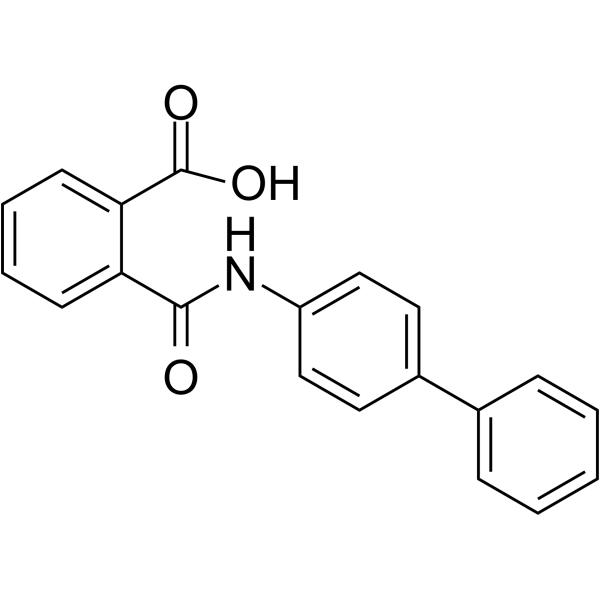
Cat. No.: HY-16268
CAS No.: 4727-31-5
Synonyms: KGN
Target:  

TGF-beta/Smad

Research Areas:  

Inflammation/Immunology

Kartogenin (KGN) is an inducer of chondrogenic tissue formation (EC50: 100 nM). Kartogenin induces chondrogenesis by binding to fibrin A, disrupting its interaction with the transcription factor core binding factor beta subunit (CBFβ), and by modulating the CBFβ-RUNX1 transcriptional program. Kartogenin also promotes tendon-bone junction (TBJ) wound healing by stimulating collagen synthesis. Kartogenin is widely used in cell-free therapy in the field of regeneration for cartilage regeneration and protection, tendon-bone healing, wound healing and limb development. Kartogenin promotes cartilage repair, coordinates limb development, and is also used in osteoarthritis (OA) research .
loading...
    loading...
33
33 Publications Verification
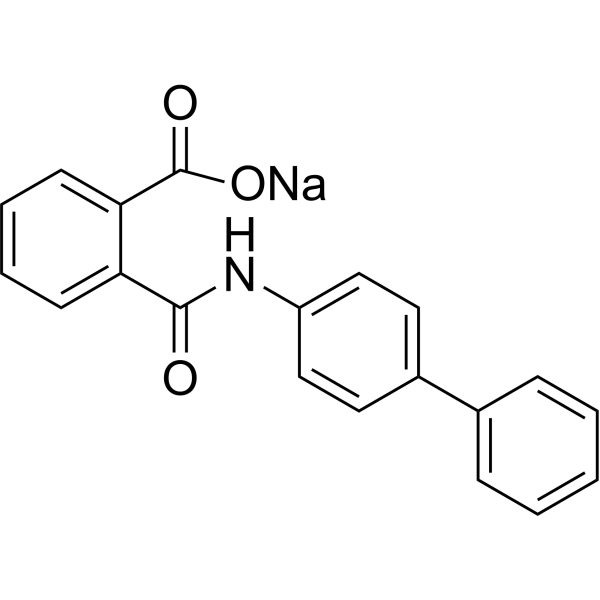
Cat. No.: HY-16268A
CAS No.: 1401168-39-5
Synonyms: KGN sodium
Target:  

TGF-beta/Smad

Research Areas:  

Inflammation/Immunology

Kartogenin (KGN) sodium is an inducer of chondrogenic tissue formation (EC50: 100 nM). Kartogenin sodium induces chondrogenesis by binding to fibrin A, disrupting its interaction with the transcription factor core binding factor beta subunit (CBFβ), and by modulating the CBFβ-RUNX1 transcriptional program. Kartogenin sodium also promotes tendon-bone junction (TBJ) wound healing by stimulating collagen synthesis. Kartogenin sodium is widely used in cell-free therapy in the field of regeneration for cartilage regeneration and protection, tendon-bone healing, wound healing and limb development. Kartogenin sodium promotes cartilage repair, coordinates limb development, and is also used in osteoarthritis (OA) research .
loading...
    loading...
22
22 Cited Publications
Cat. No.: HY-113324
CAS No.: 53-57-6
Purity:  99.49%
NADPH is a coenzyme of glutathione reductase (GR), thioredoxin reductase (TrxR) and NADPH oxidase (NOX), and participates in redox reactions as a hydrogen donor. NADPH has the characteristic of selectively participating in the regulation of cellular redox homeostasis. NADPH exerts antioxidant activity and resists reactive oxygen species (ROS) damage by providing reducing equivalents for the regeneration of glutathione (GSH) and thioredoxin (Trx); at the same time, it acts as a substrate of NOX to generate superoxide anions, mediating oxidative stress and immune response. NADPH participates in maintaining the intracellular reducing environment, biosynthesis and regulating gene expression (such as the Nrf2 pathway), and is mainly used in the study of oxidative stress-related diseases (such as cardiovascular diseases, neurodegenerative diseases, cancer) and immune regulation mechanisms .
loading...
    loading...
13
13 Cited Publications
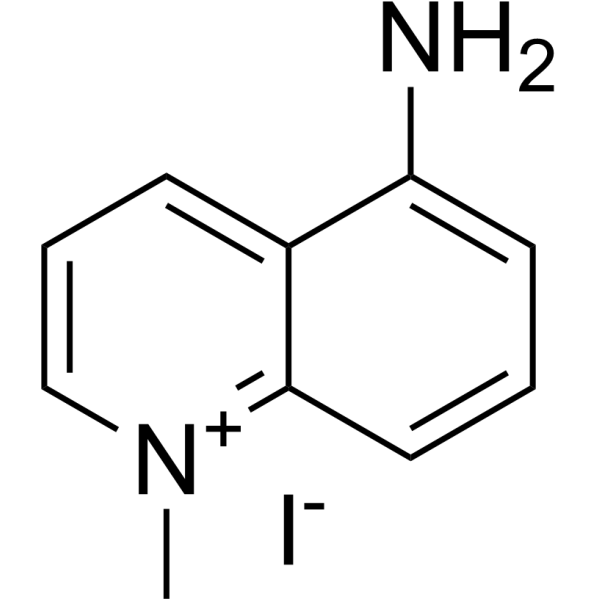
Cat. No.: HY-131042
CAS No.: 42464-96-0
Purity:  99.80%
Research Areas:  

Metabolic Disease

NNMTi is a potent nicotinamide N-methyltransferase (NNMT) inhibitor (IC50=1.2 μM) and selectively binds to the NNMT substrate-binding site residues . NNMTi  promotes myoblast differentiation in vitro and enhances fusion and regenerative capacity of muscle stem cells (muSCs) in aged mice .
loading...
    loading...
11
11 Cited Publications
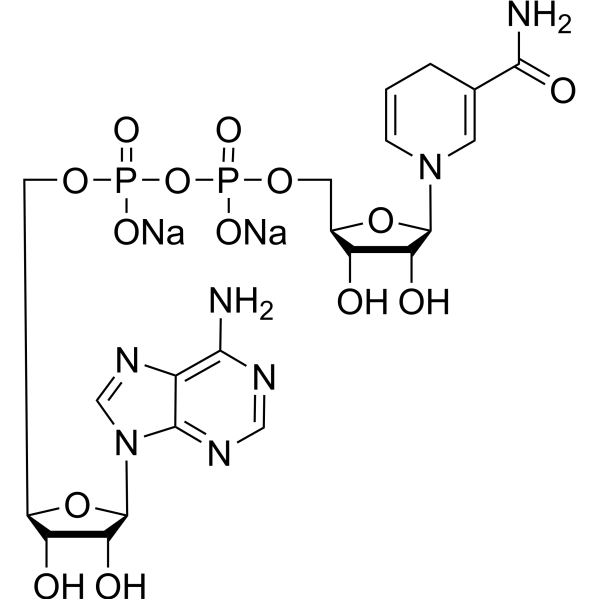
Cat. No.: HY-F0001
CAS No.: 606-68-8
Synonyms: Disodium NADH
NADH disodium salt (Disodium NADH) is an orally effective reduced coenzyme. NADH disodium salt plays a role in regenerating electron donors during cellular energy metabolism, including glycolysis, β-oxidation, and the tricarboxylic acid (TCA) cycle. NADH disodium salt regulates calcium homeostasis by promoting the opening of IP3-gated Ca 2+ channels and inhibiting Ryanodine receptor, and affects mitochondrial function through direct interaction with VDAC. NADH disodium salt is used in cytoprotective studies related to cerebral ischemic injury, neurodegenerative diseases, aging, and signal transduction .
loading...
    loading...
9
9 Cited Publications
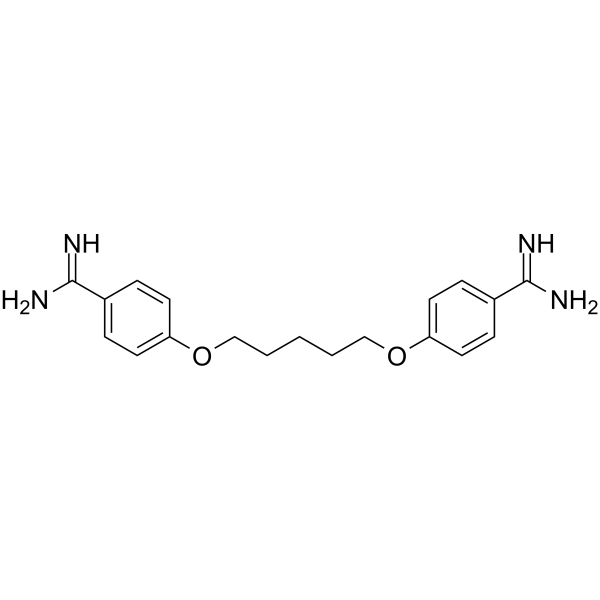
Cat. No.: HY-B0537
CAS No.: 100-33-4
Synonyms: MP-601205
Research Areas:  

Infection Cancer

Pentamidine (MP-601205) is an antimicrobial agent and interferes with DNA biosynthetics. Pentamidine inhibits parasite Leishmania infantum with an IC50 of 2.5 μM. Pentamidine is a potent and selective protein tyrosine phosphatases (PTPases) and phosphatase of regenerating liver (PRL) inhibitor. Pentamidine has the potential for Gambian trypanosomiasis, antimony-resistant leishmaniasis, and Pneumocystis carinii pneumonia treatment. Antitumor and antibacterial activities .
loading...
    loading...
9
9 Cited Publications
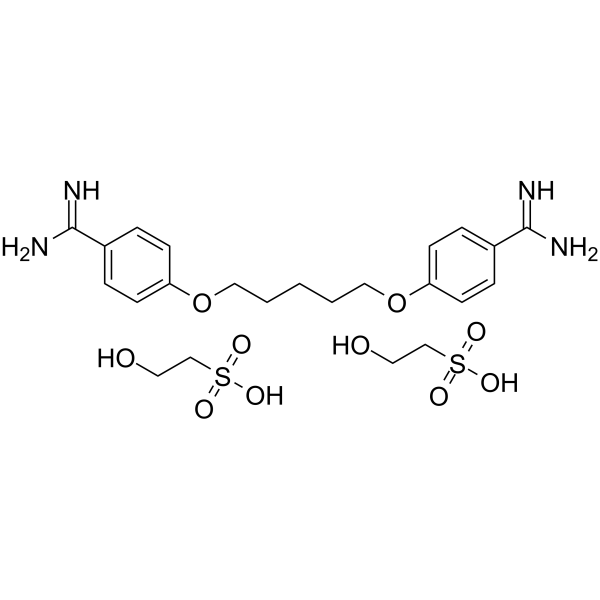
Cat. No.: HY-B0537B
CAS No.: 140-64-7
Synonyms: MP-601205 isethionate
Research Areas:  

Infection Cancer

Pentamidine isethionate (MP-601205 isethionate) is an antimicrobial agent and interferes with DNA biosynthetics. Pentamidine isethionate inhibits parasite Leishmania infantum with an IC50 of 2.5 μM. Pentamidine isethionate is a potent and selective protein tyrosine phosphatases (PTPases) and phosphatase of regenerating liver (PRL) inhibitor. Pentamidine isethionate has the potential for Gambian trypanosomiasis, antimony-resistant leishmaniasis, and Pneumocystis carinii pneumonia treatment. Antitumor and antibacterial activities .
loading...
    loading...
8
8 Cited Publications
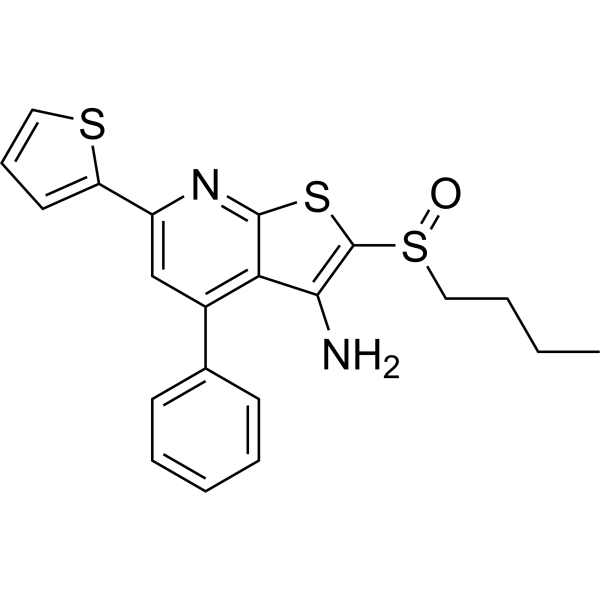
Cat. No.: HY-16968
CAS No.: 459147-39-8
Target:  

15-PGDH

Research Areas:  

Others

SW033291 is a potent and high-affinity inhibitor of 15-PGDH with a Ki of 0.1 nM. SW033291 increases prostaglandin PGE2 levels in bone marrow and other tissues. SW033291 also promotes tissue regeneration .
loading...
    loading...
7
7 Cited Publications
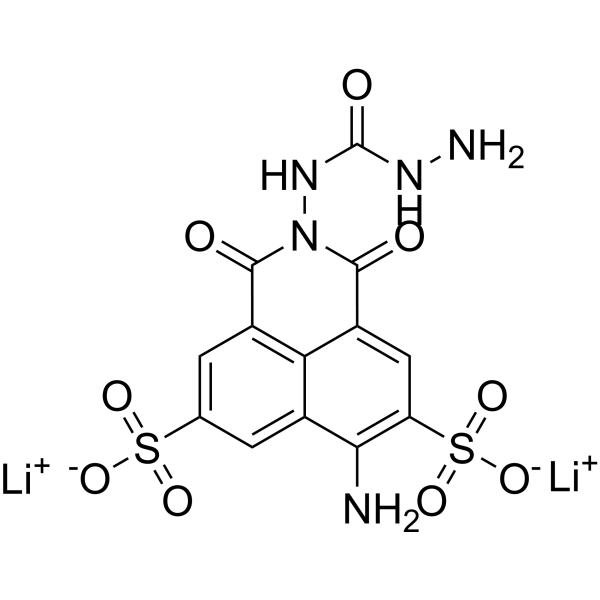
Cat. No.: HY-128692
CAS No.: 67769-47-5
Purity:  99.67%
Luc Yellow CH dilithium is a high-intensity fluorescent probe containing free hydrazyl groups. Luc Yellow CH can react with fatty aldehydes at room temperature. Luc Yellow CH serves as a biological tracer to monitor neuronal branching, regeneration, gap junction detection and characterization, and selective ablation of cells after aldehyde fixation. Luc Yellow CH displays the maximum excitation/emission of 430 nm/540 nm, respectively .
loading...
    loading...
7
7 Cited Publications
Cat. No.: HY-W127715
CAS No.: 71206-95-6
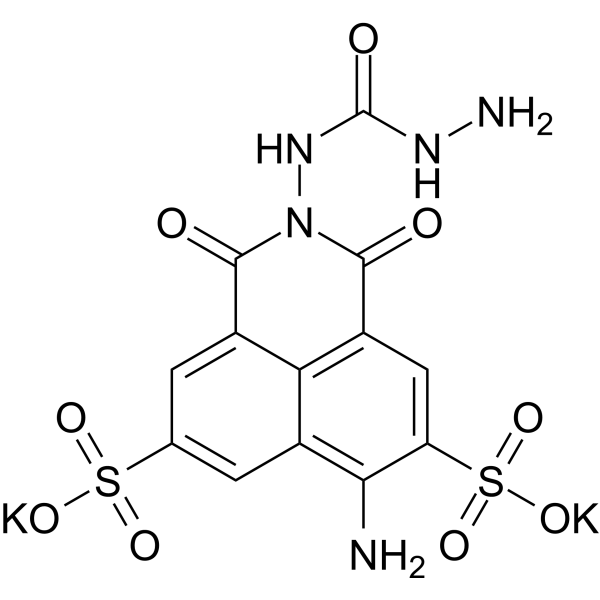
Lucifer Yellow CH dipotassium is a high-intensity fluorescent probe containing free hydrazyl groups. Lucifer Yellow CH can react with fatty aldehydes at room temperature. Lucifer Yellow CH serves as a biological tracer to monitor neuronal branching, regeneration, gap junction detection and characterization, and selective ablation of cells after aldehyde fixation. Lucifer yellow CH displays the maximum excitation/emission of 430 nm/540 nm, respectively .
loading...
    loading...
6
6 Cited Publications
Cat. No.: HY-18312
CAS No.: 1166393-85-6
Target:  

Pyk2

Research Areas:  

Metabolic Disease

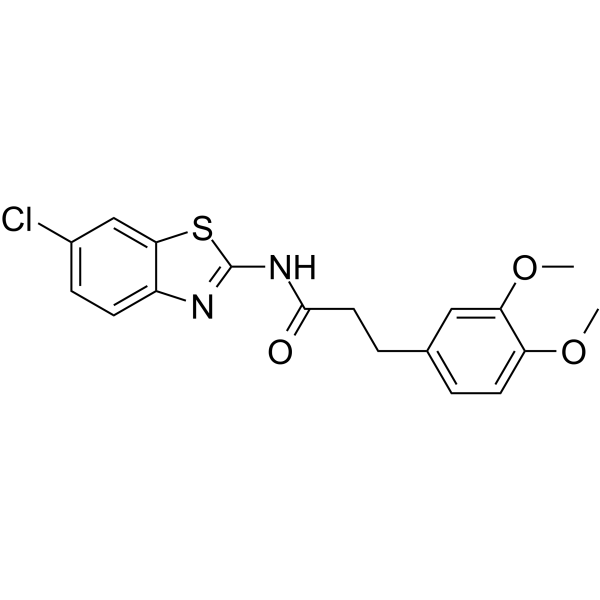
PF-4618433 is a potent and selective PYK2 inhibitor, with an IC50 of 637 nM. PF-4618433 may be suitable for the research of osteoporosis, craniofacial and appendicular skeletal defects and for targeted bone regeneration .
loading...
    loading...
5
5 Cited Publications
Cat. No.: HY-150042
CAS No.: 2687970-96-1
Purity:  99.87%
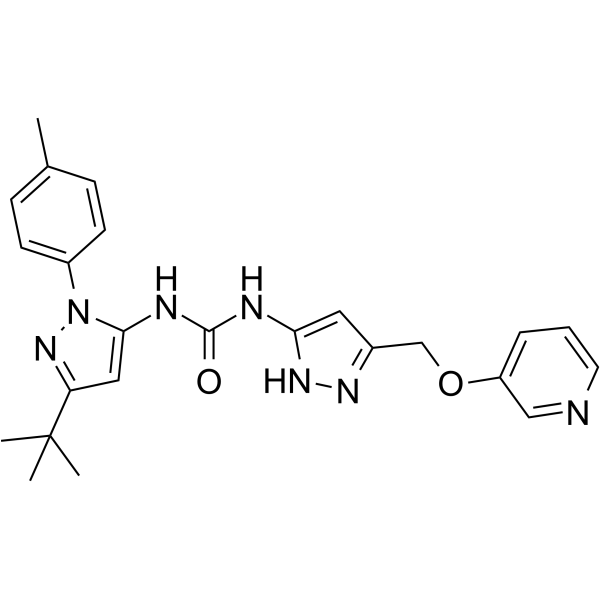
TDI-011536 is a potent Lats kinase inhibitor, interrupts Hippo-Yap signaling and initiates the proliferation of lesioned heartmuscle cells. TDI-011536 can be used in studies of organ conservation and regeneration .
loading...
    loading...
5
5 Cited Publications
Cat. No.: HY-13815
CAS No.: 1118807-13-8
Purity:  99.23%
Target:  

Wnt

Research Areas:  

Cardiovascular Disease

KY02111 is a canonical WNT signaling (β-catenin) inhibitor which promotes differentiation of hPSCs to cardiomyocytes. KY02111 can be used for the research of human cardiomyocyte regeneration .
loading...
    loading...
5
5 Cited Publications
Cat. No.: HY-154848
CAS No.: 2919575-27-0
Purity:  99.98%
Target:  

PI3K Akt

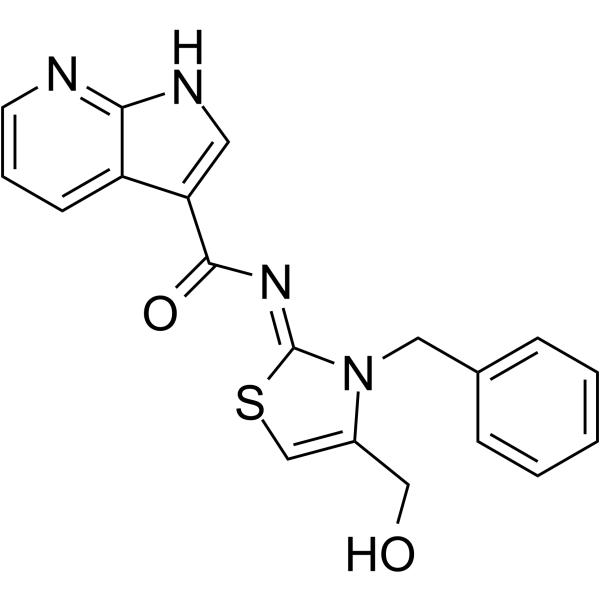
UCL-TRO-1938 is a potent small molecule allosteric activator of PI3Kα with an EC50 value of approximately 60 μM. UCL-TRO-1938 can induce cell proliferation and has cardioprotective effects from ischaemia reperfusion injury and enhances nerve regeneration following nerve crush .
loading...
    loading...
5
5 Cited Publications
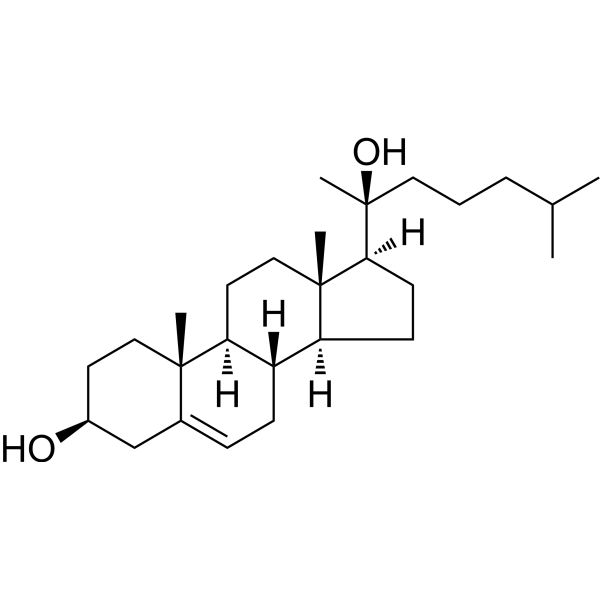
Cat. No.: HY-12316
CAS No.: 516-72-3
Purity:  99.29%
Synonyms: 20α-Hydroxycholesterol
20(S)-Hydroxycholesterol (20α-Hydroxycholesterol) is an allosteric activator that selectively targets the Smoothened (Smo) of the Hedgehog pathway with an EC50 of ~30 μM (Hedgehog). 20(S)-Hydroxycholesterol binds to the extracellular cysteine-rich domain (CRD) of Smo in a stereoselective manner, activating downstream Gli transcription factors (without inducing transcription of receptor genes in the Wnt pathway). 20(S)-Hydroxycholesterol enhances osteogenic differentiation of bone marrow stromal cells and synergistically activates the Raf/MEK/ERK pathway with Simvastatin (HY-17502) to promote bone regeneration. 20(S)-Hydroxycholesterol can be used to study the mechanisms of developmental biology, oncology, bone, and angiogenesis .
loading...
    loading...
4
4 Cited Publications
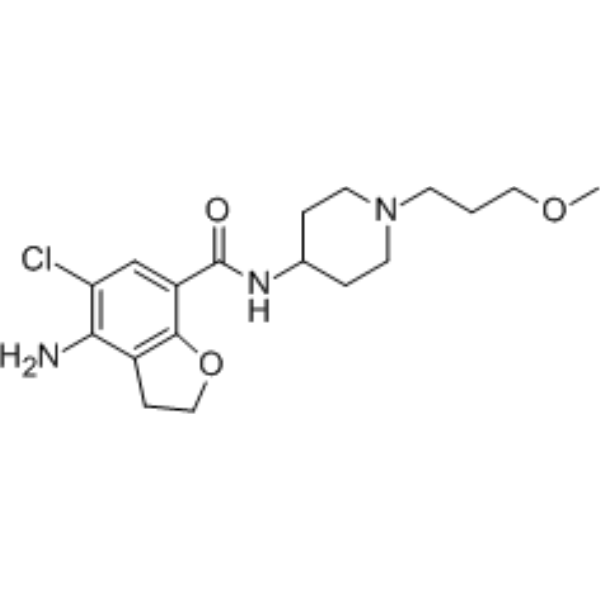
Cat. No.: HY-14151
CAS No.: 179474-81-8
Purity:  99.81%
Research Areas:  

Neurological Disease Cancer

Prucalopride is an orally active, selective and specific 5-HT 4 receptor agonist (high affinity), with pKis of 8.6 and 8.1 for human 5-HT4a/4b receptors, respectively. Prucalopride improves intestinal motility by promoting regeneration of the intestinal nervous system in rats. Prucalopride also shows anticancer activity by blocking of the PI3K/AKT/mTor signaling pathway. Prucalopride can be used in studies of chronic constipation, pseudo-intestinal obstruction and cancer .
loading...
    loading...
4
4 Cited Publications
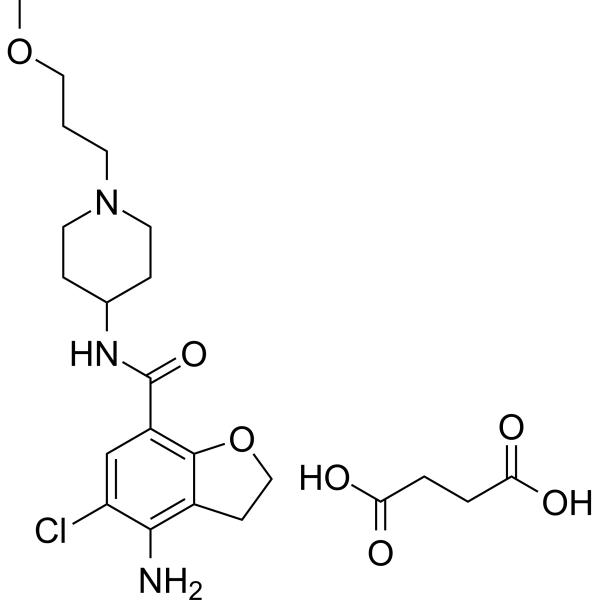
Cat. No.: HY-12694
CAS No.: 179474-85-2
Purity:  99.95%
Synonyms: R-108512
Research Areas:  

Metabolic Disease Cancer

Prucalopride succinate is an orally active, selective and specific 5-HT 4 receptor agonist (high affinity), with pKis of 8.6 and 8.1 for human 5-HT4a/4b receptors, respectively. Prucalopride succinate improves intestinal motility by promoting regeneration of the intestinal nervous system in rats. Prucalopride succinate also shows anticancer activity by blocking of the PI3K/AKT/mTor signaling pathway. Prucalopride succinate can be used in studies of chronic constipation, pseudo-intestinal obstruction and cancer .
loading...
    loading...
3
3 Cited Publications
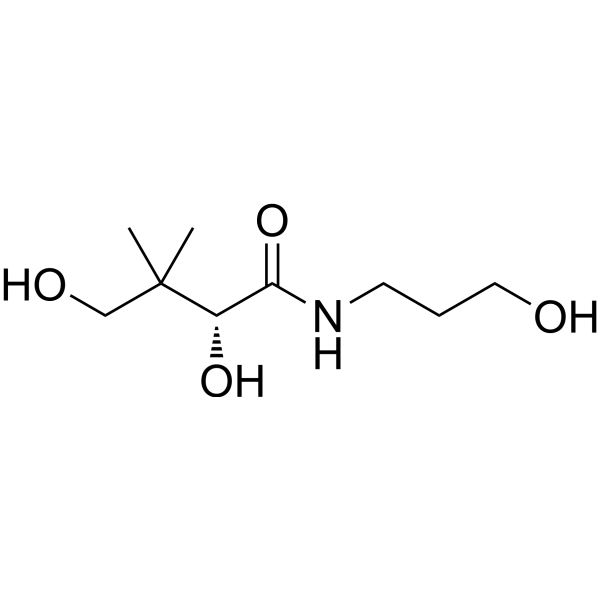
Cat. No.: HY-B1391
CAS No.: 81-13-0
Synonyms: Dexpanthenol
D-Panthenol is the biologically-active alcohol of pantothenic acid, which leads to an elevation in the amount of coenzyme A in the cell. D-panthenol exhibits nephroprotective effect in AKI, promotes tissue repair and regeneration.
loading...
    loading...
3
3 Cited Publications
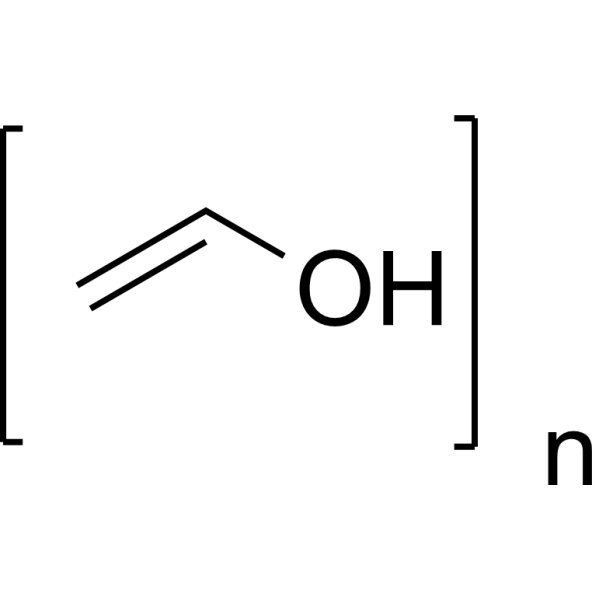
Cat. No.: HY-Y0850
CAS No.: 9002-89-5
Research Areas:  

Neurological Disease

Polyvinyl alcohol (Mw 146000-186000, 99+% hydrolyzed) is a non-biodegradable, hydrophilic, odorless biomedical polymer with cell adhesion/proliferation inhibition, peripheral nerve regeneration induction, dissolution enhancement, and non-toxic, biocompatible properties .
loading...
    loading...
3
3 Cited Publications
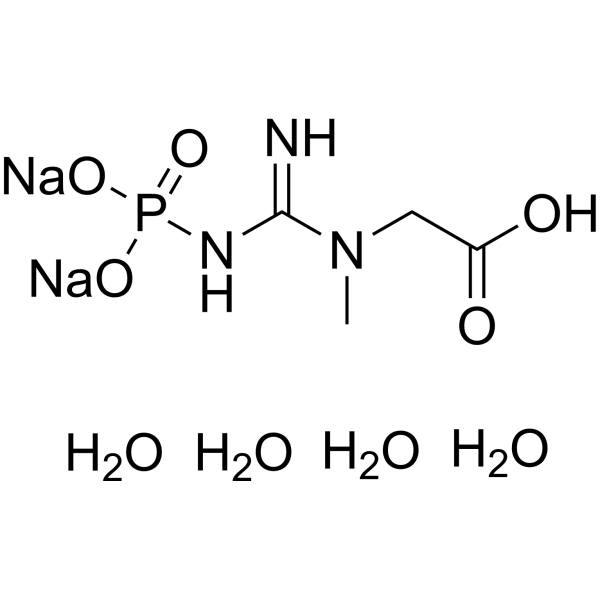
Cat. No.: HY-D0885A
CAS No.: 71519-72-7
Synonyms: Creatine phosphate disodium tetrahydrate; Creatinephosphoric acid disodium tetrahydrate
Phosphocreatine disodium tetrahydrate, primarily found in the skeletal muscles of vertebrates and one of organic compounds known as alpha amino acids and derivatives, is a substrate for the determination of creatine kinase and used to regenerate ATP during skeletal muscle contraction .
loading...
    loading...

