226 Results for "

selective peripheral

" in MedChemExpress (MCE) Product Catalog:
Products (226)

226 Results for "selective peripheral" in MCE Product Catalog:

94
94 Publications Verification
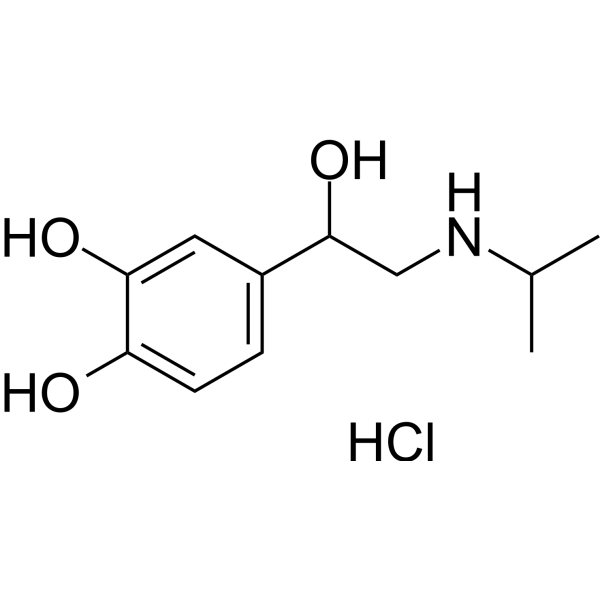
Cat. No.: HY-B0468
CAS No.: 51-30-9
Synonyms: Isoproterenol hydrochloride
Isoprenaline (Isoproterenol) hydrochloride is a non-selective, orally active β-adrenergic receptor agonist. Isoprenaline has potent peripheral vasodilator, bronchodilator, and cardiac stimulating activities. Isoprenaline can be used for the research of bradycardia and bronchial asthma .
loading...
    loading...
94
94 Publications Verification
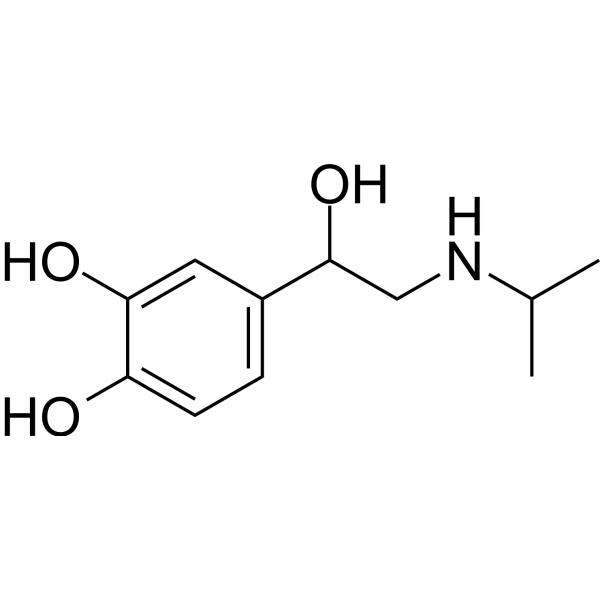
Cat. No.: HY-108353
CAS No.: 7683-59-2
Isoprenaline is a non-selective, orally active β-adrenergic receptor agonist. Isoprenaline has potent peripheral vasodilator, bronchodilator, and cardiac stimulating activities. Isoprenaline can be used for the research of bradycardia and bronchial asthma .
loading...
    loading...
94
94 Publications Verification
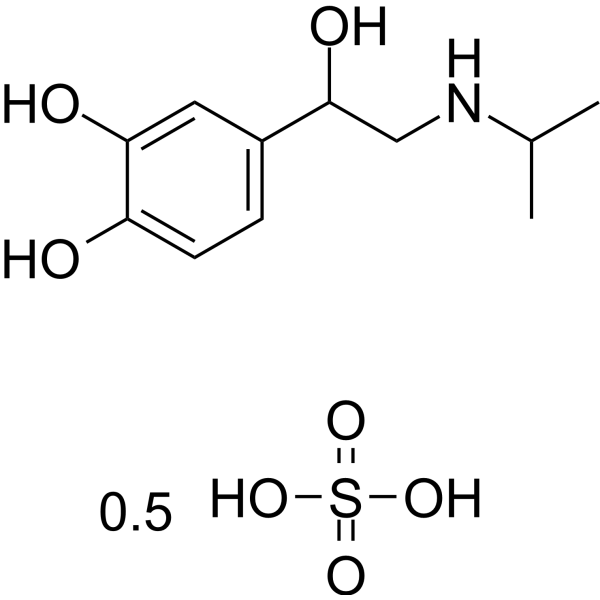
Cat. No.: HY-108353A
CAS No.: 299-95-6
Isoprenaline hemisulfate is a non-selective, orally active β-adrenergic receptor agonist. Isoprenaline has potent peripheral vasodilator, bronchodilator, and cardiac stimulating activities. Isoprenaline can be used for the research of bradycardia and bronchial asthma .
loading...
    loading...
13
13 Cited Publications
Cat. No.: HY-17043
CAS No.: 79794-75-5
Synonyms: Loratidine; SCH 29851
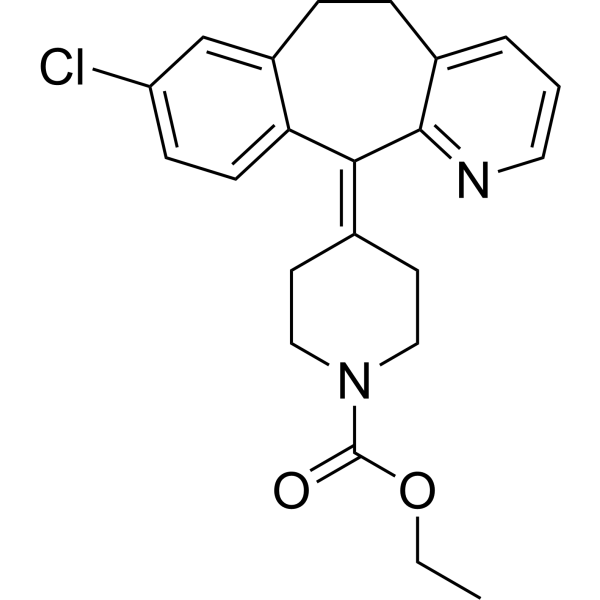
Loratadine (SCH-29851) is a selective inverse peripheral histamine H1-receptor agonist with an IC50 of >32 μM. Loratadine has anti-dengue-virus (DENV) activity. Loratadine can inhibit immunologic release of inflammatory mediators.
loading...
    loading...
13
13 Cited Publications
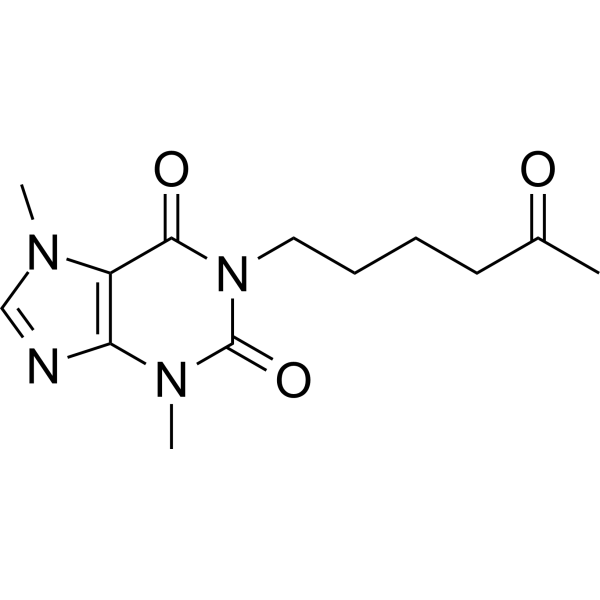
Cat. No.: HY-B0715
CAS No.: 6493-05-6
Synonyms: BL-191; PTX; Oxpentifylline
Pentoxifylline (BL-191), a haemorheological agent, is an orally active non-selective phosphodiesterase (PDE) inhibitor, with immune modulation, anti-inflammatory, hemorheological, anti-fibrinolytic and anti-proliferation effects. Pentoxifylline can be used for the research of peripheral vascular disease, cerebrovascular disease and a number of other conditions involving a defective regional microcirculation .
loading...
    loading...
13
13 Cited Publications
Cat. No.: HY-156131
CAS No.: 53179-11-6
Synonyms: ADL 2-1294
Loperamide (ADL 2-1294) is selective and orally active μ opioid receptor agonist with Ki valuess of 3, 48 and 1156 nM against μ, δ and κ opioid receptor, respectively. Loperamide produces antinociception and antihyperalgesia. Loperamide exhibits peripheral selectivity, enhancing fluid, electrolyte, and glucose absorption, reversing PGE2 (HY-101952)- and Cholera toxin (HY-P1446)-induced intestinal secretion, and reducing intestinal motility. Loperamide can be used for the researches of inflammatory pain and protracted diarrhoea .
loading...
    loading...
11
11 Cited Publications
Cat. No.: HY-B0002
CAS No.: 99614-01-4
Synonyms: GR 38032 hydrochloride; SN 307 hydrochloride
Target:  

5-HT Receptor

Research Areas:  

Neurological Disease

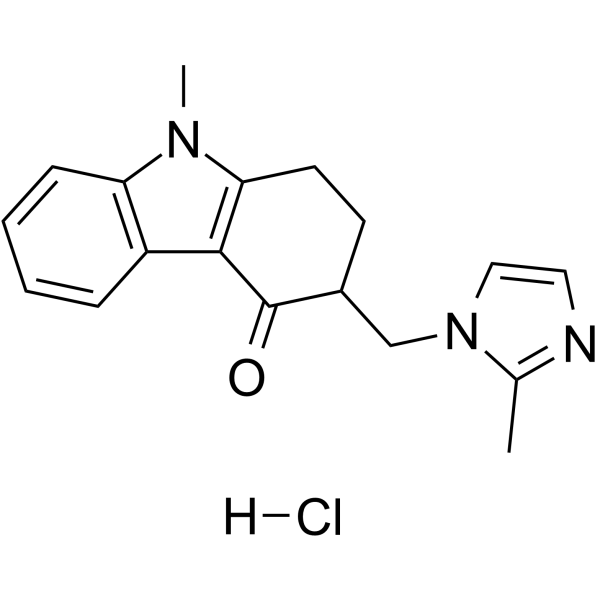
Ondansetron (GR 38032; SN 307) hydrochloride is a highly selective 5-HT3 receptor antagonist with an IC50 value of 103 pM. Ondansetron hydrochloride exerts its antiemetic effect by antagonizing 5-HT receptors located in localized neurons in the peripheral and central nervous systems. Ondansetron hydrochloride can inhibit nausea and vomiting induced by chemotherapy and radiotherapy .
loading...
    loading...
11
11 Cited Publications
Cat. No.: HY-B0002B
CAS No.: 99614-02-5
Synonyms: GR 38032; SN 307
Target:  

5-HT Receptor

Research Areas:  

Neurological Disease

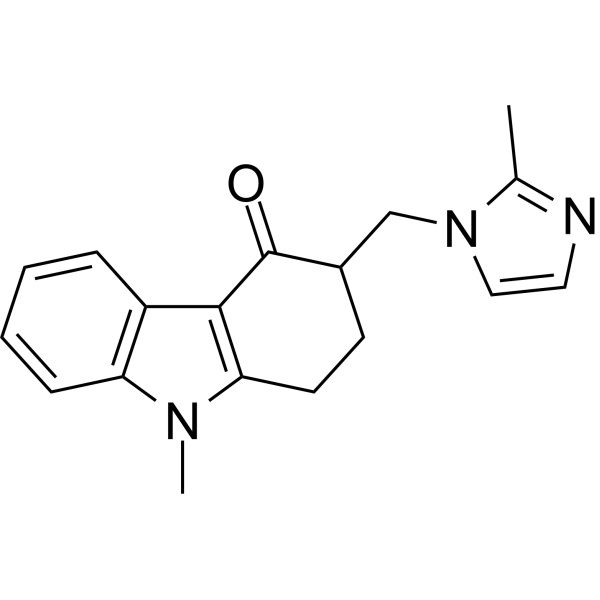
Ondansetron (GR 38032; SN 307) is a highly selective 5-HT3 receptor antagonist with an IC50 value of 103 pM. Ondansetron exerts its antiemetic effect by antagonizing 5-HT receptors located in localized neurons in the peripheral and central nervous systems. Ondansetron can inhibit nausea and vomiting induced by chemotherapy and radiotherapy .
loading...
    loading...
11
11 Cited Publications
Cat. No.: HY-B0002A
CAS No.: 103639-04-9
Synonyms: GR 38032 hydrochloride dihydrate; SN 307 hydrochloride dihydrate
Target:  

5-HT Receptor

Research Areas:  

Neurological Disease

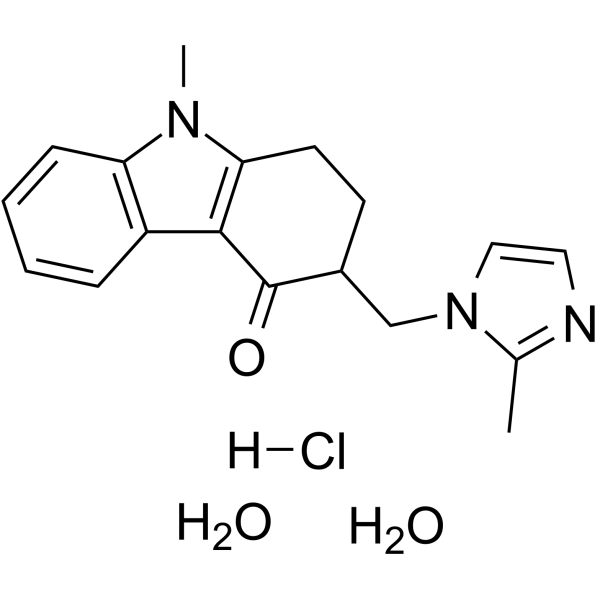
Ondansetron (GR 38032; SN 307) hydrochloride dehydrate is a highly selective 5-HT3 receptor antagonist with an IC50 value of 103 pM. Ondansetron hydrochloride dehydrate exerts its antiemetic effect by antagonizing 5-HT receptors located in localized neurons in the peripheral and central nervous systems. Ondansetron hydrochloride dehydrate can inhibit nausea and vomiting induced by chemotherapy and radiotherapy .
loading...
    loading...
8
8 Cited Publications
Cat. No.: HY-B0362A
CAS No.: 65-28-1
Synonyms: Phentolamine methanesulfonate
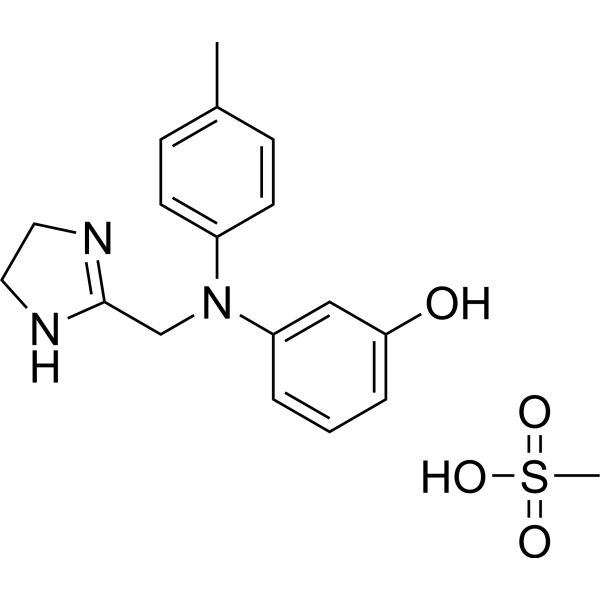
Phentolamine mesylate (Phentolamine methanesulfonate) is a reversible, non-selective, and orally active blocker of α1 and α2 adrenergic receptor that expands blood vessels to reduce peripheral vascular resistance. Phentolamine mesylate can be used for the research of pheochromocytoma-related hypertension, heart failure and erectile dysfunction .
loading...
    loading...
8
8 Cited Publications
Cat. No.: HY-14280
CAS No.: 130929-57-6
Purity:  99.97%
Target:  

COMT

Research Areas:  

Neurological Disease Cancer

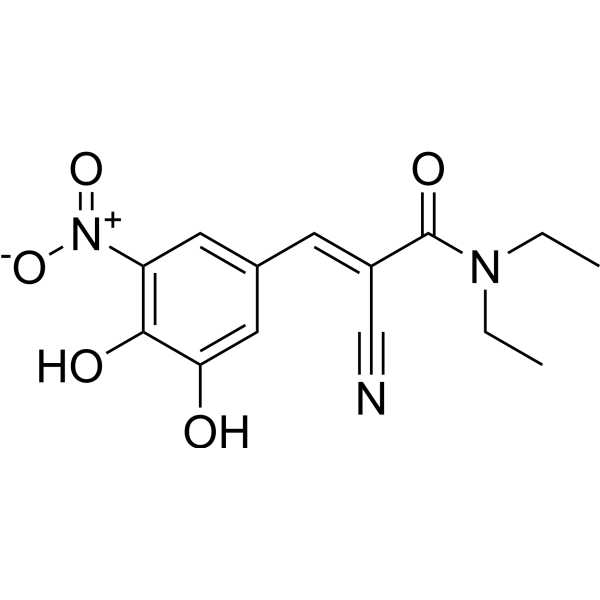
Entacapone is a potent, reversible, peripherally acting and orally active catechol-O-methyltransferase (COMT) inhibitor. Entacapone inhibits COMT from rat brain, erythrocytes and liver with IC50 values of 10 nM, 20 nM, and 160 nM, respectively. Entacapone is selective for COMT over other catecholamine metabolizing enzymes, including MAO-A, MAO-B, phenolsulphotransferase M (PST-M) and PST-P (IC50s>50 μM). Entacapone can be used for the research of Parkinson's disease . Entacapone serves as a inhibitor of FTO demethylation with an IC50 of 3.5 μM, can be used for the research of metabolic disorders .
loading...
    loading...
5
5 Cited Publications
Cat. No.: HY-15322
CAS No.: 1370261-96-3
Purity:  99.38%
Synonyms: P505-15; PRT-2607; BIIB-057
Target:  

Syk Apoptosis Caspase

Research Areas:  

Inflammation/Immunology Cancer

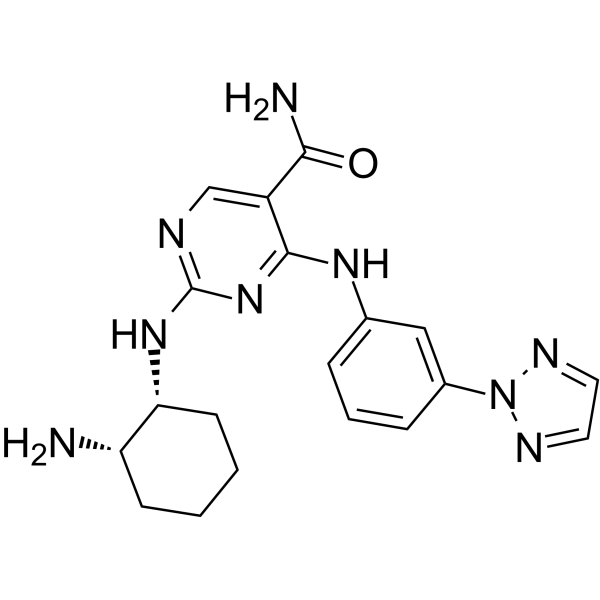
PRT062607 (P505-15; PRT-2607) is an orally active ATP-competitive Syk inhibitor with an IC50 value of 1 nM, and exhibits at least 80-fold selectivity over other kinases. PRT062607 blocks B cell antigen receptor-mediated activation, Fcε receptor 1-mediated basophil degranulation and microglial phagocytosis, and induces caspase-dependent apoptosis and microglial death. PRT062607 inhibits tumor growth and peripheral nerve injury-induced mechanical allodynia, and prevents neuronal loss. PRT062607 can be used in research related to rheumatoid arthritis, chronic lymphocytic leukemia, non-Hodgkin's lymphoma, neurodegenerative diseases and neuropathic pain .
loading...
    loading...
4
4 Cited Publications
Cat. No.: HY-19721
CAS No.: 1235560-28-7
Target:  

Calcium Channel

Research Areas:  

Neurological Disease

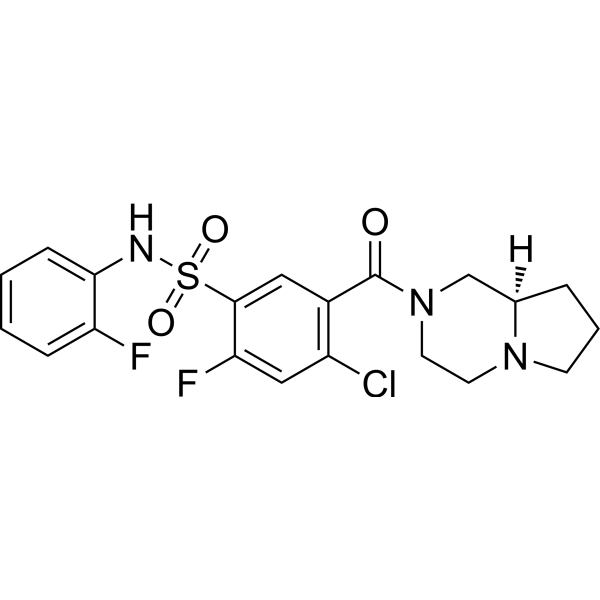
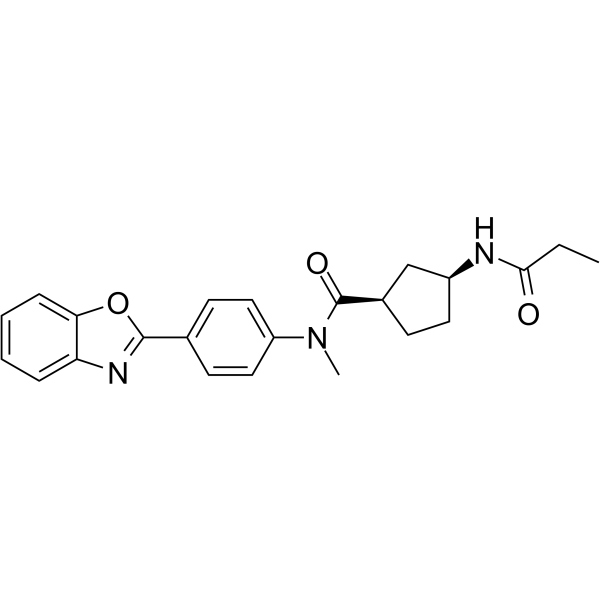
ABT-639 is a novel, peripherally acting, selective T-type Ca 2+ channel blocker.
loading...
    loading...
4
4 Cited Publications
Cat. No.: HY-13106
CAS No.: 1316755-16-4
Purity:  98.89%
Synonyms: EMA401; PD-126055; (S)-EMA400
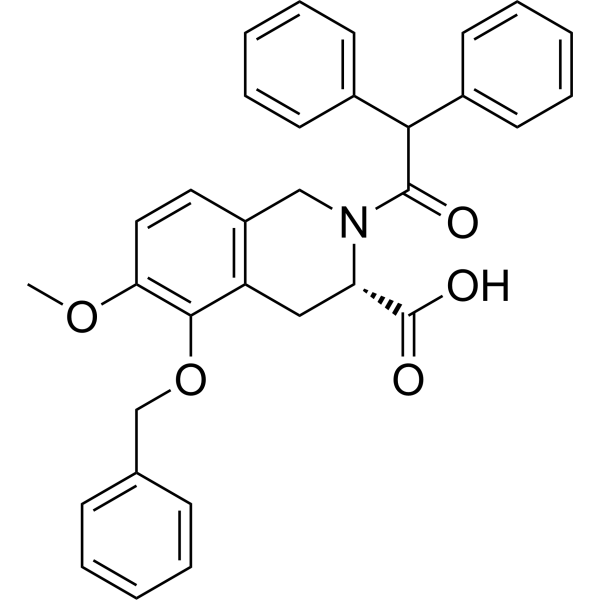
Olodanrigan (EMA401) is a highly selective, orally active, peripherally restricted angiotensin II type 2 receptor (AT2R) antagonist. It is under development as a neuropathic pain therapeutic agent. Olodanrigan (EMA401) analgesic action appears to involve inhibition of augmented AngII/AT2R induced p38 and p42/p44 MAPK activation, and hence inhibition of DRG neuron hyperexcitability and sprouting of DRG neurons .
loading...
    loading...
3
3 Cited Publications
Cat. No.: HY-101176
CAS No.: 93515-00-5
Purity:  ≥99.0%
Target:  

Melatonin Receptor

Research Areas:  

Cancer

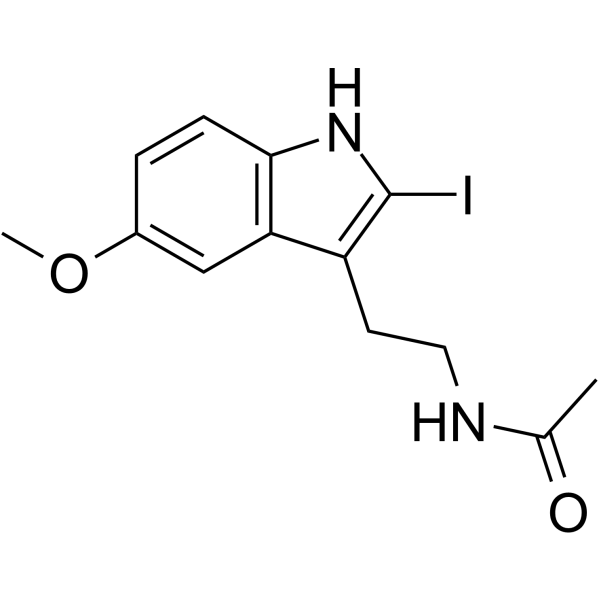
2-Iodomelatonin is a potent agonist of melatonin receptor 1 (MT1) with a Ki value of 28 pM, it is more 5-fold selective for MT1 over MT2 . 2-iodomelatonin can be used to identify, characterize and localize melatonin binding sites in the brain and peripheral tissues .
loading...
    loading...
3
3 Cited Publications
Cat. No.: HY-18977
CAS No.: 1380424-42-9
Target:  

MAGL

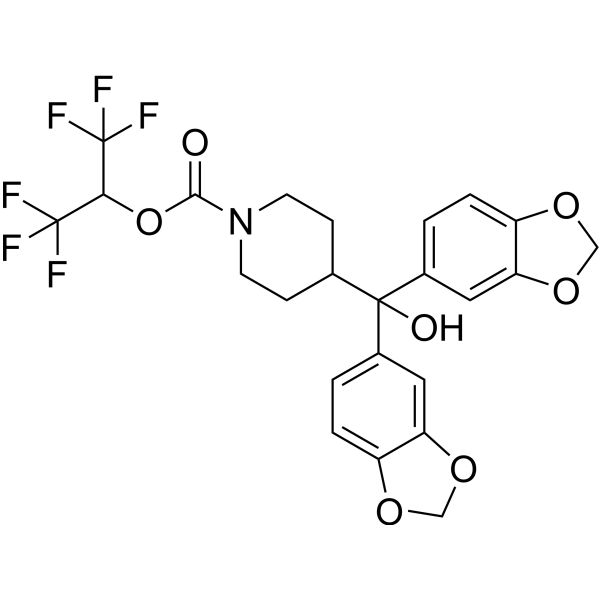
KML29 is an extremely selective, orally active and irreversible MAGL inhibitor, with IC50 values of 15 nM, 43 nM and 5.9 nM for mouse, rat and human MAGL, respectively. KML29 exhibits minimal cross-reactivity toward other central and peripheral serine hydrolases, including no detectable activity against FAAH .
loading...
    loading...
3
3 Cited Publications
Cat. No.: HY-16100
CAS No.: 1291779-76-4
Research Areas:  

Metabolic Disease Cancer

BI 99179, a chemical probe, is a potent and selective type I fatty acid synthase (FAS) inhibitor with an IC50 of 79 nM. BI 99179 is a tool compound suitable for the in vivo validation of FAS as a target for lipid metabolism related diseases. BI 99179 exhibits significant exposure (both peripheral and central) upon oral administration in rats .
loading...
    loading...
3
3 Cited Publications
Cat. No.: HY-19057
CAS No.: 114914-42-0
Synonyms: MK-467; L-659066
Vatinoxan (MK-467) is an alpha 2-adrenergic receptor antagonist. The peripheral selectivity of Vatinoxan determines that it has limited penetration across the blood-brain barrier and therefore has low concentrations in the central nervous system. Vatinoxan antagonizes alpha 2-adrenergic receptor receptors by binding to them, thereby reducing or preventing cardiovascular effects caused by α2-adrenergic agonists. Vatinoxan can be used in studies of cardiovascular effects, sedation and analgesia .
loading...
    loading...
2
2 Cited Publications
Cat. No.: HY-B0311
CAS No.: 28860-95-9
Synonyms: (S)-(-)-Carbidopa
Research Areas:  

Neurological Disease Cancer

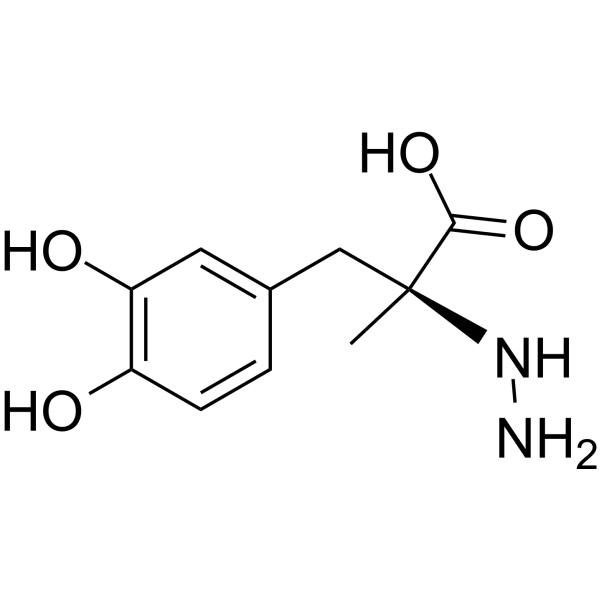
Carbidopa ((S)-(-)-Carbidopa), a peripheral decarboxylase inhibitor, can be used for the research of Parkinson's disease. Carbidopa is a selective aryl hydrocarbon receptor (AhR) modulator. Carbidopa inhibits pancreatic cancer cell and tumor growth .
loading...
    loading...
2
2 Cited Publications
Cat. No.: HY-103210
CAS No.: 40616-75-9
Purity:  ≥98.0%
Synonyms: Neurotoxin DSP 4 hydrochloride
Target:  

Adrenergic Receptor

Research Areas:  

Neurological Disease

DSP-4 hydrochloride is a highly and selective adrenergic neurotoxin. DSP-4 hydrochloride can cross the blood brain barrier. DSP-4 hydrochloride can be used for the temporary selective degradation of the central and peripheral noradrenergic neurons .
loading...
    loading...

