

Search Result
Results for "
soft
" in MedChemExpress (MCE) Product Catalog:
12
Biochemical Assay Reagents
10
Isotope-Labeled Compounds
| Cat. No. |
Product Name |
Target |
Research Areas |
Chemical Structure |
-
- HY-107910
-
|
Hyaluronate 4-glycanohydrolase, Bovine testes; Hyaluronoglucosaminidase, Bovine testes
|
NF-κB
|
Inflammation/Immunology
Cancer
|
|
Hyaluronidase, Bovine testes (Hyaluronate 4-glycanohydrolase; Hyaluronoglucosaminidase) is an endoglycosidase that depolymerizes Hyaluronic acid (HA) (HY-B0633A) by cleavage of glycosidic bonds. Hyaluronidase degrades HA and activates membrane receptors that trigger pathways converging in NF-κB activation. Hyaluronidase is employed in the research of granulomatous foreign body reactions, soft-tissue necrosis caused by vascular compromise and uncomplicated nodules, overcorrection, inflamed nodules or tissue ischemia associated with HA filler injection .
|
-
-
- HY-B0561
-
|
SC9420
|
Mineralocorticoid Receptor
Androgen Receptor
Autophagy
Calcium Channel
|
Cardiovascular Disease
Metabolic Disease
Endocrinology
Cancer
|
|
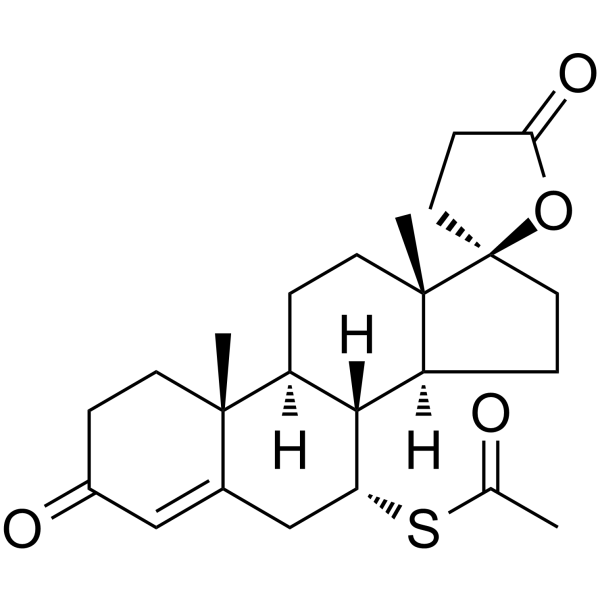
Spironolactone is an aldosterone antagonist that acts on the aldosterone mineralocorticoid receptor (IC50=24 nM) and androgen receptor (IC50=77 nM), promotes podocyte autophagy and regulates pain. Spironolactone improves hypertension-related vascular hypertrophy and remodeling by reducing angiotensin II (Ang II)-induced inflammation, reduces aldosterone-induced vascular and soft tissue calcification through PIT1-dependent signaling, and alleviates vascular dysfunction in type II diabetic mice by reducing oxidative stress and restoring NO/GC signaling; at low concentrations, it and its metabolites can interfere with aldosterone biosynthesis in the adrenal cortex and inhibit voltage-dependent Ca 2+ channels to exert antihypertensive effects .
|
-
-
- HY-19915
-
|
MRX-I
|
Bacterial
Antibiotic
Monoamine Oxidase
|
Infection
Inflammation/Immunology
|
|
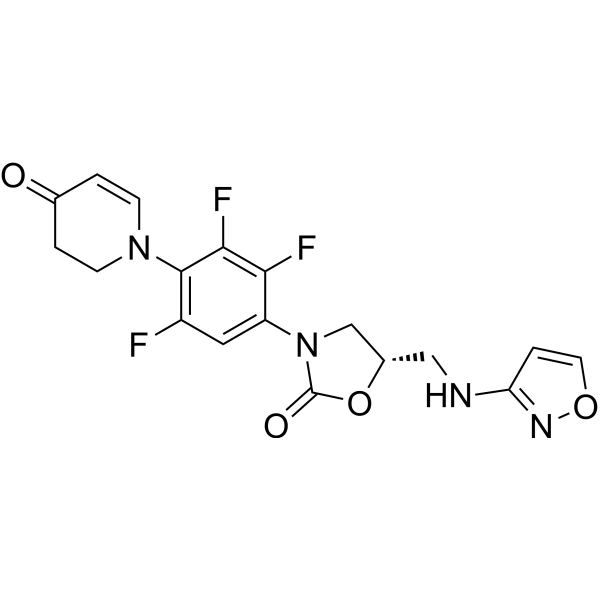
Contezolid (MRX-I), a new and orally active oxazolidinone, is an antibiotic in study for complicated skin and soft tissue infections (cSSTI) caused by resistant Gram-positive bacteria. Contezolid (MRX-I) markedly reduces potential for myelosuppression and monoamine oxidase inhibition (MAOI) .
|
-
-
- HY-112531
-
|
|
Biochemical Assay Reagents
|
Others
|
|
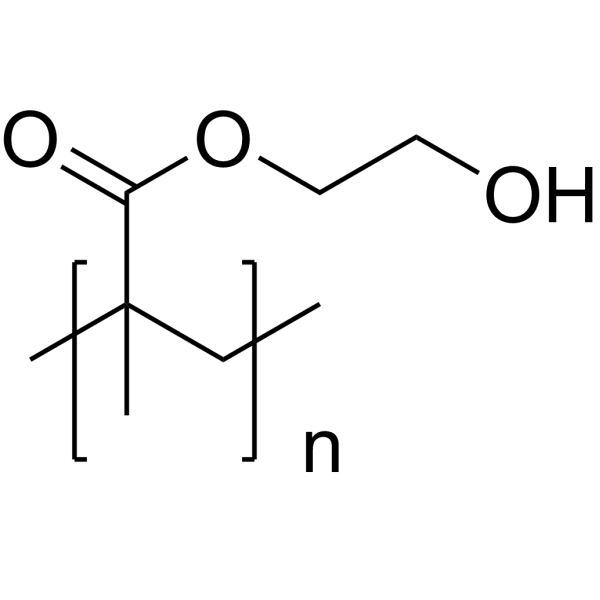
Poly(2-hydroxyethyl methacrylate) (MW 20000) is one of the most important hydrogels in the biomaterials world. Poly(2-hydroxyethyl methacrylate) is the basic component of contact lenses, and is also used in implantation of soft tissues, synthetic transplant for gristle and bone, regeneration of neurotic tissue, transmission of agent and etc .
|
-
-
- HY-B1156
-
|
Cefradine; SQ-11436
|
Bacterial
Antibiotic
TOPK
|
Infection
Inflammation/Immunology
|
|
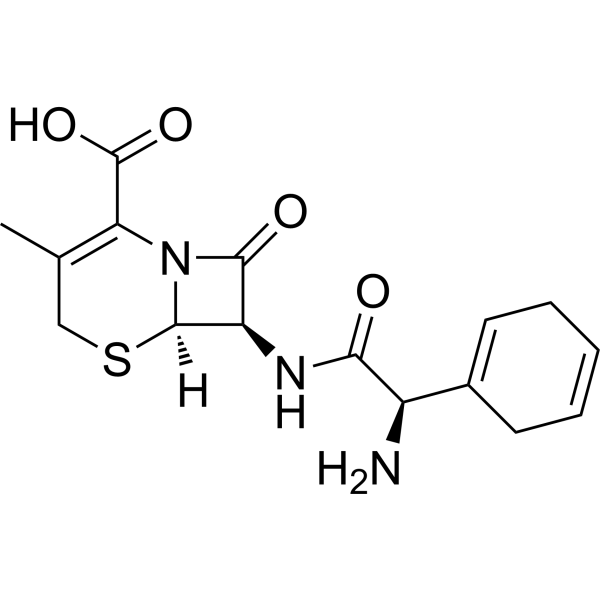
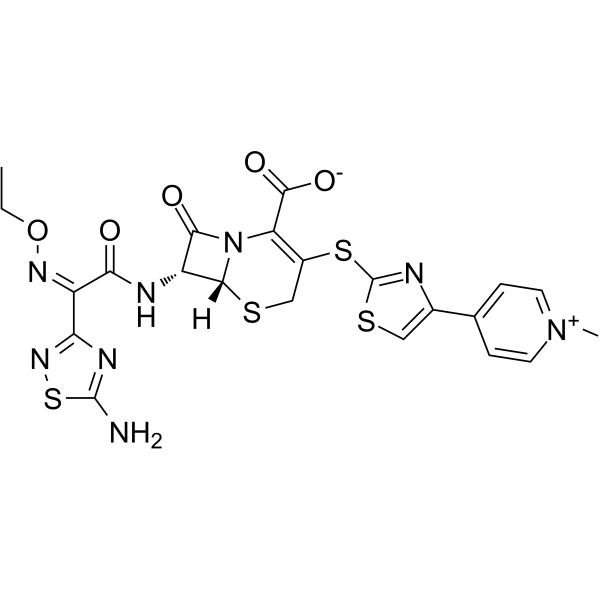
Cephradine (Cefradine) is a broad-spectrum and orally active cephalosporin. Cephradine is active against both gram-positive and gram-negative pathogens. Cephradine is effective in eradicating most penicillinase-producing organisms. Cephradine has been used in the research of genitourinary, gastrointestinal and respiratory tract infections, and in infections of the skin and soft tissues. Cephradine blocks solar-ultraviolet induced skin inflammation through direct inhibition of TOPK .
|
-
-
- HY-B0996
-
|
NSC-17764
|
Bacterial
Fungal
|
Infection
Inflammation/Immunology
|
|
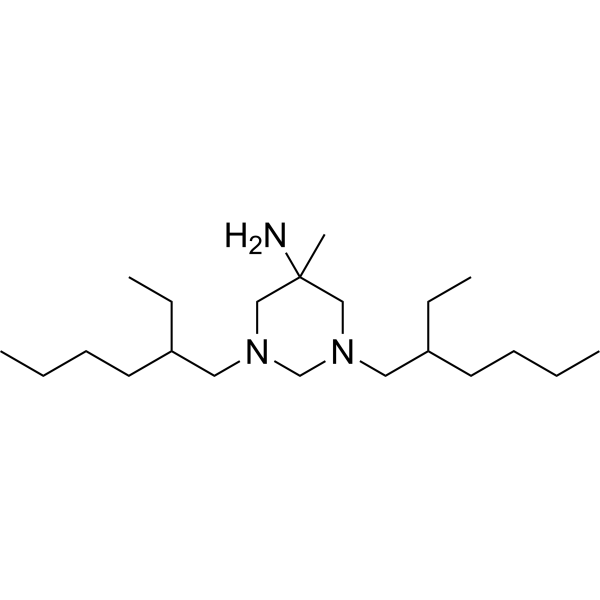
Hexetidine (NSC-17764) is an orally active antibacterial and antifungal agent with broad antibacterial and antifungal activity. Hexetidine combined with IPBC potentiates strong fungal growth inhibition properties. Hexetidine at concentrations greater than 0.1% can cause oral ulceration. Additionally, Hexetidine improves its plaque inhibiting activities combined with zinc and has been confirmed the effectiveness on purulent wound along with ultrasound. Hexetidine is a promising candidate for research in fungus-related diseases and soft tissue purulent-inflammatory
|
-
-
- HY-100897
-
|
|
Thrombin
|
Cardiovascular Disease
|
|
Sulodexide is a mixture of glycosaminoglycans available in soft capsule form for oral administration. It is composed of low molecular weight heparin (80%) and dermatan sulfate (20%). Sulodexide exhibits antithrombotic activity through interaction with antithrombin III (AT III) and heparin cofactor II (HC II), and inhibition of thrombin formation. Sulodexide exhibits profibrinolytic activity through release of tissue plasminogen activator (tPA). Sulodexide exhibits endothelial protective and anti-inflammatory effect, ameliorates chronic venous disease .
Sulodexide is a glycosaminoglycan mixture available in soft gelatin capsule form for oral administration.
|
-
-
- HY-W015650
-
|
|
Drug Derivative
|
Others
|
|
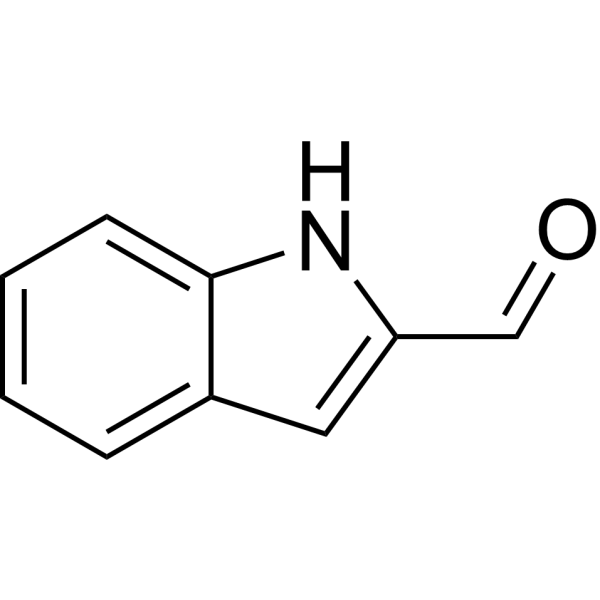
Indole-2-carbaldehyde is an indole derivative that can be used to reduce or remove localized fat deposits and/or tighten loose skin and soft tissues. Indole-2-carbaldehyde can be isolated from the fermentation broth of the coral symbiotic actinomycete Pseudonocardia sp. SCSIO 11457 and is used in cosmetic applications or pharmaceutical production .
|
-
-
- HY-P1698
-
|
AB-103
|
Bacterial
CD28
|
Infection
Inflammation/Immunology
Cancer
|
|
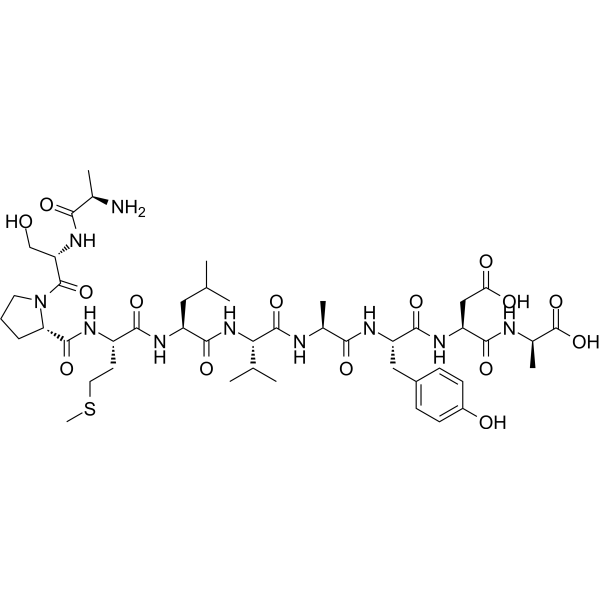
Reltecimod (AB-103) is a T-cell-specific surface glycoprotein CD28 (TP44) antagonist. Reltecimod has beneficial effects against different bacterial infections, their exotoxins and endotoxins, and ionizing radiation. Reltecimod modulates the inflammatory response by targeting and attenuating the critical CD28/B7-2 co-stimulatory pathway, without inhibiting it. Reltecimod can be used to research necrotizing soft-tissue infections (NSTIs) .
|
-
-
- HY-109076
-
|
EBC-46
|
PKC
Caspase
|
Cancer
|
|
Tigilanol tiglate (EBC-46) is a protein kinase C (PKC)/C1 domain activator. Tigilanol tiglate is associated with mitochondrial/endoplasmic reticulum (ER) dysfunction, leading to activation of the unfolded protein response (UPRmt/ER) and subsequent induction of ATP depletion, organelles expansion, Caspase activation, gasdermin E cleavage, and terminal necrosis. Tigilanol tiglate, as a small anti-tumor molecule with immunomodulatory effects, can be used in the study of head and neck squamous cell carcinoma and soft tissue sarcoma .
|
-
-
- HY-N9497
-
|
|
Galectin
Fungal
|
Infection
|
|
Galactinol is a disaccharide carbohydrate serving as a galactosyl donor, which belongs to the raffinose family oligosaccharide pathway and acts as an important osmoprotectant. Galactinol not only induces disease resistance in plants against fungal and bacterial pathogens, but also significantly enhances plant tolerance to abiotic stresses such as drought, high salinity, low temperature and oxidative damage. In addition, Galactinol has the ability to scavenge hydroxyl radicals, can act as a signaling component for root colonization-induced systemic resistance, and is positively correlated with seed longevity in various crops, making it a potential biomarker for evaluating seed vigor. Therefore, Galactinol can be used in the research of various plant diseases including fungal leaf spot, bacterial angular leaf spot, gray mold and soft rot .
|
-
-
- HY-163573
-
|
|
DNA/RNA Synthesis
|
Cancer
|
|
FANCM-BTR PPI-IN-1 (Compound 32) is a FANCM/BTR interaction inhibitor that blocks the localization of FANCM to telomeres. FANCM-BTR PPI-IN-1 exhibits anticancer activity against osteosarcoma .
|
-
-
- HY-17358
-
-
-
- HY-125870
-
|
Agar substitute gelling agent, for cell culture
|
Environmental Pollutants
Biochemical Assay Reagents
|
Inflammation/Immunology
|
|
Gellan gum is a linear microbial exopolysaccharide that can be used as a cell scaffold for both soft tissue and load bearing applications. Gellan gum has many advantages such as biocompatibility, biodegradability, nontoxic in nature, and physical stability in the presence of cations .
|
-
-
- HY-112531A
-
|
|
Biochemical Assay Reagents
|
Others
|
|
Poly(2-hydroxyethyl methacrylate) (MW 1000000) is one of the most important hydrogels in the biomaterials world. Poly(2-hydroxyethyl methacrylate) is the basic component of contact lenses, and is also used in implantation of soft tissues, synthetic transplant for gristle and bone, regeneration of neurotic tissue, transmission of agent and etc .
|
-
-
- HY-128449
-
|
Cefradine monohydrate
|
Bacterial
Antibiotic
TOPK
|
Infection
Inflammation/Immunology
|
|
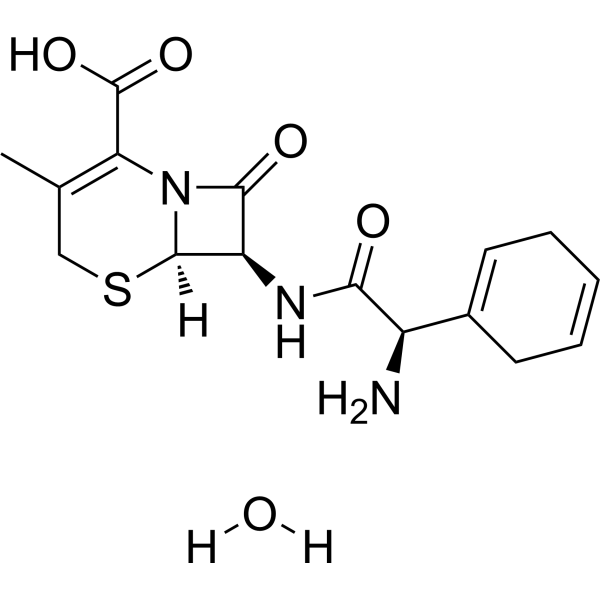
Cephradine (Cefradine) monohydrate is a broad-spectrum and orally active cephalosporin. Cephradine monohydrate is active against both grampositive and gram-negative pathogens and effective in eradicating most penicillinase-producing organisms known to be resistant to penicillin G, penicillin V, and ampicillin. Cephradine monohydrate has been used in the research of genitourinary, gastrointestinal and respiratory tract infections, and in infections of the skin and soft tissues. Cephradine monohydrate blocks solar-ultraviolet induced skin inflammation through direct inhibition of TOPK .
|
-
-
- HY-W115727B
-
|
PAM,Anion,Mw 18 million
|
Biochemical Assay Reagents
|
Others
|
|
Polyacrylamide,Anion,Mw 18 million (PAM,Anion,Mw 18 million) is a multifunctional high molecular weight anionic polyacrylamide copolymer. The anionic properties of Polyacrylamide,Anion,Mw 18 million enable it to be used as a flocculant to achieve charge neutralization and aggregation, while its high molecular weight properties provide viscoelastic properties for fluid applications. Polyacrylamide series materials can maintain enzyme activity in enzyme immobilization, act as drug carriers to achieve controlled release, serve as smart materials responding to temperature/pH stimuli, and be used for in vitro toxin adsorption and soft tissue filling through mechanisms such as physical entrapment, covalent binding or chemical crosslinking. Polyacrylamide finds applications in biomedical engineering, environmental management and industrial applications .
|
-
-
- HY-112531B
-
|
|
Biochemical Assay Reagents
|
Others
|
|
Poly(2-hydroxyethyl methacrylate) (Mv 300000) is a biocompatible, optically transparent, hydrophilic, and non-degradable polymer with excellent cytocompatibility, eliciting a minimal immunological response from host tissue. Poly(2-hydroxyethyl methacrylate) (Mv 300000) can be used for different biomedical applications, such as bone tissue regeneration, wound dressings and drug delivery .
|
-
-
- HY-B1937
-
|
Bio-soft S 101 sodium
|
Environmental Pollutants
Biochemical Assay Reagents
|
Others
|
|
Sodium dodecylbenzenesulfonate (Bio-Soft S 101 sodium) is a nonionic surfactant commonly used in a variety of applications for cleaning and treating industrial equipment. It has good cleaning power and environmental compatibility, and can effectively remove oil, dirt and other forms of contamination. In addition, in textile, paper, leather and other industries, the compound can also be used for fixing and stabilizing dyes and colors. Although the compound has no direct application in the medical field, it plays an important role in industry and laboratory research.
|
-
-
- HY-14957
-
|
T-3912
|
Bacterial
Antibiotic
|
Infection
|
|
Ozenoxacin is a nonfluorinated quinolone antibacterial, which shows potent activities against the main microorganisms isolated from skin and soft tissue infections.
|
-
-
- HY-124757
-
FiVe1
1 Publications Verification
|
Proteasome
Mitosis
|
Cancer
|
|
FiVe1 is a vimentin (VIM) inhibitor. FiVe1 binds to the rod domain of VIM, causing metaphase VIM disassembly and hyperphosphorylation at Ser56, ultimately leading to mitotic catastrophe, multinucleation, and loss of stemness. FiVe1 has anticancer activity against soft tissue sarcomas. FiVe1 increases the sensitivity of ovarian cancer to Cisplatin (HY-17394). FiVe1 can be used for researches of mesenchymal cancers (including breast cancer and soft tissue sarcoma) and ovarian cancers .
|
-
-
- HY-B1257
-
|
Sodium cefmetazole
|
Bacterial
Antibiotic
|
Infection
Cancer
|
|
Cefmetazole sodium (Sodium cefmetazole) is a semisynthetic cephamycin antibiotic with broad-spectrum antibacterial activity, covering gram-positive, gram-negative, and anaerobic bacteria. Cefmetazole sodium binds to penicillin binding proteins (PBPs), resulting in interfering bacterial cell wall biosynthesis. Cefmetazole sodium is used for the research of gynecologic, intraabdominal, urinary tract, respiratory tract and skin and soft tissue infections .
|
-
-
- HY-P1116
-
PBP10
1 Publications Verification
|
Bacterial
Reactive Oxygen Species (ROS)
Interleukin Related
|
Infection
Inflammation/Immunology
|
|
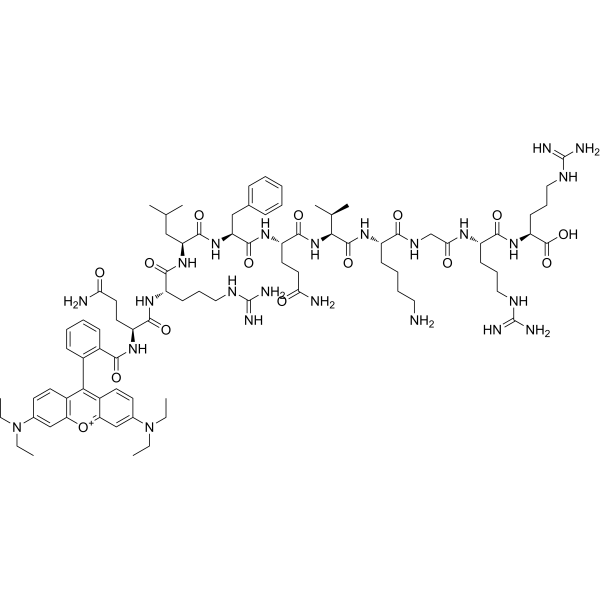
PBP10 is a decapeptide. PBP10 selectively binds to lipoteichoic acid (LTA), lipopolysaccharide (LPS) and phosphatidylinositol-4,5-bisphosphate (PIP2). PBP10 penetrates cell membranes and possesses bactericidal, anti-inflammatory, cell motility-inhibiting and actin assembly-regulating activities. PBP10 is applicable to relevant research on bacterial infections, microbe-induced inflammation, skin and soft tissue infections, as well as sepsis .
|
-
-
- HY-W115727E
-
|
PAM,average Mn 150000
|
Biochemical Assay Reagents
|
Others
|
|
Polyacrylamide, average Mn 150000 (PAM, average Mn 150000) is a versatile, high-molecular-weight polyacrylamide copolymer. Polyacrylamide series materials can maintain enzyme activity in enzyme immobilization, act as drug carriers to achieve controlled release, serve as smart materials responding to temperature/pH stimuli, and be used for in vitro toxin adsorption and soft tissue filling through mechanisms such as physical entrapment, covalent binding or chemical crosslinking. Polyacrylamide finds applications in biomedical engineering, environmental management and industrial applications .
|
-
-
- HY-P5225
-
|
|
PGC-1α
|
Others
|
|
Acetyl hexapeptide-38 is a tissue repair promoter that targets fibroblasts in the dermis of the skin. It works by promoting collagen synthesis in the dermis and thickening of subcutaneous fat. Acetyl hexapeptide-38 can activate the skin repair mechanism, increase the collagen content in the dermis, improve the skin tissue structure, and has the activity of promoting local tissue repair. Acetyl hexapeptide-38 can be used in the field of cosmetic medicine to repair congenital soft tissue defects, reduce tear grooves and nasolabial folds, eliminate postoperative scars, and conduct micro-plastic surgery of skin tissue .
|
-
-
- HY-W115727A
-
|
PAM,Anion,Mw 14-16 million
|
Biochemical Assay Reagents
|
Others
|
|
Polyacrylamide, Anion, Mw 14-16 million is a multifunctional high molecular weight anionic polyacrylamide copolymer. The anionic properties of Polyacrylamide, Anion, Mw 14-16 million enable it to be used as a flocculant to achieve charge neutralization and aggregation, while its high molecular weight properties provide viscoelastic properties for fluid applications. Polyacrylamide series materials can maintain enzyme activity in enzyme immobilization, achieve controlled release as a drug carrier, respond to temperature/pH stimulation as a smart material, and can also be used for in vitro toxin adsorption and soft tissue filling through mechanisms such as physical embedding, covalent bonding or chemical cross-linking. Polyacrylamide can be used in biomedical engineering, environmental management and industrial applications .
|
-
-
- HY-14210
-
|
|
Phosphatase
|
Inflammation/Immunology
|
|
TNAP-IN-1 (Compound 1) is a selective tissue-nonspecific alkaline phosphatase (TNAP) inhibitor, with an IC50 of 0.19 μM. TNAP-IN-1 can be used for the research of soft tissue calcification .
|
-
-
- HY-172663A
-
|
|
DNA/RNA Synthesis
Apoptosis
|
Cancer
|
|
Trabectedin derivative 1 TFA is a selective DNA minor groove binder. Trabectedin derivative 1 TFA inhibits DNA transcription and repair to induce tumor cell apoptosis. Trabectedin derivative 1 TFA is promising for research of solid tumors such as soft tissue sarcoma and ovarian cancer .
|
-
-
- HY-119309
-
|
|
Environmental Pollutants
Biochemical Assay Reagents
|
Others
|
|
Sucrose octaacetate is an acetylated derivative of sucrose with an intensely bitter tasting and can be used as bitter tasting surrogate. Sucrose octaacetate can be used as food additive and also used as an adhesive and plasticizer. Sucrose octaacetate also used in many pesticides, insecticides, and other toxic products as a deterrent to accidental poisoning. Sucrose octaacetate can also be used as an in situ seed and a soft template to synthesize polyaniline (PANI) nanofibers .
|
-
-
- HY-W115727D
-
|
PAM,average Mn 40000
|
Biochemical Assay Reagents
|
Others
|
|
Polyacrylamide (PAM), average Mn 40000 is a versatile, high-molecular-weight polyacrylamide copolymer. Polyacrylamide series materials can maintain enzyme activity in enzyme immobilization, act as drug carriers to achieve controlled release, serve as smart materials responding to temperature/pH stimuli, and be used for in vitro toxin adsorption and soft tissue filling through mechanisms such as physical entrapment, covalent binding or chemical crosslinking. Polyacrylamide finds applications in biomedical engineering, environmental management and industrial applications .
|
-
-
- HY-108297
-
|
|
Drug Intermediate
|
Inflammation/Immunology
|
|
Piketoprofen is a non-steroidal anti-inflammatory reagent that can be used as a cream preparation for the study of soft tissue rheumatism. Piketoprofen-amide is a prodrug of COX-2 inhibitor .
|
-
-
- HY-W115727C
-
|
Acrylamide polymer,Nonionic,Mw 5-6 million
|
Biochemical Assay Reagents
|
Others
|
|
Polyacrylamide (Acrylamide polymer),Nonionic,Mw 5-6 million is a multifunctional, high-molecular-weight nonionic polyacrylamide copolymer. Polyacrylamide-based materials can maintain enzyme activity in enzyme immobilization, act as drug carriers for controlled release, function as smart materials responsive to temperature/pH stimuli, and be applied in in vitro toxin adsorption and soft tissue filling, through action mechanisms such as physical entrapment, covalent binding or chemical crosslinking. Polyacrylamide finds applications in biomedical engineering, environmental management and industrial applications .
|
-
-
- HY-105656
-
|
Hydrocortisone 21-phosphate sodium; Cortisol 21-phosphate sodium
|
Phosphatase
|
Infection
|
|
Hydrocortisone phosphate sodium is a soft steroid with low anti-inflammatory properties and a short duration of action. Hydrocortisone phosphate sodium can be used for the research for several ocular conditions and gastric ulcers .
|
-
-
- HY-W017508
-
|
1,8-Octanediol
|
Biochemical Assay Reagents
|
Others
|
|
1,8-Octanediol can be used to modify polyethersulfone (PES) base membranes to enhance their hemocompatibility. 1,8-Octanediol can synthesize hybrid elastomers for soft and hard tissue regeneration. 1,8-Octanediol can enhance cell biocompatibility .
|
-
-
- HY-B1595
-
|
CS 1170
|
Antibiotic
Bacterial
|
Infection
Cancer
|
|
Cefmetazole (CS 1170) is a semisynthetic cephamycin antibiotic with broad-spectrum antibacterial activity, covering gram-positive, gram-negative and anaerobic bacteria. Cefmetazole binds to penicillin binding proteins (PBPs), resulting in interfering bacterial cell wall biosynthesis. Cefmetazole is used for the research of gynecologic, intraabdominal, urinary tract, respiratory tract and skin and soft tissue infections .
|
-
-
- HY-P1116A
-
|
|
Bacterial
|
Infection
Inflammation/Immunology
|
|
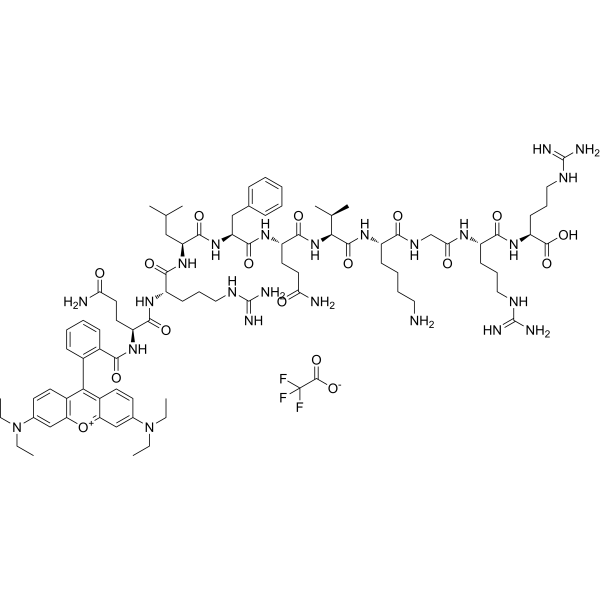
PBP10 TFA is a decapeptide. PBP10 TFA selectively binds to lipoteichoic acid (LTA), lipopolysaccharide (LPS) and phosphatidylinositol-4,5-bisphosphate (PIP2). PBP10 TFA penetrates cell membranes and possesses bactericidal, anti-inflammatory, cell motility-inhibiting and actin assembly-regulating activities. PBP10 TFA is applicable to relevant research on bacterial infections, microbe-induced inflammation, skin and soft tissue infections, as well as sepsis .
|
-
-
- HY-104067
-
|
NASTRp
|
Epigenetic Reader Domain
|
Cancer
|
|
Naphthol AS-MX phosphate (NASTRp) is a small molecule inhibitor of the CREB (cyclic adenosine phosphate reaction element binding protein)-CBP (CREB binding protein) transcription factor complex. Naphthol AS-MX phosphate shows antitumor activity against lung cancer cells, inhibiting tumor cell proliferation (IC50=3.701 μmol/L), colony formation, and anchored independent growth in soft AGAR. Naphthol AS-MX phosphate can be used in the study of KRAS mutated lung cancer, especially for KRAS mutated lung cancer with poor chemotherapy resistance and prognosis .
|
-
-
- HY-17488
-
|
UP 164
|
Others
|
Inflammation/Immunology
|
|
Morniflumate (UP 164) is an orally active nonsteroidal anti-inflammatory agent. Morniflumate can be used in the study of inflammatory diseases such as osteoarthritis, painful musculoskeletal disorders and soft tissue inflammation.
|
-
-
- HY-146453
-
|
|
G protein-coupled Bile Acid Receptor 1
|
Metabolic Disease
|
|
TGR5 Receptor Agonist 3 (Compound 19) is a soft-agent G-protein-coupled bile acid receptor 1 (GPBAR1, TGR5) agonist with reduced gallbladder-filling effects (favorable gallbladder safety), with EC50s of 16.4 and 209 nM for hTGR5 and mTGR5, respectively.
|
-
-
- HY-50936S
-
|
Ecteinascidin 743-d3; ET-743-d3
|
Isotope-Labeled Compounds
Reactive Oxygen Species (ROS)
Apoptosis
|
Inflammation/Immunology
Cancer
|
|
Trabectedin D3 (Ecteinascidin 743 D3) is deuterium labeled Trabectedin. Trabectedin is a tetrahydroisoquinoline alkaloid with potent antitumor activity. Trabectedin binds to the minor groove of DNA, blocks transcription of stress-induced proteins, induces DNA backbone cleavage and cancer cells apoptosis, and increases the generation of ROS in MCF-7 and MDA-MB-453 cells. Trabectedin has tje potential for soft tissue sarcoma and ovarian cancer treatment .
|
-
-
- HY-153335
-
|
|
Phosphodiesterase (PDE)
|
Infection
Cardiovascular Disease
Metabolic Disease
Inflammation/Immunology
Cancer
|
|
Enpp-1-IN-16 (compound 54) is an ENPP1 inhibitor. Enpp-1-IN-16 has the potential to study cancer, especially in cases of high ENPP1 expression or elevated cytoplasmic DNA levels. Enpp-1-IN-16 can also be used in other diseases mediated by ENPP1, such as bacterial or viral infections, insulin resistance and type II diabetes, chondrocalcinosis and osteoarthritis, calcium pyrophosphate deposition disorder (CPPD), low Phosphatase disease and soft tissue calcification disorders .
|
-
-
- HY-17509
-
|
SC 046; SC 46; SC 59046
|
COX
Apoptosis
|
Neurological Disease
Inflammation/Immunology
Cancer
|
|
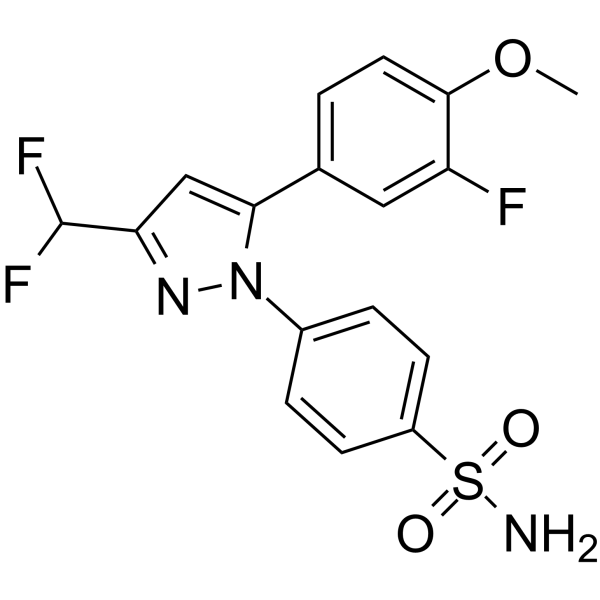
Deracoxib (SC 046; SC 59046), an orally active COX-2 inhibitor, is a veterinary nonsteroidal anti-inflammatory agent used exclusively in dogs. Deracoxib inhibits the COX-2 enzyme to reduce the production of prostaglandins, effectively controlling pain and inflammation after canine soft tissue surgery. Deracoxib reduces the inhibition of COX-1 and lowers the risk of gastrointestinal side effects. Deracoxib induces tumor cell cycle arrest and apoptosis, and shows anti-tumor activity in canine osteosarcoma, breast tumors and bladder transitional cell carcinomas .
|
-
-
- HY-135258
-
|
|
Galectin
Fungal
|
Others
|
|
Galactinol dihydrate is a disaccharide carbohydrate serving as a galactosyl donor, which belongs to the raffinose family oligosaccharide pathway and acts as an important osmoprotectant. Galactinol dihydrate not only induces disease resistance in plants against fungal and bacterial pathogens, but also significantly enhances plant tolerance to abiotic stresses such as drought, high salinity, low temperature and oxidative damage. In addition, Galactinol dihydrate has the ability to scavenge hydroxyl radicals, can act as a signaling component for root colonization-induced systemic resistance, and is positively correlated with seed longevity in various crops, making it a potential biomarker for evaluating seed vigor. Therefore, Galactinol dihydrate can be used in the research of various plant diseases including fungal leaf spot, bacterial angular leaf spot, gray mold and soft rot .
|
-
-
- HY-79572
-
|
|
Parasite
|
Infection
|
|
4-Methyl-3-nitrophenol is a phenolic compound classified as a soft electrophile. 4-Methyl-3-nitrophenol is toxic to ciliates, with a log IC50 value of -3.740 against T. pyriformis .
|
-
-
- HY-19915B
-
|
MRX-4 sodium
|
Bacterial
Antibiotic
Monoamine Oxidase
|
Infection
Inflammation/Immunology
|
|
Contezolid acefosamil sodium (MRX-4), a new and orally active oxazolidinone, is an antibiotic in study for complicated skin and soft tissue infections (cSSTI) caused by resistant Gram-positive bacteria. Contezolid acefosamil sodium (MRX-4) markedly reduces potential for myelosuppression and monoamine oxidase inhibition (MAOI) .
|
-
-
- HY-131707
-
|
|
Phosphodiesterase (PDE)
|
Inflammation/Immunology
|
|
LEO 39652 is a dual-soft PDE4 inhibitor with IC50s of 1.2 nM, 1.2 nM, 3.0 nM and 3.8 nM for PDE4A, PDE4B, PDE4C and PDE4D, respectively. LEO 39652 also inhibits TNF-α with an IC50 value of 6.0 nM. LEO 39652 is used for topical research of Atopic dermatitis (AD) .
|
-
-
- HY-156985
-
|
|
Isotope-Labeled Compounds
Liposome
|
Others
|
|
Lipid AX4 is an ionizable cationic lipid with the pKa of 6.89, and can be used the study for the formation of lipid nanoparticles (LNPs) for the delivery of mRNA in vivo .
|
-
-
- HY-17509S
-
|
SC 046-d3; SC 46-d3; SC 59046-d3
|
Isotope-Labeled Compounds
COX
Apoptosis
|
Neurological Disease
Inflammation/Immunology
Cancer
|
|
Deracoxib-d3 (SC 046-d3; SC 59046-d3) is the deuterium labeled Deracoxib (HY-17509). Deracoxib, an orally active COX-2 inhibitor, is a veterinary nonsteroidal anti-inflammatory agent used exclusively in dogs. Deracoxib inhibits the COX-2 enzyme to reduce the production of prostaglandins, effectively controlling pain and inflammation after canine soft tissue surgery. Deracoxib reduces the inhibition of COX-1 and lowers the risk of gastrointestinal side effects. Deracoxib induces tumor cell cycle arrest and apoptosis, and shows anti-tumor activity in canine osteosarcoma, breast tumors and bladder transitional cell carcinomas.
|
-
-
- HY-100516
-
|
UR-8880
|
COX
Cytochrome P450
|
Inflammation/Immunology
|
|
Cimicoxib (UR-8880) is an orally active, blood-brain barrier-permeable COX-2 inhibitor that also exerts targeted inhibition on CYP2D15. It has an IC50 of 66 nM against hCOX-2, an IC50 of 1.6 μM against canine CYP2D15, and an IC50 of 0.056 μM against feline CYP2D15. By inhibiting the COX-2 pathway to reduce the production of thromboxane B2 and prostaglandin E2, Cimicoxib exerts antipyretic, anti-inflammatory and analgesic effects. Cimicoxib is metabolized by CYP2D15 to form demethyl-cimicoxib, undergoes glucuronidation via UDP-glucuronosyltransferases, and exhibits biphasic elimination kinetics in beagle dogs. Cimicoxib is widely used in studies of inflammatory diseases, osteoarthritis, and perioperative pain associated with orthopedic or soft tissue surgeries .
|
-
-
- HY-P10012
-
|
GYK-DTPA
|
Biochemical Assay Reagents
Radionuclide-Drug Conjugates (RDCs)
|
Cancer
|
|
Pendetide is a chelating agent, can be conjugated with Indium (111In) Capromab for further diagnostic use. Capromab pendetide is a FDA-approved imaging agent for the detection of soft tissue metastases in prostate carcinoma . Pendetide can be used for the synthesis/research of Radionuclide-Drug Conjugates (RDCs).
|
-
- HY-17358S1
-
-
- HY-156511
-
|
|
MNK
|
Cancer
|
|
ETC-168 is a selective and oral active MNK inhibitor with the IC50 values of 23 and 43 nM against MNK1 and MNK2, respectively. ETC-168 shows antiproliferative efficacy in vivo and in vitro .
|
-
- HY-11074
-
|
|
Cholecystokinin Receptor
|
Metabolic Disease
|
CE-326597 is a small molecule agonist of the cholecystokinin A receptor (CCKAR). CE-326597 occupies only the lower half of the TMD pocket and cannot mimic the crucial interaction between CCK-8 and ECL1-3. CE-326597 can be used to study metabolic diseases and gastrointestinal dysfunction .
|
-
- HY-W015487
-
|
Ethyl 3-oxohexanoate
|
Biochemical Assay Reagents
|
Others
|
|
Ethyl butyrylacetate is an organic compound belonging to the class of esters. Synthesized by the reaction of ethyl acetate, butyric acid and acetic anhydride. Ethyl butyrylacetate has a fruity aroma and is commonly used as a flavoring agent in various food and beverages such as candies, ice cream and soft drinks. It is also used as a fragrance ingredient in perfumes and personal care products. In addition to its use in the food and fragrance industries, Ethyl butyrylacetate is also used in industrial settings, such as in the production of solvents.
|
-
- HY-P991084
-
|
|
PD-1/PD-L1
|
Cancer
|
|
TQB-2858 is a bifunctional fusion protein composed of a monoclonal antibody against PD-L1 fused with the extracellular domain of TGF-β receptor. TQB-2858 has a high affinity for PD-L1, TGF-β1, and TGF-β3 and exhibited high PD-L1 target occupancy. TQB-2858 can be used for the study of osteosarcoma and alveolar soft part sarcoma (ASPS) .
|
-
- HY-B0561S4
-
|
|
Isotope-Labeled Compounds
Mineralocorticoid Receptor
Androgen Receptor
Autophagy
Calcium Channel
|
Cardiovascular Disease
Metabolic Disease
Cancer
|
|
Spironolactone-d6-1 is the deuterium labeled Spironolactone (HY-B0561). Spironolactone is an aldosterone antagonist that acts on the aldosterone mineralocorticoid receptor (IC50=24 nM) and androgen receptor (IC50=77 nM), promotes podocyte autophagy and regulates pain. Spironolactone improves hypertension-related vascular hypertrophy and remodeling by reducing angiotensin II (Ang II)-induced inflammation, reduces aldosterone-induced vascular and soft tissue calcification through PIT1-dependent signaling, and alleviates vascular dysfunction in type II diabetic mice by reducing oxidative stress and restoring NO/GC signaling; at low concentrations, it and its metabolites can interfere with aldosterone biosynthesis in the adrenal cortex and inhibit voltage-dependent Ca 2+ channels to exert antihypertensive effects .
|
-
- HY-B1937R
-
|
Bio-soft S 101 sodium (Standard)
|
Biochemical Assay Reagents
Reference Standards
|
Others
|
|
Sodium dodecylbenzenesulfonate (Standard) is the analytical standard of Sodium dodecylbenzenesulfonate. This product is intended for research and analytical applications. Sodium dodecylbenzenesulfonate (Bio-Soft S 101 sodium) is a nonionic surfactant commonly used in a variety of applications for cleaning and treating industrial equipment. It has good cleaning power and environmental compatibility, and can effectively remove oil, dirt and other forms of contamination. In addition, in textile, paper, leather and other industries, the compound can also be used for fixing and stabilizing dyes and colors. Although the compound has no direct application in the medical field, it plays an important role in industry and laboratory research.
|
-
- HY-D0949
-
|
|
Fluorescent Dye
|
Others
|
|
Pyronine B is an organic cationic dye. Pyronin B as a solution-processable and heating-free n-type dopant can be used for soft electronics .
|
-
- HY-126744
-
|
|
Parasite
|
Others
|
|
Juncin E is a diterpenoid found in the soft coral Junceella juncea that exhibits significant insecticidal activity against the larvae of two important agricultural pests: southern corn rootworm and tobacco armyworm [2].
|
-
- HY-124550
-
|
(+)-Sarcophine
|
Endogenous Metabolite
|
Neurological Disease
|
|
Sarcophine ((+)-Sarcophine) is a potent glycine receptor (GlyR) inhibitor with an IC50 value of 3.9 μM. Sarcophine is a nature product that could be isolated form the Red Sea soft coral Sarcophyton glaucum .
|
-
- HY-118951
-
|
|
Bacterial
|
Infection
|
|
VU0038882 is a small-molecule activator of coproporphyrinogen oxidase (CgoX). VU0038882 can activate CgoX from Gram-Positive bacteria in vitro. VU0038882 can be used for the research of skin and soft tissue infections (SSTIs) .
|
-
- HY-RS10804
-
|
|
Small Interfering RNA (siRNA)
|
Others
|
|
POC1A Human Pre-designed siRNA Set A contains three designed siRNAs for POC1A gene (Human), as well as a negative control, a positive control, and a FAM-labeled negative control.
|
-
POC1A Human Pre-designed siRNA Set A
- HY-164128
-
|
|
Bacterial
|
Infection
|
|
AHL modulator-1 is a N-acylated L-homoserine lactone (AHL) modulator that modulating bacteria quorum sensing (QS). AHL modulator-1 can be used for the research of plant soft rot .
|
-
- HY-119309R
-
|
|
Biochemical Assay Reagents
Reference Standards
|
Others
|
|
Sucrose octaacetate (Standard) is the analytical standard of Sucrose octaacetate. This product is intended for research and analytical applications. Sucrose octaacetate is an acetylated derivative of sucrose with an intensely bitter tasting and can be used as bitter tasting surrogate. Sucrose octaacetate can be used as food additive and also used as an adhesive and plasticizer. Sucrose octaacetate also used in many pesticides, insecticides, and other toxic products as a deterrent to accidental poisoning. Sucrose octaacetate can also be used as an in situ seed and a soft template to synthesize polyaniline (PANI) nanofibers .
|
-
- HY-N15602
-
|
|
Glycosidase
NO Synthase
|
Inflammation/Immunology
|
|
Isosojagol (Compound 5) is a α-Glucosidase inhibitor with an IC50 of 32.2 μM. Isosojagol can be isolated from the Roots of Dolichos trilobus. Isosojagol has anti-inflammatory activity and inhibits LPS (HY-D1056A1)-induced NO production in RAW264.7 cells. Isosojagol can be used for fracture, soft tissue injuries and rheumatoid arthritis research .
|
-
- HY-U00203
-
-
- HY-P991356
-
|
LAE-005
|
PD-1/PD-L1
|
Cancer
|
|
FAZ-053 is a human monoclonal antibody (mAb) targeting B7-H1/PD-L1/CD274. FAZ-053 inhibits the interaction of PD-L1 with PD-1 and B7-1 on monocytes, dendritic cells, and B cells. FAZ-053 enhances interleukin 2 production. FAZ-053 can be used in advanced alveolar soft tissue sarcoma (ASPS), chordoma, and triple-negative breast cancer research .
|
-
- HY-108297R
-
|
|
COX
Reference Standards
|
Inflammation/Immunology
|
|
Piketoprofen (Standard) is the analytical standard of Piketoprofen. This product is intended for research and analytical applications. Piketoprofen is a non-steroidal anti-inflammatory reagent that can be used as a cream preparation for the study of soft tissue rheumatism .
|
-
- HY-B0337S
-
|
Sulphadimethoxine-d4
|
Bacterial
|
Infection
|
|
Sulfadimethoxine-d4 is a deuterium labeled Sulfadimethoxine (Sulphadimethoxine). Sulfadimethoxine is a sulfonamide antibiotic used to treat many infections including treatment of respiratory, urinary tract, enteric, and soft tissue infections .
|
-
- HY-14957AS
-
|
T-3912-d3 hydrochloride
|
Antibiotic
Bacterial
|
Inflammation/Immunology
|
|
Ozenoxacin-d3 (hydrochloride) is the deuterium labeled Ozenoxacin hydrochloride. Ozenoxacin hydrochloride is a nonfluorinated quinolone antibacterial, which shows potent activities against the main microorganisms isolated from skin and soft tissue infections .
|
-
- HY-14957R
-
|
T-3912 (Standard)
|
Reference Standards
Bacterial
Antibiotic
|
Infection
|
|
Ozenoxacin (Standard) is the analytical standard of Ozenoxacin. This product is intended for research and analytical applications. Ozenoxacin is a nonfluorinated quinolone antibacterial, which shows potent activities against the main microorganisms isolated from skin and soft tissue infections.
|
-
- HY-14957S
-
|
T-3912-d3
|
Isotope-Labeled Compounds
|
Others
|
|
Ozenoxacin-d3 is the deuterium-labeled Ozenoxacin (HY-14957). Ozenoxacin-d3 is a nonfluorinated quinolone antibacterial, which shows potent activities against the main microorganisms isolated from skin and soft tissue infections.
|
-
- HY-17358S
-
|
|
Glucocorticoid Receptor
|
Inflammation/Immunology
|
|
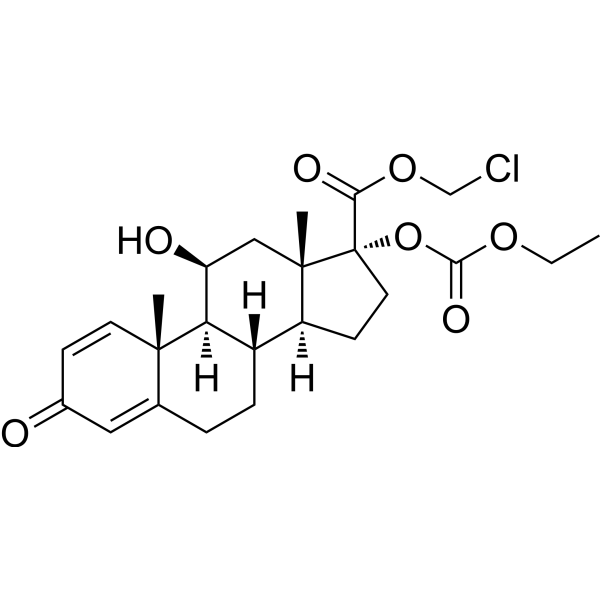
Loteprednol Etabonate-d5 is a deuterium labeled Loteprednol etabonate. Loteprednol etabonate (LE) is an orally active "soft" steroid belonging to a unique class of glucocorticoids. Loteprednol etabonate (LE) exhibits anti-inflammatory activity and has been used in optometry and ophthalmology .
|
-
- HY-100500
-
|
KBT 1585 hydrochloride
|
Penicillin-binding protein (PBP)
Bacterial
|
Infection
Cancer
|
|
Lenampicillin hydrochloride (KBT 1585 hydrochloride) is an orally active proagent of Ampicillin and is an effective beta-lactam antibacterial agent that inhibits bacterial penicillin-binding proteins (transpeptidase). Lenampicillin hydrochloride has improved absorption and decreased side effects compares to Ampicillin and is applied in the investigation of the suppurative skin and soft tissue infection .
|
-
- HY-17358R
-
-
- HY-162908
-
-
- HY-B1156A
-
|
Cefradine sodium; SQ-11436 sodium
|
Bacterial
Antibiotic
TOPK
|
Infection
Inflammation/Immunology
|
|
Cephradine sodium is a broad-spectrum and orally active cephalosporin. Cephradine sodium is active against both gram-positive and gram-negative pathogens. Cephradine sodium is effective in eradicating most penicillinase-producing organisms. Cephradine sodium has been used in the research of genitourinary, gastrointestinal and respiratory tract infections, and in infections of the skin and soft tissues. Cephradine sodium blocks solar-ultraviolet induced skin inflammation through direct inhibition of TOPK .
|
-
- HY-B1257R
-
|
Sodium cefmetazole (Standard)
|
Reference Standards
Bacterial
Antibiotic
|
Infection
Cancer
|
|
Cefmetazole (sodium) (Standard) is the analytical standard of Cefmetazole (sodium). This product is intended for research and analytical applications. Cefmetazole sodium (Sodium cefmetazole) is a semisynthetic cephamycin antibiotic with broad-spectrum antibacterial activity, covering gram-positive, gram-negative, and anaerobic bacteria. Cefmetazole sodium binds to penicillin binding proteins (PBPs), resulting in interfering bacterial cell wall biosynthesis. Cefmetazole sodium is used for the research of gynecologic, intraabdominal, urinary tract, respiratory tract and skin and soft tissue infections .
|
-
- HY-P1698B
-
|
AB-103 TFA
|
Bacterial
CD28
|
Infection
Inflammation/Immunology
Cancer
|
|
Reltecimod (AB-103) TFA is a T-cell-specific surface glycoprotein CD28 (TP44) antagonist. Reltecimod TFA has beneficial effects against different bacterial infections, their exotoxins and endotoxins, and ionizing radiation. Reltecimod TFA modulates the inflammatory response by targeting and attenuating the critical CD28/B7-2 co-stimulatory pathway, without inhibiting it. Reltecimod TFA can be used to research necrotizing soft-tissue infections (NSTIs) .
|
-
- HY-B1156R
-
|
Cefradine (Standard); SQ-11436 (Standard)
|
Reference Standards
Bacterial
Antibiotic
TOPK
|
Infection
Inflammation/Immunology
|
|
Cephradine (Standard) is the analytical standard of Cephradine. This product is intended for research and analytical applications. Cephradine (Cefradine) is a broad-spectrum and orally active cephalosporin. Cephradine is active against both gram-positive and gram-negative pathogens. Cephradine is effective in eradicating most penicillinase-producing organisms. Cephradine has been used in the research of genitourinary, gastrointestinal and respiratory tract infections, and in infections of the skin and soft tissues. Cephradine blocks solar-ultraviolet induced skin inflammation through direct inhibition of TOPK .
|
-
- HY-W715850
-
|
Ethyl 3-oxohexanoate-d5
|
Isotope-Labeled Compounds
Biochemical Assay Reagents
|
Others
|
|
Ethyl butyrylacetate-d5 (Ethyl 3-oxohexanoate-d5) is the deuterium labeled Ethyl butyrylacetate (HY-W015487). Ethyl butyrylacetate is an organic compound belonging to the class of esters. Synthesized by the reaction of ethyl acetate, butyric acid and acetic anhydride. Ethyl butyrylacetate has a fruity aroma and is commonly used as a flavoring agent in various food and beverages such as candies, ice cream and soft drinks. It is also used as a fragrance ingredient in perfumes and personal care products. In addition to its use in the food and fragrance industries, Ethyl butyrylacetate is also used in industrial settings, such as in the production of solvents.
|
-
- HY-17509R
-
|
SC 046 (Standard); SC 46 (Standard); SC 59046 (Standard)
|
Reference Standards
COX
Apoptosis
|
Neurological Disease
Inflammation/Immunology
Cancer
|
|
Deracoxib (SC 046; SC 59046) (Standard) is the analytical standard of Deracoxib (HY-17509). This product is intended for research and analytical applications. Deracoxib, an orally active COX-2 inhibitor, is a veterinary nonsteroidal anti-inflammatory agent used exclusively in dogs. Deracoxib inhibits the COX-2 enzyme to reduce the production of prostaglandins, effectively controlling pain and inflammation after canine soft tissue surgery. Deracoxib reduces the inhibition of COX-1 and lowers the risk of gastrointestinal side effects. Deracoxib induces tumor cell cycle arrest and apoptosis, and shows anti-tumor activity in canine osteosarcoma, breast tumors and bladder transitional cell carcinomas
|
-
- HY-W703540
-
|
SC 046-d4; SC 46-d4; SC 59046-d4
|
Isotope-Labeled Compounds
Apoptosis
COX
|
Neurological Disease
Inflammation/Immunology
Cancer
|
|
Deracoxib-d4 (SC 046-d4; SC 59046--d4) is deuterium labeled Deracoxib (HY-17509). Deracoxib, an orally active COX-2 inhibitor, is a veterinary nonsteroidal anti-inflammatory agent used exclusively in dogs. Deracoxib inhibits the COX-2 enzyme to reduce the production of prostaglandins, effectively controlling pain and inflammation after canine soft tissue surgery. Deracoxib reduces the inhibition of COX-1 and lowers the risk of gastrointestinal side effects. Deracoxib induces tumor cell cycle arrest and apoptosis, and shows anti-tumor activity in canine osteosarcoma, breast tumors and bladder transitional cell carcinomas.
|
-
- HY-100516R
-
|
UR-8880 (Standard)
|
Reference Standards
Cytochrome P450
COX
|
Inflammation/Immunology
|
|
Cimicoxib (Standard) is the analytical standard of Cimicoxib. This product is intended for research and analytical applications. Cimicoxib (UR-8880) is an orally active, blood-brain barrier-permeable COX-2 inhibitor that also exerts targeted inhibition on CYP2D15. It has an IC50 of 66 nM against hCOX-2, an IC50 of 1.6 μM against canine CYP2D15, and an IC50 of 0.056 μM against feline CYP2D15. By inhibiting the COX-2 pathway to reduce the production of thromboxane B2 and prostaglandin E2, Cimicoxib exerts antipyretic, anti-inflammatory and analgesic effects. Cimicoxib is metabolized by CYP2D15 to form demethyl-cimicoxib, undergoes glucuronidation via UDP-glucuronosyltransferases, and exhibits biphasic elimination kinetics in beagle dogs. Cimicoxib is widely used in studies of inflammatory diseases, osteoarthritis, and perioperative pain associated with orthopedic or soft tissue surgeries .
|
-
- HY-106172A
-
|
|
Drug Derivative
|
Cancer
|
|
13-Deoxydoxorubicin (GPX-100) hydrochloride is a non-cardiotoxic analogue of Doxorubicin (HY-15142A). 13-Deoxydoxorubicin hydrochloride can be used in the research of soft tissue sarcoma .
|
-
- HY-17488R
-
|
UP 164 (Standard)
|
Drug Derivative
Reference Standards
|
Inflammation/Immunology
|
|
Morniflumate (Standard) is the analytical standard of Morniflumate. This product is intended for research and analytical applications. Morniflumate (UP 164) is an orally active nonsteroidal anti-inflammatory agent, the β-morpholinoethyl ester of Niflumic acid (HY-B0493). Morniflumate can be used in the study of inflammatory diseases such as osteoarthritis, painful musculoskeletal disorders and soft tissue inflammation.
|
-
- HY-105656R
-
|
Hydrocortisone 21-phosphate sodium (Standard); Cortisol 21-phosphate sodium (Standard)
|
Phosphatase
Reference Standards
|
Infection
|
|
Hydrocortisone phosphate sodium (Standard) is the analytical standard of Hydrocortisone phosphate sodium (HY-105656). This product is intended for research and analytical applications. Hydrocortisone phosphate sodium is a soft steroid with low anti-inflammatory properties and a short duration of action. Hydrocortisone phosphate sodium can be used for the research for several ocular conditions and gastric ulcers .
|
-
- HY-E70119D
-
|
|
Biochemical Assay Reagents
|
Metabolic Disease
|
|
Pectate Lyase, Aspergillus sp. (EC 4.2.2.2) is an enzyme involved in the maceration and soft rotting of plant tissue. Pectate lyase is responsible for the eliminative cleavage of pectate, yielding oligosaccharides with 4-deoxy-α-D-mann-4-enuronosyl groups at their non-reducing ends.
|
-
- HY-E70119C
-
|
|
Biochemical Assay Reagents
|
Metabolic Disease
|
|
Pectate Lyase, Caulobacter crescentus (EC 4.2.2.2) is an enzyme involved in the maceration and soft rotting of plant tissue. Pectate lyase is responsible for the eliminative cleavage of pectate, yielding oligosaccharides with 4-deoxy-α-D-mann-4-enuronosyl groups at their non-reducing ends.
|
-
- HY-E70119B
-
|
|
Biochemical Assay Reagents
|
Metabolic Disease
|
|
Pectate Lyase, Cellvibrio japonicus (EC 4.2.2.2) is an enzyme involved in the maceration and soft rotting of plant tissue. Pectate lyase is responsible for the eliminative cleavage of pectate, yielding oligosaccharides with 4-deoxy-α-D-mann-4-enuronosyl groups at their non-reducing ends.
|
-
- HY-E70119A
-
|
|
Biochemical Assay Reagents
|
Metabolic Disease
|
|
Pectate Lyase, Clostridium acetobutylicum (EC 4.2.2.2) is an enzyme involved in the maceration and soft rotting of plant tissue. Pectate lyase is responsible for the eliminative cleavage of pectate, yielding oligosaccharides with 4-deoxy-α-D-mann-4-enuronosyl groups at their non-reducing ends.
|
-
- HY-N17444
-
|
|
Others
|
Others
|
|
3β-Hydroxy-24-methylenecholest-5-en-7-one (Compound 4) is a steroid found in the soft coral Sinularia nanolobata. 3β-Hydroxy-24-methylenecholest-5-en-7-one does not exhibit cytotoxic activity against human cancer cells .
|
-
- HY-N16462
-
|
|
Bacterial
|
Infection
|
|
2-(2-Heptenyl)-3-methyl-4(1H)-quinolone is a quinoline alkaloid found in Burkholderia sp. VY81. 2-(2-Heptenyl)-3-methyl-4(1H)-quinolone is promising for research of bacterial diseases in rice (e.g., soft rot) and other plant pathogens (e.g., Pythium ultimum, Fusarium oxysporum) .
|
-
- HY-177966
-
|
|
Drug Metabolite
Apoptosis
Reactive Oxygen Species (ROS)
|
Cancer
|
|
ETM-305 is a degradation product of the anticancer agent ET-743 (HY-50936). ET-743 (Ecteinascidin 743; Trabectedin) is a tetrahydroisoquinoline alkaloid that binds to the minor groove of DNA, blocks the transcription of stress-induced proteins, induces DNA backbone cleavage and cancer cell apoptosis, and increases ROS production in MCF-7 and MDA-MB-453 cells. Trabectedin is used in the research of soft tissue sarcoma and ovarian cancer .
|
-
- HY-183100
-
|
|
PROTACs
IKK
Apoptosis
|
Cancer
|
|
UNC8461 is a PROTAC and is negative control CRBN-recruiting PROTAC analog of UNC8209 (HY-183098). UNC8461 features a methyl group substitution on its CRBN ligand to disrupt CRBN binding. UNC8461 fails to reduce TBK1, AAK1, GAK, and AURKA protein levels in renal cancer cells. UNC8461 does not suppress 3-D soft agar colony formation in renal cancer cells, and exerts modest, partial inhibition on colony formation in some renal cancer cells .
|
-
- HY-183053
-
|
|
Bacterial
Dihydrofolate reductase (DHFR)
Antifolate
|
Infection
|
|
UCP1173, propargyl-linked antifolate, is an antibacterial agent. UCP1173 inhibits DHFR enzymes, with IC50 values of 0.014 μM for DfrB, 0.19 μM for DfrG, 0.27 μM for DfrA, and 0.091 μM for DfrK. UCP1173 inhibits growth of Staphylococcus aureus clinical isolates carrying dfrA, dfrG, or dfrK resistance genes. UCP1173 can be used for the research of bacterial infections .
|
-
- HY-182517
-
|
|
TRP Channel
|
Inflammation/Immunology
|
|
AG1529 is a TRPV1 inhibitor and capsaicinoid-based soft agent with a human TRPV1 IC50 of 0.9-0.93 μM. AG1529 reversibly blocks capsaicin-evoked TRPV1 activation, binds to the TRPV1 capsaicin binding site, moderately affects pH-induced TRPV1 gating, and does not alter voltage- or heat-mediated TRPV1 responses. AG1529 suppresses TRPV1-mediated neuronal excitability, reduces capsaicin- and pH-evoked neuronal firing, abolishes histaminergic and inflammation-mediated TRPV1 sensitization. AG1529 exhibits anti-nociceptive and antipruritic effects, attenuates in vivo hyperalgesia and pruritus, dose-dependently reduces acute histaminergic itch in rodents, and mildly blocks hTRPA1 and hTRPM8 channel activity. AG1529 undergoes hydrolysis and dermal deactivation, minimizes TRPV1-associated side reactions, does not evoke capsaicin-like burning sensation, and does not disrupt physiological thermal regulation. AG1529 can be used for the research of inflammatory cutaneous nociception and acute histaminergic pruritus .
|
-
| Cat. No. |
Product Name |
Type |
-
- HY-W015650
-
|
|
Biochemical Assay Reagents
|
|
Indole-2-carbaldehyde is an indole derivative that can be used to reduce or remove localized fat deposits and/or tighten loose skin and soft tissues. Indole-2-carbaldehyde can be isolated from the fermentation broth of the coral symbiotic actinomycete Pseudonocardia sp. SCSIO 11457 and is used in cosmetic applications or pharmaceutical production .
|
-
- HY-N9497
-
|
|
Biochemical Assay Reagents
|
|
Galactinol is a disaccharide carbohydrate serving as a galactosyl donor, which belongs to the raffinose family oligosaccharide pathway and acts as an important osmoprotectant. Galactinol not only induces disease resistance in plants against fungal and bacterial pathogens, but also significantly enhances plant tolerance to abiotic stresses such as drought, high salinity, low temperature and oxidative damage. In addition, Galactinol has the ability to scavenge hydroxyl radicals, can act as a signaling component for root colonization-induced systemic resistance, and is positively correlated with seed longevity in various crops, making it a potential biomarker for evaluating seed vigor. Therefore, Galactinol can be used in the research of various plant diseases including fungal leaf spot, bacterial angular leaf spot, gray mold and soft rot .
|
-
- HY-125870
-
|
Agar substitute gelling agent, for cell culture
|
Biochemical Assay Reagents
|
|
Gellan gum is a linear microbial exopolysaccharide that can be used as a cell scaffold for both soft tissue and load bearing applications. Gellan gum has many advantages such as biocompatibility, biodegradability, nontoxic in nature, and physical stability in the presence of cations .
|
-
- HY-W115727B
-
|
PAM,Anion,Mw 18 million
|
Biochemical Assay Reagents
|
|
Polyacrylamide,Anion,Mw 18 million (PAM,Anion,Mw 18 million) is a multifunctional high molecular weight anionic polyacrylamide copolymer. The anionic properties of Polyacrylamide,Anion,Mw 18 million enable it to be used as a flocculant to achieve charge neutralization and aggregation, while its high molecular weight properties provide viscoelastic properties for fluid applications. Polyacrylamide series materials can maintain enzyme activity in enzyme immobilization, act as drug carriers to achieve controlled release, serve as smart materials responding to temperature/pH stimuli, and be used for in vitro toxin adsorption and soft tissue filling through mechanisms such as physical entrapment, covalent binding or chemical crosslinking. Polyacrylamide finds applications in biomedical engineering, environmental management and industrial applications .
|
-
- HY-B1937
-
|
Bio-soft S 101 sodium
|
Biochemical Assay Reagents
|
|
Sodium dodecylbenzenesulfonate (Bio-Soft S 101 sodium) is a nonionic surfactant commonly used in a variety of applications for cleaning and treating industrial equipment. It has good cleaning power and environmental compatibility, and can effectively remove oil, dirt and other forms of contamination. In addition, in textile, paper, leather and other industries, the compound can also be used for fixing and stabilizing dyes and colors. Although the compound has no direct application in the medical field, it plays an important role in industry and laboratory research.
|
-
- HY-W115727E
-
|
PAM,average Mn 150000
|
Biochemical Assay Reagents
|
|
Polyacrylamide, average Mn 150000 (PAM, average Mn 150000) is a versatile, high-molecular-weight polyacrylamide copolymer. Polyacrylamide series materials can maintain enzyme activity in enzyme immobilization, act as drug carriers to achieve controlled release, serve as smart materials responding to temperature/pH stimuli, and be used for in vitro toxin adsorption and soft tissue filling through mechanisms such as physical entrapment, covalent binding or chemical crosslinking. Polyacrylamide finds applications in biomedical engineering, environmental management and industrial applications .
|
-
- HY-W115727A
-
|
PAM,Anion,Mw 14-16 million
|
Biochemical Assay Reagents
|
|
Polyacrylamide, Anion, Mw 14-16 million is a multifunctional high molecular weight anionic polyacrylamide copolymer. The anionic properties of Polyacrylamide, Anion, Mw 14-16 million enable it to be used as a flocculant to achieve charge neutralization and aggregation, while its high molecular weight properties provide viscoelastic properties for fluid applications. Polyacrylamide series materials can maintain enzyme activity in enzyme immobilization, achieve controlled release as a drug carrier, respond to temperature/pH stimulation as a smart material, and can also be used for in vitro toxin adsorption and soft tissue filling through mechanisms such as physical embedding, covalent bonding or chemical cross-linking. Polyacrylamide can be used in biomedical engineering, environmental management and industrial applications .
|
-
- HY-W115727D
-
|
PAM,average Mn 40000
|
Biochemical Assay Reagents
|
|
Polyacrylamide (PAM), average Mn 40000 is a versatile, high-molecular-weight polyacrylamide copolymer. Polyacrylamide series materials can maintain enzyme activity in enzyme immobilization, act as drug carriers to achieve controlled release, serve as smart materials responding to temperature/pH stimuli, and be used for in vitro toxin adsorption and soft tissue filling through mechanisms such as physical entrapment, covalent binding or chemical crosslinking. Polyacrylamide finds applications in biomedical engineering, environmental management and industrial applications .
|
-
- HY-W115727C
-
|
Acrylamide polymer,Nonionic,Mw 5-6 million
|
Biochemical Assay Reagents
|
|
Polyacrylamide (Acrylamide polymer),Nonionic,Mw 5-6 million is a multifunctional, high-molecular-weight nonionic polyacrylamide copolymer. Polyacrylamide-based materials can maintain enzyme activity in enzyme immobilization, act as drug carriers for controlled release, function as smart materials responsive to temperature/pH stimuli, and be applied in in vitro toxin adsorption and soft tissue filling, through action mechanisms such as physical entrapment, covalent binding or chemical crosslinking. Polyacrylamide finds applications in biomedical engineering, environmental management and industrial applications .
|
-
- HY-W017508
-
|
1,8-Octanediol
|
Biochemical Assay Reagents
|
|
1,8-Octanediol can be used to modify polyethersulfone (PES) base membranes to enhance their hemocompatibility. 1,8-Octanediol can synthesize hybrid elastomers for soft and hard tissue regeneration. 1,8-Octanediol can enhance cell biocompatibility .
|
-
- HY-W015487
-
|
Ethyl 3-oxohexanoate
|
Biochemical Assay Reagents
|
|
Ethyl butyrylacetate is an organic compound belonging to the class of esters. Synthesized by the reaction of ethyl acetate, butyric acid and acetic anhydride. Ethyl butyrylacetate has a fruity aroma and is commonly used as a flavoring agent in various food and beverages such as candies, ice cream and soft drinks. It is also used as a fragrance ingredient in perfumes and personal care products. In addition to its use in the food and fragrance industries, Ethyl butyrylacetate is also used in industrial settings, such as in the production of solvents.
|
-
- HY-B1937R
-
|
Bio-soft S 101 sodium (Standard)
|
Biochemical Assay Reagents
|
|
Sodium dodecylbenzenesulfonate (Standard) is the analytical standard of Sodium dodecylbenzenesulfonate. This product is intended for research and analytical applications. Sodium dodecylbenzenesulfonate (Bio-Soft S 101 sodium) is a nonionic surfactant commonly used in a variety of applications for cleaning and treating industrial equipment. It has good cleaning power and environmental compatibility, and can effectively remove oil, dirt and other forms of contamination. In addition, in textile, paper, leather and other industries, the compound can also be used for fixing and stabilizing dyes and colors. Although the compound has no direct application in the medical field, it plays an important role in industry and laboratory research.
|
| Cat. No. |
Product Name |
Target |
Research Area |
-
- HY-P1698
-
|
AB-103
|
Bacterial
CD28
|
Infection
Inflammation/Immunology
Cancer
|
|
Reltecimod (AB-103) is a T-cell-specific surface glycoprotein CD28 (TP44) antagonist. Reltecimod has beneficial effects against different bacterial infections, their exotoxins and endotoxins, and ionizing radiation. Reltecimod modulates the inflammatory response by targeting and attenuating the critical CD28/B7-2 co-stimulatory pathway, without inhibiting it. Reltecimod can be used to research necrotizing soft-tissue infections (NSTIs) .
|
-
- HY-P1116
-
PBP10
1 Publications Verification
|
Bacterial
Reactive Oxygen Species (ROS)
Interleukin Related
|
Infection
Inflammation/Immunology
|
|
PBP10 is a decapeptide. PBP10 selectively binds to lipoteichoic acid (LTA), lipopolysaccharide (LPS) and phosphatidylinositol-4,5-bisphosphate (PIP2). PBP10 penetrates cell membranes and possesses bactericidal, anti-inflammatory, cell motility-inhibiting and actin assembly-regulating activities. PBP10 is applicable to relevant research on bacterial infections, microbe-induced inflammation, skin and soft tissue infections, as well as sepsis .
|
-
- HY-P5225
-
|
|
PGC-1α
|
Others
|
|
Acetyl hexapeptide-38 is a tissue repair promoter that targets fibroblasts in the dermis of the skin. It works by promoting collagen synthesis in the dermis and thickening of subcutaneous fat. Acetyl hexapeptide-38 can activate the skin repair mechanism, increase the collagen content in the dermis, improve the skin tissue structure, and has the activity of promoting local tissue repair. Acetyl hexapeptide-38 can be used in the field of cosmetic medicine to repair congenital soft tissue defects, reduce tear grooves and nasolabial folds, eliminate postoperative scars, and conduct micro-plastic surgery of skin tissue .
|
-
- HY-P1116A
-
|
|
Bacterial
|
Infection
Inflammation/Immunology
|
|
PBP10 TFA is a decapeptide. PBP10 TFA selectively binds to lipoteichoic acid (LTA), lipopolysaccharide (LPS) and phosphatidylinositol-4,5-bisphosphate (PIP2). PBP10 TFA penetrates cell membranes and possesses bactericidal, anti-inflammatory, cell motility-inhibiting and actin assembly-regulating activities. PBP10 TFA is applicable to relevant research on bacterial infections, microbe-induced inflammation, skin and soft tissue infections, as well as sepsis .
|
-
- HY-P2632A
-
|
RADA16 hydrochloride
|
Peptides
|
Neurological Disease
|
|
RAD16-I hydrochloride, a soft nanofibrous self-assembling peptide, is a suitable microenvironment for human mesenchymal stem cells’ (hMSC) proliferation and differentiation into chondrocytes . RAD16-I is a well-studied ionic complementary peptide was used as a model to check potential amyloid-like staining properties of SAPNFs .
|
-
- HY-P10012
-
|
GYK-DTPA
|
Biochemical Assay Reagents
Radionuclide-Drug Conjugates (RDCs)
|
Cancer
|
|
Pendetide is a chelating agent, can be conjugated with Indium (111In) Capromab for further diagnostic use. Capromab pendetide is a FDA-approved imaging agent for the detection of soft tissue metastases in prostate carcinoma . Pendetide can be used for the synthesis/research of Radionuclide-Drug Conjugates (RDCs).
|
-
- HY-P1698B
-
|
AB-103 TFA
|
Bacterial
CD28
|
Infection
Inflammation/Immunology
Cancer
|
|
Reltecimod (AB-103) TFA is a T-cell-specific surface glycoprotein CD28 (TP44) antagonist. Reltecimod TFA has beneficial effects against different bacterial infections, their exotoxins and endotoxins, and ionizing radiation. Reltecimod TFA modulates the inflammatory response by targeting and attenuating the critical CD28/B7-2 co-stimulatory pathway, without inhibiting it. Reltecimod TFA can be used to research necrotizing soft-tissue infections (NSTIs) .
|
| Cat. No. |
Product Name |
Target |
Research Area |
Image |
-
- HY-P991084
-
|
|
PD-1/PD-L1
|
Cancer
|
|
TQB-2858 is a bifunctional fusion protein composed of a monoclonal antibody against PD-L1 fused with the extracellular domain of TGF-β receptor. TQB-2858 has a high affinity for PD-L1, TGF-β1, and TGF-β3 and exhibited high PD-L1 target occupancy. TQB-2858 can be used for the study of osteosarcoma and alveolar soft part sarcoma (ASPS) .
|
-
(5)
-
- HY-P991356
-
|
LAE-005
|
PD-1/PD-L1
|
Cancer
|
|
FAZ-053 is a human monoclonal antibody (mAb) targeting B7-H1/PD-L1/CD274. FAZ-053 inhibits the interaction of PD-L1 with PD-1 and B7-1 on monocytes, dendritic cells, and B cells. FAZ-053 enhances interleukin 2 production. FAZ-053 can be used in advanced alveolar soft tissue sarcoma (ASPS), chordoma, and triple-negative breast cancer research .
|
-
(5)
| Cat. No. |
Product Name |
Category |
Target |
Chemical Structure |
-
- HY-N9497
-
|
|
Source Classification
|
Galectin
Fungal
|
|
Galactinol is a disaccharide carbohydrate serving as a galactosyl donor, which belongs to the raffinose family oligosaccharide pathway and acts as an important osmoprotectant. Galactinol not only induces disease resistance in plants against fungal and bacterial pathogens, but also significantly enhances plant tolerance to abiotic stresses such as drought, high salinity, low temperature and oxidative damage. In addition, Galactinol has the ability to scavenge hydroxyl radicals, can act as a signaling component for root colonization-induced systemic resistance, and is positively correlated with seed longevity in various crops, making it a potential biomarker for evaluating seed vigor. Therefore, Galactinol can be used in the research of various plant diseases including fungal leaf spot, bacterial angular leaf spot, gray mold and soft rot .
|
-
-
- HY-126744
-
-
-
- HY-124550
-
-
-
- HY-N15602
-
-
-
- HY-N17444
-
-
-
- HY-N16462
-
|
|
Natural Products
Microorganisms
Source Classification
|
Bacterial
|
|
2-(2-Heptenyl)-3-methyl-4(1H)-quinolone is a quinoline alkaloid found in Burkholderia sp. VY81. 2-(2-Heptenyl)-3-methyl-4(1H)-quinolone is promising for research of bacterial diseases in rice (e.g., soft rot) and other plant pathogens (e.g., Pythium ultimum, Fusarium oxysporum) .
|
-
| Cat. No. |
Product Name |
Chemical Structure |
-
- HY-50936S
-
|
|
|
Trabectedin D3 (Ecteinascidin 743 D3) is deuterium labeled Trabectedin. Trabectedin is a tetrahydroisoquinoline alkaloid with potent antitumor activity. Trabectedin binds to the minor groove of DNA, blocks transcription of stress-induced proteins, induces DNA backbone cleavage and cancer cells apoptosis, and increases the generation of ROS in MCF-7 and MDA-MB-453 cells. Trabectedin has tje potential for soft tissue sarcoma and ovarian cancer treatment .
|
-
-
- HY-17509S
-
|
|
|
Deracoxib-d3 (SC 046-d3; SC 59046-d3) is the deuterium labeled Deracoxib (HY-17509). Deracoxib, an orally active COX-2 inhibitor, is a veterinary nonsteroidal anti-inflammatory agent used exclusively in dogs. Deracoxib inhibits the COX-2 enzyme to reduce the production of prostaglandins, effectively controlling pain and inflammation after canine soft tissue surgery. Deracoxib reduces the inhibition of COX-1 and lowers the risk of gastrointestinal side effects. Deracoxib induces tumor cell cycle arrest and apoptosis, and shows anti-tumor activity in canine osteosarcoma, breast tumors and bladder transitional cell carcinomas.
|
-
-
- HY-17358S1
-
|
|
|
Loteprednol Etabonate-d3 is the deuterium labeled Loteprednol Etabonate. Loteprednol etabonate (LE) is an orally active "soft" steroid belonging to a unique class of glucocorticoids. Loteprednol etabonate (LE) exhibits anti-inflammatory activity and has been used in optometry and ophthalmology .
|
-
-
- HY-B0561S4
-
|
|
|
Spironolactone-d6-1 is the deuterium labeled Spironolactone (HY-B0561). Spironolactone is an aldosterone antagonist that acts on the aldosterone mineralocorticoid receptor (IC50=24 nM) and androgen receptor (IC50=77 nM), promotes podocyte autophagy and regulates pain. Spironolactone improves hypertension-related vascular hypertrophy and remodeling by reducing angiotensin II (Ang II)-induced inflammation, reduces aldosterone-induced vascular and soft tissue calcification through PIT1-dependent signaling, and alleviates vascular dysfunction in type II diabetic mice by reducing oxidative stress and restoring NO/GC signaling; at low concentrations, it and its metabolites can interfere with aldosterone biosynthesis in the adrenal cortex and inhibit voltage-dependent Ca 2+ channels to exert antihypertensive effects .
|
-
-
- HY-B0337S
-
|
|
|
Sulfadimethoxine-d4 is a deuterium labeled Sulfadimethoxine (Sulphadimethoxine). Sulfadimethoxine is a sulfonamide antibiotic used to treat many infections including treatment of respiratory, urinary tract, enteric, and soft tissue infections .
|
-
-
- HY-14957AS
-
|
|
|
Ozenoxacin-d3 (hydrochloride) is the deuterium labeled Ozenoxacin hydrochloride. Ozenoxacin hydrochloride is a nonfluorinated quinolone antibacterial, which shows potent activities against the main microorganisms isolated from skin and soft tissue infections .
|
-
-
- HY-14957S
-
|
|
|
Ozenoxacin-d3 is the deuterium-labeled Ozenoxacin (HY-14957). Ozenoxacin-d3 is a nonfluorinated quinolone antibacterial, which shows potent activities against the main microorganisms isolated from skin and soft tissue infections.
|
-
-
- HY-17358S
-
|
|
|
Loteprednol Etabonate-d5 is a deuterium labeled Loteprednol etabonate. Loteprednol etabonate (LE) is an orally active "soft" steroid belonging to a unique class of glucocorticoids. Loteprednol etabonate (LE) exhibits anti-inflammatory activity and has been used in optometry and ophthalmology .
|
-
-
- HY-W715850
-
|
|
|
Ethyl butyrylacetate-d5 (Ethyl 3-oxohexanoate-d5) is the deuterium labeled Ethyl butyrylacetate (HY-W015487). Ethyl butyrylacetate is an organic compound belonging to the class of esters. Synthesized by the reaction of ethyl acetate, butyric acid and acetic anhydride. Ethyl butyrylacetate has a fruity aroma and is commonly used as a flavoring agent in various food and beverages such as candies, ice cream and soft drinks. It is also used as a fragrance ingredient in perfumes and personal care products. In addition to its use in the food and fragrance industries, Ethyl butyrylacetate is also used in industrial settings, such as in the production of solvents.
|
-
-
- HY-W703540
-
|
|
|
Deracoxib-d4 (SC 046-d4; SC 59046--d4) is deuterium labeled Deracoxib (HY-17509). Deracoxib, an orally active COX-2 inhibitor, is a veterinary nonsteroidal anti-inflammatory agent used exclusively in dogs. Deracoxib inhibits the COX-2 enzyme to reduce the production of prostaglandins, effectively controlling pain and inflammation after canine soft tissue surgery. Deracoxib reduces the inhibition of COX-1 and lowers the risk of gastrointestinal side effects. Deracoxib induces tumor cell cycle arrest and apoptosis, and shows anti-tumor activity in canine osteosarcoma, breast tumors and bladder transitional cell carcinomas.
|
-
| Cat. No. |
Compare |
Product Name |
Application |
Reactivity |
Image |
Compare Products
|
| Products |
|
| Cat. No. |
|
| Host |
|
| Reactivity |
|
| Application |
|
Dilution Ratio |
|
| Molecular Weight |
|
| Conjugation |
|
| Clonality |
|
| Immunogen |
|
| Appearance |
|
| Isotype |
|
| Gene ID |
|
| SwissProt ID |
|
| Purity |
|
| Formulation |
|
| Free Sample |
Yes
No
|
| Size |
* This product has been "discontinued".
Optimized version of product available:
|
| Cat. No. |
Product Name |
|
Classification |
-
- HY-156985
-
|
|
|
Cationic Lipids
|
|
Lipid AX4 is an ionizable cationic lipid with the pKa of 6.89, and can be used the study for the formation of lipid nanoparticles (LNPs) for the delivery of mRNA in vivo .
|
-
- HY-RS10804
-
|
|
|
siRNAs
Human Pre-designed siRNA Sets
|
|
POC1A Human Pre-designed siRNA Set A contains three designed siRNAs for POC1A gene (Human), as well as a negative control, a positive control, and a FAM-labeled negative control.
|
Your information is safe with us. * Required Fields.
Inquiry Information
- Product Name:
- Cat. No.:
- Quantity:
- MCE Japan Authorized Agent:

