
130 Results for "

subcutaneous fibrosarcoma

" in MedChemExpress (MCE) Product Catalog:
Products (130)

130 Results for "subcutaneous fibrosarcoma" in MCE Product Catalog:

20
20 Publications Verification
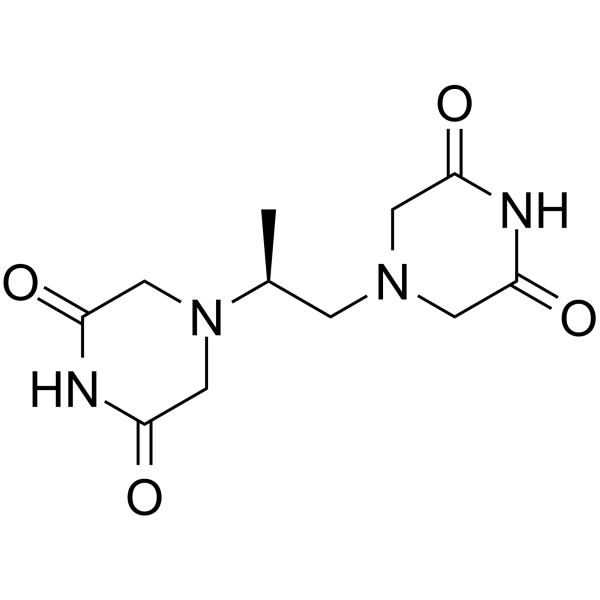
Cat. No.: HY-B0581
CAS No.: 24584-09-6
Synonyms: ICRF-187; ADR-529; NSC-169780
Dexrazoxane, as an intracellular iron chelating agent, reduces the formation of superoxide radicals and has cardioprotective, anti-inflammatory, antioxidant, anti-tumor and neuroprotective activities. Dexrazoxane inhibits ferroptosis of H9c2 cells by inhibiting HMGB1. Dexrazoxane induces DNA damage and apoptosis in human fibrosarcoma cells .
loading...
    loading...
13
13 Cited Publications
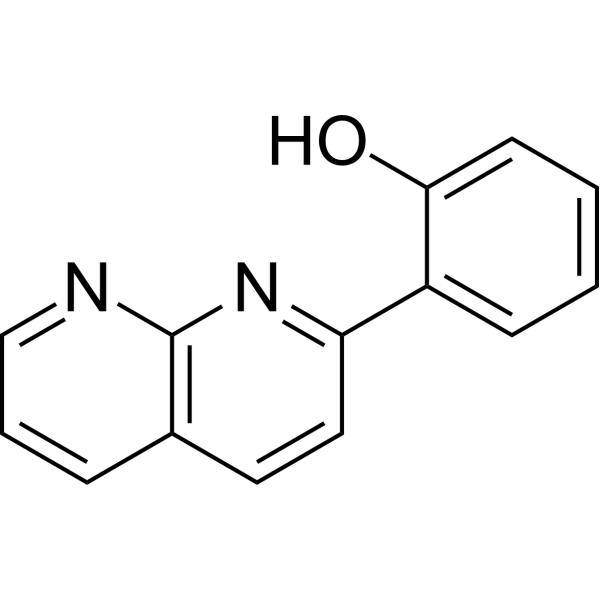
Cat. No.: HY-W013523
CAS No.: 65182-56-1
Target:  

STAT JAK HSV

Research Areas:  

Infection Cancer

2-NP is a selective enhancer of STAT1 transcription. 2-NP can enhance the ability of IFN-γ to inhibit the proliferation of human breast cancer and fibrosarcoma cells .
loading...
    loading...
6
6 Cited Publications
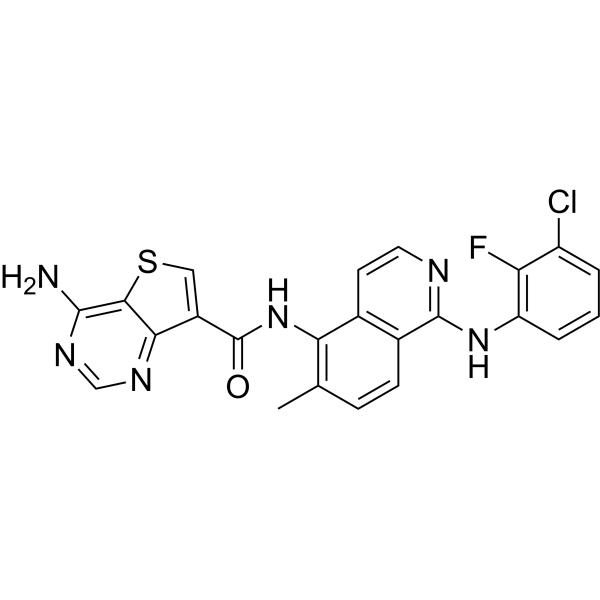
Cat. No.: HY-109080
CAS No.: 1446113-23-0
Purity:  99.71%
Synonyms: HM95573; GDC-5573; RG6185
Target:  

Raf

Research Areas:  

Cancer

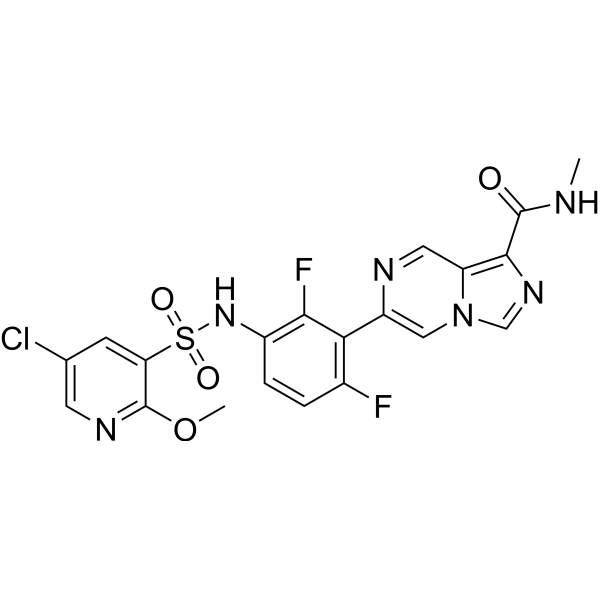
Belvarafenib (HM95573) is a potent and pan RAF (Rapidly Accelerated Fibrosarcoma) inhibitor, with IC50s of 56 nM, 7 nM and 5 nM for B-RAF, B-RAF v600E and C-RAF respectively .
loading...
    loading...
4
4 Cited Publications
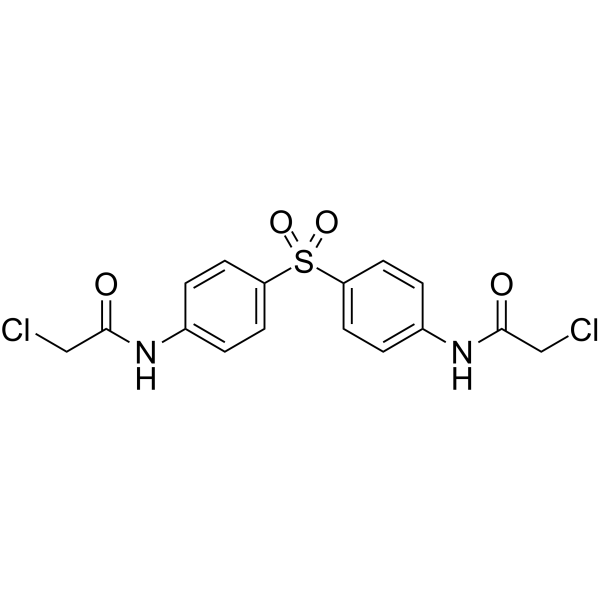
Cat. No.: HY-107574
CAS No.: 17328-16-4
Purity:  98.03%
TC-E 5003 is a selective protein arginine methyltransferase 1 (PRMT1) inhibitor with an IC50 of 1.5 µM against hPRMT1. TC-E 5003 modulates the lipopolysaccharide (LPS) (HY-D1056)-induced AP-1 and NF-κB signaling pathways with anti-inflammatory properties. TC-E 5003 also upregulates the expression of Ucp1 and Fgf21, activates protein kinase A signaling and lipolysis in primary subcutaneous adipocytes from both mouse and humans. TC-E 5003 is promising for research of obesity and associated metabolic disorders, oxidative stress, inflammation and cancers .
loading...
    loading...
2
2 Cited Publications
Cat. No.: HY-B0910A
CAS No.: 10049-83-9
Synonyms: Pyritinol dihydrochloride; Pyridoxine disulfide dihydrochloride; Vitamin B6 disulfide dihydrochloride
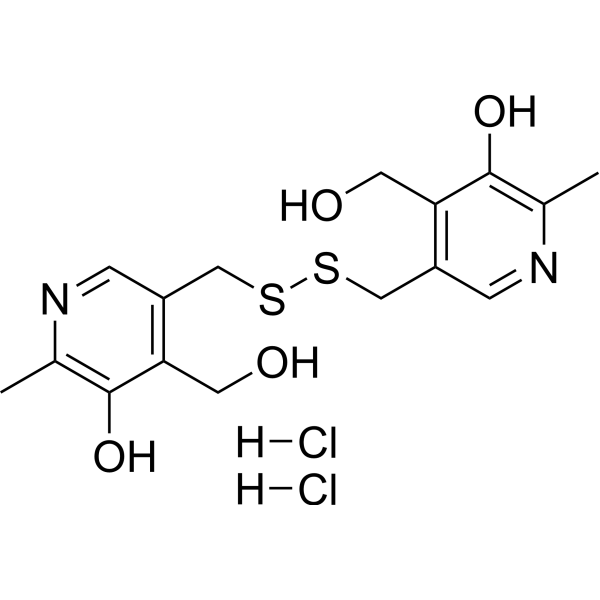
Pyrithioxin (Pyritinol) dihydrochloride is the dihydrochloride salt of Pyrithioxin (HY-B0910). Pyrithioxin (Pyritinol) is an orally active neurodynamic compound. Pyrithioxin can promote the metabolism of glucose and amino acids, increase carotid blood flow and improve cerebral blood flow. Pyrithioxin exhibits anti-inflammation, anti-tumor and neuroprotective effect. Pyrithioxin can be used for the researches of cancer, inflammation, immunology, metabolic and neurological disease such as cerebral infarct, epilepsy, fibrosarcomas and rheumatoid polyarthritis .
loading...
    loading...
2
2 Cited Publications
Cat. No.: HY-N3389
CAS No.: 66056-19-7
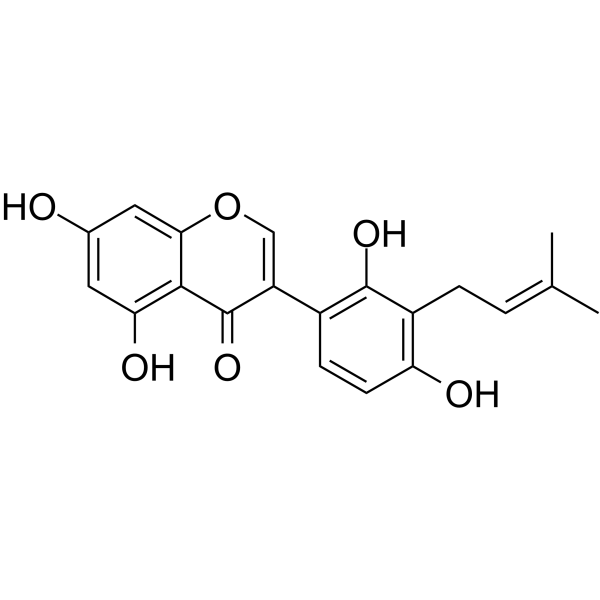
Licoisoflavone A is an orally active isoflavone. Licoisoflavone A inhibits proliferation, induces apoptosis, and causes G1/S phase arrest in colorectal cancer (CRC) cells. Licoisoflavone A inhibits the CDK2-Cyclin E1 axis. Licoisoflavone A inhibits lipid peroxidation with an IC50 of 7.2 μM. Licoisoflavone A shows a dose-dependent inhibition effect on SARS-CoV-2 infection. Licoisoflavone A exhibits significant anti-tumor efficacy in mice bearing CT26 cell subcutaneous xenografts. Licoisoflavone A can be used for the study of colorectal cancer and SARS-CoV-2 infection .
loading...
    loading...
2
2 Cited Publications
Cat. No.: HY-B0910
CAS No.: 1098-97-1
Synonyms: Pyritinol; Pyridoxine disulfide; Vitamin B6 disulfide
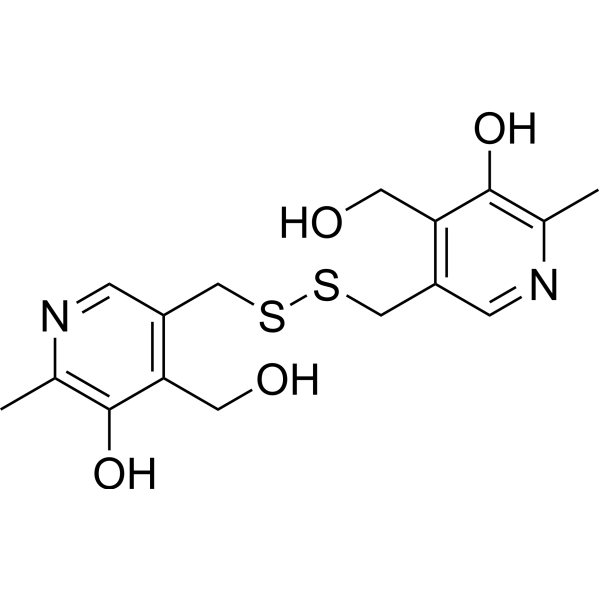
Pyrithioxin (Pyritinol) is an orally active neurodynamic compound. Pyrithioxin can promote the metabolism of glucose and amino acids, increase carotid blood flow and improve cerebral blood flow. Pyrithioxin exhibits anti-inflammation, anti-tumor and neuroprotective effect. Pyrithioxin can be used for the researches of cancer, inflammation, immunology, metabolic and neurological disease such as cerebral infarct, epilepsy, fibrosarcomas and rheumatoid polyarthritis .
loading...
    loading...
1
1 Cited Publications
Cat. No.: HY-126367
CAS No.: 5141-20-8
Purity:  ≥75.0%
Synonyms: Acid Green 5
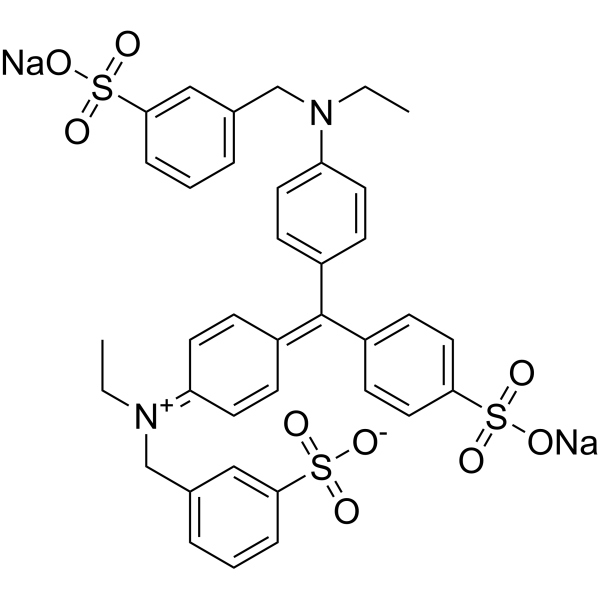
Light green SF yellowish (Acid Green 5) is a water-soluble triarylmethane dye. Light green SF yellowish serves as a histological stain that selectively labels mitochondria, collagen, and cartilage, while being an essential component of Papanicolaou staining. Light green SF yellowish is commonly used as a cytoplasmic counterstain for nuclear stains, and is applied in Masson's trichrome staining for collagen fibers, Pap staining, and cytological polychromatic staining in histopathology. Light green SF yellowish also induces growth inhibition and local fibrosarcomas in rats and exerts mild pulmonary tumorigenicity in mice .
loading...
    loading...
1
1 Cited Publications
Cat. No.: HY-163001
CAS No.: 2408008-21-7
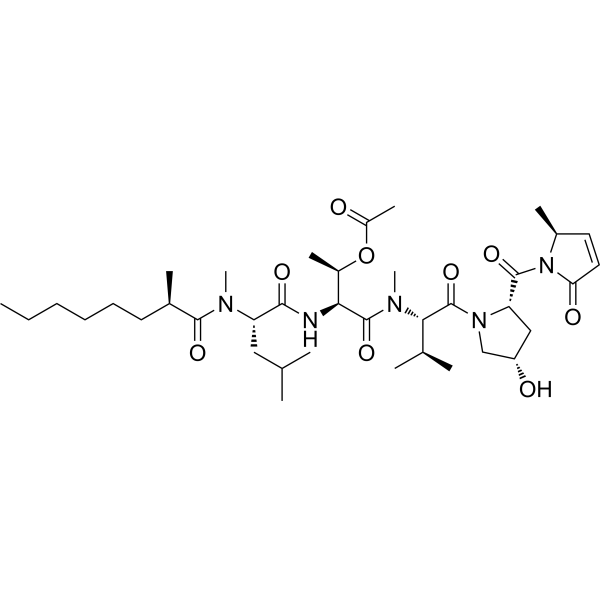
Microcolin H is a marine lipopeptide and phosphatidylinositol transfer protein ligand that targets PITPα/β. Microcolin H increases the conversion of LC3I to LC3II and reduces p62 levels in cancer cells, leading to autophagy cell death (Autophagy). Microcolin H effectively inhibits tumor development and has anti-proliferative activity in nude mouse subcutaneous tumor models .
loading...
    loading...
1
1 Cited Publications
Cat. No.: HY-153190
CAS No.: 2740522-79-4
Purity:  99.25%
Research Areas:  

Cancer

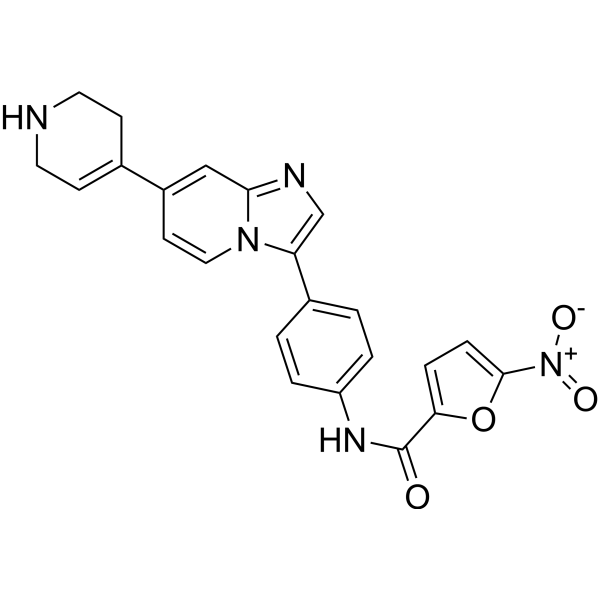
W1131 is a potent STAT3 inhibitor, triggering ferroptosis. W1131 suppresses cancer progression in gastric cancer cell subcutaneous xenograft model, organoids model, and PDX model. W1131 effectively alleviates chemical resistance of cancer cells to 5-FU (HY-90006). W1131 regulates cell cycle, DNA damage response, and oxidative phosphorylation, including IL6-JAK-STAT3 pathway and ferroptosis pathway .
loading...
    loading...
1
1 Cited Publications
Cat. No.: HY-10615
CAS No.: 272769-49-0
Target:  

PARP

Research Areas:  

Cancer

A-620223 is a PARP-1 inhibitor with a Ki of 8 nM against PARP-1 and EC50 of 3 nM in a whole cell assay. A-620223 demonstrates good in vivo efficacy in a B16F10 subcutaneous murine melanoma model in combination with Temozolomide (TMZ) (HY-17364) and in an MX-1 breast xenograph model in combination with Cisplatin (HY-17394). A-620223 can be used for the studies of melanoma and breast cancer .
loading...
    loading...
1
1 Cited Publications
Cat. No.: HY-153190A
Purity:  99.27%
Target:  

Ferroptosis STAT

Research Areas:  

Cancer

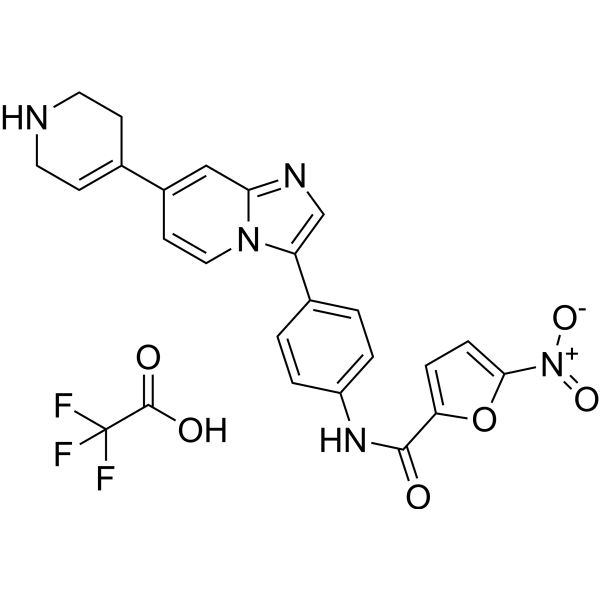
W1131 TFA is a potent STAT3 inhibitor that induces ferroptosis. W1131 inhibits cancer progression in subcutaneous xenograft, organoid, and PDX models of gastric cancer. W1131 effectively alleviates cancer cell chemoresistance to 5-FU (HY-90006). W1131 regulates the cell cycle, DNA damage response, and oxidative phosphorylation, including the IL6-JAK-STAT3 pathway and the ferroptosis pathway .
loading...
    loading...
1
1 Cited Publications
Cat. No.: HY-14608R
CAS No.: 56-86-0
L-Glutamic acid (Standard) is the analytical standard of L-Glutamic acid. This product is intended for research and analytical applications. L-Glutamic acid is an excitatory amino acid neurotransmitter that acts as an agonist for all subtypes of glutamate receptors (metabolic rhodophylline, NMDA, and AMPA). L-Glutamic acid has an agonist effect on the release of DA from dopaminergic nerve endings. L-Glutamic acid can be used in the study of neurological diseases . IC50 & Target:DA . In Vitro: L-Glutamic acid (120, 500, 750, 1000 mg/dL) can reduce the harmful effect of lithium on the embryonic development of Xenopus Xenopus .
L-Glutamic acid (2, 5, 10, 20 mM, 24-48 h) can induce neuroexcitotoxicity in neuroblastoma .
In Vivo: L-Glutamic acid (3 g/kg, subcutaneous injection) can promote excitotoxic degeneration of retinal ganglion cells in mice .
L-Glutamic acid (750 mg/kg, intraperitoneal injection) can reduce and inhibit oxidative stress induced by chlorpyrifos (CPF) in rats .
loading...
    loading...
1
1 Cited Publications
Cat. No.: HY-147025
CAS No.: 2347517-69-3
Purity:  99.06%
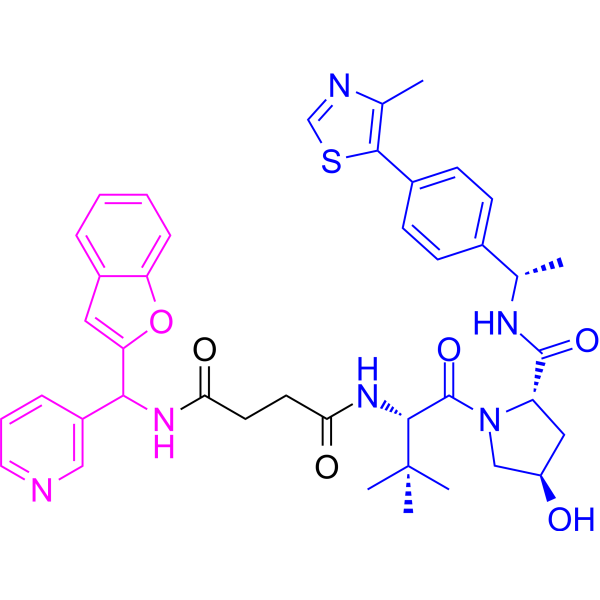
(S,R,S)-AHPC-C2-amide-benzofuranylmethyl-pyridine is a dual-targeting PROTAC molecule. (S,R,S)-AHPC-C2-amide-benzofuranylmethyl-pyridine not only targets the ubiquitination and degradation of Smad3, but also elevates the protein level of HIF-α, thereby exerting multi-pathway anti-fibrotic and renoprotective effects. (S,R,S)-AHPC-C2-amide-benzofuranylmethyl-pyridine can be used in a wide range of tumor studies including cancers with KRAS inhibitor resistance, covering pancreatic ductal adenocarcinoma, acute myeloid leukemia, and various soft tissue sarcomas (such as fibrosarcoma, liposarcoma, chondrosarcoma, etc.). (S,R,S)-AHPC-C2-amide-benzofuranylmethyl-pyridine can also be applied to research related to various solid tumors and hematological malignancies, involving multiple cancer types such as colon cancer, breast cancer, ovarian cancer, non-small cell lung cancer, glioblastoma, and melanoma .
loading...
    loading...
Cat. No.: HY-P991015
CAS No.: 2921676-04-0
Synonyms: JNJ-78278343; KLCB-245

Target:  

CD3

Research Areas:  

Cancer

Pasritamig (JNJ-78278343; KLCB-245) is a bispecific T-cell engager (BiTE) that targets the complex of human kallikrein KLK2 and CD3 receptor. Pasritamig redirects the cytotoxicity of T cells to KLK2-expressing tumor cells and induces T cell-mediated lysis of KLK2-expressing prostate cancer cells. Administered via subcutaneous injection, subcutaneous infusion or intravenous infusion, Pasritamig exhibits antitumor activity against metastatic castration-resistant prostate cancer. Pasritamig has a safety profile with an extremely low incidence of cytokine release syndrome and can be safely administered in an outpatient setting. Pasritamig is applicable to the research of metastatic castration-resistant prostate cancer .
loading...
    loading...
Cat. No.: HY-156618
CAS No.: 2230974-62-4
Purity:  99.63%
Synonyms: ABSK011
Target:  

FGFR

Research Areas:  

Cancer

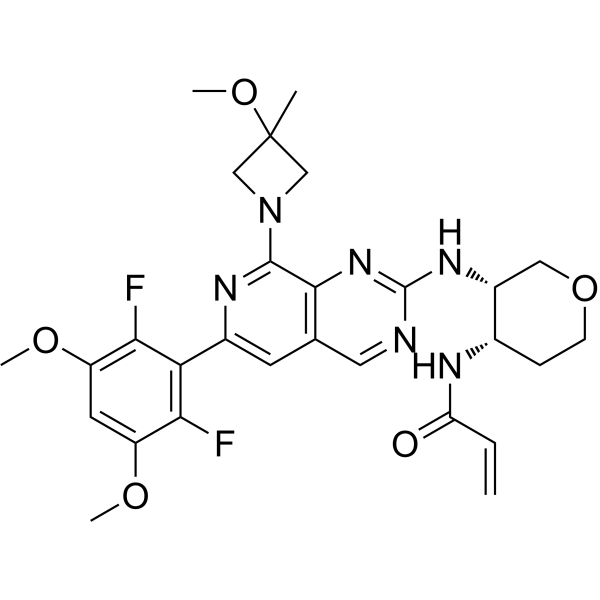
Irpagratinib (ABSK011) is an orally active FGFR4 inhibitor (IC50<10 nM). Irpagratinib inhibits FGFR4 autophosphorylation and blocks signaling from FGFR4 to downstream pathway activation. Irpagratinib has shown high exposure in PK studies in mice, rats, and dogs, and also demonstrated antitumor activity in a subcutaneous xenograft tumor model .
loading...
    loading...
Cat. No.: HY-160196
CAS No.: 2803470-63-3
Synonyms: GCN2 modulator-1
Research Areas:  

Cancer

HC-7366 (GCN2 modulator-1) is an orally effective GCN2 activator. HC-7366 can effectively compete and occupy the ATP binding pocket of GCN2, with its IC50 being 72 nM. This binding triggers the conformational activation of GCN2, leading to the upregulation of downstream signals (such as ATF4, ASNS) in the integrated stress response (ISR) pathway, ultimately exerting anti-tumor effects. HC-7366 also has inhibitory activity against ZAK, with its IC50 being 47 nM. HC-7366 can be used for research on fibrosarcoma and acute myeloid leukemia .
loading...
    loading...
Cat. No.: HY-P9992
CAS No.: 2414550-93-7
Synonyms: BAY-2315497; PSMA-TTC

Target:  

PSMA Apoptosis

Research Areas:  

Cancer

Peligifatamab is a PSMA-targeted α-radioimmunoconjugate with an EC50 of 1.2 nM against human targets. Peligifatamab induces DNA damage, DNA double-strand breaks, cell cycle arrest and apoptosis (Apoptosis) in PSMA-positive prostate cancer cells. Peligifatamab reduces cell viability in a manner dependent on cellular PSMA expression levels. Peligifatamab inhibits tumor growth and tumor-induced abnormal bone growth in prostate cancer bone metastasis models. Peligifatamab exhibits antitumor efficacy in subcutaneous prostate cancer models and xenograft models. Peligifatamab can be used for the research of metastatic castration-resistant prostate cancer .
loading...
    loading...
Cat. No.: HY-P10026
CAS No.: 2663844-45-7
Synonyms: LY-3457263
Research Areas:  

Metabolic Disease

Nisotirotide (LY-3457263) is a subcutaneous injectable NPY2 receptor agonist. By mimicking peptide YY (PYY), Nisotirotide inhibits appetite and can be used in the research of diseases such as obesity and diabetes .
loading...
    loading...
Cat. No.: HY-120692
CAS No.: 17472-50-3
Purity:  96.27%
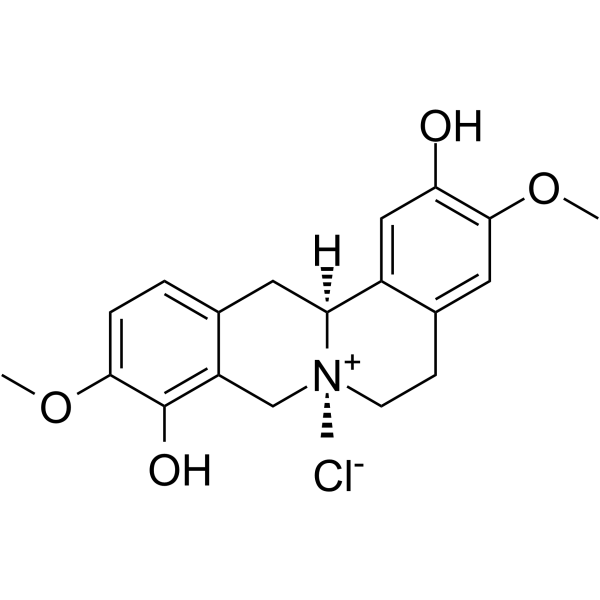
Cyclanoline chloride is an alkaloid. Cyclanoline chloride can be isolated from Fangji. Cyclanoline (chloride) inhibits the phosphorylation of JAK2 and STAT3, and induces Apoptosis. Cyclanoline chloride suppresses tumor growth in subcutaneous bladder cancer xenograft models of nude mice. Cyclanoline chloride reverses cisplatin resistance in bladder cancer cells and enhances the efficacy of Cisplatin (HY-17394). Cyclanoline chloride can be used for research related to bladder cancer .
loading...
    loading...

