
1. Search Result
Search Result
Results for "

trafficking

" in MedChemExpress (MCE) Product Catalog:

109

Inhibitors & Agonists

11

Fluorescent Dyes

5

Biochemical Assay Reagents

9

Peptides

7

Inhibitory Antibodies

11

Natural
Products

1

Isotope-Labeled Compounds

1

Antibodies

7

Oligonucleotides

Cat. No. Product Name Target Research Areas Chemical Structure
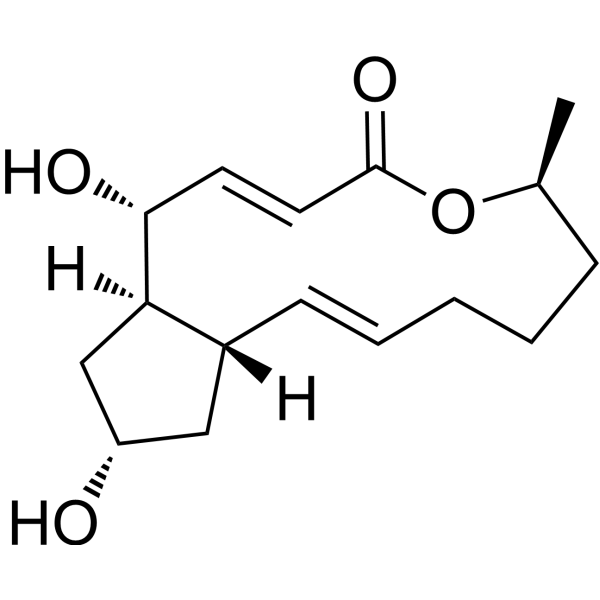
  • HY-16592
    Brefeldin A
    Maximum Cited Publications
    153 Publications Verification

    BFA; Cyanein; Decumbin

    Autophagy Mitophagy HSV Antibiotic Bacterial Infection Cancer
    Brefeldin A (BFA) is a lactone antibiotic and a specific inhibitor of protein trafficking. Brefeldin A blocks the transport of secreted and membrane proteins from endoplasmic reticulum to Golgi apparatus . Brefeldin A is also an autophagy and mitophagy inhibitor . Brefeldin A inhibits HSV-1 and has anti-cancer activity .
    Brefeldin A
  • HY-111772
    Elexacaftor
    45+ Cited Publications

    VX-445

    CFTR Autophagy Inflammation/Immunology
    Elexacaftor (VX-445, Compound 1) is a modulator of cystic fibrosis transmembrane conductance regulator (CFTR). Elexacaftor (VX-445, Compound 1) facilitates the processing and trafficking of CFTR to increase the amount of CFTR at the cell surface .
    Elexacaftor
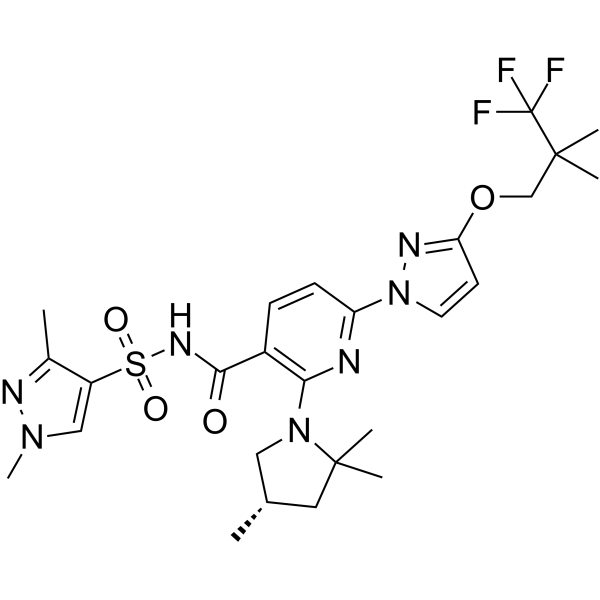
  • HY-148673
    Laroprovstat
    1 Publications Verification

    AZD0780; PCSK9-IN-12

    PCSK9 Cardiovascular Disease Metabolic Disease
    Laroprovstat (AZD0780) is an orall active PCSK9 inhibitor. PCSK9-IN-12 has bind affinity for PCSK9 with a Kd value of <200 nM. Laroprovstat binds to a pocket in the PCSK9 C-terminal domain and does not affect the PCSK9-LDL receptor (LDLR) interaction. Laroprovstat inhibits lysosomal trafficking of PSCK9-LDLR complexes and prevents PCSK9-induced LDLR degradation. Laroprovstat can be used for the research of hypercholesterolemia .
    Laroprovstat
  • HY-108434
    Ceapin-A7
    20+ Cited Publications

    ATF6 Neurological Disease Metabolic Disease
    Ceapin-A7 is a selective blocker of ATF6α signaling in response to ER stress, with an IC50 of 0.59 μM. Ceapin-A7 can be used to explore both the mechanism of activation of ATF6α and its role in pathological settings .
    Ceapin-A7
  • HY-145603
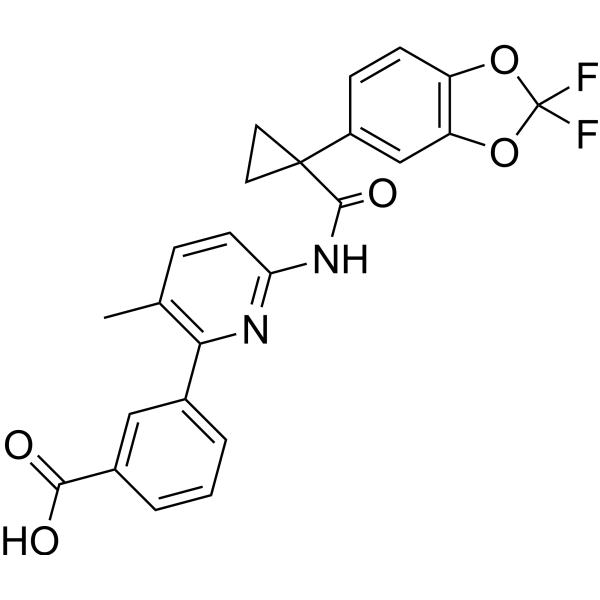
    Vanzacaftor
    4 Publications Verification

    VX-121

    CFTR Chloride Channel Neurological Disease
    Vanzacaftor (VX-121) is an orally active noval corrector of Cystic fibrosis transmembrane conductance regulator (CFTR). Vanzacaftor improves processing and trafficking of CFTR protein as well as increases chloride transport in triple combined with Tezacaftor (HY-15448) and Deutivacaftor. Vanzacaftor-Tezacaftor-Deutivacaftor is safe and well tolerated, improving lung function, respiratory symptoms, and CFTR function with cystic fibrosis, which is promising for research in the field of cystic fibrosis diseases .
    Vanzacaftor
  • HY-13262
    Lumacaftor
    15+ Cited Publications

    VX-809; VRT 826809

    CFTR Autophagy Inflammation/Immunology
    Lumacaftor (VX-809; VRT 826809) is a CFTR modulator that corrects the folding and trafficking of CFTR protein.
    Lumacaftor
  • HY-120821
    Endosidin-2
    2 Publications Verification

    ES2

    Exosomes Others
    Endosidin-2 (ES2) is a selective inhibitor targeting the conserved exosome subunit EXO70. Endosidin-2 binds to the C-terminal domain of EXO70, inhibiting exocytosis and endosomal recycling, while promoting vacuolar trafficking in plant cells. Endosidin-2 interferes with the EXO70-mediated vesicle-to-plasma membrane anchoring process, leading to abnormal aggregation of auxin transporters (such as PIN2) in the cytoplasm and redirected to vacuolar degradation, while causing abnormal Golgi structure (such as cup-shaped or ring-shaped vesicles cisternae formation). Endosidin-2 can inhibit exocytosis in plant and mammalian cells and is mainly used to study the dynamic regulation of membrane trafficking (such as polar growth, vesicle sorting) .
    Endosidin-2
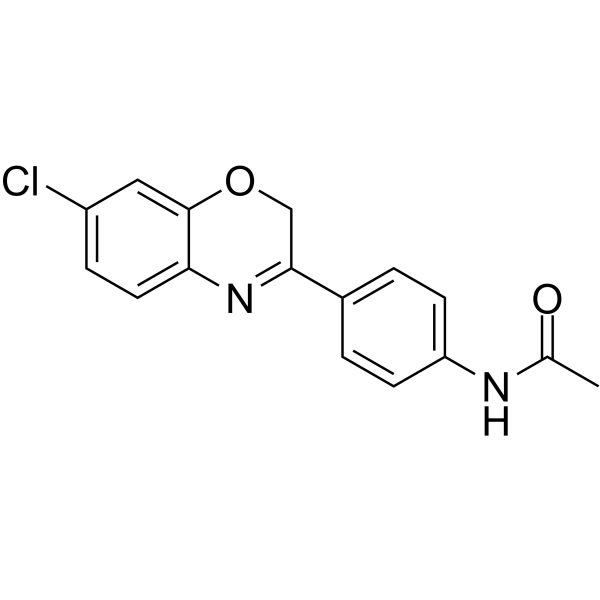
  • HY-122571
    Retro-2
    2 Publications Verification

    Filovirus Parasite Autophagy Infection Cancer
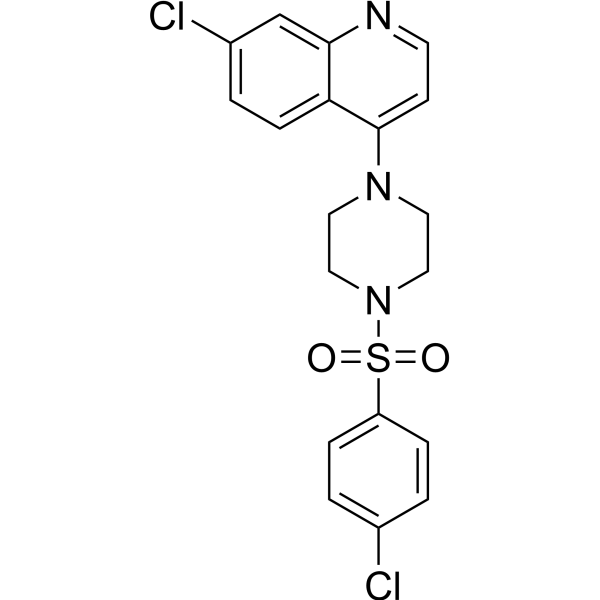
    Retro-2 is a selective inhibitor of retrograde protein trafficking at the endosome-trans-Golgi network interface. Retro-2 is an ebolavirus (EBOV) infection inhibitor with an EC50 of 12.2 μM in HeLa cells. Retro-2 induces cell autophagy .
    Retro-2
  • HY-130533

    Fluorescent Dye Others
    ReAsH-EDT2 is a red fluorescent dye that marks proteins. ReAsH-EDT2 is a membrane-permeable biarsenical compound that binds covalently to tetracysteine sequences which allows the protein to be imaged. ReAsH-EDT2 can be used for protein localization and trafficking. (λex=530 nm, λem=592 nm) .
    ReAsH-EDT2
  • HY-P99956

    VLS-101; MK-2140

    Antibody-Drug Conjugates (ADCs) Apoptosis Cancer
    Zilovertamab vedotin (VLS-101) is a novel antibody-drug conjugate comprising the humanized monoclonal antibody zilovertamab and and the anti-microtubule cytotoxin monomethyl vedotin. Zilovertamab vedotin binding to tumor cell ROR1 results in rapid internalization, trafficking to lysosomes, antibody–agent conjugate cleavage, and monomethyl vedotin release. Zilovertamab vedotin induces apoptosis. Zilovertamab vedotin can be used in research of cancer .
    Zilovertamab vedotin
  • HY-136151
    UNC10217938A
    1 Publications Verification

    Nucleoside Antimetabolite/Analog Others
    UNC10217938A is a 3-deazapteridine analog with strong oligonucleotide enhancing effects. UNC10217938A enhances oligonucleotides effects by modulating their intracellular trafficking and release from endosomes. UNC10217938A also enhances the effects of antisense and siRNA oligonucleotides .
    UNC10217938A
  • HY-112483
    QX77
    5 Publications Verification

    Autophagy Cancer
    QX77 is a chaperone-mediated autophagy (CMA) activator and upregulates LAMP2A expression in vitro. QX77 induces Rab11 upregulation, rescues Rab11 down-regulation and trafficking deficiency in cystinotic cells . QX77 can impede self-renewal and promote differentiation of ES cells .
    QX77
  • HY-14951
    Firategrast
    5+ Cited Publications

    SB 683699

    Integrin Neurological Disease
    Firategrast (SB 683699) is an orally active and specific α4β1/α4β7 integrin antagonist. Firategrast reduces trafficking of lymphocytes into the central nervous system (CNS) and decreases multiple sclerosis (MS) activity .
    Firategrast
  • HY-D2348A

    Fluorescent Dye Infection
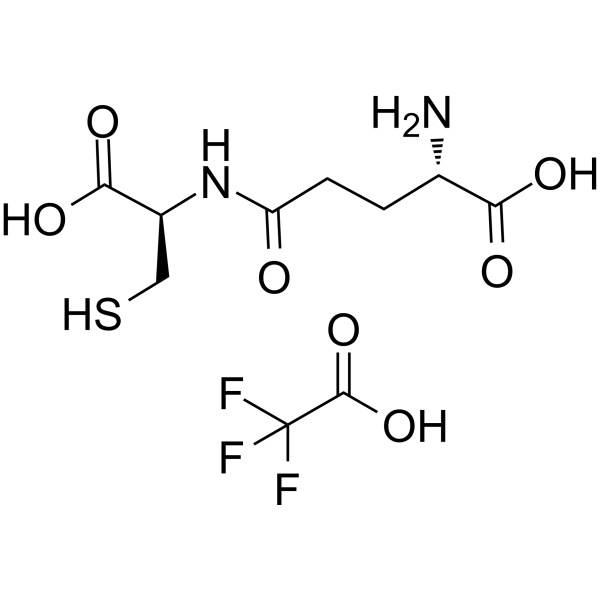
    ACE TFA is a low-background, photostable fluorophore with nanomolar binding affinity for the Okra RNA aptamer. ACE TFA enables clear visualization of mRNA in live bacteria and mammalian cells, including tracking the trafficking of mRNA to stress granules and dual-color super-resolution imaging of RNA in live cells. (Ex=488 nm, Em=555 nm) .
    ACE TFA
  • HY-134884
    INCB086550
    2 Publications Verification

    PD-1/PD-L1-IN-8

    PD-1/PD-L1 Cancer
    INCB086550 is a potent, oral, small-molecule PD-L1 inhibitor with IC50s value of 3.1, 4.9 and 1.9 nM for human, cynomolgus, and rat, respectively. INCB086550 promotes the dimerization of cell-surface PD-L1 and induces PD-L1 entry into Golgi vesicles then traffick to the nucleus. INCB086550 can be used for multiple cancers research .
    INCB086550
  • HY-12642
    Diethylcarbamazine citrate
    1 Publications Verification

    Parasite Bacterial TNF Receptor Interleukin Related Infection Metabolic Disease Inflammation/Immunology
    Diethylcarbamazine citrate is an orally active microfilaricidal agent used originally in onchocerciasis and lymphatic filiariasis. Diethylcarbamazine citrate reduces eosinophil trafficking to the lung tissue and exerts anti-allergic effects. Diethylcarbamazine citrate reduces serum levels of leptin, TNF-α, IL-6, MCP-1, glucose, insulin, and triglycerides, and ameliorates insulin resistance without altering body, liver, or adipose tissue weights. Diethylcarbamazine citrate enhances reactive oxygen intermediate expression by polymorphonuclear neutrophils, increases lymphocyte proliferation, and inhibits actinomycetoma lesion development. Diethylcarbamazine citrate can be used for the researches of bronchial asthma, insulin resistance and infection .
    Diethylcarbamazine citrate
  • HY-P991728

    TORL-3-600 antibody

    Cadherin ADC Antibody Cancer
    Zarutatug (TORL-3-600 antibody) is an IgG1κ humanized antibody targeting cadherin 17 (CDH17). It selectively binds to cell-surface CDH17, triggering endocytosis and trafficking to lysosomes. Zarutatug can be used to construct ADCs, such as TORL-3-600 .
    Zarutatug
  • HY-12762
    QS11
    2 Publications Verification

    β-catenin Wnt Arf Family GTPase Cancer
    QS11 is an inhibitor of ARFGAP1 (ADP-ribosylation factor GTPase-activating protein 1), with an EC50 of 1.5 μM. QS11 activates Wnt/β-catenin signaling through an effect on protein trafficking. QS11 inhibits migration of ARFGAP overexpressing breast cancer cells .
    QS11
  • HY-120475
    PBT434
    2 Publications Verification

    ATH434

    α-synuclein Neurological Disease
    PBT434 is a potent, orally active and cross the blood-brain barrier α-synuclein aggregation inhibitor. PBT434 can be used as a iron chelator and modulates transcellular iron trafficking. PBT434 inhibits iron-mediated redox activity and iron-mediated aggregation of α-synuclein. PBT434 prevents the loss of substantia nigra pars compacta neurons (SNpc). PBT434 has the potential for the research of Parkinson’s disease (PD) .
    PBT434
  • HY-107572

    CI 976

    Acyltransferase Metabolic Disease
    PD 128042 (CI 976) is a potent, orally active, and selective inhibitor of ACAT (acyl coenzyme A:cholesterol acyltransferase) with an IC50s of 73 nM. PD 128042 is also a potent LPAT (lysophospholipid acyltransferase) inhibitor. PD 128042 inhibits Golgi-associated LPAT activity (IC50=15 μM). PD 128042 inhibits multiple membrane trafficking steps, including ones found in the endocytic and secretory pathway .
    PD 128042
  • HY-P9947
    Efalizumab
    1 Publications Verification

    Integrin Others
    Efalizumab is a targeted T cell modulator, and is a humanized monoclonal antibody of CD11a, the α subunit of LFA-1. Efalizumab inhibits T cell activation, cutaneous T cell trafficking, and T cell adhesion to keratinocytes, can be used for plaque psoriasis research .
    Efalizumab
  • HY-122246

    GPR55 PKC ERK Arrestin Metabolic Disease
    ML192 is a selective ligand antagonist of GPR55. ML192 inhibits the β-arrestin trafficking, ERK1/2 phosphorylation and PKCβII translocation .
    ML192
  • HY-111772A

    (R)-VX-445

    Drug Isomer CFTR Inflammation/Immunology
    (R)-Elexacaftor ((R)-VX-445) is the enantiomer of Elexacaftor (HY-111772). Elexacaftor is an orally active CFTR modulator that targets nucleotide-binding domain 1. Elexacaftor stabilizes misfolded F508del-CFTR protein, enhances its trafficking to the plasma membrane, and significantly improves metabolic stability, thermal stability and ion conductivity. Elexacaftor not only restores chloride transport function in nasal epithelial cells and rescues multiple CFTR mutation subtypes, but also exerts multiplicative synergistic effects with Ivacaftor (HY-13017), and is often used in a triple combination therapy with Tezacaftor (HY-15448). Elexacaftor is widely used in basic and clinical translational research on cystic fibrosis .
    (R)-Elexacaftor
  • HY-147087

    Liposome Cancer
    YSK 05 is a pH-sensitive cationic lipid. YSK 05 improves the intracellular trafficking of non-viral vectors. YSK 05-MEND shows significantly good gene silencing activity and hemolytic activity. YSK 05 overcomes the suppression of endosomal escape by PEGylation. YSK 05 effectively enhances siRNA delivery both in vitro and in vivo .
    YSK 05
  • HY-125168
    EGA
    2 Publications Verification

    EGFR Infection Inflammation/Immunology
    EGA is an inhibitor that selectively targets the endosomal trafficking pathways. EGA targets the proteins involved in the endosomal trafficking pathways through which multiple toxins and viruses enter cells. EGA exerts its activity by inhibiting the trafficking from early endosomes to late endosomes, blocking the entry of multiple acid-dependent bacterial toxins and viruses into mammalian cells and delaying the lysosomal targeting and degradation of EGFR .
    EGA
  • HY-109187A
    Posenacaftor sodium
    1 Publications Verification

    PTI-801 sodium

    CFTR Inflammation/Immunology
    Posenacaftor (PTI-801) sodium is a cystic fibrosis transmembrane regulator (CFTR) protein modulator that corrects the folding and trafficking of CFTR protein. Posenacaftor sodium is used for the research of cystic fibrosis (CF) .
    Posenacaftor sodium
  • HY-169325

    Molecular Glues Cancer
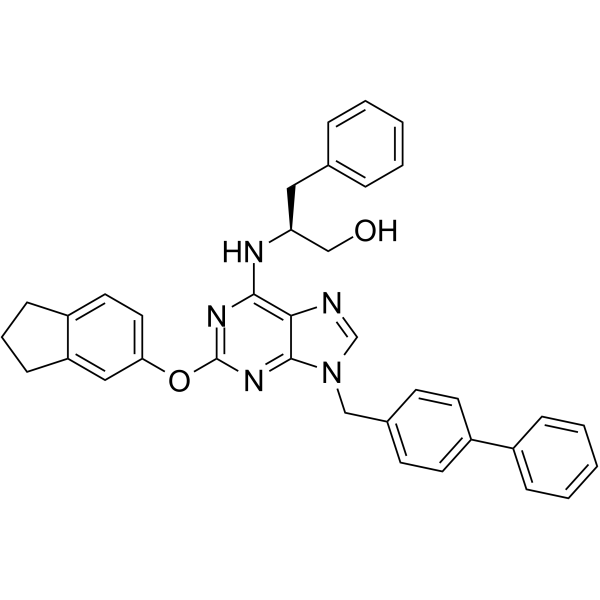
    (S)-ACE-OH is a molecular glue with anticancer activity. (S)-ACE-OH promotes nucleoporin degradation and disruption of nucleocytoplasmic trafficking by inducing the interaction between E3 ubiquitin ligase TRIM21 and nucleoporin NUP98 .
    (S)-ACE-OH
  • HY-D2348

    Fluorescent Dye Infection Others
    ACE is a low-background, photostable fluorophore with nanomolar binding affinity for the Okra RNA aptamer. ACE enables clear visualization of mRNA in live bacteria and mammalian cells, including tracking the trafficking of mRNA to stress granules and dual-color super-resolution imaging of RNA in live cells. (Ex=488 nm, Em=555 nm) .
    ACE
  • HY-170872

    PROTACs DNA/RNA Synthesis Cancer
    PT-129 is a G3BP1/G3BP2 PROTAC degrader. PT-129 inhibits the formation of stress granules, disassembles pre-existing stress granules, disrupts stress granule-mediated ATF4 trafficking via migratory exocytosis, and suppresses cancer cell proliferation. PT-129 is applicable to the research of lung cancer and melanoma .
    PT-129
  • HY-148978

    Exosomes Endogenous Metabolite Liposome Metabolic Disease
    18:0,18:1 PS sodium is the dominant phosphatidylserine subtype in cells, exosomes and HIV particles. It is abundant in the brain and is essential for maintaining membrane structure, lipid raft organization and intracellular trafficking. 18:0,18:1 PS sodium mediates interleaflet membrane coupling through cholesterol-dependent interactions with very long-chain sphingolipids, and can induce the clustering of glycosylphosphatidylinositol-anchored proteins. In addition, clusters formed by the binding of 18:0,18:1 PS sodium to cholesterol not only facilitate the proper distribution of cholesterol in lipid bilayers, but also effectively protect cholesterol from oxidative damage .
    18:0,18:1 PS sodium
  • HY-158002

    CFTR Inflammation/Immunology
    IDOR-4 is a type IV CFTR corrector. IDOR-4 restores F508del-CFTR trafficking to the cell surface .
    IDOR-4
  • HY-145728B

    (R/S)-ISIS-2302

    Integrin Inflammation/Immunology
    (R/S)-Alicaforsen is the racemate of Alicaforsen composed of R and S configurations. Alicaforsen is a 20-base antisense oligonucleotide inhibiting ICAM-1 production, which is an important adhesion molecule involved in leukocyte migration and trafficking to the site of inflammation.
    (R/S)-Alicaforsen
  • HY-D1321A
    Cy 5 amine TFA
    1 Publications Verification

    Cyanine5 amine TFA

    Fluorescent Dye Others
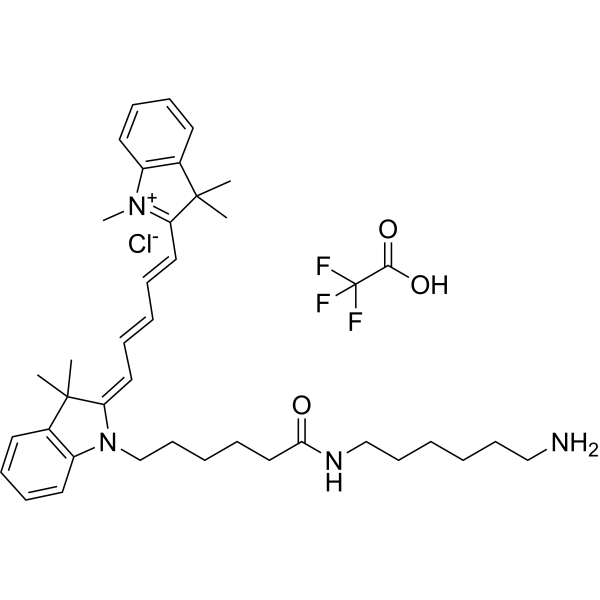
    Cy 5 amine (Cyanine5 amine) TFA is a fluorescent dye. Cy 5 amine TFA can be used in the preparation of Cy5.5-labeled compound or polymers, which can be used for imaging cellular process and trafficking .
    Cy 5 amine TFA
  • HY-124658

    Bacterial Infection
    G0507, a pyrrolopyrimidinedione compound, is a potent LolCDE ABC Transporter inhibitor. G0507 is a inhibitor of Escherichia coli growth and induces the extracytoplasmic σE stress response. G0507 acts as a chemical probe to dissect lipoprotein trafficking in Gram-negative bacteria .
    G0507
  • HY-19970
    KM11060
    2 Publications Verification

    CFTR Autophagy Endocrinology
    KM11060 is a corrector of the F508 deletion (F508del)-cystic fibrosis transmembrane conductance regulator (CFTR) trafficking defect. KM11060 can be used for the research of F508del-CFTR processing defect and development of cystic fibrosis research .
    KM11060
  • HY-137975

    Bacterial Endocrinology
    Exo2 is a secretion inhibitor. Exo2 perturbs trafficking of Shiga toxin between endosomes and the trans-Golgi network. Exo2 blocks secretory cargo exit from the ER (endoplasmic reticulum) and disrupts the Golgi apparatus, but does not affect the morphology of the TGN (trans-Golgi network) Exo2 can stimulate calcium-dependent exocytosis in permeabilized adrenal chromaff in cells .
    Exo2
  • HY-120475A
    PBT434 mesylate
    2 Publications Verification

    ATH434 mesylate

    α-synuclein Neurological Disease
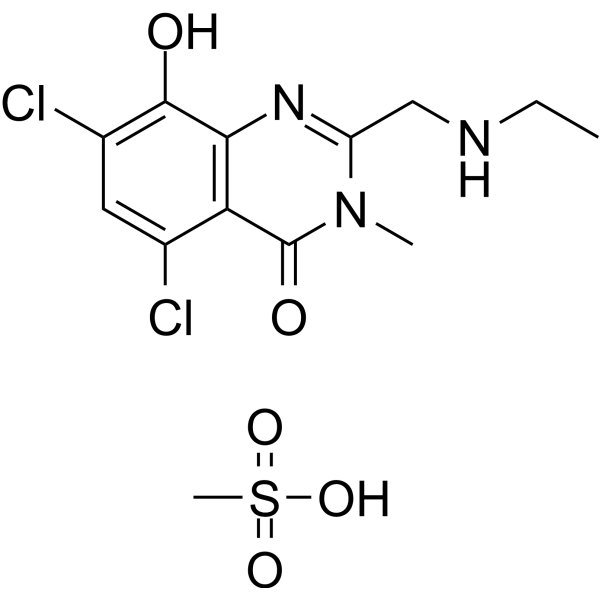
    PBT434 methanesulfonate is a potent, orally active and cross the blood-brain barrier α-synuclein aggregation inhibitor. PBT434 methanesulfonate can be used as a iron chelator and modulates transcellular iron trafficking. PBT434 methanesulfonate inhibits iron-mediated redox activity and iron-mediated aggregation of α-synuclein. PBT434 methanesulfonate prevents the loss of substantia nigra pars compacta neurons (SNpc). PBT434 methanesulfonate has the potential for the research of Parkinson’s disease (PD) .
    PBT434 mesylate
  • HY-12642A
    Diethylcarbamazine
    1 Publications Verification

    Parasite Bacterial TNF Receptor Interleukin Related Infection Metabolic Disease Inflammation/Immunology
    Diethylcarbamazine is an orally active microfilaricidal agent used originally in onchocerciasis and lymphatic filiariasis. Diethylcarbamazine reduces eosinophil trafficking to the lung tissue and exerts anti-allergic effects. Diethylcarbamazine reduces serum levels of leptin, TNF-α, IL-6, MCP-1, glucose, insulin, and triglycerides, and ameliorates insulin resistance without altering body, liver, or adipose tissue weights. Diethylcarbamazine enhances reactive oxygen intermediate expression by polymorphonuclear neutrophils, increases lymphocyte proliferation, and inhibits actinomycetoma lesion development. Diethylcarbamazine can be used for the researches of bronchial asthma, insulin resistance and infection .
    Diethylcarbamazine
  • HY-114457

    L-alpha-Phosphatidylinositol-4,5-bisphosphate; (PtdIns)-(4,5)-P2

    Phospholipase Inflammation/Immunology
    Phosphatidylinositol 4,5-bisphosphate (L-alpha-Phosphatidylinositol-4,5-bisphosphate) is a plasma membrane lipid that is enriched in the cytoplasmic leaflet of the plasma membrane. Phosphatidylinositol 4,5-bisphosphate serves as a substrate for phospholipase C and class I PI3K, generating diacylglycerol, inositol (1,4,5)-trisphosphate, and phosphatidylinositol (3,4,5)-trisphosphate. Phosphatidylinositol 4,5-bisphosphate contributes to lamellipodial protrusion, directional cell migration, focal adhesion lipid generation, and trafficking of the GABAA receptor. Phosphatidylinositol 4,5-bisphosphate can be used in research related to acute lung injury and pulmonary edema .
    Phosphatidylinositol 4,5-bisphosphate
  • HY-110174

    α-synuclein Neurological Disease
    NAB2 is a neuroprotectant that targets the small GTPase Rab1a. NAB2 selectively binds to the GDP-bound form of Rab1a and protects multiple cell types from α-synuclein toxicity by increasing Rab1a expression. Rab1a regulates ER-to-Golgi trafficking and mediates endosomal trafficking events of the E3 ubiquitin ligase Rsp5/Nedd4. NAB2 stimulates ubiquitination of related proteins in a Nedd4-dependent manner and rescues α-synuclein-associated trafficking defects associated with early-onset Parkinson's disease .
    NAB2
  • HY-131682

    3-Hexanoyl-NBD-cholesterol

    Fluorescent Dye Others
    3-C6-NBD-cholesterol is a fluorescent analog of Chol that can be used to measure the kinetics of membrane and intracellular trafficking .
    3-C6-NBD-cholesterol
  • HY-P5351A

    Transmembrane Glycoprotein Inflammation/Immunology Cancer
    Hyaluronan-binding peptide, biotin labeled TFA is a biological active peptide. (This peptide is a hyaluronan-binding peptide biotinylated through a C-terminal GGGSK linker. Hyaluronan (HA) is a nonsulfated glycosaminoglycan expressed in the extracellular matrix and on cell surfaces. HA plays a role in fertilization, embryonic development, wound healing, angiogenesis, leukocyte trafficking to inflamed tissues, and cancer metastasis. This peptide has been shown to block HA binding to CD44 receptors and inhibit T cell proliferation.) .
    Hyaluronan-binding peptide, biotin labeled TFA
  • HY-139407

    3-Dodecanoyl-NBD-cholesterol

    Fluorescent Dye Others
    3-C12-NBD-cholesterol is a fluorescent cholesterol analog that can be used for measuring membrane and intracellular trafficking dynamics .
    3-C12-NBD-cholesterol
  • HY-D1438

    Fluorescent Dye Others
    RH 414 is the styryl pyridinium dye. RH 414 can be used for optical monitoring of synaptic vesicle membrane trafficking .
    RH 414
  • HY-16592R

    BFA (Standard); Cyanein (Standard); Decumbin (Standard)

    Reference Standards Autophagy Mitophagy HSV Antibiotic Bacterial Infection Cancer
    Brefeldin A (Standard) (BFA (Standard)) is the analytical standard of Rutin. This product is intended for research and analytical applications. Brefeldin A (BFA) is a lactone antibiotic and a specific inhibitor of protein trafficking. Brefeldin A blocks the transport of secreted and membrane proteins from endoplasmic reticulum to Golgi apparatus. Brefeldin A is also an autophagy and mitophagy inhibitor. Brefeldin A inhibits HSV-1 and has anti-cancer activity.
    Brefeldin A (Standard)
  • HY-145603S

    VX-121-d4

    Isotope-Labeled Compounds CFTR Chloride Channel Neurological Disease
    Vanzacaftor-d4 (VX-121-d4) is the deuterium labeled Vanzacaftor (HY-145603). Vanzacaftor is an orally active noval corrector of Cystic fibrosis transmembrane conductance regulator (CFTR). Vanzacaftor improves processing and trafficking of CFTR protein as well as increases chloride transport in triple combined with Tezacaftor (HY-15448) and Deutivacaftor. Vanzacaftor-Tezacaftor-Deutivacaftor is safe and well tolerated, improving lung function, respiratory symptoms, and CFTR function with cystic fibrosis, which is promising for research in the field of cystic fibrosis diseases .
    Vanzacaftor-d4
  • HY-123601

    Parasite Infection
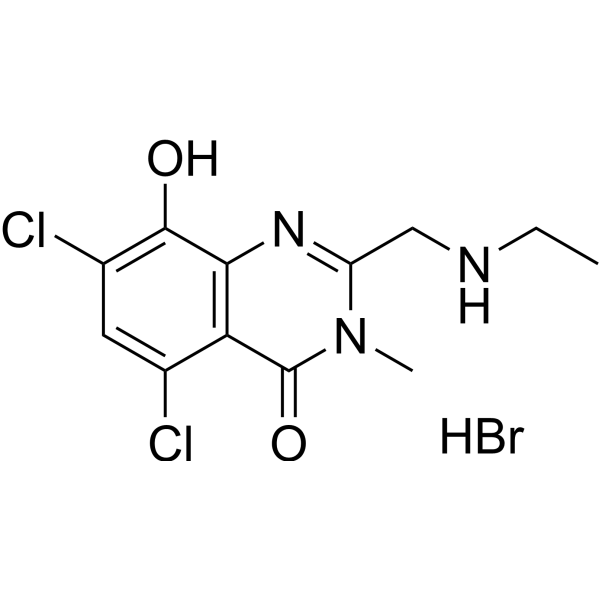
    DHQZ 36 is a potent inhibitor of retrograde trafficking. DHQZ 36 inhibits Leishmania amazonensis infection in macrophages with an EC50 of 13.63 μM. DHQZ 36 has potent anti-parasite activity .
    DHQZ 36
  • HY-109187B

    (R)-PTI-801 sodium

    CFTR Inflammation/Immunology
    (R)-Posenacaftor (R)-PTI-801) sodium is the R enantiomer of Posenacaftor. Posenacaftor is a cystic fibrosis transmembrane regulator (CFTR) protein modulator that corrects the folding and trafficking of CFTR protein. Posenacaftor is used for the research of cystic fibrosis (CF) .
    (R)-Posenacaftor sodium
  • HY-101112

    HuR Inflammation/Immunology
    Okicenone is a Hu protein R (HuR) inhibitor. Okicenone inhibits HuR oligomerization, interferes with HuR RNA binding, HuR trafficking, cytokine expression and T-cell activation .
    Okicenone
  • HY-171788

    N-myristoyltransferase Cancer
    NMT-IN-8 (Compound Ex.129) is an orally active and highly selective inhibitor of N-myristoyl transferase (NMT) with an IC50 value of <10 nM. NMT-IN-8 binds to the peptide binding pocket of NMT, blocking its catalyzed protein N-myristoylation to interfere with key pathways such as protein trafficking, signal transduction, and viral replication. NMT-IN-8 is promising for research of oncology (e.g., MYC-addicted cancers, B-cell lymphoma) and infectious diseases (e.g., malaria, HIV, rhinovirus infection) .
    NMT-IN-8

Inquiry Online

Your information is safe with us. * Required Fields.

Salutation


Country or Region *

Applicant Name *


Organization Name *

Department *


Email Address *


Product Name *

Cat. No.


Requested quantity *

Phone Number *


Remarks

Inquiry Online

Inquiry Information

Product Name:
Cat. No.:
Quantity:
MCE Japan Authorized Agent:

