
From 11:00 pm to 12:00 pm EST ( 8:00 pm to 9:00 pm PST ) on January 6th, the website will be under maintenance. We are sorry for the inconvenience. Please arrange your schedule properly.
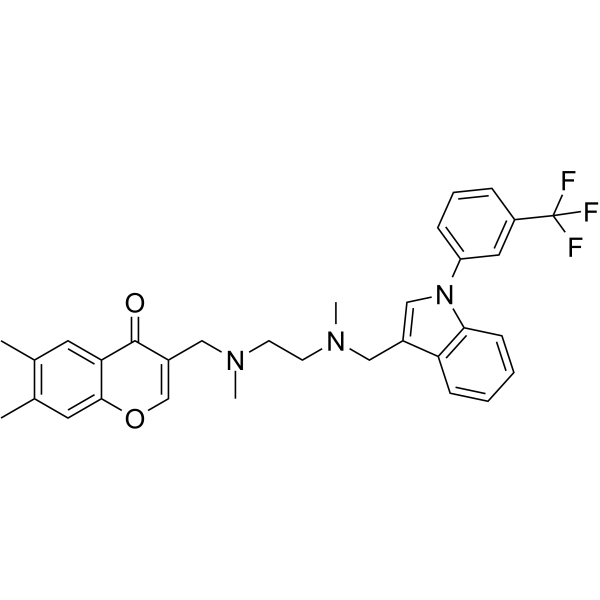
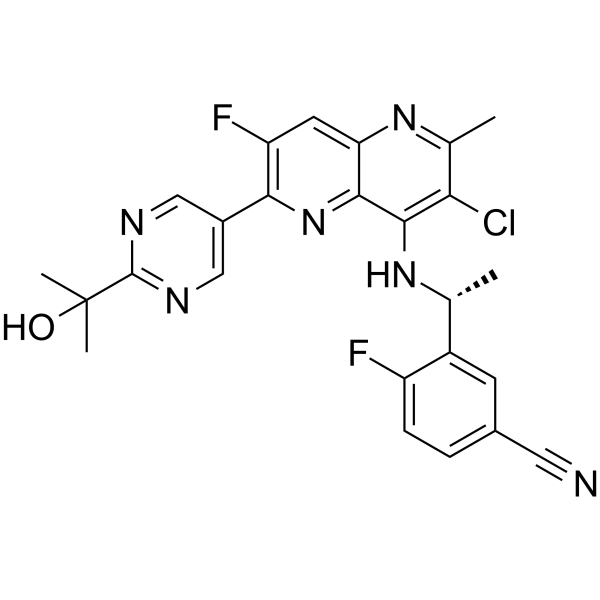
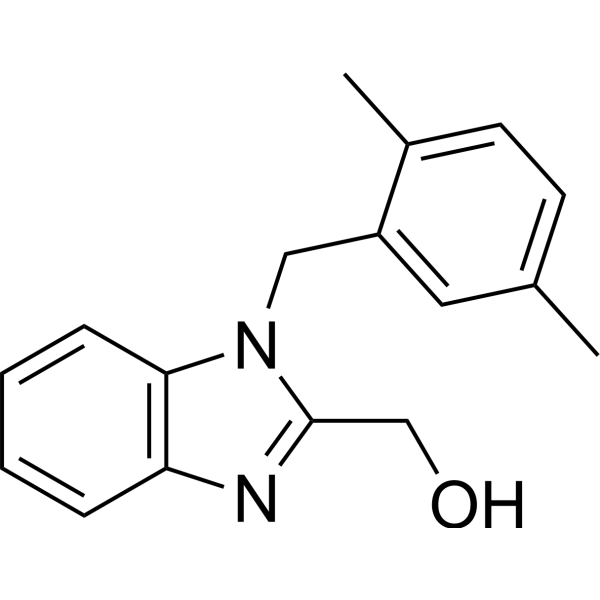
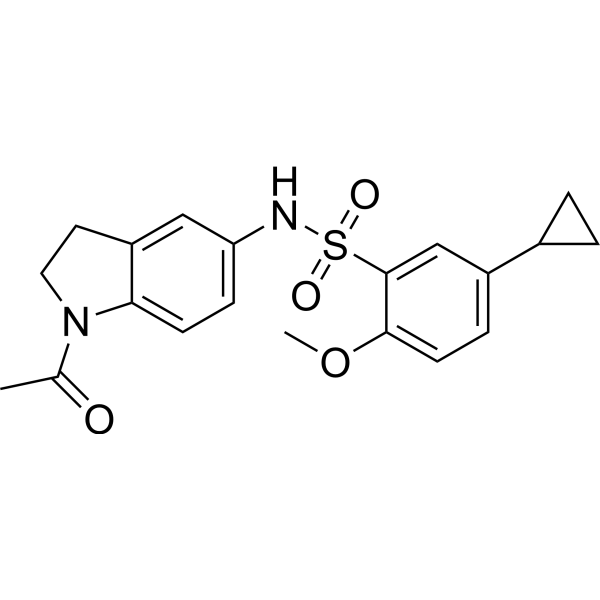
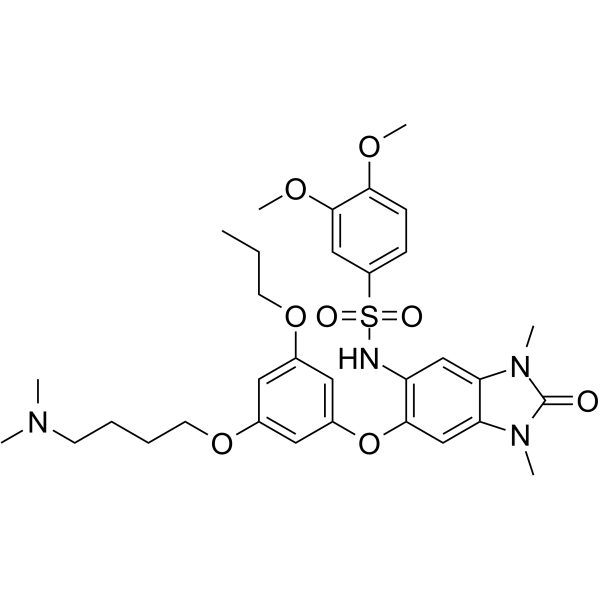
UCB-9260, an orally active compound, inhibits TNF signaling by stabilising an asymmetric form of the trimer. UCB-9260 is selective for TNF over other superfamily members, and binds TNF with a similar Kd of 13 nM .
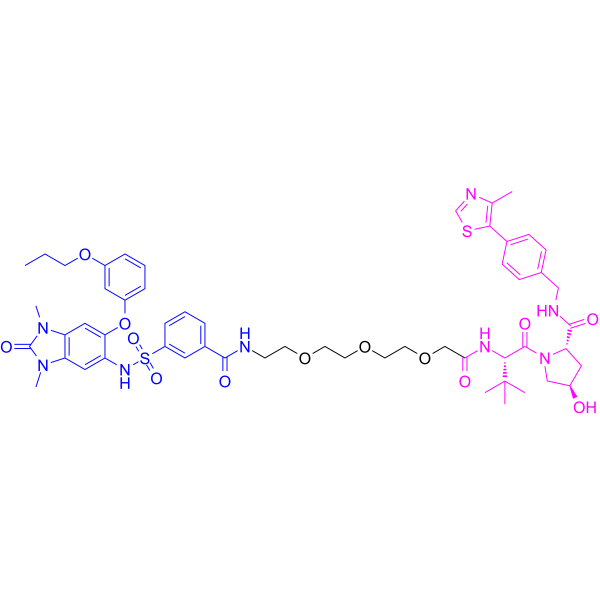
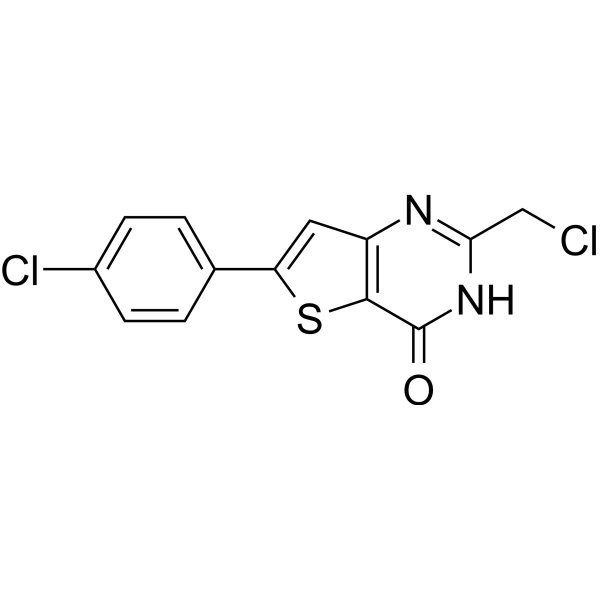
HGC652 is a molecular glue degrader targeting TRIM21 with a TRIM21-dependent nuclear membrane disruption effect. HGC652 binds to the PRY-SPRY domain of TRIM21 with high affinity (Ka=0.061 μM), mediates the interaction between TRIM21 and NUP98, and redirects E3 ligase activity. By triggering the polyubiquitination and proteasomal degradation of nucleoporins (such as NUP155 and GLE1), HGC652 disrupts nuclear membrane integrity, alters nuclear morphology, induces genomic instability, and thereby induces cancer cell death .
UCB-6876 is a TNFα inhibitor. UCB-6876 specifically binds to the asymmetric crystalline form of TNF-α trimer with a KD of 22 μM. UCB-6876 is applicable to research related to autoimmune diseases (rheumatoid arthritis and Crohn's disease).
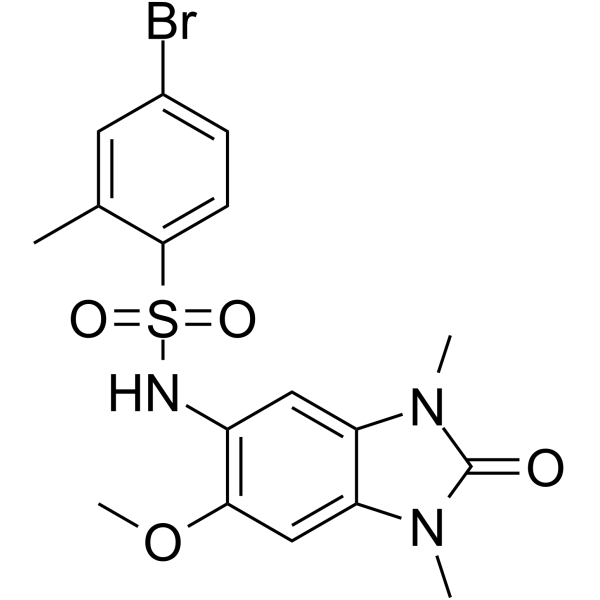
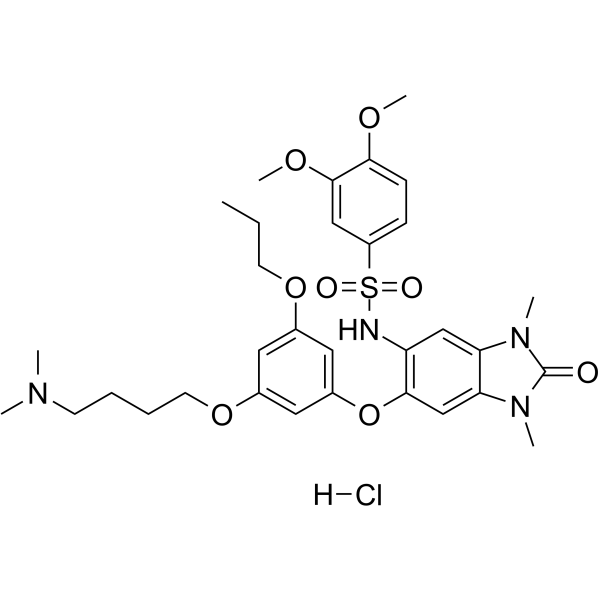
IACS-9571 (ASIS-P040) hydrochloride is a potent and selective inhibitor of TRIM24 and BRPF1, with an IC50 of 8 nM for TRIM24, and Kds of 31 nM and 14 nM for TRIM24 and BRPF1, respectively .
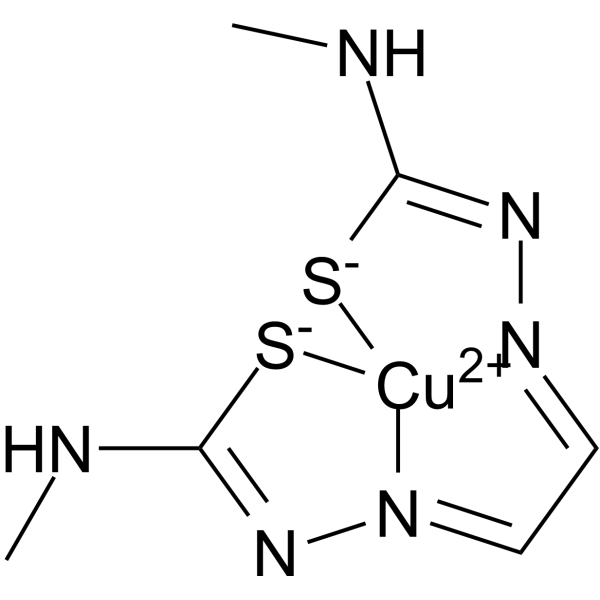
Cu(II)GTSM, a cell-permeable Cu-complex, significantly inhibits GSK3β. Cu(II)GTSM inhibits Amyloid-β oligomers (AβOs) and decreases tau phosphorylation. Cu(II)GTSM also decreases the abundance of Amyloid-β trimers. Cu(II)GTSM is a potential anticancer and antimicrobial agent .
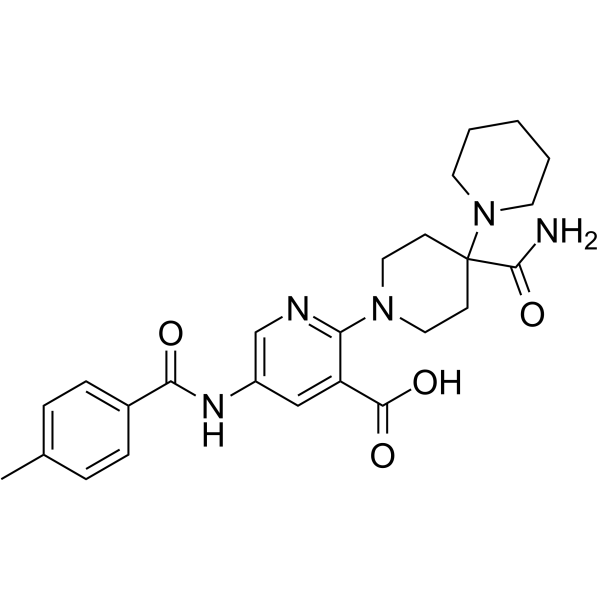
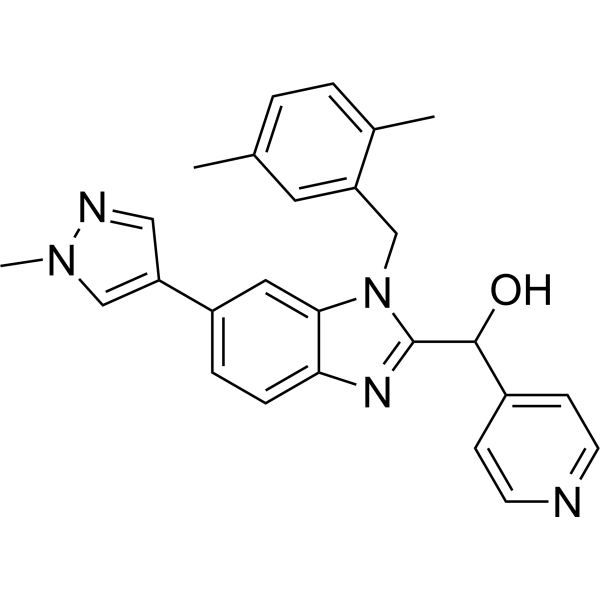
TRIM24/BRPF1-IN-2 (compound 20l) is a potent TRIM24/BRPF1 dual inhibitor, with IC50 values of 0.98 and 1.16 μM, respectively. TRIM24/BRPF1-IN-2 shows TRIM24/BRPF1 bromodomain binding affinity. TRIM24/BRPF1-IN-2 can be used for prostate cancer research .
IACS-9571 is a potent and selective inhibitor of TRIM24 and BRPF1, with IC50 of 8 nM for TRIM24, and Kds of 31 nM and 14 nM for TRIM24 and BRPF1, respectively.
TRIM33 Human Pre-designed siRNA Set A contains three designed siRNAs for TRIM33 gene (Human), as well as a negative control, a positive control, and a FAM-labeled negative control.
BRPF1B/TRIM24-IN-1 (compound 34) is a potent TRIM24/BRPF1/BRPF2 inhibitor, with IC50 values of 0.43, 0.34, 1.75 μM, respectively. BRPF1B/TRIM24-IN-1 binds the TRIM24 bromodomain with a KD of 222 nM and has a KD for the BRPF1 bromodomain of 137 nM and for BRD1 of 1130 nM .
TRIM8 Human Pre-designed siRNA Set A contains three designed siRNAs for TRIM8 gene (Human), as well as a negative control, a positive control, and a FAM-labeled negative control.
TRIM24 Human Pre-designed siRNA Set A contains three designed siRNAs for TRIM24 gene (Human), as well as a negative control, a positive control, and a FAM-labeled negative control.
TRIM25 Human Pre-designed siRNA Set A contains three designed siRNAs for TRIM25 gene (Human), as well as a negative control, a positive control, and a FAM-labeled negative control.
TRIM25 ligand-1 (Compound 10) is a covalent ligand. TRIM25 ligand-1 can covalently bind to Cys498 in the PRYSPRY domain of TRIM25 and enhance its auto-ubiquitination activity. TRIM25 ligand-1 is selective for TRIM25 in vitro and in live cells .
2-2(t) aptamer sodium is a 42-nucleotide trimeric complex of aptamer (2-2) targeting ErbB-2. 2-2(t) aptamer sodium inhibits the growth of gastric cancer cells in vitro and in vivo .
Trim29 Rat Pre-designed siRNA Set A contains three designed siRNAs for Trim29 gene (Rat), as well as a negative control, a positive control, and a FAM-labeled negative control.
Trim15 Mouse Pre-designed siRNA Set A contains three designed siRNAs for Trim15 gene (Mouse), as well as a negative control, a positive control, and a FAM-labeled negative control.
Compound 48/80 (trimer) is a trimer of Compound 48/80 (HY-115768). Compound 48/80 is widely used in animal and tissue models as a "selective" mast cell activator .
Lindetannin (Lindetannin trimer) is an A-type trimer of proanthocyanidin (HY-N0794) found in the bark of Cinnamomum trees. Proanthocyanidin are a class of polyphenolic that are widely distributed in higher plants, consisted of an electrophilic flavanyl unit. Proanthocyanidin can be used as antioxidant and anti-cancer agent. Proanthocyanidin also exhibit anti-inflammatory, cardioprotective, antibacterial and antifungal properties, which can be used in the treatment of chronic venous insufficiency, capillary fragility, sunburn and retinopathy .
PRL-IN-1 (compound 43) is a phosphatase of regenerating liver (PRL) inhibitor that directly binds the PRL1 trimer interface and obstructs PRL1 trimerization. PRL-IN-1 shows potent anticancer activities .
IACS-9571 (trifluoroacetate) is a potent and selective inhibitor of TRIM24 and BRPF1, with IC50 of 8 nM for TRIM24, and Kd of 31 nM and 14 nM for TRIM24 and BRPF1, respectively.
Trim8 Rat Pre-designed siRNA Set A contains three designed siRNAs for Trim8 gene (Rat), as well as a negative control, a positive control, and a FAM-labeled negative control.
TRIM15 Human Pre-designed siRNA Set A contains three designed siRNAs for TRIM15 gene (Human), as well as a negative control, a positive control, and a FAM-labeled negative control.
TRIM67 Human Pre-designed siRNA Set A contains three designed siRNAs for TRIM67 gene (Human), as well as a negative control, a positive control, and a FAM-labeled negative control.
TRIM66 Human Pre-designed siRNA Set A contains three designed siRNAs for TRIM66 gene (Human), as well as a negative control, a positive control, and a FAM-labeled negative control.
TRIM58 Human Pre-designed siRNA Set A contains three designed siRNAs for TRIM58 gene (Human), as well as a negative control, a positive control, and a FAM-labeled negative control.
TRIM44 Human Pre-designed siRNA Set A contains three designed siRNAs for TRIM44 gene (Human), as well as a negative control, a positive control, and a FAM-labeled negative control.
TRIM38 Human Pre-designed siRNA Set A contains three designed siRNAs for TRIM38 gene (Human), as well as a negative control, a positive control, and a FAM-labeled negative control.
Trim23 Rat Pre-designed siRNA Set A contains three designed siRNAs for Trim23 gene (Rat), as well as a negative control, a positive control, and a FAM-labeled negative control.
TRIM63 Human Pre-designed siRNA Set A contains three designed siRNAs for TRIM63 gene (Human), as well as a negative control, a positive control, and a FAM-labeled negative control.
TRIM3 Human Pre-designed siRNA Set A contains three designed siRNAs for TRIM3 gene (Human), as well as a negative control, a positive control, and a FAM-labeled negative control.
TRIM60 Human Pre-designed siRNA Set A contains three designed siRNAs for TRIM60 gene (Human), as well as a negative control, a positive control, and a FAM-labeled negative control.
TRIM69 Human Pre-designed siRNA Set A contains three designed siRNAs for TRIM69 gene (Human), as well as a negative control, a positive control, and a FAM-labeled negative control.
TRIM4 Human Pre-designed siRNA Set A contains three designed siRNAs for TRIM4 gene (Human), as well as a negative control, a positive control, and a FAM-labeled negative control.
TRIM14 Human Pre-designed siRNA Set A contains three designed siRNAs for TRIM14 gene (Human), as well as a negative control, a positive control, and a FAM-labeled negative control.
TRIM11 Human Pre-designed siRNA Set A contains three designed siRNAs for TRIM11 gene (Human), as well as a negative control, a positive control, and a FAM-labeled negative control.
TRIM56 Human Pre-designed siRNA Set A contains three designed siRNAs for TRIM56 gene (Human), as well as a negative control, a positive control, and a FAM-labeled negative control.
TRIM52 Human Pre-designed siRNA Set A contains three designed siRNAs for TRIM52 gene (Human), as well as a negative control, a positive control, and a FAM-labeled negative control.
TRIM64 Human Pre-designed siRNA Set A contains three designed siRNAs for TRIM64 gene (Human), as well as a negative control, a positive control, and a FAM-labeled negative control.
TRIM43 Human Pre-designed siRNA Set A contains three designed siRNAs for TRIM43 gene (Human), as well as a negative control, a positive control, and a FAM-labeled negative control.
TRIM40 Human Pre-designed siRNA Set A contains three designed siRNAs for TRIM40 gene (Human), as well as a negative control, a positive control, and a FAM-labeled negative control.
Trim16 Rat Pre-designed siRNA Set A contains three designed siRNAs for Trim16 gene (Rat), as well as a negative control, a positive control, and a FAM-labeled negative control.
TRIM41 Human Pre-designed siRNA Set A contains three designed siRNAs for TRIM41 gene (Human), as well as a negative control, a positive control, and a FAM-labeled negative control.
TRIM7 Human Pre-designed siRNA Set A contains three designed siRNAs for TRIM7 gene (Human), as well as a negative control, a positive control, and a FAM-labeled negative control.
TRIM62 Human Pre-designed siRNA Set A contains three designed siRNAs for TRIM62 gene (Human), as well as a negative control, a positive control, and a FAM-labeled negative control.
Trim21 Mouse Pre-designed siRNA Set A contains three designed siRNAs for Trim21 gene (Mouse), as well as a negative control, a positive control, and a FAM-labeled negative control.
TRIM72 Human Pre-designed siRNA Set A contains three designed siRNAs for TRIM72 gene (Human), as well as a negative control, a positive control, and a FAM-labeled negative control.
Trim7 Rat Pre-designed siRNA Set A contains three designed siRNAs for Trim7 gene (Rat), as well as a negative control, a positive control, and a FAM-labeled negative control.
TRIM47 Human Pre-designed siRNA Set A contains three designed siRNAs for TRIM47 gene (Human), as well as a negative control, a positive control, and a FAM-labeled negative control.
Trim32 Rat Pre-designed siRNA Set A contains three designed siRNAs for Trim32 gene (Rat), as well as a negative control, a positive control, and a FAM-labeled negative control.
TRIM13 Human Pre-designed siRNA Set A contains three designed siRNAs for TRIM13 gene (Human), as well as a negative control, a positive control, and a FAM-labeled negative control.
Trim56 Mouse Pre-designed siRNA Set A contains three designed siRNAs for Trim56 gene (Mouse), as well as a negative control, a positive control, and a FAM-labeled negative control.
N-Acetylgalactosamine trimer (the second structure in example 59) is a trimer of N-Acetylgalactosamine. N-Acetylgalactosamine trimer can be used for liver-targeted delivery of oligonucleotides .
Trimer44NMe is a polyamine transport inhibitor (PTI). Trimer44NMe inhibits the polyamine transport of putrescine (Put), spermidine (Spd), and spermine (Spm). Trimer44NMe can be used for research of Pancreatic ductal adenocarcinoma (PDAC) .
ETE-S trimer is a conjugated trimer that undergoes polymerization under the action of plant cell wall peroxidases, forming an ion-electron hybrid conductive polymer suitable for bio-hybrid supercapacitors .
Forsydoitriside A is an iridoid glycoside trimer found in the fruits of Forsythia suspensa. Forsydoitriside A shows no significant hepatoprotective activity against Acetaminophen (HY-66005)-induced damage in liver cells at 10 μM .
MRC37 is a potent and selective small-molecule ligand of TRIM21 that binds the PRYSPRY domain of TRIM21. MRC37 inhibits the natural antiviral function of TRIM21 by preventing antibody neutralisation of adenovirus 5 (Adv5). MRC37 is also capable of inhibiting Trim-Away, a targeted protein degradation technology where TRIM21 is recruited to specific proteins via electroporated antibodies .
dTAG-TRIMTAC is a PROTAC-like degrader targeting TRIM21. dTAG-TRIMTAC forms a ternary complex with TRIM21 and target proteins to drive degradation of oligomeric/assembled substrates via TRIM21 clustering-based activation, with degradation dependent on endogenous TRIM21. dTAG-TRIMTAC can be used for the research of neurodegenerative disease and inflammatory disease .
JWZ-8-103 is an orally active PRLX-93936 (HY-119264) analog and TRIM21-targeting molecular glue. JWZ-8-103 increases the thermal stability of TRIM21. JWZ-8-103 promotes a robust and rapid interaction between TRIM21 and NUP98 (apparent EC50 = ∼20 μM for TRIM21 PRYSPRY and NUP98 APD). JWZ-8-103 has anti-cancer effects against pancreatic cancer .
JWZ-8-103 hydrochloride is an orally active PRLX-93936 (HY-119264) analog and TRIM21-targeting molecular glue. JWZ-8-103 hydrochloride increases the thermal stability of TRIM21. JWZ-8-103 hydrochloride promotes a robust and rapid interaction between TRIM21 and NUP98 (apparent EC50 = ∼20 μM for TRIM21 PRYSPRY and NUP98 APD). JWZ-8-103 hydrochloride has anti-cancer effects against pancreatic cancer .
Pig TRIM56 mRNA encodes the pig TRIM56 protein, an interferon-stimulated gene (ISG) that acts as an important innate immune factor. Overexpression of TRIM56 restricts viral replication by enhancing TLR3-TRAF3-mediated IFN-β production .
TRIM10 Human Pre-designed siRNA Set A contains three designed siRNAs for TRIM10 gene (Human), as well as a negative control, a positive control, and a FAM-labeled negative control.
Trim44 Rat Pre-designed siRNA Set A contains three designed siRNAs for Trim44 gene (Rat), as well as a negative control, a positive control, and a FAM-labeled negative control.
Trim31 Rat Pre-designed siRNA Set A contains three designed siRNAs for Trim31 gene (Rat), as well as a negative control, a positive control, and a FAM-labeled negative control.
TRIM45 Human Pre-designed siRNA Set A contains three designed siRNAs for TRIM45 gene (Human), as well as a negative control, a positive control, and a FAM-labeled negative control.
TRIM26 Human Pre-designed siRNA Set A contains three designed siRNAs for TRIM26 gene (Human), as well as a negative control, a positive control, and a FAM-labeled negative control.
Trim27 Mouse Pre-designed siRNA Set A contains three designed siRNAs for Trim27 gene (Mouse), as well as a negative control, a positive control, and a FAM-labeled negative control.
Trim29 Mouse Pre-designed siRNA Set A contains three designed siRNAs for Trim29 gene (Mouse), as well as a negative control, a positive control, and a FAM-labeled negative control.
Trim62 Mouse Pre-designed siRNA Set A contains three designed siRNAs for Trim62 gene (Mouse), as well as a negative control, a positive control, and a FAM-labeled negative control.
TRIM55 Human Pre-designed siRNA Set A contains three designed siRNAs for TRIM55 gene (Human), as well as a negative control, a positive control, and a FAM-labeled negative control.
Trim9 Rat Pre-designed siRNA Set A contains three designed siRNAs for Trim9 gene (Rat), as well as a negative control, a positive control, and a FAM-labeled negative control.
Trim24 Mouse Pre-designed siRNA Set A contains three designed siRNAs for Trim24 gene (Mouse), as well as a negative control, a positive control, and a FAM-labeled negative control.
Trim26 Rat Pre-designed siRNA Set A contains three designed siRNAs for Trim26 gene (Rat), as well as a negative control, a positive control, and a FAM-labeled negative control.
Trim38 Rat Pre-designed siRNA Set A contains three designed siRNAs for Trim38 gene (Rat), as well as a negative control, a positive control, and a FAM-labeled negative control.
Trim47 Rat Pre-designed siRNA Set A contains three designed siRNAs for Trim47 gene (Rat), as well as a negative control, a positive control, and a FAM-labeled negative control.
Trim5 Rat Pre-designed siRNA Set A contains three designed siRNAs for Trim5 gene (Rat), as well as a negative control, a positive control, and a FAM-labeled negative control.
Trim35 Mouse Pre-designed siRNA Set A contains three designed siRNAs for Trim35 gene (Mouse), as well as a negative control, a positive control, and a FAM-labeled negative control.
Trim45 Rat Pre-designed siRNA Set A contains three designed siRNAs for Trim45 gene (Rat), as well as a negative control, a positive control, and a FAM-labeled negative control.
Trim72 Mouse Pre-designed siRNA Set A contains three designed siRNAs for Trim72 gene (Mouse), as well as a negative control, a positive control, and a FAM-labeled negative control.
Trim7 Mouse Pre-designed siRNA Set A contains three designed siRNAs for Trim7 gene (Mouse), as well as a negative control, a positive control, and a FAM-labeled negative control.
TRIM23 Human Pre-designed siRNA Set A contains three designed siRNAs for TRIM23 gene (Human), as well as a negative control, a positive control, and a FAM-labeled negative control.
Trim28 Mouse Pre-designed siRNA Set A contains three designed siRNAs for Trim28 gene (Mouse), as well as a negative control, a positive control, and a FAM-labeled negative control.
TRIM48 Human Pre-designed siRNA Set A contains three designed siRNAs for TRIM48 gene (Human), as well as a negative control, a positive control, and a FAM-labeled negative control.
TRIM59 Human Pre-designed siRNA Set A contains three designed siRNAs for TRIM59 gene (Human), as well as a negative control, a positive control, and a FAM-labeled negative control.
Trim62 Rat Pre-designed siRNA Set A contains three designed siRNAs for Trim62 gene (Rat), as well as a negative control, a positive control, and a FAM-labeled negative control.
TRIM39 Human Pre-designed siRNA Set A contains three designed siRNAs for TRIM39 gene (Human), as well as a negative control, a positive control, and a FAM-labeled negative control.
TRIM46 Human Pre-designed siRNA Set A contains three designed siRNAs for TRIM46 gene (Human), as well as a negative control, a positive control, and a FAM-labeled negative control.
Trim23 Mouse Pre-designed siRNA Set A contains three designed siRNAs for Trim23 gene (Mouse), as well as a negative control, a positive control, and a FAM-labeled negative control.
Trim38 Mouse Pre-designed siRNA Set A contains three designed siRNAs for Trim38 gene (Mouse), as well as a negative control, a positive control, and a FAM-labeled negative control.
TRIM9 Human Pre-designed siRNA Set A contains three designed siRNAs for TRIM9 gene (Human), as well as a negative control, a positive control, and a FAM-labeled negative control.
Trim13 Rat Pre-designed siRNA Set A contains three designed siRNAs for Trim13 gene (Rat), as well as a negative control, a positive control, and a FAM-labeled negative control.
Trim26 Mouse Pre-designed siRNA Set A contains three designed siRNAs for Trim26 gene (Mouse), as well as a negative control, a positive control, and a FAM-labeled negative control.
Trim33 Mouse Pre-designed siRNA Set A contains three designed siRNAs for Trim33 gene (Mouse), as well as a negative control, a positive control, and a FAM-labeled negative control.
TRIM36 Human Pre-designed siRNA Set A contains three designed siRNAs for TRIM36 gene (Human), as well as a negative control, a positive control, and a FAM-labeled negative control.
Trim25 Rat Pre-designed siRNA Set A contains three designed siRNAs for Trim25 gene (Rat), as well as a negative control, a positive control, and a FAM-labeled negative control.
Trim31 Mouse Pre-designed siRNA Set A contains three designed siRNAs for Trim31 gene (Mouse), as well as a negative control, a positive control, and a FAM-labeled negative control.
Trim24 Rat Pre-designed siRNA Set A contains three designed siRNAs for Trim24 gene (Rat), as well as a negative control, a positive control, and a FAM-labeled negative control.
TRIM5 Human Pre-designed siRNA Set A contains three designed siRNAs for TRIM5 gene (Human), as well as a negative control, a positive control, and a FAM-labeled negative control.
Trim32 Mouse Pre-designed siRNA Set A contains three designed siRNAs for Trim32 gene (Mouse), as well as a negative control, a positive control, and a FAM-labeled negative control.
TRIM16 Human Pre-designed siRNA Set A contains three designed siRNAs for TRIM16 gene (Human), as well as a negative control, a positive control, and a FAM-labeled negative control.
Trim3 Mouse Pre-designed siRNA Set A contains three designed siRNAs for Trim3 gene (Mouse), as well as a negative control, a positive control, and a FAM-labeled negative control.
Trim45 Mouse Pre-designed siRNA Set A contains three designed siRNAs for Trim45 gene (Mouse), as well as a negative control, a positive control, and a FAM-labeled negative control.
Trim47 Mouse Pre-designed siRNA Set A contains three designed siRNAs for Trim47 gene (Mouse), as well as a negative control, a positive control, and a FAM-labeled negative control.
Trim3 Rat Pre-designed siRNA Set A contains three designed siRNAs for Trim3 gene (Rat), as well as a negative control, a positive control, and a FAM-labeled negative control.
Trim33 Rat Pre-designed siRNA Set A contains three designed siRNAs for Trim33 gene (Rat), as well as a negative control, a positive control, and a FAM-labeled negative control.
Trim25 Mouse Pre-designed siRNA Set A contains three designed siRNAs for Trim25 gene (Mouse), as well as a negative control, a positive control, and a FAM-labeled negative control.
TRIM37 Human Pre-designed siRNA Set A contains three designed siRNAs for TRIM37 gene (Human), as well as a negative control, a positive control, and a FAM-labeled negative control.
Trim28 Rat Pre-designed siRNA Set A contains three designed siRNAs for Trim28 gene (Rat), as well as a negative control, a positive control, and a FAM-labeled negative control.
Trim21 Rat Pre-designed siRNA Set A contains three designed siRNAs for Trim21 gene (Rat), as well as a negative control, a positive control, and a FAM-labeled negative control.
TRIM31 Human Pre-designed siRNA Set A contains three designed siRNAs for TRIM31 gene (Human), as well as a negative control, a positive control, and a FAM-labeled negative control.
Trim35 Rat Pre-designed siRNA Set A contains three designed siRNAs for Trim35 gene (Rat), as well as a negative control, a positive control, and a FAM-labeled negative control.
Trim8 Mouse Pre-designed siRNA Set A contains three designed siRNAs for Trim8 gene (Mouse), as well as a negative control, a positive control, and a FAM-labeled negative control.
Trim14 Rat Pre-designed siRNA Set A contains three designed siRNAs for Trim14 gene (Rat), as well as a negative control, a positive control, and a FAM-labeled negative control.
Trim2 Rat Pre-designed siRNA Set A contains three designed siRNAs for Trim2 gene (Rat), as well as a negative control, a positive control, and a FAM-labeled negative control.
Trim5 Mouse Pre-designed siRNA Set A contains three designed siRNAs for Trim5 gene (Mouse), as well as a negative control, a positive control, and a FAM-labeled negative control.
TRIM27 Human Pre-designed siRNA Set A contains three designed siRNAs for TRIM27 gene (Human), as well as a negative control, a positive control, and a FAM-labeled negative control.
TRIM22 Human Pre-designed siRNA Set A contains three designed siRNAs for TRIM22 gene (Human), as well as a negative control, a positive control, and a FAM-labeled negative control.
Trim16 Mouse Pre-designed siRNA Set A contains three designed siRNAs for Trim16 gene (Mouse), as well as a negative control, a positive control, and a FAM-labeled negative control.
Trim27 Rat Pre-designed siRNA Set A contains three designed siRNAs for Trim27 gene (Rat), as well as a negative control, a positive control, and a FAM-labeled negative control.
Trim44 Mouse Pre-designed siRNA Set A contains three designed siRNAs for Trim44 gene (Mouse), as well as a negative control, a positive control, and a FAM-labeled negative control.
TRIM21 Human Pre-designed siRNA Set A contains three designed siRNAs for TRIM21 gene (Human), as well as a negative control, a positive control, and a FAM-labeled negative control.
TRIM29 Human Pre-designed siRNA Set A contains three designed siRNAs for TRIM29 gene (Human), as well as a negative control, a positive control, and a FAM-labeled negative control.
TRIM6 Human Pre-designed siRNA Set A contains three designed siRNAs for TRIM6 gene (Human), as well as a negative control, a positive control, and a FAM-labeled negative control.
TRIM35 Human Pre-designed siRNA Set A contains three designed siRNAs for TRIM35 gene (Human), as well as a negative control, a positive control, and a FAM-labeled negative control.
Trim2 Mouse Pre-designed siRNA Set A contains three designed siRNAs for Trim2 gene (Mouse), as well as a negative control, a positive control, and a FAM-labeled negative control.
Trim9 Mouse Pre-designed siRNA Set A contains three designed siRNAs for Trim9 gene (Mouse), as well as a negative control, a positive control, and a FAM-labeled negative control.
TRIM71 Human Pre-designed siRNA Set A contains three designed siRNAs for TRIM71 gene (Human), as well as a negative control, a positive control, and a FAM-labeled negative control.
Trim13 Mouse Pre-designed siRNA Set A contains three designed siRNAs for Trim13 gene (Mouse), as well as a negative control, a positive control, and a FAM-labeled negative control.
TRIM65 Human Pre-designed siRNA Set A contains three designed siRNAs for TRIM65 gene (Human), as well as a negative control, a positive control, and a FAM-labeled negative control.
TRIM2 Human Pre-designed siRNA Set A contains three designed siRNAs for TRIM2 gene (Human), as well as a negative control, a positive control, and a FAM-labeled negative control.
Trim14 Mouse Pre-designed siRNA Set A contains three designed siRNAs for Trim14 gene (Mouse), as well as a negative control, a positive control, and a FAM-labeled negative control.
TRIM28 Human Pre-designed siRNA Set A contains three designed siRNAs for TRIM28 gene (Human), as well as a negative control, a positive control, and a FAM-labeled negative control.
TRIM54 Human Pre-designed siRNA Set A contains three designed siRNAs for TRIM54 gene (Human), as well as a negative control, a positive control, and a FAM-labeled negative control.
Trim56 Rat Pre-designed siRNA Set A contains three designed siRNAs for Trim56 gene (Rat), as well as a negative control, a positive control, and a FAM-labeled negative control.
TRIM32 Human Pre-designed siRNA Set A contains three designed siRNAs for TRIM32 gene (Human), as well as a negative control, a positive control, and a FAM-labeled negative control.
Trim72 Rat Pre-designed siRNA Set A contains three designed siRNAs for Trim72 gene (Rat), as well as a negative control, a positive control, and a FAM-labeled negative control.
IACS-9571 hydrochloride (Standard) is the analytical standard of IACS-9571 hydrochloride (HY-102000B). This product is intended for research and analytical applications. IACS-9571 (ASIS-P040) hydrochloride is a potent and selective inhibitor of TRIM24 and BRPF1, with an IC50 of 8 nM for TRIM24, and Kds of 31 nM and 14 nM for TRIM24 and BRPF1, respectively .
Acepromazine-OTs is a TRIM21 ligand used in the recruitment of the TRIM21 protein. Acepromazine-OTs can be connected to the target protein ligand through a linker to form a PROTAC molecule, TrimTAC1 (HY-169355) .
TRIM is a potent nitric oxide synthase inhibitor. TRIM inhibits mouse cerebellar nNOS and rat lung iNOS in vitro with IC50 values of 28.2 and 27.0 µM, respectively. Antidepressant- and anxiolytic-like effects .
T/E PPI-IN-1 (Compound C87) is a TRIM28-EZH2 interaction inhibitor targeting reactive cysteines at the interface. T/E PPI-IN-1 can be used for the research of cancer .
SB24011 is a STING modulator and a TRIM29-STING protein-protein interaction inhibitor. SB24011 blocks TRIM29-induced K48-linked specific ubiquitination by binding to STING, thereby upregulating intracellular STING protein levels. SB24011 enhances inflammatory cytokine expression and STING-mediated immune responses, and exhibits abscopal antitumor activity that promotes tumor regression and activates T cell infiltration. When combined with STING agonists or anti-PD1 antibodies, SB24011 synergistically enhances antitumor responses. SB24011 is suitable for research related to colon cancer and melanoma .
TNF-α-IN-2 is a potent and orally active inhibitor of tumor necrosis factor alpha (TNFα), with an IC50 of 25 nM in the HTRF assay. TNF-α-IN-2 distorts the TNFα trimer upon binding, leading to aberrant signaling when the trimer binds to TNFR1. TNF-α-IN-2 can be used for the research of rheumatoid arthritis .
N6F11 is a selective ferroptosis inducer, and can selectively induce ferroptosis by targeting TRIM25-mediated GPX4 degradation in cancer cells while sparing immune cells. N6F11 initiates HMGB1-dependent antitumor immunity mediated by CD8 + T cells .
IC 100 is a humanized IgG4κ monoclonal antibody targeting apoptosis-associated speck-like protein (ASC) with blood-brain barrier permeability. IC 100 specifically inhibits ASC after being endocytosed via its Fc segment, blocks ASC polymerization and inflammasome activation, suppresses IL-1β release, forms complexes with ASC and TRIM21, and evades TRIM21-mediated proteasomal degradation. IC 100 alleviates symptoms associated with autoimmune encephalomyelitis, reduces immune cell infiltration and microglial activation in the mouse EAE model. IC 100 is suitable for research on neuroinflammatory and inflammasome-related diseases such as multiple sclerosis. Isotype comparison: HY-P99003 .
BRD5529 is an effective dose-dependent CARD9-TRIM62 protein–protein interaction (PPI) inhibitor with an IC50 value of 8.6 μM. BRD5529 has potency and complete inhibition of CARD9 ubiquitinylation in vitro, also has favorable solubility. BRD5529 can be used for the research of inflammatory bowel disease (IBD) such as Crohn’s disease (CD) and ulcerative colitis (UC) .
Gnetifolin E is a resveratrol trimer derivative that can be isolated from Gnetum brunonianum. Gnetifolin E has anti-inflammatory activity, and inhibits TNF-α .
PROTAC BET Degrader-13 (Compound 34) is a TRIM21-based PROTAC (TRIMTAC) degrader targeting BET. PROTAC BET Degrader-13 significantly degrades PML-eGFP-BRD4 fusion protein with a near-complete loss of EGFP+ nuclear puncta with an EC50 of 1.4 μM . Pink: BET ligand (HY-13030); Blue: E3 ligase ligand (HY-W1125585); Black: linker
Galegenimab (FHTR 2163) is a humanized monoclonal antibody Fab fragment targeting the HtrA1trimer. Galegenimab is used in research on age-related macular degeneration (AMD) .
(-)-Cryptamide C is a Dopamine enantiomer trimer. (-)-Cryptamide C can be isolated from the Periostracum cicadae. (-)-Cryptamide C suppresses NO production. (-)-Cryptamide C can be used in the research of inflammatory diseases .
RP-1664 is a selective and orally active PLK4 inhibitor with an IC50 of 3 nM. RP-1664 demonstrates exquisite selectivity over related kinases, including AURKA/B and PLK1. RP-1664 disrupts centriole biogenesis in cancer cells and leads an accumulation of PLK4 and p21 protein. RP-1664 demonstrates increased sensitivity in TRIM37-high-expressing cells or tumors. RP-1664 exhibits anti-tumor activity in breast cancer and neuroblastoma research [1][2].
PRLX-93936 is a molecular Glues that binds to and reprograms the TRIM21 ubiquitin ligase to degrade nuclear pore complexes. PRLX-93936 binds to TRIM21, forms a ternary complex with TRIM21 and NUP98, and mediates the ubiquitination and proteasomal degradation of NUP98 and other nuclear pore complex proteins. PRLX-93936 induces the loss of short-lived cytoplasmic mRNA transcripts, triggers cancer cell apoptosis (Apoptosis), and inhibits the activated Ras pathway. PRLX-93936 inhibits HIF-1 under hypoxic conditions (IC50 = 0.09 μM in cell-based reporter gene assay). PRLX-93936 suppresses tumor growth in mouse models and improves survival rates in mouse models of multiple myeloma. PRLX-93936 is applicable to research related to pancreatic cancer and multiple myeloma .
PRLX-93936 dihydrochloride is a molecular Glues that binds to and reprograms the TRIM21 ubiquitin ligase to degrade nuclear pore complexes. PRLX-93936 dihydrochloride binds to TRIM21, forms a ternary complex with TRIM21 and NUP98, and mediates the ubiquitination and proteasomal degradation of NUP98 and other nuclear pore complex proteins. PRLX-93936 dihydrochloride induces the loss of short-lived cytoplasmic mRNA transcripts, triggers cancer cell apoptosis (Apoptosis), and inhibits the activated Ras pathway. PRLX-93936 dihydrochloride inhibits HIF-1 under hypoxic conditions (IC50 = 0.09 μM in cell-based reporter gene assay). PRLX-93936 dihydrochloride suppresses tumor growth in mouse models and improves survival rates in mouse models of multiple myeloma. PRLX-93936 dihydrochloride is applicable to research related to pancreatic cancer and multiple myeloma .
Foeniculoside I is a stilbene trimer glycoside compound found in Foeniculum vulgare. Foeniculoside I has strong antioxidant activity and moderate hyaluronidase inhibitory activity. Foeniculoside I can be used for the researches of cancer, inflammation and immunology .
(S)-ACE-OH is a molecular glue with anticancer activity. (S)-ACE-OH promotes nucleoporin degradation and disruption of nucleocytoplasmic trafficking by inducing the interaction between E3 ubiquitin ligase TRIM21 and nucleoporin NUP98 .
DMT-dA(bz) Phosphoramidite (Standard) is the analytical standard of DMT-dA(bz) Phosphoramidite. This product is intended for research and analytical applications. DMT-dA(bz) Phosphoramidite is a phosphoramide monomer for the synthesis of oligonucleotides (ONs) through formation of DNA dimers and trimers via mechanochemistry .
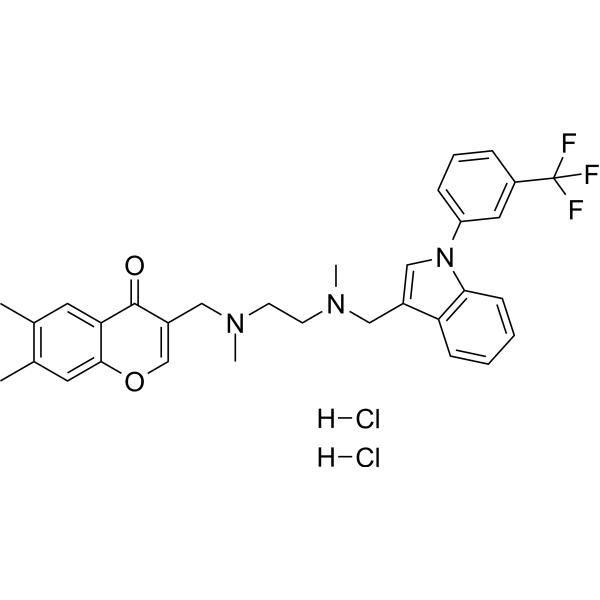
SPD304 is a selective TNF-α inhibitor, which promotes dissociation of TNF trimers and therefore blocks the interaction of TNF and its receptor. SPD304 has an IC50 of 22 μM for inhibiting in vitro TNF receptor 1 (TNFR1) binding to TNF-α .
SPD304 dihydrochloride is a selective TNF-α inhibitor, which promotes dissociation of TNF trimers and therefore blocks the interaction of TNF and its receptor. SPD304 has an IC50 of 22 μM for inhibiting in vitro TNF receptor 1 (TNFR1) binding to TNF-α .
R-1 sodium is a RNA aptamer that bind to Non-structural protein 1 (NS1) (Kd = 1.62 ± 0.30 nM). R-1 sodium inhibits the interaction of NS1 with tripartite motif-containing protein 25 (TRIM25), and suppression of NS1 enabled retinoic acid inducible gene I (
UAB116 is a Liver X Receptor (LXR)/Retinoid X Receptor (RXR) agonist. UAB116 can decreases metastatic phenotype in hepatoblastoma by inhibiting the Wnt/β-Catenin pathway via upregulation of TRIM29. UAB116 can reduce proliferation, stemness and invasiveness of metastatic hepatoblastoma cells .
R-2 sodium is a RNA aptamer that bind to Non-structural protein 1 (NS1) (Kd = 1.92 ± 0.27 nM). R-2 sodium inhibits the interaction of NS1 with tripartite motif-containing protein 25 (TRIM25), and suppression of NS1 enabled retinoic acid inducible gene I (
FSC(PEG4-avb6)3 is a tracer targeting αvβ6 integrin trimer (IC50 = 0.69 nM). FSC(PEG4-avb6)3 can be used for the study of head-and-neck, lung, breast, and pancreatic carcinomas .
Octanoyl coenzyme A is an enoyl-CoA hydratase binder. Octanoyl coenzyme A binds to the active site of enoyl-CoA hydratase, occupies the binding pocket for the fatty acid tail of the enzyme's substrate, and induces a conformational shift in a flexible protein loop via its longer octanoyl chain, forming an open channel leading to the inter-trimer gap .
Boc-Aeg(Fmoc)-OH is a Boc/Fmoc-protected 2-aminoethylglycine building block. Boc-Aeg(Fmoc)-OH facilitates solid-phase synthesis of acridine oligomers with a (2-aminoethyl)glycine backbone .
Octanoyl coenzyme A triammonium is an enoyl-CoA hydratase binder. Octanoyl coenzyme A triammonium binds to the active site of enoyl-CoA hydratase, occupies the binding pocket for the fatty acid tail of the enzyme's substrate, and induces a conformational shift in a flexible protein loop via its longer octanoyl chain, forming an open channel leading to the inter-trimer gap .
Acepromazine-1-piperazinepropanamine dihydrochloride (compound 10) is a synthesized E3 ligase ligand-linker conjugate (E3 Ligase Ligand-Linker Conjugate) that incorporates a TRIM21 ligand and a linker. Acepromazine-1-piperazinepropanamine dihydrochloride can be connected to the target protein ligand to form a PROTAC molecule, TrimTAC1 (HY-169355) .
Acepromazine-1-piperazinepropanamine (compound 10) is a synthesized E3 ligase ligand-linker conjugate (E3 Ligase Ligand-Linker Conjugate) that incorporates a TRIM21 ligand and a linker. Acepromazine-1-piperazinepropanamine can be connected to the target protein ligand to form a PROTAC molecule, TrimTAC1 (HY-169355) .
Rilunermin alfa (SCB-313) is a recombinant fusion protein composed of the human C-propeptide of alpha1(I) collagen (Trimer-Tag) to the C-terminus of the mature human tumor necrosis factor (TNF)-related apoptosis-inducing ligand (TRAIL; Apo2L). Rilunermin alfa has potential pro-apoptotic and antineoplastic activities .
cis-Miyabenol C is an isomer of the resveratrol trimer Miyabenol C, which can be isolated from grape herbs. Miyabenol C is an inhibitor of β-amyloid (Aβ) and amyloid β precursor protein (APP) in Alzheimer's disease model mice, and inhibit β-secretase activity without changing the protein level of β-secretase BACE1 .
Balinatunfib (SAR-441566) is an orally active inhibitor of TNFR1 signaling. By binding to the central pocket of the soluble TNFα (sTNFα) trimer, Balinatunfib stabilizes an asymmetric conformation, blocking its binding to TNFR1 (without affecting TNFR2) and thus inhibiting downstream pathways. Balinatunfib has anti-inflammatory activity, and can be used in the study of autoimmune diseases .
Caraphenol A is a resveratrol trimer and is able to transiently reduce interferon-induced transmembrane (IFITM) protein expression. Caraphenol A safely enhances lentiviral vector gene delivery to hematopoietic stem and progenitor cells . Caraphenol A also inhibits human cystathionine β-synthase (hCBS) and human cystathionine γ- lyase (hCSE) with IC50s of 5.9 μM and 12.1 μM, respectively .
BMS-818251 is a HIV-1 attachment and entry inhibitor. BMS-818251 binds to HIV-1 Env gp120, interferes with viral attachment and entry processes, and inhibits HIV-1 viral replication. BMS-818251 can be used in studies related to HIV-1 infection .
PROTAC BRD4 Degrader-38 is a BRD4PROTAC degrader with DC50s of 86 and 106 nM for the short and long isoforms of BRD4, respectively. PROTAC BRD4 Degrader-38 significantly induces the degradation of BRD4 by covalently engaging C232 of E3 ligase TRIM28 .Pink: BRD4 ligand (HY-78695); Blue: E3 ligase ligand (HY-203082); Black: linker (HY-40172)
Eftozanermin alfa (ABBV-621) is a tumor necrosis factor-related apoptosis-inducing ligand receptor (TRAIL-R) agonist. Eftozanermin alfa is a fusion protein consisting of a mutant immunoglobulin G1-Fc linked to 2 single-chain trimers of TRAIL. Eftozanermin alfa induces apoptosis in tumor cells by activation of death receptors (DR4 receptor and DR5 receptor) with Kds of 780 nM and 635 nM. Eftozanermin alfa can be used for the research of multiple solid and heme malignancies .
Anti-RSV F Antibody (R4.C6) is a monoclonal antibody against RSV F, with a Kd of 0.34 nM for the post-fusion RSV F trimer. Anti-RSV F Antibody (R4.C6) recognizes a unique neutralizing epitope spanning epitopes II and IV on both pre-fusion and post-fusion RSV F. Anti-RSV F Antibody (R4.C6) can be used in studies related to respiratory syncytial virus infection .
PCNA-I1 is a selective small molecule inhibitor targeting proliferating cell nuclear antigen (PCNA) with anticancer activity. PCNA-I1 can stabilize the PCNA trimer structure (Kd=0.14-0.41μM), reduce its binding to chromatin, induce tumor cell cycle arrest, inhibit DNA replication and repair, and enhance the anti-tumor effect of DNA damaging agents. PCNA-I1 can be used in the study of targeted therapy for prostate cancer, lung cancer and other tumors .
SARS-CoV-2-IN-120 (Compound S22) is a SARS-CoV-2-specific entry inhibitor. SARS-CoV-2-IN-120 binds and trimerizes within the apex cavity of the SARS2 spike trimer. SARS-CoV-2-IN-120 blocks RBD-ACE2 interaction. SARS-CoV-2-IN-120 neutralizes BA.2 and subsequent Omicron variants. SARS-CoV-2-IN-120 inhibits SARS-CoV-2 replication in mice .
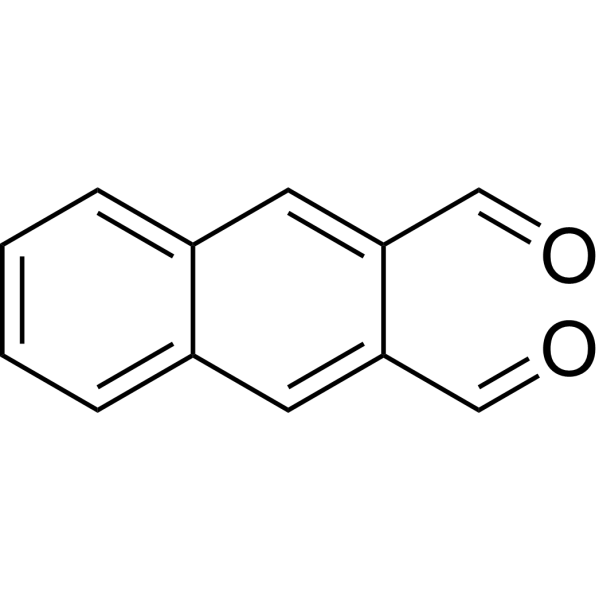
Naphthalene-2,3-dicarboxaldehyde (NDA) is an effective inhibitor of Candida albicansaspartate semialdehyde dehydrogenase (ASADH), with a Ki value of 45 μM. Naphthalene-2,3-dicarboxaldehyde targets ASADH in the aspartate biosynthetic pathway of Candida albicans. Naphthalene-2,3-dicarboxaldehyde reacts with primary amines to generate highly fluorescent and stable derivatives. Naphthalene-2,3-dicarboxaldehyde serves as a fungistatic agent and a fluorogenic derivatization reagent. Naphthalene-2,3-Dicarboxaldehyde can be used for the research of candidiasis .
5M038 is an inhibitor of HIV envelope-mediated fusion with potent inhibitory activity against gp41-mediated membrane fusion. 5M038 prevents the formation of the gp41 post-fusion conformation and inhibits envelope-mediated membrane fusion in cell-cell fusion and viral infectivity assays. 5M038 has shown broad fusion inhibition in tests against multiple HIV-1 subtypes, including M and T strains. 5M038 targets a highly conserved hydrophobic pocket and binds to the gp41 trimer, thereby exerting its inhibitory effect .
JRC-I-191 is an anti-HIV-1 agent. JRC-I-191 inhibits HIV-1 YU-2 entry into cells. JRC-I-191 does not inhibit infection of cells by amphotropic murine leukemia virus. JRC-I-191 can be used for the research of HIV-1 infection .
Anti-Flu A (H3N2) HA/Hemagglutinin Antibody (CR8043) is an antibody targeting influenza virus hemagglutinin (HA) that specifically neutralizes group 2 influenza viruses. Anti-Flu A (H3N2) HA/Hemagglutinin Antibody (CR8043) is applicable to research related to influenza virus infection .
PTO-41 is a blood-brain barrier-permeable near-infrared fluorescent probe that targets β-amyloid oligomers (Aβ Oligomers, AβOs) with a Kd of 349 nM. PTO-41 exhibits low cytotoxicity, high sensitivity to β-amyloid oligomers in in vitro phantom imaging, and can be rapidly cleared from the brain. PTO-41 is applicable to the research of Alzheimer's disease (Ex/Em = 538 nM/680 nM) .
ZNF281-IN-1 is a ZNF281 inhibitor. ZNF281-IN-1 disrupts the binding of transcriptionally active DNA-bound ZNF281 to the promoters of target genes including TRIM35 and ZEB1. ZNF281-IN-1 inhibits tumor cell proliferation, stabilizes P53 and upregulates PUMA to induce apoptosis, while triggering cellular senescence. ZNF281-IN-1 completely prevents Doxorubicin (HY-15142A)-induced cardiotoxicity (AIC), and enhances rather than impairs the antitumor efficacy of Doxorubicin. ZNF281-IN-1 completely blocks the distant metastasis of melanoma to the lungs. ZNF281-IN-1 can be used in the research of cardiotoxicity, lung cancer and metastatic melanoma .
EGFR-IN-200 is an inhibitor targeting EGFR, TNF-α, and the IL-6/GP130 complex, which potently targets human EGFR (IC50=0.03 μM), TNF-α (IC50=3.1 μM), and the IL-6/GP130 complex (IC50=1.6 μM). EGFR-IN-200 binds to the ATP pocket of EGFR, the trimer interface of TNF-α, and the cytokine-receptor interface of IL-6/GP130, induces G2/M cell cycle arrest, apoptosis, and antiproliferative activity. EGFR-IN-200 exhibits high gastrointestinal absorbability, low BBB permeability, and complies with the Lipinski's rule. EGFR-IN-200 can be used for the research of lung cancer and breast adenocarcinoma .
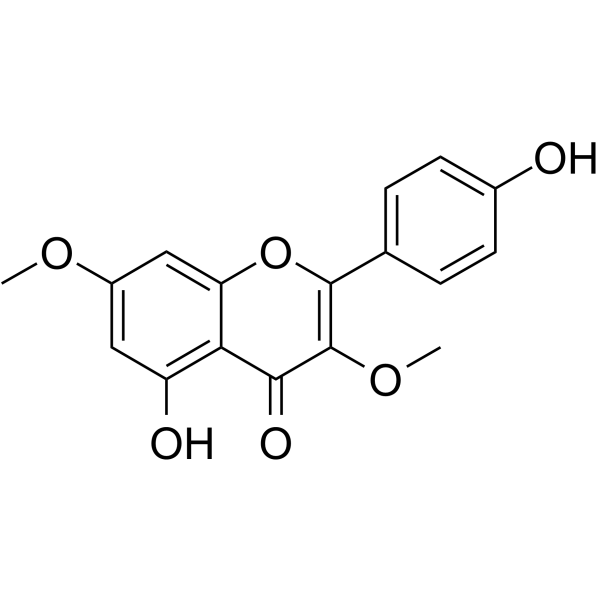
Kumatakenin is an orally active apoptosis inducer and autophagy inhibitor, with a Kd value of 2.94 μM for mouse ATG5. Kumatakenin increases the activities of caspase-3, caspase-8 and caspase-9, thereby inducing caspase-dependent apoptosis in ovarian cancer cells. Kumatakenin reduces the expression of chemokines and pro-oncogenic factors in ovarian cancer cells, and inhibits M2 macrophage polarization. Kumatakenin inactivates TRIM65 function, reduces the expression and stability of FASN, and thus inhibits the proliferation, migration, invasion and tumor progression of esophageal cancer cells. Kumatakenin interacts with ATG5 to reduce its protein level, decrease LC3 level, and reduce the number of autophagosomes in the hippocampus. Kumatakenin binds to Eno3 to upregulate its expression, reduce the stability and expression level of IRP1 mRNA, inhibit ferroptosis, alleviate intestinal inflammation, and restore epithelial barrier function. Kumatakenin enhances the efficacy of antibiotics against pathogenic bacteria, inhibits SARS-CoV-2 replication, and reduces cytokine production. Kumatakenin is applicable to research related to ovarian cancer, esophageal cancer, depression and colitis .
PTO-41 is a blood-brain barrier-permeable near-infrared fluorescent probe that targets β-amyloid oligomers (Aβ Oligomers, AβOs) with a Kd of 349 nM. PTO-41 exhibits low cytotoxicity, high sensitivity to β-amyloid oligomers in in vitro phantom imaging, and can be rapidly cleared from the brain. PTO-41 is applicable to the research of Alzheimer's disease (Ex/Em = 538 nM/680 nM) .
Octanoyl coenzyme A lithium is an enoyl-CoA hydratase binder. Octanoyl coenzyme A lithium binds to the active site of enoyl-CoA hydratase, occupies the binding pocket for the fatty acid tail of the enzyme's substrate, and induces a conformational shift in a flexible protein loop via its longer octanoyl chain, forming an open channel leading to the inter-trimer gap .
DMT-dA(bz) Phosphoramidite (Standard) is the analytical standard of DMT-dA(bz) Phosphoramidite. This product is intended for research and analytical applications. DMT-dA(bz) Phosphoramidite is a phosphoramide monomer for the synthesis of oligonucleotides (ONs) through formation of DNA dimers and trimers via mechanochemistry .
Octanoyl coenzyme A is an enoyl-CoA hydratase binder. Octanoyl coenzyme A binds to the active site of enoyl-CoA hydratase, occupies the binding pocket for the fatty acid tail of the enzyme's substrate, and induces a conformational shift in a flexible protein loop via its longer octanoyl chain, forming an open channel leading to the inter-trimer gap .
Rilunermin alfa (SCB-313) is a recombinant fusion protein composed of the human C-propeptide of alpha1(I) collagen (Trimer-Tag) to the C-terminus of the mature human tumor necrosis factor (TNF)-related apoptosis-inducing ligand (TRAIL; Apo2L). Rilunermin alfa has potential pro-apoptotic and antineoplastic activities .
FSC(PEG4-avb6)3 is a tracer targeting αvβ6 integrin trimer (IC50 = 0.69 nM). FSC(PEG4-avb6)3 can be used for the study of head-and-neck, lung, breast, and pancreatic carcinomas .
Boc-Aeg(Fmoc)-OH is a Boc/Fmoc-protected 2-aminoethylglycine building block. Boc-Aeg(Fmoc)-OH facilitates solid-phase synthesis of acridine oligomers with a (2-aminoethyl)glycine backbone .
Eftozanermin alfa (ABBV-621) is a tumor necrosis factor-related apoptosis-inducing ligand receptor (TRAIL-R) agonist. Eftozanermin alfa is a fusion protein consisting of a mutant immunoglobulin G1-Fc linked to 2 single-chain trimers of TRAIL. Eftozanermin alfa induces apoptosis in tumor cells by activation of death receptors (DR4 receptor and DR5 receptor) with Kds of 780 nM and 635 nM. Eftozanermin alfa can be used for the research of multiple solid and heme malignancies .
Galegenimab (FHTR 2163) is a humanized monoclonal antibody Fab fragment targeting the HtrA1trimer. Galegenimab is used in research on age-related macular degeneration (AMD) .
Rilunermin alfa (SCB-313) is a recombinant fusion protein composed of the human C-propeptide of alpha1(I) collagen (Trimer-Tag) to the C-terminus of the mature human tumor necrosis factor (TNF)-related apoptosis-inducing ligand (TRAIL; Apo2L). Rilunermin alfa has potential pro-apoptotic and antineoplastic activities .
IC 100 is a humanized IgG4κ monoclonal antibody targeting apoptosis-associated speck-like protein (ASC) with blood-brain barrier permeability. IC 100 specifically inhibits ASC after being endocytosed via its Fc segment, blocks ASC polymerization and inflammasome activation, suppresses IL-1β release, forms complexes with ASC and TRIM21, and evades TRIM21-mediated proteasomal degradation. IC 100 alleviates symptoms associated with autoimmune encephalomyelitis, reduces immune cell infiltration and microglial activation in the mouse EAE model. IC 100 is suitable for research on neuroinflammatory and inflammasome-related diseases such as multiple sclerosis. Isotype comparison: HY-P99003 .
Anti-RSV F Antibody (R4.C6) is a monoclonal antibody against RSV F, with a Kd of 0.34 nM for the post-fusion RSV F trimer. Anti-RSV F Antibody (R4.C6) recognizes a unique neutralizing epitope spanning epitopes II and IV on both pre-fusion and post-fusion RSV F. Anti-RSV F Antibody (R4.C6) can be used in studies related to respiratory syncytial virus infection .
Anti-Flu A (H3N2) HA/Hemagglutinin Antibody (CR8043) is an antibody targeting influenza virus hemagglutinin (HA) that specifically neutralizes group 2 influenza viruses. Anti-Flu A (H3N2) HA/Hemagglutinin Antibody (CR8043) is applicable to research related to influenza virus infection .
Kumatakenin is an orally active apoptosis inducer and autophagy inhibitor, with a Kd value of 2.94 μM for mouse ATG5. Kumatakenin increases the activities of caspase-3, caspase-8 and caspase-9, thereby inducing caspase-dependent apoptosis in ovarian cancer cells. Kumatakenin reduces the expression of chemokines and pro-oncogenic factors in ovarian cancer cells, and inhibits M2 macrophage polarization. Kumatakenin inactivates TRIM65 function, reduces the expression and stability of FASN, and thus inhibits the proliferation, migration, invasion and tumor progression of esophageal cancer cells. Kumatakenin interacts with ATG5 to reduce its protein level, decrease LC3 level, and reduce the number of autophagosomes in the hippocampus. Kumatakenin binds to Eno3 to upregulate its expression, reduce the stability and expression level of IRP1 mRNA, inhibit ferroptosis, alleviate intestinal inflammation, and restore epithelial barrier function. Kumatakenin enhances the efficacy of antibiotics against pathogenic bacteria, inhibits SARS-CoV-2 replication, and reduces cytokine production. Kumatakenin is applicable to research related to ovarian cancer, esophageal cancer, depression and colitis .
Caraphenol A is a resveratrol trimer and is able to transiently reduce interferon-induced transmembrane (IFITM) protein expression. Caraphenol A safely enhances lentiviral vector gene delivery to hematopoietic stem and progenitor cells . Caraphenol A also inhibits human cystathionine β-synthase (hCBS) and human cystathionine γ- lyase (hCSE) with IC50s of 5.9 μM and 12.1 μM, respectively .
Lindetannin (Lindetannin trimer) is an A-type trimer of proanthocyanidin (HY-N0794) found in the bark of Cinnamomum trees. Proanthocyanidin are a class of polyphenolic that are widely distributed in higher plants, consisted of an electrophilic flavanyl unit. Proanthocyanidin can be used as antioxidant and anti-cancer agent. Proanthocyanidin also exhibit anti-inflammatory, cardioprotective, antibacterial and antifungal properties, which can be used in the treatment of chronic venous insufficiency, capillary fragility, sunburn and retinopathy .
Gnetifolin E is a resveratrol trimer derivative that can be isolated from Gnetum brunonianum. Gnetifolin E has anti-inflammatory activity, and inhibits TNF-α .
Foeniculoside I is a stilbene trimer glycoside compound found in Foeniculum vulgare. Foeniculoside I has strong antioxidant activity and moderate hyaluronidase inhibitory activity. Foeniculoside I can be used for the researches of cancer, inflammation and immunology .
cis-Miyabenol C is an isomer of the resveratrol trimer Miyabenol C, which can be isolated from grape herbs. Miyabenol C is an inhibitor of β-amyloid (Aβ) and amyloid β precursor protein (APP) in Alzheimer's disease model mice, and inhibit β-secretase activity without changing the protein level of β-secretase BACE1 .
Forsydoitriside A is an iridoid glycoside trimer found in the fruits of Forsythia suspensa. Forsydoitriside A shows no significant hepatoprotective activity against Acetaminophen (HY-66005)-induced damage in liver cells at 10 μM .
(-)-Cryptamide C is a Dopamine enantiomer trimer. (-)-Cryptamide C can be isolated from the Periostracum cicadae. (-)-Cryptamide C suppresses NO production. (-)-Cryptamide C can be used in the research of inflammatory diseases .
SARS-CoV-2 S1 Protein, in its Spike protein S1 form, initiates infection by attaching the virion to the cell membrane through host receptor interaction. Simultaneously, Spike protein S2' acts as a viral fusion peptide, revealing itself after S2 cleavage during virus endocytosis. SARS-COV-2 S Trimer Protein (HEK293, Fc) is the recombinant Virus-derived SARS-COV-2 S Trimer protein, expressed by HEK293 , with C-hFc labeled tag.
AITRL, a type II transmembrane protein, is a ligand for glucocorticoid-induced TNFR-related protein (GITR). When AITRL binds to GITR, GITR can produce costimulatory signals that regulate T-cell proliferation and effector functions. GITR/AITRL interaction plays a role in the pathogenesis of tumor, inflammation, as well as autoimmune diseases. Besides, AITRL plays a role in endothelial cells (EC)-activation and increases STAT-1 phosphorylation and the expression of adhesion molecules (VCAM-1, ICAM-1). AITRL/TNFSF18 Trimer Protein, Human (HEK293, His-Flag) is a recombinant human AITRL (Q72-S199) trimer with N-terminal His and Flag tag, which is expressed in HEK293.
SARS-CoV-2 S1 Protein, in its Spike protein S1 form, initiates infection by attaching the virion to the cell membrane through host receptor interaction. Simultaneously, Spike protein S2' acts as a viral fusion peptide, revealing itself after S2 cleavage during virus endocytosis. SARS-COV-2 S Trimer Protein (HEK293, His-Avi) is the recombinant Virus-derived SARS-COV-2 S Trimer protein, expressed by HEK293 , with C-Avi, C-His labeled tag.
SARS-CoV-2 S1 Protein, in its Spike protein S1 form, initiates infection by attaching the virion to the cell membrane through host receptor interaction. Simultaneously, Spike protein S2' acts as a viral fusion peptide, revealing itself after S2 cleavage during virus endocytosis. SARS-CoV-2 S Trimer Protein (Biotinylated, HEK293, His-Avi) is the recombinant Virus-derived SARS-CoV-2 S Trimer protein, expressed by HEK293 , with C-Avi, C-His labeled tag.
AITRL, a type II transmembrane protein, is a ligand for glucocorticoid-induced TNFR-related protein (GITR). When AITRL binds to GITR, GITR can produce costimulatory signals that regulate T-cell proliferation and effector functions. GITR/AITRL interaction plays a role in the pathogenesis of tumor, inflammation, as well as autoimmune diseases. Besides, AITRL plays a role in endothelial cells (EC)-activation and increases STAT-1 phosphorylation and the expression of adhesion molecules (VCAM-1, ICAM-1). AITRL/TNFSF18 Protein, Human (Biotinylated, HEK293, His-Flag) is a recombinant biotinylated human AITRL (Q72-S199) with N-terminal His and Flag tag, which is expressed in HEK293.
B Cell Maturation Antigen (BCMA) also referred to as TNFRSF17 or CD269, is a transmembrane glycoprotein member of the tumor necrosis factor receptor (TNFR) superfamily. BCMA is used as a biomarker for Multiple myeloma (MM). BCMA mainly plays an important role in B cells for their proliferation, survival and also differentiates them into plasma cells. BCMA/TNFRSF17 Trimer Protein, Human (HEK293, His-Avi) is a recombinant protein with a C-Terminal Avi label and a C-Terminal His label, It consists of 54 amino acids (M1-A54) and is produced in HEK293 cells.
B Cell Maturation Antigen (BCMA) also referred to as TNFRSF17 or CD269, is a transmembrane glycoprotein member of the tumor necrosis factor receptor (TNFR) superfamily. BCMA is used as a biomarker for Multiple myeloma (MM). BCMA mainly plays an important role in B cells for their proliferation, survival and also differentiates them into plasma cells. BCMA/TNFRSF17 Trimer Protein, Human (Biotinylated, HEK293, His-Avi) is a biotinylated recombinant protein with a C-Terminal Avi label and a C-Terminal His label, It consists of 54 amino acids (M1-A54) and is produced in HEK293 cells.
LIGHT/TNFSF14 protein (CD258; TNFRSF14) is a type II transmembrane protein produced by activated T cells. It is a TNFRSF14/HVEM ligand and belongs to the tumor necrosis factor (TNF) family. LIGHT/TNFSF14 is mainly expressed in spleen, with two subtypes: membrane-bound type and soluble type . LIGHT/TNFSF14 protein can be used as immune checkpoint molecule of tumor, and stimulate natural killer cells to produce interferon TFNγ, triggering tumor apoptosis signal . LIGHT/TNFSF14 is also involved in the dominant LTβR-NIK-p52 NF-κB pathway promoting the expression of inflammatory gene. In addition, LIGHT/TNFSF14 protein is a co-stimulatory factor that activates lymphoid cells and has an inhibitory effect on herpes virus infection. Human LIGHT/TNFSF14 Protein has 240 amino acids and a transmembrane domain (38-58 a.a.). LIGHT/TNFSF14 Trimer Protein, Human (HEK293, His-Flag) is the extracellular part (S89-V240) of human LIGHT/TNFSF14 Protein, produced by HEK293 cells, with N-terminal His- and Flag-tag.
The SARS-CoV-2 S glycoprotein is critical in infection, binding to the ACE2 receptor and allowing viral particles to attach to the host cell membrane. Cleavage of S2/S2′ triggers cell membrane fusion or internalization via endocytosis. SARS-COV-2 S trimer Protein (BA.2, HEK293, His) is the recombinant virus-derived SARS-COV-2 S trimer protein, expressed by HEK293, with C-His labeled tag, mutations, and furin cleavage site mutants.
SARS-CoV-2 S1 Protein, in its Spike protein S1 form, initiates infection by attaching the virion to the cell membrane through host receptor interaction. Simultaneously, Spike protein S2' acts as a viral fusion peptide, revealing itself after S2 cleavage during virus endocytosis. SARS-COV-2 S Trimer Protein (D614G, HEK293, His-Avi) is the recombinant Virus-derived SARS-COV-2 S Trimer protein, expressed by HEK293 , with C-Avi, C-His labeled tag.
The SARS-Cov-2 S glycoprotein is a SARS-Cov-2 S glycoprotein. The amino acid sequence 1261-1267a.a of the SARS-Cov-2 S glycoprotein is transmembrane. The SARS-Cov-2 S glycoprotein is a highly glycosylated trimer, each of which consists of 1260 amino acids (residues 14-1273), divided into four structural domains: the n-terminal domain (NTD), the c-terminal domain (CTD, also known as the receptor-binding domain, RBD), and two subdomains (SD1 and SD2). SARS-COV-2 S trimer Protein (XBB.1.16, HEK293, His) is the recombinant virus-derived SARS-COV-2 S trimer, expressed by HEK293, with C-His labeled tag.
As a ligand of CD27, CD70 protein is an indispensable part of T cell immune coordination and is of particular importance in antiviral responses. The CD70-CD27 pathway emerged as a key player that contributes to the generation and maintenance of T cell-mediated immune responses. FITC-Labeled CD70 Trimer Protein, Human (HEK293, His-Flag) is the recombinant human-derived FITC-Labeled CD70 Trimer protein, expressed by HEK293 , with His labeled tag.
The TL1A protein (VEGI protein), belongs to the tumor necrosis factor (TNF) family and is a receptor for TNFRSF25 and TNFRSF6B. TL1A is involved in the activation of NF-κB and C-Jun pathways, which can be used as a regulator of mucosal immunity and participate in the immune pathway of inflammatory bowel disease (IBD) pathogenesis. TL1A originates from endothelial cells and inhibits the proliferation of breast cancer, epithelial and myeloid tumor cells. The human TL1A protein has a transmembrane domain (36-56 a.a.) that can be cleaved into membrane-type and soluble peptide fragments. TL1A/TNFSF15 Trimer Protein, Human (HEK293, His-Flag) is the extracullar part of TL1A protein (D91-L251), produced in HEK293 cells with N-terminal His- and Flag-tag.
TRAIL Protein (TNFSF10), a member of the TNF superfamily, is a type II transmembrane protein. TRAIL Protein mainly interacts with TRAIL-R1 and TRAIL-R2, and induces apoptosis in tumor or infected cells. TRAIL Protein also binds with DR4, DR5, and OPG. TRAIL Protein can recruit FADD and further recruit and activates caspase-8 after binding to DR4 or DR5. Besides, TRAIL may also trigger nonapoptotic signaling through activating pro-inflammatory pathways. TRAIL protein is mainly expressed on surface of immune cells, such as cytotoxic T cells and natural killer (NK) cell. TRAIL/TNFSF10 Protein, Human (HEK293, His-Flag) is a recombinant human TRAIL (G118-G281) with N-terminal His and Flag tag, which is expressed in HEK293.
4-1BBL (4-1BB ligand) is a type II membrane protein of the TNF superfamily, is expressed on antigen-presenting cells. 4-1BB with 4-1BBL can induce T-cell expansion, cytokine induction, differentiation, and upregulation of anti-apoptotic genes as well as protect T cells from activation-induced cell death (AICD). 4-1BBL stimulates T cell proliferation and induces effective anti-tumor immune responses. 4-1BBL is an immunostimulant molecule that interacts with the 4-1BB high-affinity receptor during the antigen presentation, providing costimulatory signals to both CD4+ and CD8+ T cells through the activation of NF-kB, c-Jun, and p38 downstream pathways, triggering pleiotropic effects on the immune system. 4-1BBL/TNFSF9 Trimer Protein, Human (Biotinylated, HEK293, Fc, Flag) is a biotinylated recombinant protein with a N-Terminal Fc, Flag label, It consists of 184 amino acids (R71-E254) and is produced in HEK293 cells.
The HCoV-HKU1 spike protein initiates viral infection by binding to host receptors, promoting attachment of viral particles to the cell membrane. As a class I viral fusion protein, it coordinates the fusion between the virion and the cell membrane through a series of conformational states. HCoV-HKU1 Spike Trimer Protein (1264a.a, HEK293, His) is the recombinant virus-derived HCoV-HKU1 Spike Trimer protein, expressed by HEK293, with C-His labeled tag.
CD40L/CD154/TRAP proteins stimulate T cell proliferation and cytokine production, acting as ligands for integrins and CD40 receptors to activate various cell-dependent effects such as B cell activation and NF-κ-B signaling. CD40L/CD154/TRAP Trimer Protein, Human (HEK293, hFc with N297A) is the recombinant human-derived CD40L/CD154/TRAP Trimer protein, expressed by HEK293, with N-hFc (N297A) labeled tag.
CD70 is the ligand of CD27 in activated T and B lymphocytes, is an important cytokine in CD70-CD27 pathway involving with the generation and maintenance of T cell immunity. CD70 is a surface antigen, also shows antiviral activity and regulates viability of tumor cells and regulatory T cells. As for CD70 protein in human contains transmembrane domain and transmembrane helix, belonging to the tumor necrosis factor (TNF) family. CD70 Trimer Protein, Human (Biotinylated, HEK293, His) is a biotinylated CD70 protein trimeric complex, is expressed in the HEK293 cells, with a N terminal His-tag.
APRIL protein (CD256) is a ligand in the tumor necrosis factor (TNF) family that can induce proliferation, regulate tumor cell growth, and may participate in mononuclear/macrophage-mediated immune process. APRIL protein is produced by myeloid cells and their precursors to accelerate cell maturation and peripheral rupture. APRIL protein has been widely used in the study of lymphatic malignancies. APRIL protein is a type II membrane protein with cytoplasmic domain, hydrophobic transmembrane domain and extracellular domain. APRIL/TNFSF13 Trimer Protein, Cynomolgus (HEK293, His-Flag-Avi) is produced by HEK293 cells (K112-L250) with N-terminal His, Avi, and Flag tags.
APRIL/TNFSF13 is a TNF superfamily cytokine that affects tumor cell growth by binding to TNFRSF13B/TACI and TNFRSF17/BCMA receptors. Its homotrimeric structure highlights a potential role in oncogenic processes and immune functions involving monocytes and macrophages. APRIL/TNFSF13 Trimer Protein, Human (Biotinylated, HEK293, Flag, His-Avi) is the recombinant human-derived APRIL/TNFSF13 protein, expressed by HEK293 , with N-Flag, C-Avi, N-His labeled tag.
BAFF/TNFSF13B protein is a member of the TNF family and regulates immune responses and cell survival. It is also known as B cell activating factor, which plays a vital role in the development, activation and survival of B cells by binding to receptors such as BAFF-R. BAFF/TNFSF13B Trimer Protein, Cynomolgus (HEK293, His-Avi) is the recombinant cynomolgus-derived BAFF/TNFSF13B protein, expressed by HEK293 , with N-His, N-Avi labeled tag.
BAFF/TNFSF13B protein is a cytokine that binds to TNFRSF13B/TACI and TNFRSF17/BCMA, forming a key ligand-receptor pathway together with TNFSF13/APRIL. These interactions play a crucial role in stimulating B-cell and T-cell function and regulating humoral immunity. BAFF/TNFSF13B Trimer Protein, Human (HEK293, His-Flag) is the recombinant human-derived BAFF/TNFSF13B protein, expressed by HEK293 , with N-His, N-Flag labeled tag.
OX40 Ligand (TNFSF4) is a type II glycoprotein with a cytoplasmic tail of 23 aa and an extracellular domain of 133 aa. OX40 Ligand is a ligand for TNFRSF4 (CD134), belongs to tumor necrosis factor (TNF) family. OX40 Ligand can activate OX40 and thereby functioning as a T cell co-stimulatory molecule. The OX40-OX40 Ligand interaction promotes effector T-cell survival and effectively induces memory T-cell generation, as well as enhances the helper function of Tfh for B cells, and also promotes the differentiation and maturation of DCs. OX40 Ligand/TNFSF4 Trimer Protein, Human (HEK293, His-Flag) is a recombinant human OX40 Ligand (Q51-L183) with N-terminal His and Flag tag, which is produced in HEK293.
CD40L (CD154; TRAP) is a ligand to CD40/TNFRSF5, acts function by generating a costimulatory signal that up-regulates IL-4 synthesis. CD40L is specifically expressed on activated CD4+ T-lymphocytes and involves in activation of NF-κB/MAPK pathway. CD40L also involves in B cell differentiation, maturation, and apoptosis. CD40L in mouse, cleaved into 2 chains of membrane form (1-260 a.a.) and soluble form (112-260 a.a.) which serves as a ligand for integrins (ITGA5:ITGB1 and ITGAV:ITGB3). CD40L/CD154/TRAP Trimer Protein, Mouse (HEK293, Fc) has a total length of 149 amino acids (M112-L260), is expressed in HEK392 cells with N-terminal hFc-tag.
APRIL protein (CD256) is a ligand in the tumor necrosis factor (TNF) family that can induce proliferation, regulate tumor cell growth, and may participate in mononuclear/macrophage-mediated immune process. APRIL protein is produced by myeloid cells and their precursors to accelerate cell maturation and peripheral rupture. APRIL protein has been widely used in the study of lymphatic malignancies. Human APRIL protein is a type II membrane protein with cytoplasmic domain, hydrophobic transmembrane domain and extracellular domain. APRIL/TNFSF13 Protein, Human (HEK293, Flag-His) is produced by HEK293 cells (K112-L250) with N-terminal 6*His and Flag tag.
CD40L (CD154; TRAP) is a ligand to CD40/TNFRSF5, acts function by generating a costimulatory signal that up-regulates IL-4 synthesis. CD40L is specifically expressed on activated CD4+ T-lymphocytes and involves in activation of NF-κB/MAPK pathway. CD40L also involves in B cell differentiation, maturation, and apoptosis. CD40L in human, cleaved into 2 chains of membrane form (1-261 a.a.) and soluble form (113-261 a.a.) which serves as a ligand for integrins (ITGA5:ITGB1 and ITGAV:ITGB3). CD40L/CD154/TRAP Trimer Protein, Human (HEK293, His-Flag) is composed of a full-length monomer of 149 amino acids (M113-L261), is expressed in HEK392 cells with N-terminal His- and Flag-tag.
APRIL protein (CD256) is a ligand in the tumor necrosis factor (TNF) family that can induce proliferation, regulate tumor cell growth, and may participate in mononuclear/macrophage-mediated immune process. APRIL protein is produced by myeloid cells and their precursors to accelerate cell maturation and peripheral rupture. APRIL protein has been widely used in the study of lymphatic malignancies. Human APRIL protein is a type II membrane protein with cytoplasmic domain, hydrophobic transmembrane domain and extracellular domain. APRIL/TNFSF13 Protein, Human (HEK293, His-Flag) is produced by HEK293 cells (K112-L250) with N-terminal His and Flag-tags.
TRIM33 Human Pre-designed siRNA Set A contains three designed siRNAs for TRIM33 gene (Human), as well as a negative control, a positive control, and a FAM-labeled negative control.
TRIM8 Human Pre-designed siRNA Set A contains three designed siRNAs for TRIM8 gene (Human), as well as a negative control, a positive control, and a FAM-labeled negative control.
TRIM24 Human Pre-designed siRNA Set A contains three designed siRNAs for TRIM24 gene (Human), as well as a negative control, a positive control, and a FAM-labeled negative control.
TRIM25 Human Pre-designed siRNA Set A contains three designed siRNAs for TRIM25 gene (Human), as well as a negative control, a positive control, and a FAM-labeled negative control.
TRIM23 Human Pre-designed siRNA Set A contains three designed siRNAs for TRIM23 gene (Human), as well as a negative control, a positive control, and a FAM-labeled negative control.
TRIM5 Human Pre-designed siRNA Set A contains three designed siRNAs for TRIM5 gene (Human), as well as a negative control, a positive control, and a FAM-labeled negative control.
Trim33 Rat Pre-designed siRNA Set A contains three designed siRNAs for Trim33 gene (Rat), as well as a negative control, a positive control, and a FAM-labeled negative control.
2-2(t) aptamer sodium is a 42-nucleotide trimeric complex of aptamer (2-2) targeting ErbB-2. 2-2(t) aptamer sodium inhibits the growth of gastric cancer cells in vitro and in vivo .
Trim29 Rat Pre-designed siRNA Set A contains three designed siRNAs for Trim29 gene (Rat), as well as a negative control, a positive control, and a FAM-labeled negative control.
Trim15 Mouse Pre-designed siRNA Set A contains three designed siRNAs for Trim15 gene (Mouse), as well as a negative control, a positive control, and a FAM-labeled negative control.
Trim8 Rat Pre-designed siRNA Set A contains three designed siRNAs for Trim8 gene (Rat), as well as a negative control, a positive control, and a FAM-labeled negative control.
TRIM15 Human Pre-designed siRNA Set A contains three designed siRNAs for TRIM15 gene (Human), as well as a negative control, a positive control, and a FAM-labeled negative control.
TRIM67 Human Pre-designed siRNA Set A contains three designed siRNAs for TRIM67 gene (Human), as well as a negative control, a positive control, and a FAM-labeled negative control.
TRIM66 Human Pre-designed siRNA Set A contains three designed siRNAs for TRIM66 gene (Human), as well as a negative control, a positive control, and a FAM-labeled negative control.
TRIM58 Human Pre-designed siRNA Set A contains three designed siRNAs for TRIM58 gene (Human), as well as a negative control, a positive control, and a FAM-labeled negative control.
TRIM44 Human Pre-designed siRNA Set A contains three designed siRNAs for TRIM44 gene (Human), as well as a negative control, a positive control, and a FAM-labeled negative control.
TRIM38 Human Pre-designed siRNA Set A contains three designed siRNAs for TRIM38 gene (Human), as well as a negative control, a positive control, and a FAM-labeled negative control.
Trim23 Rat Pre-designed siRNA Set A contains three designed siRNAs for Trim23 gene (Rat), as well as a negative control, a positive control, and a FAM-labeled negative control.
TRIM63 Human Pre-designed siRNA Set A contains three designed siRNAs for TRIM63 gene (Human), as well as a negative control, a positive control, and a FAM-labeled negative control.
TRIM3 Human Pre-designed siRNA Set A contains three designed siRNAs for TRIM3 gene (Human), as well as a negative control, a positive control, and a FAM-labeled negative control.
TRIM60 Human Pre-designed siRNA Set A contains three designed siRNAs for TRIM60 gene (Human), as well as a negative control, a positive control, and a FAM-labeled negative control.
TRIM69 Human Pre-designed siRNA Set A contains three designed siRNAs for TRIM69 gene (Human), as well as a negative control, a positive control, and a FAM-labeled negative control.
TRIM4 Human Pre-designed siRNA Set A contains three designed siRNAs for TRIM4 gene (Human), as well as a negative control, a positive control, and a FAM-labeled negative control.
TRIM14 Human Pre-designed siRNA Set A contains three designed siRNAs for TRIM14 gene (Human), as well as a negative control, a positive control, and a FAM-labeled negative control.
TRIM11 Human Pre-designed siRNA Set A contains three designed siRNAs for TRIM11 gene (Human), as well as a negative control, a positive control, and a FAM-labeled negative control.
TRIM56 Human Pre-designed siRNA Set A contains three designed siRNAs for TRIM56 gene (Human), as well as a negative control, a positive control, and a FAM-labeled negative control.
TRIM52 Human Pre-designed siRNA Set A contains three designed siRNAs for TRIM52 gene (Human), as well as a negative control, a positive control, and a FAM-labeled negative control.
TRIM64 Human Pre-designed siRNA Set A contains three designed siRNAs for TRIM64 gene (Human), as well as a negative control, a positive control, and a FAM-labeled negative control.
TRIM43 Human Pre-designed siRNA Set A contains three designed siRNAs for TRIM43 gene (Human), as well as a negative control, a positive control, and a FAM-labeled negative control.
TRIM40 Human Pre-designed siRNA Set A contains three designed siRNAs for TRIM40 gene (Human), as well as a negative control, a positive control, and a FAM-labeled negative control.
Trim16 Rat Pre-designed siRNA Set A contains three designed siRNAs for Trim16 gene (Rat), as well as a negative control, a positive control, and a FAM-labeled negative control.
TRIM41 Human Pre-designed siRNA Set A contains three designed siRNAs for TRIM41 gene (Human), as well as a negative control, a positive control, and a FAM-labeled negative control.
TRIM7 Human Pre-designed siRNA Set A contains three designed siRNAs for TRIM7 gene (Human), as well as a negative control, a positive control, and a FAM-labeled negative control.
TRIM62 Human Pre-designed siRNA Set A contains three designed siRNAs for TRIM62 gene (Human), as well as a negative control, a positive control, and a FAM-labeled negative control.
Trim21 Mouse Pre-designed siRNA Set A contains three designed siRNAs for Trim21 gene (Mouse), as well as a negative control, a positive control, and a FAM-labeled negative control.
TRIM72 Human Pre-designed siRNA Set A contains three designed siRNAs for TRIM72 gene (Human), as well as a negative control, a positive control, and a FAM-labeled negative control.
Trim7 Rat Pre-designed siRNA Set A contains three designed siRNAs for Trim7 gene (Rat), as well as a negative control, a positive control, and a FAM-labeled negative control.
TRIM47 Human Pre-designed siRNA Set A contains three designed siRNAs for TRIM47 gene (Human), as well as a negative control, a positive control, and a FAM-labeled negative control.
Trim32 Rat Pre-designed siRNA Set A contains three designed siRNAs for Trim32 gene (Rat), as well as a negative control, a positive control, and a FAM-labeled negative control.
TRIM13 Human Pre-designed siRNA Set A contains three designed siRNAs for TRIM13 gene (Human), as well as a negative control, a positive control, and a FAM-labeled negative control.
Trim56 Mouse Pre-designed siRNA Set A contains three designed siRNAs for Trim56 gene (Mouse), as well as a negative control, a positive control, and a FAM-labeled negative control.
Trim28 Mouse Pre-designed siRNA Set A contains three designed siRNAs for Trim28 gene (Mouse), as well as a negative control, a positive control, and a FAM-labeled negative control.
TRIM59 Human Pre-designed siRNA Set A contains three designed siRNAs for TRIM59 gene (Human), as well as a negative control, a positive control, and a FAM-labeled negative control.
TRIM39 Human Pre-designed siRNA Set A contains three designed siRNAs for TRIM39 gene (Human), as well as a negative control, a positive control, and a FAM-labeled negative control.
TRIM46 Human Pre-designed siRNA Set A contains three designed siRNAs for TRIM46 gene (Human), as well as a negative control, a positive control, and a FAM-labeled negative control.
Trim38 Mouse Pre-designed siRNA Set A contains three designed siRNAs for Trim38 gene (Mouse), as well as a negative control, a positive control, and a FAM-labeled negative control.
TRIM9 Human Pre-designed siRNA Set A contains three designed siRNAs for TRIM9 gene (Human), as well as a negative control, a positive control, and a FAM-labeled negative control.
Trim26 Mouse Pre-designed siRNA Set A contains three designed siRNAs for Trim26 gene (Mouse), as well as a negative control, a positive control, and a FAM-labeled negative control.
Trim33 Mouse Pre-designed siRNA Set A contains three designed siRNAs for Trim33 gene (Mouse), as well as a negative control, a positive control, and a FAM-labeled negative control.
TRIM36 Human Pre-designed siRNA Set A contains three designed siRNAs for TRIM36 gene (Human), as well as a negative control, a positive control, and a FAM-labeled negative control.
Trim24 Rat Pre-designed siRNA Set A contains three designed siRNAs for Trim24 gene (Rat), as well as a negative control, a positive control, and a FAM-labeled negative control.
TRIM16 Human Pre-designed siRNA Set A contains three designed siRNAs for TRIM16 gene (Human), as well as a negative control, a positive control, and a FAM-labeled negative control.
Trim47 Mouse Pre-designed siRNA Set A contains three designed siRNAs for Trim47 gene (Mouse), as well as a negative control, a positive control, and a FAM-labeled negative control.
Pig TRIM56 mRNA encodes the pig TRIM56 protein, an interferon-stimulated gene (ISG) that acts as an important innate immune factor. Overexpression of TRIM56 restricts viral replication by enhancing TLR3-TRAF3-mediated IFN-β production .
TRIM10 Human Pre-designed siRNA Set A contains three designed siRNAs for TRIM10 gene (Human), as well as a negative control, a positive control, and a FAM-labeled negative control.
Trim44 Rat Pre-designed siRNA Set A contains three designed siRNAs for Trim44 gene (Rat), as well as a negative control, a positive control, and a FAM-labeled negative control.
Trim31 Rat Pre-designed siRNA Set A contains three designed siRNAs for Trim31 gene (Rat), as well as a negative control, a positive control, and a FAM-labeled negative control.
TRIM45 Human Pre-designed siRNA Set A contains three designed siRNAs for TRIM45 gene (Human), as well as a negative control, a positive control, and a FAM-labeled negative control.
TRIM26 Human Pre-designed siRNA Set A contains three designed siRNAs for TRIM26 gene (Human), as well as a negative control, a positive control, and a FAM-labeled negative control.
Trim27 Mouse Pre-designed siRNA Set A contains three designed siRNAs for Trim27 gene (Mouse), as well as a negative control, a positive control, and a FAM-labeled negative control.
Trim29 Mouse Pre-designed siRNA Set A contains three designed siRNAs for Trim29 gene (Mouse), as well as a negative control, a positive control, and a FAM-labeled negative control.
Trim62 Mouse Pre-designed siRNA Set A contains three designed siRNAs for Trim62 gene (Mouse), as well as a negative control, a positive control, and a FAM-labeled negative control.
TRIM55 Human Pre-designed siRNA Set A contains three designed siRNAs for TRIM55 gene (Human), as well as a negative control, a positive control, and a FAM-labeled negative control.
Trim9 Rat Pre-designed siRNA Set A contains three designed siRNAs for Trim9 gene (Rat), as well as a negative control, a positive control, and a FAM-labeled negative control.
Trim24 Mouse Pre-designed siRNA Set A contains three designed siRNAs for Trim24 gene (Mouse), as well as a negative control, a positive control, and a FAM-labeled negative control.
Trim26 Rat Pre-designed siRNA Set A contains three designed siRNAs for Trim26 gene (Rat), as well as a negative control, a positive control, and a FAM-labeled negative control.
Trim38 Rat Pre-designed siRNA Set A contains three designed siRNAs for Trim38 gene (Rat), as well as a negative control, a positive control, and a FAM-labeled negative control.
Trim47 Rat Pre-designed siRNA Set A contains three designed siRNAs for Trim47 gene (Rat), as well as a negative control, a positive control, and a FAM-labeled negative control.
Trim5 Rat Pre-designed siRNA Set A contains three designed siRNAs for Trim5 gene (Rat), as well as a negative control, a positive control, and a FAM-labeled negative control.
Trim35 Mouse Pre-designed siRNA Set A contains three designed siRNAs for Trim35 gene (Mouse), as well as a negative control, a positive control, and a FAM-labeled negative control.
Trim45 Rat Pre-designed siRNA Set A contains three designed siRNAs for Trim45 gene (Rat), as well as a negative control, a positive control, and a FAM-labeled negative control.
Trim72 Mouse Pre-designed siRNA Set A contains three designed siRNAs for Trim72 gene (Mouse), as well as a negative control, a positive control, and a FAM-labeled negative control.
Trim7 Mouse Pre-designed siRNA Set A contains three designed siRNAs for Trim7 gene (Mouse), as well as a negative control, a positive control, and a FAM-labeled negative control.
TRIM48 Human Pre-designed siRNA Set A contains three designed siRNAs for TRIM48 gene (Human), as well as a negative control, a positive control, and a FAM-labeled negative control.
Trim62 Rat Pre-designed siRNA Set A contains three designed siRNAs for Trim62 gene (Rat), as well as a negative control, a positive control, and a FAM-labeled negative control.
Trim23 Mouse Pre-designed siRNA Set A contains three designed siRNAs for Trim23 gene (Mouse), as well as a negative control, a positive control, and a FAM-labeled negative control.
Trim13 Rat Pre-designed siRNA Set A contains three designed siRNAs for Trim13 gene (Rat), as well as a negative control, a positive control, and a FAM-labeled negative control.
Trim25 Rat Pre-designed siRNA Set A contains three designed siRNAs for Trim25 gene (Rat), as well as a negative control, a positive control, and a FAM-labeled negative control.
Trim31 Mouse Pre-designed siRNA Set A contains three designed siRNAs for Trim31 gene (Mouse), as well as a negative control, a positive control, and a FAM-labeled negative control.
Trim32 Mouse Pre-designed siRNA Set A contains three designed siRNAs for Trim32 gene (Mouse), as well as a negative control, a positive control, and a FAM-labeled negative control.
Trim3 Mouse Pre-designed siRNA Set A contains three designed siRNAs for Trim3 gene (Mouse), as well as a negative control, a positive control, and a FAM-labeled negative control.
Trim45 Mouse Pre-designed siRNA Set A contains three designed siRNAs for Trim45 gene (Mouse), as well as a negative control, a positive control, and a FAM-labeled negative control.
Trim3 Rat Pre-designed siRNA Set A contains three designed siRNAs for Trim3 gene (Rat), as well as a negative control, a positive control, and a FAM-labeled negative control.
Trim25 Mouse Pre-designed siRNA Set A contains three designed siRNAs for Trim25 gene (Mouse), as well as a negative control, a positive control, and a FAM-labeled negative control.
TRIM37 Human Pre-designed siRNA Set A contains three designed siRNAs for TRIM37 gene (Human), as well as a negative control, a positive control, and a FAM-labeled negative control.
Trim28 Rat Pre-designed siRNA Set A contains three designed siRNAs for Trim28 gene (Rat), as well as a negative control, a positive control, and a FAM-labeled negative control.
Trim21 Rat Pre-designed siRNA Set A contains three designed siRNAs for Trim21 gene (Rat), as well as a negative control, a positive control, and a FAM-labeled negative control.
TRIM31 Human Pre-designed siRNA Set A contains three designed siRNAs for TRIM31 gene (Human), as well as a negative control, a positive control, and a FAM-labeled negative control.
Trim35 Rat Pre-designed siRNA Set A contains three designed siRNAs for Trim35 gene (Rat), as well as a negative control, a positive control, and a FAM-labeled negative control.
Trim8 Mouse Pre-designed siRNA Set A contains three designed siRNAs for Trim8 gene (Mouse), as well as a negative control, a positive control, and a FAM-labeled negative control.
Trim14 Rat Pre-designed siRNA Set A contains three designed siRNAs for Trim14 gene (Rat), as well as a negative control, a positive control, and a FAM-labeled negative control.
Trim2 Rat Pre-designed siRNA Set A contains three designed siRNAs for Trim2 gene (Rat), as well as a negative control, a positive control, and a FAM-labeled negative control.
Trim5 Mouse Pre-designed siRNA Set A contains three designed siRNAs for Trim5 gene (Mouse), as well as a negative control, a positive control, and a FAM-labeled negative control.
TRIM27 Human Pre-designed siRNA Set A contains three designed siRNAs for TRIM27 gene (Human), as well as a negative control, a positive control, and a FAM-labeled negative control.
TRIM22 Human Pre-designed siRNA Set A contains three designed siRNAs for TRIM22 gene (Human), as well as a negative control, a positive control, and a FAM-labeled negative control.
Trim16 Mouse Pre-designed siRNA Set A contains three designed siRNAs for Trim16 gene (Mouse), as well as a negative control, a positive control, and a FAM-labeled negative control.
Trim27 Rat Pre-designed siRNA Set A contains three designed siRNAs for Trim27 gene (Rat), as well as a negative control, a positive control, and a FAM-labeled negative control.
Trim44 Mouse Pre-designed siRNA Set A contains three designed siRNAs for Trim44 gene (Mouse), as well as a negative control, a positive control, and a FAM-labeled negative control.
TRIM21 Human Pre-designed siRNA Set A contains three designed siRNAs for TRIM21 gene (Human), as well as a negative control, a positive control, and a FAM-labeled negative control.
TRIM29 Human Pre-designed siRNA Set A contains three designed siRNAs for TRIM29 gene (Human), as well as a negative control, a positive control, and a FAM-labeled negative control.
TRIM6 Human Pre-designed siRNA Set A contains three designed siRNAs for TRIM6 gene (Human), as well as a negative control, a positive control, and a FAM-labeled negative control.
TRIM35 Human Pre-designed siRNA Set A contains three designed siRNAs for TRIM35 gene (Human), as well as a negative control, a positive control, and a FAM-labeled negative control.
Trim2 Mouse Pre-designed siRNA Set A contains three designed siRNAs for Trim2 gene (Mouse), as well as a negative control, a positive control, and a FAM-labeled negative control.
Trim9 Mouse Pre-designed siRNA Set A contains three designed siRNAs for Trim9 gene (Mouse), as well as a negative control, a positive control, and a FAM-labeled negative control.
TRIM71 Human Pre-designed siRNA Set A contains three designed siRNAs for TRIM71 gene (Human), as well as a negative control, a positive control, and a FAM-labeled negative control.
Trim13 Mouse Pre-designed siRNA Set A contains three designed siRNAs for Trim13 gene (Mouse), as well as a negative control, a positive control, and a FAM-labeled negative control.
TRIM65 Human Pre-designed siRNA Set A contains three designed siRNAs for TRIM65 gene (Human), as well as a negative control, a positive control, and a FAM-labeled negative control.
TRIM2 Human Pre-designed siRNA Set A contains three designed siRNAs for TRIM2 gene (Human), as well as a negative control, a positive control, and a FAM-labeled negative control.
Trim14 Mouse Pre-designed siRNA Set A contains three designed siRNAs for Trim14 gene (Mouse), as well as a negative control, a positive control, and a FAM-labeled negative control.
TRIM28 Human Pre-designed siRNA Set A contains three designed siRNAs for TRIM28 gene (Human), as well as a negative control, a positive control, and a FAM-labeled negative control.
TRIM54 Human Pre-designed siRNA Set A contains three designed siRNAs for TRIM54 gene (Human), as well as a negative control, a positive control, and a FAM-labeled negative control.
Trim56 Rat Pre-designed siRNA Set A contains three designed siRNAs for Trim56 gene (Rat), as well as a negative control, a positive control, and a FAM-labeled negative control.
TRIM32 Human Pre-designed siRNA Set A contains three designed siRNAs for TRIM32 gene (Human), as well as a negative control, a positive control, and a FAM-labeled negative control.
Trim72 Rat Pre-designed siRNA Set A contains three designed siRNAs for Trim72 gene (Rat), as well as a negative control, a positive control, and a FAM-labeled negative control.
R-1 sodium is a RNA aptamer that bind to Non-structural protein 1 (NS1) (Kd = 1.62 ± 0.30 nM). R-1 sodium inhibits the interaction of NS1 with tripartite motif-containing protein 25 (TRIM25), and suppression of NS1 enabled retinoic acid inducible gene I (
R-2 sodium is a RNA aptamer that bind to Non-structural protein 1 (NS1) (Kd = 1.92 ± 0.27 nM). R-2 sodium inhibits the interaction of NS1 with tripartite motif-containing protein 25 (TRIM25), and suppression of NS1 enabled retinoic acid inducible gene I (
Inquiry Online
Your information is safe with us. * Required Fields.
Western blot analysis of extracts from THP-1(lane 2(20μg), Jurkat (lane 3(20μg) and NIH3T3(lane 4(20μg) using FOXO1A (HY-P80132) Rabbit mAb. Proteins were transferred
to a PVDF membrane and blocked with 5% non-fat milk in TBST for 2 hour at room temperature. The primary antibody (1/1000) and Loading control antibody (Beta Actin, HY-P80438, 1/10000) was
used in 5% non-fat milk in TBST at 4°C overnight. Goat Anti-Mouse/Rabbit IgG-HRP Secondary Antibody (1/10000) was used for 1 hour at room temperature.
Western blot analysis of extracts from THP-1(lane 2(20μg), Jurkat (lane 3(20μg) and NIH3T3(lane 4(20μg) using FOXO1A (HY-P80132) Rabbit mAb. Proteins were transferred
to a PVDF membrane and blocked with 5% non-fat milk in TBST for 2 hour at room temperature. The primary antibody (1/1000) and Loading control antibody (Beta Actin, HY-P80438, 1/10000) was
used in 5% non-fat milk in TBST at 4°C overnight. Goat Anti-Mouse/Rabbit IgG-HRP Secondary Antibody (1/10000) was used for 1 hour at room temperature.
Western blot analysis of extracts from THP-1(lane 2(20μg), Jurkat (lane 3(20μg) and NIH3T3(lane 4(20μg) using FOXO1A (HY-P80132) Rabbit mAb. Proteins were transferred
to a PVDF membrane and blocked with 5% non-fat milk in TBST for 2 hour at room temperature. The primary antibody (1/1000) and Loading control antibody (Beta Actin, HY-P80438, 1/10000) was
used in 5% non-fat milk in TBST at 4°C overnight. Goat Anti-Mouse/Rabbit IgG-HRP Secondary Antibody (1/10000) was used for 1 hour at room temperature.
Western blot analysis of extracts from THP-1(lane 2(20μg), Jurkat (lane 3(20μg) and NIH3T3(lane 4(20μg) using FOXO1A (HY-P80132) Rabbit mAb. Proteins were transferred
to a PVDF membrane and blocked with 5% non-fat milk in TBST for 2 hour at room temperature. The primary antibody (1/1000) and Loading control antibody (Beta Actin, HY-P80438, 1/10000) was
MedchemExpress Validation 03
Western blot analysis of extracts from THP-1(lane 2(20μg), Jurkat (lane 3(20μg) and NIH3T3(lane 4(20μg) using FOXO1A (HY-P80132) Rabbit mAb. Proteins were transferred
MedchemExpress Validation 04
Western blot analysis of extracts from THP-1(lane 2(20μg), Jurkat (lane 3(20μg) and NIH3T3(lane 4(20μg) using FOXO1A (HY-P80132) Rabbit mAb. Proteins were transferred
to a PVDF membrane and blocked with 5% non-fat milk in TBST for 2 hour at room temperature. The primary antibody (1/1000) and Loading control antibody (Beta Actin, HY-P80438, 1/10000) was
used in 5% non-fat milk in TBST at 4°C overnight. Goat Anti-Mouse/Rabbit IgG-HRP Secondary Antibody (1/10000) was used for 1 hour at room temperature.
MedchemExpress Validation
Western blot analysis of extracts from THP-1(lane 2(20μg), Jurkat (lane 3(20μg) and NIH3T3(lane 4(20μg) using FOXO1A (HY-P80132) Rabbit mAb. Proteins were transferred
to a PVDF membrane and blocked with 5% non-fat milk in TBST for 2 hour at room temperature. The primary antibody (1/1000) and Loading control antibody (Beta Actin, HY-P80438, 1/10000) was
used in 5% non-fat milk in TBST at 4°C overnight. Goat Anti-Mouse/Rabbit IgG-HRP Secondary Antibody (1/10000) was used for 1 hour at room temperature.
Western blot analysis of extracts from THP-1(lane 2(20μg), Jurkat (lane 3(20μg) and NIH3T3(lane 4(20μg) using FOXO1A (HY-P80132) Rabbit mAb. Proteins were transferred
to a PVDF membrane and blocked with 5% non-fat milk in TBST for 2 hour at room temperature. The primary antibody (1/1000) and Loading control antibody (Beta Actin, HY-P80438, 1/10000) was
used in 5% non-fat milk in TBST at 4°C overnight. Goat Anti-Mouse/Rabbit IgG-HRP Secondary Antibody (1/10000) was used for 1 hour at room temperature.
MedchemExpress Validation
Western blot analysis of extracts from THP-1(lane 2(20μg), Jurkat (lane 3(20μg) and NIH3T3(lane 4(20μg) using FOXO1A (HY-P80132) Rabbit mAb. Proteins were transferred
to a PVDF membrane and blocked with 5% non-fat milk in TBST for 2 hour at room temperature. The primary antibody (1/1000) and Loading control antibody (Beta Actin, HY-P80438, 1/10000) was
used in 5% non-fat milk in TBST at 4°C overnight. Goat Anti-Mouse/Rabbit IgG-HRP Secondary Antibody (1/10000) was used for 1 hour at room temperature.
MedchemExpress Validation
Western blot analysis of extracts from THP-1(lane 2(20μg), Jurkat (lane 3(20μg) and NIH3T3(lane 4(20μg) using FOXO1A (HY-P80132) Rabbit mAb. Proteins were transferred
to a PVDF membrane and blocked with 5% non-fat milk in TBST for 2 hour at room temperature. The primary antibody (1/1000) and Loading control antibody (Beta Actin, HY-P80438, 1/10000) was
used in 5% non-fat milk in TBST at 4°C overnight. Goat Anti-Mouse/Rabbit IgG-HRP Secondary Antibody (1/10000) was used for 1 hour at room temperature.
MedchemExpress Validation
Western blot analysis of extracts from THP-1(lane 2(20μg), Jurkat (lane 3(20μg) and NIH3T3(lane 4(20μg) using FOXO1A (HY-P80132) Rabbit mAb. Proteins were transferred
to a PVDF membrane and blocked with 5% non-fat milk in TBST for 2 hour at room temperature. The primary antibody (1/1000) and Loading control antibody (Beta Actin, HY-P80438, 1/10000) was
used in 5% non-fat milk in TBST at 4°C overnight. Goat Anti-Mouse/Rabbit IgG-HRP Secondary Antibody (1/10000) was used for 1 hour at room temperature.
MedchemExpress Validation
Western blot analysis of extracts from THP-1(lane 2(20μg), Jurkat (lane 3(20μg) and NIH3T3(lane 4(20μg) using FOXO1A (HY-P80132) Rabbit mAb. Proteins were transferred
to a PVDF membrane and blocked with 5% non-fat milk in TBST for 2 hour at room temperature. The primary antibody (1/1000) and Loading control antibody (Beta Actin, HY-P80438, 1/10000) was
used in 5% non-fat milk in TBST at 4°C overnight. Goat Anti-Mouse/Rabbit IgG-HRP Secondary Antibody (1/10000) was used for 1 hour at room temperature.
MedchemExpress Validation
Western blot analysis of extracts from THP-1(lane 2(20μg), Jurkat (lane 3(20μg) and NIH3T3(lane 4(20μg) using FOXO1A (HY-P80132) Rabbit mAb. Proteins were transferred
to a PVDF membrane and blocked with 5% non-fat milk in TBST for 2 hour at room temperature. The primary antibody (1/1000) and Loading control antibody (Beta Actin, HY-P80438, 1/10000) was
used in 5% non-fat milk in TBST at 4°C overnight. Goat Anti-Mouse/Rabbit IgG-HRP Secondary Antibody (1/10000) was used for 1 hour at room temperature.
MedchemExpress Validation
Western blot analysis of extracts from THP-1(lane 2(20μg), Jurkat (lane 3(20μg) and NIH3T3(lane 4(20μg) using FOXO1A (HY-P80132) Rabbit mAb. Proteins were transferred
to a PVDF membrane and blocked with 5% non-fat milk in TBST for 2 hour at room temperature. The primary antibody (1/1000) and Loading control antibody (Beta Actin, HY-P80438, 1/10000) was
used in 5% non-fat milk in TBST at 4°C overnight. Goat Anti-Mouse/Rabbit IgG-HRP Secondary Antibody (1/10000) was used for 1 hour at room temperature.
MedChemExpress values your privacy and your trust is important to us. We use cookies to enhance your website experience. Some cookies are necessary to run the website.
Privacy and Cookie Policy

