567 Results for "

tumor cell cycle arrest

" in MedChemExpress (MCE) Product Catalog:
Products (567)

567 Results for "tumor cell cycle arrest" in MCE Product Catalog:

494
494 Publications Verification
Cat. No.: HY-108232
CAS No.: 1032349-77-1
Purity:  99.72%
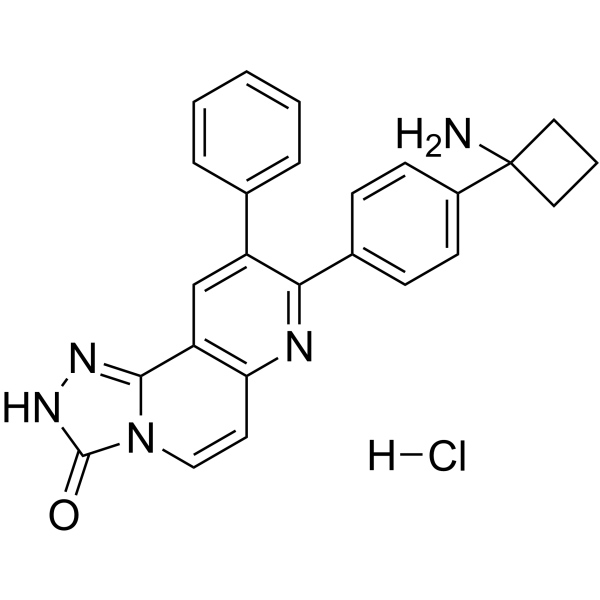
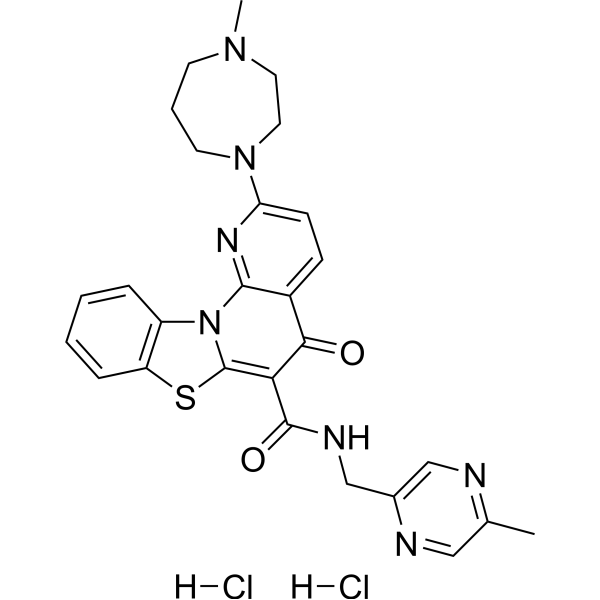
MK-2206 is an orally active pan-AKT inhibitor, with IC50 values of 8 nM, 12 nM and 65 nM against AKT1, AKT2 and AKT3, respectively. MK-2206 inhibits the Akt/mTOR signaling pathway and reduces the levels of downstream GSK3β and Mcl-1 via proteasomal degradation. MK-2206 induces G1-phase cell cycle arrest, apoptosis, epithelial-mesenchymal transition, fibroblast activation and extracellular matrix deposition. MK-2206 causes transient hyperglycemia and hyperinsulinemia in animals. MK-2206 can be used in research related to solid tumors, renal fibrosis and hypercholesterolemia .
loading...
    loading...
494
494 Publications Verification
Cat. No.: HY-10358
CAS No.: 1032350-13-2
Purity:  99.94%
Synonyms: MK-2206 (2HCl)
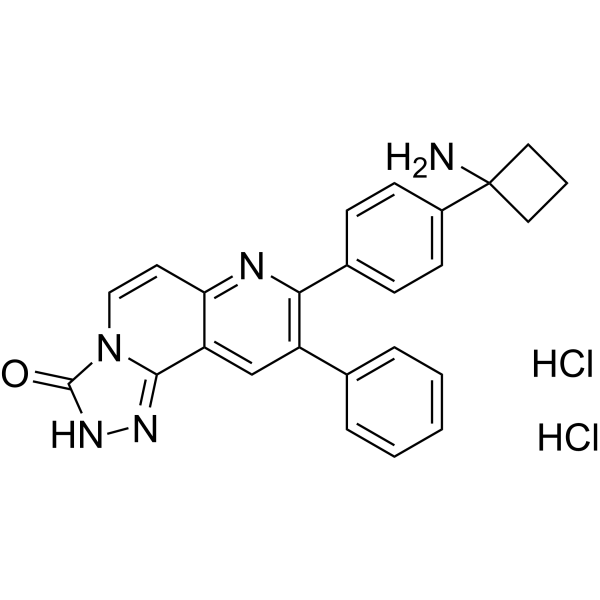
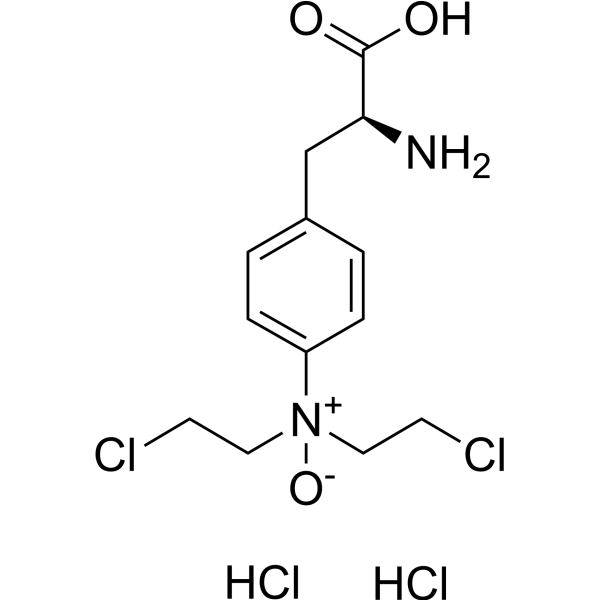
MK-2206 dihydrochloride (MK-2206 2HCl) is an orally active pan-AKT inhibitor, with IC50 values of 8 nM, 12 nM and 65 nM against AKT1, AKT2 and AKT3, respectively. MK-2206 dihydrochloride inhibits the Akt/mTOR signaling pathway and reduces the levels of downstream GSK3β and Mcl-1 via proteasomal degradation. MK-2206 dihydrochloride induces G1-phase cell cycle arrest, apoptosis, epithelial-mesenchymal transition, fibroblast activation and extracellular matrix deposition. MK-2206 dihydrochloride causes transient hyperglycemia and hyperinsulinemia in animals. MK-2206 dihydrochloride can be used in research related to solid tumors, renal fibrosis and hypercholesterolemia .
loading...
    loading...
316
316 Cited Publications
Cat. No.: HY-10201
CAS No.: 284461-73-0
Purity:  99.92%
Synonyms: Bay 43-9006
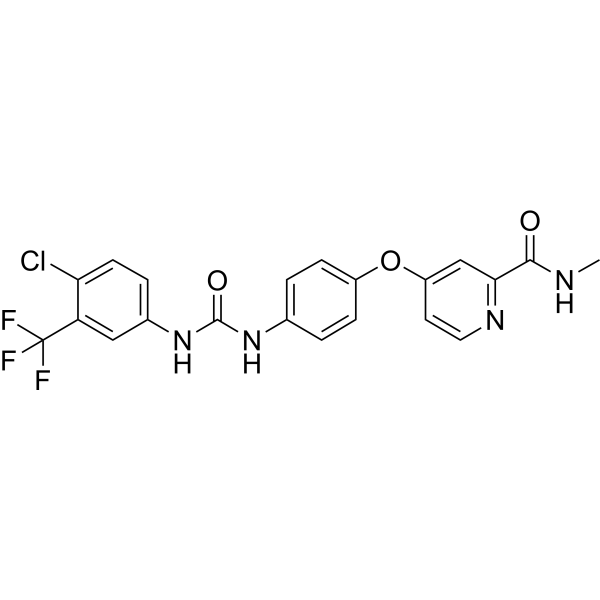
Sorafenib (Bay 43-9006) is a potent oral active multikinase inhibitor. Sorafenib blocks autophosphorylation and activity of receptor tyrosine kinases (VEGFR-2, VEGFR-3) and RAF family kinases, thereby suppressing the RAF/MEK/ERK and PI3K/Akt pathways, inhibiting STAT3 phosphorylation, and selectively inhibiting the MAPK pathway in cancer cells. Sorafenib induces cell cycle arrest, autophagy, apoptosis, and PARP cleavage, reduces Bcl-2, Bcl-XL, cyclin D1 levels, and activates Bak and Bax. Sorafenib inhibits tumor growth and metastasis in mouse and rat models. Sorafenib can be used for cancer research, such as colon, breast, non-small-cell lung cancer (NSCLC), ovarian, pancreatic, melanoma, colorectal and hepatocellular carcinoma .
loading...
    loading...
316
316 Cited Publications
Cat. No.: HY-10201A
CAS No.: 475207-59-1
Purity:  99.75%
Synonyms: Bay 43-9006 tosylate
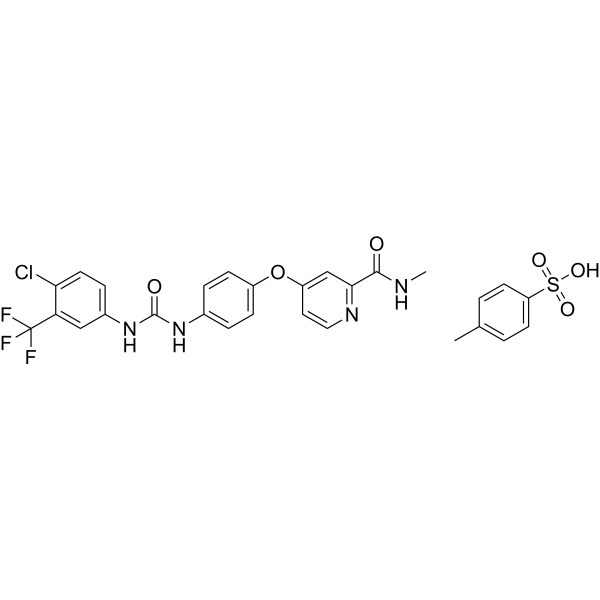
Sorafenib (Bay 43-9006) tosylate is a potent oral active multikinase inhibitor. Sorafenib blocks autophosphorylation and activity of receptor tyrosine kinases (VEGFR-2, VEGFR-3) and RAF family kinases, thereby suppressing the RAF/MEK/ERK and PI3K/Akt pathways, inhibiting STAT3 phosphorylation, and selectively inhibiting the MAPK pathway in cancer cells. Sorafenib tosylate induces cell cycle arrest, autophagy, apoptosis, and PARP cleavage, reduces Bcl-2, Bcl-XL, cyclin D1 levels, and activates Bak and Bax. Sorafenib tosylate inhibits tumor growth and metastasis in mouse and rat models. Sorafenib tosylate can be used for cancer research, such as colon, breast, non-small-cell lung cancer (NSCLC), ovarian, pancreatic, melanoma, colorectal and hepatocellular carcinoma .
loading...
    loading...
115
115 Cited Publications
Cat. No.: HY-10231
CAS No.: 685898-44-6
Purity:  ≥98.0%
PX-478 is a multifunctional HIF-1α inhibitor with properties including radiosensitization, autophagy activation, and lipid accumulation inhibition. PX-478 also blocks hypoxia-induced VEGF production and regulates β-cell phenotypes under hypoxic conditions. PX-478 induces cell cycle arrest and DNA damage, restores autophagic function, reduces foam cell formation, and maintains glucose homeostasis. PX-478 is widely used in research on related diseases such as human tumors (e.g., prostate cancer), type 2 diabetes, and atherosclerosis .
loading...
    loading...
79
79 Cited Publications
Cat. No.: HY-N0488A
CAS No.: 57-22-7
Synonyms: Leurocristine; NSC-67574; 22-Oxovincaleukoblastine
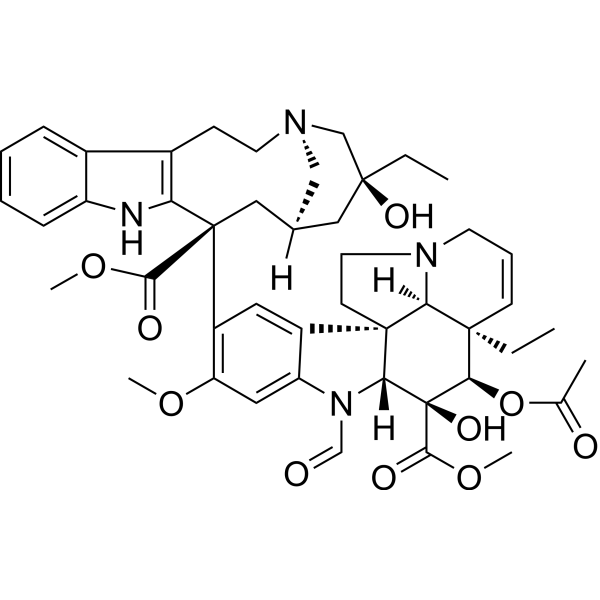
Vincristine (Leurocristine; NSC-67574; 22-Oxovincaleukoblastine) is a microtubule inhibitor that disrupts microtubule polymerization by binding to β-tubulin (with a Ki of 85 nM in bovine), arrests the cell cycle and induces apoptosis. Vincristine inhibits cell replication, tumor blood flow and the proliferation of various cancer cells, while triggering effects such as oxidative stress, inflammation, calcium overload, epithelial-mesenchymal transition and peripheral neuropathic pain. Vincristine upregulates the expression of various transporters and nuclear receptors, and enriches gastric cancer stem-like cells. Vincristine is used in research related to various tumors including acute lymphoblastic leukemia, lymphoma, melanoma, gastric cancer, solid tumors and sarcomas .
loading...
    loading...
79
79 Cited Publications
Cat. No.: HY-N0488
CAS No.: 2068-78-2
Synonyms: Leurocristine sulfate; NSC-67574 sulfate; 22-Oxovincaleukoblastine sulfate
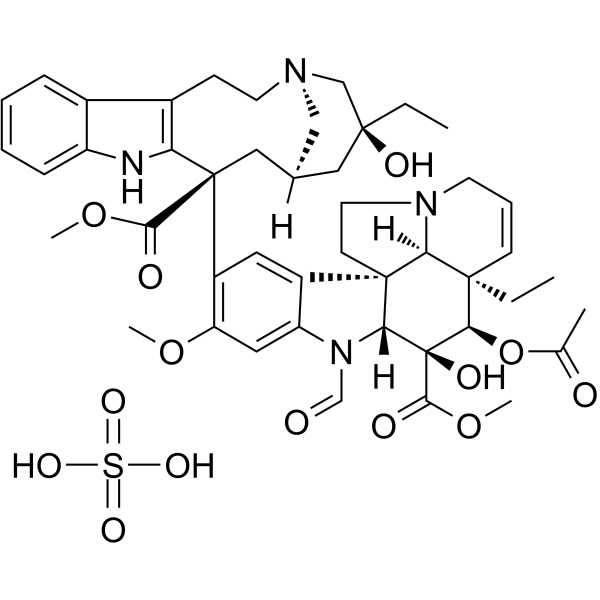
Vincristine (Leurocristine; NSC-67574; 22-Oxovincaleukoblastine) sulfate is a microtubule inhibitor that disrupts microtubule polymerization by binding to β-tubulin (with a Ki of 85 nM in bovine), arrests the cell cycle and induces apoptosis. Vincristine sulfate inhibits cell replication, tumor blood flow and the proliferation of various cancer cells, while triggering effects such as oxidative stress, inflammation, calcium overload, epithelial-mesenchymal transition and peripheral neuropathic pain. Vincristine sulfate upregulates the expression of various transporters and nuclear receptors, and enriches gastric cancer stem-like cells. Vincristine sulfate is used in research related to various tumors including acute lymphoblastic leukemia, lymphoma, melanoma, gastric cancer, solid tumors and sarcomas .
loading...
    loading...
72
72 Cited Publications
Cat. No.: HY-13323
CAS No.: 1138549-36-6
Purity:  99.49%
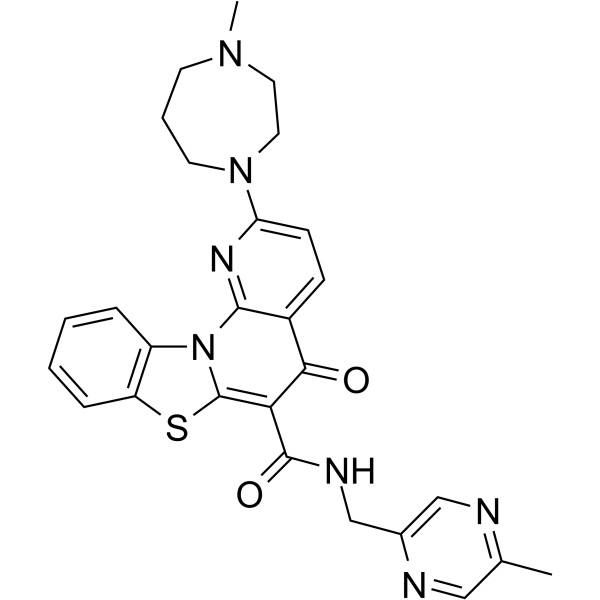
CX-5461 is a selective, orally active RNA polymerase I inhibitor. CX-5461 disrupts the formation of the SL1-rDNA complex, thereby blocking the transcription initiation of ribosomal RNA without altering the activity of RNA polymerase II, DNA replication, or protein translation processes. CX-5461 upregulates the expression of p21, MDM2, Sestrin1/2, and phosphorylated AMPKα, and reduces the level of phosphorylated Akt. CX-5461 induces G2/G2/M cell cycle arrest, Autophagy, Apoptosis, and cellular senescence, and activates CHK1, CHK2, and RPA. CX-5461 can be used in research related to osteosarcoma, cervical cancer, hematologic malignancies, high-grade serous ovarian cancer, and solid tumors .
loading...
    loading...
72
72 Cited Publications
Cat. No.: HY-13323A
Purity:  99.41%
CX-5461 dihydrochloride is a selective, orally active RNA polymerase I inhibitor. CX-5461 dihydrochloride disrupts the formation of the SL1-rDNA complex, thereby blocking the transcription initiation of ribosomal RNA without altering the activity of RNA polymerase II, DNA replication, or protein translation processes. CX-5461 dihydrochloride upregulates the expression of p21, MDM2, Sestrin1/2, and phosphorylated AMPKα, and reduces the level of phosphorylated Akt. CX-5461 dihydrochloride induces G2/G2/M cell cycle arrest, Autophagy, Apoptosis, and cellular senescence, and activates CHK1, CHK2, and RPA. CX-5461 dihydrochloride can be used in research related to osteosarcoma, cervical cancer, hematologic malignancies, high-grade serous ovarian cancer, and solid tumors .
loading...
    loading...
52
52 Cited Publications
Cat. No.: HY-15676
CAS No.: 1229705-06-9
Purity:  99.93%
Synonyms: RG7388
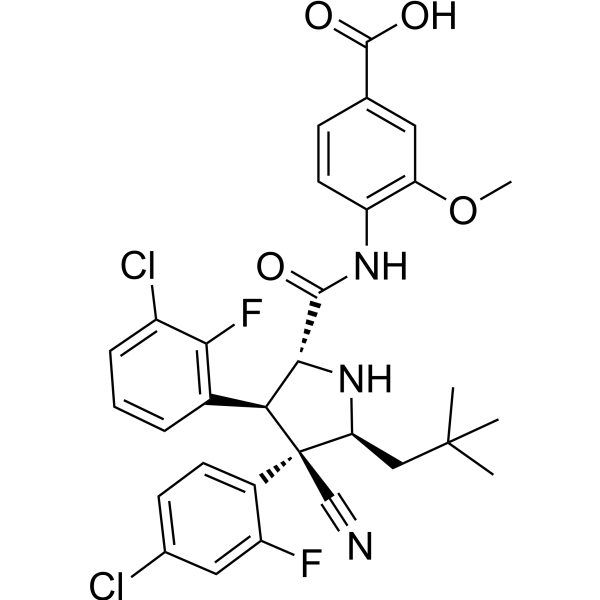
Idasanutlin (RG7388) is an orally bioavailable MDM2 inhibitor with an IC50 of 6 nM. Idasanutlin disrupts MDM2-p53 binding, stabilizes and activates p53, triggering cell cycle arrest, apoptosis, and reduced cancer cell viability. Idasanutlin reduces EGFR protein expression and phosphorylation, suppresses downstream SHP2, MEK1/2, ERK1/2, AKT, mTOR, p70(S6K1), and S6 signaling. Idasanutlin induces mitochondrial ROS production, drives p38 MAPK phosphorylation, upregulates NOXA, and mediates caspase-3-dependent apoptosis and gasdermin E-mediated pyroptosis. Idasanutlin can be used for the research of TP53-mutant non-small cell lung cancer, T-cell acute lymphoblastic leukemia, colorectal carcinoma, melanoma, diffuse large B-cell lymphoma, mantle cell lymphoma, non-Hodgkin lymphoma, severe fever with thrombocytopenia syndrome, neuroblastoma, acute lymphoblastic leukemia, relapsed or refractory acute myeloid leukemia, osteosarcoma, solid tumors, and hematological tumors .
loading...
    loading...
23
23 Cited Publications
Cat. No.: HY-16291
CAS No.: 916151-99-0
Synonyms: LOR-253; LT-253
Target:  

c-Myc KLF Apoptosis

Research Areas:  

Inflammation/Immunology Cancer

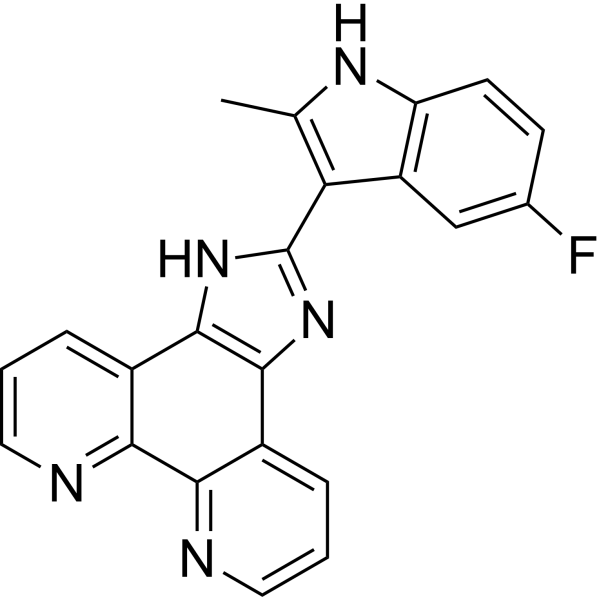
APTO-253 (LOR-253) is a small molecule that inhibits c-Myc expression, stabilizes G-quadruplex DNA, and induces cell cycle arrest and apoptosis in acute myeloid leukemia cells. APTO-253 mediates anticancer activity through induction of the Krüppel-like factor 4 (KLF4) tumor suppressor . APTO-253 has antiarthritic activity .
loading...
    loading...
20
20 Cited Publications
Cat. No.: HY-101488
CAS No.: 1010100-07-8
Purity:  99.85%
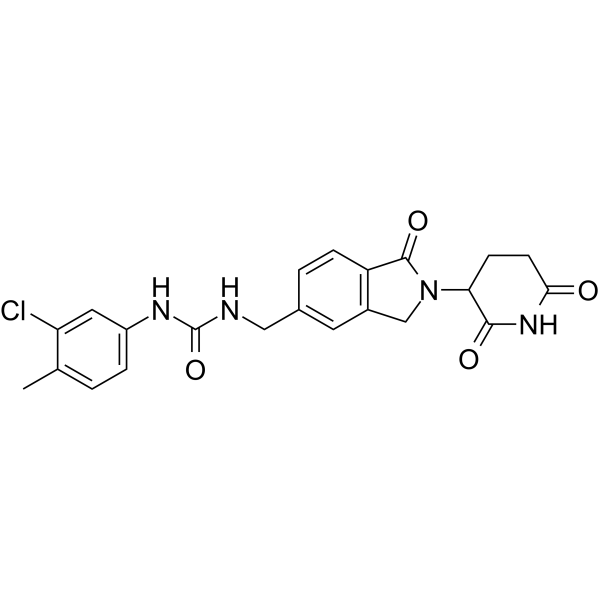
CC-885, a cereblon (CRBN) modulator, acts as a molecular glue degrader targeting GSPT1 with a Kd of 350 nM. CC-885 binds to CRBN to alter the substrate specificity of the CRL4 E3 ligase, promoting the ubiquitination and proteasomal degradation of GSPT1, BNIP3L, PLK1, CDK4, IKZF1/3, GSPT2, WIZ, CHD7, GOLM1, CK1α and ETS1. CC-885 induces apoptosis, cell cycle arrest, transcriptional downregulation and antiproliferation in cancer cells. CC-885 is applicable to research related to relapsed/refractory acute myeloid leukemia, MYC-driven tumors, metastatic castration-resistant prostate cancer, multiple myeloma, hepatocellular carcinoma, glioblastoma, VHL-deficient clear cell renal cell carcinoma and non-small cell lung cancer .
loading...
    loading...
19
19 Cited Publications
Cat. No.: HY-N0662
CAS No.: 1617-53-4
Synonyms: Didemethyl-ginkgetin
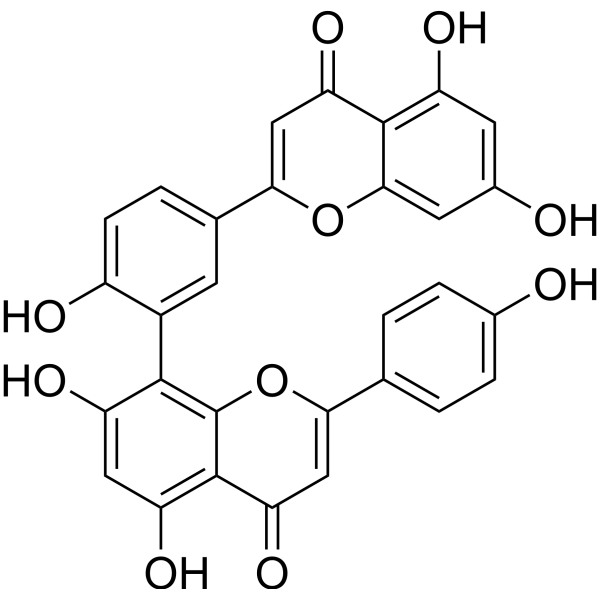
Amentoflavone (Didemethyl-ginkgetin) is a potent and orally active GABA(A) negative modulator. Amentoflavone also shows anti-inflammatory, antioxidative, anti-viral, anti-tumor, anti-radiation, anti-fungal, antibacterial activity. Amentoflavone induces apoptosis and cell cycle arrest at sub-G1 phase .
loading...
    loading...
16
16 Cited Publications
Cat. No.: HY-13650
CAS No.: 165668-41-7
Purity:  99.80%
Synonyms: E 7070
Research Areas:  

Cancer

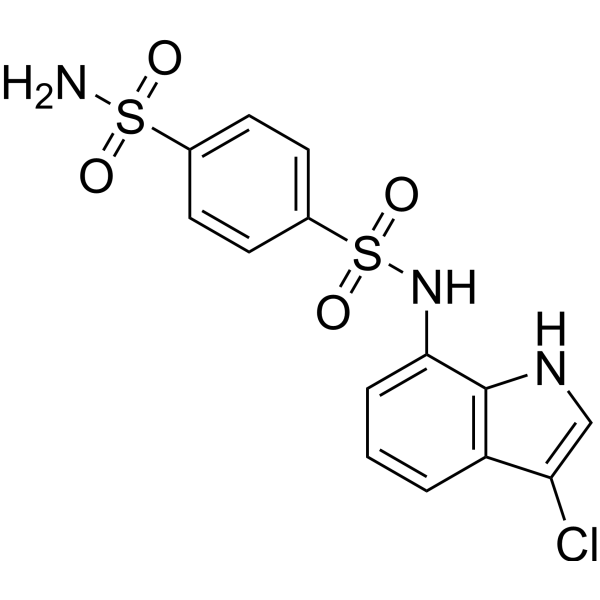
Indisulam (E 7070) is a carbonic anhydrase inhibitor and RBM39 molecular glue degrader, with Ki values of 31, 15, and 24 nM against human carbonic anhydrase I, II, and IX, respectively, and a Ki value of 65 nM against bovine carbonic anhydrase IV. Indisulam promotes the recruitment of RBM39 to the CUL4-DCAF15 E3 ubiquitin ligase complex, triggering polyubiquitination and proteasomal degradation of RBM39. Indisulam induces aberrant pre-mRNA splicing, G1 cell cycle arrest, and cell death in cancer cells. As an anticancer agent, Indisulam drives tumor regression and growth inhibition in xenograft models. Indisulam can be used in research related to solid tumors, hematologic and lymphoid malignancies, colorectal cancer, and non-small cell lung cancer .
loading...
    loading...
13
13 Cited Publications
Cat. No.: HY-N0416
CAS No.: 6199-67-3
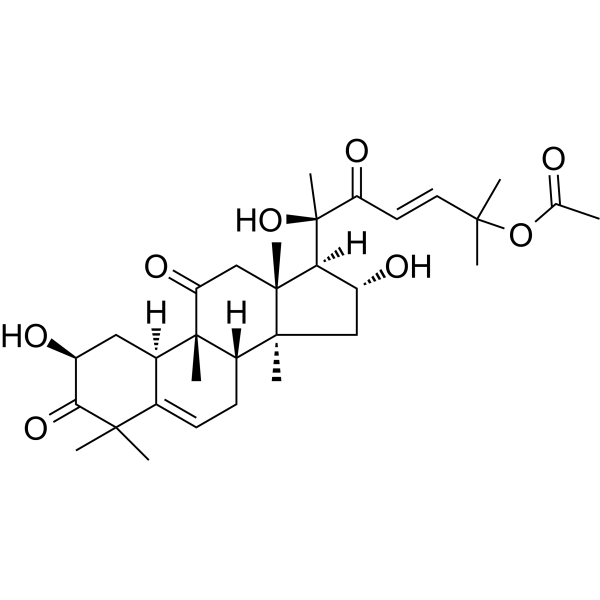
Cucurbitacin B belongs to a class of highly oxidized tetracyclic triterpenoids and is oral active. Cucurbitacin B inhibits tumor cell growth, migration and invasion and cycle arrest, but induces cell apoptosis. Cucurbitacin B has potent anti-inflammatory, antioxidant, antiviral, hypoglycemic, hepatoprotective, neuroprotective activity .
loading...
    loading...
12
12 Cited Publications
Cat. No.: HY-N0103
CAS No.: 6483-15-4
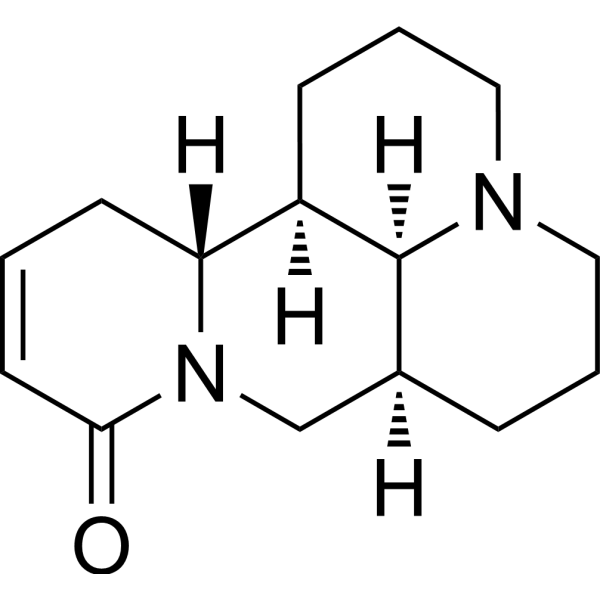
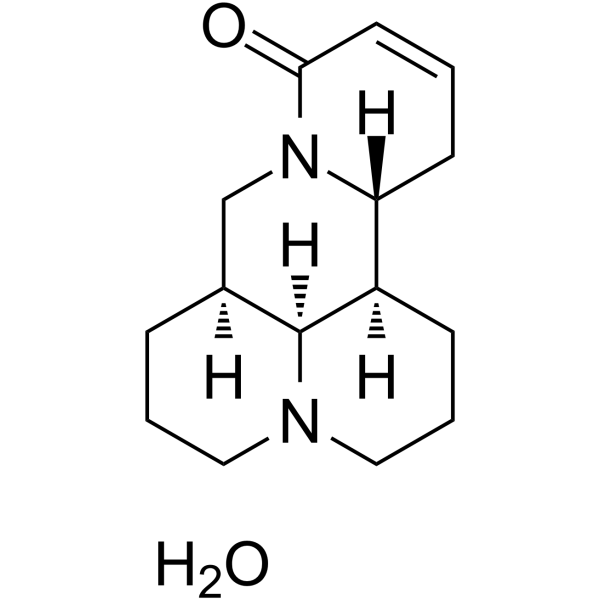
Sophocarpine is a PTEN activator and an inhibitor of PI3K/Akt, MEK/ERK, and NF-κB signaling pathways. Sophocarpine upregulates PTEN expression and inhibits PI3K/Akt phosphorylation, arrests tumor cell cycle and induces apoptosis. Sophocarpine inhibits MEK/ERK phosphorylation and VEGF secretion, reducing tumor cell migration. Sophocarpine can also inhibit NF-κB activation and p38 and JNK phosphorylation, reduce the expression of inflammatory factors such as iNOS and COX-2, and activate the Nrf2/HO-1 pathway to reduce oxidative stress. Sophocarpine has anti-tumor, anti-inflammatory, antioxidant and anti-apoptotic effects, and can be used in the research of cancers such as glioblastoma and colorectal cancer, inflammation-related diseases, and Doxorubicin (HY-15142A)-induced cardiac damage .
loading...
    loading...
12
12 Cited Publications
Cat. No.: HY-N0103A
CAS No.: 145572-44-7
Sophocarpine monohydrate is a PTEN activator and an inhibitor of PI3K/Akt, MEK/ERK, and NF-κB signaling pathways. Sophocarpine monohydrate upregulates PTEN expression and inhibits PI3K/Akt phosphorylation, arrests tumor cell cycle and induces apoptosis. Sophocarpine monohydrate inhibits MEK/ERK phosphorylation and VEGF secretion, reducing tumor cell migration. Sophocarpine monohydrate can also inhibit NF-κB activation and p38 and JNK phosphorylation, reduce the expression of inflammatory factors such as iNOS and COX-2, and activate the Nrf2/HO-1 pathway to reduce oxidative stress. Sophocarpine monohydrate has anti-tumor, anti-inflammatory, antioxidant and anti-apoptotic effects, and can be used in the research of cancers such as glioblastoma and colorectal cancer, inflammation-related diseases, and Doxorubicin (HY-15142A)-induced cardiac damage .
loading...
    loading...
10
10 Cited Publications
Cat. No.: HY-129241
CAS No.: 330834-54-3
Purity:  99.33%
AGX51 is a pan-Id (inhibitors of DNA-binding/differentiation proteins) antagonist that disrupts ID-E protein interactions, thereby triggering ubiquitin-mediated proteasomal degradation of ID1, ID2, ID3 and ID4. AGX51 induces ROS production, G0/G1 cell cycle arrest, non-apoptotic cell death, and regulates EMT-related proteins. AGX51 reduces the proliferation, migration and myofibroblast differentiation of lung fibroblasts, alleviates pulmonary fibrosis, inhibits cancer cell viability and tumor growth, impairs neovascularization, and shows no obvious toxicity in mice. AGX51 can be used in research related to idiopathic pulmonary fibrosis, triple-negative breast cancer, breast cancer, pancreatic ductal adenocarcinoma, colorectal tumors, wet age-related macular degeneration and retinopathy of prematurity .
loading...
    loading...
9
9 Cited Publications
Cat. No.: HY-10222
CAS No.: 219989-84-1
Purity:  99.84%
Synonyms: BMS-247550; Aza-epothilone B
Research Areas:  

Cancer

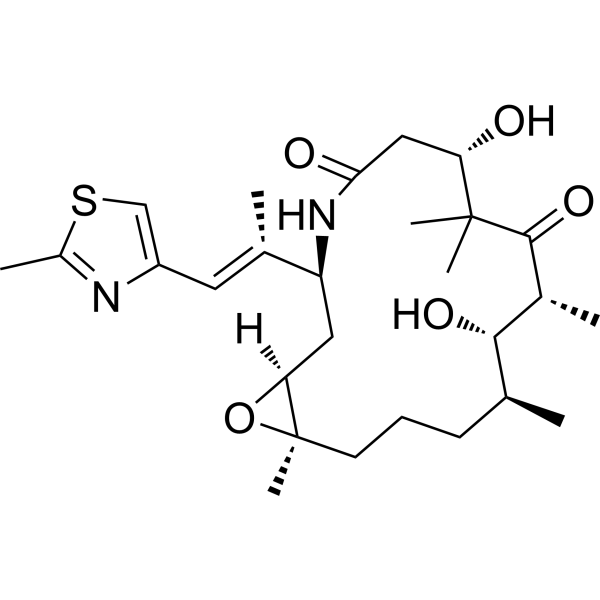
Ixabepilone (BMS-247550) is an orally bioavailable microtubule inhibitor, which binds to tubulin and promotes tubulin polymerization and microtubule stabilization, thereby arrests cells in the G2-M phase of the cell cycle and induces tumor cell apoptosis.
loading...
    loading...
9
9 Cited Publications
Cat. No.: HY-N0421
CAS No.: 470-37-1
Synonyms: Cinobufagine
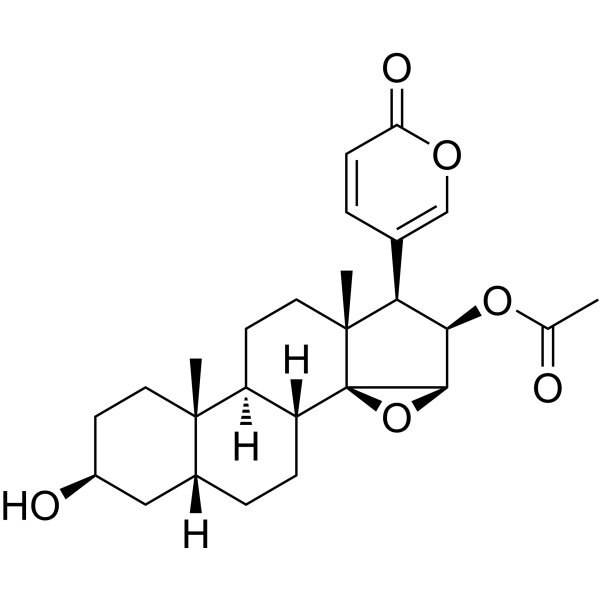
Cinobufagin is an anticancer agent that can be secreted by the Asiatic toad Bufo gargarizans. Cinobufagin induces the cell cycle arrests in the G1 phase or G2/M phase, leading to apoptosis in cancer cells. Cinobufagin inhibits tumor growth in melanoma and glioblastoma multiforme xenograft mouse models .
loading...
    loading...

