



CDK9
CDK9 (cyclin-dependent kinase 9) is a transcription-associated serine/threonine kinase that functions as the catalytic subunit of positive transcription elongation factor b (P-TEFb) and regulates productive RNA polymerase II (RNAPII) elongation through phosphorylation of the RNAPII C-terminal domain and elongation factors.[1][2] Mechanistically, CDK9-cyclin T complexes promote release of promoter-proximally paused RNAPII into gene bodies, thereby controlling transcriptional programs required for cellular responses to developmental and environmental signals.[1][2] Beyond transcriptional elongation, CDK9 contributes to transcription initiation, termination, and maintenance of appropriate transcriptional output, highlighting its central role in gene expression regulation.[1] Dysregulated CDK9 activity has been linked to multiple pathological conditions, particularly cancer, where aberrant transcriptional dependencies create vulnerability to pharmacological CDK9 inhibition.[1][3] In cancer models, activation of P-TEFb-dependent transcription supports oncogenic pathways including MYC, NF-κB, and stress-response signaling, and selective suppression of CDK9 can induce apoptotic programs and impair tumor cell proliferation.[4] Compared with related transcriptional cyclin-dependent kinases such as CDK12 and CDK13, which primarily regulate distinct transcriptional and RNA-processing programs through cyclin K-containing complexes, CDK9 acts as the principal P-TEFb kinase controlling promoter-proximal pause release and rapid transcriptional activation.[1][5] For experimental applications, small-molecule CDK9 inhibitors including flavopiridol have been widely used to suppress RNAPII-dependent transcription, investigate transcriptional addiction, and evaluate therapeutic vulnerabilities associated with transcriptional dysregulation.[1][6]
References:
- [1]. Egloff S. CDK9 keeps RNA polymerase II on track. Cell Mol Life Sci. 2021 Jul;78(14):5543-5567. [Content Brief]
- [2]. Anshabo AT, et al. CDK9: A Comprehensive Review of Its Biology, and Its Role as a Potential Target for Anti-Cancer Agents. Front Oncol. 2021 May 10;11:678559. [Content Brief]
- [3]. Constantin TA, et al. Transcription associated cyclin-dependent kinases as therapeutic targets for prostate cancer. Oncogene. 2022 Jun;41(24):3303-3315. [Content Brief]
- [4]. Yuan B, et al. Engineering of cytosine base editors with DNA damage minimization and editing scope diversification. Nucleic Acids Res. 2023 Nov 10;51(20):e105. [Content Brief]
- [5]. Fan Z, et al. CDK13 cooperates with CDK12 to control global RNA polymerase II processivity. Sci Adv. 2020 Apr 29;6(18):eaaz5041. [Content Brief]
- [6]. Phiel CJ, et al. Histone deacetylase is a direct target of valproic acid, a potent anticonvulsant, mood stabilizer, and teratogen. J Biol Chem. 2001 Sep 28;276(39):36734-41. [Content Brief]
-
CDK9 Related Products (205)
Related Products (205)

-
Antibodies (1)
-
Abemaciclib
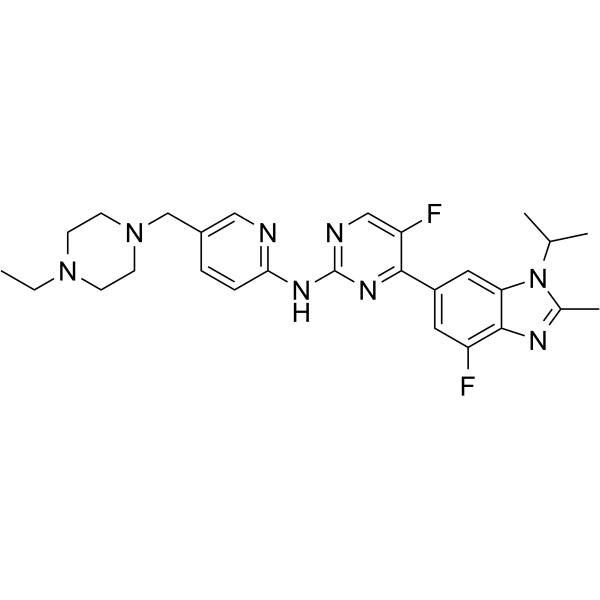 0 ImagesSynonyms: LY2835219
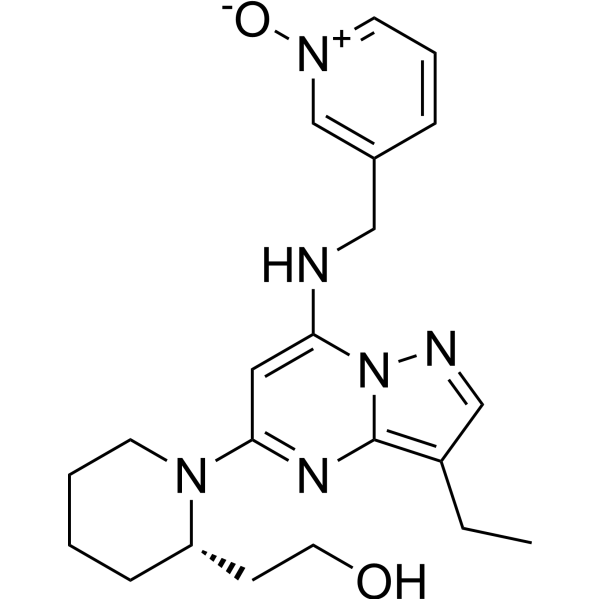
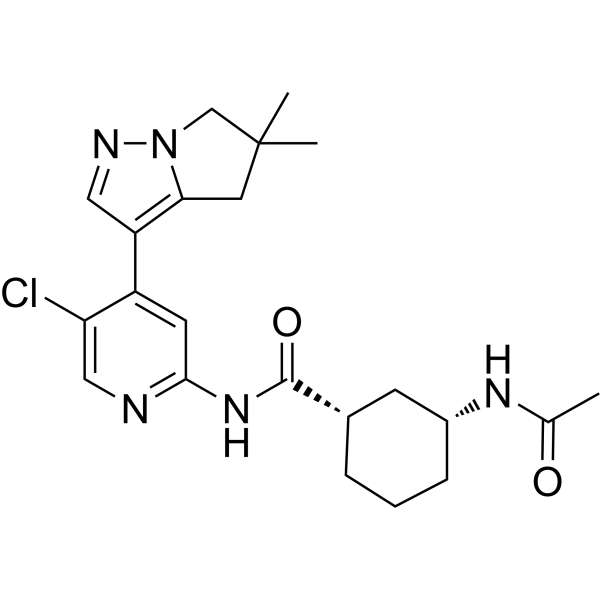
-
Abemaciclib methanesulfonate
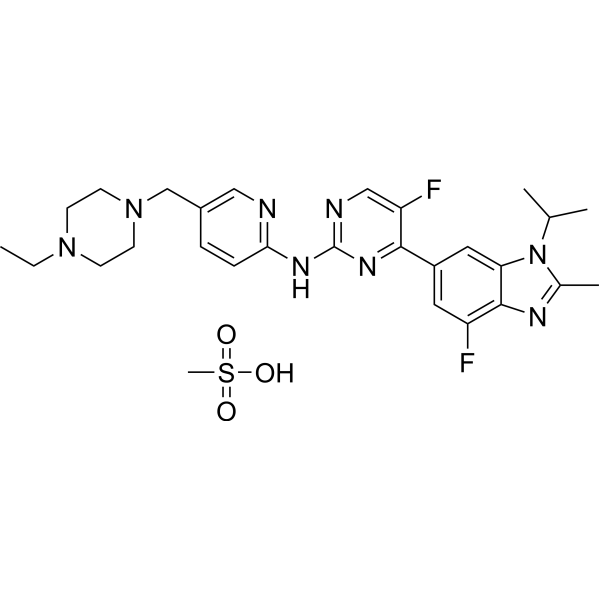 0 ImagesSynonyms: LY2835219 methanesulfonate
-
THAL-SNS-032
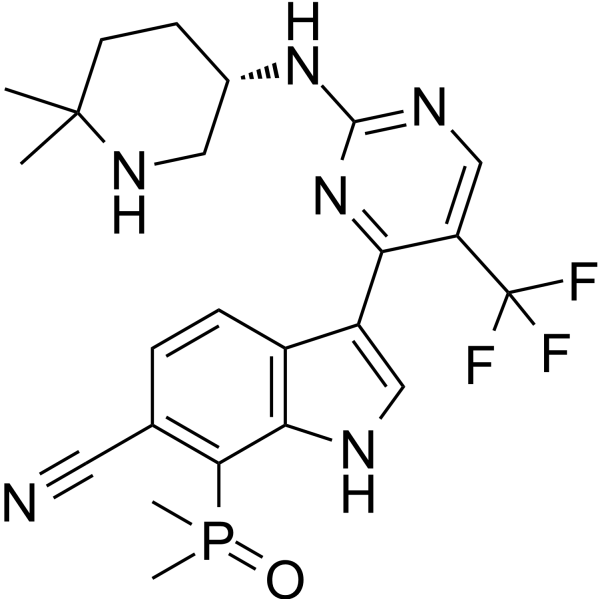
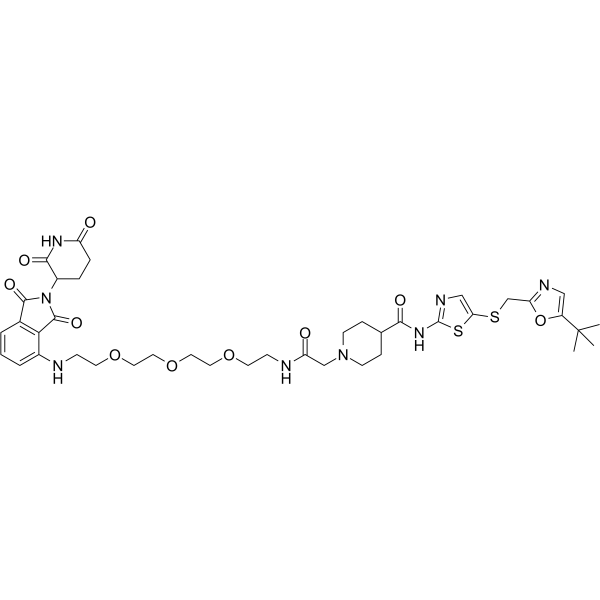 0 ImagesCat. No.: HY-123937CAS No.: 2139287-33-3THAL-SNS-032 is a selective CDK9 PROTAC degrader. THAL-SNS-032 recruits CRBN to form a ternary complex with CDK9, thereby triggering ubiquitination and proteasomal degradation of CDK9. THAL-SNS-032 also induces the degradation of CDK1, CDK2 and CDK7. THAL-SNS-032 elevates pH2AX levels, reduces MCL1s expression, and activates caspase-3. THAL-SNS-032 induces cancer cell apoptosis, regulates transcription, and inhibits the replication of human cytomegalovirus (CMV) and SARS-CoV-2. THAL-SNS-032 can be used in research related to breast cancer, leukemia, cytomegalovirus infection and SARS-CoV-2 infection.
-
NVP-2
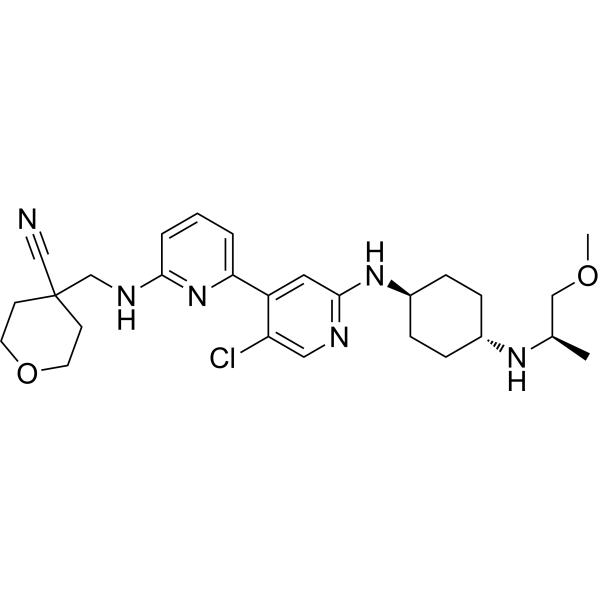 0 ImagesNVP-2 is a potent and selective ATP-competitive cyclin dependent kinase 9 (CDK9) probe, inhibits CDK9/CycT activity with an IC50 of 0.514 nM. NVP-2 displays inhibitory effcts on CDK1/CycB, CDK2/CycA and CDK16/CycY kinases with IC50 values of 0.584 μM, 0.706 μM, and 0.605 μM, respectively. NVP-2 induces cell apoptosis.
-
Samuraciclib hydrochloride
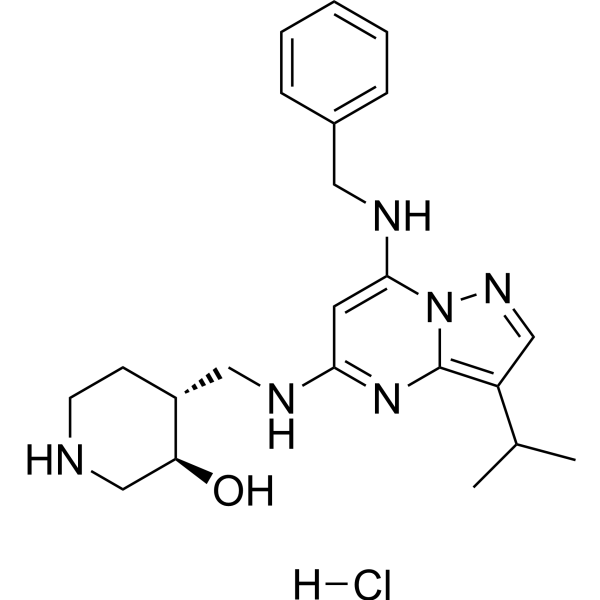 0 ImagesSynonyms: CT7001 hydrochloride; ICEC0942 hydrochlorideSamuraciclib hydrochloride (CT7001 hydrochloride) is a potent, selective, ATP-competitive and orally active CDK7 inhibitor, with an IC50 of 41 nM. Samuraciclib hydrochloride displays 45-, 15-, 230- and 30-fold selectivity over CDK1, CDK2 (IC50 of 578 nM), CDK5 and CDK9, respectively. Samuraciclib hydrochloride inhibits the growth of breast cancer cell lines with GI50 values between 0.2-0.3 µM. Samuraciclib hydrochloride has anti-tumor effects.
-
Toyocamycin
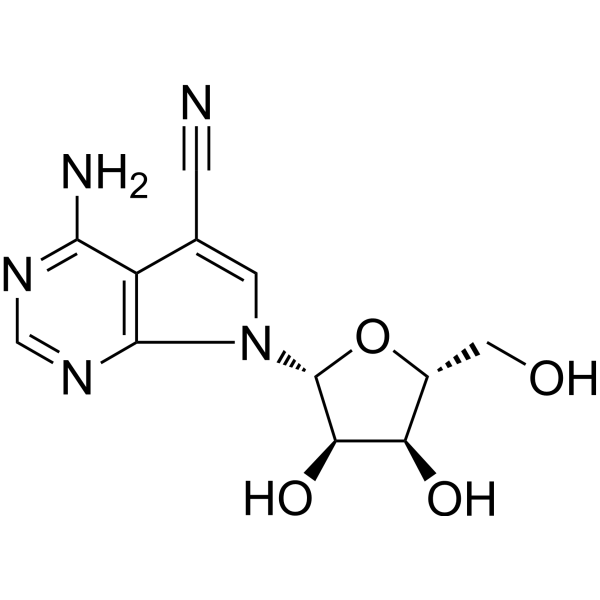 0 ImagesToyocamycin (Vengicide) is an adenosine analog produced by Streptomyces diastatochromogenes, acts as an XBP1 inhibitor. Toyocamycin blocks RNA synthesis and ribosome function, and induces apoptosis. Toyocamycin affects IRE1α-XBP1 pathway, and inhibits XBP1 mRNA cleavage with an IC50 value of 80 nM with affecting IRE1α auto-phosphorylation. Toyocamycin specifically inhibits CDK9 with an IC50 value of 79 nM.
-
YKL-5-124
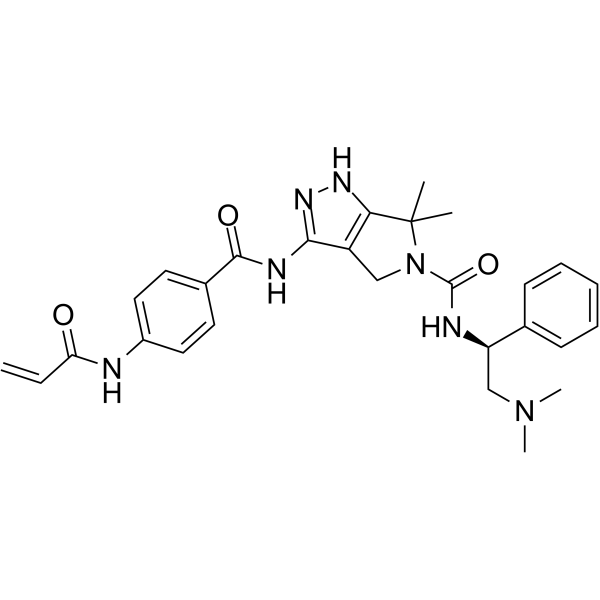 0 ImagesYKL-5-124 is a potent, selective, irreversible and covalent CDK7 inhibitor with IC50s of 53.5 nM and 9.7 nM for CDK7 and CDK7/Mat1/CycH, respectively. YKL-5-124 is >100-fold greater selective for CDK7 than CDK9 and CDK2, and inactive against CDK12 and CDK13. YKL-5-124 induces a strong cell-cycle arrest, inhibits E2F-driven gene expression, and exhibits little effect on RNA polymerase II phosphorylation status.
-
Tambiciclib
 0 ImagesSynonyms: GFH009; JSH-009; SLS009Tambiciclib (GFH009, JSH-009) is an orally active, highly potent and selective CDK9 inhibitor (IC50 = 1 nM), demonstrating >200-fold selectivity over other CDKs, >100-fold selectivity over DYRK1A/B, and excellent selectivity over 468 kinases/mutants. Tambiciclib demonstrates potent in vitro and in vivo antileukemic efficacy in acute myeloid leukemia (AML) mouse models by inhibiting RNA Pol II phosphorylation, downregulating MCL1 and MYC, and inducing apoptosis. Tambiciclib can be used for AML research.
-
Enitociclib
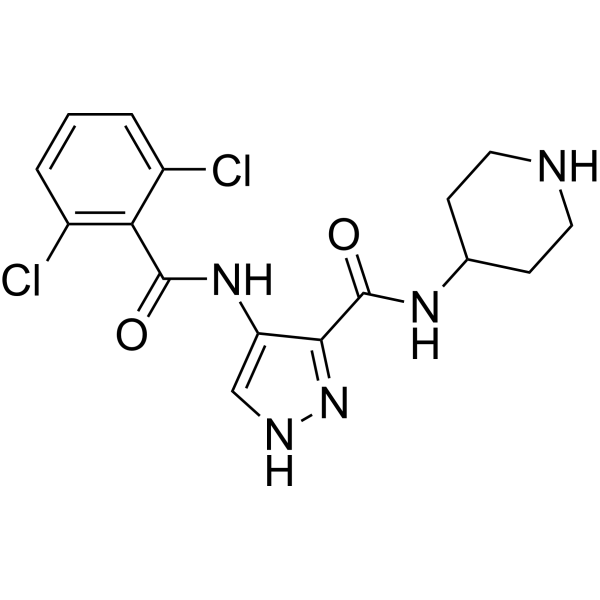
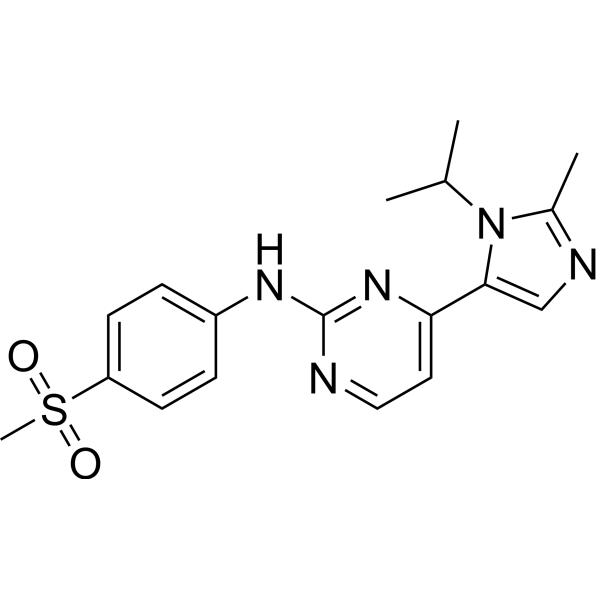
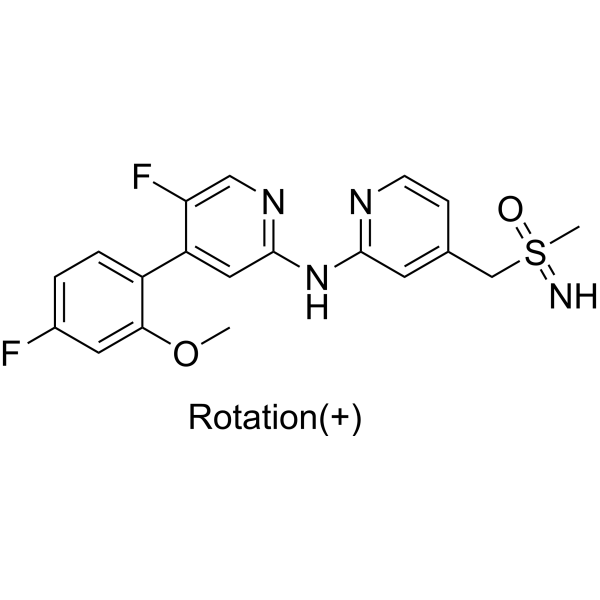 0 ImagesSynonyms: (+)-BAY-1251152; (+)-VIP152; (S)-EnitociclibEnitociclib ((+)-BAY-1251152; (+)-VIP152) is a selective CDK9 inhibitor (IC50=3 nM) that inhibits transcriptional elongation by blocking Ser2/Ser5 phosphorylation of RNA polymerase II. Enitociclib specifically depletes key short-lived proteins such as c-MYC, MCL-1 and induces tumor cell apoptosis. Enitociclib also interferes with the production of enhancer RNAs (eRNA) and enhancer-promoter interactions, and downregulates oncogene expression at the epigenetic level. Enitociclib exerts synergistic effects with agents including Bortezomib (HY-10227), Lenalidomide (HY-A0003), Pomalidomide (HY-10984), Venetoclax (HY-15531) and Paclitaxel (HY-B0015), and even reverses paclitaxel resistance. Enitociclib serves as a vital research tool for various malignancies such as double-hit diffuse large B-cell lymphoma, multiple myeloma and pancreatic ductal adenocarcinoma.
-
Romaciclib monohydrochloride
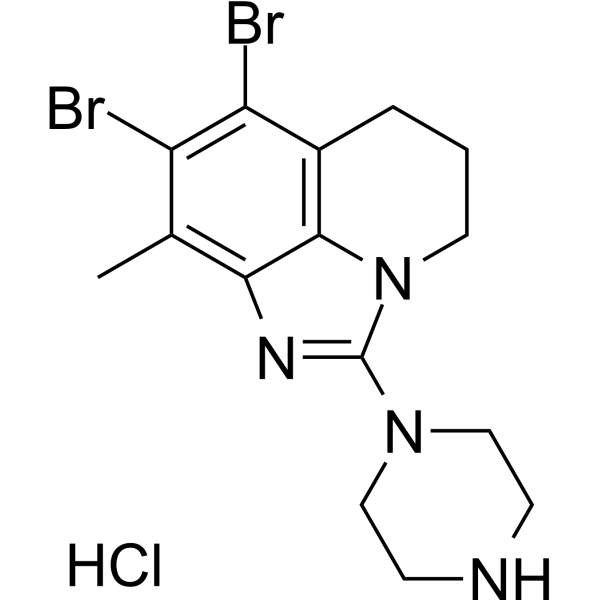 0 ImagesSynonyms: SEL120-34A monohydrochlorideSEL120-34A monohydrochloride is an ATP-competitive and selective CDK8 inhibitor, inhibits kinase activities of CDK8/CycC and CDK19/CycC complexes with IC50s of 4.4 nM and 10.4 nM, respectively, with a Kd of 3 nM for CDK8. SEL120-34A monohydrochloride weakly inhibits CDK9 (calculated IC50=1070 nM), but shows no obvious activity against CDK1, 2, 4, 6, 5, 7. SEL120-34A monohydrochloride inhibits phosphorylation of STAT1 S727 and STAT5 S726. Has anti-tumor activity.
-
BTX-A51
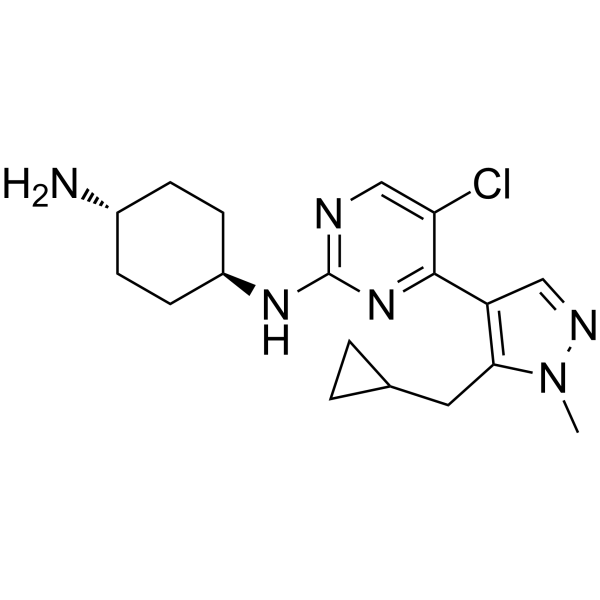 0 ImagesSynonyms: Casein Kinase inhibitor A51BTX-A51 (Casein Kinase inhibitor A51) is a potent and orally active casein kinase 1α (CK1α) inhibitor. BTX-A51 induces leukemia cell apoptosis, and has potent anti-leukemic activities.




