



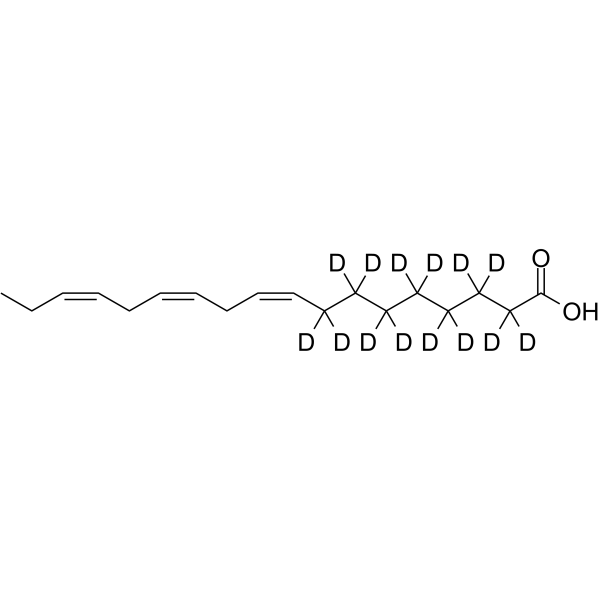
α-Linolenic acid-d14

Based on 1 Customer Validation
α-Linolenic acid-d14 is the deuterium labeled α-Linolenic acid. α-Linolenic acid, isolated from seed oils, is an essential fatty acid that cannot be synthesized by humans. α-Linolenic acid can affect the process of thrombotic through the modulation of PI3K/Akt signaling. α-Linolenic acid possess the anti-arrhythmic properties and is related to cardiovascular disease and cancer.
For research use only. We do not sell to patients.
- Purity : 99.9%
- CAS No.: 1622944-40-4
- Formula: C18H16D14O2
- Molecular Weight:292.52
-
Storage:
Solution, -20°C, 2 years

To place orders, for customer services and technical support, please contact: MedChemExpress USA
Tel: 609-228-6898 E-mail: [email protected] [email protected]


-
 Biological Activity
-
Chemical Information
- Protocols
- Purity & Documentation
- References
-
 Help & FAQs


-

HY-N10546A
Ganglioside GM1 (bovine) ammoniumGlycosphingolipid -
HY-N0111S
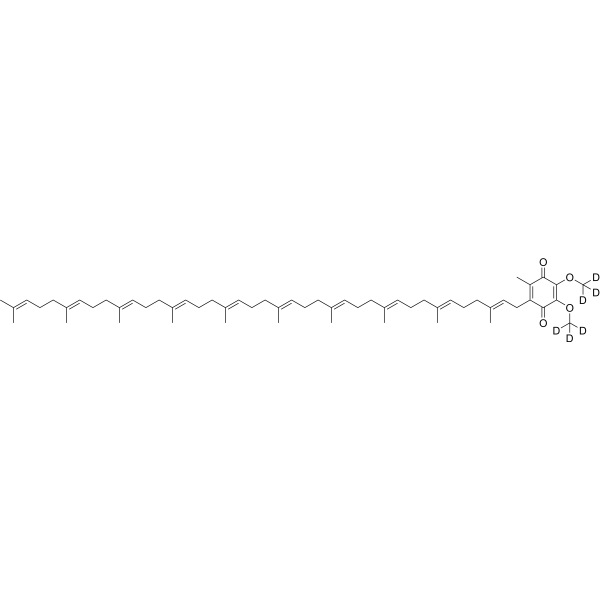
Coenzyme Q10-d6Stable Isotope -
HY-N1446S
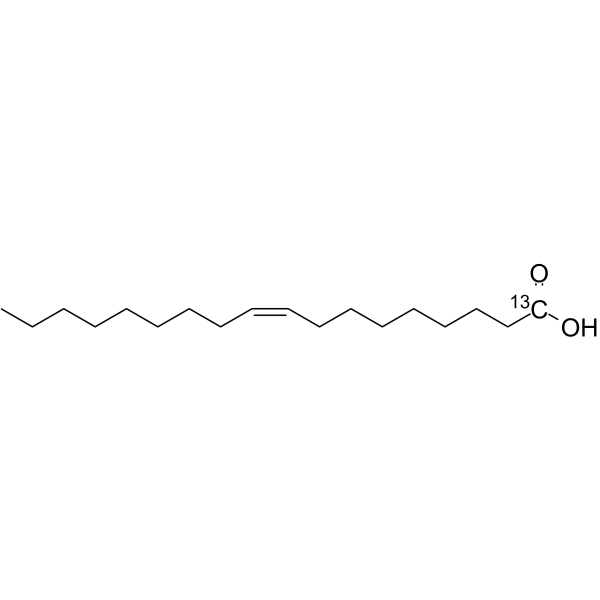
Oleic acid-13CStable Isotope -
HY-N0322S1
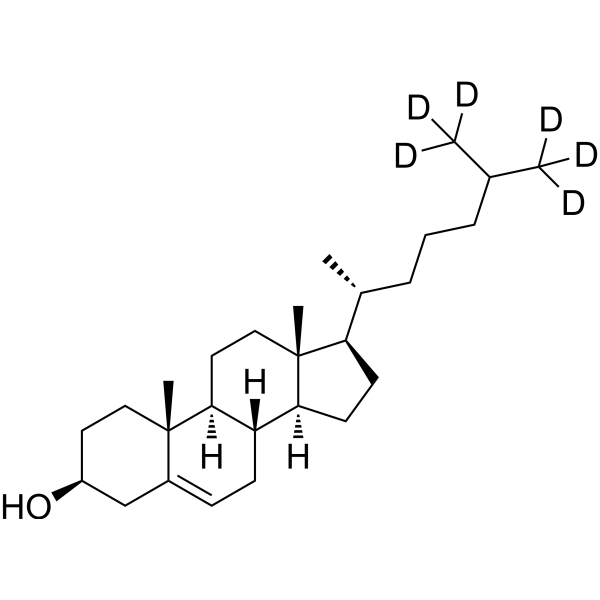
Cholesterol-d6Stable Isotope -
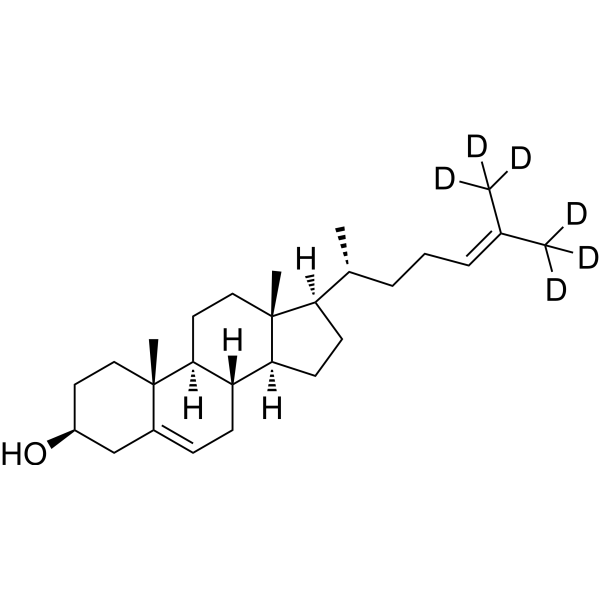
HY-113224S
Desmosterol-d6Stable Isotope -
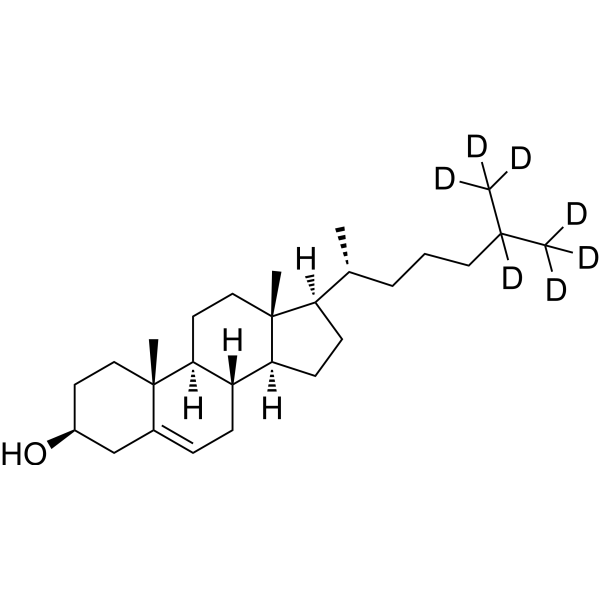
HY-N0322S
Cholesterol-d7Stable Isotope -
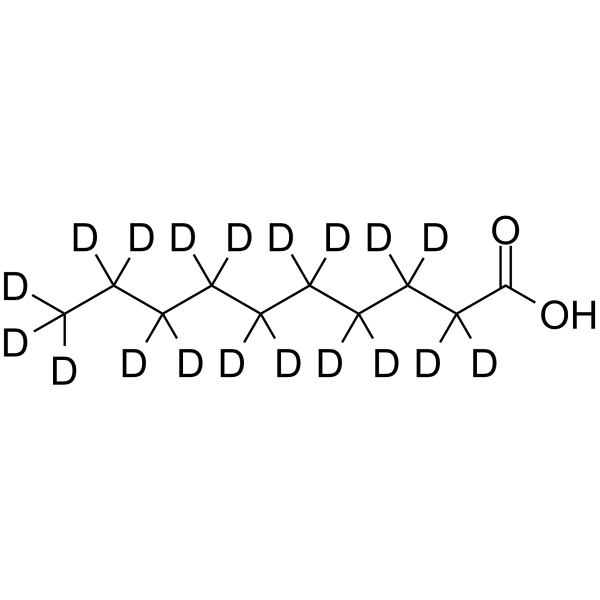
HY-W015309S1
Decanoic acid-d19Stable Isotope -
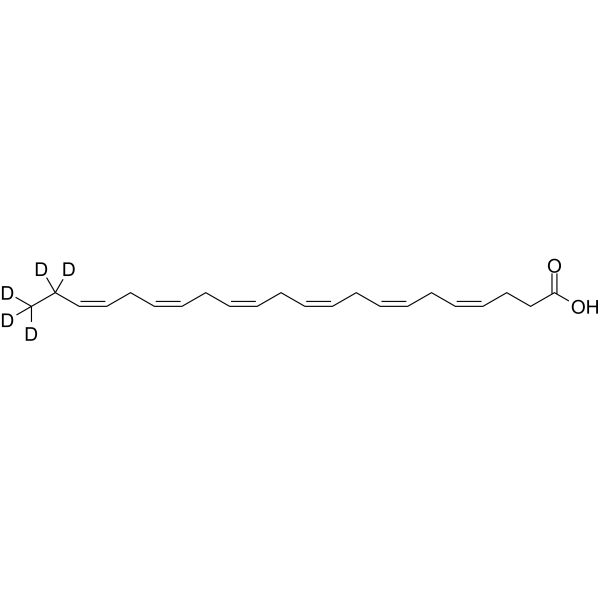
HY-B2167S
Docosahexaenoic acid-d5Stable Isotope -
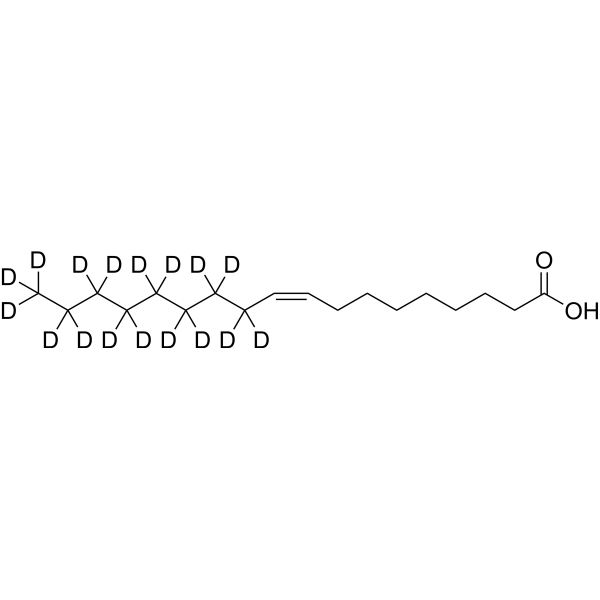
HY-N1446S3
Oleic acid-d17Stable Isotope -
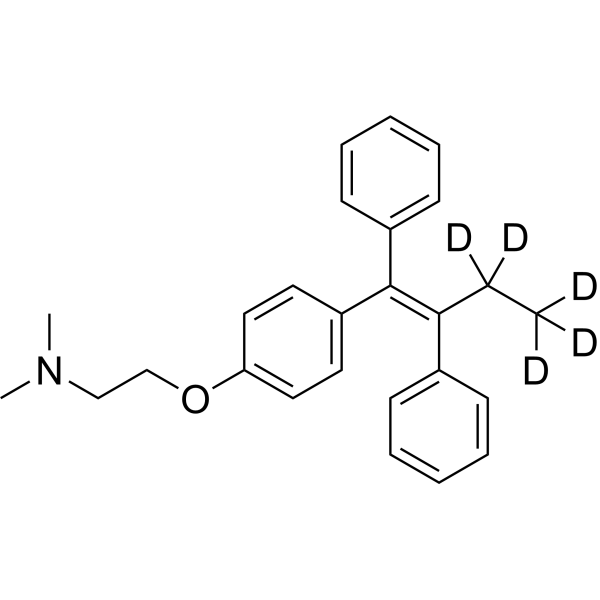
HY-13757AS
Tamoxifen-d5Stable Isotope -
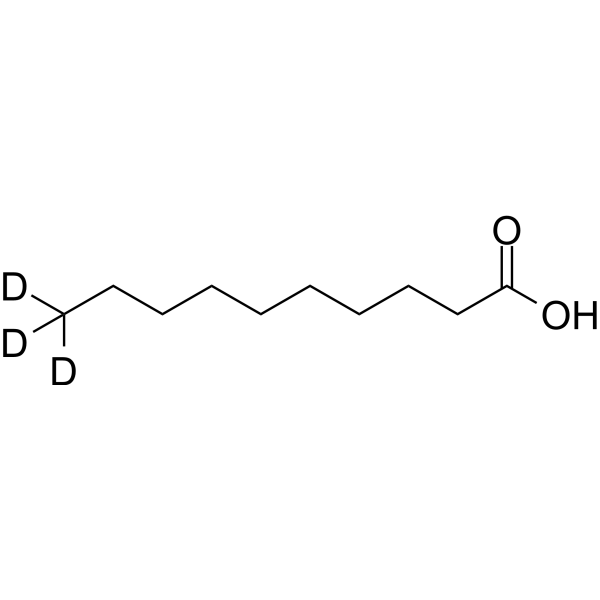
HY-W015309S
Decanoic acid-d3Stable Isotope


Biological Activity
Description
In Vitro
Stable heavy isotopes of hydrogen, carbon, and other elements have been incorporated into drug molecules, largely as tracers for quantitation during the drug development process. Deuteration has gained attention because of its potential to affect the pharmacokinetic and metabolic profiles of drugs[1].
MedChemExpress (MCE) has not independently confirmed the accuracy of these methods. They are for reference only. Further protocols information, click here.
Application
1. This compound can be used as a tracer
2. This compound can be used as an internal standard for quantitative analysis by NMR, GC-MS, or LC-MS.


Chemical Information
-
CAS No. 1622944-40-4
-
Unlabeled CAS 463-40-1
-
Appearance Liquid
-
Molecular Weight 292.52
-
Formula C18H16D14O2
-
Color Colorless to light yellow
-
SMILES
CC/C=C\C/C=C\C/C=C\C([2H])([2H])C([2H])([2H])C([2H])([2H])C([2H])([2H])C([2H])([2H])C([2H])([2H])C([2H])([2H])C(O)=O
-
Shipping
Room temperature in continental US; may vary elsewhere.
-
Storage
Solution, -20°C, 2 years

Protocols
-
Research Protocol for Cardiovascular Diseases
Cardiovascular disease can be modeled as maladaptive cardiac remodeling, where ischemic injury or pressure overload activates inflammatory signaling, fibroblast activation, extracellular-matrix deposition, cardiomyocyte hypertrophy, vascular remodeling, and progressive ventricular dysfunction. The TGF-β/SMAD axis is a central profibrotic pathway after myocardial injury and pressure overload, while innate immune and cytokine pathways regulate leukocyte recruitment, scar formation, and adverse remodeling. Key unresolved questions include which inflammatory signals are reparative versus harmful, when fibrosis is protective versus maladaptive, and whether pathway inhibition improves function without weakening necessary infarct healing or compensatory remodeling.


Purity & Documentation
-
Data Sheet (265 KB)
-
SDS (252 KB)
- English - EN (252 KB)
- Français - FR (252 KB)
- Deutsch - DE (252 KB)
- Norwegian - NO (252 KB)
- Español - ES (252 KB)
- Swedish - SV (252 KB)
- Italian - IT (252 KB)
- Korean - KR (252 KB)
- Portuguese - PT (252 KB)
-
Handling Instructions (2659 KB)
References
[1]. Russak EM, et al. Impact of Deuterium Substitution on the Pharmacokinetics of Pharmaceuticals. Ann Pharmacother. 2019;53(2):211-216. [Content Brief]
[2]. Yang Q, et al. Anti-thrombotic effects of α-linolenic acid isolated from Zanthoxylum bungeanum Maxim seeds. BMC Complement Altern Med. 2014 Sep 23;14:348. [Content Brief]

Calculators
Concentration (start) × Volume (start) = Concentration (final) × Volume (final)


α-Linolenic acid-d14 Related Classifications
HY-N0728S2 Related Classifications
 Powered by Bioz