



6-Methoxyflavone

Based on 1 Customer Validation
6-Methoxyflavone is an orally active methoxyflavone. 6-Methoxyflavone suppresses neuroinflammation in microglia through the inhibition of TLR4/MyD88/p38 MAPK/NF-κB dependent pathways and the activation of HO-1/NQO-1 signaling. 6-Methoxyflavone induces S-phase arrest through the CCNA2/CDK2/p21CIP1 signaling pathway in HeLa cells. 6-Methoxyflavone inhibits NFAT Translocation into the nucleus and suppresses T cell activation. 6-Methoxyflavone partially restores chronic ethanol-induced behavioral deficits in mice. 6-Methoxyflavone antagonizes chronic constriction injury and diabetes associated neuropathic nociception expression. 6-Methoxyflavone can be used for the study of cancer, inflammation and neurological diseases.
For research use only. We do not sell to patients.
- Purity : 99.73%
- CAS No.: 26964-24-9
- Formula: C16H12O3
- Molecular Weight:252.27
-
Storage:Powder -20°C, 3 years , 4°C, 2 years ; In solvent -80°C, 6 months , -20°C, 1 month

To place orders, for customer services and technical support, please contact: MedChemExpress USA
Tel: 609-228-6898 E-mail: [email protected] [email protected]


-
 Biological Activity
-
Chemical Information
-
Solvent & Solubility
- Protocols
- Purity & Documentation
- References
-
 Help & FAQs


-

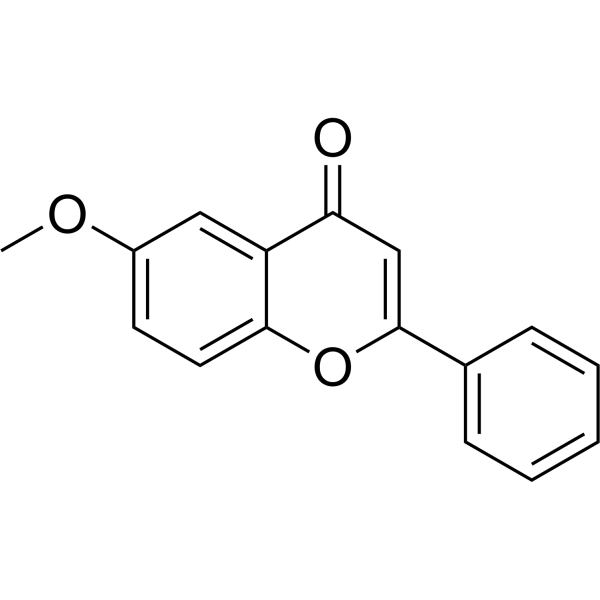
HY-W097625R
6-Methoxyflavone (Standard)Methoxyflavone -
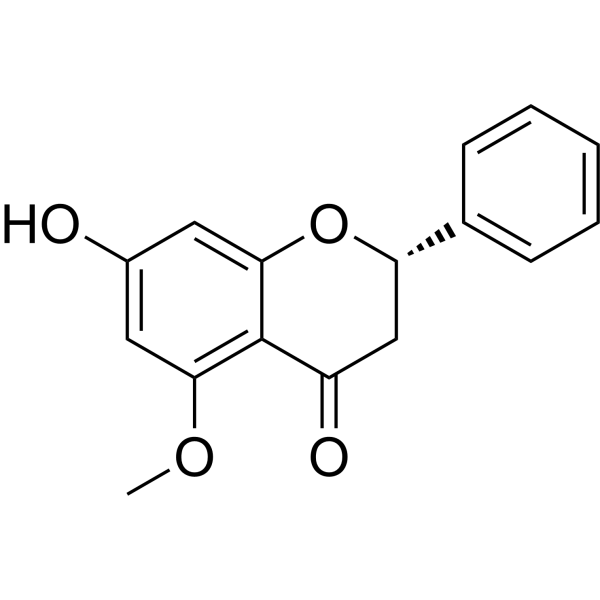
HY-N0625A
AlpinetinPPAR Activator -
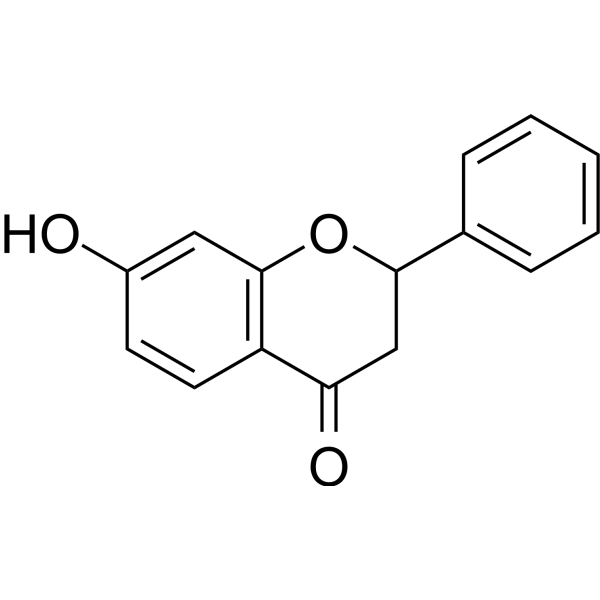
HY-W087008
7-HydroxyflavanoneCYP19 Inhibitor -
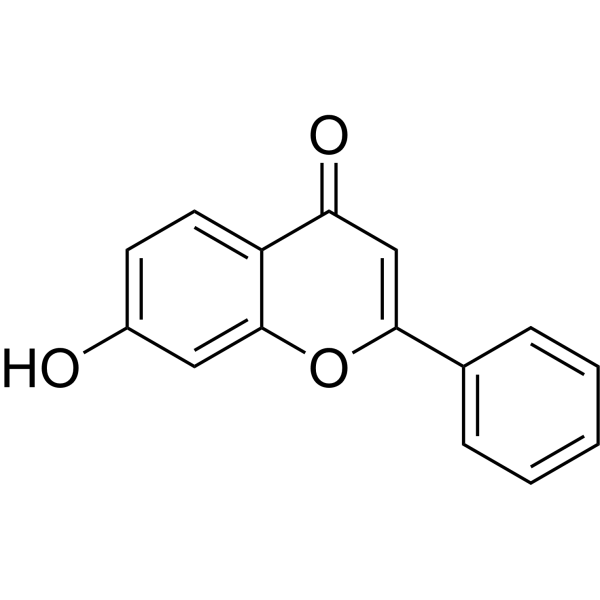
HY-N7108
7-HydroxyflavoneAnti-inflammatory Agent -
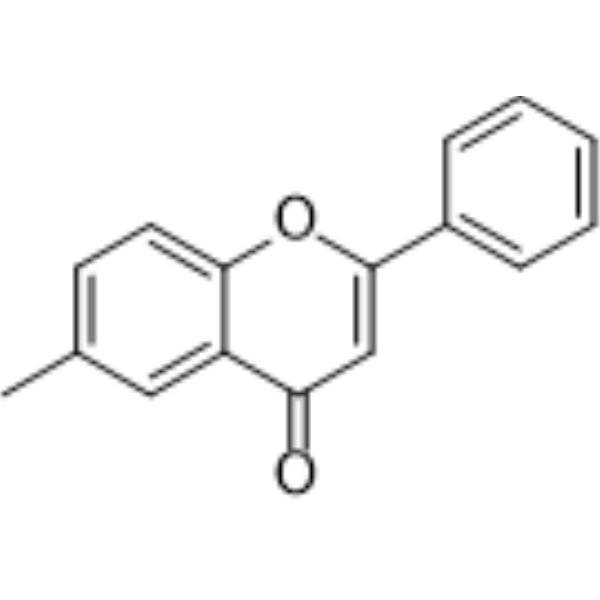
HY-N6630
6-MethylflavoneGABA Receptor Activator -
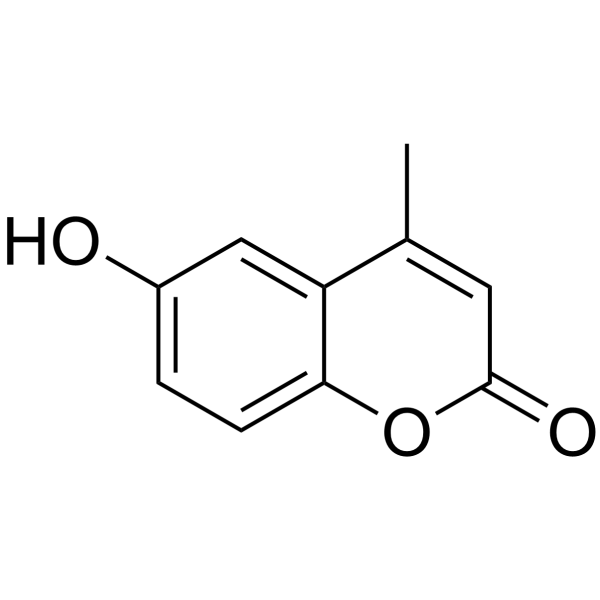
HY-N6658
6-Hydroxy-4-methylcoumarinAnticancer Agent -
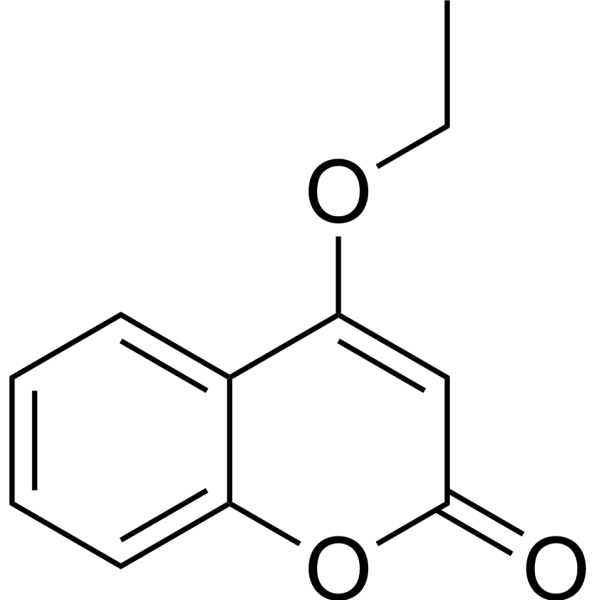
HY-138548
4-EthoxycoumarinAntimicrobial -

HY-N7108R
7-Hydroxyflavone (Standard)Anti-inflammatory Agent


Biological Activity
Description
Cellular Effect
|
Cell Line

|
Type | Value | Description | References |
|---|---|---|---|---|
| A2780 ADR | IC50 |
13 μM
Compound: 8
|
Inhibition of P-gp expressed in A2780adr cells by calcein AM accumulation assay
Inhibition of P-gp expressed in A2780adr cells by calcein AM accumulation assay
|
[PMID: 21354800] |
| MCF7 | IC50 |
10 μM
Compound: 8
|
Inhibition of BCRP expressed in MCF-7 MX cells using Hoechst 33342 staining
Inhibition of BCRP expressed in MCF-7 MX cells using Hoechst 33342 staining
|
[PMID: 21354800] |
| MDCK | IC50 |
15 μM
Compound: 8
|
Inhibition of MDR1 expressed in MDCK cells using rhodamine 123 staining by flow cytometry
Inhibition of MDR1 expressed in MDCK cells using rhodamine 123 staining by flow cytometry
|
[PMID: 21354800] |
| MDCK | IC50 |
3.4 μM
Compound: 8
|
Inhibition of BCRP expressed in MDCK cells using Hoechst 33342 staining
Inhibition of BCRP expressed in MDCK cells using Hoechst 33342 staining
|
[PMID: 21354800] |
In Vitro
6-Methoxyflavone (20-160 μM, 24-72 h) inhibits proliferation of HaCaT, HeLa, C33A, and SiHa cells, with HeLa cells being most sensitive (IC50: 94.05 μM at 24 h, 62.24 μM at 48 h, 52.12 μM at 72 h)[1].
6-Methoxyflavone (20-160 μM, 48 h) induces S-phase arrest in HeLa cells in a concentration-dependent manner[1].
6-Methoxyflavone (65 μM, 48 h) downregulates mRNA and protein expression of CCNA2 and CDK2, while upregulating CCND1, CCNE1, CDK6, and p21CIP1 in HeLa cells, via the CCNA2/CDK2/p21CIP1 pathway[1].
6-Methoxyflavone (3-30 μM, pretreatment for 1 h) suppresses LPS-induced phosphorylation of NF-κB p65, IκB and reduces LPS (HY-D1056)-induced expression of TLR4, MyD88 and phosphorylation of p38 MAPK, JNK in BV2 microglia[1].
6-Methoxyflavone (3-30 μM, pretreatment for 1 h) suppresses TLR4/MyD88/p38 MAPK/NF-κB dependent pathways and activates HO-1/NQO-1 signaling in LPS-stimulated BV2 microglia[3].
6-Methoxyflavone (5-20 μM, 1-24 h) inhibits the enhancer activity of CNS-9, reducing IL-10 expression in EL4 T cells and primary Th2 cells[5].
6-Methoxyflavone (5-20 μM, 1-72 h) inhibits the translocation of NFAT1 into the nucleus in Th2 cells and ex vivo CD4+ T cells and inhibits proliferation of CD4+ T cells and CD19+ B cells isolated from atopic dermatitis mice and reduces IgE production by B cells[5].
MedChemExpress (MCE) has not independently confirmed the accuracy of these methods. They are for reference only. Further protocols information, click here.
-
Cell Line:HeLa cells
-
Concentration:20, 40, 80, 120, 160 μM
-
Incubation Time:48 h
-
Result:Induced S-phase arrest in HeLa cells in a concentration-dependent manner.
-
Cell Line:HeLa cells
-
Concentration:65 μM
-
Incubation Time:48 h
-
Result:Downregulated mRNA expression of CCNA2 and CDK2.
Upregulated CCND1, CCNE1, CDK6, and p21CIP1 in HeLa cells.
-
Cell Line:LPS-stimulated BV2 microglia
-
Concentration:3, 10, 30 μM
-
Incubation Time:Pretreatment for 1 h
-
Result:Decreased the levels of pro-inflammatory factors (IL-1β, IL-6, TNF-α, PGE2) in LPS-stimulated BV2 microglia.
-
Cell Line:LPS-stimulated BV2 microglia
-
Concentration:3, 10, 30 μM
-
Incubation Time:Pretreatment for 1 h
-
Result:Suppressed LPS-induced phosphorylation of NF-κB p65 and IκB.
reduced LPS-induced expression of TLR4, MyD88 and phosphorylation of p38 MAPK, JNK.
Decreased iNOS and COX-2 expression.
Increased HO-1 and NQO1 expression.
In Vivo
6-Methoxyflavone (10-30 μM, pretreatment for 1 h before LPS (100 ng/mL), exposure for 24 h) is non-toxic to zebrafish embryos and inhibits LPS-induced NO generation[3].
6-Methoxyflavone (25-50 mg/kg, i.p., once daily for 4 days before LPS injection 3 h prior to sacrifice) prevents LPS-induced microgliosis in the prefrontal cortex and substantia nigra in mice[3].
6-Methoxyflavone (25-75 mg/kg, i.p., once daily for 21 days post-surgery) antagonizes chronic constriction injury (CCI) and Streptozotocin (STZ) (HY-13753)-induced static (pressure) and dynamic (light brushing) hindpaw allodynia, heat/cold and pressure hyperalgesia in rats[4].
6-Methoxyflavone (20-100 mg/kg, i.g., five times per week for 6 weeks) ameliorates symptoms of experimental atopic dermatitis in BALB/c mice[5].
MedChemExpress (MCE) has not independently confirmed the accuracy of these methods. They are for reference only.
-
Animal Model:Male BALB/c mice (22–28 g) were used, with chronic ethanol-induced cognitive impairment models established by oral administration of 25% w/v ethanol (2.0 g/kg daily) for 24 consecutive days, followed by 6 days of ethanol withdrawal[2]
-
Dosage:25, 50, 75 mg/kg
-
Administration:p.o. once daily 15 min before ethanol for 24 days
-
Result:Restored locomotor activity suppressed by chronic ethanol and enhanced activity during abstinence and post-withdrawal.
Improved novel object recognition, with increased exploration time on days 12, 24, during abstinence, and post-withdrawal.
Enhanced Morris water maze performance.
Ameliorated Y-maze deficits and enhanced nest-building.
Increased socialization, with all doses raising exploration time with novel juveniles at all stages.
Raised frontal cortical dopamine and vitamin C and reversed frontal cortical noradrenaline reduction.
Increased hippocampal dopamine and elevated hippocampal noradrenaline.
-
Animal Model:3-month-old male C57BL/6 mice were used, with LPS-induced brain inflammatory models established by intraperitoneal injection of LPS (5 mg/kg) 3 h before sacrifice, following pretreatment with 6-methoxyflavone or PBS for 4 days[3]
-
Dosage:25, 50 mg/kg
-
Administration:i.p. once daily for 4 days before LPS injection 3 h prior to sacrifice
-
Result:Reduced microglial cell density in the prefrontal cortex (PFC) and substantia nigra (SN) after LPS stimulation.
Decreased cell size of Iba1-positive microglia in PFC and SN, with 50 mg/kg showing significant effects.
Increased cell process length of microglia in PFC and SN, improving morphological abnormalities induced by LPS.
Suppressed phosphorylation of p38 in PFC and SN, inhibiting overactivation of the p38 MAPK signaling pathway.
Reduced MyD88 protein expression in SN, downregulating the TLR4/MyD88 dependent pathway.
-
Animal Model:Sprague-Dawley rats (male, 300-450 g) were used, with CCI-induced mononeuropathy models established by exposing the sciatic nerve and applying four double knot ligatures (1 mm apart) prior to its trifurcation[4]
-
Dosage:25, 50, 75 mg/kg
-
Administration:i.p. once daily for 21 days
-
Result:Reduced static mechanical allodynia, as evidenced by increased paw withdrawal threshold to von Frey filaments in the operated hindpaw. Alleviated dynamic mechanical allodynia, shown by prolonged paw withdrawal latency to light brushing with a cotton bud. Attenuated heat hyperalgesia.
Diminished cold allodynia.
Relieved pin-prick hyperalgesia.
Improved locomotor activity.
Enhanced motor coordination.
Showed normal gait, reflected by reduced overlap distance between forepaw and hindpaw placement in footprint analysis.
-
Animal Model:Sprague-Dawley rats (female, 180-220 g) were used, with STZ-induced diabetic polyneuropathy models established by a single intraperitoneal injection of streptozotocin (50 mg/kg) after 16 h fasting, and rats with random blood glucose levels exceeding 250 mg/dL 72 h post-injection were included in the experiment[4]
-
Dosage:25, 50, 75 mg/kg
-
Administration:i.p. once daily for 21 days
-
Result:Reduced static mechanical allodynia in bilateral hindpaws.
Alleviated dynamic mechanical allodynia in bilateral hindpaws.
Attenuated heat hyperalgesia in bilateral hindpaws.
Relieved static mechanical vulvodynia.
Alleviated dynamic mechanical vulvodynia.
Improved locomotor activity.
Enhanced motor coordination.
Showed normal gait, shown by reduced overlap distance between forepaw and hindpaw placement in footprint analysis.
-
Animal Model:BALB/c mice were used, with experimental atopic dermatitis models established by stripping the ear surface five times with surgical tape, painting with 20 μL 4% 2,4-dinitrochlorobenzene (dissolved in acetone/olive oil solution at a 1:3 ratio) for sensitization, and then challenging the ears with 20 μL 2% dinitrochlorobenzene and 20 μL dust mite extracts (10 mg/mL) dissolved in PBS containing 0.5% Tween 20 once per week for 6 weeks[5]
-
Dosage:20, 100 mg/kg
-
Administration:i.g. five times per week for 6 weeks
-
Result:Reduced infiltration of lymphocytes in the ears.
Decreased thickness of the epidermis.
Lowered serum IgE levels.
Ameliorated symptoms such as erythema, horny substance, dryness, and scaling.


Chemical Information
-
CAS No. 26964-24-9
-
Appearance Solid
-
Molecular Weight 252.27
-
Formula C16H12O3
-
Color Light yellow to yellow
-
SMILES
O=C1C=C(C2=CC=CC=C2)OC3=CC=C(OC)C=C13
-
Structure Classification
-
Initial Source
-
Shipping
Room temperature in continental US; may vary elsewhere.
-
Storage
Powder -20°C 3 years 4°C 2 years In solvent -80°C 6 months -20°C 1 month


Solvent & Solubility
In Vitro:
DMSO : 5 mg/mL (19.82 mM; ultrasonic and warming and heat to 60°C; Hygroscopic DMSO has a significant impact on the solubility of product, please use newly opened DMSO)
Please refer to the solubility information to select the appropriate solvent. Once prepared, please aliquot and store the solution to prevent product inactivation from repeated freeze-thaw cycles.
Storage method and period of stock solution: -80°C, 6 months; -20°C, 1 month. When stored at -80°C, please use it within 6 months. When stored at -20°C, please use it within 1 month.
Please refer to the solubility information to select the appropriate solvent. Once prepared, please aliquot and store the solution to prevent product inactivation from repeated freeze-thaw cycles.
Storage method and period of stock solution: -80°C, 6 months; -20°C, 1 month. When stored at -80°C, please use it within 6 months. When stored at -20°C, please use it within 1 month.
Concentration (start) × Volume (start) = Concentration (final) × Volume (final)

Protocols
-
RNA extraction experimental
By lysing cells, releasing RNA, and removing impurities such as proteins and DNA, high-purity RNA products are finally obtained. The commonly used traditional method is the guanidine isothiocyanate/phenol/chloroform method (Trizol), which is suitable for a variety of animal materials including animal tissues, microorganisms, cultured cells, etc., and most plant materials.
-
Research Protocol for Inflammation-related Diseases
The NLRP3 inflammasome is a cytosolic innate immune signaling platform that integrates priming signals and danger-signal activation to promote caspase-1 activation, maturation of IL-1β and IL-18, and gasdermin D-mediated pyroptotic cell death. The core experimental logic is to determine whether inflammatory disease phenotypes are driven by increased NLRP3 expression, ASC-containing inflammasome assembly, caspase-1 cleavage, GSDMD cleavage, and extracellular release of IL-1β/IL-18 rather than by nonspecific cell injury alone. The pathway is strongly linked to inflammation-related disease phenotypes because monosodium urate crystals activate NALP3/NLRP3 inflammasome signaling in gout-like crystal inflammation, cholesterol crystals activate NLRP3 inflammasomes in atherogenesis models, and DSS-induced intestinal inflammation has been reported to involve NLRP3 inflammasome activity. However, experimental colitis studies also show context-dependent protective effects of NLRP3 inflammasome co
-
Research Protocol for Neurological Diseases
PINK1/Parkin-mediated mitophagy pathway is a mitochondrial quality-control signaling axis in which mitochondrial depolarization stabilizes PINK1 on damaged mitochondria, activates Parkin recruitment and E3 ubiquitin ligase activity, promotes ubiquitination of outer mitochondrial membrane proteins, recruits selective autophagy adaptors, and drives lysosomal degradation of damaged mitochondria. In neurological disease research, this pathway is experimentally important because neurons, especially dopaminergic neurons, are highly dependent on mitochondrial integrity, and defective mitochondrial turnover can lead to mitochondrial dysfunction, oxidative stress, impaired neuronal survival, α-synuclein accumulation, and neuroinflammatory damage-associated signals. The genetic disease link is strongest in Parkinson’s disease because mutations in PRKN/parkin cause autosomal recessive juvenile parkinsonism, mutations in PINK1 cause hereditary early-onset Parkinson’s disease, and Drosophila studie
-
Research Protocol for Metabolic Diseases
AMP-activated protein kinase, AMPK, is a conserved cellular energy sensor that responds to reduced cellular energy status and coordinates metabolism by increasing ATP-generating catabolic pathways while suppressing ATP-consuming anabolic processes. In metabolic disease research, the AMPK pathway is experimentally relevant because it regulates hepatic lipid synthesis, fatty acid oxidation, glucose production, skeletal-muscle glucose disposal, mTORC1-linked biosynthesis, autophagy, mitochondrial homeostasis, and whole-body energy balance. The central pathway logic is that energy stress, metformin, exercise-like stimulation, or direct AMPK activators increase AMPKα Thr172 phosphorylation and downstream substrate phosphorylation, including ACC and RAPTOR. Phosphorylation of ACC suppresses lipogenesis and supports fatty acid oxidation, whereas phosphorylation of RAPTOR suppresses mTORC1 signaling and links cellular energy status to growth and protein synthesis control. The pathway is linked
-
Research Protocol for Cancer Immunology
Cancer immunology studies how the immune system recognizes, suppresses, edits, or fails to eliminate malignant cells through tumor antigen release, antigen presentation, T-cell priming, immune trafficking, tumor-cell killing, and feedback inhibition in the tumor microenvironment. The cancer-immunity cycle links tumor antigenicity, dendritic-cell priming, CD8+ T-cell infiltration, cytotoxic function, and immune-checkpoint regulation to tumor rejection or immune escape. Immune-checkpoint pathways such as PD-1/PD-L1 and CTLA-4 suppress antitumor T-cell activity and can be therapeutically blocked, but many tumors remain resistant because of poor antigen presentation, weak T-cell infiltration, suppressive myeloid cells, regulatory T cells, and tumor-intrinsic immune-exclusion programs. Unresolved questions include which immune-cell states predict response, how tumor-intrinsic pathways exclude immune cells, how myeloid suppression limits checkpoint blockade, and which combination strategies


Purity & Documentation
-
Data Sheet (290 KB)
-
SDS (394 KB)
- English - EN (394 KB)
- Français - FR (394 KB)
- Deutsch - DE (394 KB)
- Norwegian - NO (394 KB)
- Español - ES (394 KB)
- Swedish - SV (394 KB)
- Italian - IT (394 KB)
- Korean - KR (394 KB)
- Portuguese - PT (394 KB)
-
Handling Instructions (2659 KB)
References
[1]. Zhang C, Quan Y, Yang L, Bai Y, Yang Y. 6-Methoxyflavone induces S-phase arrest through the CCNA2/CDK2/p21CIP1 signaling pathway in HeLa cells. Bioengineered. 2022 Mar;13(3):7277-7292. [Content Brief]
[2]. Arif M, Rauf K, Rehman NU, Tokhi A, Ikram M, Sewell RD. 6-Methoxyflavone and Donepezil Behavioral Plus Neurochemical Correlates in Reversing Chronic Ethanol and Withdrawal Induced Cognitive Impairment. Drug Des Devel Ther. 2022 May 28;16:1573-1593. [Content Brief]
[3]. Chen WF, et al. 6-methoxyflavone suppresses neuroinflammation in lipopolysaccharide- stimulated microglia through the inhibition of TLR4/MyD88/p38 MAPK/NF-κB dependent pathways and the activation of HO-1/NQO-1 signaling. Phytomedicine. 2022 May;99:154025. [Content Brief]
[4]. Shahid M, et al. 6-Methoxyflavone antagonizes chronic constriction injury and diabetes associated neuropathic nociception expression. Biochem Biophys Res Commun. 2024 Sep 10;724:150217. [Content Brief]
[5]. So JS, et al. 6-Methoxyflavone inhibits NFAT translocation into the nucleus and suppresses T cell activation. J Immunol. 2014 Sep 15;193(6):2772-83. [Content Brief]


Complete Stock Solution Preparation Table
Please refer to the solubility information to select the appropriate solvent. Once prepared, please aliquot and store the solution to prevent product inactivation from repeated freeze-thaw cycles.
Storage method and period of stock solution: -80°C, 6 months; -20°C, 1 month. When stored at -80°C, please use it within 6 months. When stored at -20°C, please use it within 1 month.
| Optional Solvent | Concentration Solvent Mass | 1 mg | 5 mg | 10 mg | 25 mg |
|---|---|---|---|---|---|
| DMSO | 1 mM | 3.9640 mL | 19.8200 mL | 39.6401 mL | 99.1002 mL |
| 5 mM | 0.7928 mL | 3.9640 mL | 7.9280 mL | 19.8200 mL | |
| 10 mM | 0.3964 mL | 1.9820 mL | 3.9640 mL | 9.9100 mL | |
| 15 mM | 0.2643 mL | 1.3213 mL | 2.6427 mL | 6.6067 mL |


6-Methoxyflavone Related Classifications
HY-W097625 Related Classifications
 Powered by Bioz