Cancer Targeted Therapy
Cancer targeted therapy is the foundation of precision medicine; it uses drugs or other substances to target specific genes and proteins that control cancer cells’ growth, division and spreading. Compared to traditional chemotherapy drugs, targeted-drugs can specifically act on cancer cells with high efficacy without damaging normal cells. Drugs used in cancer targeted therapy mainly includes small molecules and macromolecules (e.g., monoclonal antibodies), which can target cancer cells and constituents in the tumor microenvironment to activate the immune system. Anti-angiogenesis drugs, such as those targeting vascular endothelial growth factor (VEGF), epidermal growth factor receptor (EGFR), transforming growth factor (TGF)-α, TGF-β, Tumor necrosis factor (TNF)-α, and platelet-derived endothelial growth factor (PDGFR) inhibit the proliferation and metastasis of cancer cells. In recent years, the proportion of antibody drugs in cancer treatment has gradually become prominent. Antibody-drug conjugates (ADCs) are a new type of targeted drugs that are composed of monoclonal antibody, cytotoxic drug and linker. ADCs can deliver drugs to tumor cells and minimize the toxicity to normal tissues. Proteolysis-targeting chimera (PROTAC) is a useful technology for targeted protein degradation. PROTAC exploits the ubiquitin-proteasome system and forms a ternary complex with a hijacked E3 ubiquitin ligase and target protein, leading to polyubiquitination and degradation of the target protein.
Targeted therapy is a useful strategy in treatment of cancer either alone or in combination with standard chemotherapy. At present, targeted therapy has proved significant clinical success in the treatment of many types of cancer, including breast cancer, colorectal cancer, leukemia, ovarian cancer and lung cancer.
-
DBCO-PEG3-acid
 0 Images
DBCO-PEG3-acid is a non-cleavable 3 unit PEG ADC linker used in the synthesis of antibody-drug conjugates (ADCs). DBCO-PEG3-acid contains a DBCO group that can undergo strain-promoted alkyne-azide cycloaddition (SPAAC) with molecules containing Azide groups.

-
TFCP2L1-IN-1
 0 Images
TFCP2L1-IN-1 is a specific small molecule targeting TFCP2L1’s active domain with anti-cancer activity. TFCP2L1-IN-1 synergizes with Sorafenib (HY-10201) to induce Apoptosis and reduces cell proliferation, invasion, metastasis, clonal formation and sphere-forming capacity in hepatocellular carcinoma cells.
-
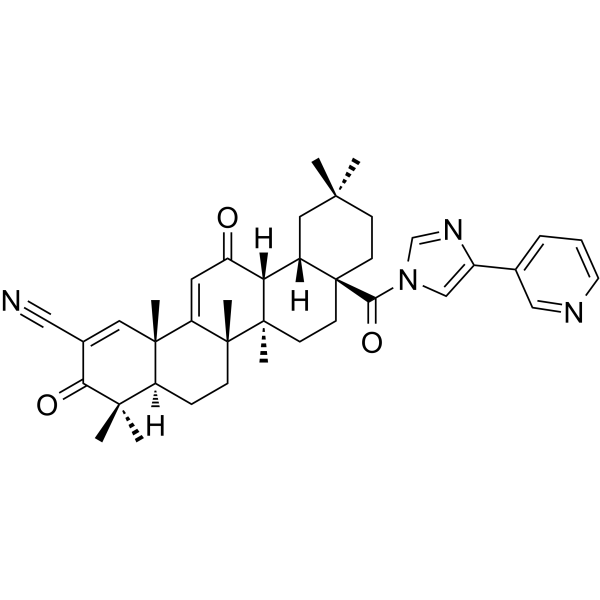
CDDO-3P-Im
 0 Images
CDDO-3P-Im is an analogue of CDDO-Imidazolide with chemopreventive effect. CDDO-3P-Im can reduce the size and the severity of the lung tumors in mouse lung cancer model. CDDO-3P-Im is a orally active necroptosis inhibitor that can be used for the research of ischemia/reperfusion (I/R).

-
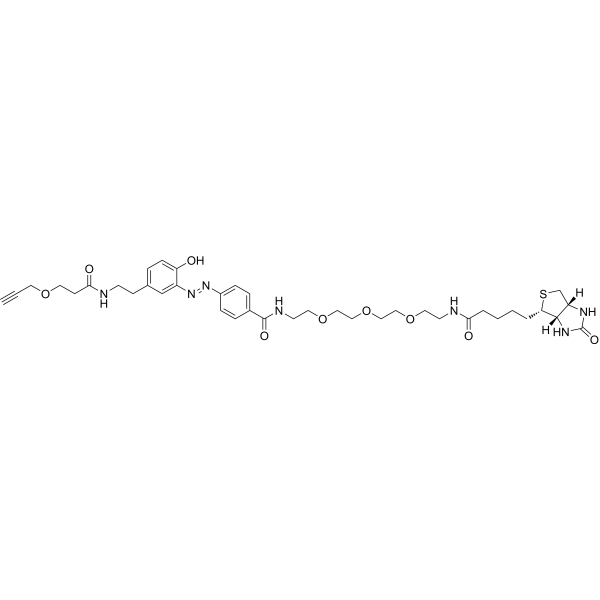
Farnesylthioacetic acid
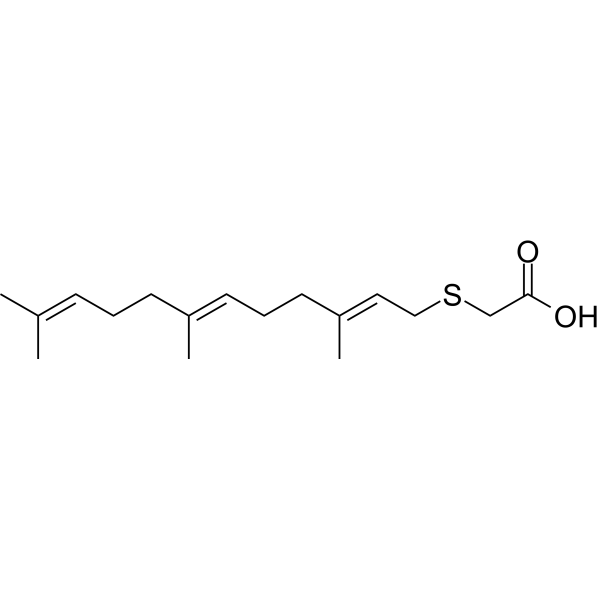 0 ImagesCat. No.: HY-118563CAS No.: 135784-48-4
Farnesylthioacetic acid is a competitive, non-substrate inhibitor of Prenylcysteine α-carboxyl methyltransferase. It acts as a non-substrate competitive inhibitor of Arabidopsis thaliana Prenylcysteine α-carboxyl methyltransferase and blocks methyltransferase activity. Farnesylthioacetic acid does not inhibit protein farnesyltransferase activity in Arabidopsis. It induces Apoptosis. Farnesylthioacetic acid regulates the subcellular localization of Ras protein, reducing the proportion of cytoplasmic Ras protein without disrupting membrane binding. It enhances ABA-induced seed dormancy, delays seed germination, and promotes maximum stomatal closure at lower exogenous ABA concentrations. Farnesylthioacetic acid can be used in studies related to promyelocytic leukemia.

-
hsa-miR-200b-3p antagomir
 0 ImagesCat. No.: HY-RI00406A
hsa-miR-200b-3p antagomirs are chemically-modified oligonucleotides that hybridize with mature miRNAs. The miRNA antagomirs have 2 phosphorothioates at the 5' end, 4 phosphorothioates at the 3' end, 1 cholesterol group at the 3' end, and full-length nucleotide 2'-methoxy modification. The miRNA antagomirs strongly compete with mature miRNAs to prevent the complementary pairing of miRNAs and their target genes, thereby inhibiting miRNAs from functioning. Stability of miRNA antagomirs appears to be significantly higher than miRNA inhibitors, they exhibits enhanced cellular uptake, stability and regulatory activity in vivo.
-
AurAP14
 0 Images
AurAP14 is an Aurora A PROTAC degrader (DC50 = 120 nM). AurAP14 can form a stable ternary complex with Aurora A kinase and HSP90, recruiting cullin family E3 ubiquitin ligases and MDM2 to mediate the ubiquitination and proteasome degradation of Aurora A kinase. AurAP14 increases p53 levels and decreases C-MYC levels; AurAP14 induces Apoptosis. AurAP14 can be used in the study of non-small cell lung cancer.
-
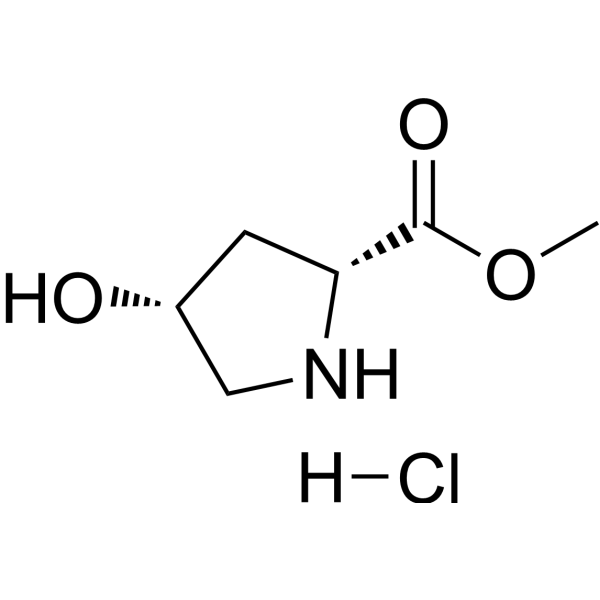
D-Proline, 4-hydroxy-, methyl ester hydrochloride
 0 ImagesCat. No.: HY-76105CAS No.: 114676-59-4
D-Proline, 4-hydroxy-, methyl ester hydrochloride is a non-cleavable ADC linker used in the synthesis of antibody-drug conjugates (ADCs). D-Proline, 4-hydroxy-, methyl ester hydrochloride is also a alkyl chain-based PROTAC linker that can be used in the synthesis of PROTACs[2
-
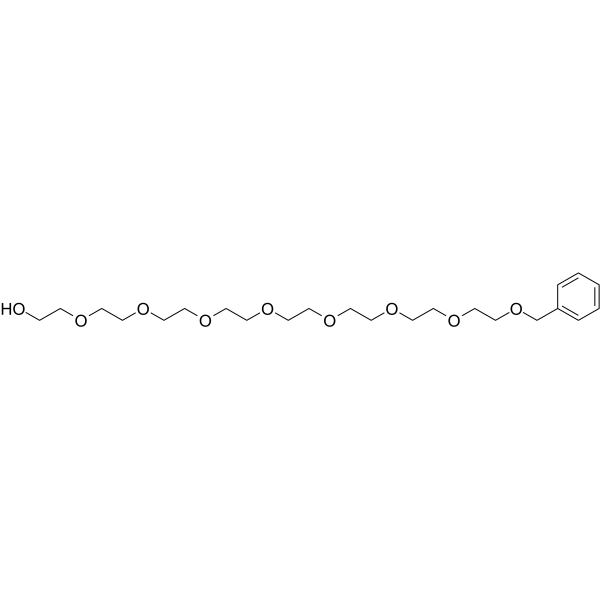
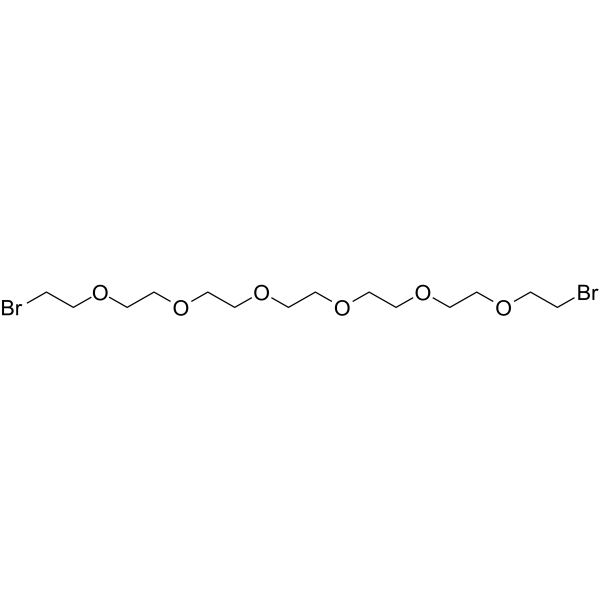
Bromo-PEG6-bromide
 0 ImagesCat. No.: HY-135049CAS No.: 72713-23-6
-
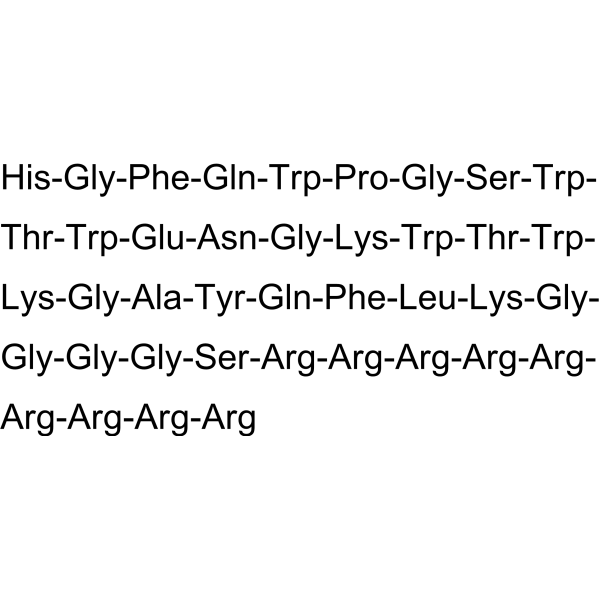
(S,R,S)-AHPC-Boc derivative 1
 0 ImagesSynonyms: VH032-Boc derivative 1
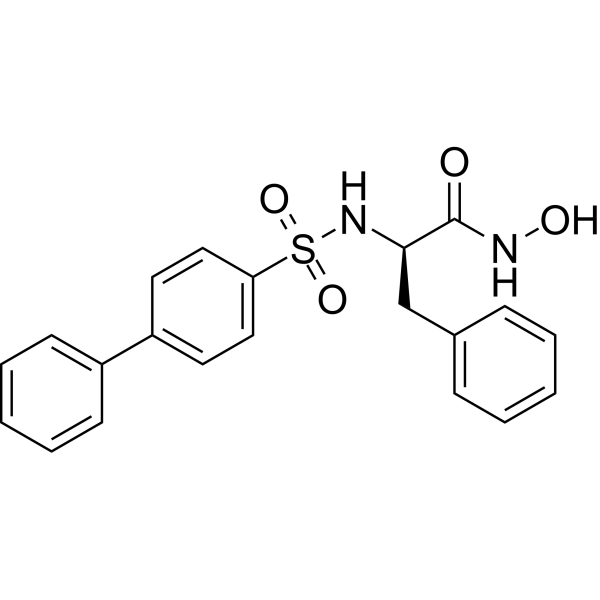
(S,R,S)-AHPC-Boc derivative 1 (VH032-Boc derivative 1) is a derivative of (S,R,S)-AHPC-Boc (HY-123109), which is applicable to research related to PROTAC synthesis.
-
5-Hydroxyuridine
 0 Images
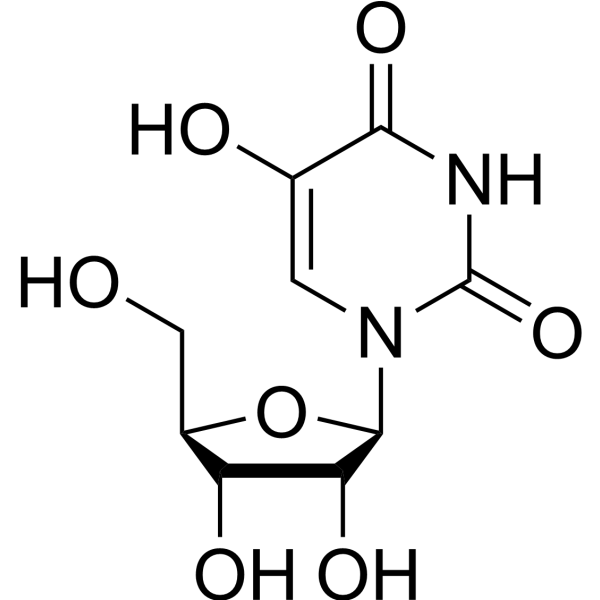
5-Hydroxyuridine (OHUrd) is a purine nucleoside analogue. Purine nucleoside analogs have broad antitumor activity targeting indolent lymphoid malignancies. Anticancer mechanisms in this process rely on inhibition of DNA synthesis, induction of apoptosis, etc.
-
BX-320
 0 Images
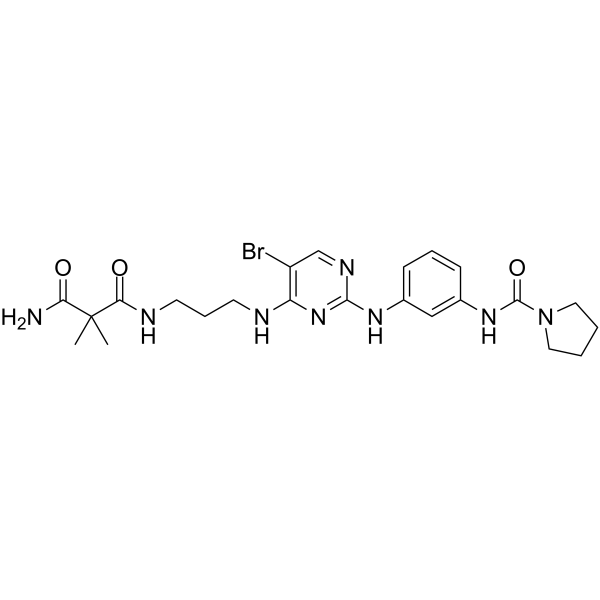
BX-320 is a selective, ATP-competitive, orally acitive, and direct PDK1 inhibitor with an IC50 of 30 nM in a direct kinase assay format. BX-320 also induces apoptosis. Anticancer effect.
-
Anti-Mouse BTLA/CD272 Antibody (6A6)
 0 ImagesCat. No.: HY-P990298
Anti-Mouse BTLA/CD272 Antibody (6A6) is an Armenian hamster-derived anti-mouse BTLA/CD272 IgG κ type antibody inhibitor. Anti-Mouse BTLA/CD272 Antibody (6A6) can be used for the researches of cancer and immunology, such as graft versus host disease (GVHD) and WF-3/Luc tumor.