Cancer Targeted Therapy
Cancer targeted therapy is the foundation of precision medicine; it uses drugs or other substances to target specific genes and proteins that control cancer cells’ growth, division and spreading. Compared to traditional chemotherapy drugs, targeted-drugs can specifically act on cancer cells with high efficacy without damaging normal cells. Drugs used in cancer targeted therapy mainly includes small molecules and macromolecules (e.g., monoclonal antibodies), which can target cancer cells and constituents in the tumor microenvironment to activate the immune system. Anti-angiogenesis drugs, such as those targeting vascular endothelial growth factor (VEGF), epidermal growth factor receptor (EGFR), transforming growth factor (TGF)-α, TGF-β, Tumor necrosis factor (TNF)-α, and platelet-derived endothelial growth factor (PDGFR) inhibit the proliferation and metastasis of cancer cells. In recent years, the proportion of antibody drugs in cancer treatment has gradually become prominent. Antibody-drug conjugates (ADCs) are a new type of targeted drugs that are composed of monoclonal antibody, cytotoxic drug and linker. ADCs can deliver drugs to tumor cells and minimize the toxicity to normal tissues. Proteolysis-targeting chimera (PROTAC) is a useful technology for targeted protein degradation. PROTAC exploits the ubiquitin-proteasome system and forms a ternary complex with a hijacked E3 ubiquitin ligase and target protein, leading to polyubiquitination and degradation of the target protein.
Targeted therapy is a useful strategy in treatment of cancer either alone or in combination with standard chemotherapy. At present, targeted therapy has proved significant clinical success in the treatment of many types of cancer, including breast cancer, colorectal cancer, leukemia, ovarian cancer and lung cancer.
-
hsa-miR-221-5p inhibitor
 0 ImagesCat. No.: HY-RI00465
hsa-miR-221-5p inhibitors are chemically-modified oligonucleotides that hybridize with mature miRNAs. The miRNA inhibitors have full-length nucleotide 2'-methoxy modification. The miRNA inhibitors strongly compete with mature miRNAs to prevent the complementary pairing of miRNAs and their target genes, thereby inhibiting miRNAs from functioning.
-
m-PEG6-CH2CH2CHO
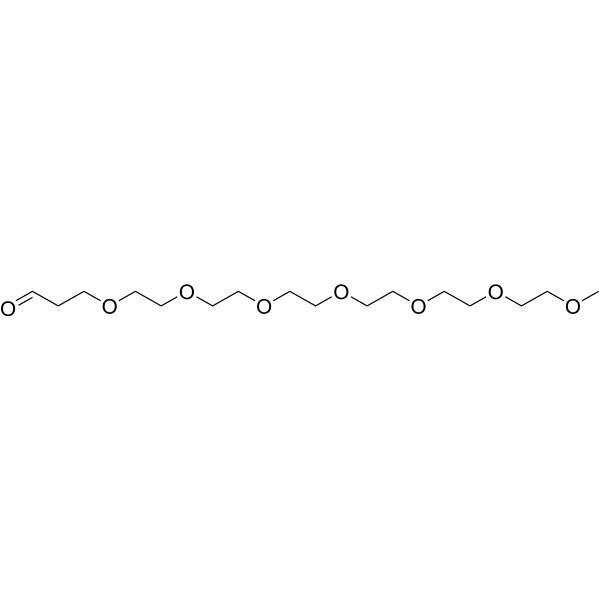 0 ImagesCat. No.: HY-W035376CAS No.: 1058691-77-2
m-PEG6-CH2CH2CHO is a non-cleavable ADC linker used in the synthesis of antibody-drug conjugates (ADCs). m-PEG6-CH2CH2CHO is also a PEG-based PROTAC linker that can be used in the synthesis of PROTACs.
-
Fluvastatin-d6 sodium
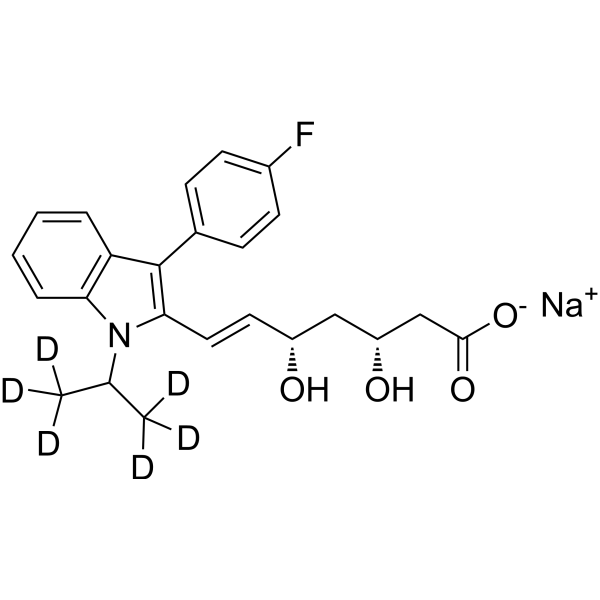 0 ImagesCat. No.: HY-14664ASPurity: 98.06%Synonyms: XU 62-320-d6
Fluvastatin-d6 (sodium) is deuterium labeled Fluvastatin sodium. Fluvastatin sodium (XU 62320) is a first fully synthetic, competitive HMG-CoA reductase inhibitor with an IC50 of 8 nM.

-
NHPI-PEG4-C2-NHS ester
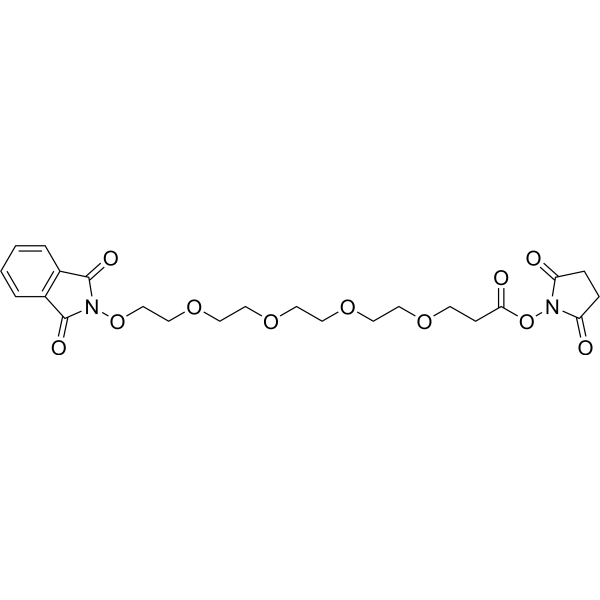 0 Images
NHPI-PEG4-C2-NHS ester is an ADC Linker, which can be used to synthesize antibody-drug conjugates (ADCs).
-
hsa-miR-181a-5p inhibitor
 0 ImagesCat. No.: HY-RI00329
hsa-miR-181a-5p inhibitors are chemically-modified oligonucleotides that hybridize with mature miRNAs. The miRNA inhibitors have full-length nucleotide 2'-methoxy modification. The miRNA inhibitors strongly compete with mature miRNAs to prevent the complementary pairing of miRNAs and their target genes, thereby inhibiting miRNAs from functioning.
-
VinclozolinM2-2204
 0 ImagesCat. No.: HY-161741Purity: 98.00%
VinclozolinM2-2204 is a androgen receptor (AR) AUTOTAC degrader, with an DC50 of 200 nM in LNCaP prostate cancer cells. VinclozolinM2-2204 induces the formation of AR+LC3+ autophagic membranes. VinclozolinM2-2204 can be used for the research of cancer.(Pink: AR inhibitor (HY-168296); Black: linker (HY-128833); Blue: CRBN Ligand (HY-168293))
-
hsa-miR-9985 inhibitor
 0 ImagesCat. No.: HY-RI02551
hsa-miR-9985 inhibitors are chemically-modified oligonucleotides that hybridize with mature miRNAs. The miRNA inhibitors have full-length nucleotide 2'-methoxy modification. The miRNA inhibitors strongly compete with mature miRNAs to prevent the complementary pairing of miRNAs and their target genes, thereby inhibiting miRNAs from functioning.
-
Liarozole dihydrochloride
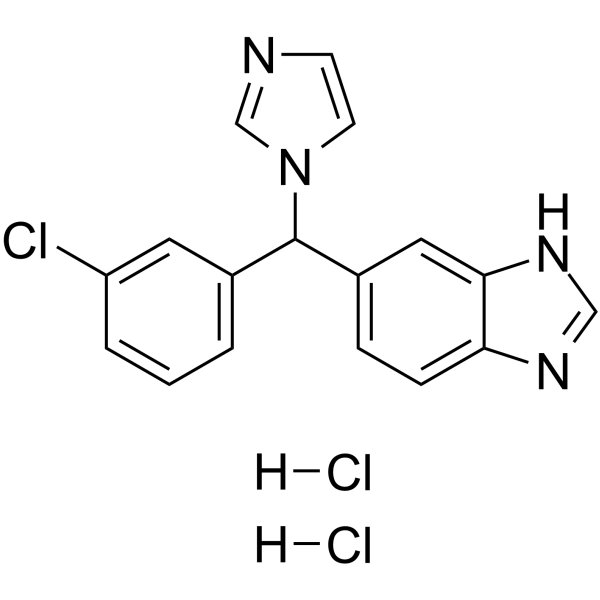 0 ImagesSynonyms: R75251 dihydrochloride
Liarozole (R75251) dihydrochloride is an imidazole derivative and orally active retinoic acid (RA) metabolism-blocking agent (RAMBA). Liarozole dihydrochloride inhibits the cytochrome P450 (CYP26)-dependent 4-hydroxylation of RA (IC50=7 μM), resulting in increased tissue levels of RA. Liarozole dihydrochloride shows antitumoral properties.
-
MC-Val-Cit-PAB-Indibulin
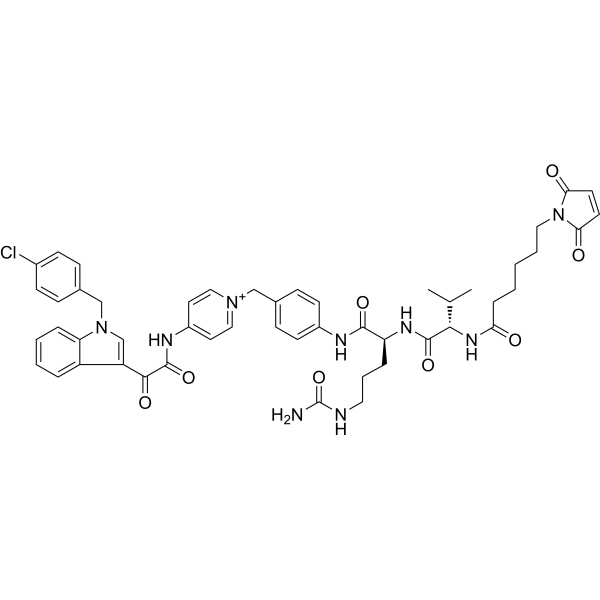 0 ImagesCat. No.: HY-128908CAS No.: 2055896-95-0
MC-Val-Cit-PAB-Indibulin is a agent-linker conjugate for ADC with potent antitumor activity by using Indibulin (an orally applicable inhibitor of tubulin assembly), linked via the ADC linker MC-Val-Cit-PAB.
-
GPX4-IN-6
 0 Images
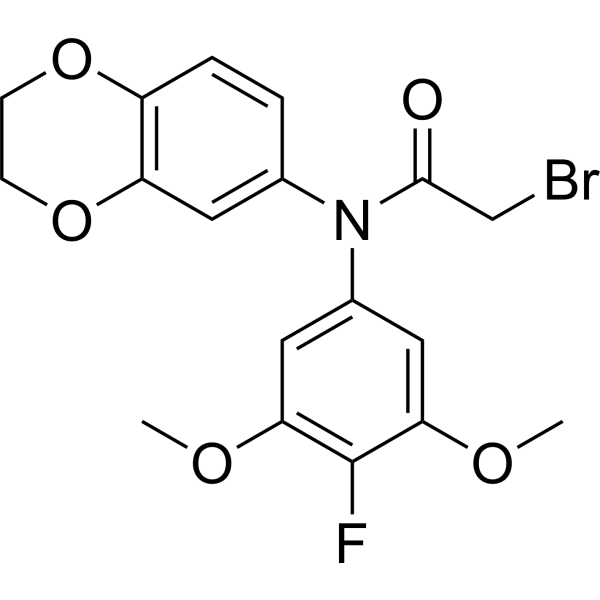
GPX4-IN-6 (Compound C25) is a GPX4 covalent inhibitor with an IC50 value of 0.13 μM. GPX4-IN-6 (Compound C25) can induce ferroptosis for the research of triple-negative breast cancer (TNBC) .
-
Conteltinib tetrahydrochloride
 0 ImagesCat. No.: HY-109084APurity: 99.60%Synonyms: CT-707 tetrahydrochloride
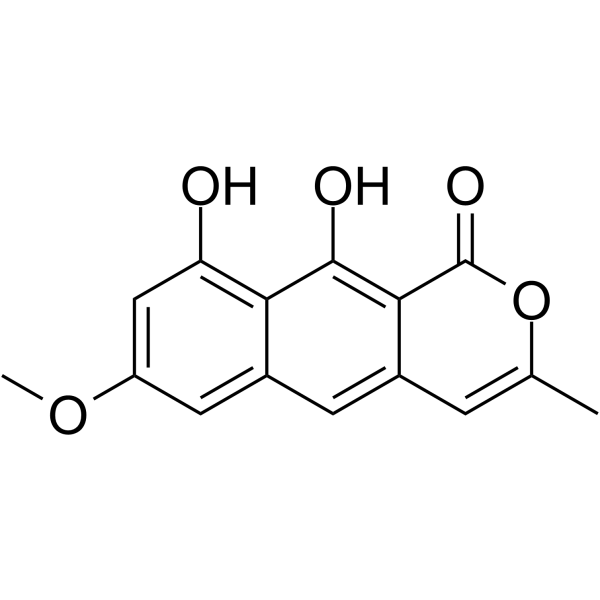
Conteltinib tetrahydrochloride (CT-707 tetrahydrochloride) is the tetrahydrochloride salt form of Conteltinib (HY-109084). Conteltinib tetrahydrochloride is the inhibitor for FAK (IC50=1.6 nM), ALK, and Pyk2. Conteltinib tetrahydrochloride exhibits a synergistic anti-tumor efficacy with Cabozantinib (HY-13016).

-
Theasaponin E1
 0 Images
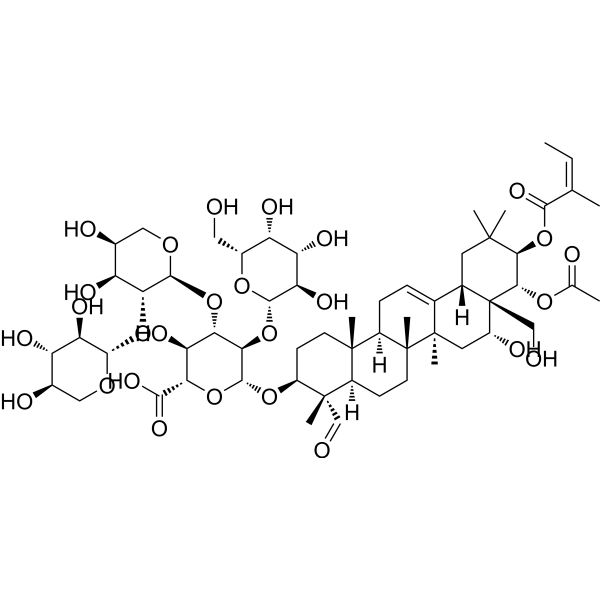
Theasaponin E1 is an orally effective tea saponin. Theasaponin E1 inhibits the proliferation of cancer cells by activating apoptosis. Theasaponin E1 inhibits angiogenesis in ovarian cancer cells and HUVECs by reducing the expression of VEGF. Theasaponin E1 upregulates the phosphorylation level of ATM protein and the expression level of PTEN protein in cancer cells, decreases the phosphorylation levels of Akt, mTOR, p70S6K and 4E-BP1 proteins, downregulates the expression of HIF-1α and NF-κB, and reduces the protein expression of Notch ligands Dll4 and Jagged1. Theasaponin E1 exerts neuroprotective effects by inhibiting the activity of acetylcholinesterase, activating α-secretase and neprilysin, reducing the concentration of Aβ, and inhibiting the activities of β-secretase and γ-secretase. Theasaponin E1 exhibits toxic effects on cancer cells and quinone reductase-inducing activity, and inhibits tumor growth in vivo. Theasaponin E1 induces ferroptosis in Pomacea canaliculata by synergistically disrupting cholesterol homeostasis and sphingolipid metabolism. Theasaponin E1 possesses anti-biofilm activity against Candida albicans. Theasaponin E1 can be used in the research of ovarian cancer, obesity, Alzheimer's disease and fungal infections.
-
Thalidomide-O-C6-azide
 0 Images
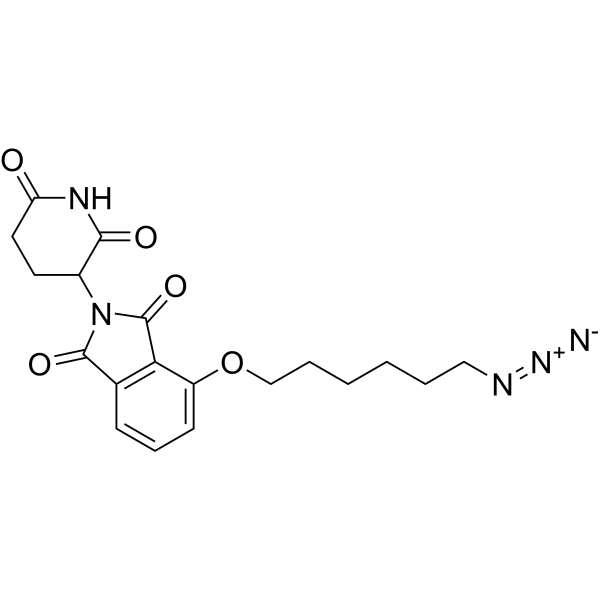
Thalidomide-O-C6-azide is a synthesized E3 ligase ligand-linker conjugate that incorporates the Thalidomide (HY-14658) based cereblon ligand and a linker used in PROTAC technology. Thalidomide-O-C6-azide is a click chemistry reagent, it contains an Azide group and can undergo copper-catalyzed azide-alkyne cycloaddition reaction (CuAAc) with molecules containing Alkyne groups. It can also undergo strain-promoted alkyne-azide cycloaddition (SPAAC) reactions with molecules containing DBCO or BCN groups.