Endocrinology
-
Endocrinology Related Products (3773)
Related Products (3773)

-
Antibodies (4)
-
Related Compound Screening Libraries (1)
-
Octamethylcyclotetrasiloxane
 0 Images
Octamethylcyclotetrasiloxane promotes the anchorage-independent growth of MCF-10A and MCF-10F cells. Octamethylcyclotetrasiloxane induces DNA damage, inhibits the expression of DNA-repairing protein BRCA1 under long-term and high-concentration exposure. Octamethylcyclotetrasiloxane exhibits intrinsic estrogenic activity.
-
Allylestrenol
 0 Images
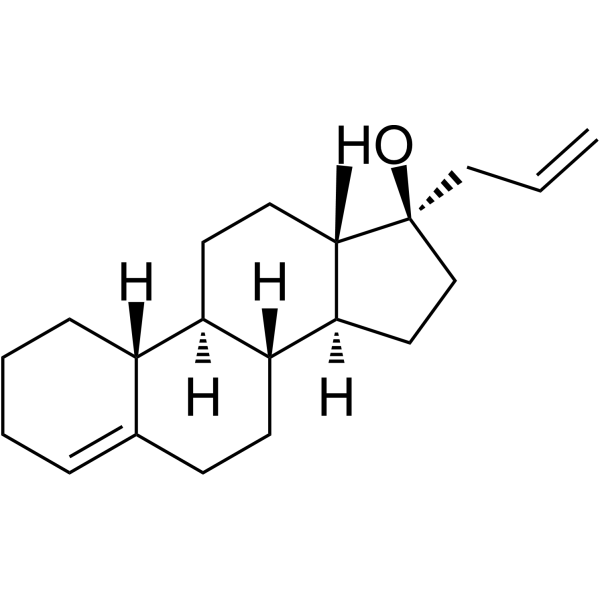
Allylestrenol is an orally active synthetic anti-androgen sexualsteroid. Allylestrenol can prevent miscarriage in vivo. Allylestrenol significantly affects testosterone progesterone level in rat model. Allylestrenol can reduce ventral prostate weight in rat model.
-
Mequitazine
 0 ImagesSynonyms: LM-209
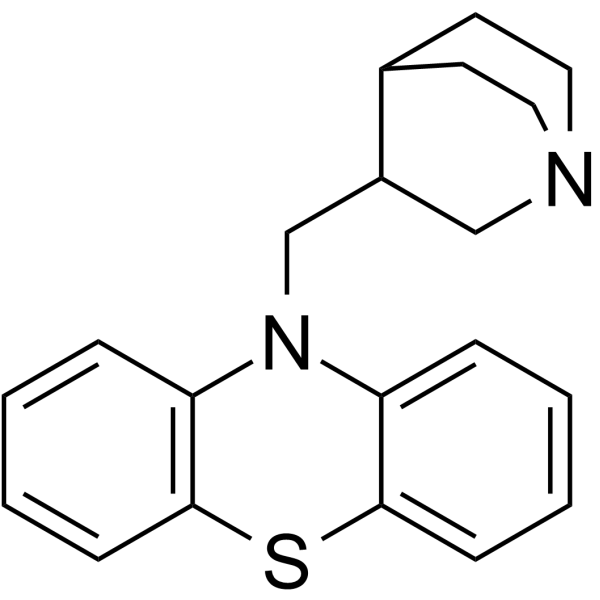
Mequitazine is a potent, and long-acting histamine H1 antagonist.
-
Tasosartan
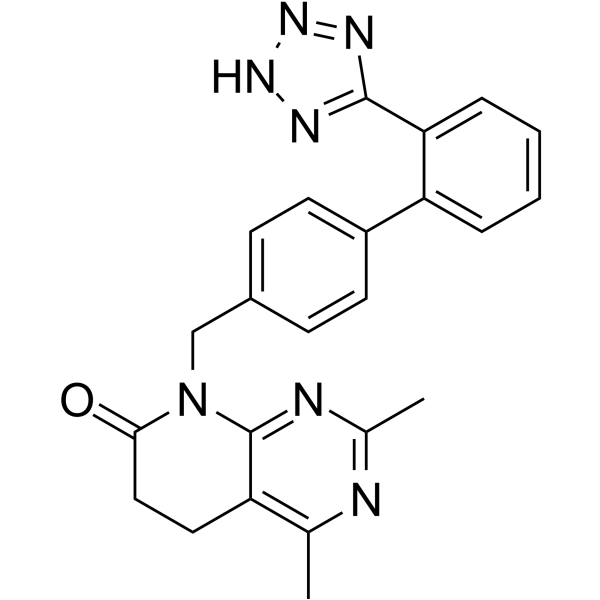 0 ImagesSynonyms: WAY-ANA 756
Tasosartan is a long-acting angiotensin II (AngII) receptor antagonist.
-
Cyclic ADP-ribose ammonium
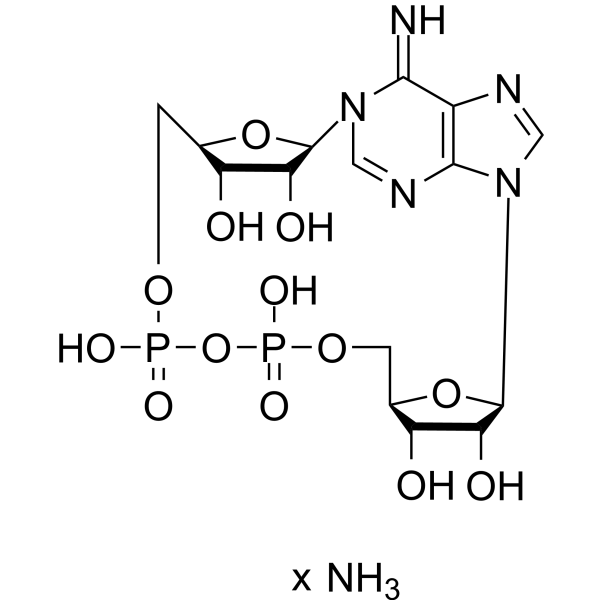 0 ImagesCat. No.: HY-N7395APurity: 99.9%Synonyms: cADPR ammonium
Cyclic ADP-ribose ammonium (cADPR ammonium) is a potent second messenger for calcium mobilization that is synthesized from NAD+ by an ADP-ribosyl cyclase. Cyclic ADP-ribose ammonium increases cytosolic calcium mainly by Ryanodine receptor-mediated release from endoplasmic reticulum and also by extracellular influx through the opening of TRPM2 channels.
-
Veldoreotide TFA
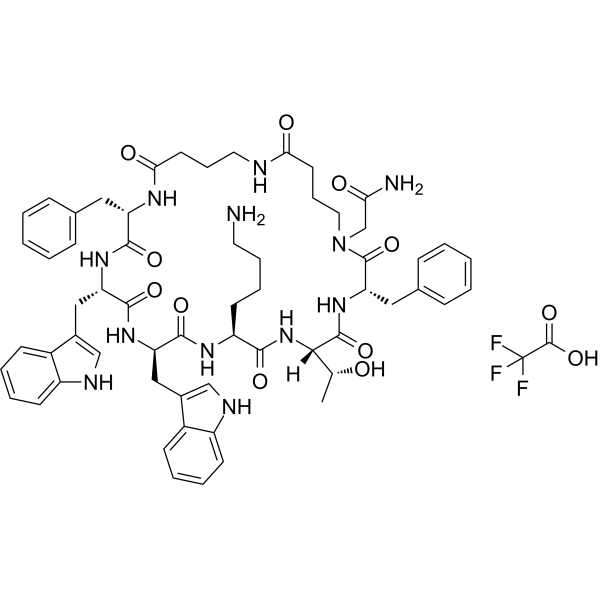 0 ImagesSynonyms: DG3173 TFA; PTR-3173 TFA
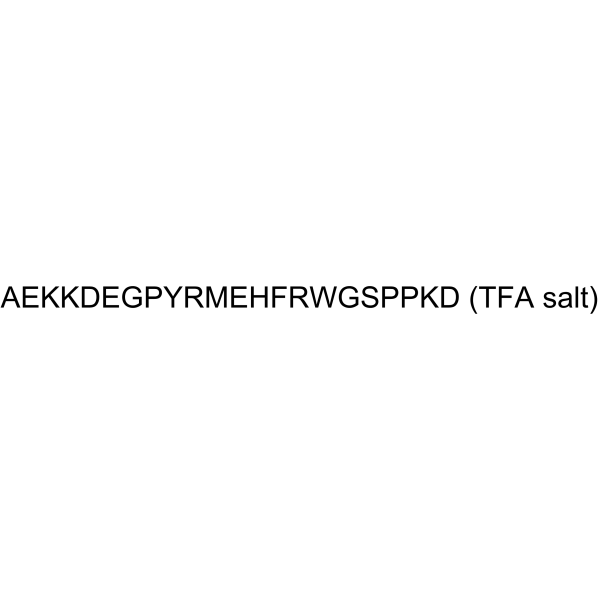
Veldoreotide (DG3173) TFA a somatostatin analogue, binds to and activate the somatostatin receptors (SSTR) 2, 4, and 5. Veldoreotide TFA inhibits growth hormone (GH) secretion in adenomas compared with Octreotide (HY-P0036). Veldoreotide has the potential to be used as pain modulating agent
-
SCH28080
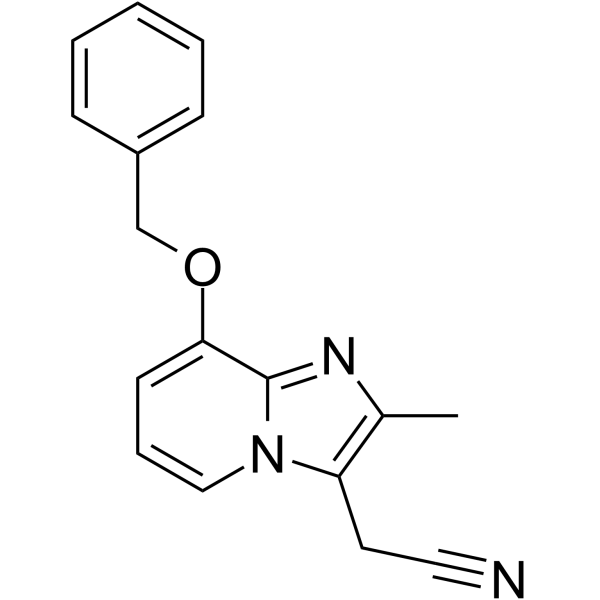 0 Images
SCH28080 is a reversible, K+-competitive inhibitor of the gastric H,K-ATPase, with a Ki of 0.12 μM. SCH28080 is an effective inhibitor of acid secretion in vivo and with anti-gastric ulcer activity.
-
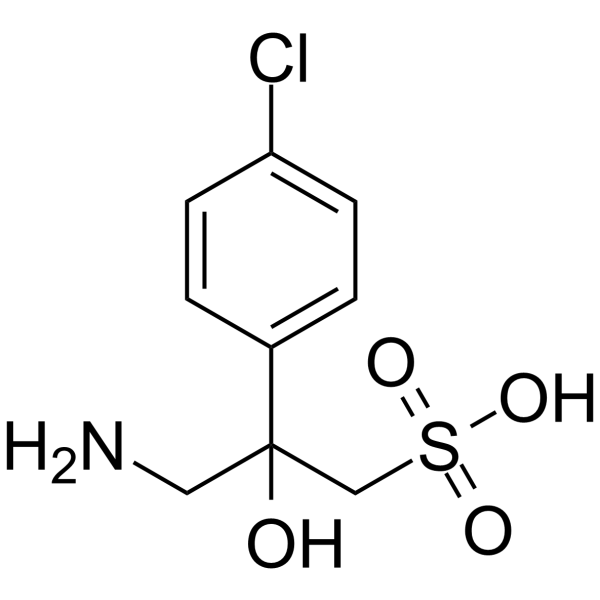
2-Hydroxysaclofen
 0 Images
2-Hydroxysaclofen is a potent γ-amino-butyric-acid-B (GABAB) receptor antagonist. 2-Hydroxysaclofen can abolish nicotine-induced hypolocomotor effects and increases the antinociceptive effects. 2-Hydroxysaclofen can stimulate luteinizing hormone (LH) secretion in female rats.
-
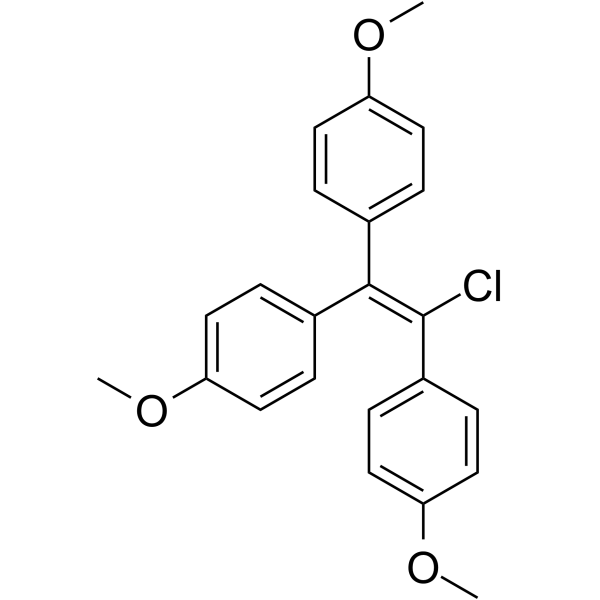
Chlorotrianisene
 0 Images
Chlorotrianisene is a long-acting non-steroidal estrogen and an orally active estrogen receptor modulator. Chlorotrianisene exhibits antiestrogenic activity. Chlorotrianisene potently inhibits the enzyme COX-1 and inhibits platelet aggregation in whole blood.
-
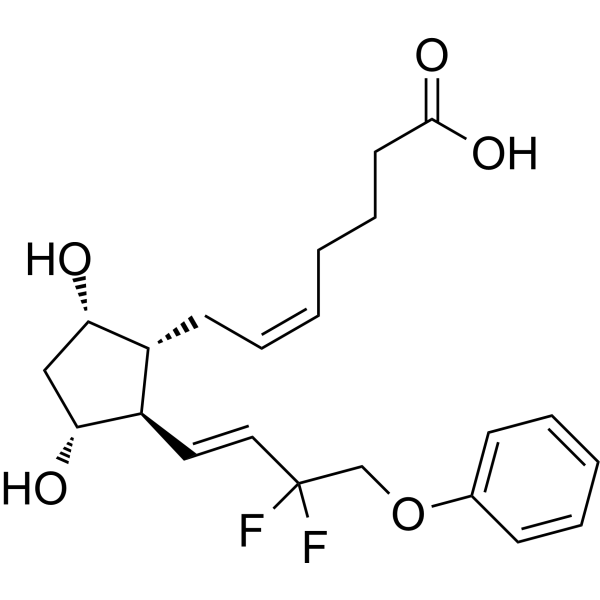
Tafluprost acid
 0 ImagesSynonyms: AFP-172
Tafluprost acid (AFP-172), an active metabolic form of Tafluprost, is a selective prostanoid FP receptor agonist. Tafluprost acid shows a high affinity for human prostanoid FP receptor with Ki and EC50 values of 0.4 nM and 0.53 nM, respectively. Tafluprost acid has 126 times weaker binding affinity for prostanoid EP3 receptor (IC50=67 nM) than for the prostanoid FP receptor. Tafluprost acid can be used in the research of glaucoma.
-
Echistatin
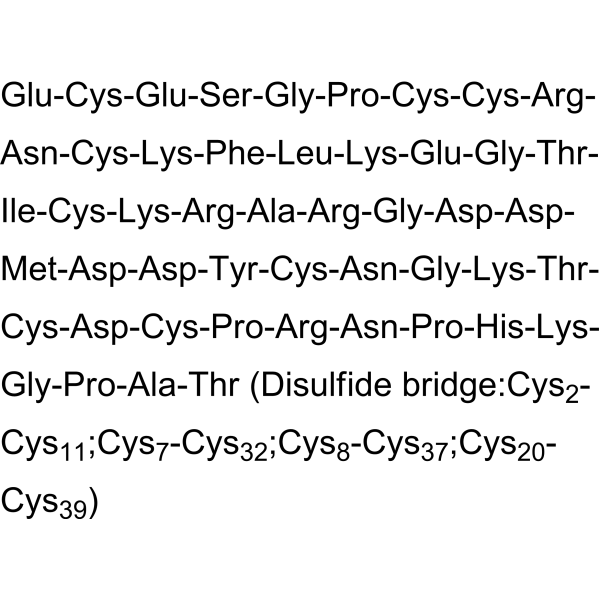 0 ImagesCat. No.: HY-P1189CAS No.: 154303-05-6
Echistatin is a naturally derived RGD-containing snake venom peptide. Echistatin exhibits an IC50 of 0.6 nM against mouse αvβ3 integrin, and acts as an antagonist against αvβ3, αIIbβ3, α5β1 integrins, pp125FAK and paxillin. Echistatin reduces the phosphorylation of pp125FAK and paxillin, inhibits the autophosphorylation and kinase activity of pp125FAK, and weakens its binding to pp60src and paxillin. Echistatin disrupts the actin cytoskeleton and focal adhesions, induces melanoma cell detachment from fibronectin, and regulates cell adhesion and motility. Echistatin inhibits osteoclast maturation and migration, bone resorption, platelet aggregation, bone loss, as well as adhesion and metastasis of Lewis lung cancer cells; it also increases the number of osteoclasts and bone coverage area in mice with secondary hyperparathyroidism. Echistatin can be used in research related to melanoma, lung cancer and secondary hyperparathyroidism.
-
GR 64349
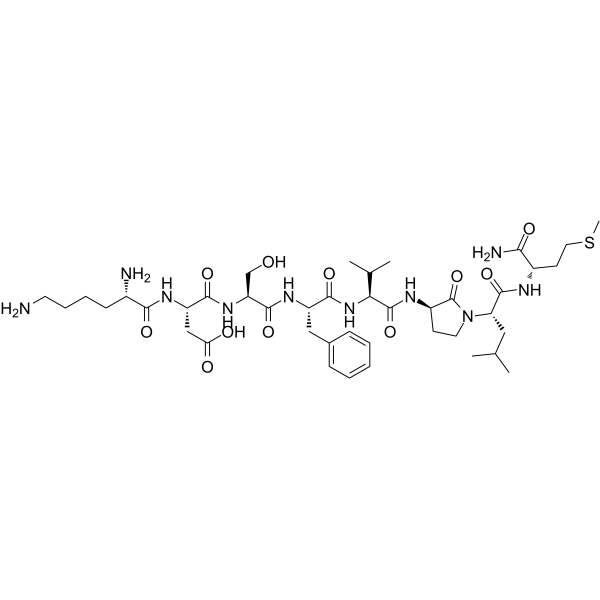 0 Images
GR 64349 is a selective neurokinin 2 (NK2) receptor agonist. GR 64349 selectively activates the NK-2 receptor subtype. GR 64349 activates tonic and rhythmic bladder contractions of the micturition reflex. GR 64349 acetate does not inhibit rhythmic bladder contraction activation induced by normal saline. GR 64349 induces inward currents.
-
Prednisone (Standard)
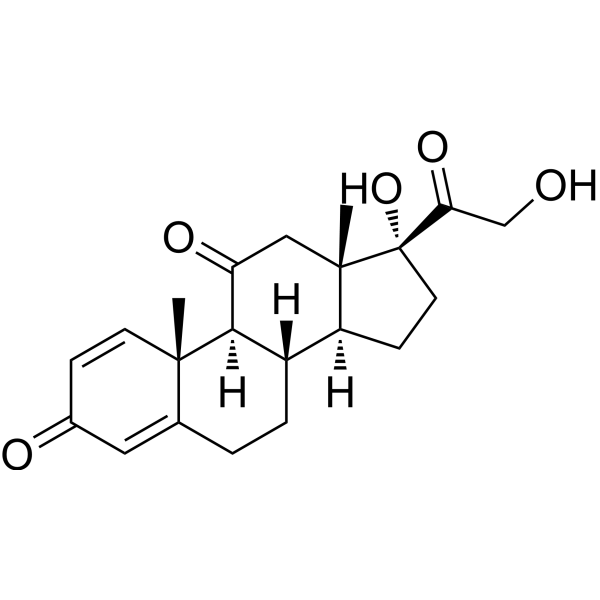 0 Images
Prednisone (Standard) is the analytical standard of Prednisone. This product is intended for research and analytical applications. Prednisone (Adasone) is a corticosteroid agent with anti-inflammatory and immunosuppressive effects that can be used to study diseases related to systemic lupus erythematosus.
-
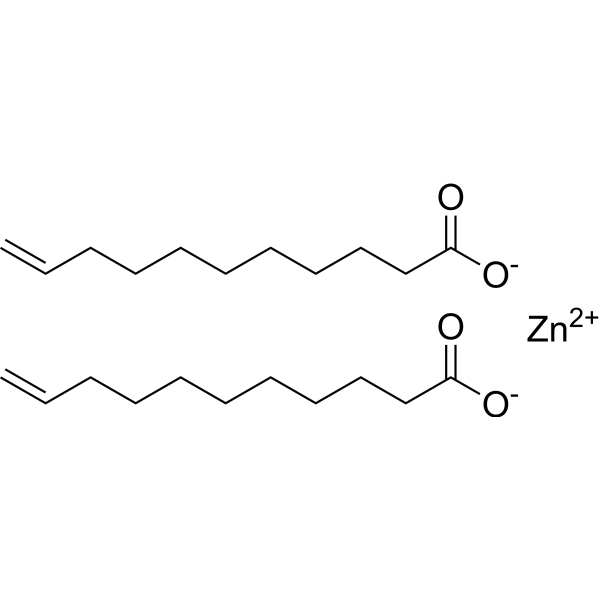
10-Undecenoic acid zinc salt
 0 Images
10-Undecenoic acid zinc salt (Undecylenic acid zinc salt) is an antifungal agent. 10-Undecenoic acid zinc salt inhibits Aβ oligomerization, scavenges ROS and inhibits μ-calpain activity. 10-Undecenoic acid zinc salt has neuroprotective effects. 10-Undecenoic acid zinc salt has anticancer effects on a variety of tumors. 10-Undecenoic acid zinc salt inhibits C. albicans biofilm formation and MRSA infection. 10-Undecenoic acid zinc salt inhibits quorum sensing signals of Bacillus subtilis and Pseudomonas aeruginosa.
-
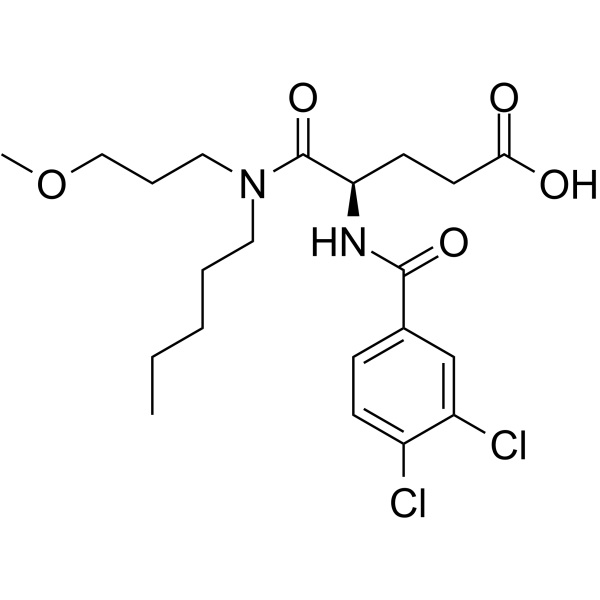
Dexloxiglumide
 0 Images
Dexloxiglumide is an orally active and selective cholecystokinin type A (CCKA) receptor antagonist. Dexloxiglumide is the active enantiomer of Loxiglumide, inhibits smooth muscle cell contractions induced by cholecystokinin-octapeptide (CCK-8). Dexloxiglumide exhibits moderate Caco-2 permeability that is polarized, concentration dependent, and pH dependent. Dexloxiglumide increases MRP1-substrate fluorescein uptake. Dexloxiglumide can be studied in research for gastrointestinal diseases and tumors.
-
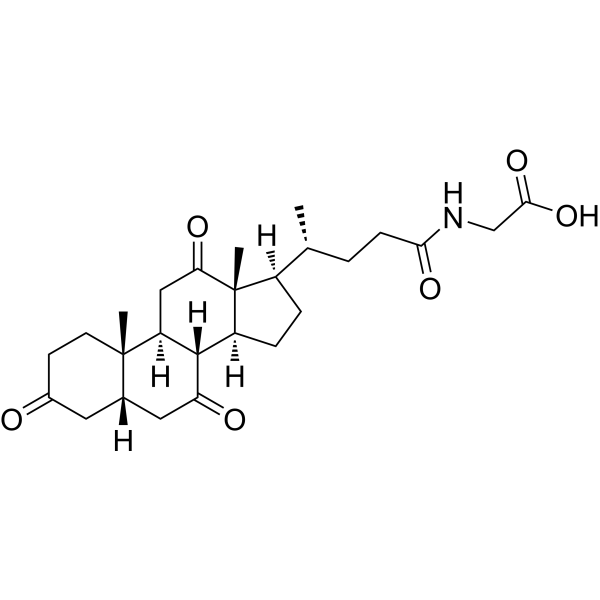
Glycodehydrocholic acid
 0 Images
Glycodehydrocholic acid is a bile acid glycine conjugate. Glycodehydrocholic acid is used to diagnose cancer and other diseases.