Infection
-
Infection Related Products (18904)
Related Products (18904)

-
Antibodies (22)
-
Ribavirin (Standard)
 0 ImagesSynonyms: Ribasphere (Standard)
Ribavirin (Standard) is the analytical standard of Ribavirin. This product is intended for research and analytical applications. Ribavirin (ICN-1229) is an antiviral agent against a broad spectrum of viruses including HCV, HIVl, and RSV. Ribavirin also has anti-orthopoxvirus and anti-variola activities.
-
Aromadendrene
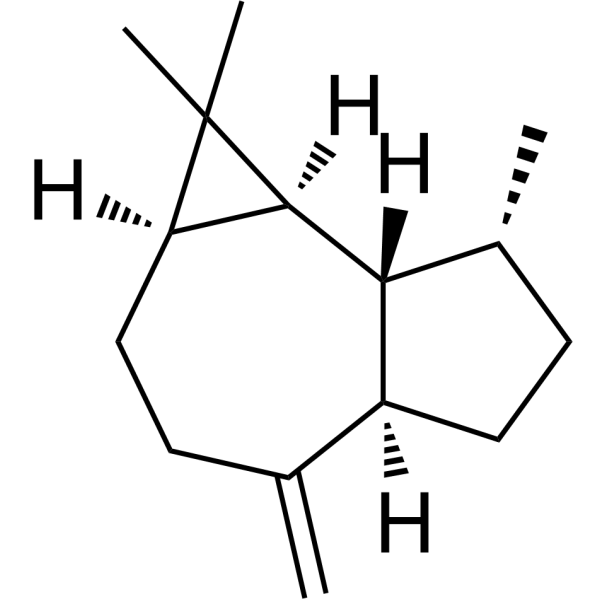 0 Images
Aromadendrene ((+)-Aromadendrene) is a potent antibacterial agent. Aromadendrene can be isolated from Eucalyptus globulus. Aromadendrene disrupts cellular biofilms via high lipophilicity and interferes with protein conformation through protein alkylation. Aromadendrene is applicable to research related to multidrug-resistant bacterial infections.
-
EDA-DA TFA
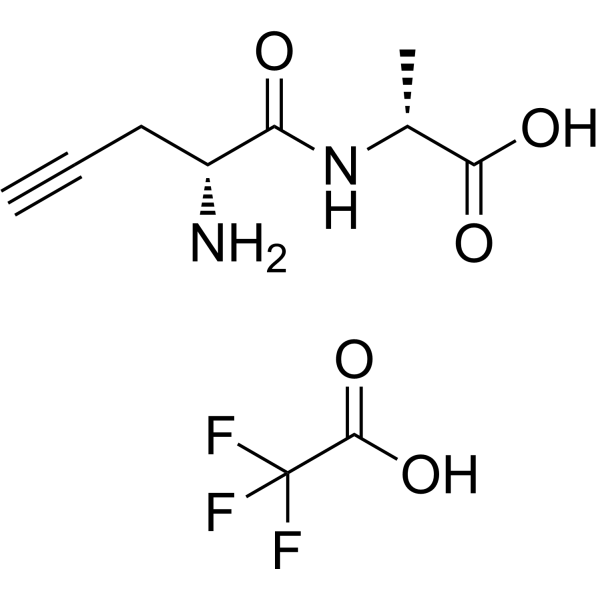 0 ImagesCat. No.: HY-147097ACAS No.: 87156-01-2
EDA-DA is a N-terminally tagged dipeptide probe, can be used to label Peptidoglycan (PG) of bacteria. EDA-DA is a click chemistry reagent, it contains an Alkyne group and can undergo copper-catalyzed azide-alkyne cycloaddition (CuAAc) with molecules containing Azide groups.
-
Anti-LFA-1α/CD11a Antibody (TS-1/22.1.1.13)
 0 ImagesCat. No.: HY-P990835
Anti-LFA-1α/CD11a Antibody (TS-1/22.1.1.13) is a kind of mouse IgG1 chimeric antibody inhibitor, targeting to human LFA-1α/CD11a. Anti-LFA-1α/CD11a Antibody (TS-1/22.1.1.13) reacts with human LFA-1α (lymphocyte function-associated antigen 1 alpha) also known as integrin alpha L chain and CD11a. Anti-LFA-1α/CD11a Antibody (TS-1/22.1.1.13) can be used for the researches of immunology and infection, such as human immunodeficiency virus (HIV).
-
(R)-Morinidazole
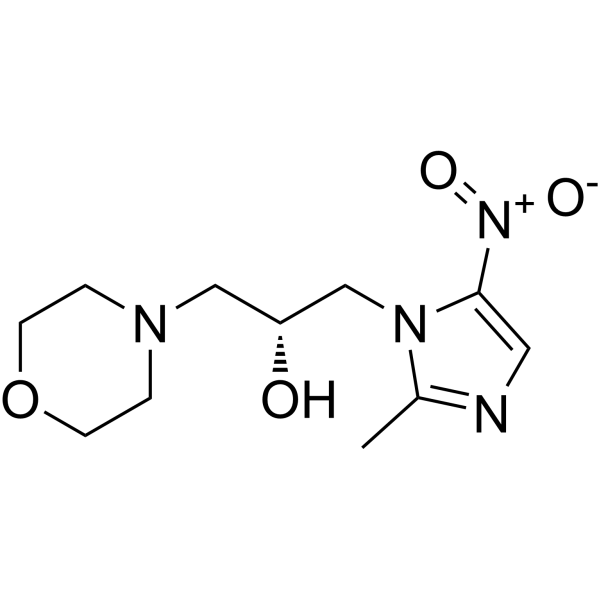 0 Images
(R)-Morinidazole is an orally active and 5-nitroimidazole antimicrobial agent that undergoes extensive metabolism in humans via N+-glucuronidation and sulfation. (R)-Morinidazole can be used for bacterial infections research including appendicitis and pelvic inflammatory disease (PID) caused by anaerobic bacteria.
-
α-Guaiene
 0 ImagesCat. No.: HY-W587956CAS No.: 3691-12-1
α-Guaiene is a natural sesquiterpene and fungicidal agent found in Pogostemon cablin (patchouli) essential oil. α-Guaiene suppresses the growth of Aspergillus niger, Candida albicans, Microsporum gypseum, and Trichophyton mentagrophytes. α-Guaiene can be used for the study of fungal infection.
-
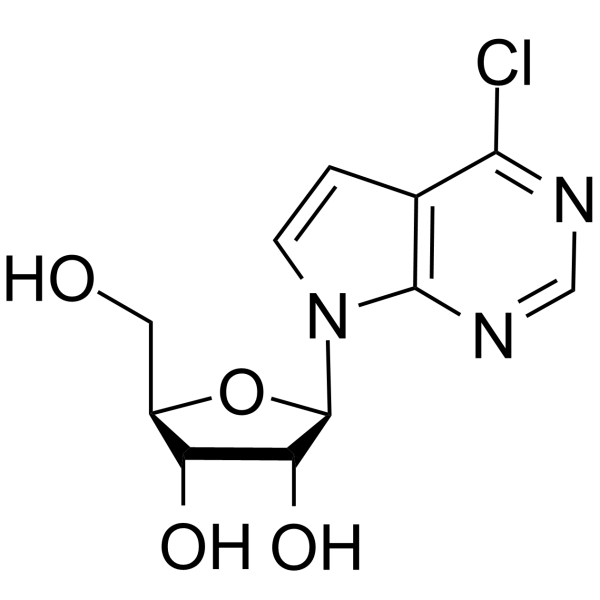
6-Chloro-7-deazapurine-β-D-riboside
 0 ImagesCat. No.: HY-W054064CAS No.: 16754-80-6
6-Chloro-7-deazapurine-β-D-riboside, a nucleoside derivative, exerts antifungal effects. 6-Chloro-7-deazapurine-β-D-riboside shows activity against plant pathogenic fungi.
-
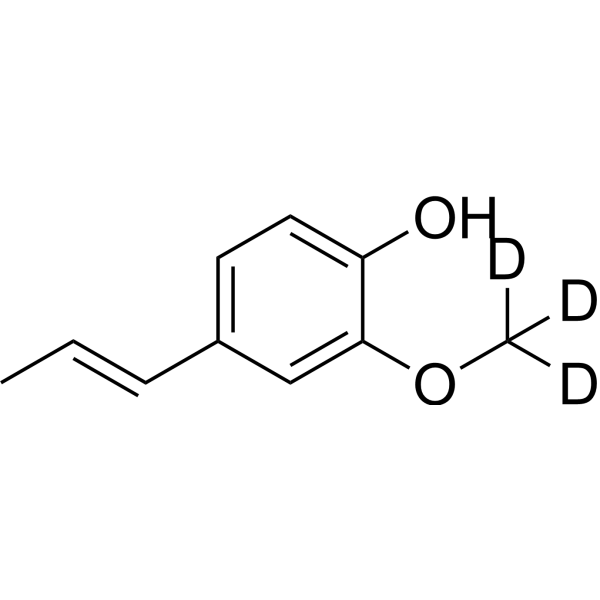
Isoeugenol-d3
 0 ImagesCat. No.: HY-N1952SSynonyms: iso-Eugenol-d3
Isoeugenol-d3 is deuterated labeled Isoeugenol (HY-N1952). Isoeugenol is an essential oil constituent of nutmeg, clove, and cinnamon. Isoeugenol inhibits growth of Escherichia coli and Listeria innocua with MICs of 0.6 mg/mL and 1 mg/mL, respectively.
-
Germacrone (Standard)
 0 Images
Germacrone (Standard) is an analytical standard of Gemmacrone (HY-N0440). This product is intended for research and analytical applications. Germacrone (Standard) is a sesquiterpene compound with multiple biological activities. Germacrone (Standard) inhibits the H1N1 and H3N2 influenza A viruses and the influenza B virus. Germacrone (Standard) blocks the progressionof arthritis by regulating Th1/Th2 balance and inhibiting NF-κB signaling. Germacrone (Standard) can arrest the cell cycle at G0/G1 and G2/M phases and induce apoptosis in breast cancer cells. Germacrone (Standard) inhibits 5α-reductase and has anti-androgenic effect. Germacrone (Standard) has neuroprotective functions and can be used for the study of traumatic brain injury (TBI). Germacrone (Standard) also has antioxidant activity.
-
Maleic acid (Standard)
 0 Images
Maleic Acid (Standard) is the analytical standard of Maleic Acid. This product is intended for research and analytical applications. Maleic Acid is a Glutamate Decarboxylase (GAD) inhibitor of E. coli and L. monocytogenes. IC50 & Target: GAD. In Vitro: The MICs of WT 10403S for the acids (e.g., Maleic Acid) are 34 mM, 25 mM, 31 mM and 30 mM which correspond to pH values prior to growth of 4.84, 5.14, 5.32 and 5.02 respectively. Of all compounds tested, Maleic Acid is the least inhibitory despite acting at a lower pH (4.84). The most acid resistant (10403S) and the weakest (EGD-e) strain are challenged with 8.6 mM and 4.3 mM of each organic acid at pH 3 and 3.3 respectively. On both strains, Maleic Acid is the most bactericidal.
-
D-Phenylalanine (Standard)
 0 Images
D-Phenylalanine (Standard) is the analytical standard of D-Phenylalanine. This product is intended for research and analytical applications. D-Phenylalanine is the synthetic dextro isomer of phenylalanine. D-Phenylalanine inhibits biofilm development of Pseudoalteromonas sp. SC2014.
-
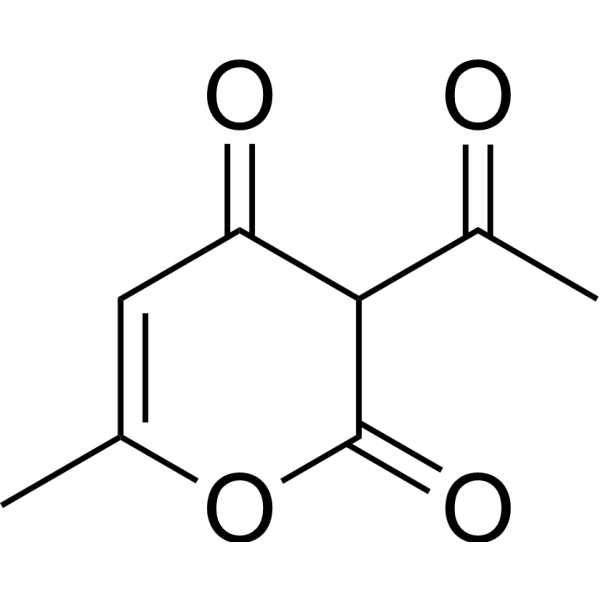
Dehydroacetic acid
 0 Images
Dehydroacetic acid (Biocide 470F) is a pyrone derivative. Dehydroacetic acid has antibacterial, antifungal and phytotoxic activities. Dehydroacetic acid can be added to cosmetics, food and beverages for preservation and other purposes. Dehydroacetic acid can also be used to synthesize various heterocycles and cycloaddition products.
-
Myristoyl coenzyme A triammonium
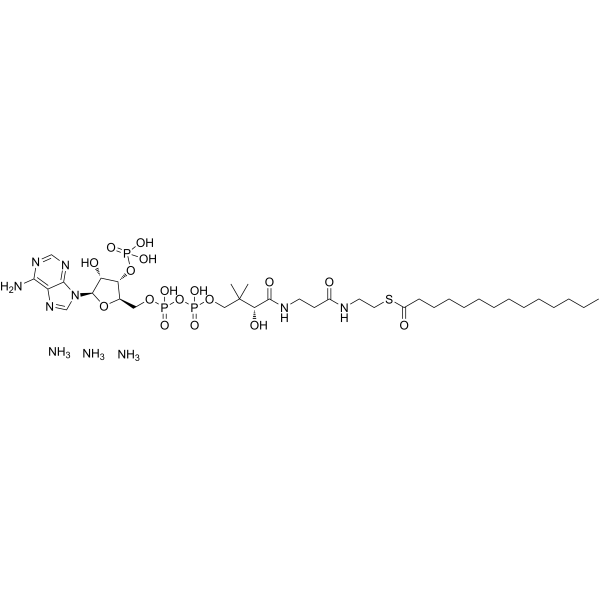 0 ImagesSynonyms: 14:0 Coenzyme A triammonium; S-Tetradecanoate-CoA triammonium; S-Tetradecanoate-coenzyme A triammonium
Myristoyl coenzyme A triammonium (14:0 Coenzyme A) is a myristoylated coenzyme A (CoA). Myristoylation is an essential process in viruses and is generally controlled by N-myristoyltransferase (NMT). And NMT is more active in colon epithelial tumors than in normal cells. Reduced Ccoenzyme A (CoA) is known to be a key regulator of NMT activity, whereas oxidized CoA does not allow NMT to promote myristoylation. Myristoyl coenzyme A blocks the demyristoylation process and has potential anticancer and antiviral mechanisms.
-
Desfuroylceftiofur
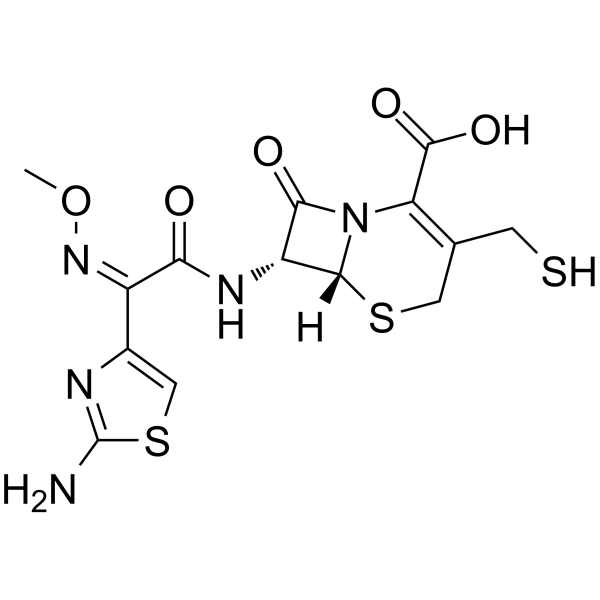 0 ImagesCat. No.: HY-126818CAS No.: 120882-22-6
Desfuroylceftiofur is an antibacterial agent and the active metabolite of Ceftiofur sodium (HY-B0898) with an intact β-lactam ring. Desfuroylceftiofur exhibits inhibitory activity against Gram-negative and Gram-positive pathogenic bacteria of veterinary interest in vitro. Desfuroylceftiofur can be used in the research of bovine respiratory disease, porcine respiratory disease, equine lymphadenitis, bovine mastitis, turkey colibacillosis, suppurative arthritis and respiratory infections.
-
Tylosin phosphate
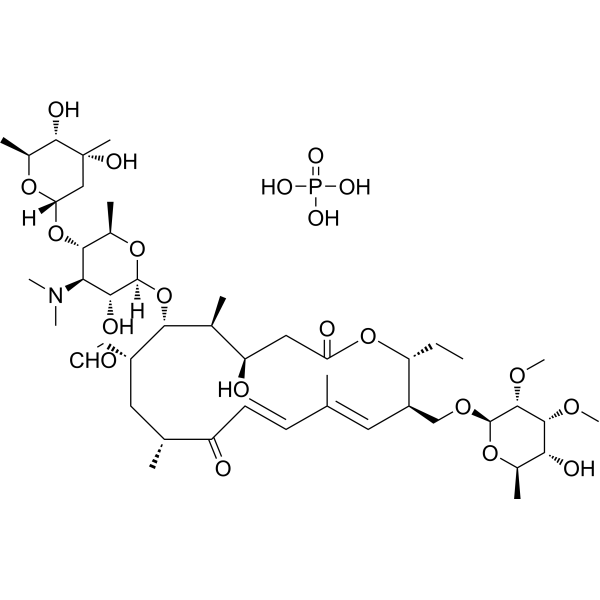 0 Images
Tylosin phosphate is a macrolide antibiotic found naturally as a fermentation product of Streptomyces fradiae. Tylosin tartrate exerts potent antimicrobial activity against Gram-positive bacteria. Tylosin phosphate is widely used as a feed additive for promoting animal growth. Tylosin phosphate is used for veterinary purposes against bacterial dysentery and respiratory diseases in poultry, pigs and cattle.
-
NITD-916
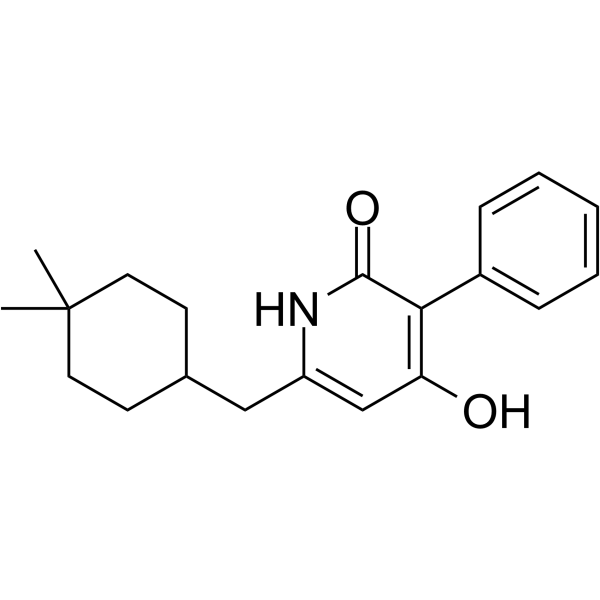 0 Images
NITD-916, a 4-hydroxy-2-pyridone derivative, is an orally active mycobacterial enoyl reductase InhA inhibitor with an IC50 of 570 nM. NITD-916 forms a ternary complex with InhA and NADH to block access to the fatty acyl substrate binding pocket. NITD-916 inhibition of InhA reduces the synthesis of mycolic acids and results in cell death. NITD-916 has potent anti-tuberculosis effects.

-
PNU-183792
 0 Images
PNU-183792, a 4-oxo-dihydroquinoline, is an orally active HSV polymerases inhibitor. PNU-183792 shows a broad-spectrum antiviral activity, with IC50 values of 0.69 μM, 0.37 μM and 0.58 μM for human cytomegalovirus (HCM), varicella zoster virus and HSV polymerases, respectively. PNU-183792 is inactive against human α, γ and δ polymerases. PNU-183792 also inhibits simian varicella virus (SVV), murine cytomegalovirus (MCMV) and rat cytomegalovirus (RCMV).