Infection
-
Infection Related Products (18904)
Related Products (18904)

-
Antibodies (22)
-
Bulaquine
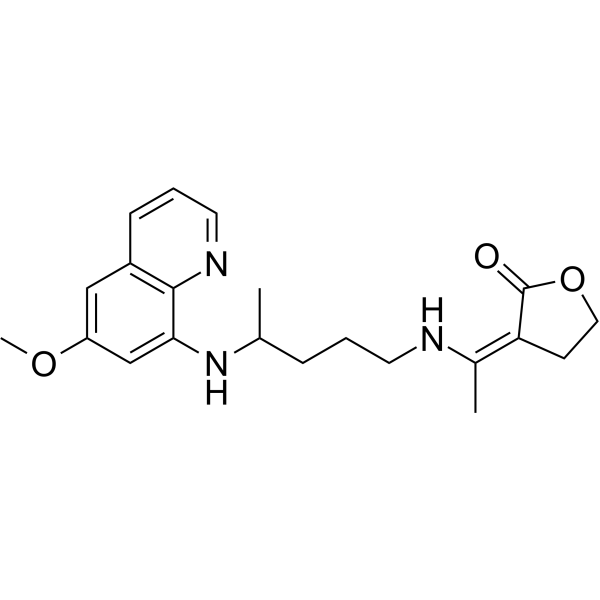 0 ImagesCat. No.: HY-106866CAS No.: 79781-00-3Synonyms: CDRI 80/53; Elubaquine
Bulaquine (CDRI 80/53) is a potent antimalarial agent which is an analogue of Primaquine (HY-12651A). Bulaquine affects multiple metabolism pathways and shows inhibition effect on Plasmodium cynomolgi infection. Bulaquine can be used for the research of malaria.
-
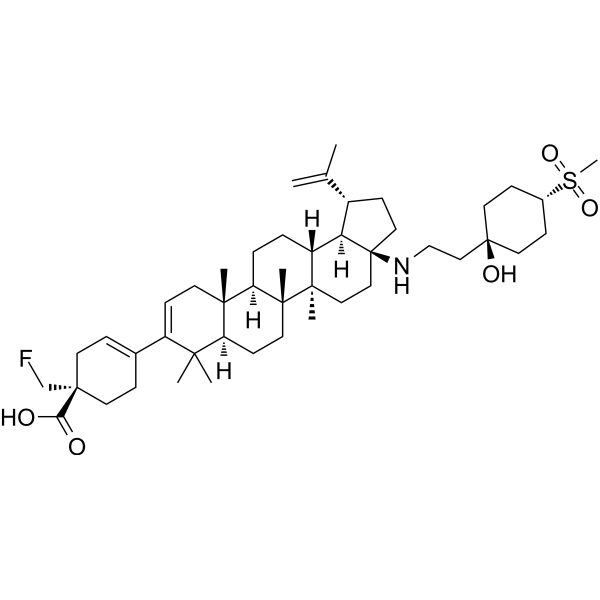
TLR7 agonist 24
 0 ImagesCat. No.: HY-162725
TLR7 agonist 24 (Compound 21) is an agonist for TLR7 with EC50 of 3.72 μM. TLR7 agonist 24 can be used as a vaccine adjuvant when combined with Aluminum Hydroxide (HY-B1521), that enhances the immune response against SARS-CoV-2 and hepatitis B antigens.

-
Carbovir triphosphate
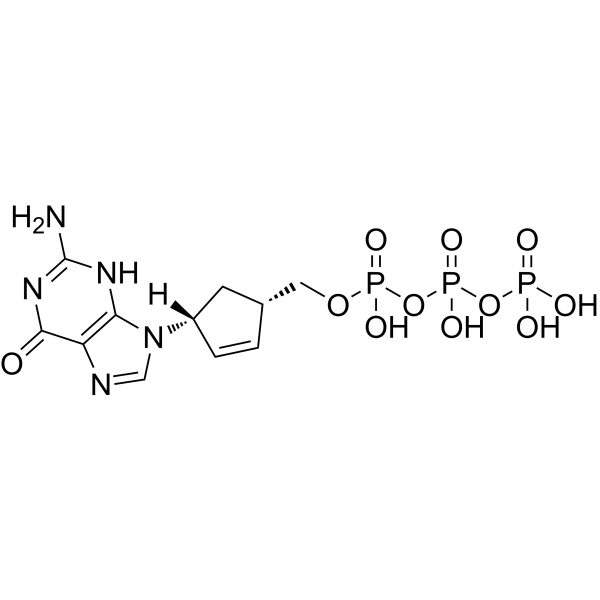 0 ImagesCat. No.: HY-131607CAS No.: 129941-14-6Synonyms: CBV-TP; (-)-Carbovir triphosphate; (-)-Carbovir 5′-triphosphate
Carbovir triphosphate (CBV-TP) is a phosphorylated metabolite. Carbovir triphosphate can be used for the research of human immunodeficiency virus (HIV).
-
1-Adamantanol-d15
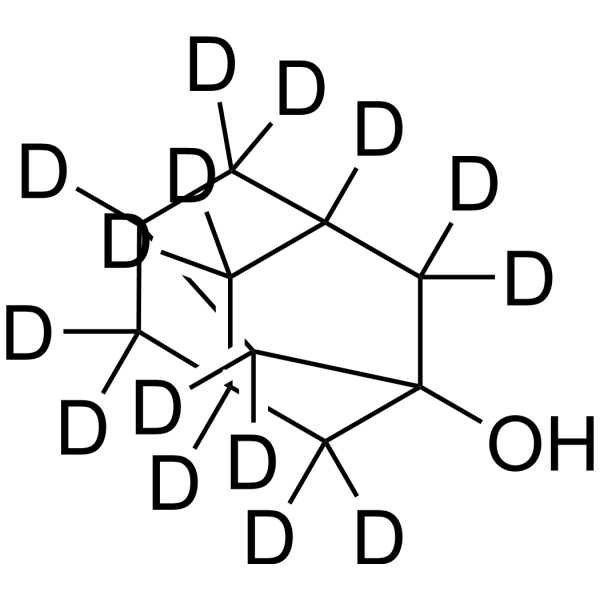 0 ImagesCat. No.: HY-Y0531SCAS No.: 33830-11-4Synonyms: Tricyclo[3.3.1.1~3,7~]decan-1-ol-d15
1-Adamantanol-d15 (Tricyclo[3.3.1.1~3,7~]decan-1-ol-d15) is the deuterium labeled 1-Adamantanol (HY-Y0531). 1-Adamantanol (Tricyclo[3.3.1.1~3,7~]decan-1-ol) is a hydroxylated derivative of Adamantane (HY-N2427). 1-Adamantanol serves as a substrate for regioselective hydroxylation reactions in Streptomyces strain SA8. 1-Adamantanol can form acrylate derivatives, which are used as photoresist layer materials.
-
Antimicrobial agent-58
 0 ImagesCat. No.: HY-189406
Antimicrobial agent-58 is a potent antimicrobial agent with an MIC of 15.625 μg/mL against B. cereus and S. typhimurium. Antimicrobial agent-58 is an inhibitor of DNA gyrase A and Efflux pump proteins. Antimicrobial agent-58 achieves a dual effect of antimicrobial activity and reversal of multidrug resistance by targeting and inhibiting DNA gyrase A and dually blocking the efflux pump system at both the gene and protein levels. Antimicrobial agent-58 can be used in research on multidrug-resistant bacterial infections.
-
Anti-MRSA agent 21
 0 ImagesCat. No.: HY-169416CAS No.: 3060716-02-8
Anti-MRSA agent 21 (Compound 27) has antibacterial activity against MRSA, with an MIC of 1 μM. Anti-MRSA agent 21 can damage bacterial cell membranes and increase reactive oxygen species.
-
SARS-CoV-2-IN-29 disodium
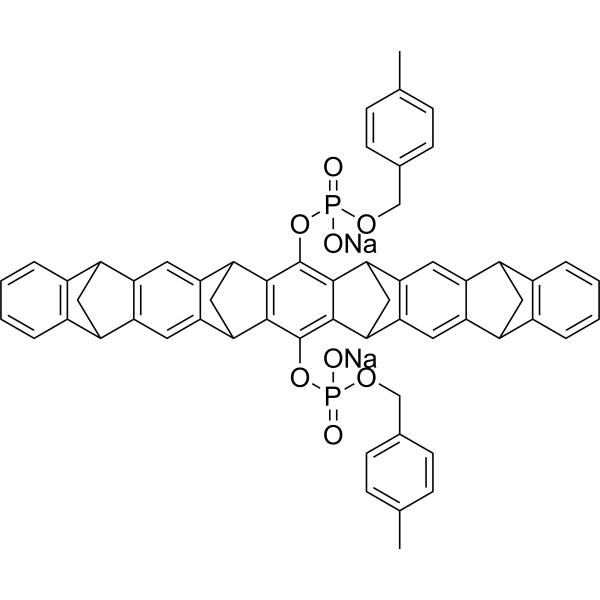 0 ImagesCat. No.: HY-151276A
SARS-CoV-2-IN-29 disodium is a two-armed diphosphate ester with benzene system and molecular tweezers. SARS-CoV-2-IN-29 disodium exhibits antiviral activity with IC50s of 1.5 μM and 1.6 μM against SARS-CoV-2 activity and the spike pseudoparticle transduction, respectively. SARS-CoV-2-IN-29 disodium induces liposomal membrane disruption with an EC50 value of 3.0 μM.
-
Antitubercular agent-28
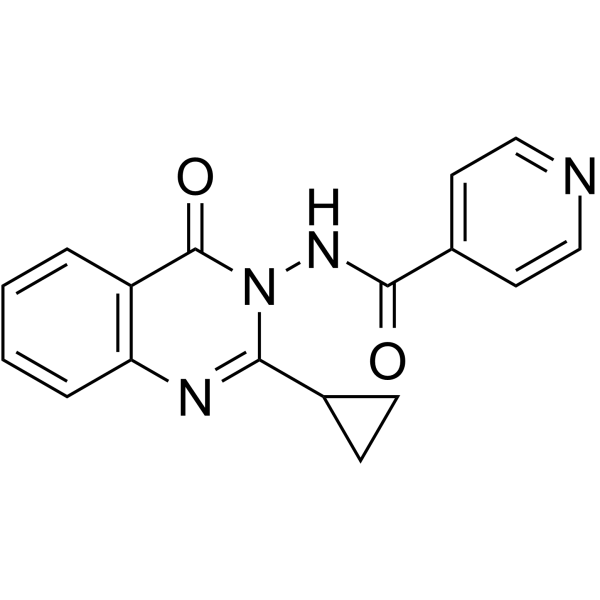 0 ImagesCat. No.: HY-147884CAS No.: 2460651-10-7
Antitubercular agent-28 (compound 2) is a potent antitubercular agent with an IC50 value of 1.5 µM, an MIC value of 4.5 µM, an IC90 value of 2.5 µM. Antitubercular agent-28 shows antimycobacterial activity for resistant isolates of Mycobacterium tuberculosis H37Rv. Antitubercular agent-28 shows effective intracellular antimycobacterial activity and low cytotoxicity.

-
ATG5/TECAIR-IN-1
 0 ImagesCat. No.: HY-183737CAS No.: 2841473-83-2
ATG5/TECAIR-IN-1 is a ATG5-TECAIR interaction inhibitor with an IC50 of 20.79 μM. ATG5/TECAIR-IN-1 inhibits autophagy. TG5/TECAIR-IN-1 is applicable to research on modulating protein-protein interactions to intervene in autophagy-related diseases, such as infectious diseases and cancers.
-
(±)-Nirtetralin
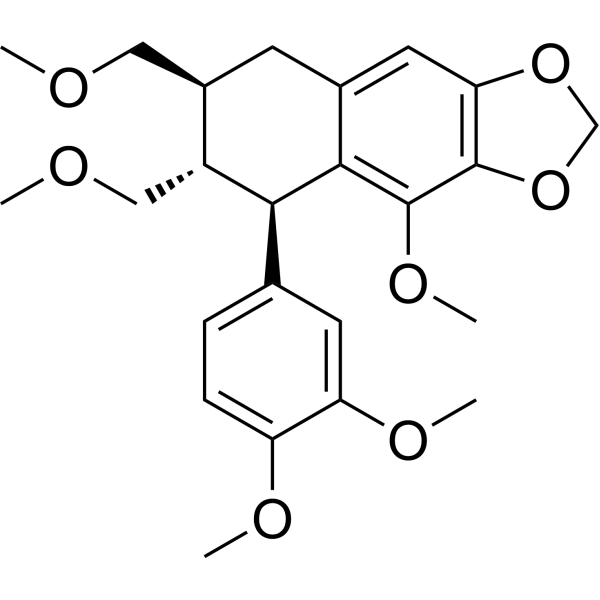 0 ImagesCat. No.: HY-N10830CAS No.: 78185-63-4
(±)-Nirtetralin is an isomer of Nirtetralin, which inhibits growth of hepatitis E virus (HEV) in HepaRG cells.
-
PSMα3 TFA
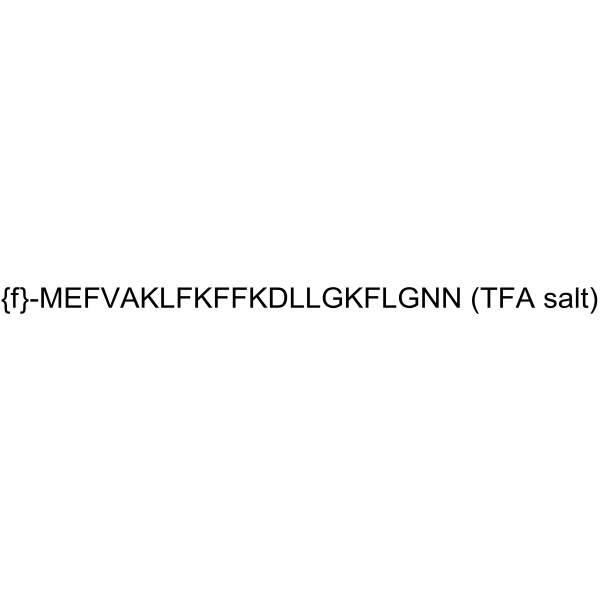 0 ImagesCat. No.: HY-P2358A
PSMα3 TFA is an inhibitor of NF-κB p65 and p38 MAPK. PSMα3 TFA forms membrane pores and binds to residues of human insulin B chain to inhibit insulin aggregation. PSMα3 TFA forms α-type amyloid-like fibrils to exert cytotoxic effects, and acts as a functional amyloid virulence determinant of Staphylococcus aureus. PSMα3 TFA is applicable to research related to spondyloarthritis, rheumatoid arthritis, insulin-derived amyloidosis, and Staphylococcus aureus infection.
-
Insecticidal agent 42
 0 ImagesCat. No.: HY-189444
Insecticidal agent 42 is an insecticide. Insecticidal agent 42 inhibits AChE, leading to acetylcholine accumulation and disruption of neurotransmission. Insecticidal agent 42 binds to the active pocket of AChBP, interfering with neural signaling pathways. Insecticidal agent 42 inhibits Ca2+, Mg2+-ATPase and Na+, K+-ATPase. Insecticidal agent 42 disrupts neuronal homeostasis, causing insect death, and exhibits systemic root-to-stem transport. Insecticidal agent 42 can be used for insecticidal research.
-
Undecanoic acid (Standard)
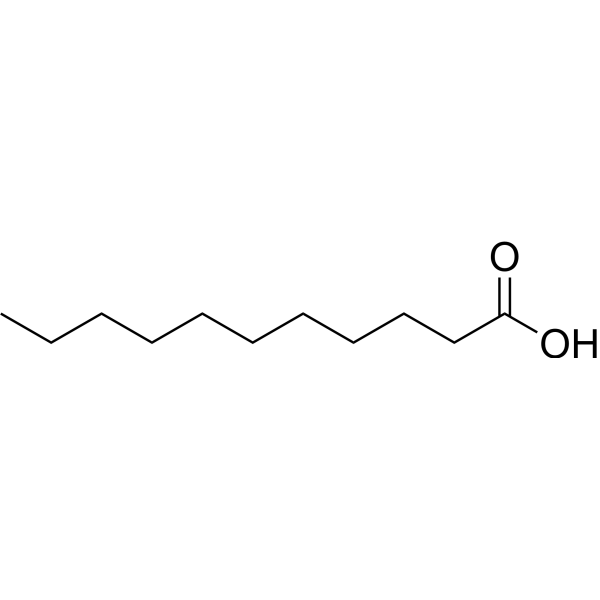 0 ImagesSynonyms: Undecanoate (Standard); Hendecanoic acid (Standard)
Undecanoic acid (Standard) (Undecanoate (Standard)) is the analytical standard of Undecanoic acid (HY-W004282). This product is intended for research and analytical applications. Undecanoic acid is a monocarboxylic acid with antifungal property. Undecanoic acid inhibits the production of exocellular keratinase, lipase and the biosynthesis of several phospholipids in T. rubrum.
-
Fabimycin
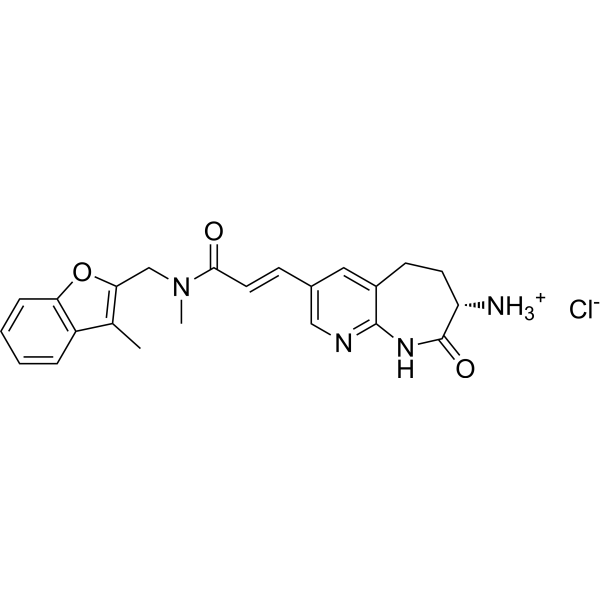 0 ImagesCat. No.: HY-151102CAS No.: 2651965-71-6
Fabimycin is a FabI inhibitor with potent antibacterial activity against gram-negative bacteria. Fabimycin is effective against drug-resistant gram-negative Infections in vivo.
-
Lactucin (Standard)
 0 Images
Lactucin (Standard) is the analytical standard of Lactucin. This product is intended for research and analytical applications. Lactucin is an anti-inflammatory agent. Lactucin induces cancer cell apoptosis. Lactucin also shows analgesic, anticancer and antimalarial activities[4].
-
Quellenin
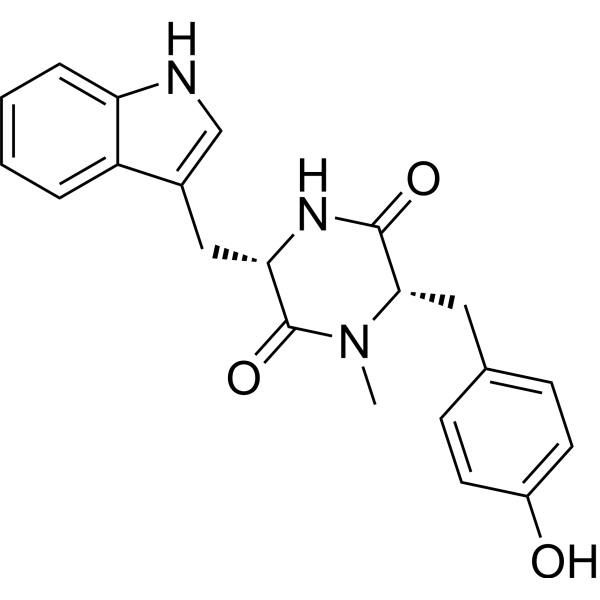 0 ImagesCat. No.: HY-N12389CAS No.: 2243042-31-9
Quellenin is an anti-saprolegnia compound. Quellenin can be isolated from deep-sea fungus Aspergillus sp. YK-76
-
Origanum vulgare extract
 0 ImagesCat. No.: HY-N18678CAS No.: 84012-24-8
Origanum vulgare extract is highly regarded for its rich content of various bioactive compounds, including carvacrol, thymol, rosmarinic acid, and other phenolic compounds, which have antioxidant, antibacterial, anti-inflammatory, and anticancer effects.