Inflammation/Immunology
-
Inflammation/Immunology Related Products (20758)
Related Products (20758)

-
Antibodies (115)
-
Related Compound Screening Libraries (4)
-
1-Palmitoyl-sn-glycero-3-phosphocholine-d9
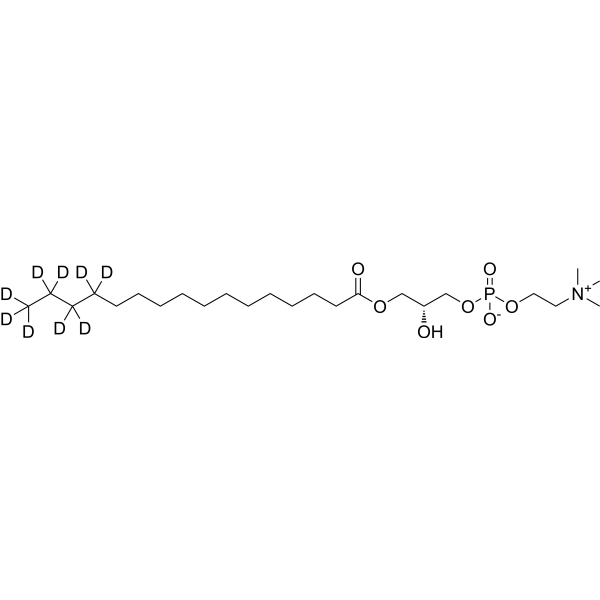 0 ImagesCat. No.: HY-125783SCAS No.: 1872379-72-0Synonyms: 16:0 Lyso PC-d9
1-Palmitoyl-sn-glycero-3-phosphocholine-d9 (16:0 Lyso PC-d9) is deuterium labeled 1-Palmitoyl-sn-glycero-3-phosphocholine (HY-125783). 1-Palmitoyl-sn-glycero-3-phosphocholine (16:0 Lyso PC) is an abundant lysophosphatidylcholine. 1-Palmitoyl-sn-glycero-3-phosphocholine exhibits proinflammatory activity. 1-Palmitoyl-sn-glycero-3-phosphocholine can be used in the study of atherosclerosis.
-
RIP2 Kinase Inhibitor 4
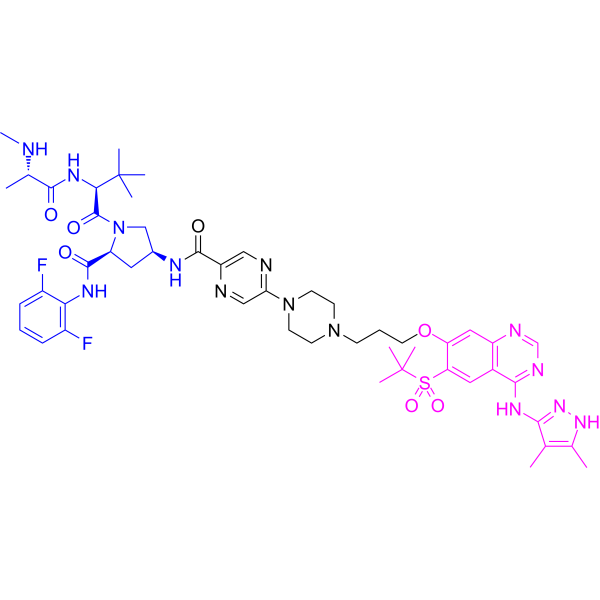 0 ImagesCat. No.: HY-136010CAS No.: 2126803-41-4
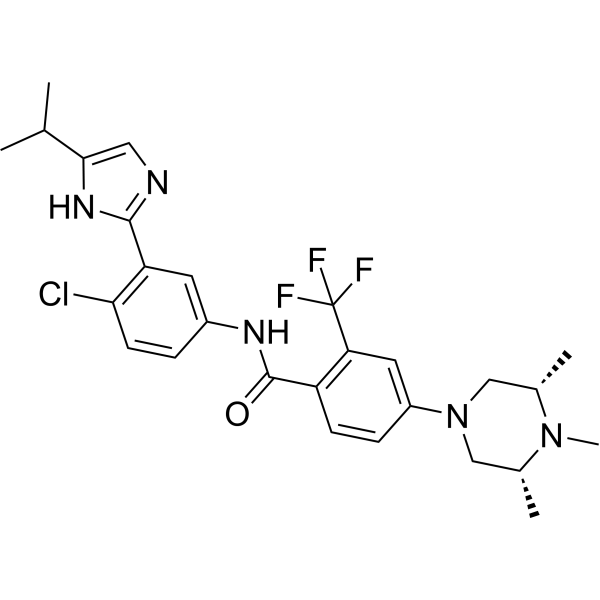
-
VA5
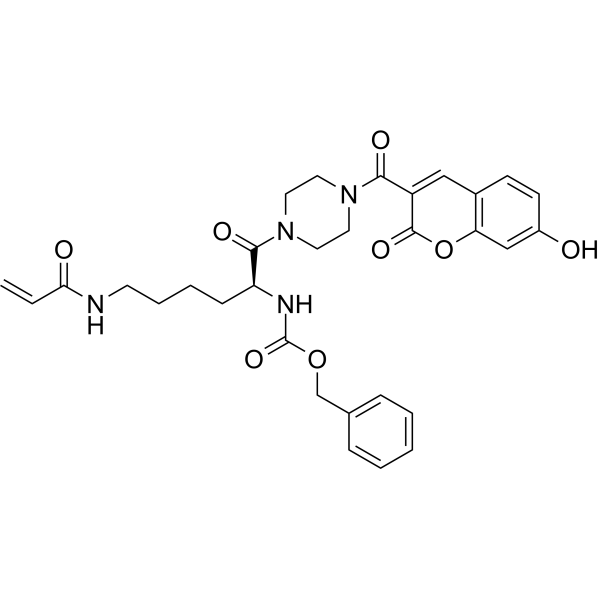 0 ImagesCat. No.: HY-123117CAS No.: 2088001-24-3
-
Mycophenolic acid sodium (Standard)
 0 ImagesSynonyms: Mycophenolate sodium (Standard)
Mycophenolic acid (sodium) (Standard) is the analytical standard of Mycophenolic acid (sodium). This product is intended for research and analytical applications. Mycophenolic acid sodium is a potent uncompetitive inosine monophosphate dehydrogenase (IMPDH) inhibitor with an EC50 of 0.24 μM. Mycophenolic acid sodium demonstrates antiviral effects against a wide range of RNA viruses including influenza. Mycophenolic acid sodium is an immunosuppressive agent. Antiangiogenic and antitumor effects.
-
Glyco-obeticholic acid-d5
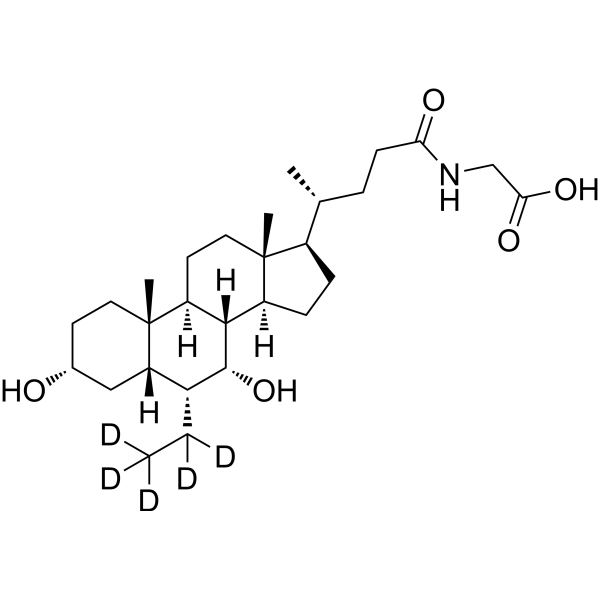 0 ImagesCat. No.: HY-135400S
Glyco-obeticholic acid-d5 is the deuterium labeled Glyco-Obeticholic acid. Glyco-obeticholic acid is an active metabolite of Obeticholic acid. Obeticholic acid is a farnesoid X receptor (FXR) agonist.

-
Sodium bicarbonate, meets analytical specification of Ph. Eur., BP, USP, FCC, E500
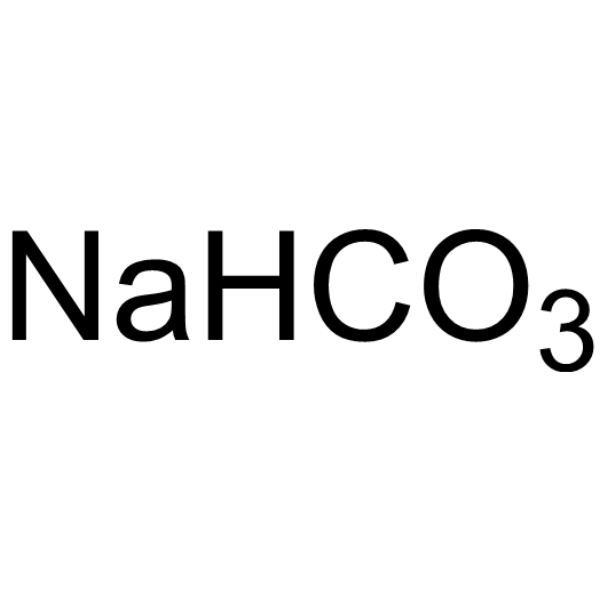 0 ImagesCat. No.: HY-W251598ICAS No.: 144-55-8Synonyms: Sodium hydrogen carbonate, meets analytical specification of Ph. Eur., BP, USP, FCC, E500
Sodium bicarbonate, meets analytical specification of Ph. Eur., BP, USP, FCC, E500 is an inorganic salt that is neutral to slightly alkaline and easily decomposes when exposed to moisture in the air. Sodium bicarbonate can maintain the pH of the culture medium, thereby affecting the expression of inducible nitric oxide synthase (iNOS) and nitric oxide (NO) production in macrophages and reversing the acidosis of the tumor microenvironment. Sodium bicarbonate is widely used in the fields of food, medicine, cosmetics, etc. Its main uses include buffers, flavoring agents, disinfectants, pharmaceuticals, and proton gradient regulators. Sodium bicarbonate is also commonly used as an antacid to inhibit gastrointestinal diseases, neutralize gastric acid, and reduce gastric discomfort.
-
CHF-6333 chloride
 0 ImagesCat. No.: HY-182465CAS No.: 1613621-55-8
CHF-6333 chloride is a neutrophil elastase (NE) inhibitor (IC50 = 0.21 nM; KD = 0.16 nM). CHF-6333 chloride retains its activity in both human (IC50 = 0.22 nM) and rat (IC50 = 3.63 nM) proteases. CHF-6333 chloride exhibits inhibitory activity against Proteinase 3 (IC50 = 22 nM). CHF-6333 chloride can be used for the study of bronchiectasis (BE).
-
KHK2840
 0 ImagesCat. No.: HY-P991918Synonyms: IgG2-AAS
KHK2840 is a potent CD40 agonist with a Kd value of 0.485 nM for hCD40. KHK2840 delivers agonistic signals in tumor-bearing hCD40 transgenic mice and human peripheral blood B cells. KHK2840 upregulates CD80, CD86, CD95 and IL-12p70 expression. KHK2840 enhances antitumor efficacy of anti-PD-1 antibody and Paclitaxel (HY-B0015). KHK2840 can be used for the research of cancer, such as colon cancer and melanoma.
-
Bisoprolol fumarate
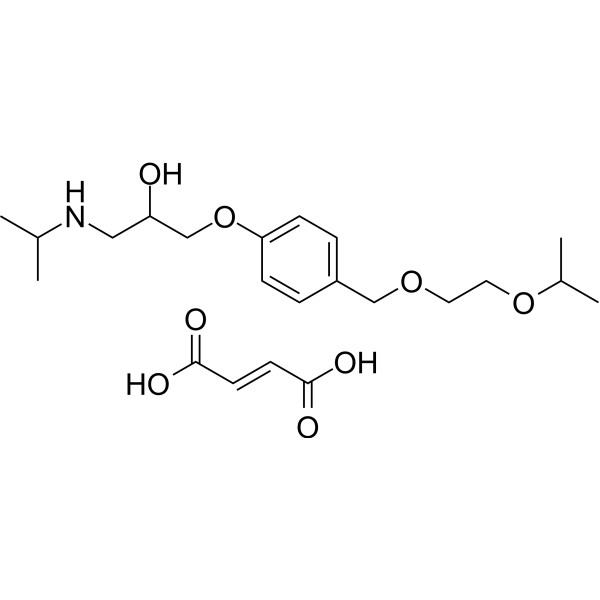 0 ImagesCat. No.: HY-120829CAS No.: 105878-43-1
Bisoprolol fumarate is a potent, selective and orally active β1-adrenergic receptor blocker with little activity on β2-receptor. Bisoprolol fumarate has the potential for hypertension, coronary artery disease and stable ventricular dysfunction research.
-
HBK001
 0 ImagesCat. No.: HY-182580CAS No.: 1942922-78-2
HBK001 is an orally active and selective dual GPR119 agonist and DPP-IV inhibitor. HBK001 triggers cAMP production, PKA activation, CREB phosphorylation, glucose-stimulated insulin secretion, plasma incretin elevation, β-cell proliferation, and β-cell function gene up-regulation. HBK001 reduces blood glucose, ameliorates hyperglycemia, improves glucose tolerance, and enhances islet morphology. HBK001 can be used for the research of type 2 diabetes mellitus.
-
SM-15178
 0 ImagesCat. No.: HY-180411CAS No.: 146461-98-5
SM-15178 is a potent, orally active and selective leukotriene B4 (LTB4) receptor antagonist with an IC50 of 0.30 μM. SM-15178 attenuates LTB4 (HY-107608)-induced neutrophil accumulation in mouse skin and bronchoconstriction in guinea pigs. SM-15178 emonstrates significant anti-inflammatory efficacy across multiple animal models of inflammation. SM-15178 can be used for the research of chronic inflammatory diseases such as inflammatory bowel disease, psoriasis, and asthma.
-
Nemonoxacin-13C,d3
 0 ImagesCat. No.: HY-14956S3Synonyms: TG-873870-13C,d3
Nemonoxacin-13C,d3 (TG-873870-13C,d3) is the deuterium and 13C-labeled Nemonoxacin (HY-14956). Nemonoxacin (TG-873870) is an orally active and potent broad-spectrum antibiotic. Nemonoxacin shows good inhibitory activity against different species of staphylococci, streptococci, and enterococci, Neisseria gonorrhoeae, and Haemophilus influenza. Nemonoxacin can be used in the study of bacterial infections and community-acquired pneumonia.
-
Neurokinin Receptor (393-407), rat
 0 ImagesCat. No.: HY-P3852CAS No.: 153607-26-2Synonyms: SPR393-407
Neurokinin Receptor (393-407), rat (SPR393–407) is a rat neurokinin 1 receptor (NK1R) fragment. NK1R is rapidly internalized by endocytosis and recycled to the plasma membrane when binding to substance P (SP). Neurokinin Receptor (393-407), rat can be used in the research of neurogenic inflammation.
-
sEH-IN-24
 0 ImagesCat. No.: HY-183545CAS No.: 3121405-85-1
sEH-IN-24 is an orally active soluble epoxide hydrolase (sEH) inhibitor with an IC50 of 1.9 nM. sEH-IN-24 inhibits the pro-inflammatory cytokines TNF-α and IL-6. sEH-IN-24 exhibits anti-inflammatory effects and exerts analgesic activity in vivo. sEH-IN-24 prevents pancreatic edema, inflammation and parenchymal atrophy. sEH-IN-24 can be used for the research of acute pancreatitis.
-
SB 204070A
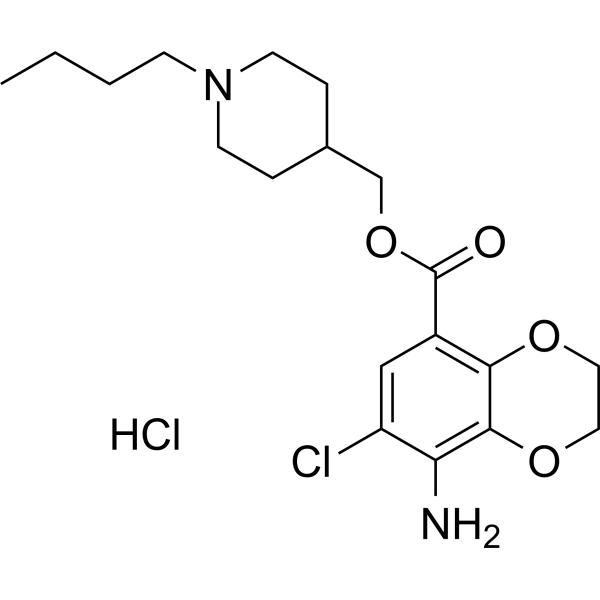 0 ImagesCat. No.: HY-103134CAS No.: 148688-01-1
5-HT4 antagonist 3 hydrochloride is a highly selective 5-hydroxytryptamine receptor (5-HT4) antagonist. 5-HT4 antagonist 3 (hydrochloride) blocks muscarine receptors and sodium channels. 5-HT4 antagonist 3 (hydrochloride) can be used to evaluate function of 5-HT4 receptor .
-
SAR216471 hydrochloride
 0 ImagesCat. No.: HY-110265CAS No.: 1279829-64-9
SAR216471 hydrochloride is a P2Y12 receptor antagonist. SAR216471 hydrochloride has antiplatelet and antithrombotic activities in vivo.
-
GW274150 dihydrochloride
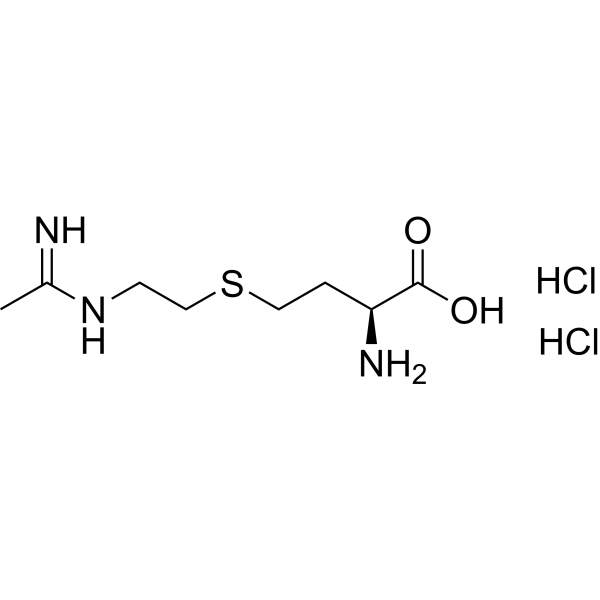 0 ImagesCat. No.: HY-12119BCAS No.: 438542-17-7
GW274150 (dihydrochloride) is a potent, selective, orally active and NADPH-dependent inhibitor of human inducible nitric oxide synthase (iNOS) (IC50=2.19 μM; Kd=40 nM) and rat iNOS (ED50=1.15 μM). GW274150 (dihydrochloride) displays less potency for both humans or rats endothelial NOS (eNOS) and neuronal NOS (nNOS). GW274150 (dihydrochloride) exerts a protective role in an acute model of lung injury inflammation.
-
Fodipir (Standard)
 0 ImagesCat. No.: HY-108869RCAS No.: 118248-91-2Synonyms: DPDP (Standard)
Malvidin (chloride) (Standard) is the analytical standard of Malvidin (chloride). This product is intended for research and analytical applications. Malvidin (chloride) is a bioactive compound isolated from grape. Malvidin shows cytotoxicity through the arrest of the G2/M phase of cell cycle and induction of apoptosis. Malvidin can be used for the research of cancer.