



AMPK
AMP-activated protein kinase (AMPK) functions as a conserved cellular energy sensor that maintains metabolic homeostasis by coordinating ATP-producing catabolic pathways with ATP-consuming anabolic processes during energetic stress[1][2]. AMPK exists as a heterotrimeric complex composed of catalytic α, regulatory β, and γ subunits, generating multiple isoform combinations with distinct biochemical properties, tissue distribution patterns, and signaling outputs[2][3]. Mechanistically, AMPK is activated by increases in cellular AMP:ATP or ADP:ATP ratios and subsequently regulates glucose metabolism, fatty acid oxidation, mitochondrial function, and stress adaptation pathways[1][4]. In disease contexts, dysregulated AMPK signaling has been linked to diabetes, obesity, inflammation, cardiovascular disorders, and cancer, making AMPK a central target in metabolic and translational research[4][5]. Compared with related catalytic isoforms, AMPKα1 generally exhibits higher basal activity and greater sensitivity to allosteric activation, whereas AMPKα2 responds more strongly to energy stress and is frequently associated with distinct regulatory functions in tissue remodeling and disease models[2][6]. Experimental studies further demonstrate that AMPKα2 promotes osteogenic differentiation more effectively than AMPKα1 and can rescue impaired osteogenesis in pathological skeletal models[6]. For experimental applications, both indirect activators that alter cellular energy status and direct activators that bind AMPK regulatory sites are widely used to investigate isoform-specific signaling, metabolic regulation, and therapeutic mechanisms[1][4].
References:
- [1]. Barquissau V, et al. White-to-brite conversion in human adipocytes promotes metabolic reprogramming towards fatty acid anabolic and catabolic pathways. Mol Metab. 2016 Mar 18;5(5):352-365. [Content Brief]
- [2]. Smiles WJ, et al. The metabolic sensor AMPK: Twelve enzymes in one. Mol Metab. 2024 Dec;90:102042. [Content Brief]
- [3]. Tarasiuk O, et al. AMPK and Diseases: State of the Art Regulation by AMPK-Targeting Molecules. Biology (Basel). 2022 Jul 11;11(7):1041. [Content Brief]
- [4]. Jeon SM. Regulation and function of AMPK in physiology and diseases. Exp Mol Med. 2016 Jul 15;48(7):e245. doi: 10.1038/emm.2016.81. PMID: 27416781; PMCID: PMC4973318. et al. Regulation and function of AMPK in physiology and diseases. Exp Mol Med. 2016 Jul 15;48(7):e245. [Content Brief]
- [5]. Behrens M, et al. Blends of Non-caloric Sweeteners Saccharin and Cyclamate Show Reduced Off-Taste due to TAS2R Bitter Receptor Inhibition. Cell Chem Biol. 2017 Oct 19;24(10):1199-1204.e2. [Content Brief]
- [6]. Wang YG, et al. Functional differences between AMPK α1 and α2 subunits in osteogenesis, osteoblast-associated induction of osteoclastogenesis, and adipogenesis. Sci Rep. 2016 Sep 7;6:32771. [Content Brief]
-
AMPK Related Products (350)
Related Products (350)

-
Antibodies (4)
-
Ginsenoside F2
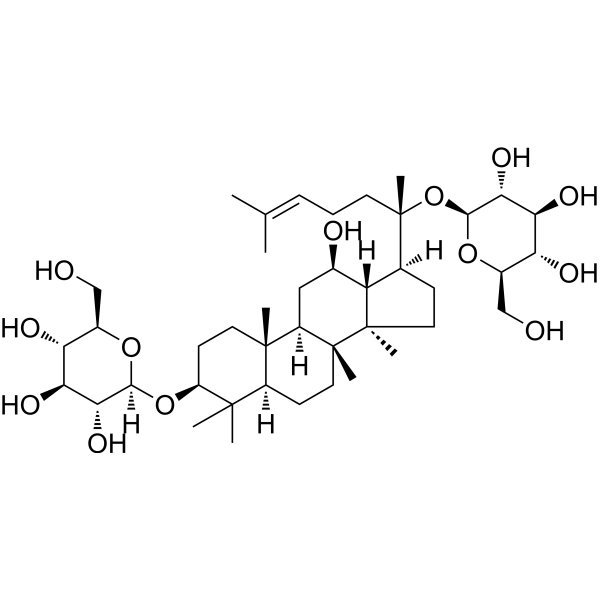 0 ImagesGinsenoside F2 is an orally active bioactive compound that participates in the regulation of metabolism and inflammation. Ginsenoside F2 promotes the phosphorylation of AMPK and ACC, binds to PPARγ, inhibits the phosphorylation of MAPK, activates the PI3K/AKT/GSK-3β pathway, reduces GLRX expression, and regulates lipid metabolism. Ginsenoside F2 reduces ROS production and MDA levels, restores SOD activity in cells, and alleviates oxidative stress. Ginsenoside F2 induces cell apoptosis (Apoptosis) and increases the number of cleaved caspase-3-positive cells. Ginsenoside F2 reduces body weight gain, adipose tissue weight and serum lipid levels in obese mice, and activates the hepatic AMPK signaling pathway and the expression of antioxidant enzymes. Ginsenoside F2 alleviates atopic dermatitis in mice by inhibiting inflammation and reshaping the gut microbiota. Ginsenoside F2 is applicable to research related to insulin resistance, obesity, atopic dermatitis, liver cancer, glioblastoma and glioma.
-
Lixumistat acetate
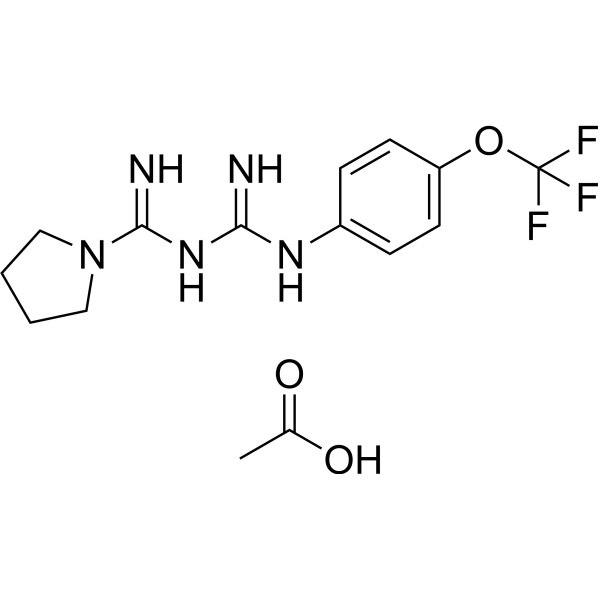 0 ImagesSynonyms: IM156; HL156A; HL271 acetateLixumistat (IM156) acetate is a potent and orally active AMPK activator and OXPHOS inhibitor. Lixumistat acetate strongly activates AMPK, while it lacks the systemic metabolic regulatory effects of classic metformin, such as hypoglycemic and weight-lowering activities. Lixumistat acetate exhibits significant therapeutic effects on cognitive decline associated with brain aging and pulmonary fibrosis.
-
Metformin-d6 hydrochloride
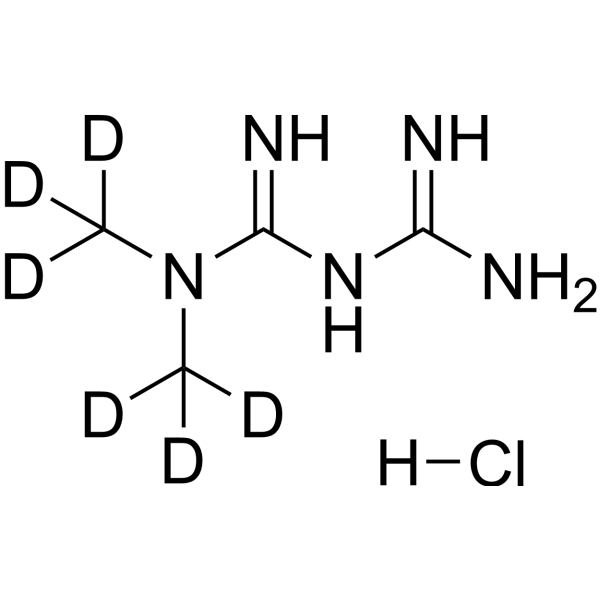 0 ImagesSynonyms: 1,1-Dimethylbiguanide-d6 hydrochlorideMetformin-d6 hydrochloride is a deuterium labeled Metformin hydrochloride. Metformin hydrochloride inhibits the mitochondrial respiratory chain in the liver, leading to AMPK activation and enhancing insulin sensitivity, and can be used in the study of type 2 diabetes. Metformin hydrochloride also inhibits liver oxidative stress, nitrosative stress, inflammation, and apoptosis caused by liver ischemia/reperfusion injury. In addition, metformin hydrochloride regulates the expression of autophagy-related proteins by activating AMPK and inhibiting the mTOR signaling pathway, thereby inducing tumor cell autophagy and inhibiting the growth of renal cell carcinoma in vitro and in vivo.
-
Indoprofen
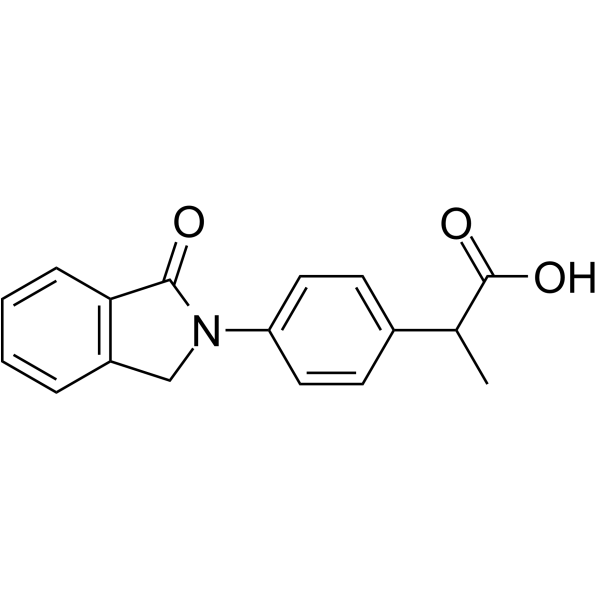 0 ImagesSynonyms: (±)-IndoprofeIndoprofen ((±)-Indoprofe) activates AKT-AMPK signaling pathway, inhibits NF-κB/MAPK signaling pathway. Indoprofen exhibits anti-inflammatory and immunomodulatory activities. Indoprofen is orally active.
-
Propionyl-L-carnitine
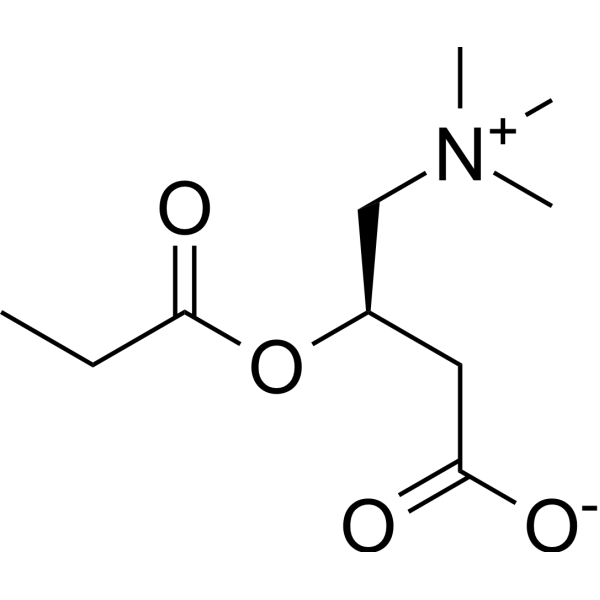 0 ImagesCat. No.: HY-121705CAS No.: 20064-19-1Propionyl-L-carnitine is an orally active L-carnitine derivative. Propionyl-L-carnitine has a high affinity for muscle L-carnitine transferase. Propionyl-L-carnitine increases Apoptosis, Bax, and reduces NF-κB, VCAM-1, MCP-1, and survivin. Propionyl-L-carnitine activates Src kinase, Akt, induces p-AMPK and nitric oxide synthesis. Propionyl-L-carnitine alleviates cardiovascular disease, obesity, and colitis.
-
Metformin hydrochloride (Standard)
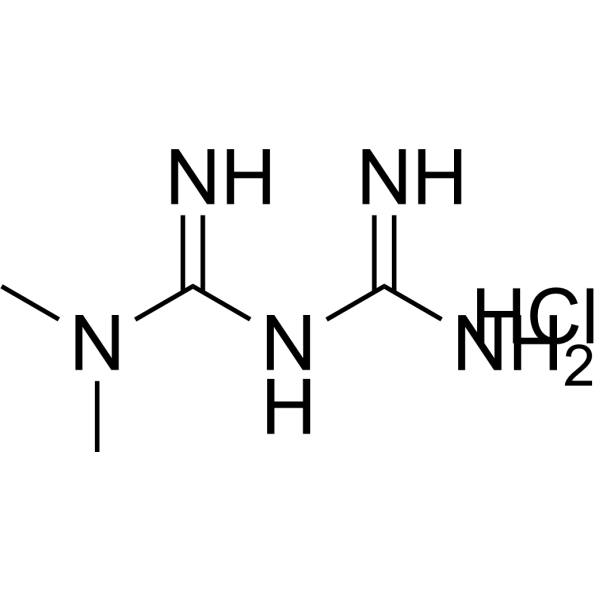 0 ImagesSynonyms: 1,1-Dimethylbiguanide hydrochloride (Standard)Metformin hydrochloride (Standard) is the analytical standard of Metformin hydrochloride (HY-17471A). This product is intended for research and analytical applications. Metformin (1,1-Dimethylbiguanide) hydrochloride inhibits the mitochondrial respiratory chain in the liver, leading to AMPK activation and enhancing insulin sensitivity, and can be used in the study of type 2 diabetes. Metformin hydrochloride exerts central glucose-lowering effects by inhibiting Ras-related protein 1 (Rap1) in SF1 hypothalamic neurons. Metformin hydrochloride also inhibits liver oxidative stress, nitrosative stress, inflammation, and apoptosis caused by liver ischemia/reperfusion injury. In addition, Metformin hydrochloride regulates the expression of autophagy-related proteins by activating AMPK and inhibiting the mTOR signaling pathway, thereby inducing tumor cell autophagy and inhibiting the growth of renal cell carcinoma in vitro and in vivo.
-
Demethyleneberberine chloride
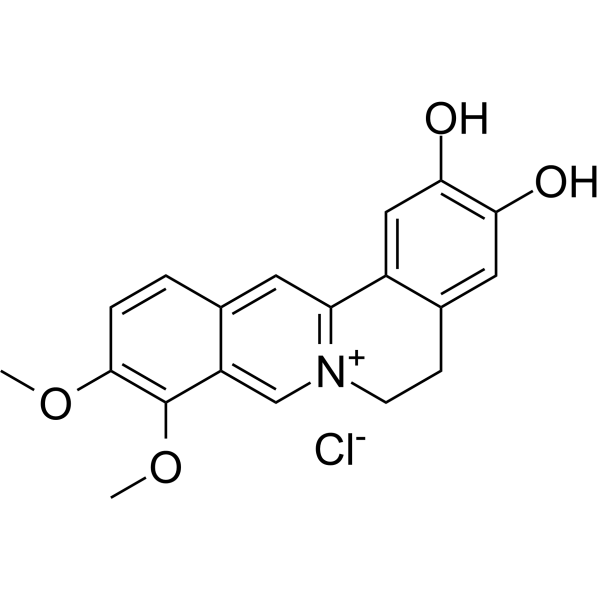 0 ImagesDemethyleneberberine chloride is a blood-brain barrier-permeable antioxidant. Demethyleneberberine chloride exerts antioxidant effects by targeting mitochondria, activates the AMPK signaling pathway to regulate lipid metabolism, and inhibits inflammation-related pathways such as NF-κB and MAPK. Demethyleneberberine chloride can be used in the research of inflammatory and other diseases.
-
AMARA peptide TFA
 0 ImagesCat. No.: HY-P1576APurity: 98.53%AMARA peptide TFA is a synthetic peptide substrate of sucrose non-fermenting-1-related protein kinase 1 (SnRK1). AMARA peptide TFA contains residues required for SnRK1 phosphorylation, retains the minimal motif recognized by SnRK1, and when this substrate is recognized by cauliflower SnRK1 HRK-A, the hydrophobic residues at the relative positions P-5 and P+4 of the phosphorylated serine require a critical spacing. AMARA peptide TFA can serve as a control substrate in peptide phosphorylation assays for the detection of SnRK1 activity in Arabidopsis thaliana, potato tuber tissues, and during SnRK1 purification.
-
Trifolirhizin
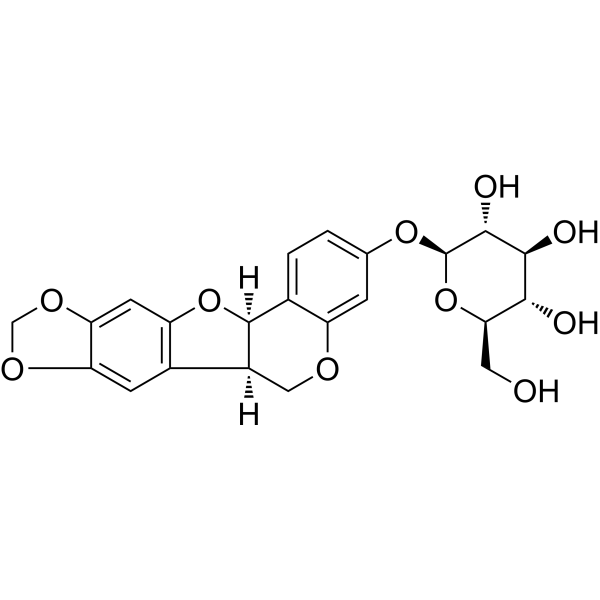 0 ImagesTrifolirhizin is a pterocarpan flavonoid found in the roots of Sophora flavescens. Trifolirhizin is a tyrosinase inhibitor with an IC50 value of 506.77 μM. Trifolirhizin reduces intracellular melanin production and modulates multiple signaling pathways including NFκB-MAPK, AMPK/mTOR, PI3K/Akt, MAPK-NFATc1 and EGFR-MAPK. Trifolirhizin targets biological molecules including PTK6 and COX-2, inhibits the activities of hyaluronidase, collagenase and elastase, induces apoptosis, autophagy and cell cycle arrest, and suppresses the proliferation, migration and invasion of cancer cells. Trifolirhizin exerts diverse pharmacological effects including anti-inflammatory, anti-asthmatic, bone-protective, renoprotective, antibacterial, antifungal, hepatoprotective, antiplatelet, estrogenic and wound-healing activities. Trifolirhizin can be used to investigate a broad range of malignant, inflammatory, metabolic and infectious disorders.
-
(+)-Magnoflorine iodide
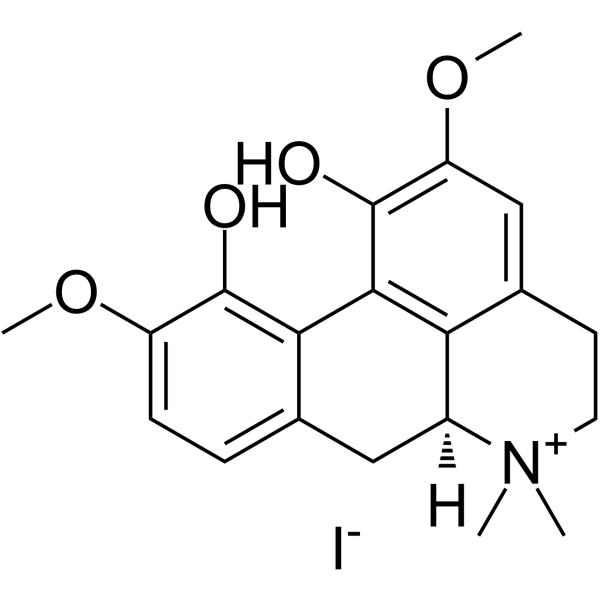 0 ImagesSynonyms: Magnoflorine iodide; α-Magnoflorine iodide; Thalictrine iodide(+)-Magnoflorine (α-Magnoflorine) iodide is an orally active aporphine alkaloid with multiple biological activities. (+)-Magnoflorine iodide promotes Parkin/PINK1 -mediated mitochondrial autophagy, inhibits the activation of NLRP3/Caspase-1 pathway, regulates the intestinal microbiota, and exhibits significant anti-inflammatory and immunomodulatory activities. (+)-Magnoflorine iodide inhibits JNK and TLR4/NF-κB signaling pathways, activates Sirt1/AMPK pathway, alleviates neuronal oxidative stress and apoptosis. Magnoflorine upregulates miR-410-3p, inhibits HMGB1/NF-κB pathway, and has anti-tumor activity. (+)-Magnoflorine iodide also has significant antifungal activity.
-
Jujuboside B
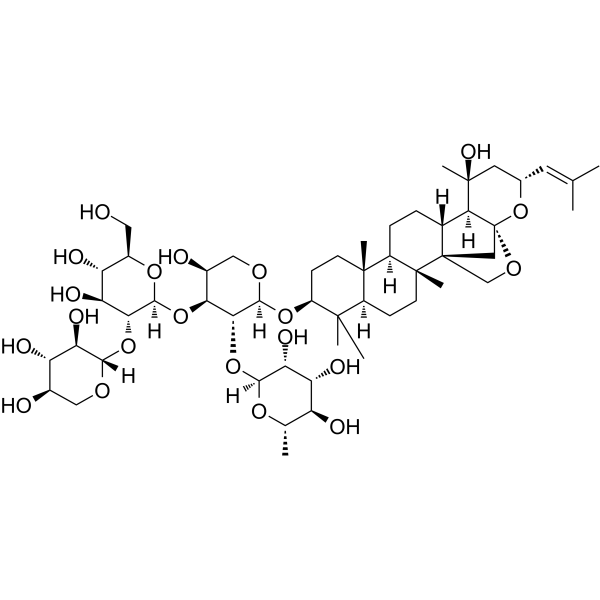 0 ImagesJujuboside B is a bioactive saponin component isolated from Ziziphi Spinosae Semen (sour jujube seed), with oral efficacy and blood-brain barrier permeability. Jujuboside B induces acute leukemia cell death and drives necroptosis apoptosis by activating the RIPK1/RIPK3/MLKL pathway. Jujuboside B upregulates the expression of NOXA, PARP and caspase-3, activates AMPK, inhibits the proliferation of breast cancer cells, and induces cell apoptosis and autophagy. Jujuboside B inhibits angiogenesis and tumor growth by blocking the VEGFR-2 signaling pathway. Jujuboside B alleviates liver injury in mice by regulating the Nrf2-STING signaling pathway. Jujuboside B alleviates liver injury by regulating anti-inflammatory responses and downregulating the expression of 11β-HSD2. Jujuboside B induces ferroptosis and overcomes radioresistance in non-small cell lung cancer via the PPARγ-ATF3-Gpx4 signaling pathway. Jujuboside B exerts inhibitory effects on platelet aggregation. Jujuboside B inhibits febrile seizures by suppressing the activity of AMPA receptors. Jujuboside B reverses chronic unpredictable mild stress-promoted tumor progression by blocking the PI3K/Akt and MAPK/ERK pathways and dephosphorylating CREB signaling. Jujuboside B is applicable to related studies on acute leukemia, breast cancer, PM2.5-induced lung injury, hepatotoxicity, liver injury, colorectal cancer, non-small cell lung cancer, thromboembolic diseases, cardiovascular diseases associated with high platelet aggregation, febrile seizures, and depressive-like phenotypes.
-
8-Chloroadenosine
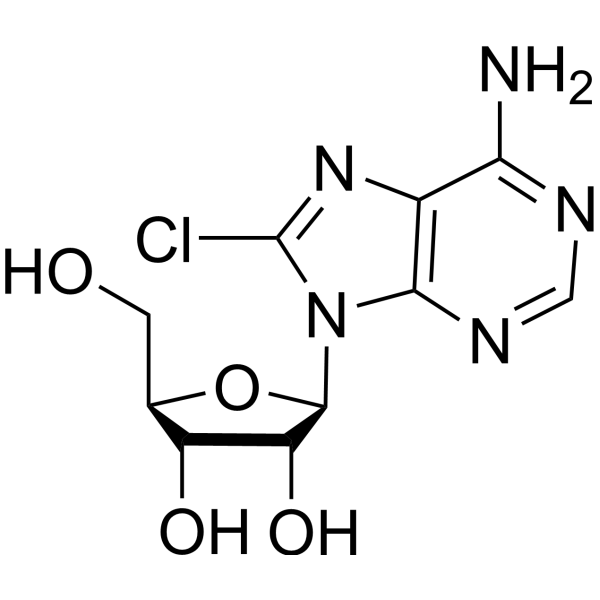 0 ImagesSynonyms: 8-Cl-Ado8-Chloroadenosine (8-Cl-Ado), a unique ribonucleoside analog, depletes endogenous ATP that subsequently induces the phosphorylation and activation of AMPK. 8-Chloroadenosine induces autophagic cell death. 8-Chloroadenosine effectively inhibited in vivo tumor growth in mice.
-
Methyl cinnamate
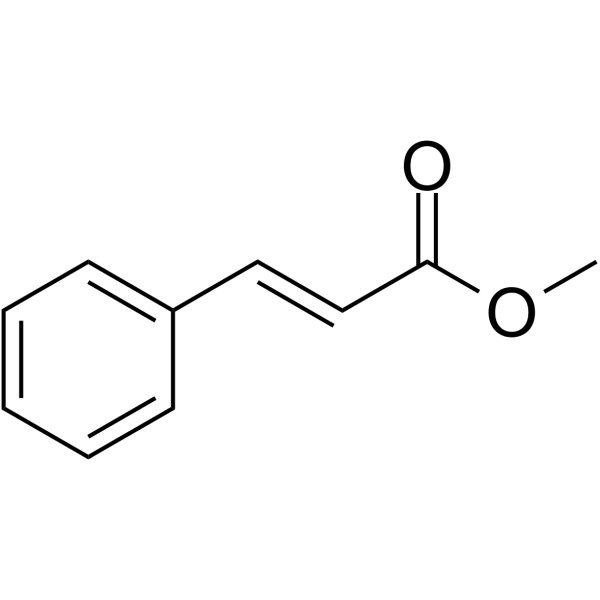 0 ImagesSynonyms: Methyl 3-phenylpropenoateMethyl cinnamate (Methyl 3-phenylpropenoate), an active component of Zanthoxylum armatum, is a widely used natural flavor compound. Methyl cinnamate (Methyl 3-phenylpropenoate) possesses antimicrobial activity and is a tyrosinase inhibitor that can prevent food browning. Methyl cinnamate (Methyl 3-phenylpropenoate) has antiadipogenic activity through mechanisms mediated, in part, by the CaMKK2-AMPK signaling pathway.
-
MOTS-c (mouse)
 0 ImagesMOTS-c (mouse) is a mitochondrial-derived polypeptide that can be used to regulates pancreatic cell function. MOTS-c (mouse) reduces insulin secretion and expression in INS-1E cells, and enhances glucagon secretion and expression in αTC-1 cells. MOTS-c (mouse) decreases the apoptosis in INS-1E and αTC-1. MOTS-c (mouse) counteracts diet-induced obesity and insulin resistance through AMPK activation.
-
Buformin hydrochloride
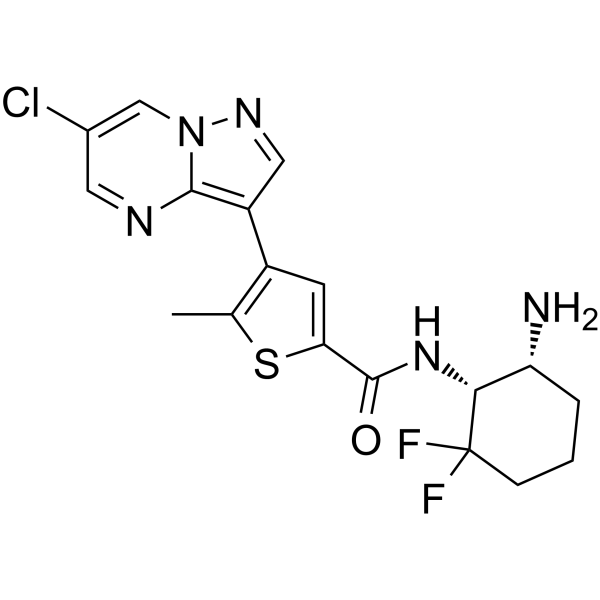
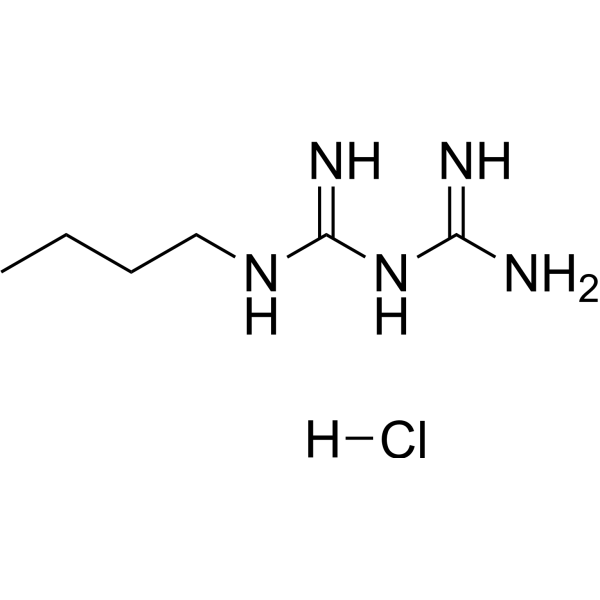 0 ImagesBuformin hydrochloride (1-Butylbiguanide hydrochloride), a potent AMPK activator, acts as an orally active biguanide antidiabetic agent. Buformin hydrochloride decreases hepatic gluconeogenesis and lowers blood glucose production in vivo. Buformin hydrochloride also has anti-cancer activities and is applied in cancer study (such as, cervical cancer and breast cancer, et al).
-
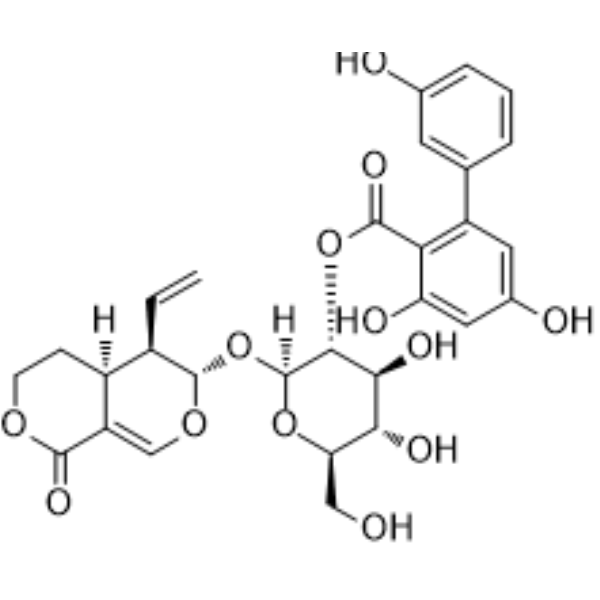
Amarogentin
 0 ImagesAmarogentin is a secoiridoid glycoside that is mainly extracted from Swertia and Gentiana roots. Amarogentin exhibits many biological effects, including anti-oxidative, anti-tumour, and anti-diabetic activities. Amarogentin exerts hepatoprotective and immunomodulatory effects. Amarogentin promotes apoptosis, arrests G2/M cell cycle and downregulates of PI3K/Akt/mTOR signalling pathways. Amarogentin exerts beneficial vasculo-metabolic effect by activating AMPK.




