Apoptosis Inducer
-
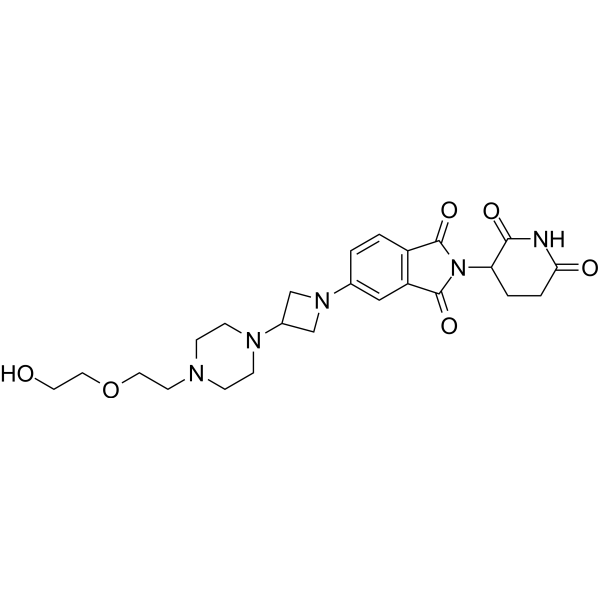
Thalidomide-azetidine-piperazine-C2-O-C2-OH
 0 ImagesCat. No.: HY-161191
Thalidomide-azetidine-piperazine-C2-O-C2-OH is a conjugate of E3 ligase ligand and linker, consisting of Thalidomide (HY-14658) and the corresponding Linker. Thalidomide-azetidine-piperazine-C2-O-C2-OH can serve as a Cereblon ligand to recruit CRBN protein and serve as a key intermediate for the synthesis of complete PROTAC molecules.
-
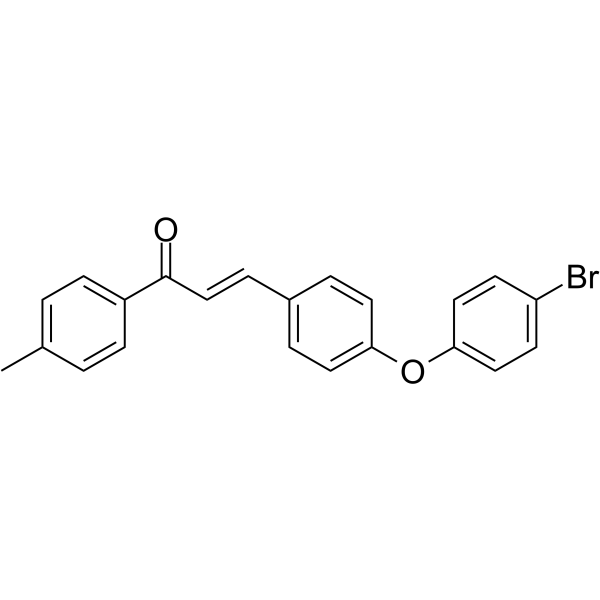
HDAC-IN-94
 0 ImagesCat. No.: HY-179019
HDAC-IN-94 is a potent, selective HDAC6 inhibitor (IC50 = 4.5 nM). HDAC-IN-94 shows >1000-fold selectivity over HDAC8 and shows minimal activity against other isoforms (HDAC1-3/10). HDAC-IN-94 induces α-tubulin hyperacetylation, apoptosis, and G2/M cell cycle arrest, exhibiting potent anti-tumor efficacy with low cytotoxicity. HDAC-IN-94 can be used for neuroblastoma and glioblastoma research.
-
Exendin-4 (Leu-13C6,15N) TFA
 0 ImagesCat. No.: HY-13443SSynonyms: Exenatide (Leu-13C6,15N) TFA
Exendin-4 (Leu-13C6,15N) TFA (Exenatide (Leu-13C6,15N) TFA) is the 13C, 15N-labeled Exendin-4 (HY-13443). Exendin‑4 (Exenatide) is an orally active, blood-brain barrier-permeable glucagon-like peptide-1 receptor (GLP‑1 receptor) agonist that resists degradation mediated by dipeptidyl peptidase IV. Exendin‑4 mediates multiple glucose-regulating effects, including stimulation of glucose-dependent insulin secretion, inhibition of glucagon production, increase in β-cell mass, delay of gastric emptying, reduction of food intake, improvement of peripheral insulin sensitivity, and restoration of normal islet structure. Exendin‑4 inhibits oxidative stress, alleviates inflammatory responses, and reduces neuronal apoptosis. Exendin‑4 reduces the aggregation level of mutant huntingtin, improves motor function, prolongs survival time, and regulates the expression levels of leptin and ghrelin. Exendin‑4 can be used in research related to type 2 diabetes, acute ischemic stroke, and Huntington's disease.
-
Decursin (Standard)
 0 Images
Decursin (Standard) is the analytical standard of Decursin. This product is intended for research and analytical applications. Decursin ((+)-Decursin) is a potent anti-tumor agent. Decursin also is a cytotoxic agent and a potent protein kinase C activator. Decursin induces apoptosis and cell cycle arrest at G1 phase. Decursin decreases the expression of CDK2, CDK4, CDK6, cyclin D1 protein at 48 h. Decursin inhibits cell proliferation and migration. Decursin shows anti-tumor, anti-inflammatory and analgesic activities[4].
-
p53 Activator 16
 0 ImagesCat. No.: HY-179506
P53 Activator 16 (Compound JC16) is a p53 activator. P53 Activator 16 exhibits selective cytotoxicity and pro-apoptotic (apoptosis) activity towards p53-Y220C mutant cancer cells, while having little effect on wild-type or P53-deficient cells. P53 Activator 16 induces the conformational transition of cell p53-Y220C from the mutant form to the wild-type form, accompanied by the transcriptional activation of p53 target genes, without increasing the overall level of p53 protein. P53 Activator 16 can be used for the study of p53 mutant cancers.
-
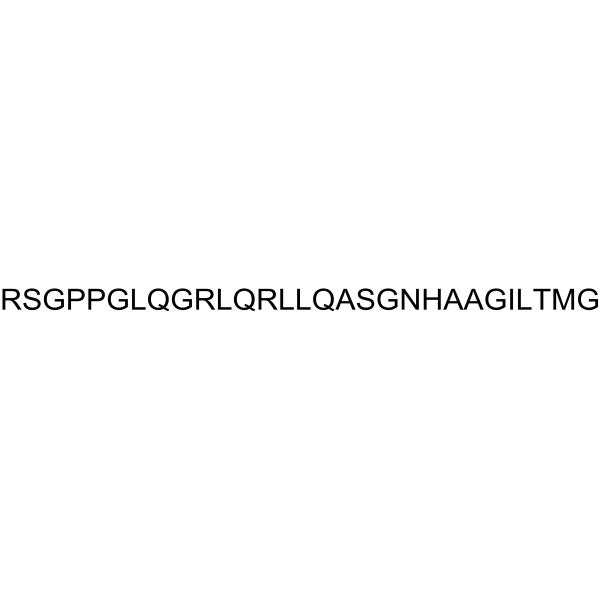
Hypocretin (70-98), human
 0 ImagesCat. No.: HY-P3867CAS No.: 1129545-33-0
Hypocretin (70-98), human is a polypeptide that is capable of binding to an orexin receptor OX1R and promotes apoptosis.
-
MI-773 TFA
 0 Images
MI-773 TFA is an orally active, selective MDM2-p53 interaction inhibitor with a Ki of 0.88 nM for MDM2. MI-773 TFA blocks the MDM2-TP53 interaction. MI-773 TFA potently activates p53. MI-773 TFA induces Apoptosis. MI-773 TFA causes tumor regression in xenograft models of adenoid cystic carcinoma. MI-773 TFA exhibits anticancer effects in neuroblastoma. MI-773 TFA can be used for the research of adenoid cystic carcinoma.
-
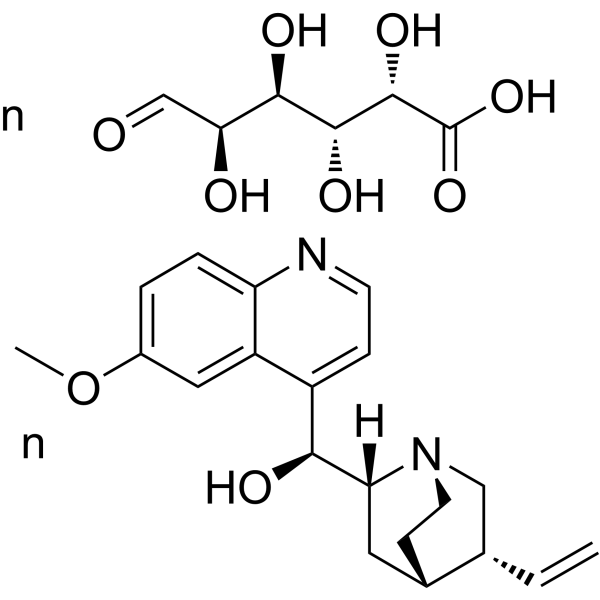
Quinidine polygalacturonate
 0 ImagesCat. No.: HY-B1751ECAS No.: 27555-34-6
Quinidine polygalacturonate is an orally active antiarrhythmic agent. Quinidine polygalacturonate reduces the expression level of P-gp, inhibits P-gp-mediated efflux, increases the intracellular accumulation of P-gp substrates, induces PARP cleavage and Caspase-3 activation, and elevates the proportion of Apoptotic cells at the sub-G1 phase. Quinidine polygalacturonate exerts sustained block and open-channel block effects on IK(f). Quinidine polygalacturonate alters the urinary metabolic ratio of Amphetamine, modulates the Pentylenetetrazol-induced seizure threshold, and regulates the anticonvulsant effect of Dextromethorphan. Quinidine polygalacturonate can be used in studies related to uterine sarcoma and seizures.
-
NL13
 0 ImagesCat. No.: HY-162895
NL13 is a Polo-like kinase 4 (PLK4) inhibitor with an IC50 value of 2.32 μM. NL13 can inhibit the viability of PC3 and DU145 prostate cancer cells, with IC50 values of 3.51 μM and 2.53 μM, respectively. NL13 can lead to the inactivation of the AKT signaling pathway by downregulating CCNB1/CDK1, inducing G2/M cell cycle arrest, and triggering apoptosis through the cleavage of caspase-9/caspase-3. In prostate cancer mice, NL13 can inhibit tumor growth.
-
ERK-IN-6
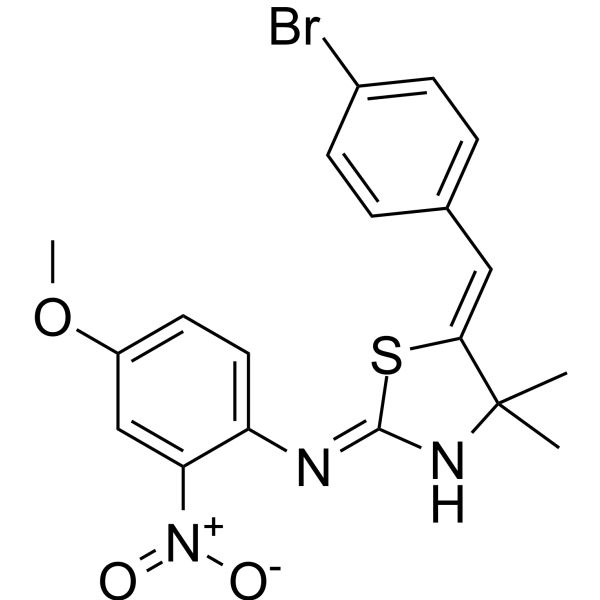 0 ImagesCat. No.: HY-151934
ERK-IN-6 (compound 6g) is an potent anti-proliferation agent against esophageal squamous cell carcinoma (ESCC). ERK-IN-6 induces cell apoptosis via ERK pathway. ERK-IN-6 can be used for the research of ESCC.
-
PI3K/Akt/mTOR-IN-4
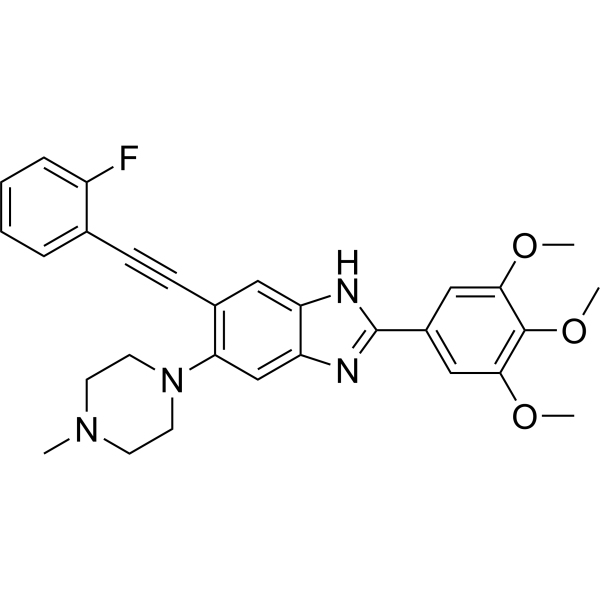 0 ImagesCat. No.: HY-163511
PI3K/Akt/mTOR-IN-4 (compound 4r) is a potent PI3K/Akt/mTOR and tubulin polymerization inhibitor. PI3K/Akt/mTOR-IN-4 induce apoptosis and cell cycle arrest at G2/M phase. PI3K/Akt/mTOR-IN-4 decreases the expression of p-PI3K, p-Akt, and p-mTOR, β-tubulin.
-
Ki11502
 0 Images
Ki11502 is a multi-targeted receptor tyrosine kinase (RTK) inhibitor that selectively inhibits the activity of PDGF β/α receptors with IC50 values less than 10 nM. Ki11502 selectively inhibits PDGF β receptor phosphorylation, proliferation, and proteoglycan synthesis in human vascular smooth muscle cells. Ki11502 can induce Apoptosis) and exhibits profound antiproliferative effects on select subsets of leukemia, including those with Imatinib (HY-15463) resistant mutations. Ki11502 is highly suitable for studying the role of PDGF in vascular diseases, particularly the role of proteoglycans in atherosclerosis.
-
SA-VA
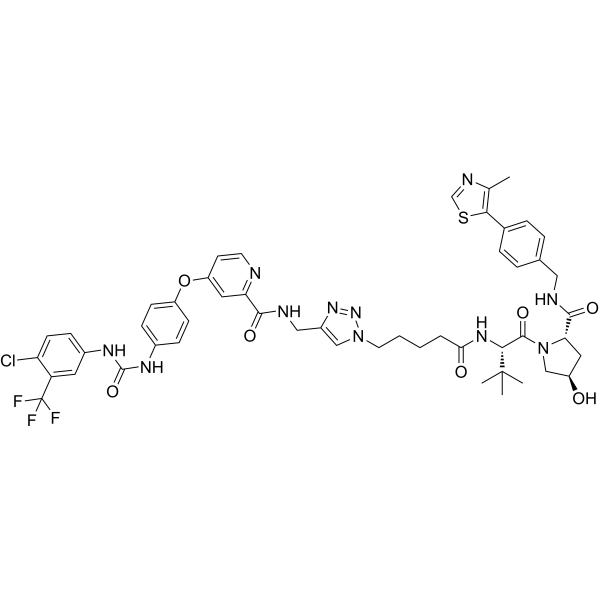 0 ImagesCat. No.: HY-155685CAS No.: 3058085-77-8
SA-VA is a heterobifunctional PROTAC molecule generated in situ via click chemistry, and acts as a degrader for VEGFR-2 and EphB4. SA-VA is self-assembled from the alkynyl precursor SA and the azide precursor VA through a copper ion-mediated intracellular click chemistry reaction, recruits the E3 ubiquitin ligase VHL to mediate the ubiquitination of target proteins, and triggers degradation via the proteasome pathway. SA-VA induces cell cycle arrest and apoptosis in U87 glioma cells. SA-VA can be used in cancer-related research.
-
UNC8209
 0 ImagesCat. No.: HY-183098
UNC8209 is a selective PROTAC-based TANK-binding kinase 1 (TBK1) degrader. UNC8209 recruits cereblon (CRBN) to mediate ubiquitin-proteasome pathway-dependent TBK1 degradation and reduces AAK1, GAK, and AURKA abundance. UNC8209 suppresses tumor cell proliferation, impairs in vivo tumor growth, inhibits colony and clonogenic growth and enhances tumor cell sensitivity to TNFα or IFN-γ. UNC8209 modulates cell cycle and induces mild apoptosis. UNC8209 can be used for the research of clear cell renal cell carcinoma, non-small cell lung cancer, pancreatic ductal adenocarcinoma.
-
Topoisomerase I inhibitor 5
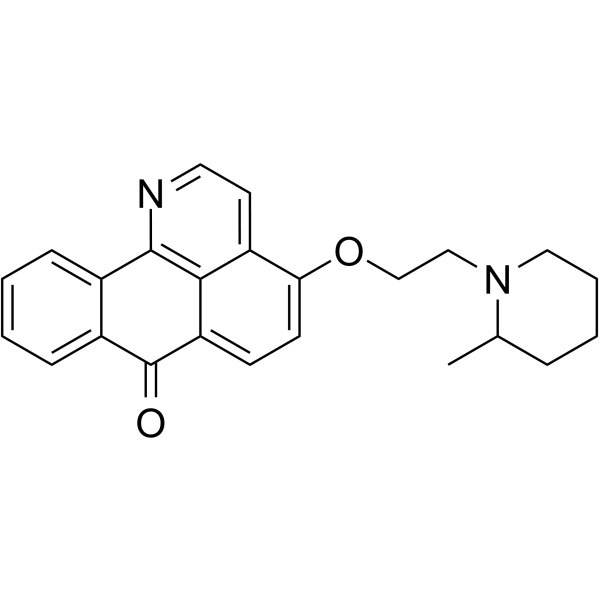 0 ImagesCat. No.: HY-144774CAS No.: 2513461-95-3
Topoisomerase I inhibitor 5 is an effective topoisomerase inhibitor with IC50 value of. Topoisomerase I inhibitor 5 can interfere with DNA and significantly inhibit the activity of Topoisomerase I. Topoisomerase I inhibitor 5 can arrest cell cycle at the G1 phase and induce MCF-7 cells apoptosis. Topoisomerase I inhibitor 5 has potency in reversing P-gp-mediated resistance to Adriamycin.
-
Tetrazanbigen
 0 ImagesCat. No.: HY-176249CAS No.: 2121990-04-1Synonyms: TNBG
Tetrazanbigen is a potent and selective antitumor agent. Tetrazanbigen exhibits strong antitumor efficacy against six human cancer cell lines with an IC50 range of 2.13-8.01 μg/mL and an IC50 of 11.25 μg/mL against normal hepatocytes. Tetrazanbigen induces S phase arrest and apoptosis in QGY-7701 cells. Tetrazanbigen exerts its antitumor activity by inducing lipid accumulation accumulation in cancer cells.
-
HBV-IN-23
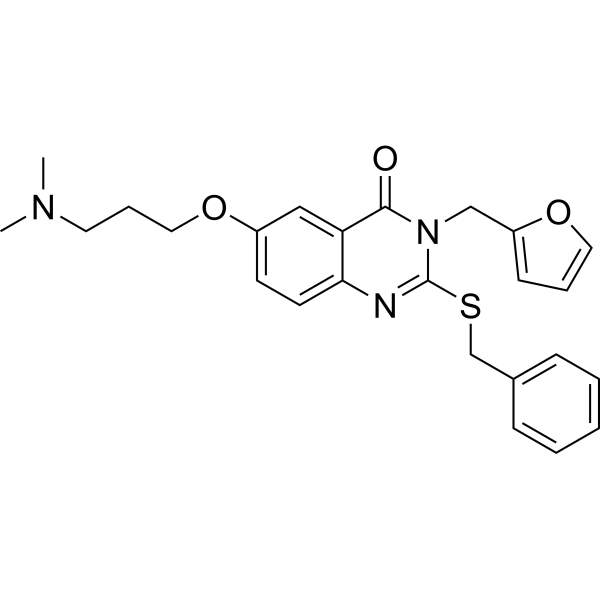 0 ImagesCat. No.: HY-146395CAS No.: 2413649-89-3
-
KCN1
 0 ImagesCat. No.: HY-123009CAS No.: 927823-01-6
KCN1 is a p300/HIF-1α interaction inhibitor with a Kd value of 345 nM for p300-CH1. KCN1 binds to the CH1 domain of p300, blocks the assembly of the p300/HIF-1α complex, and disrupts the HIF-1α-p300/CBP interaction. KCN1 inhibits cancer cell growth, induces cancer cell cycle arrest and apoptosis. KCN1 inhibits β-galactosidase activity and downregulates the expression of VEGF, Glut1, CA9 and CAIX. KCN1 exerts anticancer activity in mouse tumor xenograft models. KCN1 can be used in research related to malignant glioma, pancreatic cancer and metastatic uveal melanoma.
-
Thalidomide-5-O-C10-NH2 hydrochloride
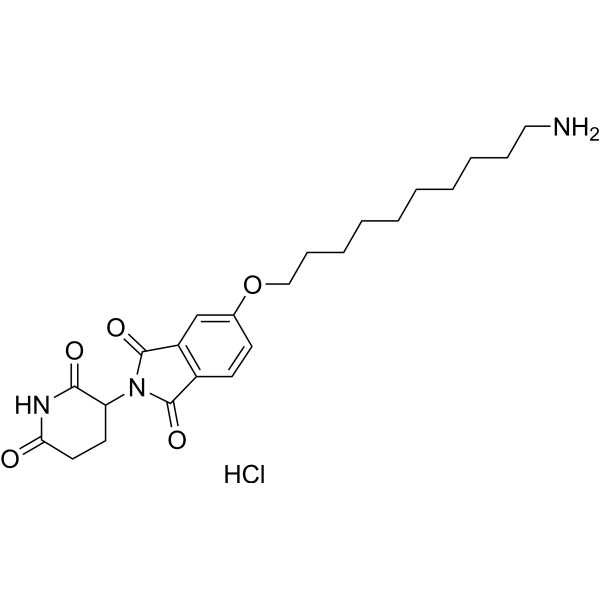 0 ImagesCat. No.: HY-149567Purity: 99.37%
Thalidomide-5-O-C10-NH2 hydrochloride is the Thalidomide (HY-10984)-based cereblon ligand used in the recruitment of CRBN protein.Thalidomide-5-O-C10-NH2 hydrochloride can be connected to the ligand for protein by a linker to form PROTACs.