



Atg8/LC3
Autophagy-related 8
Autophagy-related 8 proteins (Atg8s) are one of the 62 highly conserved eukaryote-specific protein families. Whereas yeast and other fungal species have a single Atg8 gene, multicellular animals, green plants and some protists have several. Animal Atg8 proteins comprise three subfamilies: microtubule-associated protein 1 light chain 3 (MAP1LC3, hereafter referred to as LC3), γ-aminobutyric acid receptor-associated protein (GABARAP) and Golgi-associated ATPase enhancer of 16 kDa (GATE-16).
Atg8 family members are expressed in various tissues, where they participate in multiple cellular processes, such as intracellular membrane trafficking and autophagy. Their role in autophagy has been intensively studied. Atg8 proteins undergo a unique ubiquitin-like conjugation to phosphatidylethanolamine on the autophagic membrane, a process essential for autophagosome formation.
All Product Categories
-
Atg8/LC3 Related Products (86)
Related Products (86)

-
Atiprimod
 0 ImagesCat. No.: HY-13559CAS No.: 123018-47-3Synonyms: Azaspirane ; SKF 106615-12; SKF 106615A12Atiprimod (Azaspirane) is a STAT3 inhibitor with antitumor, anti-inflammatory, and anti-angiogenic activities. Atiprimod blocks the signaling pathways of IL-6 and VEGF by inhibiting the phosphorylation of signal transducer and activator of STAT3. Atiprimod blocks the JAK-STAT signaling pathway by inhibiting the phosphorylation of JAK2 and JAK3. Atiprimod also inhibits cell proliferation, induces cell cycle arrest, and induces autophagy and apoptosis. Atiprimod triggers persistent ER stress-mediated apoptosis in breast cancer cells by activating the PERK/eIF2α/ATF4/CHOP axis and inhibiting the nuclear translocation of STAT3/NF-κB. Atiprimod shows great anti-tumor activities in tumor xenograft mouse models. Atiprimod can be used for the study of pituitary adenoma, breast cancer, multiple myeloma and acute myeloid leukemia (AML).
-
(Z)-GW 5074
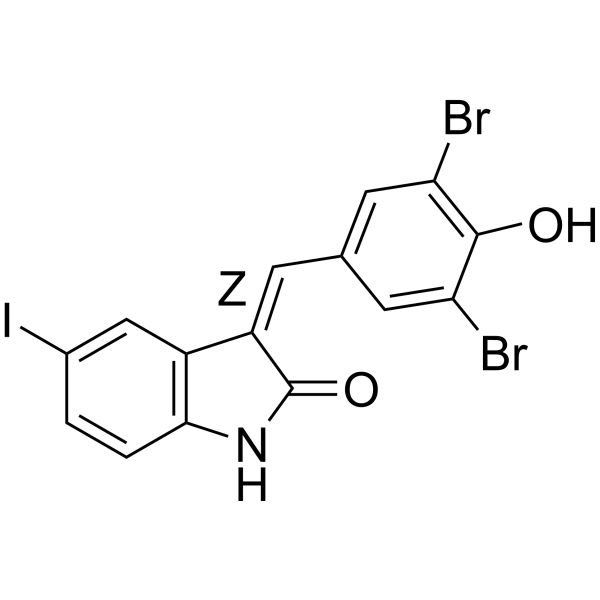 0 ImagesCat. No.: HY-10542ACAS No.: 1233748-60-1(Z)-GW 5074 is a compound which interacts with both mHTT (mutant huntingtin protein) and LC3, but not but not with the wild-type HTT protein. (Z)-GW 5074 inhibits c-Raf, shows no effect on autophagy, and is effective for neurodegenerative disorder.
-
Leupeptin
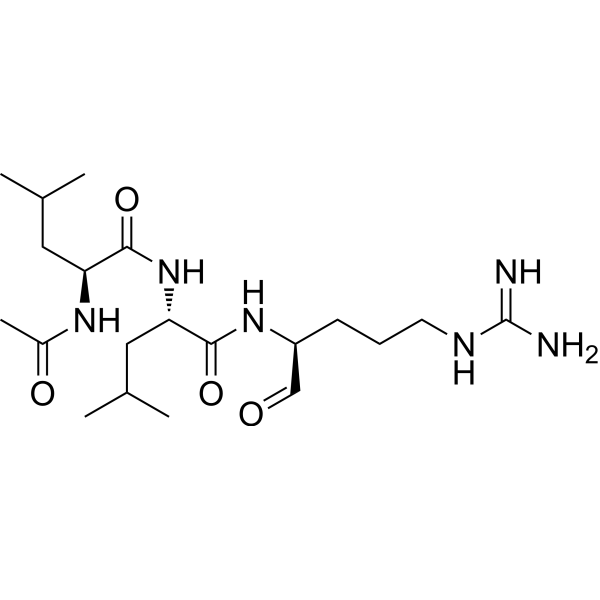 0 ImagesCat. No.: HY-18234CAS No.: 55123-66-5Leupeptin is a broad-spectrum protease inhibitor. By inhibiting the activation of the PTEN/PI3K/Akt/NF-κB/ERK1/2/p38 signaling pathway, Leupeptin significantly reduces LPS-induced NO and ROS production, mitochondrial membrane potential hyperpolarization, phagocytic activity, pro-inflammatory cytokine release, and M1 polarization in mouse peritoneal macrophages, and reverses autophagic flux impairment. It also decreases Concanavalin A (HY-P2149)-induced proliferation index of mouse splenic lymphocytes and the Th1/IL-10 and Th2/IL-10 cytokine ratios, thereby modulating innate and adaptive immune responses. Leupeptin inhibits blood coagulation and tumorigenesis in mouse skin. Leupeptin can be used in research on chronic inflammatory diseases and skin tumorigenesis.
-
Omeprazole magnesium
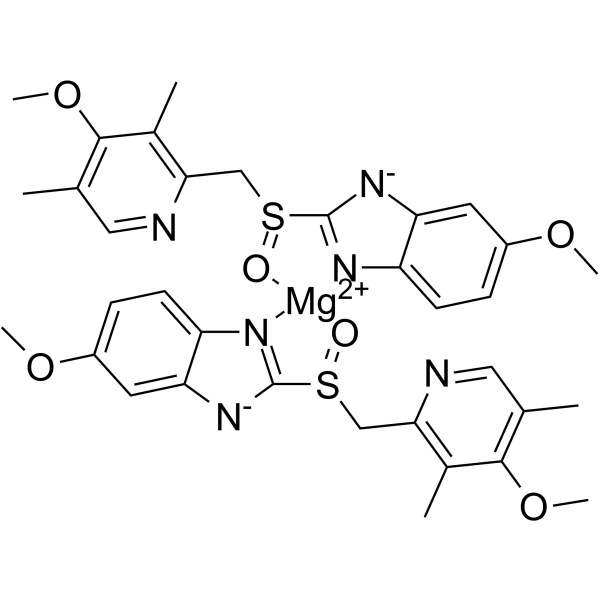 0 ImagesCat. No.: HY-109546CAS No.: 95382-33-5Omeprazole (H 16868) magnesium is an orally active H+,K+-ATPase inhibitor and a proton pump inhibitor. Omeprazole magnesium competitively inhibits CYP2C19, CYP3A4, and CYP2C9 activity. Omeprazole magnesium inhibits gastric acid secretion and can be used for acid-related gastrointestinal disorders. Omeprazole magnesium inhibits pancreatic cancer cell proliferation, induces apoptosis, autophagosome accumulation (elevated LC3-I and LC3-II levels), oxidative stress, and cytogenetic imbalance, modulates lysosomal transport, reduces inflammatory cytokines. Omeprazole magnesium alters small intestinal morphology and magnesium absorption, and induces gastric mucosa morphologic changes. Omeprazole magnesium also has neuroprotective and antibacterial effects.
-
PARP7-IN-27
 0 ImagesCat. No.: HY-189217CAS No.: 3051563-45-9PARP7-IN-27 is a blood-brain barrier-permeable and selective PARP7 inhibitor with an IC50 of 22.8 nM. PARP7-IN-27 alleviates neuroinflammation and astrocyte activation, mitigates autophagy-related alterations, reduces the levels of ischemia-associated pro-inflammatory factors, and maintains the expression of synaptic markers. PARP7-IN-27 can be used in studies related to ischemic stroke.
-
N-Desmethyl clomipramine hydrochloride (Standard)
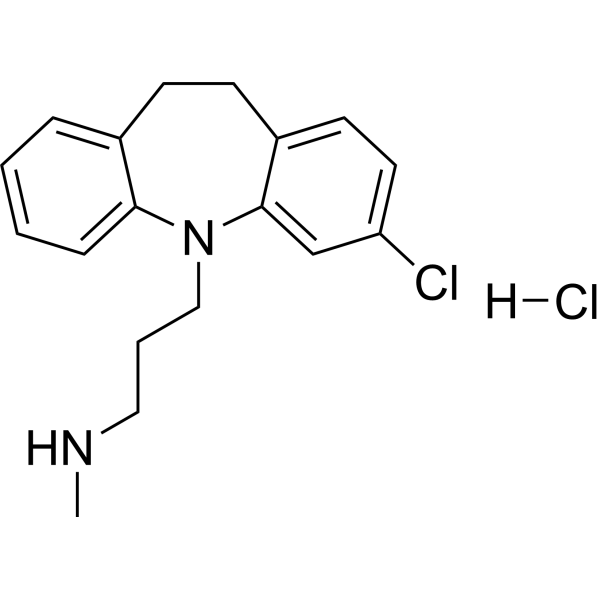 0 ImagesSynonyms: Desmethylclomipramine hydrochloride (Standard); Norclomipramine hydrochloride (Standard)N-Desmethyl clomipramine hydrochloride (Standard) (Desmethylclomipramine hydrochloride (Standard); Norclomipramine hydrochloride (Standard)) is the analytical standard of N-Desmethyl clomipramine hydrochloride (HY-12388A). This product is intended for research and analytical applications. N-Desmethyl clomipramine hydrochloride is the orally active major active metabolite of the tricyclic antidepressant Clomipramine (HY-B0457A), possessing multiple activities including anti-inflammatory, antioxidant, antibacterial, and antiparasitic effects. N-Desmethyl clomipramine hydrochloride blocks autophagosome-lysosome fusion, leading to the accumulation of LC3-II, p62, ATG7, WIPI2, and ATG5-12, reactivates the p53/p21 pathway, induces apoptosis through C-PARP and C-CAS3, and inhibits the proliferation, migration, and invasion of renal cancer cells. N-Desmethyl clomipramine hydrochloride inhibits LdTOPIA, inducing R-loop accumulation in the nucleus of Leishmania, ultimately causing parasite death. N-Desmethyl clomipramine hydrochloride can be used for research on depression, metastatic renal cell carcinoma, and leishmaniasis.
-
Atiprimod dimaleate
 0 ImagesCat. No.: HY-13559ACAS No.: 183063-72-1Synonyms: Azaspirane dimaleate; SKF 106615-12 dimaleate; SKF 106615A12 dimaleateAtiprimod (Azaspirane) (dimaleate) is a STAT3 inhibitor with antitumor, anti-inflammatory, and anti-angiogenic activities. Atiprimod blocks the signaling pathways of IL-6 and VEGF by inhibiting the phosphorylation of signal transducer and activator of STAT3. Atiprimod blocks the JAK-STAT signaling pathway by inhibiting the phosphorylation of JAK2 and JAK3. Atiprimod also inhibits cell proliferation, induces cell cycle arrest, and induces autophagy and apoptosis. Atiprimod triggers persistent ER stress-mediated apoptosis in breast cancer cells by activating the PERK/eIF2α/ATF4/CHOP axis and inhibiting the nuclear translocation of STAT3/NF-κB. Atiprimod shows great anti-tumor activities in tumor xenograft mouse models. Atiprimod can be used for the study of pituitary adenoma, breast cancer, multiple myeloma and acute myeloid leukemia (AML).
-
SHP2 protein degrader-3
 0 ImagesCat. No.: HY-175204SHP2 protein degrader-3 is a SHP2 AUTAC degrader. SHP2 protein degrader-3 shows dose-dependent SHP2 degradation ability (DC50 = 3.22 μM) and anti-tumor activity (IC50 = 5.59 μM) in HeLa cells. SHP2 protein degrader-3 induces degradation through the LC3-mediated autophagy pathway, which can be inhibited by lysosome inhibitors. SHP2 protein degrader-3 induces apoptosis in various cancer cells (HeLa cells, HepG2 cells, LoVo cells, Huh-7 cells) (SHP2 Ligand : (HY-100388); LC3 Ligand: (HY-10542); Linker : (HY-128834)).
-
TrxR-IN-2
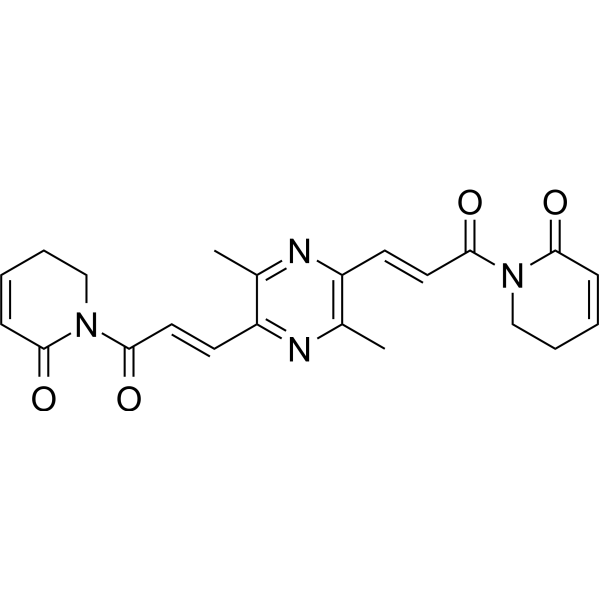 0 ImagesCat. No.: HY-132972CAS No.: 2866261-50-7TrxR-IN-2 is a thioredoxin reductase (TrxR) inhibitor. TrxR-IN-2 increases reactive oxidative species (ROS) levels and decreases mitochondrial transmembrane potential levels. TrxR-IN-2 triggers DNA damage via H2AX regulation, and induces autophagy via LC3, beclin-1, and p62 regulation. TrxR-IN-2 can be used for the research of drug-resistant hepatocellular carcinoma[1].
-
OSU-53
 0 ImagesCat. No.: HY-125535CAS No.: 1290069-19-0OSU-53 is an orally active AMPK activator and mTOR inhibitor, with an IC50 of 0.3 μM for AMPK, an EC50 of 2-5 μM for AMPK, and an IC50 of 8.23 μM for mTOR. OSU-53 inhibits the Akt signaling pathway, directly activates AMPK by binding to its autoinhibitory domain, reduces IKKβ-mediated phosphorylation of Foxo3a, blocks Akt-mediated phosphorylation of MDM2, and promotes the nuclear localization and stabilization of Foxo3a, while directly inhibiting mTOR. OSU-53 inhibits epithelial-mesenchymal transition (EMT), induces epithelial phenotype, suppresses invasion and metastasis, induces autophagy, inhibits the activation of ERK and Akt, reduces the secretion of nitric oxide and proinflammatory cytokines, and inhibits the migration of MDSC; at high doses, it induces MDSC apoptosis, attenuates the immunosuppressive effect of MDSC, reduces MDSC levels, and blocks incision-induced mechanical hyperalgesia. OSU-53 can be used in studies related to breast cancer, prostate cancer, thyroid cancer, melanoma and postoperative pain.
-
Omeprazole sodium (Standard)
 0 ImagesCat. No.: HY-B0113ARCAS No.: 95510-70-6Synonyms: H 16868 sodium (Standard)Omeprazole (sodium) (Standard) is the analytical standard of Omeprazole (sodium). This product is intended for research and analytical applications. Omeprazole sodium (H 16868) is an orally active H+,K+-ATPase inhibitor and a proton pump inhibitor. Omeprazole sodium competitively inhibits CYP2C19, CYP3A4, and CYP2C9 activity. Omeprazole sodium inhibits gastric acid secretion and can be used for acid-related gastrointestinal disorders. Omeprazole sodium inhibits pancreatic cancer cell proliferation, induces apoptosis, autophagosome accumulation (elevated LC3-I and LC3-II levels), oxidative stress, and cytogenetic imbalance, modulates lysosomal transport, reduces inflammatory cytokines. Omeprazole sodium alters small intestinal morphology and magnesium absorption, and induces gastric mucosa morphologic changes. Omeprazole sodium also has neuroprotective and antibacterial effects.
-
Xylitol-13C5
 0 ImagesCat. No.: HY-W768347Synonyms: Xylite-13C5Xylitol-13C5 (Xylite-13C5) is the 13C-labeled Xylitol (HY-N0538). Xylitol can be classified as a polyol and sugar alcohol, exhibiting inhibitory activity on cancer cell proliferation. It induces autophagy (Autophagy) and cell death in A549 cells by activating the autophagy signaling pathway, as evidenced by the increased expression of LC3-II and Atg5-Atg12 upon Xylitol treatment. Additionally, Xylitol inhibits acetaldehyde production by Candida species, thereby reducing their carcinogenic potential. In vivo, Xylitol induces alterations in the gut microbiota of mice, which may enhance cholesterol accumulation and upregulate hepatic ChREBP, while also slowing tumor growth in the B16F10 melanoma C57BL/6 mouse model.
-
EGFR/tubulin-IN-1
 0 ImagesCat. No.: HY-179049EGFR/tubulin-IN-1 (Compound 26) is a dual-target inhibitor of EGFR and tubulin. EGFR/tubulin-IN-1 significantly reduces the levels of p-EGFR, p-AKT, and p-ERK in cells, disrupting the microtubule structure of the cells. EGFR/tubulin-IN-1 significantly inhibits the proliferation of H1975 cells and significantly blocks the cells in the G2/M phase. EGFR/tubulin-IN-1 induces the expression of autophagy markers LC3B-II and Beclin-1, while down-regulating the expression of p62. EGFR/tubulin-IN-1 induces ferroptosis, with increased ROS content and depletion of glutathione (GSH). EGFR/tubulin-IN-1 inhibits epithelial-mesenchymal transition (EMT) and tumor metastasis. EGFR/tubulin-IN-1 has a significant tumor-suppressing effect in the H1975 transplanted tumor nude mouse model. EGFR/tubulin-IN-1 can be used for the study of non-small cell lung cancer.
-
ALLO-1
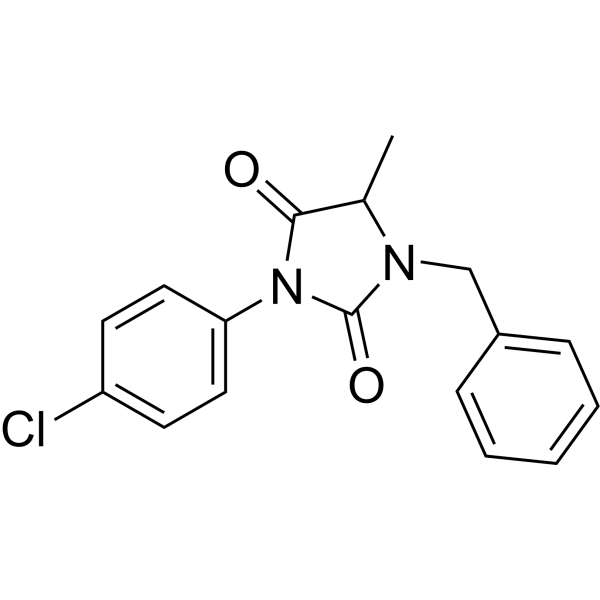 0 ImagesCat. No.: HY-121546CAS No.: 37468-32-9ALLO-1, an autophagy receptor, is essential for autophagosome formation around paternal organelles and directly binds to the worm LC3 homologue LGG-1 through its LC3-interacting region (LIR) motif.
-
XAN-5
 0 ImagesCat. No.: HY-181599XAN-5 is a mitochondrial DNA G-quadruplex (mtG4) ligand with a Kd of 3.8 μM. XAN-5 selectively binds and stabilizes mtG4 structures, disrupting mitochondrial gene transcription and DNA replication. XAN-5 triggers mitochondrial dysfunction, ROS overproduction, G0 phase arrest and caspase-dependent apoptosis. XAN-5 inhibits autophagy and induces immunogenic cell death. XAN-5 inhibits tumor growth in a mouse liver cancer model while enhancing tumor-infiltrating CD4+ and CD8+ T cells. XAN-5 targets two cancer resistance mechanisms simultaneously. XAN-5 can be used for the research of liver cancer.
-
EGFR-IN-187
 0 ImagesCat. No.: HY-180196EGFR-IN-187 (Compound 4d) is a selective EGFR inhibitor with an IC50 of 25.41 μM. EGFR-IN-187 can cause cancer cells S amd G2/M phase arrest and induce apoptosis and autophagy. EGFR-IN-187 upregulates CCNE1, Bax, LC3B-II and P27 expression and downregulates CCNA1 and Bcl-2 levels. EGFR-IN-187 can be used for the research of cancer, such as lung cancer.
-
TH152
 0 ImagesCat. No.: HY-168347CAS No.: 1622917-95-6TH152 is a reversible, pan ligand for LC3/GABARAP with a KD of 2 µM. LC3/GABARAP is an autophagy associated protein.
-
HUP-46
 0 ImagesCat. No.: HY-176749CAS No.: 3007689-83-7
-
N-Desmethyl clomipramine
 0 ImagesN-Desmethyl clomipramine (Desmethylclomipramine; Norclomipramine) is the orally active major active metabolite of the tricyclic antidepressant Clomipramine (HY-B0457A), possessing multiple activities including anti-inflammatory, antioxidant, antibacterial, and antiparasitic effects. N-Desmethyl clomipramine blocks autophagosome-lysosome fusion, leading to the accumulation of LC3-II, p62, ATG7, WIPI2, and ATG5-12, reactivates the p53/p21 pathway, induces apoptosis through C-PARP and C-CAS3, and inhibits the proliferation, migration, and invasion of renal cancer cells. N-Desmethyl clomipramine inhibits LdTOPIA, inducing R-loop accumulation in the nucleus of Leishmania, ultimately causing parasite death. N-Desmethyl clomipramine can be used for research on depression, metastatic renal cell carcinoma, and leishmaniasis.
-
Omeprazole-d3-1
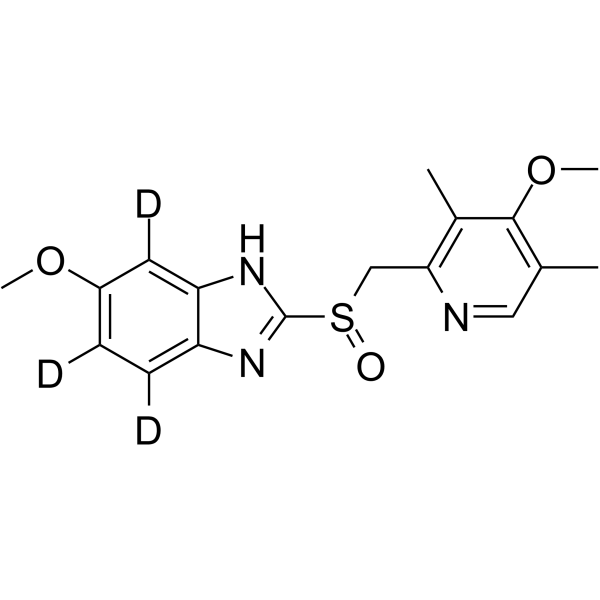 0 ImagesCat. No.: HY-B0113S1CAS No.: 934293-92-2Synonyms: H 16868-d3-1Omeprazole-d3-1 is the deuterium labeled Omeprazole. Omeprazole-1 (H 16868) is an orally active H+,K+-ATPase inhibitor and a proton pump inhibitor. Omeprazole-1 competitively inhibits CYP2C19, CYP3A4, and CYP2C9 activity. Omeprazole-1 inhibits gastric acid secretion and can be used for acid-related gastrointestinal disorders. Omeprazole-1 inhibits pancreatic cancer cell proliferation, induces apoptosis, autophagosome accumulation (elevated LC3-I and LC3-II levels), oxidative stress, and cytogenetic imbalance, modulates lysosomal transport, reduces inflammatory cytokines. Omeprazole-1 alters small intestinal morphology and magnesium absorption, and induces gastric mucosa morphologic changes. Omeprazole-1 also has neuroprotective and antibacterial effects.



