



Bacterial
Anything that destroys bacteria or suppresses their growth or their ability to reproduce. Heat, chemicals such as chlorine, and antibiotic drugs all have antibacterial properties. Many antibacterial products for cleaning and handwashing are sold today. Such products do not reduce the risk for symptoms of viral infectious diseases in otherwise healthy persons. This does not preclude the potential contribution of antibacterial products to reducing symptoms of bacterial diseases in the home.
All Product Categories
-
Bacterial Inhibitors
(7553)
View all products
-
Bacterial Agonists
(3)
View all products
-
Bacterial Antagonists
(9)
View all products
-
Bacterial Activators
(25)
View all products
-
Bacterial Modulators
(27)
View all products
-
Bacterial Chemicals
(2)
View all products
-
Bacterial Inducers
(6)
View all products
-
Bacterial Controls
(14)
View all products
-
Bacterial Substrates
(2)
View all products
-
Bacterial Ligand
(1)
View all products
-
Bacterial Related Products (8893)
Related Products (8893)

-
Antibodies (14)
-
Related Compound Screening Libraries (1)
-
Ribostamycin
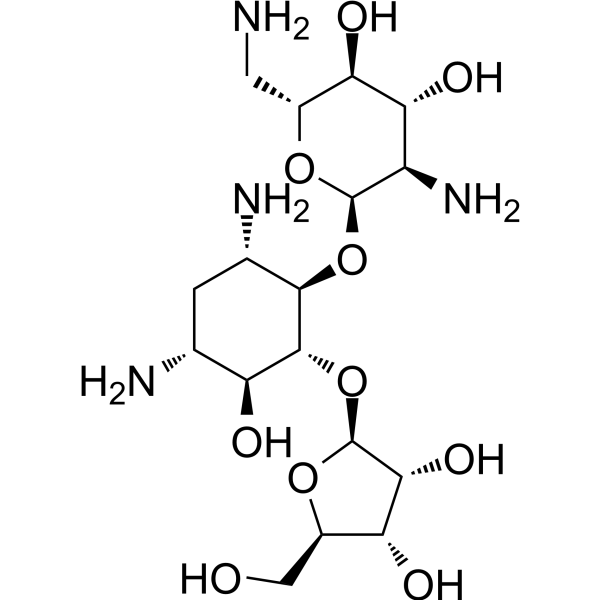 0 ImagesSynonyms: Vistamycin; SF-733Ribostamycin (Vistamycin) is a broad-spectrum aminoglycoside antibiotic. Ribostamycin is effective against Gram-Negative and Gram-Positive bacterial infection. Ribostamycin also inhibits the chaperone activity of PDI.
-
Phthalylsulfathiazole
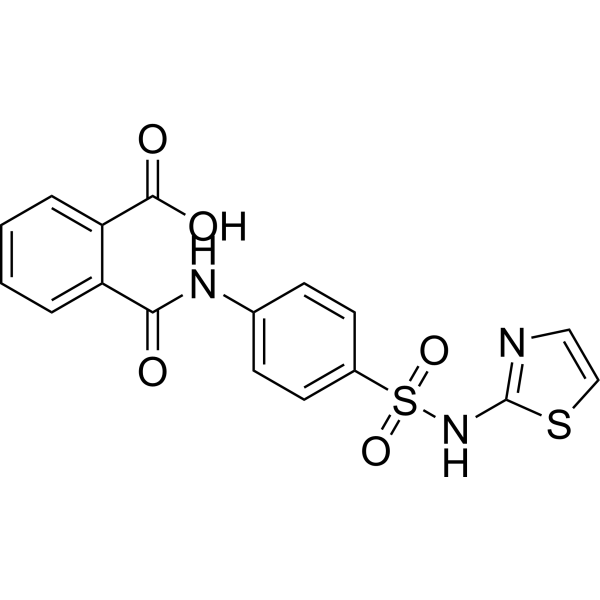 0 ImagesPhthalylsulfathiazole (N4-Phthalylsulfathiazole) is an orally active sulfonamide intestinal antibacterial agent. Phthalylsulfathiazole has low toxicity and excellent bacteriostatic efficacy. Phthalylsulfathiazole inhibits E. coli, streptococci, staphylococci, and total fecal bacteria. Phthalylsulfathiazole can be used in research related to intestinal infections such as colon infection, bacillary dysentery, and ulcerative colitis.
-
Sulfachloropyridazine
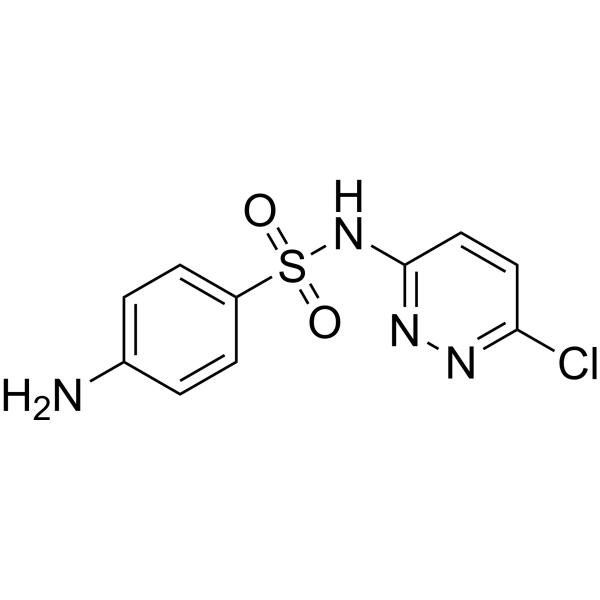 0 ImagesSulfachloropyridazine is a broad spectrum sulfonamide that can be used against both gram-positive and gram-negative aerobic bacteria as well as Chlamydia. Sulfachloropyridazine is also considered as a common pollutant in surface and groundwater. Sulfachloropyridazine via electro-Fenton is a model for sulfonamide antibiotics that are widespread in waters.
-
ATP-13C2 dilithium
 0 ImagesCat. No.: HY-B2176S7Synonyms: Adenosine 5'-triphosphate-13C2 dilithiumATP-13C2 (Adenosine 5'-triphosphate-ATP-13C2) dilithium is the 13C2-labeled ATP (HY-B2176). ATP is a central component of energy storage and metabolism in vivo. ATP provides the metabolic energy to drive metabolic pumps and serves as a coenzyme in cells. ATP is an important endogenous signaling molecule in immunity and inflammation. ATP can activate the NLRP3 inflammasome and induce IL-1β and chemokines secretion. ATP has anti-bacterial infection effects and can protect mice against bacterial infection in mice.
-
Ethylparaben-d4
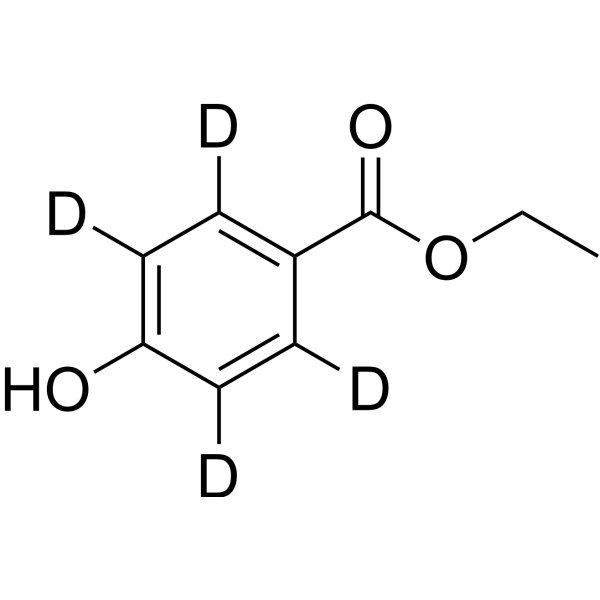 0 ImagesSynonyms: Ethyl parahydroxybenzoate-d4; Ethyl 4-hydroxybenzoate-d4Ethylparaben-d4 is the deuterium labeled Ethylparaben.
-
Elemicin-d3
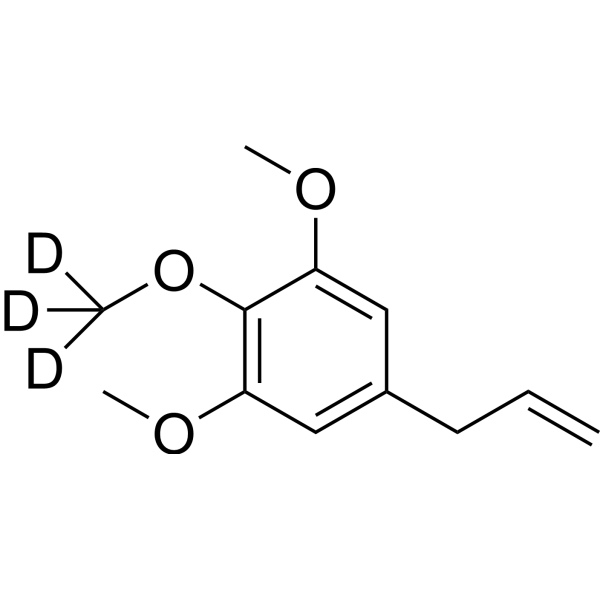 0 ImagesElemicin-d3 is deuterated labeled Pemafibrate (HY-17618). Pemafibrate is a highly selective PPARα agonist, with an EC50 of 1 nM.
-
Stigmasta-4,22-dien-3-one
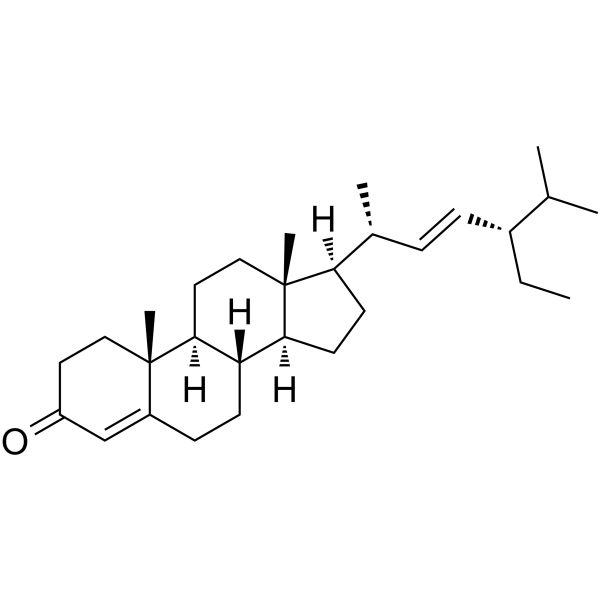 0 ImagesStigmasta-4,22-dien-3-one is an antitubercular agent. Stigmasta-4,22-dien-3-one shows cytotoxicity against human HT1080 tumoral cell line with an IC50 of 0.3 mM.
-
Licoflavonol
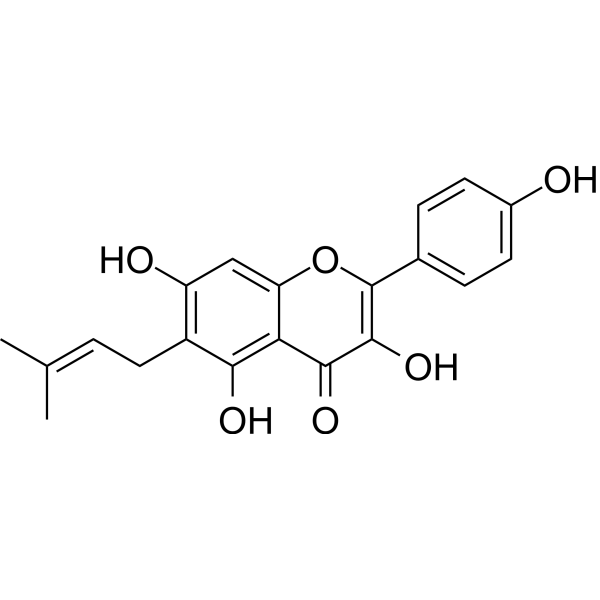 0 ImagesLicoflavonol, a minor flavone from the roots of Glycyrrhiza uralensis, is an inhibitor of the Salmonella type III secretion system (T3SS).
-
Thymidine-5'-diphosphate-L-rhamnose disodium
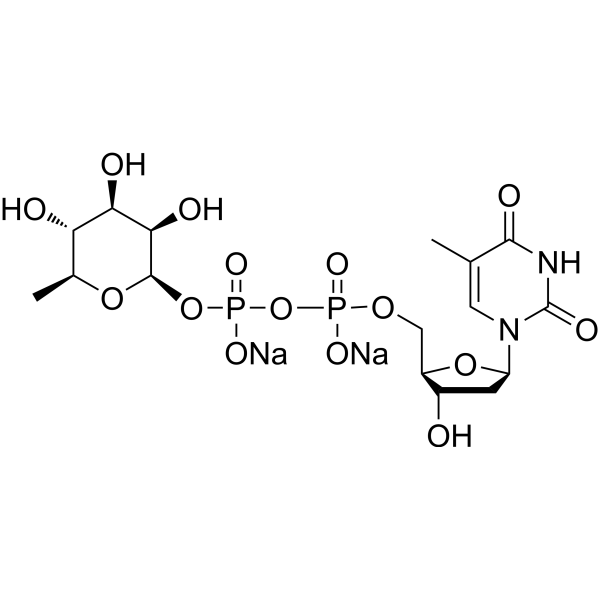 0 ImagesCat. No.: HY-N11102ACAS No.: 214753-67-0Synonyms: dTDP-L-Rhamnose disodiumThymidine-5'-diphosphate-L-rhamnose (dTDP-L-Rhamnose) disodium is a key activated nucleotide sugar in bacteria, with a KD value of 13 μM for Listeria monocytogenes RmlT. Thymidine-5'-diphosphate-L-rhamnose disodium acts as a high-energy donor for L-Rhamnose (HY-N1420), and is specifically used for the synthesis of bacterial cell wall polysaccharides, capsules and virulence factors.
-
Lascufloxacin
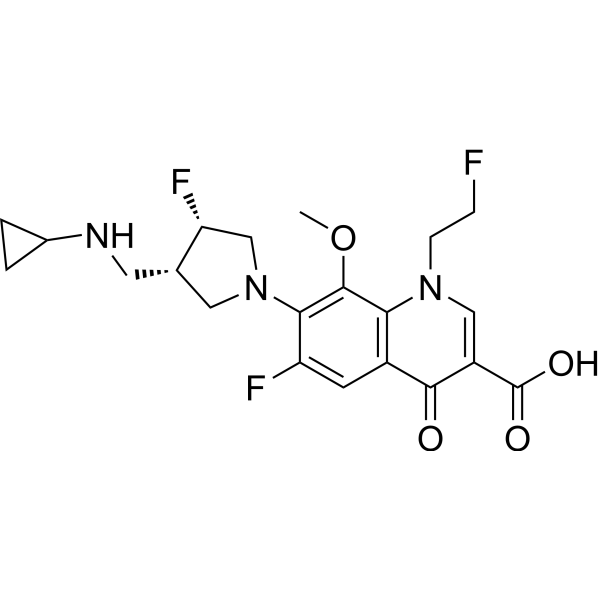 0 ImagesSynonyms: KRP-AM1977Lascufloxacin (KRP-AM1977X) is a potent and orally active fluoroquinolone antibacterial agent. Lascufloxacin potently inhibits infections caused by various pathogens, including quinolone-resistant strains. Lascufloxacin has the potential for various infectious diseases treatment, including lower respiratory tract infections.
-
Phlorizin dihydrate
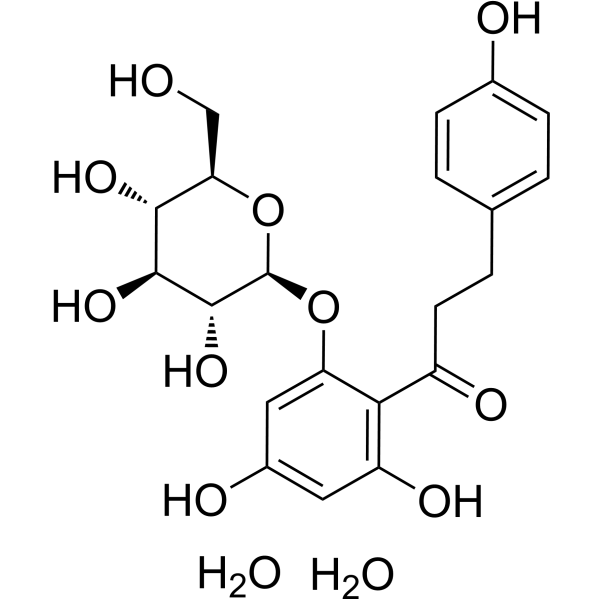 0 ImagesPhlorizin (Floridzin) dihydrate is an orally active non-selective sodium-glucose cotransporter (SGLT) inhibitor, with an IC50 of 0.04 μM and a Ki of 39 nM against hSGLT2, and an IC50 of 0.17 μM and a Ki of 0.31 μM against hSGLT1. Phlorizin dihydrate promotes GLUT4 translocation, inhibits gluconeogenesis and promotes glycogen synthesis by activating the PI3K/Akt/mTOR pathway. Phlorizin dihydrate reduces DNA damage and apoptosis (apoptosis) by inhibiting the NF-κB inflammatory pathway. Phlorizin dihydrate induces apoptosis via activating the Caspase pathway by antagonizing the JAK/STAT3 and PCK pathways. Phlorizin dihydrate also exhibits antibacterial, anti-inflammatory and neuroprotective activities.
-
Aztreonam-d6
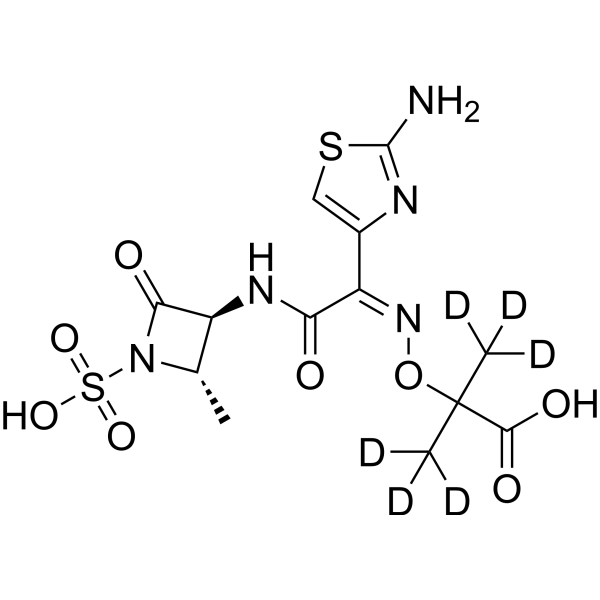 0 ImagesSynonyms: SQ-26,776-d6Aztreonam-d6 is deuterium labeled Aztreonam. Aztreonam (SQ-26,776) is a synthetic monocyclic beta-lactam antibiotic, which has a very high affinity for penicillin-binding protein 3 (PBP-3).
-
Fluorescein Di-β-D-Glucuronide
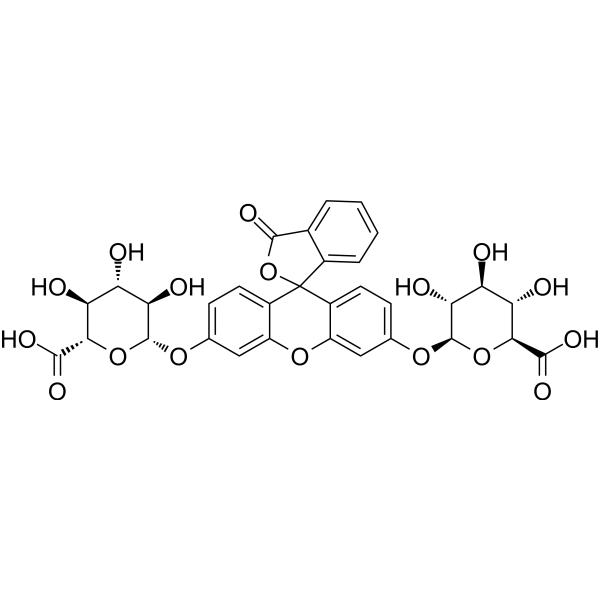 0 ImagesCat. No.: HY-D1460CAS No.: 134869-04-8Fluorescein Di-β-D-Glucuronide is an orally active fluorescent probe substrate and an indicator of β-glucuronidase (βG) activity in intestinal bacteria. Fluorescein Di-β-D-Glucuronide can be used for non-invasive time-lapse optical imaging of βG activity in intestinal bacteria in nude mice. Fluorescein Di-β-D-Glucuronide supports the quantitative analysis of bacterial βG enzyme activity and inhibition.
-
Aspochalasin D
 0 ImagesAspochalasin D is a co-metabolite originally isolated from A. microcysticus with aspochalasins A, B, and C, that is initially thought to be inactive. It has antibacterial activity against Gram-positive and Gram-negative bacteria at a concentration of 1 mg/ml.2 Aspochalasin D is more cytotoxic, via apoptosis, to Ba/F3-V12 cells in an IL-3-free medium than in an IL-3-containing medium (IC50s=0.49 and 1.9 μg/mL, respectively).
-
Ilimaquinone
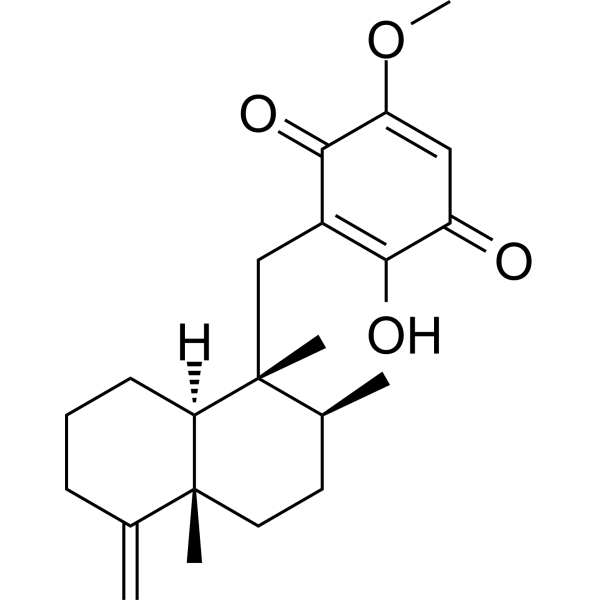 0 ImagesIlimaquinone, a marine sponge metabolite, displays anticancer activity via GADD153-mediated pathway. Ilimaquinone can induce vesiculation of the Golgi apparatus. Ilimaquinone exerts anti-HIV, anti-microbial, anti-inflammatory, and effects.
-
Tridecanoic acid-d25
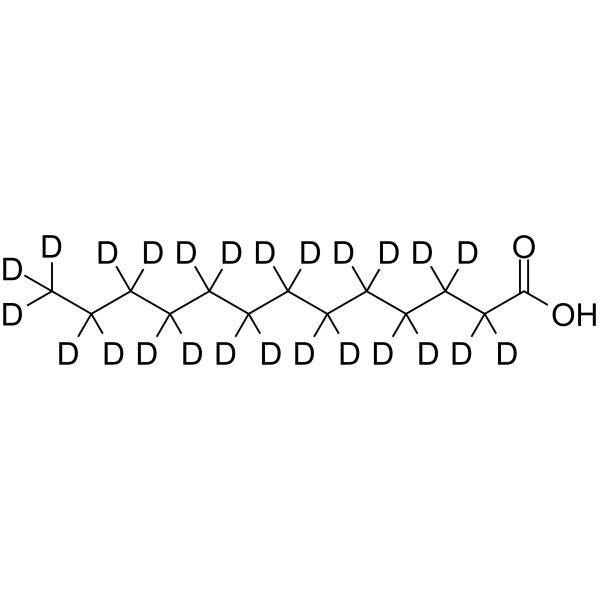 0 ImagesSynonyms: N-Tridecanoic acid-d25Tridecanoic acid-d25 is the deuterium labeled Tridecanoic acid. Tridecanoic acid (N-Tridecanoic acid), a 13-carbon medium-chain saturated fatty acid, can serve as an antipersister and antibiofilm agent that may be applied to research bacterial infections. Tridecanoic acid inhibits Escherichia coli persistence and biofilm formation.
-
HADA hydrochloride (solution)
 0 ImagesCat. No.: HY-DY1044CAS No.: 2253733-10-5HADA hydrochloride (HCC-Amino-D-alanine hydrochloride) is a blue (λem~450 nm) fluorescent D-amino acid (FDAA). FDAAs are efficiently incorporated into the peptidoglycans (PGs) of diverse bacterial species at the sites of PG biosynthesis, allowing specific and covalent probing of bacterial growth with minimal perturbation.
Solvent and concentration: DMSO: 50 mM
-
ATP-d14 dilithium
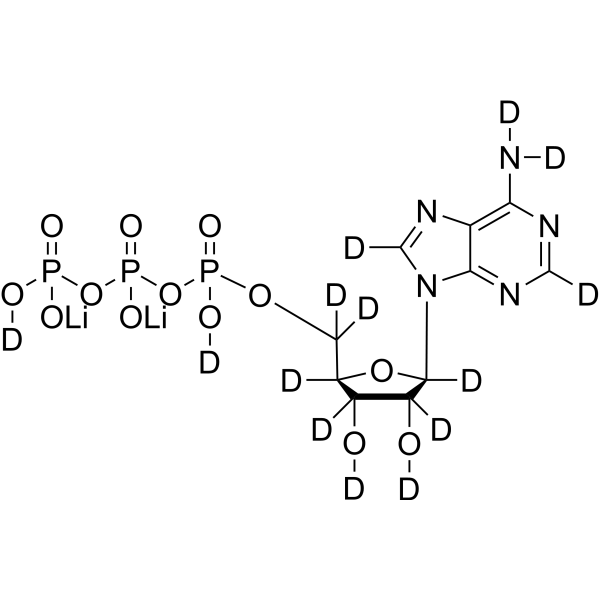 0 ImagesCat. No.: HY-B2176S4Purity: 99.98%Synonyms: Adenosine 5'-triphosphate-d14 dilithiumATP-d14 (Adenosine 5'-triphosphate-ATP-d14) dilithium is the d14-labeled ATP (HY-B2176). ATP is a central component of energy storage and metabolism in vivo. ATP provides the metabolic energy to drive metabolic pumps and serves as a coenzyme in cells. ATP is an important endogenous signaling molecule in immunity and inflammation. ATP can activate the NLRP3 inflammasome and induce IL-1β and chemokines secretion. ATP has anti-bacterial infection effects and can protect mice against bacterial infection in mice.




