



Bacterial
Anything that destroys bacteria or suppresses their growth or their ability to reproduce. Heat, chemicals such as chlorine, and antibiotic drugs all have antibacterial properties. Many antibacterial products for cleaning and handwashing are sold today. Such products do not reduce the risk for symptoms of viral infectious diseases in otherwise healthy persons. This does not preclude the potential contribution of antibacterial products to reducing symptoms of bacterial diseases in the home.
All Product Categories
-
Bacterial Inhibitors
(7553)
View all products
-
Bacterial Agonists
(3)
View all products
-
Bacterial Antagonists
(9)
View all products
-
Bacterial Activators
(25)
View all products
-
Bacterial Modulators
(27)
View all products
-
Bacterial Chemicals
(2)
View all products
-
Bacterial Inducers
(6)
View all products
-
Bacterial Controls
(14)
View all products
-
Bacterial Substrates
(2)
View all products
-
Bacterial Ligand
(1)
View all products
-
Bacterial Related Products (8893)
Related Products (8893)

-
Antibodies (14)
-
Related Compound Screening Libraries (1)
-
Pyrazinamide-d3
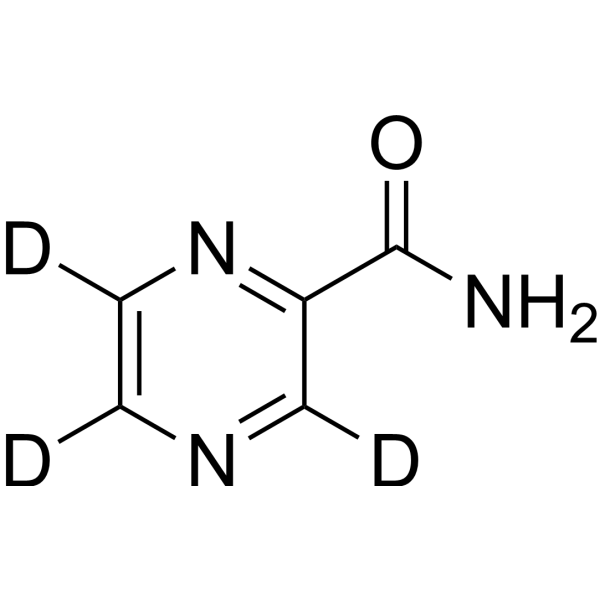 0 ImagesSynonyms: Pyrazinecarboxamide-d3; Pyrazinoic acid amide-d3Pyrazinamide-d3 is deuterium labeled Pyrazinamide. Pyrazinamide (Pyrazinecarboxamide; Pyrazinoic acid amide) is a potent and orally active antitubercular antibiotic. Pyrazinamide is a proagent that is converted to the active form pyrazinoic acid (POA) by PZase/nicotinamidase encoded by the pncA gene in M. tuberculosis.
-
Sulfapyridine (Standard)
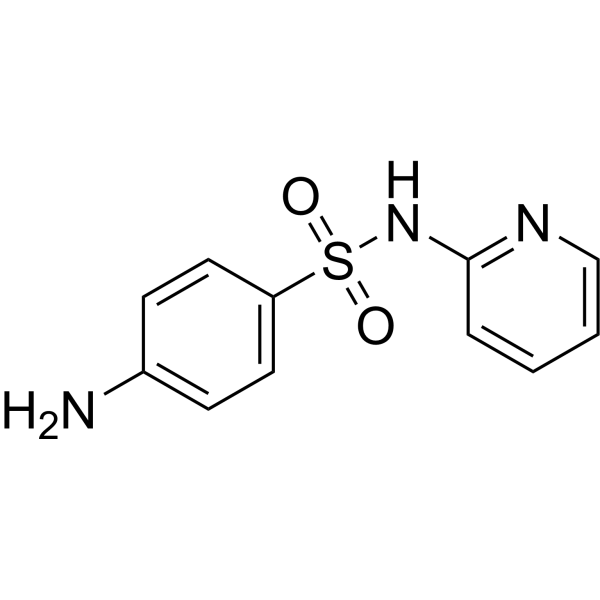 0 ImagesSulfapyridine (Standard) is the analytical standard of Sulfapyridine. This product is intended for research and analytical applications. Sulfapyridine, a major metabolite of Sulfasalazine, is a sulfonamide antibiotic agent. Sulfapyridine inhibits recombinant P. carinii dihydropteroate synthetase (DHPS) with an IC50 of 0.18 μM. Sulfapyridine has antibacterial, anti-inflammatory and anti-rheumatic activities.
-
Benzoyl isothiocyanate
 0 ImagesBenzoyl isothiocyanate is an aromatic isothiocyanate derivative with antibacterial and acaricidal activities. Benzoyl isothiocyanate inhibits the growth of specific oral bacteria, and also serves as an intermediate for the synthesis of heterocyclic compounds such as thiazolidine and quinazoline derivatives. Benzoyl isothiocyanate exhibits acaricidal activity against Dermatophagoides farina (dust mite) and D. pteronyssinus (house dust mite). Benzoyl isothiocyanate can be used in research related to bacterial infection, pest control and organic synthesis.
-
2,4-Dichlorobenzenesulfonyl chloride
 0 ImagesCat. No.: HY-W013409CAS No.: 16271-33-32,4-Dichlorobenzenesulfonyl chloride (Compound 6d) is a heterocyclic building block, which can be used in the synthesis of nicotinyl arylsulfonylhydrazides with anticancer and antibacterial activities.
-
Acetyl-CoA Carboxylase-IN-1
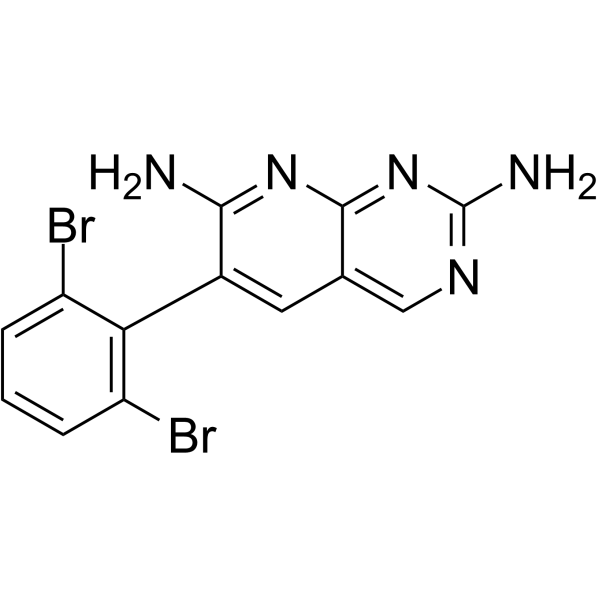 0 ImagesAcetyl-CoA Carboxylase-IN-1 is a potent acetyl-CoA carboxylase (ACC) inhibitor with an IC50 value of <5 nM. Acetyl-CoA Carboxylase-IN-1 has antibacterial activity.
-
Metronidazole-13C2,15N2
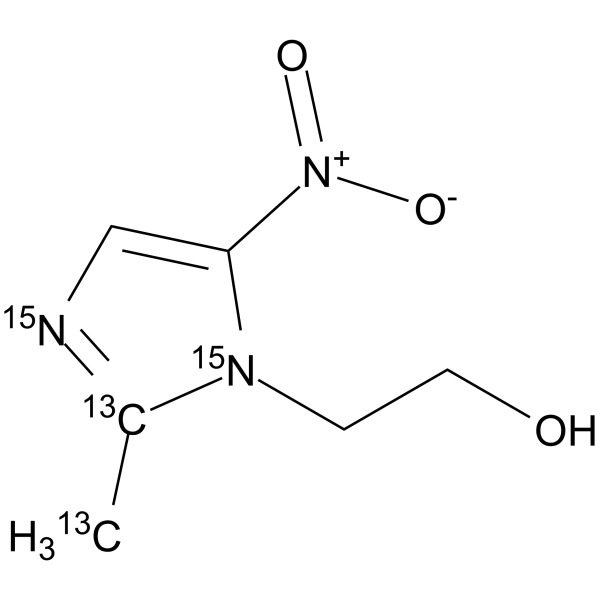 0 ImagesMetronidazole-13C2,15N2 is the 13C-labeled and 15N-labeled Metronidazole. Metronidazole is a nitroimidazole antibiotic medication used particularly for anaerobic bacteria and protozoa.
-
Benzothiohydrazide
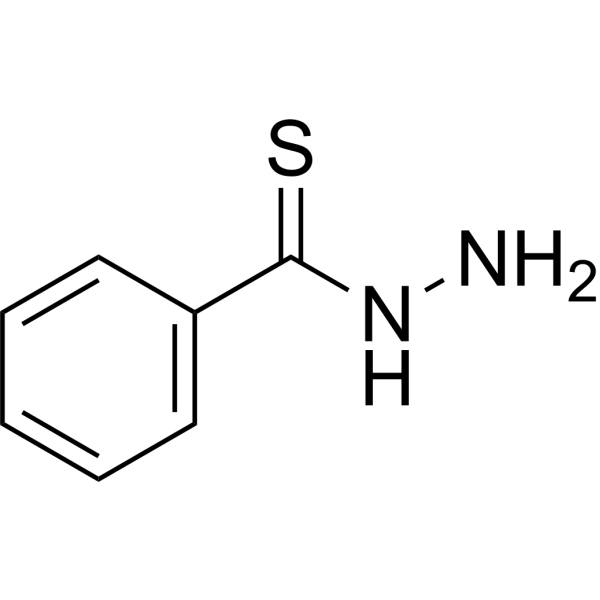 0 ImagesBenzothiohydrazide is an analogue of anti–tubercular agent Isoniazid. Benzothiohydrazide exhibits anti–tubercular activity, with MICs of 132 μM and 264 μM for M. tuberculosis wild type (H37Rv) and clinical mutant strains (IC1 and IC2).
-
2,6-Dichlorodiphenylamine
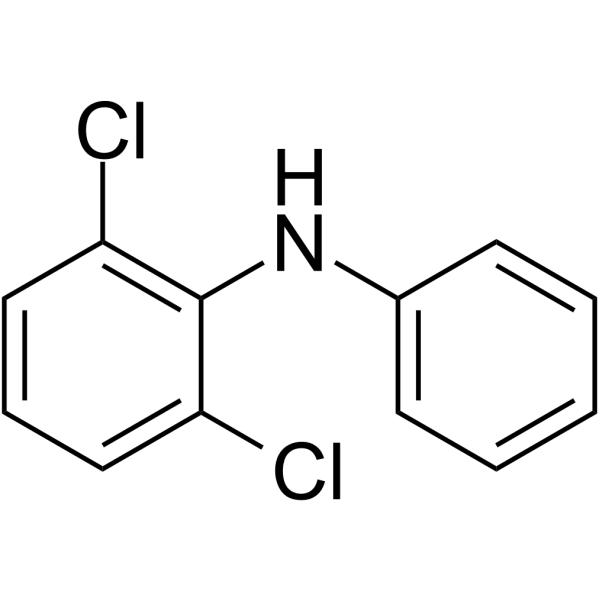 0 ImagesSynonyms: 2,6-Dichloro-N-phenylaniline2,6-Dichlorodiphenylamine is an analogue of Diclofenac Sodium (HY-15037) and has anti-Candida albicans activity. Diclofenac Sodium is a potent and nonselective anti-inflammatory agent, acts as a COX inhibitor, with IC50s of 4 and 1.3 nM for human COX-1 and COX-2 in CHO cells.
-
Bac7(1-35) acetate
 0 ImagesCat. No.: HY-P5731APurity: 98.88%Bac7(1-35) acetate is a proline-rich antimicrobial peptide. Bac7(1-35) acetate efficiently binds to different regions of prokaryote ribosomes, leading to the inhibition of protein synthesis. Bac7(1-35) acetate demonstrates in vitro activity against P. aeruginosa strains.
-
4-Heptyloxyphenol
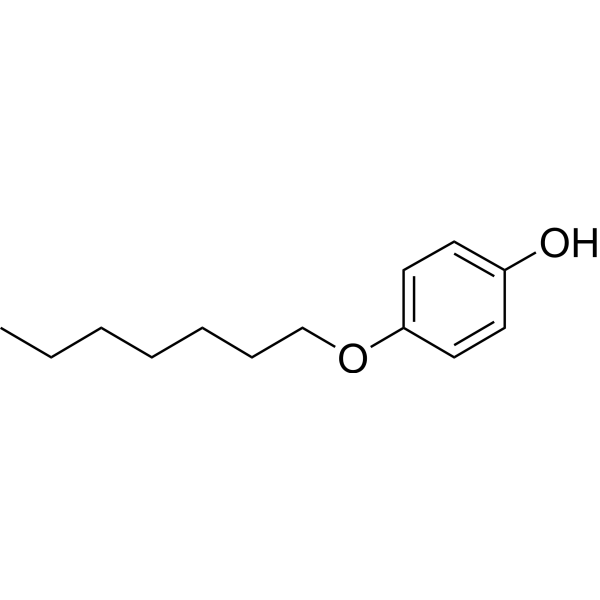 0 ImagesSynonyms: p-(Heptyloxy)phenol4-Heptyloxyphenol (p-(heptyloxy)phenol) has antibacterial activity agaisnt P. gingivalis, S. artemidis, Str. sobrinus (MIC: 0.10, 0.21, 0.14 mM).
-
Kendomycin
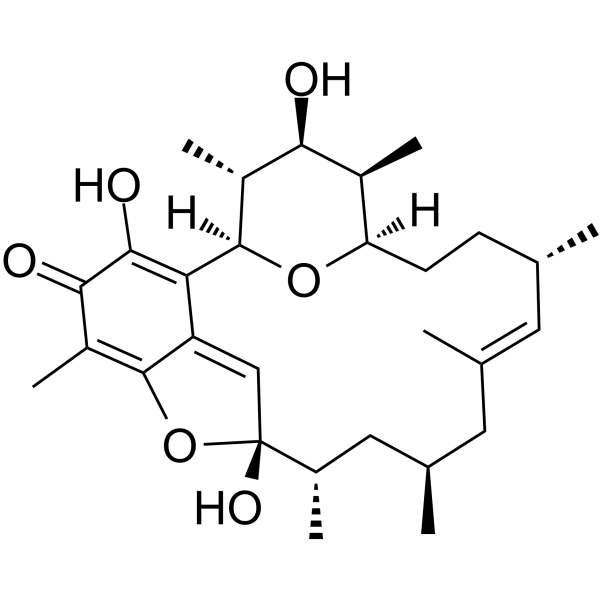 0 ImagesCat. No.: HY-121300CAS No.: 183202-73-5Synonyms: (-)-TAN2162Kendomycin ((−)-TAN 2162) is a polyketide antibiotic with remarkable antibacterial and cancer cells cytotoxic activities. Kendomycin tends to be bacteriostatic rather than bactericidal and inhibits the growth of the methicillin-resistant Staphylococcus aureus (MRSA) strain COL at a low concentration (MIC of 5 μg/mL). Kendomycin is a potent antagonist of the endothelin receptor and a calcitonin receptor agonist which plays its role as an anti-osteoporotic agent.
-
Grepafloxacin hydrochloride
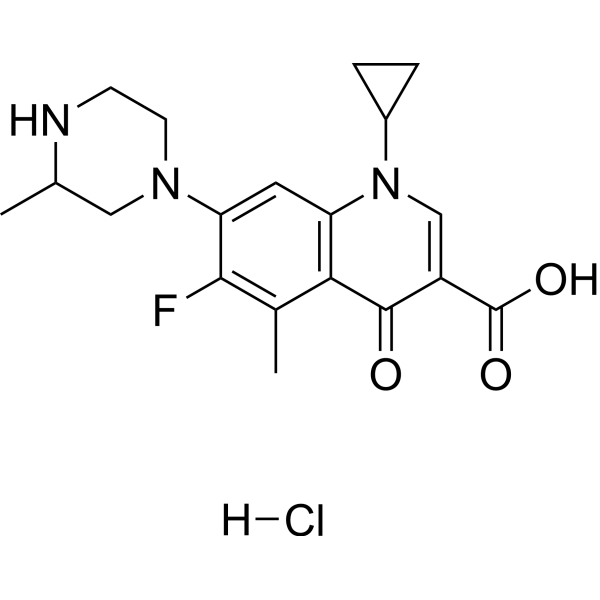 0 ImagesSynonyms: OPC-17116 hydrochloride; dl-Grepafloxacin hydrochlorideGrepafloxacin (OPC-17116) hydrochloride is an oral actively fluoroquinolone antibiotic with potent activity against community-acquired respiratory pathogens including Streptococcus pneumonia. Grepafloxacin hydrochloride has high tissue penetration and a promising pharmacodynamic profile.
-
Cefmetazole
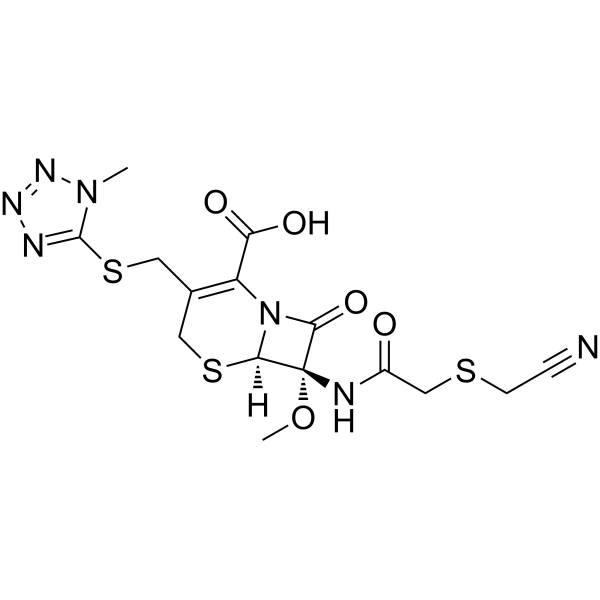 0 ImagesSynonyms: CS 1170Cefmetazole (CS 1170) is a semisynthetic cephamycin antibiotic with broad-spectrum antibacterial activity, covering gram-positive, gram-negative and anaerobic bacteria. Cefmetazole binds to penicillin binding proteins (PBPs), resulting in interfering bacterial cell wall biosynthesis. Cefmetazole is used for the research of gynecologic, intraabdominal, urinary tract, respiratory tract and skin and soft tissue infections.
-
Vulpinic acid
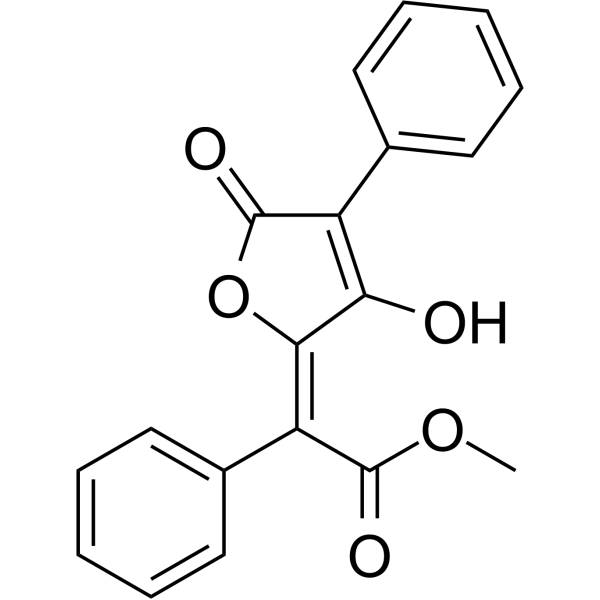 0 ImagesVulpinic acid, a lichen metabolite, decreases H2O2-induced ROS production, oxidative stress and oxidative stress-related damages in human umbilical vein endothelial cells (HUVEC). Vulpinic acid is active against staphylococci, enterococci, and anaerobic bacteria.Vulpinic acid has the potential for atherosclerosis research.
-
p-Anisic acid-d4
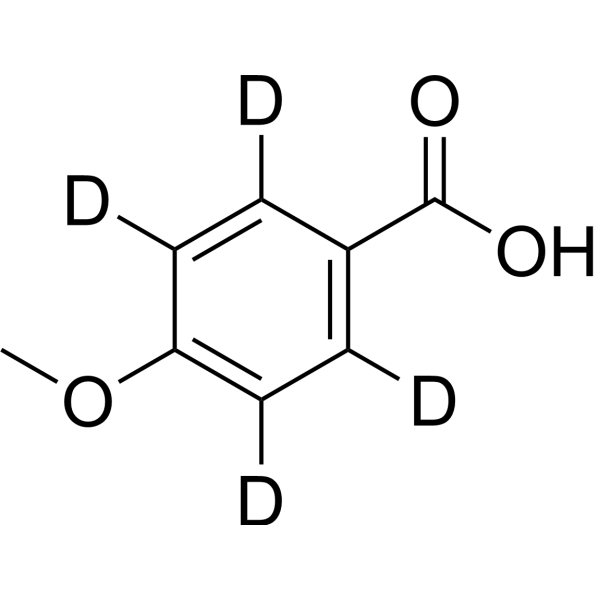 0 ImagesSynonyms: 4-Methoxybenzoic acid-d4; Draconic acid-d4p-Anisic acid-d4 is the deuterium labeled p-Anisic acid. p-Anisic acid (4-Methoxybenzoic acid) is one of the isomers of anisic acid, with anti-bacterial and antiseptic properties.
-
Qstatin
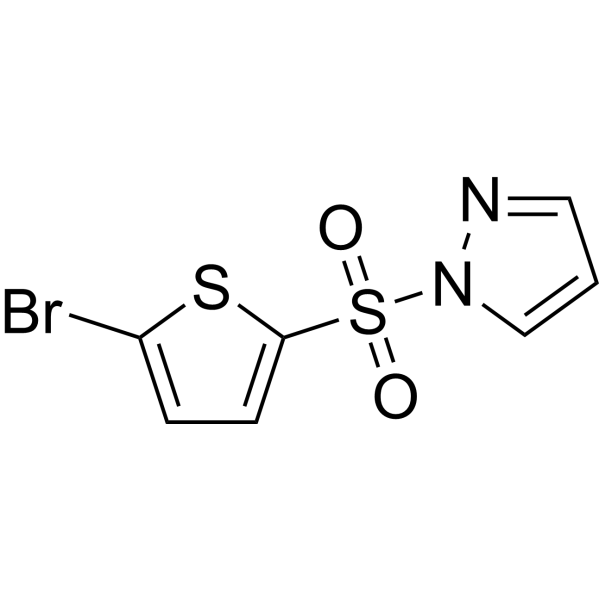 0 ImagesQStatin is a potent and selective inhibitor of SmcR (V. harveyi LuxR homologue) with an EC50 of 208.9 nM, binding tightly to SmcR and changes the flexibility of the protein, thereby altering its transcription regulatory activity. QStatin shows pan-QS (Vibrio quorum sensing) inhibitor activity in diverse Vibrio species and attenuates their virulence in an aquatic host. QStatin may be a sustainable antivibriosis agent useful in aquacultures.

-
Destruxin A
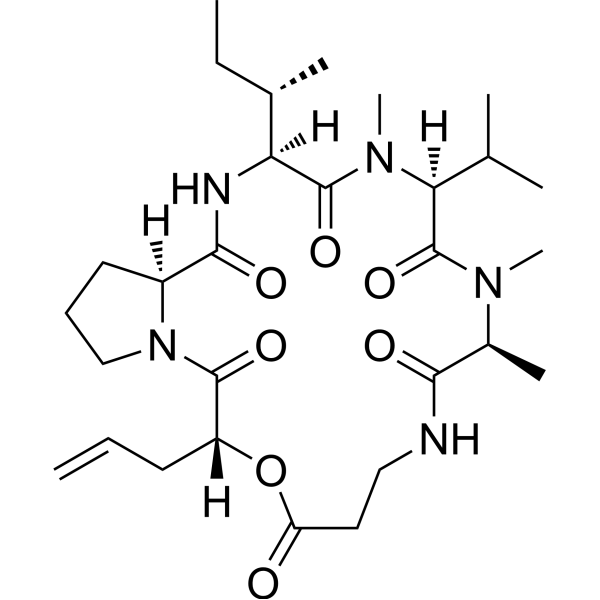 0 ImagesDestruxin A is a fungal cyclopeptide with insecticidal and antiviral activities. Destruxin A has a certain inhibitory effect on leukemia cells in vitro. Destruxin A can also specifically inhibit the innate immune response of Drosophila melanogaster, making the flies more susceptible to bacterial infections.




