Epigenetic Reader Domain
Epigenetic regulators of gene expression and chromatin state include so-called writers, erasers, and readers of chromatin modifications.Well-characterized examples of reader domains include bromodomains typically binding acetyllysine and chromatin organization modifier (chromo), malignant brain tumor (MBT), plant homeodomain (PHD), and Tudor domains generally associating with methyllysine. Research on epigenetic readers has been tremendously influenced by the discovery of selective inhibitors targeting the bromodomain and extraterminal motif (BET) family of acetyl-lysine readers. The human genome encodes 46 proteins containing 61 bromodomains clustered into eight families. Distinct experimental approaches are used to identify the first BET inhibitors, GSK 525762A and (+)-JQ-1.
The Polycomb group (PcG) protein, enhancer of zeste homologue 2 (EZH2), has an essential role in promoting histone H3 lysine 27 trimethylation (H3K27me3) and epigenetic gene silencing. This function of EZH2 is important for cell proliferation and inhibition of cell differentiation, and is implicated in cancer progression. Cyclin-dependent kinases regulate epigenetic gene silencing through phosphorylation of EZH2. In many types of cancers including lymphomas and leukemia, EZH2 is postulated to exert its oncogenic effects via aberrant histone and DNA methylation, causing silencing of tumor suppressor genes.
p300/CBP is not only a transcriptional adaptor but also a histone acetyltransferase.
Epigenetic Reader Domain Isoform Specific Products
-
Epigenetic Reader Domain
(434)
View all products
-
Brd
(3)
View all products
-
BRPF1
(9)
View all products
-
BRPF2
(5)
View all products
-
BRPF3
(2)
View all products
-
BRD2
(66)
View all products
-
BRD3
(62)
View all products
-
BRD4
(298)
View all products
-
BRDT
(26)
View all products
-
CECR2
(4)
View all products
-
BD1
(9)
View all products
-
BD2
(9)
View all products
-
BRD7
(9)
View all products
-
BRD9
(55)
View all products
-
BET
(22)
View all products
-
BAZ
(1)
View all products
All Product Categories
-
Epigenetic Reader Domain Inhibitors
(583)
View all products
-
Epigenetic Reader Domain Agonists
(3)
View all products
-
Epigenetic Reader Domain Antagonists
(2)
View all products
-
Epigenetic Reader Domain Activators
(11)
View all products
-
Epigenetic Reader Domain Modulators
(3)
View all products
-
Epigenetic Reader Domain Chemicals
(2)
View all products
-
Epigenetic Reader Domain Inducer
(1)
View all products
-
Epigenetic Reader Domain Degraders
(165)
View all products
-
Epigenetic Reader Domain Controls
(12)
View all products
-
Epigenetic Reader Domain Substrate
(1)
View all products
-
Epigenetic Reader Domain Ligands
(28)
View all products
-
Epigenetic Reader Domain Related Products (888)
Related Products (888)

-
Antibodies (109)
-
Epigenetic Reader Domain Isoform Comparison
-
BETd-260
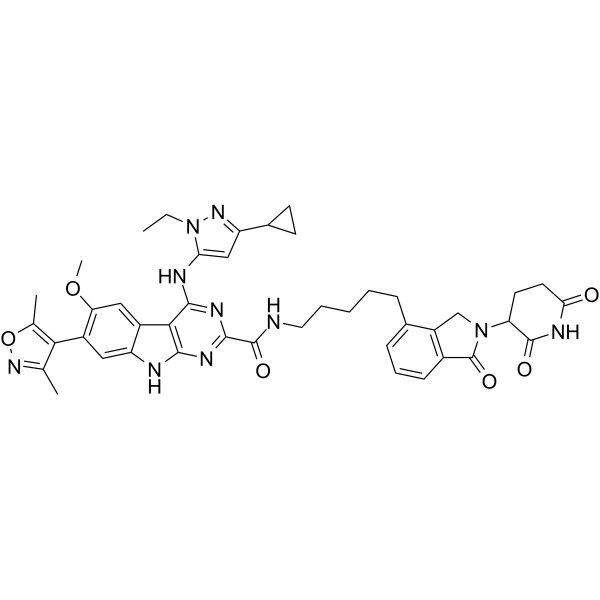 0 ImagesSynonyms: ZBC 260BETd-260 (ZBC 260) is a BET PROTAC degrader. BETd-260 recruits BRD2, BRD3, and BRD4 to the CUL4-RBX1-DDB1-CRBN E3 ubiquitin ligase complex, driving cereblon-, proteasome-, and NEDD8-activating enzyme-dependent ubiquitination and degradation, with a DC50 of approximately 30-100 pM in RS4;11 cells. BETd-260 induces cancer cell apoptosis via endogenous signaling pathways, regulates the expression of the Bcl-2 family, inhibits the oncogene c-Myc, and reduces cell viability. BETd-260 suppresses tumor growth in mouse xenograft models with good biosafety. BETd-260 can be used in research related to acute leukemia, hepatocellular carcinoma, osteosarcoma, and triple-negative breast cancer.
-
PROTAC BRD4 Degrader-5-CO-PEG3-N3
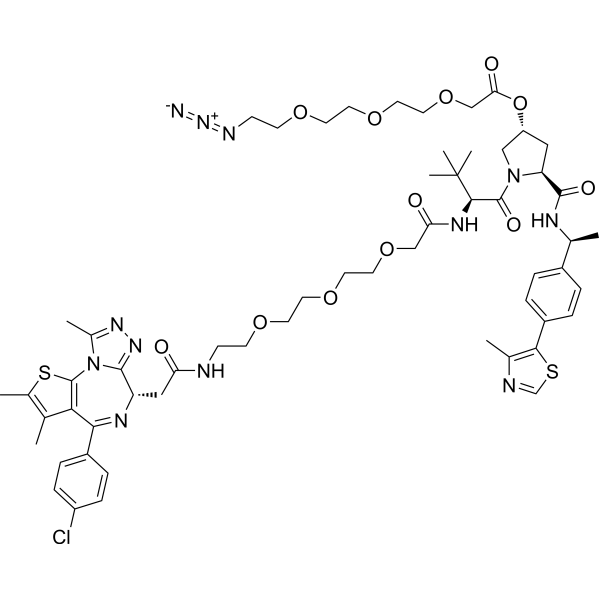 0 ImagesPROTAC BRD4 Degrader-5-CO-PEG3-N3 is a PROTAC-linker Conjugate for PAC, comprises the BRD4 degrader (MZ 1 (HY-107425) analog) and PEG-based linker. PROTAC BRD4 Degrader-5-CO-PEG3-N3 is a click chemistry reagent, it contains an Azide group and can undergo copper-catalyzed azide-alkyne cycloaddition reaction (CuAAc) with molecules containing Alkyne groups. It can also undergo strain-promoted alkyne-azide cycloaddition (SPAAC) reactions with molecules containing DBCO or BCN groups. PROTAC BRD4 Degrader-5-CO-PEG3-N3 can be used for the research of HER2-positive breast cancer.
-
4-Chloro-N-methylpicolinamide
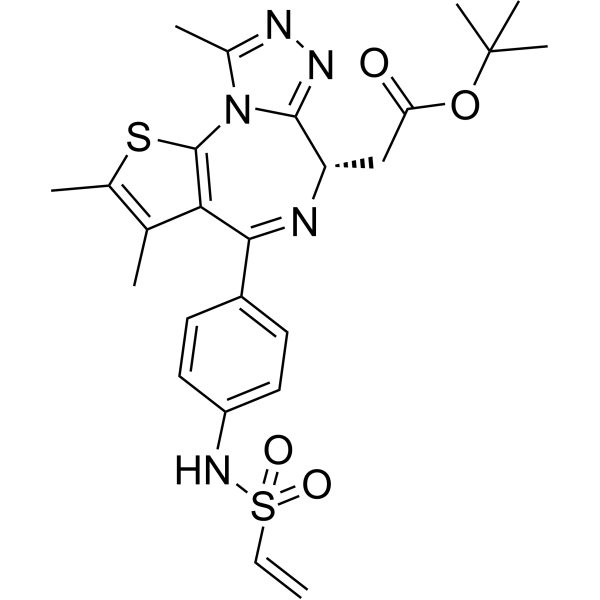
 0 Images4-Chloro-N-methylpicolinamide (Compound 3) is a BAZ2A bromodomain inhibitor with a Kd of >500 μM. 4-Chloro-N-methylpicolinamide forms a weak hydrogen bond with the carbonyl oxygen of Pro1817. 4-Chloro-N-methylpicolinamide can be used in the research of invasive prostate cancer.
-
Curcumin-d6
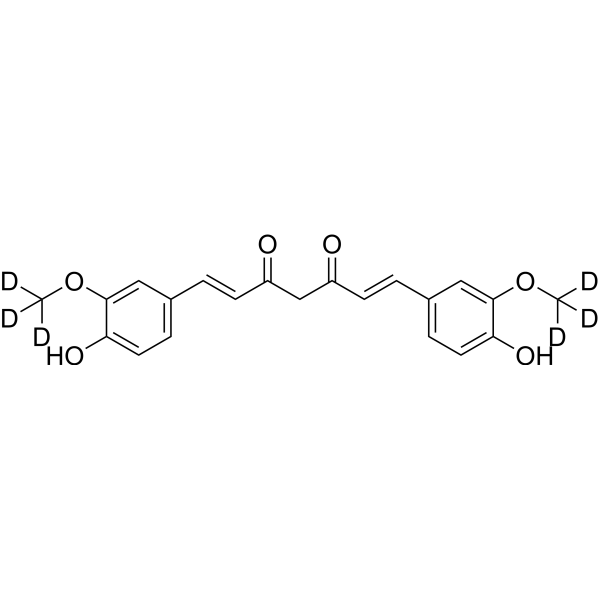 0 ImagesSynonyms: Diferuloylmethane-d6; Natural Yellow 3-d6; Turmeric yellow-d6Curcumin-d6 (Diferuloylmethane-d6 ) is deuterium labeled Curcumin (HY-N0005). Curcumin (Diferuloylmethane), a natural phenolic compound, is a p300/CREB-binding protein-specific inhibitor of acetyltransferase, represses the acetylation of histone/nonhistone proteins and histone acetyltransferase-dependent chromatin transcription. Curcumin is a photosensitizer against microorganisms. Curcumin shows inhibitory effects on NF-κB and MAPKs, and has diverse pharmacologic effects including anti-inflammatory, antioxidant, antiproliferative and antiangiogenic activities. Curcumin induces stabilization of Nrf2 protein through Keap1 cysteine modification.
-
(S)-JQ-35
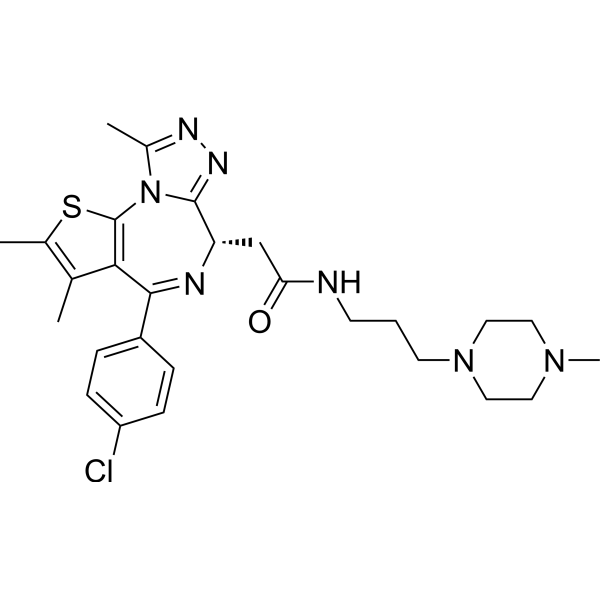 0 ImagesSynonyms: TEN-010(S)-JQ-35 (TEN-010) is an orally active, blood-brain barrier-permeable bromodomain inhibitor that selectively targets the bromodomain and extra-terminal domain (BET) protein family (BRD4, BRD3, BRD2 and BRDT). (S)-JQ-35 blocks the activation of Myc gene expression by BRD4, thereby inhibiting cancer cell proliferation and promoting cancer cell apoptosis. (S)-JQ-35 can be used in research related to NUT midline carcinoma and neuroblastoma.
-
MS31 trihydrochloride
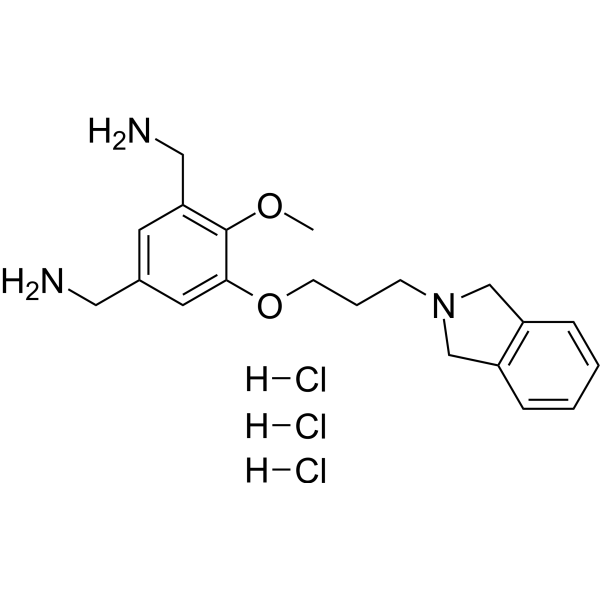 0 ImagesMS31 trihydrochloride is a potent, highly affinity and selective fragment-like methyllysine reader protein spindlin 1 (SPIN1) inhibitor. MS31 trihydrochloride potently inhibits the interactions between SPIN1 and H3K4me3 (IC50=77 nM, AlphaLISA; 243 nM, FP). MS31 trihydrochloride selectively binds Tudor domain II of SPIN1 (Kd=91 nM). MS31 trihydrochloride potently inhibits binding of trimethyllysine-containing peptides to SPIN1, and is not toxic to nontumorigenic cells.

-
dBRD 9-A
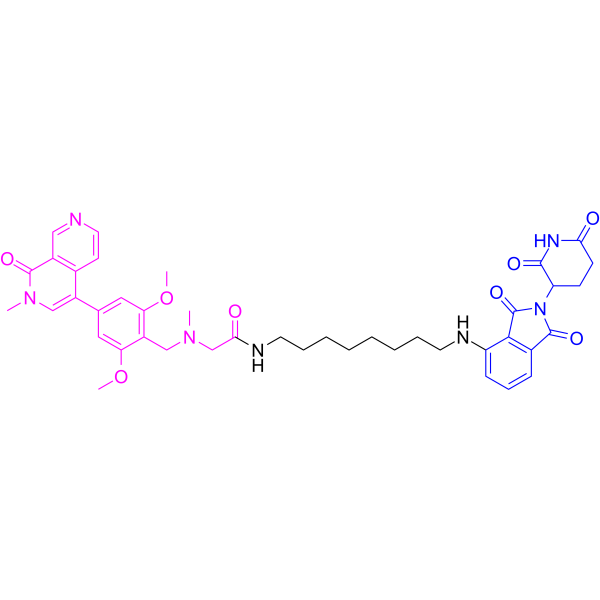 0 ImagesdBRD 9-A is a selective BRD9 PROTAC degrader. dBRD 9-A induces near complete BRD9 degradation dependent on E3 ubiquitin ligase CRBN and BRD9 bromodomain engagement, and drives loss of BRD9 chromatin binding genome-wide. dBRD 9-A downregulates oncogenic SS18-SSX-driven transcriptional programs, super enhancer-associated gene expression, and SS18-SSX1 super enhancer binding, and depletes GBAF complex members GLTSCR1/1L from SS18-SSX complexes. dBRD 9-A induces cell cycle arrest and increases apoptosis in synovial sarcoma cells. dBRD 9-A can be used for the research of synovial sarcoma.
-
DN02
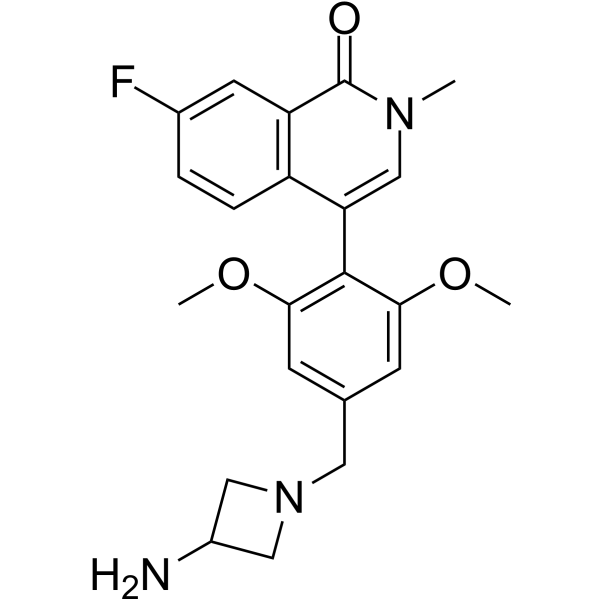 0 ImagesDN02 is a potent, selective BRD8 bromodomain probe. DN02 has exhibits high affinity for the BRD8 (1) (Ki=32 nM), which is 30-fold more affinity than BRD8 (2) (Ki>1000 nM).
-
Phoenixin-20
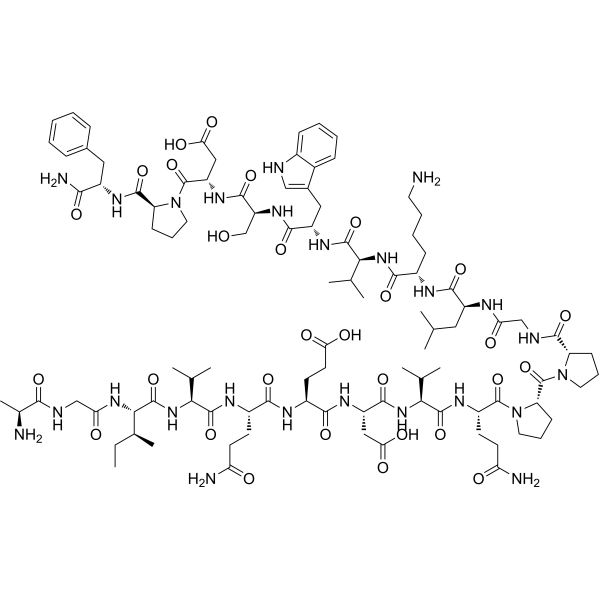 0 ImagesSynonyms: PNX-20Phoenixin-20 (PNX-20) is a bioactive peptide with hormone-like actions in vertebrates, and can stimulates hypothalamo-pituitary-gonadal hormones and regulate reproductive processes in mammals. Phoenixin-20 promotes neuronal mitochondrial biogenesis via CREB-PGC-1α pathway. Phoenixin-20 has anxiolytic effect.
-
XX-650-23
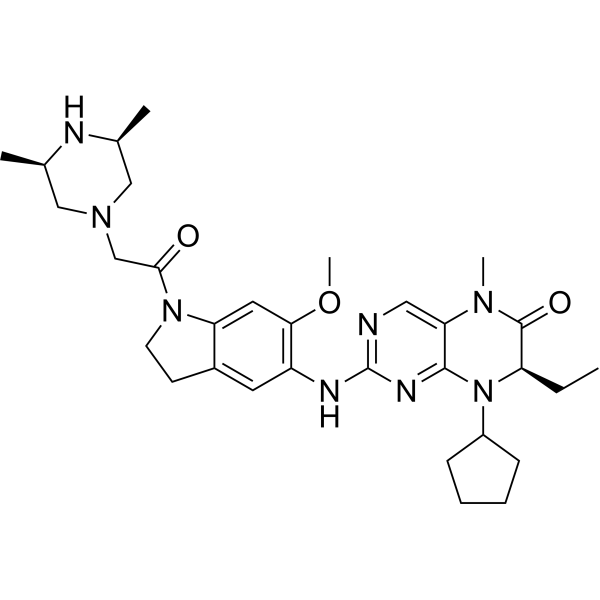
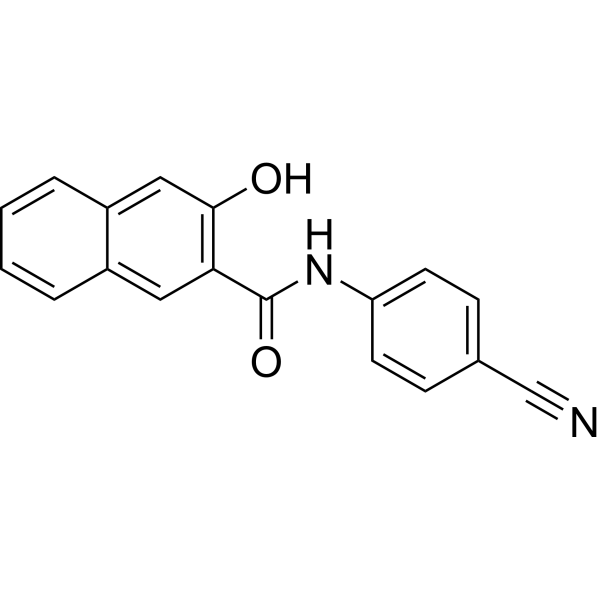 0 ImagesXX-650-23 is a potent CREB inhibitor. XX-650-23inhibits CREB function through disruption of CBP-CREB interaction. XX-650-23 can be used for AML research.
-
(R)-JQ-1 carboxylic acid
 0 Images(R)-JQ-1 carboxylic acid, is an isomer of JQ-1 carboxylic acid (HY-78695). JQ-1 carboxylic acid, a (+)-JQ-1 (HY-13030) derivative, is a potent BET bromodomain inhibitor. JQ-1 carboxylic acid can be used to synthesize PROTAC, which can target the degradation of BRD4.