



Fungal
An antifungal agent is a drug that selectively eliminates fungal pathogens from a host with minimal toxicity to the host.
Classes: 1. Polyene Antifungal Drugs: Amphotericin, nystatin, and pimaricin interact with sterols in the cell membrane (ergosterol in fungi, cholesterol in humans) to form channels through which small molecules leak from the inside of the fungal cell to the outside. 2. Azole Antifungal Drugs: Fluconazole, itraconazole, and ketoconazole inhibit cytochrome P450-dependent enzymes (particularly C14-demethylase) involved in the biosynthesis of ergosterol, which is required for fungal cell membrane structure and function. 3. Allylamine and Morpholine Antifungal Drugs: lylamines (naftifine, terbinafine) inhibit ergosterol biosynthesis at the level of squalene epoxidase. The morpholine drug, amorolfine, inhibits the same pathway at a later step. 4. Antimetabolite Antifungal Drugs: 5-Fluorocytosine acts as an inhibitor of both DNA and RNA synthesis via the intracytoplasmic conversion of 5-fluorocytosine to 5-fluorouracil.
All Product Categories
-
Fungal Related Products (2768)
Related Products (2768)

-
Antibodies (1)
-
Related Compound Screening Libraries (1)
-
Nikkomycin Z
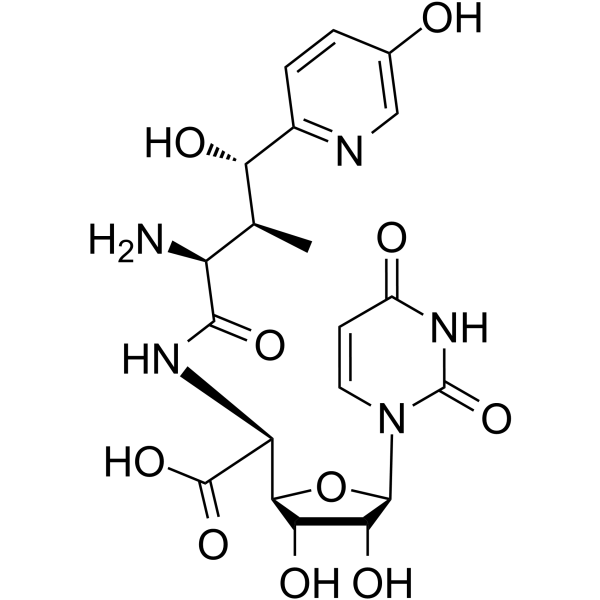 0 ImagesNikkomycin Z is a nucleoside peptide and an orally active antifungal agent. Nikkomycin Z inhibits chitin synthesis by acting as a competitive analogue of the chitin synthase substrate UDP-N-acetylglucosamine. Nikkomycin Z has antifungal activity.
-
Ledol
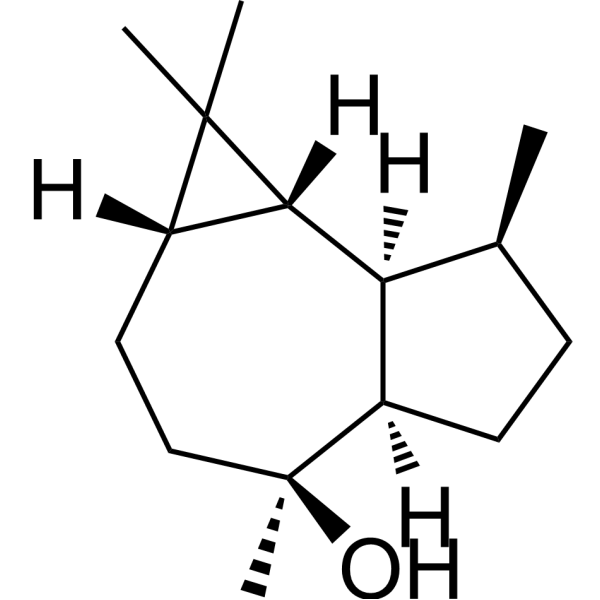 0 ImagesLedol ((+)-Ledol) is an antifungal agent isolated from the volatile oil components of Rhododendron tomentosum. Ledol also acts as an expectorant and antitussive, while it can cause adverse reactions such as dizziness, nausea and vomiting.
-
Naftifine hydrochloride
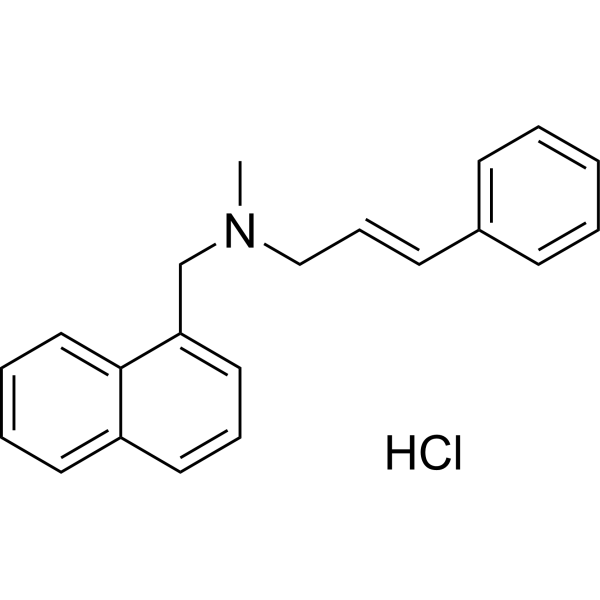 0 ImagesNaftifine hydrochloride is an antibiotic. Naftifine hydrochloride has antifungal activity against dermatophytes, aspergilli, Sporothrix schenckii, and yeasts of the genus Candida. Naftifine hydrochloride can be used for the research of superficial dermatomycoses inhibition.
-
Thiophanate-Methyl
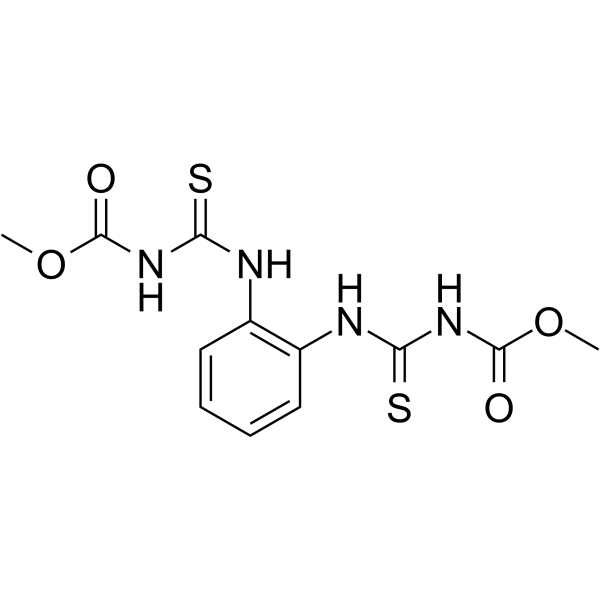 0 ImagesThiophanate-Methyl is a pesticide residue and fungicide. Thiophanate-Methyl induces hepatotoxicity via caspase-3-mediated apoptosis and oxidative stress, thereby causing metabolic imbalance in the liver of zebrafish. Thiophanate-Methyl impairs the rhizobacteria-mediated defense response of cucumber against fusarium wilt.
-
Robinetin
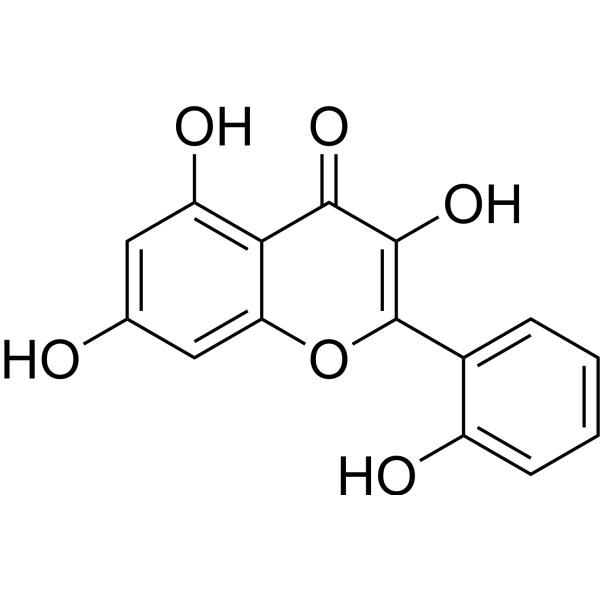
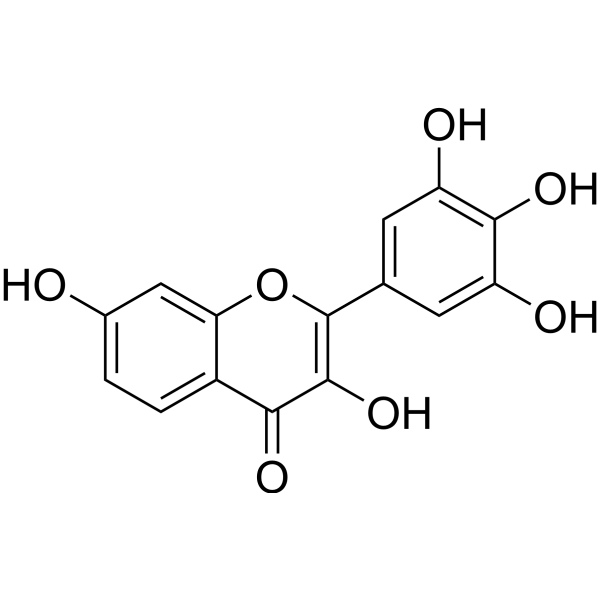 0 ImagesRobinetin (3,3',4',5',7-Pentahydroxyflavone), a naturally occurring flavonoid with remarkable ‘two color’ intrinsic fluorescence properties, has antifungal, antiviral, antibacterial, antimutagenesis, and antioxidant activity. Robinetin also can inhibit lipid peroxidation and protein glycosylation.
-
Mycophenolic acid-d3
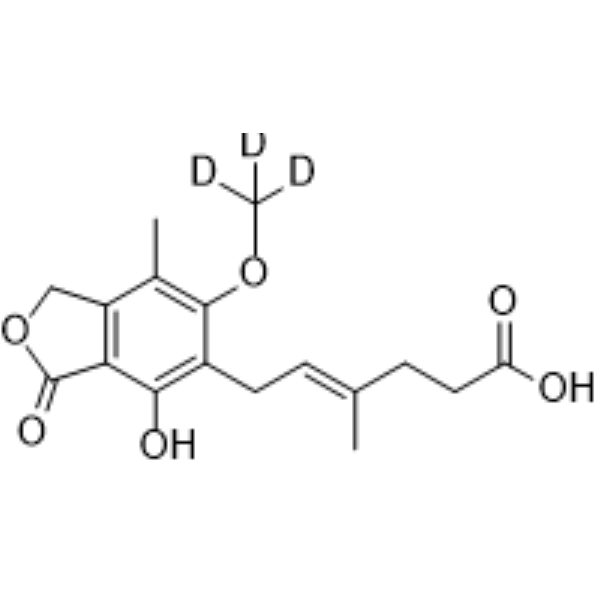 0 ImagesSynonyms: Mycophenolate-d3Mycophenolic acid-d3 (Mycophenolate-d3) is deuterium labeled Mycophenolic acid (HY-B0421). Mycophenolic acid is a potent uncompetitive inosine monophosphate dehydrogenase (IMPDH) inhibitor with an EC50 of 0.24 μM. Mycophenolic acid demonstrates antiviral effects against a wide range of RNA viruses including influenza. Mycophenolic acid is an immunosuppressive agent. Antiangiogenic and antitumor effects.
-
Miconazole nitrate
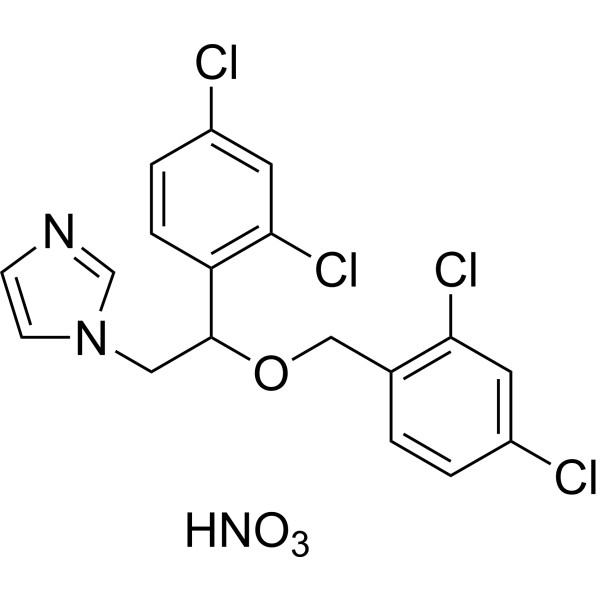 0 ImagesSynonyms: R18134 nitrateMiconazole nitrate (R18134 nitrate) is an imidazole antifungal agent that can pass through the blood-brain barrier. Miconazole nitrate also has antibacterial effects.
-
Fluazinam
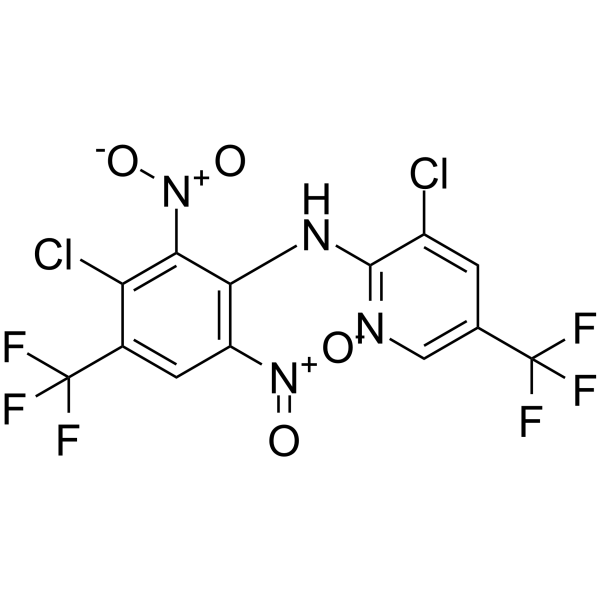 0 ImagesFluazinam is an orally active dinitroaniline fungicide. Fluazinam induces phosphorylation of JNK, activates p38 pathway, decreases Bcl-2, activates caspase-3, decreases complex I activity, increases Autophagy and Apoptosis. Fluazinam has strong antifungal activity against F. fujikuroi and B. maydis. Fluazinam has a negative impact on Brachydanio rerio and worker bees.
-
Lagosin
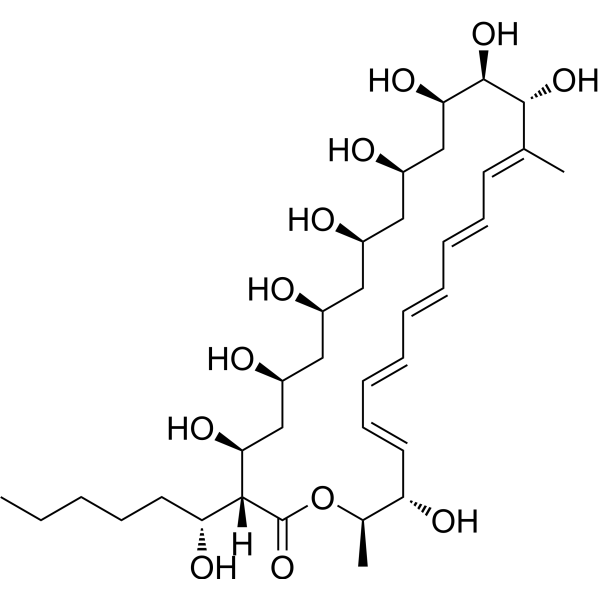 0 ImagesLagosin (Fungichromin) is a polyene macrolide antibiotic. Lagosin has demonstrated broad-spectrum antifungal activity and is impervious to agent resistance.
-
Sorbic acid
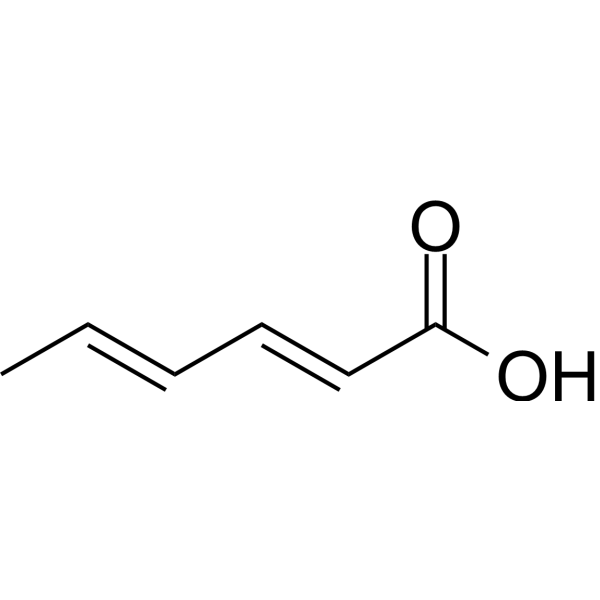 0 ImagesSorbic acid is an antibacterial preservative effective against most molds, yeasts, and some bacterial species. Sorbic acid inhibits microbial growth. Sorbic acid suppresses the activity of intestinal microorganisms in zebrafish, alters the composition of intestinal flora, and reduces the levels of intestinal immune biomarkers, including IgG, IL-1β, and TNF-α. Sorbic acid can be used in research on the prevention and treatment of mold, yeast, and bacterial infections.
-
Petroselinic acid
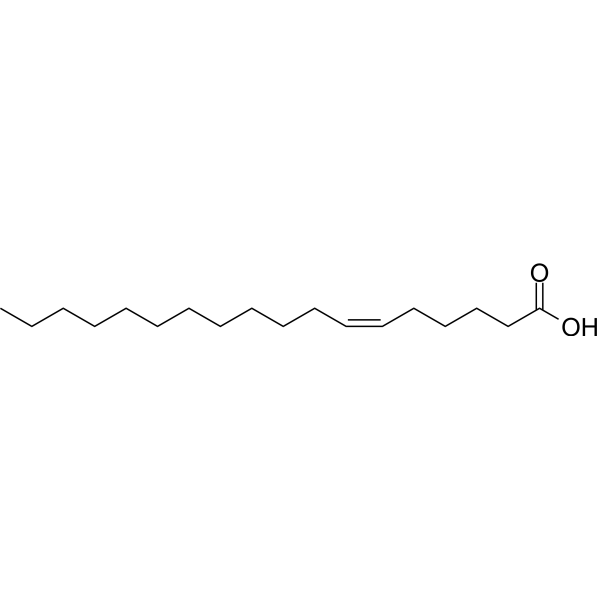 0 ImagesPetroselinic acid, a positional isomer of oleic acid, is isolated from the vegetable oil of Coriandrum sativum fruits. Petroselinic acid is used as substrate for sophorolipid fermentation. Petroselinic acid inhibits the biofilm formation in microorganisms, exhibits antibacterial and antifungal activities. Petroselinic acid is orally active[4.
-
Trigonelline-d3 chloride
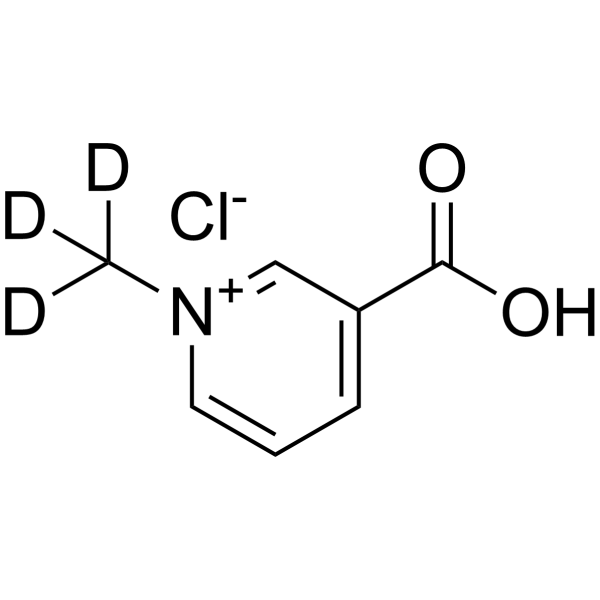 0 ImagesCat. No.: HY-N0415SPurity: 99.9%Synonyms: Trigonelline-d3 hydrochlorideTrigonelline-d3 (chloride) is the deuterium labeled Trigonelline chloride. Trigonelline chloride, an alkaloid with potential antidiabetic activity, is present in considerable amounts in coffee. Trigonelline chloride has anti-HSV-1 , antibacterial, and antifungal activities.
-
Acriflavine hydrochloride
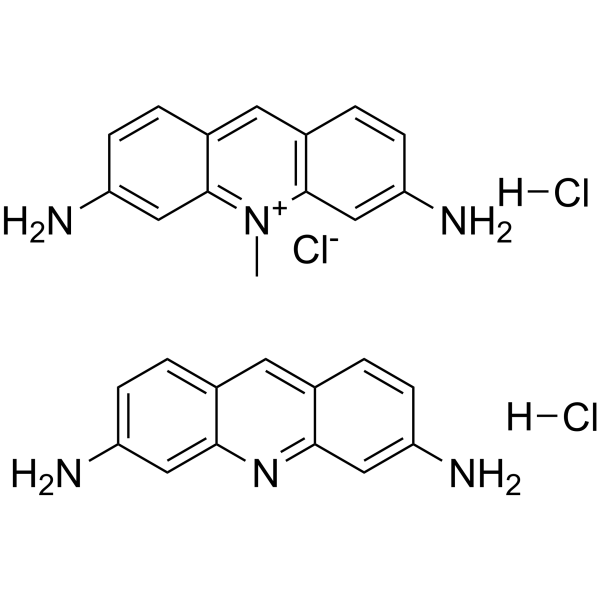 0 ImagesSynonyms: Acriflavinium chloride hydrochlorideAcriflavine (Acriflavinium chloride) hydrochloride is a fluorescent acridine dye that can be used to label nucleic acid. Acriflavine hydrochloride is an antiseptic agent. Acriflavine hydrochloride is a potent HIF-1 inhibitor that prevents the dimerization of HIF-1α and HIF-1β subunits. Acriflavine hydrochloride inhibits the interaction between monocarboxylate transporter 4 (MCT4) and Basigin. Acriflavine hydrochloride is used in cancer research, such as breast cancer, brain tumor and chronic myeloid leukemia. Acriflavine hydrochloride is a potent papain-like protease (PLpro) inhibitor, which inhibits SARS-CoV-2.
-
Oenothein B
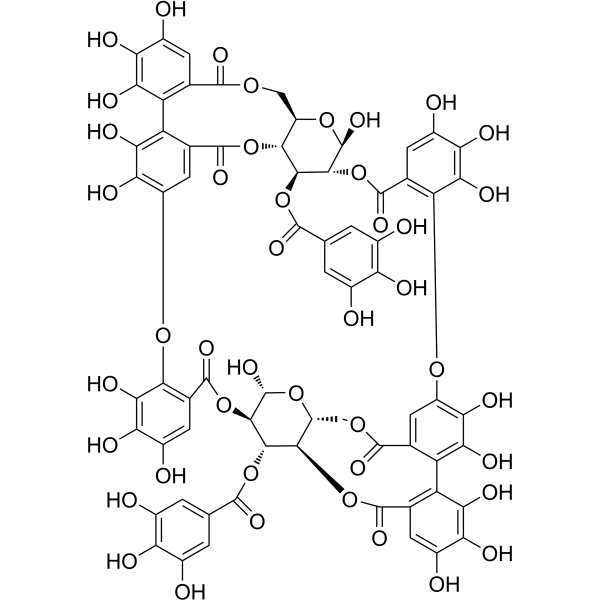 0 ImagesCat. No.: HY-N7765CAS No.: 104987-36-2Oenothein B is a dimeric macrocyclic ellagitannin and has widely pharmacological activities, including antioxidant, anti-inflammatory, antifungal, anti-HCV, and antitumor properties. Oenothein B is a potent and specific inhibitor of poly(ADP-ribose) glycohydrolase.
-
2,4-Di-tert-butylphenol
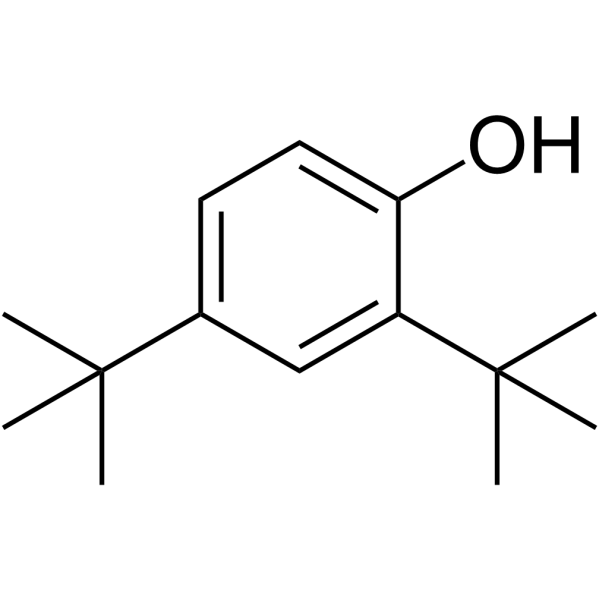 0 ImagesSynonyms: 2,4-DTBP2,4-Di-tert-butylphenol (2,4-DTBP) is an orally active RXRα activator and a human estrogen receptor ligand with anti-inflammatory and antioxidant activities, which can induce apoptosis in tumor cells. 2,4-Di-tert-butylphenol can activate the RXRα subtype in LXRα/RXRα, PPARγ/RXRα, and hormone receptor β/RXRα. 2,4-Di-tert-butylphenol also has antiviral and antifungal activities and has the potential to inhibit Aβ-induced neurotoxicity. 2,4-Di-tert-butylphenol can be used as an intermediate in the preparation of antioxidants and UV stabilizers, and is also used in the manufacture of drugs and fragrances.
-
Triacetin
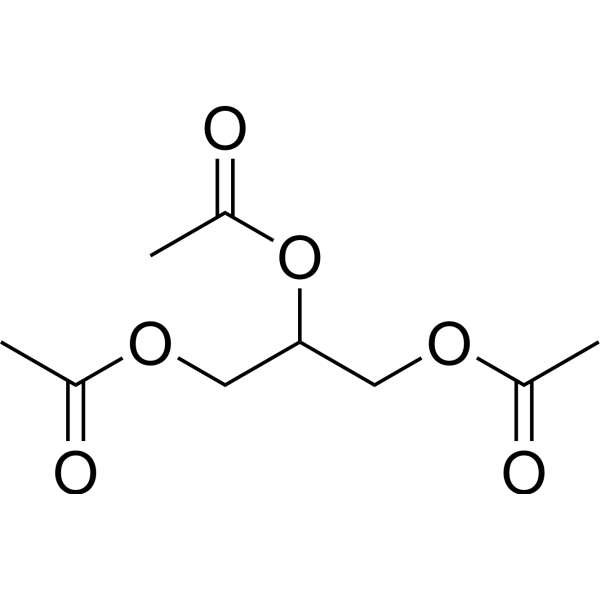 0 ImagesSynonyms: Glyceryl triacetate; 1,2,3-TriacetoxypropaneTriacetin (Glyceryl triacetate) is a synthetic compound that is a triester of glycerol and acetic acid, orally active. Triacetin increases acetate bioavailability in glioma cells. Triacetin induces glioma cell growth arrest and Apoptosis. Triacetin freely crosses the blood brain barrier/plasma membrane. Triacetin increases histone acetylation and enhances Temozolomide (HY-17364) (TMZ) chemotherapeutic efficacy .
-
(2S,4R)-Hydroxy Itraconazole
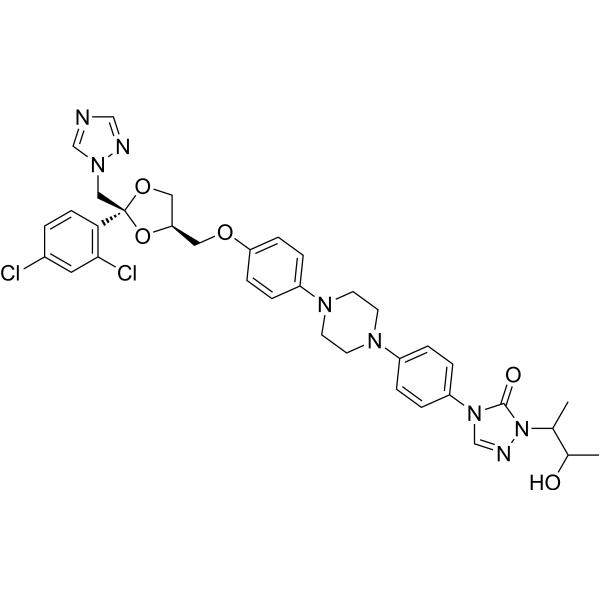 0 ImagesSynonyms: (2S,4R)-R-63373(2S,4R)-Hydroxy Itraconazole ((2S,4R)-R-63373) is an active metabolite of Itraconazole (ITZ), which is a triazole antifungal agent.
-
N-β-alanyldopamine hydrochloride
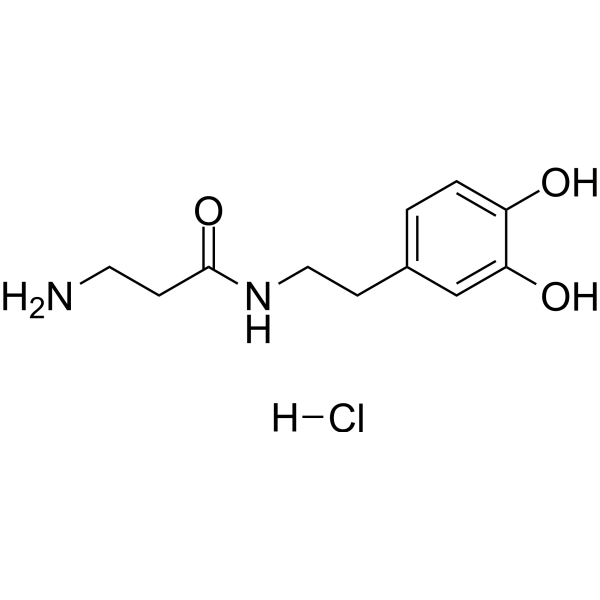 0 ImagesSynonyms: NBAD hydrochlorideN-β-alanyldopamine hydrochloride (NBAD hydrochloride) is a tyrosine metabolite, Antibacterial agent and Antifungal agent. N-β-alanyldopamine hydrochloride exists in the hemolymph and cuticle during pupal cuticle tanning of the tobacco hornworm (Manduca sexta). N-β-alanyldopamine hydrochloride is the preferred substrate for pupal cuticular o-Diphenol oxidase during insect pupal cuticle tanning. N-β-alanyldopamine hydrochloride inhibits the growth of Escherichia coli, Bacillus megaterium and Saccharomyces cerevisiae in vitro. N-β-alanyldopamine hydrochloride can be used in studies related to microbial infections.




